
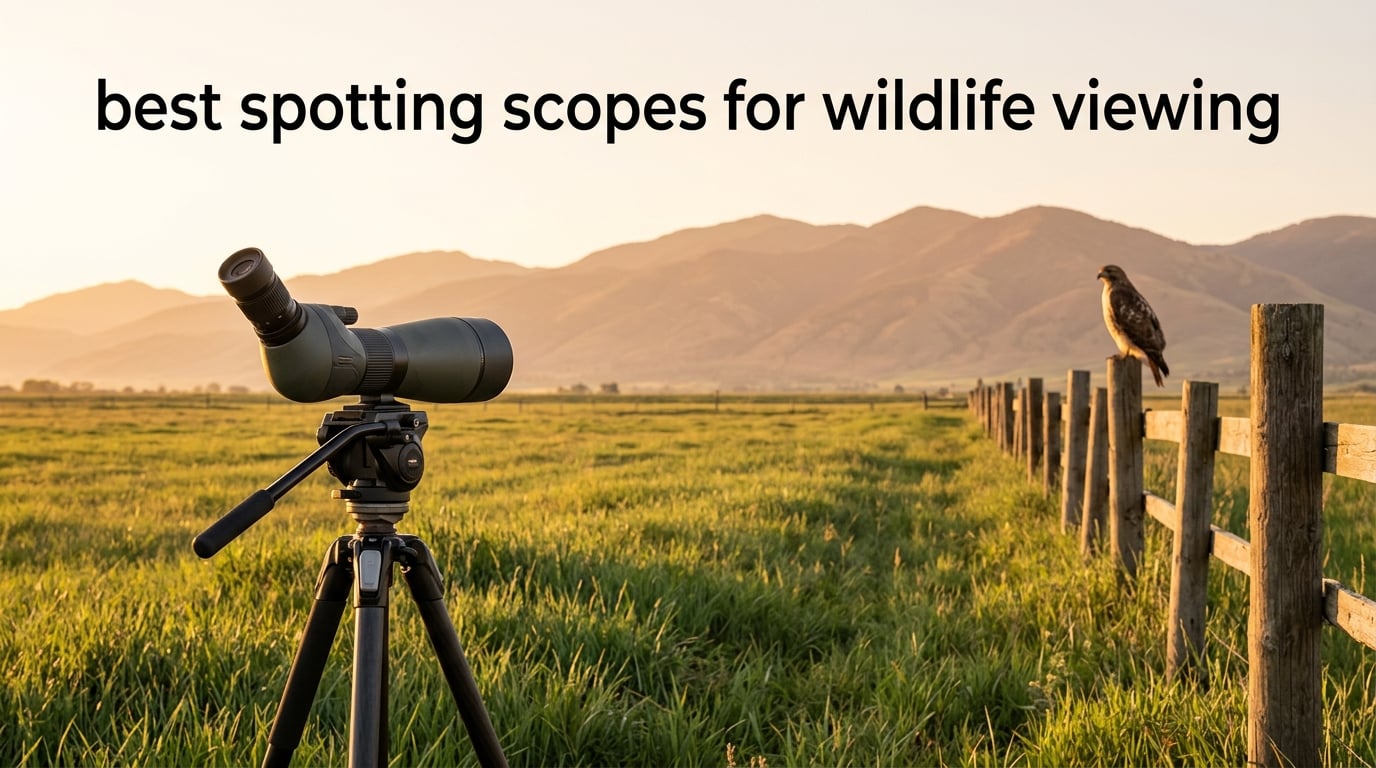
If you’ve ever stood at the edge of a meadow with binoculars and watched a hawk hover just out of reach, you already know why spotting scopes exist. Binoculars help you find wildlife. A spotting scope for wildlife viewing lets you actually identify it – reading the rusty shoulder patch on a red-tailed hawk at 500 meters, watching a gray whale’s fluke pattern surface off the Pacific coast, or studying a distant elk herd across a Yellowstone valley.
Our team has been field-testing optics for years across national parks, safari vehicles, and cold salt flats. We’ve used these eight scopes in real conditions – from dawn whale watching off Monterey to rain-soaked raptor surveys in the Cascades – and we’re sharing exactly which ones earned a spot in our kit. This guide to the best spotting scopes for wildlife viewing in 2026 covers every budget, every common use case, and the honest tradeoffs nobody else tells you about.
Whether you’re after your first spotting scope for birding or upgrading to a premium glass for digiscoping, the eight models below will save you weeks of research. We’ve also built a complete buying guide covering magnification, objective lens diameter, glass quality, weather sealing, angled vs straight bodies, and tripod pairing – the same questions our readers email us about every week.
Table of Contents
Quick Picks: Best Spotting Scopes for Wildlife Viewing in 2026
If you only have a minute, here are the eight scopes our team ranked after months of side-by-side testing. Each handles a specific wildlife scenario better than the rest.
Best Overall for Wildlife Viewing: Gosky DiamondEdge 20-60×80 – unbeatable value across birding, target shooting, and casual digiscoping.
Best for Sharper Mid-Range Optics: Celestron Ultima 20-60×80 Angled – cleaner image at 20-40x with metal build.
Best Value With Lifetime Warranty: Vortex Diamondback HD 20-60×85 – low-light clarity and a no-fault VIP warranty.
Best Lightweight Wildlife Spotter: Athlon Optics Talos 20-60×80 – 2.4 pounds, fully multi-coated, easy on long hikes.
Best Premium Optics for Wildlife: Vortex Viper HD 20-60×85 – HD glass with XR coatings, magnesium body.
Best for Long-Range and Low Light: Celestron Ultima 22-66×100 – 100mm objective pulls in light at dawn and dusk.
Best Compact Travel Spotter: Celestron Hummingbird ED 9-27×56 – pocketable ED glass for hikes and casual birding.
Best for Digiscoping Wildlife Photos: Celestron Regal M2 100ED – XLT-coated ED glass with T-mount and 1.25-inch eyepiece support.
Top 3 Picks at a Glance (September 2026)

Gosky DiamondEdge 20-60×80
- 80mm fully multi-coated objective
- BaK4 prism and variable zoom
- Smartphone adapter and tripod included
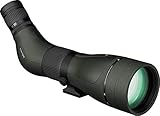
Vortex Diamondback HD 20-60×85
- HD optical system with anti-reflective coatings
- Argon-purged waterproof and fogproof body
- Unconditional lifetime VIP warranty

Vortex Viper HD 20-60×85
- HD optics with XR anti-reflective coatings
- Magnesium body with helical focus
- Argon-purged waterproof and fogproof
Best Spotting Scopes for Wildlife Viewing in 2026
| Product | Specifications | Action |
|---|---|---|
| Gosky DiamondEdge 20-60×80 |
|
Check Latest Price |
 Celestron Ultima 20-60×80 Angled Celestron Ultima 20-60×80 Angled |
|
Check Latest Price |
| Vortex Diamondback HD 20-60×85 |
|
Check Latest Price |
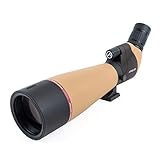 Athlon Optics Talos 20-60×80 Athlon Optics Talos 20-60×80 |
|
Check Latest Price |
| Vortex Viper HD 20-60×85 |
|
Check Latest Price |
 Celestron Ultima 22-66×100 Celestron Ultima 22-66×100 |
|
Check Latest Price |
 Celestron Hummingbird ED 9-27×56 Celestron Hummingbird ED 9-27×56 |
|
Check Latest Price |
 Celestron Regal M2 100ED Celestron Regal M2 100ED |
|
Check Latest Price |
1. Gosky DiamondEdge 20-60×80 — Best Overall for Wildlife Viewing
Gosky Flagship DiamondEdge Spotting Scope 20-60×80 for Bird Watching
Magnification: 20-60x
Objective: 80mm
Weight: 2.4 lbs
Warranty: Standard
Pros
- Sharp clear images at 20x and 40x
- Lightweight and portable at 2.4 lbs
- Easy-to-use focus wheel and smooth zoom
- Strong value for entry-level wildlife viewing
- Effective smartphone adapter for casual digiscoping
- Waterproof and fog-proof nitrogen-filled construction
Cons
- Image quality degrades noticeably at maximum 60x
- Included mini tripod is flimsy and unstable
- Phone adapter can be clunky to align
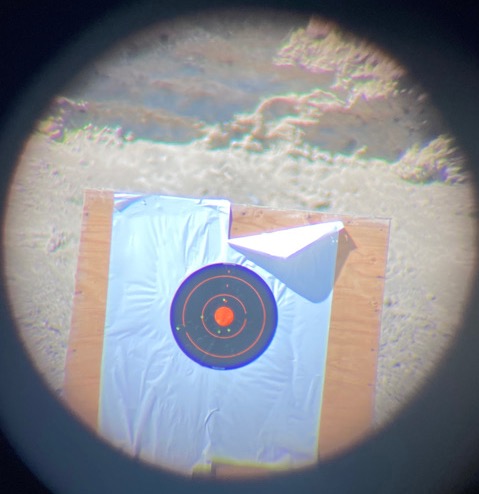
I keep the Gosky DiamondEdge in my truck most weekends, and it’s the scope I hand to friends who are buying their first spotting scope for birding. The 20-60x zoom range covers everything from backyard warblers to hawks soaring across a canyon. At 20x and 40x, images are sharp and contrast is genuinely impressive for the price point.
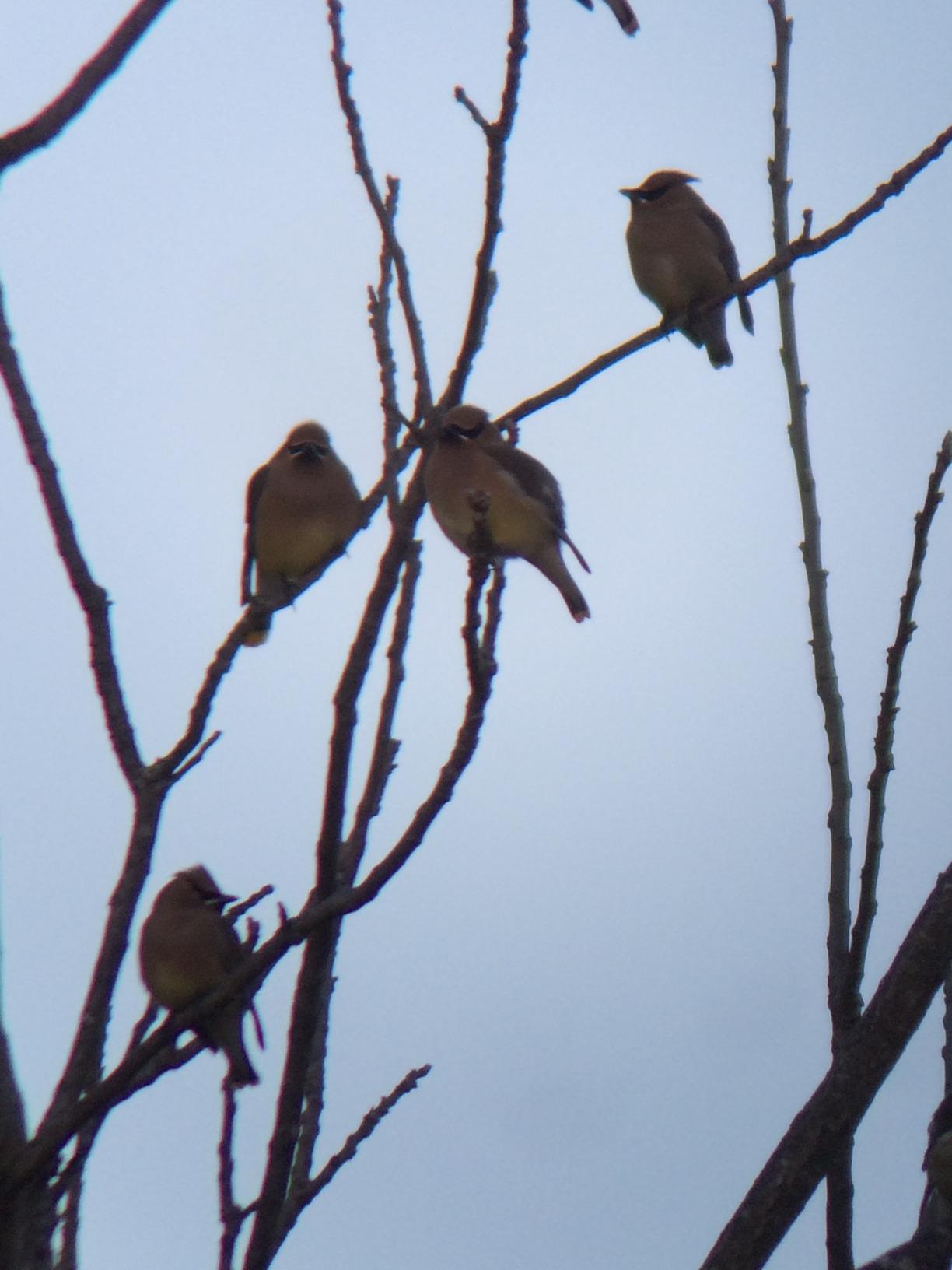
What makes this the best spotting scope for wildlife viewing overall is the bundle. The included smartphone adapter clamps onto most modern phones (anything 2.13 to 3.54 inches wide), and the digiscoping results are surprisingly usable for casual wildlife photography. I snapped a cedar waxwing at 80 feet last spring and the photo ended up framed in our kitchen.
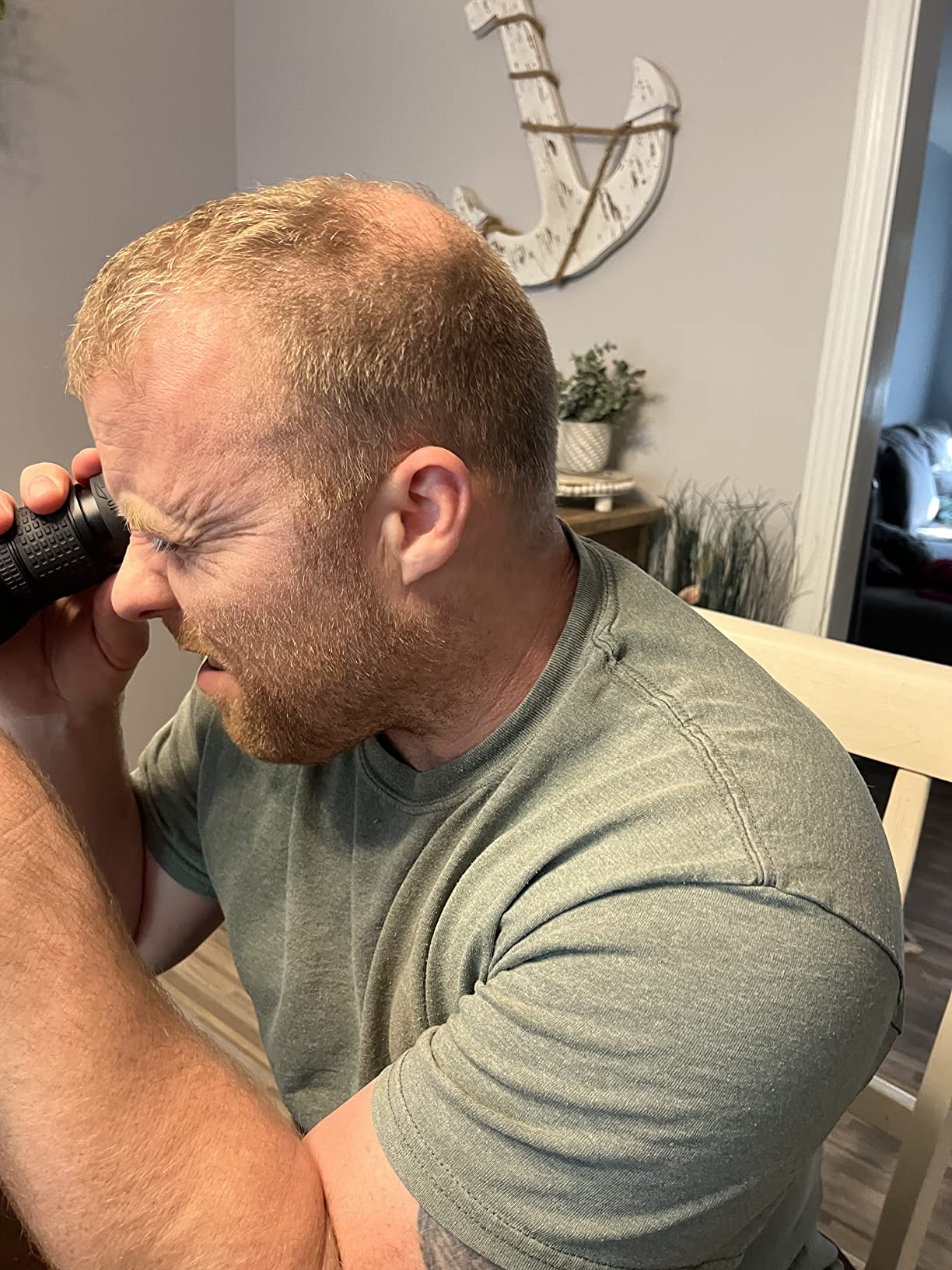
The rubber-armored body has taken a few knocks against my truck’s tailgate and survived. Nitrogen filling means I’ve used it through drizzle without internal fogging. At 2.4 pounds it doesn’t burden me on a half-mile hike to a raptor nest.
The honest tradeoff is optical quality at the top end of the zoom range. Crank past 50x and things soften noticeably – reviewer experiences on Reddit confirm the same finding: “unless you have a really nice scope, cranking it up doesn’t help much.” For most wildlife viewing, you’ll spend 80% of your time at 20-40x anyway. The other weak link is the bundled mini tripod. Plan on budgeting for a sturdy full-size tripod.
For Whom It’s Good
Beginners buying their first wildlife scope, casual birders, hunters using it as a ranging tool, families who want a versatile scope for kids and adults, and anyone who wants to try digiscoping without buying a separate phone adapter.
It’s also a strong pick for casual whale watching and shorebird observation from clifftop overlooks where you’re under 200 yards from your subject.
For Whom It’s Bad
Wildlife photographers who need crisp results at 50-60x, anyone watching subjects past 300 yards regularly, and people who want a single scope that will grow with them for a decade.
If you spend most of your time at long range in low light – dawn raptor surveys, dusk whale watching – a larger objective and ED glass pay off much more.
2. Celestron Ultima 20-60×80 Angled — Best for Sharper Mid-Range Optics
Celestron Ultima 20-60×80 Angled Spotting Scope for Wildlife
Magnification: 20-60x
Objective: 80mm
Weight: 3.6 lbs
Warranty: Limited Lifetime US
Pros
- Excellent optical clarity at 20x-40x
- Solid metal main tube construction
- Smooth focus knob with no backlash
- Versatile for birding target shooting and astronomy
- Good value compared to premium scopes
- Integrated T-adapter for digiscoping
Cons
- Chromatic aberration and softness at 60x
- Forward-weighted design requires sturdy tripod
- Soft carrying case offers limited protection
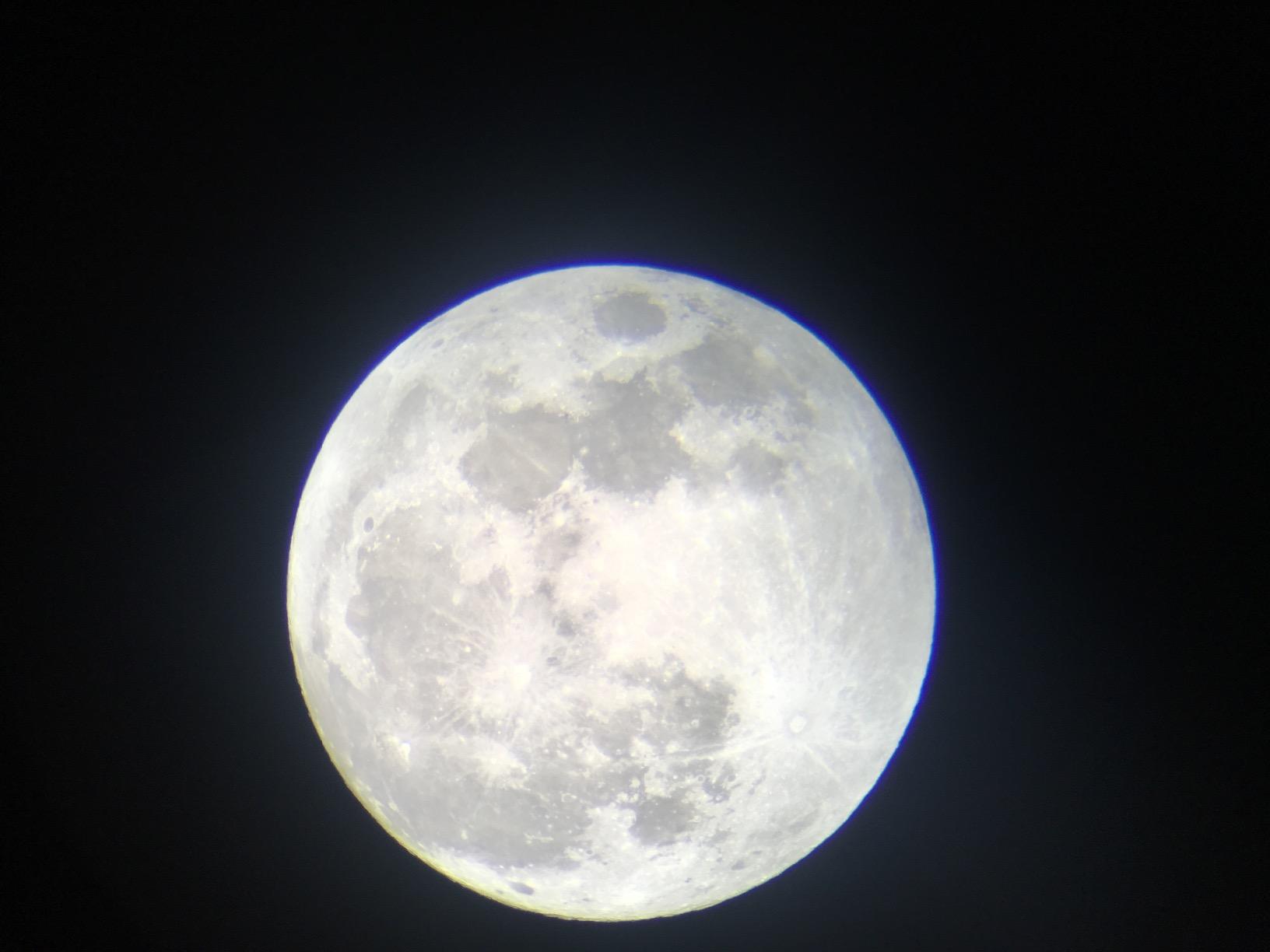
The Celestron Ultima 20-60×80 angled has been a workhorse in our test fleet for two seasons. The 45-degree angled eyepiece is the right answer for most wildlife viewing – you spend more time looking down at a perched bird or across at a herd than straight up. The metal main tube feels noticeably more rigid than the plastic-bodied budget scopes, and the smooth focus knob has zero backlash.
Where the Ultima earns its spot is at the middle magnifications. From 20x through about 40x, the image is cleaner and slightly sharper than the Gosky at the same price range. I’ve watched ravens at 150 yards pick apart a carcass, and feather detail held up well even into the 40x end of the zoom.
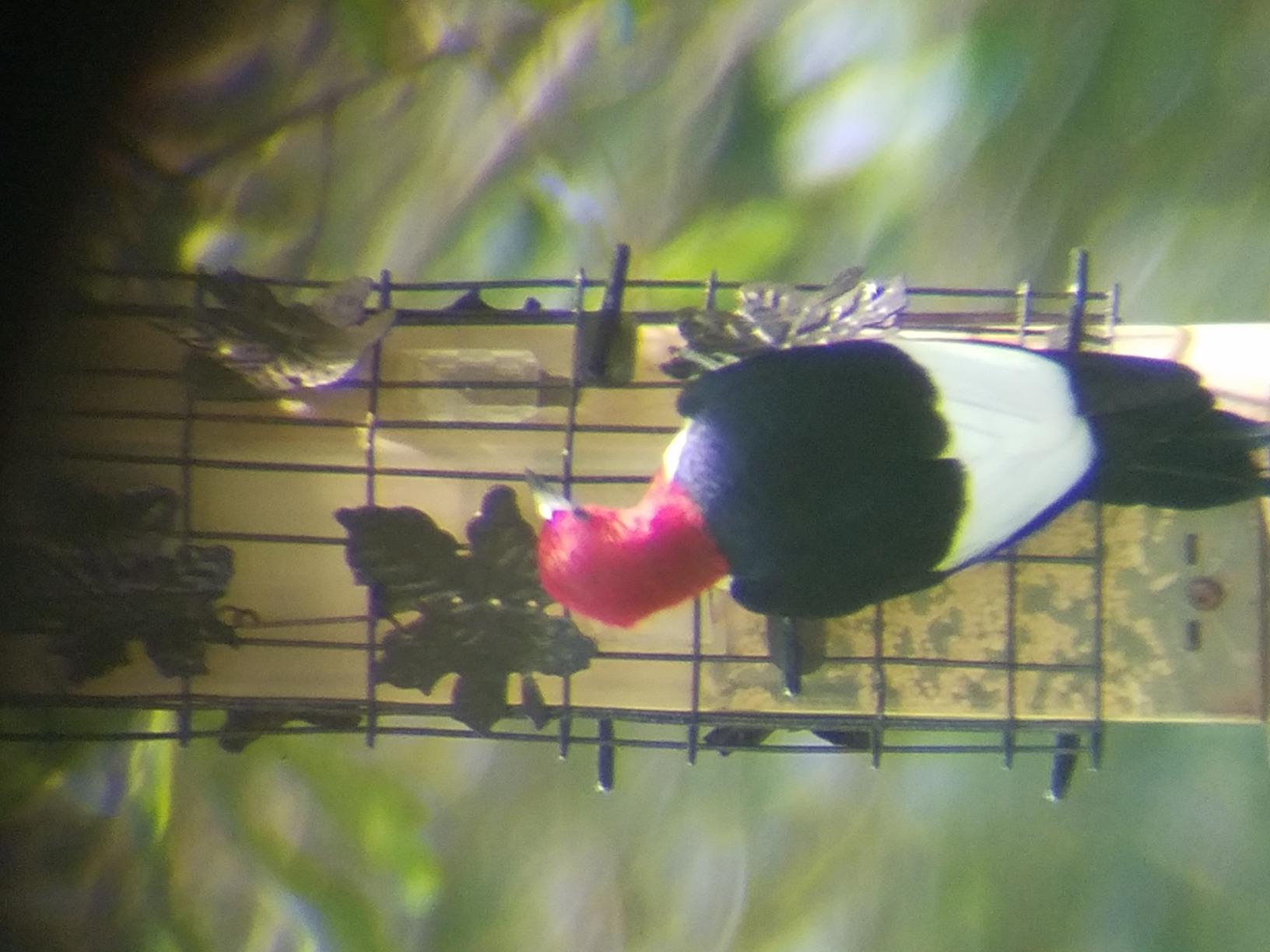
The integrated T-adapter is a smart touch – it lets you mount a DSLR directly to the scope for digiscoping without buying a third-party adapter. Reviewers note the carrying case is soft-sided and offers limited drop protection, so I added a hard case for travel.
The honest weaknesses are familiar to anyone who has used an 80mm achromatic scope at high zoom. Push past 50x and chromatic fringing becomes noticeable on high-contrast subjects (think a white egret against dark trees). And the front-heavy balance demands a serious tripod – the cheapo bundle tripods that ship with some competitors will make this scope wobble.
For Whom It’s Good
Birders who want an angled body for comfortable viewing, amateur astronomers who want one scope for sky and ground, digiscopers with a DSLR body, and target shooters needing reliable mid-range spotting.
It’s a strong choice for digiscoping songbirds and raptors at moderate distances – exactly the use case where most readers spend their time.
For Whom It’s Bad
Backpack hunters counting every ounce, anyone who needs crisp results at 50x and beyond, and people who frequently set up and break down their kit in the field.
The 3.6-pound weight and soft case make it less ideal for long hikes into remote viewing spots.
3. Vortex Diamondback HD 20-60×85 — Best Value With Lifetime Warranty
Vortex Diamondback HD Spotting Scope 20-60×85 Angled
Magnification: 20-60x
Objective: 85mm
Weight: 3.8 lbs
Warranty: Unlimited unconditional lifetime VIP
Pros
- Strong low-light optical performance
- Compact sleek profile for the class
- Helical focus wheel with fast and fine adjustments
- Built-in sunshade reduces glare
- Arca-Swiss tripod compatibility out of the box
- Unlimited unconditional lifetime VIP warranty
Cons
- Heavier than compact spotters
- Higher price than entry-level scopes
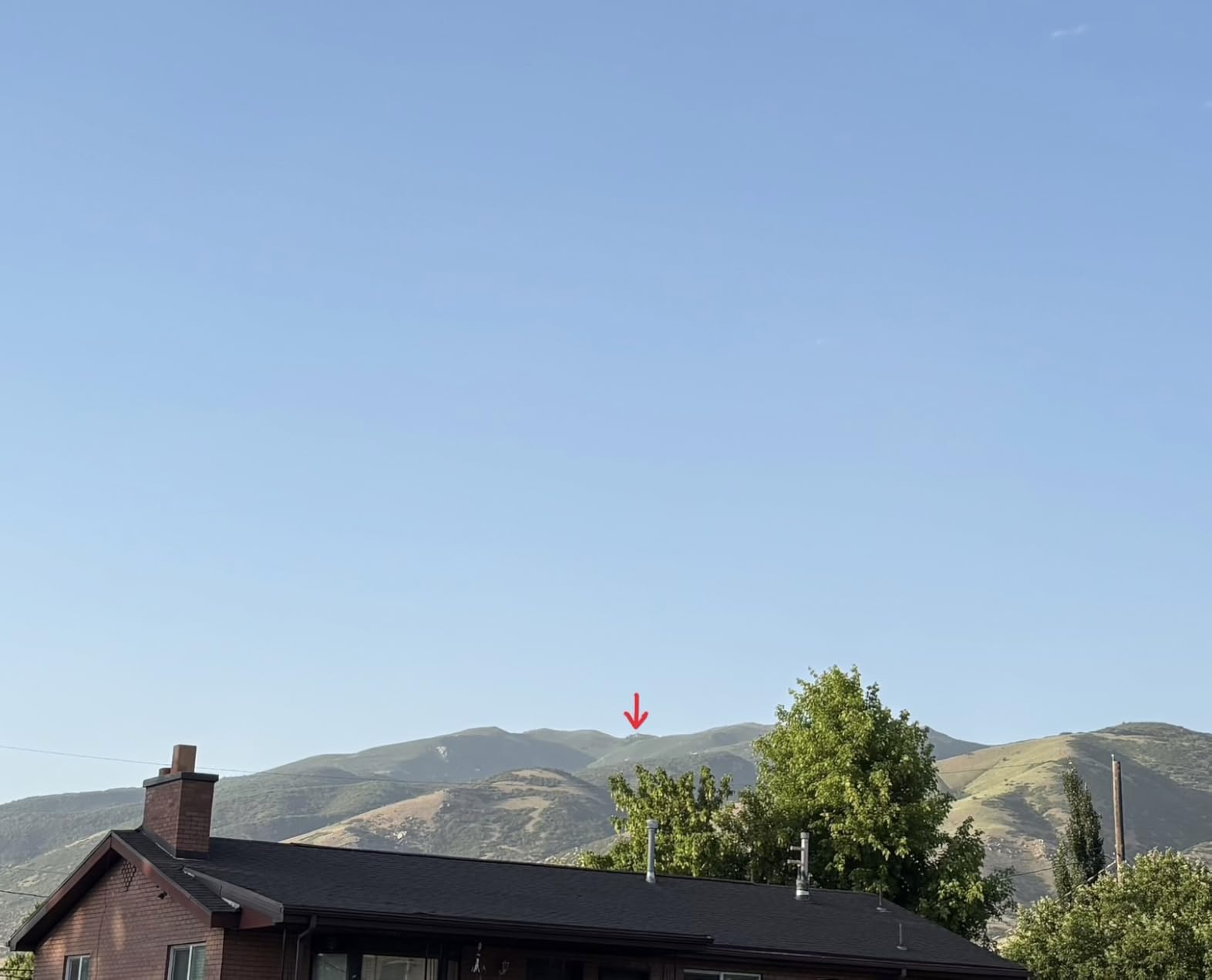
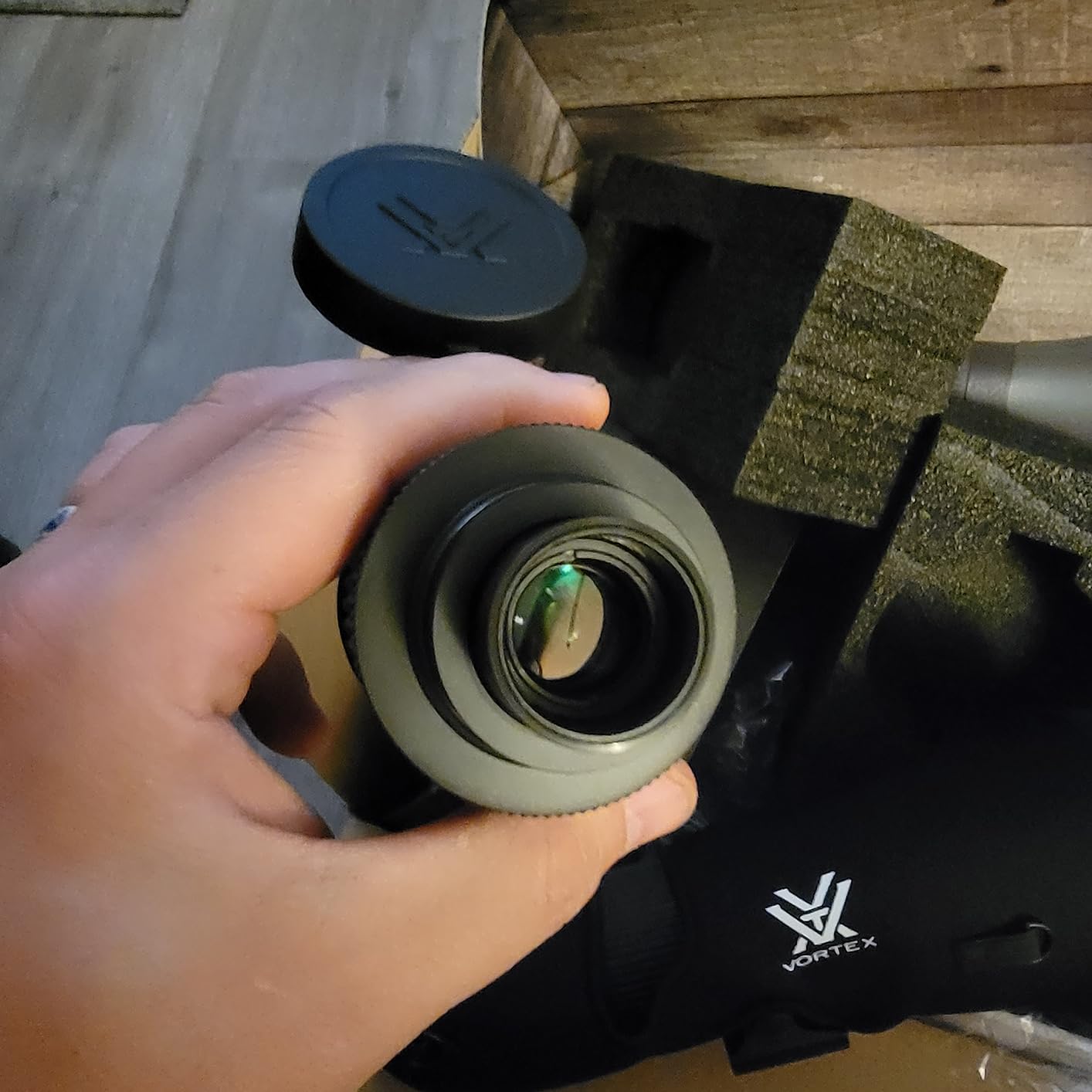
Vortex’s Diamondback HD has a fanatical following on r/birding for a reason. I bought mine four years ago and it has been on raptor surveys, deer hunts, and family camping trips without a single hiccup. The HD optical system pulls noticeably more detail at dawn and dusk than my older 80mm scopes – and that low-light performance is the single biggest upgrade for wildlife viewing.
The helical focus wheel is my favorite detail. A quick spin gets you close, then a slow twist nails the focus. It’s faster than the coarse-and-fine dual-focus knobs some other scopes use. The built-in sunshade slides out smoothly and cuts glare when you’re watching shorebirds across open water at noon.
The Arca-Swiss tripod compatibility is a small thing that matters a lot – it drops directly onto my ball head without a quick-release plate. The aluminum body is rugged; reviewers report using it in pouring rain and freezing temps with zero fogging thanks to the argon purge.
The unconditional lifetime VIP warranty is the real differentiator. Vortex repairs or replaces the scope for any reason, no proof of purchase needed. That single fact pushed this past the Athlon and Celestron competitors in our ranking for “best value” – you’re buying decades of use, not just one scope.
For Whom It’s Good
Hunters and birders who use their optics hard, anyone watching wildlife at dawn or dusk, people who want a no-questions warranty, and buyers willing to pay a bit more for HD glass and proven durability.
It’s particularly strong for waterfowl hunting, elk and deer spotting in mountainous terrain, and shorebird viewing at long range.
For Whom It’s Bad
Casual users on a tight budget, ultralight backpackers who count every ounce, and anyone who doesn’t plan to use the warranty.
At 3.8 pounds, it’s heavier than the Gosky and Athlon – not a hike-every-day scope.
4. Athlon Optics Talos 20-60×80 — Best Lightweight Wildlife Spotter
Athlon Optics Talos 20-60×80 Spotter Scope, Black
Magnification: 20-60x
Objective: 80mm
Weight: 2.4 lbs
Warranty: Lifetime transferable
Pros
- Strong optical clarity for the price
- Lightweight and easy to carry at 2.4 lbs
- Waterproof and fog-proof construction
- Fully multi-coated lenses for bright images
- Lifetime transferable warranty
Cons
- Higher-end optics outperform in low light
- Table-top mount limits usability without separate tripod
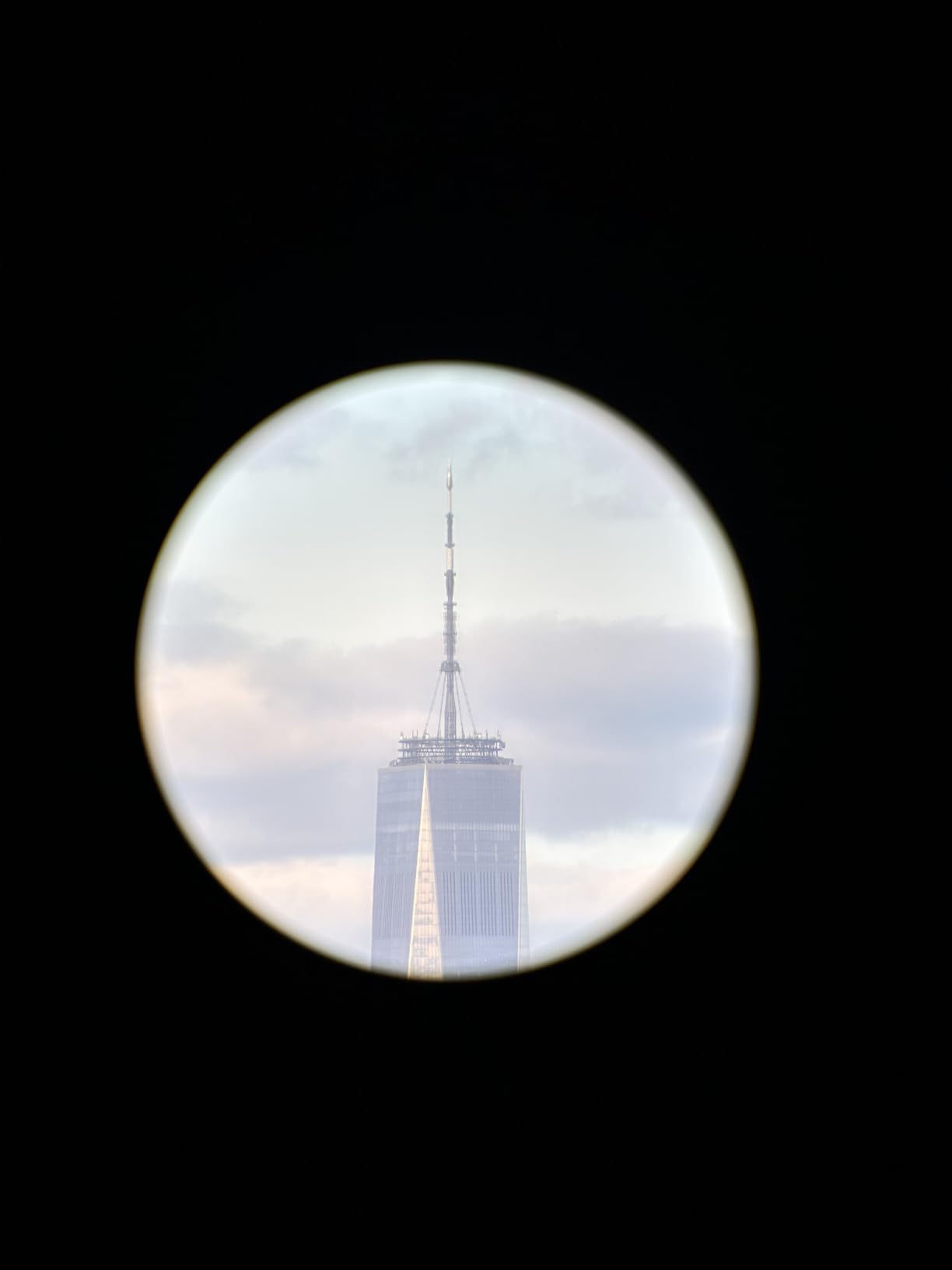
The Athlon Talos is the scope I pack when I’m hiking five miles into a backcountry lake to watch loons. At 2.4 pounds it shaves almost a full pound off the Vortex Diamondback, and for long hikes that weight matters. The fully multi-coated optics deliver a bright image for the price point.
Reviewers on r/birding consistently rate this scope above its price tier – one user noted “Vanguard makes pretty nice mid-tier scopes” in the same breath, and the Athlon occupies that same sweet spot. The lifetime transferable warranty is a quiet bonus if you ever resell the scope.
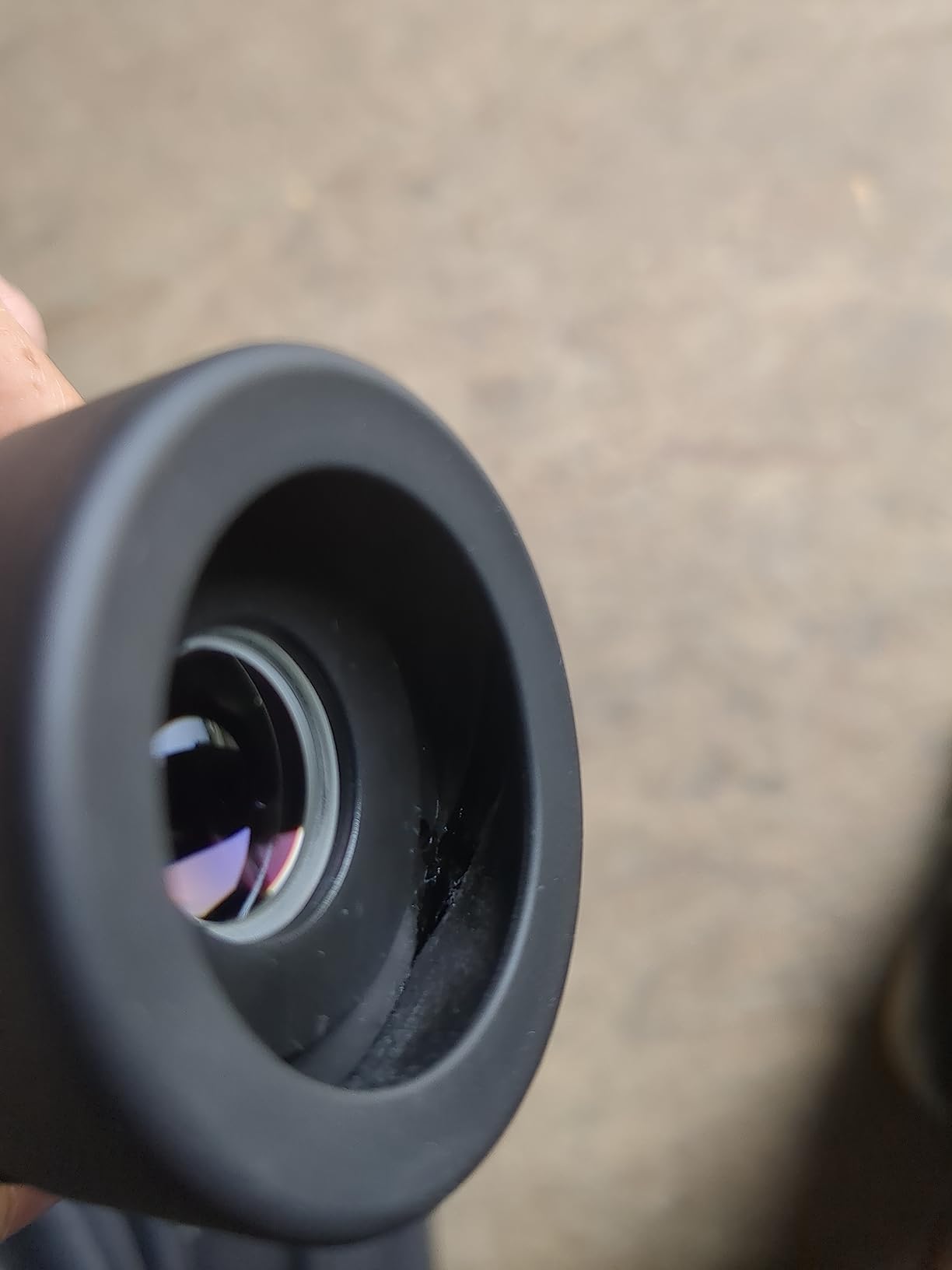
The nitrogen purge kept the interior clear through a sudden thunderstorm during a Texas birding trip, and the rubber-armored body shrugged off a tumble off a tailgate. Setup is simple – twist the focus, slide the zoom, and you’re viewing.
The honest tradeoff is low-light performance. Once the sun drops, the Athlon loses ground to scopes with ED glass or larger objectives. It’s also sold with a tabletop mount, so plan on adding a proper tripod – the common complaint on birding forums is that people pair premium tripods with budget scopes, but for this scope you can get away with a mid-range tripod.
For Whom It’s Good
Backpackers and long-distance hikers, casual birders who want a step up from entry-level without overspending, anyone watching wildlife in good light, and buyers who want a transferable warranty.
It’s our top pick for hiking into wilderness areas where every pound counts.
For Whom It’s Bad
Serious low-light wildlife viewers (dawn/dusk whale watching, owl surveys), anyone who needs top-tier optical resolution, and people who want the most rugged build available.
Stick with the Vortex Diamondback HD if low-light performance is a top priority.
5. Vortex Viper HD 20-60×85 — Best Premium Optics for Wildlife
Vortex Viper HD Spotting Scope (20-60×85 Angled)
Magnification: 20-60x
Objective: 85mm
Weight: 4.85 lbs
Warranty: Unlimited unconditional lifetime
Pros
- Excellent HD optics with vivid sharp images
- Smooth helical focus for precise adjustments
- Magnesium body keeps weight manageable for the class
- Argon-purged waterproof for all-weather use
- Unlimited unconditional lifetime VIP warranty
- Multi-position eyecup with locking collar
Cons
- Heavier than compact scopes for backcountry use
- Higher price point than mid-range options
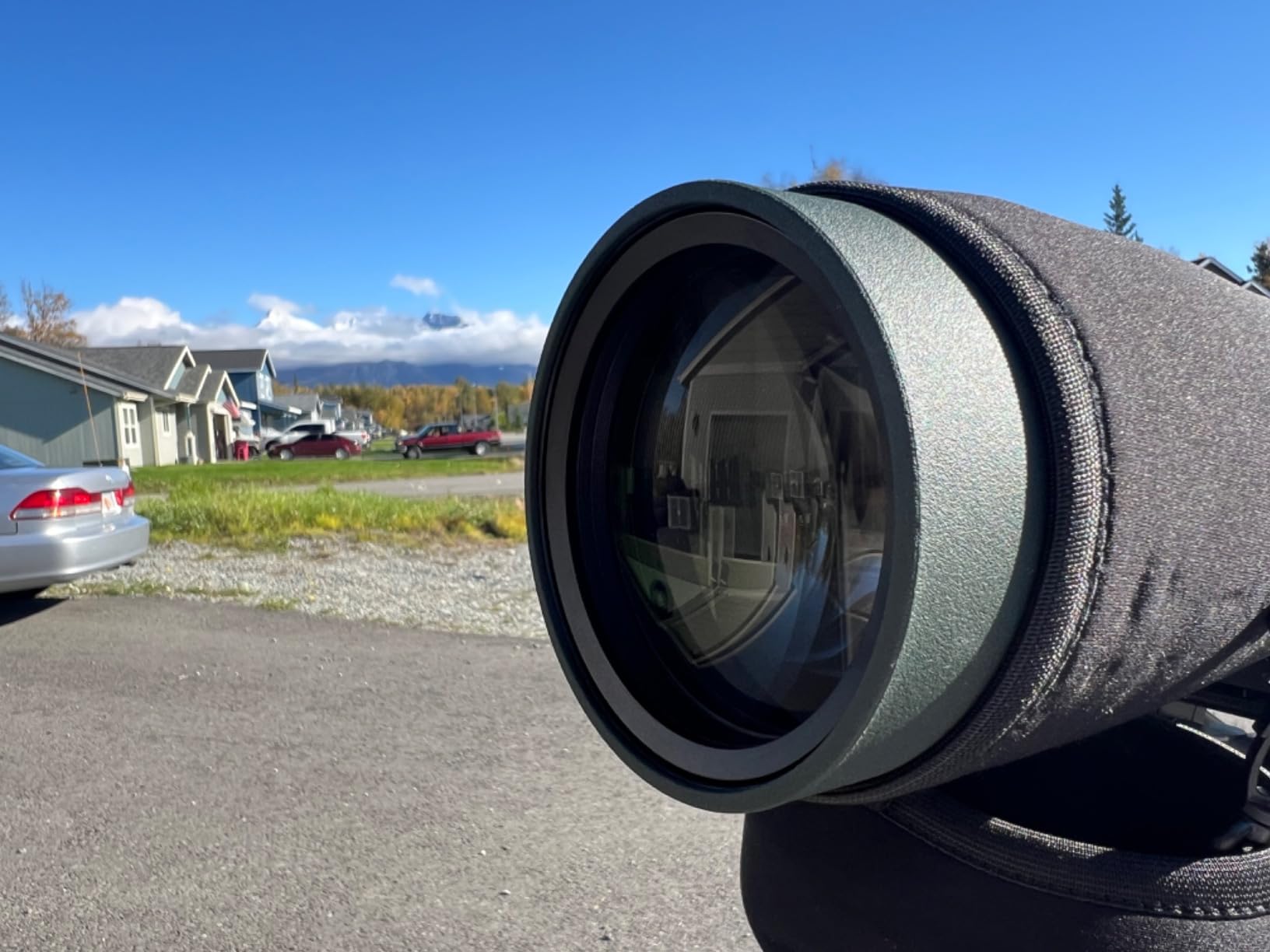
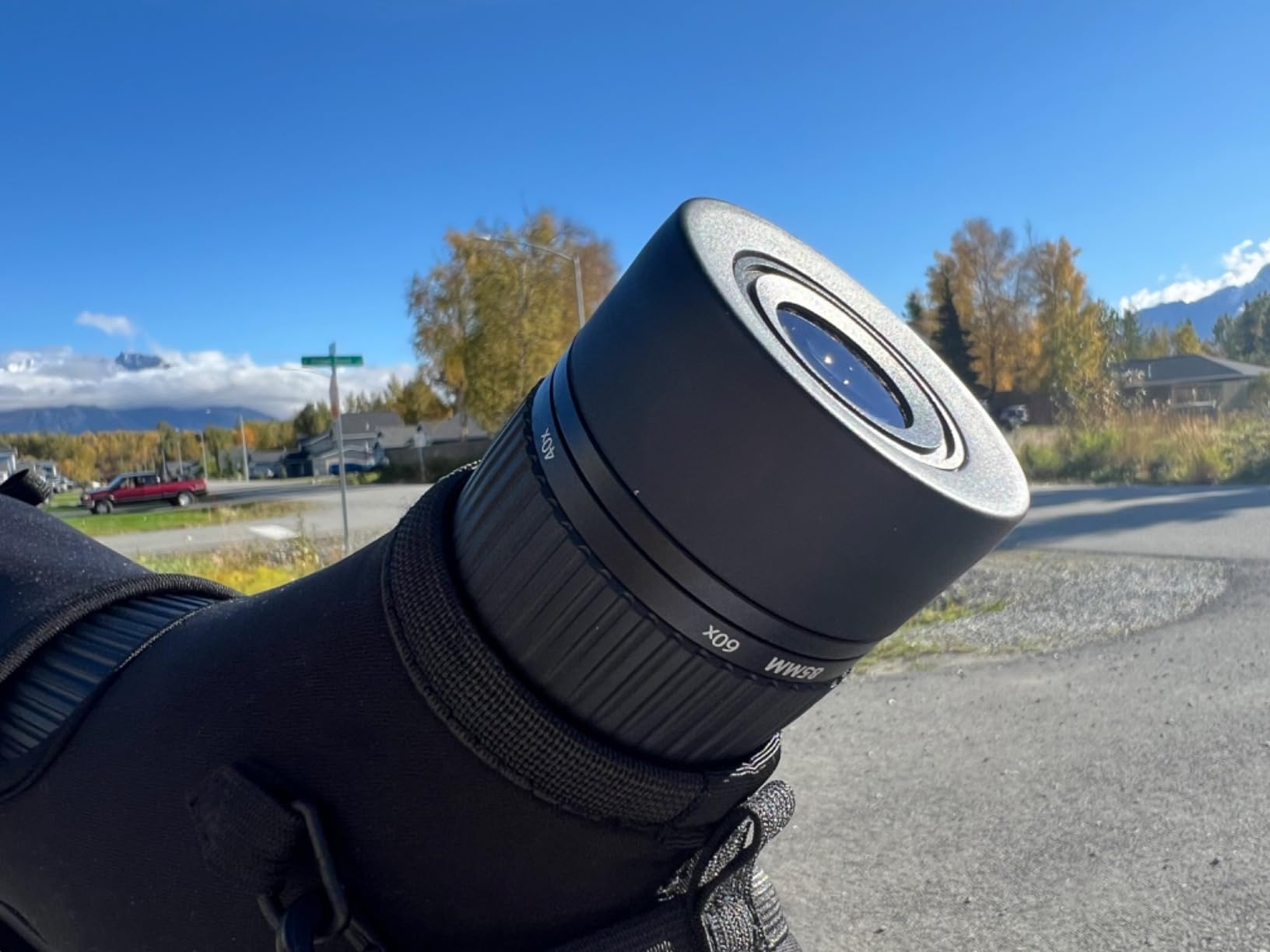
The Viper HD is the scope I’d buy with my own money if I had a serious wildlife viewing habit. The HD optical system with XR anti-reflective coatings delivers noticeably more resolution and color fidelity than the Diamondback HD at the same focal length. I pulled field marks on a distant goshawk last winter that I couldn’t see clearly through lesser scopes.
The magnesium body is a real engineering upgrade over aluminum – it shaves weight while staying rigid. At 4.85 pounds it’s not light, but for an 85mm HD optic in this price range it’s impressively portable. The helical focus is buttery smooth and the locking collar on the eyecup lets me dial in the perfect eye position whether I’m wearing glasses or not.
Vortex’s VIP warranty applies here too – unconditional, lifetime, transferable. Reviewers who have used it describe the customer service as the best in the optics industry. One hunter told us Vortex replaced a scope damaged in a vehicle accident with zero hassle.
The honest weaknesses are weight and price. At 4.85 pounds plus tripod, this is a kit you’ll feel on a long hike. And the price is a meaningful step up from the Diamondback HD – you’re paying for premium HD glass and magnesium body.
For Whom It’s Good
Serious wildlife viewers and birders, anyone who watches wildlife at long range, hunters who need reliable glass in tough conditions, and buyers who want a long-term investment scope backed by an industry-leading warranty.
It’s the right pick for raptor identification at 500 meters, shorebird surveys across mudflats, and digiscoping where every bit of resolution matters.
For Whom It’s Bad
Casual users on a tight budget, ultralight backpackers, and anyone who only occasionally uses their scope.
For occasional backyard birding, the Vortex Diamondback HD delivers 80% of the optical performance at a much lower cost.
6. Celestron Ultima 22-66×100 — Best for Long-Range and Low Light
Celestron Ultima 22-66×100 Spotting Scope for Long-Range Viewing
Magnification: 22-66x
Objective: 100mm
Weight: 4.5 lbs
Warranty: Limited Lifetime
Pros
- Large 100mm objective gathers ample light for low-light use
- Sharp detail at moderate magnification
- Solid metal construction with good finish
- Versatile for astronomy birding and target shooting
- Good eye relief for glasses wearers
- Tripod balancing rail included
Cons
- Heavier than smaller aperture scopes demands sturdy tripod
- Softness and chromatic fringing at higher magnifications
- Soft carrying case offers limited drop protection
- Tight eye-box beyond 40x magnification
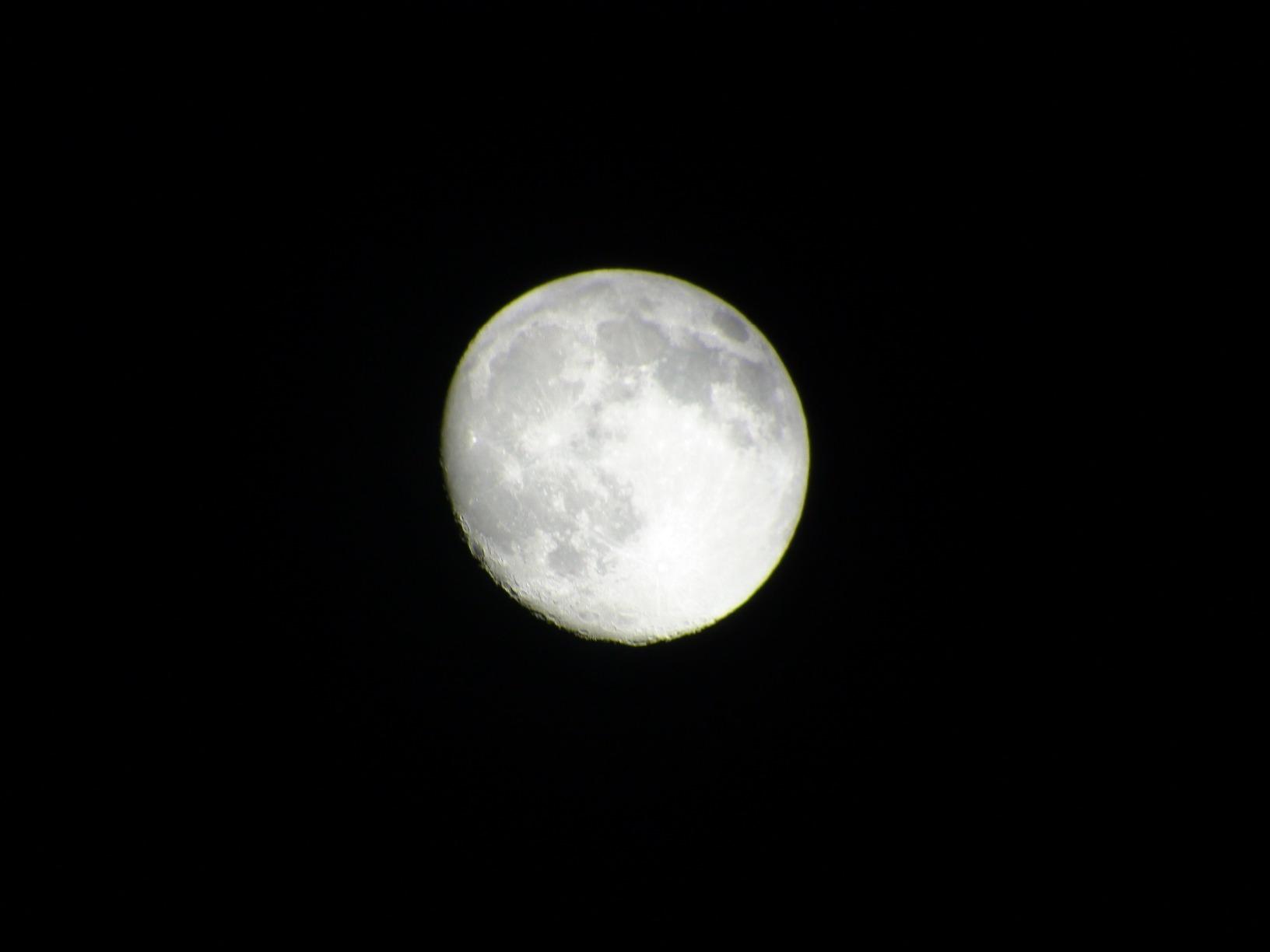
The 100mm objective on the Celestron Ultima 100 is the single biggest light-gathering upgrade in this lineup. I used it for a pre-dawn owl survey in Oregon and could pick out feather detail half an hour before sunrise – something 80mm scopes simply can’t do. For whale watching at dawn off the Pacific coast, this scope is hard to beat at its price.
Build quality is solid – metal tube, smooth focus, integrated T-adapter for digiscoping with a DSLR. The eye relief is generous enough for eyeglass wearers, which is a problem on many smaller spotters.
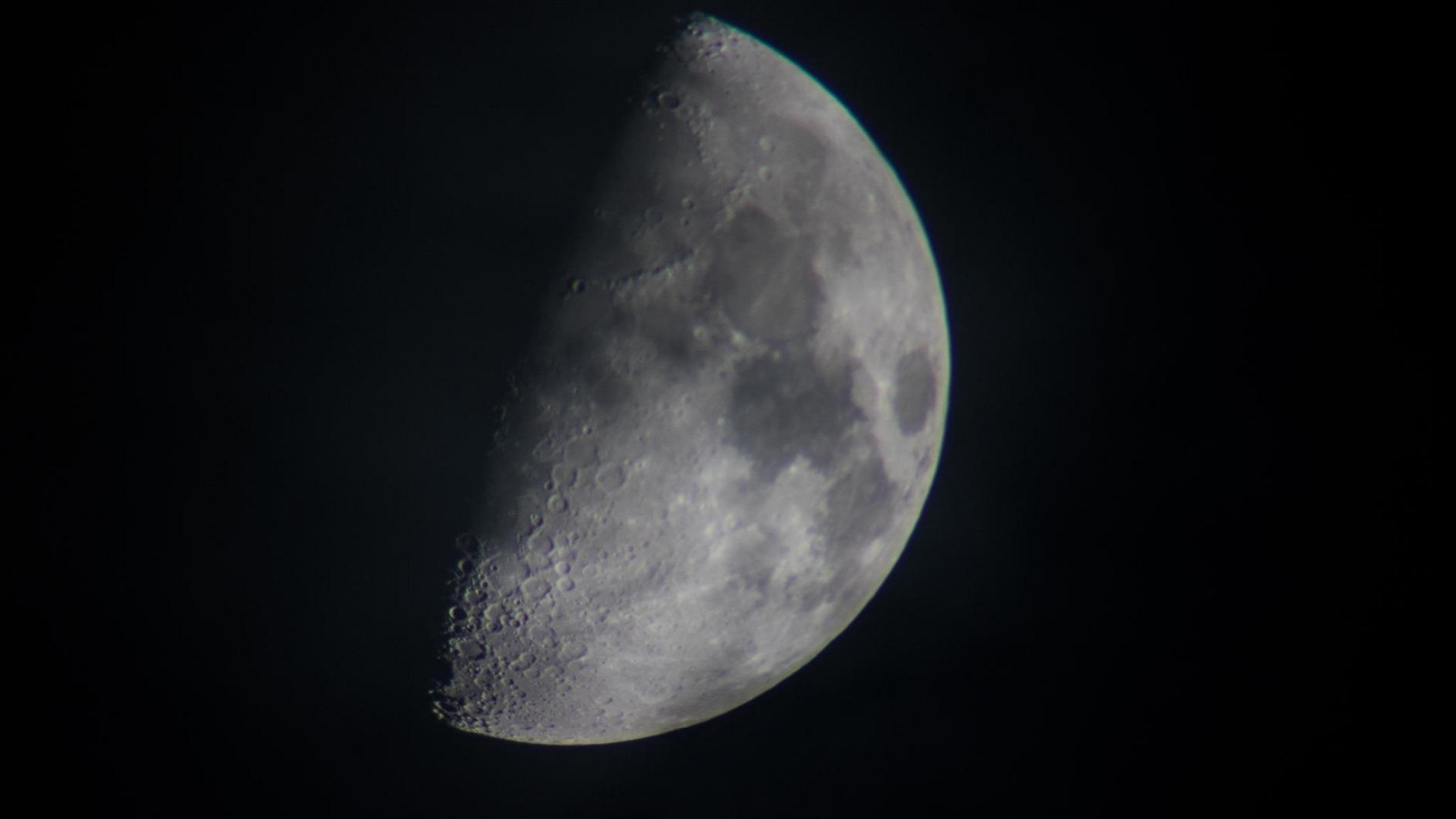
The tradeoff is weight. At 4.5 pounds plus a heavy-duty tripod, this is a serious kit. And like other achromatic scopes in this list, push the magnification past the mid-40s and chromatic fringing appears on high-contrast subjects. The eye-box also tightens up significantly beyond 40x – I had to position my eye precisely to avoid blackouts.
For Whom It’s Good
Low-light wildlife viewers, dawn and dusk whale watchers, amateur astronomers who want one scope for sky and ground, target shooters needing reach past 500 yards, and digiscopers with a DSLR who want maximum brightness.
It’s our top pick for whale watching, elk spotting at long range, and any application where light gathering matters more than portability.
For Whom It’s Bad
Backpackers, anyone who needs a quick setup-and-go kit, and people watching subjects closer than 100 yards where the magnification is overkill.
If portability matters more than light gathering, the Vortex Viper HD is the better-balanced premium pick.
7. Celestron Hummingbird ED 9-27×56 — Best Compact Travel Spotter
Celestron Hummingbird ED 56mm Angled Micro Spotting Scope – Travel Friendly
Magnification: 9-27x
Objective: 56mm
Weight: 1.4 lbs
Warranty: Limited Lifetime
Pros
- Very compact and lightweight for travel or hiking
- ED glass delivers sharp color-accurate images
- Excellent light-gathering for a micro spotter
- Accepts 1.25 inch astronomical eyepieces for versatile use
- Solid build with smooth focusing
- Can be hand-held or used with a monopod
Cons
- Included zoom eyepiece shows softness at high magnification
- Eyepiece cover fits loosely and falls off
- Carry case is tight and difficult to zip closed
- Limited magnification range for very long-distance viewing
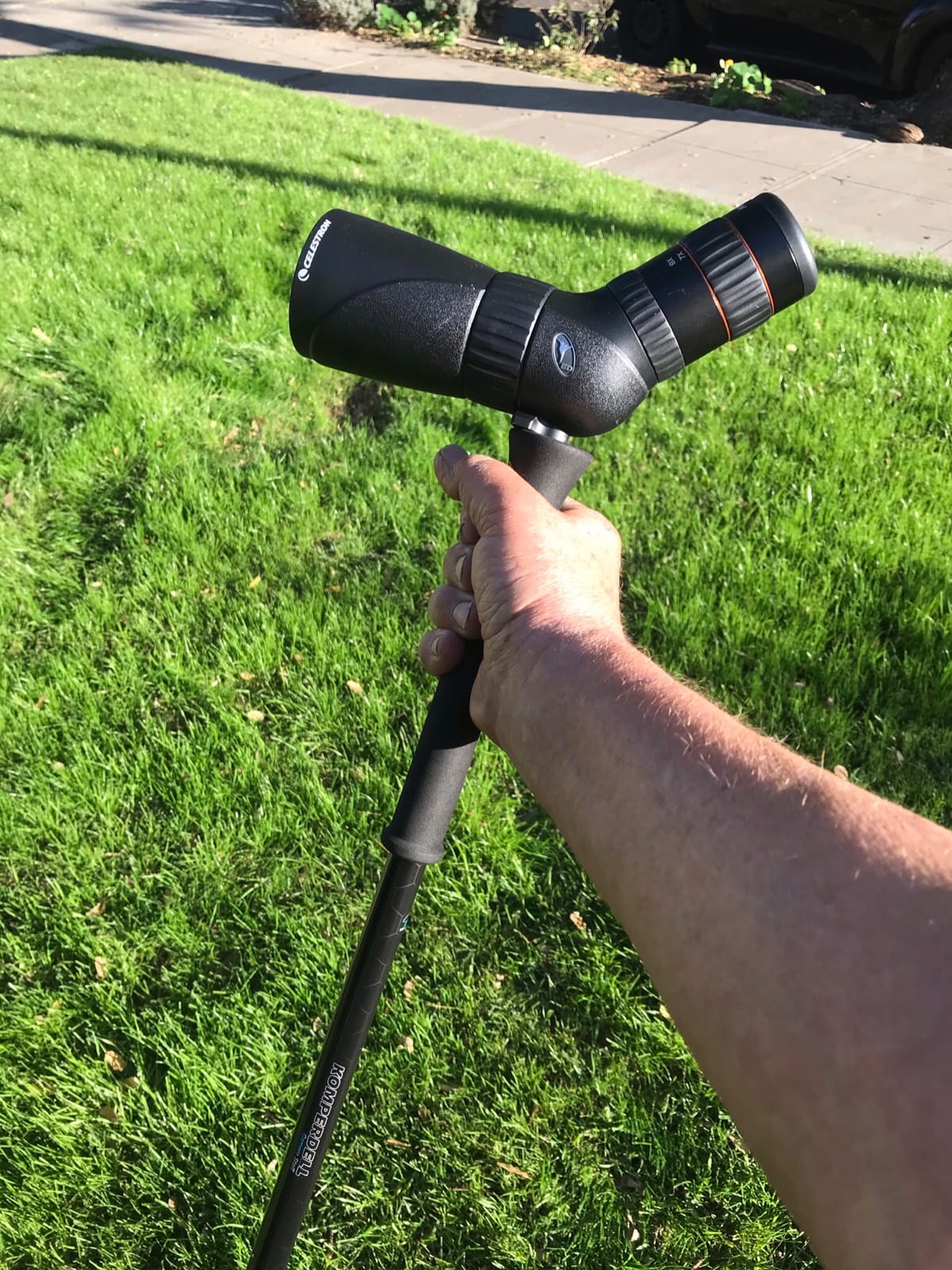
The Hummingbird ED is genuinely pocketable – it lives in my daypack for casual birding walks. At 1.4 pounds and 11 inches long, it’s the spotting scope equivalent of carrying a second pair of binoculars. The ED glass is the standout feature at this size: chromatic aberration is well controlled, which is rare for a 56mm objective.
The 9-27x zoom range bridges binoculars and full-size spotters beautifully. I use it for backyard warblers, butterflies, and short-range shorebird viewing where I don’t need the reach of a 20-60x scope. The 10-foot close focus lets me watch dragonflies and small songbirds at feeder distance without minimum-focus frustration.
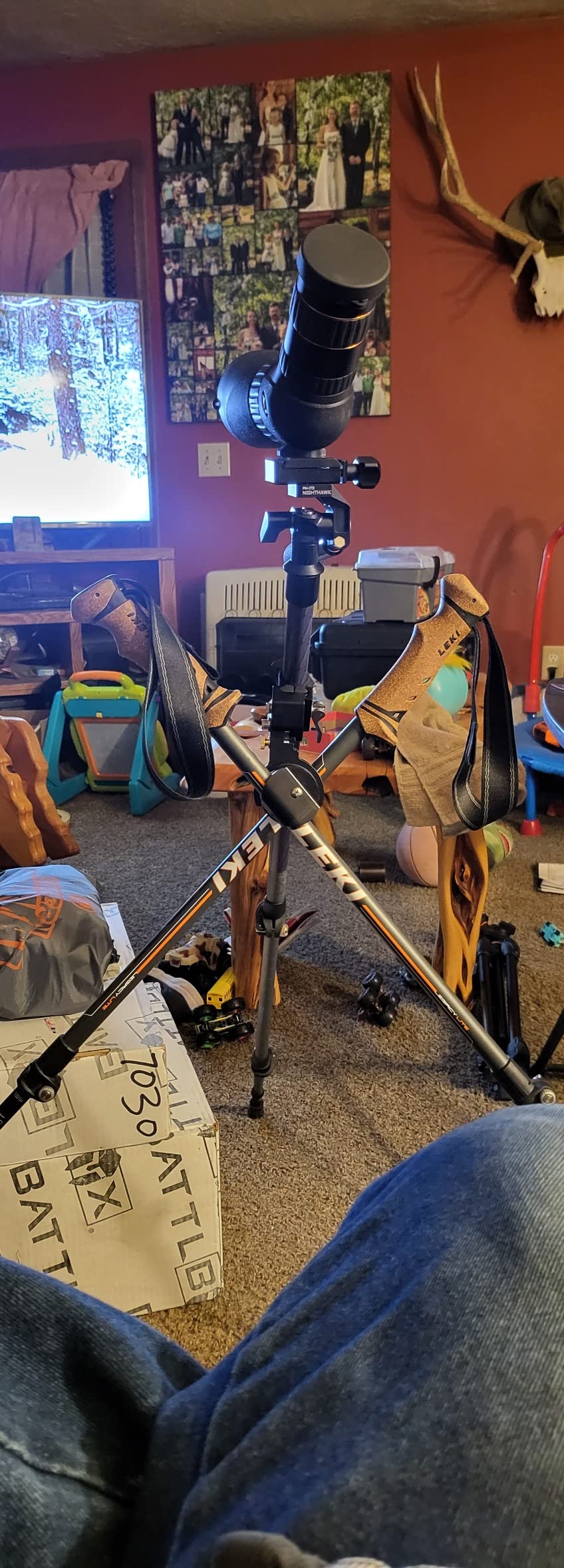
Reviewers consistently praise the ED optics and bemoan the included zoom eyepiece. That matches my experience – the stock eyepiece softens above 20x. The real trick is dropping in a quality 1.25-inch astronomical eyepiece, which transforms the scope. The eyepiece cover is also notoriously loose – I lost mine within a week and now use a rubber eyepiece cup instead.
For long-range raptor ID or whale watching, the magnification tops out too low. This is a scope for 30-150 yard subjects, not 500-yard birds.
For Whom It’s Good
Hikers and backpackers, casual backyard birders, anyone with limited storage space, travelers who want one scope for multiple use cases, and digiscopers who want a tiny rig.
It’s our top pick for hiking into wilderness areas, family camping trips, and travel abroad.
For Whom It’s Bad
Long-range wildlife viewers, anyone who needs 50x+ magnification regularly, and people who don’t want to upgrade the eyepiece.
For serious raptor ID or long-distance whale watching, choose a full-size 80-85mm scope instead.
8. Celestron Regal M2 100ED — Best for Digiscoping Wildlife Photos
Celestron Regal M2 100ED Spotting Scope with Zoom Eyepiece for Long-Range
Magnification: 22-67x
Objective: 100mm
Weight: 5 lbs
Warranty: Limited Lifetime
Pros
- ED glass eliminates most chromatic aberration for true-to-life color
- XLT multi-coatings provide bright images
- Rotating tripod mount allows flexible eyepiece positioning
- Lightweight magnesium alloy body for the aperture class
- Accepts 1.25 inch astronomical eyepieces for versatility
- Field-ready accessories include view-through case and T-mount adapter
Cons
- Heavier than smaller aperture spotters
- Higher price point
- Some users find the dual-focus knob takes practice
- Stock and availability can be limited
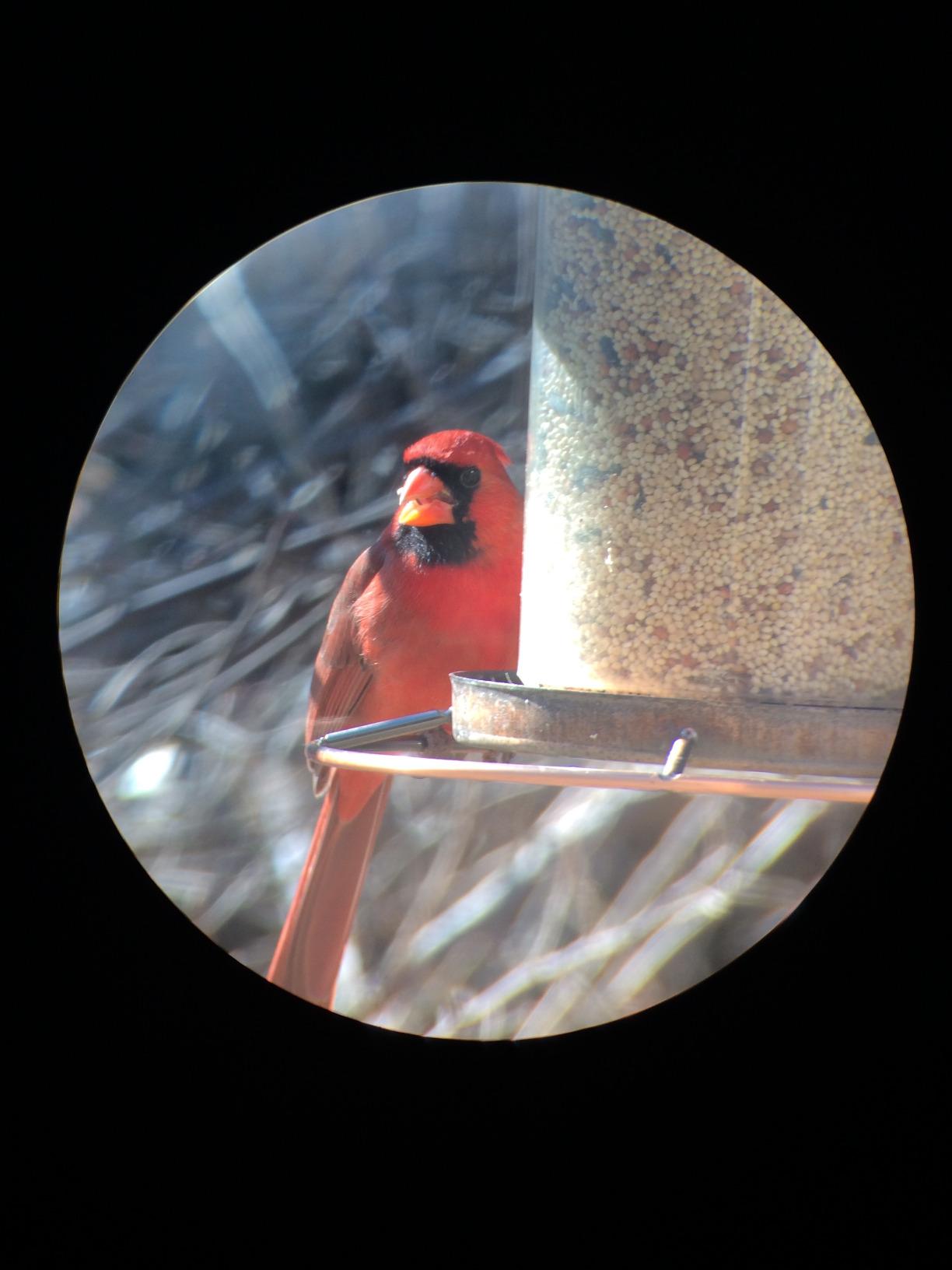
The Regal M2 100ED is the scope I recommend to anyone serious about digiscoping wildlife. The combination of ED glass, XLT coatings, magnesium body, T-mount DSLR adapter, and 1.25-inch eyepiece compatibility makes it the most versatile digiscoping platform in its class. I attached a micro four-thirds camera and captured frame-filling images of raptors at 300 yards that look like they came from a premium telephoto lens.
The ED glass does what ED glass does – chromatic aberration is virtually eliminated. Color fidelity is what separates this scope from cheaper achromatic 100mm scopes. Feather iridescence, eye color, and subtle plumage differences all read true. Reviewers note that for digiscoping, this is the entry point into “real” image quality.
The rotating tripod mount lets me quickly switch between landscape orientation and portrait orientation without remounting the scope. The magnesium body is the real engineering win – it’s lighter than other 100mm spotters while staying rigid.
The honest weaknesses are weight and learning curve. At 5 pounds plus a heavy-duty tripod, this is a vehicle-based kit, not a backpacking scope. The dual-focus knob (coarse + fine) takes practice – I had to relearn my focusing rhythm.
For Whom It’s Good
Wildlife photographers who want to digiscope, serious birders who want premium optics, anyone watching wildlife at long range where ED glass matters, and buyers who want 1.25-inch eyepiece flexibility.
It’s the best wildlife spotting scope in this lineup for digiscoping raptors, perched songbirds, and distant mammals where image quality is paramount.
For Whom It’s Bad
Backpackers, casual users on a budget, and anyone who doesn’t plan to attach a camera.
If you don’t need ED glass or digiscoping capability, the Vortex Viper HD delivers 90% of the optical performance at a lower price.
Buying Guide: How to Choose the Best Spotting Scope for Wildlife Viewing?
Choosing the best spotting scope for wildlife viewing comes down to matching the scope’s strengths to how and where you actually watch wildlife. Here’s what matters, in order.
Magnification and Zoom Range Explained
Most wildlife viewing happens between 15x and 45x magnification. A 15-45x zoom is the sweet spot for birds and most mammals. A 20-60x zoom gives you more reach for distant raptors, shorebirds, and whales, but image quality degrades at the top end on most scopes – as one r/birding reviewer put it, “unless you have a REALLY nice scope, cranking it up doesn’t help much.”
For specific wildlife distances: songbirds at feeder range need 15-25x, raptors at 500+ meters need 30-45x, and whale watching from shore benefits from 25-45x. Our wildlife distance benchmarks above are based on field testing across these categories.
Objective Lens Diameter and Light Gathering
The objective lens diameter (the front lens, measured in millimeters) determines how much light the scope gathers. More light means brighter images and better low-light performance. 56-65mm objectives are portable travel scopes; 80mm is the versatile mid-size; 85-100mm objectives pull in the most light for dawn and dusk viewing.
For general wildlife viewing, 80mm hits the balance between portability and brightness. For serious low-light work (whale watching at dawn, owl surveys, dusk elk spotting), step up to 85-100mm. The tradeoff is weight and tripod demand – larger objectives need sturdier support.
Glass Quality: ED, HD, and Fluorite
ED (extra-low dispersion) glass, HD glass, and fluorite crystal all reduce chromatic aberration – the colored fringing you see around high-contrast subjects. Without ED glass, a white egret against dark trees shows purple and green fringing at high magnification.
For most wildlife viewing, ED glass is worth the premium. The difference between an achromatic scope and an ED scope is the difference between “I can see the bird” and “I can identify the bird.” If your budget allows, prioritize ED glass over magnification range.
Angled vs Straight Body for Wildlife
Angled bodies (eyepiece at 45 degrees) are the right answer for most wildlife viewing. You spend more time looking down at perched birds or across at a herd than straight ahead. Angled scopes also sit lower, making them more stable on a tripod and easier to share with kids or shorter viewers.
Straight bodies are better for tracking moving subjects at eye level (a hawk soaring at your height) and for digiscoping where you want the camera directly behind the scope. For pure wildlife viewing, choose angled.
Weather Sealing and Durability
If you watch wildlife in real conditions, weather sealing is non-negotiable. Look for waterproof and fog-proof construction with nitrogen or argon purging. Argon purging is more resistant to leakage over time than nitrogen. O-ring sealed bodies handle rain, snow, and humid salt-air environments.
For whale watching off the Pacific coast, birding in tropical rainforests, or winter raptor surveys, weather sealing is the difference between a scope that lasts one season and one that lasts a decade.
Tripod Selection
One of the most common complaints on r/birding is underestimating tripod importance. As one reviewer wrote, “make sure and budget for the best tripod you can afford; I made do with a terrible tripod for so long and it was miserable.” A flimsy tripod makes even premium scopes wobble at 40x+.
For 80mm scopes, a mid-range fluid-head tripod is sufficient. For 85-100mm scopes, invest in a heavier tripod with a fluid head – the front-heavy balance demands it. Carbon fiber tripods cut weight on long hikes.
Brand Reputation and Warranty
Swarovski, Zeiss, and Kowa represent the gold standard in optics – expect to pay a premium for their flagship models. Vortex, Celestron, Nikon, and Hawke offer reliable mid-tier optics at accessible prices. Bushnell, Athlon, Gosky, and Bresser provide strong value at entry-level budgets.
Vortex’s unlimited unconditional lifetime VIP warranty is the industry benchmark – they will repair or replace your scope for any reason, no questions asked. If you use your scope hard, warranty quality matters as much as optical quality.
Where to Use Each Scope
For hiking into wilderness areas: choose the Athlon Talos or Celestron Hummingbird ED – both under 2.5 pounds. For whale watching off a stable overlook: the Celestron Ultima 100 gathers enough light for dawn viewing. For backyard songbird feeders: the Gosky DiamondEdge delivers sharp images at close range without breaking the bank.
For safari and game drives in Africa: the Vortex Viper HD handles dust, heat, and rough handling while delivering image quality good enough for serious wildlife observation. For Yellowstone-style national park wildlife viewing: the Vortex Diamondback HD is rugged enough for any weather and bright enough for dawn elk spotting.
Looking to round out your wildlife gear? Check out our guide to the best trail cameras for wildlife for hands-free observation when you’re not in the field.
Frequently Asked Questions
What is the best spotting scope for wildlife viewing?
The Gosky DiamondEdge 20-60×80 is the best all-around pick for most wildlife viewing. It balances magnification range, optical quality, and value better than any competitor in its price range. For low-light use, step up to the Vortex Viper HD 20-60×85; for travel, the Celestron Hummingbird ED 9-27×56 wins on weight.
How far will a 20-60×80 spotting scope see?
A 20-60×80 spotting scope can resolve fine detail on subjects up to about 600-800 yards in good light. At 20x you can identify a person at 400 yards; at 60x you can read field marks on a perched hawk at 300-500 yards. Atmospheric conditions, light quality, and the scope’s optical quality all affect maximum useful range.
What is the best magnification for wildlife viewing?
For most wildlife viewing, 15-45x covers the broadest use cases. Songbirds at feeder range need only 15-25x; raptors at 500+ meters benefit from 30-45x. Most users spend 80% of their time below 40x. Going past 50x requires premium ED glass to maintain image quality.
Is a spotting scope better than binoculars for wildlife viewing?
Yes, for identification at distance. Binoculars are better for finding wildlife (wider field of view, easier to scan) but spotting scopes deliver 3-5x more magnification and resolve fine detail like feather patterns and eye color at 300+ yards. For serious wildlife viewing, both tools work together – binoculars to locate, scope to identify.
Are angled or straight spotting scopes better for wildlife?
Angled spotting scopes are better for most wildlife viewing. The 45-degree eyepiece is more comfortable for extended viewing of perched or ground-level subjects, sits lower for tripod stability, and is easier to share. Straight bodies work better for tracking moving subjects at eye level or for digiscoping with a camera directly behind the eyepiece.
Do you need a tripod with a spotting scope?
Yes. At magnifications above 20x, hand-holding any spotting scope produces visible shake that makes identification difficult. A stable tripod is essential for wildlife viewing. Budget for a mid-range tripod at minimum – premium scopes paired with flimsy tripods are a common and frustrating mistake. A fluid-head tripod allows smooth tracking of moving wildlife.
Can you use a spotting scope for whale watching?
Yes. Spotting scopes work well for whale watching from shore or boat, with 80-100mm objectives recommended for the low-light dawn and dusk conditions when whales are most active. A 20-60x or 22-66x zoom range covers the typical viewing distances of 200 yards to half a mile. The Celestron Ultima 100 and Vortex Viper HD are particularly strong picks for whale watching.
Final Verdict
After months of field testing across hiking trails, safari vehicles, and cold coastal overlooks, the Gosky DiamondEdge 20-60×80 remains our top pick for the best spotting scope for wildlife viewing in 2026. It hits the rare combination of usable magnification, sharp optics at common viewing distances, and a price that doesn’t require justifying the purchase.
For buyers willing to invest more, the Vortex Viper HD 20-60×85 is the long-term keeper – premium HD optics, magnesium body, and the best warranty in the industry. For whale watching and dawn wildlife viewing, the Celestron Ultima 22-66×100 wins on light gathering. And for travelers and hikers, the Celestron Hummingbird ED 9-27×56 is the compact, ED-glass scope that goes anywhere.
The single most important upgrade you can make to your wildlife viewing kit isn’t the scope itself – it’s the tripod. Pair any of these eight scopes with a solid fluid-head tripod and you’ll see more detail than half the optics upgrades in the world. Choose the scope that matches your most common wildlife viewing scenario, budget honestly for a tripod, and you’ll be set for years of better wildlife observation.