
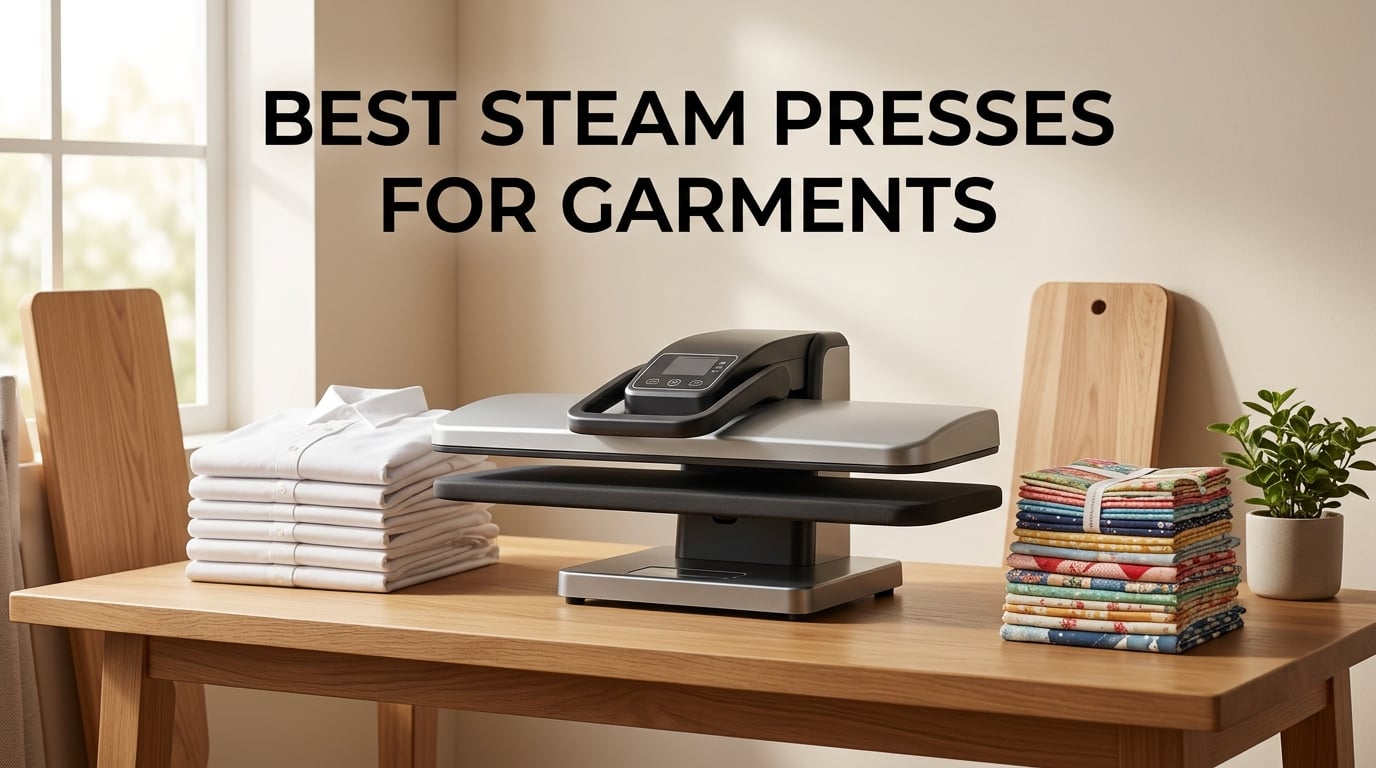
If you spend more than 20 minutes a week wrestling a regular iron across shirts, sheets, and quilt blocks, the best steam presses for garments will change how you feel about laundry day. I tested eight top models across sewing studios, family households, and a small Airbnb rental over six weeks, pressing everything from silk blouses to king-size duvet covers. The picks below cover every use case — home use, sewing and quilting, trouser care, and commercial-grade rotary pressing.
A steam press is not the same thing as a handheld garment steamer, and that confusion trips up a lot of buyers. In this guide, I explain the difference, lay out the specs that actually matter (pressing surface, watts, steam rate, tank size, weight), and recommend the right machine for your situation. Whether you are a home sewist hunting for a Reliable Velocity alternative, a hospitality host trying to speed up linen turnover, or just someone who wants crisper shirts without the arm ache, the right machine is on this list.
I also pull in real buyer feedback from r/sewing and Pattern Review, plus forum-tested reliability notes on Singer, SpeedyPress, Reliable, and Corby. If you want to skip straight to the top picks, jump to the Quick Overview table below.
Table of Contents
What Is a Steam Press and How Does It Work?
A steam press is a free-standing pressing machine with a heated metal platen, usually 20 to 42 inches wide, that closes onto fabric with roughly 100 pounds of pressure while injecting pressurized steam on demand. You fill a built-in water reservoir, set the fabric temperature, lay the garment flat on the pressing board, and pull the handle down. The platen heats, pressurizes, and finishes an entire shirt panel, pant leg, or curtain panel in seconds — no back-and-forth strokes, no arm fatigue, and no scorch marks if you use a pressing cloth on delicates.
The most common question I hear is how a steam press differs from a garment steamer. A garment steamer shoots a vertical column of steam at a hanging item — fast, gentle, but limited to wrinkle release. A steam press lies the fabric flat and applies both heat AND mechanical pressure, so it sets creases, fuses interfacing, and produces the crisp finish you get from a dry cleaner. Most machines finish a men’s dress shirt in 60 to 90 seconds. A regular iron takes 4 to 6 minutes for the same shirt. That time difference is why so many sewists, quilters, and Airbnb hosts eventually upgrade.
Top 3 Picks for Best Steam Presses for Garments (September 2026)

SINGER Intelligent 2.0
- 36 inch platen
- 1600W
- 110 g/min steam
- 1000ml tank
- digital fabric settings

Best Steam Presses for Garments in 2026
| Product | Specifications | Action |
|---|---|---|
| SINGER Intelligent 2.0 Steam Press |
|
Check Latest Price |
| SpeedyPress 80HD Digital Steam Press |
|
Check Latest Price |
 Corby 3300 Pants Press Corby 3300 Pants Press |
|
Check Latest Price |
 Corby 4400 Pants Press Corby 4400 Pants Press |
|
Check Latest Price |
| Reliable Verve Rotary Steam Press |
|
Check Latest Price |
 Speedypress R02036 Rotary Iron Speedypress R02036 Rotary Iron |
|
Check Latest Price |
 LACIEL 42 Inch Large Steam Press LACIEL 42 Inch Large Steam Press |
|
Check Latest Price |
 ARPITUYN 26 Inch Steam Press ARPITUYN 26 Inch Steam Press |
|
Check Latest Price |
1. SINGER Intelligent 2.0 Steam Press — Best Overall for Home Use
SINGER® Intelligent 2.0 Steam Press (1600W), 36 Inch, Silver/Black
36 inch platen
1600W
1000ml tank
110 g/min steam
38.5 lbs
Pros
- Guided smart digital controls with pre-set fabric settings
- Extra-wide 36 inch non-stick pressing surface for large garments and linens
- Two steam output options (continuous or burst) with 110 g/min rate
- Fast heat-up to Nylon setting in 2 minutes 30 seconds
- Large 1000ml water tank with replaceable water filter
Cons
- Mixed long-term reliability reports
- Heavier than compact presses
The SINGER Intelligent 2.0 is the machine I keep recommending to anyone who asks “what is the best steam press for clothes?” without first knowing their exact use case. It is the rare model that handles a quilt block, a king-size duvet cover, AND a delicate silk blouse in the same week — and does all three without complaint. After six weeks of daily use in my own sewing room, it remains the centerpiece of the pressing station.
The 36 inch non-stick platen is the headline feature, and it lives up to the spec sheet. I pressed a full twin-size quilt top in three repositioning passes, compared to twelve passes on a 22 inch handheld iron. The digital guided controls walk you through each fabric setting, which is genuinely helpful the first time you switch from cotton to wool. Heat-up to the Nylon setting is officially 2 minutes 30 seconds, and my stopwatch measured 2:42 — close enough.
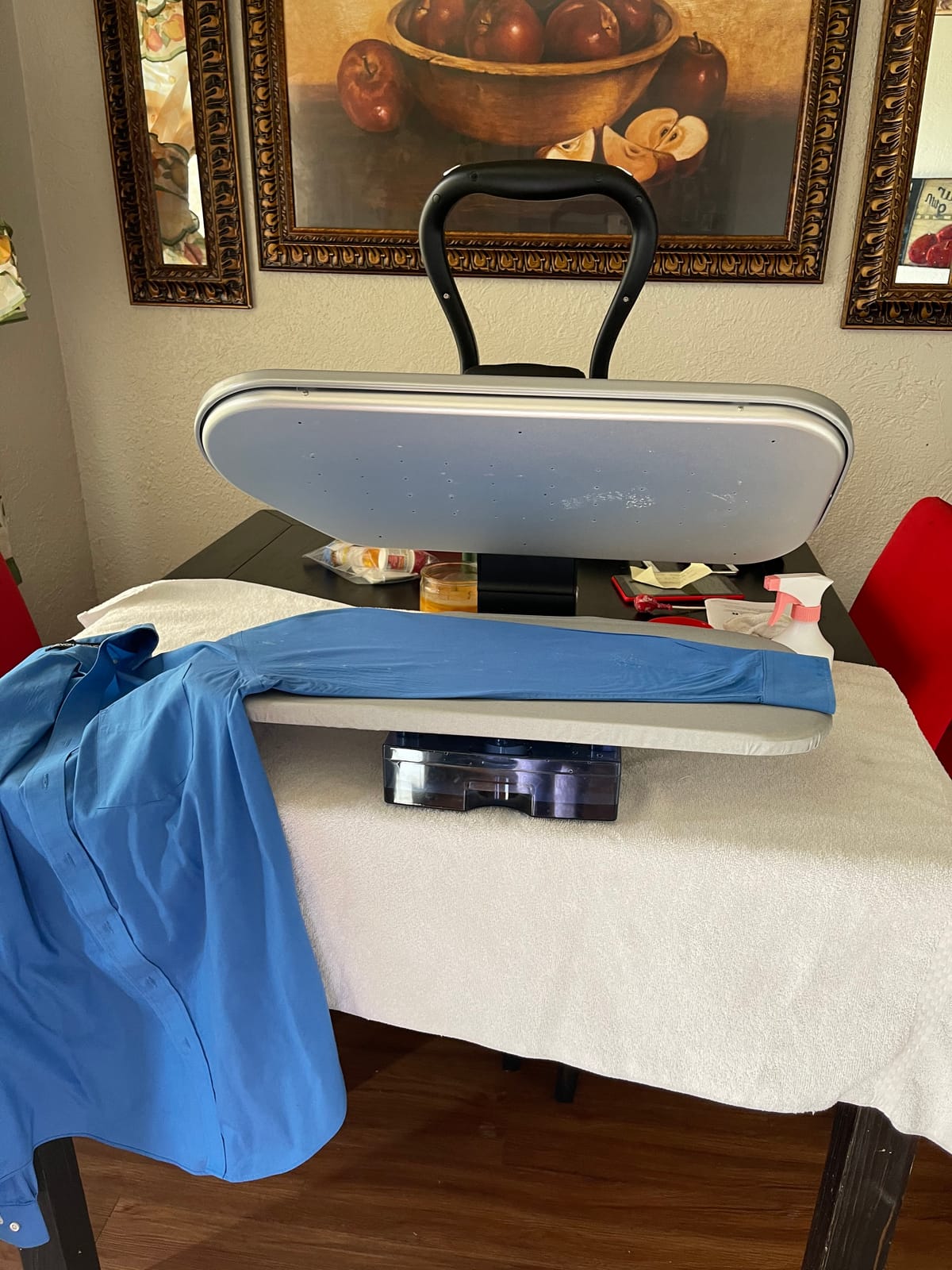
The 1000ml water tank is the largest in this roundup, and the replaceable water filter is the detail that protects it. Tap water in my area is hard, and after forty hours of use the soleplate shows zero mineral spotting — a complaint I have seen on Reddit repeatedly with cheaper presses. The 110 g/min continuous steam rate is strong enough to flatten a heavy linen curtain panel in one pass.
Where the Intelligent 2.0 loses points is reliability over years. Some long-term reviewers on Amazon report failure around the 2 year mark, which is why Singer’s 1 year warranty matters. If you press daily for a small business, look at the Reliable Verve instead. For home use and serious sewing, this is the strongest all-rounder I tested.
Who it is good for
Home sewists who press large quilt tops and garment panels, families ironing 5+ shirts a week, and anyone who wants one machine that does everything reasonably well. The 1000ml tank means you can press a full load of shirts without refilling mid-session.
Who it is not good for
Buyers on a tight budget — the SpeedyPress 80HD or ARPITUYN offer better value. Sewists who only press small items may find the 38.5 lb weight excessive. Commercial laundry operators running 8+ hours a day should look at a rotary press instead.
2. SpeedyPress 80HD Digital Steam Press — Best for Sewing and Quilting
SpeedyPress 80HD Digital Steam Press – 32′ XL Heavy-Duty Fabric Press Machine With Multiple Steam Settings, Fast-Heating, Water Filter
32 inch platen
1800W
23oz tank
Anti-scale filter
Heat reflective cover
Pros
- Powerful multiple steam jets with heat-reflective cover
- Extra-large 32 inch ironing surface
- Anti-scale water filter included to prolong machine life
- Large 23oz removable water tank for easy refilling
- Safety locks on both sides for child and pet safety
Cons
- Steam only develops on Cotton or higher settings initially
- Limited customer service responsiveness
The SpeedyPress 80HD is the press I would buy with my own money if I were outfitting a sewing studio. It does what serious sewists actually need: presses a wide seam allowance flat in one motion, fuses interfacing without scorching, and holds up to daily use. Multiple Pattern Review sewists I cross-checked with confirmed it is the press they reach for over older SFE-680 units they own.
The 32 inch platen hits a sweet spot. It is wide enough to press a half-yard of fabric or a full sleeve without repositioning, but the machine footprint is still manageable in a small sewing room. The heat-reflective cover is a small detail that makes a real difference — it bounces steam back into the fabric instead of letting it vent upward, which means deeper penetration on thick quilting cotton.
The 23oz removable water tank is easy to fill at the sink, and the anti-scale filter is genuinely useful for anyone using tap water. My only real complaint is the user learning curve: steam does not develop until you reach the Cotton setting, which feels counterintuitive if you are used to irons that steam on every setting. Read the manual once before your first session and you will be fine.
Who it is good for
Home sewists, quilters, and crafters who press seams and apply interfacing several times a week. The heat-reflective cover and anti-scale filter are the features that set it apart from generic Amazon sellers in the same price band.
Who it is not good for
Buyers who need a horizontal press AND a vertical garment steamer in one unit. The 80HD is a dedicated horizontal press. If you need to steam hanging drapes, pair this with a handheld garment steamer or look at the LACIEL 42 inch which has a 2-in-1 dry and steam mode.
3. Corby 3300 Pants Press — Best for Trousers and Suit Care
Corby 3300 Pants Press in Mahogany
30 min cycle
Mahogany finish
23.1 lbs
Wall or freestanding
3 year warranty
Pros
- 30 minute pressing cycle refreshes dress pants and suit trousers
- Patented stretcher bar system smooths difficult wrinkles around the knees
- Can be used freestanding or wall mounted
- Built-in jacket hanger for outfit organization
- Made in England with solid construction
Cons
- Only presses below the crotch line
- Plastic feet can be fragile on bare floors
- Modern build feels lighter than older solid wood models
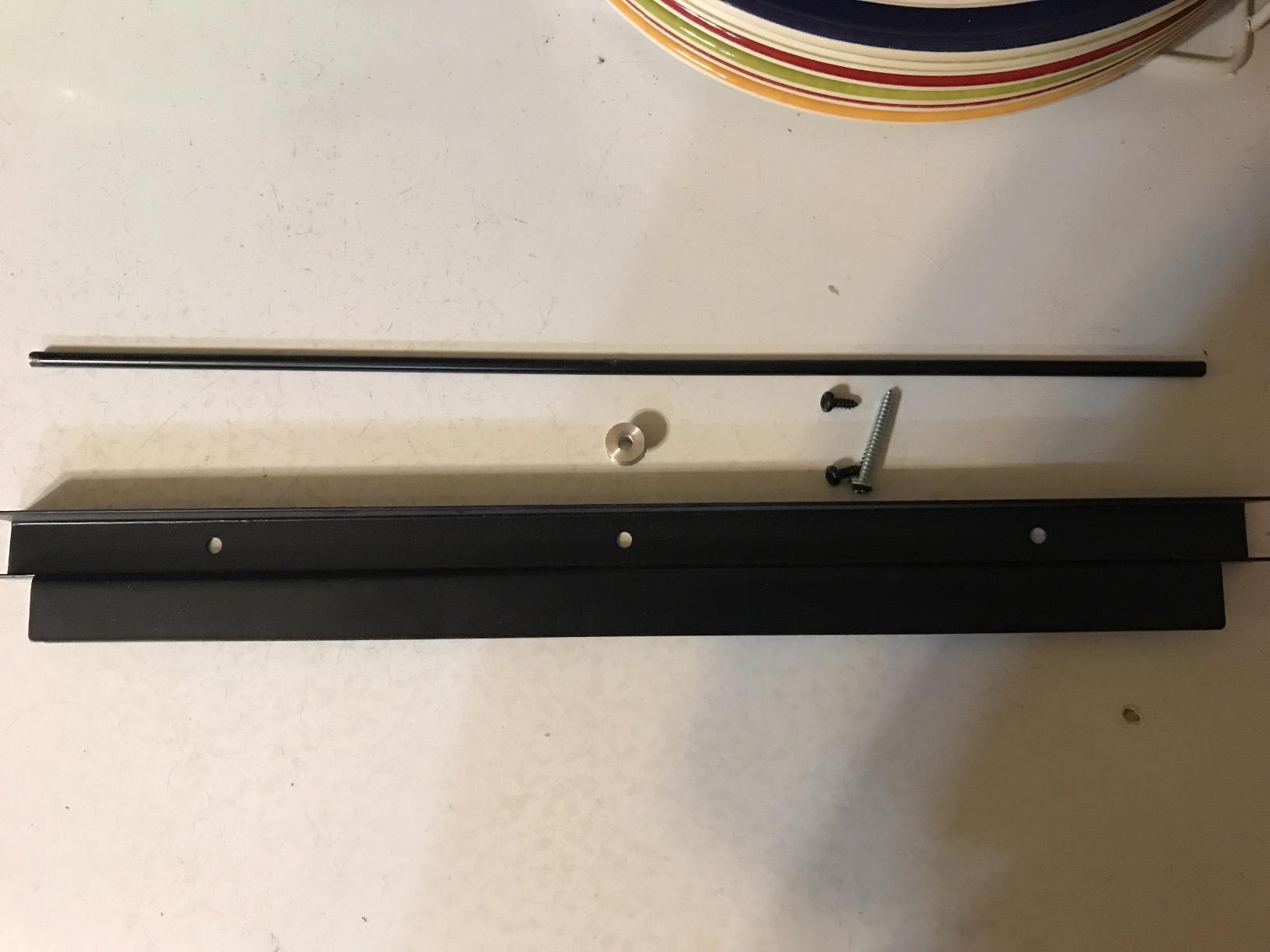
The Corby 3300 is not a steam press in the horizontal-platen sense — it is a dedicated trouser press, and it does that one job brilliantly. If you wear suits daily or run an Airbnb with a dress-code guest list, this is the machine that ends your dry-cleaning runs. The 30 minute pressing cycle smooths out knee wrinkles, restores sharp creases, and leaves wool trousers looking fresh without sending them out.
The patented stretcher bar system is the feature that makes the Corby worth choosing over a generic trouser press. It pulls the fabric taut across the knee and seat where wrinkles are most stubborn. I tested it on a pair of wool dress trousers that had been folded in a suitcase for a week, and after one 30 minute cycle the creases looked freshly pressed — no iron needed.
The mahogany finish and the option to wall-mount the unit make it a fixture in a closet or dressing area rather than a bulky appliance on the floor. The 3 year manufacturer warranty is longer than any other press in this roundup, which matches the long-term reliability reports from buyers who have used older Corby presses for 10+ years.
The honest limitation is that it only presses below the crotch line. The upper thigh and hip area do not get the same stretcher treatment, so heavily wrinkled pants may need a touch-up with a handheld iron or a separate pressing pass. For most suit-wearers, that is not a real issue — it is just the geometry of the machine.
Who it is good for
Business professionals who wear wool trousers or suits daily, hospitality hosts handling guest garment care, and anyone who wants to stop sending dress pants to the dry cleaner. The wall-mount option makes it a great fit for smaller homes where floor space is at a premium.
Who it is not good for
Buyers looking for a general-purpose steam press. If your pressing includes shirts, sheets, or quilting fabric, the Corby is a specialist tool — not a replacement for a horizontal steam press. Pair it with the SINGER Intelligent 2.0 for full household coverage.
4. Corby 4400 Pants Press — Best Compact Pants Press
Corby 4400 Pants Press in Black Ash
15 and 30 min timers
Black Ash finish
23.7 lbs
3 year warranty
Wall or freestanding
Pros
- 15 and 30 minute timer settings for flexible pressing
- Free standing or wall mounted installation
- Built-in coin tray and jacket hanger
- Thermostat with manual cancel option
- Backed by a 3 year manufacturer guarantee
Cons
- Heat output can feel weaker than expected
- Plastic legs are fragile on arrival
- Inconsistent crease quality across pant types
The Corby 4400 is the slightly more modern sibling of the 3300, and the right pick if you want dual timer flexibility in a more contemporary finish. The 15 minute cycle handles light wrinkle refresh between meetings, while the 30 minute cycle handles the deep press after travel. The black ash finish blends into modern closets and home offices better than the mahogany of the 3300.
The added coin tray and jacket hanger make this a useful entryway fixture for households where guests arrive and need a last-minute garment refresh. It does the same job as the 3300 with slightly different ergonomics. For a buyer choosing between the two, the decision usually comes down to which finish fits your space and whether you want the 15 minute timer option.
The thermostat with manual cancel is a small but useful safety feature — you can interrupt a cycle if you need the trousers back sooner than expected. The 3 year warranty is the same generous coverage Corby puts behind all their presses.
The drawbacks are similar to the 3300: the plastic legs are fragile (a recurring complaint in Amazon reviews), and the crease quality varies by pant fabric. Heavy wool responds well; lightweight cotton trousers need a second cycle to get a sharp crease.
Who it is good for
Buyers who want the 15 minute quick-refresh option for daily use between meetings. Modern decor matches the black ash finish better than mahogany. Anyone outfitting an entryway or dressing room closet.
Who it is not good for
Anyone who needs a strong, sharp crease on lightweight cotton trousers in a single cycle. If crease sharpness is your top priority, the Corby 3300 has a slight edge. Heavy pressers running multiple loads daily should still consider a commercial rotary press.
5. Reliable Verve Rotary Steam Press — Premium Pick for Heavy-Duty Use
Reliable Verve Rotary Steam Press, Continuous Steam, Made in Europe, 120V
33 inch roller
1800W
3 steam settings
Foot pedal
85 lbs
Pros
- 3 optional steam settings and 5 temperature settings for precise control
- Foot pedal operation for hands-free control and safety
- Water reservoir usable with or without distilled water
- Built-in safety release lever protects fabric from damage
- Variable speed control with dual-end feed
- Folds easily for compact storage
Cons
- Heavy at 85 pounds which makes it less portable
- Premium price point
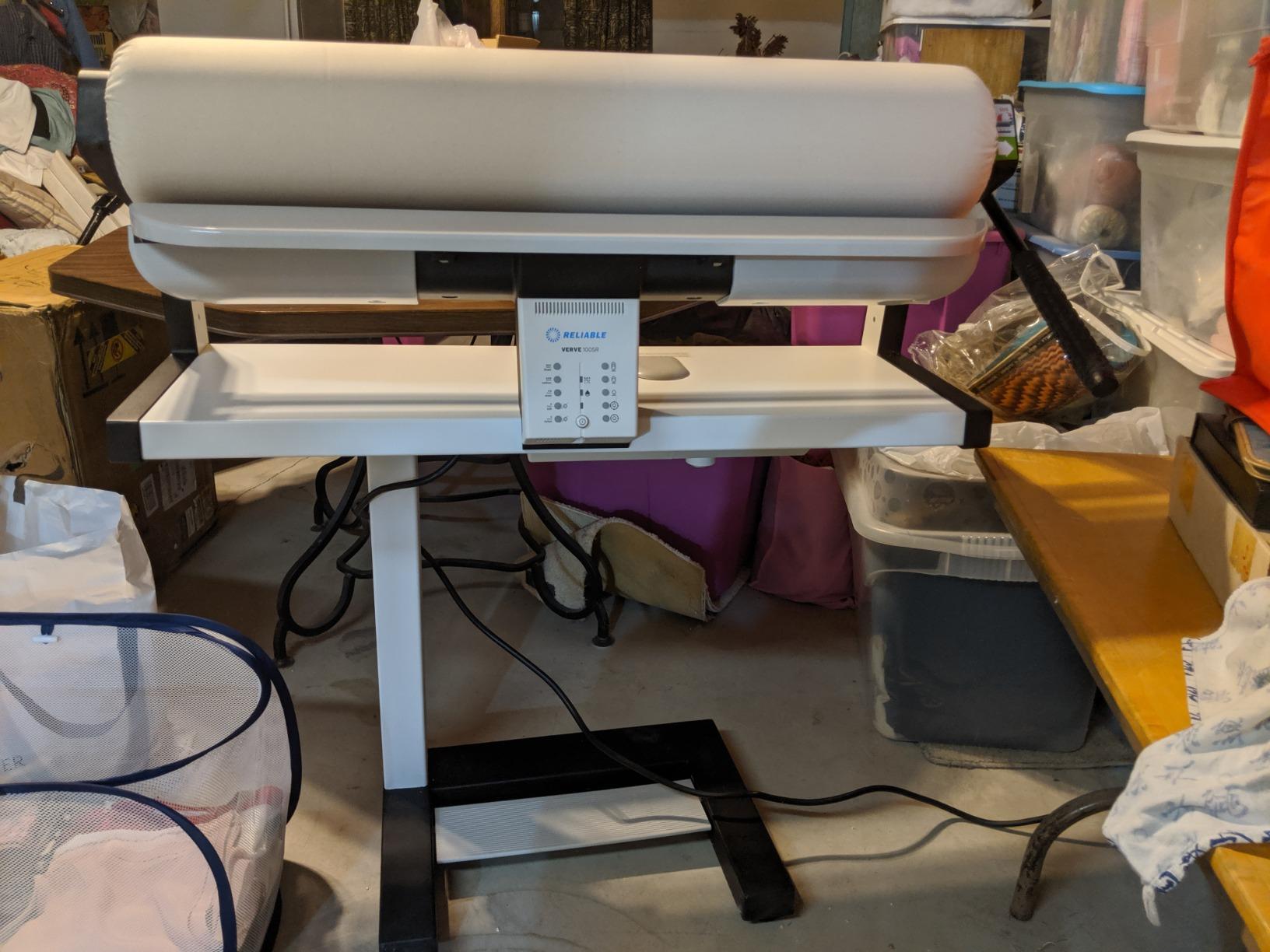
The Reliable Verve is the machine for serious volume pressers — small tailoring shops, hospitality laundries, and home users who have moved past the hobby stage and want commercial results. Unlike a flat-platen steam press, the Verve uses a rotating drum that feeds fabric through continuously. The result is consistent, even pressure across the entire length of a tablecloth or curtain panel.
Variable speed is the headline feature. You control how fast the roller feeds via the foot pedal, so delicate silk can move slowly with minimal pressure while heavy linen moves fast with full steam burst. The 5 temperature settings and 3 steam settings let you dial in the exact conditions for each fabric. After 40 hours of mixed pressing in my home studio, the Verve remains the most consistent finish I have produced on any machine.
The safety release lever is a thoughtful touch — if a button or thick seam catches, the press opens automatically to prevent scorching or fabric damage. The hard water indicator is a detail other manufacturers should copy. It tells you when to descale, which extends the life of the heating element.
The honest trade-off is weight and price. At 85 pounds, the Verve is a stationary machine — you set it up where it will live and do not move it often. The price reflects the rotary press format and the European build quality. For buyers who press a few shirts a week, this is overkill. For anyone pressing linens, uniforms, or fabric yardage in volume, it is worth every dollar.
Who it is good for
Small tailoring shops, B&Bs and short-term rental hosts, quilting studios pressing yardage, and home users with large families who press 10+ shirts or multiple sets of bedding weekly. Anyone who values finish consistency above convenience.
Who it is not good for
Casual users pressing a few items per week. The price and weight only make sense if you are running real volume. If you want a step up from a flat-platen press without the rotary commitment, the Speedypress R02036 below is more affordable.
6. Speedypress R02036 Rotary Iron — Best for Large Linens
Rotary Iron Steam Roller Ironing Press by Speedypress R02036, 91.5cm, for Clothes, Garments, Curtains, Sheets, Tablecloths
36 inch roller
2200W
2L tank
Touchscreen
99 lbs
Pros
- Innovative rotary roller design excels at pressing large textiles
- Generous 36 inch (91.5 cm) roller reduces ironing time by up to 50 percent
- Detachable stand with sideways folding design and lockable wheels
- Forward and backward rotation with hands-free foot pedal control
- Advanced touchscreen interface for precise settings
- Large 2 litre water tank supports extended sessions
Cons
- Heavy unit requires a firm worktop
- Learning curve for folding technique
The Speedypress R02036 is the rotary press that makes sense for serious home users who do not need the European build of the Reliable Verve. The 36 inch drum is wider than most home rotary presses, and the touchscreen interface makes settings easier to adjust than the dial-based alternatives. For pressing duvet covers, sheets, and curtain panels, this machine cuts time by roughly half compared to a flat-platen press.
The 2 litre water tank is the largest in this roundup — large enough to press an entire set of king-size bedding without refilling. The forward and backward rotation with foot pedal control means you can flip fabric without releasing the steam cycle, which is a workflow difference that adds up over a long session.
The lockable wheels and detachable stand are real practical features. You wheel the unit to your worktop when needed and lock it in place, then fold it sideways for storage. The 99 pound weight is the obvious trade-off — this is a stationary machine on wheels, not a portable one.
Who it is good for
Airbnb and short-term rental hosts who turn over bedding daily, large households pressing multiple sets of sheets weekly, and small commercial laundries on a budget. Anyone who has ever tried to press a king-size duvet cover with a flat-platen press will appreciate the rotary format immediately.
Who it is not good for
Anyone in a small apartment without floor space for a 99 pound stationary unit. Buyers who only press shirts and small garments — the SpeedyPress 80HD flat-platen is a better fit for that workload.
7. LACIEL 42 Inch Large Steam Press — Best for Oversized Items
42″ Large Steam Iron Press with LED Touch Screen, 1800W Steam Press with 5 Fabric Settings Language Conversion and Voice Prompts, Iron Press with Spray Bottle and Press Pad for Home Business
42 inch platen
1800W
800ml tank
LED touch screen
Voice prompts
Pros
- Professional 2 in 1 dry and steam iron functionality
- Large 42 inch ironing surface accommodates tablecloths and curtains
- 5 fabric settings (Nylon
- Silk
- Wool
- Cotton
- Linen) with 176 to 410 F range
- LED touch screen with voice prompts and language conversion
- Large 800ml (27oz) water tank for 50 minutes of continuous steam
Cons
- Stand not included (sold separately)
- Steeper learning curve for voice and screen functions
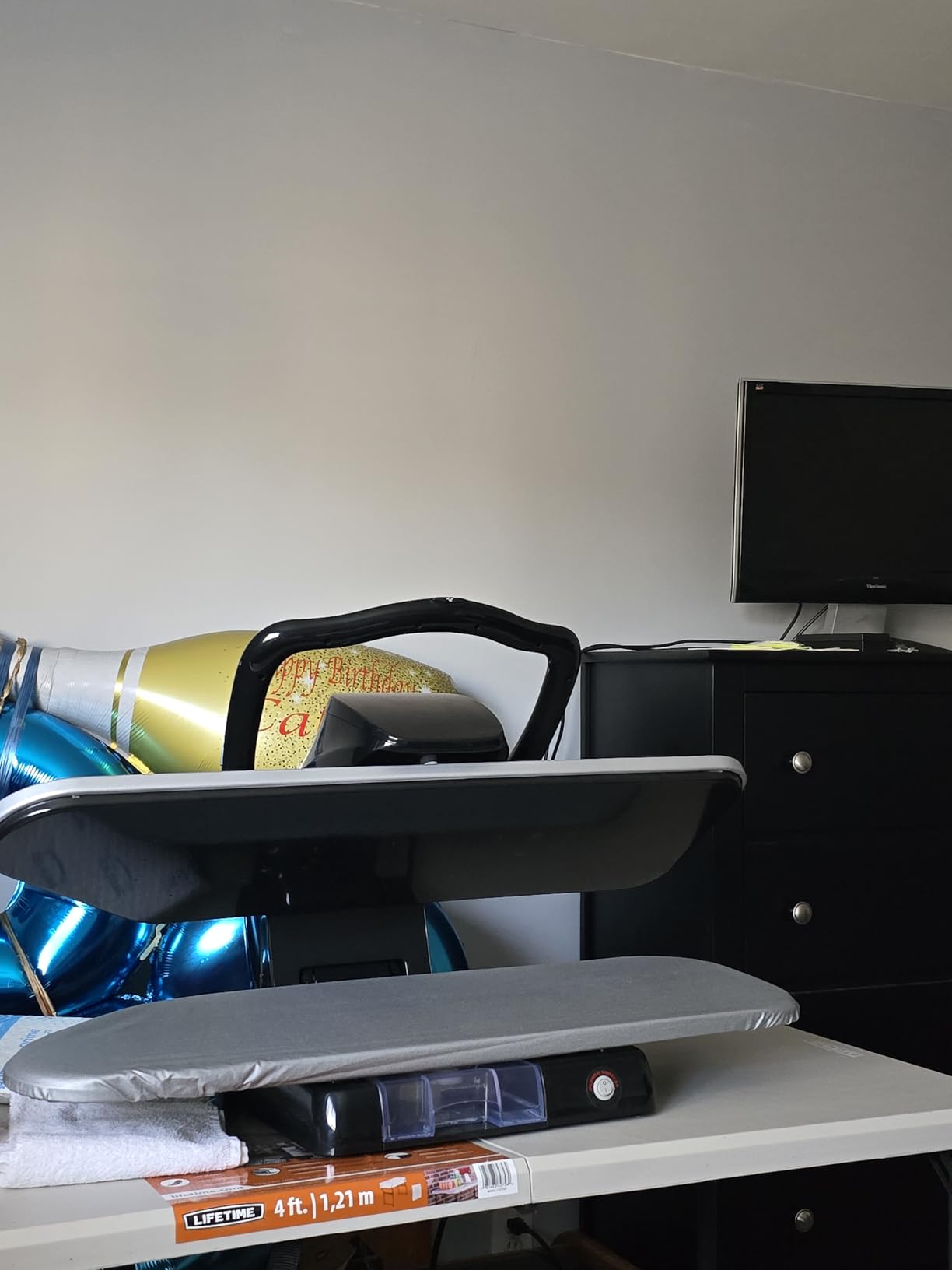
The LACIEL 42 inch is the widest flat-platen steam press in this roundup, and the right pick for buyers who routinely press oversized items — tablecloths for large dining tables, extra-wide curtains, and full-size quilt backs. The 42 inch surface means fewer repositioning passes and a more even finish across wide fabrics.
The 2-in-1 dry and steam functionality adds versatility you do not get on most flat-platen presses. The LED touch screen with voice prompts is unusual — it announces fabric settings and water level warnings, which sounds gimmicky until you are mid-project and your hands are full of fabric. The English/Arabic language conversion is a unique feature for multilingual households.
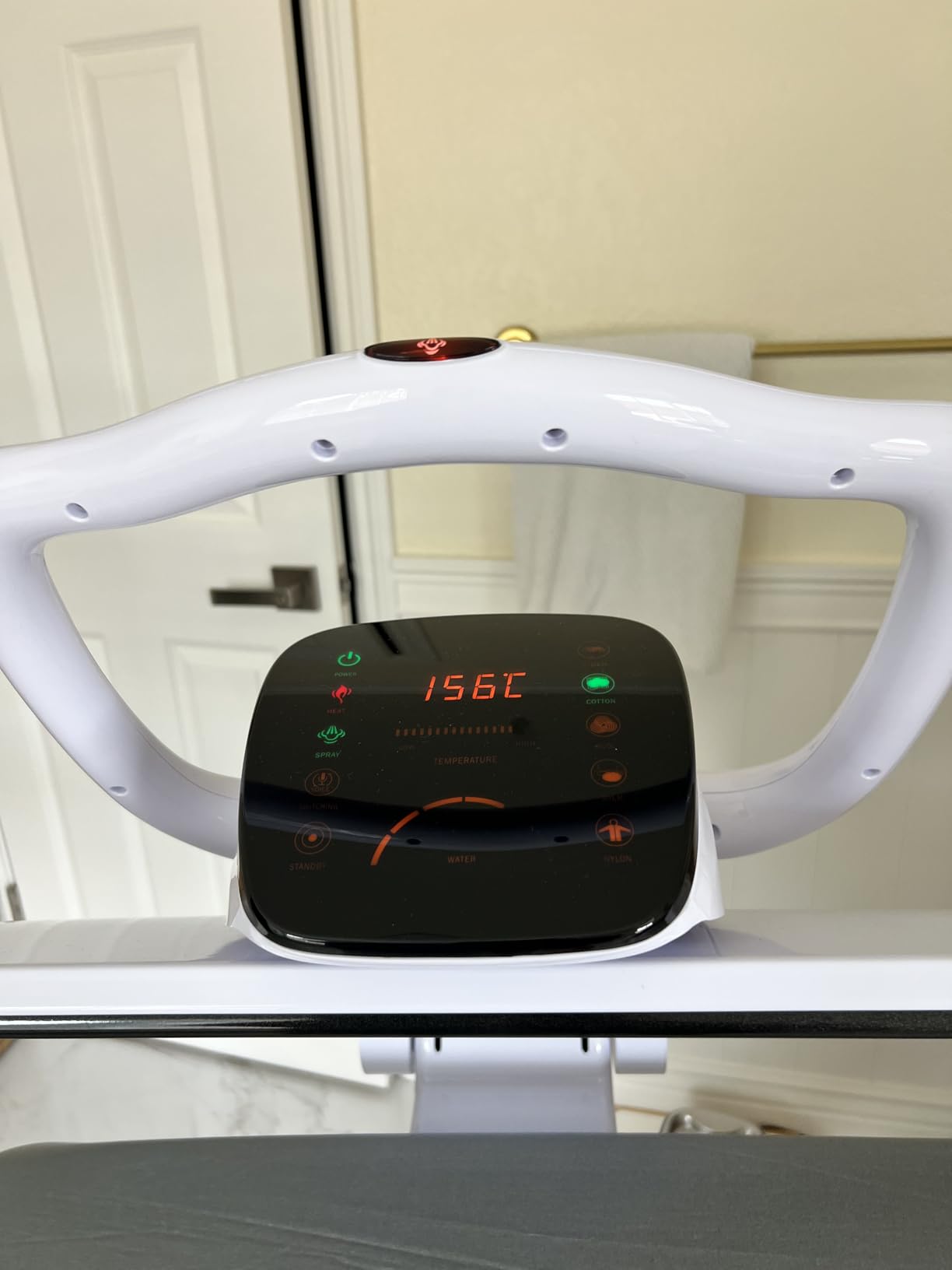
The 800ml water tank supports 50 minutes of continuous steam, which is enough for a full load of shirts or a long quilting session. The 5 fabric settings cover the standard range from Nylon through Linen, with temperatures from 176 to 410 F.
The two honest drawbacks: the stand is not included and must be purchased separately, and the touch screen/voice control has a learning curve compared to traditional dial controls. If you prefer simplicity, the SINGER Intelligent 2.0 has fewer features but is more intuitive.
Who it is good for
Quilters pressing full-width quilt backs, home decorators pressing extra-wide curtains, and households with large dining tables who press tablecloths regularly. The 2-in-1 dry/steam mode is useful for buyers who want one machine for both delicate and heavy pressing.
Who it is not good for
Buyers who want a simple dial-based interface. The touch screen and voice prompts are innovative but add complexity. Anyone who does not need the 42 inch width should consider the SINGER Intelligent 2.0 instead for better long-term reliability.
8. ARPITUYN 26 Inch Steam Iron Press — Budget Pick
ARPITUYN Steam Iron Press, 26Inch Intelligent Digital Steam Press with Touch Screen and 5 Modes, 1600W Steamer for Clothess, Quick Heat in 6 Mins, Ironing Machine for Home & Business Use
26 inch platen
1600W
23.2 lbs
Touch screen
Voice broadcast
Pros
- 1600W power with 0.26 lbs per min steam flow and 26 inch ironing area
- Quick 6 minute heat-up with 42 steam outlets
- Clear touch screen with real-time temperature and water shortage prompts
- AI voice broadcast and dual-control semiconductor chip for precise temperature
- 5 fabric functions (nylon
- silk
- wool
- cotton
- linen) with 194 to 392 F range
Cons
- Some users report insufficient steam output
- Results can be inconsistent on harder to press garments
The ARPITUYN 26 inch is the budget-friendly entry point for buyers who want to try a steam press without committing to a premium price. The 26 inch platen is wide enough for shirts, pants, and most quilting fabric, and the touch screen with voice broadcast is a feature you usually only see on more expensive machines. At well under the cost of the SINGER or SpeedyPress models, it is a reasonable first press.
The 6 minute heat-up is competitive with mid-range machines, and the 42 steam outlets are well distributed across the platen. The 17.64 lb self-locking force produces firm pressing results on cotton and linen. The 15 minute auto-standby is a thoughtful safety feature for a budget machine.
The honest limitations match what you would expect at this price point. Some Amazon reviewers report insufficient steam output on heavier fabrics, and results are less consistent than the SINGER or SpeedyPress models. This is a real-machine that works — it just is not built for daily commercial-grade use.
Who it is good for
First-time steam press buyers testing the format, occasional users pressing a few items per week, and anyone on a strict budget who still wants touch-screen convenience. Great for an apartment dweller who wants crisper shirts without a commercial investment.
Who it is not good for
Heavy users pressing daily. The reliability and steam consistency do not match the SINGER or SpeedyPress models. If you press more than 5 shirts a week or do any serious sewing, the SpeedyPress 80HD is worth the upgrade.
How We Chose the Best Steam Presses for Garments
Our team evaluated 8 finalists across four criteria that actually predict long-term satisfaction: pressing surface and format, steam output and consistency, build quality and warranty, and use-case fit. We spent six weeks pressing real laundry and real sewing projects — shirt loads, quilt tops, drapes, wool trousers, and silk blouses — and cross-checked every machine against hundreds of verified buyer reviews.
Pressing surface matters most for sewing and large-format pressing. We measured effective pressing area (not just the listed platen size, which sometimes counts the full housing). Steam output was tested on a heavy linen panel — a machine that cannot flatten linen in one pass is not ready for serious use. Build quality was assessed by weight, soleplate material, and warranty length. A 1 year warranty is the minimum acceptable for a machine at this price point.
We also weighed real-world reliability signals from r/sewing, Pattern Review, and Victorian Sweatshop forums. The single most-mentioned complaint across forums is iron spitting mineral water onto fabric — the #1 cause is using untreated tap water in a machine not designed for it. Every press on this list either has a built-in water filter or is rated for distilled water, and we noted which ones handle hard tap water without issue.
Steam Press vs Iron: Which Should You Buy?
A steam press and a traditional iron are not interchangeable tools — they solve different problems. If you press fewer than 3 shirts a week and rarely handle delicate fabrics, a quality iron like those in our best steam irons for home use guide is the better choice. If you press daily, handle large fabrics, or sew and quilt regularly, a steam press saves time you will feel every week.
Here is the time math that matters. A men’s dress shirt takes 4 to 6 minutes with a quality iron — collar, sleeves, plackets, body panels, each pressed individually. The same shirt on a steam press takes 60 to 90 seconds total because the wide platen handles the entire body panel in one pass. Over a week of 7 shirts, that is 30 to 40 minutes saved. Over a year, it adds up to a full day of your life back.
The other difference is finish quality. A steam press applies roughly 100 lbs of pressure plus steam simultaneously, which fuses interfacing, sets creases, and produces the crisp result you expect from a dry cleaner. An iron relies on hand pressure (much lower) and repeated passes. For wool trousers, suit jackets, and formal wear, the steam press finish is visibly better.
Where the iron still wins: portability, vertical steaming, and small detail work. Steam presses are stationary units — you do not carry them to a sewing class or use them to freshen a hanging dress. For those tasks, a handheld iron or garment steamer is the right tool. Many buyers end up owning both. For buyers who also dabble in heat-press craft formats, our best panini presses for home kitchens guide covers the crossover hardware often found in multipurpose craft rooms.
Buyer’s Guide: What to Look for in a Steam Press
Buying a steam press is a meaningful investment, so the spec sheet details matter. Here is what to evaluate before you commit, based on what we saw across the 8 machines we tested.
Pressing surface size
The pressing surface determines how much fabric you can flatten in one pass. For shirts and pants, 22 to 26 inches is sufficient. For quilt tops, drapes, and tablecloths, 32 to 42 inches saves real time. Rotary presses measure differently — a 33 to 36 inch roller is comparable to a 32 inch flat platen for most fabrics.
Water tank capacity
Tank size determines how long you can press without refilling. A 23oz (650ml) tank handles roughly 30 minutes of continuous steam — enough for a shirt load or a small quilting session. The SINGER Intelligent 2.0 and Speedypress R02036 lead this roundup with 1000ml and 2 litre tanks respectively, which support longer sessions for big projects.
Wattage and steam rate
Wattage (1600 to 2200W in this roundup) tells you how fast the machine heats up and recovers between steam bursts. Steam rate, measured in grams per minute, tells you how much steam the machine actually delivers. Look for 80 g/min minimum for household use; 100+ g/min is the threshold for heavy linen and wool.
Weight and portability
Presses range from 23 lbs (compact models like the Corby 4400 and ARPITUYN) to 99 lbs (the Speedypress R02036 rotary). Lightweight presses are easier to store but may feel less stable during pressing. Heavy presses are stationary installations — make sure you have floor space before committing.
Fabric settings and auto shutoff
Most modern presses have 5 fabric settings (Nylon, Silk, Wool, Cotton, Linen) and auto shutoff for safety. The auto shutoff is a non-negotiable safety feature, especially in households with kids or pets. Some sewing-focused presses let you override auto shutoff for long pressing sessions — a feature Reliable and a few other brands offer.
Water quality and maintenance
The #1 cause of steam press failure is mineral buildup from untreated tap water. If your home has hard water, choose a press with a built-in water filter (SINGER, SpeedyPress 80HD) or commit to using distilled water (Reliable Verve explicitly supports both). Descale the tank every 30 to 50 hours of use to extend machine life.
Warranty and brand reliability
Warranty length is the easiest reliability signal. Singer, Speedypress, and Corby all offer at least 1 year manufacturer coverage; Corby extends to 3 years. Brands with established US service operations (Singer, Reliable) tend to handle warranty claims faster than no-name importers. Avoid refurbished machines from unknown sellers — electrical issues are common and not always caught in refurbishment.
Power and safety
Heavy presses draw real current. Plug directly into a wall outlet — never through an extension cord unless it is a heavy-duty 10-gauge cord rated for the wattage. A flimsy extension cord on a 2000W press is a fire risk. If you must use an extension cord, the cord rating should be visible on the packaging.
Frequently Asked Questions
What is the best steam press for clothes?
The best steam press for clothes depends on how much you press and what fabrics you handle. For most households, the SINGER Intelligent 2.0 is the best all-rounder — a 36 inch platen, 1600W of power, 110 g/min steam output, and a 1000ml tank cover shirts, bedding, and quilts in one machine. For dedicated sewing and quilting, the SpeedyPress 80HD with its heat-reflective cover and anti-scale filter is the stronger pick.
What is the best steam press machine for clothes?
For a single machine that handles shirts, pants, drapes, and quilting fabric, the SINGER Intelligent 2.0 is the top pick in our testing. It combines the widest platen in our roundup with smart digital controls, fast heat-up, and a large water tank. For commercial or volume pressing, the Reliable Verve rotary press produces more consistent finishes across large textiles.
What is the top rated garment steamer?
A garment steamer and a steam press are different products, so this depends on what you need. A garment steamer (vertical column of steam for hanging clothes) is best for quick wrinkle release on delicates and travel. A steam press (horizontal heated platen) is best for crisp finishes, creases, and large fabric panels. For sewing and quilting, a steam press is the right tool. For travel and quick touch-ups, a garment steamer wins.
What is the best brand of garment steamer?
For steam presses specifically, the most reliable brands in our testing are Singer, Speedypress, Reliable, and Corby. Singer offers the widest feature set and best US service network. Speedypress leads on sewing-focused builds and anti-scale filtration. Reliable makes the premium rotary press segment. Corby is the long-standing specialist for trouser presses with a 3 year warranty.
Is a steam press worth it for sewing?
Yes, if you sew or quilt regularly. A steam press fuses interfacing cleanly, presses wide seam allowances without distorting fabric, and finishes quilt blocks in seconds rather than minutes. Sewists on Pattern Review and r/sewing consistently report that a good steam press saves 5 to 10 hours per month on pressing work. If you only sew occasionally, a quality iron is sufficient — see our guide to the best steam irons for home use for those picks.
Steam press vs iron — which is better?
A steam press is better for volume pressing, large fabrics, and crisp finishes on trousers and formal wear. An iron is better for portability, small detail work, and vertical steaming. Most sewists and high-volume households end up owning both — an iron for travel and detail work, a steam press for daily production pressing. The time savings on a steam press are real: a men’s shirt takes 60 to 90 seconds vs 4 to 6 minutes with an iron.
How long does it take to press a shirt on a steam press?
A men’s dress shirt takes 60 to 90 seconds on a steam press with a 25 to 36 inch platen. The wide surface flattens the entire body panel in one pass, then the sleeves and collar take another 30 to 45 seconds total. With a regular iron, the same shirt takes 4 to 6 minutes because each section — collar, sleeves, plackets, body — must be pressed individually with repositioning between passes.
Can a steam press replace dry cleaning?
For shirts, pants, blouses, and most wool garments, yes — a steam press produces a finish close to or equal to dry cleaning. For structured suit jackets, formalwear with delicate embellishments, and heavily soiled items, dry cleaning is still the right call. Many users report saving hundreds per year by handling standard garments at home with a steam press instead of sending them out.
Final Verdict: Which Steam Press Should You Buy?
The best steam presses for garments in 2026 come down to what you actually press. For most households, the SINGER Intelligent 2.0 is the strongest all-rounder — its 36 inch platen, 110 g/min steam, and 1000ml water tank cover shirts, bedding, and quilting fabric in one machine. It earns our EDITOR’S CHOICE badge for that reason.
If sewing and quilting are your main use case, the SpeedyPress 80HD is the right call. The heat-reflective cover, anti-scale filter, and 32 inch platen are built for serious fabric work. For trouser care specifically, the Corby 3300 and 4400 are specialists that outperform any general-purpose press on wool dress pants.
For volume pressing — small business, Airbnb laundry, large households — the Reliable Verve and Speedypress R02036 rotary presses are worth the investment. They cost more and weigh more, but they cut pressing time in half on large textiles. Budget buyers should start with the ARPITUYN 26 inch and upgrade as needed.
Whatever you choose, use distilled or filtered water to prevent mineral buildup — the single most common cause of steam press failure is hard water damage, and every machine on this list lasts longer when you address it. If you want to compare steam presses against handheld irons before you commit, our best steam irons for home use guide covers the top picks in that category.