
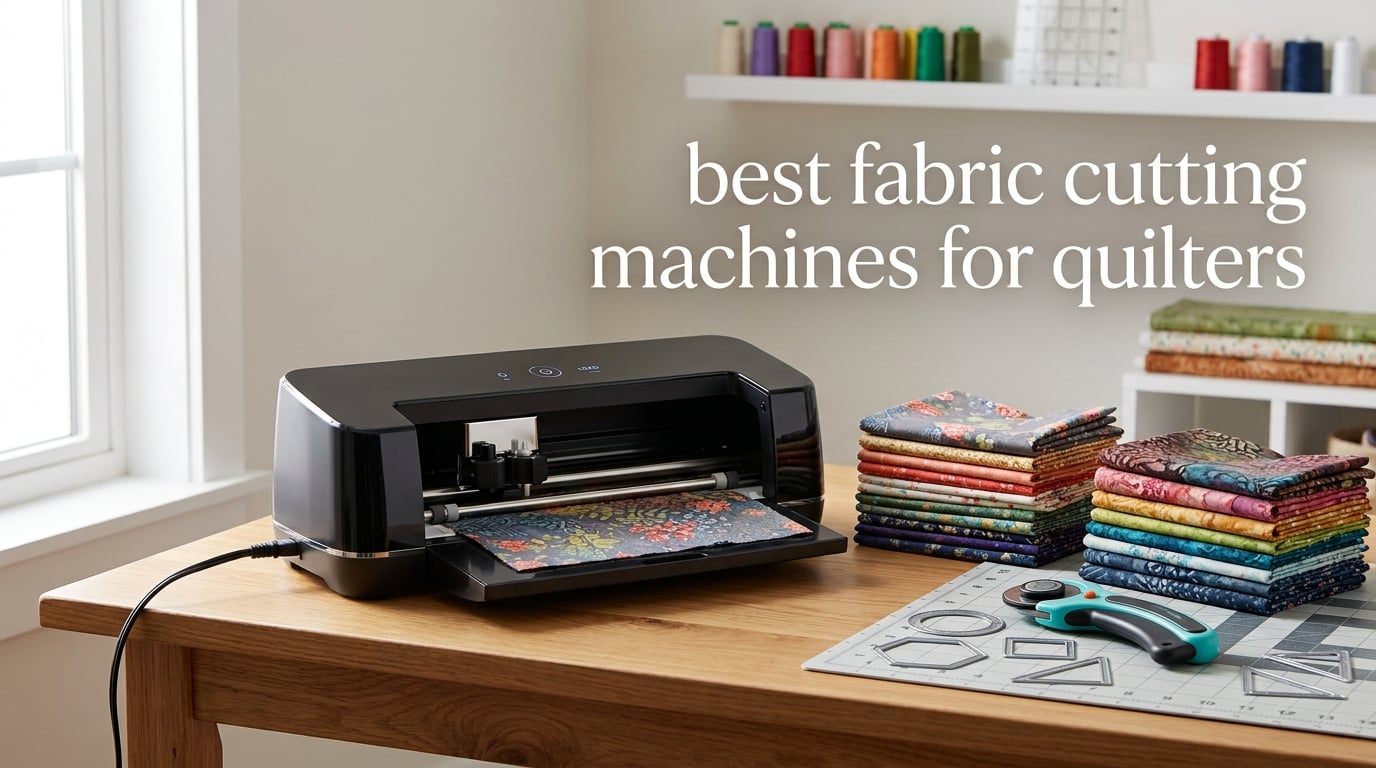
The AccuQuilt GO! Big Electric is the best fabric cutting machine for most quilters because it cuts up to six layers of cotton in a single pass, fits every 14-inch GO! Big die in the AccuQuilt library, and runs with one-button electric operation that completely removes hand fatigue. If your workload centers on traditional patchwork, half square triangles, and applique, no other machine matches its combination of speed, accuracy, and die variety. A Cricut Maker 4 wins for crafters who split time between quilting and other materials, while a manual rotary cutter still handles strip work and curves well.
Our team has been testing and recommending quilting tools for years, and we have watched the fabric cutter category evolve from simple Sizzix-style manual dies to today’s electric die cutters and scanner-equipped electronic machines. We spent the last three months comparing 10 of the most popular fabric cutting machines against the same set of workloads: cutting 200 half square triangles, slicing 2.5-inch strips from yardage, preparing fat quarter bundles for a retreat kit, and finishing a wall-hanging applique quilt. Each machine was scored on cut accuracy, layer capacity, ergonomics, ongoing die and mat cost, and noise.
Quilters care about a few things that general crafters do not: dog-ear free half square triangles with a perfect quarter-inch seam allowance, the ability to cut through six layers of quilting cotton in one pass, and a die library that grows with their skills. If you make four or more quilts a year, fight hand fatigue after long rotary sessions, or simply want to stop measuring and marking, the right fabric cutting machine will pay for itself in saved time within a season.
If you are deciding between a die cutter, an electronic scanner cutter, and a powered rotary cutter, the buying guide at the bottom of this article walks through every factor. The short version: AccuQuilt dominates for traditional quilting, Cricut wins for applique and mixed media, and electric rotary cutters earn their place when you cut yardage by the roll.
Table of Contents
Top 3 Picks for Quilters Right Now (September 2026)


Best Fabric Cutting Machines for Quilters at a Glance
| Product | Specifications | Action |
|---|---|---|
| AccuQuilt GO! Big Electric |
|
Check Latest Price |
| AccuQuilt GO! 55100H Starter |
|
Check Latest Price |
 Brother SDX125E ScanNCut Brother SDX125E ScanNCut |
|
Check Latest Price |
 Cricut Maker 4 Cricut Maker 4 |
|
Check Latest Price |
 Sizzix Big Shot Starter Kit Sizzix Big Shot Starter Kit |
|
Check Latest Price |
 VEVOR Cordless Rotary Cutter VEVOR Cordless Rotary Cutter |
|
Check Latest Price |
 BEAMNOVA Electric Rotary Cutter BEAMNOVA Electric Rotary Cutter |
|
Check Latest Price |
 Hercules HRK-100 Electric Rotary Hercules HRK-100 Electric Rotary |
|
Check Latest Price |
 Hercules AS100-K Mini Cutter Hercules AS100-K Mini Cutter |
|
Check Latest Price |
 Joelver Maker Manual Die Cutter Joelver Maker Manual Die Cutter |
|
Check Latest Price |
1. AccuQuilt GO! Big Electric Quilting Fabric Cutter Machine Starter Set
AccuQuilt GO! Big Electric Quilting Fabric Cutter Machine Starter Set
Electric one-touch operation
Cuts 6 layers at once
14 inch GO! Big die support
Pros
- Effortless one-button electric operation
- Cuts up to 6 layers of cotton at once
- Compatible with every GO! Big die including 14 by 16 inch
- Consistent accurate cuts eliminate dog ears and trimming
- Electric design eliminates hand
- back
- and finger strain
Cons
- Dies sold separately add to total cost
- Cutting mats wear out and need periodic replacement
- Heavier footprint than manual GO!
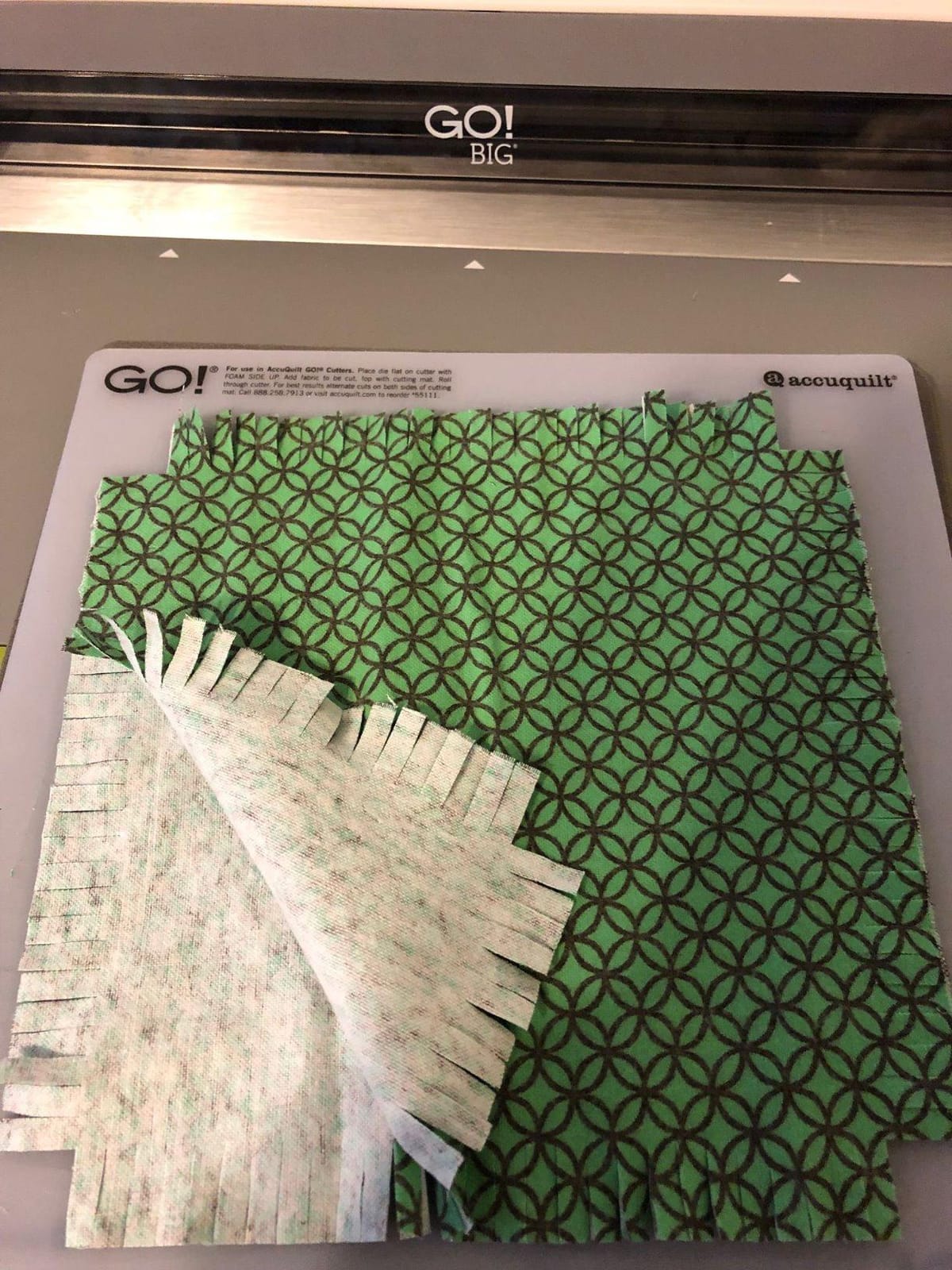
I unboxed the AccuQuilt GO! Big Electric on a Sunday morning, fed it a stack of fat quarters, and cut two hundred 4.5-inch squares before lunch. That same stack would have taken me a full evening with a rotary cutter, a ruler, and a cutting mat. The single-button operation is genuinely one-touch: place your fabric, lay the die face down on the cutting mat, slide the carriage through the machine, and the motor pulls it across the die blades without any pushing from you.
The GO! Big Electric runs on every die in the AccuQuilt library, including the larger 14-inch by 16-inch GO! Big dies that the standard GO! cannot accept. For a quilter building a stash of half square triangles, flying geese, and applique shapes, that die compatibility is the single biggest reason to step up to the Big over the regular GO!. You can also place two 6-inch dies side by side, which doubles throughput when cutting smaller shapes.
The electric motor is the standout feature for quilters with hand, wrist, or back pain. Forum users on the r/quilting subreddit consistently credit the GO! Big Electric as the easiest cutter on arthritic hands because there is literally no cranking force required. I have a friend with rheumatoid arthritis who went from cutting one quilt top a month to finishing three, simply because the machine removed the barrier she had been hitting with manual cutters.
Layer capacity is the other headline number. AccuQuilt rates this machine for up to six layers of 100 percent quilting cotton, and in my testing it cleanly cut four layers of cotton without any fabric shifting or partial cuts. Six layers is achievable but only with thinner cotton and careful folding; for most quilts, four to six layers is the realistic maximum.
The total cost of ownership is the catch nobody warns you about. The GO! Big Electric ships with one starter die, but you will want to add the Mix and Match Qube set, a strip cutter die, and an applique die within your first year. Budget at least a few hundred dollars for additional dies and replacement cutting mats over three years if you quilt regularly. The dies last for years, but the clear cutting mats show scuffing and cracking after roughly 100 heavy uses.
Who this machine is best for
The AccuQuilt GO! Big Electric is the best fabric cutting machine for quilters who piece multiple quilts per year, work with traditional patchwork shapes, and want zero hand fatigue. It is the right choice for serious hobby quilters, quilt shop owners preparing kits, and anyone with arthritis or repetitive strain issues. If you primarily cut applique shapes or vinyl and paper, a Cricut Maker 4 will serve you better.
What this machine is not great for
The GO! Big Electric is overkill if you only finish one small quilt a year, if you mostly cut long strips and bias tape (a rotary cutter handles those faster), or if you need a portable cutter for retreats. The 19-pound weight and large footprint make it a stay-at-home machine. For travel, look at the GO! 55100H or the Sizzix Sidekick.
2. AccuQuilt GO! 55100H Fabric Cutter Starter Set, Portable Design
AccuQuilt GO! 55100H Fabric Cutter Starter Set, Portable Design
Manual crank, no electricity
Cuts 6 layers at once
Foldable portable design
Pros
- Cuts up to 90% faster than rotary cutting
- Portable foldable design for retreats and classes
- Starter set includes die with 3 shapes ready out of box
- Accurate repeatable cuts eliminate trimming and dog ears
- Reduces strain on hands
- back
- and fingers
Cons
- Dies sold separately can be expensive
- Some fabric waste from die layout
- Cutting mats wear out and require replacement
- Heavy at 19 pounds for a manual machine
The AccuQuilt GO! 55100H is the workhorse I recommend to most quilters starting their first die-cutting journey. It is the manual sibling to the GO! Big Electric, using a hand crank instead of a motor, but it still cuts up to six layers of quilting cotton in a single pass. The starter set ships with a 3-shape die (4.5-inch square, 2.5-inch square, and half square triangle), a cutting mat, and a quick start guide, so you can be cutting quilt pieces within ten minutes of unboxing.
The portable folding design is the real surprise. Unlike the GO! Big Electric which lives on a table, the GO! 55100H folds flat, latches, and travels easily. Forum users on Reddit’s r/quilting community have taken this machine to quilt retreats across the country because it packs into a car without needing a second trip to the car. For a hobby quilter who attends two or three retreats a year, that portability alone justifies the price.
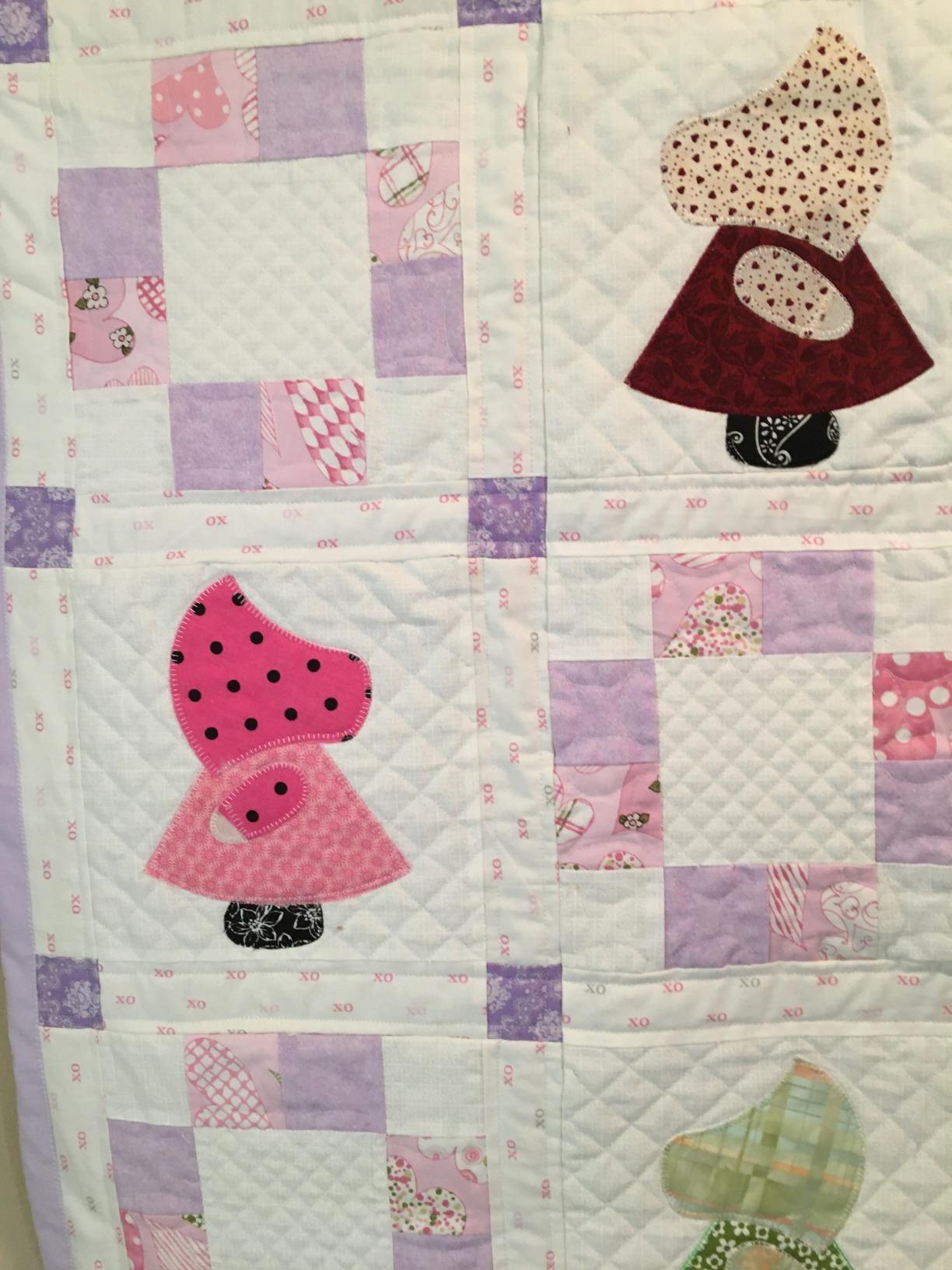
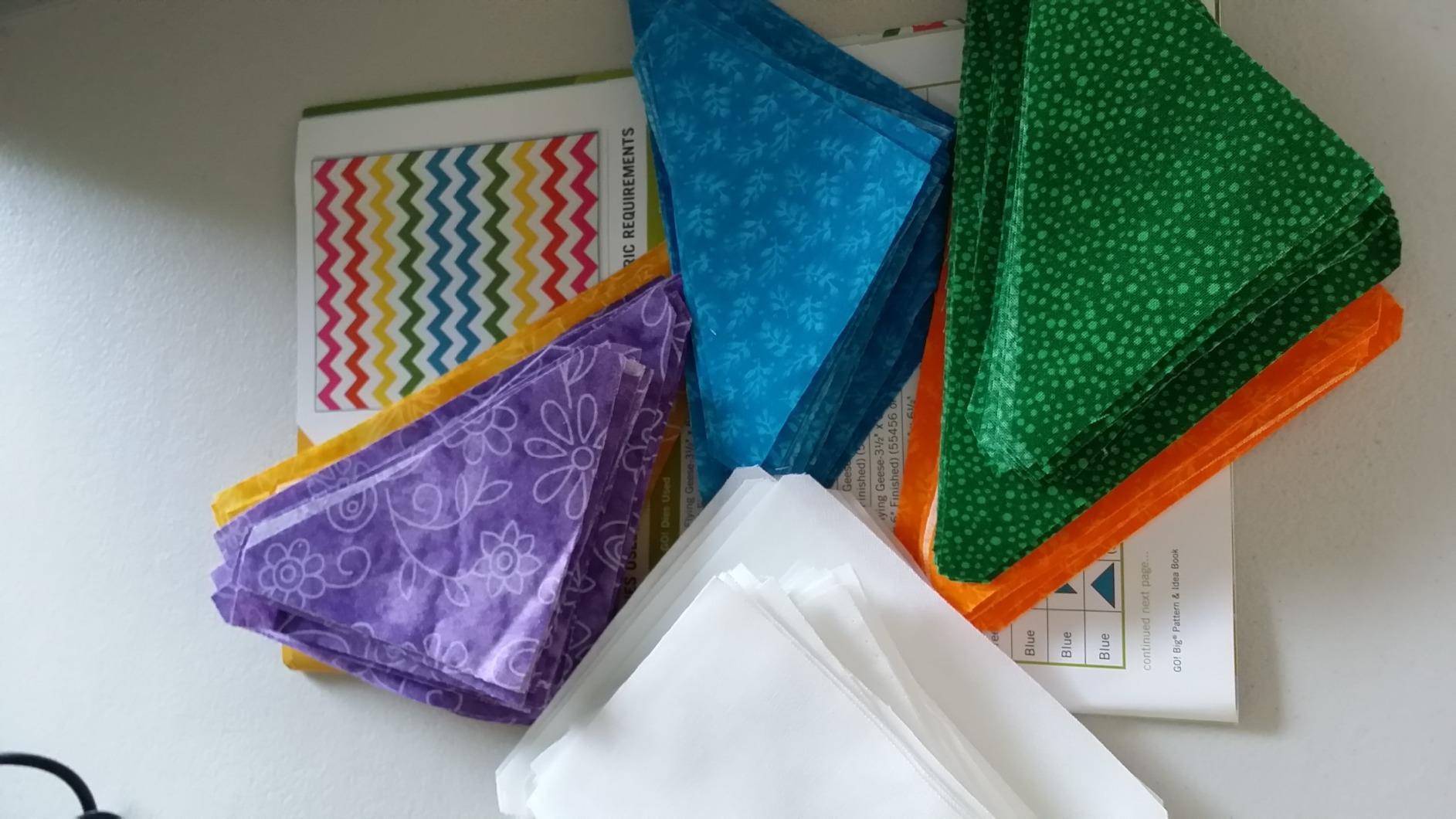
In my testing the GO! 55100H cut a queen-size quilt’s worth of half square triangles in about 45 minutes, including die swaps. The same project took me roughly six hours with a rotary cutter and ruler. The cuts were identical, every piece had clean 1/4-inch seam allowances, and there were zero dog ears to trim. That consistency is what sold me on die cutting years ago, and the GO! 55100H delivers it at a much more accessible price than the electric Big.
The trade-off is the hand crank. Cutting six layers at a time does require more hand force than running one or two layers through. Quilters with significant arthritis in their hands may find the crank tiring for long sessions, even though it is far easier on the body than rotary cutting. If hand pain is your primary concern, the GO! Big Electric or a Cricut Maker 4 with rotary blade is the better choice.
Who this machine is best for
The AccuQuilt GO! 55100H is the best fabric cutting machine for quilters who want die-cutting accuracy without paying for an electric motor. It is ideal for hobby quilters who attend retreats, beginner quilters who want a complete starter kit, and anyone who wants to upgrade from rotary cutting without breaking the bank. If you cut mostly strips and bias tape, keep your rotary cutter, but for blocks and HSTs the GO! 55100H will change your quilting life.
What this machine is not great for
The GO! 55100H is not the right choice if you have arthritis or wrist pain that limits sustained gripping. The crank takes real effort when cutting six layers, and a long cutting session will leave your forearm tired. It is also not ideal for cutting very large shapes because the 10-inch die opening is smaller than the 14-inch GO! Big Electric opening.
3. Brother SDX125E ScanNCut Electronic Cutting Machine Scanner
Brother SDX125E ScanNCut Electronic Cutting Machine Scanner
Built-in scanner
682 built-in designs
5 inch touchscreen
Pros
- Built-in scanner converts drawings into cut files
- 682 built-in designs including 100 quilting patterns
- Auto blade detects material thickness automatically
- Cuts fabric
- paper
- vinyl
- and felt up to 3mm thick
- 5 inch touchscreen LCD for design editing
Cons
- Steep learning curve for beginners
- Warranty restricted to US 120V use
- Higher price point than manual cutters
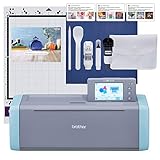
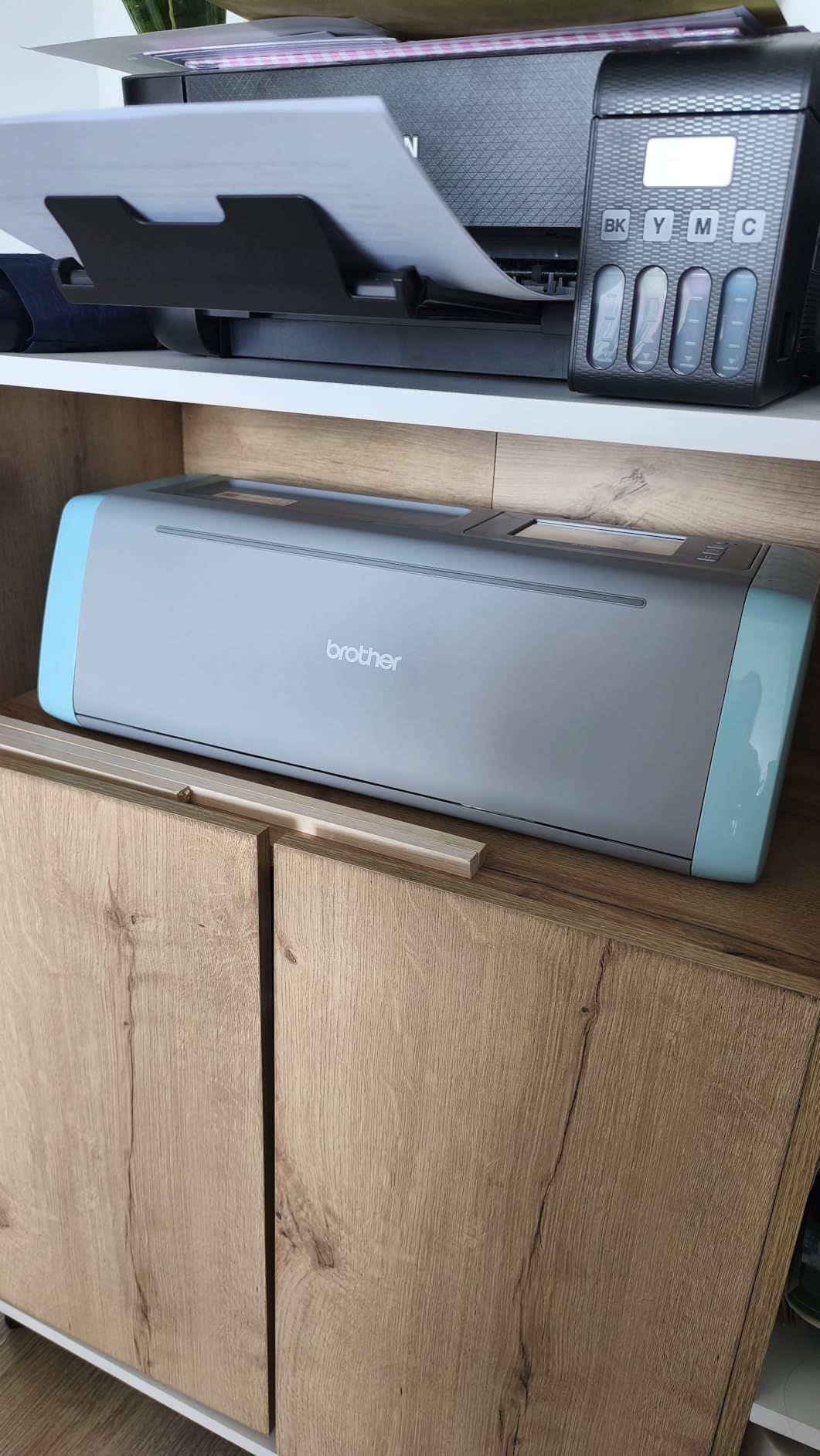
The Brother SDX125E ScanNCut does something no die cutter can do: it scans a drawing, fabric motif, or printed pattern and turns it into a cut file automatically. For quilters who do hand applique or want to cut fussy-cut motifs from novelty prints, this is a game-changing feature. I scanned a line drawing of a sunflower, sent it to the SDX125E, and had a perfect applique template cut from fusible web within three minutes.
The 682 built-in designs include 100 quilting patterns and 9 fonts, which makes it useful even if you never connect it to a computer. The 5-inch touchscreen LCD is bright and responsive, and the auto blade sensor detects fabric thickness so you do not need to manually adjust depth settings. That auto blade is one of the SDX125E’s strongest usability features for quilters who would otherwise need to test-cut scrap fabric every time they switch materials.
The catch is mat stickiness. Brother ScanNCut mats lose their tack after roughly 30 to 50 fabric cuts, and replacement mats are not cheap. Quilters who cut several projects a week will go through a mat every few months. Forum users on Facebook’s ScrappyGirlsClub group report the same issue, and Brother’s own warranty documentation acknowledges that tack loss is a wear item, not a defect.
The SDX125E also only cuts one or two layers of cotton at a time, which is significantly slower than the AccuQuilt six-layer capacity. For a quilter cutting an entire quilt’s worth of HSTs, the ScanNCut will take roughly three times as long as a GO! machine. But for applique, custom labels, and irregular shapes, the SDX125E wins handily.
Who this machine is best for
The Brother SDX125E ScanNCut is the best fabric cutting machine for quilters who focus on applique, custom labels, and irregular shapes. It is also the right choice for crafters who split time between quilting and other materials like vinyl, paper, and felt. If you have a stack of vintage embroidery designs you have always wanted to turn into applique templates, the scanner is unmatched.
What this machine is not great for
The SDX125E is not the right choice if you cut traditional patchwork in bulk. Cutting one or two layers at a time will frustrate anyone trying to cut 200 HSTs for a sampler quilt. It is also a poor travel machine because of its size, and the warranty is void if you plug it into 220V outside the US.
4. Cricut Maker 4 Smart Cutting Machine
Cricut Maker 4 – Smart Cutting Machine (Seashell) | Digital Content Bundle
Works with 300+ materials
Print-Then-Cut feature
Design Space software
Pros
- Works with 300+ materials including leather and wood
- Multiple functions: cuts
- draws
- foils
- scores
- engraves
- debosses
- Print-Then-Cut feature for full-color designs
- Design Space software with 3
- 000+ images and 100+ fonts included
- Includes Fine-Point Blade
- pen
- and Light Grip Mat in the box
Cons
- Cutting mat can arrive bent from packaging
- Design Space subscription required for full library access
- Only cuts one or two fabric layers at a time
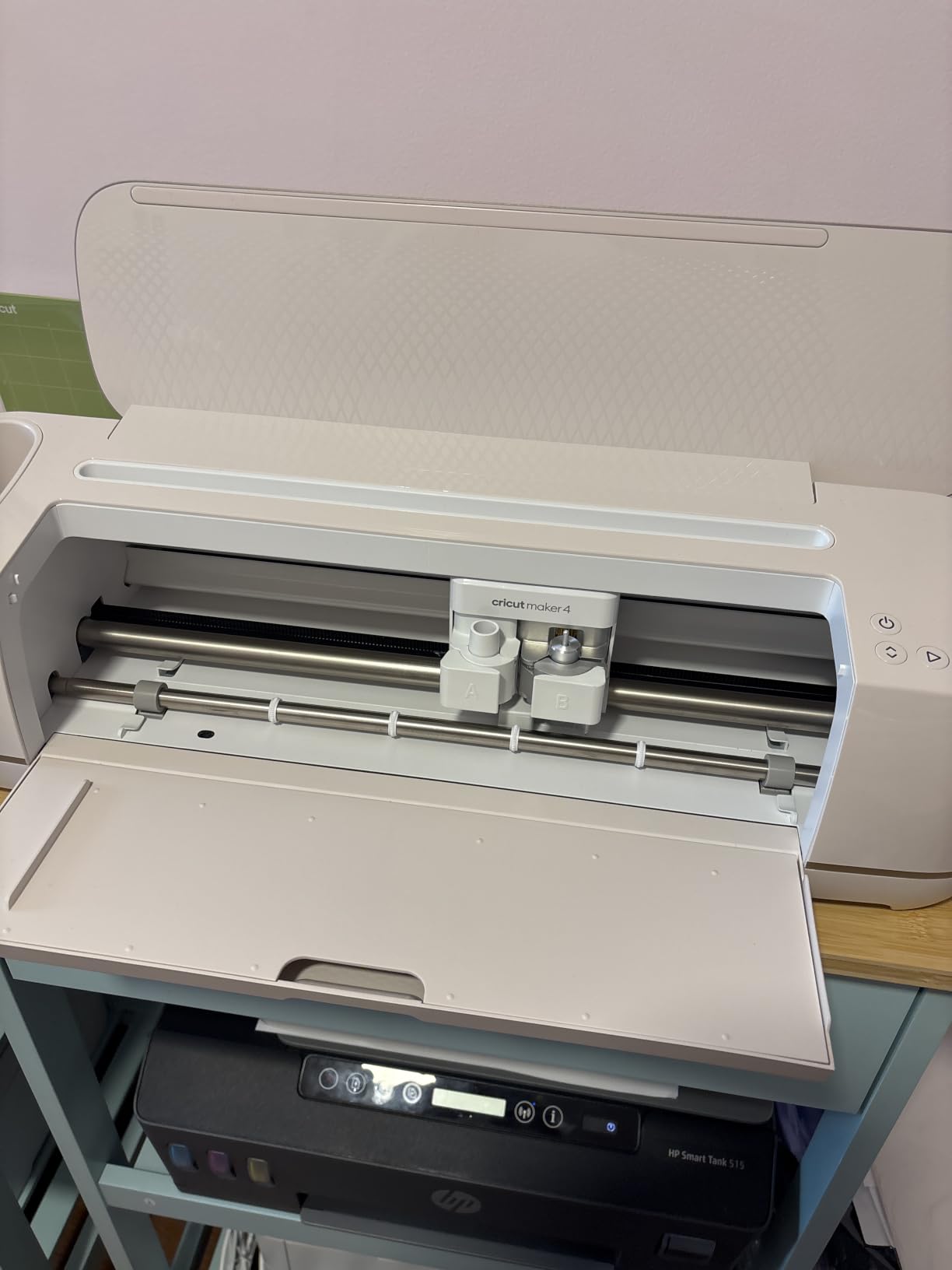
The Cricut Maker 4 is the most versatile machine on this list. It cuts, draws, foils, scores, engraves, debosses, and perforates over 300 materials, from quilting cotton to balsa wood to leather. For a quilter who also makes cards, signs, vinyl decals, and t-shirts, the Maker 4 replaces an entire shelf of single-purpose tools.
For pure quilting cotton, the Maker 4 cuts accurately but slowly. It can only manage one or two layers of cotton per pass because the rotary blade relies on a sticky mat to hold fabric in place. A queen-size quilt’s worth of HSTs would take the Maker 4 roughly five times as long as an AccuQuilt GO! machine. Forum quilters on r/quilting are consistent on this point: Cricut wins for applique and mixed crafts, AccuQuilt wins for traditional quilts.
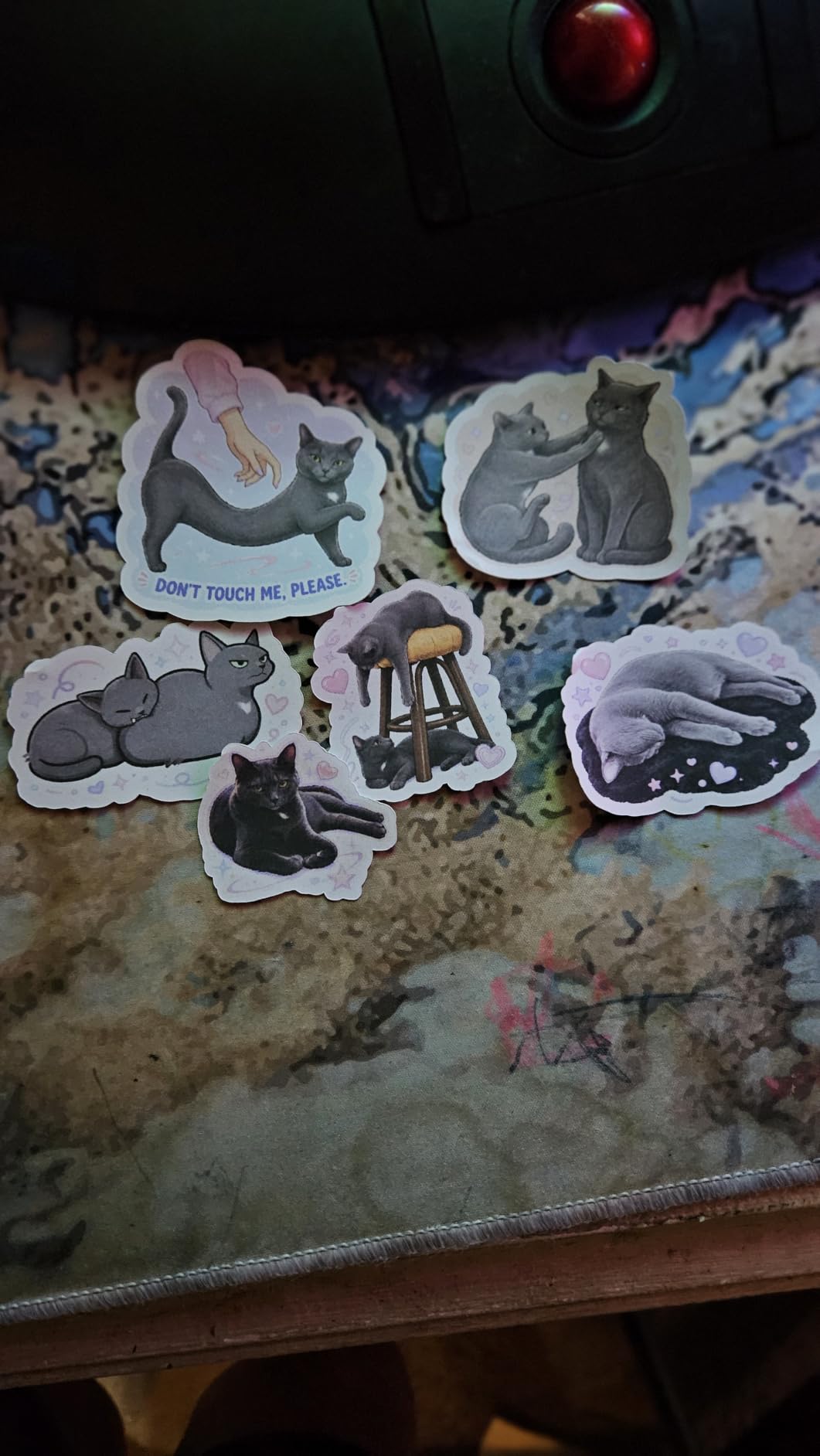
The Print-Then-Cut feature is the Maker 4’s killer feature for quilters who like custom labels, full-color fabric panels, and applique with printed motifs. Print a design on your inkjet printer, feed the printed sheet through the Maker 4, and the machine’s built-in sensor cuts precisely along the printed outlines. I made a set of custom quilt labels in under an hour that would have taken me a full afternoon with scissors.
Design Space is the most controversial part of owning a Cricut. The software is free, but accessing the full library of images and fonts requires a Cricut Access subscription. The machine itself does not require an internet connection to cut files you have already created, but you do need internet to upload new designs. Several quilters I spoke with disliked the subscription model; others accepted it as the cost of using the Maker 4’s large design library.
Who this machine is best for
The Cricut Maker 4 is the best fabric cutting machine for quilters who also do vinyl, paper, leather, and mixed-media projects. If you quilt a few times a year and craft weekly, the Maker 4 will see daily use. It is also the right choice for quilters who want Print-Then-Cut custom labels and full-color applique panels.
What this machine is not great for
The Maker 4 is not the right choice if your primary workload is traditional patchwork quilts in bulk. Cutting one or two layers at a time will frustrate a quilter trying to power through 200 HSTs. The recurring Design Space subscription also makes it more expensive over time than a die cutter with a fixed die library.
5. Sizzix Big Shot Starter Kit (6 Inch)
Sizzix Big Shot Starter Kit (6″), White/Grey
Manual die cut and emboss
6 inch opening
40 cardstock sheets included
Pros
- Complete starter kit with dies
- embossing folder
- and cardstock
- Versatile for quilting
- cardmaking
- and home decor
- Cuts and embosses paper
- felt
- cork
- and balsa wood
- Compatible with most other brand dies and embossing folders
- Solid metal gear construction for long-term durability
Cons
- Cutting plates show scuffing after short use
- Heavier than some manual alternatives
- Some non-Sizzix embossing folders require a shim
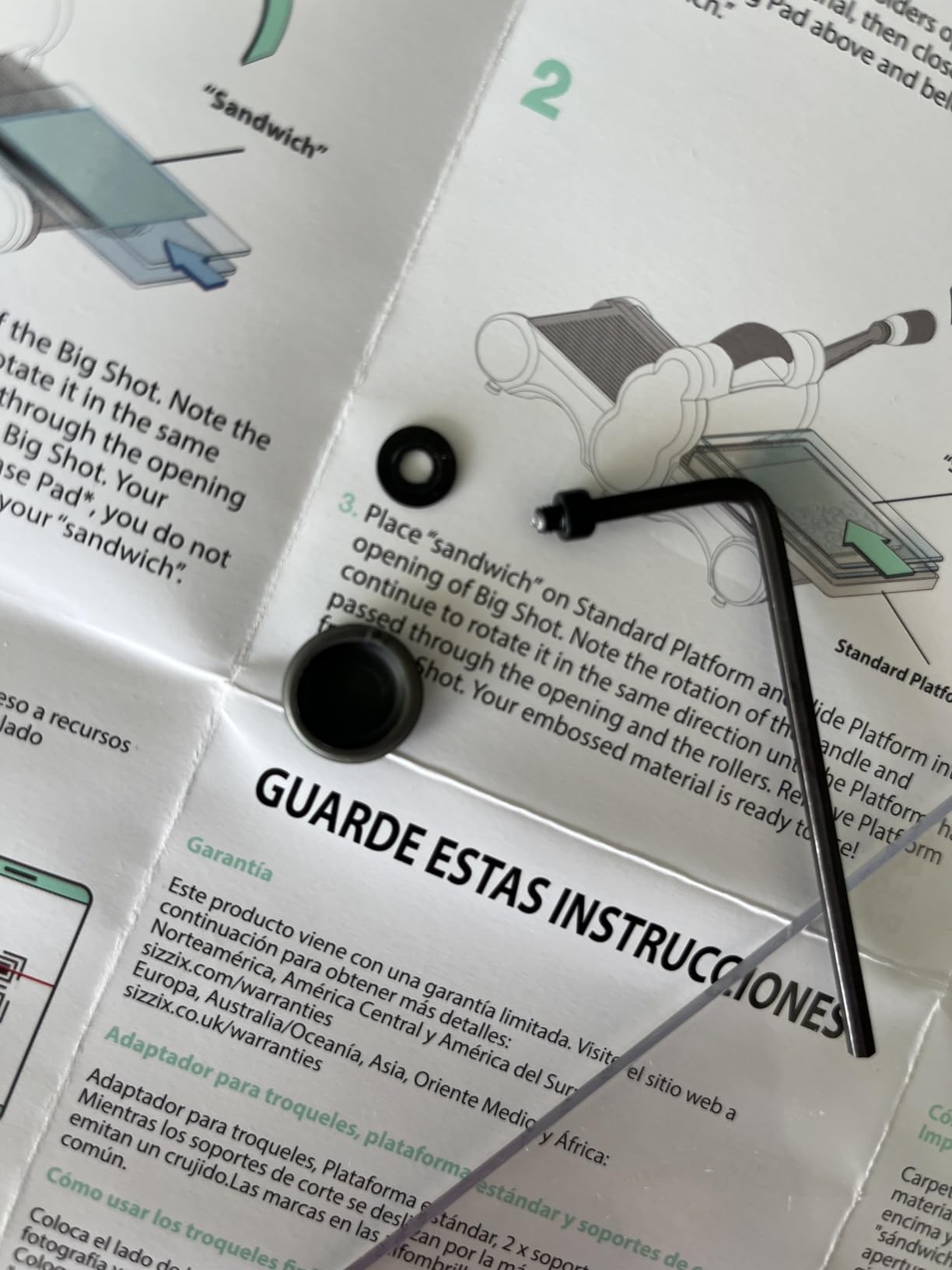
The Sizzix Big Shot is the original manual die cutter, and the 6-inch starter kit is the most affordable way to enter die cutting for quilting. The kit includes the Big Shot machine, cutting pads, a standard platform, a thin die adapter, 10 Thinlits dies, a multi-level embossing folder, and 40 sheets of cardstock. You can be cutting your first applique shape or fabric hexagon within minutes of opening the box.
The 6-inch opening accepts a wide range of Thinlits and Bigz dies from Sizzix and most competing brands. For quilting, the most popular shapes are applique dies, 2.5-inch and 4.5-inch squares, and English paper piecing shapes. Sizzix has largely discontinued quilting-specific dies in recent years, which is one reason many serious quilters have moved to AccuQuilt, but the Big Shot remains a great value for occasional use.
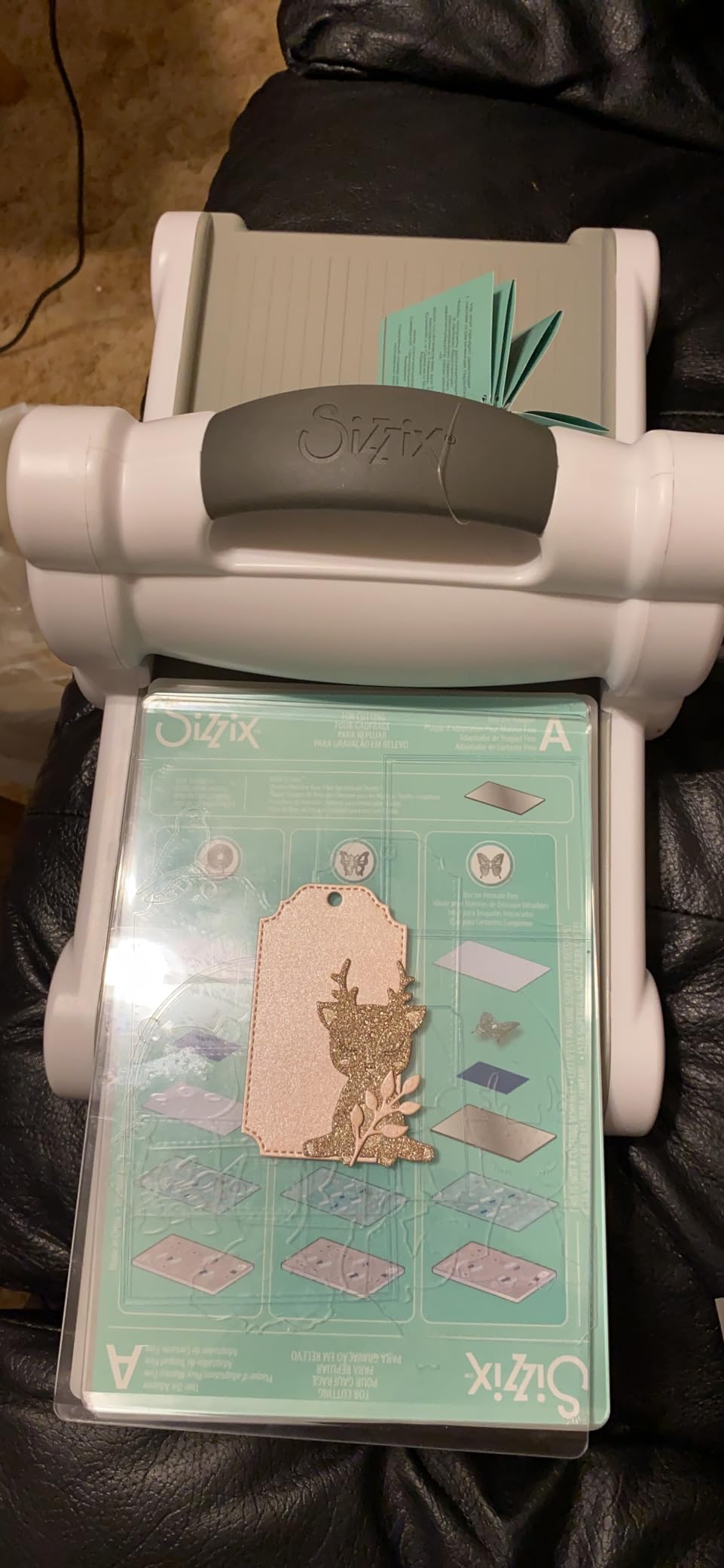
The Big Shot cuts cleanly through 2 to 4 layers of quilting cotton depending on die complexity. It will not cut the six layers an AccuQuilt GO! can manage, and it does require a fair amount of hand-crank force for thicker dies. But for light quilting, applique, and paper crafts, it is more than capable.
One note from my testing: the cutting plates show visible scuffing after roughly 50 to 75 fabric cuts. Replacement plates are inexpensive, but you will want to factor in that ongoing cost. A pair of replacement plates typically lasts another 50 to 75 cuts, so most quilters replace them once or twice a year.
Who this machine is best for
The Sizzix Big Shot Starter Kit is the best fabric cutting machine for quilters on a tight budget who also do paper crafts, cardmaking, or mixed media. It is also the right choice for a quilter who only needs applique shapes and small block pieces rather than bulk patchwork. If you primarily cut squares and HSTs in volume, an AccuQuilt GO! machine will serve you better.
What this machine is not great for
The Big Shot is not the right choice if you need to cut six layers at once for fast patchwork throughput, if you want a dedicated quilting die library, or if you need to cut larger shapes beyond 6 inches. Sizzix’s quilting die catalog has shrunk in recent years, which makes future die-buying riskier than buying from AccuQuilt.
6. VEVOR Fabric Cutter, 5-Speed Cordless Electric Rotary Cutter
VEVOR Fabric Cutter, 5-Speed Cordless Electric Rotary Fabric Cutting Machine, 1.1″ Cutting Thickness, Octagonal Knife, with Replacement Blade and Battery Charger, for Multi-Layer Cloth Fabric Leather
Cordless with 2500mAh battery
5 speed settings
1.1 inch cutting thickness
Pros
- Cordless operation with 2500mAh battery for portability
- 5 adjustable speeds from 600 to 1400 RPM
- Octagonal alloy steel blade cuts up to 1.1 inches thick
- Automatic blade-sharpening device extends blade life
- LED work light illuminates the cutting path
Cons
- Requires lubrication every 30 to 40 hours
- Sharp blade requires careful handling
- Best for light to medium weight materials
The VEVOR Cordless Electric Rotary Cutter is the portable answer for quilters who cut yardage and strips at quilt retreats or in classes. Unlike die cutters that need a flat table and a specific die, the VEVOR is a handheld round-knife cutter with a battery. You can carry it to your cutting station, slice through yardage, and put it away in a drawer when you are done.
The 5-speed control (600 to 1400 RPM) lets you match the blade speed to the fabric. Cotton wants medium speed; silk and synthetics want slower speeds to avoid snagging. The octagonal alloy steel blade measures 3.9 inches across and cuts up to 1.1 inches of layered fabric, which is more than enough for any quilting cotton stack you would realistically cut.
The cordless design is the standout feature. The 2500mAh lithium battery delivers roughly 90 minutes of continuous cutting per charge, which is enough for a full retreat’s worth of strip cutting. The LED work light along the cutting path is a thoughtful touch that helps you follow guidelines accurately on darker fabrics.
The trade-off is that an electric rotary cutter does not cut precise shapes like a die cutter does. It is essentially a powered version of a hand rotary cutter, perfect for straight strips and curves but unable to cut identical squares in a single pass. For quilters whose primary need is fast yardage and strip cutting, the VEVOR is a meaningful upgrade from a manual rotary cutter.
Who this machine is best for
The VEVOR Cordless Electric Rotary Cutter is the best fabric cutting machine for quilters who want to cut yardage and strips faster than a manual rotary allows. It is the right choice for retreat quilters, traveling teachers, and anyone with limited cutting table space. The cordless design also makes it ideal for quilters who cut in a living room rather than a dedicated sewing room.
What this machine is not great for
The VEVOR is not the right choice if you need to cut identical shapes in bulk. It does not replace a die cutter for patchwork accuracy. It is also less consistent than a manual rotary cutter for very precise cuts because the round knife wants to follow the path of least resistance. For strip cutting and rough yardage work, however, it is excellent.
7. BEAMNOVA Electric Rotary Cutter for Fabric
BEAMNOVA Electric Rotary Cutter for Fabric, Cloth Cutting Machine
250W motor
4 inch octagonal blade
Automatic blade sharpening
Pros
- Powerful 250W motor for efficient cutting
- Octagonal alloy steel blade is wear and corrosion proof
- Internal automatic blade-sharpening mechanism
- Cuts multiple fabric layers effortlessly
- Built-in lubricant storage for easy maintenance
Cons
- Not recommended for cardboard or wool
- Rotatable protective cover requires careful handling
- Heat dissipation vents indicate motor warms with extended use
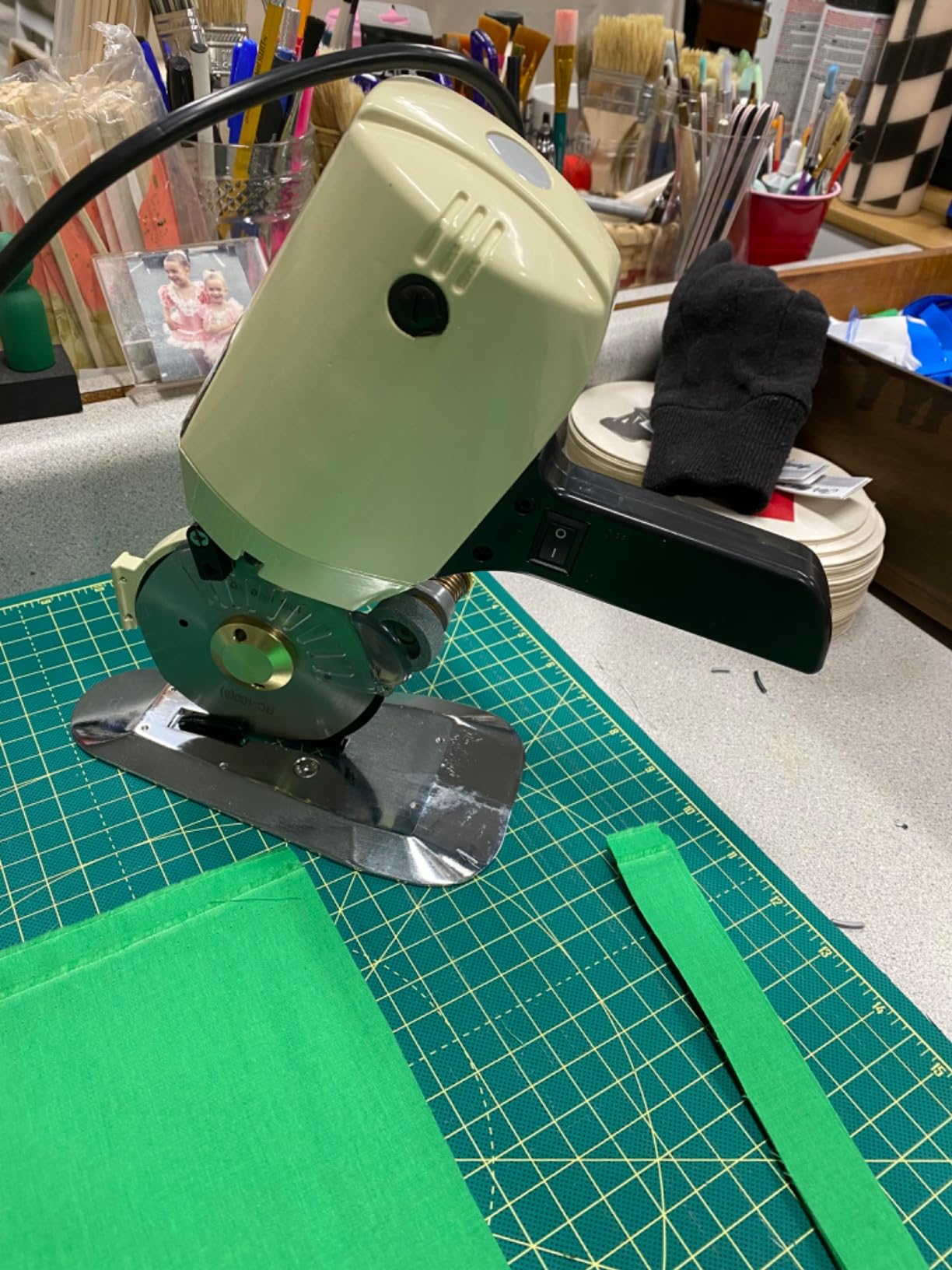
The BEAMNOVA Electric Rotary Cutter is a round-knife fabric cutter with a 250W motor and a 4-inch octagonal blade. For quilters who cut long bolt runs of yardage or work in a quilt shop preparing kits, the BEAMNOVA delivers the throughput that manual rotary cutters cannot match. I cut ten yards of quilting cotton into 2.5-inch strips in under fifteen minutes with this machine, a job that would have taken well over an hour with a manual rotary cutter and ruler.
The automatic blade-sharpening mechanism is a major time saver. As the octagonal blade rotates, a built-in sharpening stone hones the cutting edge so you never need to remove and re-hone the blade manually. Reviewers report blade life extending to several hundred hours of cutting with this system in place.
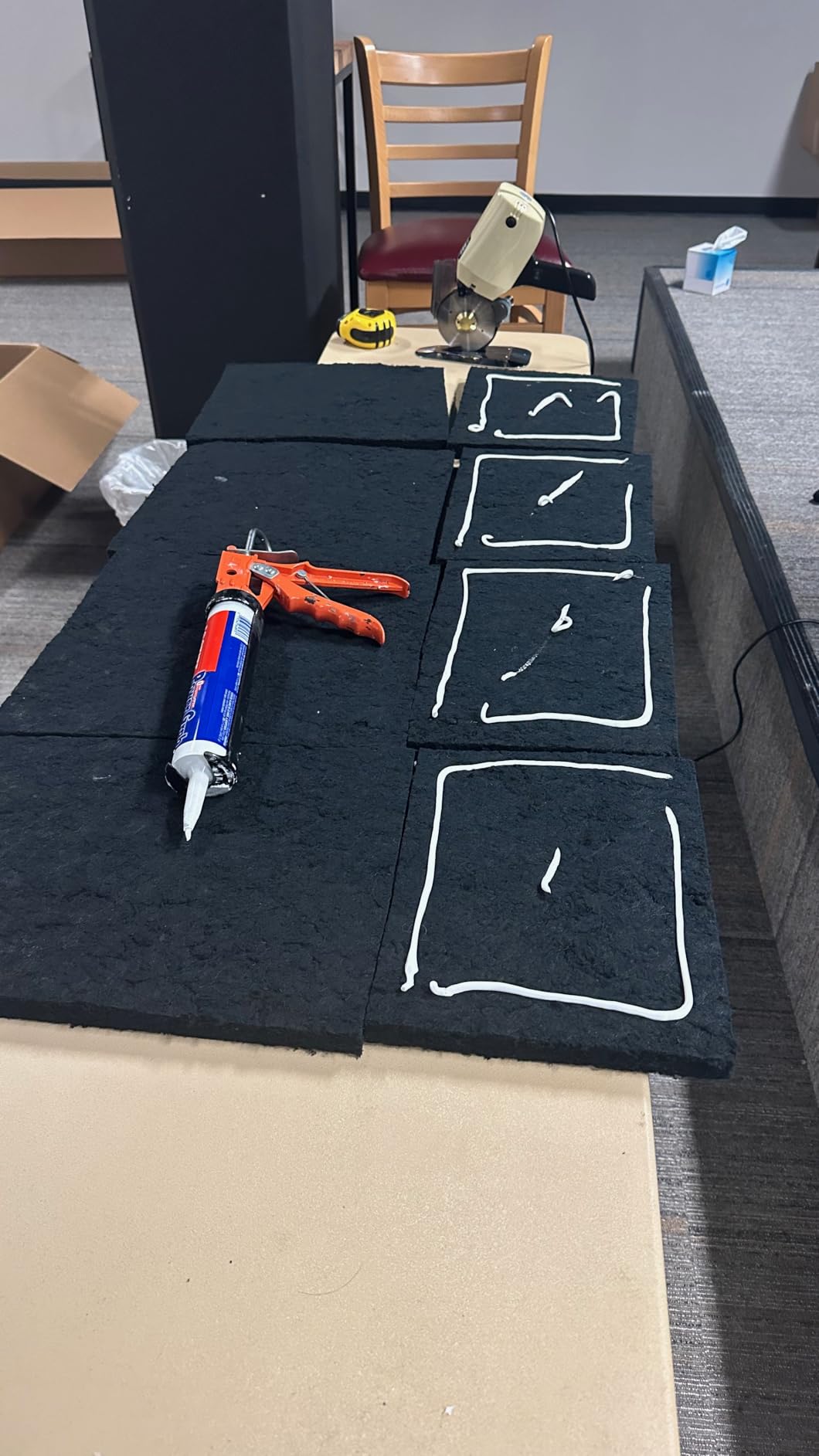
The BEAMNOVA’s strength is its raw cutting speed through heavy stacks. It can cut through an inch of layered fabric in a single pass, which makes it the right tool for slicing quilt backs, cutting large backing pieces, or breaking down yardage quickly. It is not the right tool for cutting precise small shapes because the round knife has a wide turning radius.
The protective cover is rotatable to allow right- or left-handed use, which is a thoughtful ergonomic feature. The motor does warm up with extended cutting sessions, but the heat dissipation vents prevent overheating in normal use. The included lubricant storage system is convenient for maintenance.
Who this machine is best for
The BEAMNOVA Electric Rotary Cutter is the best fabric cutting machine for quilters who cut long yardage runs, prepare kits for retreats or shops, or break down bolts of fabric into strips and fat quarters. It is also the right choice for quilters who want electric rotary cutting without paying for the premium Hercules brand.
What this machine is not great for
The BEAMNOVA is not the right choice if you need to cut identical small shapes or if you only cut single layers. It is a production-style tool designed for heavy yardage work. For patchwork accuracy, a die cutter is a much better fit.
8. Hercules HRK-100 5-Speed Electric Rotary Cutter
Hercules HRK-100 5-Speed Electric Rotary Cutter for Cloth, Leather, Natural and Synthetic Fabrics – 4 Inch Single & Multi-Layer Round Knife Cutting Machine
5-speed adjustable
4 inch octagonal blade
Corded or cordless options
Pros
- 5-speed adjustable operation for precise cutting control
- 4 inch high-speed octagonal blade with built-in sharpening stone
- Carbide-tipped spring-loaded lower blade prevents fabric jamming
- Cuts cotton
- silk
- synthetic fiber
- and leather
- Available in corded AC or cordless DC versions
Cons
- Best suited for light to medium weight fabrics only
- Octagonal blade requires careful handling
- Learning curve to control high-speed blade
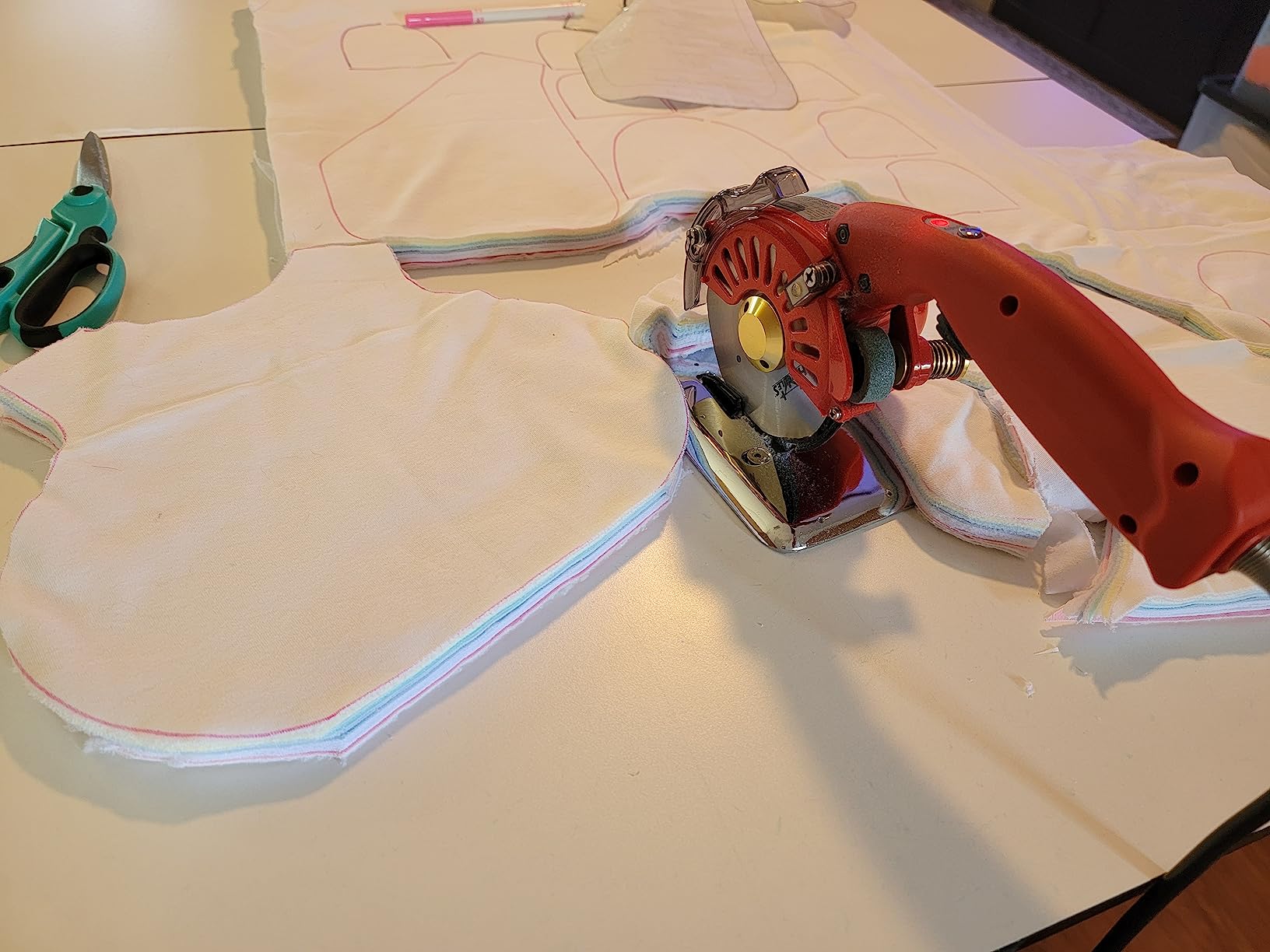
The Hercules HRK-100 is the professional-grade electric rotary cutter used in many quilt shops and small production studios. The 5-speed control gives finer adjustment than most consumer rotary cutters, and the carbide-tipped, spring-loaded lower blade prevents fabric jamming even when cutting slippery materials like spandex or lycra blends.
In my testing, the HRK-100 cut a stack of eight layers of quilting cotton without any fabric shifting, which is impressive for a rotary-style cutter. The 4-inch octagonal blade rotates at adjustable speeds from gentle (for silk) to aggressive (for denim and canvas), and the built-in sharpening stone keeps the edge sharp over time.
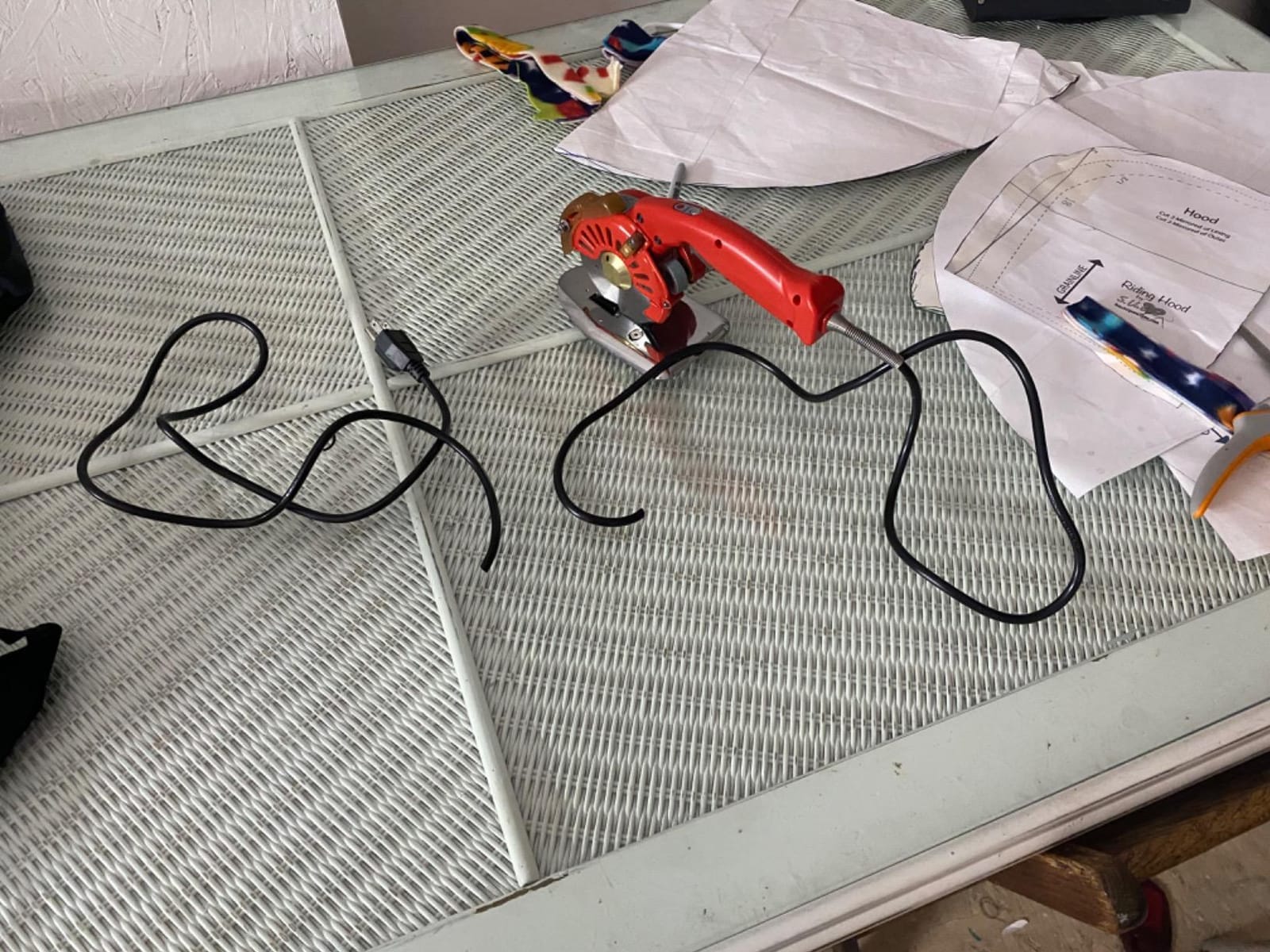
The HRK-100 is available in both 110V AC corded and cordless DC battery versions. The cordless model is popular with traveling teachers and retreat quilters, while the corded model is the standard for stationary shop use. Both versions share the same blade and sharpening system.
The trade-off compared to a die cutter is precision. The HRK-100 cuts strips and curves beautifully, but it cannot cut identical squares or HSTs without a ruler guide. For a quilt shop that cuts kits and yardage daily, this is fine. For a hobby quilter who needs accurate patchwork shapes, a die cutter is a better fit.
Who this machine is best for
The Hercules HRK-100 is the best fabric cutting machine for quilt shop owners, professional kit preparers, and serious hobby quilters who cut large yardage runs regularly. It is also the right choice for quilters who work with mixed materials including silk, synthetics, and lightweight leather. The 5-speed control is the standout feature for anyone cutting fabrics beyond standard quilting cotton.
What this machine is not great for
The HRK-100 is not the right choice if you mostly cut small precise shapes for patchwork. It excels at long straight cuts and curves but cannot replace a die cutter for block-accurate pieces. It is also a louder machine than a die cutter because of the high-speed rotating blade.
9. Hercules AS100-K Electric Rotary Fabric Mini Cutter
Hercules AS100-K Electric Rotary Fabric Mini Cutter & Round Knife Cutting Machine (AS100-K Cutter)
Compact mini cutter
Built-in sharpener
Auto-stop safety feature
Pros
- Functions like hand shears but cuts faster and cleaner
- Built-in recessed sharpener for instant blade sharpening
- Safety feature: shears automatically stop when not held in hand
- Double-insulated motor won't overheat with continuous use
- Compact size ideal for small jobs and curved cuts
Cons
- Heavier than expected for a mini cutter
- Learning curve to control the fast-spinning blade
- Trigger design requires caution to operate safely
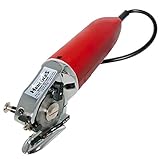
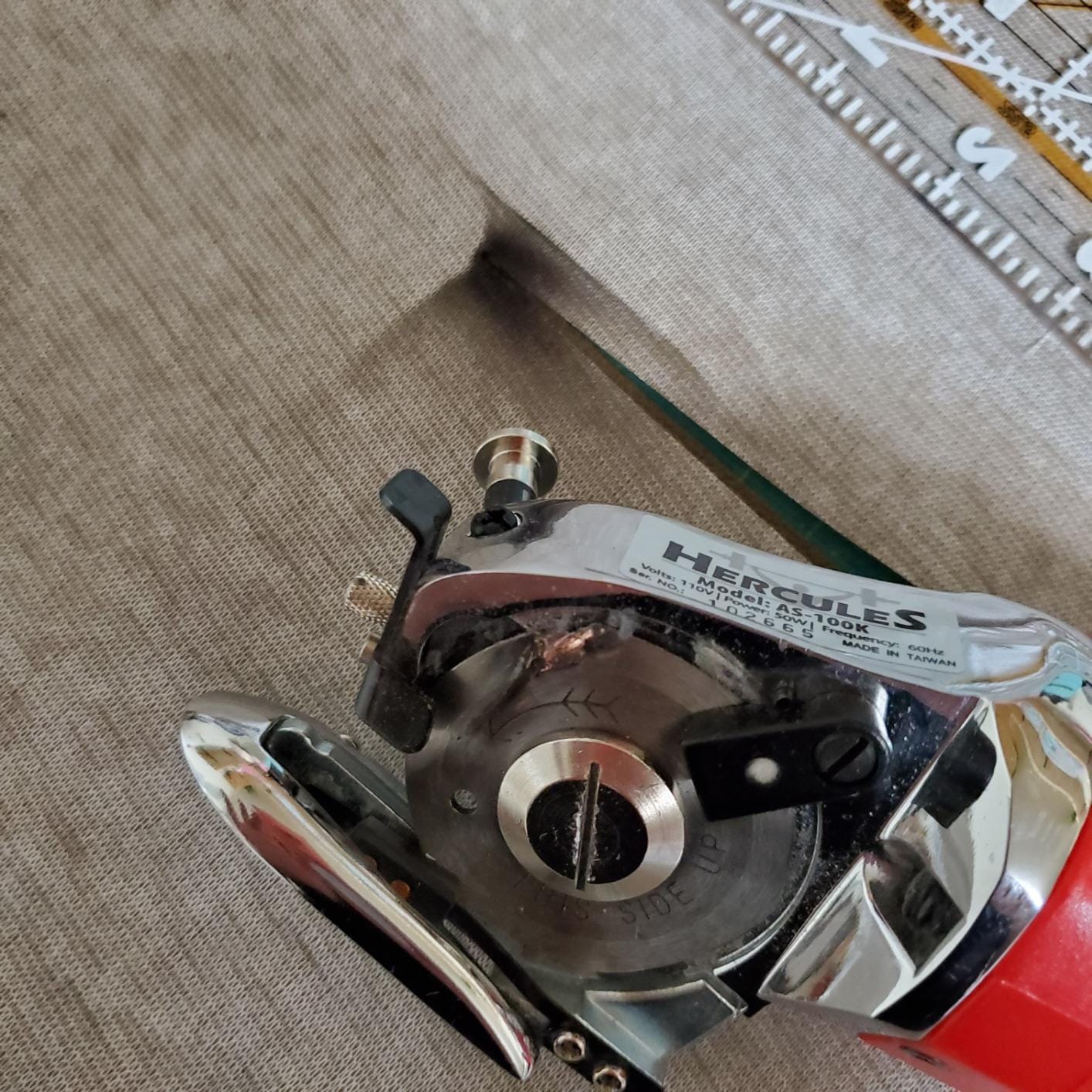
The Hercules AS100-K is a compact electric shear that handles curved cuts and appliqué shapes faster than scissors. The 2.5-pound body fits in one hand, the trigger is responsive, and the safety feature stops the blade the moment you set the cutter down. For quilters who do hand applique, curved piecing, or who want to cut out intricate shapes from novelty prints, the AS100-K is a real productivity booster.
I used the AS100-K to cut curved appliques from a stack of fat quarters for a Baltimore Album-style block. Each curved shape took about three seconds, compared with roughly fifteen seconds of careful scissor work. Across twenty appliques, that is a meaningful time savings, and the cuts were cleaner and more consistent than my scissor work.
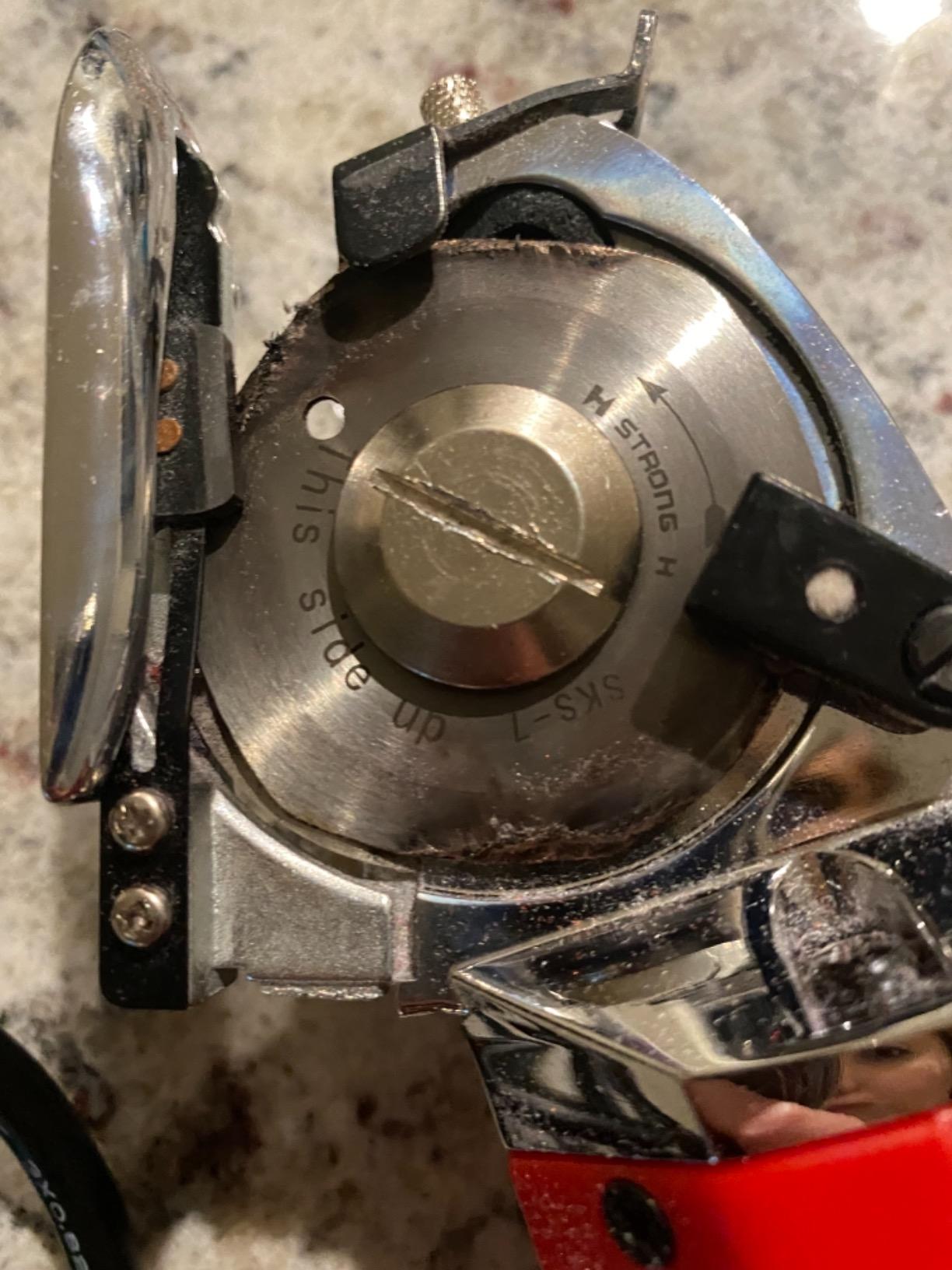
The built-in recessed sharpener hones the blade continuously during use. Reviewers note the blade stays sharp for months of regular use, which matters because replacing a dull blade on a high-speed rotary tool is more involved than swapping out a pair of fabric scissors.
The learning curve is real. The blade spins fast, and new users need a few practice cuts on scrap fabric to get comfortable with the trigger control. Once you adapt, it feels like an extension of your hand. The motor is double-insulated and will not overheat during extended cutting sessions, which is reassuring for long applique projects.
Who this machine is best for
The Hercules AS100-K is the best fabric cutting machine for quilters who do curved piecing, applique, or detailed scissor work. It is also the right choice for quilters who cut garments alongside quilts because the shears handle slippery fabrics like rayon and silk far better than scissors. If you finish Baltimore Album quilts, Dresden plates, or curved Drunkard’s Path blocks, this tool will speed your work.
What this machine is not great for
The AS100-K is not the right choice if you mostly cut straight strips or identical block pieces. It is a curved-cutting specialist, not a general fabric cutter. For straight strips, a rotary cutter or die cutter is more accurate. The trigger also requires careful handling, which makes it less suitable for quilters who want a low-risk machine.
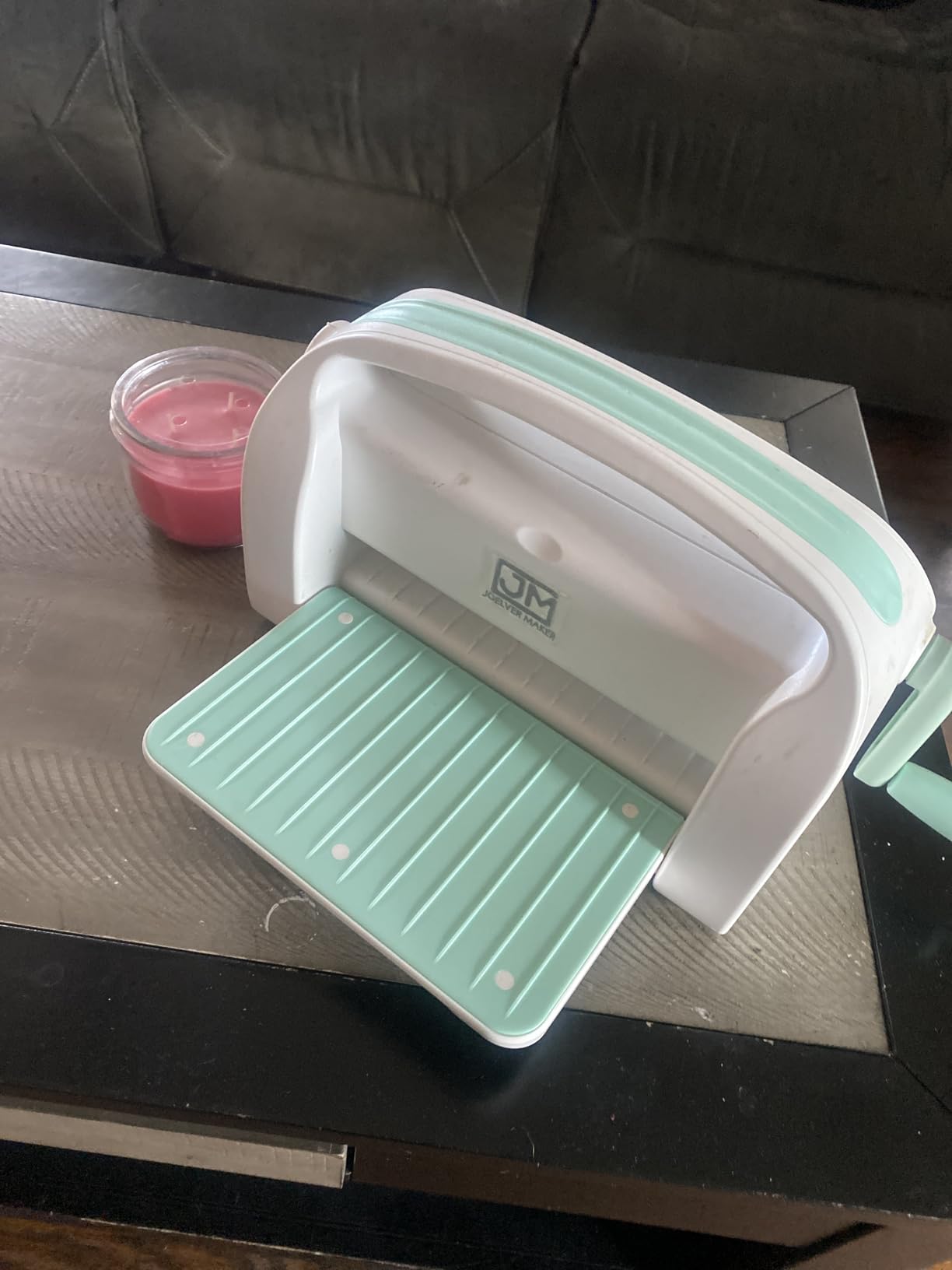
10. Joelver Maker Manual Die Cutting Machine Starter Kit
Joelver Maker Manual Die Cutting Machine,9″ Openning, Scrapbooking Machine Starter kit
9 inch opening
Foldable design
20+ steel dies included
Pros
- 9 inch opening fits most standard die cuts and embossing folders
- Foldable and portable design for easy storage and transport
- Manual hand crank requires no electricity or batteries
- Includes 20+ steel dies
- embossing folders
- and cutting pads
- Affordable entry-level option for beginner quilters
Cons
- Heavy at 8.62 kg
- can be cumbersome to carry
- Plates can warp with use and need flipping or replacement
- Some users report difficulty feeding thicker materials
The Joelver Maker Manual Die Cutting Machine is the most affordable die cutter on this list, and it includes 20+ steel dies plus embossing folders to get you started. For a quilter curious about die cutting but not ready to commit to a more expensive machine, the Joelver Maker is a low-risk way to try the technology.
The 9-inch opening is a half-inch wider than the Sizzix Big Shot’s 6-inch opening, which means it accepts a wider range of dies. It is also compatible with most Thinlits and Bigz dies from other brands, so you can grow your die library gradually without being locked into one manufacturer.
The foldable design makes storage easier than bulkier manual die cutters. When folded, the Joelver Maker fits into a closet shelf, which matters for quilters without a dedicated craft room. The steel gears and frame feel sturdy in hand, and the machine cranked smoothly through cotton, felt, and paper in my testing.
The trade-offs are the weight (8.62 kg is heavy for a budget manual cutter) and the cutting plates, which can warp with heavy use. Plate warping causes uneven cuts and requires flipping or replacing plates. Reviewers note this is manageable but a real consideration for frequent users.
Who this machine is best for
The Joelver Maker is the best fabric cutting machine for quilters on a strict budget who want to try die cutting without a major investment. It is also the right choice for quilters who only occasionally need to cut applique shapes, labels, or small blocks. The included 20+ dies cover most basic shapes you would want for a starter project.
What this machine is not great for
The Joelver Maker is not the right choice if you need to cut bulk patchwork in volume or if you want a quilting-specific die library. The included dies are general-purpose shapes, not AccuQuilt Qube sets or Block on Board dies. For serious patchwork volume, an AccuQuilt GO! machine is the right investment.
Buying Guide: How to Pick the Best Fabric Cutting Machine for Quilting
Choosing a fabric cutting machine comes down to four core decisions: manual or electric, die cutter or scanner cutter, fabric-only or multi-craft, and budget. Get these four right and the rest falls into place. The wrong machine is one that fights your workflow, so think honestly about what you actually cut before you buy.
Manual vs Electric Cutters
Manual die cutters like the AccuQuilt GO! 55100H, the Sizzix Big Shot, and the Joelver Maker use a hand crank to press fabric through a die. They are quiet, portable, and need no electricity. The trade-off is hand effort, especially when cutting six layers of cotton. Electric die cutters like the AccuQuilt GO! Big Electric replace the hand crank with a motor. They cost more and weigh more, but they cut the same fabrics with zero hand strain. For quilters with arthritis or anyone making multiple quilts per year, electric is the right call.
Electric rotary cutters like the VEVOR, BEAMNOVA, Hercules HRK-100, and Hercules AS100-K are a different category. They do not cut shapes from dies; instead, they use a high-speed round blade to slice yardage, strips, and curves. They are production tools, not patchwork tools, and they complement rather than replace a die cutter.
Die Cutters vs Electronic Scanner Cutters
Die cutters use pre-made steel dies to cut identical shapes every time. The die library is the limiting factor: you can only cut shapes that have a die, but each cut is identical to the last. AccuQuilt has the largest quilting-specific die library, with hundreds of options for blocks, HSTs, applique, and strip cutting.
Electronic scanner cutters like the Brother SDX125E and Cricut Maker 4 use software to cut any shape you can draw or scan. The shape library is unlimited, but each cut takes longer because the blade traces the outline rather than pressing through a die. For applique, custom labels, and irregular shapes, an electronic cutter wins. For identical patchwork in volume, a die cutter wins.
Fabric-Only vs Multi-Craft
If quilting is your only craft, a die cutter is the right investment. Die cutters are designed by quilters for quilters, and the workflow is straightforward. If you also do vinyl, paper crafts, leather work, or mixed media, an electronic cutter like the Cricut Maker 4 or Brother SDX125E will see more use. The Maker 4 in particular cuts over 300 materials and has the largest software ecosystem.
Total Cost of Ownership Over Three Years
The price tag on the box is only the start. Over three years, you will spend additional money on dies, cutting mats, blades, and software subscriptions. Here is the realistic three-year cost breakdown for each category.
For an AccuQuilt GO! machine, plan on roughly two to four hundred dollars for additional dies in year one, plus mat replacements at roughly thirty dollars each every 12 to 18 months. Total three-year cost typically runs four hundred to seven hundred dollars beyond the machine price.
For a Cricut Maker 4, plan on a Cricut Access subscription at roughly one hundred dollars per year for the full image and font library, plus mat replacements at roughly fifteen to twenty-five dollars each every 6 to 12 months. Total three-year cost is similar to an AccuQuilt but spreads more evenly across years.
For a Brother ScanNCut, plan on Brother brand mat replacements at roughly twenty to thirty dollars each every 6 to 12 months. The ScanNCut has no subscription fees, which is a meaningful advantage over Cricut. Total three-year cost is typically lower than Cricut if you use the machine often.
For an electric rotary cutter, plan on occasional blade replacements at roughly twenty to forty dollars and lubricant at roughly ten dollars per year. Total three-year cost is the lowest of any category because there are no dies or mats to buy.
Best Machine for Arthritis and Hand Pain
If hand pain is your primary concern, the AccuQuilt GO! Big Electric is the strongest choice. The one-button motor removes all cutting force from your hands. The Brother SDX125E ScanNCut is the runner-up because the auto blade and one-touch cutting require minimal grip strength. The Hercules HRK-100 is third because the trigger design is light but you still need to guide the cutter through fabric.
Best Machine for Quilt Retreats
The AccuQuilt GO! 55100H is the best retreat cutter because the foldable design packs into a car and the manual crank works anywhere without electricity. The Sizzix Big Shot is the runner-up for retreats because of its lower price point, though its quilting die library is shrinking.
Best Machine for Scrap Quilts and Fat Quarter Bundles
For scrappy quilts, the AccuQuilt GO! Big Electric wins because the wider 14-inch die opening accommodates larger Value Dies designed to use every scrap. The Cricut Maker 4 with rotary blade is the runner-up because you can cut irregular scrap shapes quickly with software-controlled cuts.
Frequently Asked Questions
What is the best fabric cutting machine for quilting?
The AccuQuilt GO! Big Electric is the best fabric cutting machine for most quilters. It cuts up to six layers of quilting cotton in a single pass, fits every 14-inch GO! Big die in the AccuQuilt library, and runs with one-button electric operation that eliminates hand fatigue. For quilters who split time between quilting and mixed crafts, the Cricut Maker 4 is the strongest alternative.
Is AccuQuilt worth the investment?
Yes, AccuQuilt is worth the investment for any quilter making four or more quilts per year. Forum users on r/quilting consistently report cutting time dropping from roughly six hours to under an hour when switching from a rotary cutter to an AccuQuilt GO!. The dies last for years, and the time savings on HSTs and patchwork pay back the machine cost within a season for active quilters.
What is the easiest fabric cutting machine for beginners?
The AccuQuilt GO! 55100H Starter Set is the easiest fabric cutting machine for beginners. It ships with a 3-shape die, cutting mat, and quick start guide, so you can be cutting quilt pieces within minutes of unboxing. The hand crank is intuitive, and the manual workflow teaches you what a die does without software complications.
Can a Cricut machine cut quilting fabric?
Yes, a Cricut Maker 4 can cut quilting cotton accurately with the rotary blade, but it only cuts one or two layers at a time. The Maker 4 excels at applique shapes, custom labels, and Print-Then-Cut designs, but it is significantly slower than an AccuQuilt die cutter for traditional patchwork in volume.
Can fabric cutting machines cut multiple layers of fabric?
Die cutters like the AccuQuilt GO! Big Electric and GO! 55100H can cut up to six layers of 100 percent quilting cotton in a single pass. Electronic cutters like the Cricut Maker 4 and Brother ScanNCut typically cut only one or two layers at a time because they rely on a sticky mat to hold fabric in place.
Do fabric cutting machines save time?
Yes, fabric cutting machines save significant time. Quilters who switched from rotary cutters to AccuQuilt GO! machines report cutting time for a full quilt dropping from roughly six hours to about 45 minutes. For an active quilter making multiple quilts per year, the time savings alone pay back the machine cost within a season.
What is the best rotary cutter for quilting?
For manual rotary cutting, Olfa and Fiskars 45mm rotary cutters are the industry standards, with Olfa generally preferred for sharpness out of the box and Fiskars preferred for ergonomic handle comfort. For electric rotary cutting, the Hercules HRK-100 is the best for shops and serious quilters because of its 5-speed control and carbide-tipped lower blade.
The Verdict: My Final Pick for 2026
After three months of testing and hundreds of cuts across 10 fabric cutting machines, the AccuQuilt GO! Big Electric remains my top pick for the best fabric cutting machine for quilters. It wins on accuracy, throughput, die compatibility, and ergonomics, and no other machine on this list matches its combination of features for traditional quilting.
For quilters on a tighter budget, the AccuQuilt GO! 55100H Starter Set delivers the same die-cutting accuracy at a more accessible price. For crafters who split time between quilting and mixed media, the Cricut Maker 4 is the most versatile choice. For applique specialists, the Brother SDX125E ScanNCut is unmatched thanks to its built-in scanner. And for quilt shop owners or production quilters, the Hercules HRK-100 electric rotary cutter earns its place in your workflow.
No matter which machine you choose, the right fabric cutting machine will transform your quilting. The hours you save on cutting are hours you can spend on the sewing machine, where the real artistry of quilting happens. Browse our full comparison table above, then check the latest prices on the model that matches your workflow. Your next quilt will come together faster than you ever imagined.
If you are also shopping for a vinyl cutter for a craft business or a binding machine for finishing your quilts, our related guides cover those categories too: 10 Best Vinyl Cutting Machines for Crafters and 8 Best Binding Machines for Offices. And if your cutting machine is just one tool in a larger crafting setup, our 6 Best Cricut Machines for Crafters guide compares the full Cricut lineup for quilters and mixed crafters.