
Choosing the best binoculars for stargazing is less about finding the most powerful model and more about balancing light gathering, magnification, field of view, and steady handling. I have spent evenings under suburban and dark skies comparing compact binoculars with tripod-mounted astronomy binoculars, and the right choice changes depending on whether you want to scan the Milky Way, inspect the Moon, or chase faint deep-sky objects.
This guide compares eight real Celestron and SVBONY models across handheld, budget, portable, and serious deep-sky use cases. I explain what each binocular should show, where hand shake becomes a problem, and when a tripod is worth adding before you buy.
The list reflects the available product data and user-review themes rather than a promise that any binocular turns into a telescope. A 7×50 or 10×50 is a forgiving first instrument, while a 70mm to 100mm aperture reveals more when it is properly mounted and used under a dark sky.
Table of Contents
Top 3 Picks for Best Binoculars for Stargazing (September 2026)


Best Binoculars for Stargazing in 2026: Quick Overview
| Product | Specifications | Action |
|---|---|---|
| Celestron Cometron 7×50 |
|
Check Latest Price |
 Celestron SkyMaster 15×70 Celestron SkyMaster 15×70 |
|
Check Latest Price |
 Celestron SkyMaster 25×70 Celestron SkyMaster 25×70 |
|
Check Latest Price |
| Celestron SkyMaster 20×80 |
|
Check Latest Price |
 Celestron SkyMaster 25×100 Celestron SkyMaster 25×100 |
|
Check Latest Price |
 Celestron SkyMaster Pro 20×80 Celestron SkyMaster Pro 20×80 |
|
Check Latest Price |
 SVBONY SV407 2.1×42 SVBONY SV407 2.1×42 |
|
Check Latest Price |
 Celestron UpClose G2 10×50 Celestron UpClose G2 10×50 |
|
Check Latest Price |
1. Celestron Cometron 7×50 — Best for Handheld Constellation Scanning
Celestron Cometron 7x50mm Astronomy Binoculars
7x50 aperture
6.8 degree field
13mm eye relief
Pros
- Easy handheld stability
- Wide constellation view
- Tripod adaptable
Cons
- Edge softness
- Collimation checks advised
The Cometron 7×50 is the first pair I would hand to a beginner. Its 7x magnification is gentle enough to hold steady, while the 50mm objectives produce a 7.1mm exit pupil, so stars remain bright when my eyes are fully dark adapted. The 6.8-degree field makes it easy to sweep across large constellations without constantly nudging the view back to center.
I found the Porro prism body comfortable for long, slow scans, and the included carrying case makes it practical to carry to a dark-sky spot. Individual focus takes a little patience because each eyepiece is set separately, but that trade helps explain why this is a simple, affordable entry point rather than a fast-focusing birding binocular.
The main caveat is optical consistency. Product reviews mention edge softness, a focus knob that can feel less refined, occasional fogging, and collimation concerns in budget units. I test every new pair outdoors by centering a bright star and watching whether the image splits into two offset points as I focus.
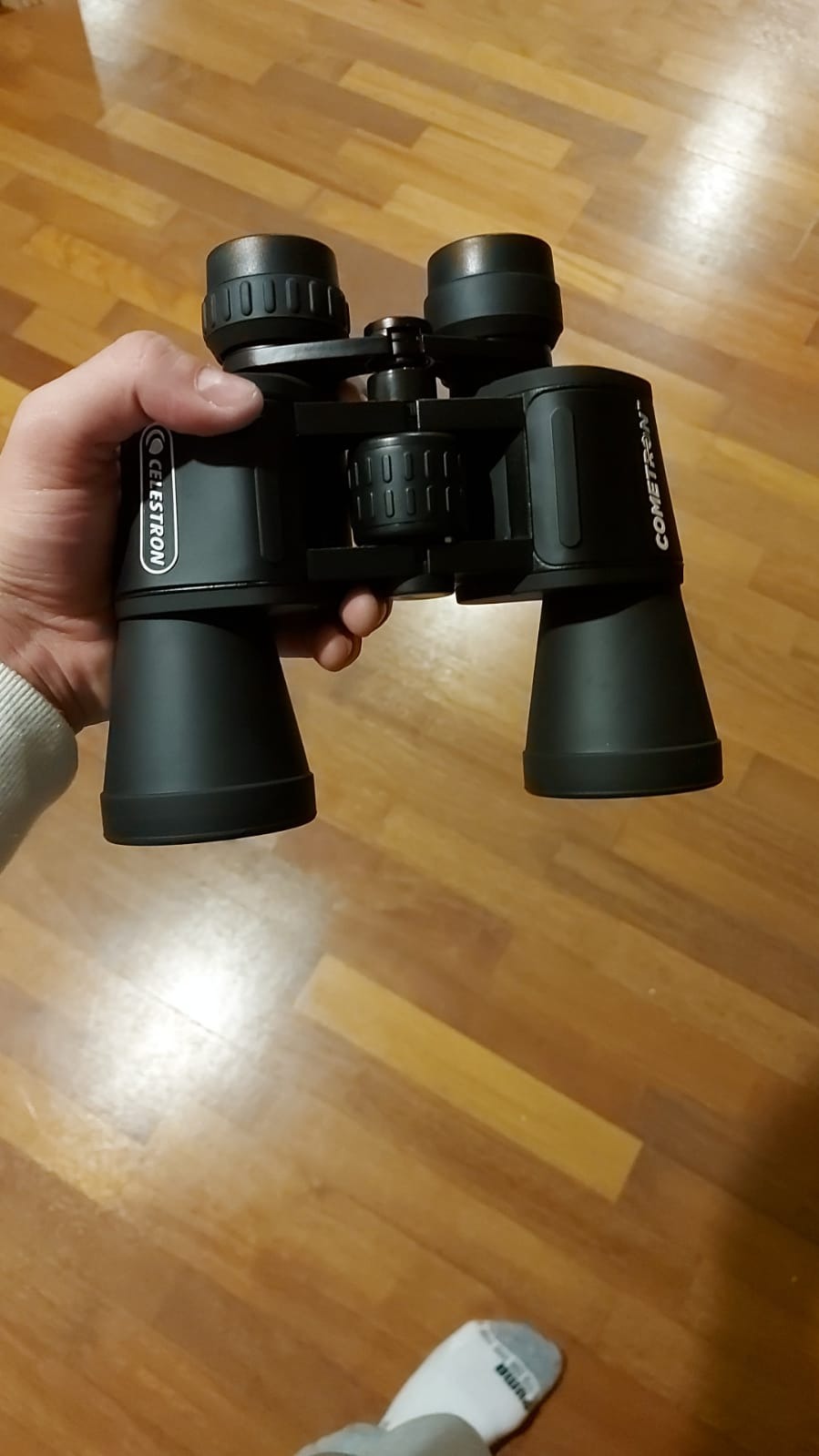
The 13mm eye relief is useful for glasses wearers, though the eyecups still need to be positioned correctly. A tripod socket is present for extended sessions, but I would use a tripod adapter or support when viewing the Moon for a long period.

Who should choose the Cometron
Choose it if you want inexpensive, handheld astronomy binoculars for constellation tours, the Moon, and bright star fields. It also suits someone who wants one inexpensive pair for wildlife or daytime viewing.
It is less suitable for close, detail-rich planet work or buyers who cannot tolerate occasional quality-control variation. I would inspect the image alignment before the return window closes.
What to check before mounting it
Set the diopter for your eyes, focus on a distant terrestrial target, then confirm the barrels produce one clean star image. If the image doubles, darkens, or pulls apart near the center, contact the seller or Celestron rather than trying to force the focus wheel.
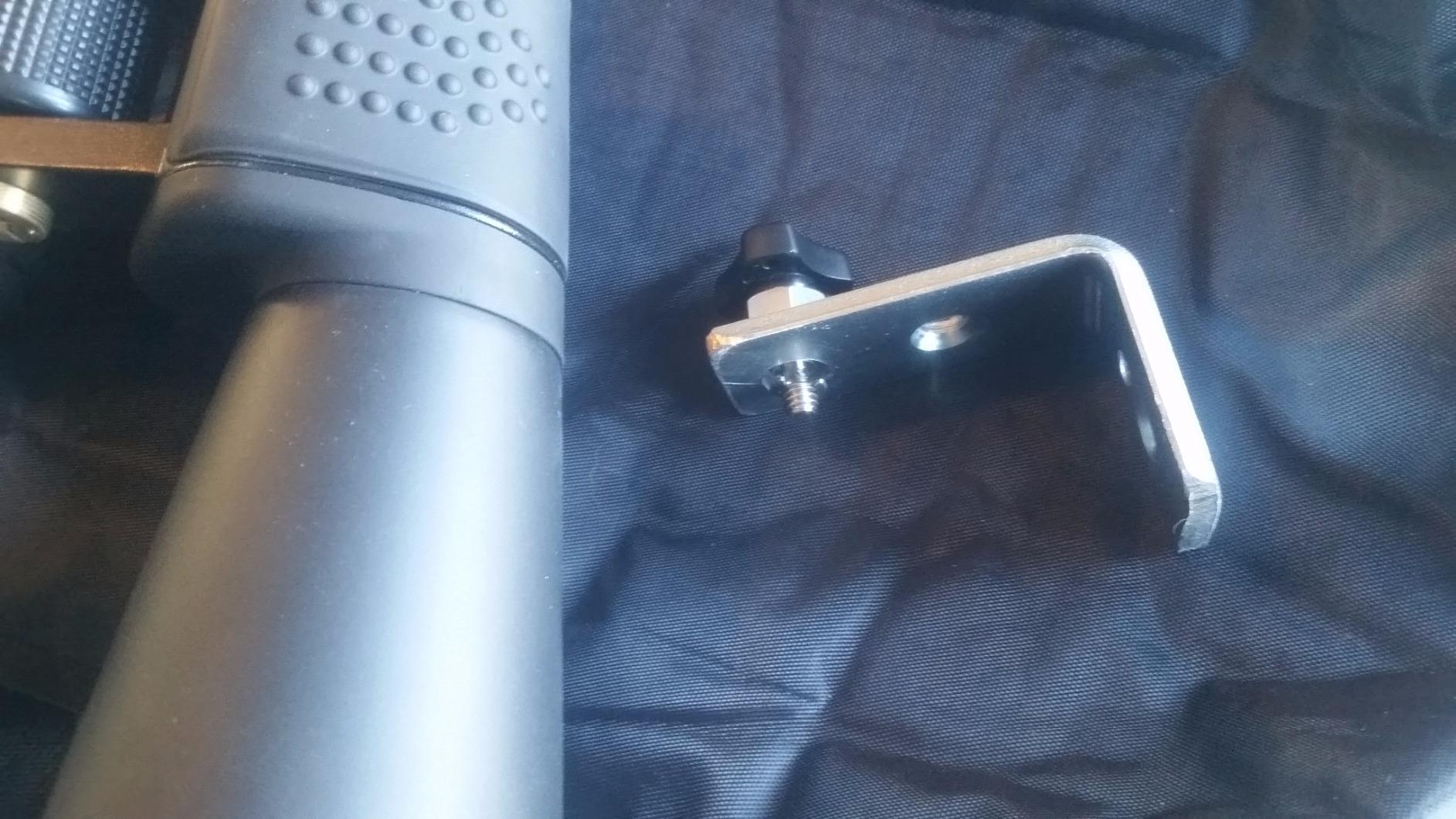
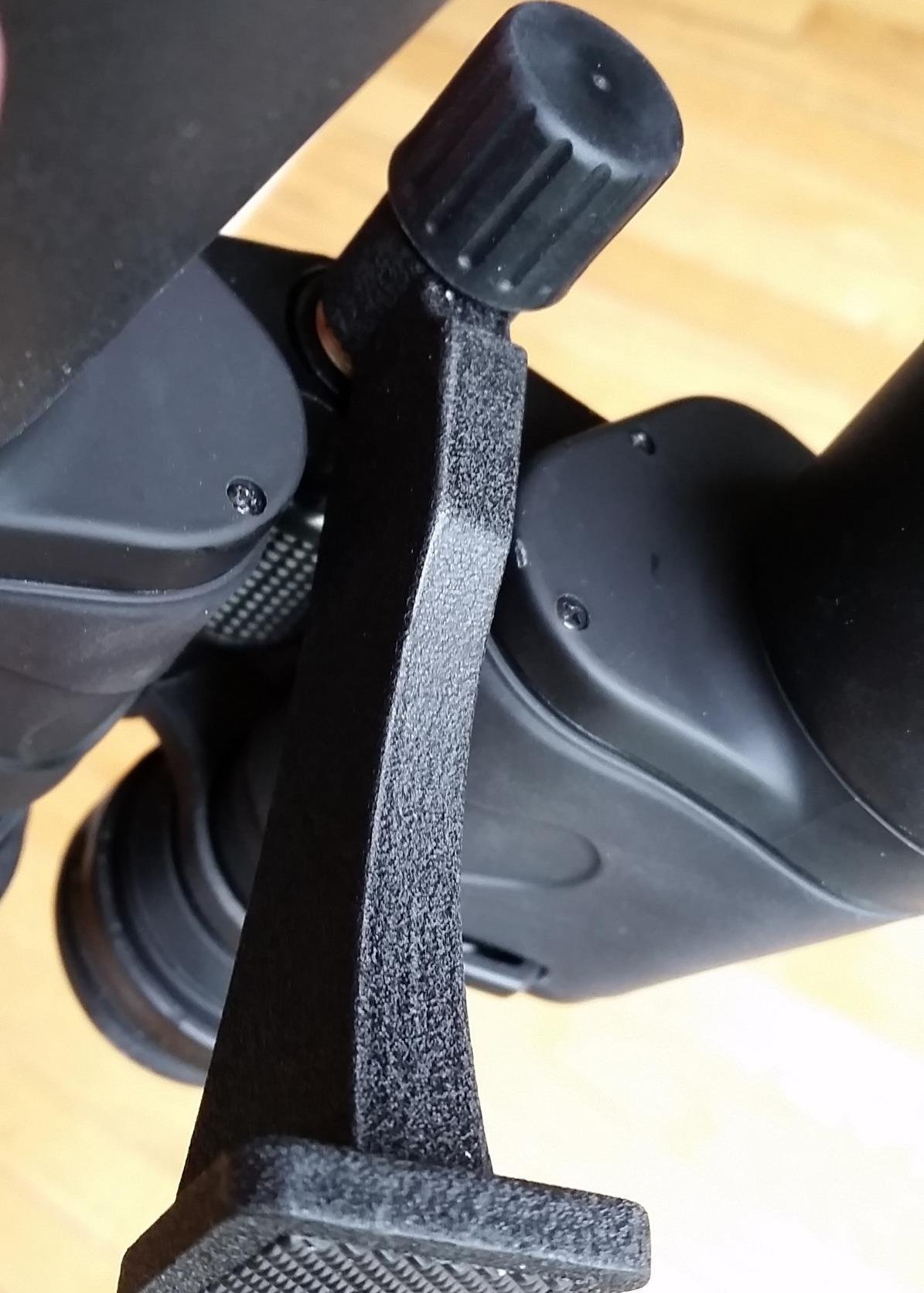
Use a proper binocular tripod adapter rather than balancing the binoculars on a camera screw. The adapter relieves wrist fatigue and makes the wide field much easier to study.
2. Celestron SkyMaster 15×70 — Best Balance of Power and Brightness
Celestron SkyMaster 15×70 Astronomy Binoculars for Stargazing and Deep-Sky
15x70 aperture
20mm eye relief
Center focus
Pros
- Strong light gathering
- Comfortable eye relief
- Tripod adapter included
Cons
- 3.3 pounds
- Needs stable support
The SkyMaster 15×70 is my pick for observers who want a noticeable step up from a handheld 10×50 without accepting the bulk of a giant binocular. The 70mm objectives collect more light than 50mm glass, and the 15x magnification makes the Moon, Jupiter’s moons, and brighter clusters more satisfying to inspect.
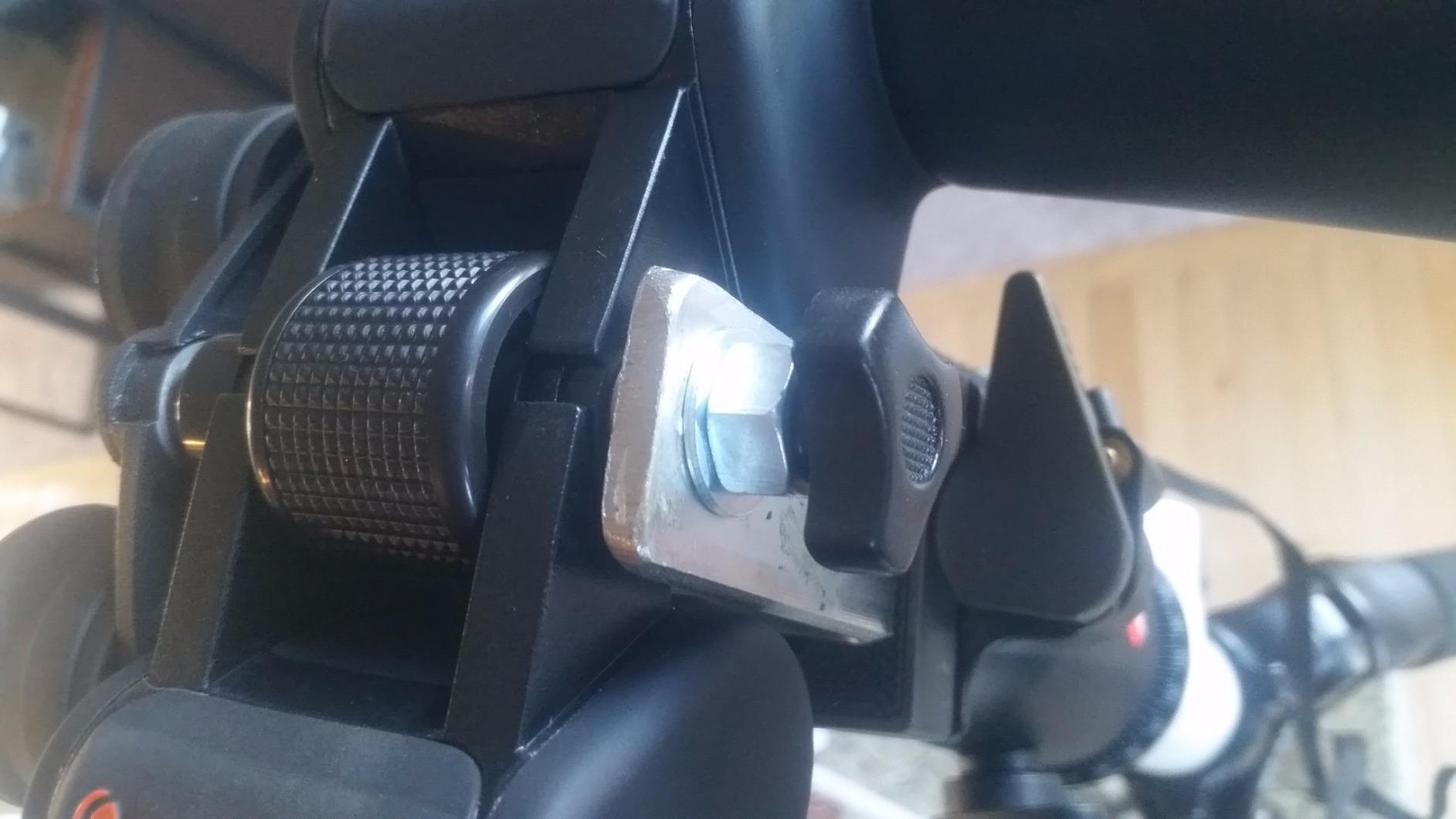
I would not handhold this model for astronomy. At 3.3 pounds, small muscle movements become obvious, and the 20mm eye relief is better suited to glasses wearers only when the binocular is steady. The included tripod adapter and center-focus wheel make the setup more comfortable once it is mounted.
Its 4.7mm exit pupil is smaller than a 7×50’s, so it is less forgiving of poor alignment, eyepiece positioning, and bright light near the edge of the field. Product feedback also flags collimation concerns, so a quick star test is especially important at this aperture.
For terrestrial use, the 43-foot minimum focus is not a strength, and the weight is noticeable. This is an astronomy-first design, not a compact travel binocular.
Who should choose the 15×70
Choose it for Moon detail, planetary moons, and brighter deep-sky targets when a tripod is already part of your observing kit. It is a strong middle ground between a 10×50 and the heavier 80mm and 100mm options.
Skip it if you want grab-and-go simplicity. A 7×50 or 10×50 is easier to carry, aim, and use from a reclined chair or while standing.
How to get a steady view
Mount the binocular on a firm tripod with a fluid head or binocular adapter, then set the interpupillary distance before focusing. Start with the Moon’s terminator, where shadows create more visible relief than the bright full disk.
Keep the magnification in perspective. More power does not compensate for a shaky mount, and the wider 5-degree field of view is helpful when finding an object before centering it.
3. Celestron SkyMaster 25×70 — Best for Targeted Moon and Planet Views
Celestron SkyMaster 25×70 Binoculars for Astronomy, Long-Range & Wildlife
25x70 aperture
2.7 degree field
Center focus
Pros
- High lunar and planetary detail
- BaK-4 prisms
- Tripod adapter included
Cons
- Narrow field
- Quality control varies
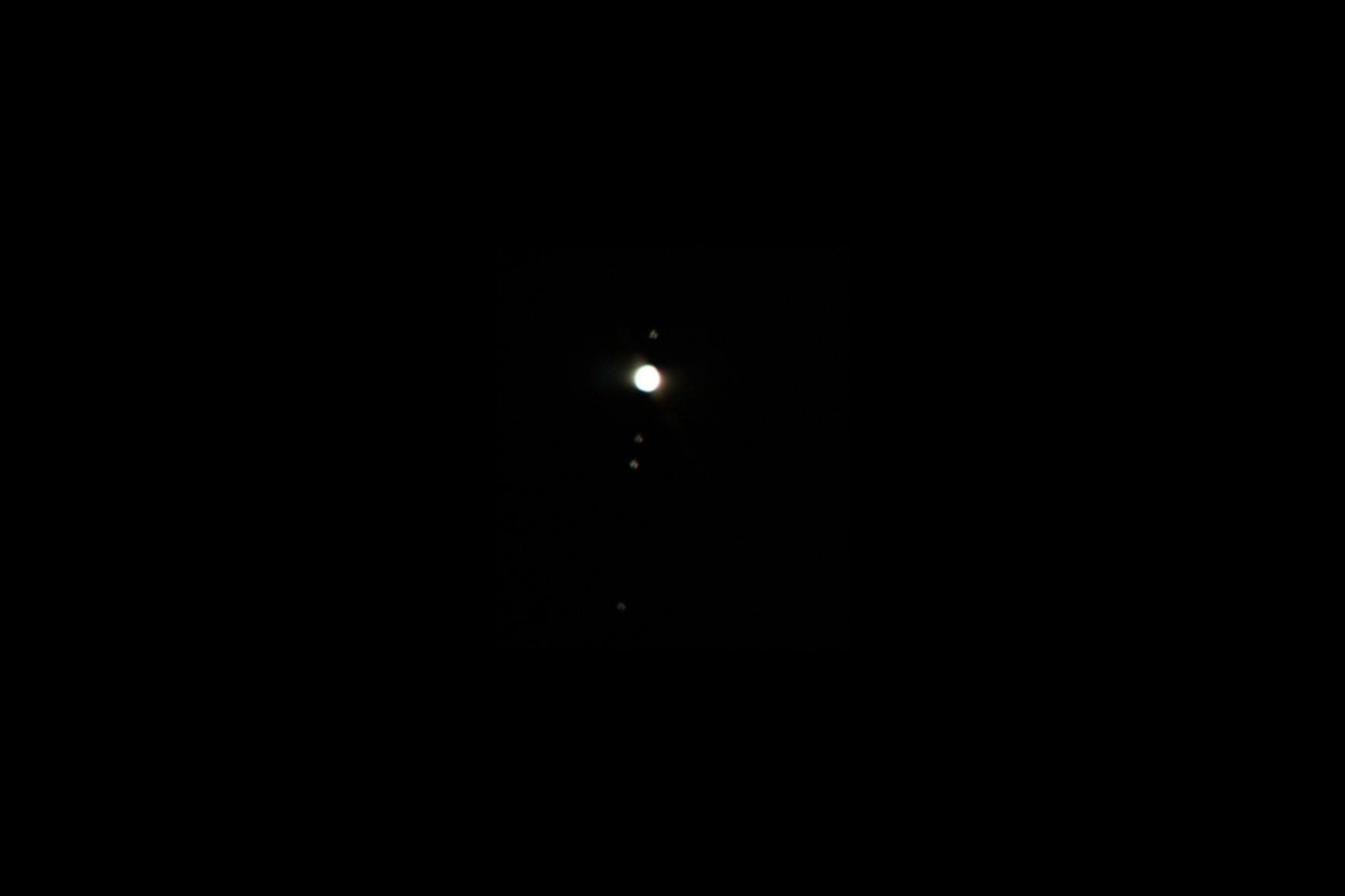
The 25×70 SkyMaster turns a tripod into a necessity. I use it for the Moon and bright planetary groupings, where the extra magnification helps separate small points of light from nearby stars. It can also reveal the four bright Galilean moons of Jupiter as tiny points rather than simply a bright speck.
The downside appears immediately when I sweep the sky: the 2.7-degree field makes target acquisition slower and more demanding. It is much easier to inspect an object once found than to search for it, so I keep a lower-power binocular or a star chart nearby.
The 13mm eye relief is workable but not generous. At 3.1 pounds, the instrument needs a stable mount, and reported quality-control concerns mean the optics should be checked for collimation and edge sharpness before committing to a long session.
The 2.8mm exit pupil is another reason to avoid treating 25x as a universal upgrade. It is fine for bright targets and an older observer’s eyes, but a 7×50 presents a larger beam and a steadier, more comfortable image for general scanning.
Who should choose the 25×70
Choose it for lunar detail and bright planetary targets, especially if you already enjoy precise, centered observation. It can also work for wildlife when the target is distant and the narrow field is not a problem.
Do not choose it as a first binocular for a child or for a user who wants easy constellation navigation. Its 2.7-degree view is a real operational constraint.
What to observe first
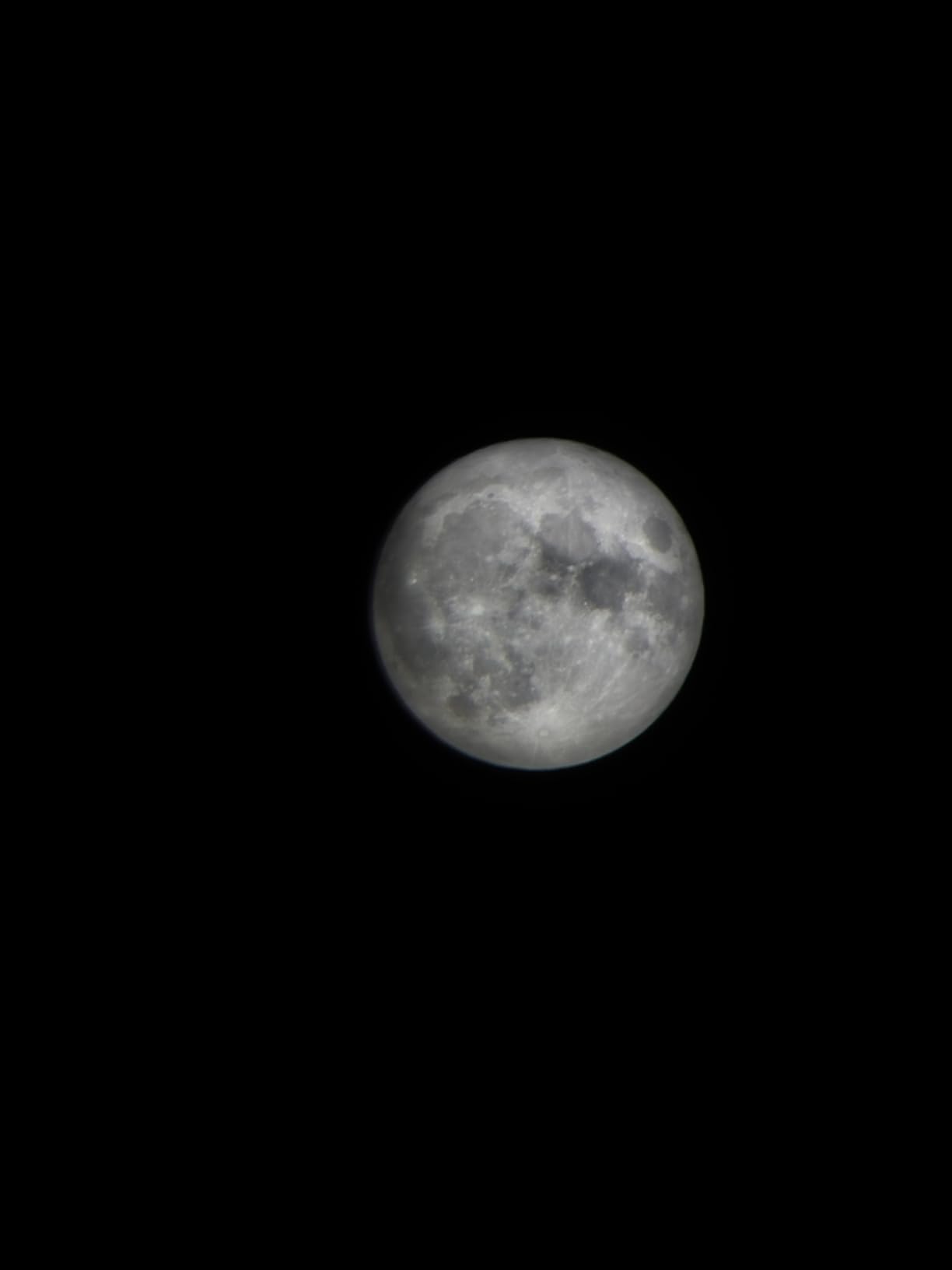
Begin with the Moon near its terminator, then move to Jupiter and its moons, and finally compare the view with a lower-power binocular. That sequence makes the benefit of magnification obvious without pretending the binocular can replace a telescope.
Use slow, small movements on the tripod head. A high-power binocular magnifies every vibration, including a hand touching the focus wheel.
4. Celestron SkyMaster 20×80 — Best for Deep-Sky Observation
Celestron SkyMaster 20×80 Binoculars for Deep-Sky Astronomy – 80mm Aperture
20x80 aperture
3.7 degree field
18mm eye relief
Pros
- Large light-gathering objective
- Bright cluster views
- Good glasses compatibility
Cons
- 4.8 pounds
- Collimation risk
The 20×80 is the model I recommend when dark-sky deep-sky observing matters more than portability. Its 80mm objectives gather substantially more light than a 50mm pair, which makes star clusters, nebulae, and the Andromeda Galaxy more rewarding when I travel beyond city glow.
At 4.8 pounds, this is not a casual handheld binocular. I mount it on a sturdy tripod, adjust the center focus, and take my time finding targets. The 3.7-degree field is narrower than a 7×50’s but still broad enough for many extended objects and rich Milky Way fields.
The 18mm eye relief is a real plus for glasses wearers. However, reviews mention collimation concerns, a basic case, and visible chromatic aberration around bright objects, so I would test the pair on the Moon and a bright star before using it as a serious observing instrument.

I see the 20×80 as a better fit for a planned observing session than for spontaneous backyard views. Setup takes commitment, but the aperture and 20x power provide a more telescope-like experience than a handheld astronomy binocular.
Who should choose the 20×80
Choose it for galaxies, nebulae, star clusters, and lunar viewing from a dark site. It is also appealing to observers who want a wide-field alternative to a small telescope.
Choose a lighter 10×50 or 15×70 if transport, storage, or quick setup dominates your decision. The optical gain is meaningful, but so is the physical cost.
What to expect from the image
The larger aperture helps reveal faint detail, not make every object look like a high-resolution photograph. Expect extended nebulosity and star patterns to improve most under dark skies, while planets remain small at 20x.
Check the binoculars for a single, stable star image and inspect the field near the edge. Those two checks tell you more about a sample than its specification list alone.
5. Celestron SkyMaster 25×100 — Best Giant Aperture
Celestron SkyMaster 25×100 Giant Astronomy Binoculars for Deep Sky Views
25x100 aperture
15mm eye relief
Individual focus
Pros
- Maximum light gathering
- Deep-sky oriented
- Detailed Moon views
Cons
- 8.6 pounds
- Heavy-duty support required
The 25×100 is the extreme choice in this group. Its 100mm objectives gather a huge amount of light for galaxies, nebulae, and dense star fields, and users report significantly more stars than with the naked eye. I would treat it as a stationary astronomy instrument, not a binocular I carry around casually.
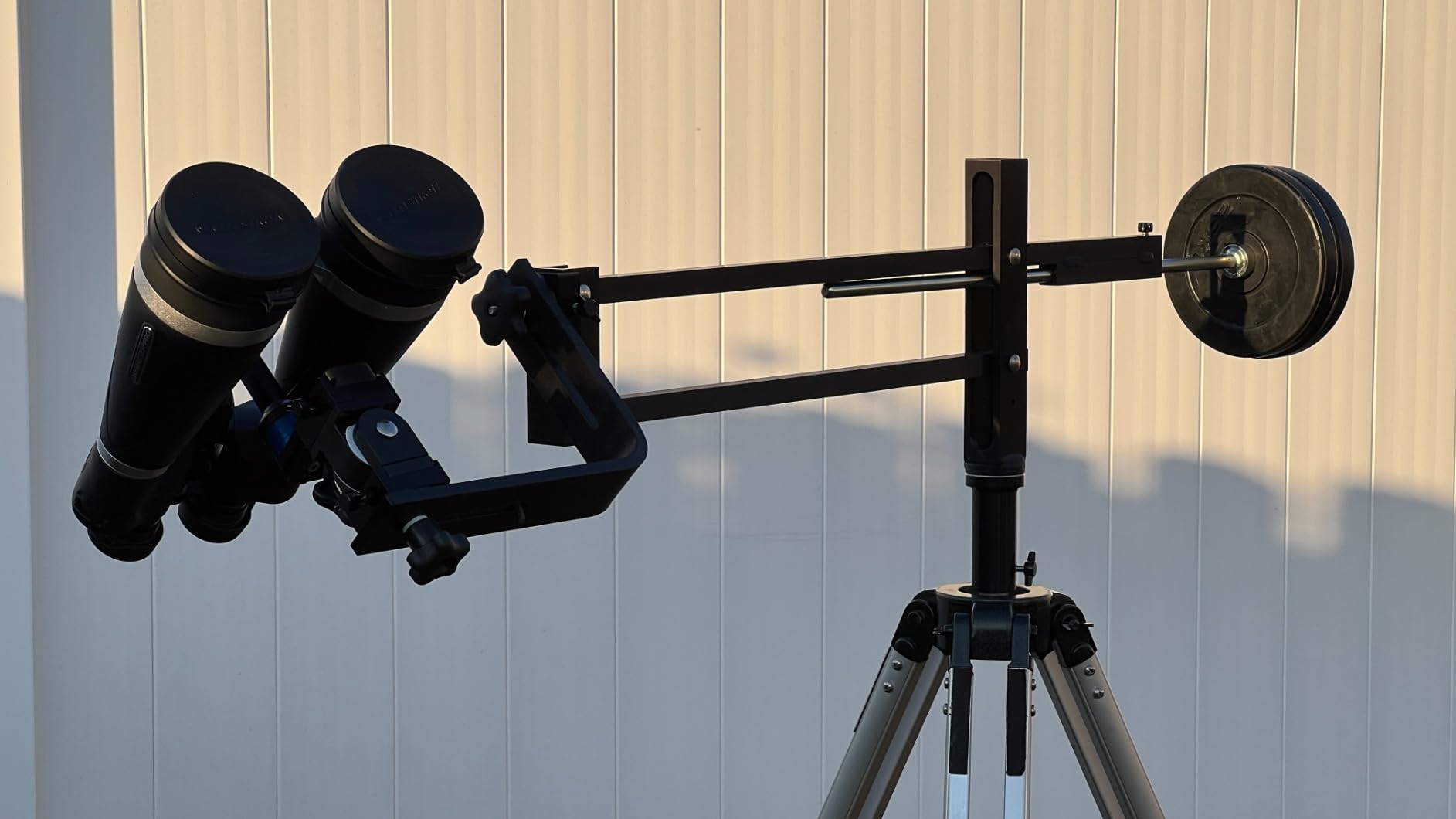
At 8.6 pounds, the mount is part of the product decision. The specifications list a tripod-mount screw, but the review data also raises concern about the screw size and the need for a heavy-duty platform. I would confirm the mount and adapter compatibility before setup.
Individual eyepiece focusing replaces the quick center-focus wheel. That is slower when several people use the same binocular, but it can provide precise focus once the pair is aligned. The fixed-focus listing and the individual-focus specification should be treated as product data points to verify on the unit you receive.
The 3-degree field is narrow, and 15mm eye relief is not as generous as the 20×80. I see this as a specialist instrument for an observer who values light gathering and accepts a long setup routine.
Who should choose the 25×100
Choose it for a permanent observing location, a serious deep-sky setup, or outreach where a large binocular can stay mounted. Its scale can produce memorable wide-field views without asking the observer to find objects through a narrow telescope field.
Do not choose it for a first purchase, a small apartment, or frequent travel. Its size, weight, and individual-focus routine are meaningful compromises.
How to plan the support system
Use a rated tripod, a compatible binocular adapter, and a mount that can hold the binocular without vibration. Test the entire system in daylight, then recheck balance when the eyepieces and optional accessories are installed.
Allow the binoculars to reach ambient temperature before expecting the best contrast. A large objective can show dew and internal haze sooner than a compact pair.
6. Celestron SkyMaster Pro 20×80 — Best Weather-Sealed Premium Pick
Celestron SkyMaster Pro 20×80 Astronomy Binoculars for Long-Range Viewing
20x80 aperture
XLT fully multi-coated
Nitrogen purged
Pros
- Bright coated optics
- Waterproof and fogproof
- RSR accessory rail
Cons
- 5 pounds
- Still tripod dependent
The SkyMaster Pro 20×80 is my premium pick for observers who regularly deal with dew, humidity, or changing outdoor conditions. It combines 80mm objectives with XLT fully multi-coated optics and BaK-4 prisms, and the nitrogen-purged housing is specified as waterproof and fogproof.
The optical package feels more considered than the basic SkyMaster 20×80. I would expect brighter transmission, stronger contrast, and better resistance to weather, while the RSR rail gives a dedicated mounting point for a reflex sight or compatible accessory.
It still weighs 5 pounds, and the 3.2-degree field is not designed for quick, sweeping searches. A sturdy tripod is mandatory, and buyers should still test collimation because no model is immune to shipping or handling problems.
The 15.5mm eye relief is adequate for many glasses wearers, though I would test the eyecups before a long session. The Pro model is for planned observing, not a casual pair that sits by the back door.
Who should choose the Pro model
Choose it if weather sealing and coated optics matter and you will use the binocular on a stable mount. It is a sensible step up for a regular observer who wants one durable deep-sky instrument.
Choose the standard 20×80 if weight and budget are the main concerns. The Pro earns its place through sealing, coatings, and construction, not through a dramatic increase in magnification.
What makes the coating useful
Fully multi-coated surfaces can improve contrast by reducing reflections and helping more light reach your eyes. That benefit is most visible when comparing faint stars or subtle nebulosity against a dark background.
Sealing does not make a heavy binocular portable. Keep the tripod, adapter, and lens protection in the same transport plan.
7. SVBONY SV407 2.1×42 — Best for Entire Constellations
SVBONY SV407 Astronomy Binoculars 2.1x42mm, Wide Angle for Stargazing
2.1x42 aperture
26 degree field
375g weight
Pros
- Entire constellation framing
- Compact body
- Filter thread
Cons
- Little object magnification
- Individual focusing
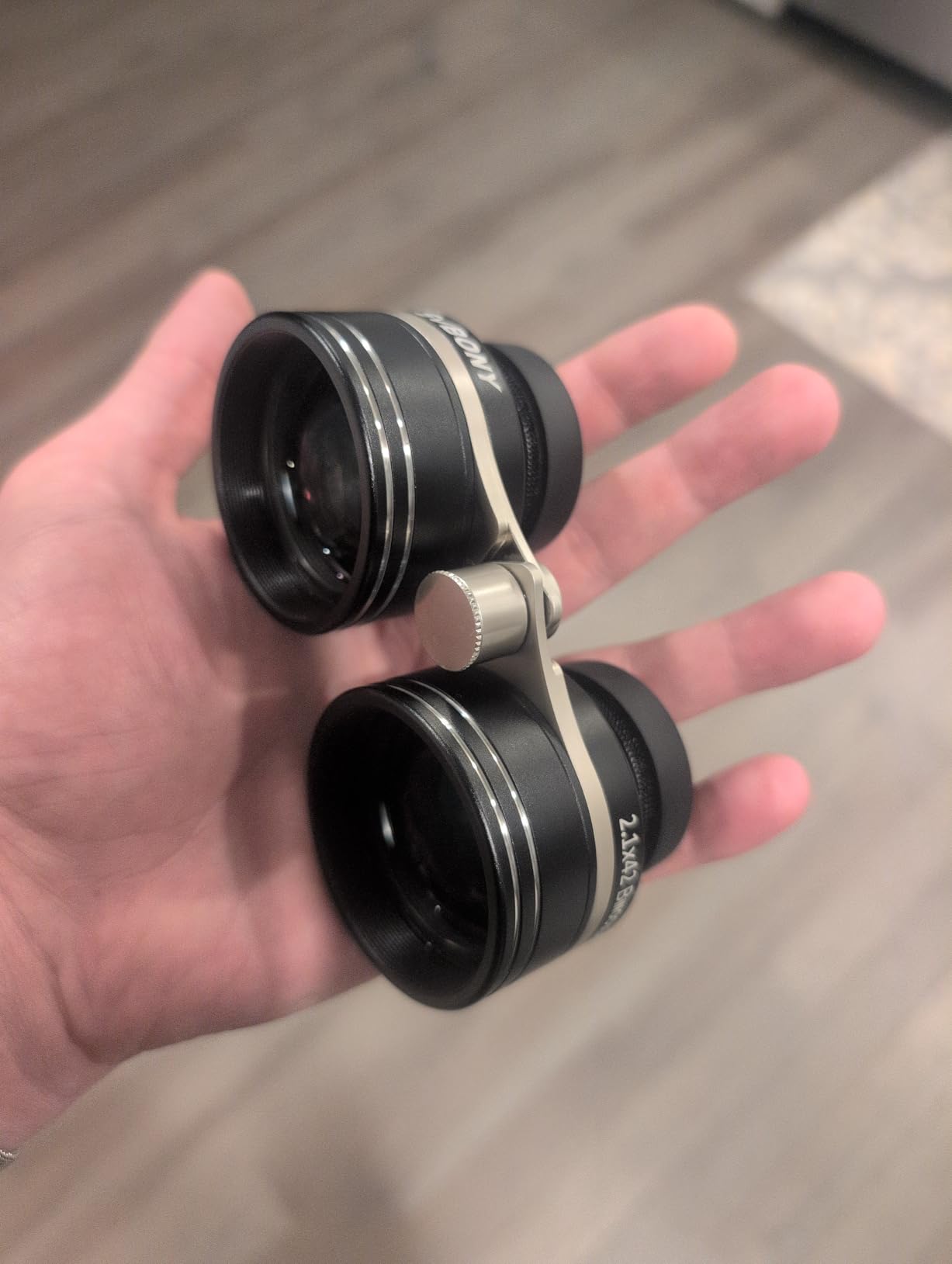
The SV407 is unlike every other product in this roundup. Its 2.1x magnification and 26-degree field are made for seeing broad star patterns, which makes it useful for learning constellation shapes, orienting myself under the sky, or showing a group of stars without repeated recentering.
At 375g, it is easy to carry and much less tiring than a 70mm or 80mm model. The 42mm objectives and fully multi-coated optics are enough for wide-field views, but the low power will not separate planets or bring distant deep-sky objects to the same scale as a 10×50.
I would not compare its 19mm exit pupil with a conventional telescope experience. It behaves more like a wide-angle observing tool, and the individual eyepiece focus takes more adjustment than a center-focus binocular.
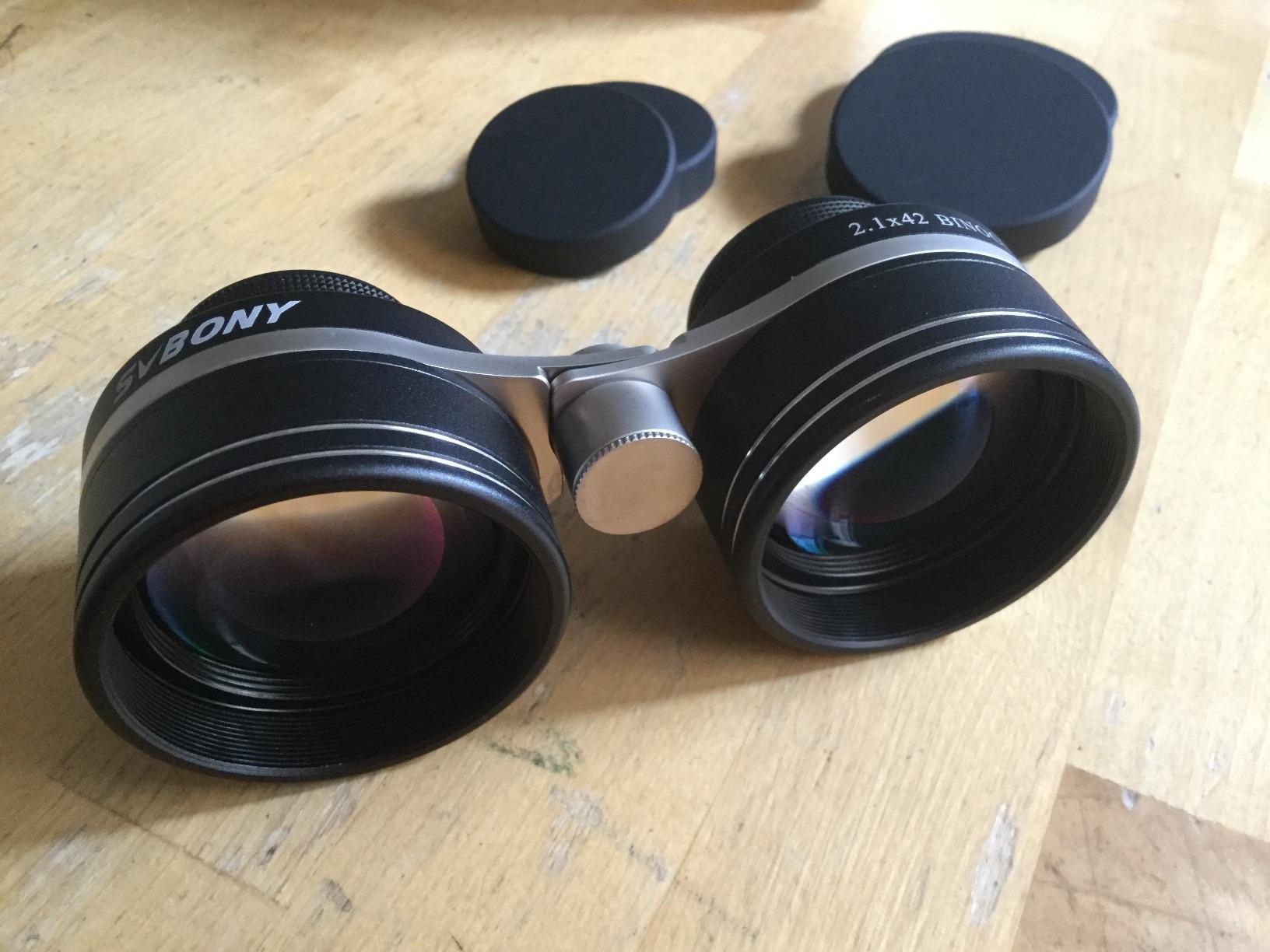
The 2-inch filter thread is an interesting feature for astronomy, while the IPX6 water-resistant specification adds confidence outdoors. Edge distortion is a known trade in the review data, so I would keep expectations focused on the broad view rather than tiny pinpoint perfection.
Who should choose the SV407
Choose it for constellation orientation, outreach, or a companion binocular beside a telescope. It is also useful for people who find high-power views difficult to keep steady.
Do not choose it as the only binocular if your main goal is planetary detail, lunar close-ups, or faint-object isolation. Its specialty is width, not power.
How to use the wide view
Face a familiar constellation, keep both eyes relaxed, and use the broad pattern to map bright stars. Once a target is located, switch to a higher-power instrument for inspection.
Use a red light and keep the binocular steady against your eyes. The low magnification makes the view comfortable, but a dark site still reveals more stars than a bright urban sky.
8. Celestron UpClose G2 10×50 — Best Budget All-Rounder
Celestron UpClose G2 10×50 Porro Binoculars for Wildlife & Astronomy
10x50 aperture
6.8 degree field
765g weight
Pros
- Bright all-purpose view
- Center focus
- Limited lifetime warranty
Cons
- BK-7 prisms
- Not fully waterproof
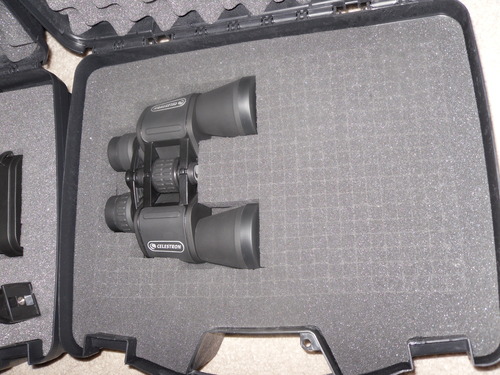
The UpClose G2 10×50 is the value choice for a first astronomy binocular. Its 10x magnification gives a useful close view of the Moon and brighter star fields, while the 50mm objectives remain practical to carry and easy to use by hand for short sessions.
The 6.8-degree field is generous for scanning, and the center-focus wheel is faster than the Cometron’s individual-focus setup when several people share the binocular. I see that convenience as important for families or beginners who do not want a technical setup ritual.
The trade is the BK-7 prism glass. It can still produce a pleasing view, especially for casual observing, but BaK-4 glass is generally the better choice when image quality and edge uniformity matter. Review data also mentions collimation concerns, basic caps and case, water resistance rather than full waterproofing, and limited eye relief for glasses wearers.
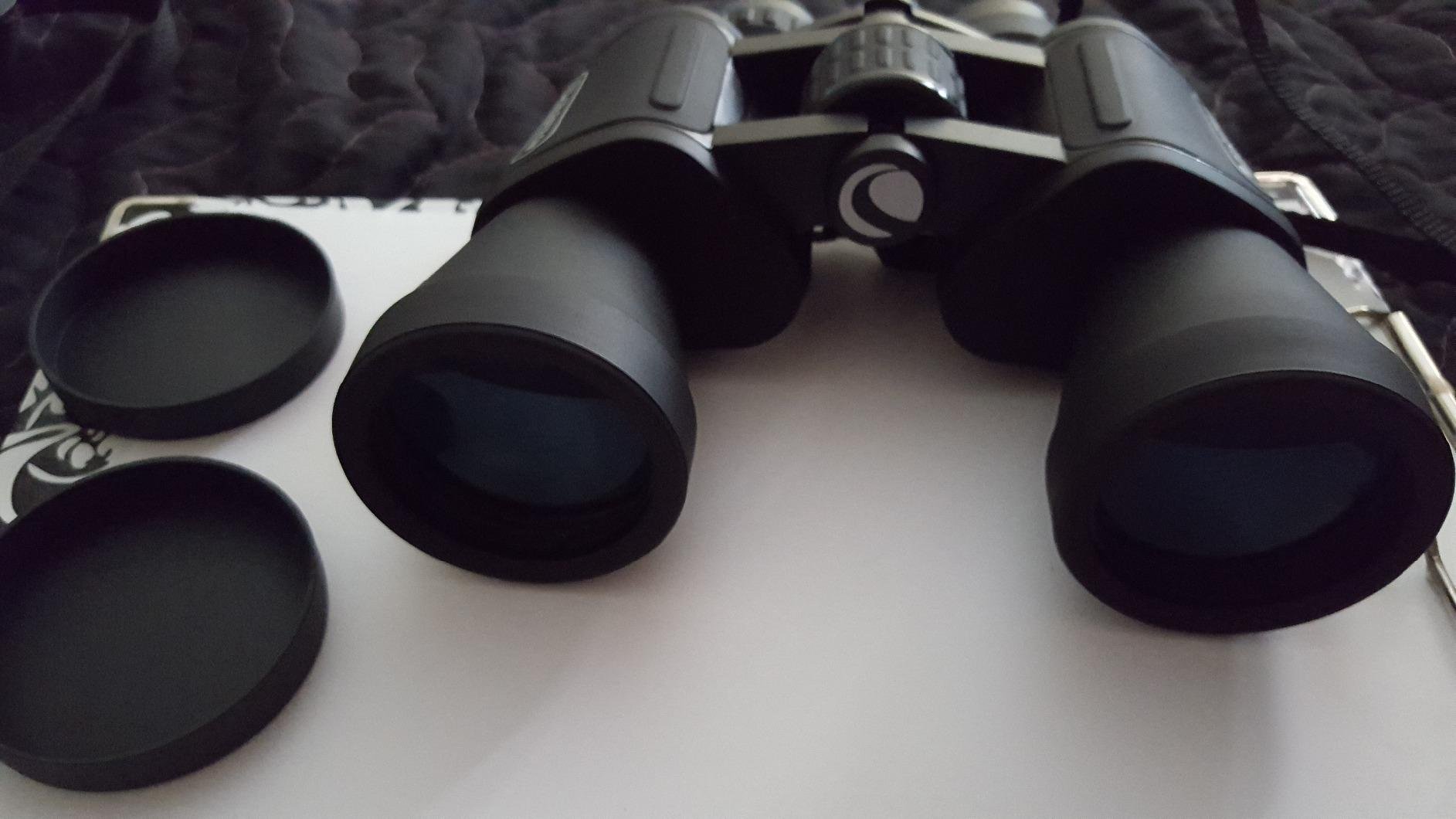
I would use it for the Moon, Jupiter’s moons, constellations, and general outdoor viewing. For the darkest-sky deep-sky work, a larger objective and better optical package may be worth the extra size.
Who should choose the UpClose G2
Choose it if you want a familiar 10×50 format without spending heavily, or if you need one binocular for both astronomy and wildlife. Its compact weight and center focus make it approachable.
Choose a BaK-4 model if you are sensitive to edge softness or expect to use the binocular in damp conditions. Also consider the Cometron for its longer eye relief and wide 7×50 presentation.
How to decide between 7×50 and 10×50
Choose 7×50 when steadiness and the widest possible view matter most. Choose 10×50 when a little more detail matters and you can hold the binocular comfortably for the object you are observing.
Neither format guarantees planetary detail. A stable 15×70 or 20×80 setup is the more appropriate step when lunar and planetary inspection becomes the priority.
How to Choose the Best Binoculars for Stargazing?
The best binoculars for stargazing start with a 7×50 or 10×50 for most beginners. A 7x to 10x range is easier to hold, provides a wide field for finding objects, and still gathers enough light for the Moon, bright planets, star clusters, and many constellations. A 15x to 25x model usually belongs on a tripod because hand shake becomes tiring quickly.
Use this quick rule when comparing a model:
Choose 7×50 for the easiest handheld view and a very wide field.
Choose 10×50 for more detail while keeping practical portability.
Choose 15×70 for a tripod-based jump in lunar, planetary, and bright deep-sky views.
Choose 20×80 or 25×100 for maximum light gathering at a planned observing site.
Choose 2.1×42 when seeing an entire constellation matters more than magnification.
Aperture matters more than headline magnification
Aperture is the objective lens diameter, and it controls how much light the binocular gathers. A 70mm objective collects more light than a 50mm objective, which helps with faint stars, clusters, nebulae, and galaxies. A 100mm objective goes further, but it also brings much more weight and mounting responsibility.
Do not assume that 25x on a 70mm objective is automatically better than 10x on a 50mm objective. The former gives more scale but a smaller field and a dimmer exit pupil; the latter gives a brighter, steadier, easier-to-use image.
Exit pupil explains brightness and ease of use
Exit pupil is objective diameter divided by magnification. A 7×50 binocular produces a 7.1mm exit pupil, a 10×50 produces 5mm, and a 15×70 produces about 4.7mm. A larger exit pupil can feel brighter and can match the dark-adapted eye more effectively, which is one reason 7×50 binoculars remain popular for astronomy.
Exit pupil is a helpful comparison tool, not a standalone quality score. Coatings, prism glass, contrast, and eye placement still affect what you see.
Porro, roof, BaK-4, and BK-4 choices
Porro prism binoculars use a traditional offset body and often give a comfortable, three-dimensional view at a friendlier price. Roof prism binoculars are more compact and easier to pack, but their construction can be more demanding. The SV407 uses a compact roof design, while the seven Celestron models in this list use Porro prisms.
BaK-4 prism glass is generally preferred over BK-7 for a cleaner exit pupil and more consistent image quality. BK-7 can still be useful in an inexpensive model, but I would treat it as a budget trade rather than a feature to ignore.
Field of view and eye affect target acquisition
A wide field helps you locate the Pleiades, sweep a constellation, or follow a moving object. The Cometron and UpClose G2 each list a 6.8-degree field, while the SkyMaster 15×70 lists a 5-degree field and the 25×70 lists 2.7 degrees. Those differences matter as much as magnification once you begin searching.
Eye relief is the distance from the eyepiece where you can still see the full field. If you wear glasses, compare the 20mm relief of the SkyMaster 15×70 or the 18mm relief of the 20×80 with the shorter 12mm to 13mm relief on some cheaper models. Adjustable twist-up eyecups help, but a stated number is only useful if your glasses fit the eyecup design.
Tripod compatibility is part of the purchase
Handheld astronomy binoculars are convenient for a quick scan. Tripod-mounted binoculars are better for long sessions, faint objects, and magnifications of 15x and above. A proper adapter matters because a loose camera screw can twist, pinch, or make the binocular difficult to aim.
I also check the mount’s weight rating, the adapter’s thread, and whether the binocular can stay level without drifting. For a giant 25×100, this planning is not optional.
Beginner mistakes worth avoiding
Buying 25x binoculars and expecting to hold them steady for long periods.
Choosing the highest magnification instead of the widest useful field.
Ignoring collimation after the binoculars arrive.
Leaving a binocular exposed to dew, heat, or direct sunlight through the objective.
Expecting faint galaxies to look like telescope photographs through light-polluted skies.
For a first session, I use a low-power binocular, a red flashlight, a simple star chart, and a chair. I let my eyes adapt, start with the Moon or a bright constellation, and move to a darker area before judging whether the binocular is a failure.
Collimation and care checks
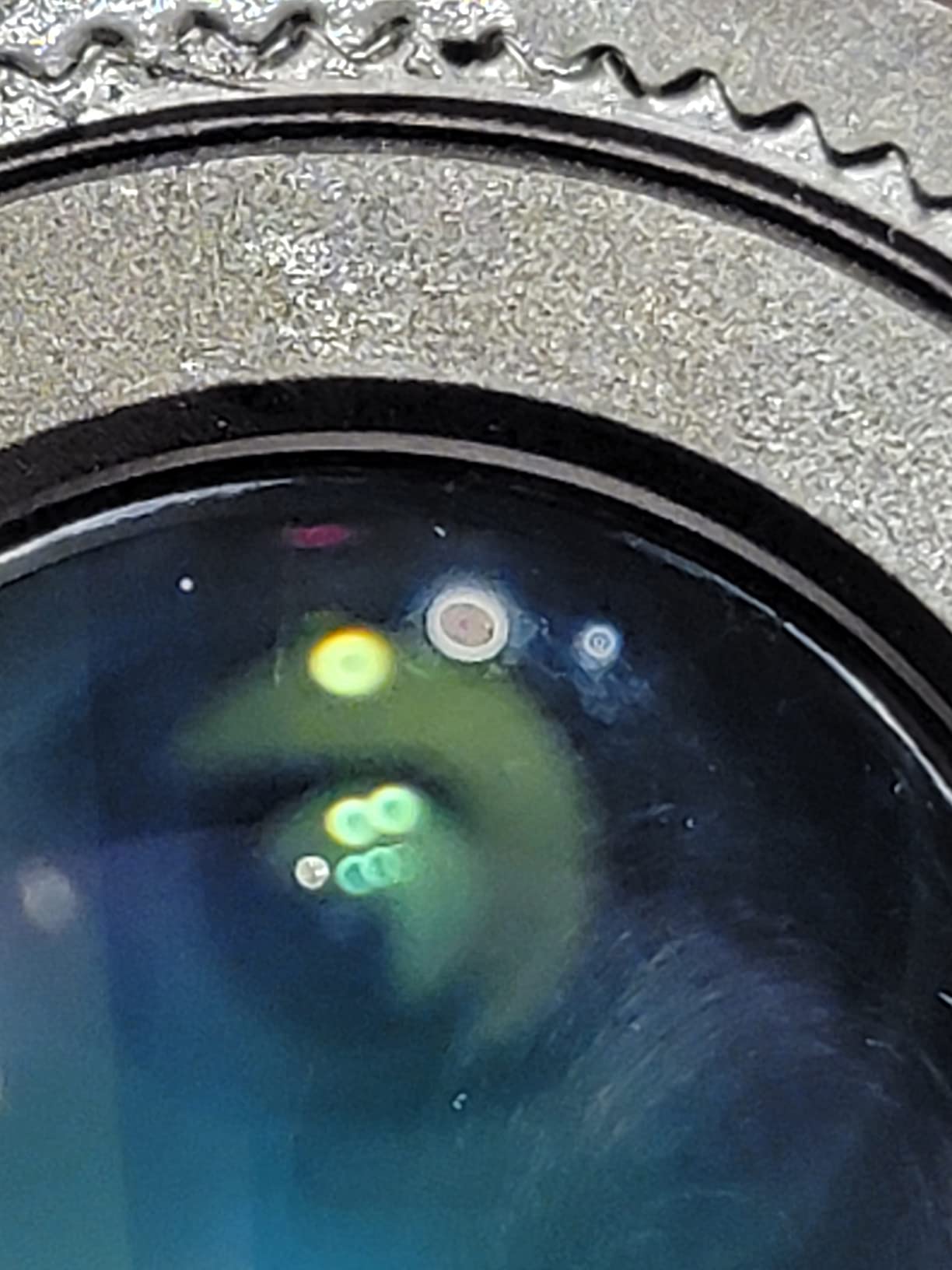
Check collimation by focusing on a bright star and watching for two images that merge cleanly as you move through focus. Also inspect the image for uneven darkening, severe edge blur, or a view that cannot be made single. If a problem appears, document it early and use the warranty or return policy.
Store binoculars in a dry case, keep lens caps on when they are not in use, and avoid touching optical surfaces. A soft brush or appropriate lens cloth is safer than breathing directly on the lenses and rubbing them with a shirt edge.
Frequently Asked Questions
Can you see Saturn’s rings with binoculars?
Yes, under good conditions Saturn can appear as a small oval with a hint of separation, but 10×50 binoculars show only Saturn as a bright point and a nearby ring-like shape. A steady 15×70 or larger binocular can make the rings easier to distinguish, though a telescope gives a much clearer view.
What size binoculars do you need to see planets?
A 7×50 or 10×50 is enough to see the Moon and Jupiter’s four bright moons, while 15×70 and larger models provide more scale for lunar details and planetary groupings. Magnification alone does not create planetary detail; a stable mount, good collimation, and dark surroundings matter too.
Are 10×42 or 10×50 binoculars better for stargazing?
A 10×50 is usually the better astronomy choice because its 50mm objectives collect more light than 42mm objectives while keeping 10x magnification. A 10×42 can still show stars, the Moon, and Jupiter’s moons, but it offers a smaller light-gathering area and is often selected for daytime portability.
Can you see stars with 10×42 binoculars?
Yes. A 10×42 binocular shows many more stars than the unaided eye and is useful for the Moon, Jupiter’s moons, constellations, and bright clusters. For faint galaxies and nebulae, move to darker skies or choose larger objectives such as 70mm or 80mm models.
Final Thoughts on the Best Binoculars for Stargazing
The best binoculars for stargazing are the ones that match your sky, targets, and willingness to carry a tripod. I would start with the Celestron Cometron 7×50 for handheld constellation views, move to the SkyMaster 15×70 for more power, and choose the 20×80 or 25×100 only when aperture and deep-sky performance justify the extra weight.
The SVBONY SV407 deserves a place for anyone who wants to learn whole constellations, while the UpClose G2 is the practical low-cost 10×50. Check collimation as soon as any pair arrives, use the lowest power that makes your target comfortable, and let a dark sky do as much work as the specifications.