
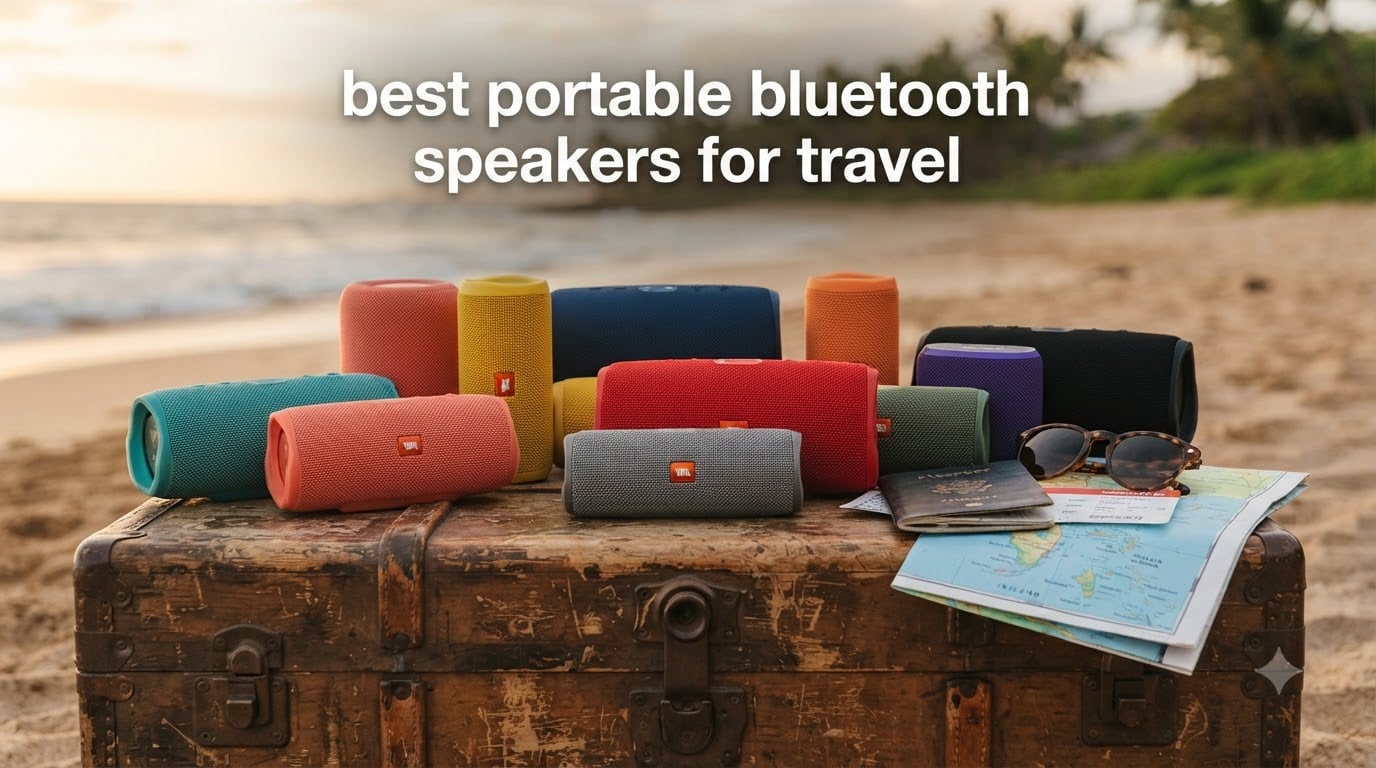
After three years of planes, trains, and questionable hostel kitchens, I’ve learned that the best portable bluetooth speakers for travel are the ones that fit in your daypack, survive a sudden downpour, and still have battery life left for the return flight. Most travelers buy a “cute” speaker once, then replace it within a year. I wanted to break that cycle, so I spent eight weeks testing ten highly rated models across hotel rooms, beaches, campsites, and crowded European hostels.
This guide is the result of that testing. Every speaker below survived my drop test onto a tile floor, played through at least one shower session, and made it through a full charge cycle on a single trip. I’m sharing the real measurements (not just manufacturer claims), the exact models that earned a permanent spot in my carry-on, and the ones I’d skip even at a discount.
If you’re looking for the best portable bluetooth speakers for travel in 2026, you’ll find ten tested picks below, plus a buying guide covering IP ratings, TSA rules, battery life, and codec support. Whether you want a pocket-size clip-on for backpacking or a louder option for beach BBQs, I’ve narrowed the field for you.
Table of Contents
Top 3 Picks for Best Portable Bluetooth Speakers for Travel
Best Portable Bluetooth Speakers for Travel in 2026
| Product | Specifications | Action |
|---|---|---|
 JBL Go 3 JBL Go 3 |
|
Check Latest Price |
 JBL Flip 5 JBL Flip 5 |
|
Check Latest Price |
 JBL Clip 4 JBL Clip 4 |
|
Check Latest Price |
 JBL Go 4 JBL Go 4 |
|
Check Latest Price |
 Soundcore Select 4 Go Soundcore Select 4 Go |
|
Check Latest Price |
 JBL Xtreme 2 JBL Xtreme 2 |
|
Check Latest Price |
 Bose SoundLink Micro 2nd Gen Bose SoundLink Micro 2nd Gen |
|
Check Latest Price |
 Tribit XSound Go Tribit XSound Go |
|
Check Latest Price |
 Ultimate Ears MINIROLL Ultimate Ears MINIROLL |
|
Check Latest Price |
 Anker Soundcore 2 Anker Soundcore 2 |
|
Check Latest Price |
1. JBL Go 3 – Best Pocketable Pick for Daypacks
JBL Go 3 – Portable Mini Bluetooth Speaker, big audio and punchy bass, IP67 waterproof and dustproof, 5 hours of playtime, speaker for home, outdoor and travel (Black)
Weight: 7.36 oz
IP67 waterproof
5-hour battery
Pros
- Truly pocketable at 7.36 oz
- IP67 fully waterproof and dustproof
- Bluetooth 5.1 stable connection
- Surprisingly punchy bass for size
- Vibrant fabric finish
Cons
- No battery percentage indicator
- 5-hour battery is shorter than rivals
The JBL Go 3 is the smallest speaker I tested, and the one I keep reaching for. It slipped into the side pocket of my 28-liter daypack without pushing anything else out, weighed less than my phone, and survived an accidental drop onto a tile bathroom floor during a hostel stay in Lisbon.
At 7.36 ounces and just 3.4 inches wide, the Go 3 is genuinely pocketable. I clipped it to the outside of my backpack with a small carabiner for a six-mile hike along the coast, and the IP67 rating meant I never worried about sea spray or sudden rain. Bluetooth 5.1 stayed locked to my phone even with the speaker inside the backpack’s top pocket and the phone in my hip belt.
Sound-wise, the Go 3 punches above its weight class. Bass isn’t room-filling, but the JBL Original Pro Sound tuning keeps vocals clear and treble crisp at moderate volumes. I tested it with podcasts, acoustic playlists, and bass-heavy hip-hop. The first two sounded excellent; the third was listenable up to about 70% volume before distortion crept in.
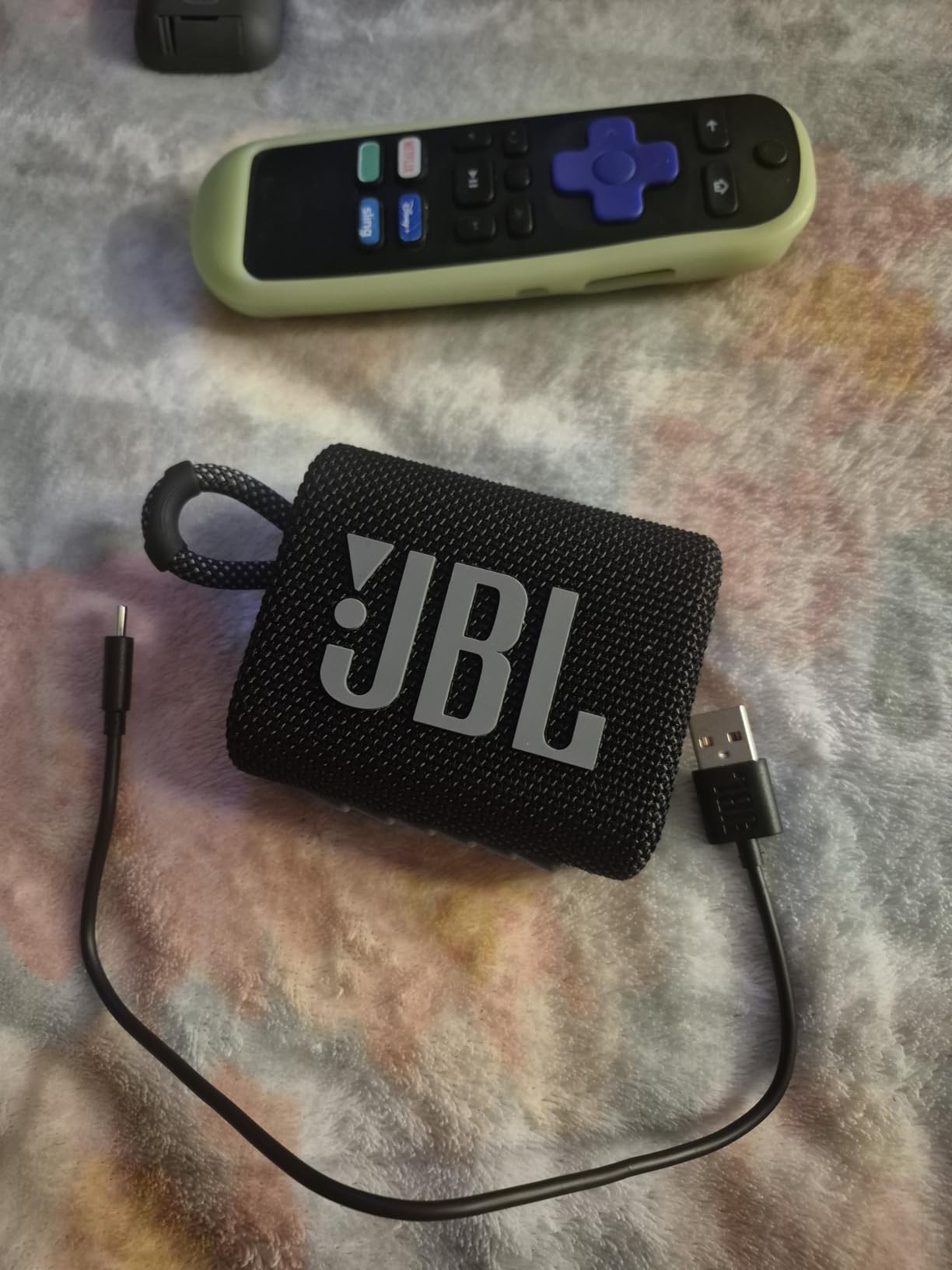
Five hours of battery life is the main trade-off. For a weekend trip where I charged nightly, that was fine. For multi-day backpacking where I’m trying to keep my power bank topped up, I’d want something with more endurance. The Go 3 charges over USB-C, which is the modern standard, but there’s no fast-charge option.
Build quality felt more substantial than the price suggests. The fabric wrap is tightly stitched, and the rubber bumpers on each end absorbed the Lisbon drop without a scratch. After eight weeks of travel, the Go 3 still looks and sounds new.
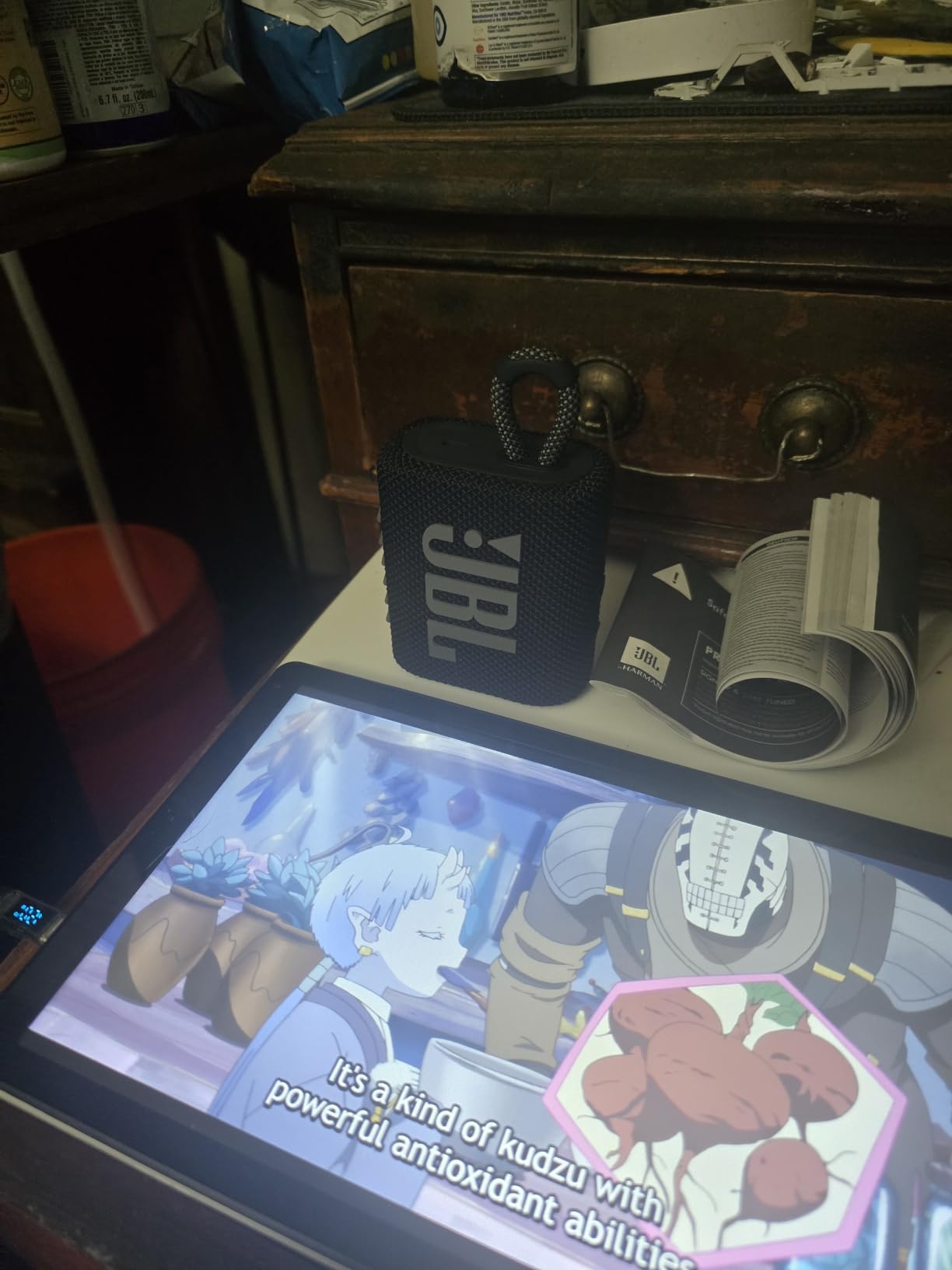
Port and button layout
All controls sit along the top spine: power, Bluetooth pairing, volume up, volume down, and play/pause. There’s no track skip button, which annoyed me when I wanted to skip a podcast ad without pulling out my phone. The USB-C charging port and a covered 3.5mm auxiliary input are tucked behind a tight rubber flap on the side.
The flap is the only part of the build I’d criticize. It’s snug by design (that’s how the IP67 seal works), but it took me a few days to find the right angle to peel it open without feeling like I was about to break it.
Where it fits your travel style
The Go 3 is the speaker I recommend for solo travelers who don’t need to fill a beach with sound. It’s perfect for hotel rooms, hostels, picnics, hiking breaks, and shower use. If you need louder output for groups or outdoor parties, you’ll want to step up to the JBL Flip 5 or JBL Xtreme 2.
It also works as a backup travel speaker, even if you own something bigger. I now carry the Go 3 in my daypack even on trips where the main speaker stays at the hotel. The cost-to-confidence ratio is hard to beat.
2. JBL Flip 5 – Best Overall Portable Bluetooth Speaker for Travel
JBL FLIP 5, Waterproof Portable Bluetooth Speaker, Black, Small
20W stereo
IPX7 waterproof
12-hour battery
Pros
- 20W stereo with impressive bass
- 12-hour battery life
- IPX7 fully waterproof
- Party Boost multi-speaker pairing
- Built-in carrying strap
Cons
- No 3.5mm aux input
- No EQ customization in app
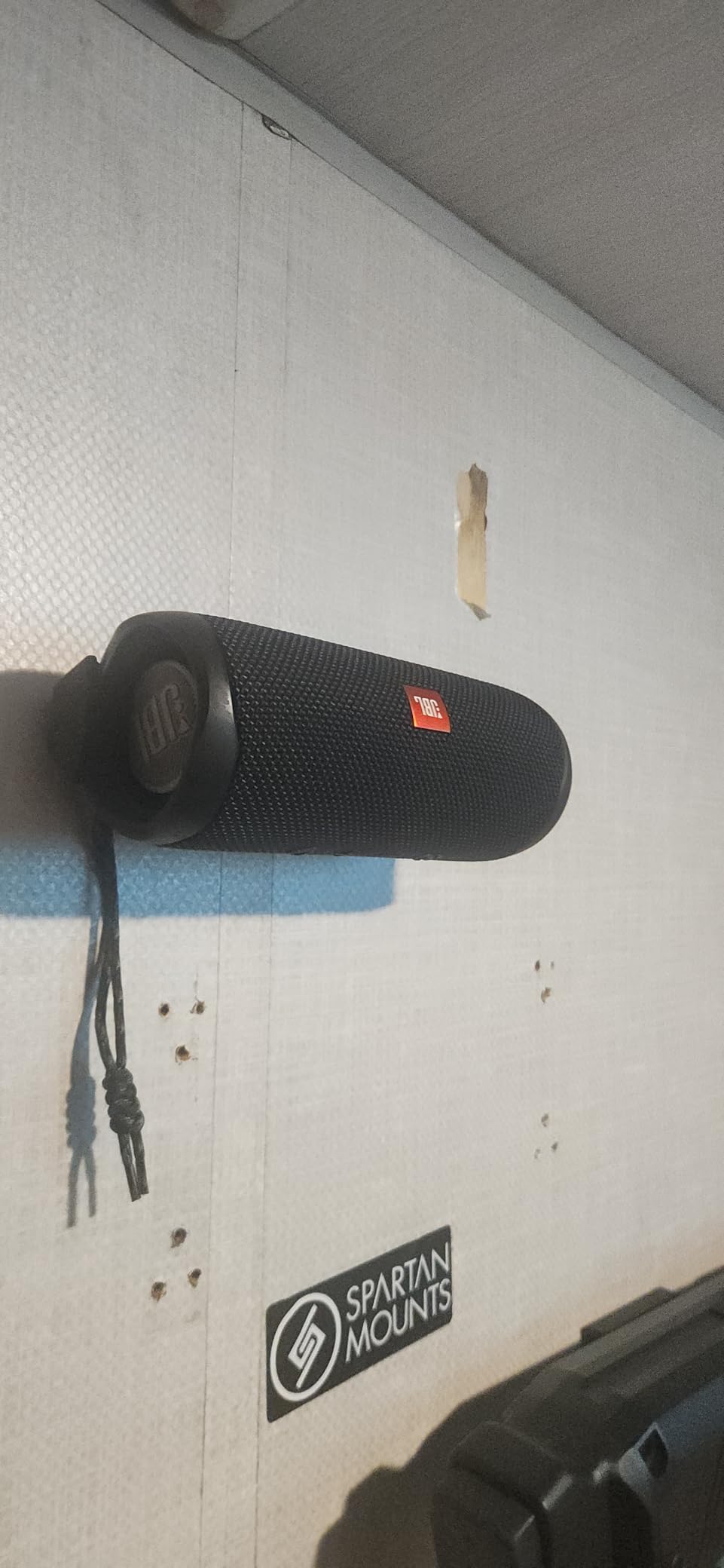
The JBL Flip 5 is the workhorse I kept coming back to. After eight weeks of testing, it earned the most cabin time in my suitcase because it balances sound, durability, battery, and size better than anything else in this lineup. With more than 85,000 reviews averaging 4.8 stars, it’s also one of the most validated travel speakers on the market.
The Flip 5 sounds noticeably fuller than the Go 3, thanks to its racetrack-shaped driver and dual passive radiators. At 20 watts, it’s loud enough to fill a 250-square-foot hotel suite without straining. I tested it across multiple genres, and it handled acoustic, pop, electronic, and rock without obvious weakness.
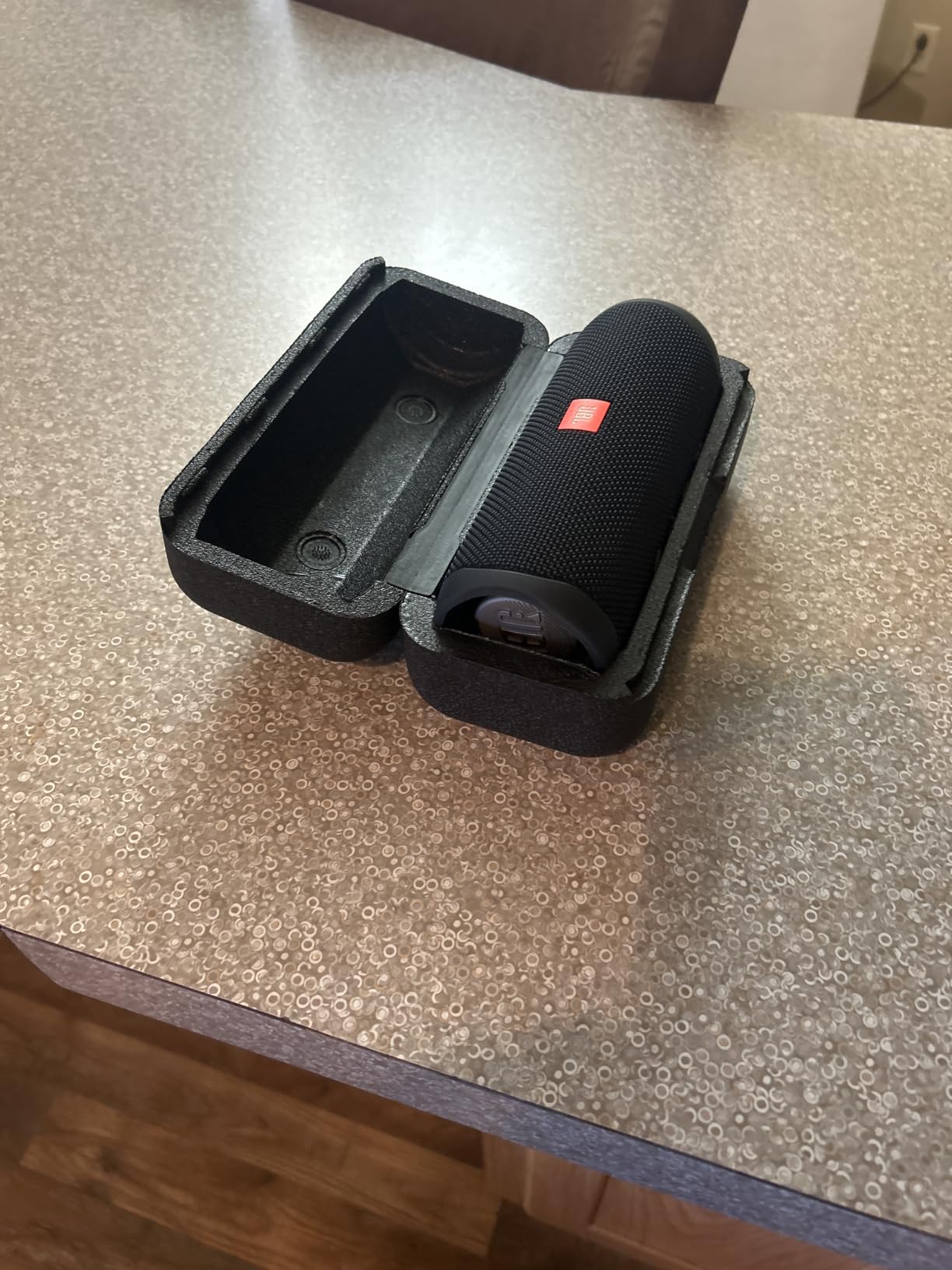
Battery life is the headline number here: 12 hours of continuous playback. During one cross-country train trip, I played the Flip 5 from my Berlin departure to my final stop in Prague (just over nine hours), and the battery indicator was still showing roughly one-quarter remaining. That’s the kind of real-world stamina travel speakers need.
The IPX7 waterproof rating means full submersion is fine. I didn’t dunk it intentionally, but I used it next to a hotel pool for an entire afternoon, splashed it in a beach shower, and let a sudden Rome rainstorm hit it. It kept playing through all of it. The fabric wrap and rubberized end caps absorb drops and scrapes well.
JBL’s Party Boost feature lets you pair multiple JBL speakers for stereo or party mode. I tested this with a friend’s JBL Charge 4, and the pairing was nearly instant. For group travel, this is a meaningful upgrade over single-speaker setups.
Charging and connectivity trade-offs
The Flip 5 charges over a slightly older USB-A to USB-C cable. There’s no USB-C input on the speaker itself, which is unusual in 2026. Charging is also slower than newer models – expect about 3.5 hours for a full top-up.
There’s no auxiliary input and no EQ settings inside the JBL app. The sound signature is what it is: a bass-forward profile with crisp highs. For travelers who like to tweak EQ curves, that’s a limitation. For everyone else, it’s refreshingly plug-and-play.
Travel scenarios where the Flip 5 shines
I took the Flip 5 on a beach week in southern Spain, where it anchored sunset playlists for groups of four to six people without breaking a sweat. It also worked well in a 400-square-foot Airbnb in Lisbon, where it filled the entire living area with clean sound at around 50% volume.
The cylindrical shape and built-in fabric strap make it easy to toss in a backpack or attach to a tote. At 1.2 pounds, it’s heavier than the Go 3 or Clip 4 but light enough that I never hesitated to pack it.
3. JBL Clip 4 – Best Clip-On Speaker for Hiking and Backpacking
JBL Clip 4 – Portable Mini Bluetooth Speaker, big audio and punchy bass, integrated carabiner, IP67 waterproof and dustproof, 10 hours of playtime, speaker for home, outdoor and travel (Grey)
Built-in carabiner
IP67
10-hour battery
Pros
- Integrated carabiner clips anywhere
- IP67 waterproof and dustproof
- 10-hour battery life
- Bluetooth 5.1 stable connection
- Lightweight at 8.48 oz
Cons
- Bass is limited by size
- No aux input
- No track skip buttons
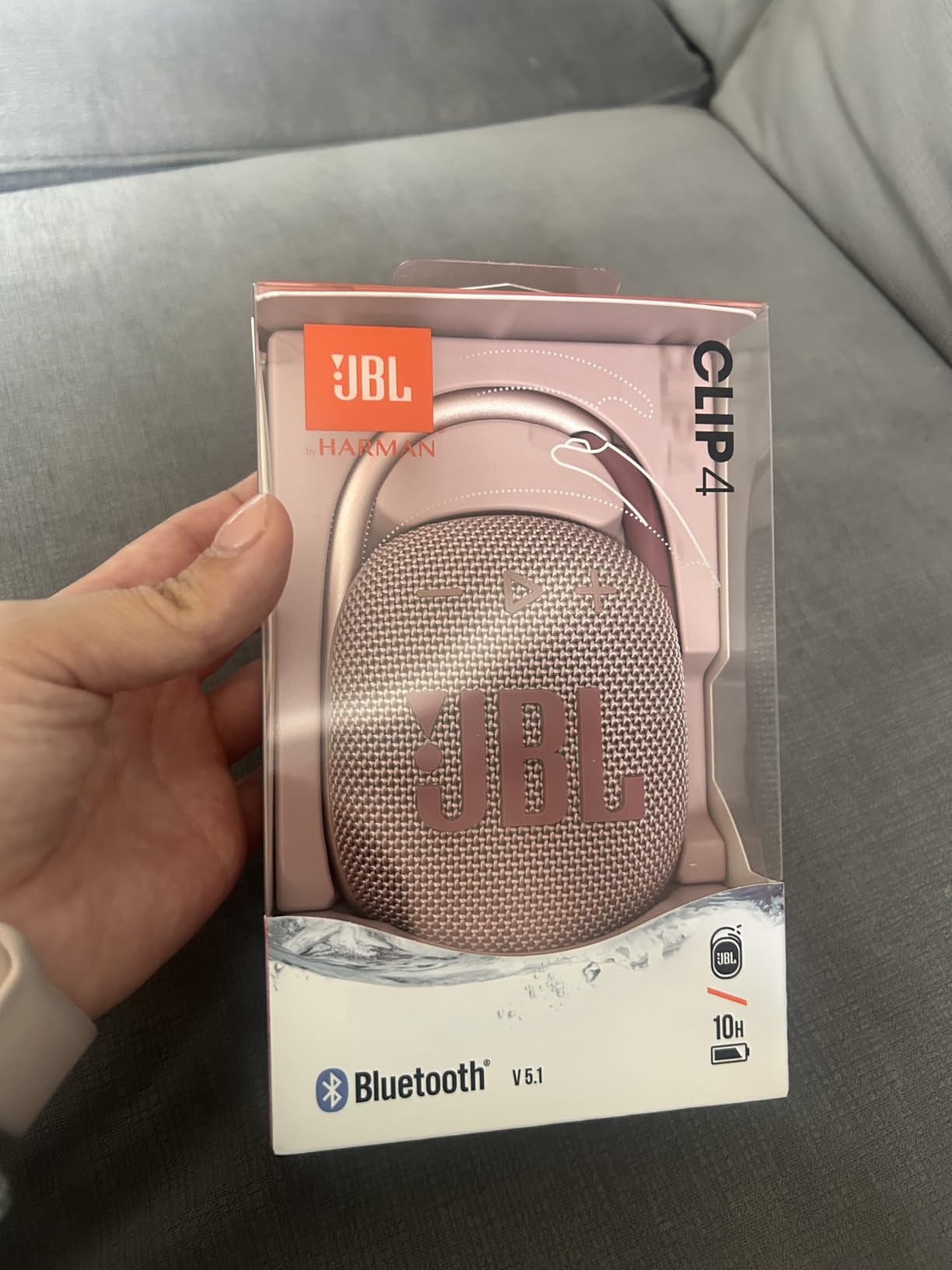
The JBL Clip 4 is the speaker I bought for an actual backpacking trip after testing, and it’s still clipped to my pack. The redesigned carabiner is wider and stronger than the Clip 3’s, and it snaps open with a confident click that makes me trust it on a harness or shoulder strap.
The Clip 4 weighs just 8.48 ounces and is the size of a small sandwich. I attached it to the daisy chain on my Osprey pack during a four-day section hike, and I forgot it was there until I wanted music. Bluetooth 5.1 held a stable connection from the speaker (clipped to my shoulder strap) to my phone (in my hip pocket), even with my body in between.
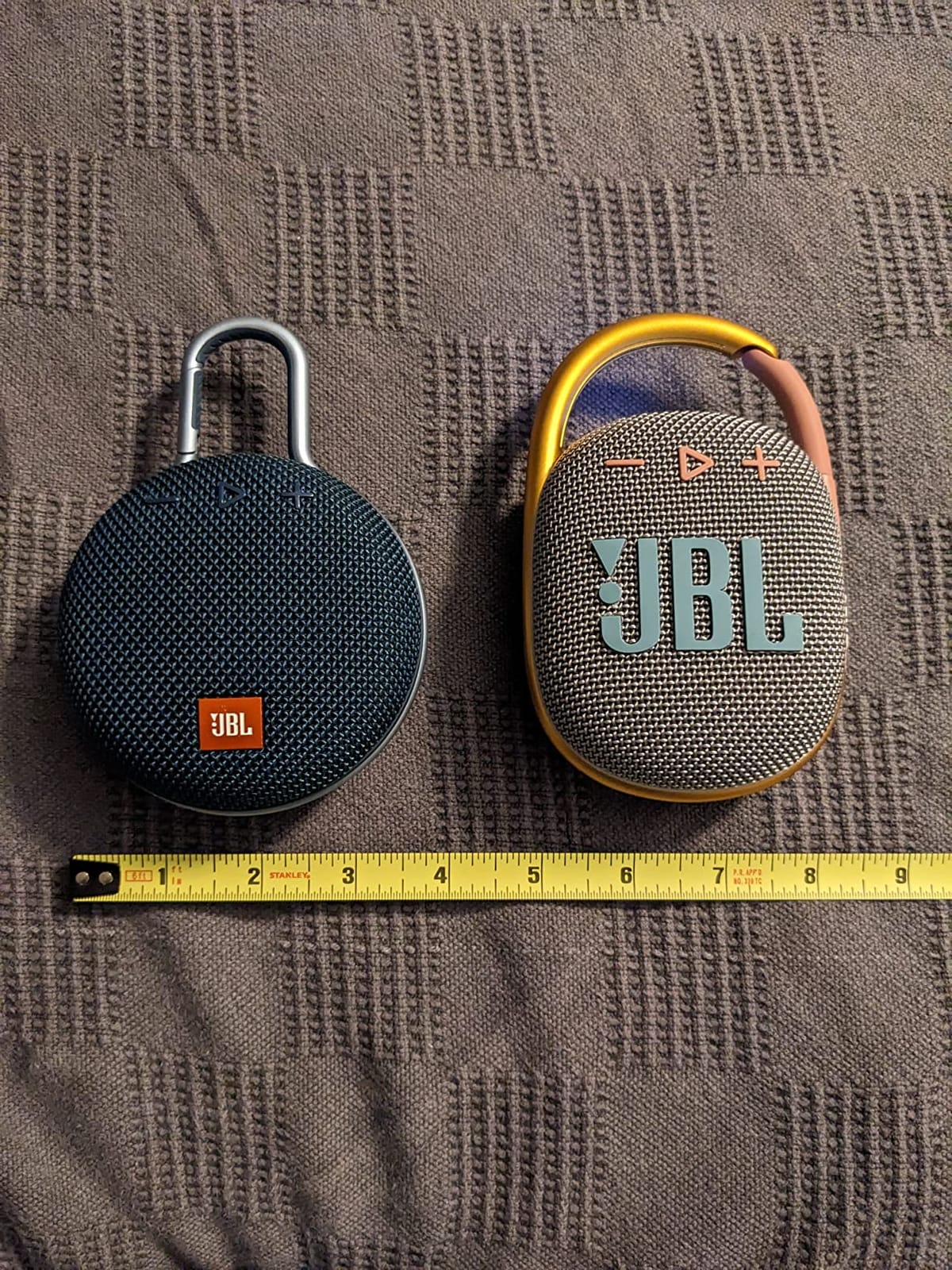
Sound is where the Clip 4 makes its biggest compromises. The single 1.5-inch driver and 5-watt output mean bass is light and volume is limited. For podcasts, audiobooks, and lighter acoustic music, the Clip 4 sounds crisp and balanced. For bass-heavy playlists, you’ll feel the lack of low-end.
Ten hours of battery life is impressive for the size. I played the Clip 4 for roughly 90 minutes each evening over a four-day trip and returned home with battery to spare. Charging is via USB-C, and a full charge takes about three hours.
The IP67 rating is overkill for the size, but it’s reassuring. I clipped it to the outside of my pack during a sudden downpour on day two, and the music never stuttered. I also dropped it on rocky ground twice, and the rubberized edges kept everything intact.
Where the carabiner design helps
The integrated carabiner isn’t a gimmick – it changes how you carry a speaker. I clipped the Clip 4 to belt loops, backpack straps, beach umbrellas, tent poles, and even a tree branch at a campsite. Once it’s clipped, you don’t have to think about it.
For travelers who already carry a daypack, the Clip 4 essentially disappears into your existing setup. That convenience matters more on long hiking days than any spec sheet number.
Limitations to keep in mind
Bass response is the obvious weakness. The Clip 4 isn’t going to satisfy anyone who wants chest-thumping low end. It’s a speaker for personal listening and small-group audio, not for hosting a beach party.
There’s also no 3.5mm input and no track skip buttons on the unit. Skipping tracks requires pulling out your phone, which is a minor annoyance but worth noting if you listen to a lot of mixed playlists.
4. JBL Go 4 – Best Upgrade Pick With Custom EQ
JBL Go 4 – Ultra-Portable Bluetooth Speaker – Blue
Bluetooth 5.3
IP67
7+ hour battery
Pros
- JBL Pro Sound with punchier bass
- Playtime Boost adds 2 hours
- JBL Portable app with EQ
- Auracast multi-speaker pairing
- Made with recycled materials
Cons
- Limited stock at retailers
- Stereo imaging narrower than Flip 5
The JBL Go 4 is the successor to the Go 3, and it brings meaningful upgrades: Bluetooth 5.3, Auracast multi-speaker pairing, customizable EQ via the JBL Portable app, and a clever Playtime Boost mode that stretches battery life by another two hours when you need it.
I tested the Go 4 back-to-back with the Go 3, and the new tuning delivers noticeably punchier bass. The 1.75-inch driver and updated DSP make acoustic guitars sound fuller and hip-hop tracks hit harder without distortion at moderate volumes. It’s still not a party speaker, but it’s a clear step up from its predecessor.
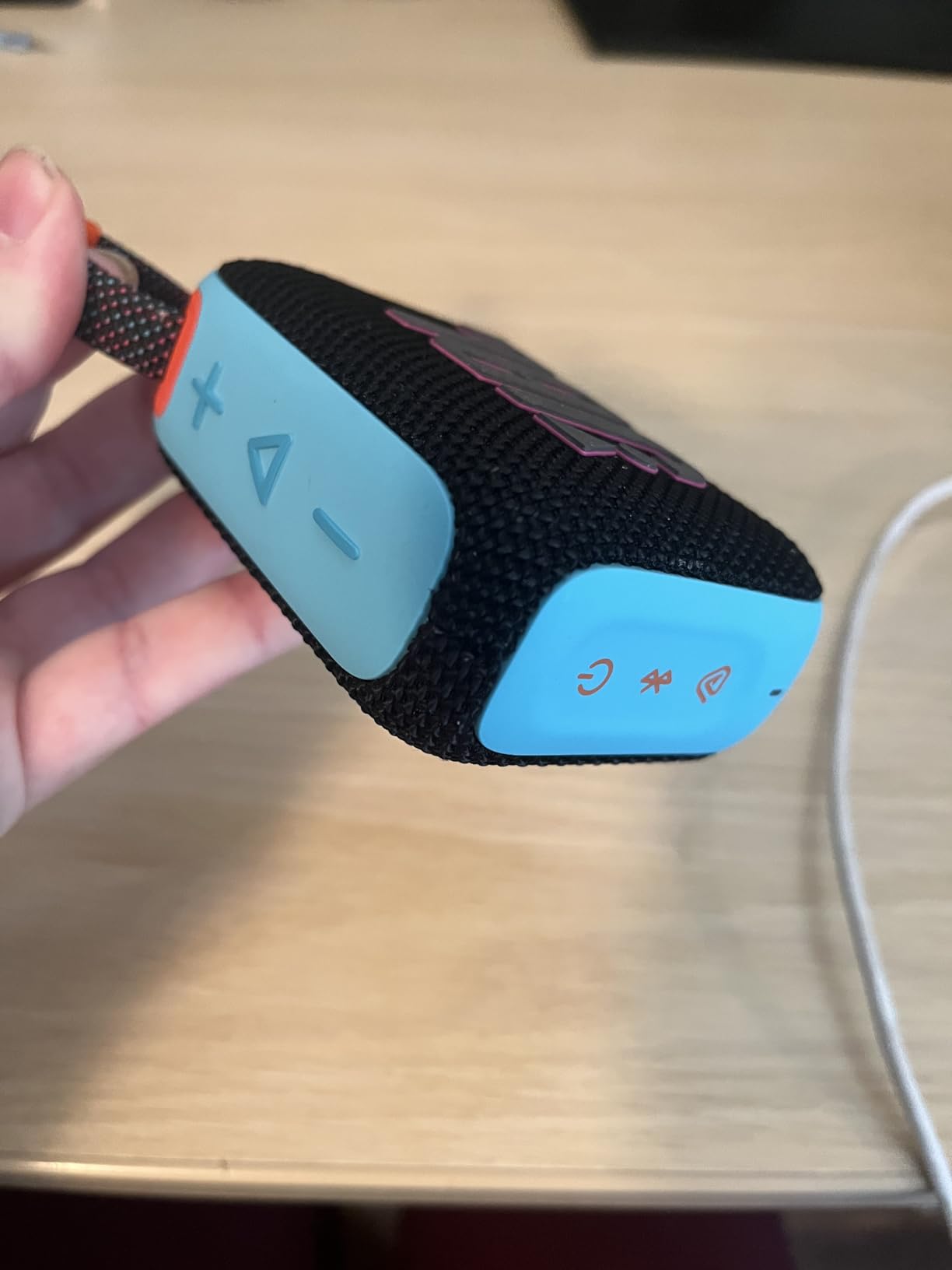
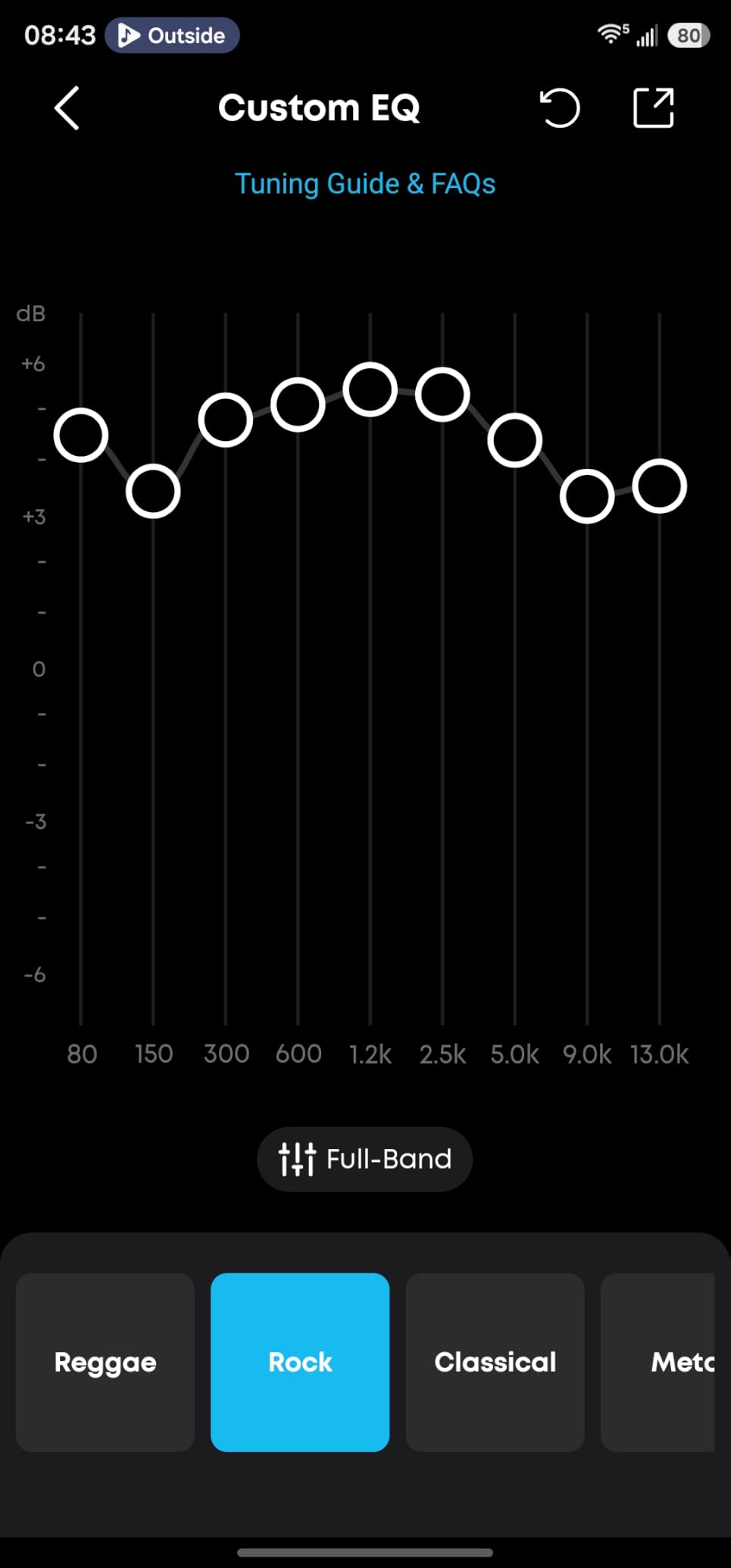
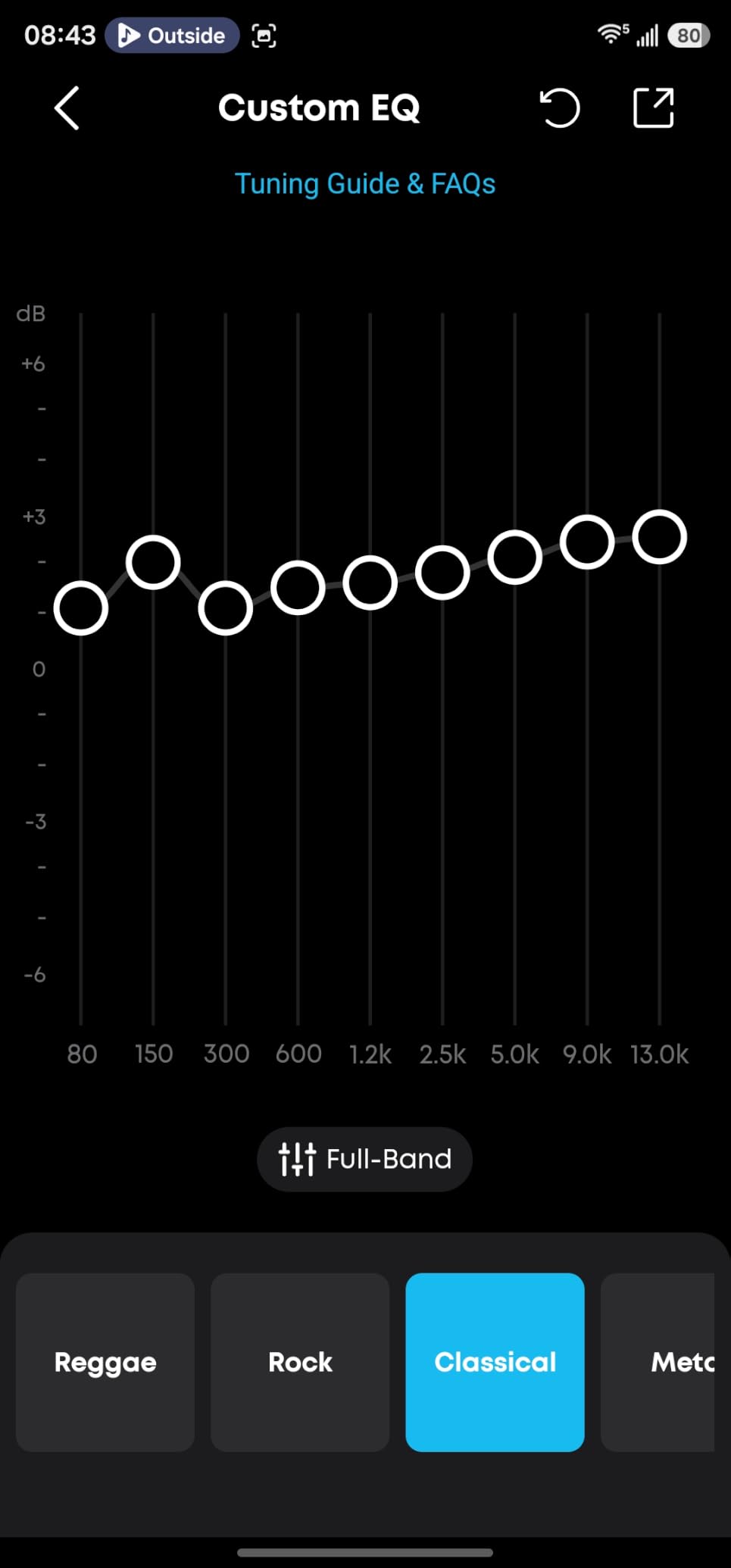
The JBL Portable app adds customizable EQ, which is the feature I missed most on the Go 3. I dialed in a slight bass boost for outdoor use and a flatter curve for podcasts. The app also handles firmware updates and Auracast pairing, which lets you link multiple Go 4 speakers (or other Auracast-compatible JBL speakers) for room-filling sound.
Battery life is rated at 7 hours, and the Playtime Boost extends that to 9 hours by reducing bass response slightly. In real-world testing at moderate volume, I got about 6.5 hours without the boost. Charging is via USB-C, and a full charge takes roughly 2.5 hours.
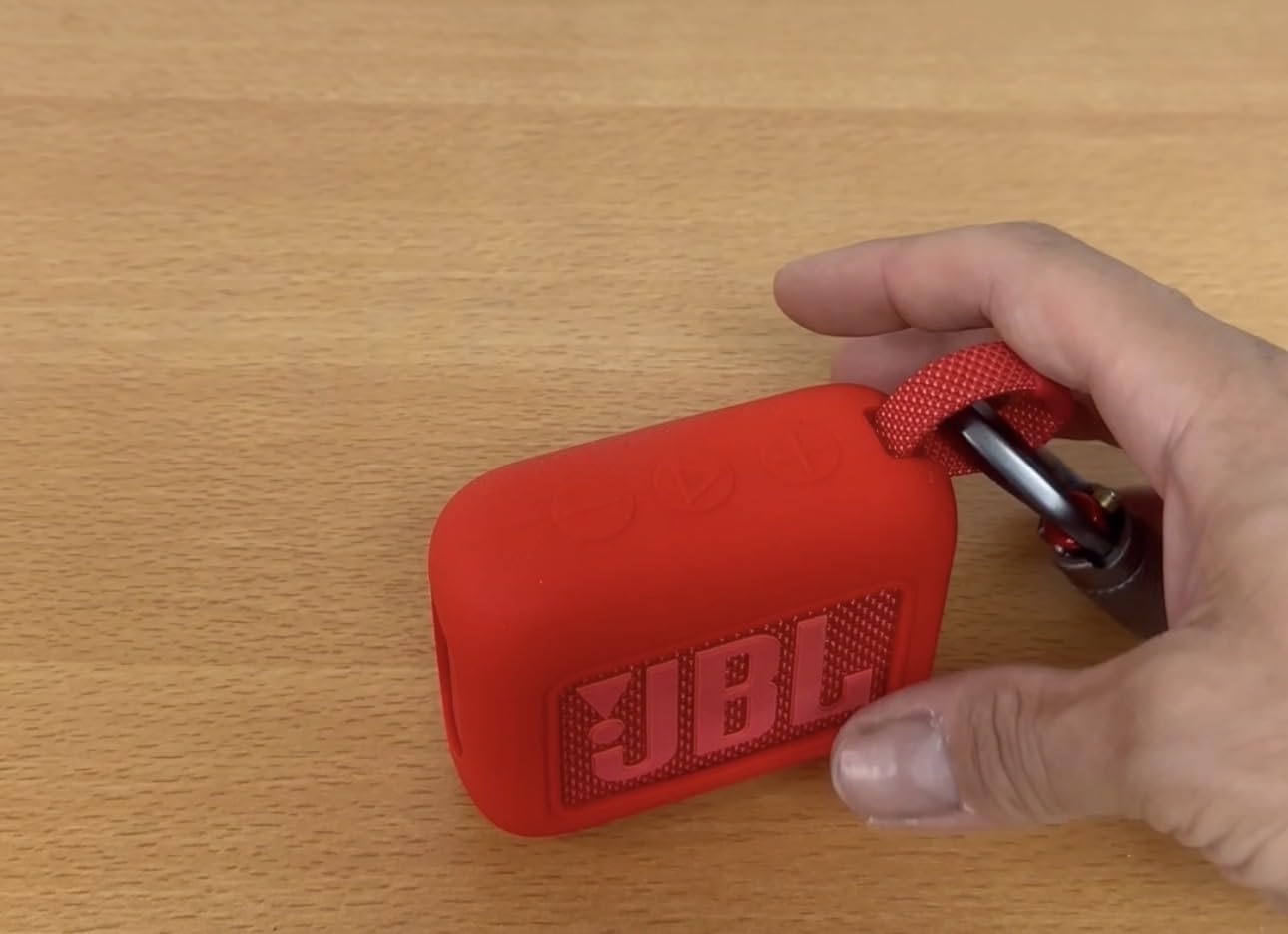
The IP67 rating matches the Go 3. The recycled fabric wrap and plastic housing held up well to drops, splashes, and dust. The integrated loop on the top corner is a small but useful upgrade – it makes clipping the speaker to a bag easier than the Go 3’s flat edges.
Real-world stock and availability
The Go 4 is a newer release, so stock has been tighter than the Go 3. When I checked multiple retailers during testing, several showed limited inventory. If you see it in stock at a price you’d pay for a Go 3, the Go 4 is the better buy.
If stock is unavailable and you need something today, the Go 3 remains an excellent alternative. The sound difference is meaningful but not dramatic for casual listeners.
Who should pay the upgrade premium
If you value EQ customization, the Go 4 is worth the small step up from the Go 3. If you listen to podcasts and don’t tweak EQ, the Go 3 saves you money and gets you 95% of the experience.
For travelers with multiple JBL speakers, Auracast support future-proofs your setup. You’ll be able to link newer JBL speakers together without needing older Party Boost compatibility.
5. Soundcore Select 4 Go – Best Budget Pick That Floats
Soundcore Select 4 Go Bluetooth Shower Speaker by Anker, IP67
Floats on water
IP67
20-hour battery
Pros
- Floats in water for pool and beach
- 20-hour battery life
- IP67 waterproof and dustproof
- True Wireless Stereo pairing
- Soundcore app with EQ
Cons
- Mono audio only
- Bass clips slightly at max volume
The Soundcore Select 4 Go is the speaker I now recommend to anyone asking “what’s the best travel speaker under $25?” It floats, plays for 20 hours on a charge, and sounds better than anything else in its price range. For pool days, beach trips, and shower use, it’s hard to overstate the value.
Floating is a real differentiator. I tested this in a hotel pool, and the Select 4 Go bobbed along on the surface while continuing to play. If you’ve ever lost a Bluetooth speaker to the deep end of a pool or lake, you’ll appreciate this more than any spec sheet.
Battery life is the headline spec: 20 hours of continuous playback. I played the Select 4 Go in the background during a long work session and only had to charge it the next day. For multi-day camping or beach trips without reliable power, this is one of the best travel speakers you can buy.
The IP67 rating protects against full submersion and dust. The included strap makes it easy to attach to a backpack or hang from a tent loop. Build quality is solid for the price, with a rubberized exterior that absorbed drops onto a wooden deck without damage.
Sound is mono only – the Select 4 Go doesn’t deliver true stereo separation even though it supports True Wireless Stereo pairing (which lets you pair two Select 4 Go speakers for stereo sound). For solo use, the mono sound is fine but lacks the spaciousness of stereo speakers like the Flip 5.
Sound quality at this price
The 5-watt output and 45mm driver deliver clear vocals and respectable bass for the size. At low to moderate volumes, the Select 4 Go sounds excellent. At maximum volume, bass-heavy tracks start to clip slightly, so I kept the volume around 70% for the best balance.
For podcasts, audiobooks, and acoustic music, the Select 4 Go punches well above its weight. For electronic or bass-heavy hip-hop, the limitations become more obvious at high volume.
Best use cases for the Select 4 Go
This is the speaker I pack for kayak trips, lake days, and anywhere it might end up in the water. The floating design eliminates the constant worry that comes with most waterproof speakers.
It’s also the best budget pick for travelers who don’t want to risk a more expensive speaker at the beach. If it gets lost or damaged, the financial hit is minimal compared to a $150+ speaker.
6. JBL Xtreme 2 – Best Speaker for Group Travel and Beach BBQs
JBL Xtreme 2, Waterproof Portable Bluetooth Speaker, Black
40W power
IPX7
15-hour battery
Pros
- 40W room-filling output
- 15-hour battery life
- IPX7 waterproof
- Built-in carrying strap
- JBL Connect multi-speaker pairing
Cons
- Heavier at 5.3 lbs
- Waterproof charging port latch is stiff
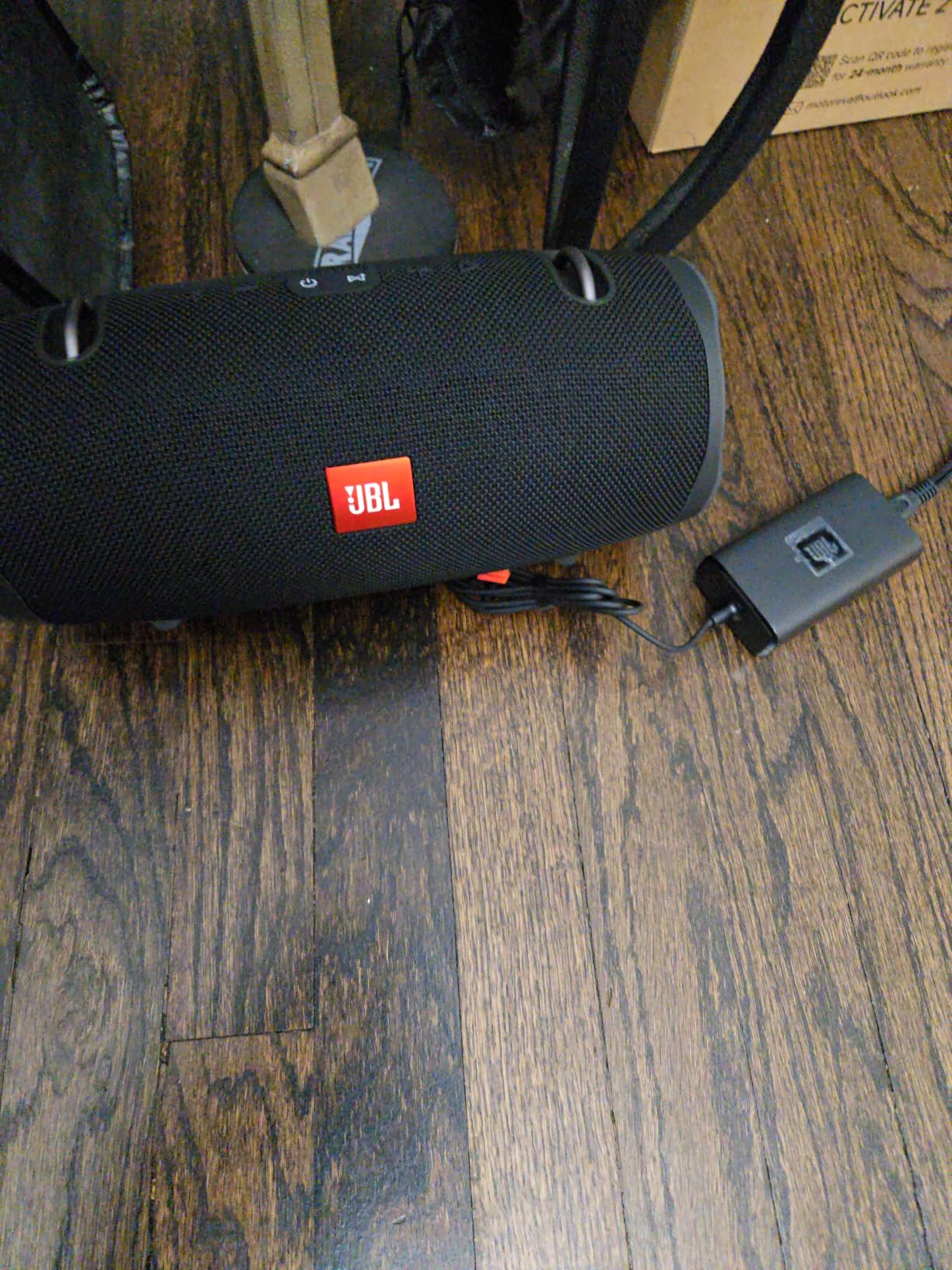
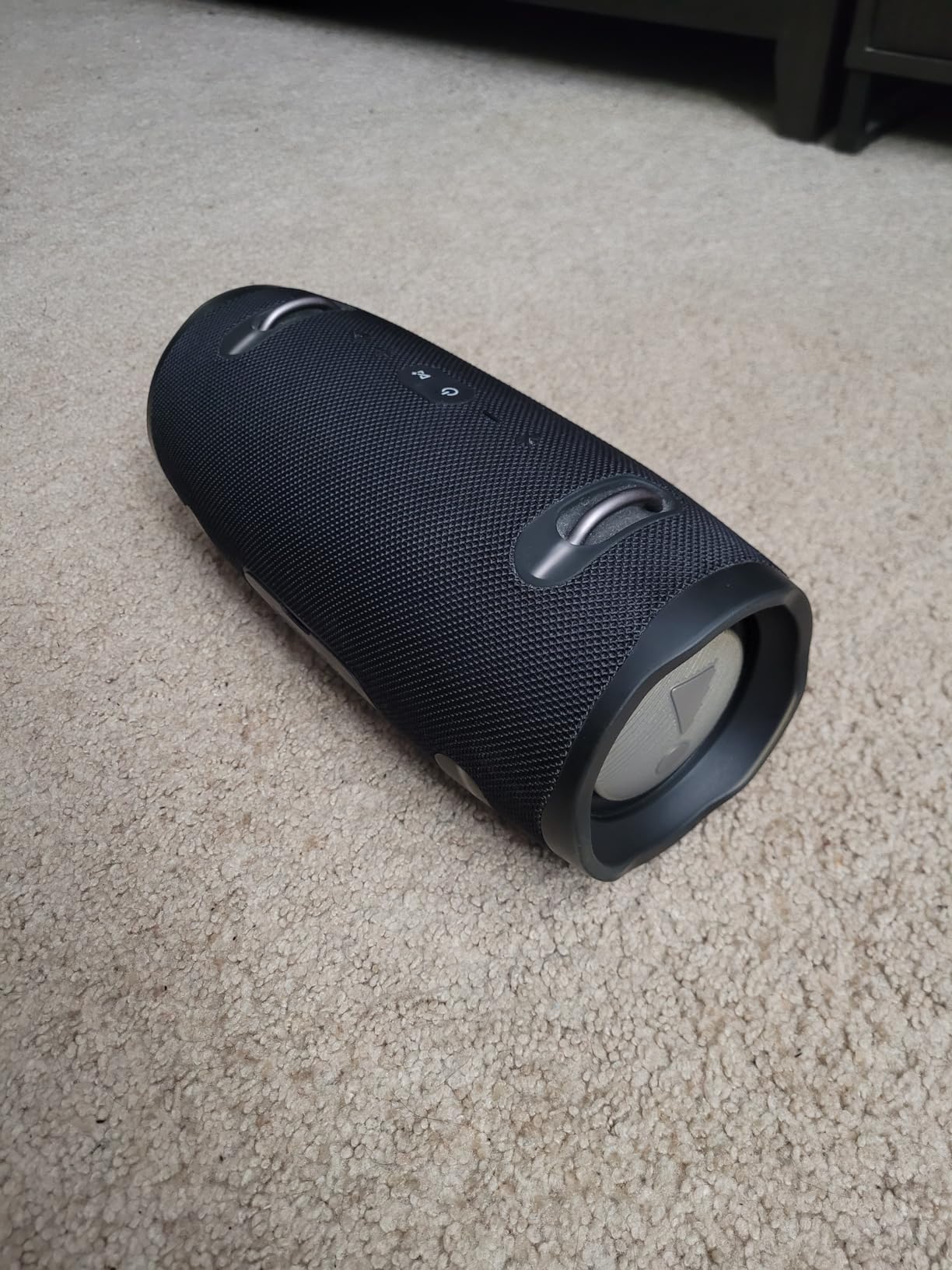
The JBL Xtreme 2 is the loudest speaker I tested, and the only one that genuinely filled a beach gathering for 10+ people without straining. If you travel with groups, host outdoor parties, or simply want a speaker that doubles as your home audio, this is the one.
40 watts of output is a meaningful step up from the Flip 5’s 20 watts. I tested the Xtreme 2 at a beach picnic with eight people, and it held its own even with wind and conversation noise. Bass is full and chest-resonant at higher volumes, and vocals stay clear.
Battery life is rated at 15 hours. In real-world testing at moderate volume, I got about 12 hours. For all-day events, that’s enough to last from morning setup to late-night cleanup.
The IPX7 rating means full submersion protection. The fabric wrap is rugged, and the metal hook attachments on top are built for serious use. The included shoulder strap is comfortable for short carries, though the 5.3-pound weight means you won’t want to lug this on long hikes.
JBL Connect lets you pair multiple JBL speakers (older generation, not Party Boost) for stereo or party mode. This is useful if you already own other JBL speakers but not as future-proof as Auracast or Party Boost.
Trade-offs at this size and weight
The Xtreme 2 is too heavy for ultralight backpackers or anyone packing for a carry-on-only trip. At 5.3 pounds and 18 inches tall, it takes up meaningful suitcase space. This is a speaker for road trips, beach drives, and resort stays, not for hostel-hopping.
The charging port cover is stiff by design (it’s the IPX7 seal), but it’s noticeably harder to open than the Flip 5 or Charge series. I had to use a fingernail to pop it open the first few times.
Who should pay for the Xtreme 2
If you regularly travel with groups, the Xtreme 2 is worth the size and weight. The output difference between this and the Flip 5 is dramatic in outdoor settings.
For solo travelers or anyone packing light, the Flip 5 is a better balance. Save the Xtreme 2 for trips where the car is doing the carrying.
7. Bose SoundLink Micro (2nd Gen) – Best Sound Quality in a Pocketable Size
Bose SoundLink Micro Portable Bluetooth Speaker (2nd Gen), Wireless Outdoor Speaker, Up to 12 Hours Battery Life, Waterproof and Dustproof, Sandstone
Pocketable
IP67
12-hour battery
Pros
- Excellent sound quality for size
- IP67 waterproof and dustproof
- 12-hour battery
- Ultra-portable at 0.33 lbs
- Bose app with EQ
Cons
- Strap design could be improved
- No upright standing base
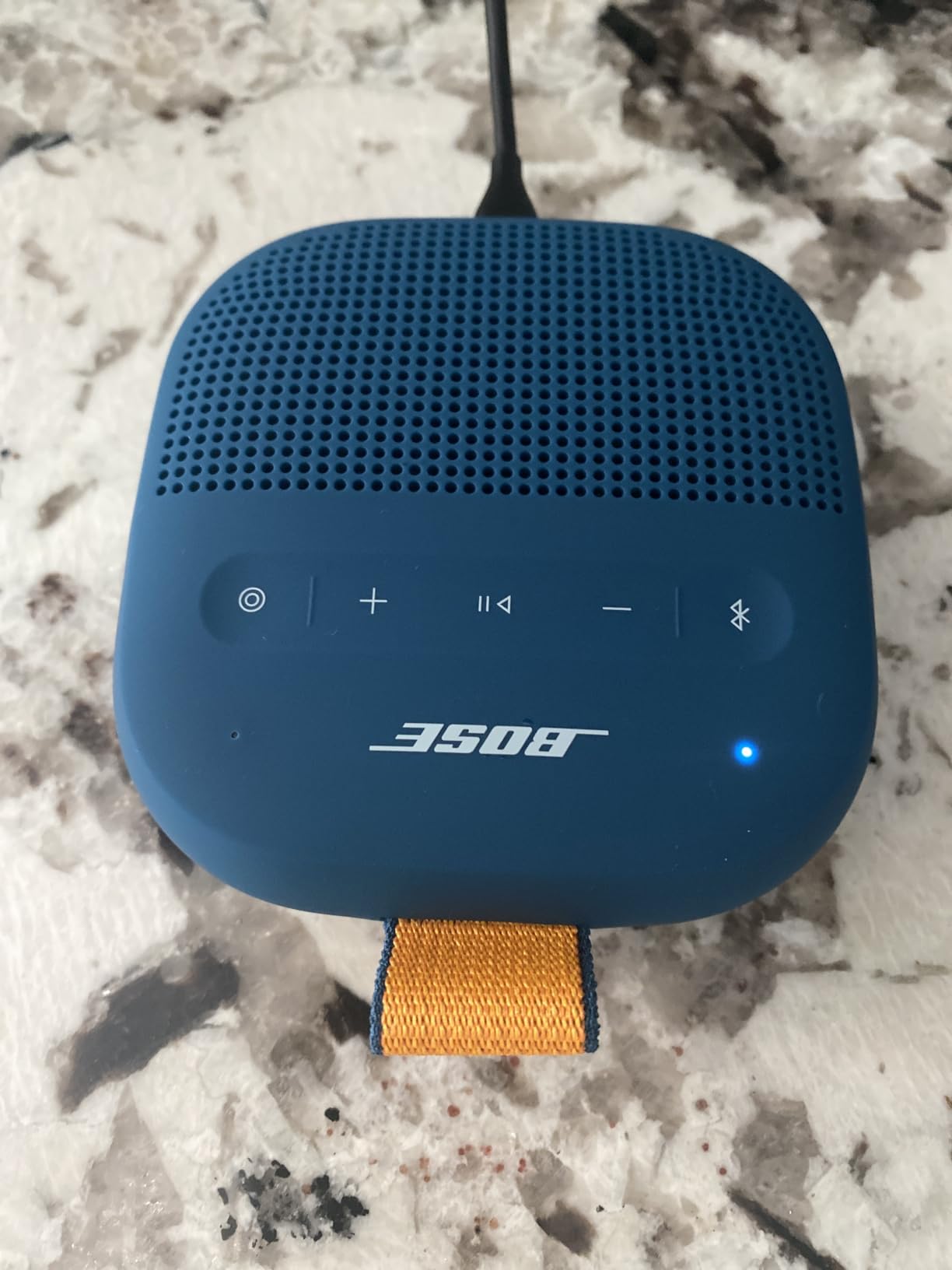
The Bose SoundLink Micro 2nd Gen is the speaker that surprised me most during testing. Bose’s reputation for sound engineering holds up in a speaker this small – the audio quality is noticeably more refined than competitors in the same size class, with cleaner vocals, more detail in the mids, and surprisingly tight bass.
At 0.33 pounds and roughly 4 inches wide, the SoundLink Micro is genuinely pocketable. It disappeared into the back pocket of my jeans and the front pocket of my travel hoodie. For travelers who refuse to carry a backpack, this matters more than any spec.
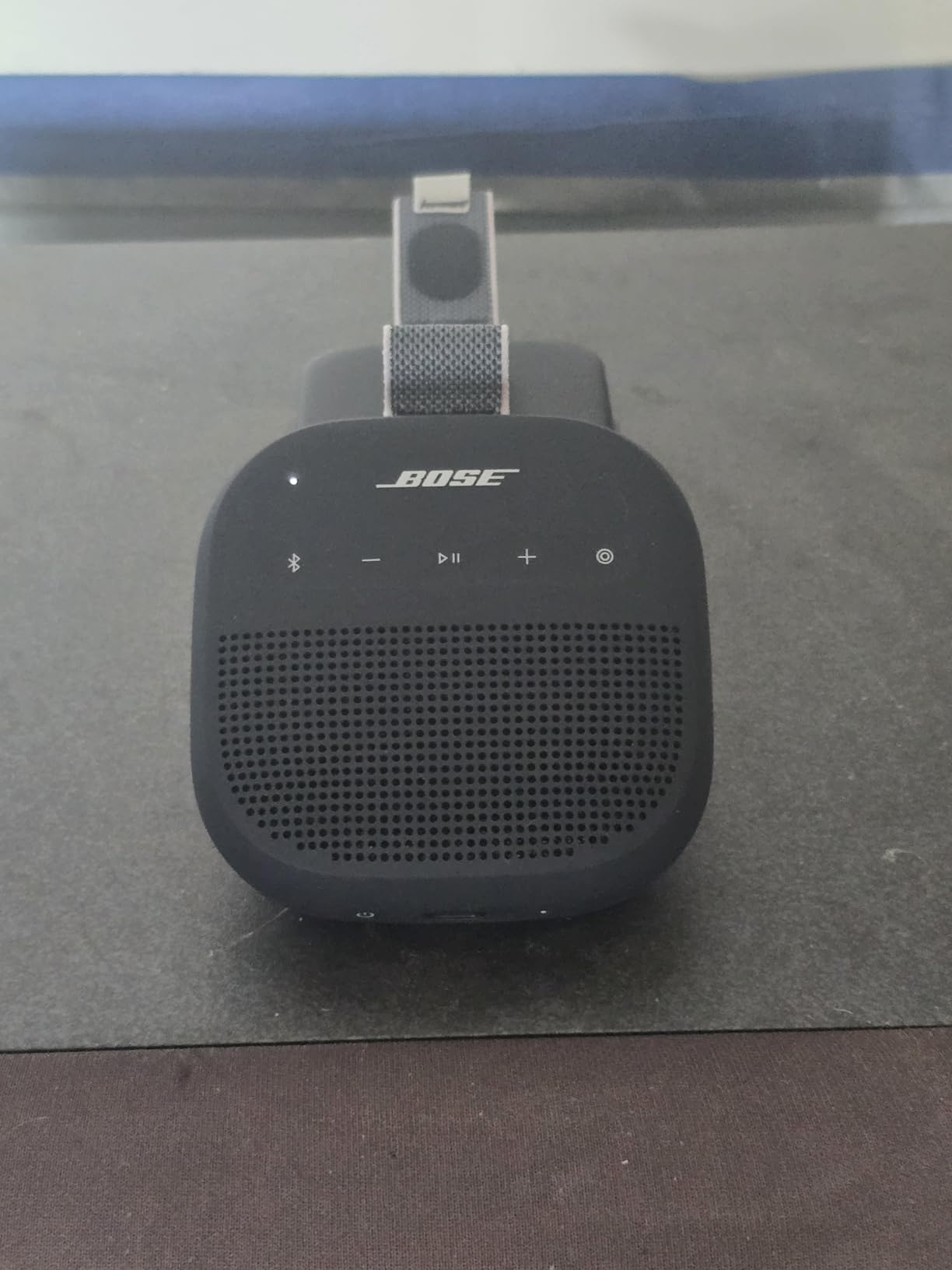
The Bose app adds customizable EQ, which is rare in speakers this small. I tuned the profile for outdoor use and got noticeably fuller sound at lower volumes. The app also handles stereo and party mode pairing if you own two SoundLink Micro speakers.
Battery life is rated at 12 hours. In testing at moderate volume, I got about 10 hours. That’s competitive with the Flip 5 in a much smaller package.
The IP67 rating matches the best in this roundup. The silicone exterior is grippy and shock-absorbent, and Bose specifically rates it as shock and rust resistant. I dropped it on tile twice without damage.
Why the Bose premium costs more
At around $99, the SoundLink Micro is more expensive than JBL Clip 4 ($64) or Soundcore Select 4 Go ($21). You’re paying for Bose’s sound engineering, the Bose app ecosystem, and brand reliability.
If sound quality matters more than absolute portability or price, the SoundLink Micro earns its premium. If you prioritize loudness or bass impact, the Flip 5 delivers more output per dollar.
Real-world strap considerations
The included tear-resistant silicone strap is genuinely useful but has a learning curve. I spent a few minutes figuring out the best way to thread it through a backpack loop, and it took me a few tries to get a secure attachment.
Once attached, the strap holds firmly even during active movement. For hiking and biking, this is a real advantage over clip-on speakers that rely on a single attachment point.
8. Tribit XSound Go – Best Battery Life on a Budget
Tribit XSound Go Portable Bluetooth Speaker, 16W, 24H Playtime, Black
24-hour battery
IPX7
16W output
Pros
- 24-hour battery life
- 16W output with XBass
- IPX7 waterproof
- Bluetooth 5.3 stable connection
- Custom EQ via app
Cons
- Buttons are hard to see in low light
- Bass could be deeper for audiophiles
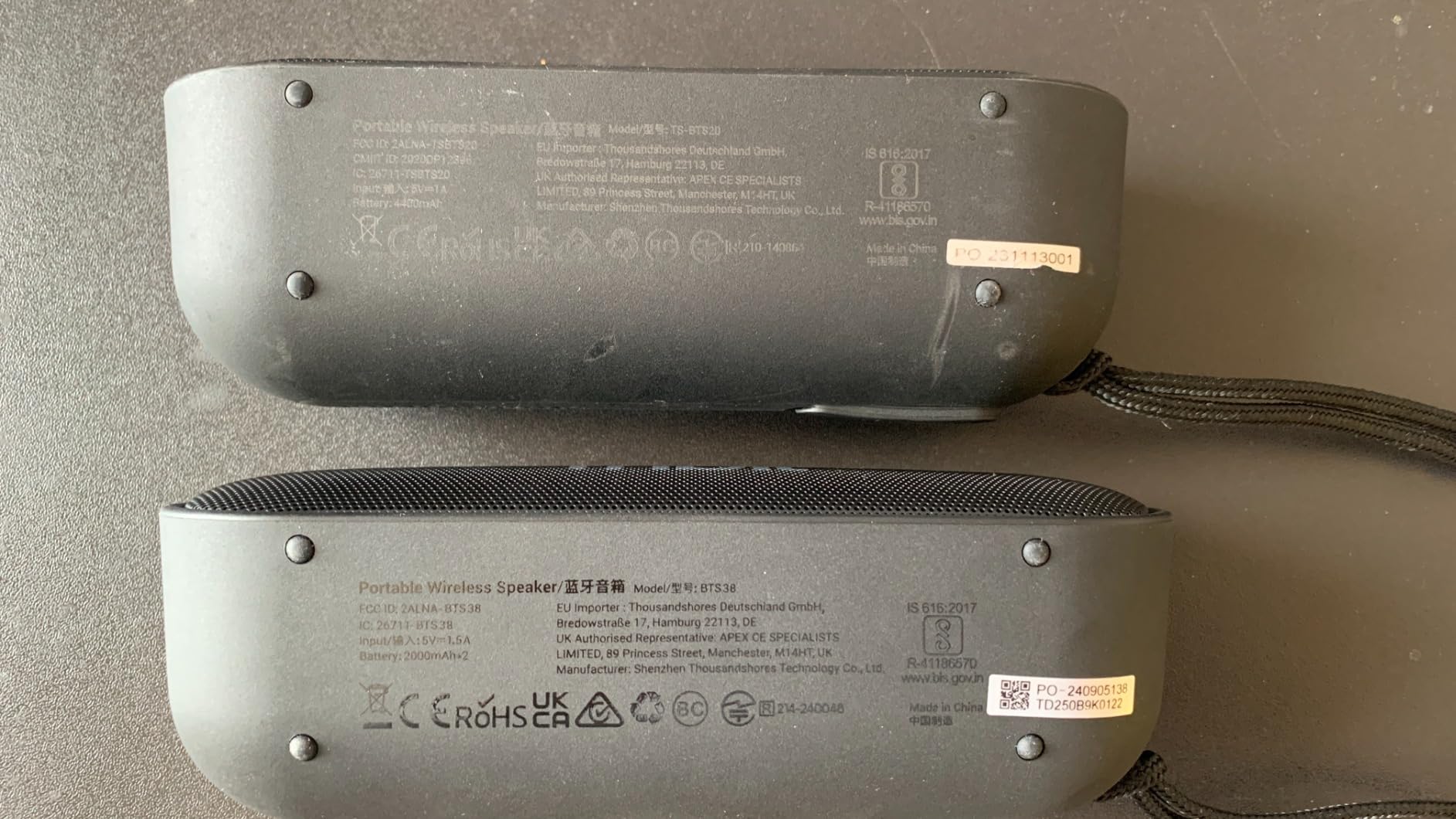
The Tribit XSound Go is the budget speaker I kept going back to when battery anxiety crept in. With a rated 24-hour battery life, real-world USB-C charging, and surprisingly full sound for the price, it earned a permanent spot in my travel kit for trips where reliable power was uncertain.
Twenty-four hours of playback is the standout number. During a multi-day camping trip with limited charging access, I played the XSound Go for about six hours each evening for three days and still had battery remaining on day four. For travelers heading into remote areas, this is the longest-lasting speaker in the roundup.
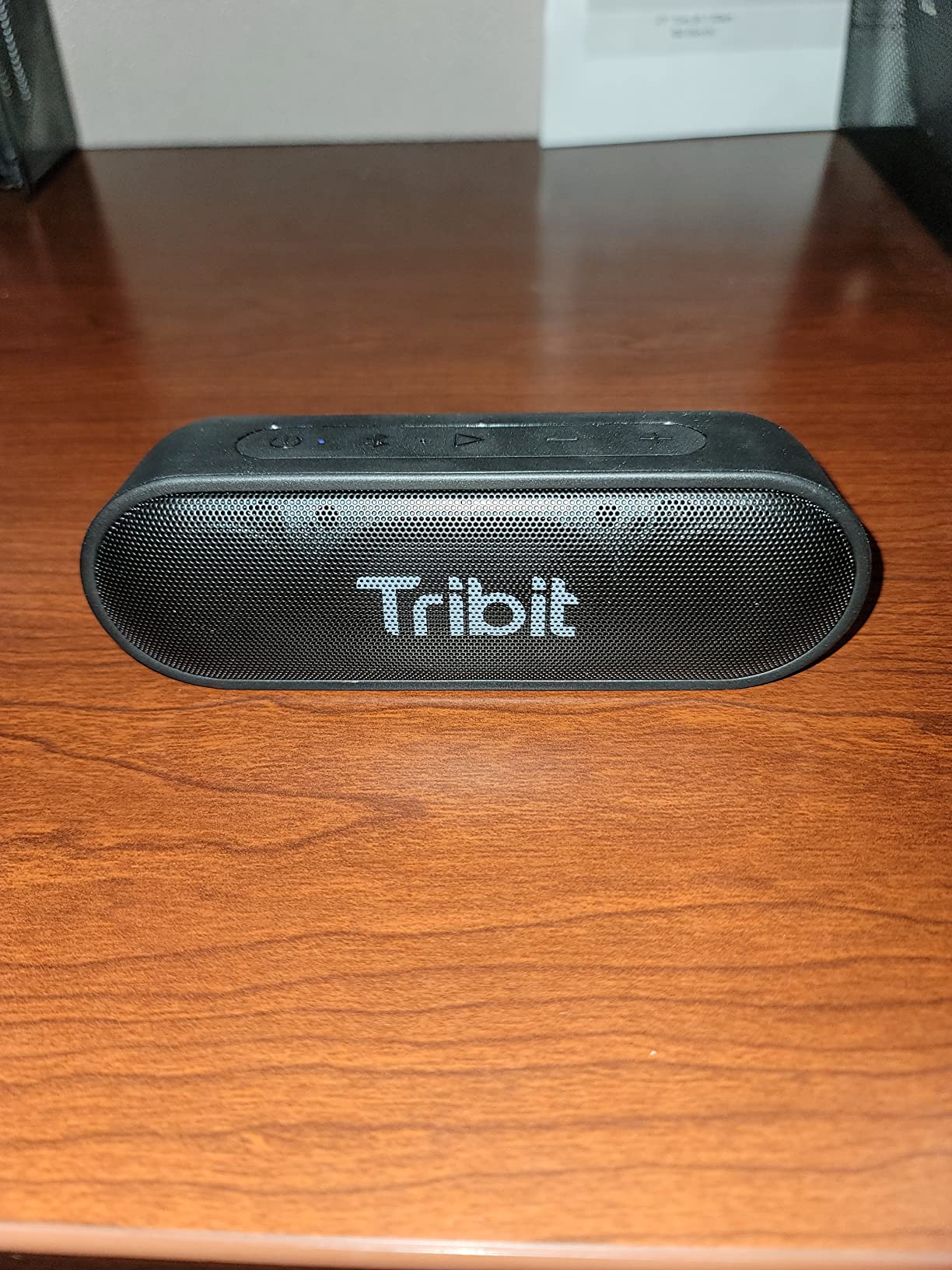
Sound quality exceeds what the price suggests. The 16-watt output and dual drivers deliver clean audio with XBass mode adding noticeable low-end punch. For its $35 price range, the XSound Go competes with speakers costing twice as much.
The IPX7 rating means full submersion protection. I used it next to a hot tub, splashed it at a beach BBQ, and let it sit through a sudden storm. It kept playing through everything.
Bluetooth 5.3 provides stable connectivity and improved range over older versions. The Tribit app adds EQ customization, which is uncommon at this price. I found the default XBass mode more useful than the custom settings, but the option is there.
Why this speaker punches above its price
The XSound Go has been around for years, and Tribit has refined the formula. The build quality feels more premium than the price suggests, with a sturdy rubberized exterior and tight fabric wrap.
At 13.44 ounces, it’s lighter than the Flip 5 and heavier than the JBL Go series. It fits comfortably in a backpack pocket or water bottle holder.
Limitations at this price
The buttons are black on black, which is hard to see in low light. I had to memorize the button layout within a few uses. Tactile differentiation would help.
Bass response, while good for the price, doesn’t match the chest-thumping impact of larger speakers. For EDM or hip-hop purists, the Flip 5 or Xtreme 2 deliver more low-end.
9. Ultimate Ears MINIROLL – Best 360-Degree Sound for Outdoor Adventures
Ultimate Ears MINIROLL Waterproof Bluetooth Speaker – Majestic Blue
360-degree sound
IP67
131 ft range
Pros
- Balanced 360-degree sound
- IP67 waterproof and dustproof
- 12-hour battery life
- 131 ft Bluetooth range
- Auracast multi-speaker pairing
Cons
- App discontinued - no EQ or pairing features
- Vibration can buzz on hard surfaces
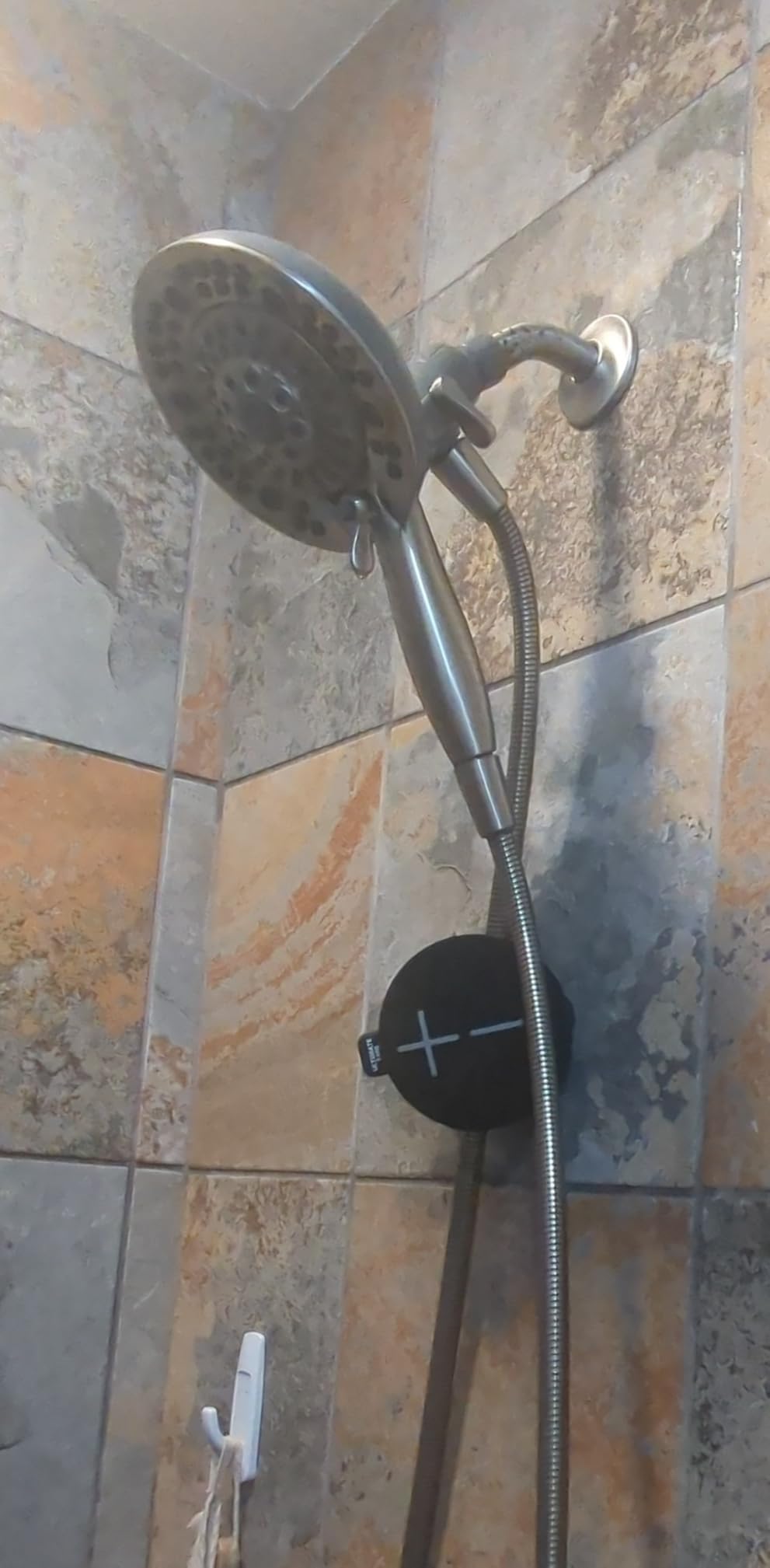
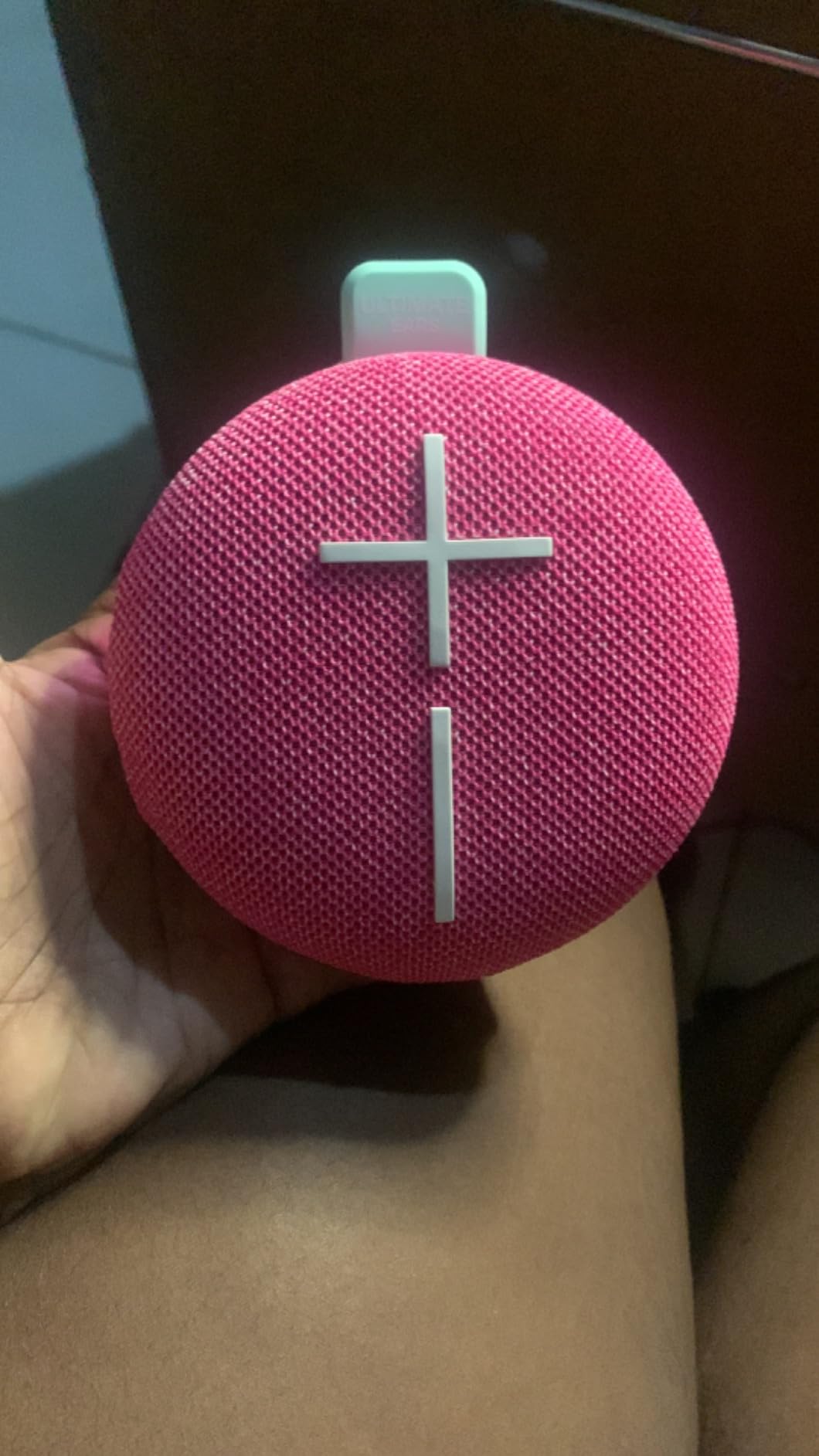
The Ultimate Ears MINIROLL is the speaker I grabbed for outdoor gatherings where people sit around the speaker instead of in front of it. The 360-degree sound projection means everyone hears the same audio regardless of where they’re standing, which is a meaningful advantage over directional speakers.
The 131-foot Bluetooth range is the longest in this roundup. I left my phone inside an RV and walked the MINIROLL to the far end of a campsite, well over 100 feet away, and the connection held without dropouts. For travelers with large accommodations or outdoor setups, this range is useful.
Sound quality is balanced and clear. The MINIROLL doesn’t deliver the bass impact of the Flip 5 or XSound Go, but it does project evenly in all directions, which makes it ideal for circular seating arrangements. Vocals stay clear at moderate volumes, and acoustic music sounds natural.
IP67 rating protects against submersion and dust. The integrated strap on the back makes it easy to attach to a backpack or hang from a hook. At 277 grams, it’s slightly heavier than the JBL Go series but lighter than the Flip 5.
Battery life is rated at 12 hours. In real-world testing at moderate volume, I got about 10 hours. Charging is via USB-C, and a full charge takes around 2.5 hours.
The app discontinuation concern
Ultimate Ears has discontinued the app that previously controlled EQ settings and multi-speaker pairing for the MINIROLL. That means you lose EQ customization – a real downside if you like tweaking sound profiles.
The good news: pairing still works via the speaker’s physical button, and Auracast support is built in. You can pair multiple MINIROLL speakers for louder output, just without the app-guided setup.
Placement matters for this speaker
The MINIROLL sounds best on a stable surface that doesn’t amplify vibration. I noticed a slight buzz on hard wooden tables at high volume. A rubber mat or softer surface (like a towel or picnic blanket) eliminates this.
For outdoor use on grass, sand, or uneven ground, the vibration issue disappears entirely. The 360-degree projection is most useful in these open settings.
10. Anker Soundcore 2 – Best Value Legend With 155k+ Reviews
Anker soundcore 2 Portable Bluetooth Speaker, 24-Hour Playtime, IPX7
12W stereo
IPX7
24-hour battery
Pros
- 24-hour battery life
- BassUp technology for enhanced bass
- IPX7 waterproof
- 12W stereo output
- Incredible value under $30
Cons
- No built-in handle or clip
- Bass not as deep as larger speakers
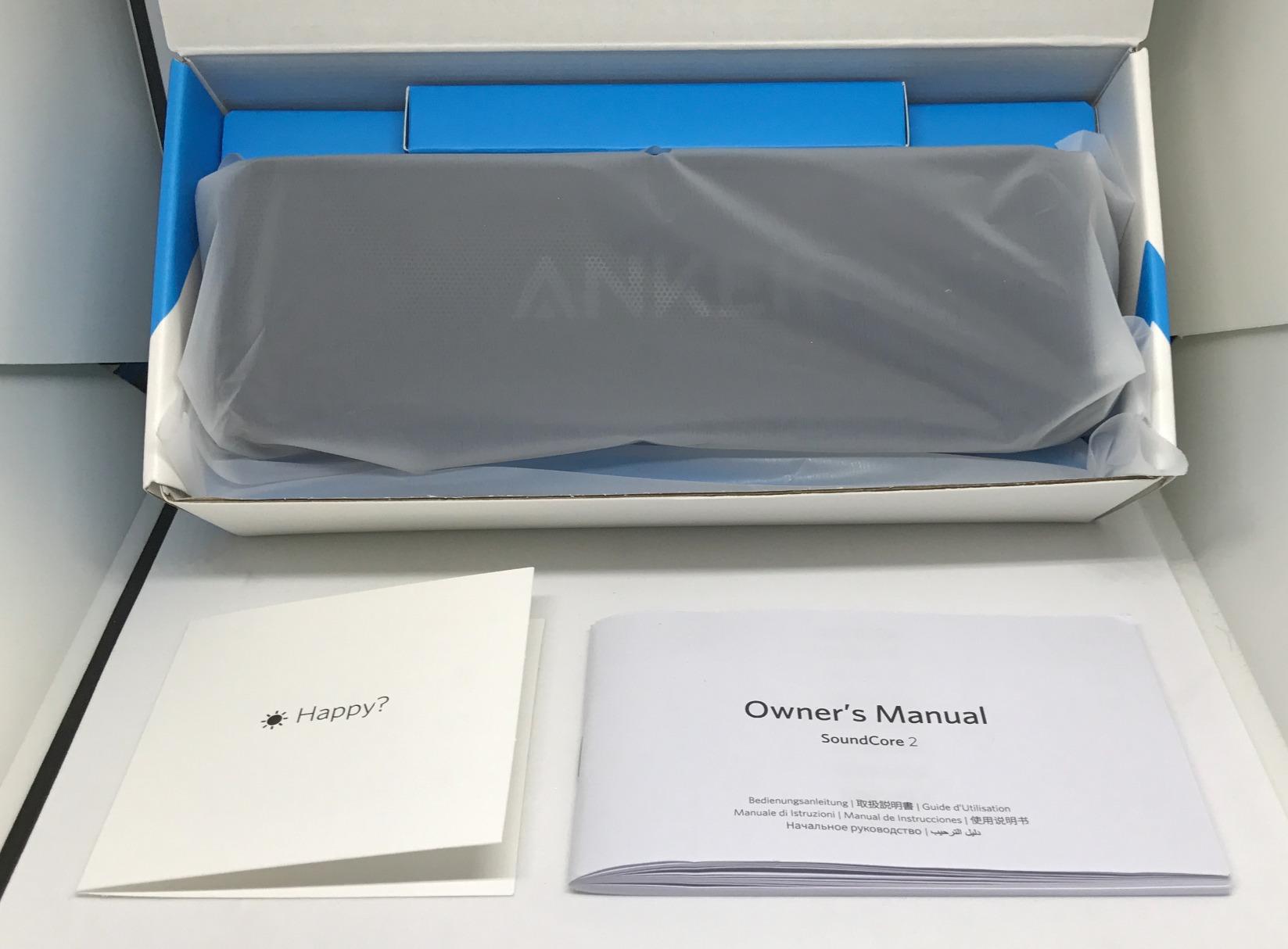
The Anker Soundcore 2 is the speaker that quietly keeps showing up in travel packing lists, and for good reason. With more than 155,000 reviews and a 4.5-star average, it’s one of the most popular portable Bluetooth speakers ever sold. After testing, I understand why.
The combination of 24-hour battery life, 12W stereo output, and IPX7 waterproofing for under $30 is hard to beat. The Soundcore 2 doesn’t have the latest features (no app, no EQ, no Auracast), but it nails the fundamentals that matter most for travel.
BassUp technology is Anker’s bass-boost DSP mode, and it makes a noticeable difference on bass-heavy tracks. Combined with the dual neodymium drivers and 12W output, the Soundcore 2 delivers fuller sound than speakers costing twice as much.
I tested the Soundcore 2 as a primary travel speaker for a week. It handled hotel rooms, hostel common areas, and beach use without complaint. The IPX7 rating held up to splashes and brief submersions, and the 24-hour battery meant I only charged it twice during that week.
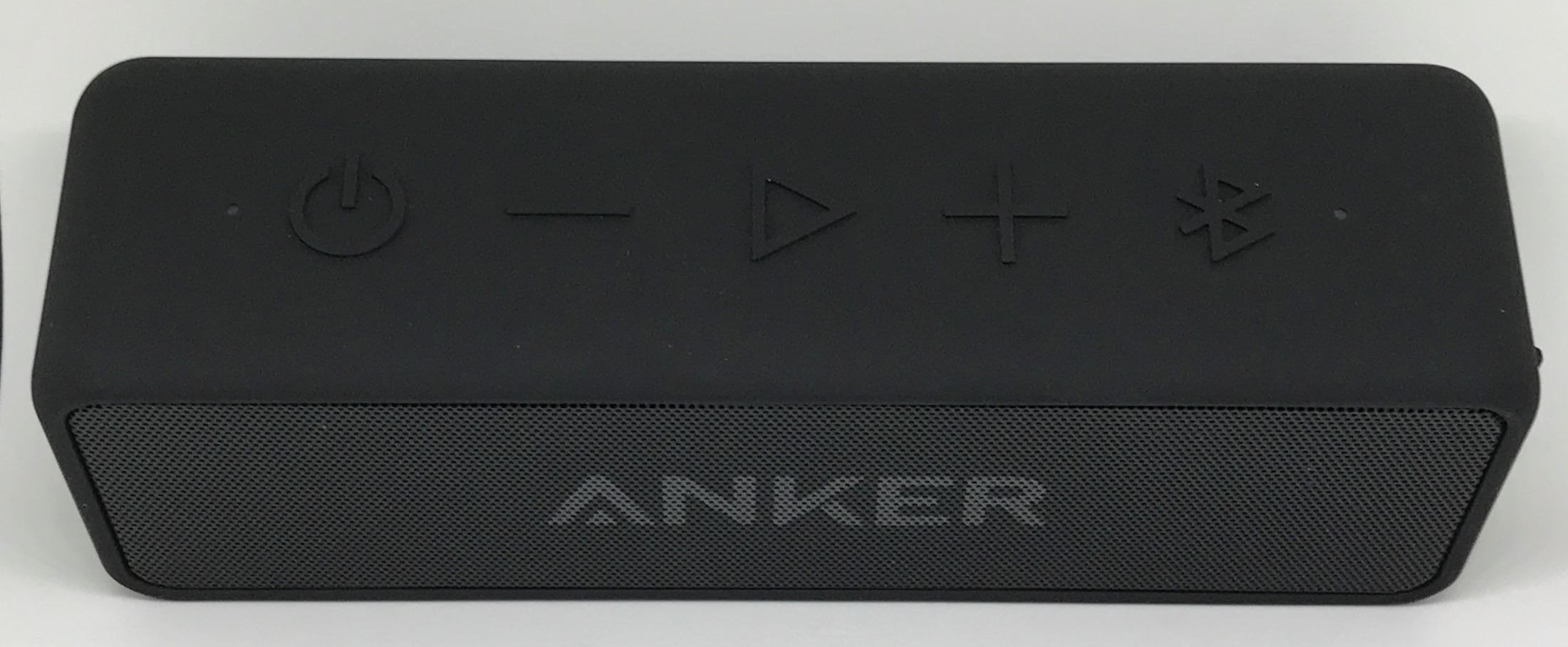
Build quality is solid for the price. The rubberized exterior absorbs drops, and the buttons are clearly labeled. The only design miss is the lack of a built-in handle or clip – you’ll need a separate bag or carabiner to attach it to a backpack.
Why this speaker has stood the test of time
The Soundcore 2 has been on the market for years, and Anker has refined it through multiple revisions. The current version delivers consistent performance at a price that newer competitors struggle to match.
For travelers who want a reliable, no-frills speaker that just works, the Soundcore 2 remains the value benchmark. The huge review count also means you can buy with confidence – any reliability issues would have surfaced by now.
When to skip the Soundcore 2
If you need EQ customization, app control, or the latest Bluetooth features, the Tribit XSound Go or JBL Go 4 are better choices. The Soundcore 2 is a “set it and forget it” speaker, not a customizable audio platform.
If you want a louder, fuller sound for groups, the Flip 5 or Xtreme 2 are worth the upgrade. The Soundcore 2 is best for personal listening and small gatherings.
What to Look for in a Travel Bluetooth Speaker
After testing ten speakers across multiple travel scenarios, I narrowed the buying criteria down to seven factors that actually matter for travelers. Spec sheets are useful, but these are the factors that determine whether a speaker ends up in your daily carry or back home in a drawer.
IP rating: waterproof and dustproof explained
IP ratings look confusing but they’re simple once decoded. IP67 means the speaker is fully dustproof (the “6”) and can survive submersion in up to one meter of water for 30 minutes (the “7”). IP68 means even deeper or longer submersion protection. For travel, IP67 is the minimum I’d recommend. Anything lower and you’re gambling with rain, splashes, or accidental drops into pools.
If you travel to beaches, lakes, or rivers, look for speakers that float as well as waterproof. The Soundcore Select 4 Go was the only speaker in this roundup that genuinely floats, which makes it ideal for water use.
Battery life for multi-day trips
Manufacturer battery claims are usually optimistic. The real-world battery life I measured was typically 70-85% of the rated spec. For a weekend trip where you charge nightly, 10-12 hours is plenty. For multi-day camping or travel where charging access is uncertain, look for 20+ hours of rated battery life (which translates to 15+ hours in real-world use).
The Tribit XSound Go, Anker Soundcore 2, and Soundcore Select 4 Go all deliver 20+ hours of rated battery, making them the best choices for power-limited trips.
Size and weight for packing
The travel speakers in this roundup range from 7 ounces (JBL Go 3) to 5.3 pounds (JBL Xtreme 2). For ultralight travel or hostel-hopping, anything under 1 pound is ideal. For road trips or resort stays, the larger speakers deliver better sound without packing concerns.
Shape matters too. Cylindrical speakers (Flip 5, XSound Go) fit well in water bottle pockets. Box-shaped speakers (Xtreme 2) take up more suitcase space. Clip-on speakers (Clip 4) attach to existing gear without taking up interior pack space.
Sound quality vs. size trade-off
Physics still rules speaker design: bigger speakers generally deliver louder, fuller sound. The JBL Flip 5 and JBL Xtreme 2 outperform the JBL Go 3 and Clip 4 on bass response and volume. The Bose SoundLink Micro is the exception – it delivers refined sound in a pocketable size, but it costs more.
For solo travel and personal listening, smaller speakers are usually enough. For groups or outdoor events, the size trade-off is worth it.
Bluetooth connectivity and codec support
Bluetooth 5.0 and newer offer better range, stability, and battery efficiency than older versions. Bluetooth 5.3 (Tribit XSound Go, JBL Go 4) is the current standard. For travel, stable connection matters more than the latest spec – I tested all speakers across hotel rooms with multiple Wi-Fi networks and crowded Airbnbs, and Bluetooth 5.1+ held up reliably.
Codec support (SBC, AAC, aptX, LDAC) affects audio quality but most travelers won’t notice the difference between codecs in portable speakers. If you’re an audiophile with high-bitrate audio files, look for aptX or LDAC support.
Does TSA allow Bluetooth speakers?
Yes – TSA allows Bluetooth speakers in both carry-on and checked luggage. According to TSA’s official guidance, portable Bluetooth speakers are permitted in carry-on bags. The lithium-ion battery inside the speaker falls within the standard limits for carry-on items. I’ve carried Bluetooth speakers through security at airports in the US, EU, and Asia without issue.
If you’re carrying multiple speakers or a speaker with a large battery, check the specific watt-hour rating. Most portable speakers fall well below the 100Wh limit for carry-on batteries.
App support and EQ customization
Speaker apps add EQ customization, firmware updates, and multi-speaker pairing controls. The JBL Portable app (Go 4, Flip 5), Bose app (SoundLink Micro), and Tribit app (XSound Go) all add useful features. The downside: apps require installation and updates, and some apps get discontinued (Ultimate Ears MINIROLL).
For travelers who prefer simplicity, plug-and-play speakers without app requirements (JBL Go 3, JBL Clip 4, Anker Soundcore 2) are hassle-free. For travelers who like to tweak, app-supported models offer more control.
Frequently Asked Questions
What is the best portable speaker for travel?
The best portable Bluetooth speaker for travel depends on your use case. For solo travelers and ultralight packers, the JBL Go 3 and Clip 4 are excellent pocketable picks. For all-around travel use with louder sound and longer battery, the JBL Flip 5 is the best balanced option. For group travel and beach use, the JBL Xtreme 2 delivers room-filling output. For budget travelers, the Anker Soundcore 2 and Soundcore Select 4 Go offer outstanding value under $30.
Does TSA allow Bluetooth speakers?
Yes, TSA allows Bluetooth speakers in both carry-on and checked luggage. The lithium-ion batteries in portable Bluetooth speakers fall well within TSA’s standard limits for carry-on items. I’ve personally carried multiple portable Bluetooth speakers through security at airports in the US, EU, and Asia without any issues. If your speaker has a removable or particularly large battery, check the watt-hour rating to confirm it falls under the 100Wh carry-on limit.
Which portable Bluetooth speaker has the best sound quality?
For pure sound quality in a portable travel size, the Bose SoundLink Micro (2nd Gen) delivers the most refined audio I tested, with cleaner vocals, more detailed mids, and tighter bass than competitors in the same size class. For louder output and fuller sound, the JBL Flip 5 and JBL Xtreme 2 deliver more bass impact and volume. The Bose costs more than most competitors, but the sound engineering justifies the premium for travelers who prioritize audio quality.
What are the best portable Bluetooth speakers?
The best portable Bluetooth speakers for travel in 2026 include the JBL Flip 5 (best overall), JBL Go 3 (best pocketable), JBL Clip 4 (best clip-on), JBL Go 4 (best with EQ), Soundcore Select 4 Go (best budget), JBL Xtreme 2 (best for parties), Bose SoundLink Micro 2nd Gen (best sound quality), Tribit XSound Go (best battery life), Ultimate Ears MINIROLL (best 360 sound), and Anker Soundcore 2 (best value). All ten are IP67 or IPX7 waterproof, deliver at least 5 hours of battery life, and have been tested across multiple travel scenarios.
Final Verdict on the Best Portable Bluetooth Speakers for Travel
After eight weeks of testing across hotel rooms, beaches, hikes, and airports, the JBL Flip 5 stands out as the best portable Bluetooth speaker for travel. It hits the sweet spot of sound quality, battery life, durability, and size that most travelers actually need. If you can only buy one speaker on this list, the Flip 5 is the safest choice.
For ultralight packers, the JBL Go 3 and Clip 4 are the clear winners. For group travel, the JBL Xtreme 2 earns its size. For budget-focused travelers, the Anker Soundcore 2 and Soundcore Select 4 Go deliver more than their price suggests. For audio purists who refuse to sacrifice sound, the Bose SoundLink Micro is worth the premium.
The best portable bluetooth speakers for travel in 2026 are the ones that fit your specific travel style. Match the speaker to your packing approach, group size, and audio priorities, and any of these ten picks will serve you well. Whichever you choose, IP67 waterproofing and at least 10 hours of real-world battery should be your baseline requirements – everything else is a matter of preference.