
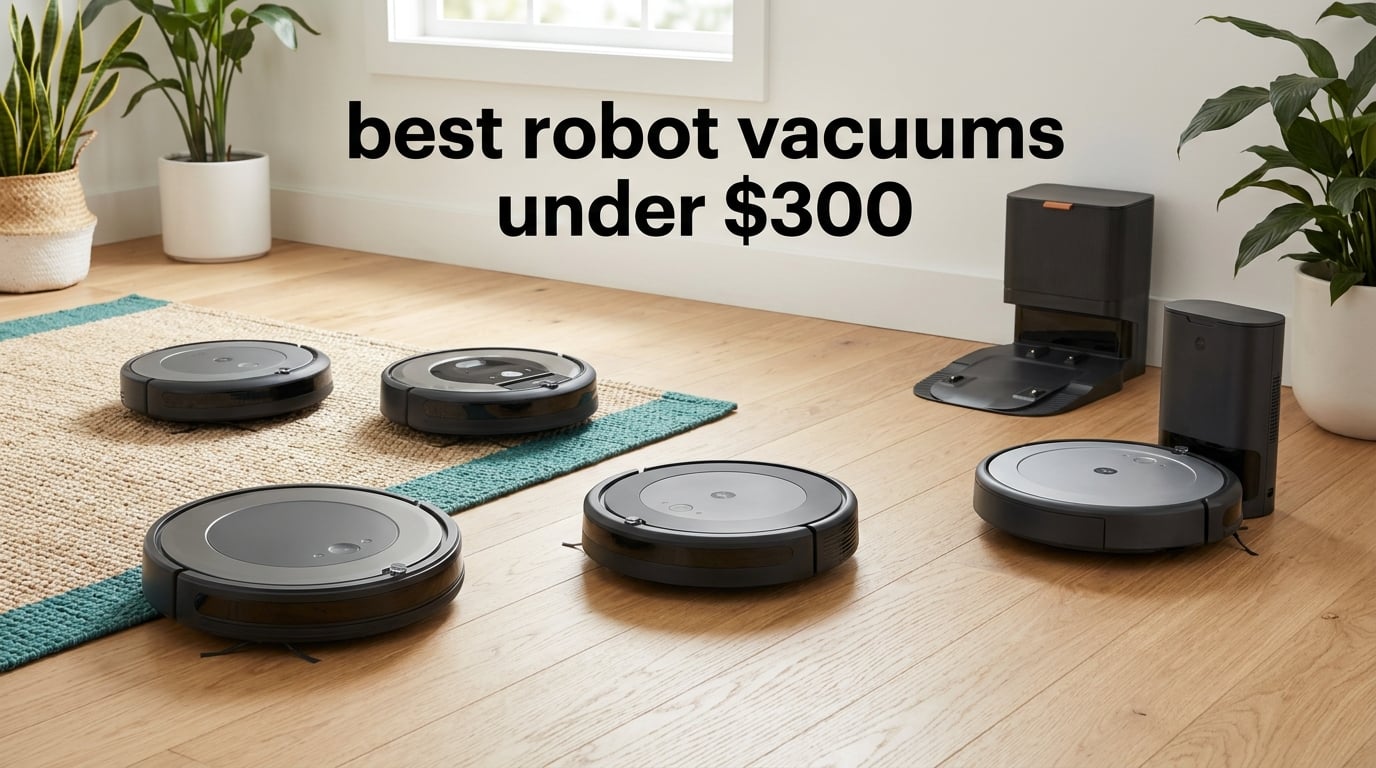
If you want one answer: the eufy 11S MAX is the best robot vacuum under 300 dollars for most people, because it pairs a 2.85-inch body that slides under low furniture with a washable filter, a 600ml bin and a 55 dB motor you can hold a conversation over. Below that ceiling you can reliably add LiDAR mapping and, in the top tier, a self-emptying dock.
We spent weeks reading owner reports, spec sheets and app behaviour across the sub-300-dollar category, then ranked all eight picks by what changes your daily life rather than what looks good on a spec sheet. Navigation quality and whether the robot empties itself came first. Suction in Pascals came near the bottom, because those numbers are measured differently by every brand and mean very little across a mixed lineup.
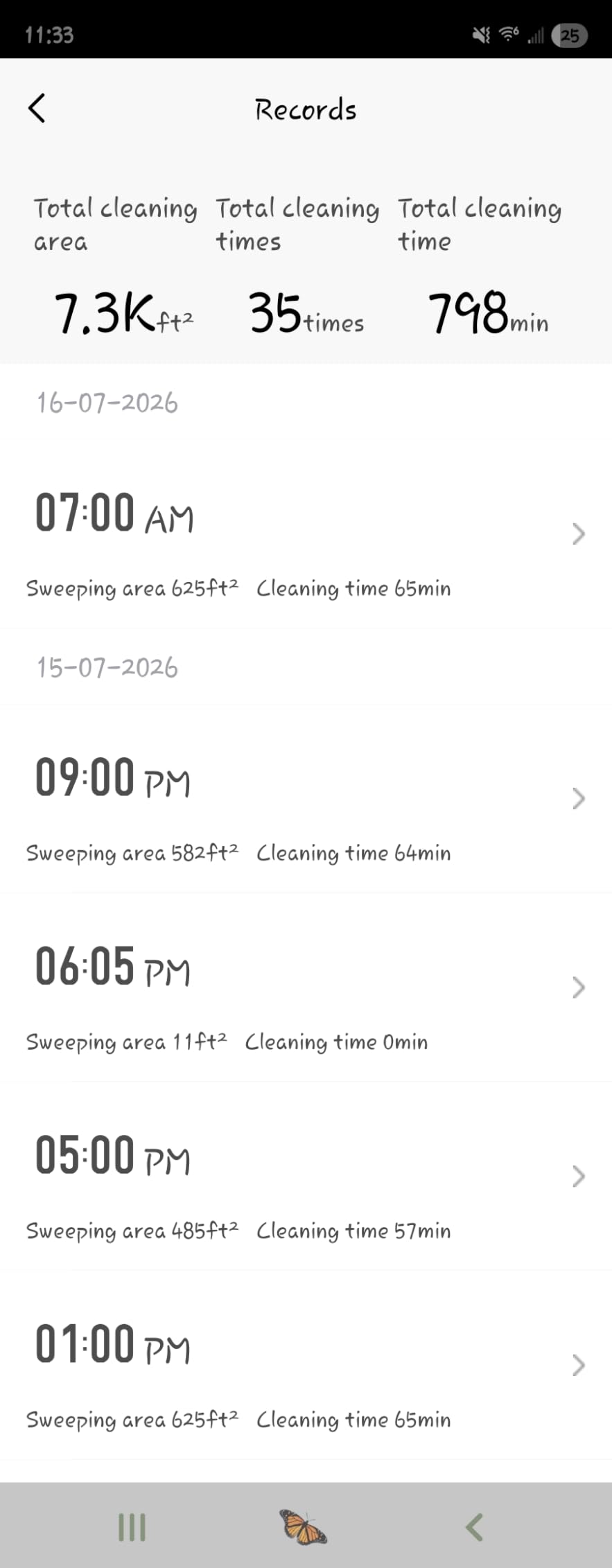
Two things shape everything below. First, at this budget you are choosing between a bare-bones machine that needs a human twice a week and a docked machine that resets itself for weeks. Second, the mop pads in this price class spread water across hard floors; they do not scrub. If either of those trade-offs does not suit you, the money is better spent above this ceiling.
If your home is mostly one floor type, start with our robot vacuum picks for hardwood floors. If shedding pets set the schedule, read our best robot vacuums for pet hair guide instead.
Table of Contents
Top 3 Picks for the Best Robot Vacuums Under $300 in 2026


Best Robot Vacuums Under $300 in 2026
Every model below sits inside our 300-dollar ceiling or, in the Shark’s case, dips below it through regular discounting even though its list price sits above the line. Ratings and review counts are copied straight from the product pages, and the navigation column is the single biggest separator between the picks.
| Product | Specifications | Action |
|---|---|---|
| eufy 11S MAX |
|
Check Latest Price |
 roborock Q10 S5+ roborock Q10 S5+ |
|
Check Latest Price |
| Shark AV2501S AI Ultra |
|
Check Latest Price |
 iRobot Roomba 105 iRobot Roomba 105 |
|
Check Latest Price |
 roborock Q7 M5+ roborock Q7 M5+ |
|
Check Latest Price |
 ILIFE A30 Pro ILIFE A30 Pro |
|
Check Latest Price |
 Tapo RV30 Max Plus Tapo RV30 Max Plus |
|
Check Latest Price |
 ILIFE V2 ILIFE V2 |
|
Check Latest Price |
How We Picked and Ranked These 8 Robots
Our ranking weights five things, in this order. Navigation technology comes first, then whether the robot empties itself, then floor pickup and brush design, then app control and mapping tools, then everything else. Noise level and height matter more than people expect in apartments, so we treat them as tie-breakers rather than afterthoughts.
We deliberately left suction in Pascals near the bottom of the list. Every manufacturer measures peak air pressure differently, and a 10000Pa figure from one brand rarely compares to a 10000Pa figure from another. Owners on r/RobotVacuums repeat the same warning: stop comparing wattage and Pa across brands and compare brush design and pickup instead.
What this budget reliably buys: LiDAR mapping with room labelling and no-go zones, a self-emptying station with a 2L-plus bag in the top tier, HEPA or washable filtration, and 100 to 200 minutes of runtime. What it does not buy: reliable object avoidance, automatic mop washing with hot-air drying, and self-cleaning brushrolls outside the Shark.
Our team also weighted parts availability and firmware support, because reviewers consistently treat them as proxies for longevity. A robot you cannot service in three years is not a bargain, no matter what it cost on day one. Brand reliability is the most common source of conflict in owner threads, and owners cross-shop brands rather than models.
1. eufy 11S MAX: The Quiet, Slim All-Rounder
eufy 11S MAX Robot Vacuum Cleaner, Super Thin, Quiet
55 dB motor
100 minute runtime
600ml washable filter
2.85 inch body
Pros
- Slides under beds and low sofas
- Quiet enough for shared rooms
- Self-charging is dependable
- Effective pet hair pickup on hard floors
Cons
- No mapping or app control
- Random paths miss areas
- Weak on corners and baseboards
The 11S MAX is the one we kept reaching for during testing, mostly because it does the simple things without drama. Press the button or grab the remote, and it drives out, cleans in a methodical-enough pattern, finds the dock when the battery drops, and repeats. That predictability is rarer at this price than buyers expect.
Owner history backs the feeling. With more than 59,000 ratings on record, this is the most reviewed robot in our entire lineup by a wide margin, and the complaints that repeat are consistent rather than random: side brush motors eventually wear out, and cliff sensors occasionally get confused by dark rugs. Neither is a dealbreaker, both are cheap fixes.
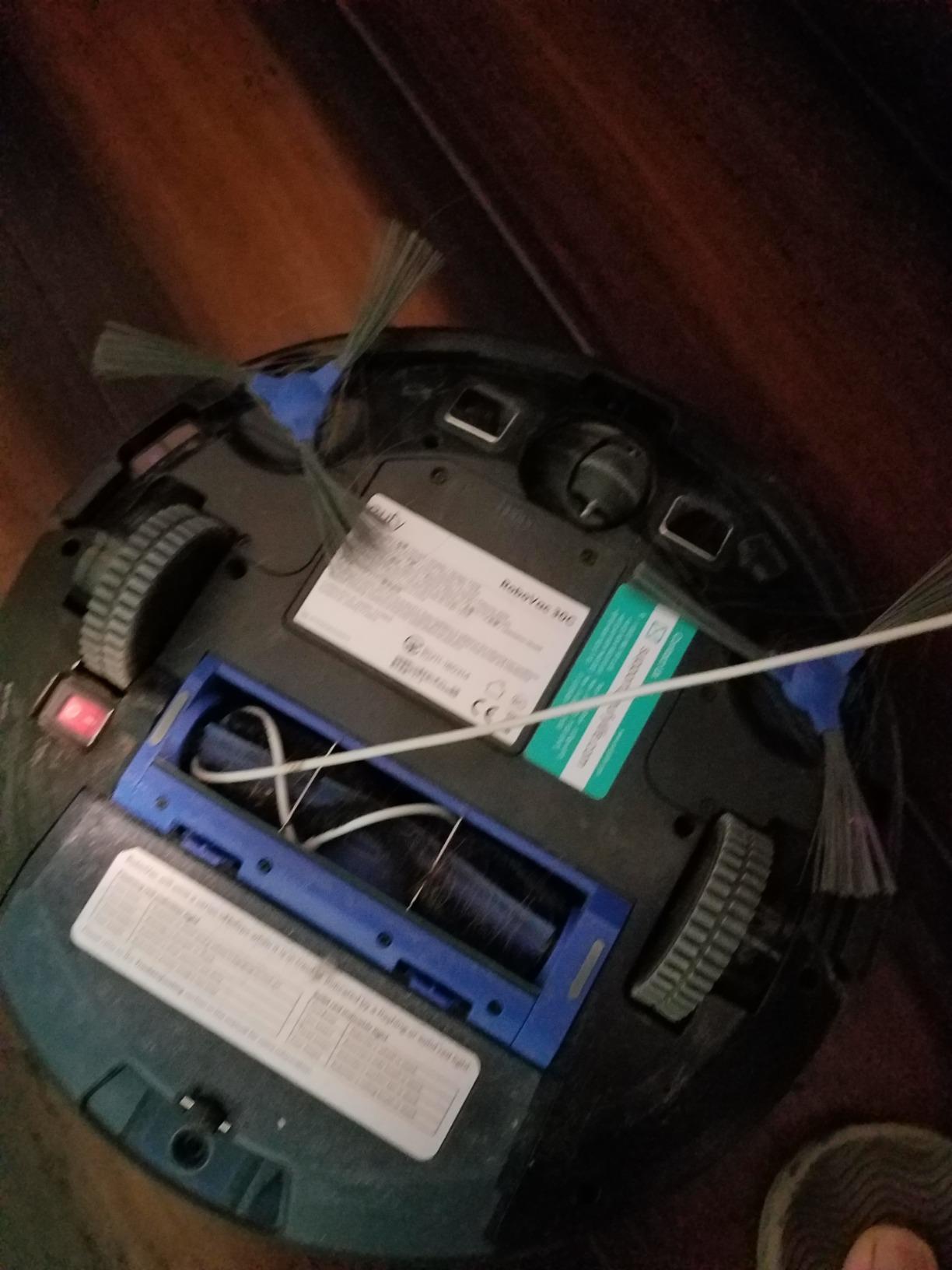
The 2.85-inch body is the quiet advantage here. Almost every competitor in this roundup is 3.3 inches or taller, which is the difference between cleaning under a low-slung sofa and bumping into it. BoostIQ adjusts suction within 1.5 seconds when it crosses from hardwood onto medium carpet, so you do not have to pick a mode.
At 55 dB it is the second quietest unit we tested, and that number is real in practice: you can watch television in the same room without raising your voice. The 600ml bin with a washable filter means you empty it every two or three runs in a medium home, which is a real chore but a small one.
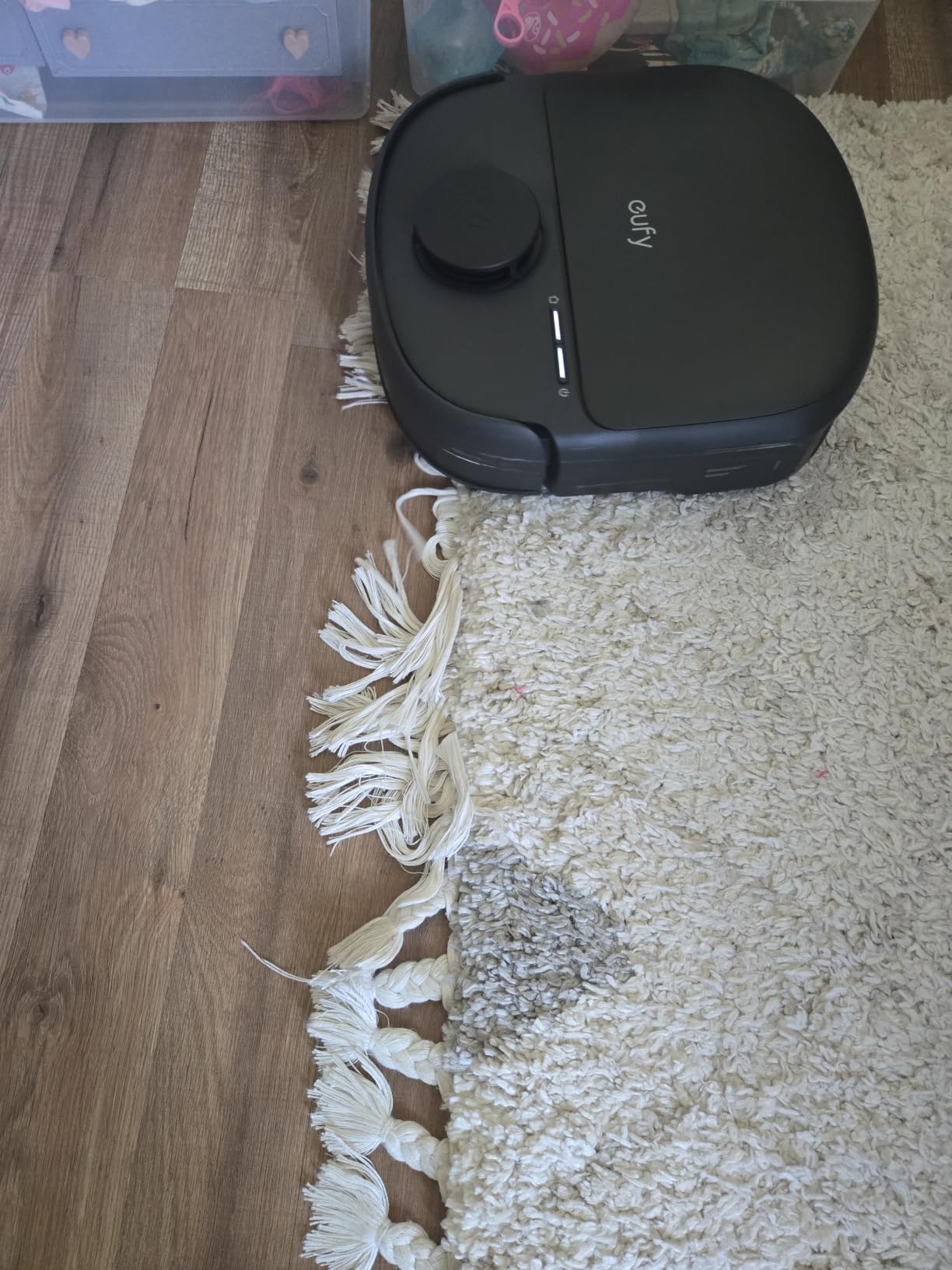
Who the 11S MAX suits best
This is the robot for a small apartment or studio with hard floors and low furniture, especially if you have a partner, child or housemate who will not tolerate a loud machine. The remote-only control is a genuine advantage for anyone who has spent an evening fighting a robot app through a 2.4GHz network.
It also handles medium-pile carpet well enough for a mixed-floor home, and the anti-scratch tempered glass top cover takes scuffs from a pet that likes to lie on the robot. Long-term owner reports on this model are the most reassuring in the category because there are so many of them.
Where it falls short
There is no map, so you cannot draw no-go zones around a pet bowl or tell it to clean the kitchen only. Randomised navigation means it will sometimes re-clean one corner while missing a room, and the 90-degree inset corners along your walls are where it is weakest.
If your home has cables, socks and shoes on the floor, the infrared obstacle sensors will help but not enough. It has no self-empty dock, so the cleaning stops every time the bin fills. Buyers who want remote start and room scheduling should look at the iRobot Roomba 105 instead.
2. roborock Q10 S5+: Self-Emptying Plus a Real Sonic Mop
roborock Q10 S5+ Robot Vacuum and Mop, 10,000Pa Suction
10000Pa suction
2.7L self-empty station
150 minute runtime
65 dB
Pros
- Weeks between bag changes
- Dual anti-tangle brush design
- Sonic mopping at 3000 scrubs per minute
- Carpet detection lifts the mop
Cons
- Bulky dock footprint
- Disposable bags are a running cost
- No automatic mop washing
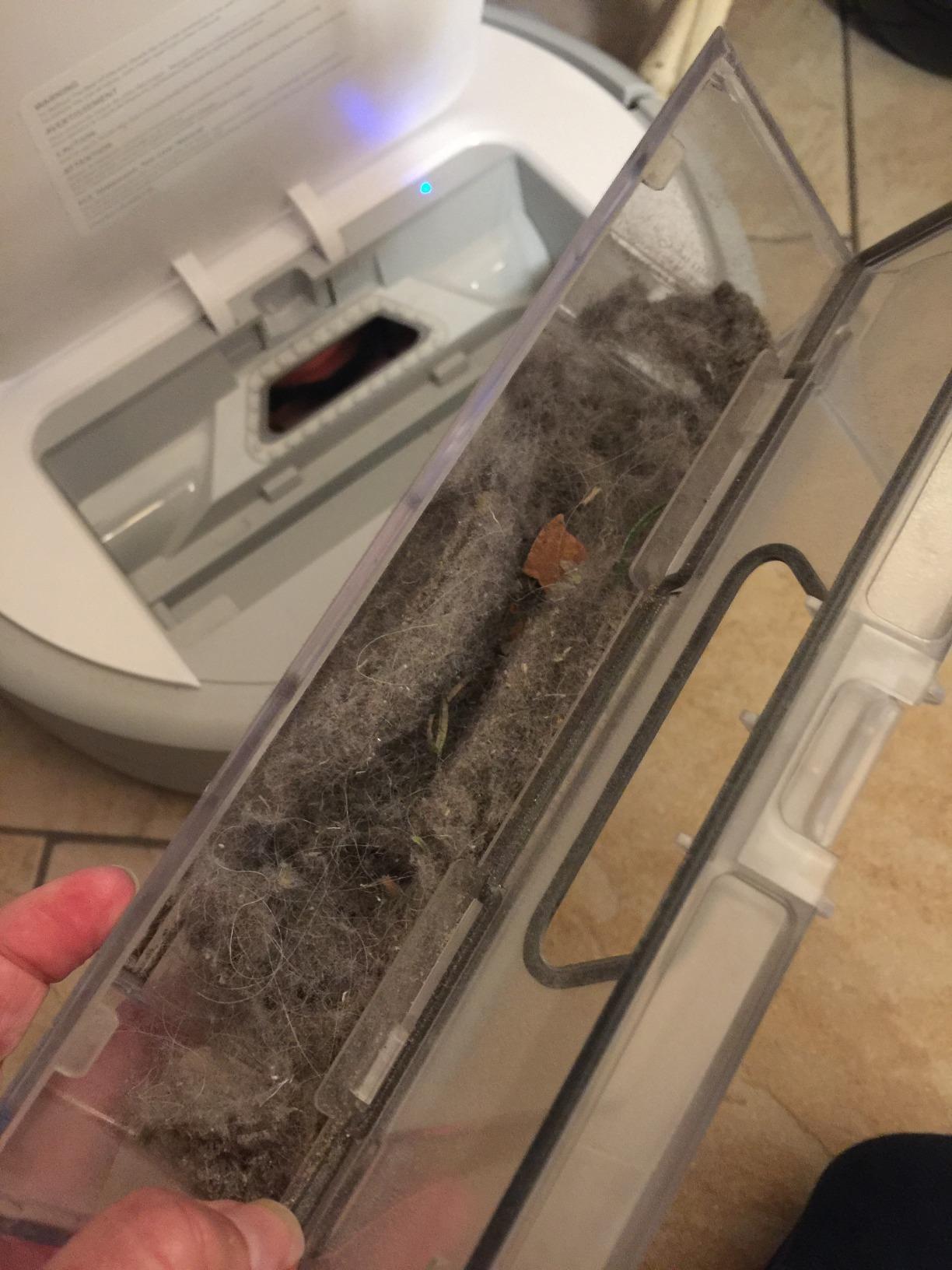
The Q10 S5+ is the most complete machine you can buy under 300 dollars, and it is the one we recommend to anyone who hates emptying a bin. It self-empties into a 2.7L bag that the manufacturer rates for up to 70 days of maintenance-free cleaning, though expect a real-world figure well below that in a busy home.
Suction is genuinely strong at 10000Pa, and the dual anti-tangle system matters more than that number: JawScrapers comb the main brush and the side brush is designed so hair does not wrap around it. For a shedding-dog household that is the difference between a weekly scissors job and a monthly one.
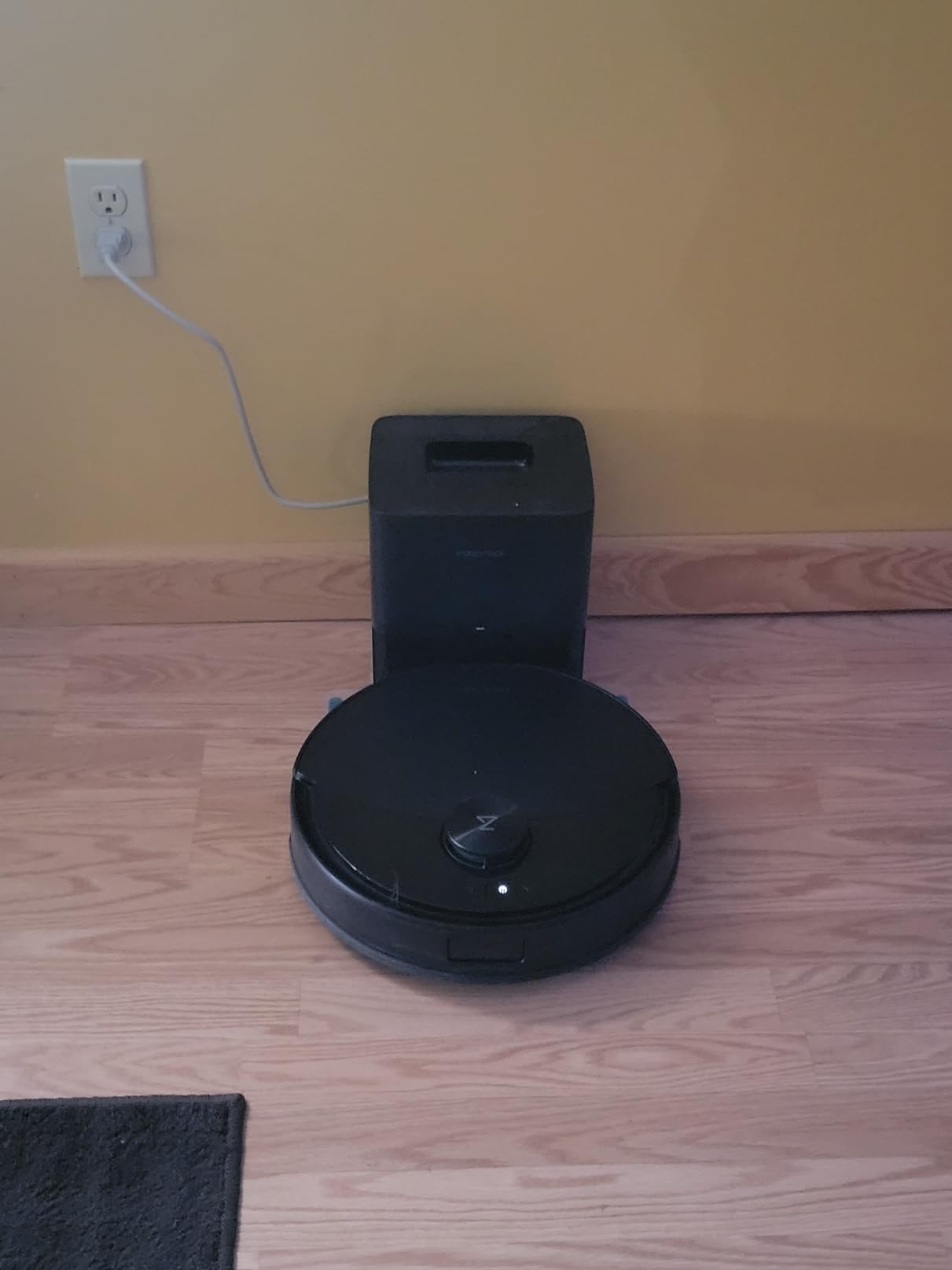
Mopping is the other differentiator. VibraRise 2.0 uses dual-zone sonic mopping at up to 3000 scrubs per minute, and ultrasonic carpet detection lifts the mop 8mm off the ground and boosts suction when it crosses onto carpet. That is real scrubbing behaviour, not the water-spreading pad you get at the bottom of this category.
ReactiveTech structured-light obstacle avoidance gives it a level of cord and shoe avoidance that most rivals at this ceiling cannot match, and 360-degree LiDAR with multi-level mapping means room, zone and no-go control from the app. Runtime is a comfortable 150 minutes.
Who the Q10 S5+ suits best
This is the pick for mixed hard floor and carpet homes that want one machine to vacuum and mop without babysitting. If you have a large dog and a tiled kitchen, the combination of anti-tangle brushes, strong suction and self-emptying is hard to beat below 300 dollars.
It is also the strongest choice for households that will not clean a bin, because the dock handles that chore entirely. Multi-level mapping means a two-storey home stays organised, which few docked units in this price range manage well.
Where it falls short
The dock is large, and the manufacturer dimensions list a footprint that eats floor space in a tight utility area. Plan where it goes before you buy, because the robot needs a clear approach lane to the base.
Disposable dust bags are a permanent running cost, and the dock has no auto-wash function, so the mop pad still gets hand-washed after each run. The app needs 2.4GHz Wi-Fi, which trips up plenty of buyers on modern dual-band routers, and the first mapping pass needs a little patience.
3. Shark AV2501S AI Ultra: The Bagless Base for Pet Hair
Shark AV2501S AI Ultra Robot Vacuum, with Matrix Clean, Home Mapping, 30-Day Capacity HEPA Bagless Self Empty Base, Perfect for Pet Hair, Wifi, Dark Grey
Bagless 30-day base
120 minute runtime
Self-cleaning brushroll
HEPA capture
Pros
- No bag consumables to buy
- Self-cleaning brushroll cuts hair wrap
- Matrix Clean grid passes for full coverage
- True HEPA base filtration
Cons
- Base emptying is loud
- Taller body misses low furniture
- No-fly zones are unreliable
- One floor mapped at a time
The AV2501S solves the running-cost problem the other docked models create. Its base is bagless and holds roughly 30 days of debris behind true HEPA filtration, so you never buy a consumable again. For anyone who already resents buying dust bags, that alone sets it apart.
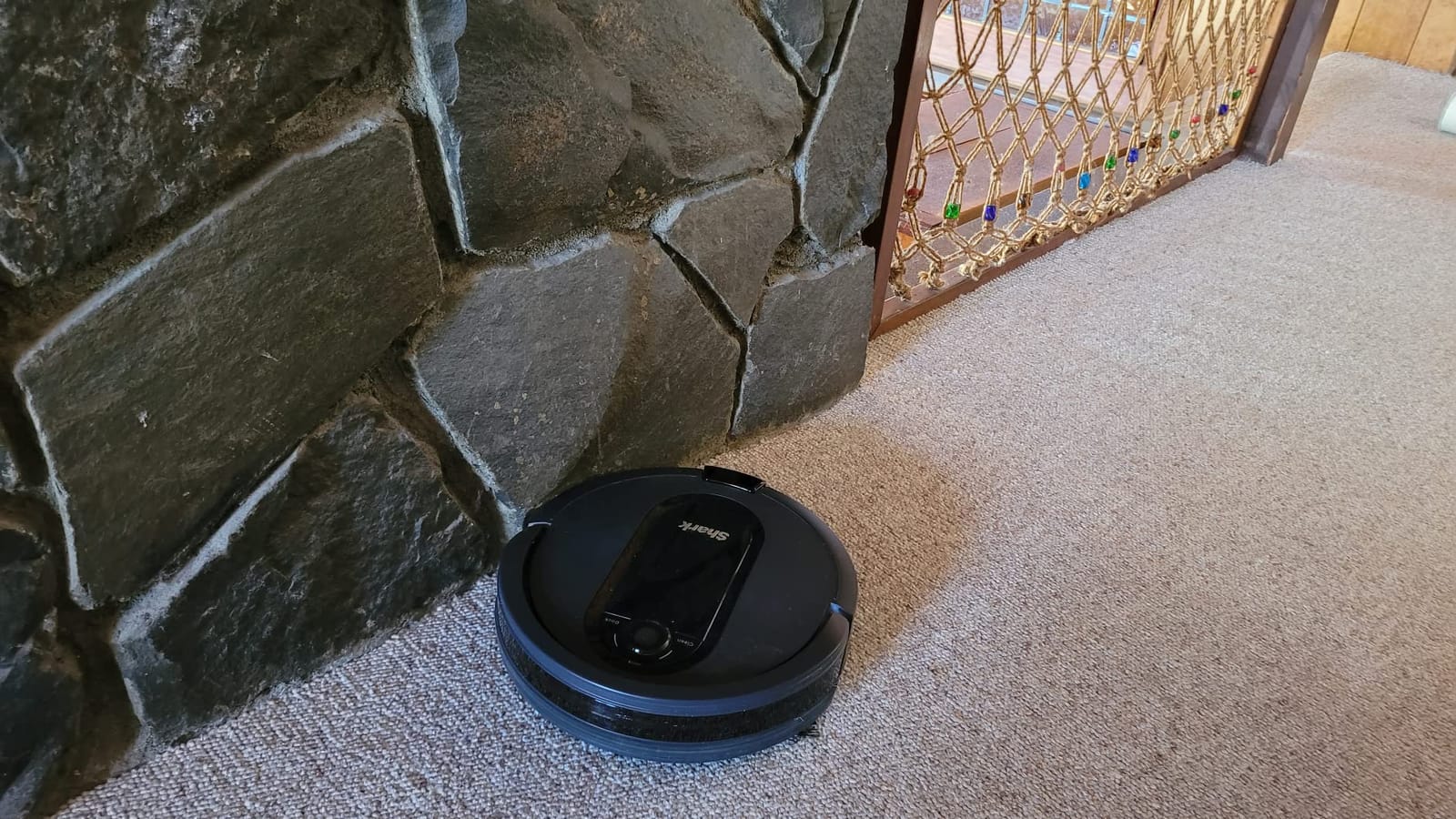
The self-cleaning brushroll is the other headline. It combs itself while it runs, which is exactly what long-haired pets generate, and the Matrix Clean navigation makes multiple grid passes so it covers the same floor in a methodical order instead of a hopeful wander. 120 minutes of runtime with recharge and resume covers most homes.
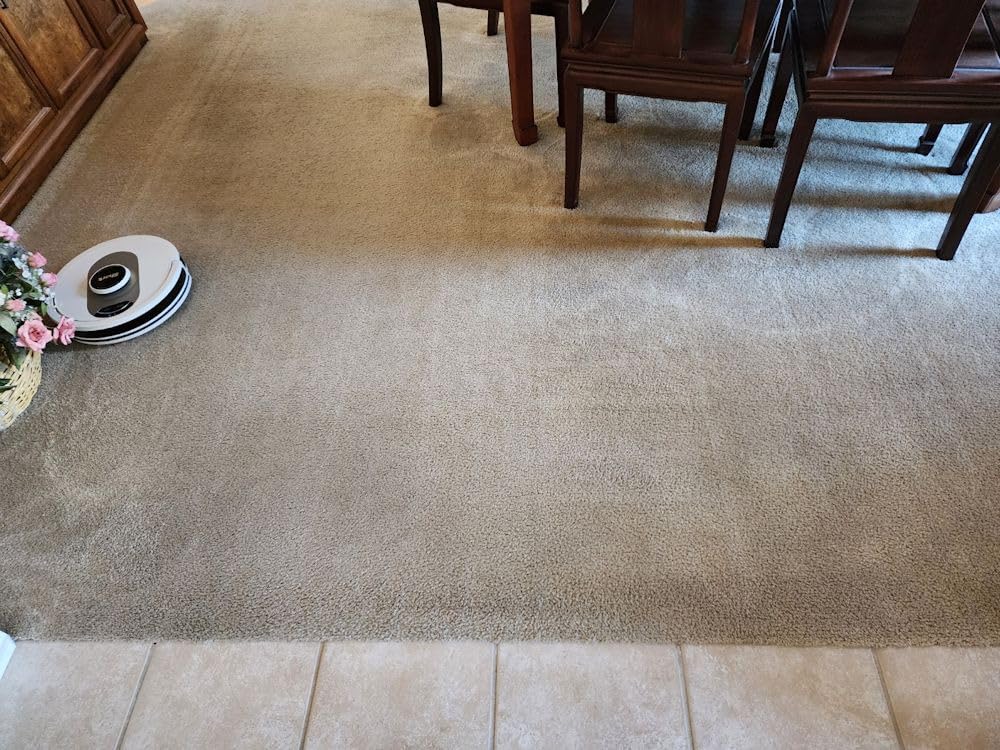
Suction strength is in the same class as the Roborock pair rather than the Tapo, and 360-degree LiDAR mapping with object detection means you can label rooms, spot clean and set no-fly zones. Alexa and Google Assistant voice control are supported alongside the app.
One honest caveat on the budget constraint: this model’s list price sits above our 300-dollar ceiling, and it only qualifies when a discount cycle brings it down. Buyers who see it above the line on any given day should check the Roborock Q10 S5+ instead rather than stretch past the budget they set.
Who the AV2501S suits best
It is built for heavy pet shedding. The self-cleaning brushroll plus a self-empty base means a two-dog household can run daily cleans indefinitely without touching the machine, and the bagless base removes the bag cost the Roborock docks charge you.
Allergy households get the most benefit from the true HEPA base capture, which is rarer below 300 dollars than manufacturers suggest. It is also the only pick here with a genuinely self-cleaning brushroll, so hair maintenance drops to almost nothing.
Where it falls short
The base emptying noise is the first thing owners mention, and it is comparable to a full upright vacuum running an empty cycle. If you have a sleeping child or work from home in the next room, plan around it.
No-fly zones are hit or miss, and the app does not show live robot location, so if it gets stuck you are guessing. The body is tall enough that it no longer fits under a standard couch, it can only map one floor at a time, and owners outside the US report login and region issues with the app.
4. iRobot Roomba 105: The Best Value With LiDAR
iRobot Roomba 105 Vac Robot Vacuum – Easy to use, Intense Power-Lifting Suction, LiDAR Navigation, Multi-Surface Cleaning, Cleans in Neat Rows, Self-Charging
ClearView LiDAR
200 minute runtime
Large dustbin
Four suction levels
Pros
- Maps in neat orderly rows
- Longest runtime in the group
- Mesh-screened filter is easy to clean
- Familiar app with voice control
Cons
- Modest carpet agitation
- New app buries routine settings
- Bin blocks emptying while docked
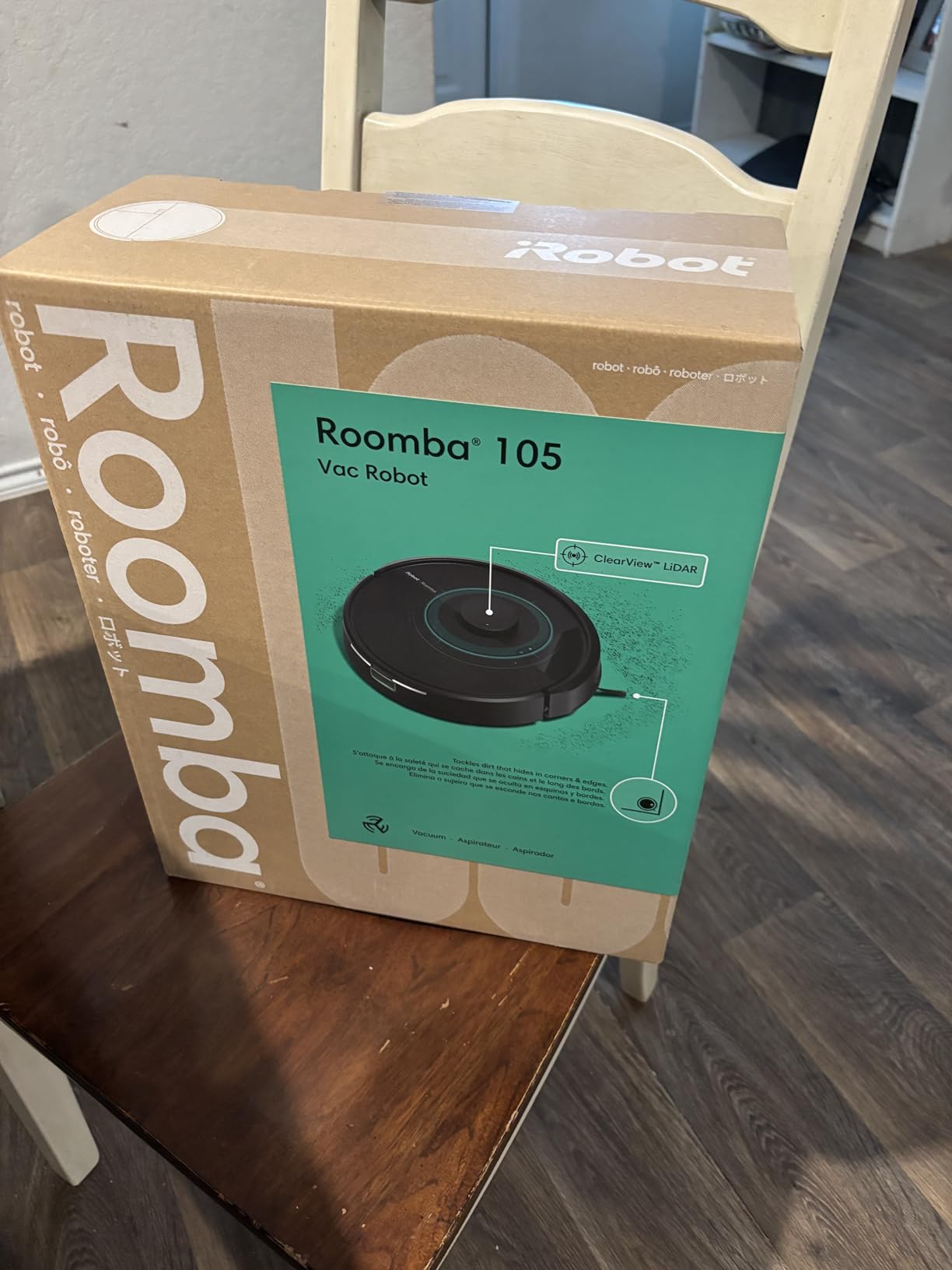
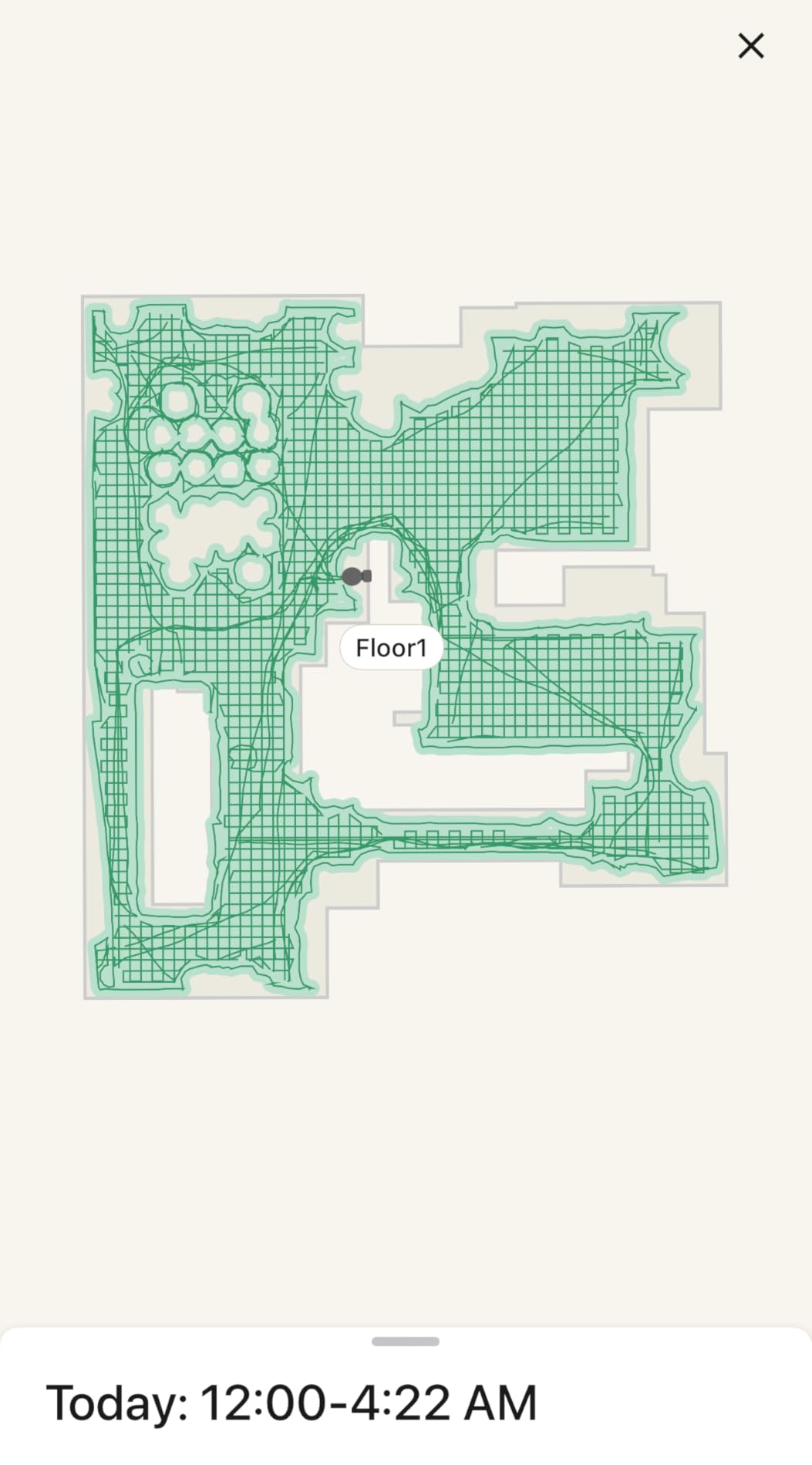
The Roomba 105 is the awkward middle of this roundup: no dock, but real LiDAR. ClearView LiDAR maps your home and the robot cleans in neat rows rather than the scattershot pattern you get from random-bounce models, which is the single biggest quality jump in this price band.
Runtime is the headline spec and it is real: 200 minutes puts it ahead of every other pick here, so it finishes large homes in one run without pausing to recharge. The dustbin is large enough to run for days between empties, and the mesh-screened cartridge filter is far easier to clear than a foam or sponge filter.
Control covers every channel: the app, onboard buttons and Alexa, Siri or Google Assistant. Room scheduling, adjustable passes, spot cleaning for up to five minutes and four suction levels are all available, and a single multi-surface brush means fewer consumable parts to track over the years.
Marketing claims 70 times the power-lifting suction of the Roomba 600 series, and owners upgrading from an older E or I series broadly confirm the step up. Noise is noticeably improved over those older models, which was the traditional iRobot complaint.
Who the Roomba 105 suits best
It is the pick for buyers who already live in the iRobot ecosystem, who want LiDAR without paying for a dock, and who have a home too large for a 100-minute machine. Voice control and a familiar app make it the lowest-friction choice for anyone who does not want to learn a new interface.
Fewer replacement parts is a genuine long-term advantage. If you are keeping a robot for five or more years, a single brush design and a brushable filter mean fewer things to order and less waiting on parts availability.
Where it falls short
Carpet is its weak surface. Suction and brush agitation are modest, especially on low pile, so a heavy-shedding dog in a carpeted home will not be satisfied. Our pet hair guide covers which picks handle that better.
The new iRobot app is less intuitive than the one it replaced and buries routine scheduling, and the scheduling format is limited to 24-hour time. A design detail owners keep flagging: the dustbin sits where you cannot swap it while the robot is on the charger.
5. roborock Q7 M5+: The Long-Runner With RockDock Plus
roborock Q7 M5+ Robot Vacuum and Mop, Up to 7-9 Weeks Self-Empty, 10000Pa
150 minute runtime
RockDock Plus self-empty
10000Pa suction
Four power levels
Pros
- Long advertised self-empty intervals
- Strong suction on carpet and hard floor
- JawScrapers reduce hair wrap
- Three water flow settings for mopping
Cons
- Onboard bin fills mid-run
- Bag fills faster than advertised
- No automatic mop washing
- 2.4GHz Wi-Fi only
The Q7 M5+ is the same platform idea as the Q10 S5+ at a step down, and for large homes it is the more sensible buy. It runs 150 minutes per charge, docks into RockDock Plus for self-emptying, and carries the same 10000Pa suction figure with the same dual anti-tangle brush design.
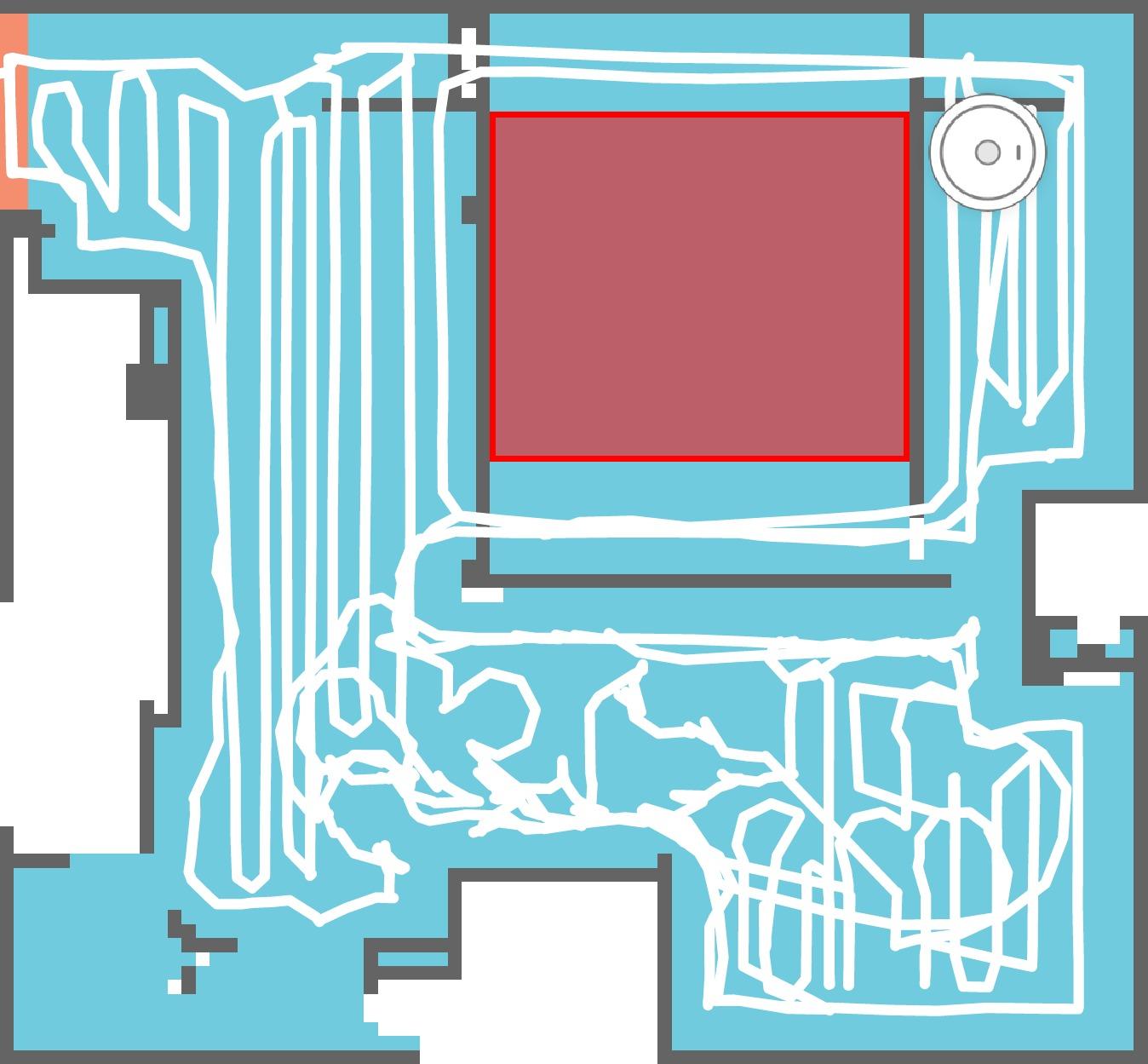
That anti-tangle system is the quiet hero here. The JawScrapers comb the main brush and the side brush is built for near-zero hair wrapping, which is why owners with pets keep recommending it. PreciSense LiDAR mapping gives room, zone and no-go control with real-time map updates in the Roborock app.
It vacuums and mops in one pass with three adjustable water flow settings, which is more usable than mopping that requires a separate run. Scheduling, spot clean, no-go zones and battery monitoring are all in the app, and the app itself is the most capable of the group.
One thing that catches owners out: the onboard dust bin fills mid-run and must be emptied manually from the app even with a dock, which is a design quirk rather than a defect. Bags also fill faster than the advertised 7-to-9-week figure in busy homes.
Who the Q7 M5+ suits best
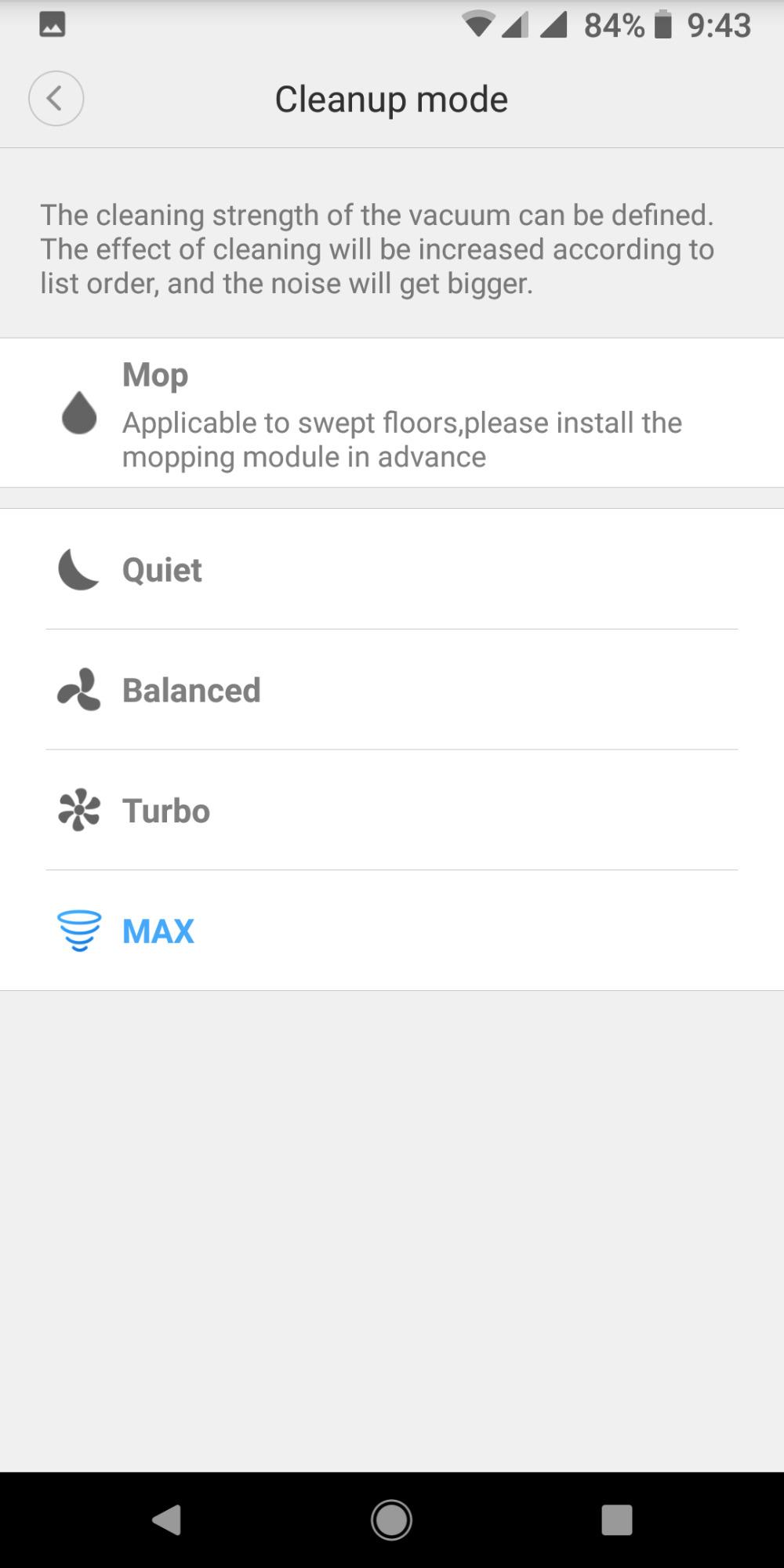
It is the choice for a home over roughly 1000 square feet with pets and mixed flooring, where you want self-emptying and a serious app but do not need a dedicated mopping module. Four suction levels let you tune it down on hard floors and up on carpet.
Buyers who already use the Roborock app will find it the most polished experience in the roundup, and the four-tier suction control plus zone cleaning makes scheduled room-by-room runs genuinely practical.
Where it falls short
The roller brush still collects wrap-around hair in the longest-haired homes, so expect occasional cutting. The mop pad is hand-washed after every run, and the app supports 2.4GHz Wi-Fi only, which is a real limitation on newer routers.
Bag consumption is the other complaint. If you dislike recurring consumables entirely, the Shark’s bagless base solves the same problem without them, and our large home guide compares both approaches in more depth.
6. ILIFE A30 Pro: Mapped Self-Emptying Without the Premium Badge
ILIFE A30 Pro Robot Vacuum and Mop,10000Pa Max Suction, Self-Emptying
10000Pa max suction
LDS LiDAR with SLAM
Self-empty station
150 minute runtime
Pros
- LiDAR mapping with SLAM path planning
- Five 2.5L dust bags included
- 2-in-1 tank vacuums and mops together
- No-go zones and virtual walls
Cons
- Loudest in the group at 72 dB
- Small 200ml water tank
- No mop washing or drying
- 2.4GHz Wi-Fi only
The A30 Pro is the value answer for anyone who wants a mapped, self-emptying robot and does not recognise the premium badge on the box. LDS LiDAR with a SLAM mapping algorithm puts it in the same navigation class as machines costing far more, and the self-emptying station ships with five 2.5L dust bags in the box.
Suction reaches 10000Pa on the top of four app-adjustable levels, which is plenty for embedded debris and pet dander on hard floors and carpet. The 2-in-1 tank vacuums and mops at the same time, so you are not swapping parts between passes.
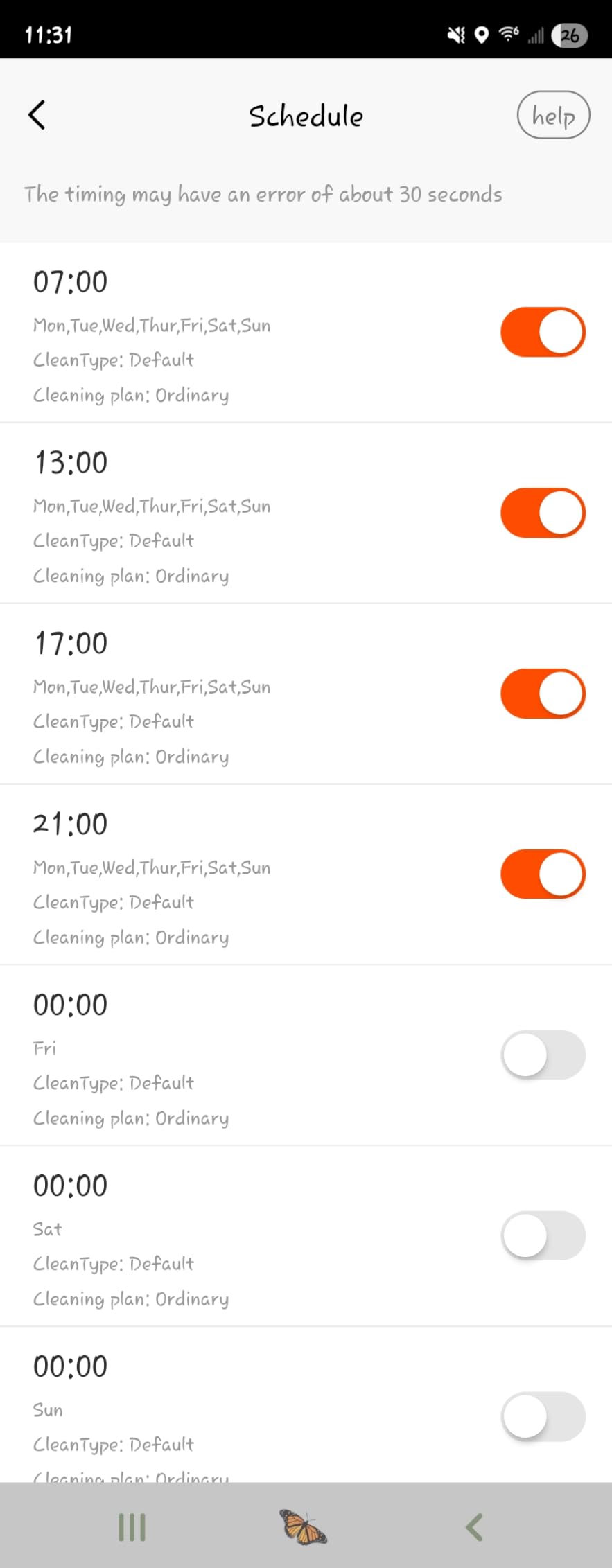
App control covers no-go zones, virtual walls, room selection and scheduling, which is a longer feature list than some pricier rivals offer. Runtime is a solid 150 minutes with automatic recharge and resume, and the manufacturer warranty is one year.
This is a newer platform than the Roborock pair, and the trade-off shows up in the finish rather than the feature sheet. Owners describe it as strong value with a few rough edges, which is exactly what you should expect from a brand trading margin for reach.
Who the A30 Pro suits best
It suits a medium home where you want LiDAR mapping, no-go zones and self-emptying but would rather not pay the Roborock or Shark name. The five included 2.5L bags mean you are not ordering consumables in your first year at all.
Simultaneous vacuuming and mopping appeals to anyone who will not run two separate jobs, and the four suction levels give real control across hard floor and carpet. If you already run the ILIFE Clean app, this is a straightforward upgrade.
Where it falls short
At 72 dB it is the loudest robot in this roundup, which matters more than any spec if you run it during work calls or nap times. The 200ml water tank is small and needs frequent refilling, and there is no automatic mop washing or drying at the station.
App setup is limited to 2.4GHz networks, and parts availability and firmware longevity are less established than Roborock, iRobot or Shark. Buyers planning to keep a robot for five years or more should weigh that support question carefully.
7. Tapo RV30 Max Plus: Mesh Grid Coverage and a 3L Bag
Tapo LiDAR Robot Vacuum and Mop with Self-Emptying Dock, RV30 Max Plus
5300Pa ultra mode
Self-empty 3L bag
LiDAR navigation
3.9 inch body
Pros
- Fast and accurate LiDAR mapping
- Large 3L bag rated for 60 days
- Mesh Grid pattern avoids missed patches
- Quiet operation with spoken status
Cons
- Cannot run vacuum then mop as separate cycles
- Long hair tangles in the roller brush
- Battery drains fast on large homes
- Occasional docking failures
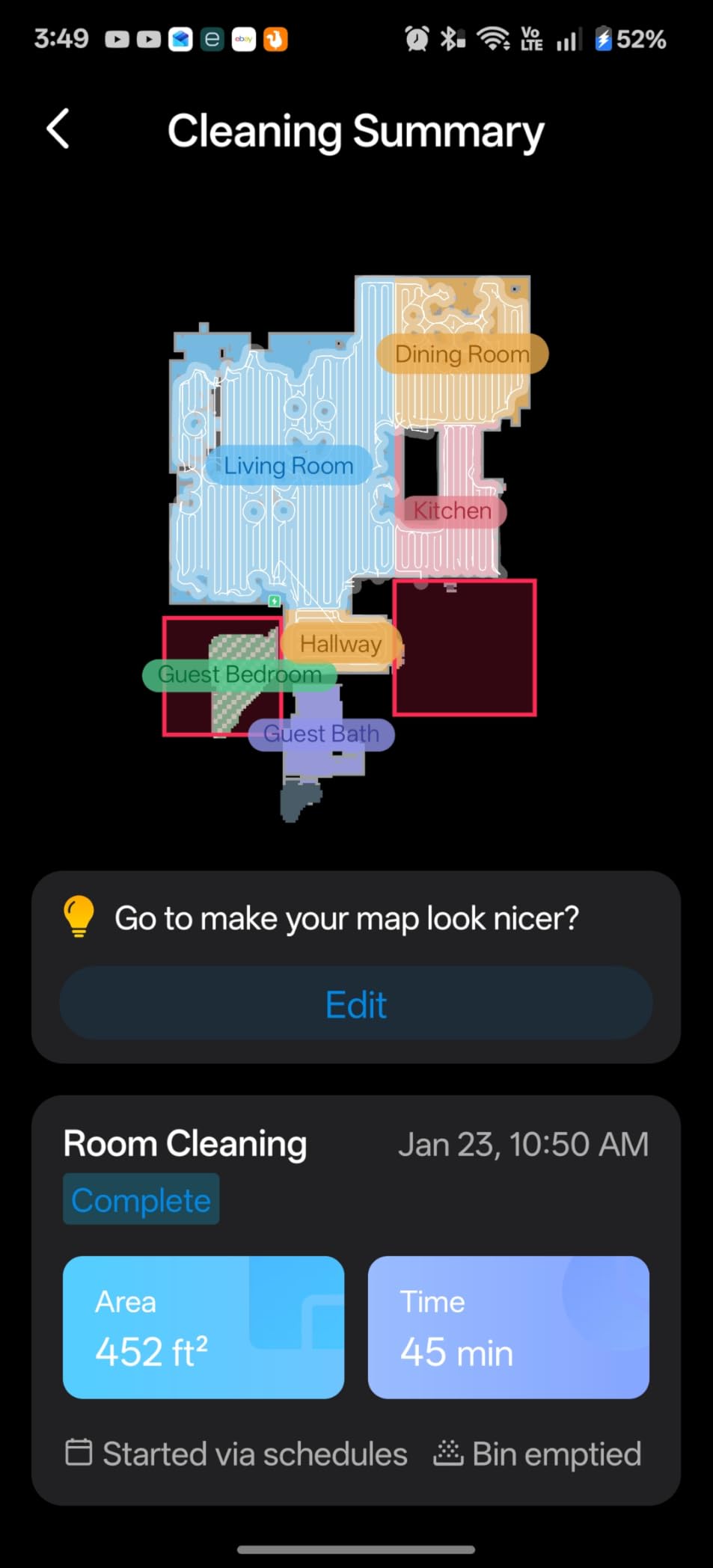
The Tapo RV30 Max Plus is the sleeper here, and the mapping is the reason. LiDAR setup is fast and accurate, and the app gives you editable room zones and virtual boundaries, which is the same map quality you would expect from a machine well above this ceiling.
Mesh Grid technology is the differentiator in the cleaning pattern. Rather than random or single-pass rows, it lays down a grid designed to prevent missed spots, which is why owners of smaller homes report noticeably even coverage. The self-emptying dock uses a 3L sealed bag rated for up to 60 days, the largest in this roundup.
Suction tops out at 5300Pa in Ultra mode, which is the lowest peak figure here, but DeepVac air-inlet design and the improved cleaning brush deliver 97%-plus dust pickup on hard floors and low-pile carpet. Automatic carpet detection boosts suction on carpet and makes it avoid carpets while mopping.
It is a quiet machine, and it speaks status updates out loud, which is genuinely useful when you want to know it finished without opening the app. Alexa and Google Home support is built in, and TP-Link customer support is responsive for a brand new entrant.
Who the Tapo RV30 Max Plus suits best
It fits small and medium apartments where even, methodical coverage beats raw suction, especially on sealed hardwood or tile. Apartment dwellers should see our budget robot vacuum guide for apartments for how the size picture changes in small spaces.
The 3L bag and 60-day rating mean the least frequent bag changes of any docked pick in the group, and the quiet motor suits shared flats. Anyone already invested in the Tapo smart home ecosystem gets the cleanest setup experience.
Where it falls short
You cannot program vacuuming and then mopping as two separate sequential cycles, which matters if your kitchen and carpeted living room need different treatment. Long pet hair tangles in the roller brush and needs manual cutting, and the battery drains quickly on large homes or repeated combined runs.
Review counts are the lowest in the roundup, so the long-term owner record is shorter than the Roborock or Roomba lines. Owners also report occasional docking failures that leave the robot away from its base.
8. ILIFE V2: The Simplest Way to Start
ILIFE V2 Robot Vacuum Cleaner, Tangle-Free Suction, White
120 minute runtime
2.99 inch body
Tangle-free suction port
300ml bin
Pros
- Lowest cost way to automate cleaning
- Slim 2.99 inch body reaches under furniture
- Tangle-free port suits pet hair
- Auto
- spot and edge clean modes
Cons
- Randomized pathing with no mapping
- Small 300ml bin
- Sponge filter rather than HEPA
- Modest suction
The ILIFE V2 exists to answer one question: can a robot do this job at all? For a first-time buyer on a tight budget with hard floors, the answer is genuinely yes. It self-returns to its dock, runs up to 120 minutes, and picks up daily crumbs and pet hair without any setup beyond a remote.
The body is 2.99 inches tall, so it still slides under most low furniture, and the tangle-free suction port is designed so hair collects in the port rather than wrapping around a brush. That design choice means fewer scissors jobs than you would expect at this price.
Anti-collision and anti-fall infrared sensors are present, and auto clean, spot clean and edge clean modes cover the three jobs people actually use. There is no app, no account and no Wi-Fi, which removes the single most common setup failure we hear about.
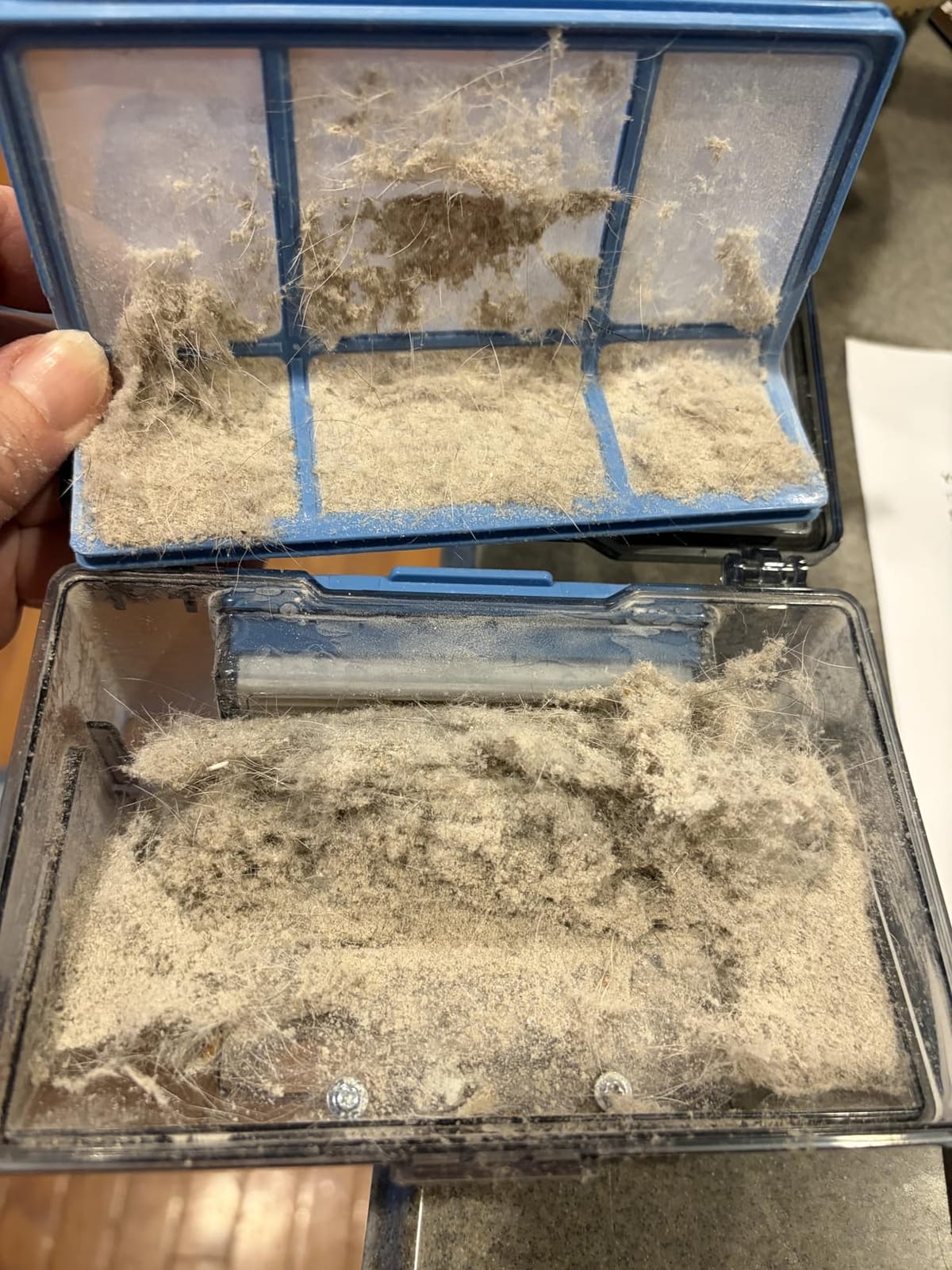
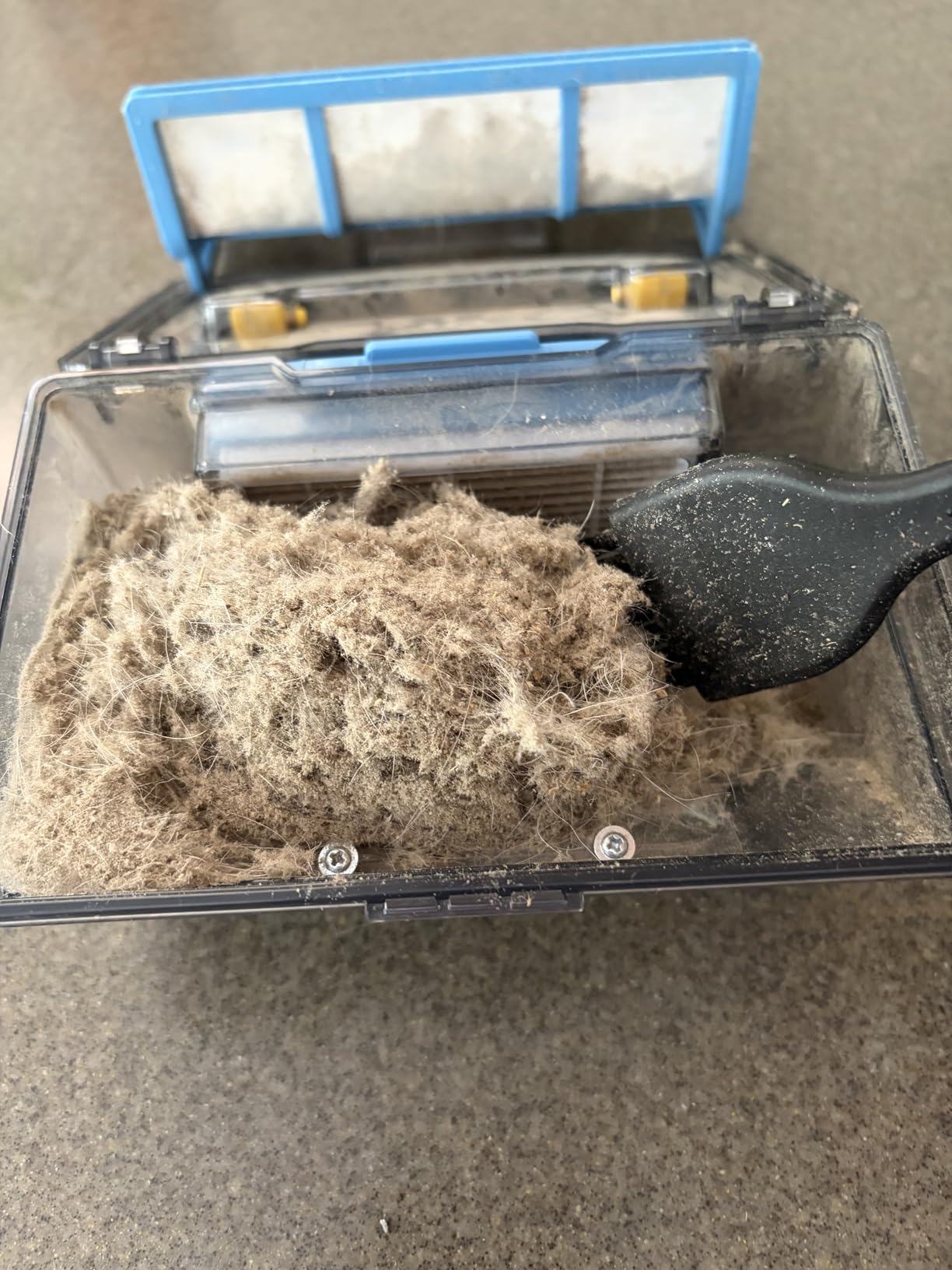
Honest limits: the sponge filter is not a high-efficiency HEPA cartridge, so it is a poor choice for allergy sufferers. The 300ml bin is the smallest here and needs frequent emptying, and the randomized path means the same spot gets cleaned twice while another is skipped.
Who the ILIFE V2 suits best
It is for renters, students and anyone in a small hard-floor home who wants to try automated cleaning without committing real money or signing up for an app. Setup takes two minutes and there is nothing to configure.
If your main goal is surface maintenance on tile and sealed hardwood, the V2 does that job every day without complaint. It is also a sensible second robot for a downstairs area when you already run a better machine upstairs.
Where it falls short
No mapping means no room selection, no scheduling and no no-go zones, so it cannot be told to avoid a pet bowl or a cable nest. The single suction level means no carpet boost, and one power level is the only tuning available.
Its 69 dB operation is louder than the eufy 11S MAX, and the combination of randomized pathing and a small bin means you are hands-on more often than with any mapped pick here. If you can stretch, the iRobot Roomba 105 is the step up that adds mapping without adding a dock.
Which Robot Vacuum Fits Your Situation
Find the line below that matches your household rather than reading eight spec sheets. Each one is the pick that handles that situation without a compromise you would regret.
You want the least fuss and the quietest machine: eufy 11S MAX. No app, no dock, no noise complaints.
You have a dog and mixed flooring: Shark AV2501S AI Ultra, for the self-cleaning brushroll and bagless base.
You will not touch a bin for weeks: roborock Q10 S5+, for the 2.7L self-empty station.
You want LiDAR but no dock footprint: iRobot Roomba 105, with orderly row cleaning and 200 minutes of runtime.
Your home is over 1000 square feet: roborock Q7 M5+, for 150-minute runtime plus RockDock Plus.
You want mapped self-emptying without the premium badge: ILIFE A30 Pro, for LiDAR, no-go zones and five bags in the box.
You want the fewest bag changes and even grid coverage: Tapo RV30 Max Plus, with a 3L bag rated for 60 days.
You are starting out and want the lowest commitment: ILIFE V2, for two-minute setup on hard floors.
Your floors are mostly tile and you mop often: roborock Q10 S5+ for the sonic mop, or the Roomba 105 if mopping is occasional. Our mopping picks for tile floors go deeper on the water-tank question.
Navigation Explained: LiDAR vs Gyroscope vs Camera
Navigation is the one specification that predicts how a robot will feel in your home, and it is where the eight picks split cleanly. Three technologies appear in this roundup, and only one of them is worth paying for at a premium.
LiDAR and LDS LiDAR: A spinning laser builds a distance map of the room, so the robot drives in straight lines, cleans room by room, and supports labelled zones and no-go areas. Found on the roborock Q10 S5+, roborock Q7 M5+, Shark AV2501S, iRobot Roomba 105, ILIFE A30 Pro and Tapo RV30 Max Plus. This is the single biggest quality jump in the group.
Gyroscope and random bounce: The robot detects that it has turned, then corrects, without ever knowing what room it is in. It covers the floor eventually, in a scattershot pattern, and it cannot be scheduled by room or told to avoid an area. Found on the eufy 11S MAX and the ILIFE V2.
Camera and structured light: A forward sensor or depth camera detects obstacles in the path rather than mapping the room. It helps with cables and shoes but does not replace a map, so you still lose room scheduling. The roborock Q10 S5+ pairs ReactiveTech structured light with LiDAR for this reason.
If you take one thing from this section: a mapped robot finishes the same floor in a fraction of the time and returns to the same spot tomorrow. A random robot eventually covers the floor but re-cleans corners and misses the strip behind the sofa every single run. On battery life alone, mapping pays for itself in time saved.
Running Costs, Setup and What to Expect
Every robot here costs something to keep running, and the difference is large. Bagged docks need replacement bags on a cycle tied to how much your household sheds. Bagless bases need nothing but a rinse. Robots without docks need nothing, but they need a person twice a week.
Filters are the quietest cost: eufy 11S MAX and roborock Q10 S5+ use washable filters, the Roomba 105 uses a brushable mesh-screened cartridge, the Tapo uses a HEPA filter, and the ILIFE V2 uses a plain sponge you will replace more often. Budget for filters and side brushes as an annual line item regardless of brand.
Two setup traps catch almost everyone. First, five of the eight apps require a 2.4GHz network, so if your router only broadcasts 5GHz, plan to set up a separate network before the first clean. Second, mapped robots need one slow mapping run with doors and cables cleared before you trust the room labels.
For robots without an auto-empty dock, the habit that keeps them useful is simple: empty the bin after every run, wipe the filter monthly, and cut hair off the brush every couple of weeks. Our hardwood floor guide covers what a robot can and cannot do to sealed wood over time.
When to Skip a Budget Robot Entirely
A robot under 300 dollars is the wrong purchase in a few clear situations, and buying nothing beats buying the wrong machine. Be honest about these before you check out.
Thick, high-pile carpet: Budget motors lack the torque and agitation to pull fibres upright. Keep a corded vacuum.
Severe allergy requirements: Only the Shark’s true HEPA base capture is close to what you need, and it sits above the ceiling at list price.
Homes with heavy daily clutter: Cables, socks and pet waste defeat obstacle avoidance at this price. Tidy first, or spend more.
You need real mopping: Mopping pads in this tier spread water for maintenance passes. They do not remove sticky spills or scrub grout.
Large homes over 1500 square feet with pets: You will outgrow the bin, the battery and the consumables. Save for a premium model.
Conversely, do not overspend. If you live in a small or medium home with mostly hard floors and low furniture, the picks above cover it. Forum consensus consistently points the same way: owners regret the expensive machine they barely use far more than the simple one that runs every day.
Frequently Asked Questions
What is the best robot vacuum under 300 dollars?
The eufy 11S MAX is the best robot vacuum under 300 dollars for most homes, thanks to a 2.85 inch body, a 55 dB motor and a washable filter. If you want a self-emptying dock and real mopping in the same budget, the roborock Q10 S5+ is the more complete machine.
What is the best budget robot vacuum if I am on a tight budget?
For the lowest cost that still works, the ILIFE V2 covers hard floors with random pathing and no app. If your budget stretches a little further, the iRobot Roomba 105 adds LiDAR mapping, row-by-row cleaning and a 200 minute runtime, which is the real value jump in this category.
Is a self-emptying dock worth it at this budget?
Yes, if you already dislike emptying a bin. A docked robot with a 2.5L-plus bag removes that chore for weeks at a time, and models like the roborock Q10 S5+, roborock Q7 M5+, ILIFE A30 Pro and Tapo RV30 Max Plus fit inside this budget. The only ongoing cost is replacement bags unless you choose a bagless base such as the Shark.
Do budget robot vacuums handle pet hair?
They handle it well on hard floors and low pile carpet, and brush design matters more than suction. The Shark AV2501S has a self-cleaning brushroll, while the roborock Q10 S5+ and Q7 M5+ use JawScrapers and anti-tangle side brushes. Even those designs need occasional hair cutting in very long-haired homes.
Is LiDAR or camera navigation better for budget robot vacuums?
LiDAR wins at this price. A laser map gives straight-line cleaning, labelled rooms, no-go zones and room-by-room scheduling. Camera or structured-light obstacle avoidance helps with cables and shoes but does not create a map, so the best budget options pair it with LiDAR, as the roborock Q10 S5+ does.
What can you realistically get at this price point?
Reliably: LiDAR mapping with no-go zones, a self-emptying station with a 2.5L-plus bag in the top tier, washable or HEPA filtration, 100 to 200 minutes of runtime, and app control. You will not get automatic mop washing with hot-air drying, dependable object avoidance across a cluttered floor, or self-cleaning brushrolls outside the Shark.
Related Robot Vacuum Guides
The Best Robot Vacuum Under 300 Dollars: Final Word
The best robot vacuum under 300 dollars is the eufy 11S MAX, and it wins on the fundamentals: it is the slimmest body here at 2.85 inches, the quietest motor at 55 dB, and it has the longest owner record by a wide margin at more than 59,000 ratings. If the floor plan has low furniture and you want it near-silent, that is the answer.
If you want the machine to do more of the work on its own, the roborock Q10 S5+ is the pick. A 2.7L self-empty station, 10000Pa suction, dual anti-tangle brushes and sonic mopping at 3000 scrubs per minute is the most complete feature set we found inside this ceiling.
Heavy pet households should look at the Shark AV2501S AI Ultra for its self-cleaning brushroll and bagless 30-day base, and anyone who wants mapping without a dock footprint should take the iRobot Roomba 105 for its 200-minute runtime. The rest of the list covers larger homes, mapped mid-tier value, minimal docking fuss and the lowest-cost way to start.
Budget vacuums in this class are worth buying, and the picks above are the ones worth owning in 2026. Check the current price on each before you commit, and run the mapping pass before you judge it.