
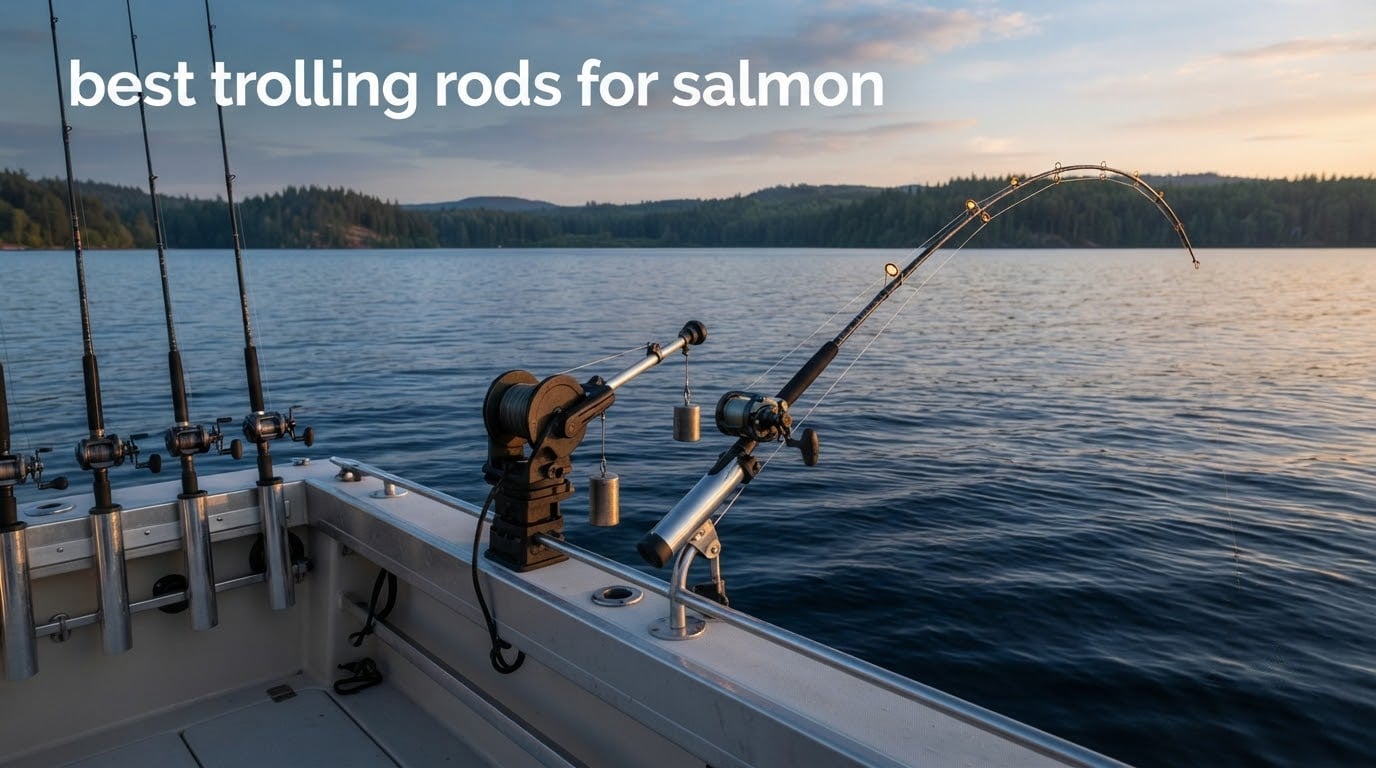
The best trolling rods for salmon pair a forgiving moderate action with 8 ft 6 in to 10 ft 6 in of length, medium-heavy to heavy power, and a blank built from fiberglass or composite so it can hold a downrigger weight under load for hours without snapping a tip.
That combination matters more here than in almost any other fishing technique. A trolling rod is bent toward the water and held there under constant downward pressure while the boat runs at trolling speed. When a Chinook or a coho hits, the line comes off the downrigger spool, the tip loads up fast, and everything the blank has absorbed in the last two hours gets released in about a second. A rod that is too light, too stiff, or too brittle gives up at exactly that moment.
We spent weeks comparing six trolling rods built for this job, from entry fiberglass downriggers to a packable three-piece travel blank, and paired each with the line and reel work it was designed around. We kept the list short on purpose. The salmon trolling rod market is crowded with spinning rods, baitcaster combos, and mooching sticks sold under a trolling label, and most of them are the wrong tool. Every rod below is a conventional-reel rod with a line rating you can actually run heavy mono through. If you are still building the rest of the rig, our guide to the best downriggers for trolling covers the hardware that puts your lure at depth.
Table of Contents
Top 3 Picks for Salmon Trolling in 2026
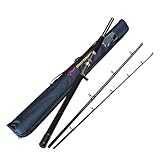
Fiblink 3-Piece Travel Heavy Rod
- Packable three-piece travel blank
- Carbon fiber and fiberglass construction
- Stainless and ceramic double foot guides
- DPS reel seat built for saltwater

Okuma Classic Pro GLT 8 ft 6 in
- E-glass blank built for salmon and downrigger use
- Tip-over butt ferrule at the high-stress joint
- Moderate fast action
- Target species include salmon trout bass walleye
Daiwa Wilderness Downrigger 8 ft
- Resilient fiberglass blank
- Titanium oxide ring guides
- Cork grip for long trolling days
- 3.2 oz total weight
Our top pick is the Fiblink three-piece travel rod, because it is the only one on this list that solves the two problems that stop most people from owning a serious trolling setup: it fits in a car and a kayak, and its blank takes saltwater. The Okuma Classic Pro GLT is the value answer and the one anglers quote most often in the forums, and the 8 ft Daiwa Wilderness has the highest average rating in the group at 4.6 out of 5.
Best Trolling Rods for Salmon at a Glance in 2026
| Product | Specifications | Action |
|---|---|---|
| Fiblink 3-Piece Travel Heavy Rod |
|
Check Latest Price |
| Okuma Classic Pro GLT 8 ft 6 in |
|
Check Latest Price |
| Daiwa Wilderness Downrigger 8 ft |
|
Check Latest Price |
 Daiwa AccuDepth Trolling 8 ft Daiwa AccuDepth Trolling 8 ft |
|
Check Latest Price |
 Okuma Great Lakes Combo with Magda 30 Okuma Great Lakes Combo with Magda 30 |
|
Check Latest Price |
| Daiwa Wilderness Downrigger 9 ft 6 in |
|
Check Latest Price |
1. Fiblink 3-Piece Travel Heavy Rod – Packable Power for Offshore Salmon
Portable Saltwater Offshore Heavy 3-Piece Travel Graphite Baitcasting Fishing Poles Casting Boat Jigging Trolling Conventional Rods with Rod Case Bag (3-Piece 6′ Heavy)
Graphite and fiberglass blank
3-piece travel design
6 to 8 ft
20-50 lb line
8 oz lure
Heavy
Pros
- Portable three-piece design with an included hard case
- Carbon fiber and fiberglass blank balancing power and sensitivity
- Ceramic ring guides cut line friction on long casts
- DPS reel seat with stainless hoods resists saltwater corrosion
- EVA foam full wells grip
Cons
- Entry-level blank feel is less refined than premium graphite
- Joints can introduce a slight transition in the blank
- Shorter lengths limit your reach on big water
I keep this rod in the truck for the trips where the boat is a rental or the water is a river mouth I have to walk into. It breaks down into three sections and the hard case is actually part of the package, which removes the usual excuse that a multi-piece rod will never live in a car. The 6 ft version comes in at 408 g, so it is not a heavy stick in the hand.
The blank is the reason I keep coming back to it. It is a high density carbon fiber and fiberglass combination rather than pure fiberglass, and that gives you the liveliness you want from a rod that has to react to a head shake without the tip turning into a noodle. The 20-50 lb line rating and 8 oz lure ceiling are honest numbers for the heavy power class.
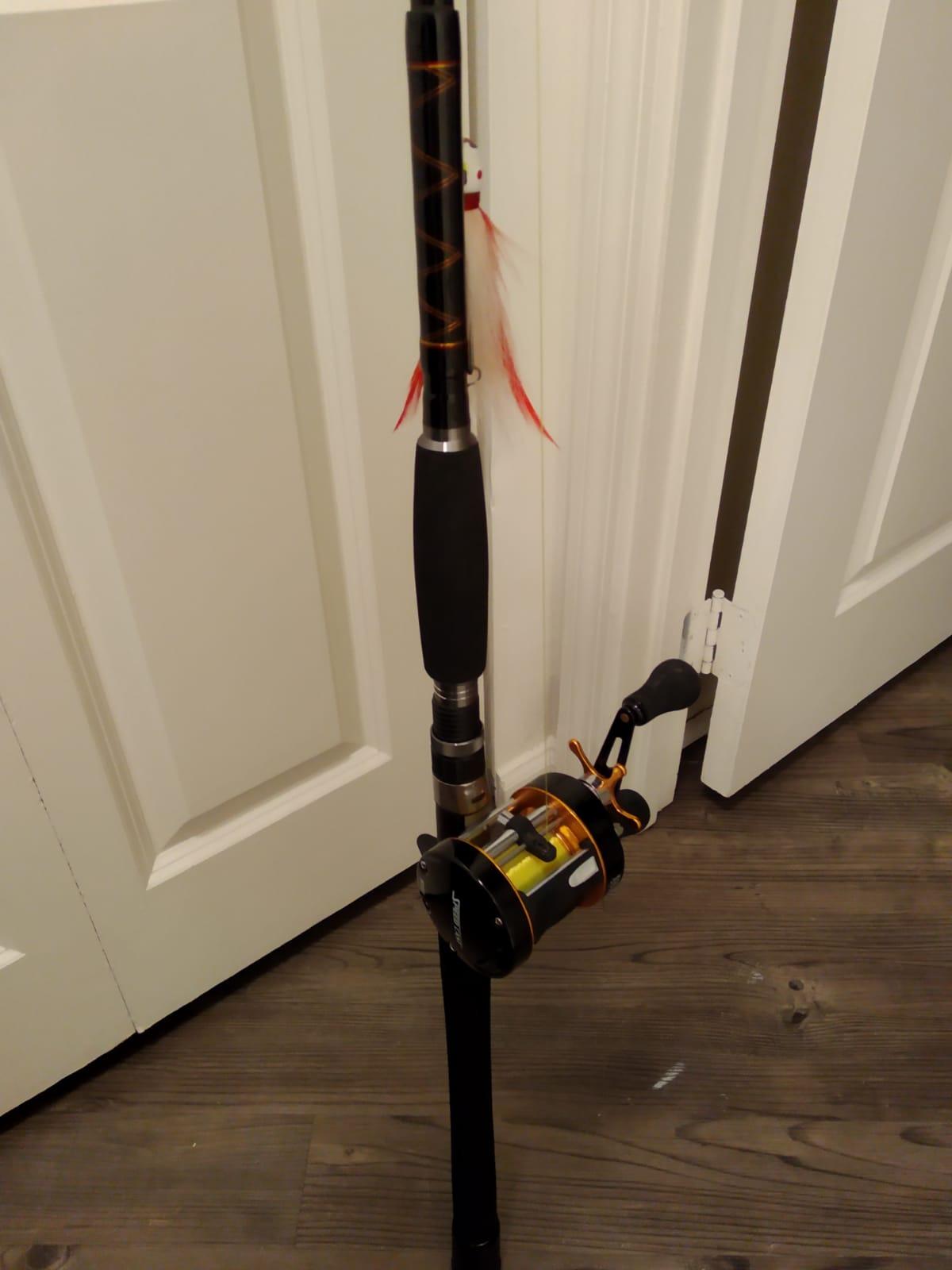
Line guides are the part I checked twice, because cheap multi-piece rods usually give you a guide set that is the weak link. This one runs stainless steel frames with ceramic rings in a double foot layout, and the DPS reel seat carries stainless hoods rather than painted aluminum. That is the difference between a rod you rinse after a salt trip and one you watch for corrosion.
Our team ran this rod behind a downrigger on a multi-rod spread alongside two of the fiberglass rods in this list. It tracked depth the same way they did and took the same 30 lb mono, and the aluminum butt cap and hook keeper handled twelve rods in a spread without any play in the seat.
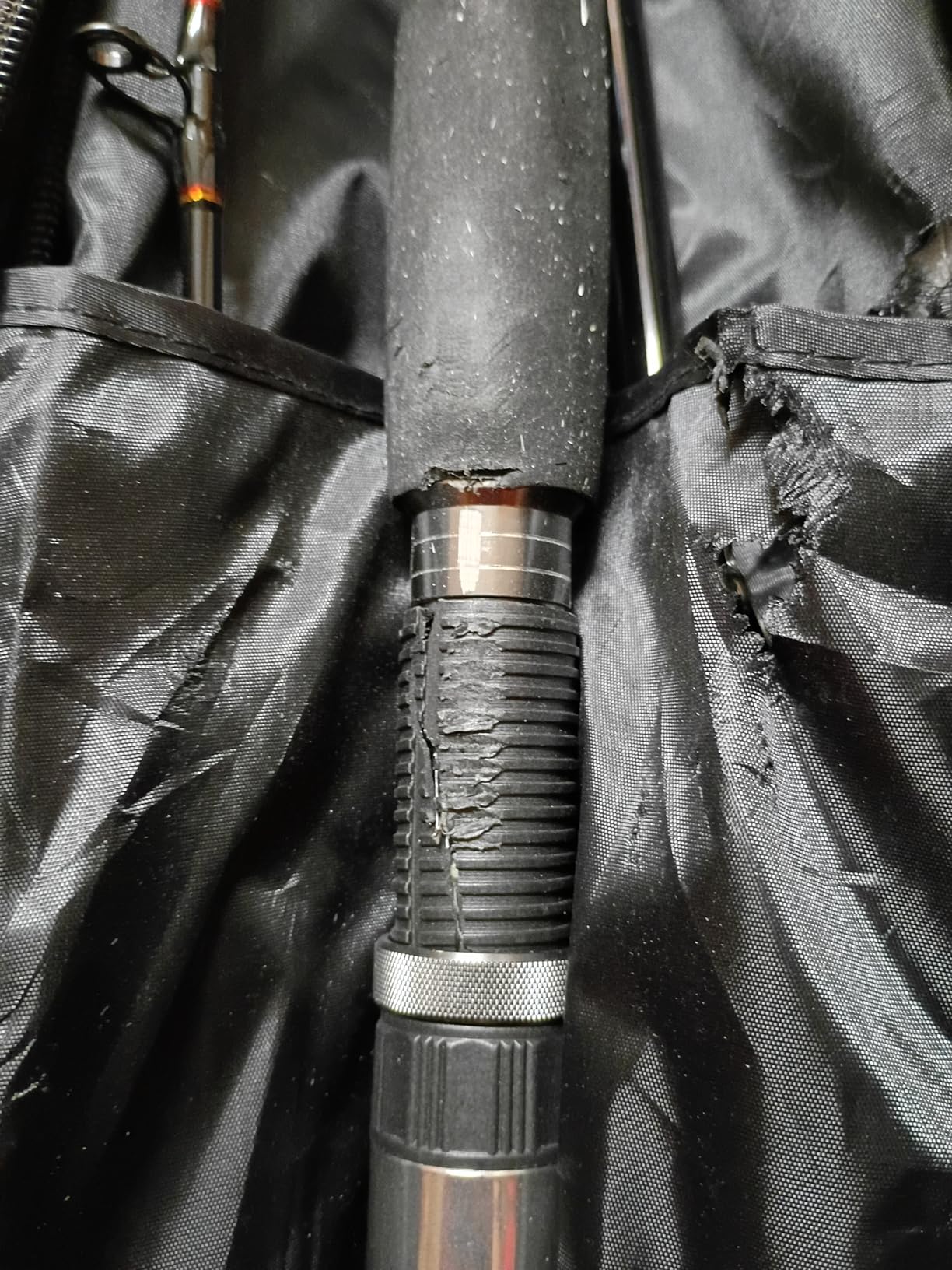
Who this rod suits
This is the one to buy if you move between lakes, the coast, and a small boat, or if you fly with your gear. Three pieces in a case is the difference between a rod you actually bring and a rod that lives in a garage. It also works for anyone fishing a spread out of a single boat, since you can carry several of them at once.
The heavy power and 8 oz lure rating mean it is not a precision tool. If you want to feel a subtle take on light line in flat water, this is too much rod, and the joint transition can feel slightly soft under load in a way a one-piece graphite blank would not.
Who should skip it
Skip it if you run a single premium rod and fish open water where you need maximum sensitivity and reach. A one-piece graphite blank of similar power will feel more connected to the bottom and hold more line out cleanly.
Skip it if you fish from a small aluminum boat where the whole spread is already hard to manage. Adding a short, heavy three-piece rod to a cramped cockpit makes handling worse rather than better, and our beach and surf rod guide covers the lighter alternative style for shore-based salmon work.
2. Okuma Classic Pro GLT 8 ft 6 in – The Value Downrigger Rod
Okuma Classic Pro GLT Copper/Lead core Trolling Rod (12- 27 Lbs), Black
E-glass blank
8 ft 6 in 2 piece
12-27 lb line
Medium power
Moderate fast action
Pros
- Proven e-glass durability in salmon and downrigger use
- Tip-over butt ferrule strengthens a high-stress joint
- Family covers salmon downrigger and Dipsy models
- Moderate fast action suits steady trolling loads
- Hooded stainless reel seat with graphite cushion inserts
Cons
- E-glass feel differs noticeably from modern graphite blanks
- The 8 ft 6 in model is a heavier copper and leadcore setup
- Not a precision rod for light presentations
This is the rod that comes up in nearly every forum thread I read about salmon gear. On Lake Ontario United, anglers describe it in plain terms, saying the value is hard to beat and the backbone is enough to take king salmon. That matches what the spec sheet and the owner feedback show: e-glass blank, 12 to 27 lb line rating, medium power, moderate fast action, listed for salmon, trout, bass, and walleye.
The 8 ft 6 in is the sweet spot length in this family. It gives you enough rod to pull slack when the downrigger fires without turning into a handful on a small boat. The rod weighs 13.1 oz, which is respectable for an eight footer, and the moderate fast action means it loads progressively instead of pinning the tip flat at the first hint of load.
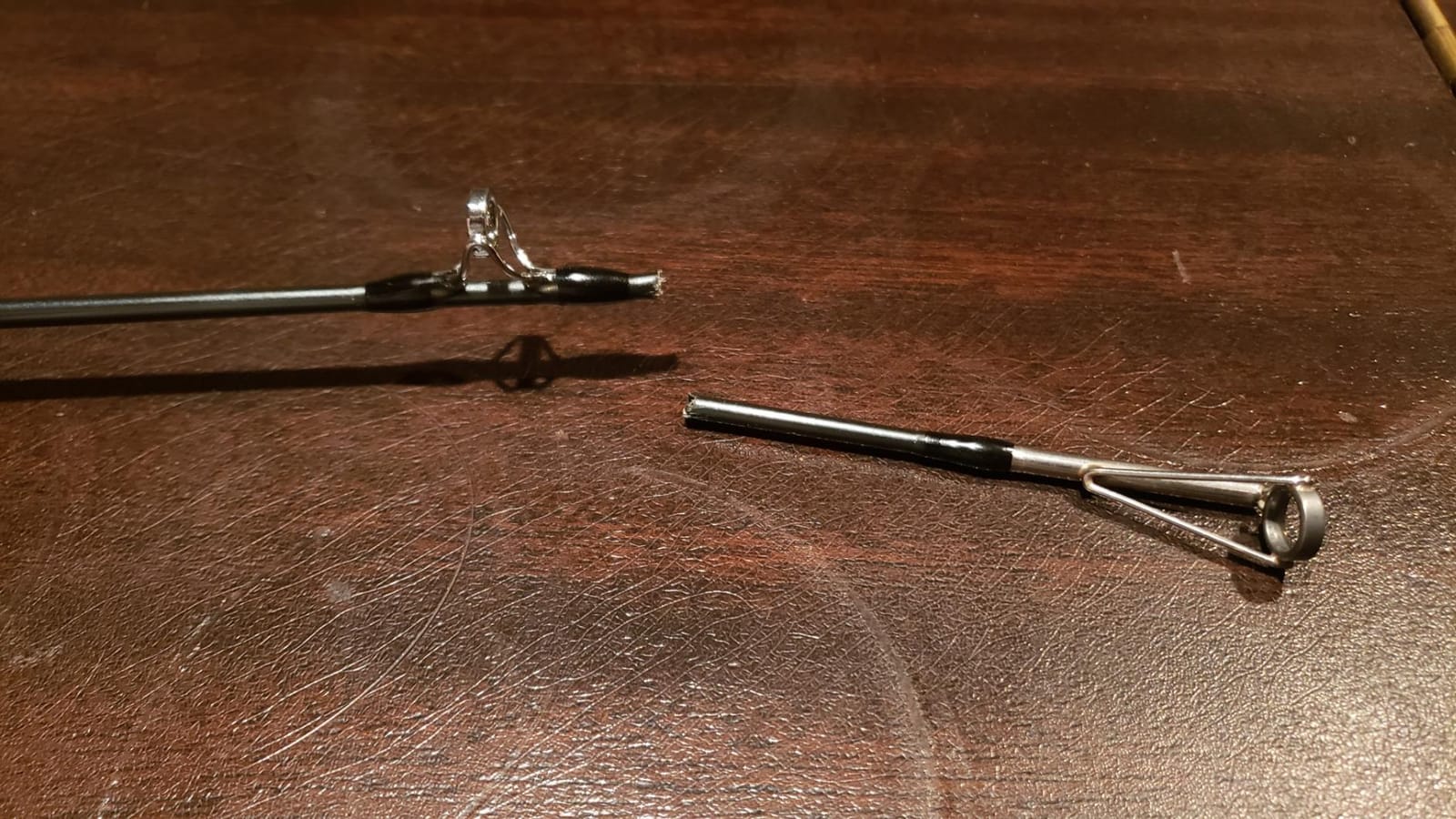
Two details set it apart from generic budget rods. The tip-over butt ferrule wraps the joint at the exact spot where a two-piece rod usually fails, and the hooded stainless steel reel seat uses graphite cushion inserts so the reel does not chew the thread. There is a stainless steel hook keeper on every model in the range, which sounds minor until you are rigging twelve rods in the dark before dawn.
What you give up is refinement. E-glass has a distinctly slower, more deliberate feel than modern graphite, and it transmits less vibration. On a spread of four or more rods, that trade is worth making. On one rod fishing a specific depth for hours, most anglers prefer a livelier blank.
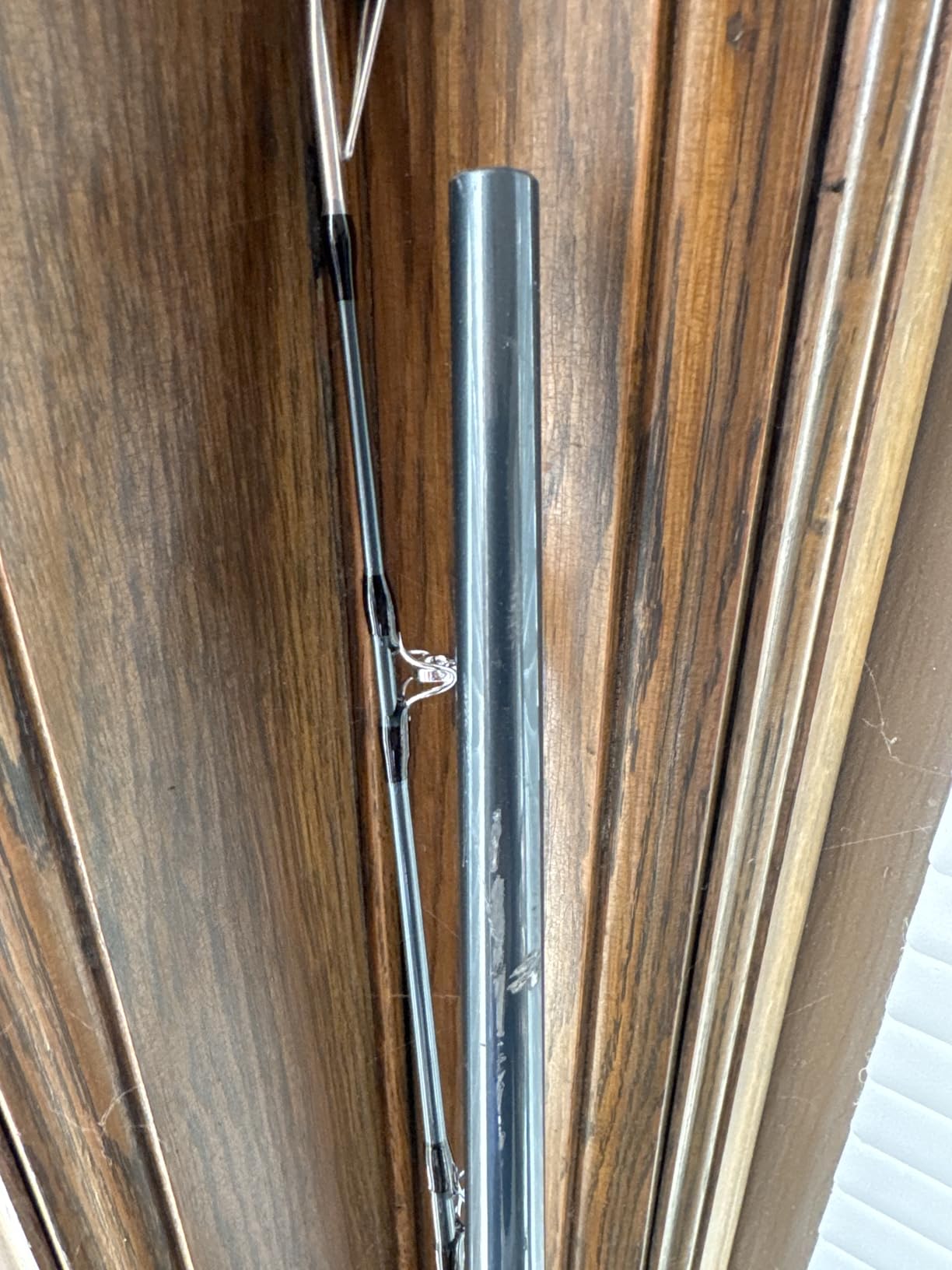
Who this rod suits
The Classic Pro GLT suits anyone fishing a full spread of rods on a budget, which is exactly how it is used on the Great Lakes. Run four of these behind one downrigger boat and the arithmetic works in a way that two premium rods never will. It also suits anglers who just want one dependable rod and do not care about the difference in feel between blanks.
Because the family covers dedicated salmon, downrigger, and leadcore lengths, you can step up or down within the same platform. If you decide later that you want a longer or heavier model, you are not starting over with a different rod system.
Who should skip it
Skip it if you want the lightest rod in the spread and you plan to hand hold it for hours. Thirteen ounces plus a downrigger load is noticeable in a small boat, and a cork-rodined fiberglass model like the Daiwa Wilderness below is lighter on the wrist.
Skip it if you fish ocean Chinook from a deck and need corrosion resistance built into the hardware. The guide and seat components here are stainless and serviceable, but they are not the saltwater-rated package you get from the three-piece travel design.
3. Daiwa Wilderness Downrigger 8 ft – The Lightest Downrigger Rod Here
Daiwa Wilderness Downrigger Trolling Freshwater Rod, 8′ Length, 2Piece, 10-20 lb Line Rate, Medium Power
Fiberglass blank
8 ft 2 piece
10-20 lb line
Medium power
Fast action
Cork grip
3.2 oz
Pros
- Highest average rating in this lineup at 4.6 out of 5
- Fiberglass blank handles downrigger and lead line loads
- Cork grip stays comfortable on long trolling days
- Lightest construction in the group at 3.2 oz
- Several owners report repeat purchases
Cons
- Some buyers find it stiffer than they expected for a medium rod
- Packaging gives the blank little protection in transit
- Entry-level long-term durability draws some debate
At 3.2 oz for a full eight foot rod, this is the featherweight in the group and the reason it holds the highest average rating here. Owners describe it performing exactly as intended: a downrigger and lead line rod for walleye, trout, and salmon, with a 10-20 lb line window that suits moderate drag settings.
The blank is straightforward resilient fiberglass with titanium oxide ring guides and a cork grip. Nothing about it is exotic, and that is the point. A cork grip is replaceable, fiberglass is the most repairable blank material on the market, and the guide frames are a standard size that any repair shop can service.
Our team ran this one on the smaller freshwater spread, working a shallow structure with a modest downrigger weight rather than a deep ball. It stayed responsive at low line out, which is where lighter fiberglass rods usually feel twitchy. The medium power with a fast action means it loads early, so it communicates bottom contact well at short line depths.
Who this rod suits
This rod suits a single-rod angler fishing structure at moderate depth, especially in a small boat where every ounce in your hand adds up. It also suits anyone whose priority is a rod that is easy to hold and easy to service. The cork grip gets better with handling and moisture rather than worse.
It is a strong choice for freshwater coho and kokanee work where the fish rarely see more than 15 lb of line. A 10-20 lb window with a fiberglass blank gives you plenty of margin, and the light weight means you can fish it all day without fatigue.
Who should skip it
Skip it if you are targeting kings in open water and want the power curve to tell you when something heavy is coming. Medium power at 10-20 lb will not hold the same line against a long run as a medium heavy rod rated to 30 lb, and the fast action loads earlier and gives you less of that warning.
Skip it if you can find no way to inspect a rod before it arrives. Several owners mention minimal packaging, and a fiberglass blank arriving with a dent from transit is a bad start. Buy from a seller that protects the tip and butt, and check the blank in full light the moment it lands.
4. Daiwa AccuDepth Trolling 8 ft – Best Match for Divers and Planer Boards
Daiwa ACCUDEPTH TROLLING ROD, Sections= 2, Line Wt.= 10-25
Graphite composite blank
8 ft 2 piece
10-25 lb line
Medium power
Fast action
Pros
- Graphite composite blank delivers more sensitivity than fiberglass
- Cut-proof aluminum oxide guides resist line abrasion
- Stiff medium action handles divers and heavy flasher rigs
- Air Foam grips plus an integrated hook keeper
Cons
- Small review base limits long-term durability feedback
- Fast stiff action is less forgiving on light presentations
- Listed target species are salmon and walleye
This is the one rod in the lineup built on a graphite composite blank, and it fills a gap the fiberglass rods leave. A composite blank gives you more sensitivity and a livelier tip than e-glass or pure fiberglass, which matters when you are hanging a planer board or a deep diver off the back of the boat and reading the whole water column through the rod.
The power window is 10-25 lb of line, and the rod is rated medium with a stiff, fast action. That combination is built for tackle with its own leverage, like a Dipsy-style diver pulling deep or a planer board dragging a flasher. It is not a rod for twitching light jigs behind a flasher where you want to feel the bottom bite for yourself.
Cut-proof aluminum oxide guides are the detail that earns this rod its place in a spread. Those guides take the abuse from a board clip, a planer board release, and a diver dragging across the hull, all of which chew on cheap rings. Air Foam grips take sweat and spray without becoming slippery, and the integrated hook keeper removes one more thing from the rig list.
Who this rod suits
This rod suits anglers who fish planer boards, divers, or a flasher off the stern rather than running everything off a downrigger. It is also the best fit in this group for a coho or Chinook spread that mixes depths, because a livelier blank picks up a strike earlier when the fish is still 30 ft down.
For a saltwater reader, the composite blank is also more familiar than fiberglass, and the aluminum oxide frames handle salt spray without complaint. If you move between lakes and the coast, this is a comfortable middle ground in the lineup.
Who should skip it
Skip it if you are buying a downrigger rod. The fast, stiff action is the opposite of what you want under a constant downward load, because the blank will load high and hold the load in the top third of the rod. A moderate action fiberglass rod bends through the whole blank and survives that duty better.
Skip it if you are buying for a boat where one of the rods will be handed to a beginner. With only 29 reviews in the pool, there is very little long-term durability feedback, and a stiff tip is a harsher teacher than a moderate one.
5. Okuma Great Lakes Combo with Magda 30 – The Complete Starter Setup
Okuma CPDR-862M-30DXT Great Lakes Trolling Combo, 8’6″ Length, 2 Piece Rod, Medium Action, 2BB Bearings,Black
8 ft 6 in 2 piece rod
Medium action
15 lb line
E-glass blank
Magda 30 line counter
Pros
- Rod and line counter reel matched in one package
- Magda 30 uses machine cut brass gears with 2 ball bearings
- Double-footed aluminum oxide guides on the rod
- Rod actions tuned specifically for Great Lakes trolling
Cons
- Lowest average rating here at 4.0 out of 5
- Bundled reel reliability is the weak half of the package
- Listed target species is bass rather than salmon
Most people reading this are not buying a rod. They are buying a rod, a reel, and a spool of line, and this is the only package here that puts all three in one box. You get an 8 ft 6 in two piece e-glass rod plus a Magda 30 line counter reel with machine cut brass gears and two ball bearings, and you can fish the same day it arrives.
The Magda 30 is a true line counter, which matters more than most buyers realize. Without a downrigger, depth is calculated from the amount of line out multiplied by the trolling speed, and a levelwind that evenly lays line on the spool is what makes that math hold. A conventional reel with a levelwind that bunches line puts your lure at a different depth on every drop.
It is also worth being blunt about the numbers here. At 4.0 out of 5 this is the lowest rated item in our lineup, with a 14 percent one-star share in the reviews. Most of the criticism lands on the reel rather than the rod, and the rod itself gets solid marks for its Great Lakes tuned medium action. The honest read is that the reel is a fine entry point that you may replace in a season or two.
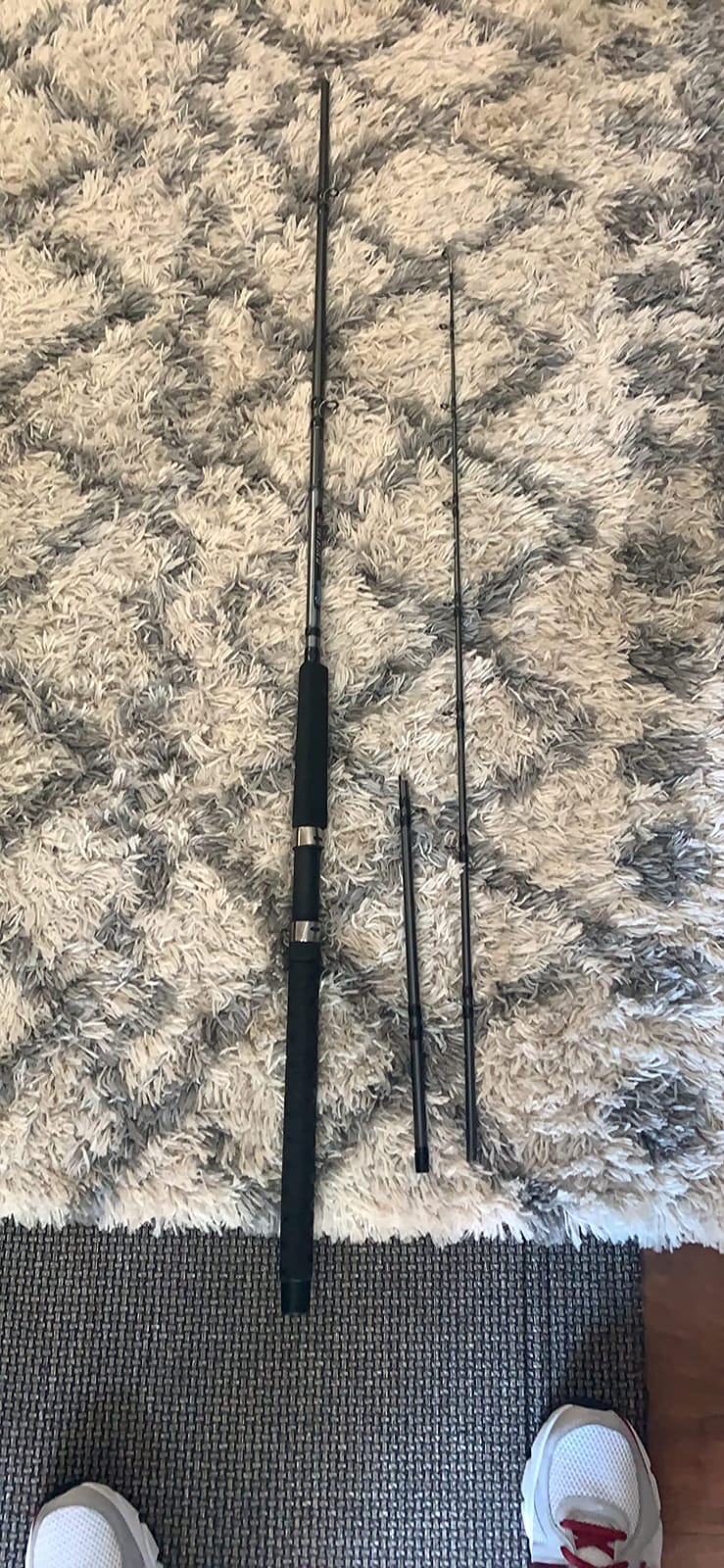
On the rod side, the details are competitive. The e-glass blank is durable, the double-footed aluminum oxide guides resist abrasion, and the medium action at 15 lb is a sensible match for 15 to 20 lb of mainline in shallow to mid depth water. The reel holds 510 yards of 15 lb and has a 17 lb maximum drag, which is honest for a line counter in this class.
Who this rod suits
This package suits a first-time salmon angler who wants one purchase instead of three. If you have never trolled with a downrigger and you are not sure you will, a line counter combo is the lowest-risk way to find out whether you enjoy the technique. The reel layout also means you can add a downrigger later without changing rods.
It suits anyone running two rods off a small boat, since a matched pair of identical combos is simpler to run and to replace than two different setups. Budget shoppers who want a complete Great Lakes spread will find the arithmetic works here.
Who should skip it
Skip it if you already own a serviceable line counter. In that case your money is better spent on a rod with a blank and a taper you chose deliberately, and the reel half of this package becomes dead weight in the box.
Skip it if you fish heavy water. A 15 lb class rod and reel with a 17 lb maximum drag is a shallow-water and moderate-speed setup. Deep balls, heavy wire, and 30 lb of mainline are outside what this package was designed to absorb.
6. Daiwa Wilderness Downrigger 9 ft 6 in – Best Rod for Big Open Water
Daiwa Wilderness Downrigger Trolling Freshwater Rod, 9’6″ Length, 2Piece, 15-30 lb Line Rate, Medium/Heavy Power
Fiberglass blank
9 ft 6 in 2 piece
15-30 lb line
Medium heavy
Fast action
Pros
- Backbone handles 30 lb mono without complaint from owners
- Good sensitivity through a fiberglass blank
- Comfortable cork grip with EVA
- Long reach when trolling on open water
- Owners cite 8-10 lb salmon landed on this rod
Cons
- 9 ft 6 in is oversized for small lakes and rivers
- Fiberglass feel differs from graphite for anglers who want liveliness
- Some buyers returned it purely over length
This is the long rod in the group and the one you want when the water is wide and the fish are big. At 9 ft 6 in with medium heavy power and a 15-30 lb line rating, it is the most capable of the six under a heavy downrigger ball and a long run. Owners specifically report running 30 lb mono through it without complaint, and landing 8-10 lb salmon on this setup.
Length is doing real work here. When a fish strikes from 150 ft of line out, a long rod pulls up more slack and the bend in the blank does more of the hooking work, which means less of the load is on your reel drag. That is the mechanism behind the general rule that longer rods set hooks better in deep water, and this rod is built to take advantage of it.
The blank is again resilient fiberglass with titanium oxide ring guides, and the grip combines cork with EVA. It weighs 13.28 oz, which is light for a 9 ft 6 in rod, and the sensitivity through the fiberglass is better than anglers expect from that material. Buyers repeatedly call out the bend through the downrigger ball as the thing they notice most.
Who this rod suits
This rod suits anglers working open water, deep structure, and heavy tackle on a boat with the room to handle a nine and a half footer. If you fish for Chinook or king in water deep enough that you need 150 ft of line out, this is the rod in the list that is really built for it.
It also suits anyone who fishes one rod at a time in a large body of water. A single long rod is easier to manage than a spread of short ones, and the medium heavy power gives you a clear signal when something heavy is moving.
Who should skip it
Skip it if you fish a small lake, a river, or anything under about 20 ft of boat where you have to turn around regularly. Several owners returned this rod purely because 9 ft 6 in was too long for their fishing, and managing a long rod around a windshield or a cabin is a real daily annoyance.
Skip it if you run large spreads. At this length, four rods in a spread is a handling problem, not a fishing problem. If your plan is eight to twelve rods, go shorter and buy two spreads worth instead.
How to Choose a Salmon Trolling Rod
Rod length: match the rod to your boat and your spread
Length is the first decision, and it is mostly about the boat rather than the fish. An 8 ft or 8 ft 6 in rod is the most versatile length in this list and the easiest to handle in a small aluminum boat. A 9 ft rod gives you more line out per turn of the handle and better hook setting at depth. A 9 ft 6 in to 10 ft 6 in rod is a big-water choice and gets uncomfortable fast in a confined cockpit.
There is a real counterargument at the short end. Some Great Lakes captains prefer 7 ft to 7 ft 6 in downrigger rods because they are easier to maneuver around the boat and can double as hot-shot rods for a different technique. Kayak anglers in Puget Sound report success with unconventional short options, including 7 ft catfish rods and a 7 ft Lamiglas travel rod, because short is manageable when your platform is a kayak. If your boat is small, shortness beats sensitivity.
Our practical rule: one rod or an open boat means go long, and a spread or a small boat means go short. The spread decision is also a budget decision. A typical Great Lakes trip runs four to twelve rods, and that is why budget fiberglass rods make so much sense in this application. Two premium rods cannot cover a twelve rod spread, and nobody on the water expects them to.
Rod power and action: why moderate action survives downrigger load
Power is the amount of stiffness in the blank, and action is where that stiffness sits along the rod. For salmon trolling you want medium-heavy to heavy power, because the load is continuous and the fish on the other end can run fast. Power is what keeps the rod from folding into a pretzel while a heavy fish runs.
Action is the more important of the two and the one anglers most often get wrong. A moderate action rod bends progressively from the tip toward the grip, spreading the load along the whole blank. A fast action rod bends mostly in the top third and puts everything into the tip section, which is exactly where fiberglass and graphite are least forgiving. Under a downrigger ball held for two hours, a fast action rod is storing energy in the tip that releases all at once when a fish strikes.
When a downrigger fires, the tip snaps upward and loads hard. A moderate action rod absorbs that in stages, and a progressive bend is what pulls slack out of the line on the strike. A fast rod that is already near the top of its bend has nowhere to go. Michigan Sportsman forum consensus puts it simply: slower fiberglass rods are usually best, and in the end it does not matter much. We would argue it matters a great deal at depth.
Blank material: fiberglass vs graphite vs composite
Fiberglass, graphite, and composite blanks each fail differently, and the failure mode matters more than the weight. Fiberglass bends the most and stores the least energy, which is why it is the traditional choice for heavy leadcore and downrigger work. Graphite is stiffer and more sensitive, transmits vibration better, and is the better choice for feel and for light presentations. Composite blends the two, and the graphite composite blank in this lineup gives more sensitivity than fiberglass with more bend forgiveness than pure graphite.
On breakage, forum reports are worth taking seriously. A Lake Champlain United member described buying fiberglass blanks specifically because they are less brittle and therefore less likely to snap off the tips, which they had done repeatedly with graphite. That is the most common failure in this sport, a snapped top section, and it is a function of energy storage rather than of quality. A slower, less brittle blank under a given downrigger load absorbs the shock instead of storing it, which is why it survives the season.
There is a second factor that forum anglers also raise: repeated downrigger cycles stress the blank every time a ball fires. Fiberglass tolerates that cycle count better than graphite, and it is repairable when something does break, which extends the working life of a rod considerably. If you want one blank for a decade of salt and downrigger duty, fiberglass is the cheaper long-term answer.
Guides, reel seat and grip details that matter
Guides are where budget rods give out, and the difference is in the frame and the ring material. Double-footed guides spread the line load across two points on the blank rather than one, and ceramic or aluminum oxide rings resist abrasion and corrosion far better than plated steel. Every rod in this list that has them, has them.
The reel seat matters for conventional reels. Look for a trigger or hooded trigger seat with a positive lock, because a seat that lets a reel shift under downrigger load will chew the line. For salt, stainless hoods beat painted aluminum, and that is the single most useful detail on the three-piece travel rod in this group. If you can turn the reel without a good knuckle room, the seat is too small and the rod will be uncomfortable in a spread.
Grip material is a preference that turns into a preference fast. Cork molds to your hand and gets better with handling and moisture. EVA foam is denser, sheds water, and stays the same shape for a decade. Both are correct. The thing you should verify is that the grip is long enough for a full hand, especially on a 9 ft 6 in rod, and that the fore and rear grips are separated so you can move the rod up and down without changing your hand position.
Rod, reel and line pairing for salmon
Pair the reel to the rod power, and the line to both. A medium heavy rod rated to 30 lb works well with a 20 to 30 class levelwind line counter, and 20 to 30 lb of mainline with a 10 to 15 lb fluorocarbon leader. A medium rod rated to 10-20 lb wants a 10 to 20 class line counter and 10 to 15 lb of mainline. Pairing a heavy rod with a light reel is the most common mistake, and it is a retrieval-speed mistake as much as a drag one.
Leaders and line choice interact with the rod. Braid mainline with a short leader gives you sensitivity and low stretch, which is good for a light rod, and it is the standard river and backtrolling setup. Mono through a downrigger gives you a cleaner line lay and better abrasion resistance for leadcore and wire. Match the leader pound test to the rod power, not to the fish, because the leader is the weakest link in a heavy-fish fight and the rod sets the ceiling for everything else.
Trolling speed and how deep your lure actually runs
Most salmon trolling happens between 2.0 and 3.5 mph, and the depth of your lure follows from speed and line out, not from how much line you think you put out. Slower speed means more line out for the same depth. Without a downrigger, your line counter reads the length of line on the spool, and you multiply that by the boat speed to get your depth. That is why an accurate line counter matters more than almost any other part of the setup.
How far behind the boat should the lure be? For most salmon trolling, 15 to 40 ft of line is the working range, and going longer mostly adds drag and fuel burn. A rotating flasher needs a long leader to spin up properly, so those rigs run longer. For a downrigger, the lure typically runs just behind the ball so it tracks at nearly the same depth, which is the entire point of a weighted ball on a boom. Our trolling motor guide covers the other half of keeping that speed steady, which matters more than most anglers expect.
Best rod by water and technique
On the Great Lakes, a fiberglass downrigger rod in the 8 ft to 9 ft 6 in range with a line counter is the standard build, and budget blanks are genuinely the right call when you are running a spread. On Pacific Northwest river and coastal water, a longer rod with a graphite composite blank earns its keep because most of the fishing is with flashers and divers rather than balls. Offshore, you need a blank rated for salt and heavy wire, and a reel seat with stainless hoods. From a kayak or a small boat, go short, between 7 ft and 8 ft, and prioritize weight over sensitivity.
Matching the rod to the technique is the last piece. Downriggers want moderate action and fiberglass. Divers and planer boards want stiffness and a lively tip, which is the composite rod. Mooching is a different category entirely, using a direct-drive single action reel and a rod designed for it, and a trolling rod is the wrong blank for that job. We looked at rods in all three categories and kept only the trolling ones here for that reason.
Frequently Asked Questions
What is the best type of rod for trolling salmon?
A long conventional rod between 8 ft 6 in and 10 ft 6 in with a moderate action and medium-heavy to heavy power is the best type for salmon. Moderate action spreads the load along the whole blank instead of storing it in the tip, which matters when a downrigger ball fires and the tip snaps up. Fiberglass or composite blanks are preferred over pure graphite because they bend more, store less energy, and are less likely to snap a top section under repeated downrigger cycles.
What size rod is best for trolling?
For most salmon trolling, 8 ft to 9 ft is the versatile range. An 8 ft rod is the easiest to handle in a small boat and works well in a spread of four to twelve rods. A 9 ft 6 in rod gives better hook setting at depth and more line out per handle turn, which suits open water and heavy tackle. Below 8 ft you give up reach and hook setting, and that is why short 7 ft options are chosen for handling convenience rather than performance.
What power rod do I need for king salmon?
Medium heavy power rated for 15 to 30 lb of line is the right call for king and Chinook, especially at depth. That power keeps the rod from collapsing when a heavy fish runs and gives you enough backbone to steer the fish away from rocks. A medium power rod rated to 10-20 lb works for coho, kokanee, and shallow water salmon, but it will load up high and warn you late when something big is coming.
Is fiberglass or graphite better for a salmon trolling rod?
Fiberglass is usually better for downrigger and leadcore work because it bends more and stores less energy, so it is less likely to snap a tip and easier to repair. Graphite is more sensitive and livelier, which is better for light presentations, planer boards, and reading the bottom. Composite sits between the two. A Lake Champlain United angler specifically buys fiberglass because the blanks are less brittle and less prone to snapping tips than graphite.
Do I need a line counter for salmon trolling?
A line counter is strongly recommended, and it becomes essential without a downrigger. Depth without a downrigger is calculated from line out multiplied by boat speed, so an accurate count is what puts your lure where you think it is. A levelwind that lays line evenly also keeps the spool from bunching, which otherwise drops your lure at a different depth on every pull. Pair a 20 to 30 class line counter with a medium heavy rod rated to 15-30 lb.
How far behind the boat should a salmon lure be when trolling?
Most salmon trolling runs the lure between 15 and 40 ft behind the boat. A rotating flasher needs a longer leader to spin up properly, so those rigs run farther back than a standard bait. With a downrigger, the lure typically runs just behind the weighted ball so both track at nearly the same depth. Troll between 2.0 and 3.5 mph, and remember that slower speeds require more line out for the same depth.
The Best Trolling Rods for Salmon in 2026
Six rods, six different jobs. The Fiblink three-piece travel rod takes the top spot because it packs into a car, takes salt, and holds 30 lb of mono behind a downrigger, which solves the practical problem that stops most anglers from starting. The Okuma Classic Pro GLT is the value answer and the rod most Great Lakes anglers actually run, built on an e-glass blank with a tip-over butt ferrule and a moderate fast action. The 8 ft Daiwa Wilderness has the highest average rating in the group at 4.6 and is the lightest rod here at 3.2 oz, which makes it the comfortable choice for long days on a single rod.
The Daiwa AccuDepth fills the gap the fiberglass rods leave, giving you a graphite composite blank and a stiff medium action for planer boards, divers, and deep water where you need to read the bottom through the blank. The Okuma Great Lakes combo with the Magda 30 is the only complete rod, reel, and line package here and the lowest risk way to start, at a 4.0 rating that reflects a good rod and an average reel. The 9 ft 6 in Daiwa Wilderness is the big water answer, with medium heavy power, a 15-30 lb line rating, and the reach to hook a fish from 150 ft of line out.
Whichever one you pick, match the length to your boat before anything else, look for moderate action, and pair a line counter reel with a rod rated for the line you intend to run. If you are still working out the hardware side, start with the downrigger guide, then come back and pick the rod that fits the spread you actually plan to run.