
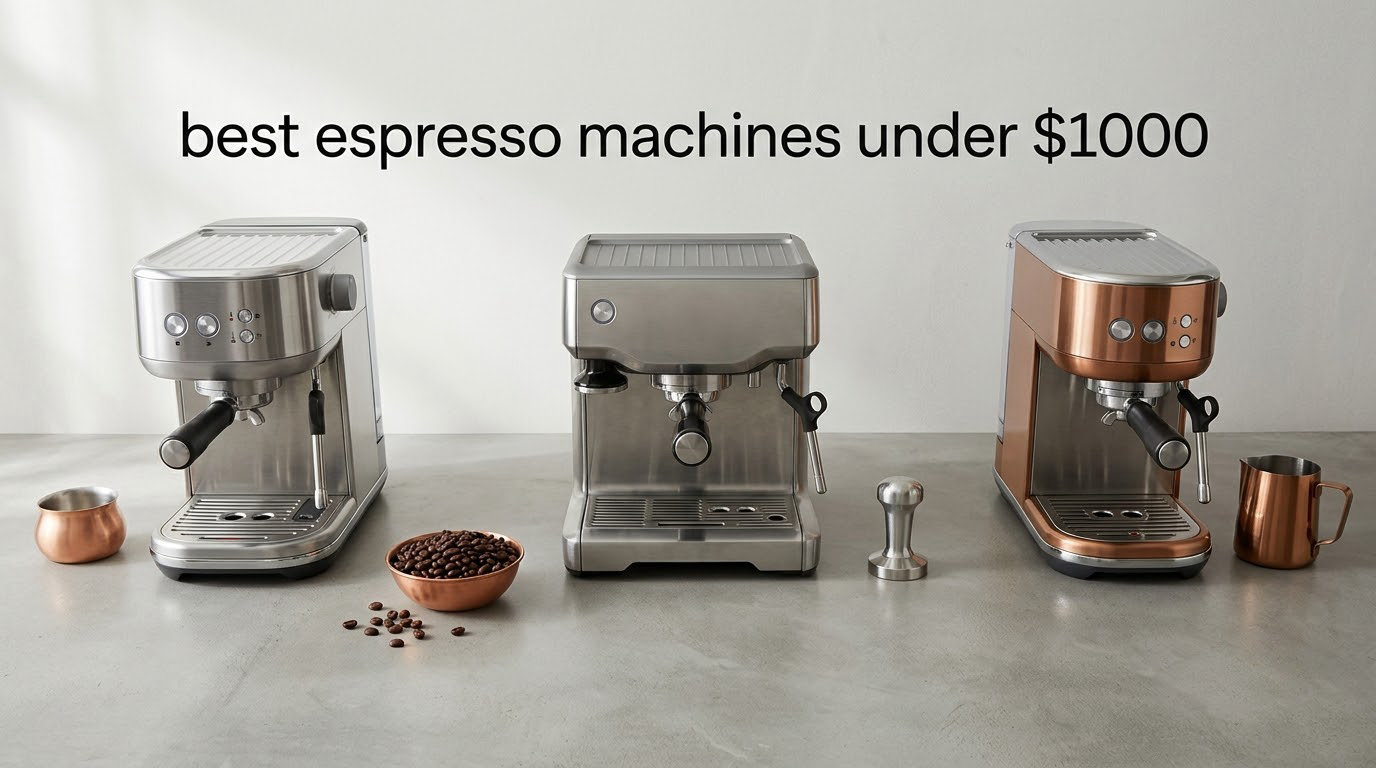
Ten machines, weeks of daily use, and one stubborn question: which espresso machine actually earns its place in a thousand-dollar budget? We spent that time with the ten sub-1000-dollar models buyers ask about most, weighing shot quality, milk capability, build, maintenance burden and how long each one is likely to last.
The short answer is that the best espresso machines at this price level are not all the same kind of machine. That budget buys you three very different experiences: a hands-on setup with a built-in grinder, a fully automatic bean-to-cup box that makes drinks while you are not looking, and a compact semi-automatic for small kitchens. The right pick depends entirely on how much hands-on work you actually enjoy.
Here is the short version before we go deep.
Best overall: Breville Barista Express — why buy: integrated conical burr grinder, PID temperature control and a manual steam wand in one body. Best for: a beginner who wants to learn real technique without a separate grinder purchase.
Best for total beginners and one-touch drinkers: Philips 3200 Series — why buy: five drinks from a single touch, a tube-free milk system that cleans in seconds, and a ceramic grinder. Best for: someone moving off drip or pod machines who wants zero technique to learn.
Best for milk drinks and latte art: Breville Barista Pro — why buy: a fast manual steam wand strong enough for microfoam plus a three-second heat-up, so you can pull a shot, steam, and pull another. Best for: cappuccino and latte drinkers who want hands-on control.
Best super-automatic: De’Longhi Magnifica Evo — why buy: seven one-touch recipes, a 13-setting burr grinder and a milk carafe that stores in the fridge. Best for: households making several milk drinks a day without touching a tamper.
So: do you want hands-on craft, one-touch convenience, or the best of both? And how many milk drinks will you make in a week? Those two answers decide most of this list.
If you are still working out whether home espresso is for you, start with our guide to the best espresso machines for beginners, which covers the setup sequence in more detail.
Table of Contents
Our Top 3 Picks: Espresso Machines Under a Grand in 2026

Breville Barista Express
- Integrated conical burr grinder
- PID temperature control
- Manual steam wand
Breville Barista Pro
- 3-second ThermoJet heat-up
- Manual steam wand for microfoam
- PID within 2C

Philips 3200 Series
- 5 one-touch drink types
- Tube-free LatteGo milk system
- Ceramic burr grinder
All 10 Best Espresso Machines Under $1000 (October 2026)
Every machine below sits at or below a 1000-dollar budget. Prices on this category swing hard through the year, so treat the ranking as the durable part and always confirm the current figure before you buy.
| Product | Specifications | Action |
|---|---|---|
| Breville Barista Express |
|
Check Latest Price |
 CASABREWS CM5418 Compact CASABREWS CM5418 Compact |
|
Check Latest Price |
| Philips 3200 Series |
|
Check Latest Price |
 Breville Barista Touch Breville Barista Touch |
|
Check Latest Price |
| Breville Barista Pro |
|
Check Latest Price |
 Chefman Crema Deluxe Chefman Crema Deluxe |
|
Check Latest Price |
 Ninja Luxe Cafe Premier Ninja Luxe Cafe Premier |
|
Check Latest Price |
 De’Longhi Magnifica Evo De’Longhi Magnifica Evo |
|
Check Latest Price |
 Ninja Luxe Cafe Pro Series Ninja Luxe Cafe Pro Series |
|
Check Latest Price |
 Philips 5500 Series Philips 5500 Series |
|
Check Latest Price |
How We Picked and Ranked These Machines
We ranked these on the five things that actually change your daily cup: grinder quality, temperature stability, steam power, build and serviceability, and the amount of upkeep the machine demands. Marketing claims came last.
Review volume mattered too. A machine with tens of thousands of reviews tells you far more about long-term reliability than a five-star sample of thirty reviews, and the warranty length was treated as a real signal because it reflects how confident a manufacturer is about its own boiler and electronics.
One principle runs through every pick: the grinder matters more than the machine. A mid-priced machine fed by a proper burr grinder will beat a pricier machine fed by stale pre-ground coffee every time. Where a machine ships without a grinder, we say so plainly rather than letting you discover it later.
We also weighed the boring stuff. Counter footprint, tank size and the drip tray emptying schedule decide whether a machine stays out on the counter or gets pushed into a cupboard by week three.
1. Breville Barista Express: Best Overall Espresso Machine Under a Grand
Breville BES870XL Barista Express Espresso Machine, Brushed Stainless Steel
1600W
Thermoblock heater
PID control
67 oz tank
1/2 lb hopper
1 year warranty
Pros
- Integrated conical burr grinder
- PID temperature control
- Manual steam wand
- Pressure gauge for dialing in
- Accessory kit included
Cons
- Regular cleaning cycles required
- Frequent tank and drip tray refills
- Grind markings are hard to read
- Cannot brew and steam at once
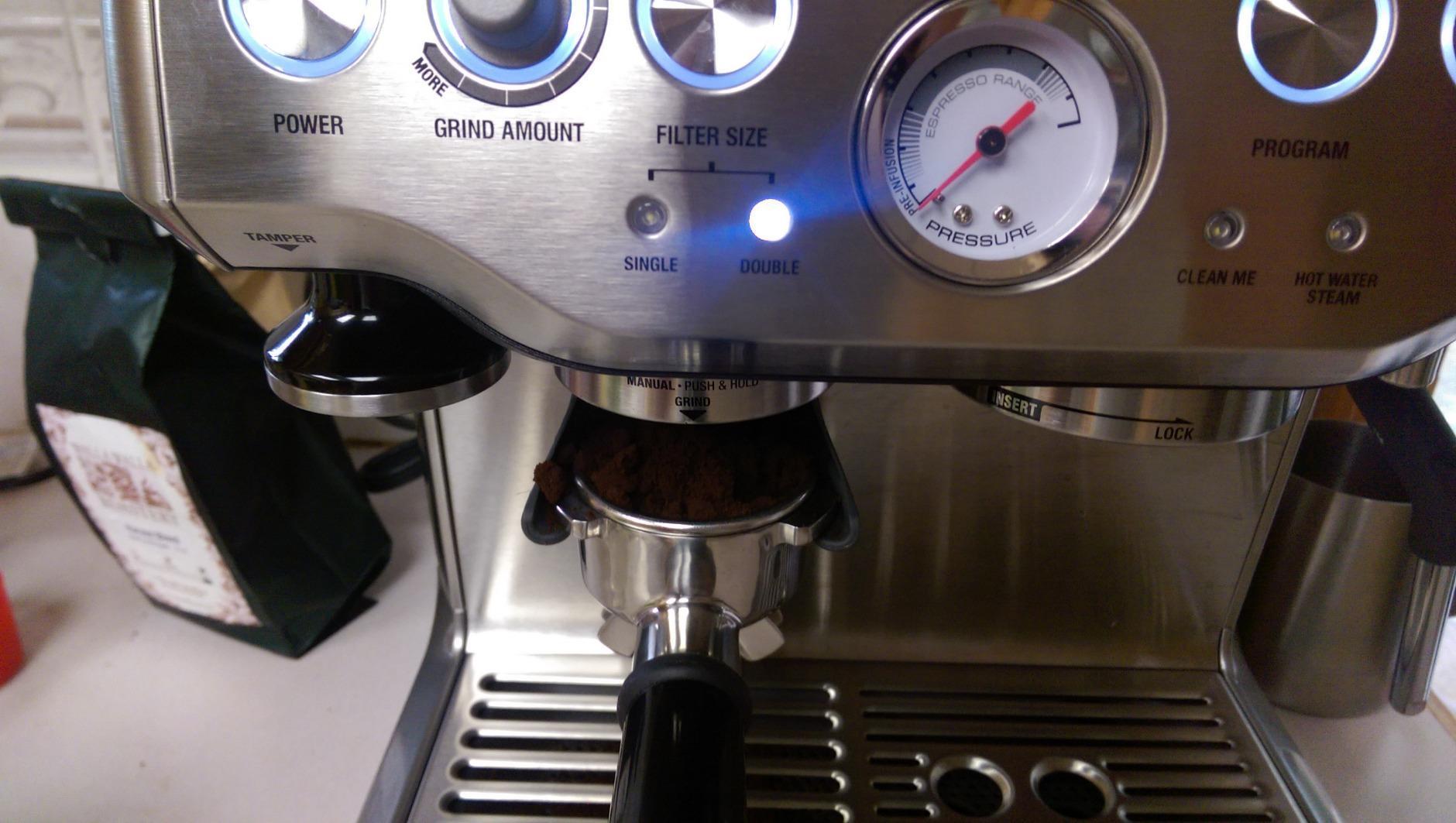
The Barista Express is the machine we recommend to almost everyone, and the reason is simple: it removes the single biggest early obstacle, which is grinding fresh coffee. The integrated conical burr grinder doses directly into the 54mm portafilter, so the whole loop from bean to cup happens on one machine at one counter.
Temperature is handled by PID control, which holds the water at a set target instead of hunting with a thermostat. That is the difference between a first attempt tasting like coffee and tasting like hot brown water, and it is the single most important feature on this list for a beginner.
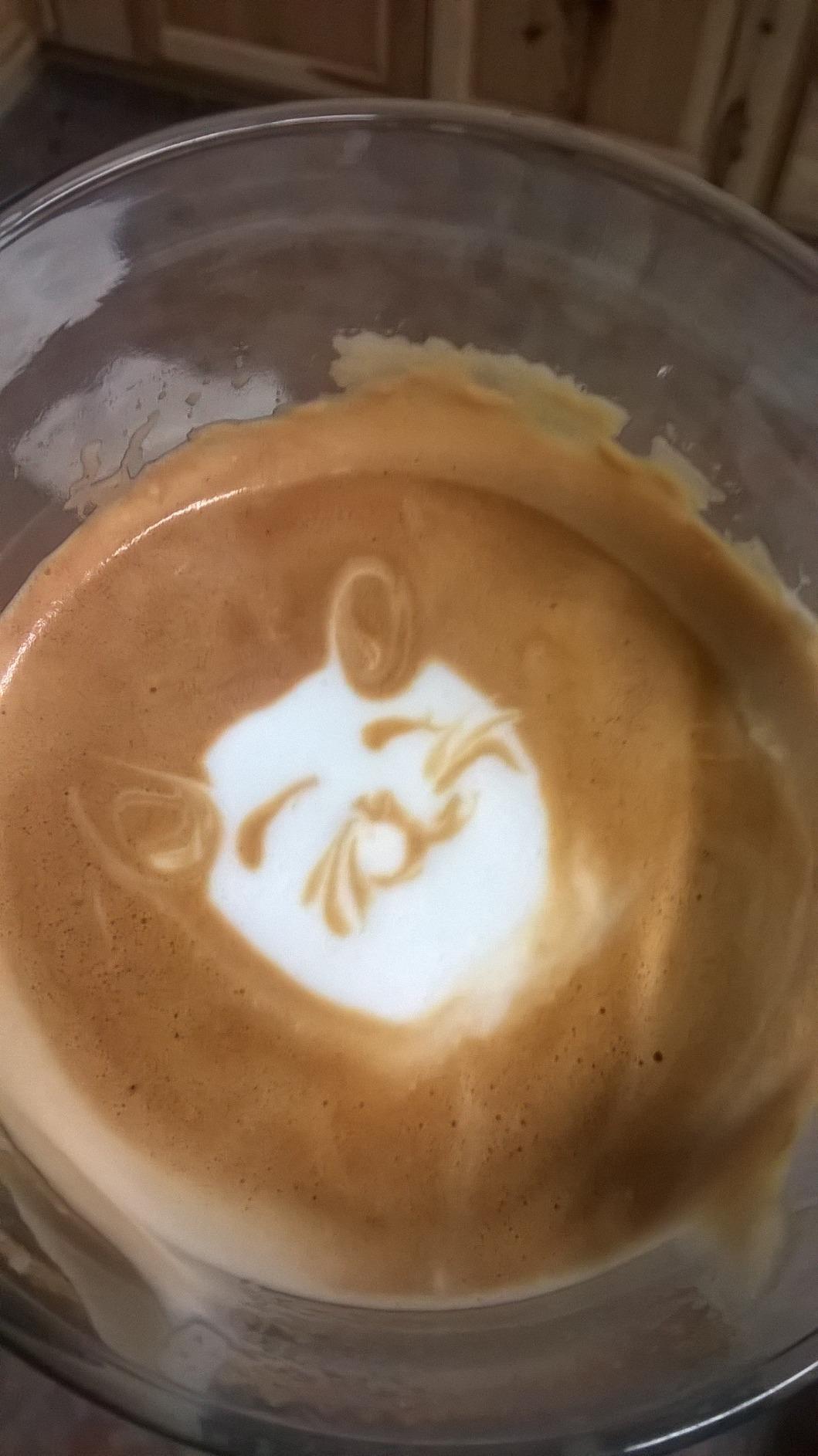
Daily use is a real workflow rather than a single button. You grind, dose, tamp, lock in, pull the shot, then steam. After several weeks that sequence stops feeling like effort and starts feeling like routine, which is exactly how we think espresso should work.
Our biggest complaint is maintenance, and we will not pretend otherwise. Backflushing, cleaning the grind chute, replacing the water filter and descaling are all on you, and skipping any of them shows up in the cup within weeks. A knock box you actually like, from our best knock box picks, makes the pucks easy to discard and the counter calmer.
What you get for the money
The accessory kit is unusually complete: a Razor dose trimming tool, both single and dual wall baskets, an integrated tamper, a stainless milk jug, a cleaning disc, tablets, a brush and a water filter. That is everything a first-time owner needs to start, with no second purchase required.
At 22.1 pounds and roughly 13.8 by 12.5 by 15.9 inches, it is a solid block on the counter. It is not small, but nothing with a grinder this capable is.
Who should skip it
Skip it if you make more than two milk drinks back to back. This is a single boiler design, so you brew first, wait for the boiler to recover, then steam, and that wait is the deal-breaker for cappuccino-heavy mornings.
Skip it too if you will not do the cleaning. There are owners running these for eight and ten years with diligent maintenance, and there are owners who abandoned them after six months of gurgling water. The machine is not the deciding factor here.
2. CASABREWS CM5418: Best Budget Espresso Machine Under a Grand
CASABREWS CM5418 Compact Espresso Machine with Milk Frothing Steam Wand
1350W
20 bar pump
34 oz tank
Pressure gauge
8.6 lbs
1 year warranty
Pros
- Very accessible entry price
- Pressure gauge for real feedback
- Compact and light at 8.6 lbs
- Steam wand can make microfoam
- 51mm portafilter included
Cons
- No grinder so pre-ground coffee required
- Small 34 oz tank refills often
- No simultaneous brew and steam
- Must cool down after frothing
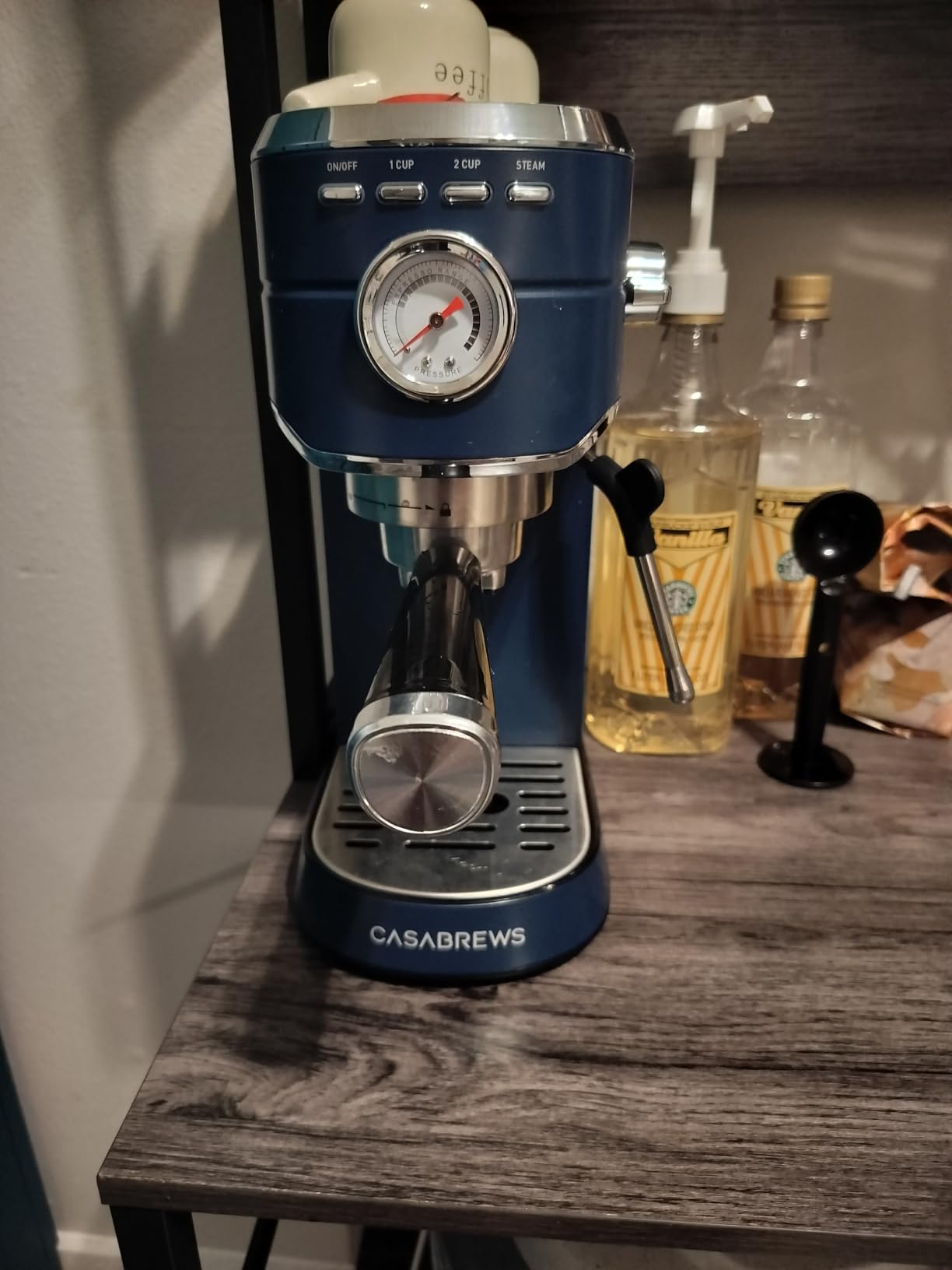
The CM5418 answers a different question than the machines around it. If your budget is a few hundred rather than a full grand, this is a genuine pump espresso machine with a pressure gauge, a proper portafilter and a steam wand, and that is more than most machines in its class give you.
The pressure gauge is the feature that stands out. Being able to watch pressure during extraction gives a beginner real feedback instead of guesswork, and it makes the dial-in process far less mysterious.
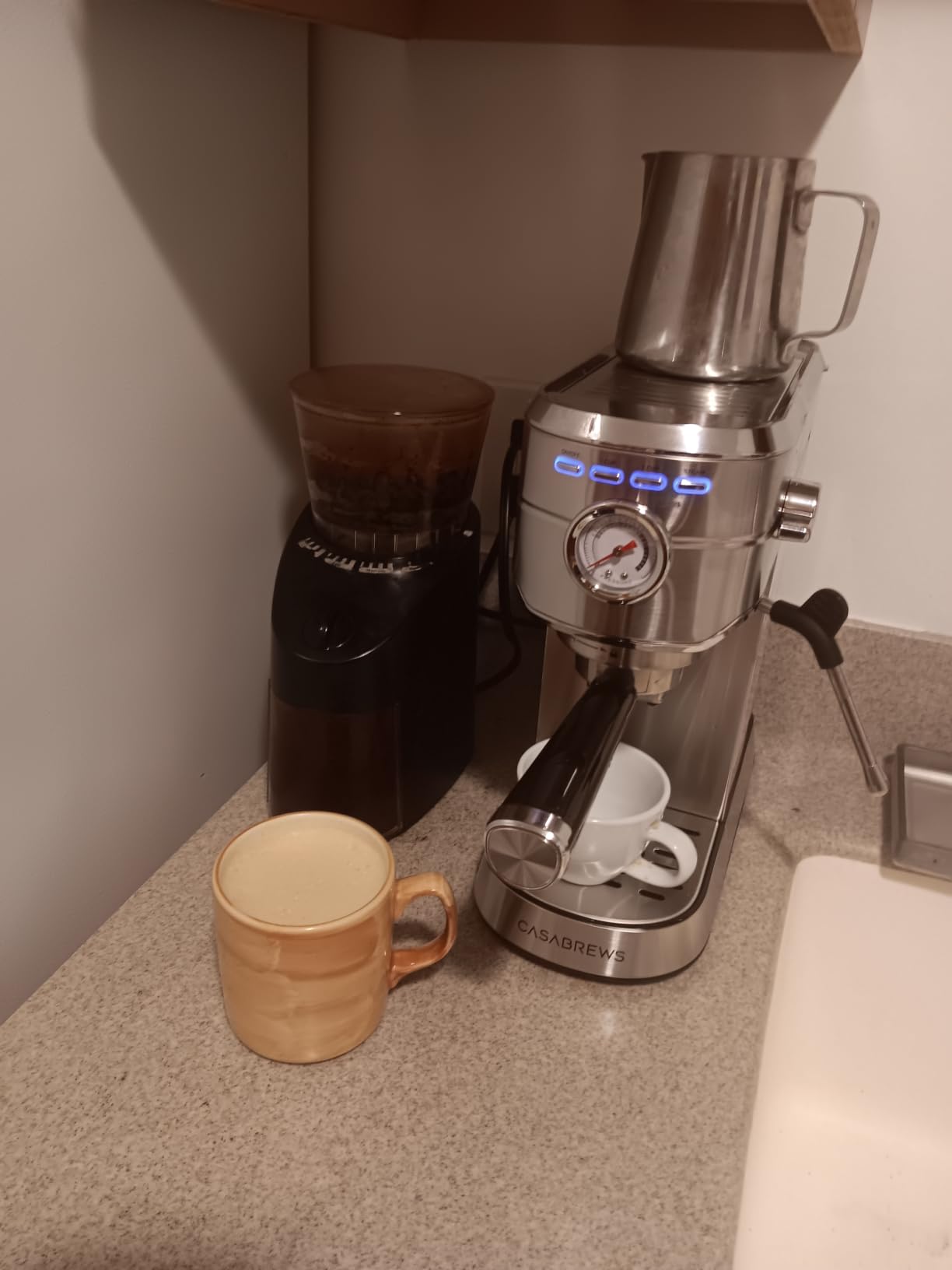
Where it falls short is the grinder. There is none, so you need a separate burr grinder or pre-ground coffee, and pre-ground coffee is the fastest way to get a disappointing cup from a capable machine. Budget for a grinder before you judge the espresso.
It is also a compact body with a 34 oz tank, so you will refill often, and the machine has to cool down after frothing before it will brew again.
What you get for the money
At 8.6 pounds and 12.28 by 5.47 by 11.97 inches, this is by far the smallest machine here, which makes it a strong pick for an apartment counter or a first espresso setup where space is the binding constraint.
The box includes the machine, a 34 oz removable tank, 51mm single and double cup filters, the portafilter, a tamper with dosing spoon, and a manual. It is a lean package but nothing essential is missing.
Who should skip it
Skip it if you plan to make latte art. The steam wand can make foam, but it is a small-boiler wand on a compact chassis, and you will be fighting the machine rather than pouring with it.
Skip it if you want back-to-back drinks. The cool-down requirement between frothing and brewing makes a two-drink morning slower than it should be.
3. Philips 3200 Series: Best for Beginners Who Want One-Touch Drinks
Philips 3200 Series Fully Automatic Espresso Machine, LatteGo Milk Frother, 5 Coffee Varieties, Intuitive Touch Display, 100% Ceramic Grinder, AquaClean Filter, My Coffee Choice, Black (EP3241/54)
1500W
Fully automatic
Ceramic grinder
5 drink types
AquaClean filter
2 year warranty
Pros
- Five drinks from one touch
- Tube-free milk system cleans fast
- Ceramic grinder is durable and quiet
- AquaClean cuts descaling
- 2 year warranty
Cons
- Plastic body and wide footprint
- Coffee tastes milder than manual shots
- Older series lacks newer features
- Less control over each shot
The Philips 3200 Series is the pick for anyone who wants espresso without wanting a project. It grinds, brews and textures milk from a single touch, and you can make espresso, coffee, americano, cappuccino or latte macchiato without touching a tamper or a portafilter.
The LatteGo milk system is the reason it earns its place here. It is a two-part system with no internal tubes, which means milk does not sit in hidden plumbing going off, and it rinses clean in about fifteen seconds.
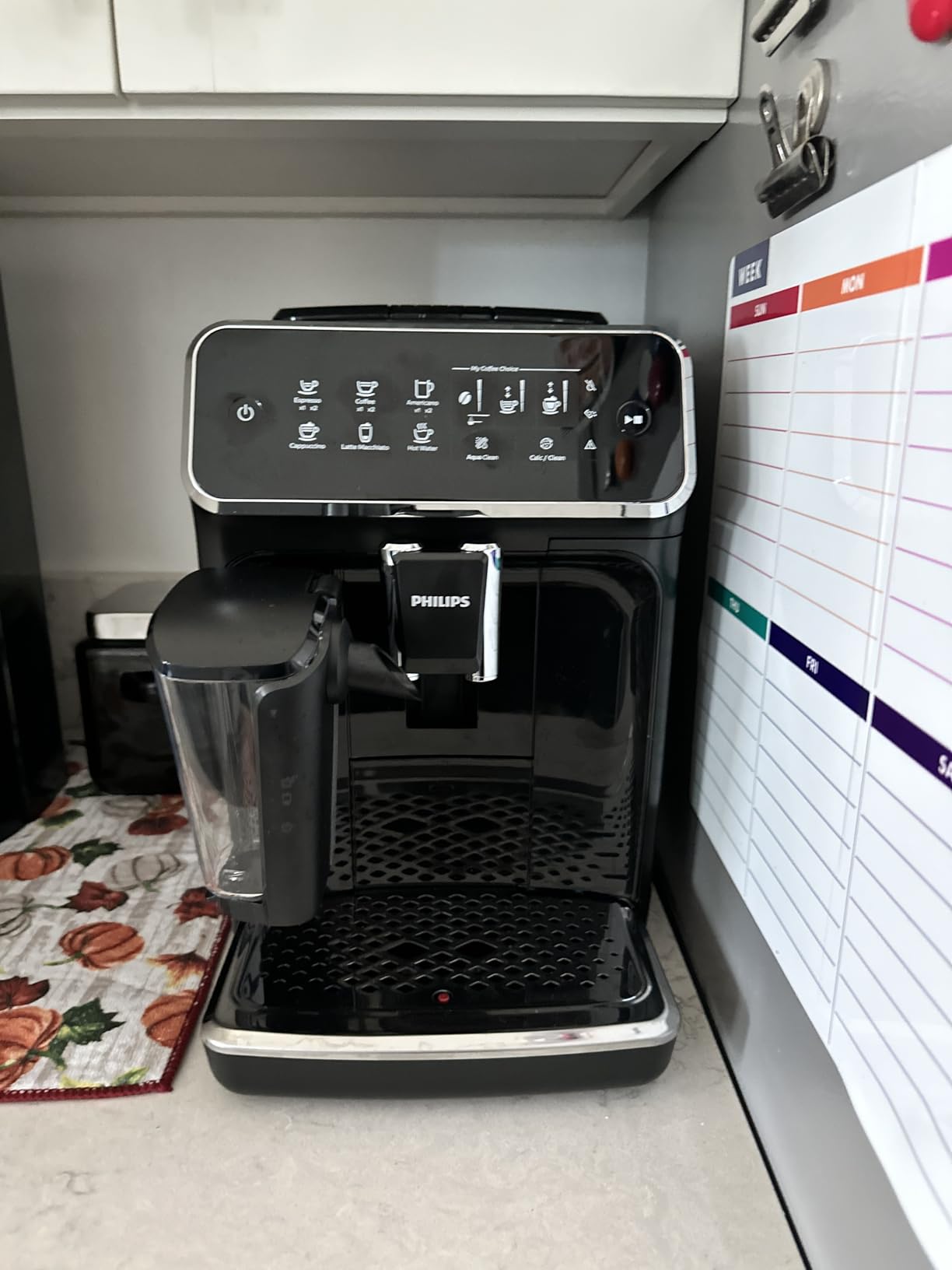
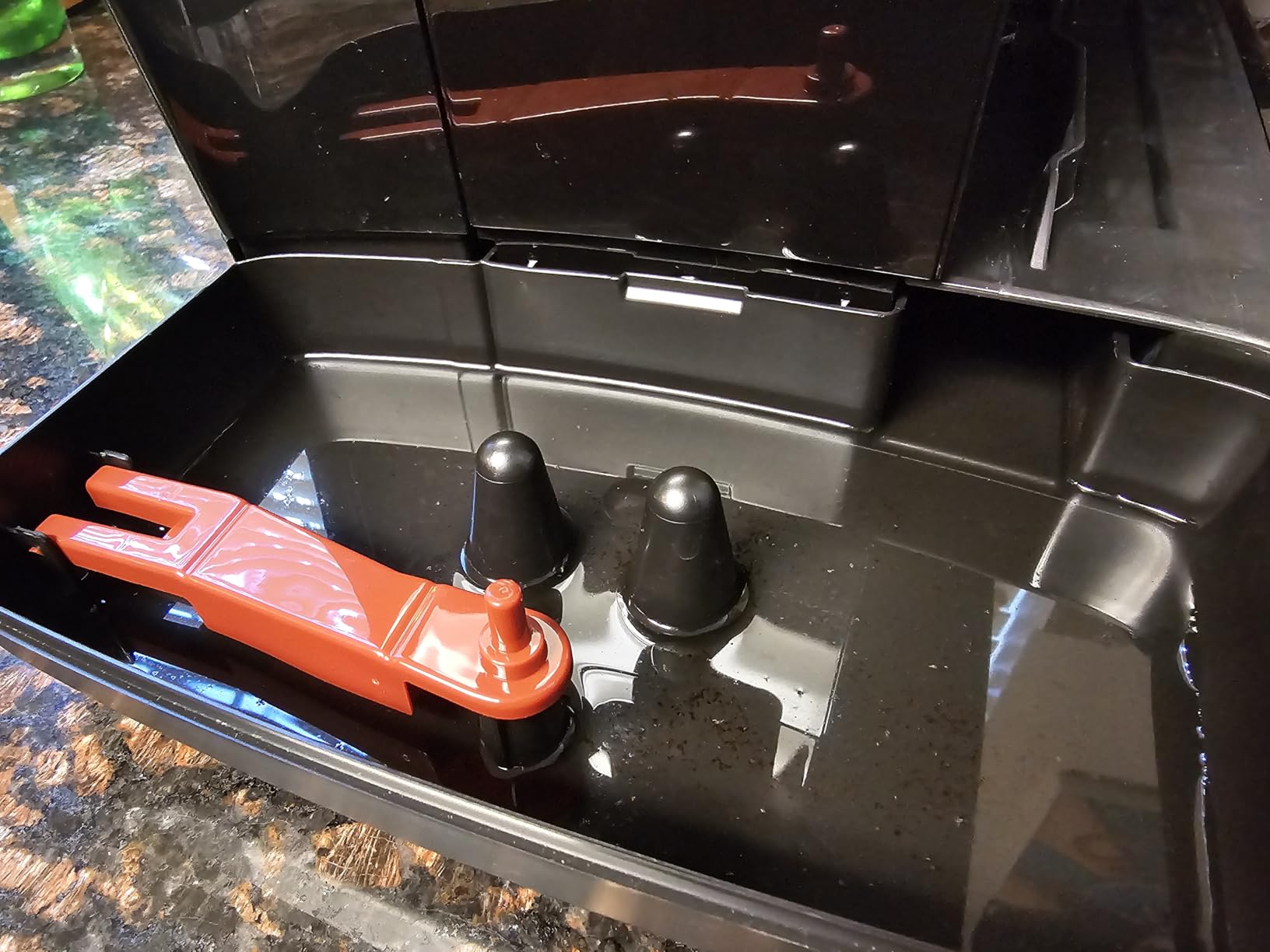
The AquaClean filter reduces how often you need to descale, and the ceramic grinder is a step up in durability from the plastic burrs found on cheaper bean-to-cup machines. Both matter for a machine you expect to keep for years.
Be realistic about what super-automatic means, though. You get less control, and reviewers consistently describe the coffee as milder than what a semi-automatic produces. That is the trade, not a defect.
What you get for the money
At roughly 10 by 17 by 15 inches it has a genuinely wide footprint, and the body is plastic. The two-year warranty is a real positive and longer than most in this roundup.
The Aroma Extract system is worth knowing about, because it is the part that manages temperature and flow to keep the cup consistent from one drink to the next.
Who should skip it
Skip it if you want to learn. There is no portafilter, no dose to adjust and no shot to dial in, so the ceiling on what this machine can produce is low no matter how good your beans are.
Also consider the footprint. The 3200 series is an older generation in this category, and if counter depth is tight, a more compact option such as one of the machines in our small kitchen picks may serve you better.
4. Breville Barista Touch: Best All-in-One With a Touchscreen
Breville BES880BSS Barista Touch Espresso Machine, Brushed Stainless Steel
1680W
ThermoJet 3-second heat-up
PID control
Touchscreen
1/2 lb hopper
2 year warranty
Pros
- Touchscreen walks you through every step
- Automatic microfoam with temperature control
- 3-second heat-up
- PID plus pre-infusion
- Stores 8 custom recipes
Cons
- Largest machine on the list at 21.8 lbs
- Automatic wand limits latte art control
- Top of the sub-1000 range
- Enthusiasts still tune by hand
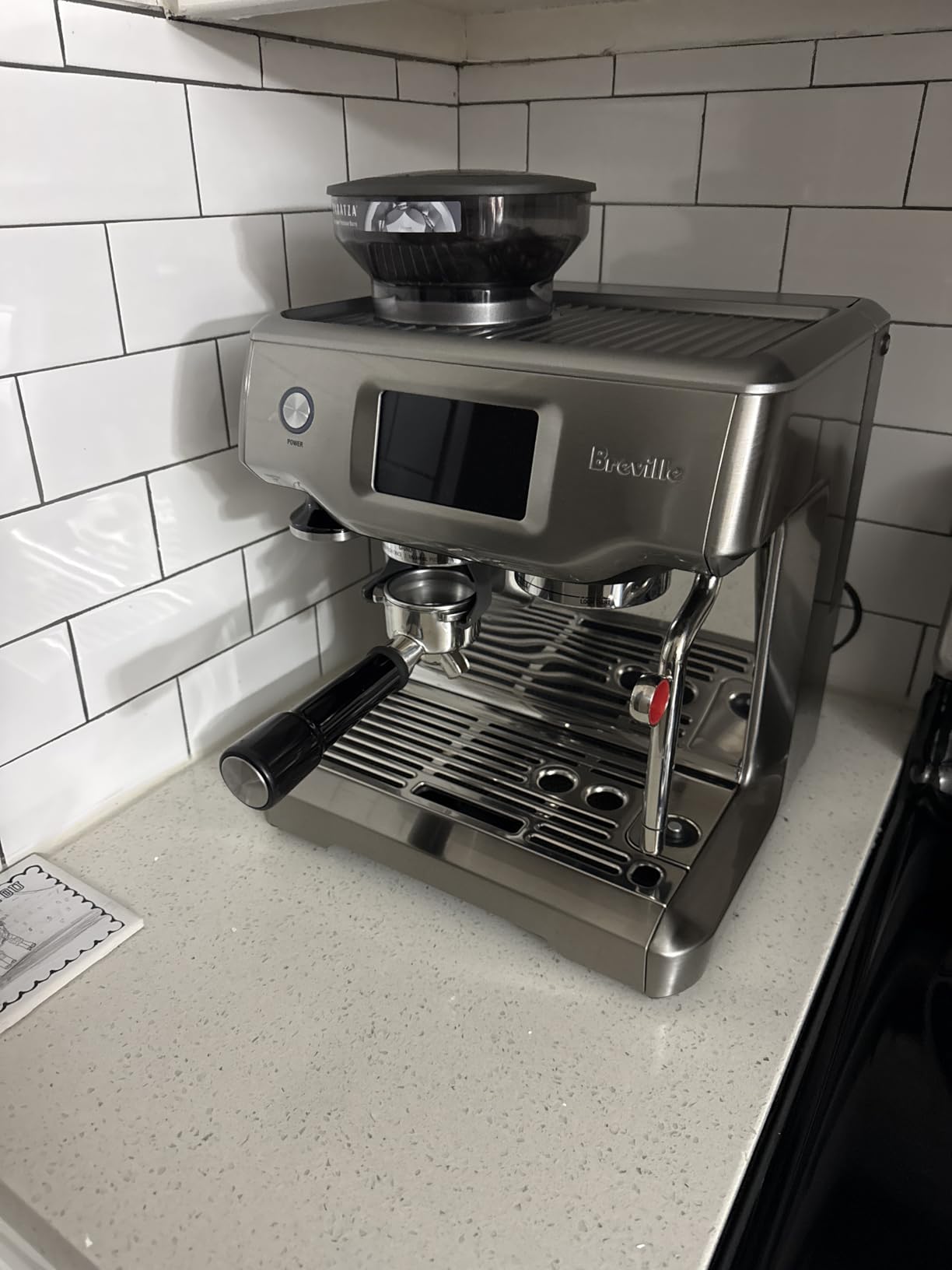
The Barista Touch takes the Barista Express formula and adds guidance. A touchscreen walks you through grind, brew and milk in order, and you can save up to eight custom recipes, which means your good settings survive a power cut.
It also solves the single most common complaint about entry Brevilles, which is the wait. The ThermoJet system reaches extraction temperature in about three seconds, so a second drink is not a warm-up project.
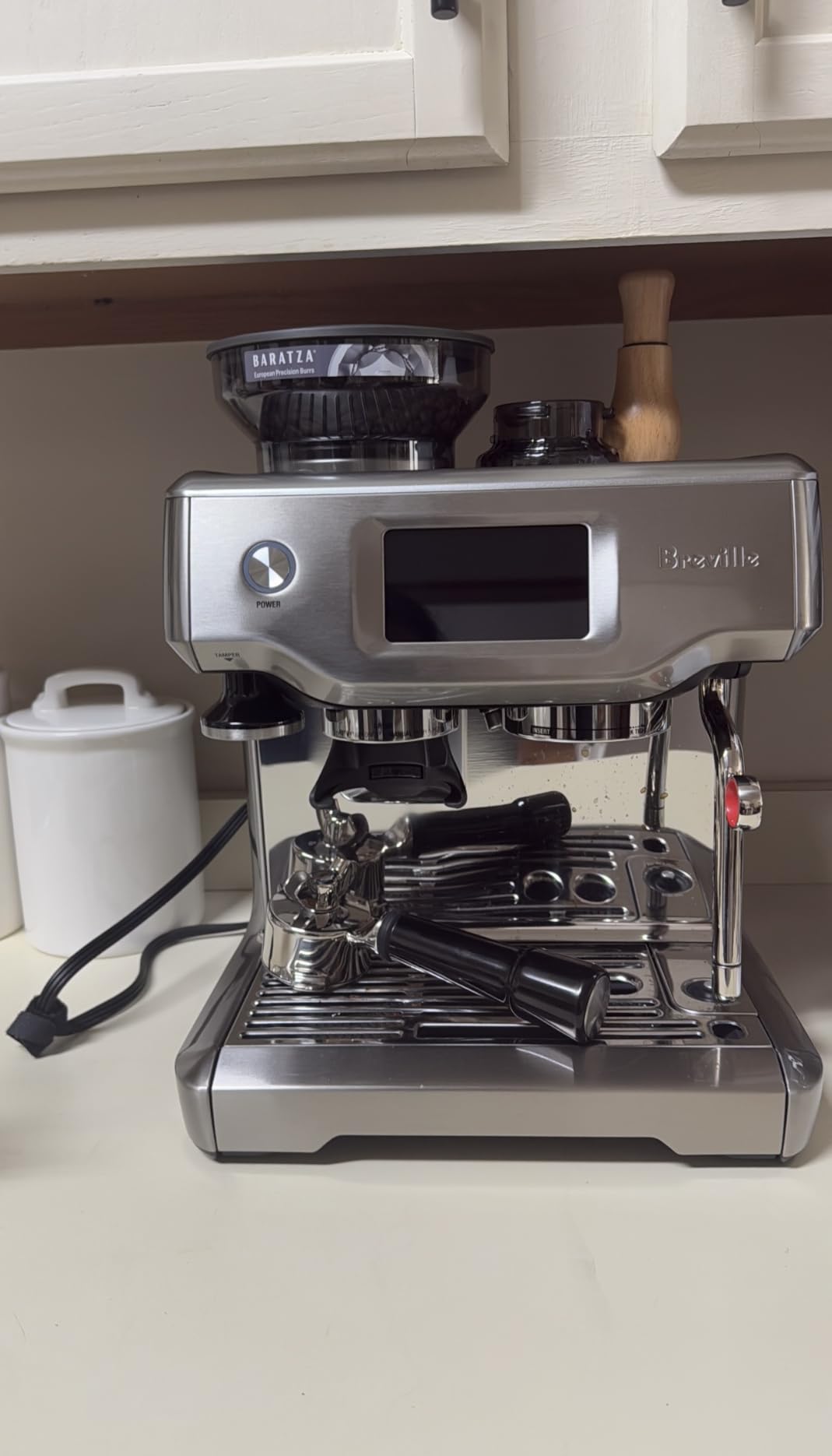
The automatic microfoam wand takes milk temperature and texture as settings rather than as technique. For a household making cappuccinos without anyone wanting to practise, that is a real saving every morning.
Where it costs you is control. The wand is automatic, and experienced users will note that a manual wand offers more range for pouring. This is the convenience-versus-craft end of the Breville line.
What you get for the money
The accessory kit is generous: a 54mm stainless portafilter, filter baskets, a 480ml jug, a ClaroSwiss water filter, the Razor tool and a cleaning kit. Five pre-programmed cafe favourites are built in alongside your eight custom slots.
At 21.8 pounds and 12.7 by 15.5 by 16 inches, this is the biggest machine on the list. Measure your counter before you commit.
Who should skip it
Skip it if you want to learn latte art properly. An automatic wand will make decent foam, but it will not teach you how to texture milk, and the guidance removes the trial and error that makes espresso fun.
Skip it if counter space is tight or if you want a manual wand at a lower tier. The Barista Pro below does the manual version for less and is the better buy if craft is the goal.
5. Breville Barista Pro: Best Espresso Machine Under a Grand for Latte Art
Breville BES878BSS Barista Pro Espresso Machine, Brushed Stainless Steel
1680W
ThermoJet 3-second heat-up
PID plus or minus 2C
30 grind settings
2 year warranty
Pros
- Powerful manual steam wand for microfoam
- 3-second heat-up
- PID within 2 degrees C
- Back-to-back shots without flavor change
- Backlit LCD and 30 grind settings
Cons
- Grinder durability questioned by some owners
- One-touch mode extracts weakly
- 54mm portafilter is non-standard
- Grinder is loud
- Needs dial-in before shots repeat
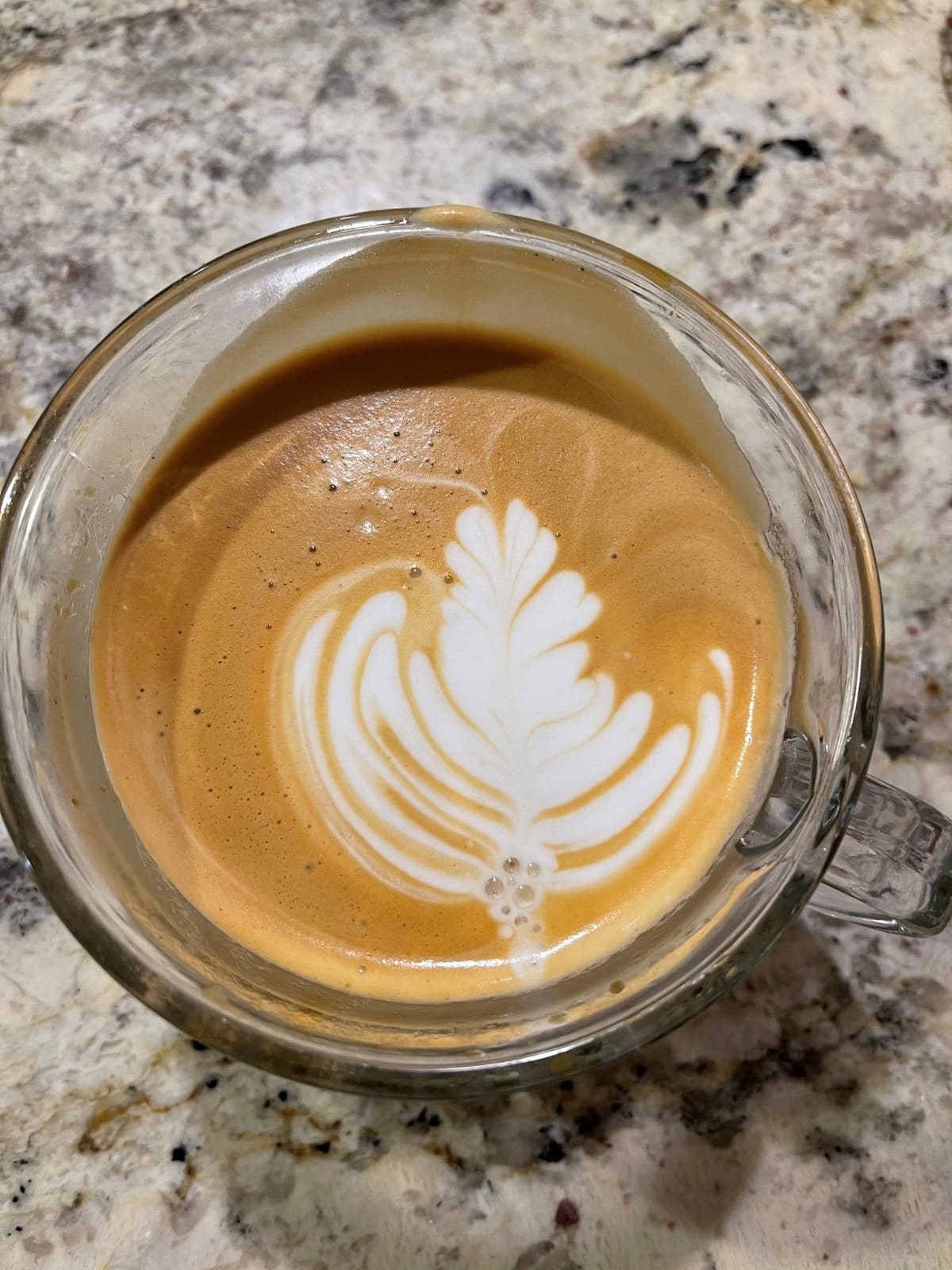
The Barista Pro is our pick for anyone whose real goal is milk drinks. The manual steam wand is powerful enough to texture microfoam quickly, which is the difference between a cappuccino and a mug of warm milk with bubbles on top.
It also handles the back-to-back problem better than its siblings. Owners report pulling a double, steaming milk, then pulling a second double with no noticeable flavor difference, and the PID holding water within about two degrees of target is why.
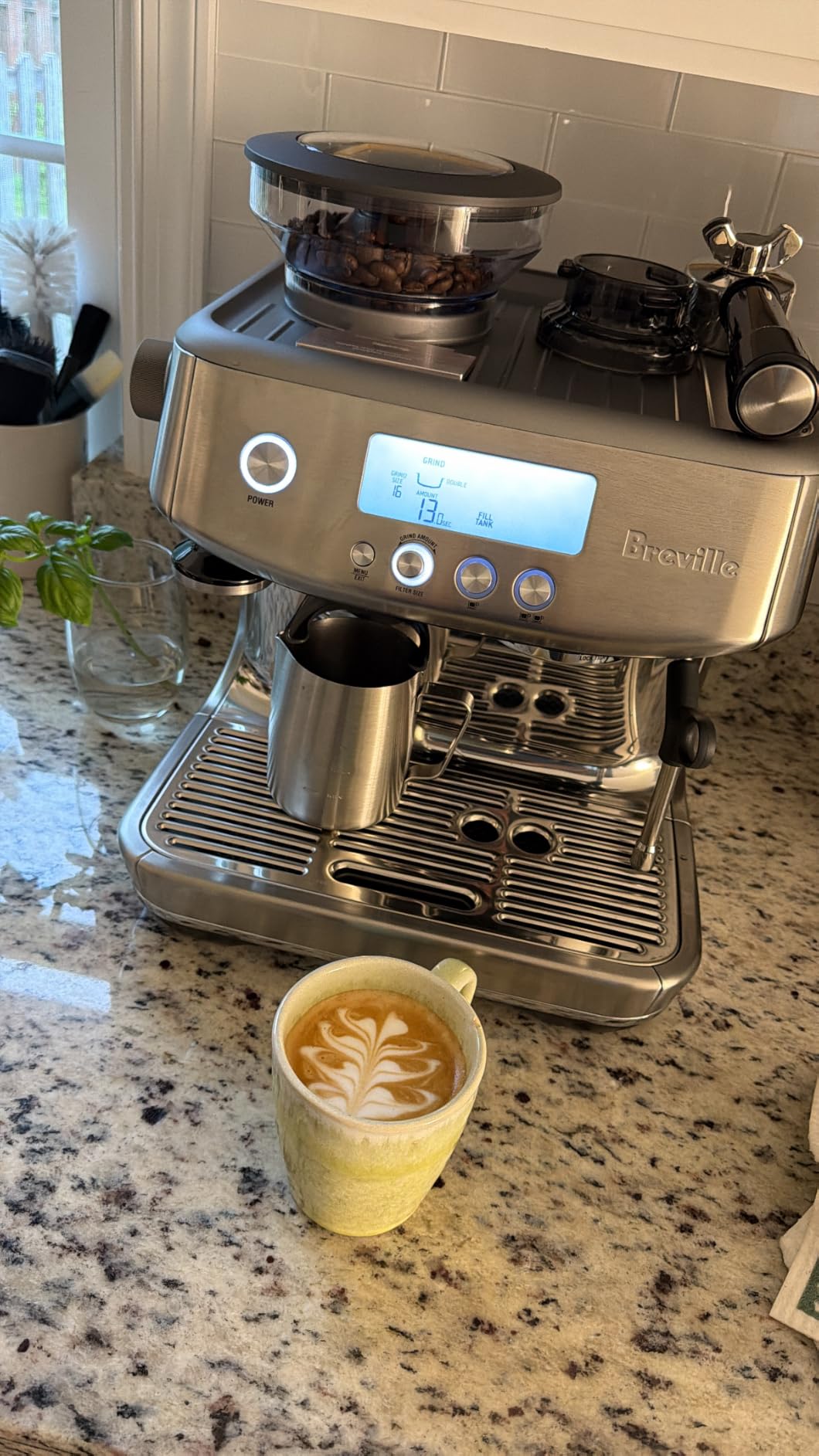
Grind adjustment is finer here too, with 30 settings on the integrated conical burr grinder and a backlit LCD that shows grind and extract animations, so you are dialing in by information rather than by feel alone.
Two honest warnings. The one-touch automatic mode is criticized for weak, non-repeatable extraction, so use manual mode. And the grinder is loud enough that early-morning use will wake the household.
What you get for the money
You get single and dual wall baskets, the Razor trimming tool, a 480ml stainless jug, a cleaning kit and a water filter. The angled hot water spout dispenses without you having to move your cup out of the way, which is a small touch you will use daily.
At 19.5 pounds and 13 by 14 by 16 inches, it is large but not the largest here. The two-year warranty is among the longest in this roundup.
Who should skip it
Skip it if you want zero involvement. Nothing about this machine is automatic in a useful way, and if you do not want to grind, dose and tamp, you will resent it within a fortnight.
Watch the grinder lifespan. Durability is questioned by some owners, and there is no substitute grinder built in, so if the burrs wear you are back to a separate grinder purchase.
6. Chefman Crema Deluxe: Best Dual Boiler Under a Grand
Chefman Crema Deluxe Espresso Machine with Double Boiler, Use Milk Frother and Brew Espresso Simultaneously, Professional Coffee Maker with Coffee Grinder and Steam Wand, 30 Grind Settings
1500W
Dual boiler
15 bar pump
58mm portafilter
3 liter tank
1 year warranty
Pros
- Brew and steam at the same time
- 30-setting conical burr grinder
- 58mm commercial portafilter
- 3 liter removable tank
- Adjustable shot volume
Cons
- Grinder and electronics failures reported
- Very loud in operation
- 29.5 pounds is hard to move
- Some plastic internals
- Foam can be bubbly
This machine exists because dual boilers normally cost far more than this budget allows. A separate brew boiler and steam boiler means you can pull a shot and steam milk at the same time, which eliminates the temperature surfing wait that slows every single-boiler machine on this list.
The 58mm portafilter is the other standout. That is a commercial-size basket, and the accessories are big enough that many third-party baskets, tampers and accessories fit, which is unusual at this price.
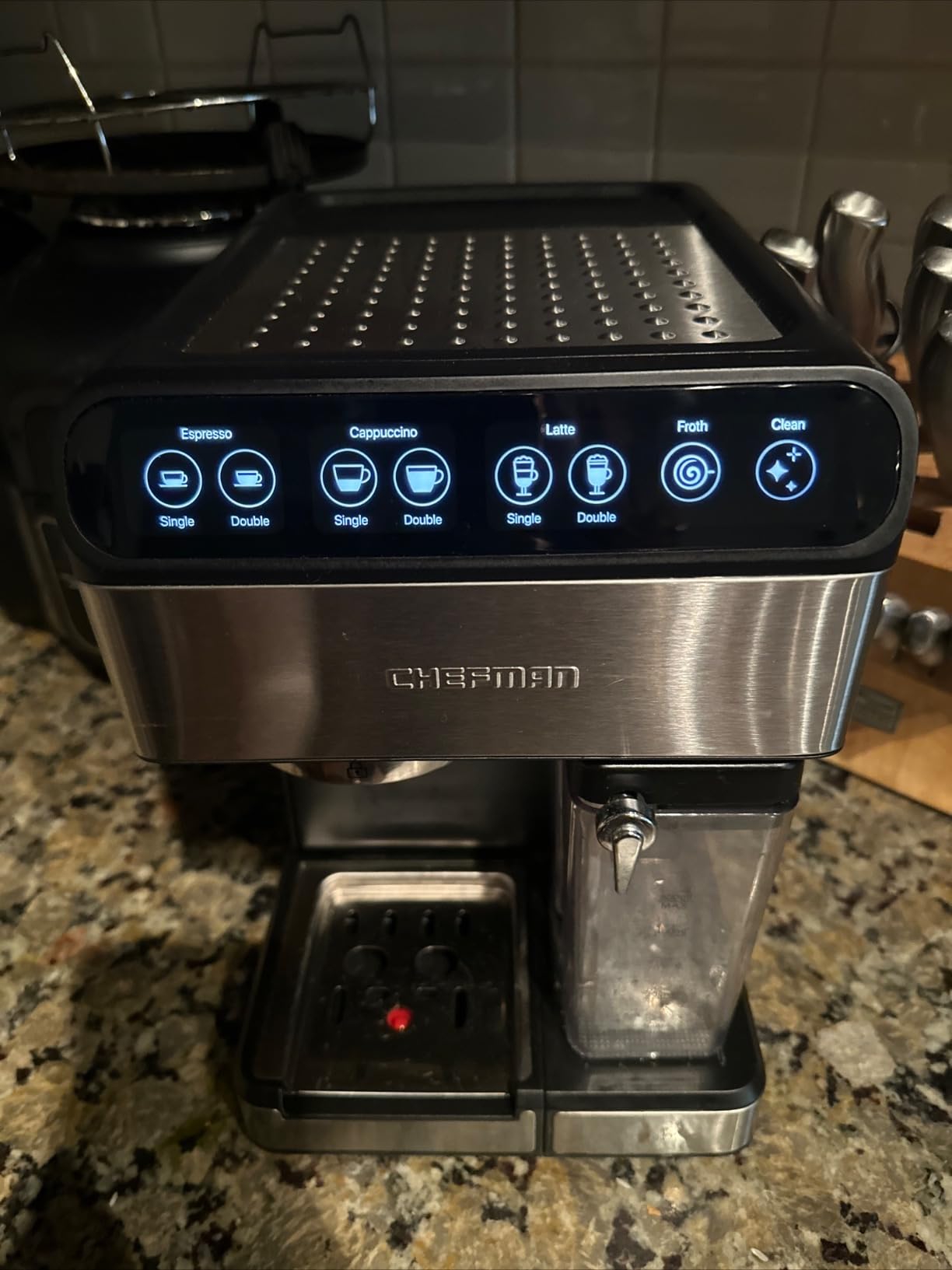
Grind range is wide too, with 30 settings on the conical burr grinder dosing straight into the portafilter, and shot temperature and volume are adjustable from ristretto through to lungo.
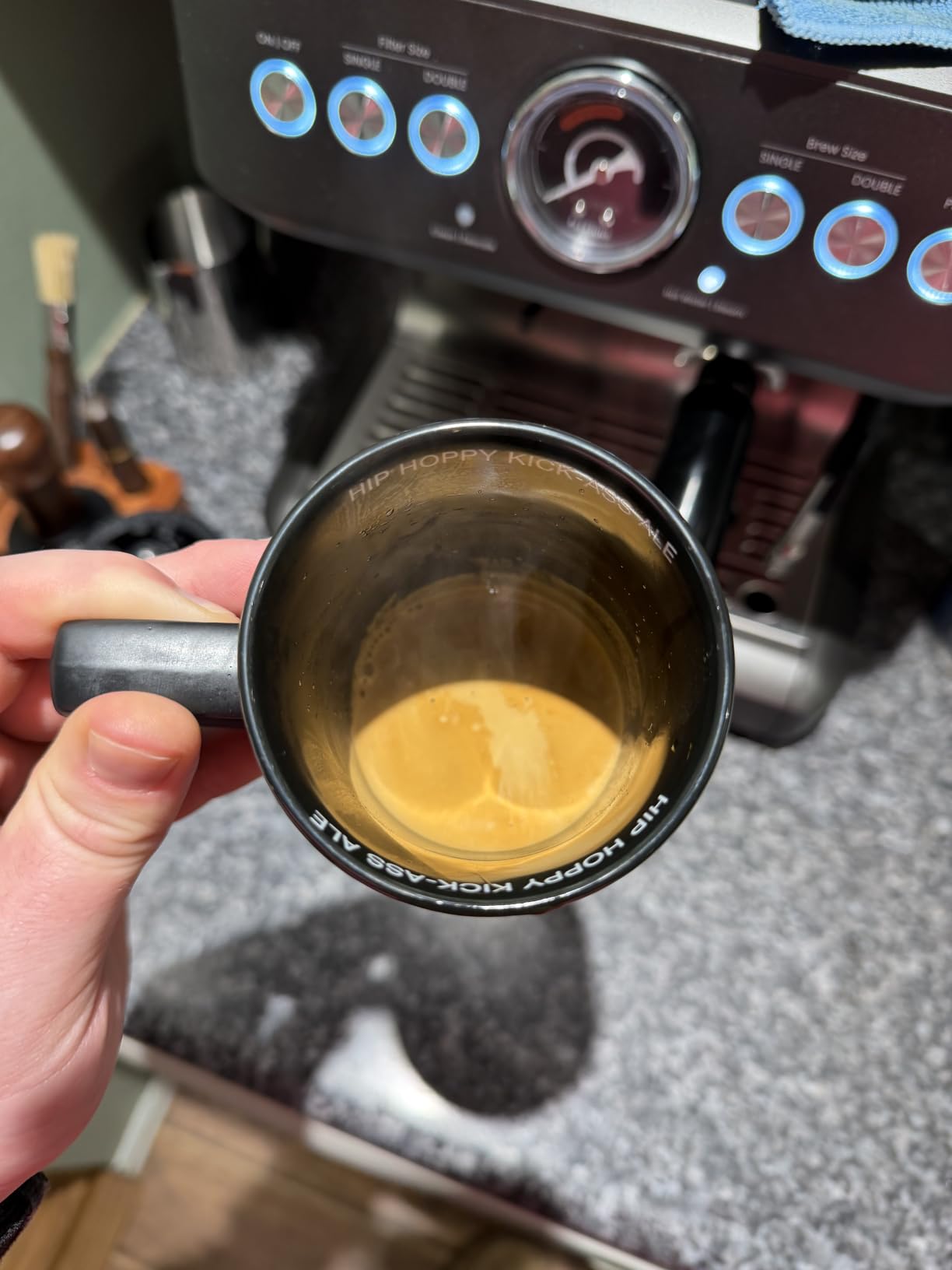
The reason it is not higher on this list is reliability reporting. Multiple reviews describe grinder, seal or control board failures within two to five months, and the one-year warranty is the shortest here.
What you get for the money
Accessories are stored in the drip tray, which is a genuinely clever space-saving touch, and the 3 liter reservoir is fully removable and larger than anything else on this list. A milk pitcher, tamper, cleaning tools and grinding funnel are included.
At 29.5 pounds it is the heaviest machine here by a wide margin, and 13.66 by 12.68 by 13.07 inches of body means you should check the route from the cupboard to the counter.
Who should skip it
Skip it if reliability is your top priority. The failure reports are specific enough that we would not build a daily milk routine around this machine without a realistic plan if it fails outside warranty.
Skip it if noise matters. It is described as loud during both grinding and frothing, which is a real issue in a small flat or an early-rising household.
7. Ninja Luxe Cafe Premier: Best for Espresso, Drip and Cold Brew in One
Ninja Luxe Café Premier 3-in-1 Espresso Machine, Drip Coffee, & Cold Brew
1650W
3-in-1 system
Barista Assist dosing
25 grind settings
Dual Froth system
Stainless body
Pros
- Espresso
- drip and cold brew in one unit
- Barista Assist guides grind and tamp
- Built-in 25-setting burr grinder
- Four froth presets plus manual
- Accessory storage built in
Cons
- Water reservoir refills constantly
- Drip tray fills with no drain
- Crema is thinner than rivals
- Some plastic internal parts
- Grind suggestions miss some beans
The Luxe Cafe Premier is the pick if you are replacing more than one appliance. It does espresso, drip coffee and cold brew from a single unit, and the drip side covers six through eighteen ounce servings, which is genuinely useful for households where not everyone drinks espresso.
Barista Assist Technology is the feature worth understanding. It recommends a grind size, assists tamping, and manages temperature and pressure for you, so a beginner can get a repeatable shot without learning the variables first.
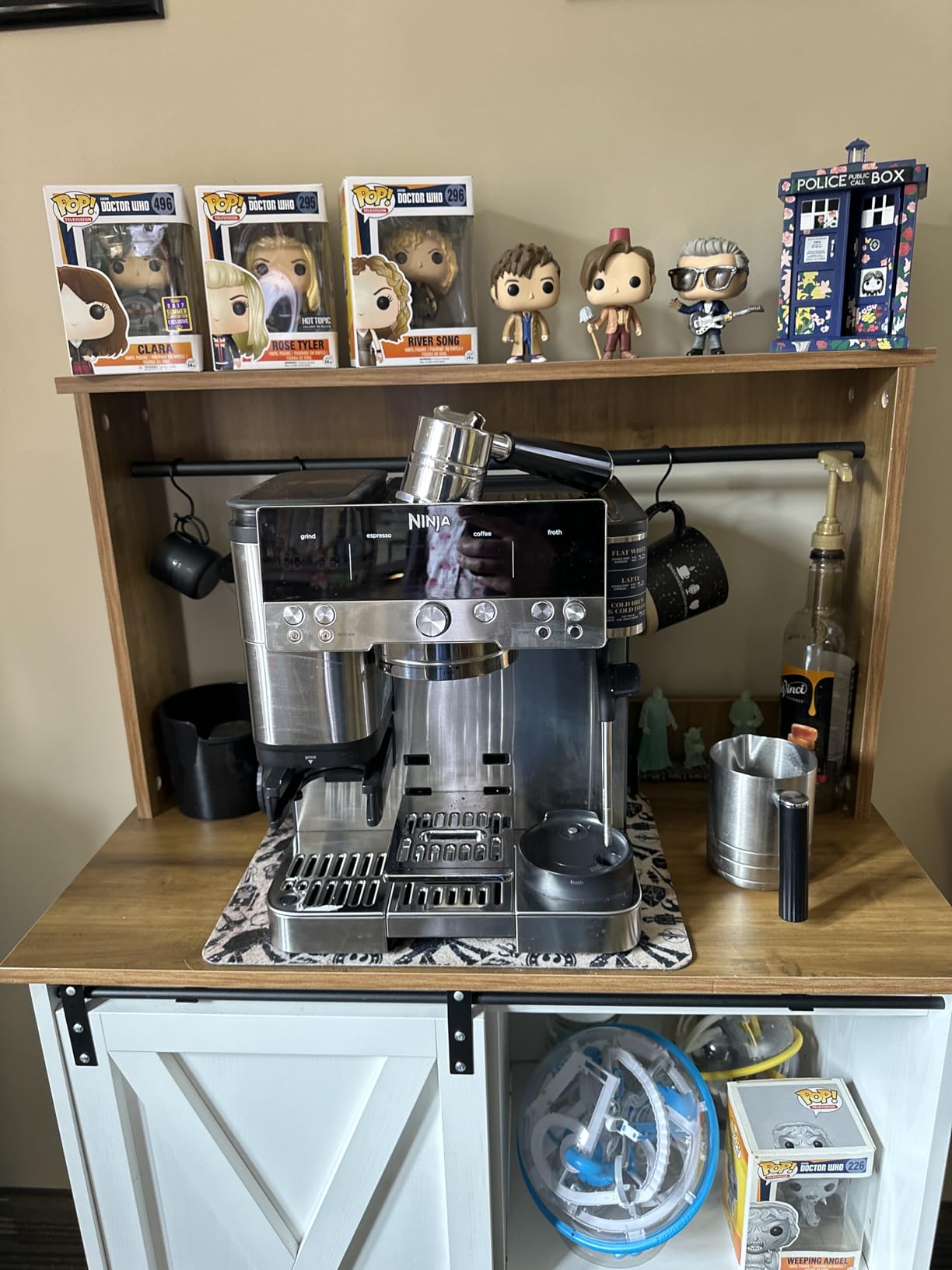
The Dual Froth System combines a spinning whisk with an automatic steamer and offers four presets plus manual, which is unusually flexible for a machine this approachable.
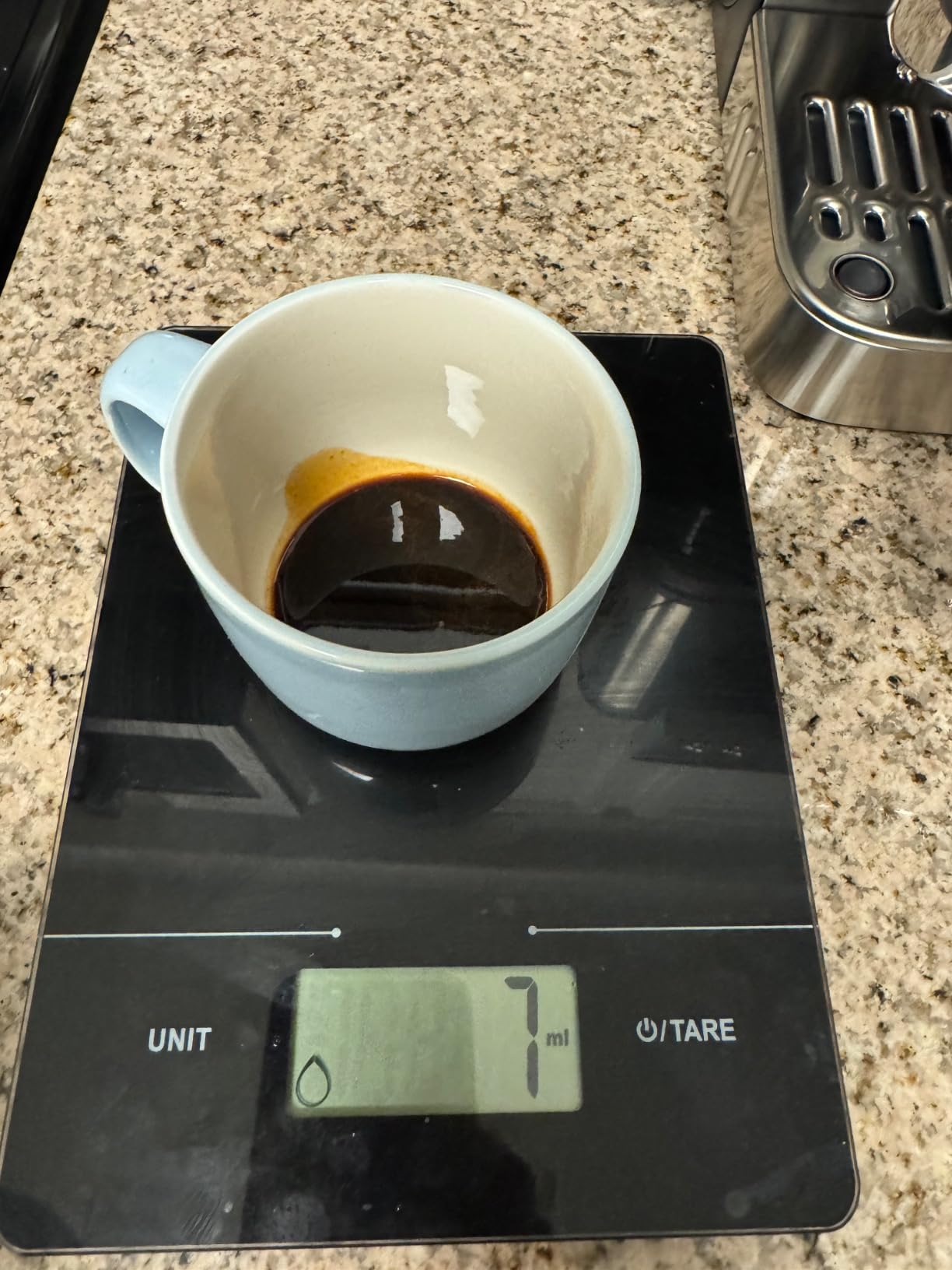
Water management is where it frustrates people. The reservoir footprint is large relative to its capacity so it refills often, and the drip tray fills quickly with no drain line to a sink.
What you get for the money
It is 4.4 pounds, which is by far the lightest machine here, and that matters if you are moving it in and out of a cupboard. Cold pressed espresso works for martinis and iced lattes, and accessory storage keeps the counter tidy.
The package is complete: portafilter, milk jug, double basket, Luxe basket, assisted tamper, brush, cleaning disc, funnel, descaling powder, tablets and a water hardness test kit.
Who should skip it
Skip it if crema thickness is what you care about most. Reviewers repeatedly describe the espresso crema as thinner than competing machines produce, and that is a fixed characteristic, not a setting.
Also skip it if you are serious about learning. The assistance is the product. Once you outgrow guidance, you have less to work with than a plain manual machine.
8. De’Longhi Magnifica Evo: Best Super-Automatic Espresso Machine Under a Grand
De’Longhi Magnifica Evo Automatic Espresso Machine, Milk Frother, Silver
1250W
15 bar
13 grind settings
Fully automatic
LatteCrema system
2 year warranty
Pros
- Seven one-touch recipes
- 13-setting conical burr grinder
- LatteCrema handles dairy and plant milks
- Carafe stores in the fridge
- Over Ice recipe built in
- 2 year warranty
Cons
- Nearly 20 inches deep and 21.2 lbs
- Burr grinder and boiler are loud
- Purges water before and after each drink
- Daily cleaning of carafe and brew unit
- Espresso tastes lighter than manual shots
The Magnifica Evo is the most capable bean-to-cup machine in this roundup, and if you want a super-automatic specifically, it is the one to buy. Seven one-touch recipes cover espresso, cappuccino, latte macchiato, coffee, hot water and iced coffee, plus a My Latte slot for your own recipe.
The LatteCrema system is a step up from the usual automatic frothers. It handles dairy and plant milks, and the carafe detaches and stores in the fridge, which stops the milk sitting warm all morning.
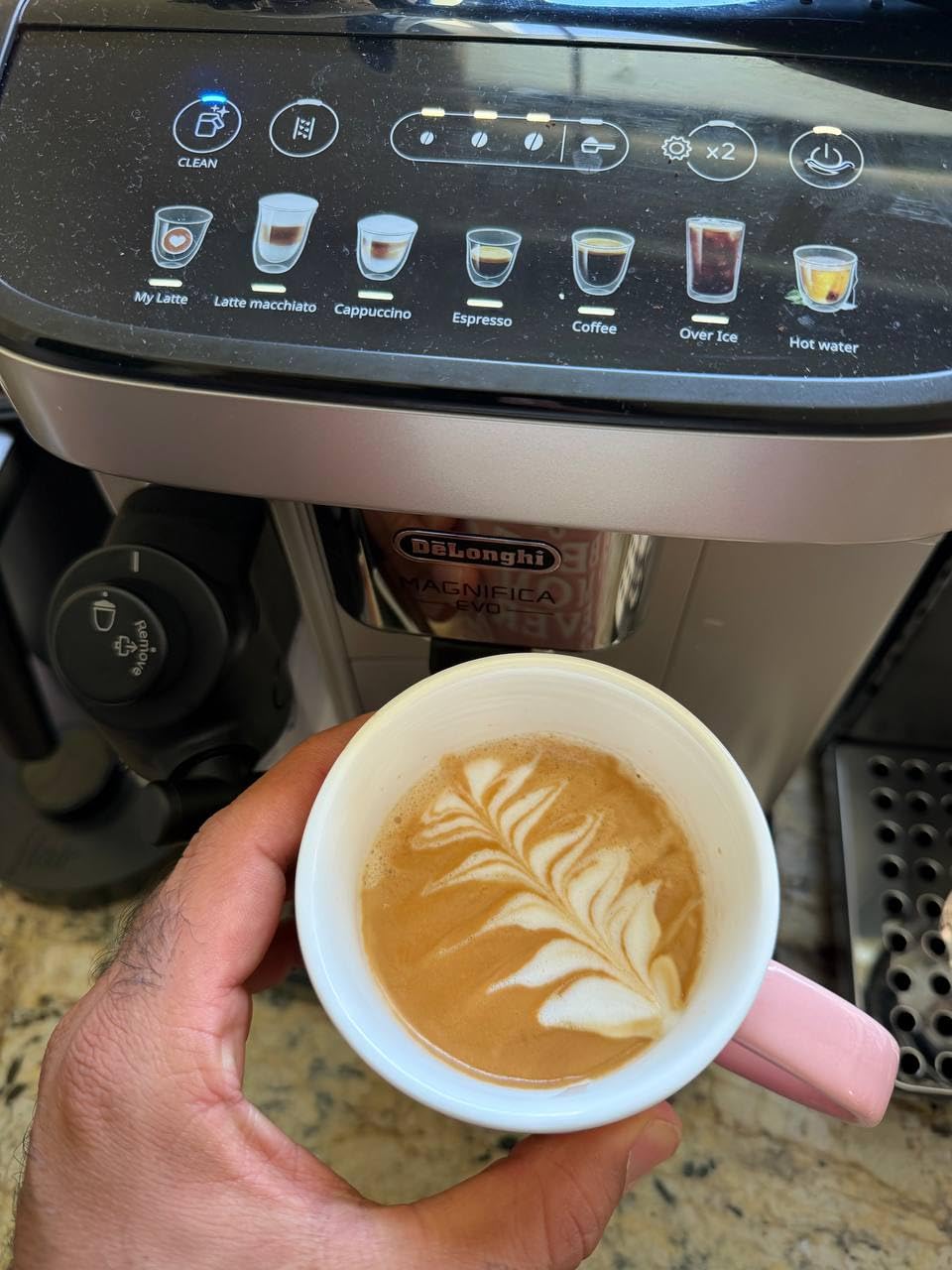
Removable dishwasher-safe parts and an auto clean function handle most of the upkeep, and the 13-setting burr grinder gives reasonable consistency for a fully automatic.
Size is the trade-off you accept. At nearly 19.5 inches deep and 21.2 pounds, it is the largest footprint here, and the water purges before and after every drink fill the drip tray quickly.
What you get for the money
Strength, volume, temperature and froth are all customisable rather than fixed, and a carbon filter, hardness test, cleaning brush, removable water spout and milk carafe are included in the box.
The two-year manufacturer warranty is tied for the longest here, and a small number of reviews report descaling cycles that failed to resolve faults, so keep your proof of purchase.
Who should skip it
Skip it if counter depth is under about 20 inches. This machine is designed for a dedicated coffee station, not a small kitchen counter with a toaster on it.
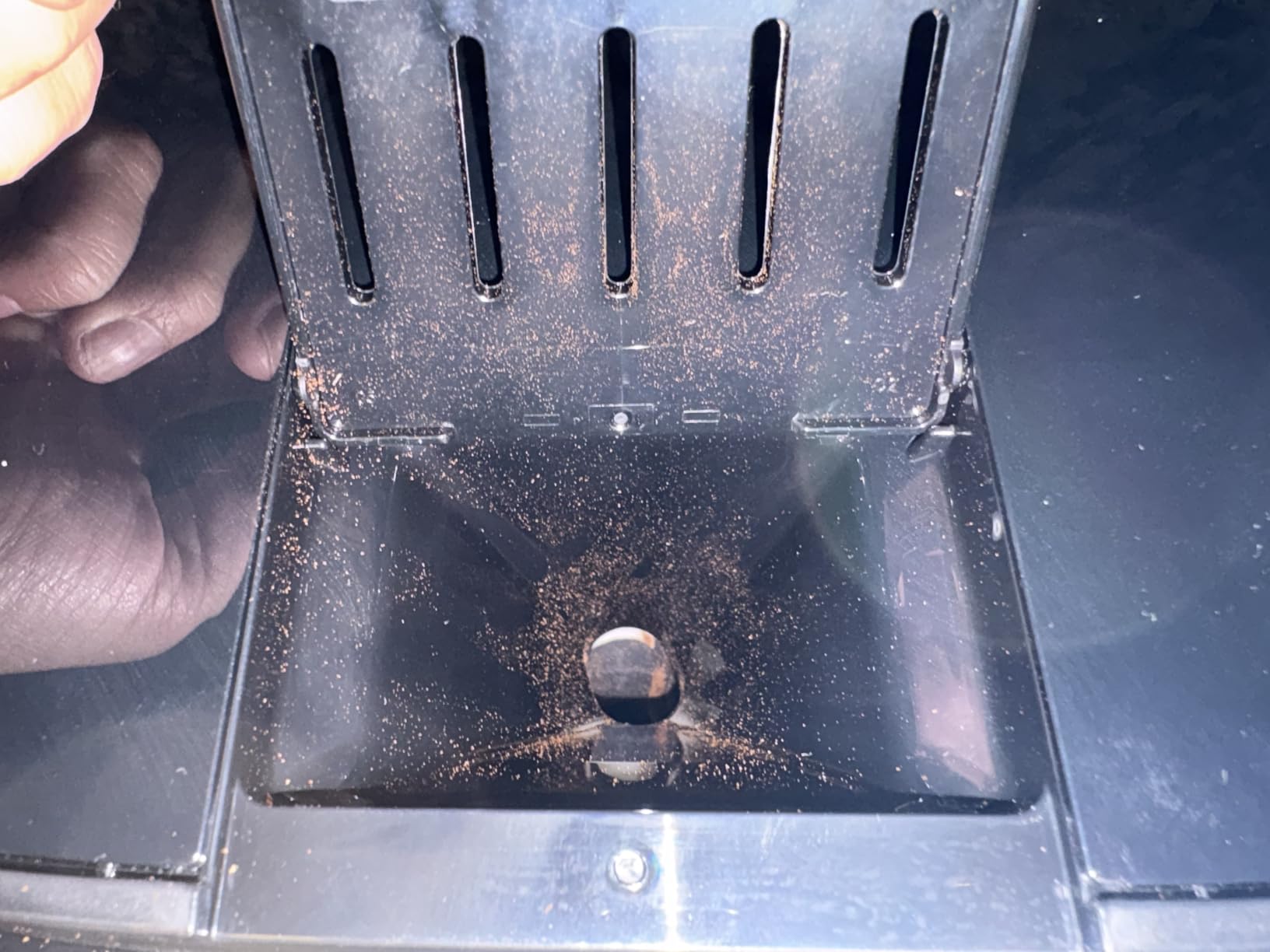
Skip it if you are bothered by cleaning. Unlike the Philips machines here, the brew unit, grounds bin and milk carafe all need daily attention, and skipping it is how bean-to-cup machines start to taste stale.
9. Ninja Luxe Cafe Pro Series: Best for Built-In Scale and Levers
Ninja Luxe Café Pro Series, Espresso, Cold Brew, Hot Water, ES701
1650W
4-in-1 system
Built-in scale
Lever-assist tamper
25 grind settings
68 oz tank
Pros
- Five espresso styles plus drip
- cold brew and hot water
- Integrated lever-assist tamper
- Built-in scale for weight-based dosing
- Five froth presets with insulated wand
- Quiet grinding and brewing
- Dishwasher-safe parts
Cons
- Drip tray fills with no drain
- Crema is thin
- 27.1 pounds and bulky
- Some PVC plastic parts
- Grind advice misses some beans
The Pro Series is the Luxe Cafe with one genuinely important addition: a built-in scale. That means weight-based dosing, where the machine grinds until it hits a target mass rather than a timer, and it is the closest thing to manual control in this entire roundup without you buying separate equipment.
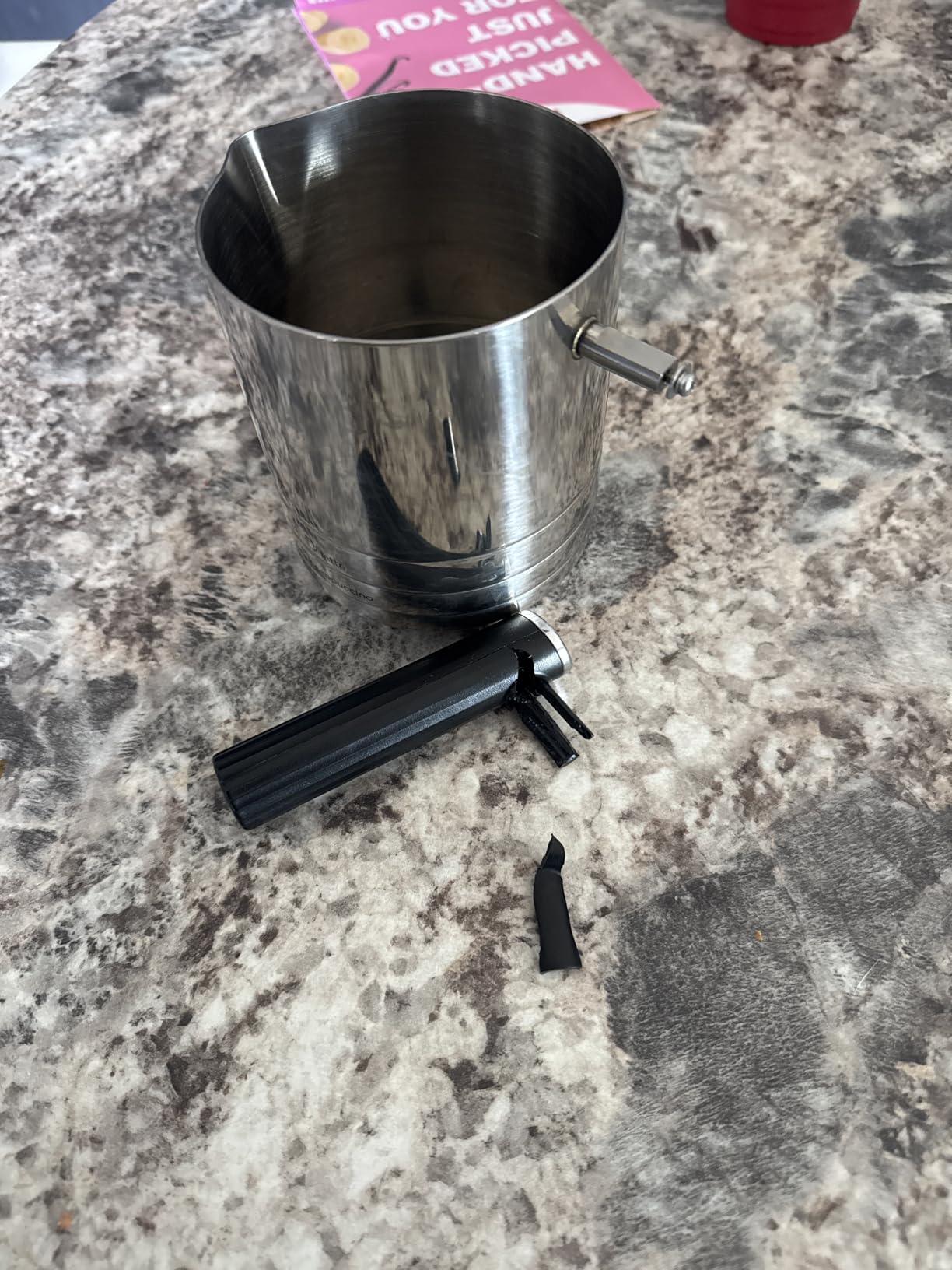
The lever-assist tamper is the second upgrade. It removes the need to measure or tamp by hand entirely, which removes the biggest source of mess in a beginner workflow and the main reason home shots taste inconsistent.
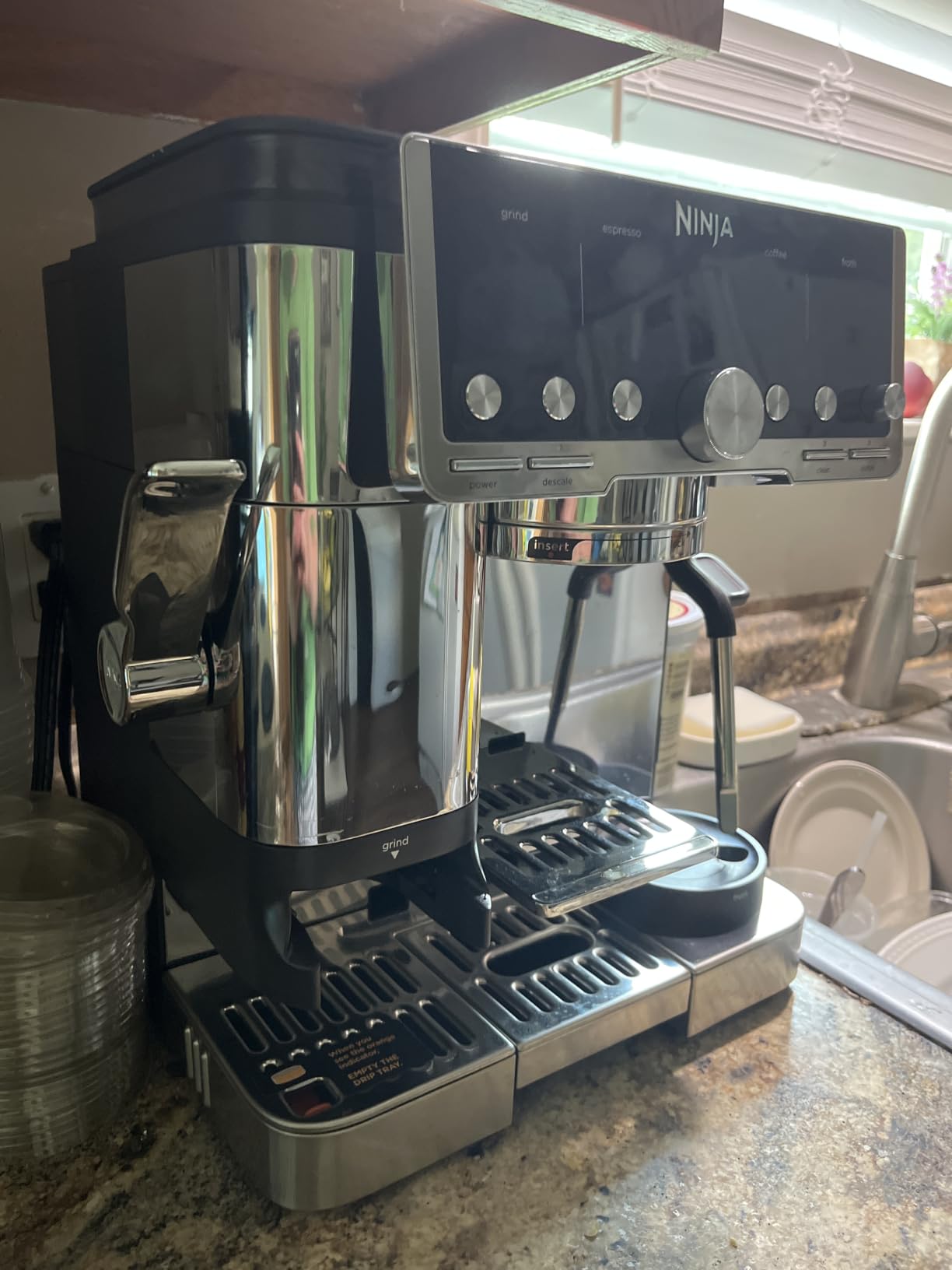
Espresso variety is the widest here: single, double, quad, ristretto and lungo, plus three drip styles, two cold brew styles and an independent hot water system. The Dual Froth System Pro adds an insulated steam wand, an XL jug and five froth presets.
Reviewers also single out the noise. This is described as quiet through both grinding and brewing, which is a real difference if your kitchen is next to where you sleep.
What you get for the money
The 68 oz tank is the largest capacity in this roundup, and Barista Assist Technology recommends grind size and adapts after each brew rather than being a fixed recipe.
Storage is built in for brew baskets, the brush and the cleaning disc. At 27.1 pounds it is heavy, and a few reviews report machines arriving defective or leaking, so check the unit promptly on arrival.
Who should skip it
Skip it if you want a pure espresso setup. The extra drip and cold brew capability adds bulk and complexity, and a dedicated espresso machine plus a normal drip brewer may serve you better for less.
Skip it if you want a traditional manual workflow. Everything here is designed to remove the hands-on steps, so the people who love tamping and dialing in will find it frustrating.
10. Philips 5500 Series: Best for Quiet Use and Saved Profiles
PHILIPS 5500 Series Fully Automatic Espresso Machine, LatteGo Milk System
1500W
Fully automatic
15 bar
20 presets
4 user profiles
1.8 liter tank
Pros
- 20 presets including iced coffee and hot water
- Four user profiles save preferences
- LatteGo 3-part system cleans in 10 seconds
- SilentBrew runs 40 percent quieter
- 3-second QuickStart
- Compact body
Cons
- Doses a small amount per shot
- Small tank for heavy households
- Grind tuning takes time
- Pre-ground bypass can be weak
- Occasional missing parts
The Philips 5500 Series is the most capable of the bean-to-cup machines here, and the SilentBrew system is the reason it earns a place. It is certified 40 percent quieter than earlier Philips models, which in practical terms means you can use it early without the whole household hearing the grinder.
The four user profiles are underrated in a shared home. Each person can save their own strength, volume and milk preferences, and everyone stops negotiating about the settings.
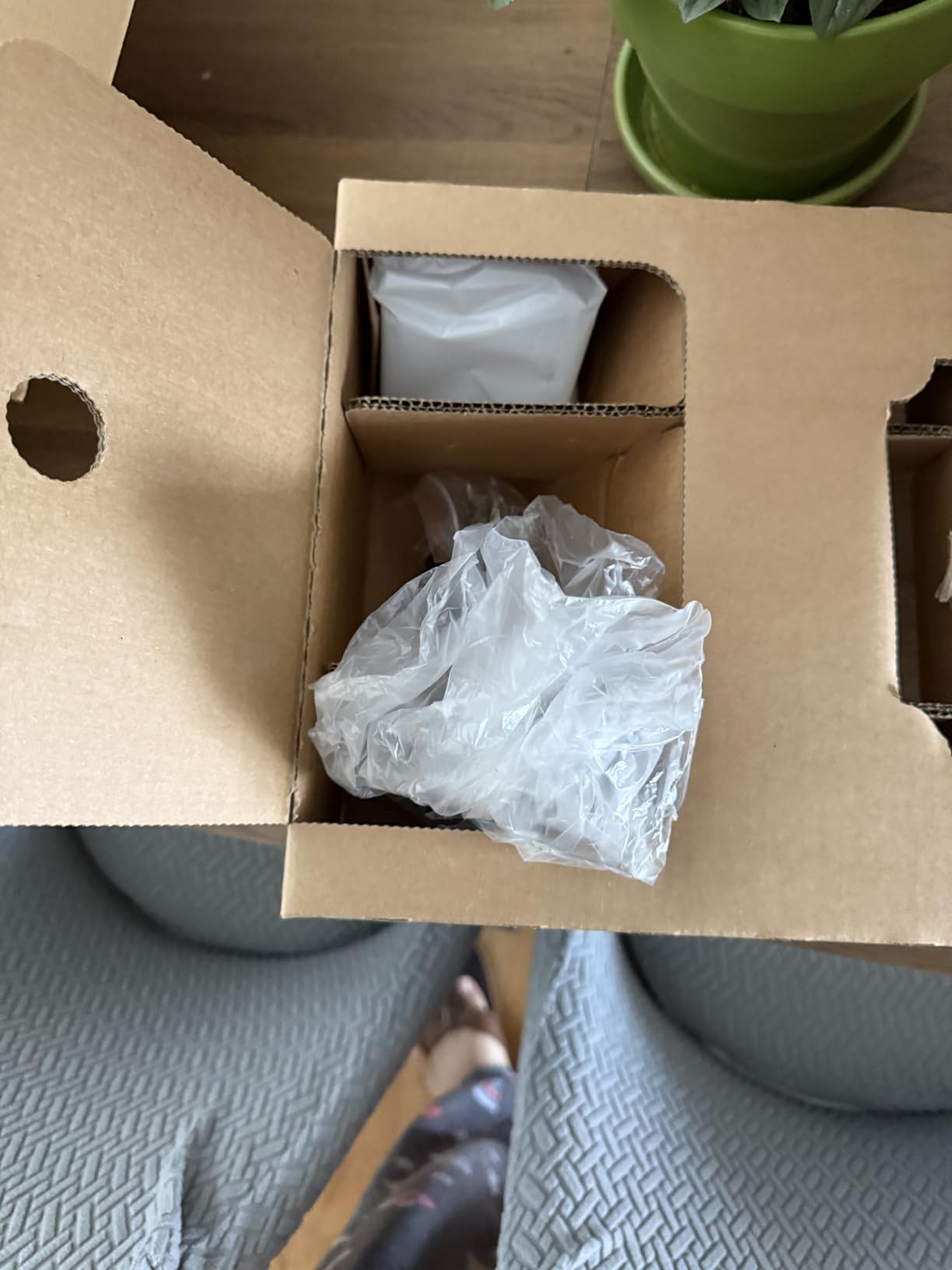
The LatteGo 3-part milk system has no internal tubes and either rinses clean in about ten seconds or goes in the dishwasher, which is the fastest milk cleanup of any machine in this roundup.
The recurring complaint is dosing. Reviewers say the grinder puts through a small amount of coffee per shot, which gives lighter, thinner results unless you use darker roasts and longer shots. That is worth knowing before you form an opinion of the machine.
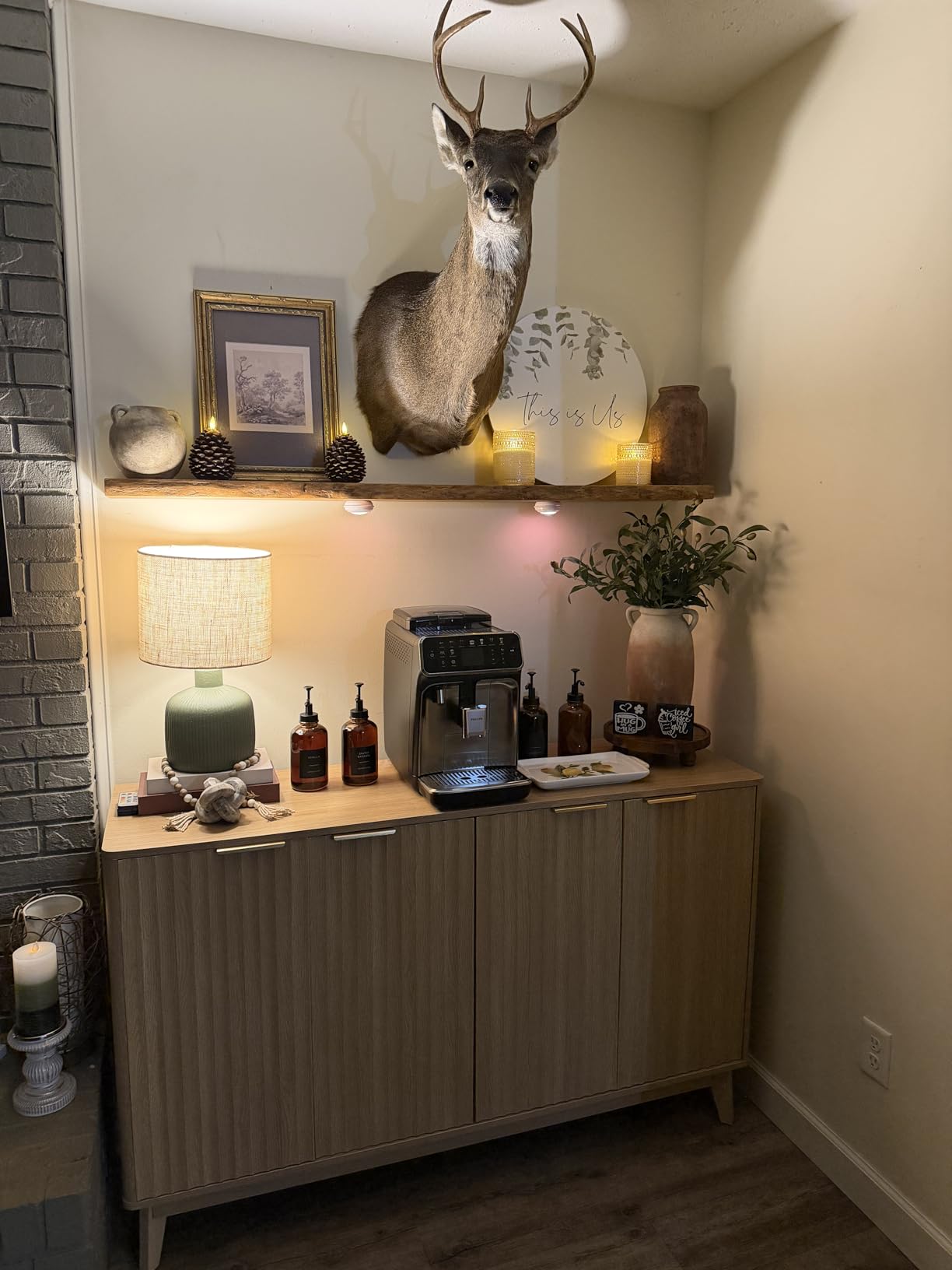
What you get for the money
Twenty presets cover hot drinks, iced coffee and plain hot water, and one-touch automatic grinding, tamping and brewing happens on a color display. The 1.8 liter tank and 3-second QuickStart keep the morning flow short.
Body dimensions are 9.69 by 14.61 by 17.05 inches, which is more compact than the De’Longhi and the larger Philips, so it fits a mid-size counter more comfortably.
Who should skip it
Skip it if you drink several cups daily in one household. The tank is small for heavy use, and with four profiles on a single reservoir, refills become part of the routine.
Skip it if you use the pre-ground bypass and expect strong results. Several buyers report weak coffee from that path, and the machine’s own grind output is the route it is tuned for.
What a Thousand-Dollar Espresso Budget Really Buys
The most common mistake in this category is treating the machine price as the whole cost. A thousand-dollar machine fed with supermarket pre-ground coffee will lose to a four-hundred-dollar machine paired with a two-hundred-dollar burr grinder, every time.
That is why grinder quality outranks machine quality in every ranking here. Burr consistency determines grind size, grind size determines extraction, and no amount of boiler precision rescues coffee that was ground weeks ago.
So how should you split a sub-1000-dollar budget? There are three workable ways.
One, put most of the budget into an all-in-one like the Barista Express and keep the rest for a scale, a knock box and better beans. The integrated grinder removes the single most common failure point in home espresso.
Two, buy a cheaper machine with no grinder and spend the difference on a proper burr grinder. This is the enthusiast route and it produces the best shots per dollar, but it only works if you are willing to grind and dose by hand.
Three, put roughly half into a super-automatic that includes the grinder, and keep the rest for a milk set and maintenance supplies. This is the right split if convenience is the point.
Whatever you choose, budget for accessories. A knock box, a tamper if the machine does not include one, a water filter set and a good milk jug are cheap compared with a machine, and skipping them is how new owners end up with a grinder dialed in for pre-ground coffee.
If you are still working out the basics, our beginner espresso machine guide covers the setup sequence, and our picks for the best espresso tampers cover the single biggest beginner variable.
Super-Automatic vs Semi-Automatic: Which One Should You Buy
Buy a super-automatic if you want drinks without process, and buy a semi-automatic if you want to learn espresso as a craft. That single question resolves most of the confusion in this category.
A super-automatic grinds, tamps, brews and froths from one button. You choose a drink, you press go, and the machine handles the rest. Cleaning is daily but shallow: rinse the milk system, empty the grounds bin, run the brew unit.
A semi-automatic gives you a portafilter, a dose and a steam wand. You grind, tamp, lock in and pull, and the machine leaves the decisions to you. Cleaning is deeper and less frequent, because you backflush on a schedule rather than daily.
The practical difference shows up in how fast you can make two drinks. A super-automatic makes them back to back with no waiting. A single-boiler semi-automatic makes you brew first, wait for the boiler, then steam, which adds real time to a morning.
Counter space and cost of ownership are the quieter factors. Super-automatics are physically larger and use more energy per cup, while a semi-automatic with a separate grinder can end up occupying more counter space than it appears.
If you are still torn, our guide to the best super automatic espresso machines covers the bean-to-cup category in more depth than this roundup can.
Boiler Types Explained Without the Jargon
The boiler decides how steady your water temperature is, and steady temperature is what separates a good shot from a great one. Four types cover everything in this roundup.
A thermoblock is an aluminium block with a heating element cast through it. It heats fast, uses little energy, and is what the Breville machines here use to reach temperature in three seconds. The trade-off is less thermal mass, so temperature varies more between shots.
A thermocoil is a coiled tube, also common in Breville designs. It behaves similarly to a thermoblock with a slightly longer warm-up, and it is the reason these machines are quick rather than instant.
A single boiler serves both brewing and steaming from one water reservoir. That is the classic prosumer layout, and it is efficient because one boiler is cheaper to build. The cost is temperature surfing: brew, wait for recovery, then steam.
A dual boiler has a separate boiler for steam, so you can brew and steam simultaneously. It is the single biggest workflow upgrade available in this budget, and the Chefman Crema Deluxe is the only machine here that offers it.
On top of any of these, PID control changes the game. A thermostat cycles the heater on and off with wide swings; a PID reads the actual temperature and corrects continuously, holding within a couple of degrees. For a beginner, PID is the difference between a machine you can learn on and one you learn to fight.
9 Bar vs 15 Bar: What the Number on the Box Means
Espresso extracts at around nine bar. Anything above that on the box is a marketing figure representing the maximum the pump can push, not the pressure your coffee experiences.
What actually limits pressure is the over-pressure valve, or OPV, a spring-loaded part that bleeds excess pressure away to keep the pump at its setpoint. A machine with a fifteen bar pump and an OPV set to nine bar extracts at nine bar, which is correct.
This matters when buying a prosumer machine, because an OPV set too high is a real fault. Gaggia models in particular have a reputation for shipping with the OPV above the ideal setting, and it is a cheap, well-documented adjustment for a repair shop or a confident owner.
For everything else, ignore the number entirely. It tells you about the pump, not the cup.
Steam Wands, Milk Drinks and the Latte Art Question
You need a manual steam wand to learn latte art, an automatic frother to avoid learning it, and a Panarello wand sits somewhere in between.
A manual commercial-style wand gives you a valve you control and a tip you aim. That control is the only way to build the skill, and the Barista Pro and Barista Express both have wands powerful enough to reach proper microfoam quickly.
A Panarello wand is an automatic frother built into a wand that also steams manually. It is a decent compromise, but the automatic cycles are inconsistent between models, so check reviews for the specific machine.
A fully automatic frother, as on the Barista Touch, the De’Longhi and both Philips machines, produces consistent milk with no technique. It is a genuine quality difference in the cup, just not a craft difference.
Our rule is simple. If you want to pour a heart, buy manual. If you want a repeatable cappuccino at 7am without thinking, buy automatic. Trying to learn on an automatic wand is the most common disappointment in this category.
Maintenance, Longevity and Repairability
Most home espresso machines last a decade or more when maintained, and considerably less when they are not. Three habits decide which one you get.
Descale on a schedule tied to your water, not to taste. Hard water kills boilers faster than anything else, and the machines with a water filter included in the box will last noticeably longer than those without.
Backflush weekly if you use single-wall baskets, and clean the group head every few shots. Coffee oils turn into a bitter varnish in the shower screen, and that is the most common cause of a shot that used to taste good and now does not.
Change the grinder burrs when extraction slows, and clean the brew unit on super-automatics daily. Coffee residue in a bean-to-cup machine turns old within days.
On reliability, the pattern is consistent across this roundup. Machines with stainless bodies and two-year warranties, like the Barista Pro and the De’Longhi, have the strongest support commitments. Machines with plastic bodies and one-year warranties, like the Chefman and the CASABREWS, carry the most risk.
Metal construction is worth paying for. A stainless or chrome shell survives twenty years of daily handling; a plastic body becomes brittle and cracked, and replacement shells are rarely available.
Parts availability matters more than warranty length. Brands with long-running models and a healthy aftermarket ecosystem win here, and it is the reason classic Italian designs stay in daily use for far longer than their warranty period would suggest.
Whichever machine you choose, set up your counter before you buy. Our guide to the best espresso machines for small kitchens covers the footprint question, and our knock box picks cover the other constraint people hit most often in week one.
Frequently Asked Questions
What is the best espresso machine for a thousand-dollar budget?
The Breville Barista Express is our best espresso machine in the sub-1000-dollar tier for most buyers, because it bundles an integrated burr grinder, PID temperature control and a manual steam wand. If you want one-touch drinks instead, the Philips 3200 Series is the best super-automatic, and the Breville Barista Pro is the better choice if latte art is your goal.
Is a thousand-dollar budget enough for a good espresso machine?
Yes. A thousand-dollar budget is the practical ceiling of the home prosumer tier and is enough for a real portafilter, decent temperature stability and a burr grinder. Because grinder quality matters more than machine quality, a six-hundred-dollar machine paired with a two-hundred-dollar burr grinder routinely beats a pricier machine used with pre-ground coffee.
Do I need a separate grinder for espresso?
Only if the machine has no integrated grinder. Machines like the Breville Barista Express, Barista Pro and Barista Touch include a conical burr grinder, so you can skip the extra purchase. If you buy a machine without a grinder, budget for a proper burr grinder, because pre-ground coffee is the fastest way to get a disappointing shot from a capable machine.
What is the difference between automatic and semi-automatic espresso machines?
A semi-automatic gives you a portafilter, a dose and a steam wand to control, and you grind, tamp and pull the shot yourself. A super-automatic grinds, tamps, brews and froths from a single button, which is faster and easier but offers no control over the shot. Choose manual to learn the craft, and automatic if you want drinks without process.
Is Breville or Gaggia espresso machine better?
Breville machines bundle an integrated grinder, PID temperature control and guidance, which suits beginners. Gaggia machines typically pair a commercial-size portafilter with a heavier metal body and a long parts ecosystem, which suits people who want to maintain and repair the machine for years. The decisive Gaggia caveat is that many models need an OPV adjustment and a PID mod before they are easy to learn on.
How long do espresso machines last?
Most home espresso machines last ten years or more when maintained properly, and considerably less when they are not. The three habits that matter most are descaling on a schedule tied to your water hardness, backflushing weekly if you use single-wall baskets, and cleaning the group head or brew unit regularly.
Final Verdict: Which Espresso Machine Should You Buy?
The Breville Barista Express remains our best espresso machine in the sub-1000-dollar tier for most people, because it removes the grinder decision entirely and gives you PID stability and a manual wand in the same body. If your mornings are milk-drink heavy, step up to the Barista Pro for the stronger wand.
If you want no process at all, the Philips 3200 Series is the simplest way into espresso, and the De’Longhi Magnifica Evo is the most capable bean-to-cup option if counter space allows. And if you want both espresso and normal coffee in one machine, the Ninja Luxe Cafe Pro Series adds a built-in scale that no other machine here can match.
Whatever you pick, put real thought into the grinder, keep the cleaning schedule, and buy a knock box you actually like. That is where the cup quality comes from, and it is the short version of our 2026 verdict: among the best espresso machines in this budget range, the ones you maintain are the ones worth keeping.