
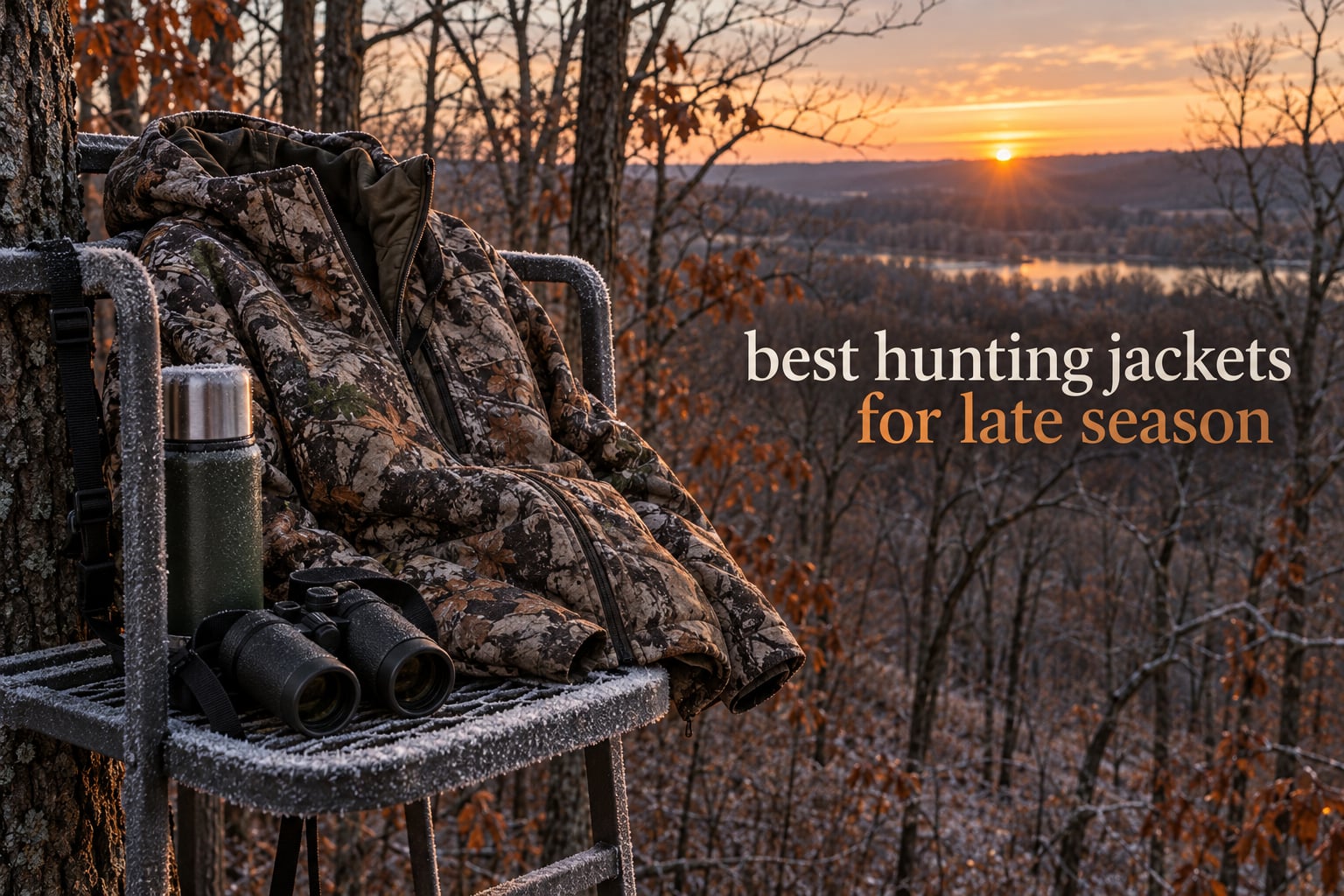
A late-season hunting jacket is an insulated, windproof and near-silent outer layer built for cold-weather sits: typically 80-120g of synthetic or down fill, a waterproof membrane rated 10,000mm or higher, a quiet brushed face fabric, reinforced shoulders and elbows, and a cut loose enough to layer over a base and mid layer. That is the standard these 12 picks are measured against.
Late season means the back half of the season, roughly late November through January, and it is the coldest, wettest, windiest stretch of the calendar. It is also when the best hunting happens: post-rut does, mature whitetail holding on tight cover, late waterfowl pushed into open water, and predators working hard in hard cold. Hunters on forums describe the same frustration repeatedly, and it is almost never about the cold alone.
Wind is what ends sits early. A jacket can be packed with insulation and still be useless on an exposed ridge or a frozen timber farm, because moving air strips heat off your face, neck and forearms long before the core catches up. Breathability is the other half of that problem, since a sweaty base layer under a warm mid layer turns into an ice sheet the moment you stand up to walk.
So this roundup looks at the best hunting jackets for late season on the axes that actually decide whether you stay in the stand or head for the truck: warmth over a full layer stack, windproofing treated as its own spec, quiet fabric verified by owners rather than claimed on a label, and fit that works when you are wearing something underneath. I have also included a layer-by-layer guide, because almost every good answer in the hunting forums is really a question about what goes under the shell. If you are still building out a kit, our picks for the best hunting backpacks for elk hunting and the best hunting packs for backcountry cover the other half of a cold-weather setup.
Table of Contents
Top 3 Picks for Late-Season Hunting Jackets (September 2026)

Gamehide Deerhunter Parka
- Oversized fit for layering
- Weatherproof HunterHide shell
- Heat Tech synthetic insulation
- Detachable hood and two-way zipper

HOT SHOT 3-in-1 Camo Parka
- 3-in-1 waterproof shell and liner
- Zoned polyfill insulation
- Quiet micro tricot face
- Removable hood with cinch cords

HOT SHOT Insulated Twill Camo
- Quiet cotton twill shell
- Polyester fill insulation
- Attached drawcord hood
- Elastic waist and cuffs
Those three are the ones I would put a cold stand behind first. The Gamehide Deerhunter is the most complete single jacket here, and the HOT SHOT 3-in-1 does the most work per dollar. The insulated twill model is the low-cost option that owners consistently describe as quiet enough to crawl with deer.
Quick Overview: Best Every Late-Season Jacket in This Roundup in 2026
| Product | Specifications | Action |
|---|---|---|
| Gamehide Deerhunter Parka |
|
Check Latest Price |
| HOT SHOT 3-in-1 Insulated Camo Parka |
|
Check Latest Price |
| HOT SHOT Insulated Twill Camo Jacket |
|
Check Latest Price |
 Gamehide Flatland Deer Hunting Parka Gamehide Flatland Deer Hunting Parka |
|
Check Latest Price |
 ArcticShield Classic Elite Parka ArcticShield Classic Elite Parka |
|
Check Latest Price |
 SCENTBLOCKER Insulated Drencher SCENTBLOCKER Insulated Drencher |
|
Check Latest Price |
 Guide Gear Steadfast 4-in-1 Jacket Guide Gear Steadfast 4-in-1 Jacket |
|
Check Latest Price |
 ROCKY ProHunter Waterproof Camo Parka ROCKY ProHunter Waterproof Camo Parka |
|
Check Latest Price |
 SITKA Traverse Heavyweight Fleece SITKA Traverse Heavyweight Fleece |
|
Check Latest Price |
 TrailCrest Blaze Orange Tanker Jacket TrailCrest Blaze Orange Tanker Jacket |
|
Check Latest Price |
 TIDEWE Heated Hunting Jacket TIDEWE Heated Hunting Jacket |
|
Check Latest Price |
 Wildfowler Outfitter Performance Camo Parka Wildfowler Outfitter Performance Camo Parka |
|
Check Latest Price |
The table above is the short version. What follows is why each jacket earns or loses its place, and who it fails.
1. Gamehide Deerhunter Parka – Best Oversized Layering Parka for Late Season
Gamehide Deerhunter Orange Hunting Parka
Oversized cut
Weatherproof HunterHide shell
Heat Tech synthetic insulation
Removable hood
Pros
- Layers over sweatshirts and thermals without bunching
- Sheds rain and snow while staying quiet
- Warm enough for sub-zero mornings with base layers
- Generous and logically placed pocket layout
Cons
- Runs very large so size down if between sizes
- Removable hood snaps can pop open on their own
- Hem drawcord does not fully seal out drafts
Best for: hunters who sit motionless for hours and want one jacket that fits over a fleece without pinching. This is the pick I keep coming back to when the wind is the problem rather than the temperature.
The Deerhunter’s oversized cut is not an accident, it is the whole design brief. Owners layer it over thermals, a mid-weight fleece and still have room to reach across for a bow or a rifle without the hem riding up.
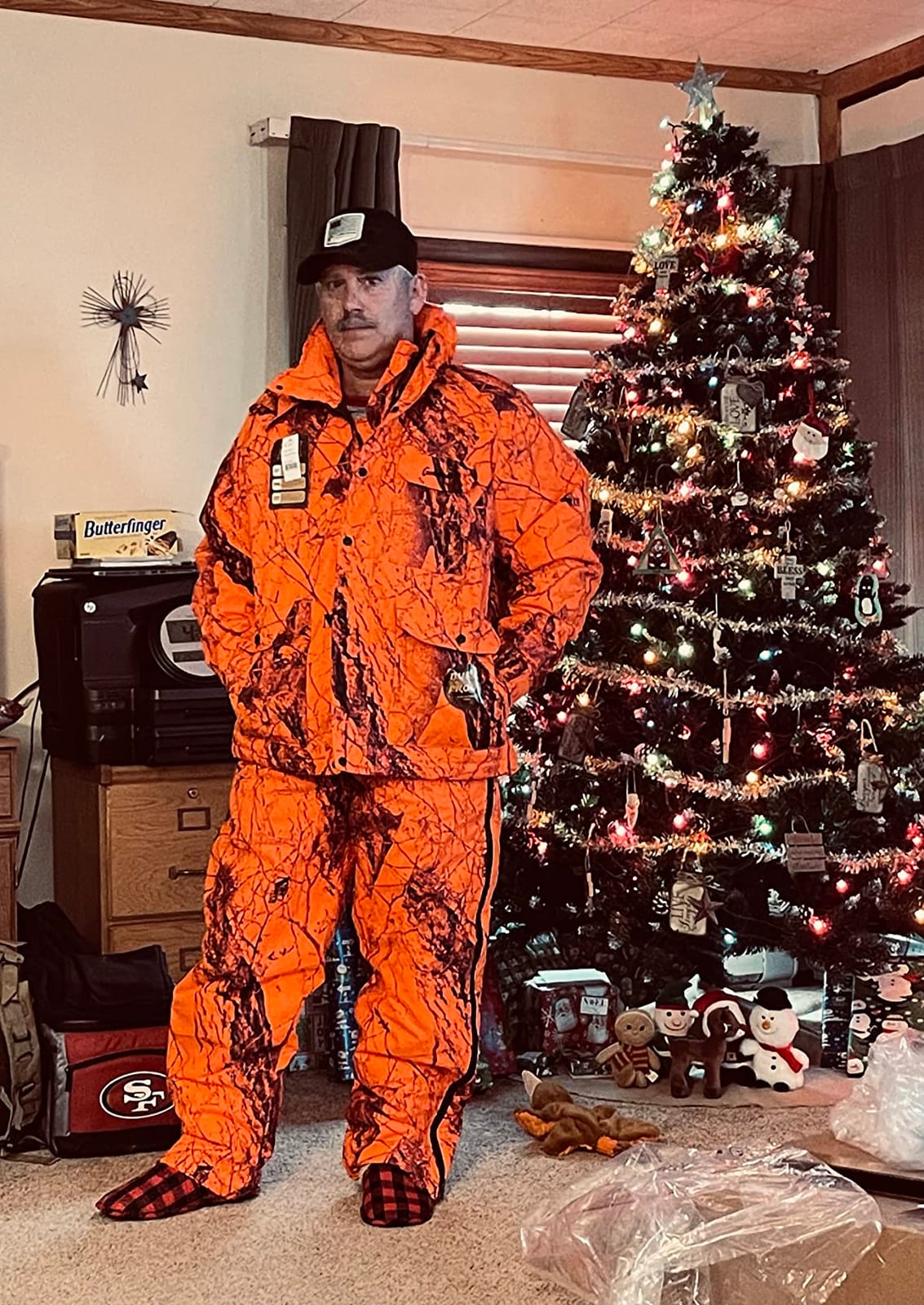
Where it earns its spot is the shell. The HunterHide outer is burr-resistant and weatherproof, and reviewers describe coming through sustained rain and wet snow without a wet-out. The synthetic Heat Tech fill holds loft without the weight of down, which matters when you are hanging in a stand from before dawn to lunch.
The pocket layout is the other thing hunters mention. A vertical chest pocket, two handwarmer cargo pockets and an internal security pocket hold a phone, a call and a snack where you can reach them without standing up.
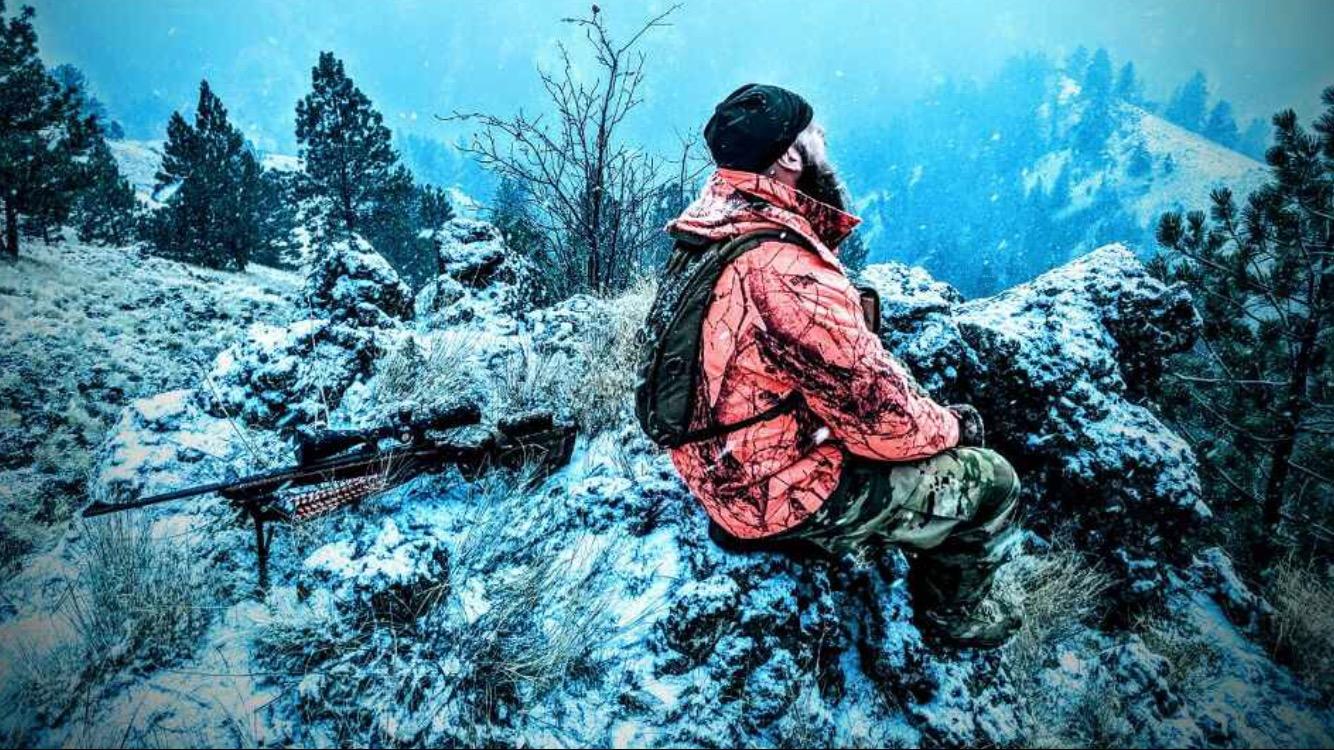
Two flaws show up often enough to plan around. The jacket runs large, and reviewers who sized up ended up swimming in it, so take your normal size unless you are between sizes. The removable hood snaps have a habit of releasing on their own, and some owners have permanently stitched them shut.
How it handles a real late-season sit
This is a jacket you can leave on for the whole sit. Over a base and a mid layer it handles the kind of morning where you are sitting still before sunrise and the wind is working the ridge above you.
The two-way front zipper is more useful than it sounds, because it lets you open the chest and dump heat during the walk-in without stripping the whole jacket. The drawcord hem helps, though owners say it will not fully close off the gap at the bottom.
Where it is the wrong choice
If you are a shooter who needs to swing a rifle or mount a bow without fabric bunching at the shoulders, the roomy cut is a double-edged feature. The extra volume is comfortable sitting and slightly awkward once you start moving fast.
It is also a dedicated cold-weather piece. In an Indian summer or a warm October, this is far too much insulation for a walk, and you will be carrying it rather than wearing it.
2. HOT SHOT 3-in-1 Insulated Camo Parka – Best Value Late-Season Jacket
HOT SHOT Men’s 3-in-1 Insulated Realtree Edge Camo Hunting Parka, Waterproof, Removable Hood, Year Round Versatility, XX-Large
3-in-1 system
200g body and 150g sleeve insulation
Seam-sealed waterproof shell
Quiet micro tricot
Pros
- Genuinely waterproof shell that holds up in sustained rain
- Very quiet fabric in the field
- Inner liner snaps in for full warmth
- Reinforced high-wear panels
Cons
- Main zipper is stiff and hard to engage
- No handwarmer pockets on the outer shell
- Runs large so ordering down is common
Best for: one jacket that has to work in October drizzle and in a January sit without being replaced twice. The 3-in-1 layout is what makes it the strongest value in this roundup.
The system is straightforward. A seam-sealed waterproof outer shell, a zoned polyfill inner jacket that snaps to the sleeves, and the two together. The zoned insulation is 200g through the body, 150g in the sleeves and 80g in the collar, which is a sensible distribution for a sit where your core is cold before your arms are.
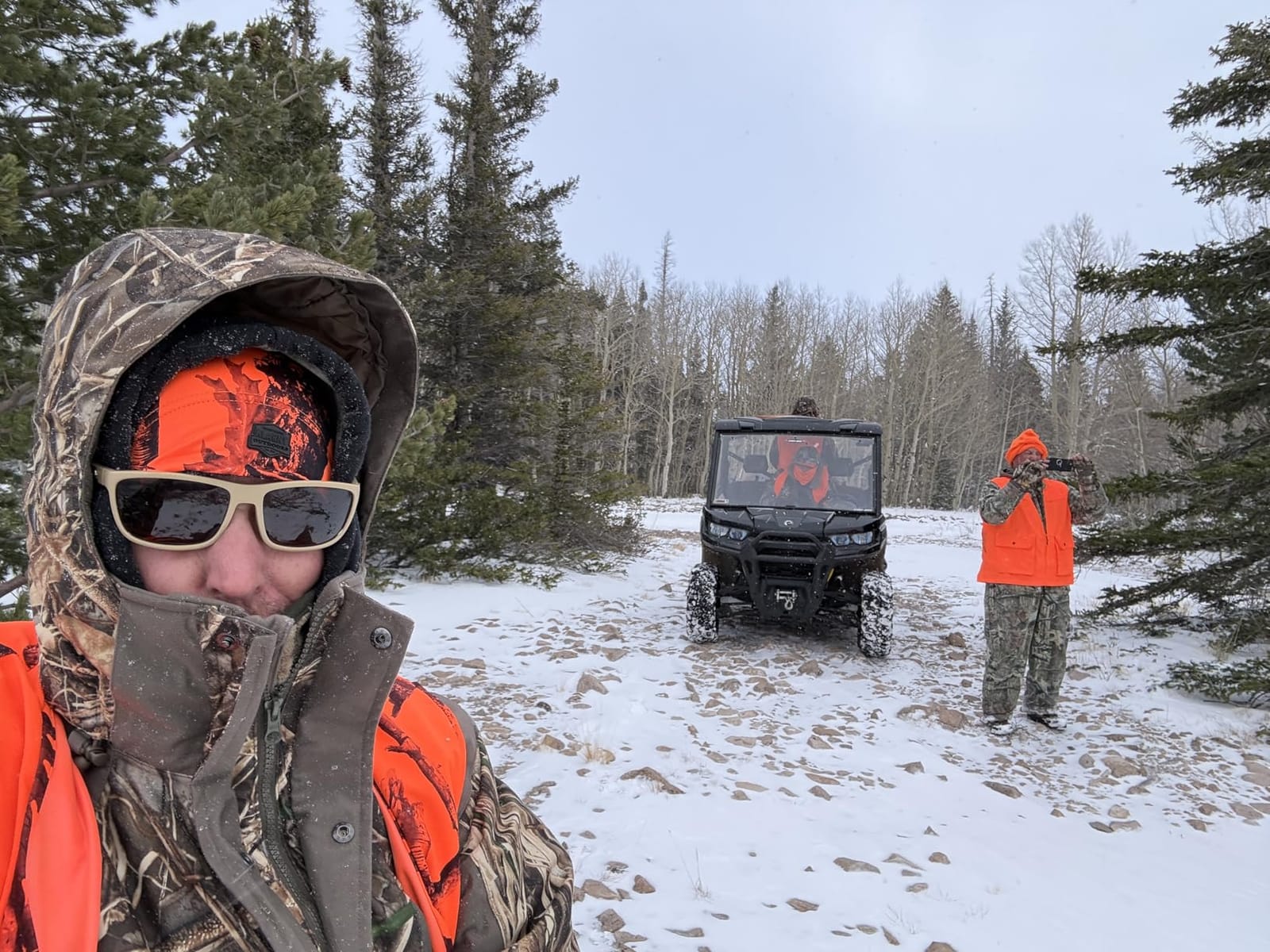
Owners comparing it against far more expensive technical parkas keep landing on the same conclusion: this holds up. The shell has been reported as genuinely waterproof through sustained rain rather than merely water-resistant, and the brushed micro tricot face is quiet enough that most hunters do not flag it as a noise problem.
The detachable hood uses dual cinch cords, and hunters in real wind say those cords are what keep it on your head instead of letting it fall back. Reinforced nylon oxford patches sit in the high-wear zones, which is where cheaper parkas usually fail first.
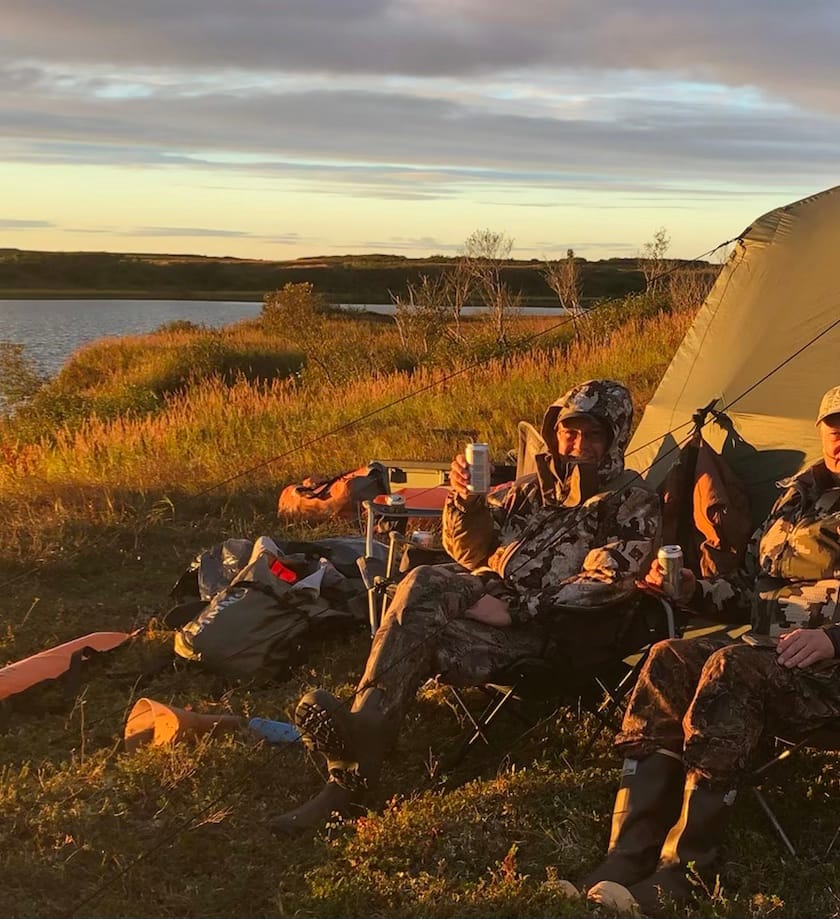
The drawbacks are practical rather than performance-related. The main zipper is stiff, particularly when you are trying to engage it one-handed in gloves, and the outer shell has no handwarmer pockets at all, just one zippered chest pocket. There are no pit zippers either, so venting on a fast walk is limited.
Why the 3-in-1 format wins in late season
Because it collapses your system into one bag. On the walk in you wear the liner, and when you arrive at the tree you add the shell and snap it down. That is the base, mid and outer conversation handled by one zipper.
It also means you are not stuck. On a mild day you use the liner as a jacket, and the shell becomes a rain layer you can strap to the outside of your pack.
Where it is the wrong choice
If your priority is a bug-free silencer for close-range bow work, you can find quieter options in this list, though most owners call this fabric quiet. If you need deep handwarmer pockets for gloves while sitting, look elsewhere.
Size carefully. It runs noticeably large and a common review note is that ordering down one size produced a much better fit.
3. HOT SHOT Insulated Twill Camo Jacket – Best Quiet Budget Jacket for Late-Season Deer
HOT SHOT Men’s Insulated Twill Camo Hunting Jacket, Realtree Edge Camo with Cotton Shell, for cold weather, bird and deer hunting, Extra Large
Quiet cotton twill shell
Polyester fill insulation
Attached drawcord hood
Elastic cuffs and waist
Pros
- Exceptionally quiet cotton shell for stealth
- Very warm for a mid-weight jacket
- Elastic cuffs and waist block drafts
- Several proven camo patterns available
Cons
- Cotton shell absorbs water and is not windproof
- Body runs short on tall wearers
- No interior pockets
Best for: close-range deer approaches in dry late-season weather where quiet matters more than waterproofing. This is the low-cost jacket that owners describe as genuinely silent.
The material choice is the story. A 100% cotton twill shell is heavy and soft and makes almost no noise when you brush it through brush, and hunters describe it as the quietest thing they have owned. The polyester fill and quilted lining underneath give it a mid-weight warmth that many owners say is enough over a t-shirt alone.
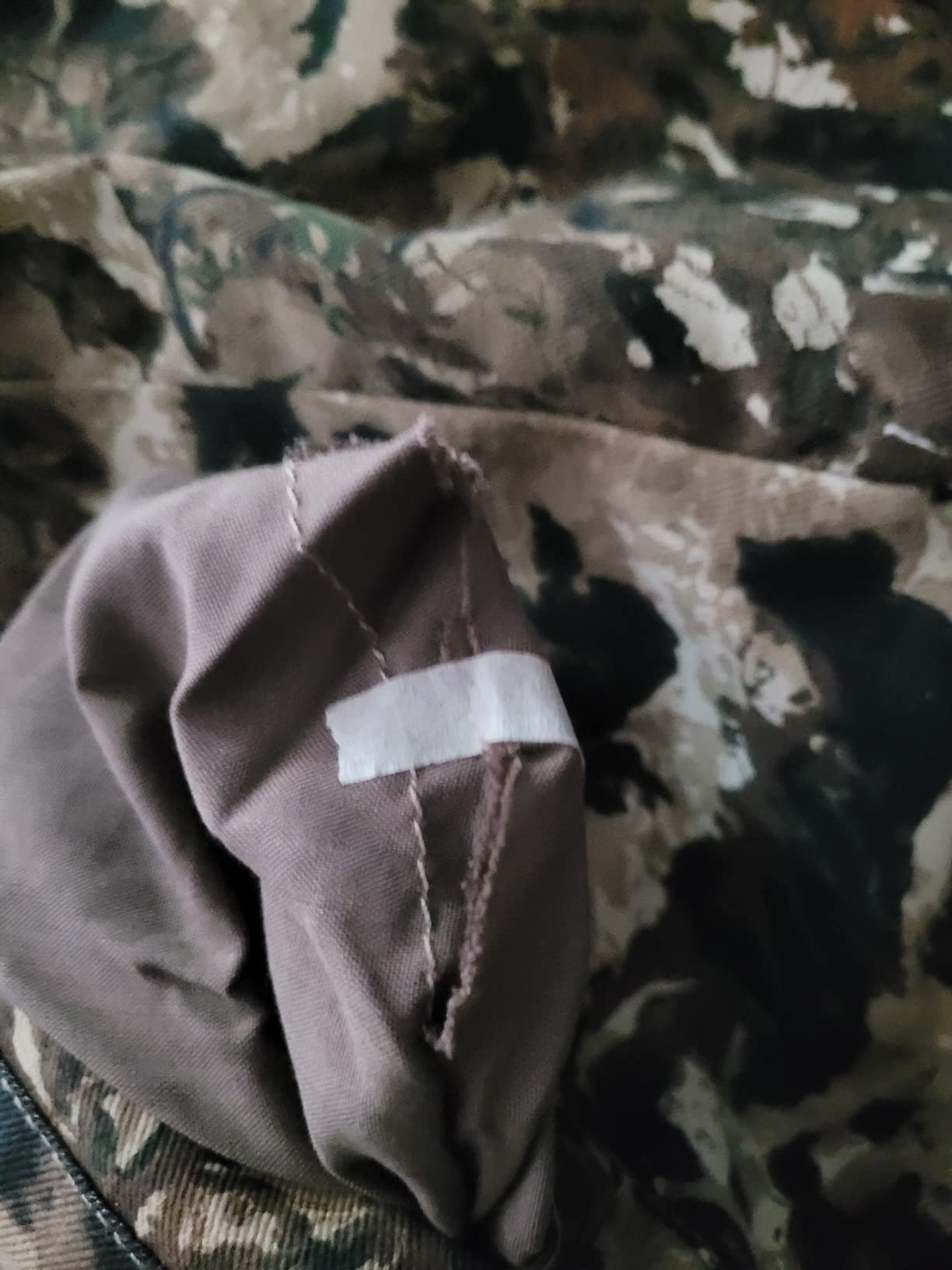
It comes in Realtree Edge, Veil Whitetail, Veil Cervidae and Mossy Oak Bottomlands, so you can match your hardwoods or your treestand without hunting for a pattern. Owners repeatedly compare the warmth favorably to work coats like Carhartt, which is a fair benchmark for a jacket in this category.
Here is the dealbreaker you need to know before buying. Cotton absorbs water when it rains, and this shell is not windproof, so in wet late-season weather it is the wrong tool. In cold dry air with a quiet approach, it is a different product entirely.
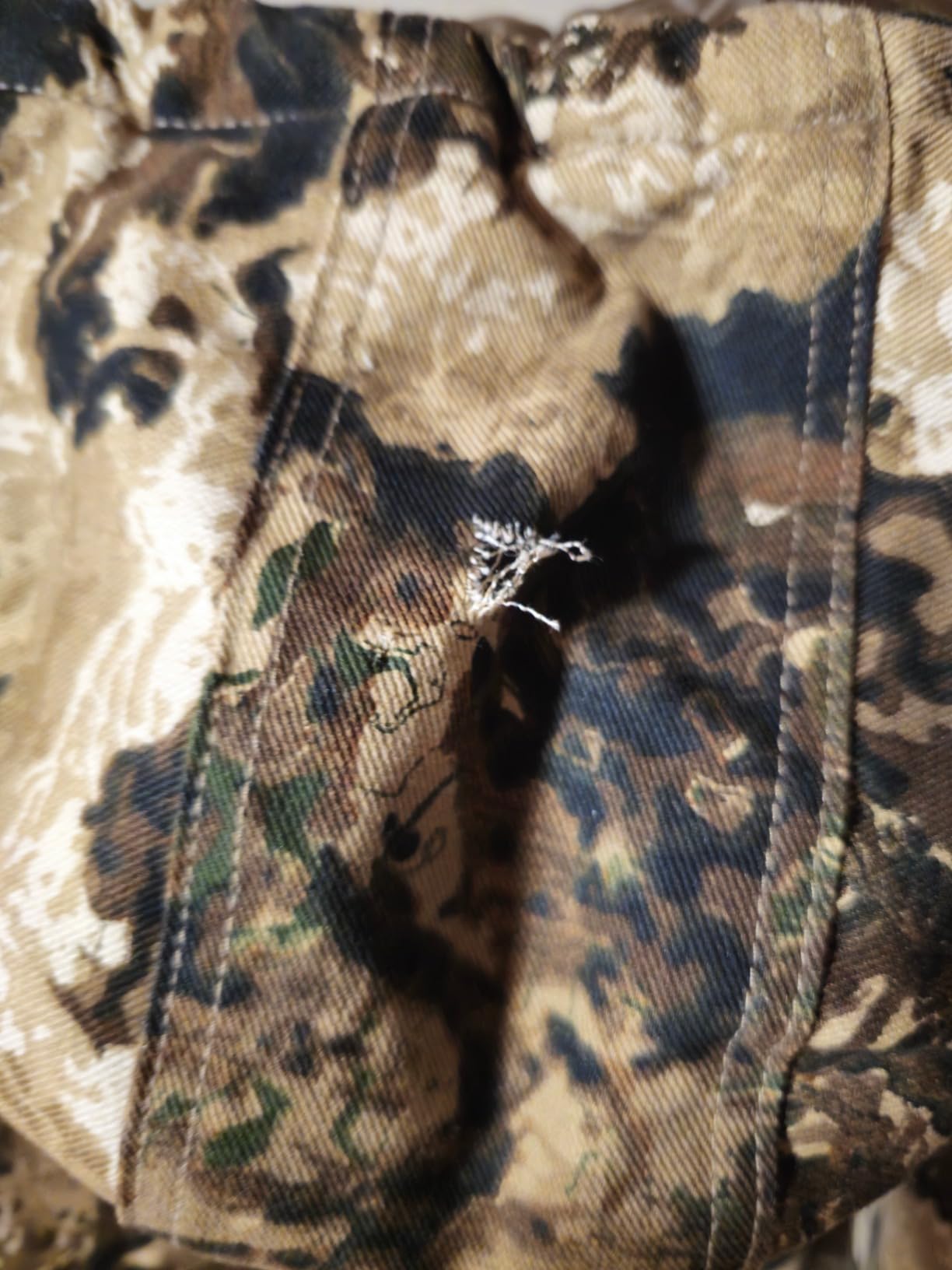
A few smaller issues: the attached hood is not ergonomic and tends to slide back, the body runs short on tall wearers, and there are no interior pockets. A handful of owners also report isolated stitching problems on the pockets, which is a quality-control issue rather than a design flaw.
Where the cotton shell wins and loses
It wins on stealth. If your late-season plan is slow approaches through hardwoods on a cold, dry morning, the silence is worth more than a membrane, and this shell delivers it at a fraction of the price of technical fabric.
It loses the moment the forecast turns wet. Cotton holds water, keeps it, and then stops insulating, which is a bad combination in wind.
Who should skip it
Anyone hunting exposed ridges, open timber or waterfowl, where you will be wet and the wind will be steady, should pick a synthetic shell instead. The HOT SHOT 3-in-1 covers the same budget better if you cannot commit to dry weather.
It is also a men-specific cut listed from Medium through XX-Large, so check the length against your height before ordering.
4. Gamehide Flatland Deer Hunting Parka – Best Multi-Season Deer Sit Jacket
Gamehide Flatland Deer Hunting Parka (ACENT Ignis, X-Large)
Quiet waterproof Hush Hide shell
Mid-weight insulation
Detachable hood with closure
Wrist straps
Pros
- Warm and dry across multiple late-season deer seasons
- Quiet enough for close-range approach
- Light mid-weight warmth that works while driving
- Handles briars and rough cover
Cons
- No bottom drawstring to seal out wind
- Hood snaps are weak and can pull off in brush
- Pockets are small for gloves and hats
Best for: the deer hunter who wants one parka that survives repeated seasons of wet hardwoods and brush. Durability is the headline here, and owners back it up.
The Hush Hide shell is described as both waterproof and quiet, which is the pairing you want in a timber stand during a late-season drizzle. The insulation is mid-weight, so it layers over a fleece without turning into a suit you can barely move in, and several owners say it stays comfortable on the drive in as well as the sit.
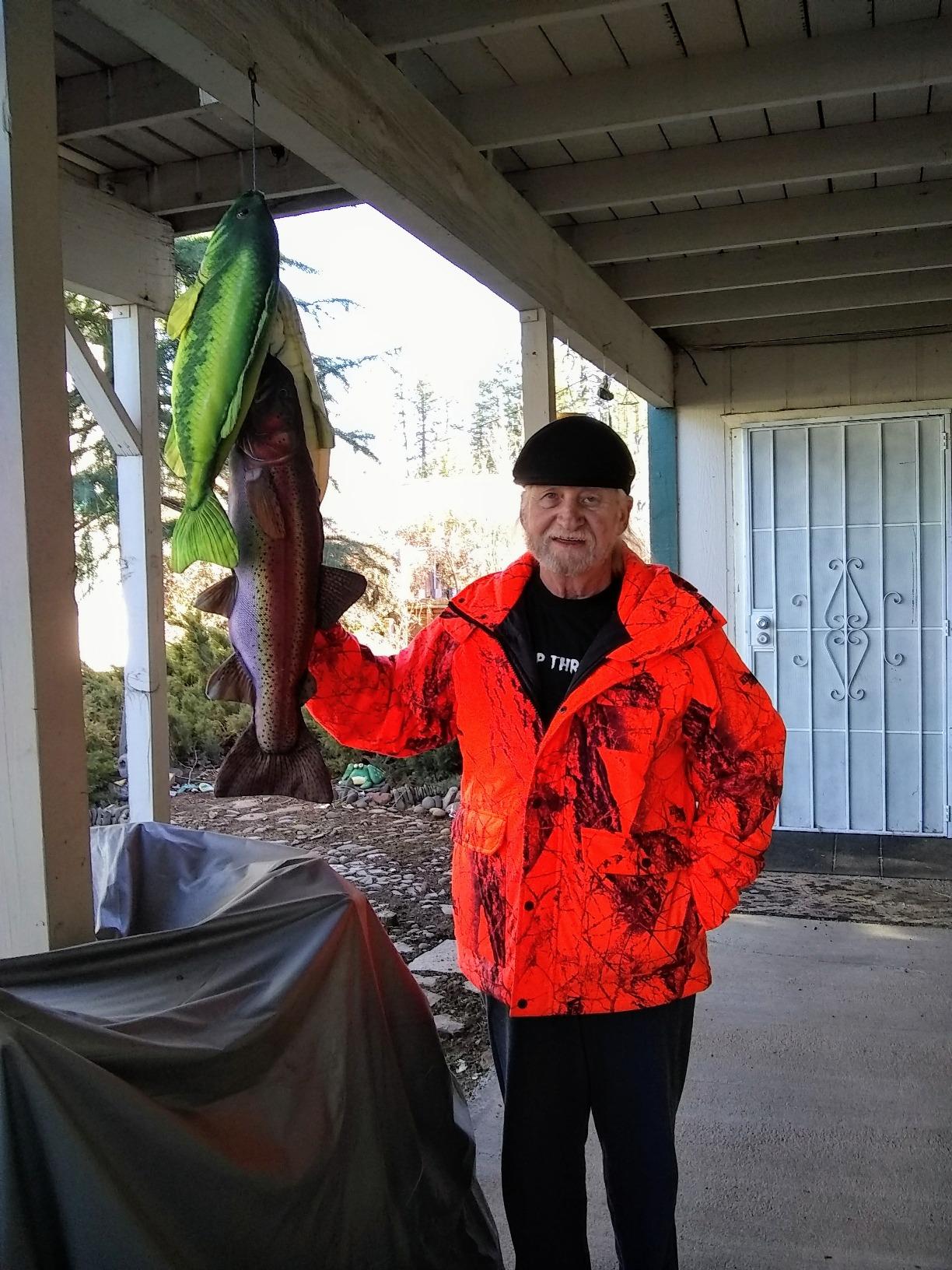
The durability claim is the one that stands out. Multiple reviewers describe the parka still keeping them warm and dry after three years of use, which matters because late-season hunting is the kind of hunting that destroys jackets: wet brush, frozen saplings and a lot of kneeling in the mud.
Gamehide’s sizing exchange service also comes up repeatedly in reviews, and hunters mention it as a reason they trust the brand with a bulkier order.
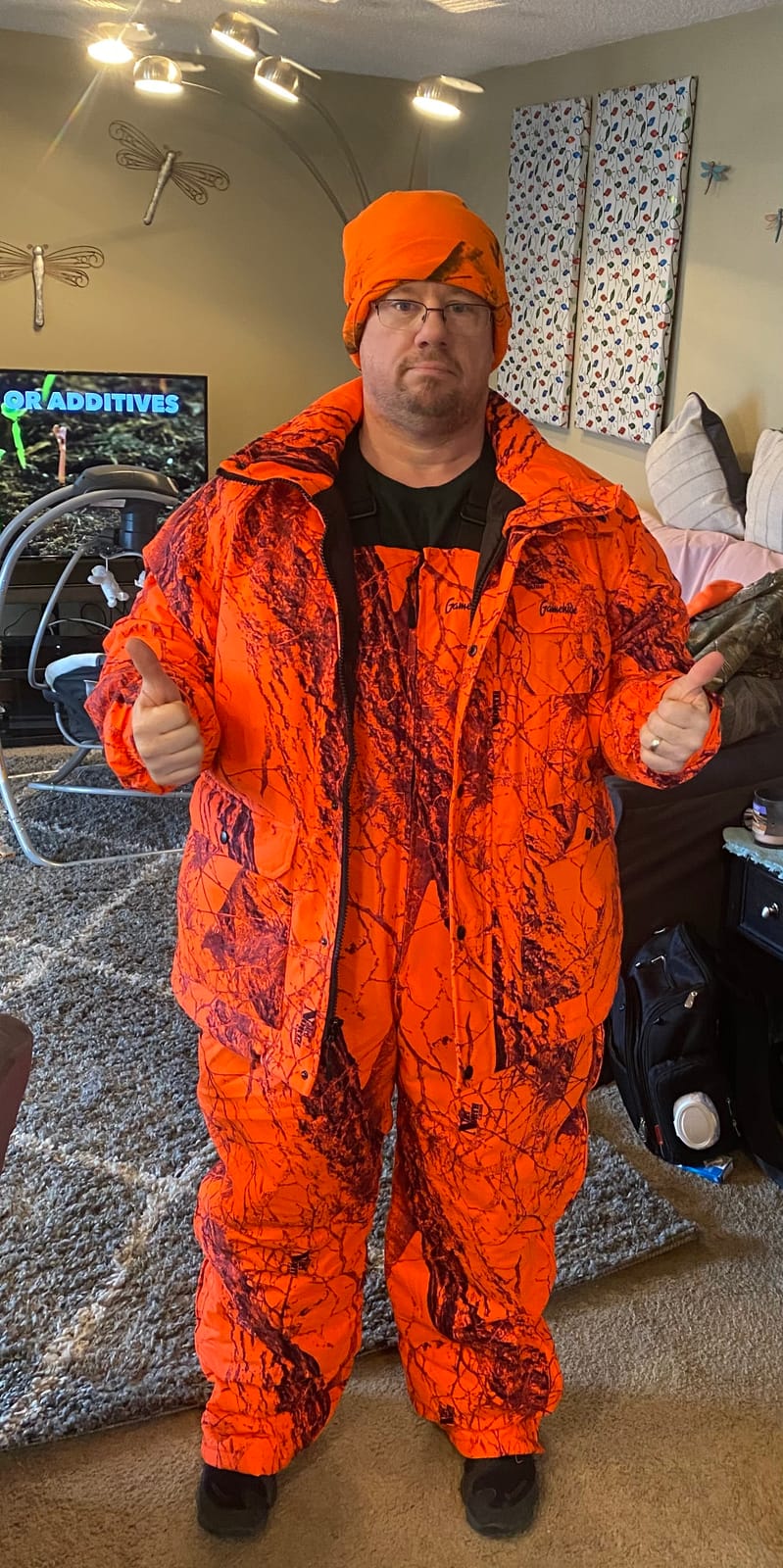
The weak point is wind at the hem. There is no bottom drawstring or waist cinch, so cold air comes up under the jacket during a long sit, and that is a real loss in exactly the conditions this roundup covers. The hood snaps are also the flimsier part of the build and can let the hood pull back in thick brush.
Where it outperforms the Deerhunter
Mid-weight insulation beats heavy insulation when you have to walk. The Flatland gives up less warmth than the Deerhunter, which is a fair trade, and it moves more easily for the approach and the retrieval.
It is also offered in a wide set of patterns, including Acent Ignis, Acent Venatare, Realtree Xtra and Infinity, so finding your local pattern is straightforward.
Where it falls short
Deep cold sits in exposed wind are not its strength. Without a hem cinch you are leaving a gap at the bottom, and the mid-weight fill does not compensate for it. If your late-season hunting is ridge and exposed timber, add a mid layer and accept the bulk.
For tall hunters, the two oversized dump pockets sit high enough that gloves and a knit cap are a tight fit.
5. ArcticShield Classic Elite Parka – Best Warmth-to-Bulk Ratio for Late-Season Hunts
ArcticShield Men’s Classic Elite Parka, with RETAIN heat retention technology, for hunting, cold weather fishing, Outdoors
RETAIN heat retention
Waterproof windproof shell
Top-load cargo pockets
Removable hood
Pros
- Exceptionally warm without feeling bulky
- Windproof and waterproof in open field hunting
- True-to-size tall fit with long sleeves
- Bottom drawcord and hook-and-loop cuffs block wind
Cons
- Side pocket flaps are too short in rain
- Some interior pockets are too shallow
- Fabric can rustle against trees
Best for: hunters who feel every gram of bulk in a jacket, and for tall lean hunters who are done with sleeves that stop at the wrist. It weighs 3.3 pounds and reviewers still describe it as warm for how light it is.
The shell is waterproof and windproof, and owners testing it in open fields and on ice report that it holds. The bottom drawcord plus hook-and-loop cuffs are the combination that shuts out drafts, and that is the detail that decides a cold sit more often than insulation weight does.
The pocket system is the most generous here: top-load cargo pockets with pass-behind hand warmer pockets, plus zippered chest and side pockets. The two-way full zip with a storm flap and snaps lets you vent at the chest on the walk in, and the removable three-piece hood has a drawcord.
How it fits and handles hard cold
The tall fit is the standout for longer-limbed hunters. It is true to size with genuinely long sleeves, and that complaint simply does not appear in the reviews for this reason. Most owners wear it over a base layer and are comfortable.
It is a sit jacket rather than a walking jacket, but the two-way zip keeps it from feeling sealed in when you move.
Where it falls short
Side pocket flaps are the most common complaint and they matter in late-season rain: the flaps are too short, so gear inside those pockets can get soaked. Some interior pockets are also too shallow and items fall out when you bend forward, which happens constantly in a treestand.
It is not a silent-fabric jacket. Owners who hunt close range report a rustling sound against trees, so if deer are within 20 yards, think twice.
6. SCENTBLOCKER Insulated Drencher – Best Light Waterproof Layer for Moving Hunters
SCENTBLOCKER Shield Series Drencher Men’s Insulated Late Season Breathable Waterproof Hooded Camo Hunting Jacket (RT Edge, Medium)
RainBlocker taped-seam shell
180g body insulation
S3 Silver odor treatment
Adjustable hood
Pros
- Waterproof and windproof in sustained rain and snow
- Breathable fabric moves moisture while moving
- 180g body insulation fits mid to late-season hunts
- Scent-control treatment on the fabric
Cons
- Two-pocket layout is minimal for stand gear
- Hood and storm flap add bulk for sit-and-wait hunters
Best for: hunters who are constantly on the move in wet late-season weather and want a light shell that breathes rather than a parka that traps sweat.
The RainBlocker shell uses taped seams, which is the difference between a jacket that holds in a long rain and one that does not. The adjustable three-piece hood, a full front zip with a storm flap and a drawcord waist closure all point in the same direction: weather management for a sit that is also going to involve walking.
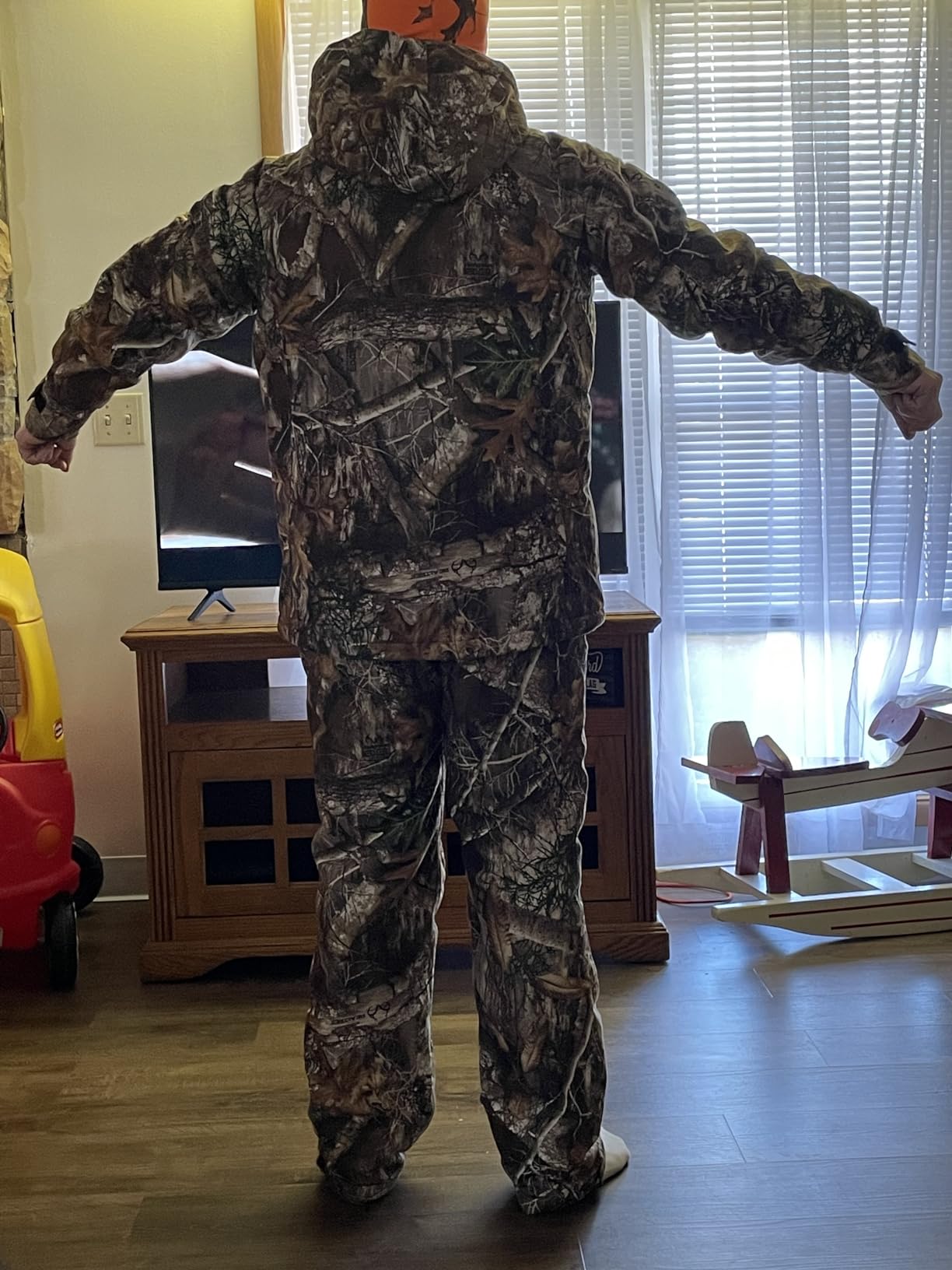
Insulation is 180g through the body, which reviewers consistently place in the mid to late-season range rather than deep winter. The S3 Silver treatment is an odor-prevention finish on the fabric, and while scent control matters more on the walk-in than in the stand, it is still useful for a jacket you wear end to end.
Breathability gets specific praise. Owners say the fabric moves moisture away during active movement, which is the exact failure that ends otherwise good days in late season.
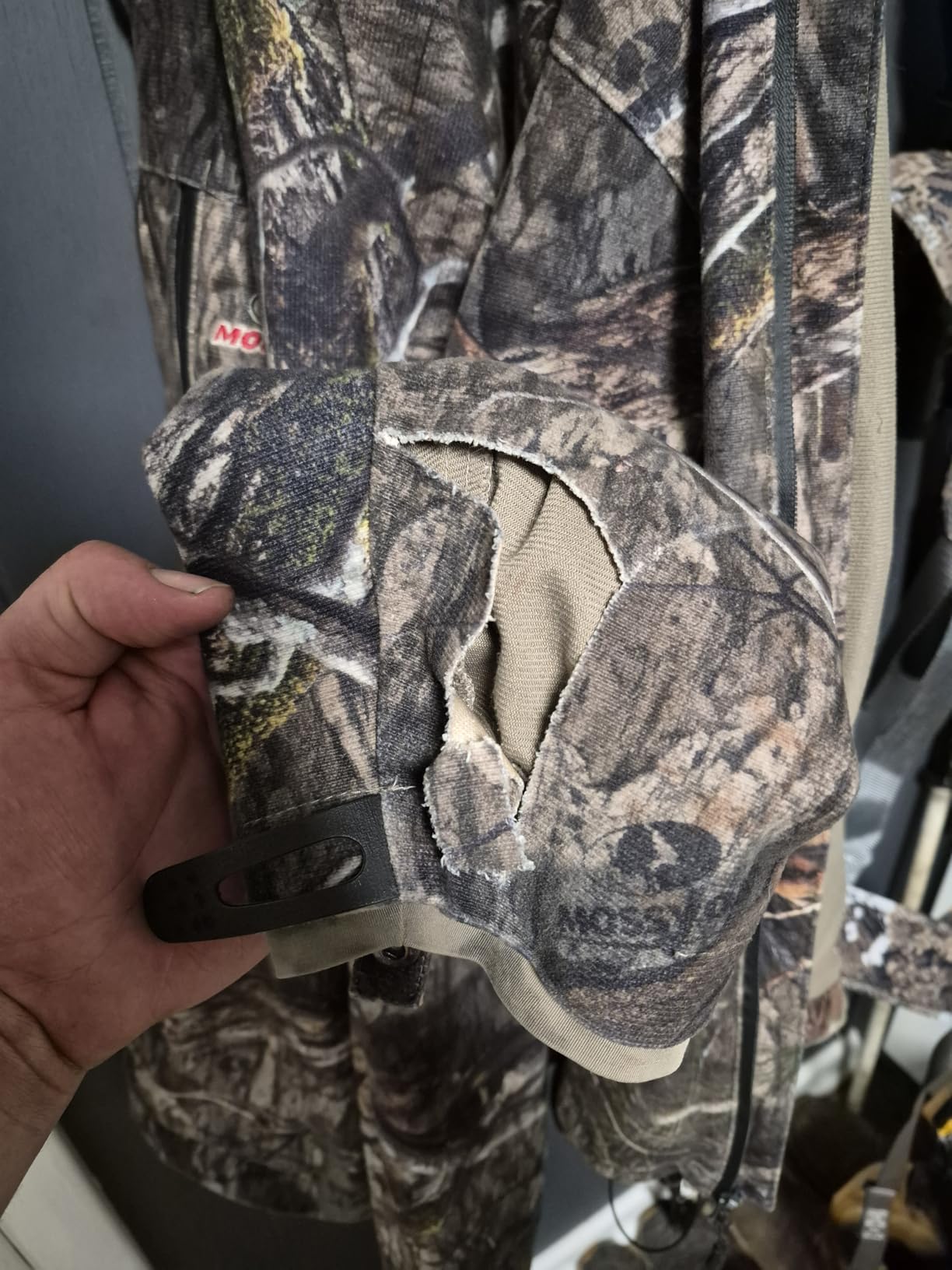
The limitation is the two-pocket design. For a tree stand hunter carrying binoculars, a call, a phone and gloves, that is thin, and reviewers note it directly. The hood and storm flap also add bulk that sitters find uncomfortable when they are trying to stay compressed and still.
How it handles moving versus sitting
It is at its best on the walk and at the climb. Light, breathable and genuinely rainproof, it lets you generate heat without cooking, which is why so many hunters pair it with a warmer mid layer underneath.
Once you stop moving, the 180g fill alone is not a deep-cold system, which is why the same reviewers layer it rather than wearing it as the whole outfit.
Who should pick something else
If your late-season plan is a blind sit with a rifle and a full gear load, you want the pocket count of the ArcticShield or the Deerhunter. If you are hunting predators at dawn on a cold ridge, the light fill will not carry you alone.
Pattern choice is strong here, with RT AB1, RT APX and Mossy Oak options among others, so you can match timber cover without hunting.
7. Guide Gear Steadfast 4-in-1 Hunting Jacket – Best 4-in-1 System for Late Season
Guide Gear Steadfast 4-in-1 Hunting Jacket Parka, Waterproof Insulated Cold-Weather Thinsulate Coat RT APX XL
4-in-1 shell and liner
150g Thinsulate liner
Water-resistant shell
Reversible sides
Pros
- Exceptionally warm in subfreezing wind and snow when combined
- Shell works standalone as a rain layer
- Insulated liner works on its own as a mid layer
- Good pocket count in each layer
Cons
- Waterproof claim does not hold in heavy rain
- Hood alone is not warm enough for extreme cold
- Hand pocket zippers rub bare wrists
Best for: hunters who want a system that can be three different jackets across a season, and who like knowing which layer is doing the work. It carries the highest average rating in this roundup.
The 4-in-1 configuration is the point. The outer shell works as a standalone rain jacket and windbreaker, the insulated liner stands alone as a mid layer, and zipped together they form a full cold-weather parka. That is a genuinely useful range for late season, when your October sit and your January sit are two entirely different weather problems.
The liner carries 150g of Thinsulate, and owners report the combined system holding warmth in subfreezing wind with sleet and snow. The outer shell is a water-resistant 100% polyester micro tricot with a polyurethane coating, and it is fully reversible to a solid green side.
How to actually deploy the four configurations
Walk in with the liner over your base layer, add the shell when you arrive, and store the pieces in your pack for the ride home. That is a low-cost way to extend a jacket’s usable season, and it is why modular systems keep showing up in late-season forum threads.
Each layer carries its own pockets, so you are not choosing between warmth and storage when you decide how to wear it.
Where the marketing overpromises
Some buyers report the waterproof claim does not hold in heavy rain, so treat the outer as water-resistant rather than storm-proof. The hood on its own is not warm enough for extreme cold, which means the hood earns its keep in combination, not solo.
The lower hand pocket zippers rubbing bare wrists is a small but real annoyance in deep cold, and it is the kind of detail you only notice after four hours in the stand.
8. ROCKY ProHunter Insulated Waterproof Camo Parka – Best Late-Season Waterfowl Parka
ROCKY ProHunter Insulated Waterproof Camo Parka, Realtree Edge, Size x_l(RTE)
Rocky Waterproof construction
Insulated parka body
Removable hood
Storm flap front zipper
Pros
- Light enough to layer under or move in
- Waterproof and windproof through rain sleet and snow
- True to size with room for a fleece underneath
- Quiet and well constructed
Cons
- Light fill that needs layers for sub-freezing sits
- Not warm enough alone for stationary tree sits
Best for: late-season duck and waterfowl hunts, where the defining problem is wet and cold rather than dry and cold, and where you need to move to set decoys without cooking.
The Rocky Waterproof construction is the headline, and owners report it holding through rain, sleet and snow. The Realtree camo pattern is a proven choice for water, and the front zipper with a storm flap keeps the wind out of the main closure, which is where most of the heat escapes.
It is also a light insulated parka, and hunters treating it as a three-season field parka report using it into the teens when layered over a hoodie.
Why it fits waterfowl specifically
Waterfowl late season means you are wet before you are cold. A lighter, genuinely waterproof parka lets you stay comfortable walking to the blind and shooting from it, which is the opposite profile to a heavyweight sit parka.
Owners like the true-to-size fit because it leaves room for a fleece or hoodie underneath without ballooning, and the pockets sit where a hunter expects them to.
Where it falls short
This is a layering piece, not a standalone deep-winter parka, and reviewers say so plainly. For a stationary tree sit at hard cold you would be adding a mid layer, and at some point a heavier jacket is simply the right call.
At 4.5 pounds it is not a packable item, so the weight stays with you whether you need it or not.
9. SITKA Traverse Heavyweight Fleece Jacket – Best Quiet Mid Layer for Late-Season Bowhunting
SITKA Traverse Jacket – Men’s Heavyweight Breathable Fleece Hunting Jacket,Elevated II, XX-Large
High-loft fleece
Windproof knit face
DWR finish
Zippered hand and chest pockets
Pros
- Very quiet face fabric for bow work
- Mapped fleece panels give strong range of motion
- Stays dry in light precipitation
- Thumb slots make layering easy
Cons
- Fleece build is not a standalone deep-cold parka
- Premium pricing versus synthetic insulated parkas
Best for: bowhunters who need to draw a bow without noise and who are building a layered system rather than buying one heavy parka. This is a mid layer, and treating it as anything else is the mistake that ruins the purchase.
The face fabric is a windproof, breathable polyester knit that owners describe as very quiet, and the high-loft fleece interior is mapped with mid-weight side and underarm panels. That mapping is what gives it the range of motion you need at full draw without the bunching you get from a uniform fleece block.
A durable water repellent finish sheds light precipitation, which in practice means it handles drizzle and passing snow while still breathing. The zippered hand and chest pockets have low-profile thumb slots, a small detail that makes layering over a base layer noticeably easier.
Why a fleece mid layer earns its place late
Because it solves the exact problem forum hunters describe: a midweight jacket that works fine on its own until you sit still and stop generating heat. Under a shell it is the layer that keeps you warm; over a base layer in a calm stand it is the whole outfit.
It is built to layer from early to late season, which is exactly how you should shop for a mid layer.
Where it falls short
A fleece is not a parka. Standing alone on an exposed ridge in hard cold, this will not carry you, and owners are consistent that it is a layering system component rather than a standalone insulated jacket.
The price also sits above the synthetic insulated parkas in this roundup, which is a fair trade for build quality and quietness but a real consideration for a first-time buyer. If your budget is tight, the value case for the HOT SHOT 3-in-1 is hard to argue with.
10. TrailCrest Blaze Orange Camo Insulated Waterproof Tanker Jacket – Best Budget Safety Orange
TrailCrest Men’s Blaze Orange Camo Insulated Waterproof Tanker Jacket, 2X
Waterproof windproof membrane
6 oz. poly fill
Blaze orange visibility
Detachable hood
Pros
- Lowest cost way to get full safety-orange visibility
- Blocks wind and sheds wet snow
- Six-pocket configuration with roomy chest pockets
- High collar zips to the top for neck coverage
Cons
- Quality complaints around pocket stitching and zippers
- Chest pockets have no flaps so gear gets wet
- Patterns run brighter than the listing photos show
Best for: hunters who hunt in states with blaze orange requirements and want a weatherproof outer layer without spending real money. It is the cheapest complete answer to visibility plus wind on this list.
The membrane shell is waterproof and windproof and blocks moving air effectively, and the brushed tricot face with a nylon quilted lining handled wet snow well in owner reports. The high collar zips to the top, which closes the neck gap that lets wind into a sit in cold weather.
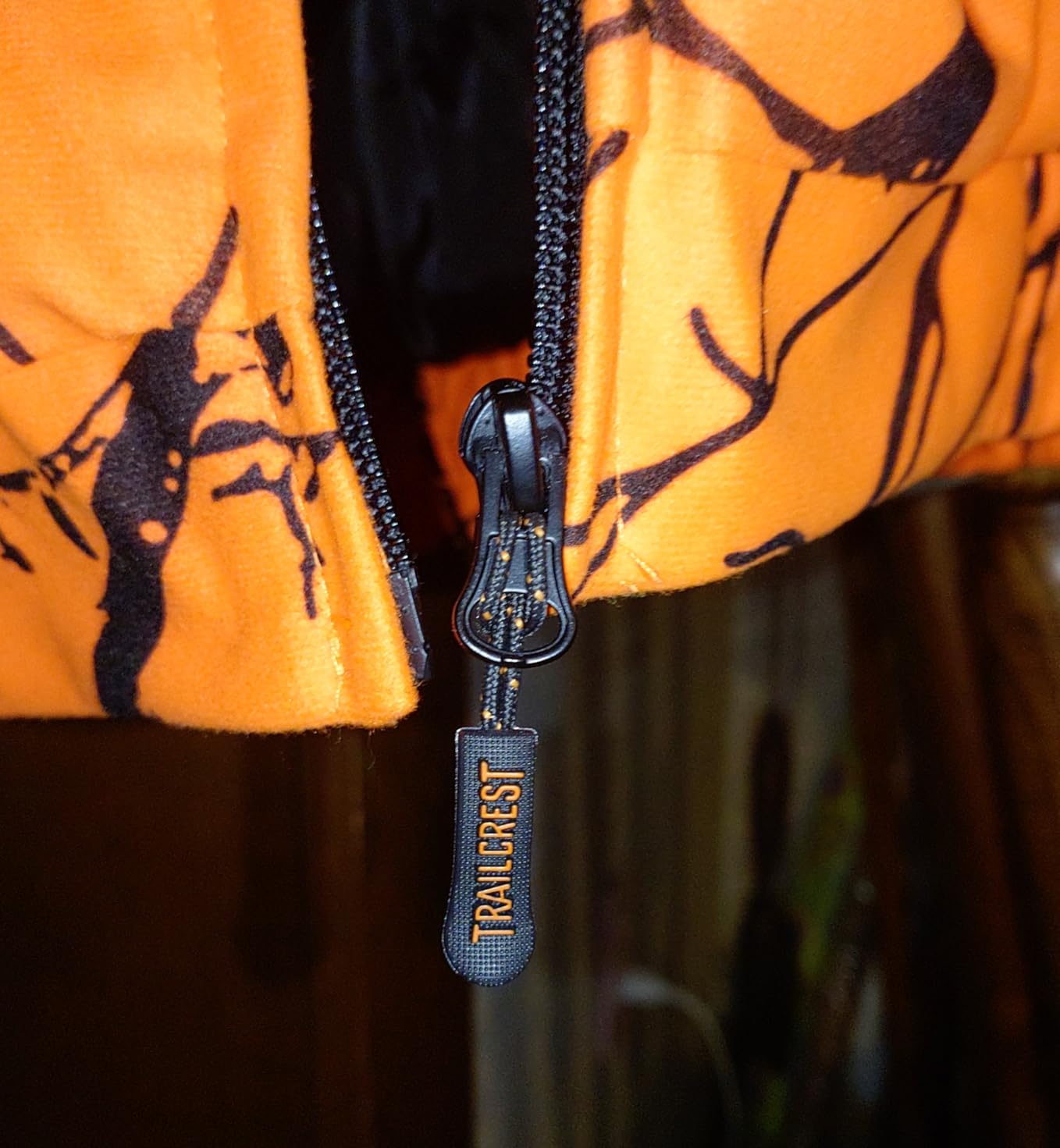
The pocket count is genuinely useful for the money: two large front snap-flap pockets, two chest pockets and side hand pockets. Owners like the chest pockets specifically because they fit a large phone.
The honest caveat is build quality. This jacket carries the lowest average rating in the roundup, and the complaints cluster in the same place, with pocket stitching separating from the shell after light use and zippers described as average to poor.
How the orange actually performs in the field
It delivers full 360-degree visibility, which is the entire point. The one thing owners warn about is brightness: the orange camo pattern reads brighter in person than the listing photos suggest, and some hunters find it too loud for deer country.
For waterfowl and predator hunting where visibility is an advantage, that is not a problem at all.
Where it falls short
Six ounces of poly quilted insulation is a mid-weight fill, and owners put its standalone comfort around the mid-30s before you add layers. That makes it a layering piece for hard cold rather than a late-season standalone parka.
The chest pockets have no flaps, so anything in them gets wet in rain or wet snow, and the recurring stitching complaints mean you should inspect the seams before the first cold morning.
11. TIDEWE Heated Jacket with Battery Pack – Best Battery-Heated Option for Long Late-Season Sits
TIDEWE Heated Jacket for Men with Battery Pack, Zippered Back Pocket with Heater (Next Camo G2, Size XL)
3 heat settings to 10 hours
Waterproof 120g shell
10000mAh battery pack
Heated back seat pocket
Pros
- Battery warmth is useful for long cold sits
- Silent soft fabric that does not spook game
- Waterproof shell and zippers hold up when wet
- Back pocket converts into a heated seat
Cons
- Active heating can overheat during sustained movement
- Battery pack adds noticeable weight on long sit hunts
Best for: hunters who sit for hours in a cold tree stand or on an ice fishing bench, and who want to extend a midweight jacket rather than trade up to a heavy parka. Heated panels are the most under-covered late-season option out there.
The system runs three settings, marked by indicator color, with up to 10 hours on low, 5.5 hours on medium and 3 hours on high. The indicator light switches off after eight seconds, which matters more than it sounds, because a glowing light in a predawn stand is exactly the kind of detail that gives away a position.
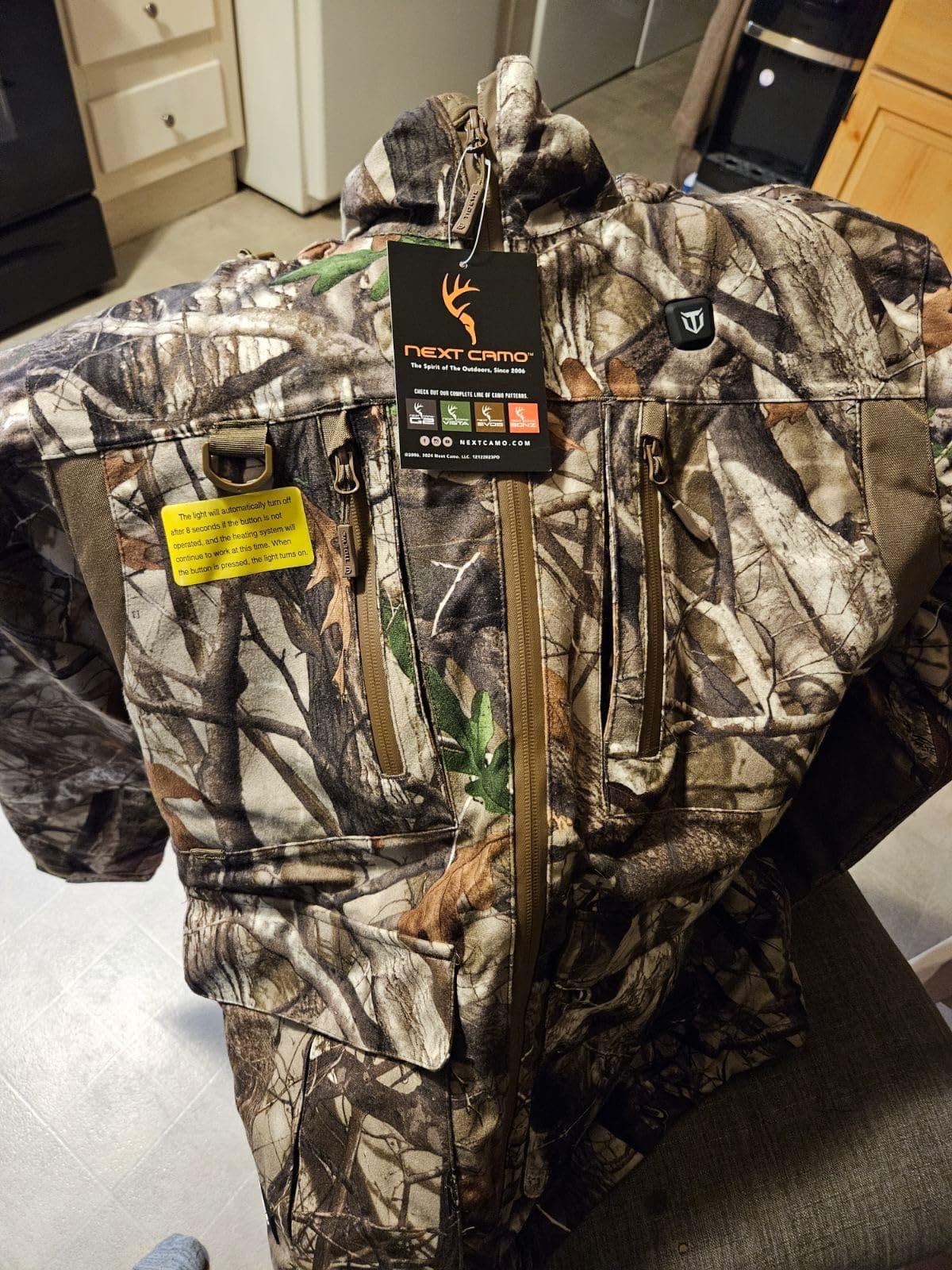
The 10000mAh battery pack takes three to four hours for a full charge with a two-hour quick charge option, and it carries UL, FCC, RoHS, PSE and CE certification along with a 65 degree pause and 75 degree shutoff. The shell is 100% waterproof breathable polyester with 120g insulation rated to minus 5C.
Two features separate this from a generic heated jacket. The fleece-lined waist pockets have waterproof zippers, and the back zip pocket unfolds into a heated seat cushion, which is genuinely useful when you are waiting out the last hour of a cold morning.
How heat management works in practice
Owners say the real value is staying out later rather than surviving an earlier sit. Run on low, it lasts most of a morning, and the waterproof zippers and shell mean the wind and rain are handled independently of the heat.
The most common complaint is overheating. On an active walk in the 3-in-1 configuration, active heating can push past comfortable, so it is a sit-first tool.
Where it falls short
The battery pack adds noticeable weight, which you will notice on a long sit hunt where you are carrying everything else yourself. And because the heat is electrical, you need to think about the pack in cold weather, where capacity naturally drops.
It is also a dedicated piece of equipment rather than a system piece. Plan it as your outer layer over a base and mid, not as a replacement for the whole stack.
12. Wildfowler Outfitter Performance Camo Insulated Parka – Best Camo Choice for Late-Season Waterfowl
Wildfowler Outfitter Men’s Wild Grass Waterproof Insulated Parka
Taped-seam waterproof construction
Polar fleece lining
Quiet soft tricot outer
Elastic hem drawcord
Pros
- Taped-seam construction holds in rain and snow
- Very quiet soft tricot for stealth
- Wicking breathable fabric manages moisture
- Multiple proven camo patterns
Cons
- Fitted cut leaves less room for heavy layering
- Moderate insulation favors mid-season over extreme cold
Best for: cold waterfowl hunters who need a waterproof parka in a specific pattern, and for anyone who wants a quiet softshell feel without going fully to a hard shell.
The construction is double waterproof with taped seams, which is why owners report holding up in rain and snow. The polar fleece lining adds real comfort in a wet cold sit, and the wicking breathable fabric moves moisture during movement rather than holding it against you.
The outer is a soft quiet tricot, and hunters note that it stays quiet in the boat and in the reeds. The elastic drawcord at the hem seals drafts, which is the detail that separates this from the Flatland and keeps cold air from rising during a long sit.
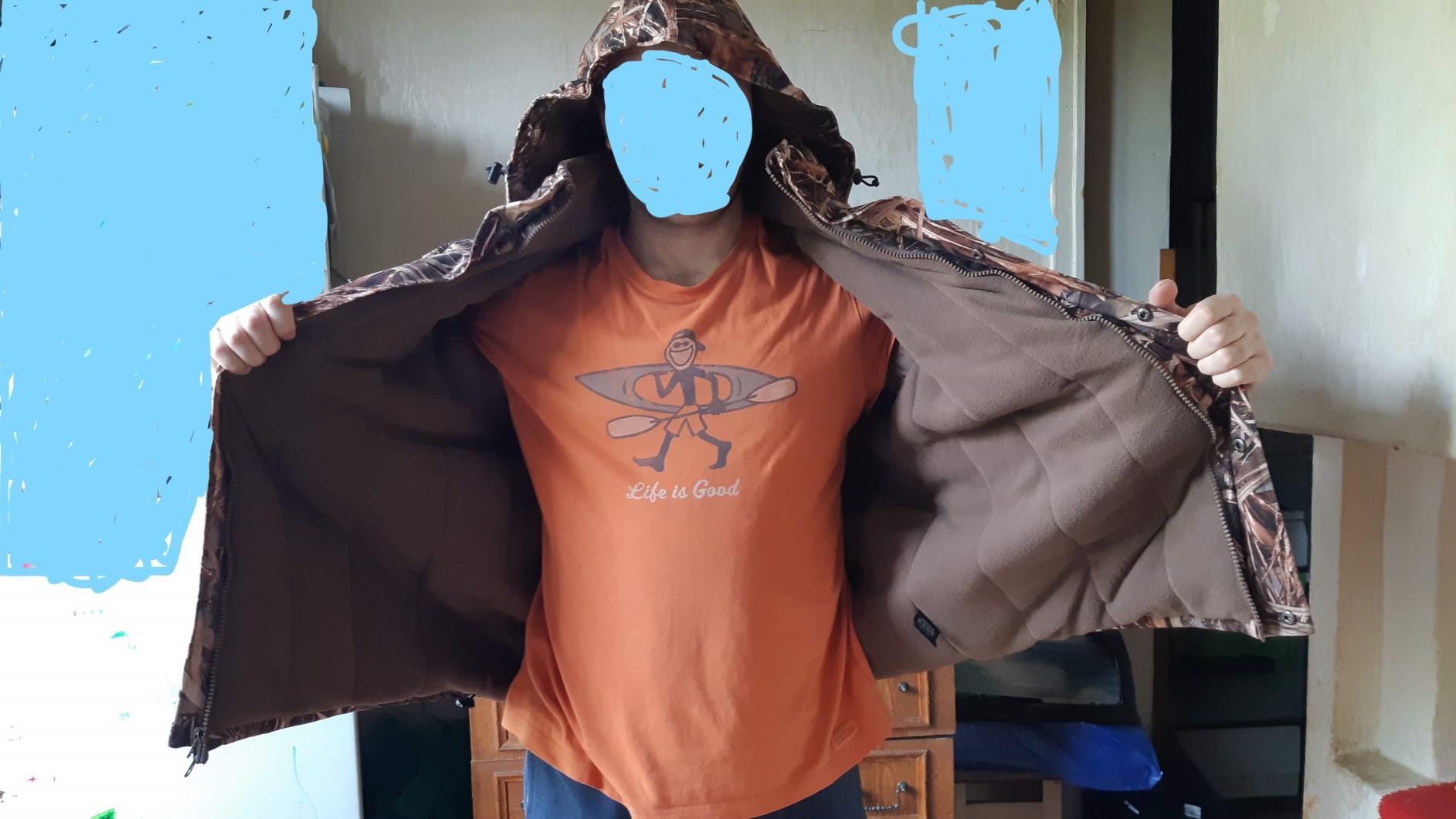
Pattern choice is the quiet strength here. Mossy Oak Shadow, Wildgrass, Wildtree Snow and Camo cover most waterfowl and timber scenarios, and a large review base suggests people are buying it for the pattern as much as the build.
At 651 reviews it is one of the most proven jackets in this roundup, and reviewers credit it with holding up across cold waterfowl and deer seasons.
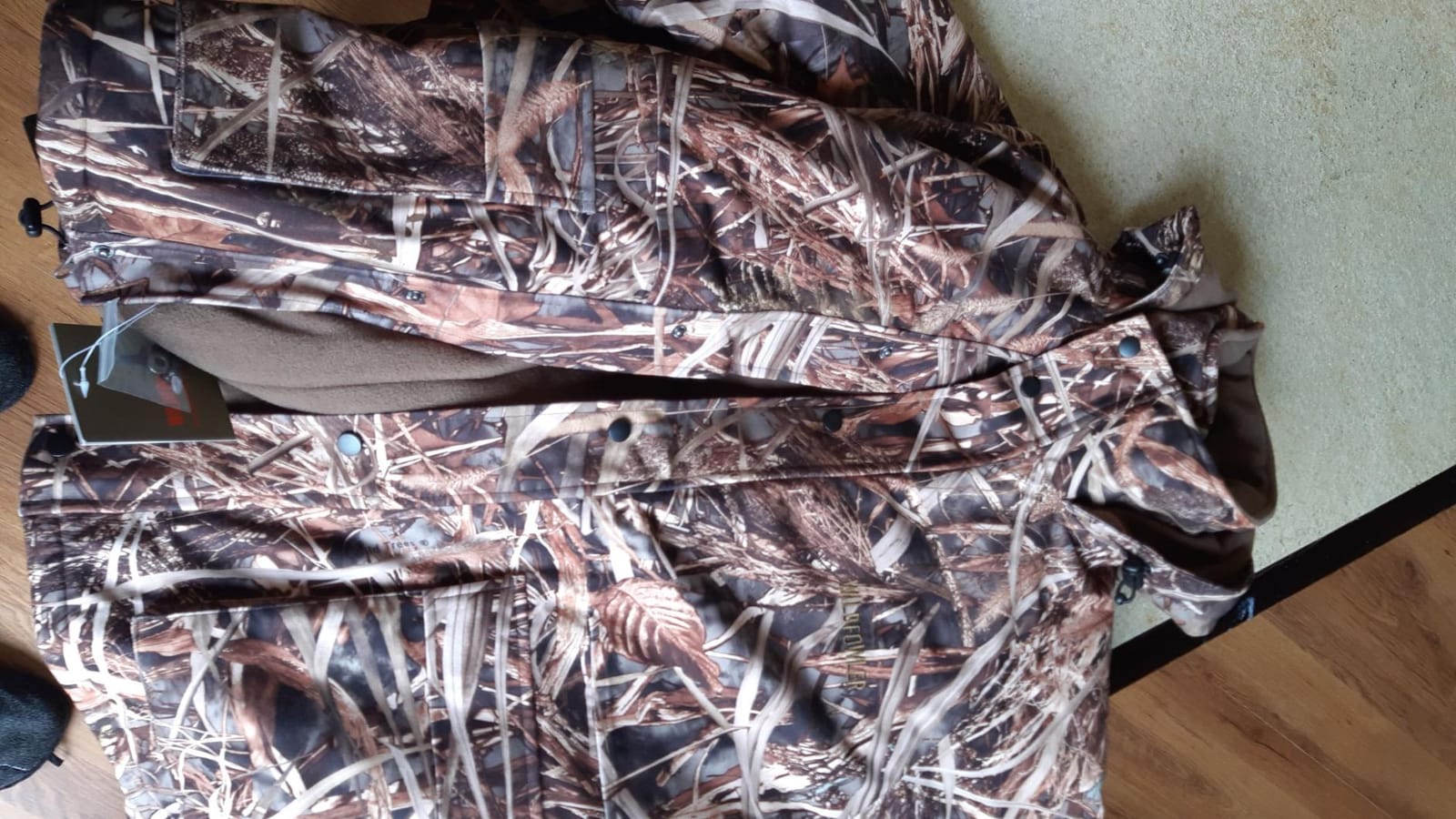
The limitation is the fitted cut. Unlike the Deerhunter or the HOT SHOT 3-in-1, this is not an oversized parka, so there is less room for a thick mid layer. Several owners specifically flag this when describing late-season layering.
The insulation level is also described as moderate, favoring mid-season over extreme cold. Add a mid layer and it is a strong late-season waterfowl jacket; wear it alone on an exposed rim in hard cold and you will feel it.
Why the fit matters more here than elsewhere
Because a fitted parka forces a choice: layer lightly and stay mobile, or layer properly and fight the shell every time you raise a shotgun. Waterfowl hunters who shoot a lot generally decide this tradeoff in the first week.
If you already wear a thick mid layer, the oversized options in this roundup will serve you better.
Where it falls short
Deep cold sits, exposed terrain and heavy pack-outs are not this jacket’s strength. The hem drawcord and taped seams handle weather well, but the fill does not handle severe cold on its own.
It is a unisex adult fit, so check the sizing against a mid layer before ordering, especially if you are between sizes.
Late-Season Buying Guide: Insulation, Wind, and the Layering Stack
What late season actually demands thermally
Late season is the stretch where the air temperature stops being interesting on its own and wind chill takes over. A jacket rated for a still 20F is a different proposition from a jacket that holds a sit at 20F with sustained wind across an open ridge, and the second one is the scenario that ends early-season days.
For most deer, elk and predator hunters, the working range is a mid layer plus a windproof outer. Deep parkas earn their place on exposed sits, in waterfowl blinds and in high country, not on every walk-in. Match the weight to the worst hour of your hunt, not the average.
Synthetic, down, wool and heated: the four-way trade
Synthetic insulation such as the polyfill and Thinsulate fills in this roundup keeps loft when damp, dries fast and costs less, which makes it the safe default for late-season weather that might turn wet. It is also the least compressible of the four, so it adds bulk to a pack.
Down is warmer per gram and packs small, but it is a poor choice for a jacket that will sit in wet snow or take a repeated soaking. If a jacket has down in it, plan on keeping it dry and on how you wash it, because loft loss after washing is the failure mode experienced hunters warn about most.
Wool and merino are not really insulation jackets at all, they are mid layers, and their advantage is that they keep working damp and they do not smell after a week in the woods. That is why experienced hunters layer merino under a quiet synthetic shell rather than looking for a wool parka.
Heated panels are the fourth option and the newest one. They do not replace insulation, they add controllable warmth on a long sit, and the value case is strongest when you would otherwise buy a heavier parka.
Windproof and waterproof are two different problems
Waterproofing is a number, and the number tells you how long a fabric can hold before liquid starts pushing through. Windproofing is a fabric property, and a knit or softshell can be fully windproof with no membrane at all. Jackets get both wrong constantly, so treat them as separate checks when you read a spec sheet.
For a long sit, the practical order matters. A windproof shell over a breathable mid layer beats a waterproof shell over a warm one, because the thing that cools you down fastest is air moving across damp insulation, not water sitting on the outside.
Look for taped seams on anything you will wear in rain, a drawcord or cinched hem, and adjustable cuffs. Those three details close the gaps that turn a warm jacket into a cold one, and they are more predictive of a good sit than the marketing insulation weight.
The base, mid and shell stack that carries a sit
Start with a synthetic or merino base layer that wicks moisture off your skin. Cotton is the wrong choice for every cold hour of the season, because it holds sweat and then carries the chill straight into your mid layer.
Add a mid layer: a zip fleece like the SITKA Traverse, or a merino wool piece if you run cold. This is the layer you generate heat with on the walk and lose heat from the moment you sit down, so it is worth more money than most hunters spend on it.
Finish with a windproof shell or a lightweight insulated parka, sized to close over the mid layer without compressing it. The most common sizing mistake in this category is buying your normal jacket size and discovering it cannot zip over a fleece, which is a problem several jackets in this roundup solve by simply being oversized.
Quietness, scent control and the walk-in
Quietness is the axis experienced late-season bowhunters care about most, and it is the one where brand claims are least reliable. Brushed fleece, soft tricot and quiet knit faces are the fabrics that make almost no sound, while slick nylon shells are the ones you hear before the deer does.
Scent control matters most on the approach rather than in the sit, because deer have already made the decision before you settle in. If you are building a system, spend your scent-control effort on your base and mid layers, where it does the most work, rather than expecting an outer shell to handle it.
One more practical point: buy the quiet option if you shoot close, and buy the waterproof option if you shoot exposed. Hunters who try to solve both with one jacket usually end up carrying the second one anyway.
Fit and sizing when you are layering
Sizing is where most late-season returns happen, and it is not complicated. Buy the shell one size up from what you normally wear, or choose a jacket that is explicitly designed oversized, and test it zipped over your actual mid layer rather than over a t-shirt.
Sleeve length deserves a specific check for bowhunters, because a jacket that runs short at the wrist moves when you draw. Cuff cinch systems solve part of the problem, and long-sleeve cuts like the ArcticShield are worth checking if you are over six feet.
If your hunting spans a wide temperature range, a modular system pays for itself faster than one heavy jacket, because you can add and subtract the layer that matters. The Guide Gear Steadfast and the HOT SHOT 3-in-1 both do that well, and both are easier to pack than a parka plus a mid layer bought separately.
Whatever you choose, pair the jacket with the rest of the cold-weather kit. Our guides to hunting packs for backcountry and thermal monoculars for hunting cover the other decisions that show up on a late-season glassing route.
Frequently Asked Questions
Is KUIU or Sitka warmer?
Neither brand won a clean verdict here, because warmth depends on insulation type and shell construction more than the label. Sitka tends to build quieter, more breathable pieces suited to layering, while KUIU is frequently described on hunting forums as the warmer option for static cold sits. The honest answer is that the right jacket is the one that fits your system, not the one with the bigger name on the label.
What hunting jackets are best for cold weather?
For cold weather sits the strongest performers in this roundup are the Gamehide Deerhunter Parka for oversized layering, the ArcticShield Classic Elite for warmth without bulk, and the HOT SHOT 3-in-1 for the best balance of waterproofing and value. For cold and wet, the Wildfowler and ROCKY parkas handle rain better. Add a merino or synthetic mid layer under any of them and the range extends considerably.
What is the best jacket for late-season deer hunting?
The Gamehide Deerhunter Parka is the best all-around choice for late-season deer hunting because its oversized cut layers over a fleece, its shell sheds rain and snow quietly, and it works in a tree stand or a still hunt. For deer approaches where silence matters more than waterproofing, the HOT SHOT insulated twill model is quieter and cheaper. For durability across many seasons, the Gamehide Flatland holds up best.
What is the best jacket for extreme cold weather hunting?
The ArcticShield Classic Elite Parka is the best standalone pick for extreme cold because it is warm without feeling bulky, and its bottom drawcord plus hook-and-loop cuffs block wind at the openings where cold actually gets in. Paired with a merino base layer and a fleece mid layer, the Gamehide Deerhunter is the better insulated alternative. A battery heated jacket like the TIDEWE extends a sit further than either.
Who makes the best hunting jackets?
Brands with the strongest reputations for late-season hunting include Sitka for quiet breathable layering pieces, KUIU for heavy cold-weather parkas, and First Lite for big-game hunters who want one jacket for the whole season. Gamehide, ArcticShield and Wildfowler deliver the most proven value builds, while Blocker, Badlands and Cabela’s cover the budget tier well. The right brand depends more on your climate and layering plan than on any ranking.
How many layers to wear hunting in cold weather?
Three layers is the working answer for most late-season hunts: a moisture-wicking base layer, an insulating mid layer such as a fleece or merino piece, and a windproof shell or lightweight insulated parka over the top. Add a fourth only for static sits in serious cold, and skip cotton at every layer because it holds sweat and turns the chill inward. Heated panels let you stay comfortable in two or three layers for longer sits.
The Best Hunting Jackets for Late Season, Final Verdict
After working through all twelve, the Gamehide Deerhunter Parka is the editor’s choice for the best hunting jackets for late season. It is the only jacket here that solves layering, wind, wet and pocket storage at once, and 822 reviews of owners using it across multiple seasons is the strongest evidence in this group.
Take the HOT SHOT 3-in-1 if you want the most jacket per dollar, and it will outlast a season or two before you even consider replacing it. Take the HOT SHOT insulated twill jacket for quiet close-range work in dry weather, and the Gamehide Flatland if you plan to keep hunting in the same parka for years.
Whichever one you choose, buy the shell for the windiest hour of your hunt rather than the coldest one, and size it to close over a mid layer. That single decision does more for a late-season sit than any gram of insulation on a spec sheet. As you build out the rest of your cold-weather kit, our hunting backpacks for elk hunting guide covers carrying it all, and the UTVs for hunting guide covers the mornings you are not walking in at all.