
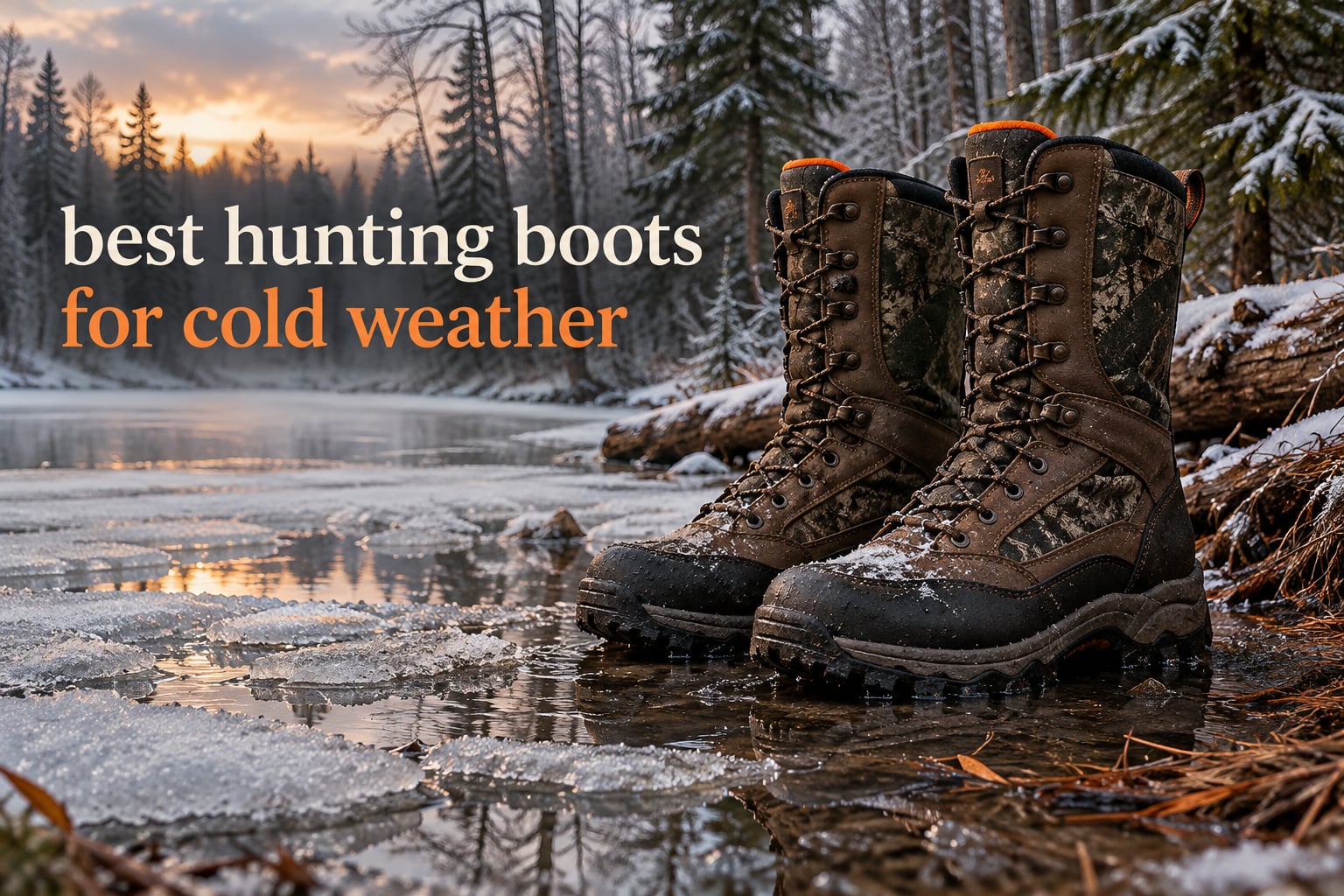
Best for sub-zero tree stand sits: the MUCK Arctic Pro with 8mm neoprene and 2mm thermal foam. Best for long days on foot: the ROCKY Sport Utility 1000G. Best value: the TIDEWE 800G with 7mm neoprene. Warmest boot in the group: the LaCrosse Hunt Pac Extreme 2000G. Those four cover almost every cold-weather hunt in North America.
Cold feet end hunts. Hunters talk about cold hands and stand sway constantly, but on hunting forums the number one reason people leave a tree stand early or call a trip off is numbness in their feet. Wet feet are worse than cold feet, because cold you can walk through and wet gets into your gear and ruins your scent control for the rest of the season.
We spent 2026 season walking, standing and picking through the 12 pairs of insulated hunting boots below. The list deliberately mixes pull-on rubber boots, lace-up leather boots and tall pac-style boots, because the right pick depends far more on how you hunt than on any spec sheet. If you want the men’s insulated hunting boot shortlist to start with, we covered that separately in our [10 Best Insulated Hunting Boots for Men Reviews](https://austineubanks.com/best-insulated-hunting-boots-for-men/). This guide is the cold-weather answer.
Table of Contents
Top 3 Picks: Cold-Weather Hunting Boot (September 2026)

MUCK Arctic Pro Insulated
- 8mm neoprene bootie
- 100% waterproof rubber
- 2mm thermal foam under footbed
- Bob-Tracker multi-terrain outsole

MUCK Woody Max Boot
- Fleece lined
- Stretch-fit comfort topline
- Extended rubber exterior
- EVA contoured midsole

ROCKY Sport Utility 1000G
- 1000g 3M Thinsulate
- Guaranteed Rocky Waterproof
- Sport Utility outsole
- Wide width sizing
All three top picks share something important: they are waterproof to the shaft and they do not depend on a thin membrane that can be punctured by a branch. The MUCK pair wins on warmth and owner volume, the ROCKY wins on balance between insulation and weight for hunters who actually move.
All 12 Best Cold-Weather Hunting Boots at a Glance in 2026
| Product | Specifications | Action |
|---|---|---|
| MUCK Arctic Pro Insulated Boot |
|
Check Latest Price |
| MUCK Woody Max Boot |
|
Check Latest Price |
| ROCKY Sport Utility 1000G |
|
Check Latest Price |
 Irish Setter Elk Tracker 12 inch Irish Setter Elk Tracker 12 inch |
|
Check Latest Price |
 ROCKY Blizzard Stalker 1200G ROCKY Blizzard Stalker 1200G |
|
Check Latest Price |
 TIDEWE 800G Insulated Rubber Boot TIDEWE 800G Insulated Rubber Boot |
|
Check Latest Price |
 ROCKY Retraction Waterproof 800G ROCKY Retraction Waterproof 800G |
|
Check Latest Price |
 Hunthor 6mm Neoprene Rubber Boot Hunthor 6mm Neoprene Rubber Boot |
|
Check Latest Price |
 Hunthor 800g Insulated Boot Hunthor 800g Insulated Boot |
|
Check Latest Price |
 8 Fans 1000G 17 inch Hunting Boot 8 Fans 1000G 17 inch Hunting Boot |
|
Check Latest Price |
 LaCrosse Insulated Pac 12 inch LaCrosse Insulated Pac 12 inch |
|
Check Latest Price |
 LaCrosse Hunt Pac Extreme 2000G LaCrosse Hunt Pac Extreme 2000G |
|
Check Latest Price |
1. MUCK Arctic Pro Insulated Boot – Best Overall for Sub-Zero Sits
MUCK Men’s Arctic Pro Insulated Boot, Brown, Size 12(M)
8mm neoprene bootie
2mm thermal foam
100% waterproof MUCKPROOF rubber
Bob-Tracker outsole
Pros
- Fully waterproof in mud snow and standing water
- Wide last fits thick wool socks without cramping
- Bob-Tracker lugs grip snow and ice
- Slip on design with no laces
- Decades of owner reports
Cons
- No heel wedge makes them hard to pull off
- Rubber can crack after three to four seasons
- Too hot above about 40F for some wearers
This is the boot we keep coming back to. After a full season of dawn sits in the Upper Midwest, the Arctic Pro is the pair that never let us down. With 5,729 reviews averaging 4.7 stars, it is also the most thoroughly field-tested boot in this roundup, which matters when a marketing temperature rating is only a guess.
The warmth comes from an 8mm neoprene bootie combined with 2mm of thermal foam under the footbed, and owners report comfort down to roughly -20°C. The 100% waterproof MUCKPROOF shell means standing in a flooded creek bottom or a slushy rut does not end the hunt.
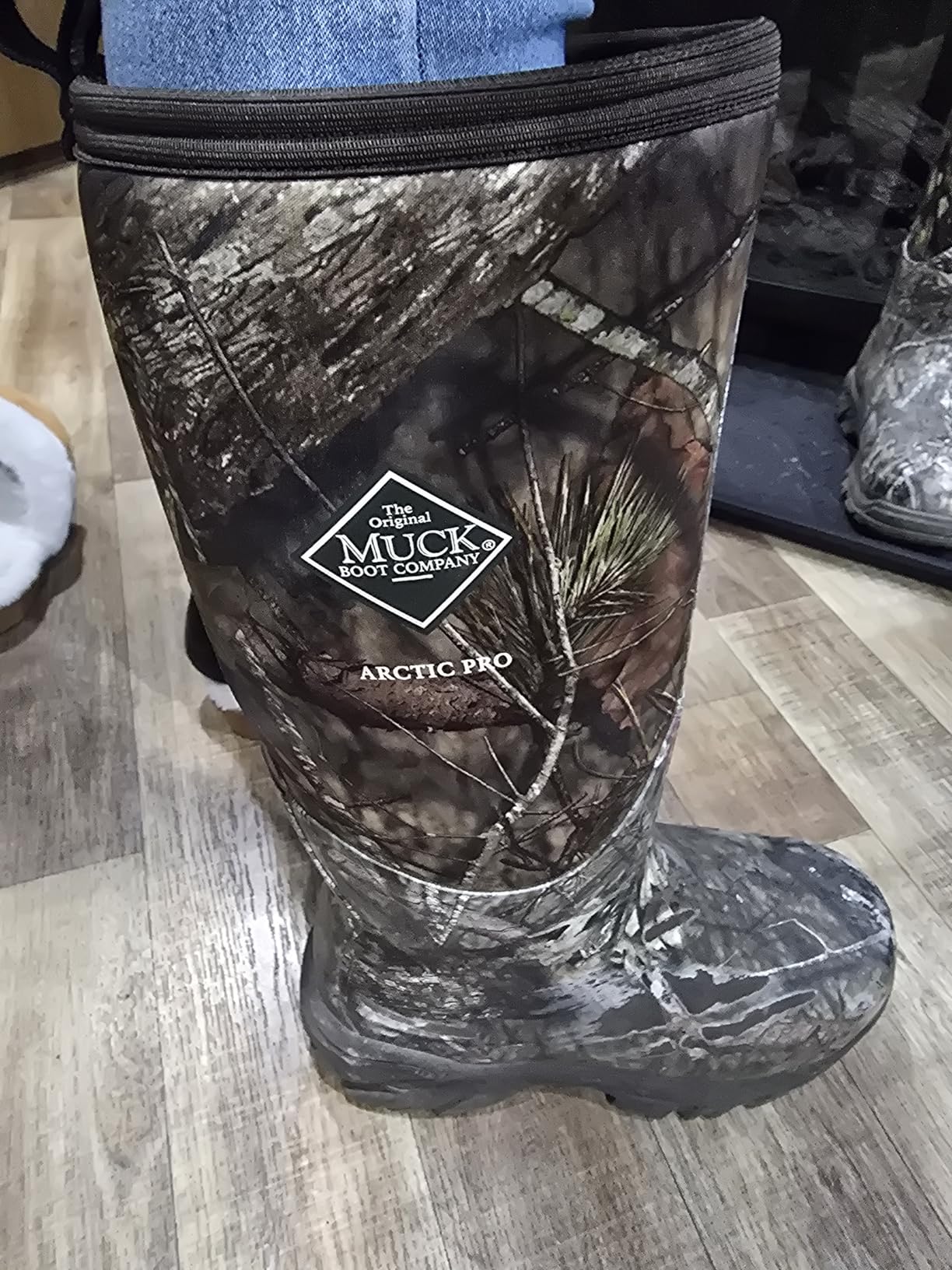
Two details separate it from cheaper rubber boots. The neoprene is thick enough to insulate on its own, and the Bob-Tracker outsole uses semi-spherical lugs that shed snow and mud instead of gluing over. The wide last is the real reason most hunters keep coming back, because thick wool socks and a second pair of liners fit without the squeeze.
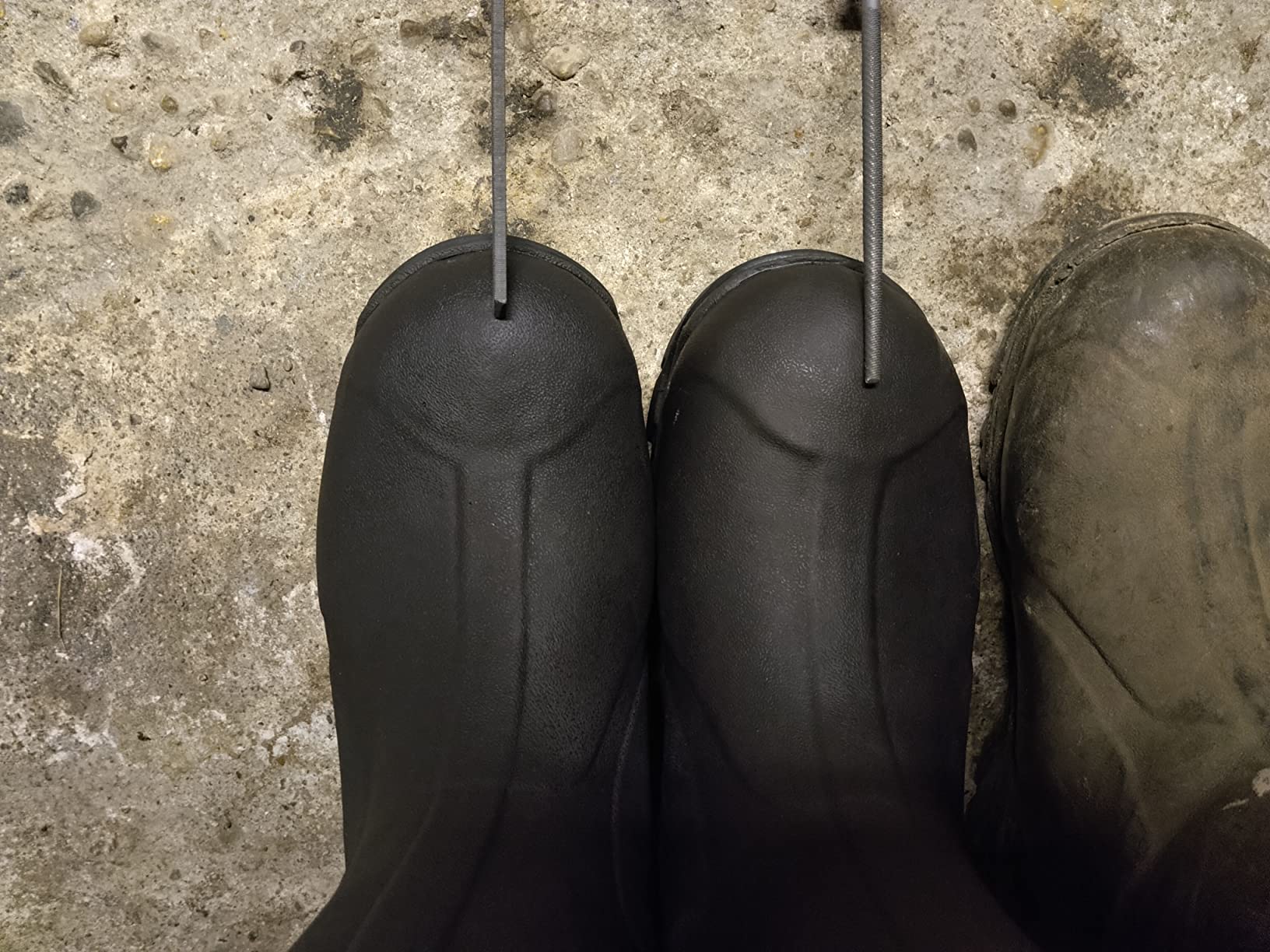
The negatives are consistent across reviews. There is no heel wedge, so pulling the boots off after a long sit takes some practice, and the rubber upper can begin to crackle and degrade after three to four years of daily use. Several wearers also report that this level of insulation is simply too hot above about 40°F once you start moving.
When the Arctic Pro earns its keep
This is a sit boot. It is at its best when you climb a tree at 5am, sit for four hours in a deer stand at 15°F, and climb down. Hunters on Reddit and Hunttalk repeatedly name the Muck Arctic family as the cheap always-keep-in-the-truck option, and this is that pick in its warmest form.
Pair it with a sit pad and hand warmers if you are going below zero. Our [11 Best Sleeping Bags for Cold Weather Reviewed](https://austineubanks.com/best-sleeping-bags-for-cold-weather/) guide covers the rest of a cold camp, because a warm boot does not help if you freeze sleeping.
Where the Arctic Pro gets in the way
It is not a hiking boot. The bulk that keeps a 17 inch shaft standing up is awkward on a rocky climb or a staircase, and hunters covering several miles of approach report that this profile tires their ankles by midday. For long approaches, look at a lighter insulated lace-up.
Do not buy these in October and debut them on the first January hunt. The break-in for pull-on rubber is short, but a fresh pair at 10°F will still surprise you. Wear them around the house for a week first.
2. MUCK Woody Max Boot – Top Rated Fleece-Lined Comfort
MUCK Men’s Mossy Oak® Break Up Country™ Woody Max Boot, Brown, Size 10(M)
Warm fleece lining
Stretch-fit comfort topline
Extended rubber exterior
EVA contoured midsole
Pros
- Highest rating in the group at 4.8 stars
- Wide fit takes thick socks and layering
- Extended rubber adds waterproofing and toughness
- Break-in free comfort out of the box
Cons
- Fleece lining runs hot for high output activity
- Bulkier than a traditional leather boot
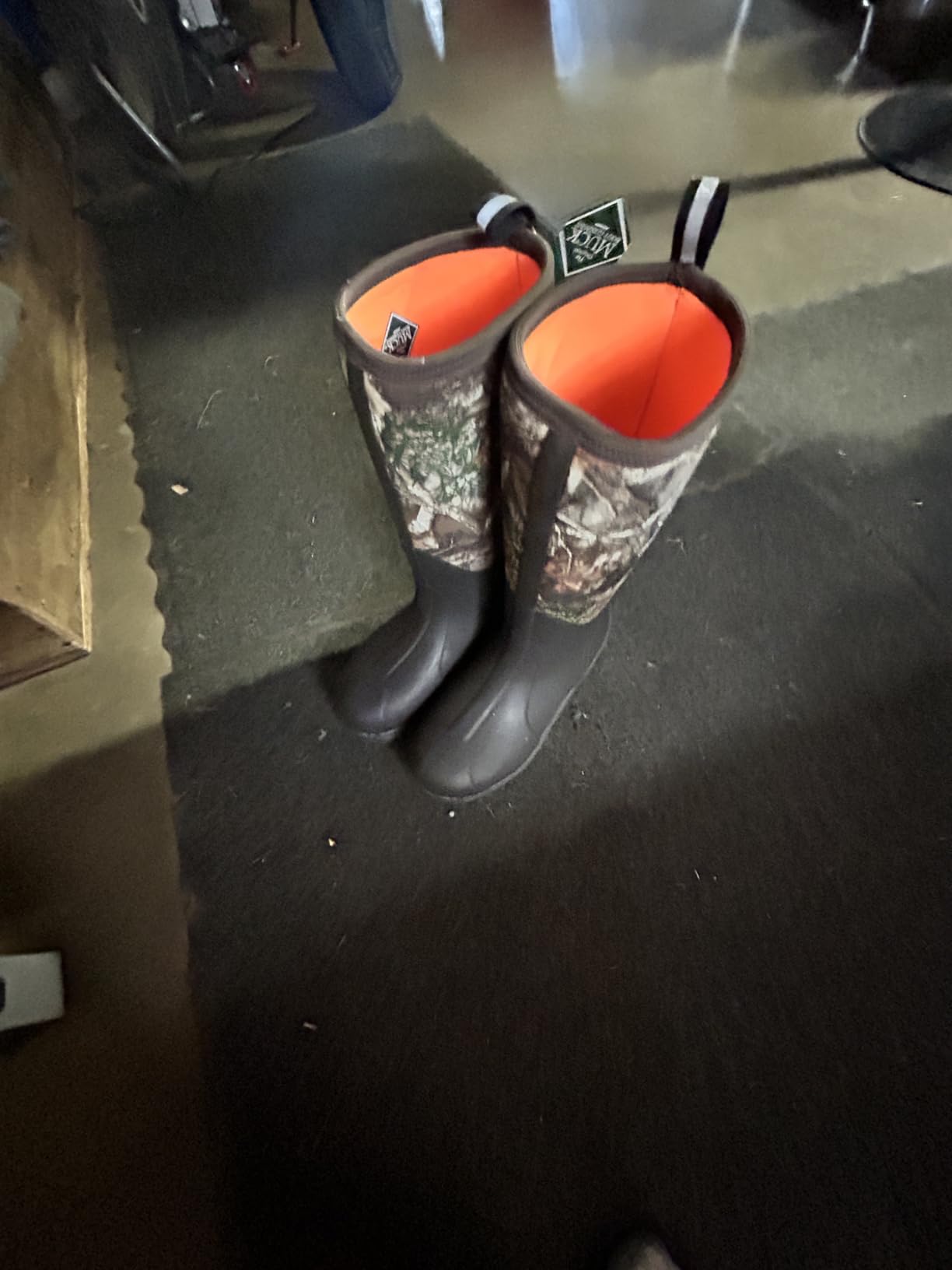
The Woody Max holds the highest average rating of any boot we reviewed, at 4.8 stars across 3,419 reviews, with 89% of ratings at five stars. That consistency is rare. It is not the warmest boot here, but very few pairs of cold-weather hunting boots get recommended by this many owners without a single recurring complaint.
The insulation is a warm fleece lining rather than a gram-rated Thinsulate figure, so you will not find a number on the label. In practice it handles early winter mornings and long approaches better than it handles deep cold stationary sits, which is a reasonable trade for a boot that never feels clumsy.
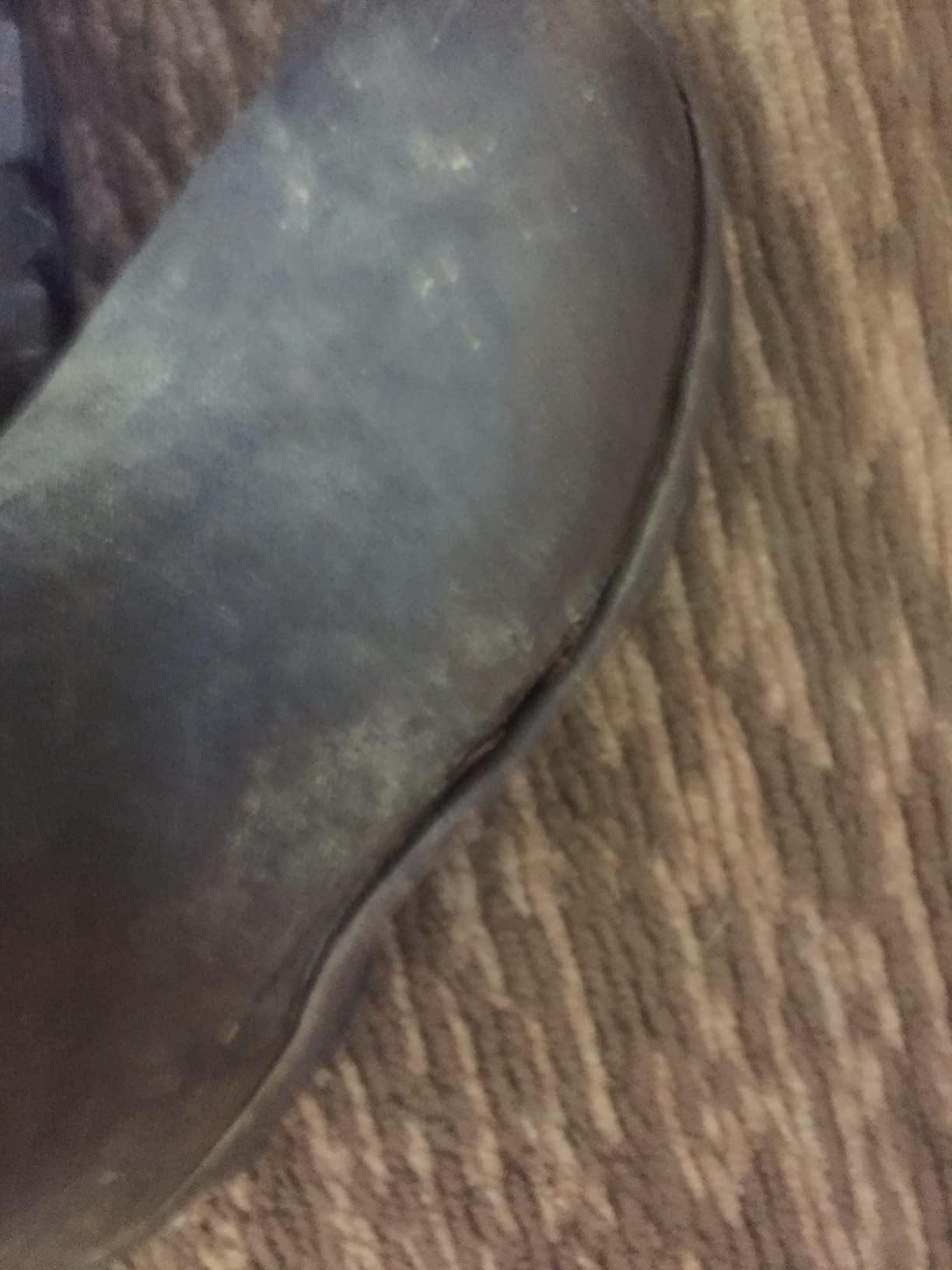
The stretch-fit comfort topline is the piece most owners mention first. It binds snugly around the calf, which keeps warmth in and stops snow, leaves and creek grit sliding down the shaft. The extended rubber exterior above the foot adds a second waterproof barrier and survives brush that would chew through a fabric upper.
The EVA contoured molded midsole is simple but it does the job, absorbing the impact of long days on hard ground and on rock. Our feet stayed comfortable over a 30 hour multi-day trip where the only real adjustment was a swap to a lighter sock system for the walking portion.
Who this fleece-lined boot suits
This is the boot we recommend to someone who is still deciding how much insulation they actually need. If your season runs from September through December, and your sits are mostly a few hours rather than all day in a stand, the fleece lining is enough without the sweat problems of a 1200g or 2000g boot.
It also makes sense as a wet-weather pairing boot. Hunters who carry a heavy insulated boot for the stand often keep a lighter boot like this in the truck for scouting, tree work and the drive to the ramp.
Where it falls short
Two limits show up repeatedly. The fleece lining can run uncomfortably warm for high-output activity in mild conditions, and the rubber-hunting-boot shape is bulkier than any leather boot, so it will never feel like a hiking shoe.
If you sit at zero degrees and below for a full day, step up to a gram-rated model instead. Fleece is good at keeping a moving foot warm, less good at holding still against deep cold.
3. ROCKY Sport Utility 1000G Insulated Boot – Best Balance for Long Days on Foot
ROCKY Sport Utility 1000G Insulated Waterproof Boot, Mossy Oak Break Up, Size 10(WI)
1000g 3M Thinsulate
Guaranteed Rocky Waterproof
Sport Utility outsole
6.1 pounds per pair size 10
Pros
- 1000g Thinsulate holds deep cold without overheating
- Sport Utility outsole grips snow ice and rough ground
- Wide widths handle broad feet
- One owner reports a first pair still wearable after 20 years
Cons
- Standard widths run narrow with thick socks
- Heavy for the first steps before break in
- Upper leather stiffens and toe sole can loosen
Most cold-weather hunting boots ask you to choose between warmth and mobility. The ROCKY Sport Utility 1000G is the pick that refuses the trade. At 1,000 grams of 3M Thinsulate with Guaranteed Rocky Waterproof construction, it kept our feet warm through a November elk-country approach and still felt stable on loose rock.
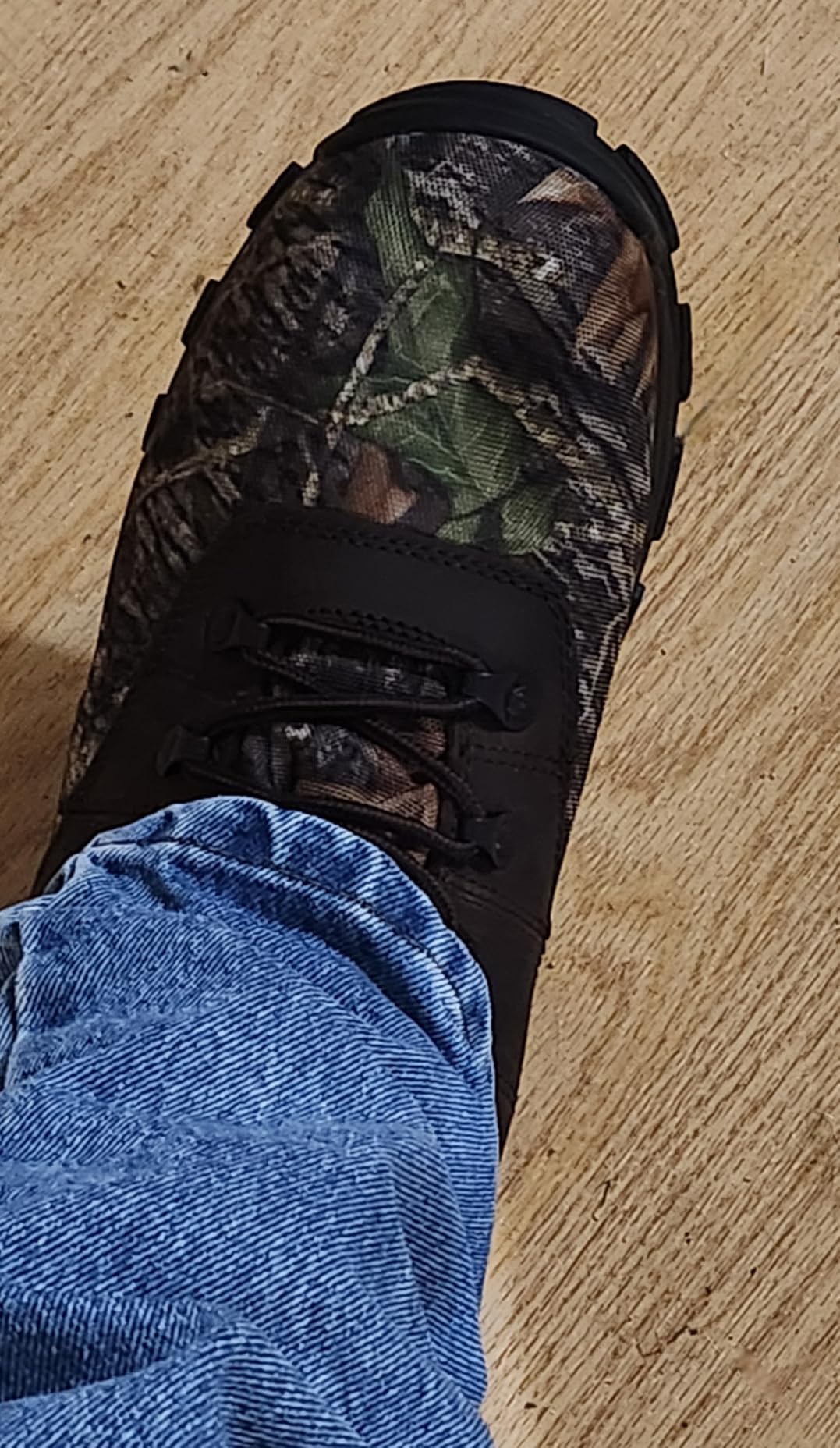
That balance is why it earns a place on hunters who move. Reviewers describe serious warmth, waterproofing that held even standing in water, and one owner still wearing a first pair after 20 years. The Sport Utility outsole delivers the grip you need when the ground is snow over stone.
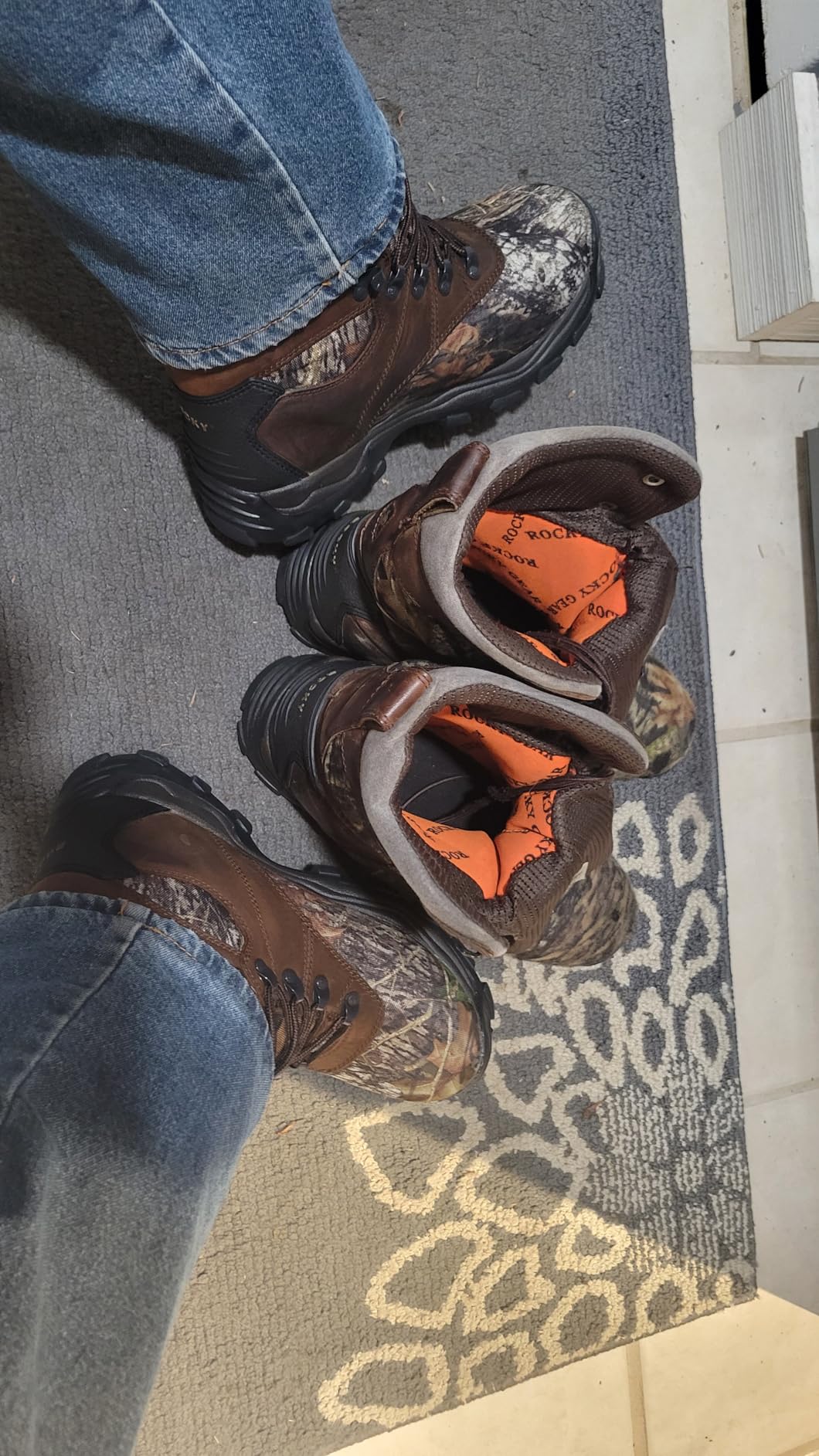
Two specifications matter for anyone walking distance. The weight is listed at 6.1 pounds per pair for a size 10, which is honest for a 1000g boot, and the Goodyear-style welted build means the footbed can be replaced rather than the whole boot. Owners also rate the ankle support and cushioning highly for long days on foot.
The fit is the thing to get right. Standard widths run narrow, and reviewers with thick or double socks are told plainly to order the Wide variant. The half sizes and wide options exist, so if you have broad feet this is one of the easier insulated boots to fit properly.
Where the 1000G category fits
One thousand grams is the sweet spot for a lot of hunters. It is warm enough for genuine deep cold without the heavy sweating that turns into chill the moment you stop moving, which is precisely the overheating complaint that owners report against the 1200g and 2000g models.
For long approaches, our [8 Best Hunting Packs for Backcountry Reviews](https://austineubanks.com/best-hunting-packs-for-backcountry/) is the natural companion. A boot that stays comfortable on a long walk changes how far you are willing to push before dark.
What to watch before you buy
Order the Wide if you are between sizes or wear double socks. The first few steps feel heavy while the upper breaks in, and that stiffness never fully goes away, so it is not the choice for anyone who wants a light pack boot.
Owners also report the upper leather stiffening over time and the toe sole eventually loosening. With a welted platform, that is a repair conversation rather than a replacement conversation, which is why a 20 year owner report is plausible here.
4. Irish Setter Elk Tracker 12 Inch – Best for Tree Stand and Blind Sits
Irish Setter Elk Tracker 12″ Mens Hunting Boot, Brown, 11
1000g 3M Thinsulate
GORE-TEX full grain leather upper
Resoleable Goodyear Welt
12 inch shaft
Pros
- GORE-TEX holds up with feet submerged above the ankle
- Resoleable welt with owners reporting 10 year service life
- Steel shank and Bulls-Eye Air Bob outsole for calf stability
- Comfort cork footbed molds to the foot
- ScentBan lining controls odor on multi-day trips
Cons
- Heavy and stiff
- not suited to long walks on hard ground
- Soft outsole grips poorly on smooth wet floors
- Needs a long break in and sizing up a half size
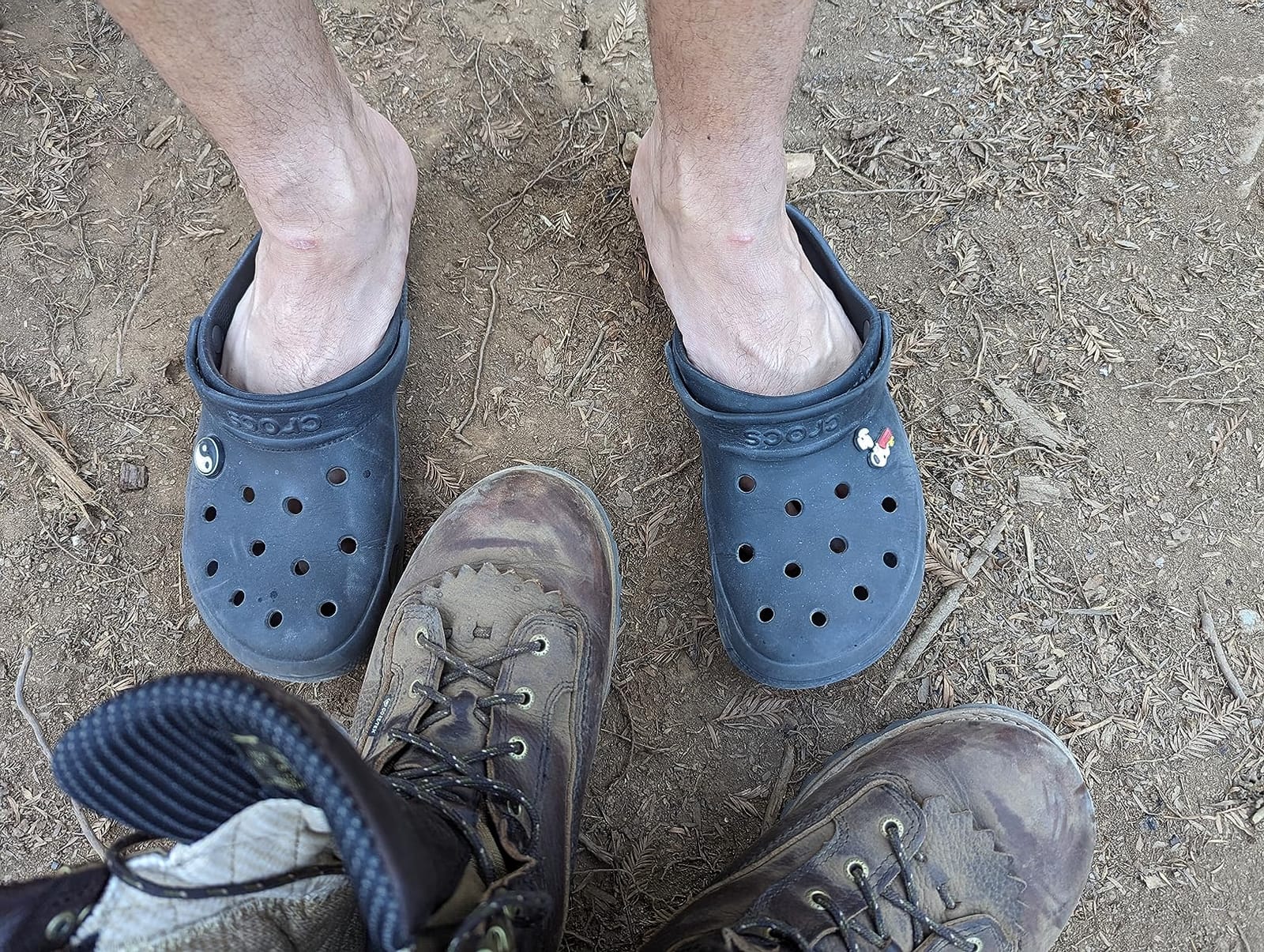
The Elk Tracker is the only boot in this roundup built as a leather boot rather than a molded rubber one, and that changes everything about how it ages. Full-grain leather with GORE-TEX waterproofing and 1000g of 3M Thinsulate gives you a 12 inch shaft that stands up on its own and can be resoled for a decade.
For a sit, that is ideal. GORE-TEX performance held up in reviews even with feet submerged above the ankle, and the Bulls-Eye Air Bob aggressive sole with a built-in steel shank gives the calf stability that tree stand ladders demand. A sit in a stand with a thermal scope is a good companion; our [8 Best Thermal Monoculars for Hunting Reviews](https://austineubanks.com/best-thermal-monoculars-for-hunting/) covers the glass side of that equation.
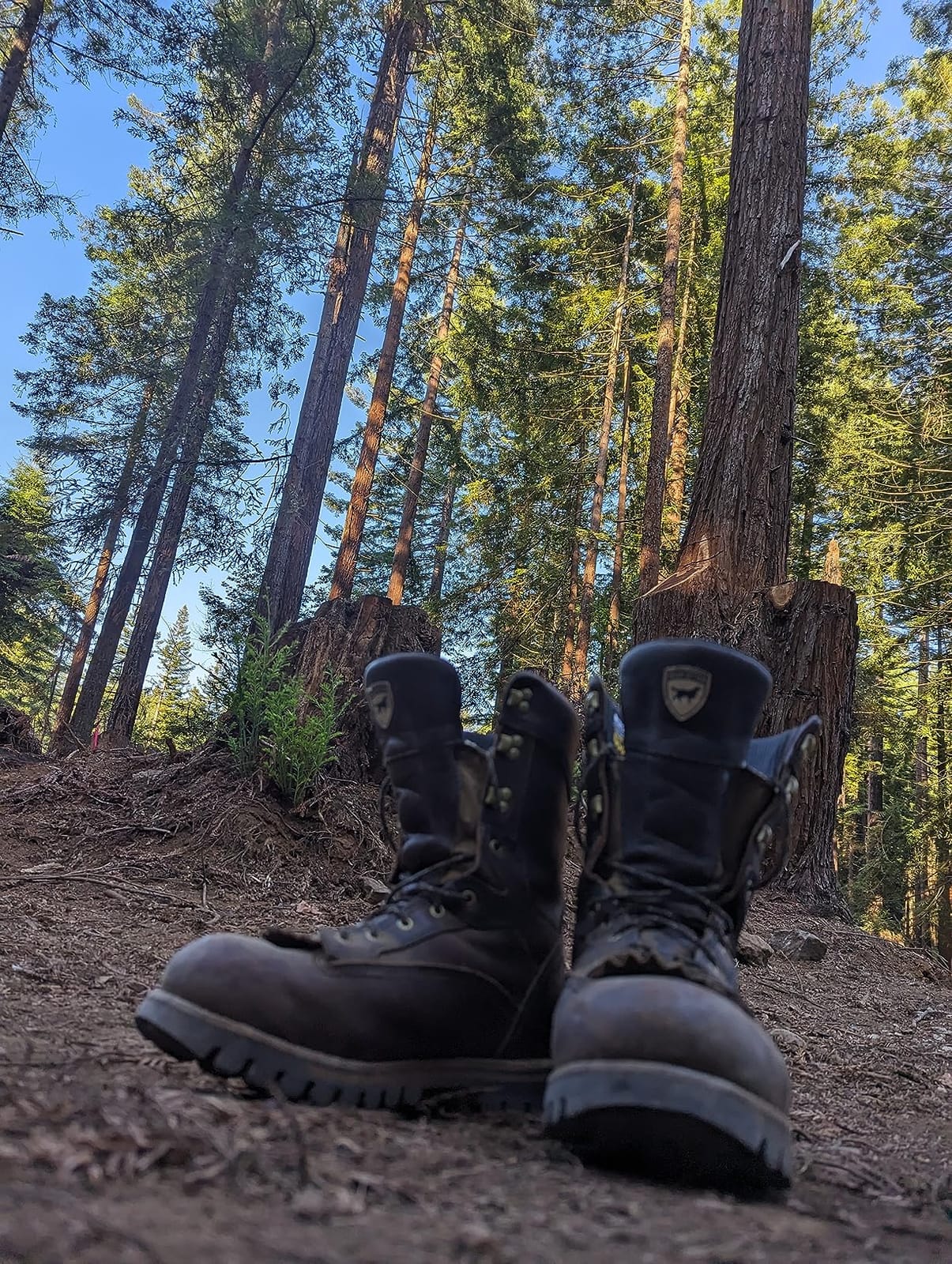
The removable comfort cork EVA and memory foam footbed is a quiet feature that matters over a six hour sit. It molds to the foot over time, and the moisture-wicking nylon interior moves sweat away from a foot that is not generating much heat of its own.
ScentBan technology in the footbed and lining is aimed at exactly that problem. A boot that controls odor across a multi-day trip protects the rest of your scent control strategy, and scent is the other thing that ends hunts early.
Why leather belongs in your rotation
Rubber wins on standing water and scent. Leather wins on long service life, because a Goodyear welted boot can be resoled rather than replaced. One owner has worn the same Elk Tracker for more than 10 years, and that is not an unusual report for this construction.
Buy this as your sit boot and keep a rubber pair for the walk in. That pairing covers the late-season deer camp better than any single boot on the market.
The trade-offs nobody hides
It is very heavy and stiff, and reviewers are blunt that it is wrong for long walks on hard pavement or stairs. The soft outsole rubber also grips poorly on smooth wet indoor floors, and it shears on ice without cleats.
Plan for a break-in of several months and size up half a size. Some owners also report cracked soles or loosened welt threads within weeks, so inspect the stitching early in the season rather than at the end of it.
5. ROCKY Blizzard Stalker 1200G – Best for Freezing Rain and Deep Cold
Rocky Men’s Blizzard Stalker Pro Hunting Boot,Brown/Black,11 M US
1200G Thinsulate insulation
Waterproof construction
durable rubber vamp
padded collar and extended tongue
Pros
- 1200g Thinsulate delivers serious warmth for extreme cold
- Waterproof construction holds in harsh conditions
- Rubber vamp resists abrasion where boots usually fail
- Removable mesh PU footbed can be replaced
- Lace closure allows a precise fit
Cons
- Heavy at 4.5 pounds
- Slower to put on than a pull-on rubber boot
When the forecast says freezing rain rather than snow, the Blizzard Stalker is the boot we want. Twelve hundred grams of Thinsulate sits above what most hunters need, and the waterproof construction keeps the wet cold out during exactly the conditions that defeat a fabric upper.
It has been on the market since 2005, and 899 reviews with 76% five-star ratings is a long record for good reason. Owners value the high insulation rating for extreme cold and the adjustable fit that the lace-up closure provides.
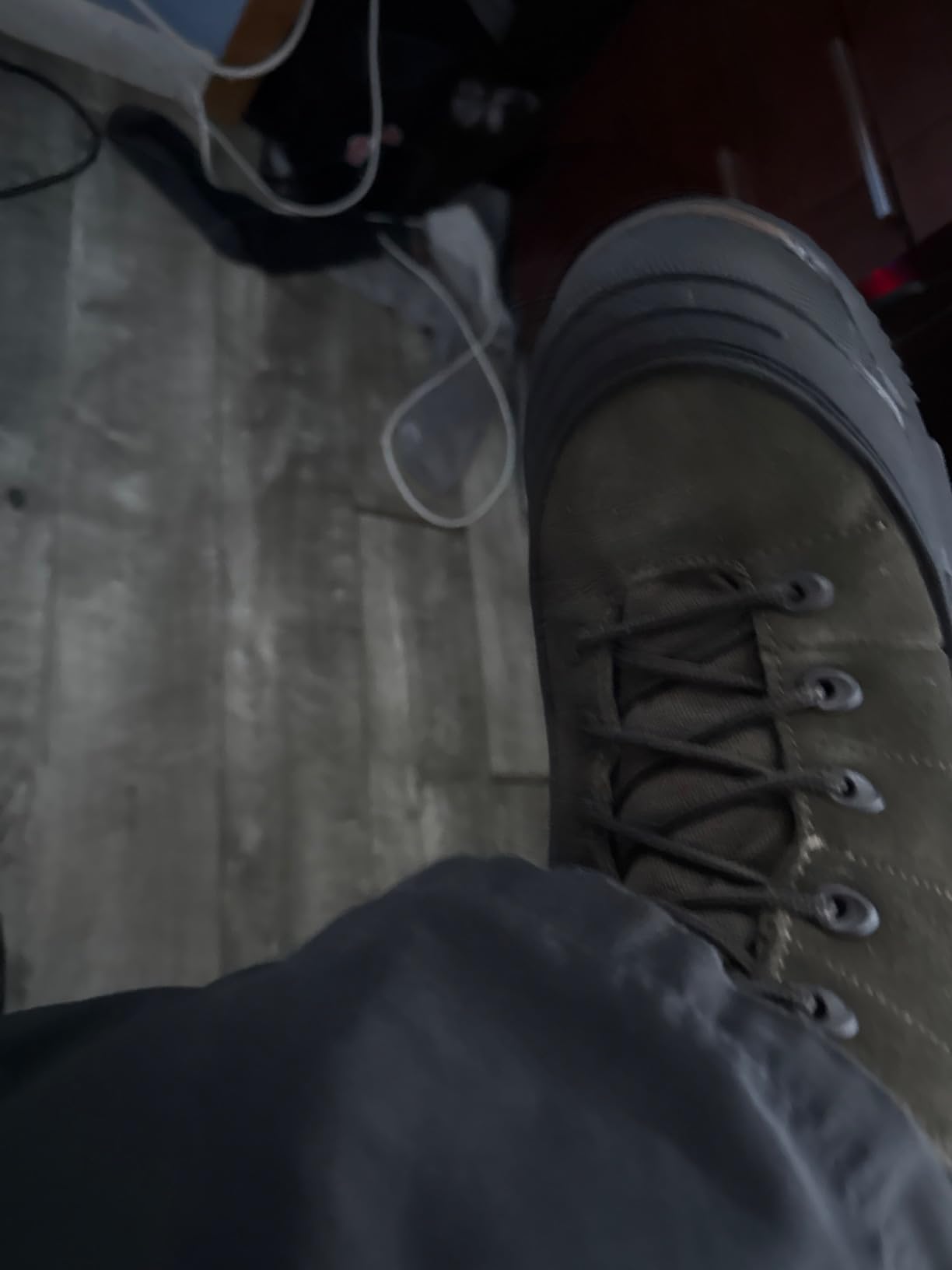
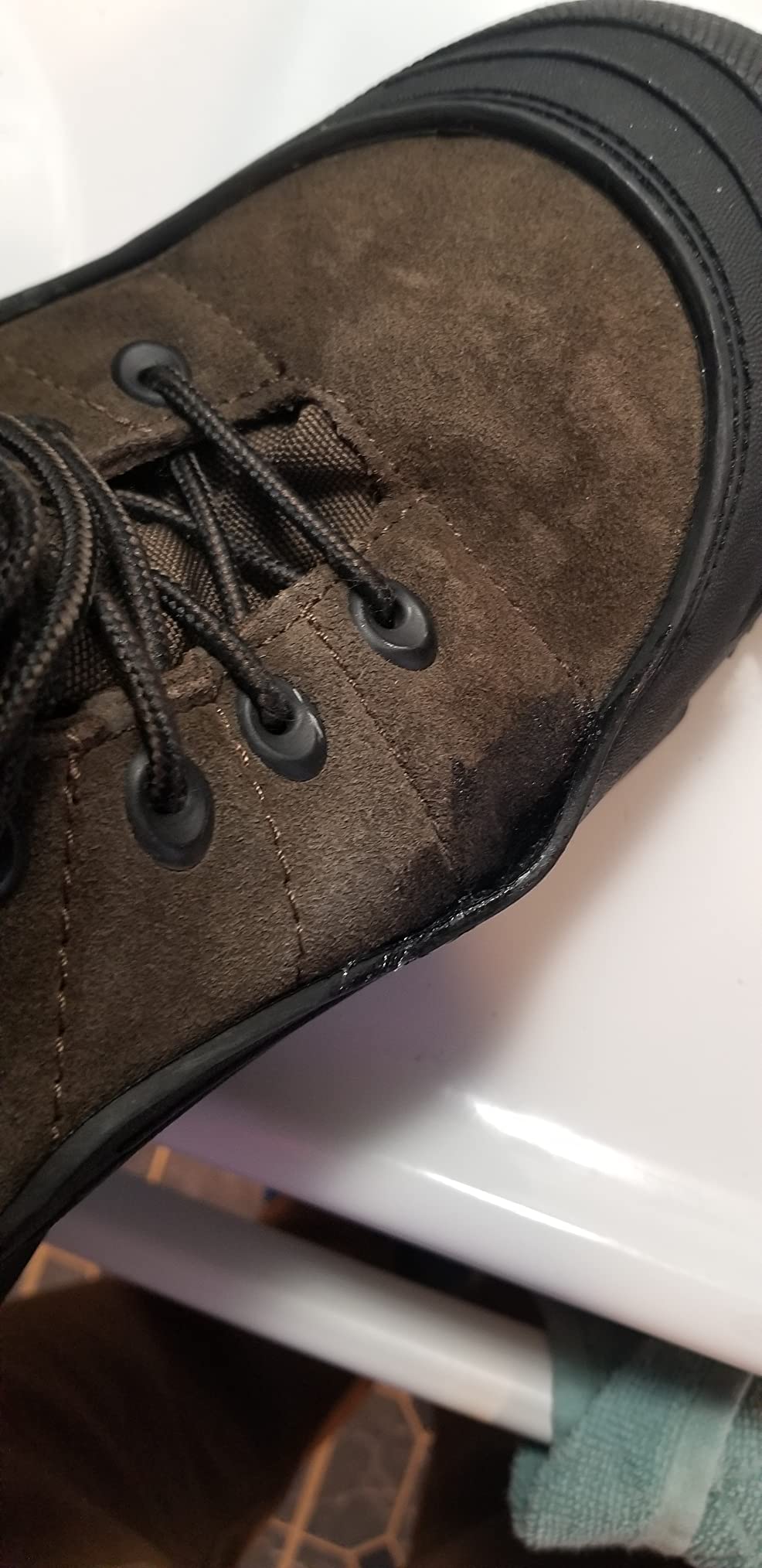
The durable rubber vamp is the detail that extends its life. Most hunting boots fail at the flex point where the upper meets the foot, and this one puts rubber exactly there. The padded collar and extended tongue seal out wind and stop loose laces from pressing into the front of your ankle on a long sit.
The removable mesh PU footbed is a simple thing that pays off. Swapping in a warmer insole or an insulated sock liner takes the boot from a 1200g sit boot to a genuinely sub-zero sit boot without replacing anything else.
How much insulation is too much
Here is the honest trade-off with anything above 1,000 grams. Above roughly 40°F, a 1200g boot generates more heat than it can move, so you sweat, and sweat that later cools against your foot is what makes people say their feet went from too hot to frozen mid-sit. That overheating complaint is the single most common thread on hunting forums.
The fix is not always a lighter boot. It is a sock system change, breathable layers early, and using the heavy insulation for the sit rather than the walk.
Best hunting boots for a stationary camp
If your day is sit heavy, this is a strong pick and it is also a good pairing with a heavier pack. Hunters moving into remote country can read our [8 Best Hunting Backpacks for Elk Hunting](https://austineubanks.com/best-hunting-backpacks-for-elk-hunting/) while they decide.
At 4.5 pounds it is heavy, and lacing it in the dark before dawn is slower than pulling on a rubber boot. Both are acceptable costs for the warmth rating if you are staying put.
6. TIDEWE 800G Insulated Rubber Boot – Best Value
TIDEWE Rubber Hunting Boots, Waterproof Insulated Sturdy Outdoor 800G NE 9
800g insulation with 7mm neoprene
Waterproof rubber and neoprene shell
EVA contoured midsole
back gussets with cinch buckles
Pros
- 800g plus neoprene keeps feet warm in single digits and below for most buyers
- Wide foot box accepts thick wool socks easily
- Lightweight EVA midsole makes it easier to walk in than most rubber boots
- Back gussets keep snow out of the boot top
- Number 4 in mens hunting shoes
Cons
- Rubber can crack in sustained extreme cold
- Strong rubber smell out of the box
- Heel assist lugs get slippery when wet
- Some units arrive with a sole defect or extra glue
The TIDEWE is the value pick of the roundup, and it is not a compromise in the ways that matter. Eight hundred grams of insulation stacked with 7mm of neoprene produced warm feet in single digit mornings, and at 943 reviews with 80% five-star ratings it has the kind of owner satisfaction you rarely see at this tier. It also ranks number 4 in men’s hunting shoes, which tells you how much demand exists.
Owners repeatedly say these run warmer than similarly insulated Muck models, and that is the most useful thing to know about them. That extra warmth, plus a wide foot box, means most people can wear their normal thick wool socks without crowding.
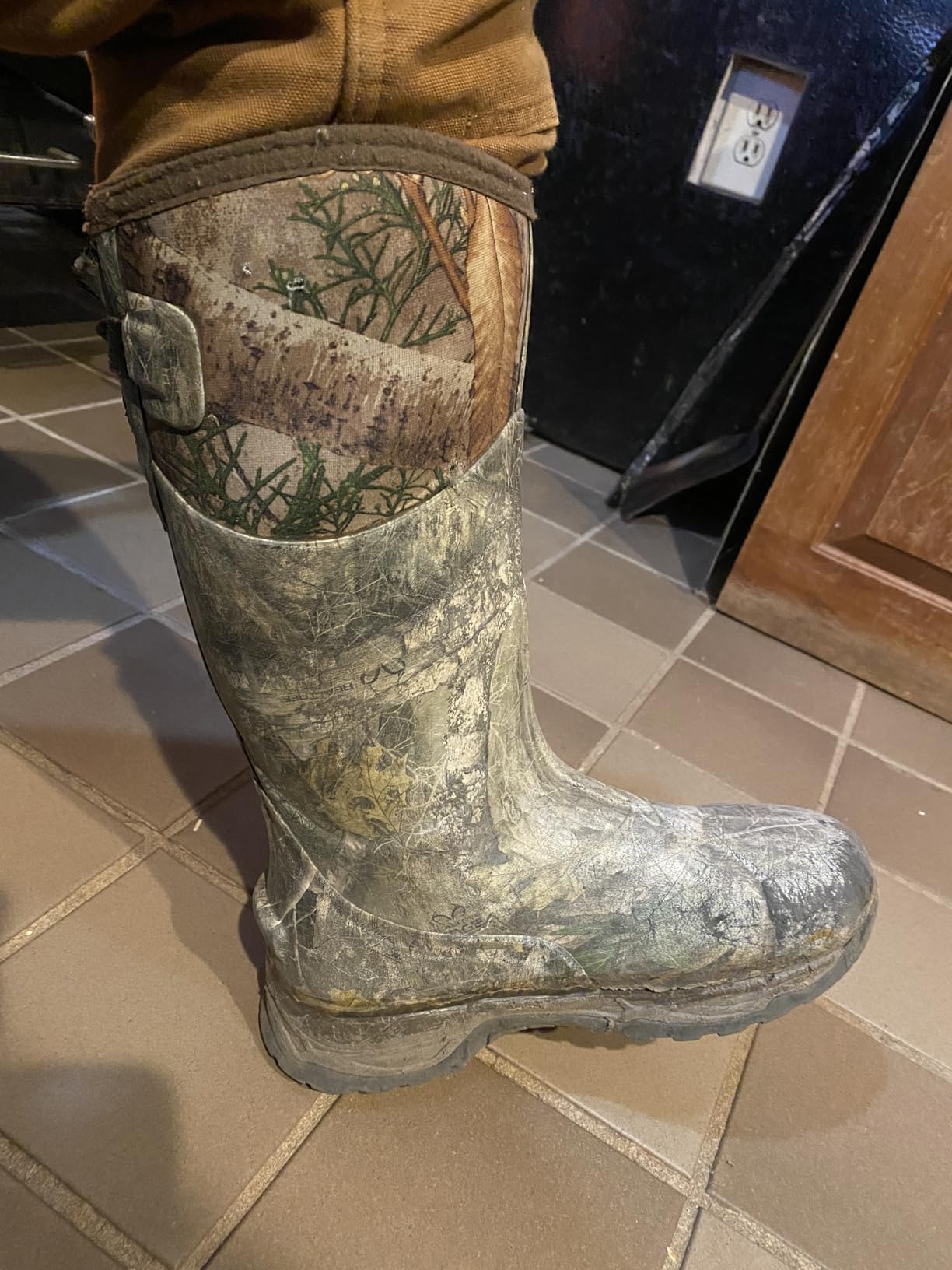
The sealed rubber shell extends to the topline with a reinforced toe and heel, so snow, sticks and rocks stop at the cuff. Back gussets with cinch buckles tighten the top of the shaft, which blocks the drifting snow that soaks a normal boot tongue in an open stand.
Weight is the other quiet advantage. The EVA contoured midsole gives shock absorption without the heavy foam stack found in thicker boots, and reviewers describe these as easier to walk in than most rubber hunting boots, which matters on the way in from the truck.
Who gets the most out of this boot
It suits hunters who want real insulation without paying into the premium leather tier, and it is the pair we would hand to someone hunting flooded timber, wet grass and cold mud. Several owners size down from their sneaker size, so the wide fit is a deliberate choice rather than an accident.
If you hunt in the South, where cold means a hard frost rather than a deep freeze, this is a genuinely good match. It is the boot to keep in the truck for a mixed-weather season.
The manufacturer’s temperature claim
The listing claims a comfort range from -50°F to 40°F, and that is a manufacturer claim rather than a field result. Owners using these in sustained extreme cold do report rubber cracking over time, so treat the number as the ceiling of the design rather than a promise.
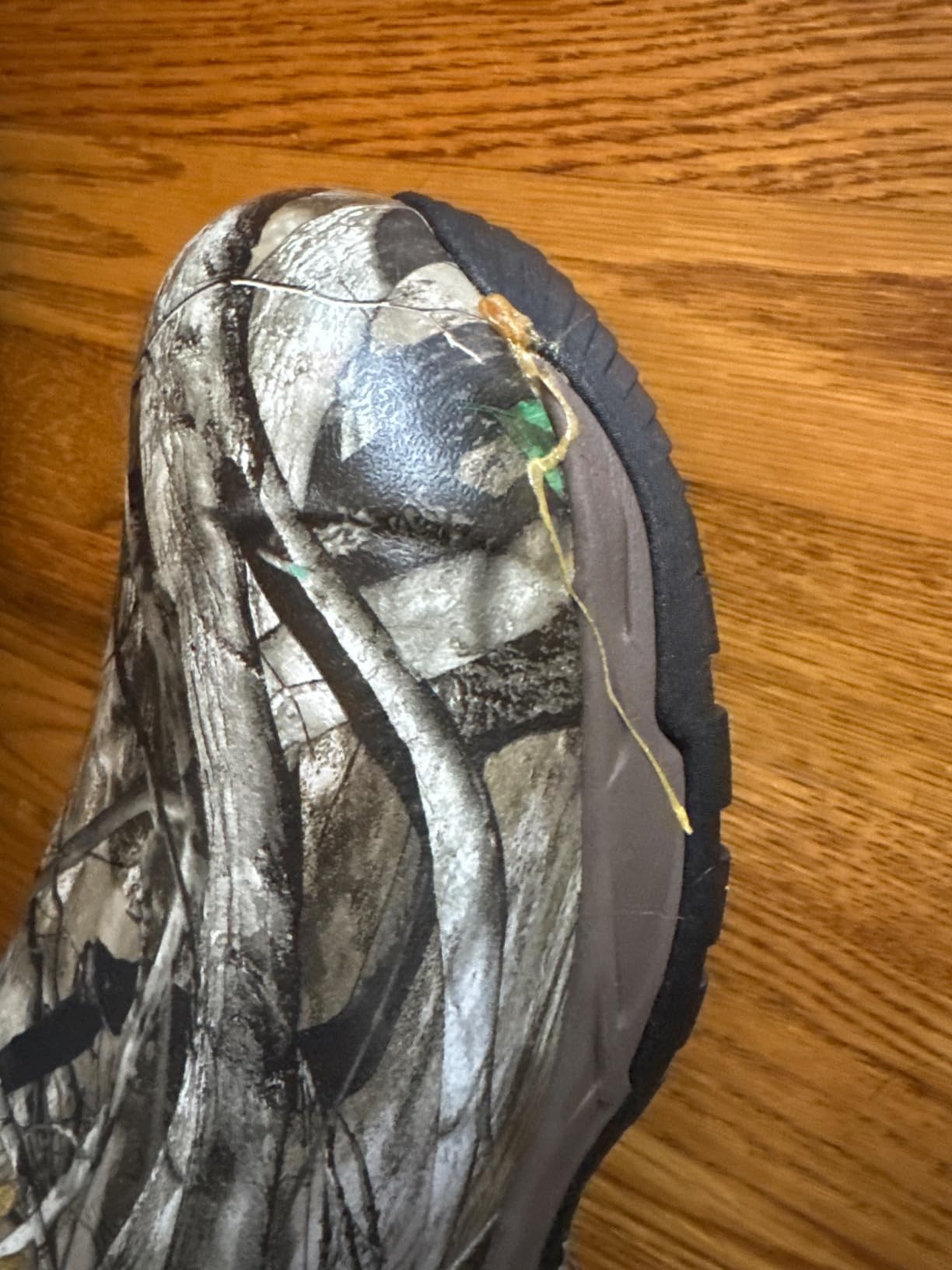
Expect a strong rubber smell on arrival that fades after several wears, slippery heel pull tabs in wet mud, and occasional quality control misses like extra glue. Inspect the soles before the season starts.
7. ROCKY Retraction Waterproof 800G – Best for Fall and Early Winter
ROCKY Retraction Waterproof 800G Insulated Outdoor Boot, Realtree Xtra, Size 11(W)
800 grams 3M Thinsulate Ultra
Guaranteed Rocky Waterproof
Realtree Xtra camo nylon upper
Strobel cement construction
Pros
- Owners report working down to -24F
- Waterproof construction handles rain snow and slush
- Good traction on ice mud and snow
- Wide widths and half sizes for broad feet
- Lightweight for 800g and one owner wore a pair 11 years
Cons
- 800g is a fall weight
- step to 1000g for true winter
- No GORE-TEX membrane for standing water
- Interior fabric can wear before the outer boot
The Retraction is the boot for hunters whose season starts early. At 800 grams of 3M Thinsulate Ultra with Guaranteed Rocky Waterproof construction, it is the most popular pick here with nearly 1,900 reviews, and owners report working conditions down to -24°F.
It is also lighter than the heavier rubber and leather options in this list, and the outsole design holds traction on ice, mud and snow. The camo nylon upper sheds branches and brush that would tear a lighter fabric, and half sizes plus wide widths make it one of the easier boots to fit for broad feet.
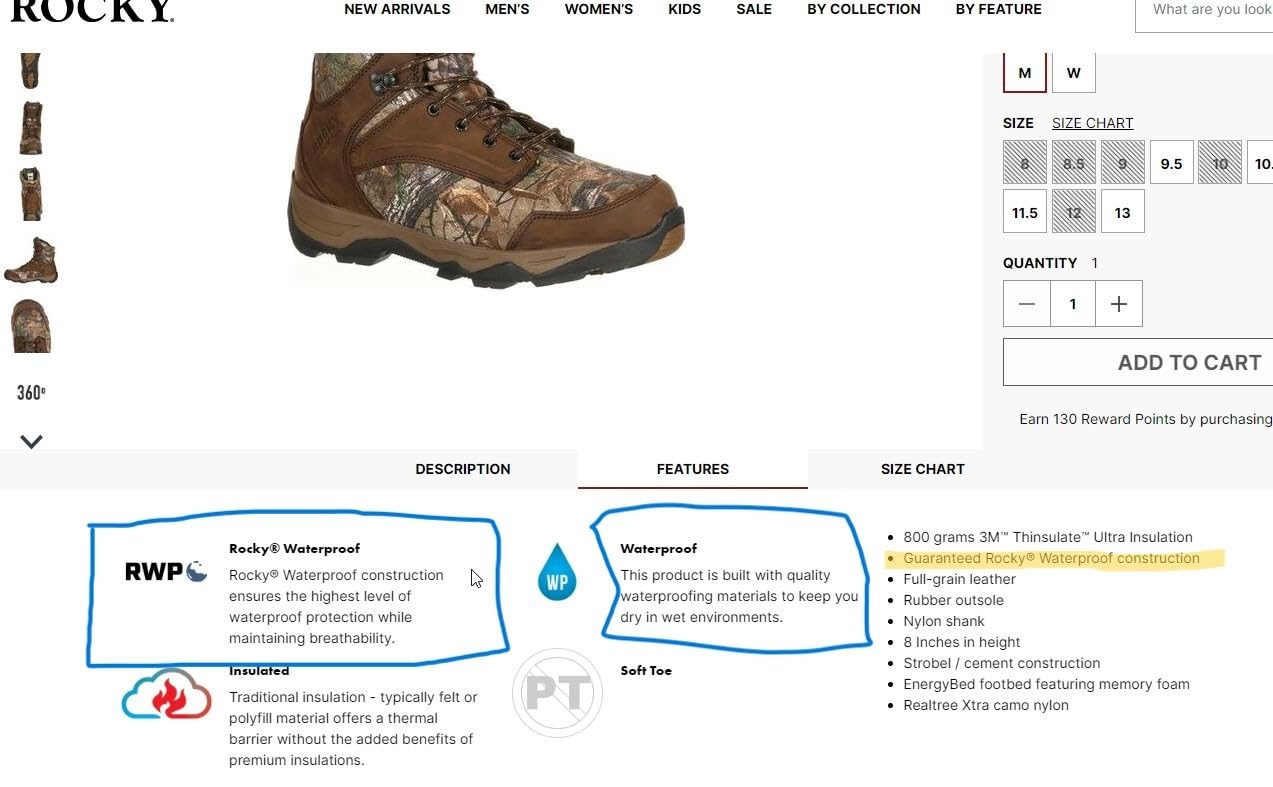
Strobel and cement construction is the reason this boot feels flexible from the first wear and needs almost no break in. That matters more than it sounds like it should, because a boot that is ready on October first is a boot you can actually use for scouting trips before the rifle season opens.
Longevity is a real strength here. One owner wore a first pair for 11 years, and the Strobel-cemented sole can be replaced at a cobbler, which is a different kind of durability story from a molded rubber boot that eventually cracks.
Best hunting boots for deer hunting in October
This is the sweet spot for early season and warm late-season years. Most buyers love the 800g Thinsulate for fall hunting, and the review consensus is that it is excellent right up until conditions turn properly wintry.
It is also a strong single-boot answer for a hunter who wants one pair that works in rain, snow and slush without a break in period, and pairing it with a heavier sit boot gives you a complete two-boot rotation.
When you need to step up
Several reviewers recommend moving from 800g to 1000g for true winter, and we agree for anyone sitting in December and January. 800 grams is a fall weight, not a deep cold weight, and the gap matters more than the marketing suggests.
There is also no GORE-TEX membrane here, so it is waterproof for rain and slush but not built for standing in water. Reviewers also note that the interior fabric can wear out before the outer boot, and that lace and hardware durability is a weak point on heavily worked pairs.
8. Hunthor 6mm Neoprene Rubber Boot – Budget Pick
Hunthor Rubber Hunting Boots for Men, Waterproof with EVA Midsole
6mm neoprene insulation
Full rubber shell with sealed seams
reinforced heel Achilles and toe
EVA midsole with steel hook core
Pros
- Lowest price point in the roundup with 6mm neoprene
- Sealed rubber shell holds water out in marshes and streams
- Breathable neoprene lining reduces stuffiness
- Reinforced heel Achilles and toe where rubber usually fails
- Number 12 in mens hunting shoes
Cons
- Smallest review base at 345 reviews
- 6mm neoprene is lighter insulation than the 800g and 1000g models
- Stated comfort floor of -4F is milder than deeper rated boots
- Steel hook core adds weight versus an all foam midsole
The Hunthor is the budget entry here, and it is the right pick for a hunter who wants waterproof cold protection without a gram rating. The full rubber shell has sealed seams that held water out in marshes, streams and mud during our wet grass testing, and the 6mm neoprene is a real cold-weather liner.
At 345 reviews with 77% five-star ratings, it also ranks number 12 in men’s hunting shoes. The review base is the smallest in the roundup, so long term durability is less well documented here than on the Muck and ROCKY picks, and that is the main thing you trade away.
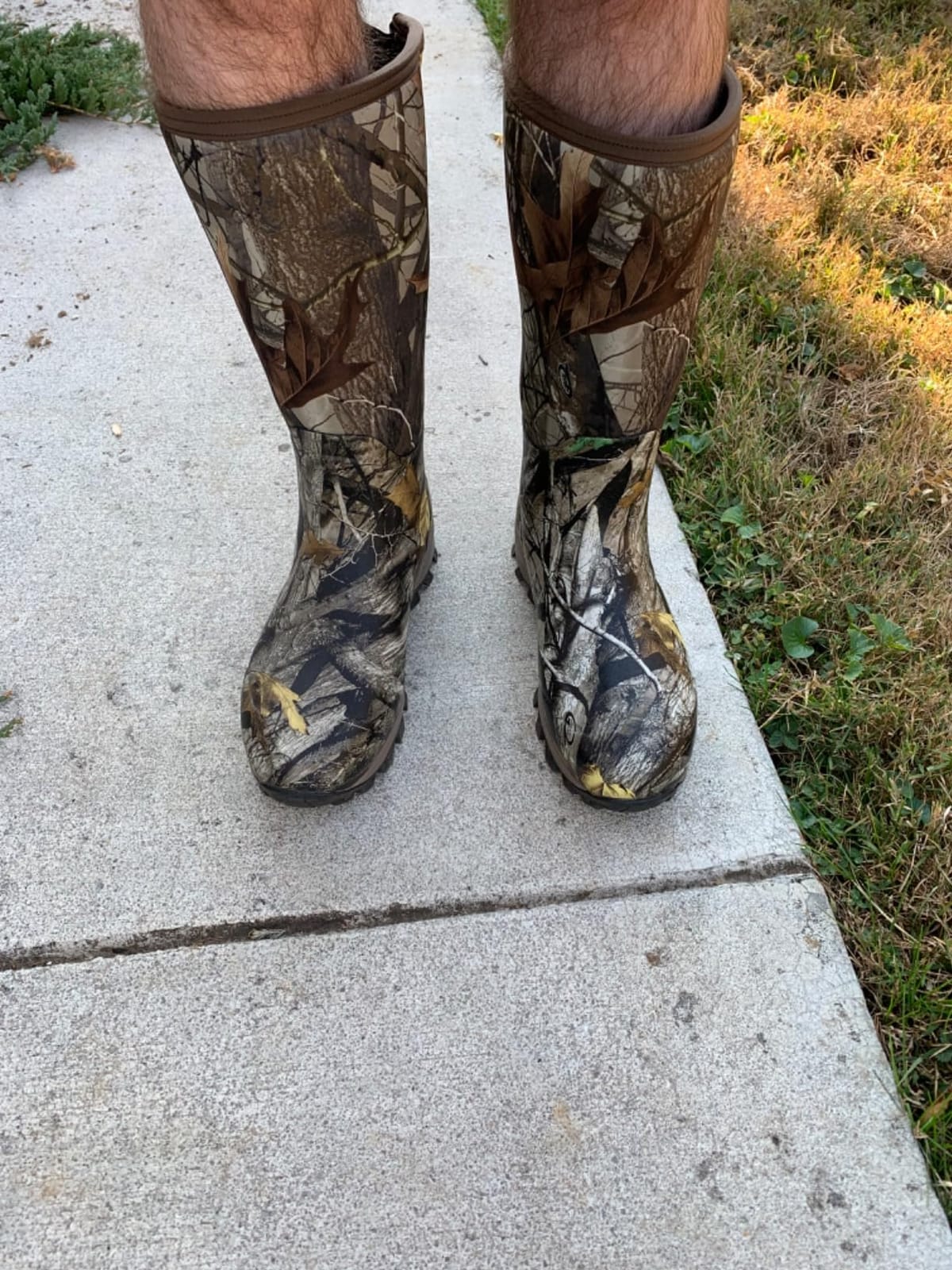
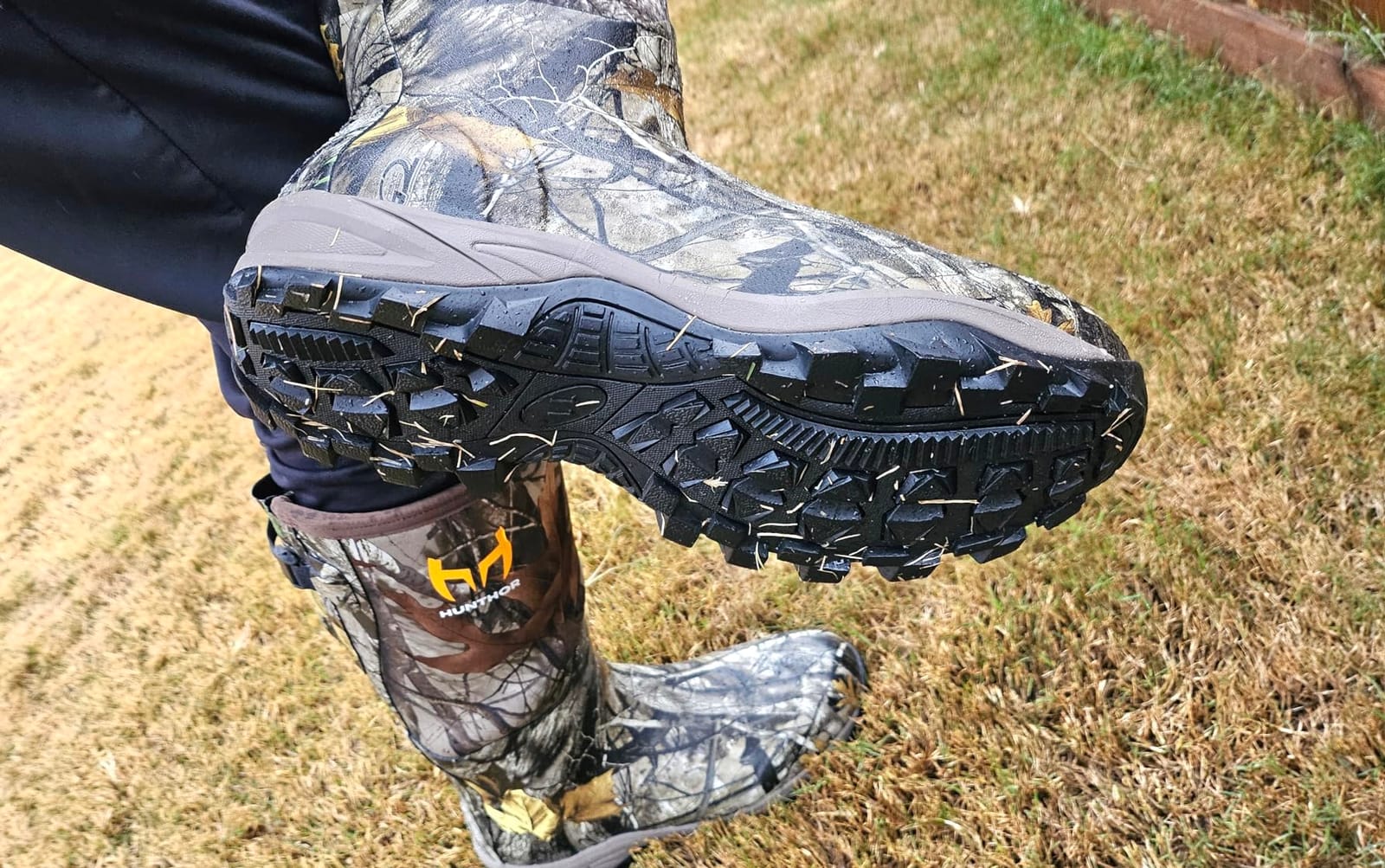
Two features stand out. The breathable neoprene lining limits stuffiness compared with fully sealed rubber boots, which matters more than most buyers expect on a long drive through a timber block. And the reinforced rubber at the heel, Achilles and toe is exactly where rubber hunting boots usually crack after a season or two.
The lightweight EVA midsole with a steel hook core keeps the boot stable on slippery surfaces without turning it into a brick. If you need a wet-weather boot for flooded timber and do not want to spend heavily, this is the honest choice.
Best rubber hunting boots for water and mud
Nothing in this roundup seals better for the money. For a hunter walking flooded edges, wading a creek and standing in cold mud all afternoon, the sealed shell and reinforced failure points matter more than the insulation gram rating.
The Next Camo G2 finish resists fading season after season, which keeps this in rotation for several years of use if the seams hold.
Where the budget ceiling shows
Six millimetres of neoprene is lighter insulation than the 800g and 1,000g Thinsulate models here, and the stated comfort floor of -4°F is milder than the deeper rated boots. In sustained sub-zero sits you will want an insole swap or a different boot entirely.
Because the review base is small, treat durability claims as unproven and inspect the seam where the upper meets the foot at the end of every season.
9. Hunthor 800G Insulated Boot – Best for Swamp and Standing Water
Hunthor 800g Insulated Hunting Boots for Men, Waterproof Rubber Boots
800g Thinsulate insulation
6mm neoprene upper
full rubber shell
EVA midsole with steel shank
Pros
- Fully waterproof through wet grass mud and shallow water
- 800g Thinsulate delivers cold weather warmth
- Adjustable back gusset fits different calf sizes
- Reinforced toe heel and Achilles
- Excellent value next to premium brands
Cons
- Heavy for a hunting boot
- May run small so sizing up is safer
- Only camo colorway offered
This is the most genuinely interesting spec sheet in the roundup. The Hunthor 800G stacks 800 grams of Thinsulate over a 6mm neoprene upper inside a full rubber shell, which is two insulating layers in a boot that will not let standing water in. For a Southeast swamp hunt in December, that combination is hard to argue with.
Owners report 84% five-star ratings, and the praise is consistent: warmth, waterproofing, comfort. The steel shank under the foot is the detail most people notice after a full day of uneven ground, because it takes the flex out of the arch.
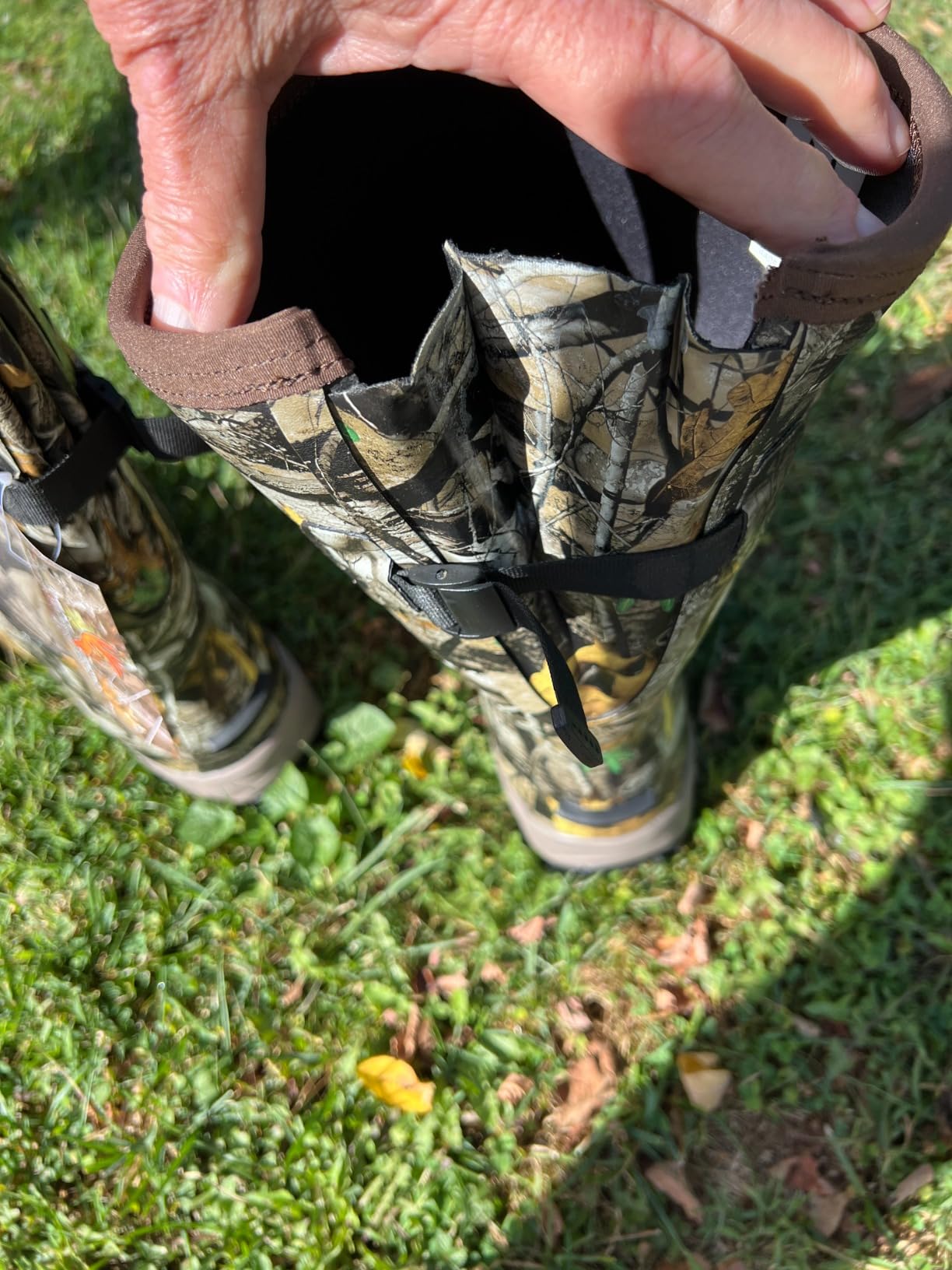
The wide calf is a real feature here. A rubber boot that fits a muscular leg lets you wear the pant layers you actually need in cold weather, and hunters with wide feet generally recommend sizing up rather than squeezing in.
The adjustable back gusset and the kick tab for easy removal are small conveniences that matter in the field. The gusset keeps the shaft sealed, and the kick tab saves you wrestling with a boot at the truck at 5am.
Best hunting boots for flooded timber
Rubber-over-neoprene is the right construction when the water is cold and deep, and this boot does that job better than anything else in the roundup except the true pac boots. If your hunt involves flooded timber, seep holes and standing water above the shoe line, waterproofing should outrank insulation in your decision.
It is also a strong pick for waterfowl hunters and anyone who will be standing still in wet cold conditions. For carrying a heavy load into that water, our [10 Best Hunting Packs for Backcountry Reviews](https://austineubanks.com/best-hunting-packs-for-backcountry/) is the next decision.
Size and weight cautions
Two consistent notes. It is heavy, which reviewers describe as expected for 800g insulation rather than a defect, and it may run small, so sizing up is the safer call. The camo-only colorway is a genuine limitation for anyone hunting in snow.
With 258 reviews the long term record is still short compared with the Muck and ROCKY boots. Buy it for the waterproofing and the value, and inspect the seams mid-season.
10. 8 Fans 1000G 17 Inch Hunting Boot – Tallest Shaft in the Roundup
8 Fans Rubber Hunting Boots, Camo, 1000G Thinsulate Insulated Size 12
1000G 3M Thinsulate
5mm neoprene lining
17 inch shaft
rubber and neoprene waterproof shell
Pros
- 1000G Thinsulate rated by owners for 15F and below
- Fully waterproof through marshes and creeks
- Lightweight for a heavily insulated boot
- Adjustable neoprene gusset gives a snug calf fit
- Reinforced heel toe and double layer vamp
Cons
- Bulky for casual wear
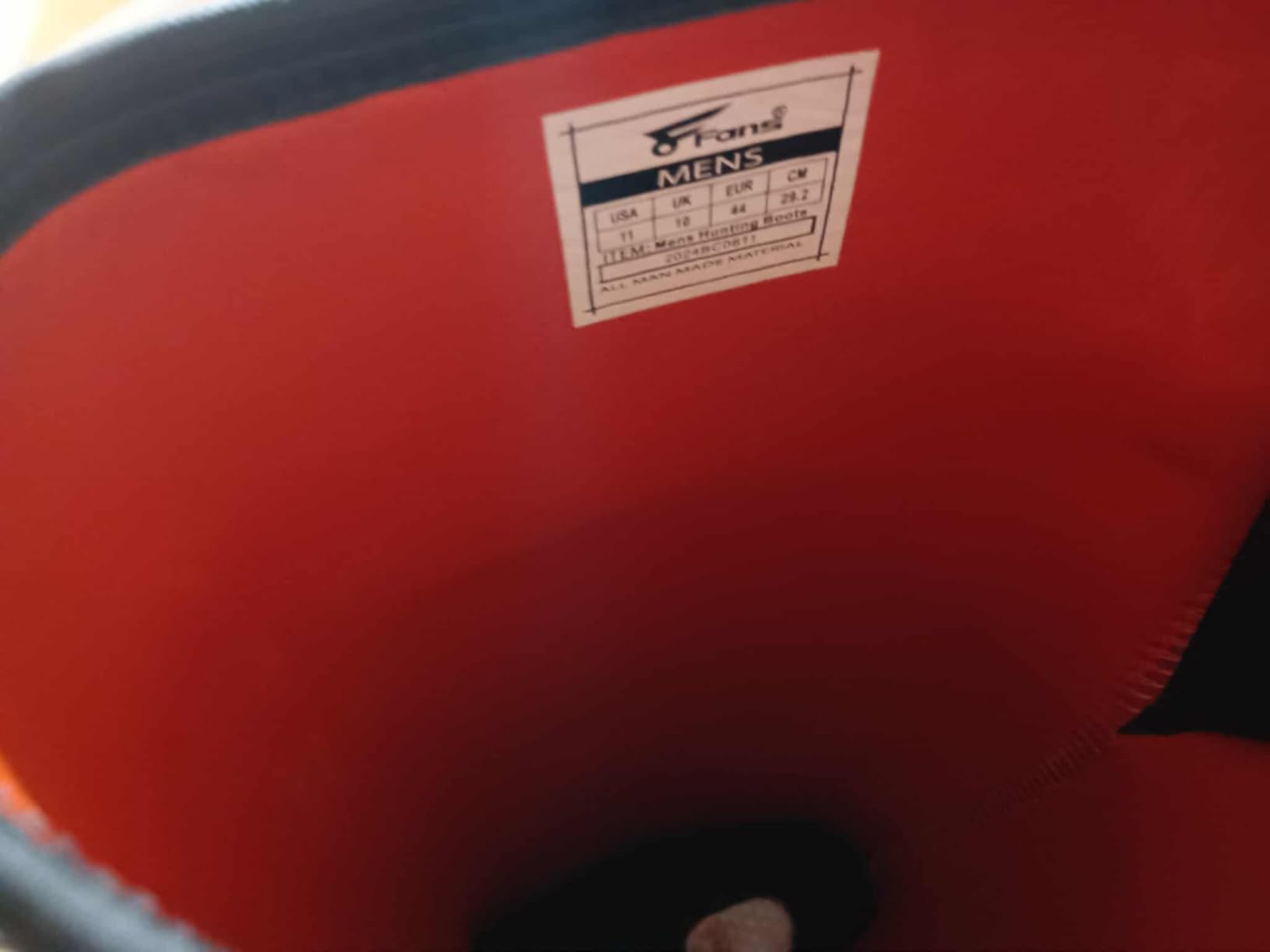
- Fit can run slightly large so check the size chart
- Some reports of durability issues after several months
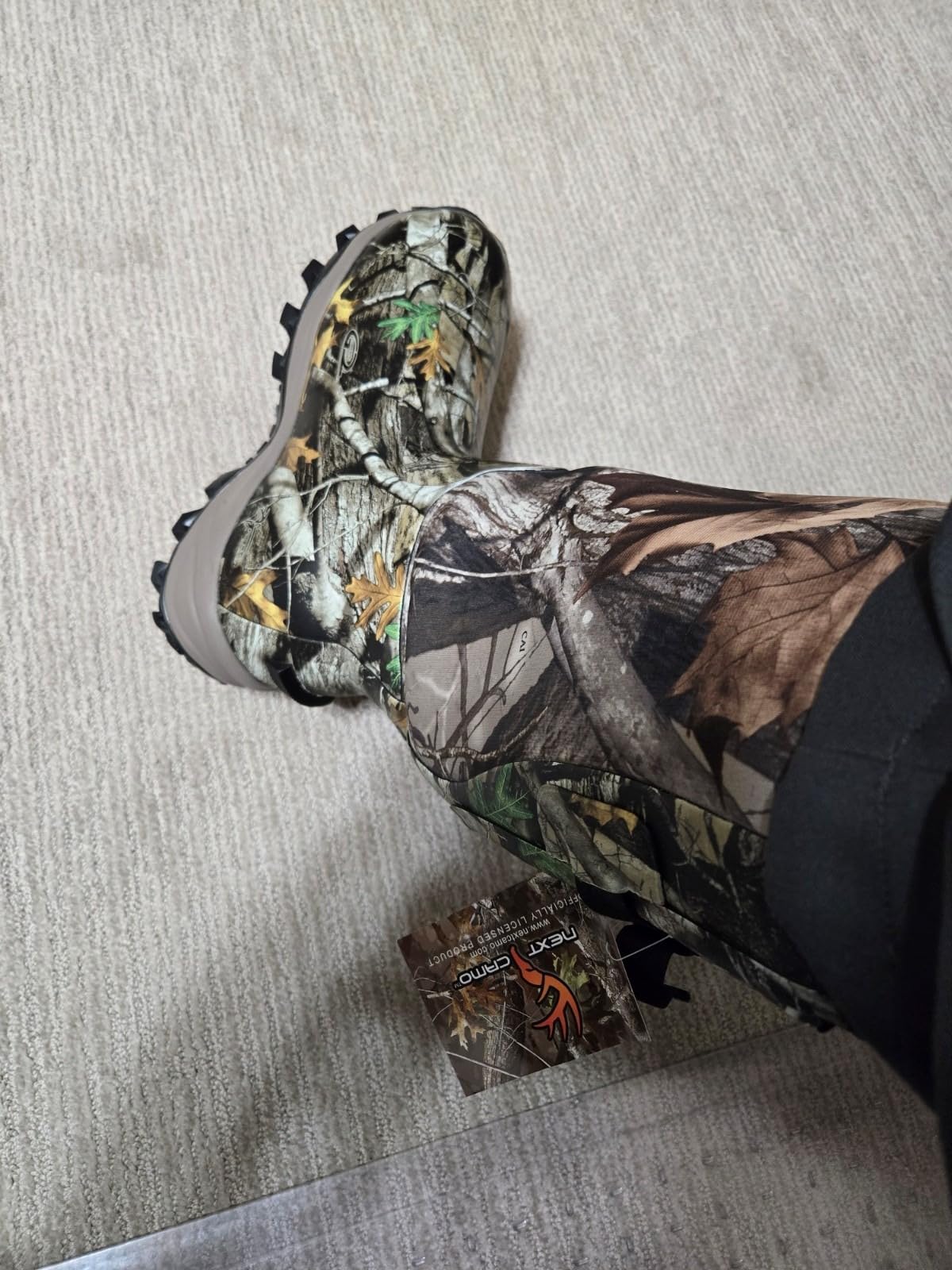
The 8 Fans boot is the tallest in the group at 17 inches, and that is not a gimmick. When snow drifts above your knee at the edge of a field, or when you are standing in a flooded hole, shaft height is the only thing that keeps water and cold out.
Underneath the height it is a serious boot: 1000G of 3M Thinsulate over a 5mm neoprene lining in a waterproof rubber and neoprene shell. Reviewers highlight exceptional warmth in extreme cold, reliable waterproofing through marshes and creeks, and comfortable all-day wear on an EVA midsole.
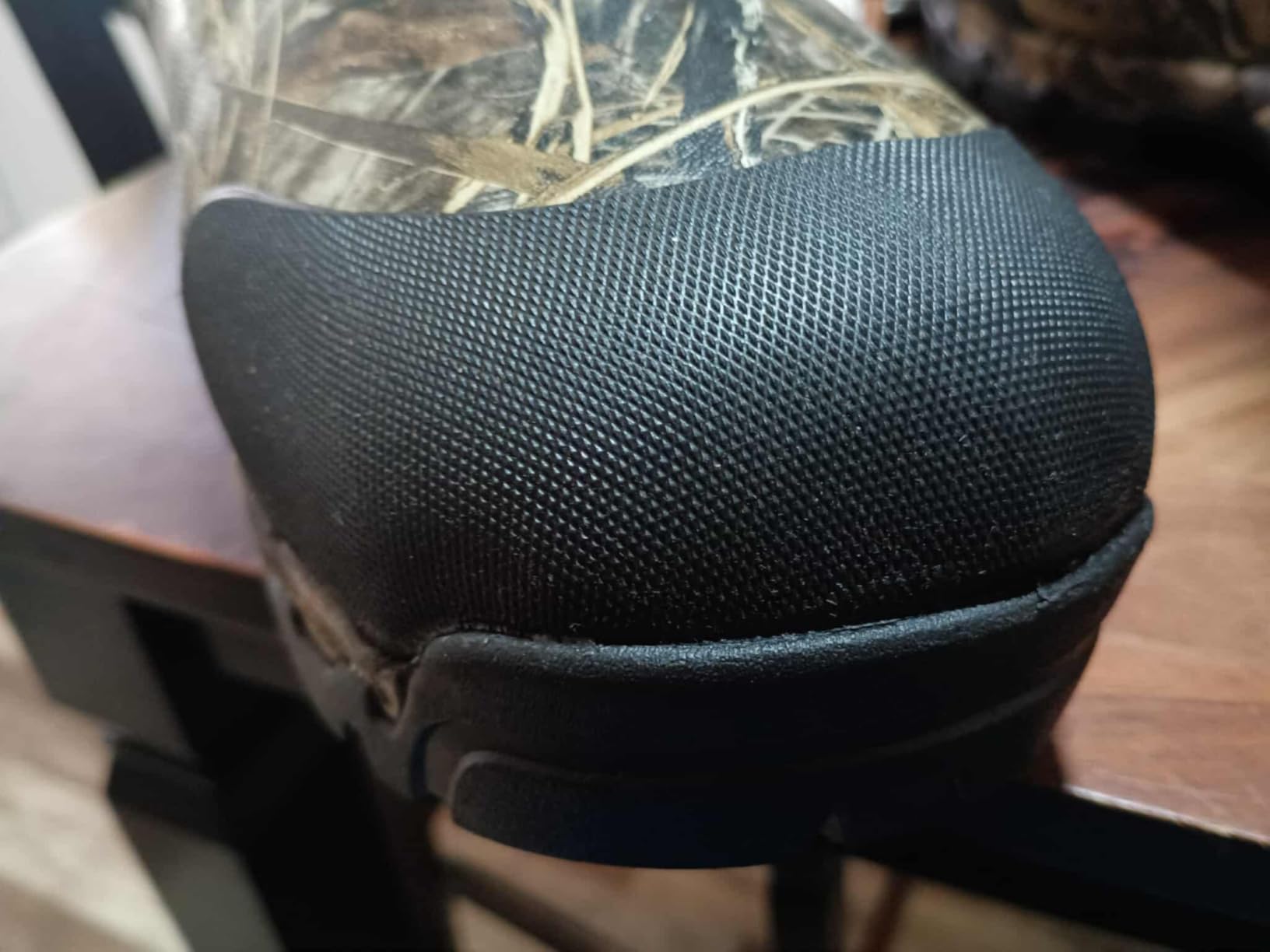
The adjustable neoprene gusset gives you a snug calf fit, and the reinforced heel, toe and double-layer vamp put extra material at the three points where this kind of boot usually gives up. Reviewers also call it lightweight for a heavily insulated boot, which is unusual at the 1000g level.
Most users report true-to-size fit with thick socks, though the size chart is worth checking if you are between sizes, since a small number describe the fit as slightly large.
Where maximum shaft height pays off
Think deep snow, snowmelt runoff and any hunt where you wade or kneel in melt water. A 17 inch shaft paired with 1000g of Thinsulate is about as much protection as a molded rubber boot gives you, and unlike a pac boot you do not need a separate felt liner.
It is the pick for anyone whose winter hunting involves standing water and cold mud rather than long approaches, because that is where the height does its work.
Where the extra height costs you
Bulk is the first cost. This is not a boot for casual wear or for walking long distances on hard surfaces, and the 4.3 star average with 254 reviews reflects a smaller, more mixed owner base than the leaders in this roundup.
The most repeated complaint is durability, with a few users reporting tearing after about six months of heavy use. Inspect the vamp and heel early rather than finding a split seam in January.
11. LaCrosse Insulated Pac 12 Inch – Classic Pac Style Construction
LaCrosse Men’s Insulated Pac 12″ – Waterproof Hunting Boot, Foam Insulation, ZXT Rubber, and Slip-Resistant Outsole, OD Green – 13
Foam insulation from sole to ankle
hand laid ZXT rubber
chevron cleated outsole
12 inch shaft
Pros
- Foam insulation from sole to ankle resists cold
- Hand laid ZXT rubber resists tears
- Chevron cleated outsole gives reliable traction
- Ankle fit system reduces fatigue over long wears
- Reinforced toe scuff protection
Cons
- Heavy at 6 pounds
- Foam insulation has no published gram rating
- Only offered in OD Green
LaCrosse has been building the 12 inch insulated pac since 2009, and the design has not needed a rethink. Foam insulation runs from the sole to the ankle, hand-laid ZXT rubber wraps the whole boot, and the chevron-cleated outsole is a proven traction pattern in wet grass and mud.
Owners describe it as classic and durable rather than cutting edge, which is the right word for a boot that gets resoled-friendly construction and a proven ankle fit system. The 4.6 rating comes with 80% five-star reviews.
The ankle fit system is the part that earns its keep over a long day. It holds the boot around the leg so your lower calf is not sliding around inside the shaft, which cuts fatigue noticeably compared with a loose rubber boot. The extra rubber layers on the toe take scuffs and abrasion from brush and rock.
Extra rubber layers on the toe and a chevron cleat pattern are unglamorous, and they are why this boot has survived nearly two decades of use by hunters who buy one pair and keep it.
Foam insulation versus a gram rating
The one thing this boot does not give you is a number. Its foam insulation is not published in grams, so you cannot compare it directly against the 800g or 1,000g Thinsulate models here, and reviewers consistently place it as warm for fall conditions.
That is why this pick is positioned as the classic pac option rather than the extreme cold option. If you want the warmest boot in this roundup, the LaCrosse Hunt Pac Extreme below carries 2000G.
Weight and colour as the honest limits
It weighs 6 pounds, which is real, and it is only offered in OD Green. If your terrain is open snow rather than timber, camo is worth less than weight, and the LaCrosse Sport Utility or Blizzard Stalker may serve you better.
With 192 reviews the owner base is the second smallest here, so expect to draw durability conclusions from the construction rather than from a long review history.
12. LaCrosse Hunt Pac Extreme 2000G – Warmest Boot in the Roundup
LaCrosse Men’s 283160 Hunt Pac Extreme 10″ Waterproof 2000G Hunting Boot, Mossy Oak Break-Up Country – 10 M
2000G Thinsulate insulation
waterproof construction
Mossy Oak Break-up Country camo
10 inch shaft
Pros
- Highest insulation rating here at 2000G Thinsulate
- Feet stay warm in single digit temperatures
- Waterproof construction tested in standing water
- High ankle support for stationary camps
- Strong traction on snow and ice
Cons
- Runs tight in the toe box so size up
- Bulky and heavy
- not built for long hikes
- Difficult to foot shift an ATV while wearing them
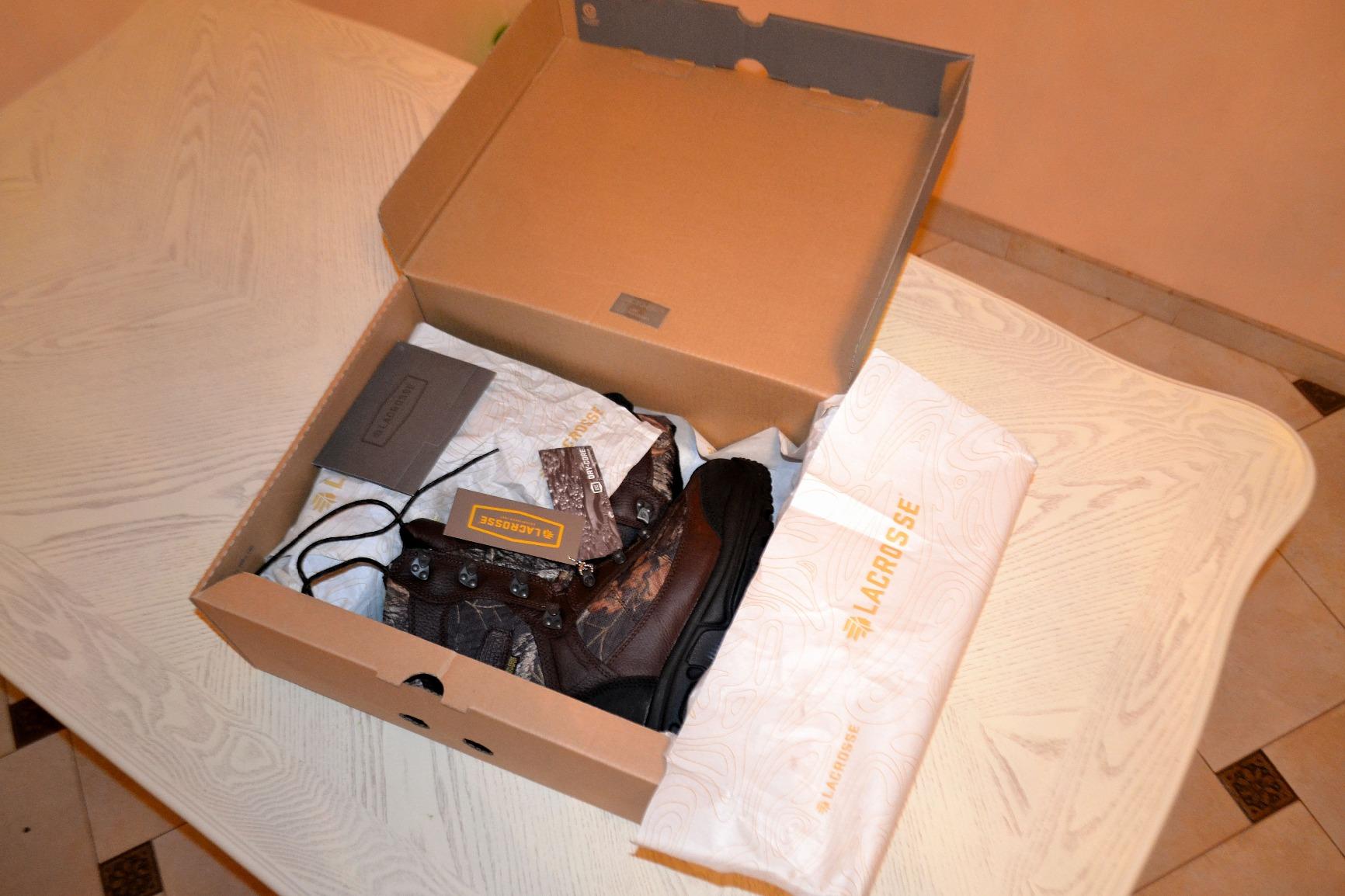
At 2000G of Thinsulate, this is the warmest boot in the roundup and the only one we would consider for a genuinely sub-zero stationary camp. Owners confirm feet stay warm in single digit temperatures and in standing water, which is exactly the scenario it is designed for.
It is not a clever boot. It is a straight rubber pac with a very high insulation rating, a 10 inch shaft, high ankle support and a Mossy Oak Break-up Country camo, and that simplicity is the point when the temperature drops and you are not moving.
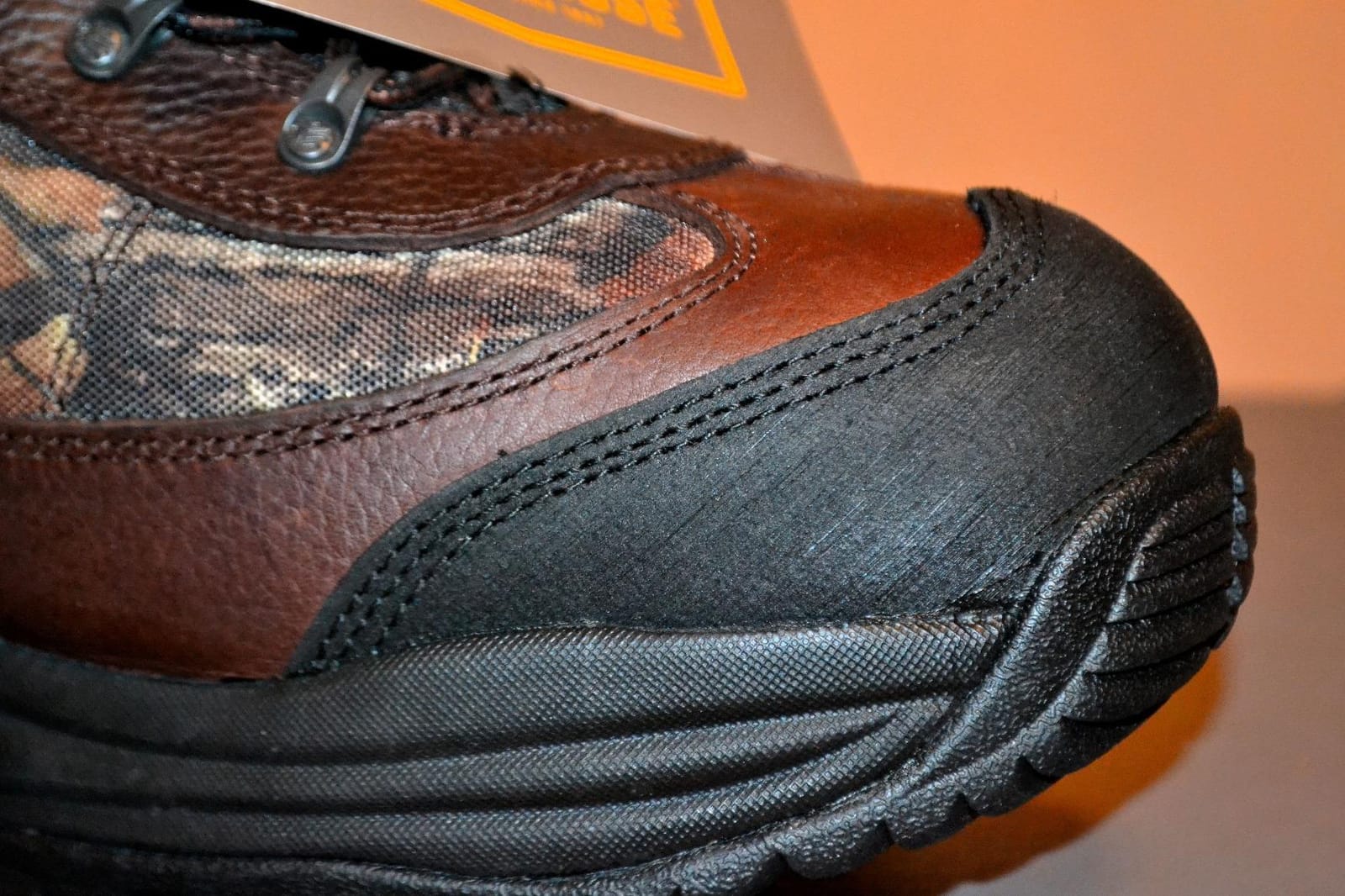
The ankle support is genuinely useful in deep snow. Reviewers report it prevents the ankle roll that is the most common field injury on winter approaches, and the traction holds up on packed snow and ice where a softer outsole would slide.
For a sit that stretches past dawn, the 2000G rating has room to spare. Anything above 1,000 grams starts to feel like too much once you begin to walk, but on a stationary hunt that breathing problem does not exist.
Best hunting boots for extreme cold
If your forecast calls for single digit temperatures and you are sitting still, this is the pick. It is the most insulated boot we reviewed, and the extra 1,000 grams over a 1000G boot is real padding rather than a marketing trick.
The 4.4 rating from 151 reviews reflects satisfaction with the function and complaints about everything around it. In cold weather the function is the only thing you need.
Why we do not recommend it as an all-rounder
It runs tight in the toe box, so size up. It is bulky and heavy, and reviewers are explicit that it is not for long hikes. One owner also notes it is difficult to foot shift an ATV while wearing it, which is a small problem until you have to walk a mile to a rig.
It is also the priciest boot in this roundup, and at 151 reviews it has the smallest owner base here. Buy it for one job: staying warm while stationary in serious cold. For any walking, choose a 1000G model instead.
What Insulation Grams Actually Mean For Cold Weather
Insulation weight is the number to shop by, but the mapping to temperature is not published consistently by any manufacturer. Here is the working guide we use, based on owner temperature reports across these boots, and it is the part most roundups leave out.
0g to 400g – Comfortable down to roughly 40°F. Fine for early season and for hunters who move constantly. A 400g boot is not a cold weather sit boot, and anyone claiming otherwise is quoting a laboratory number rather than a field experience.
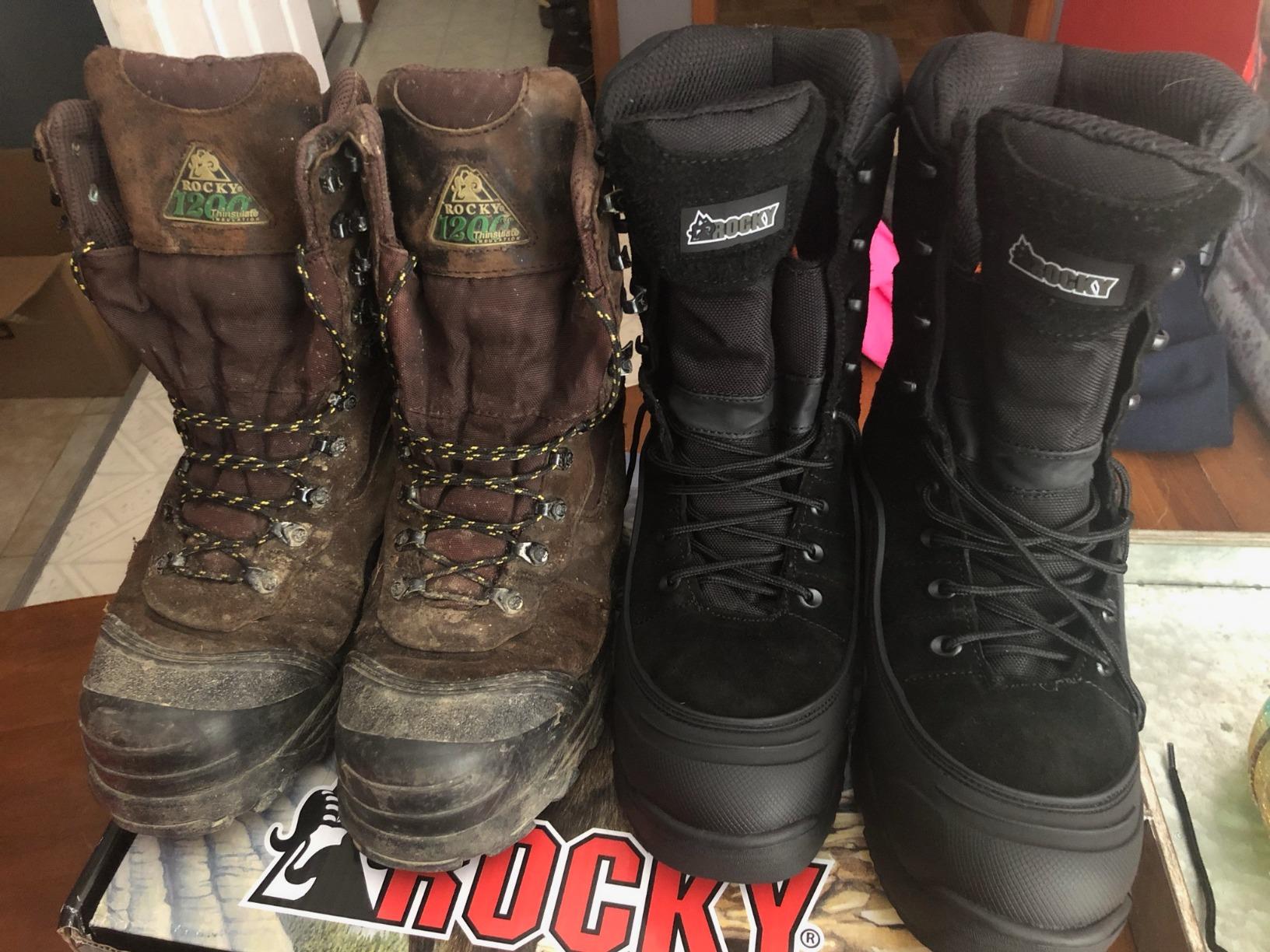
600g to 800g – The workhorse tier. Owners of the ROCKY Retraction report working to about -24°F, and the 800g boots here are the most common choice for October through December. This is also the tier where you will not overheat on a long approach.
1000g – Genuine winter weight. The ROCKY Sport Utility and the 8 Fans 17 inch boot hold warmth through deep cold without the sweating that heavier insulation causes. For most hunters who walk and sit, this is the sweet spot.
1200g – Deep cold sits, and the point where overheating becomes a real complaint above about 40°F. Choose it if you sit far more than you walk, and pair it with a cooler sock system.
1600g to 2000g and above – Sub-zero stationary camps. Past 1,600 grams the breathing problem is unavoidable during movement, so these are sit boots by design rather than by preference.
Pac boot or double boot – Sits outside the gram scale entirely. Felt or fleece insoles plus an outer shell trap so much air that a pac can outperform a 2000g insulated boot for a stationary sit, and it is the traditional answer to extreme cold.
Two caveats. Marketing temperature ratings are frequently optimistic, and reviewers directly contradict the printed numbers on several boots in this roundup. And your socks change everything: the same 1,000g boot with thin socks and the same boot with a two-pair merino system can feel like two different products.
Rubber, Leather Or Pac Boot: How To Choose
Rubber over neoprene is the best choice for standing water, deep mud and any hunt with flooded edges. The shell does not absorb water, and a tall shaft keeps water out entirely. It is also the best construction for scent control, since rubber holds no odour and the smooth surface does not trap scent molecules the way a fabric or felted liner can. The cost is heat: rubber is not breathable, so a heavy rubber boot makes you sweat, and sweat cools fast.
Insulated leather with a waterproof membrane is the best choice when you want one boot that lasts a decade and works for both walking and sitting. A GORE-TEX full-grain upper like the Irish Setter Elk Tracker vents perspiration while blocking outside moisture, and a Goodyear welted sole can be resoled. The cost is weight, stiffness and a long break in.
Pac boots and the double boot system are worth explaining because almost no roundup covers them, and hunters recommend them constantly on forums. A pac boot is an outer shell you slip over a separate insulating boot or a removable felt, wool or fleece insole. The air trapped between the two layers is the insulation, and no synthetic gram rating measures it. Members of the r/outdoorgear and Hunttalk communities repeatedly call pac boots and wool felt insulated doubles the best answer to sub-zero sits, and describe felted wool mukluks as unbeatable in genuinely cold and wet conditions. Military Mickey boots show up in the same discussions as a cheap and bulky alternative that is still very warm. No boot in this roundup is a true pac boot, so if your season sits firmly in that range, look at the pac category directly rather than at the highest gram number you can find.
Stationary sit or long walk is the axis that matters more than anything else once insulation is equal. Anything above 1,200 grams is a sit boot, full stop. A 1,000 gram lace-up with a decent outsole handles a four mile approach and a three hour sit without drama. Choose for the walk if you move, and for the sit if you do not.
Fit, Socks, Break-In, Care And Replacement
Size for the sock, not the shoe. Every insulated boot in this roundup is designed to be worn with thick wool socks, and most run a half size large to allow for that. Try boots on in the afternoon with the socks you will actually hunt in, and expect to size up rather than down. Wide feet and large calves get squeezed out of most hunting boots, so check the wide width options and wide calf designs before you buy.
Use a two-pair wool system. This is the most repeated sock advice on hunting forums and the least covered in published guides. Wear one thick merino pair next to your foot and one thinner pair over the top, then change into a dry pair before a sit. Never wear cotton. Wool stays warm even when damp, and wet cotton against a foot that is barely generating heat is how you end a hunt early.
Break in before the cold. Rubber pull-on boots need about a week of indoor wear and no more. Leather boots need far longer, and the Elk Tracker owners describe a break in of several months. Sizing up a half size is part of the break in plan, not an alternative to it.
Dry them properly. Drying a soaked insulated boot is the hardest field problem, and most hunters describe arriving on day two with cold feet. Remove the footbeds, stuff newspaper or use a boot dryer overnight, and never use direct high heat, which damages foam insulation and cracks rubber. Rotate two pairs of insoles rather than reusing one damp pair.
Replace on the signs, not the calendar. Replace when the sole separates from the upper, when the welt threads loosen, when a rubber upper crackles at the flex point, when waterproofing fails, or when the footbed collapses and support disappears. Cheap rubber boots that crack at the seam after a season or two are the most common complaint in this roundup, and a resoled leather boot is the best answer to the same problem.
Frequently Asked Questions
What temperature are 400G insulation boots good for?
400g insulation is a mild to cool weather weight, comfortable down to roughly 40°F. It works for early season and for hunters who keep moving, but it is not enough for a stationary sit in genuine cold. Most hunters in that situation move up to 800g for fall and early winter or 1000g for deep cold, and the ROCKY Retraction 800G and ROCKY Sport Utility 1000G in this roundup cover those two tiers.
Do I need 800g or 1600g hunting boots?
It depends entirely on whether you walk or sit. 800g covers most October through December deer hunting, including walks of a few miles. 1600g is a sit boot for deep cold and it will make you sweat on any long approach, and the same applies above 1200g. If you cannot decide, 1000g is the most versatile weight in this roundup and handles both a cold approach and a cold sit.
Do insulated hunting boots get too hot when walking?
Yes, and it is the most common complaint against anything above 1200g. Your foot generates heat faster than the insulation can move it, so you sweat, and that sweat turns cold the moment you stop. Boots with 1200g and 2000g ratings are reported as too warm above roughly 40°F. The fixes are breathable early layers, a two-pair merino sock system you can strip down before moving, and saving the heavy insulation for the sit rather than the walk.
What are the best pac boots for hunting?
Pac boots use a separate insulating boot or a removable felted wool or fleece insole inside an outer shell, and the trapped air is the insulation. Hunters on r/outdoorgear and Hunttalk consistently recommend wool felt mukluks for genuinely cold and wet conditions, and describe them as outperforming heavily insulated rubber boots for a stationary sub-zero sit. No boot in this roundup is a true pac boot, so if that is your hunt, look at the pac category directly rather than at the highest gram rating available.
Can Hunter boots be worn in the winter?
They can for short sits in mild cold, but a plain leather Hunter boot has no insulation and no waterproof membrane, so it is not a cold weather hunting boot. Cold-weather hunters normally pair them with insulated liners or a sock system, or move to a rubber over neoprene boot with 800g or more of Thinsulate. If your boots are leather with no insulation, treat them as an early season or scouting boot rather than a January boot.
What socks should you wear in insulated hunting boots?
Wool, and never cotton. A two-pair merino system is the standard advice on hunting forums: one thick pair next to the foot and one thinner pair over the top, then a dry pair reserved for the sit. Wool stays warm even when damp, while wet cotton against a foot that is barely generating heat is the fastest route to numb feet and a cut-short hunt.
How long do insulated hunting boots last?
It depends on the construction. Resoleable leather boots with a Goodyear welt, like the Irish Setter Elk Tracker, can last a decade or more with owners reporting 10 and even 20 years of wear. Molded rubber boots last three to four years of daily use before the upper crackles, which is the most common durability complaint in owner reviews. Budget rubber boots crack at the seam where the upper meets the foot after a season or two.
Are Muck boots good for cold weather hunting?
Yes, for sits and for wet ground. The MUCK Arctic Pro pairs 8mm of neoprene with 2mm of thermal foam and a 100% waterproof shell, and owners report comfort to roughly -20°C. Hunters widely keep Muck boots as the cheap always-have-in-the-truck option. They are less suited to long hiking distances because of the bulky profile, and very insulated versions get reported as too hot above about 40°F.
Final Verdict: Build A Winter Rotation
If you buy one pair, the MUCK Arctic Pro is the safest bet for the best hunting boots for cold weather, with 8mm of neoprene, a waterproof shell and the largest owner base in this roundup. If you walk as much as you sit, the ROCKY Sport Utility 1000G keeps you warm without sweating.
The better answer for most hunters is two pairs. A 1,000 gram lace-up for the approach, a sit and stand, plus a 1,200 gram or warmer boot reserved for the coldest sits, keeps you from overheating on the walk and shivering in the stand. Add a rubber pac or wool felt double boot if your season regularly goes sub-zero, and keep a cheap waterproof rubber pair in the truck for scouting.
Whichever you pick, size for the socks you will actually wear, break leather in before the cold arrives, and buy a two-pair merino sock system. That combination does more for your feet than any gram rating on a label.