
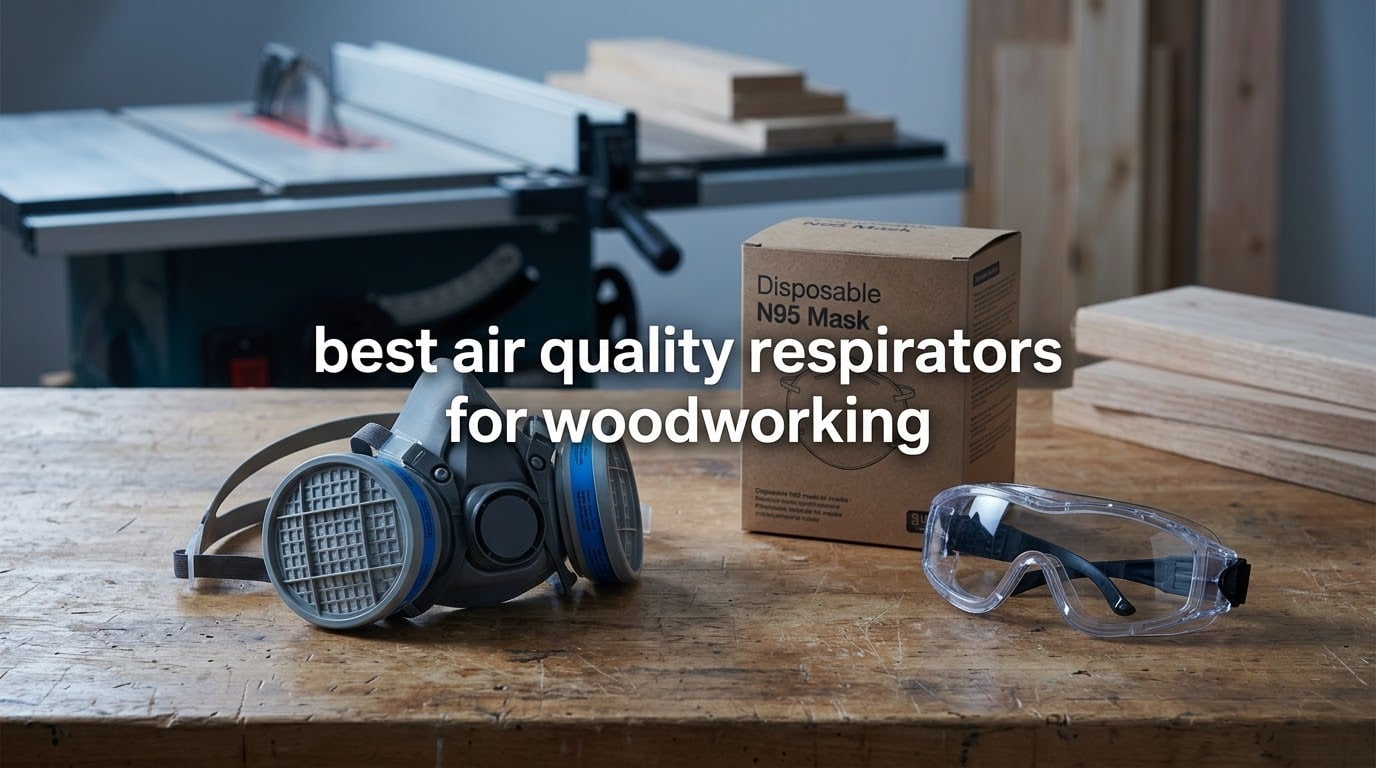
Wood dust is the quiet hazard of the shop. It hangs in the air long after you switch off the sander, it gets into the deepest part of the lungs, and repeated exposure is linked to chronic bronchitis and worsened asthma. If you have spent any time searching for the best air quality respirators for woodworking, you have probably noticed that the same advice keeps repeating: buy a NIOSH-certified mask with P100 filters, replace the filter on a schedule, and pair it with real dust collection.
This roundup covers ten respirators that actually earned their place, from cheap disposable N95s to a certified full facepiece that handles spray fumes. Every pick below carries a stated filtration rating, and we say plainly where the certification stops. Two of the ten are not NIOSH-rated, and we label them that way rather than quietly hoping nobody checks.
We also cover the half of the question most roundups ignore: what to wear when the air outside is bad and you still have a fence to build. If you are tracking indoor air at home, our air quality monitor picks give useful context for the days that call for a mask outdoors.
Table of Contents
What Is the Best Respirator for Woodworking?
The best respirator for woodworking is a NIOSH-certified half-face elastomeric mask fitted with P100 particulate filters. It removes 99.97 percent of airborne particles down to 0.3 microns, keeps working for years with washable parts, and can be upgraded with an organic vapor cartridge when you spray lacquer or polyurethane. For disposable backup, a NIOSH-approved N95 covers short cutting and sweeping jobs.
Top 3 Picks for Woodworking in 2026

3M 8210 N95, 20-Pack
- NIOSH-approved N95
- Pack of 20
- Adjustable noseclip
- Welded two-strap seal

3M 8511 N95 Cool Flow
- NIOSH N95
- Cool Flow valve
- Advanced electrostatic media
- Stretchable headbands
These three cover the widest range of shop needs. The 8210 is the default that lives in the drawer, the 8511 is the one you wear through a long sanding session, and the 6291 is the reusable P100 that replaces both once you are past the disposable stage.
Best Air Quality Respirators for Woodworking in October
| Product | Specifications | Action |
|---|---|---|
| 3M Particulate Disposable Respirator 8210 N95 20-Pack |
|
Check Latest Price |
| 3M 8511 N95 Cool Flow Valved Respirator 10-Pack |
|
Check Latest Price |
 AirGearPro G-500 Reusable Mask with A1P2 Vapor and Dust Filters AirGearPro G-500 Reusable Mask with A1P2 Vapor and Dust Filters |
|
Check Latest Price |
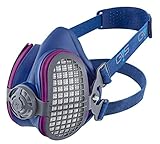 GVS SPR457 Elipse P100 Half Mask M/L GVS SPR457 Elipse P100 Half Mask M/L |
|
Check Latest Price |
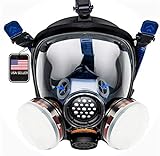 Parcil PT-100 Full Face Respirator Organic Vapor and Particulate Parcil PT-100 Full Face Respirator Organic Vapor and Particulate |
|
Check Latest Price |
 3M 6291 Half Facepiece Reusable Respirator Kit P100 Medium 3M 6291 Half Facepiece Reusable Respirator Kit P100 Medium |
|
Check Latest Price |
 Tesoro Moda M401 Half Mask with Goggles and 10 Filters Tesoro Moda M401 Half Mask with Goggles and 10 Filters |
|
Check Latest Price |
 GVS ELIPSE P100 SPR644 Source Control Half Mask GVS ELIPSE P100 SPR644 Source Control Half Mask |
|
Check Latest Price |
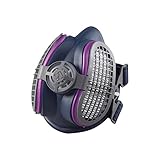 Miller LPR-100 Half Mask P100 with Odour Relief M/L Miller LPR-100 Half Mask P100 with Odour Relief M/L |
|
Check Latest Price |
 Drager X-plore 3500 Half Mask with Multi-Gas P100 Cartridges Drager X-plore 3500 Half Mask with Multi-Gas P100 Cartridges |
|
Check Latest Price |
1. 3M 8210 N95 Disposable Respirator – The Default Shop Mask
3M Particulate Disposable Respirator 8210, N95, Pack of 20, NIOSH APPROVED
NIOSH-approved N95
Pack of 20
Weight: 8.64 oz
Disposable
Pros
- Proven NIOSH-approved N95 protection
- 20-count pack keeps per-mask cost low for repeated sanding
- Two-strap welded design with adjustable noseclip holds a steady seal
- Largest volume of real shop feedback of any pick here
Cons
- Disposable with no way to upgrade to heavier filtration
- N95 class does not cover oil aerosols or organic vapors
- Unvalved so breathability lags behind valved options during long grinding
This is the mask we keep a stack of by the door. It is not glamorous and it will not win a design award, but the adjustable noseclip and welded two-strap layout hold a consistent seal, and with 19k+ reviews behind it there is no shortage of shop-floor feedback about how it performs.
For a quick track saw cut, a sweep of the floor, or twenty minutes with a scraper, it does the job properly. The filters are the certified kind, so the fine fraction that hangs in the air for an hour after you stop is at least being filtered rather than inhaled.
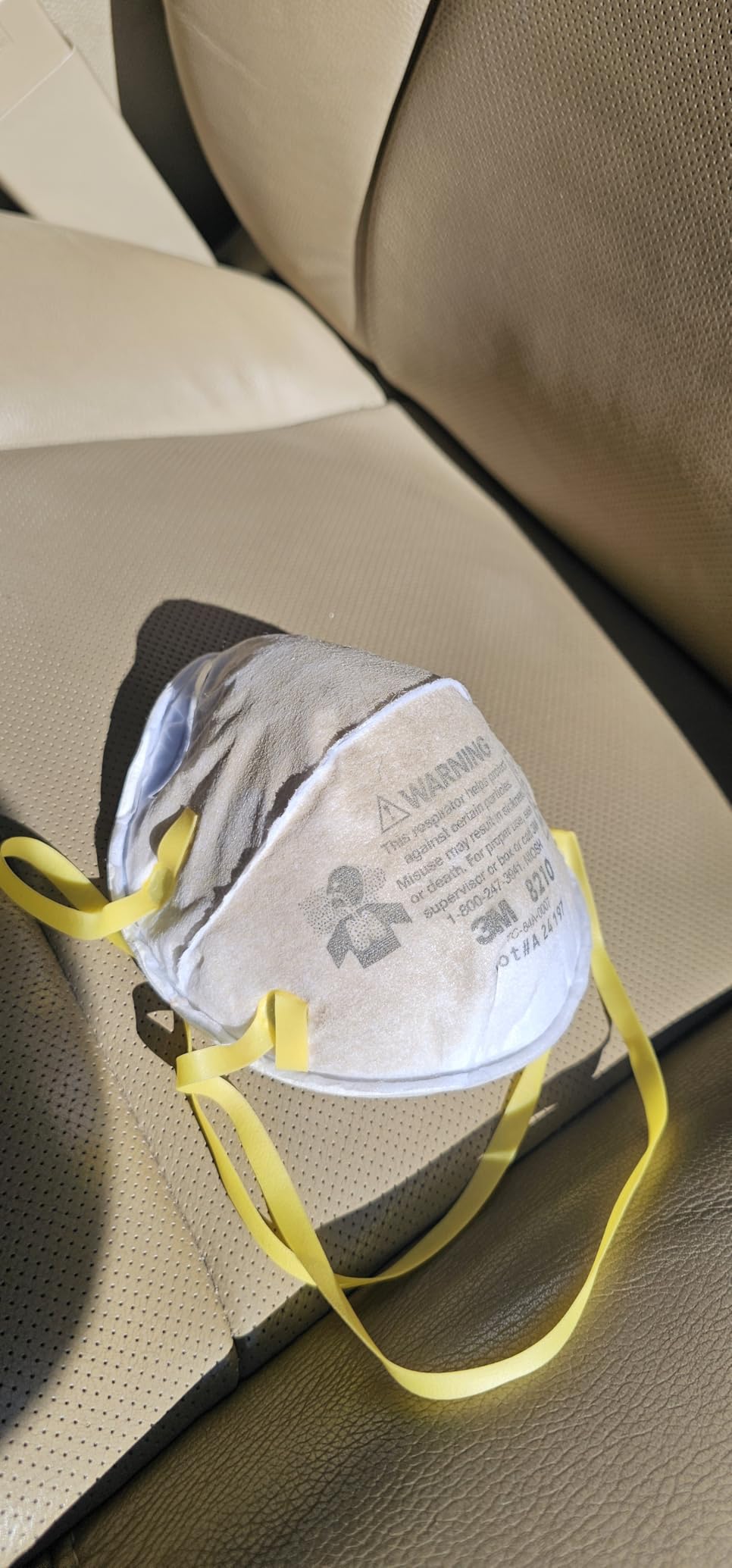
What it will not do is protect you while you spray finish, and the N95 class does not cover oil-based aerosols at all. Owners on our feeds describe the seal holding up well under light work, but the honest limitation is duration: this is a short-task mask.
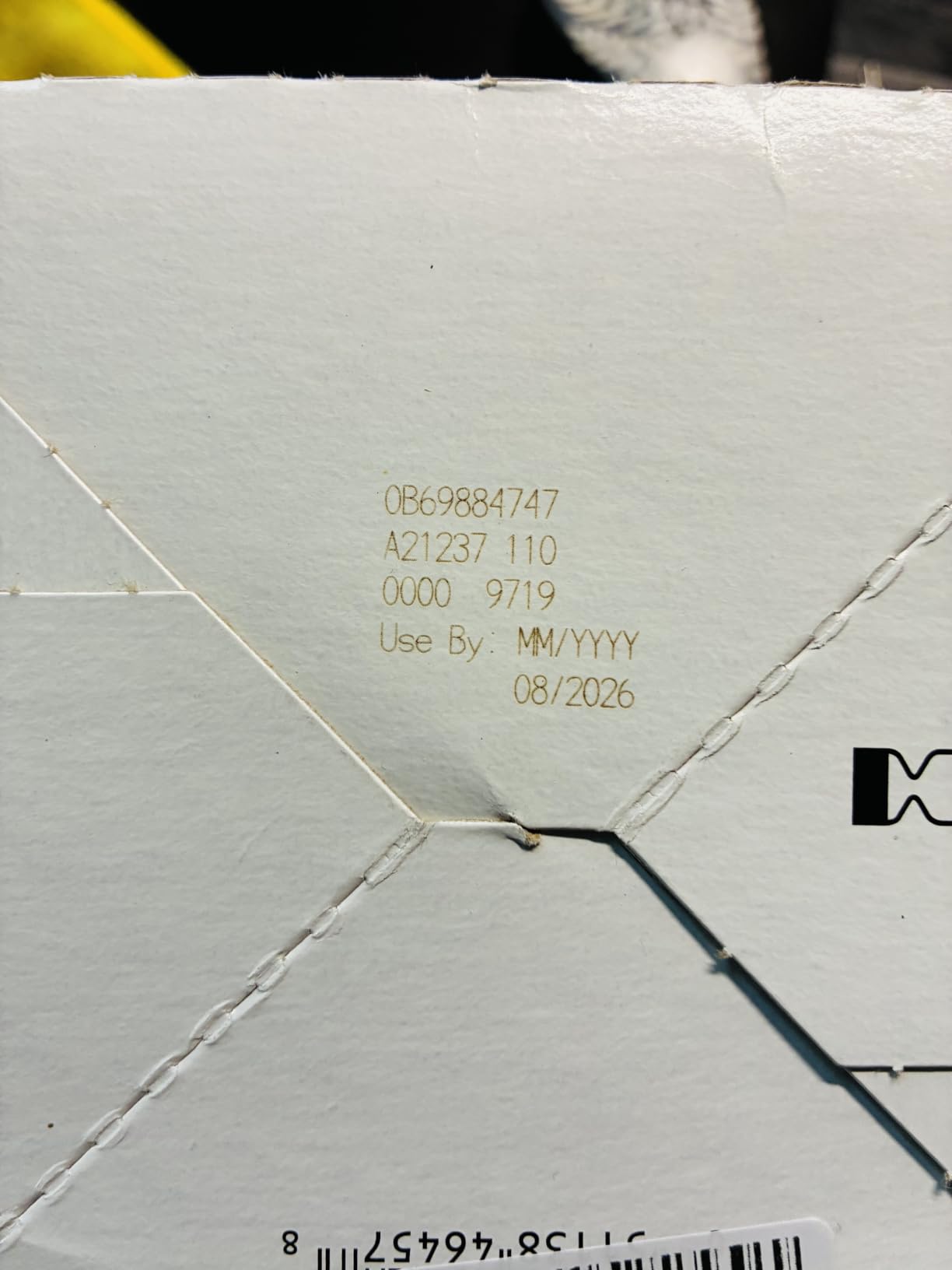
There is one more thing worth knowing. The listing is marked for industrial and occupational use only, not for consumer sale or use, so read the labelling before you buy a carton for a weekend garage build.
Where it fits in your rotation
Buy this as the cheap always-available layer. Keep several in the shop, in a drawer, not in your car, and reach for one when the job is measured in minutes rather than hours.
It pairs well with a reusable P100 for the heavy days. Forum regulars on r/woodworking make the same split: disposables for the ten-minute jobs, elastomeric for the sanding marathon.
Where it falls short
No organic vapor protection, so it is the wrong tool for lacquer, varnish or oil finishes. It is also unvalved, which means noticeably more effort exhaling during long grinding runs.
Because it is disposable, you pay again for every session. Buyers who sand heavily will spend more over a year on replacements than a single reusable mask plus a set of cartridges costs.
2. 3M 8511 N95 Cool Flow Valved – Best Disposable for Long Sessions
3M 8511 N95 Cool Flow Valved Respirator, 10-Pack
NIOSH N95 with valve
Weight: 8.96 oz
Pack of 10
Latex-free
Pros
- Cool Flow valve cuts heat and breathing effort noticeably
- Up to 50 percent easier breathing than the non-valved 8200
- Stretchable braided headbands and M-noseclip give an adjustable seal
- Highest average rating of any disposable in the set
Cons
- N95 class only with no vapour or oil aerosol coverage
- Exhalation valve rules it out where source control is required
- Disposable so it cannot be refitted with heavier cartridges
Same certification class as the 8210, completely different experience over a long afternoon. The Cool Flow exhalation valve directs your breath downward and cuts the effort of breathing, and 3M rates it at up to 50 percent easier breathing than the comparable non-valved 8200.
That number shows up in practice. Sanding is a long, steady, low-grade exertion job, and a valve is exactly what keeps a disposable wearable from turning into a nuisance you stop wearing after twenty minutes.
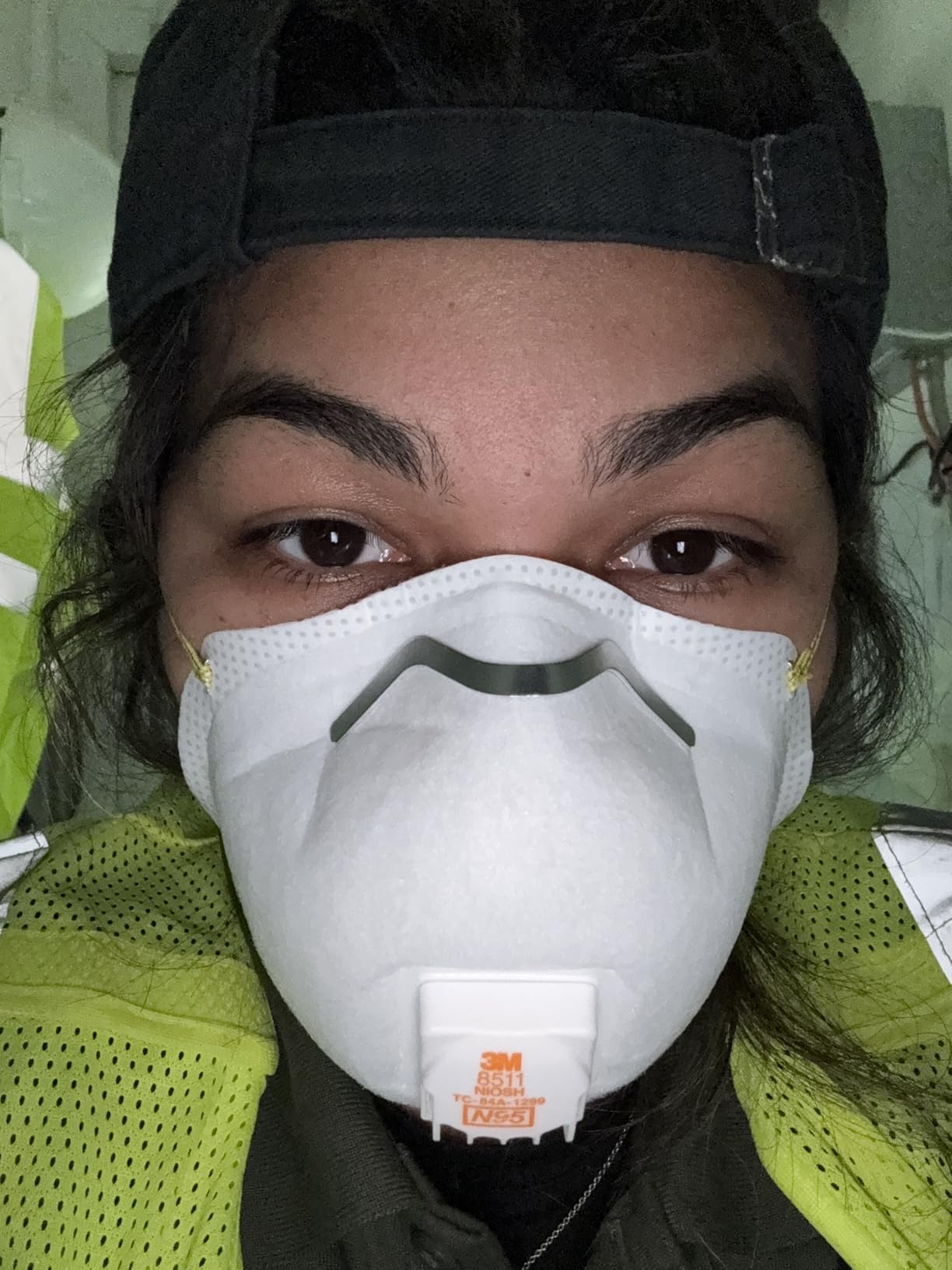
The stretchable braided headbands and the M-noseclip are the other half of the story. Glasses wearers get a better seal than most two-strap masks manage, and the advanced electrostatic media helps both filtration and breathability at once.
It is still a disposable N95. That means no coverage of organic vapors or oil-based aerosols, and the valve design makes it unsuitable for environments where source control is the requirement.
When to reach for it
Choose the 8511 over the 8210 whenever you expect more than about half an hour of continuous dust. Grinding, sanding a full sheet of plywood, and shop cleanup after a big cut all fall in that range.
It is also the safest disposable to wear with safety glasses, which is the combination most shop owners complain about. The noseclip adjustment helps limit the fogging that ruins mask-and-glasses setups.
When it is the wrong call
It shares the N95 ceiling. If you are finishing furniture in the same session, you still need a cartridge mask with an organic vapor layer for the spraying portion.
Some workplaces disallow valved respirators because exhaled breath is not filtered. In a home shop that is rarely an issue, but check if you share a space with other people who are sensitive to the exhaust.
3. AirGearPro G-500 A1P2 Reusable Mask – Best for Spray Finishing
AirGearPro G-500 Reusable Respirator Mask with A1P2 Vapor & Dust Filters
CE-certified A1P2 dual filtration
Reusable
Weight: 92 g
2-year warranty
Pros
- A1P2 dual filtration covers organic vapors and fine dust in one mask
- Replaceable filters keep long-run cost down
- Soft silicone face seal stayed comfortable while sweating
- Goggles and ear plugs included in the kit
- Two-year warranty plus storage bag
Cons
- A1P2 is a European CE class not a NIOSH P100 rating
- Included goggles can fog over prescription glasses
- Runs hot during extended use in warm conditions
Most half masks force a choice: particulate filters for sanding, or vapor cartridges for spraying. The G-500 takes both at once, with an A1P2 organic vapor cartridge paired to a P2 dust filter that captures at least 98 percent of airborne particles.
Users working with spray and paint report not being able to smell solvents through it, which is a crude but useful field test. The included goggles mean you are not hunting for a separate pair when the overspray starts.
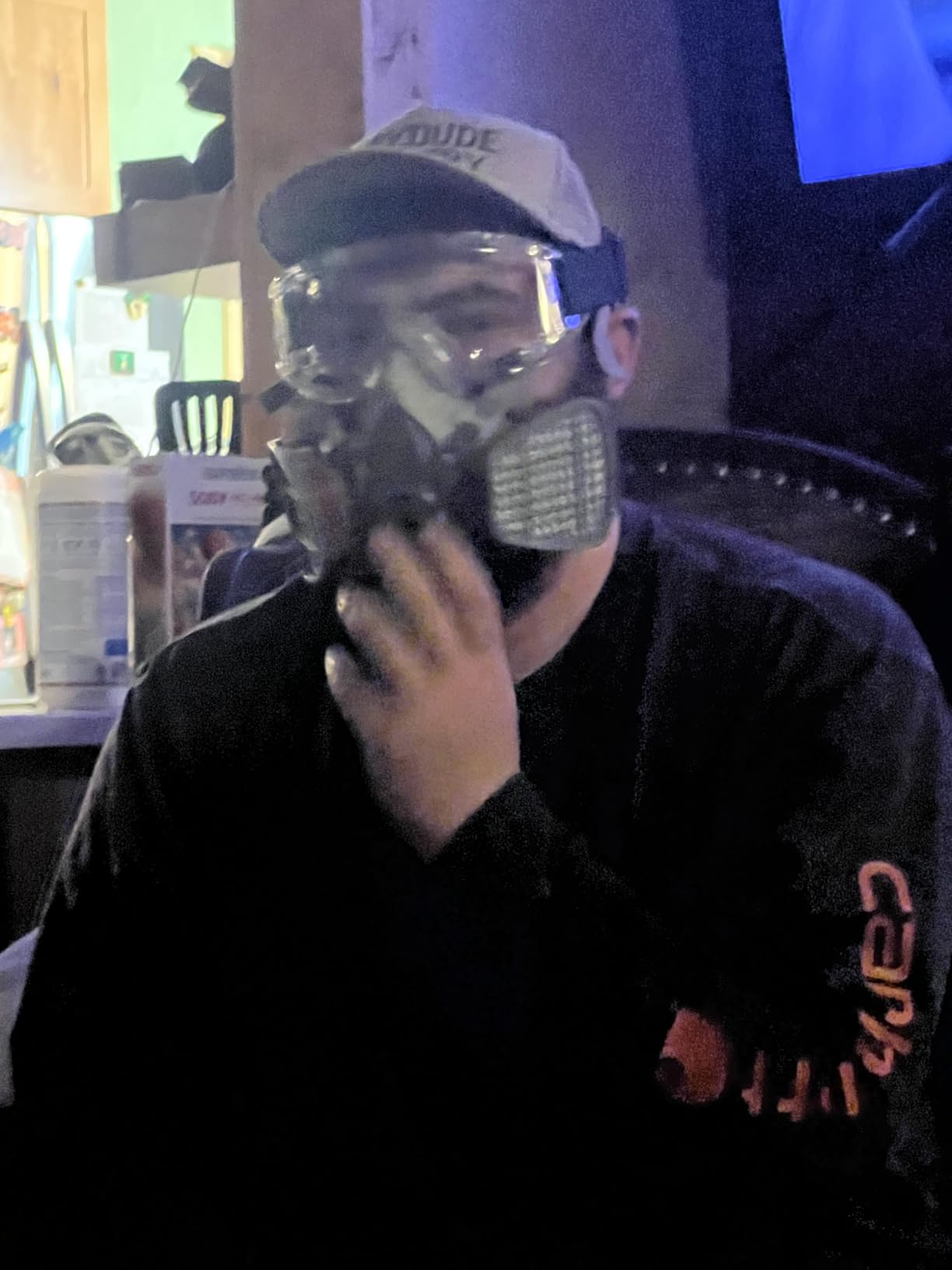
Comfort is where it earns its keep. The soft silicone seal against the face was described as comfortable even while sweating, and the filter pads visibly darken as they load, which gives you real feedback about when they need changing.
Be clear about the certification, though. A1P2 is a European CE class, so this is not a substitute for a NIOSH P100 where a documented rating matters, such as a regulated workplace or a compliance-minded employer.
Why it earns the spray finishing slot
One mask covering sanding and finishing removes the friction of swapping half mask setups mid-project. That matters most in a small shop where every changeover is wasted bench time.
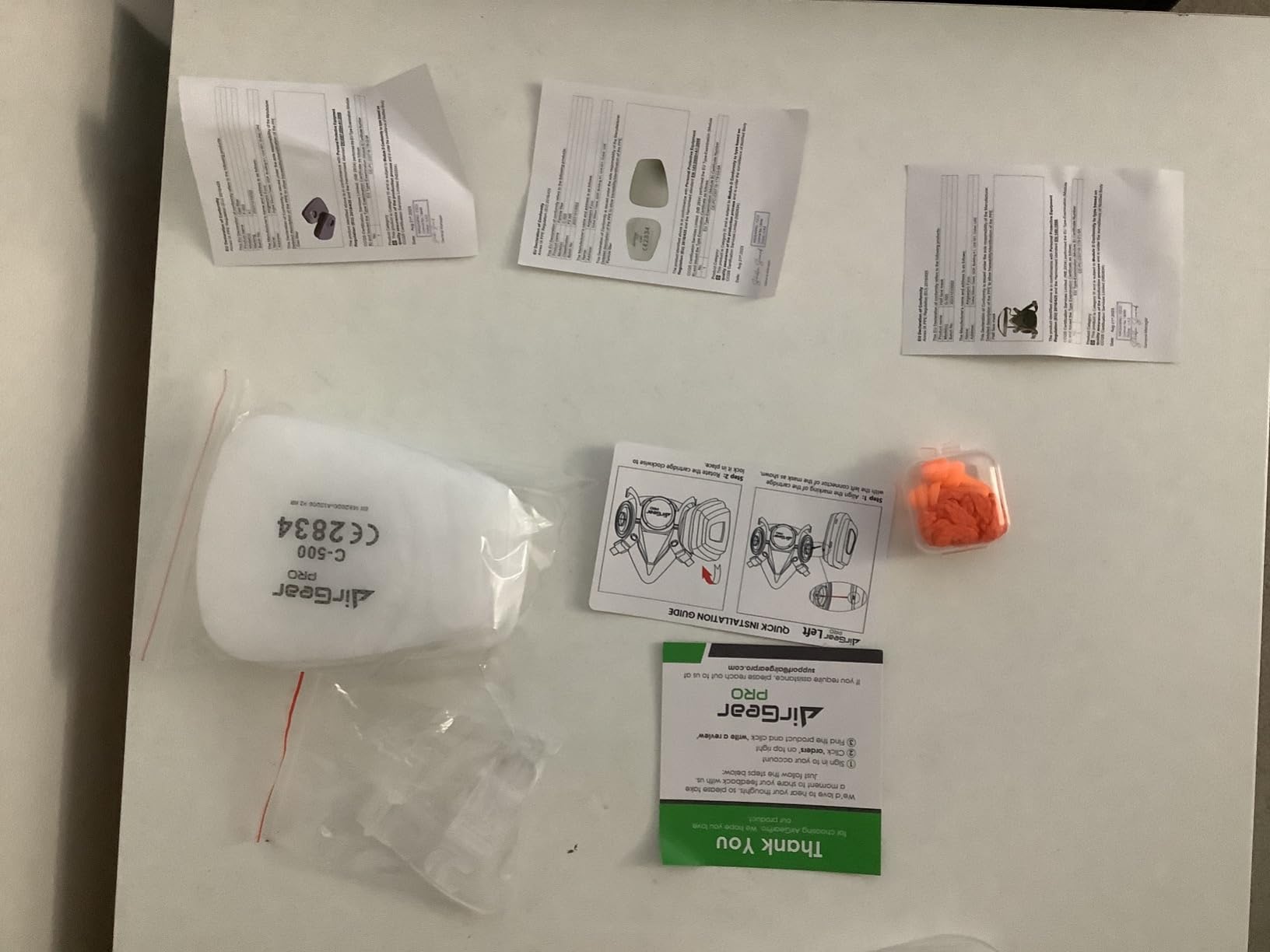
The kit is unusually complete. Goggles, ear plugs, a storage bag and spare fittings arrive in the box, which matters if you are trying to build a one-person setup from nothing.
Where the compromises show
Hot weather is the weak point. The mask runs warm in an unventilated garage, and the fogging on the bundled goggles is a recurring complaint, especially alongside prescription lenses.
Assembly takes a moment to figure out from the printed instructions, even with the linked video. Budget ten minutes before your first job rather than the night before.
4. GVS Elipse P100 SPR457 – Best With Glasses and Hearing Protection
GVS SPR457 Elipse P100 Dust Half Mask Respirator with replaceable and reusable filters included, blue, m/l size
NIOSH P100 TC-84A-6949
M/L size
Reusable
Filters rated for years
Pros
- True NIOSH P100 rating above N95 for fine dust and silica
- Exceptionally low profile with a wide unobstructed field of view
- Low breathing resistance reduces fatigue on long days
- Replaceable filters with a long stated service life
- Latex-free and silicone-free elastomer
Cons
- P100 particulate filters only with no vapor protection
- M/L sizing may not suit very small or very large faces
- Cannot be used where an exhalation valve is required
This is the shape that makes sense for a shop where you also wear safety glasses and earmuffs. The Elipse body sits low and compact, and the low profile filters leave your peripheral vision clear instead of boxing it in.
Buyers consistently single out the field of view and the fact that the mask does not fight with eye or ear protection. That is not a minor preference when you are trying to keep a full face shield and a respirator on at the same time.
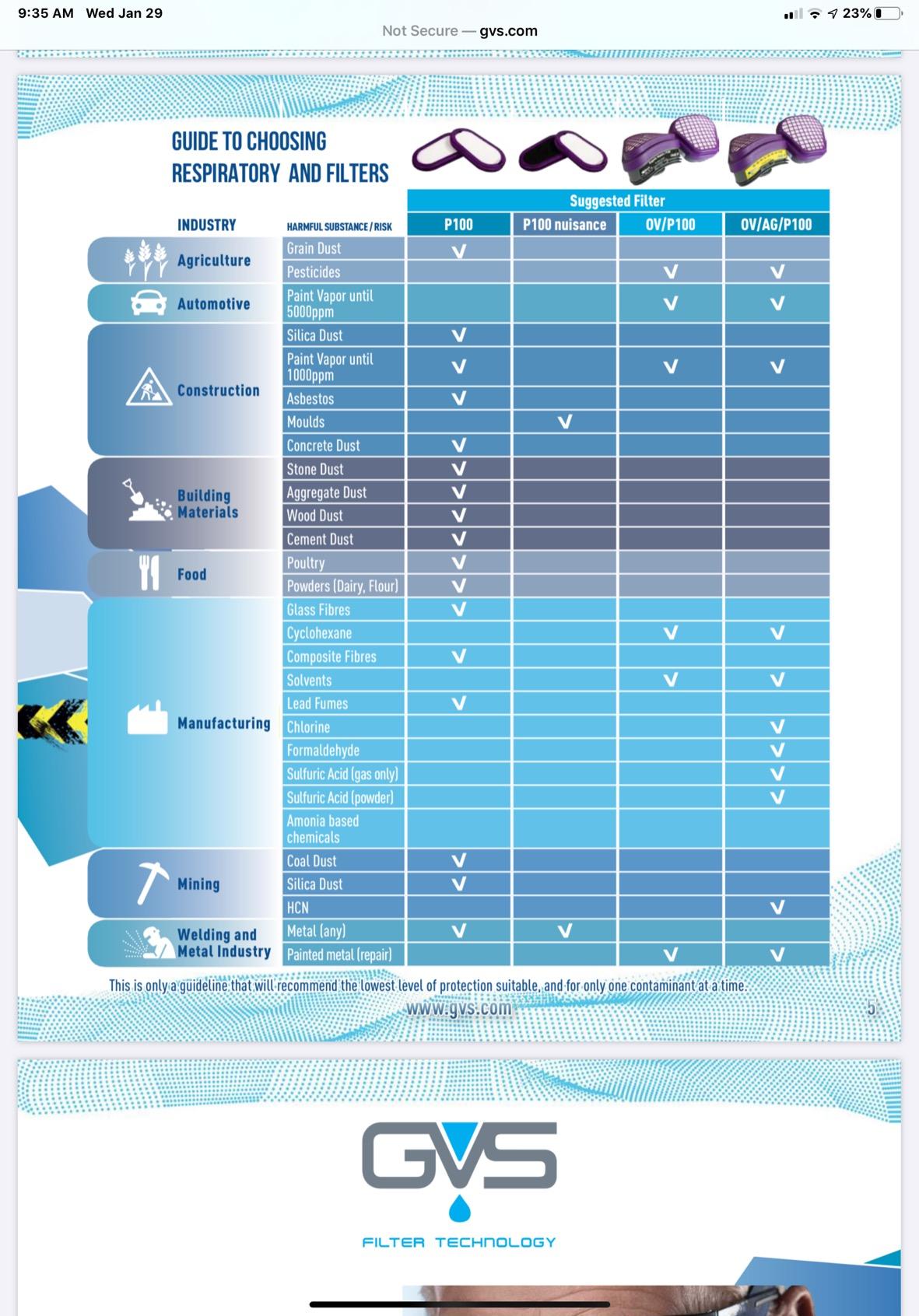
Breathing resistance is low, which is the other comfort lever. A facepiece you can breathe through at the end of a six-hour day is the difference between wearing protection and tolerating it.
The filters are replaceable and the manufacturer states a service life of up to five years, so the running cost over time is far below a disposable routine. The elastomer is odorless, hypoallergenic and free of both latex and silicone.
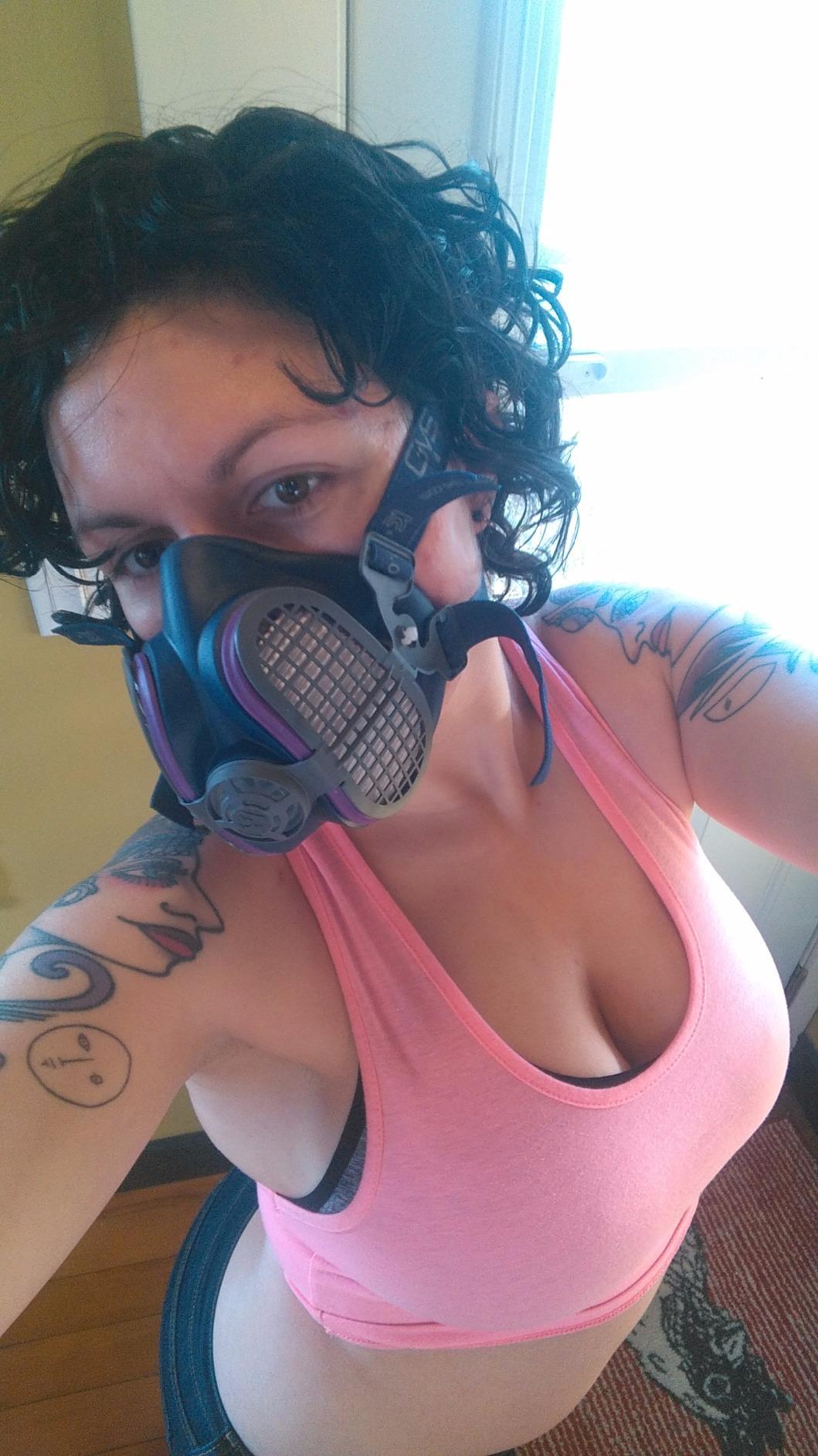
Why this one for mixed protection
Anything that requires a face shield, earmuffs or prescription eyewear at the same time pushes you toward a low-profile half mask. The Elipse geometry was designed for exactly that stacking.
It is also the pick for anyone sanding MDF or particleboard, where the concern is both fine particulate and the formaldehyde given off by the resin. You still need a vapor cartridge for the resin component.
When it is not enough
Particulate only. Spraying lacquer or polyurethane needs a mask with an organic vapor layer, and no amount of P100 media changes that.
Sizing is the practical limit. This is an M/L facepiece, and a very small or very large face can struggle to get an even seal, which is where a fit test reveals the problem early.
5. Parcil PT-100 Full Face Respirator – Best Full-Face Coverage
Parcil Distribution Industrial Air Purifying Respirator Mask, Survival, and Chemical PT-100 Full Face Respirator – Activated Carbon Organic Vapor Particulate Respirator Mask with Filters – CE Tested
Full face organic vapor and particulate
200-degree view
Anti-fog lens
5-point strap
Pros
- One piece covers eyes nose and mouth
- 200-degree field of view through a Z87.1 impact-resistant lens
- Anti-fog and cooling tech helps the lens stay clear
- Built-in voice amplifier for talking to coworkers
- Handles spray finishing epoxy and coating work
Cons
- Cannot be worn over prescription eyeglasses
- Heavier and bulkier than any half mask in this roundup
- Anti-fog performance degrades in humid sweaty conditions
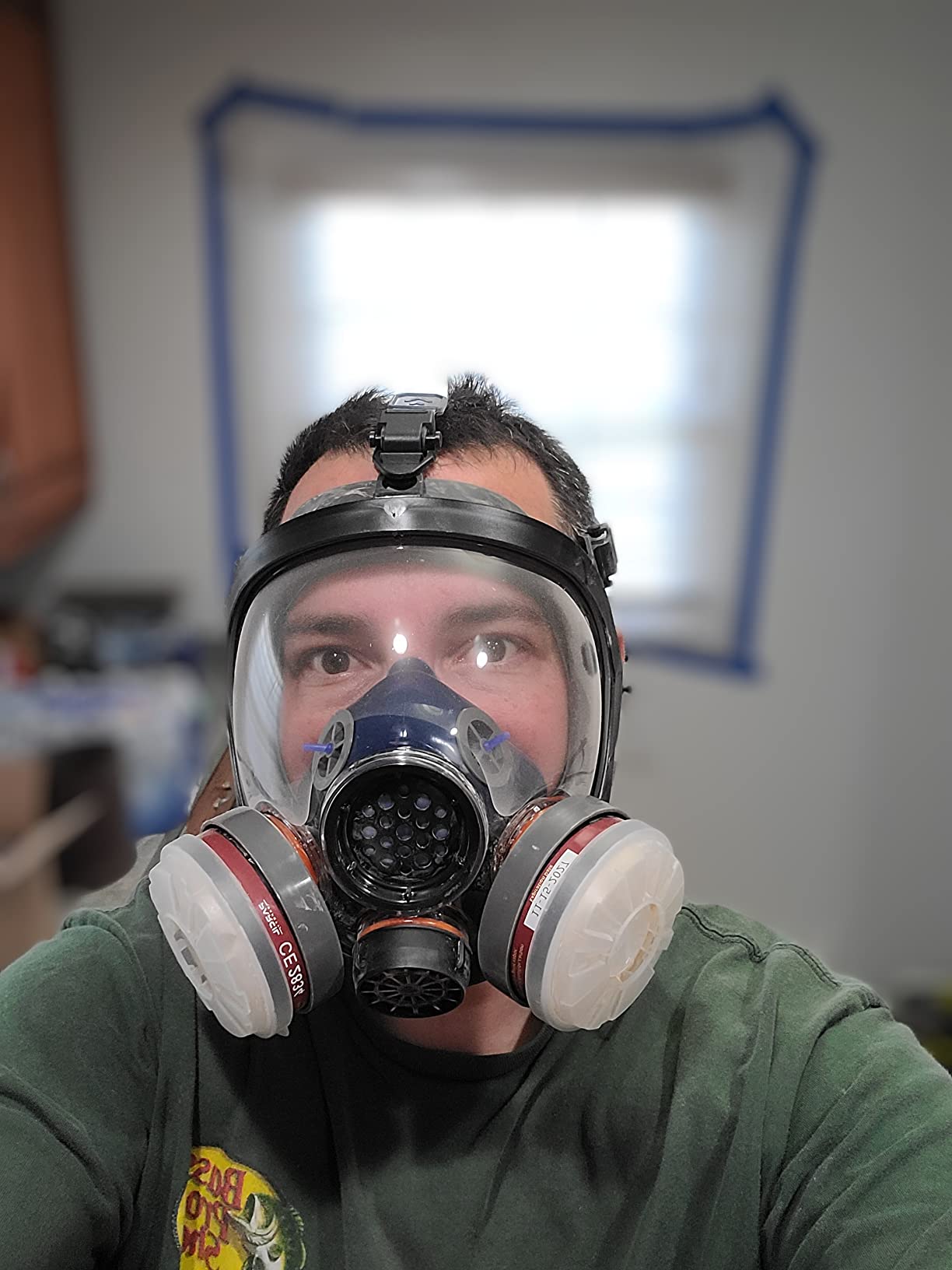
When overspray and eyes are the problem rather than just lungs, a full facepiece solves two problems at once. The Parcil PT-100 covers eyes, nose and mouth in a single unit and carries organic vapor plus particulate filtration.
The 200-degree field of view through an ANSI Z87.1 impact-resistant dome lens is what makes it usable rather than suffocating. Owners doing epoxy and coating work report it stays clear enough to work normally, and the anti-fog treatment holds up through long jobs.
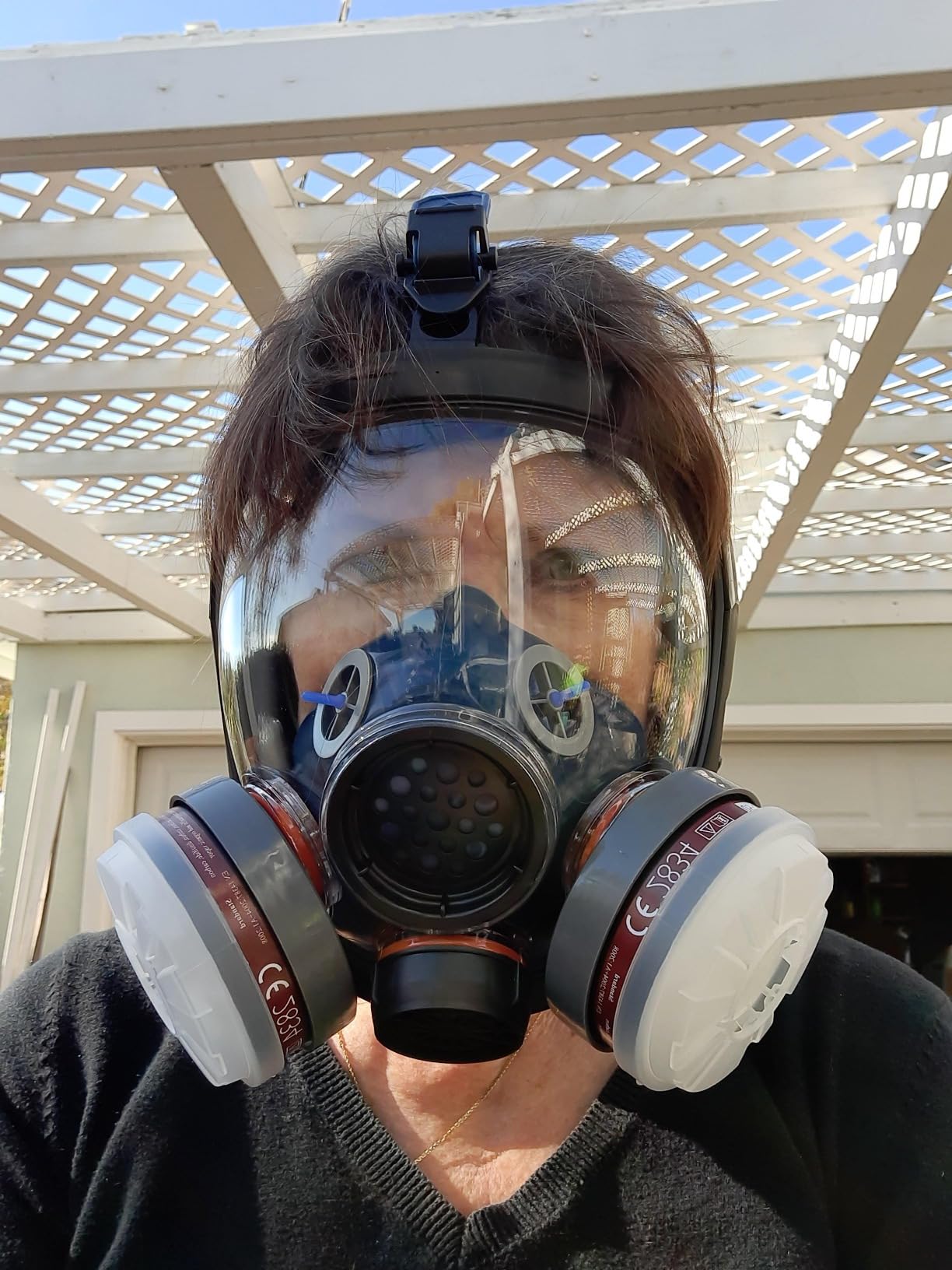
The built-in voice amplifier is a small detail that matters in a shared shop. Being able to talk to someone with a full facepiece on is a genuine convenience, and it removes the shouting-and-pointing routine.
A five-point adjustable head strap spreads pressure across multiple contact points, which is what keeps the seal consistent over extended wear rather than digging into one line.
When a full face earns its bulk
Spray finishing, epoxy and coating work, wildfire-adjacent outdoor tasks, and any job where fine dust drifts toward your eyes. The face shield is built into the same unit, so there is no second layer to fog.
Think of it as the respirator that also does eye protection. That dual role is why full facepieces carry a much higher assigned protection factor than a half mask.
When to go back to a half mask
It cannot be worn over prescription eyeglasses, and that sends a lot of people back to half masks. If you already wear glasses, solve that before you commit.
It is also heavier and hotter. For casual shop cleanup, the bulk and heat are a poor trade against a lightweight elastomeric half mask.
6. 3M 6291 P100 Reusable Kit – Best Value Reusable Upgrade
3M Half Facepiece Reusable Respirator Assembly Kit 6291, Medium, 1 Kit
NIOSH P100 half facepiece
Two 2091 filters
Weight: 4.8 oz
Medium size
Pros
- NIOSH-approved P100 in a reusable washable facepiece
- Two 2091 P100 filters supplied so both sides work immediately
- Bayonet connection makes filter changes straightforward
- Soft lightweight facepiece with easy-to-adjust straps
- Elastomer and bayonet design is cleanable and recyclable
Cons
- Particulate filters only with no vapor capability
- Medium sizing only in this kit
- Marks no exhalation valve so breathability is basic
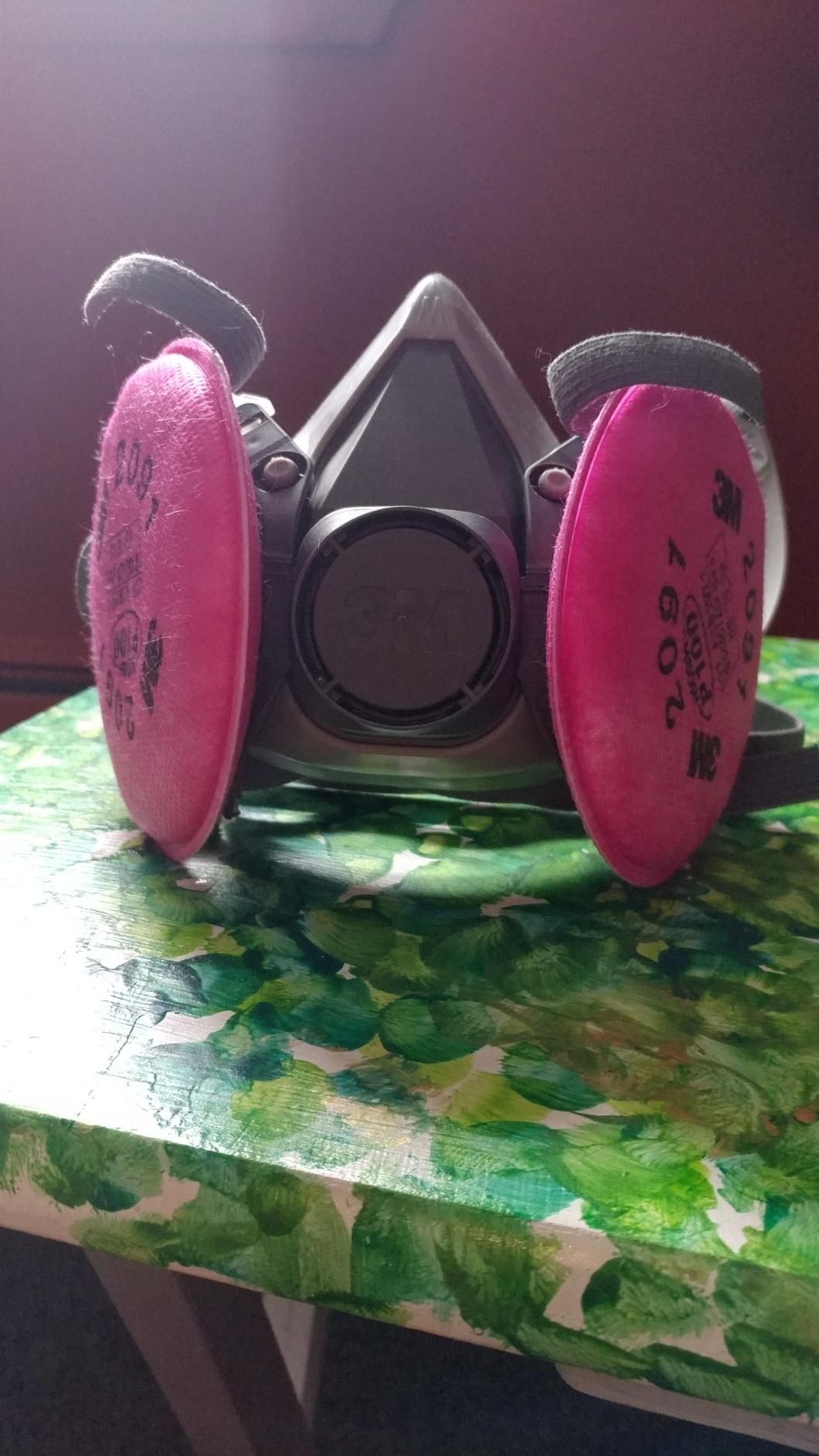
This is the step-up moment for anyone who has been burning through disposables. You get certified P100 filtration in a facepiece you wash, and the kit arrives with two 3M 2091 P100 filters so both sides are usable on day one.
The 6000 series reputation is deserved. Owners report a soft, light facepiece, a straightforward bayonet swap when the filter loads up, and the simple pleasure of a mask that lasts for years instead of shifts.

Everything in the bayonet and elastomer construction is cleanable, which is the whole economic argument. Washing the facepiece and swapping a filter costs a fraction of replacing a mask every few hours.
It is listed for industrial and occupational use only, not for consumer sale or use, so treat the labelling accordingly. For a professional shop that is a non-issue; for a home build, know what you bought.
Why it is the value pick
The total cost argument is simple. Two P100 filters last far longer than a carton of disposables, and the facepiece itself is the kind of purchase that stays in the shop for years.
Long-term owners on Sawmill Creek and r/woodworking describe the 3M half facepiece series as the works-for-years workhorse, with the bayonet connection as the feature they notice most.
Where you feel the trade
No exhalation valve means basic breathability compared to the valved disposables or a powered system. In a hot, poorly ventilated garage that adds up during a long afternoon.
Particulate only, and medium sizing only in this kit. A very small or very large face needs a different size before anything else will matter.
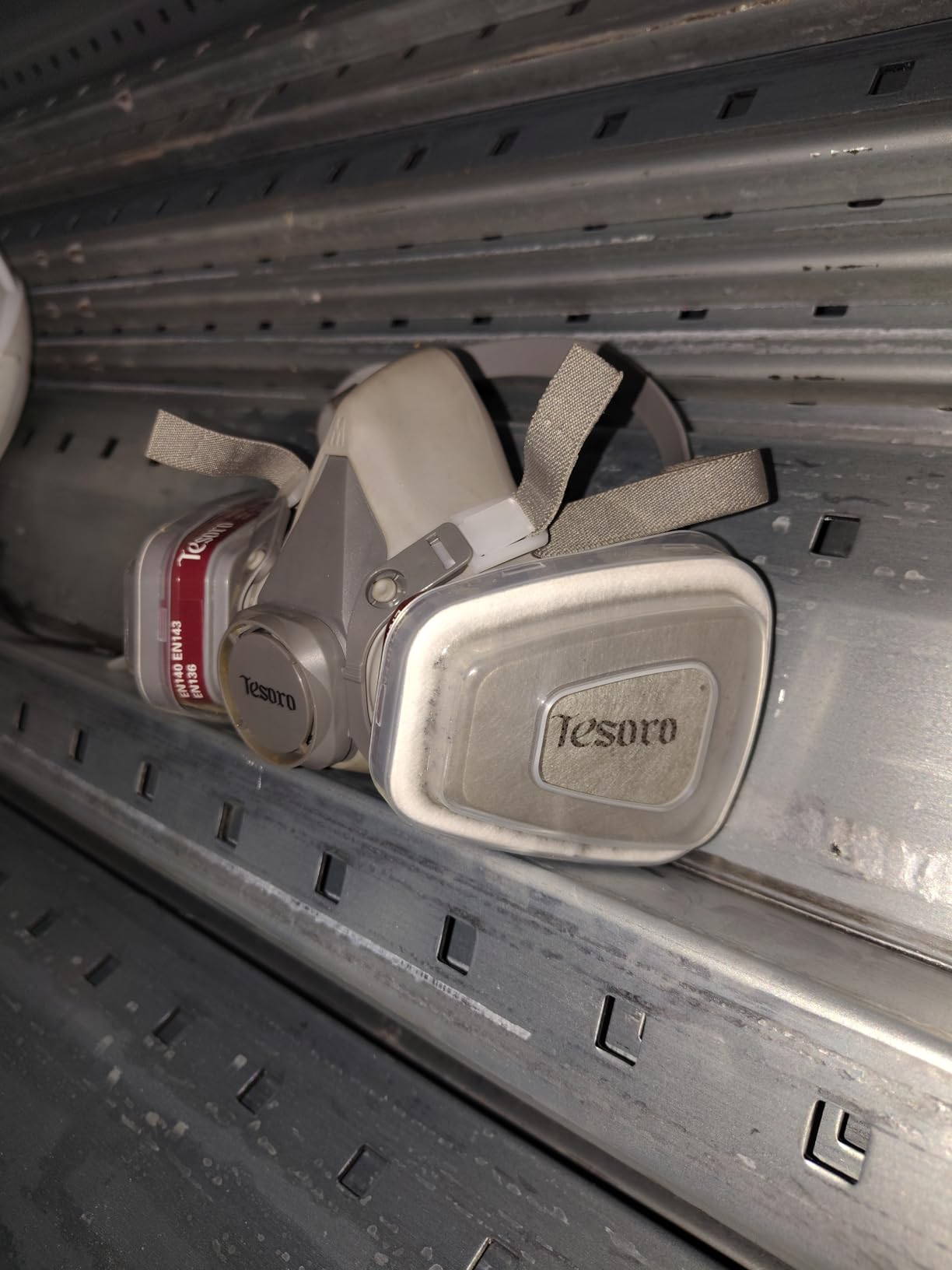
7. Tesoro Moda M401 Reusable Mask with Goggles – Best All-in-One Bundle
Tesoro Moda Respirator Mask for Spray Painting, Woodworking, Welding, Dust, and General Safety with Clear Eye Goggles, 10 Replacement Filters, Half Face Cover with Safety Glasses
Reusable half face cover
10 replacement filters
Goggles included
Weight: 1.08 lb
Pros
- Reusable mask with ten spare filters and goggles in one bundle
- Soft silicone seal fits well without digging in
- Owners confirm it blocks sanding dust and spray mist
- Included goggles fit alongside the mask and stay clear
- Filters are simple to install
Cons
- Not a NIOSH-rated respirator with no certified class
- Bundled goggles are hard to wear over prescription glasses
- No independent eye protection beyond the bundled goggles
Open the box and you have a working setup: a reusable half face cover, ten replacement filters, and a pair of clear safety goggles. For a first-time buyer building protection from nothing, that removes the guesswork about what else you need.
Users buying it for woodwork and spray finishing report a comfortable silicone fit, easy filter changes, and no smell of chemicals while spraying. The goggles were singled out as fitting with the mask rather than clashing with it.
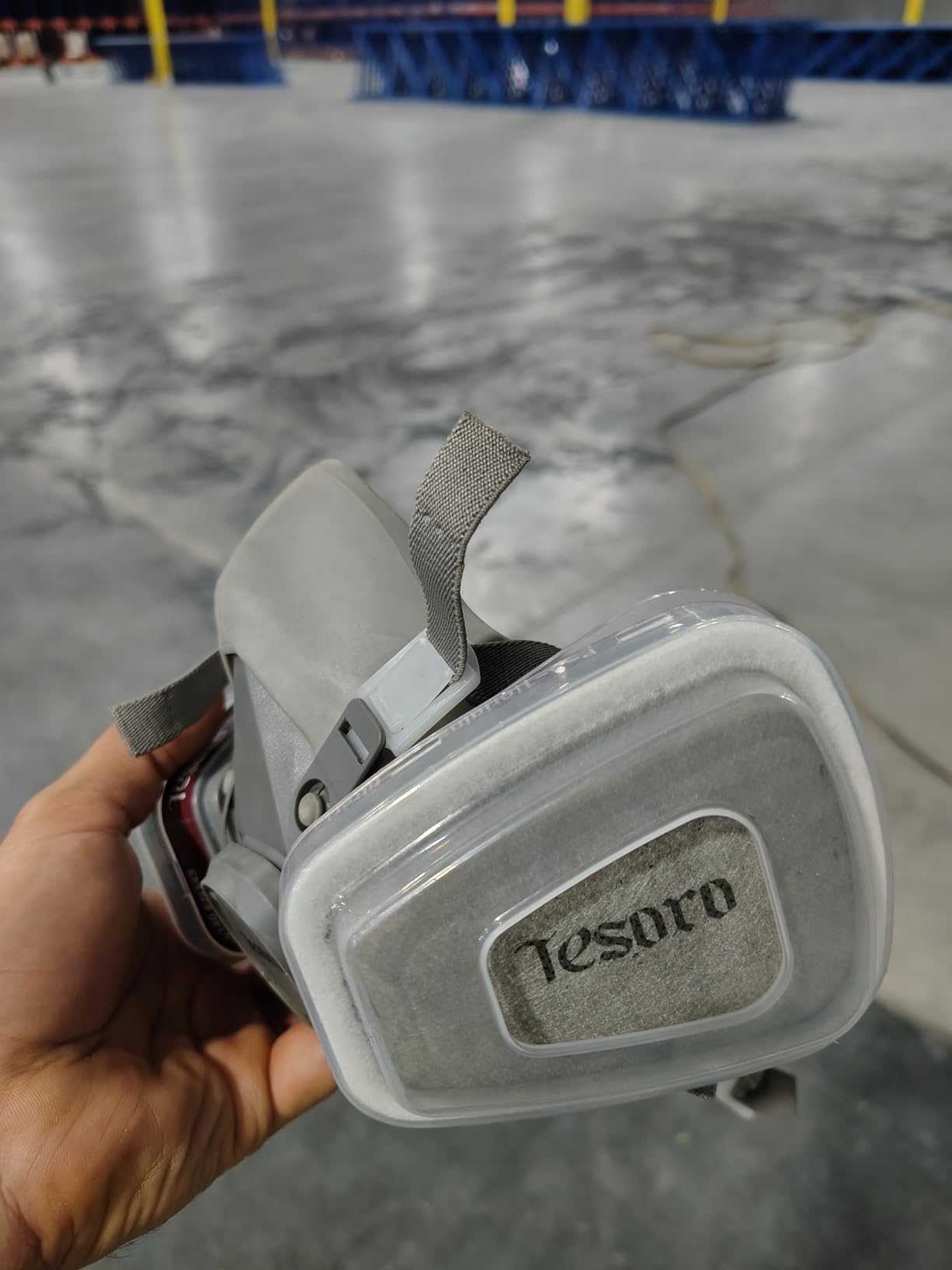
Rinsing the silicone facepiece and popping in a fresh filter between jobs is the maintenance routine, and it is simple enough that people actually do it. Filters that are easy to change get changed; filters buried in a drawer do not.
The honest caveat is certification. This is not a NIOSH-rated respirator, so it carries no certified P100 or N95 class, and the ten included filters are consumables rather than certified cartridges.
Who it makes sense for
It suits a hobbyist or a first-time buyer who wants dust, mist and eye coverage in one purchase without researching which parts to combine. The bundled goggles solve the mask-and-glasses conflict for most people.
It is also a reasonable weekend-project mask for stain, sealer and light finishing work, where comfort matters more than a documented protection factor.
When to look elsewhere
If your work is heavy, prolonged or governed by safety rules, go certified. There is no stated NIOSH rating here, and that is exactly the line that matters in a workplace context.
Prescription glasses wearers should test the goggles early. One reviewer notes they are difficult to wear over existing lenses, and that is a dealbreaker if you need your own eyewear.
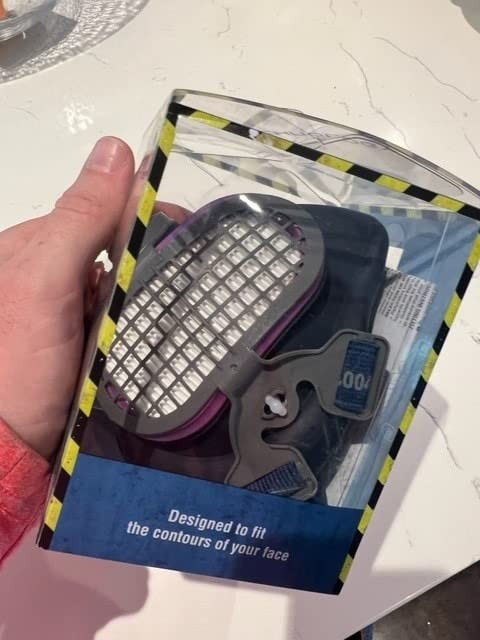
8. GVS Elipse P100 SPR644 Source Control – Lightest Certified P100
GVS ELIPSE P100 Elastomeric Half Mask with Source Control with Replaceable and Reusable Filters Included
NIOSH P100 TC-84A-9320
Weighs 4.5 oz
M/L size
Washable
Pros
- NIOSH-approved P100 protection
- At 4.5 oz it is among the lightest reusable P100 half masks
- Low profile filters maintain a wide field of vision
- Washable design cuts ongoing consumable cost
- Hypoallergenic TPE material
Cons
- Source-control design rather than a valved mask
- M/L sizing only
- P100 particulate filters offer no vapor protection
- Smallest review base in the roundup
At 4.5 ounces, this is the mask you forget you are wearing. Weight matters more than spec sheets suggest, because a respirator that feels heavy gets removed halfway through a job.
It carries a NIOSH P100 approval, TC-84A-9320, so the filtration is documented rather than implied. The low profile filter layout keeps the view open, which helps when you are checking a cut line or reading a tape measure.
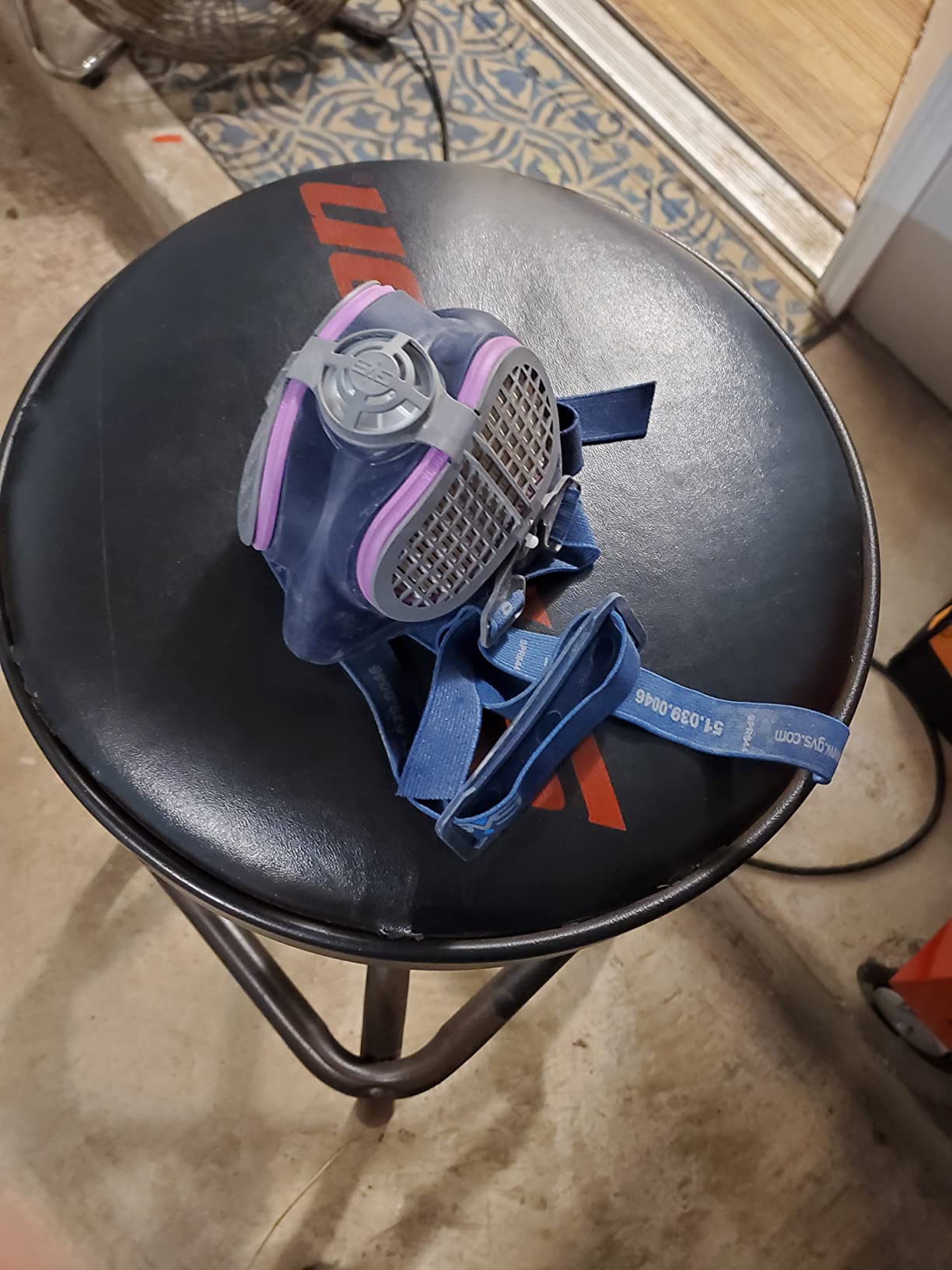
The design is built for repeated cleaning and decontamination, so the running cost over years is mostly the filters. Hypoallergenic TPE construction suits people who react to rubber facepieces.
It is a source-control design rather than a valved mask, which changes who can use it. It suits rooms where you are the only person breathing that air, and it is the wrong choice where a cool exhalation valve is required.
Where the low weight pays off
All-day wear, light dust work, and finishing days. When comfort is the reason you keep your mask on, the weight is not a trivial spec.
It is also a good second certified mask to keep on hand, so a wash cycle never leaves you unprotected.
Where the limits show
Particulate only, so spray finishing still needs a different mask. And M/L sizing only, which is a real constraint if you are outside that range.
The review base here is the smallest in the roundup, at roughly 400 ratings. Fewer owners means less long-term feedback to lean on, so treat the first weeks as your own test period.
9. Miller LPR-100 Half Mask with Odour Relief – Best for Varnish and Solvent Work
Miller LPR-100 Half Mask Respirator w/Odor Relief ML00995 M/L
P100 plus carbon layers
Weight: 6.38 oz
M/L size
Latex-free
Pros
- P100 filtration combined with carbon relief for varnish and solvent work
- Low profile fits under welding helmets and clears safety glasses
- Reduces heat buildup through minimal dead air space
- Latex-free and silicone-free medical-grade materials
- Wrap-around spark guard protects the filter media
Cons
- One of the more expensive half masks in this roundup
- M/L sizing limits fit for smaller faces
- Replacement carbon and P100 filters add ongoing cost
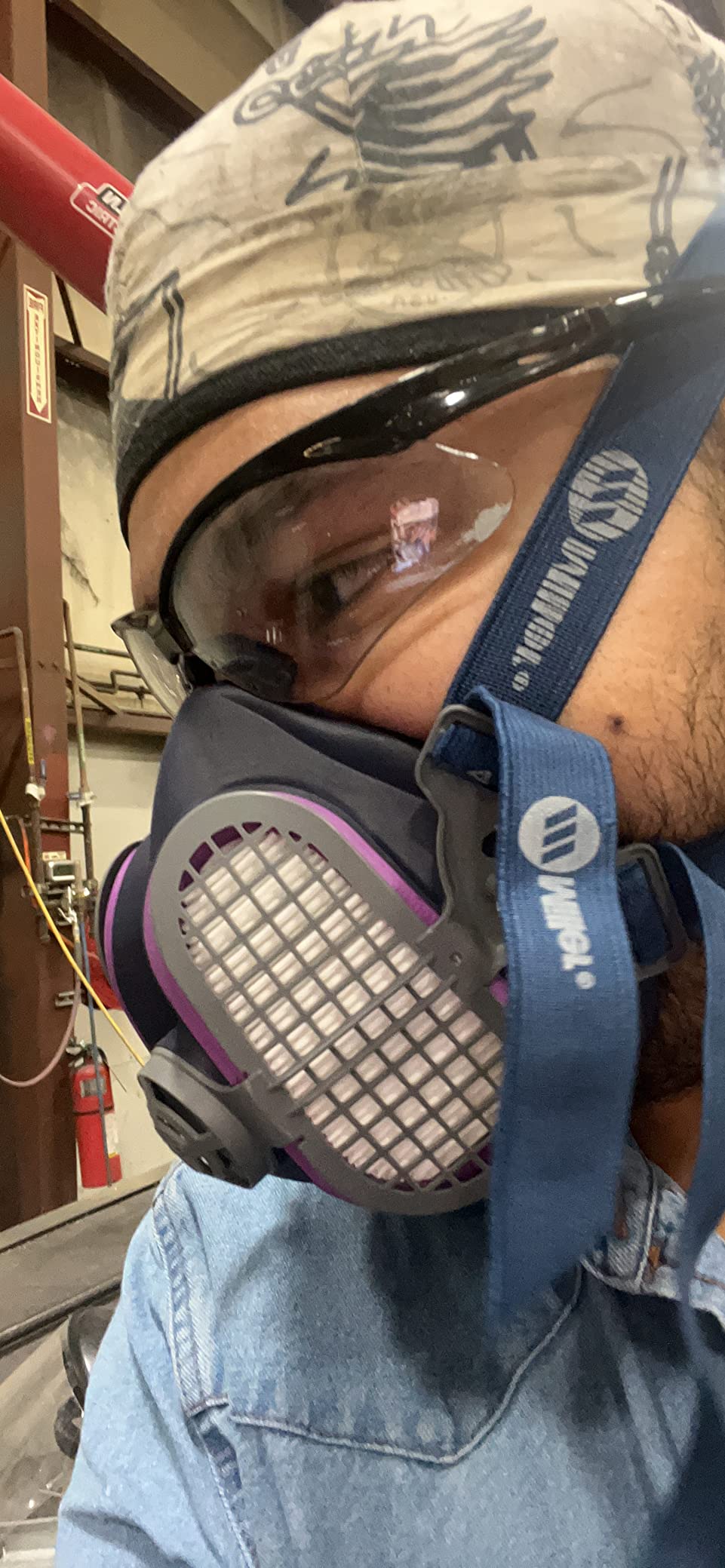
The Miller LPR-100 is the pick when the shop smells like solvent. P100 media handles the particulate, and the carbon layers add nuisance and organic vapour relief so you are not breathing the sharp edge of fresh varnish or epoxy.
Owners working with varnish, epoxy and welding fumes consistently praise that combination, and note that the low-profile shell slides under a welding helmet without clashing with safety glasses.
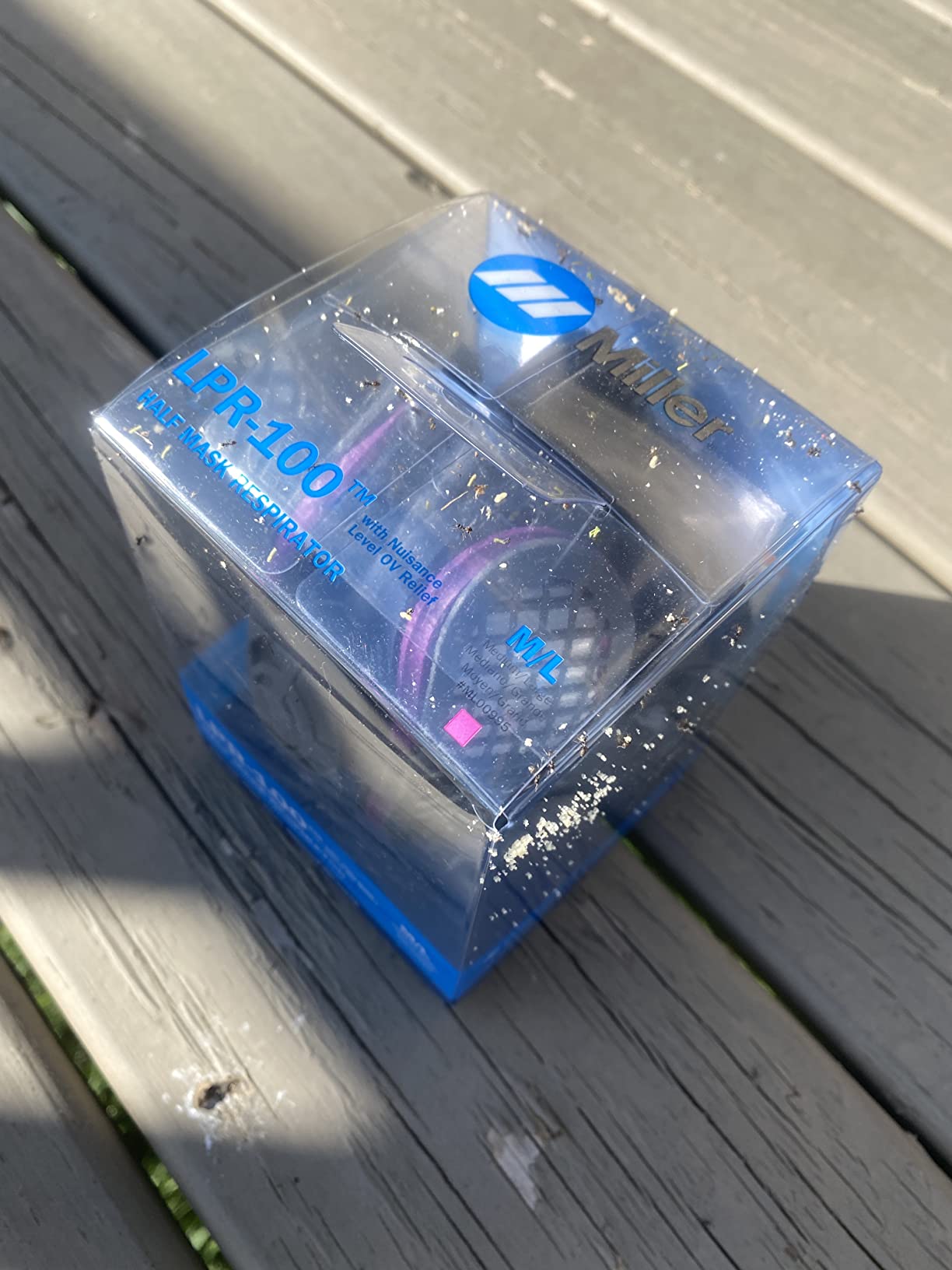
Comfort is engineered rather than incidental. Reduced dead air space means less heat buildup and less fatigue, which is the complaint that drives people out of elastomeric masks in summer.
Materials are medical-grade and free of both latex and silicone, which matters for anyone who reacts to standard rubber facepieces. A wrap-around spark guard protects the filter media during grinding and welding work.
Why it suits finishing days
Spray finishing and epoxy work combine fine particulate with organic vapors in the same breath. This mask covers both in one frame, which is more practical than carrying two half masks.
If you also weld or grind metal, the low profile and spark guard keep it useful well beyond the bench top.
What it costs you
It sits at the expensive end of the half masks here, and the replacement carbon plus P100 filters are a recurring line item. Budget for filters rather than treating the initial purchase as the whole cost.
M/L sizing only, and a smaller review base than the disposable picks. Buy it for finishing and crossover work rather than as a general-purpose shop mask.
10. Drager X-plore 3500 Multi-Gas P100 – Best for Beards and Glasses
Dräger X-plore 3500 Respirator Mask Multi-Gas/P100 Combination Cartridge (OV/AG/HF/FM/CD/AM/MA/HS/P100) NIOSH-certified Half-Mask for Painting, Chemicals, Construction
NIOSH-certified half mask size M
Two Multi-Gas plus P100 filters
Adjustable head and neck harness
Pros
- Multi-Gas plus P100 cartridge covers vapors and particulates in one filter
- Reviewers report a leak-free seal even with facial hair
- Side-mounted filters keep a wide field of view and goggles rarely fog
- Lightweight and comfortable over multi-hour wear
- Often rated a step up from 3M half masks for seal and build
Cons
- Replacement cartridges are expensive relative to the mask
- Neck strap retracts inside the facepiece and is easy to miss
- Can feel uncomfortable over very long sessions once straps are tight
- Higher cost than a standard P100 half mask
Facial hair is the single most common reason a seal fails, and the Drager X-plore 3500 is the pick that addresses it head on. Owners report a seal that stays leak-free around the nostrils and even with a goatee, thanks to a large contact area that does not pinch when your head moves.
Glasses and goggles reportedly stay clear, and several buyers call it the first mask that solved their fogging problem. Side-mounted filters keep the lens area open, which is the physical reason the fogging drops.
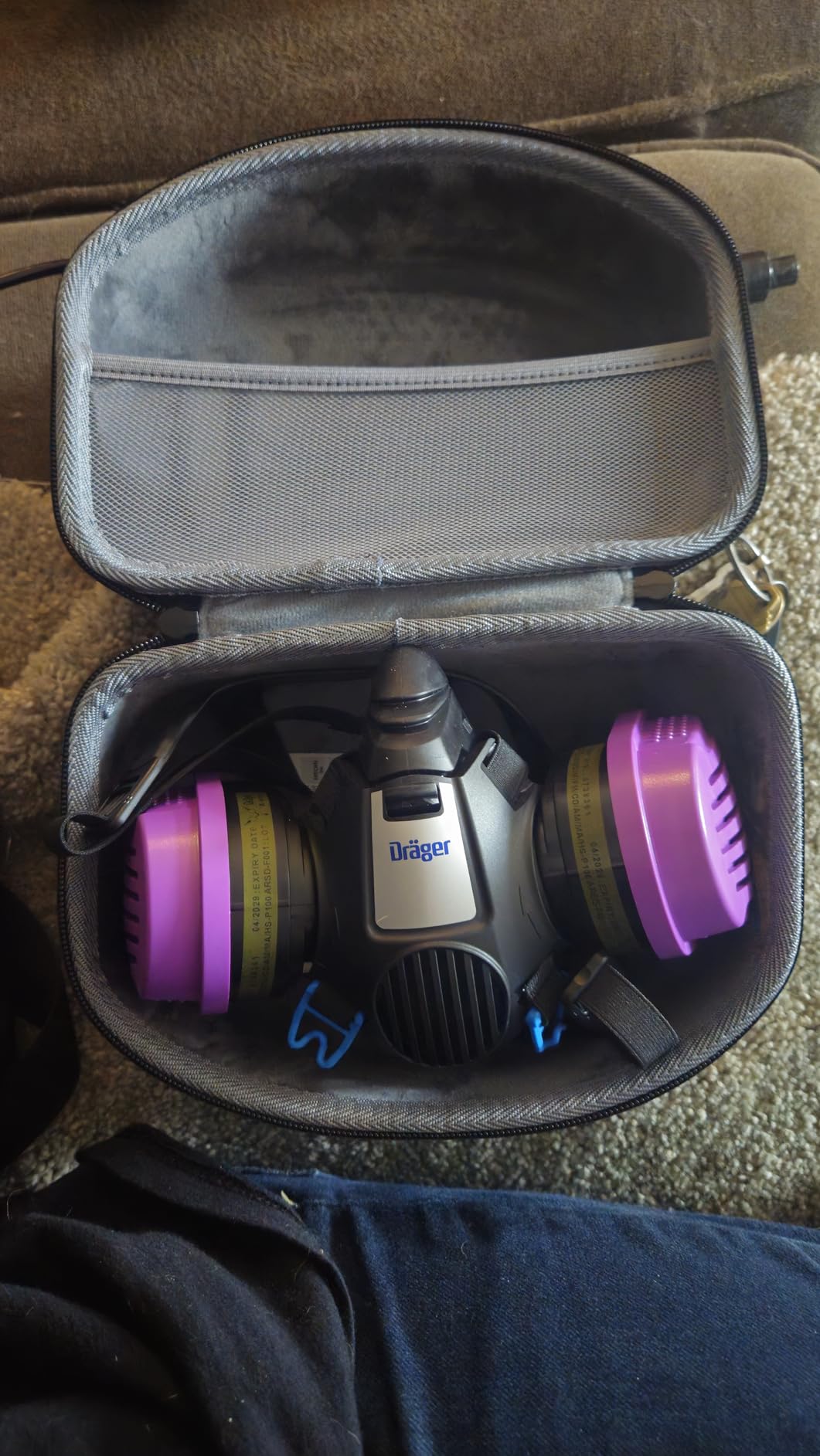
The two sealed Multi-Gas plus P100 cartridges cover organic vapors, acids, formaldehyde, ammonia, hydrogen sulfide and particulates. Formaldehyde matters if you cut particleboard, since the resin in the board is part of the exposure.
The flexible head harness spreads pressure evenly with adjustable head and neck straps. That distribution is what makes a multi-hour session bearable instead of a pressure headache.
Why bearded users should look here first
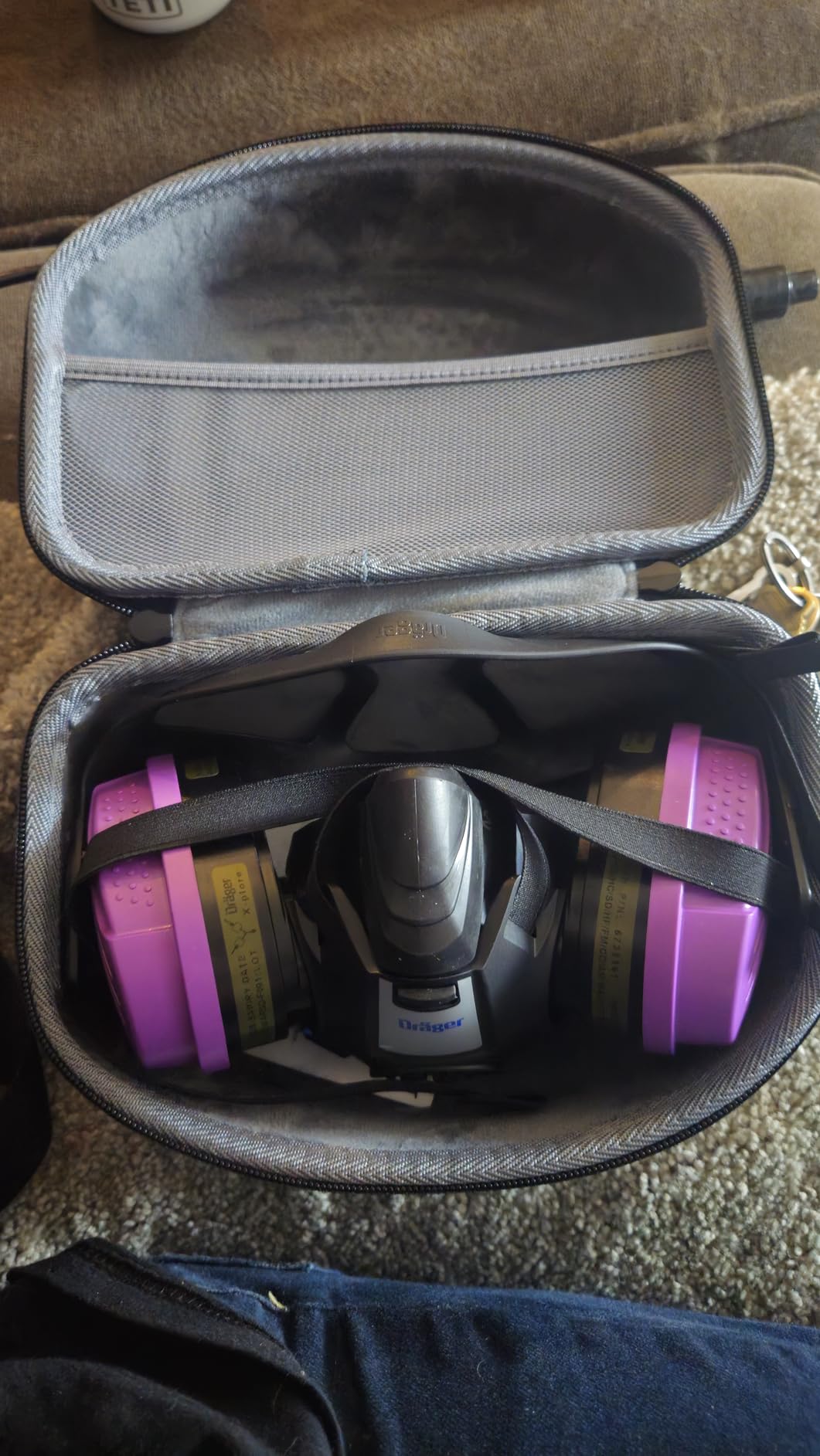
Most advice for beard wearers is trim it or buy a powered system. This is a middle path: a certified elastomeric half mask that a number of owners say holds a seal with facial hair present.
If you are also outdoors on poor air quality days, the gas coverage matters. Ambient pollution, smoke and fine particulate all pass through the same face seal, and this is the most broadly specified cartridge set in the roundup.
Before you order
Find the neck strap. It retracts inside the facepiece and many owners could not locate it at first, so read the instructions rather than assuming it is missing from your kit.
Replacement cartridges cost more than the mask, and the harness can feel tight over very long durations. Check the fit early and loosen before the strap starts marking your face.
N95 vs P100 vs N99: Which Rating Do You Need?
The class letter tells you how the filter behaves around oil, and the number tells you how much of the airborne particulate it removes at the most penetrating particle size. Those are two separate facts, and shoppers routinely conflate them.
N is not resistant to oil, R is resistant, and P is proof. For woodworking dust, which is a dry, oil-free particle, all three work on paper. The number is what separates them in practice.
N95 removes at least 95 percent of airborne particles. It is the right pick for short cutting, sweeping and cleanup jobs where the exposure is measured in minutes.
N99 removes at least 99 percent. It sits between N95 and P100 and is a reasonable upgrade where dust is fine but heavy sanding is still occasional.
P100 removes at least 99.97 percent and tolerates oil-based aerosols. It is the default recommendation from nearly every woodworking forum for sanding, routing and MDF work.
Nothing particulate-rated covers vapors. Organic vapor cartridges, usually colour-coded black, are a separate layer. This is why so many picks here list vapor protection as a limitation.
What is better than a P100 respirator? For particles, nothing disposable. The next step up is a full facepiece with a higher assigned protection factor, or a powered air purifying respirator that keeps filtered air flowing across the face.
Dust Mask vs Respirator: What Is the Difference?
A dust mask and a respirator are not the same category of object, and the confusion between them is the most common safety gap in home shops. A single-strap comfort mask is not a respirator and is not certified to protect against fine wood dust.
Look for the NIOSH marking and an approval number. If the mask does not carry one, no claim on the packaging about particle protection is a documented claim. The two uncertified picks in this roundup are labelled clearly for that reason.
Even a certified respirator only works while the seal holds. Air that goes around the filter instead of through it is not filtered at all, which is why fit matters as much as the class number on the box.
Respirators for Poor Air Quality and High AQI Days
Half of this query is about the air outside, and almost every competing roundup ignores it. Shop dust protection and ambient air protection are related but different problems, and the same mask can serve both if you pick the right class.
For a day when wildfire smoke or fine particulate pushes the air quality index into the unhealthy range, an N95 is the standard answer for particulates. Moving up to P100 buys headroom against the worst of it, and a mask with an activated carbon layer handles the odor and gas component that a plain particulate filter misses.
Outdoor work in poor air calls for the same respirator logic as the shop, with one difference. You cannot control the source, so filtration class and fit matter more, and you may be wearing the mask for the whole session rather than the dusty part of it.
If you work indoors during high-pollution days, indoor air quality becomes part of the exposure. Our large room air purifier picks help with the room, and a respirator handles what the room cannot.
One honest caution. A respirator protects your lungs and does nothing for your eyes, so pair it with safety glasses outdoors. And a mask is not a licence to work in genuinely dangerous air; if conditions are severe enough that officials advise staying inside, staying inside is the better control.
How to Choose a Respirator for Your Shop
Start from the task rather than the product. Most buying mistakes come from choosing a mask first and then trying to make it fit the job.
Cutting on the table saw or track saw: a disposable N95 is enough for occasional cuts. If you cut every week, move to a reusable P100.
Sanding, routing and spindle work: P100 in a half face is the standard answer. This is the highest-dust task in most shops.
MDF, plywood and particleboard: P100 for the dust plus a multi-gas or organic vapor cartridge for the formaldehyde in the resin. One of these picks covers both in a single cartridge.
Spray finishing: organic vapor cartridges, or a full facepiece if you also need eye protection from overspray.
Sweeping and cleanup: a disposable N95 is genuinely fine, and cheaper than washing a half mask for a ten-minute job.
Outdoor work on a high AQI day: N95 for moderate pollution, P100 for heavy particulate, carbon layer if there is smoke odor.
Then think about what you will actually keep wearing. Valve versus no valve decides whether long sessions are comfortable. Facepiece material decides whether you tolerate it after four hours. Strap configuration decides whether it works with your glasses and earmuffs.
Finally, price the running cost rather than the ticket. A disposable mask is a recurring purchase forever, while a reusable facepiece plus a set of cartridges has a much flatter cost curve over a year of regular shop use.
On total cost of ownership, a useful trick is to compare against the cost of the machine, not the mask. A reliable scroll saw that makes clean cuts throws far less dust than one that does not, and dust control at the source beats any filter downstream.
Fit, Seal and Facial Hair
Do a fit check before the first job, not during an emergency. Pull the straps tight, then inhale gently. If the mask collapses slightly and no air leaks around the edges, the seal is holding.
Beard and facial hair is the most common seal failure, and no amount of filter rating compensates for air going around the facepiece. Trim below the seal line if you can, or choose a design that owners report holds up with facial hair, as one pick in this roundup does.
Glasses fogging has a mechanical cause. Warm humid breath escapes near the eyes unless it is directed away, which is what an exhalation valve or side-mounted filters do. A valved disposable or a low-profile half mask solves it more reliably than a full facepiece with anti-fog coating.
Powered air purifying respirators, or PAPRs, solve comfort problems no disposable can. A belt-mounted blower pushes filtered air across the face, which cuts heat, kills fogging and relieves the seal because pressure sits inside the mask. They cost more and add a component to charge, and the honest answer is that a mid-range powered face shield is not just for professional shops.
Maintenance: Filter Changes and Total Cost
Reusable respirators only make sense if you change the filter on a schedule rather than when it looks bad. Loaded filters raise breathing resistance, and that is the signal you will feel first.
Particulate P100 cartridges: replace at the first sign of increased breathing resistance, or on the manufacturer schedule if you keep dusty work. In heavy sanding that can mean every few weeks.
Organic vapor and multi-gas cartridges: these saturate on a time basis, not a visible one. Replace on schedule because you cannot see the loading.
Disposable N95 and N95 masks: discard after one dusty session, or sooner if the noseclip distorts or the mask has been folded and crushed.
Facepieces: wash with mild soap and water, air dry fully, and store in a clean bag away from dust and sunlight.
Powered systems: keep filters on the same replacement schedule and check the blower hose and battery between jobs.
Running the numbers across a year of regular use changes the picture. A stack of disposables is a subscription you never chose, while a reusable half mask with two spare cartridges is a one-time purchase plus a small annual top-up.
The last thing worth saying plainly: no respirator replaces dust collection, shop ventilation and housekeeping. A mask is the last line of defense after the table saw has a functioning hood, the sander has a working filter, and the floor gets swept with a shop vacuum rather than a broom.
Frequently Asked Questions
What type of respirator is best for woodworking?
A NIOSH-certified half-face elastomeric mask with P100 particulate filters is the best general choice for woodworking. P100 removes at least 99.97 percent of airborne particles, the facepiece is washable and reusable, and you can add an organic vapor cartridge for spray finishing. A disposable N95 is enough for short cutting and sweeping jobs.
Is N95 enough for wood dust?
For light, occasional work like quick cuts and sweeping, an N95 is enough. For sanding, routing and any sustained dust exposure, upgrade to P100, which removes at least 99.97 percent of particles and tolerates oil-based aerosols. Remember that no particulate filter covers organic vapors from lacquer, varnish or spray polyurethane.
Does N95 help with AQI?
Yes. An N95 is the standard choice for protection against fine particulate matter during high air quality index days, including wildfire smoke, because it removes at least 95 percent of airborne particles. For heavy pollution, step up to P100 for more headroom, and add an activated carbon layer if odor and gases are part of the problem.
What is the difference between a dust mask and a respirator?
A dust mask is a single-strap comfort mask that is not a certified respirator and does not protect against fine wood dust. A respirator carries a NIOSH approval and a filtration class, and it only works when the face seal prevents air from leaking around the filter. If there is no NIOSH marking and number, treat it as comfort, not protection.
How often should I replace respirator filters?
Replace particulate P100 cartridges when you notice increased breathing resistance, or on the manufacturer schedule for consistently dusty work. Organic vapor and multi-gas cartridges saturate on time rather than visibly, so replace them on schedule regardless of appearance. Discard disposable N95 masks after one dusty session or if the noseclip is distorted.
Can bearded woodworkers wear a respirator effectively?
Facial hair is the most common reason a face seal fails, because air leaks around the filter instead of through it. Trim below the seal line if you can, or choose a design with a large contact area that owners report holds a seal with a goatee. A powered air purifying respirator is the most reliable option if you will not trim.
Final Verdict: Which Respirator Should You Buy?
Start with the 3M 8210 if you need a certified mask in the shop today, and keep a pack of them for short jobs. When you are ready to stop replacing disposables, the 3M 6291 P100 kit is the value step, and the 3M 8511 covers the long disposable sessions in between.
For finishing, add a mask with an organic vapor layer. For beards, glasses or a high AQI day outdoors, the Dräger X-plore 3500 does more in one frame than anything else here. And for anyone who wants the best air quality respirators for woodworking, remember that the mask is the backup plan, not the plan.