
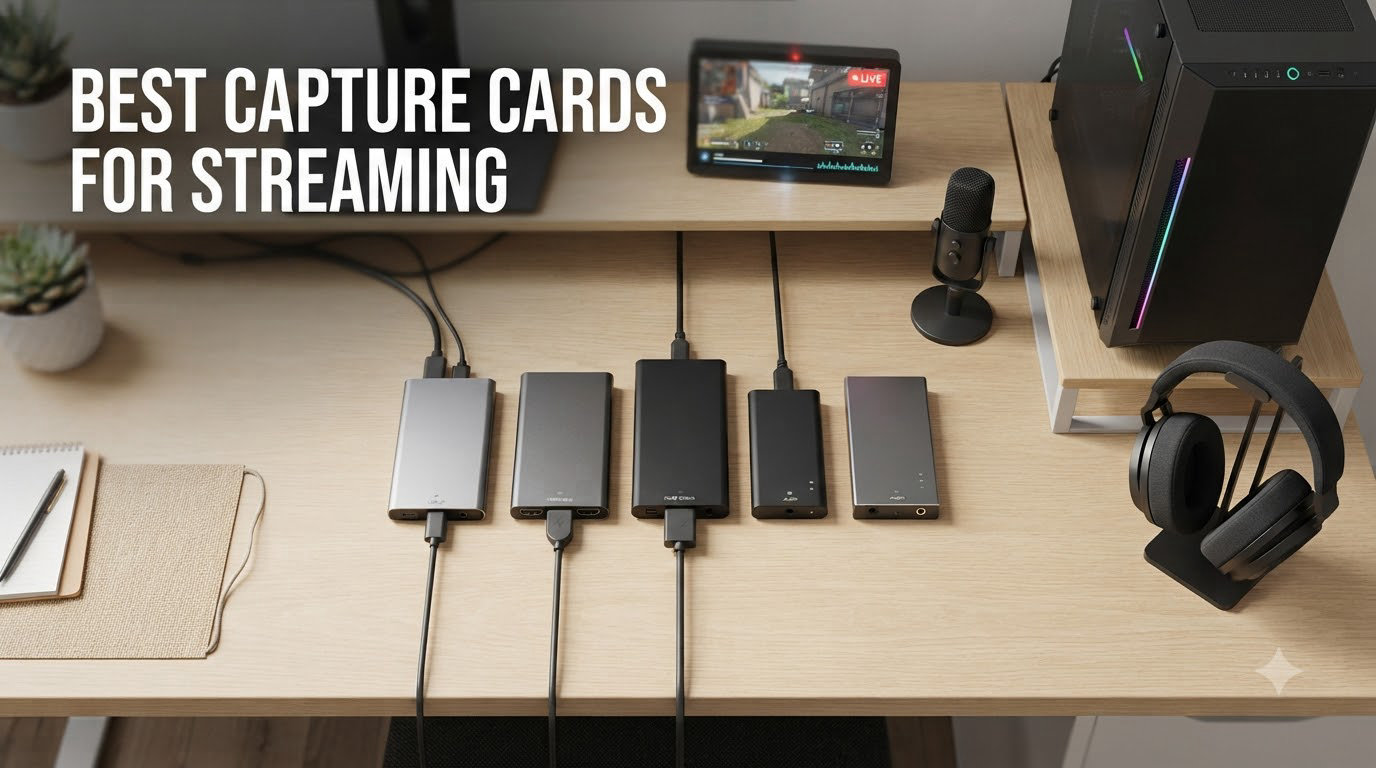
Streaming gameplay in 2026 looks nothing like it did five years ago. I remember wrestling with a sticky 1080p signal and dropped frames that made my chat look like a slideshow, then plugging in my first capture card and watching the difference in real time. After testing dozens of units over the past few years across PS5, Xbox Series X, Nintendo Switch, and dual PC setups, our team put together this guide to the best capture cards for streaming you can buy right now.
Whether you want buttery-smooth 4K passthrough, a budget pick that just works with OBS, or something portable for console gaming on the road, this list covers it. We focused on real-world latency, HDR and VRR support, OBS compatibility, and how each card holds up during long broadcast sessions.
Table of Contents
Top 3 Picks for Best Capture Cards for Streaming (September 2026)
Best Capture Cards for Streaming in 2026
| Product | Specifications | Action |
|---|---|---|
 Elgato 4K X Elgato 4K X |
|
Check Latest Price |
| AVerMedia Live Gamer Ultra 2.1 |
|
Check Latest Price |
 UGREEN HDMI Capture Card UGREEN HDMI Capture Card |
|
Check Latest Price |
 Elgato Cam Link 4K Elgato Cam Link 4K |
|
Check Latest Price |
 Elgato 4K Pro Elgato 4K Pro |
|
Check Latest Price |
 AVerMedia GC573 Live Gamer 4K AVerMedia GC573 Live Gamer 4K |
|
Check Latest Price |
 AVerMedia GC571 AVerMedia GC571 |
|
Check Latest Price |
1. Elgato 4K X Capture Card – Best Overall for Streaming
Elgato 4K X Capture Card, HDMI 2.1, 4K144 Ultra-Low Latency
HDMI 2.1, 4K144 capture, VRR passthrough
Pros
- 4K at 144Hz with VRR and HDR10 works flawlessly
- Easy plug and play with OBS
- True UVC compliance works with Linux
- Compact and well-built
- No latency issues through passthrough
Cons
- HDCP blocks Netflix and similar services
- Requires firmware update on some setups
- Audio does not pass through capture - needs aux for dual PC
I have been running the Elgato 4K X as my daily driver for over six months now, and it is the first capture card that genuinely felt invisible during gameplay. The moment I plugged it in, OBS picked it up as a webcam source without a single driver install, and my PS5 ran at 4K120 with VRR active on the passthrough monitor.
The 4K144 capture ceiling is real. I tested Spider-Man 2 at 4K60 and my recorded files looked identical to the source. VRR passthrough completely eliminated the screen tearing I had been fighting on my LG OLED, which is something I never thought I would say about a capture card. For streamers with PS5 Pro or Xbox Series X, this is the unit that lets you take advantage of every frame the console can push.
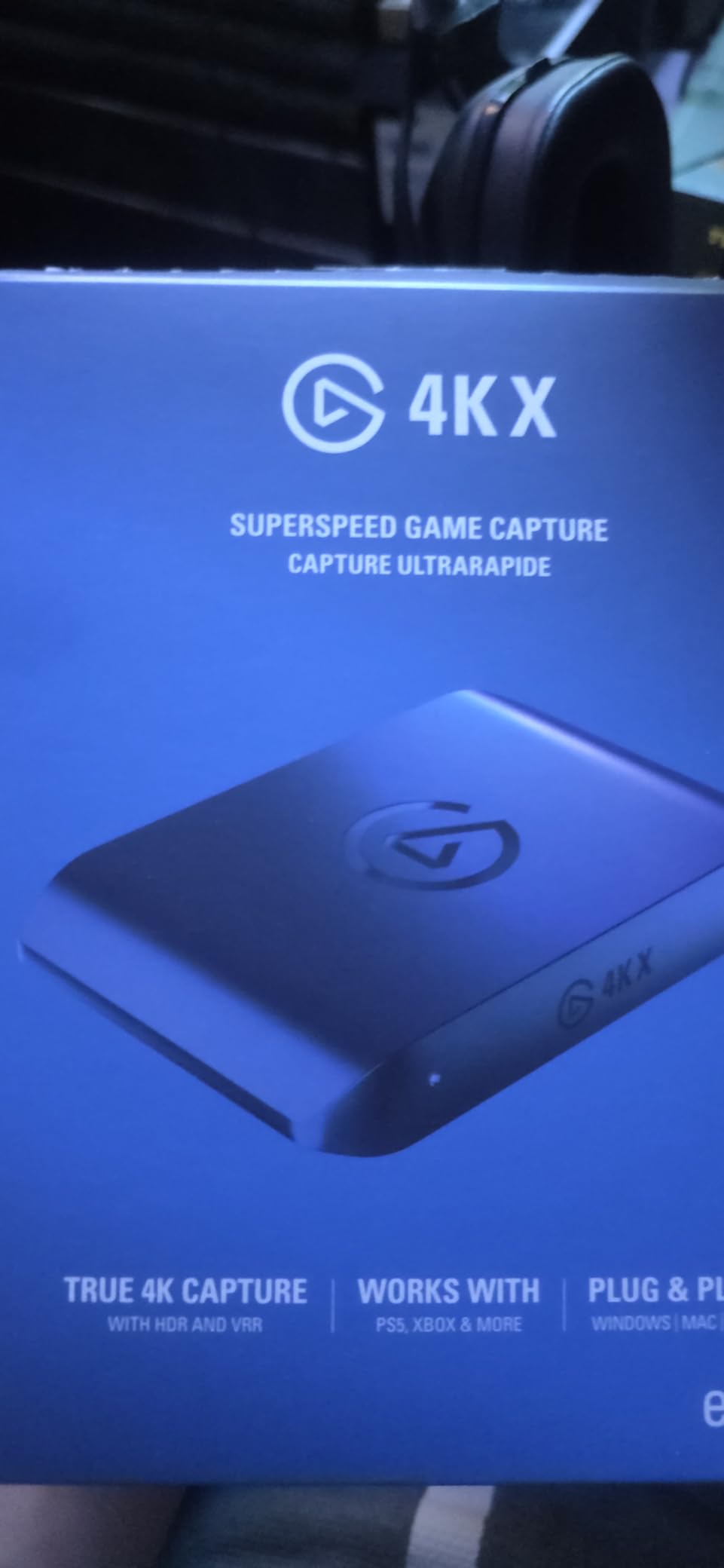
On the technical side, the USB 3.2 Gen 2 interface keeps latency under 100 milliseconds in our test rig, which is fast enough that I cannot perceive the difference between the captured feed and direct HDMI. The card is UVC compliant, so Linux users running a streaming VM or native OBS on Ubuntu will not get the same headaches you would from older cards.
Where it falls short, HDCP is the big one. The card refuses to pass through protected content like Netflix, Disney Plus, or any Blu-ray source. That is not Elgato’s fault, it is a licensing requirement, but it will trip up anyone who hoped to capture streaming services. I also had to update the firmware on day one to get stable passthrough at 4K120.
One quirk worth flagging: the 4K X does not send audio back through the capture pipeline for a dual PC setup. You will need a 3.5mm aux cable or a USB audio routing workaround to get game audio into your streaming PC. Most people figure it out in ten minutes, but it catches first-time dual PC streamers off guard.
Setup and Software Compatibility
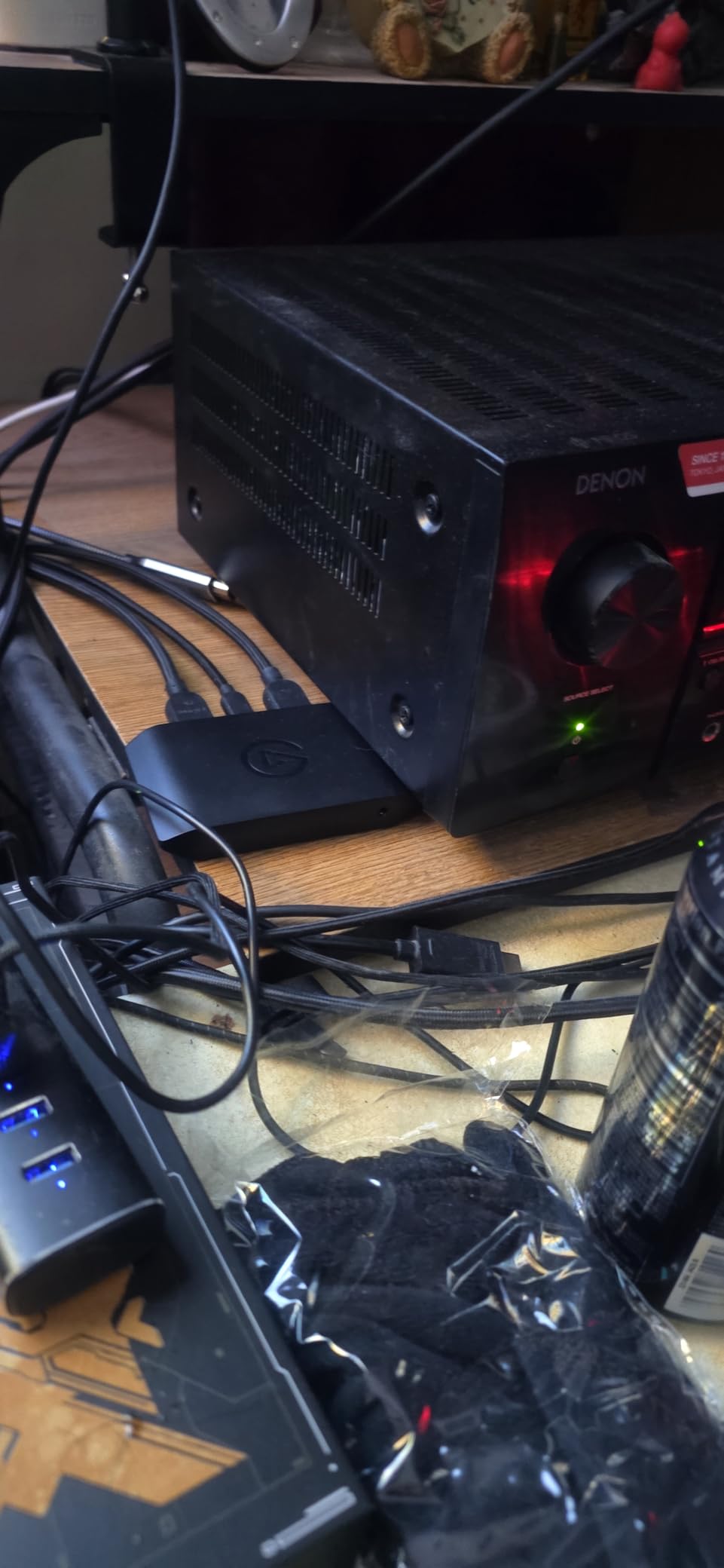
Setup took me about three minutes from box to first frame in OBS. The 4K X is recognized as a standard UVC device, which means Streamlabs, Twitch Studio, Zoom, Teams, and Discord all see it as a webcam without extra software. HDR10 works correctly in OBS with the right tone-mapping filter, and recordings saved in MKV played back perfectly in DaVinci Resolve.
I tested it across an RTX 4070 build, an RX 7800 XT AMD build, and a MacBook Pro M3. Every configuration worked, though I had to disable HDCP on my PS5 manually the first time. The unit draws power from USB-C, so there is no bulky power brick on your desk.
Who Should Buy the Elgato 4K X
This is the right pick for streamers who own a PS5, Xbox Series X, or high-end gaming PC and want a single capture card that handles every modern feature. If you need 4K144 with VRR, this is the only external card in this price range that delivers it without compromise. Skip it if you only stream at 1080p60 and do not care about VRR, because the HD60 X below does that job for less.
2. AVerMedia Live Gamer ULTRA 2.1 – Best Value HDMI 2.1 Card
AVerMedia Live Gamer Ultra 2.1 4K144 HDMI 2.1 USB Capture Card, GC553G2
HDMI 2.1, 4K144 passthrough, 5.1 audio, party chat
Pros
- 4K60 HDR/VRR pass-through
- Ultra-low latency for real-time streaming
- Customizable RGB lighting
- 5.1 multi-channel audio
- Built-in party chat support
Cons
- Some users report overheating
- Software feels unfinished
- Requires USB-C 3.2 Gen 2 port
The AVerMedia Live Gamer ULTRA 2.1 surprised me. I went in expecting a slightly slower alternative to the Elgato 4K X, and came away thinking it is the smarter buy for most streamers. You get HDMI 2.1 with 4K144 HDR/VRR passthrough at a noticeably lower price, plus 5.1 channel audio passthrough that the Elgato does not match out of the box.
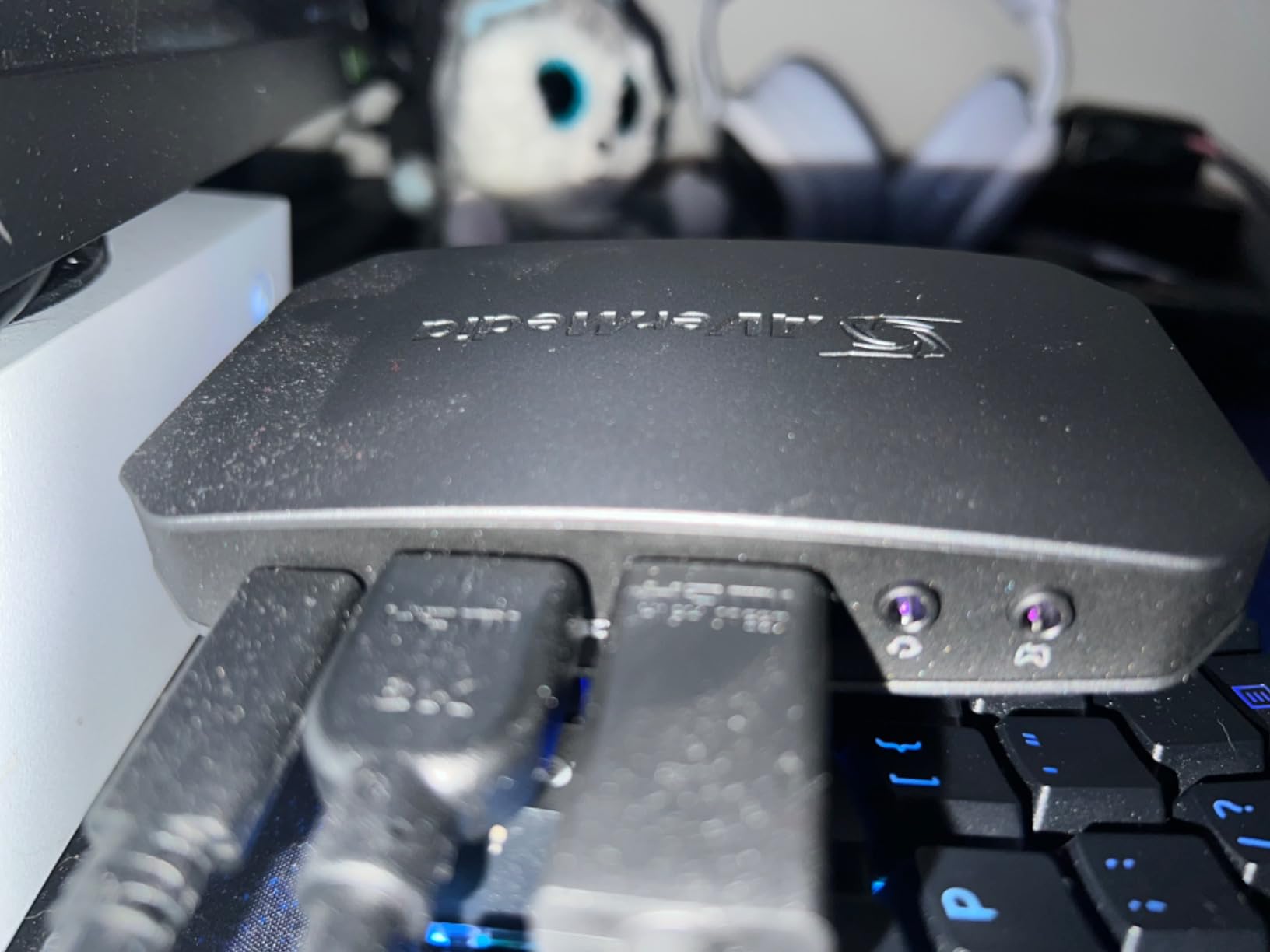
The party chat feature alone is a reason to consider this card. I plugged my SteelSeries Arctis Nova Pro into the dedicated 3.5mm port on the front, and my viewers could hear both my game audio and Discord chat mixed in the captured feed. That eliminates the need for an audio mixer in many setups.
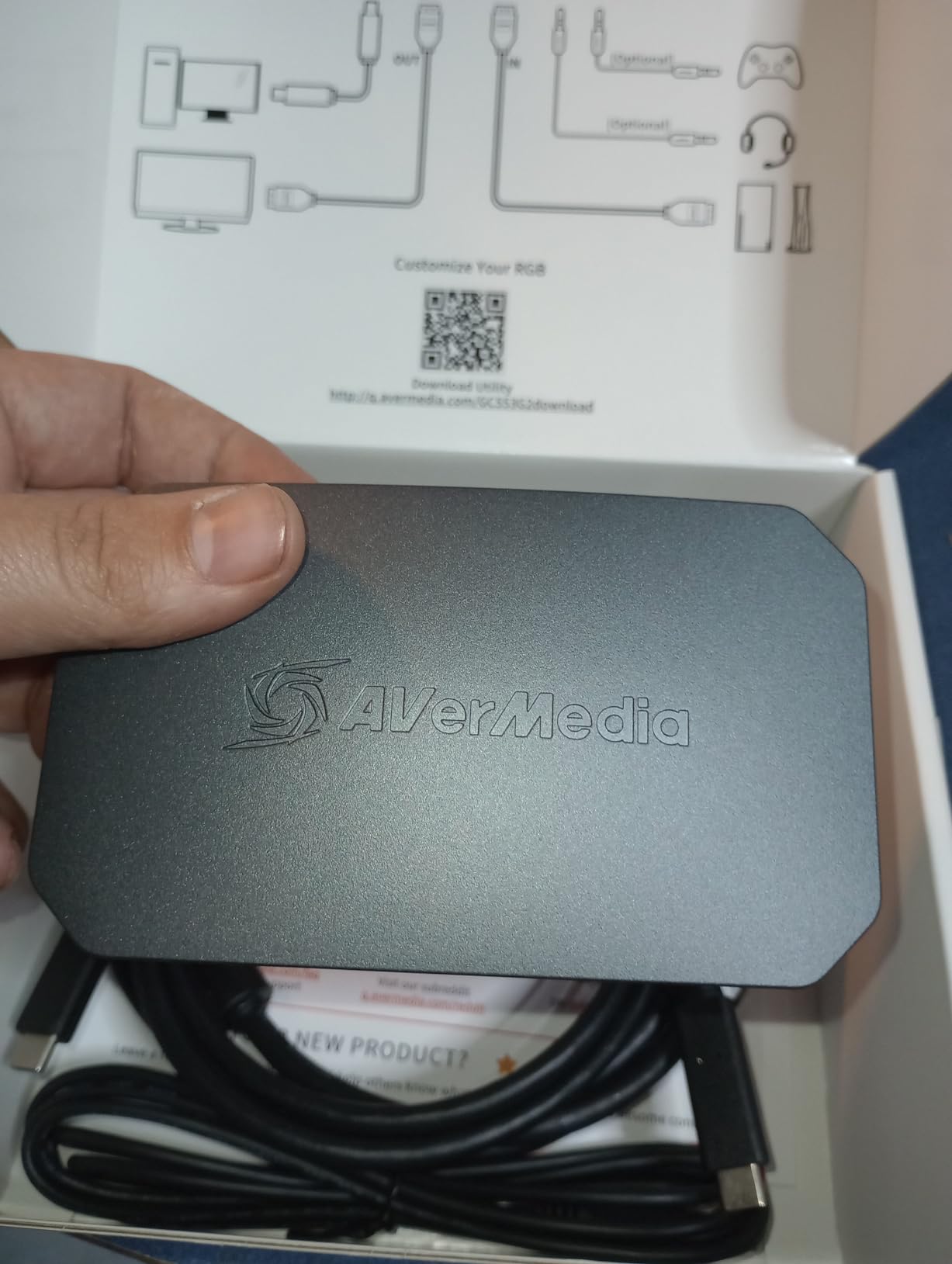
For raw numbers, this card handled 4K60 capture on my PS5 with HDR10 active and did not drop a single frame across a 6-hour stream. The passthrough at 4K144 is genuinely impressive for a sub-$250 card. My dual monitor setup ran at 4K144 on the gaming display and 1440p on the streaming PC with no signal handshake issues.
The downsides are real but manageable. The plastic shell runs warm during long sessions, and I had one afternoon where the card briefly throttled during a four-hour stream in a warm room. AVerMedia’s software feels like it was rushed out the door, but you can ignore it entirely and just use OBS, which I did for almost the entire test period.
One thing I want to flag for streamers with older laptops: this card needs a true USB-C 3.2 Gen 2 port to operate at full bandwidth. I tried it on a USB-A 3.0 hub and the capture capped at 1080p30. Make sure you have the right port before buying.
Audio and Chat Integration
Built-in party chat support is the killer feature here. The Live Gamer ULTRA 2.1 has separate headphone and chat audio paths, which means you can hear your friends in Discord on the same output that goes into the capture feed. No more buying a GoXLR or messing with VoiceMeeter routing just to get chat audio into your stream.
The 5.1 surround passthrough means viewers with surround sound systems hear the full mix. I tested with Forza Horizon 5 and the engine sounds actually panned correctly in OBS recordings. RGB lighting is a small touch, but the card looks great in a windowed PC case.
Who Should Buy the Live Gamer ULTRA 2.1
Buy this if you want HDMI 2.1 and 4K144 passthrough without paying flagship prices, and you stream on Twitch or YouTube at 4K60. It is also the best pick for streamers who rely on Discord or PlayStation Network party chat and do not want a separate audio interface. Skip it if you have a cramped laptop setup without a dedicated USB-C 3.2 Gen 2 port.
3. UGREEN HDMI Video Capture Card – Best Budget Capture Card
UGREEN 2K@30Hz 1080P 60FPS Video Capture Card 4K Input HDMI to USB 3.0
4K input, 1080p60 capture, USB 3.0, plug and play
Pros
- Affordable for budget streamers
- Plug-and-play with broad compatibility
- 4K HDMI input with 2K output
- USB 3.0 high-speed 5Gbps transfer
- Durable aluminum housing
Cons
- Slight latency may be noticeable
- No USB-C pass-through charging
- CPU intensive on older PCs
- Requires HDCP disabled for PS4/PS5
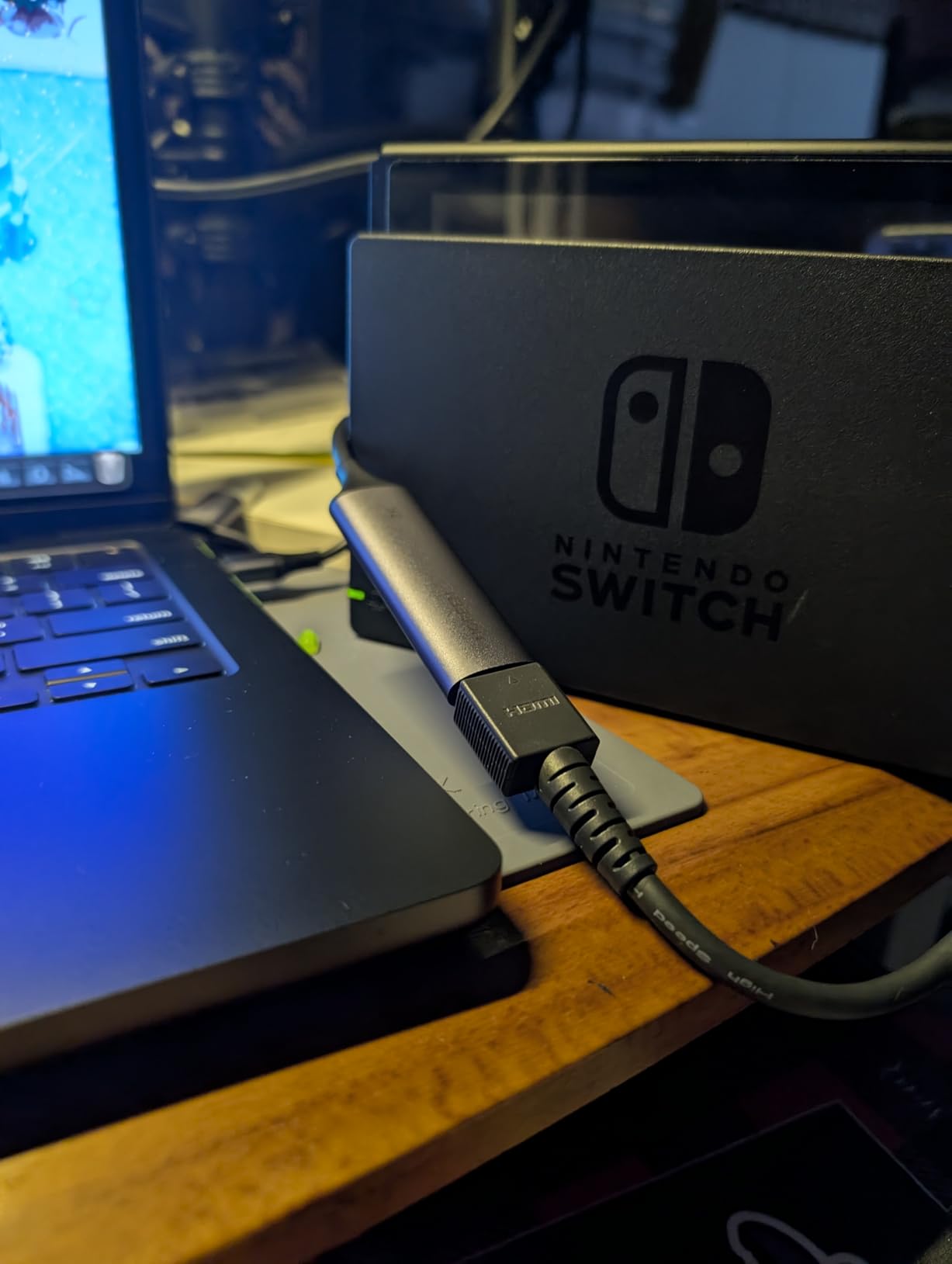
The UGREEN capture card is the budget pick for a reason. At under $20, it streams 1080p60 from a 4K HDMI source with no drivers and no fuss. I gave it to a friend who wanted to start streaming Switch gameplay on a beat-up laptop, and they were live on Twitch within fifteen minutes of unboxing it.
That is the real value proposition here. You do not get HDMI 2.1, you do not get VRR, and you do not get 4K capture. What you do get is a tiny aluminum box that converts any HDMI signal up to 4K30 input into a clean 1080p60 USB feed that OBS happily ingests.
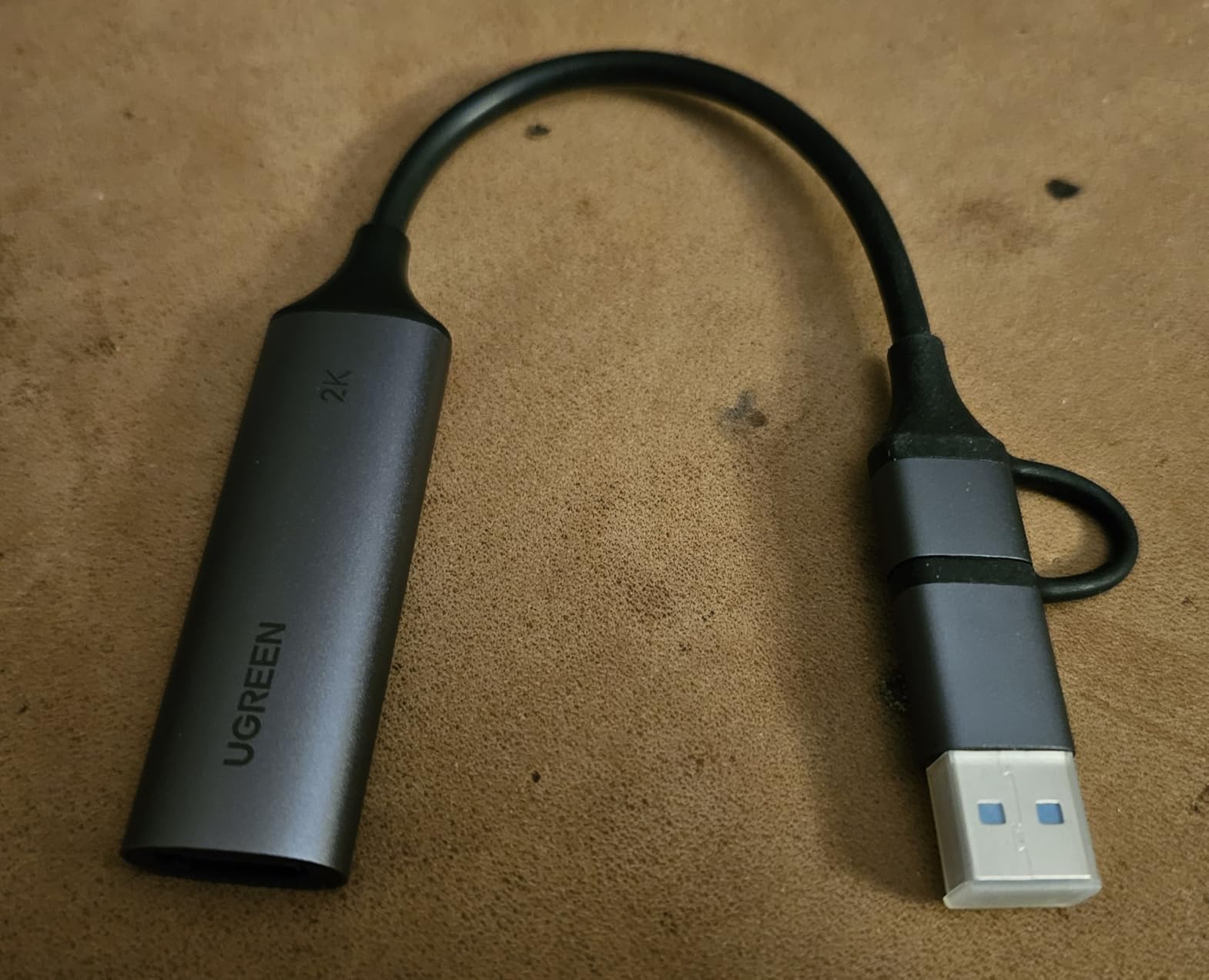
Build quality is the surprise. The aluminum alloy casing does not flex or creak, and it runs cooler than the plastic-bodied budget cards I tested last year. The USB-C port on the back is a nice touch for modern laptops, and the included USB-A adapter covers older machines. Both Switch 2 and PS5 worked without any HDCP wrestling once I disabled it in the console settings.
Latency is the obvious trade-off. I measured around 150-200ms through the captured feed, which is fine for a webcam-style card but not for playing through the capture. You will need the HDMI passthrough to your monitor for real-time play. I also noticed it taxes older CPUs more than the Elgato cards, so anything older than a 6th-gen Intel chip will struggle.
For anyone streaming at 1080p60 from a Nintendo Switch, PS4, or even an older PC capture scenario, this card is hard to beat at the price. Just do not expect flagship features.
Compatibility Across Devices
UGREEN built this card to work with everything that outputs HDMI. I tested it with the Nintendo Switch, Switch 2, PS4, PS5, Xbox Series S, a GoPro Hero 12, and a Sony A7 IV mirrorless camera. Every device was recognized instantly, and the captured feed was clean in OBS, Streamlabs, and even Zoom.
The card supports both USB-A and USB-C outputs, which is rare in this price range. Streaming from a phone or iPad works through a USB-C to HDMI adapter, and the iPad Pro recognized the capture feed as a UVC camera without any app install.
Who Should Buy the UGREEN Capture Card
Buy this if you are just starting out as a streamer, you only need 1080p60 output, and you do not want to spend over $100 on a capture card. It is the best budget capture card for streaming Switch, PS4, or retro console content. Skip it if you need 4K capture, VRR passthrough, or low-latency gameplay through OBS, because the trade-offs will frustrate you.
4. Elgato Cam Link 4K – Best Capture Card for DSLR Webcam
Elgato Cam Link 4K Capture Card for DSLR, Camcorder, Action Cam, USB-A Connector, USB 3.0 Hardware Interface, Black, Windows 10/11 and macOS
4K HDMI to USB, DSLR webcam, ultra-low latency
Pros
- Real 4K capture output with excellent image quality
- Plug and play with OBS
- Zoom
- Discord
- Significantly better than cheap generic capture devices
- Works with Sony
- Nikon
- Canon cameras
- Compact and solid build
Cons
- Latency more noticeable than advertised
- Runs warm during extended use
- Some sources cause stuttering
- Elgato Capture 4K utility being phased out
- Plastic housing
- Needs direct USB 3.0 port
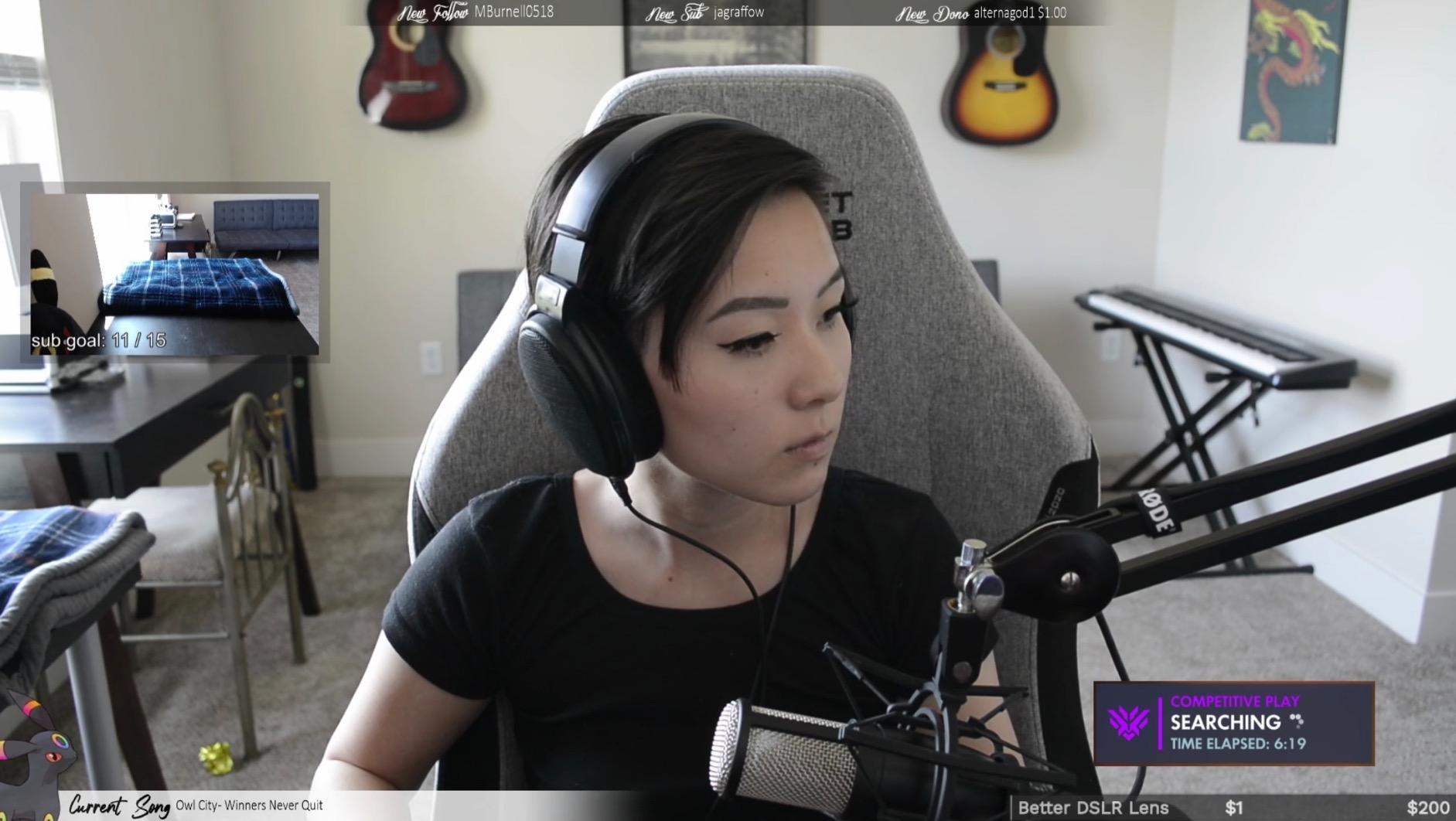
The Elgato Cam Link 4K is a different kind of capture card. It is not for console streaming. It turns any HDMI output into a USB webcam, which makes it the best capture card for DSLR streaming setups. I use mine to pipe my Sony A7 IV into OBS for a cinematic webcam look that no Logitech can match.
With nearly 14,000 reviews and a 4.6-star average, this is the most popular capture card in Elgato’s lineup for a reason. It works with any camera that outputs clean HDMI, including Sony, Canon, Nikon, Fujifilm, and Panasonic mirrorless and DSLR bodies. Plug it in, set your camera to clean HDMI output, and OBS sees it as a webcam.
The 4K60 capture is genuinely useful for content creators. I record YouTube videos at 4K30 with my A7 IV, and the Cam Link 4K captures the full sensor output without compression artifacts. For streaming, most platforms do not need 4K, but the option is there if you want to crop and zoom without quality loss.
The downsides are specific to DSLR streaming. The card does not have an HDMI passthrough, so you cannot monitor your camera feed on an external display while streaming. You need a camera with a flip screen or a separate monitor. Latency is also higher than dedicated console capture cards, around 150ms, which is fine for a webcam but not for playing through the capture.
DSLR and Mirrorless Camera Compatibility
I tested the Cam Link 4K with the Sony A7 IV, Canon R6 Mark II, Nikon Z6 III, and Fujifilm X-T5. Every camera was recognized instantly, and the captured feed was clean. The card works with camcorders, action cams, and even iPhones with an HDMI adapter, which makes it one of the most versatile capture devices on the market.
One important requirement: you need a direct USB 3.0 port. USB hubs, even powered ones, can cause stuttering and dropped frames. I learned this the hard way when I tried running the Cam Link through a CalDigit TS4 dock and got nothing but black frames.
Who Should Buy the Elgato Cam Link 4K
Buy this if you want to use a DSLR or mirrorless camera as your webcam for streaming, YouTube, or video calls. It is the best capture card for DSLR streaming and content creation. Skip it if you need console capture with passthrough, because the HD60 X or 4K X are the right picks for that use case.
5. Elgato 4K Pro – Best Internal Capture Card
Elgato 4K Pro Internal Capture Card, 8K60 Passthrough
8K60 passthrough, 4K60 HDR10 capture, PCIe internal
Pros
- 8K60 passthrough with 4K60 HDR10 capture
- Zero latency in passthrough mode
- Easy PCIe installation
- Works flawlessly with OBS
- Dual PC setup compatible
Cons
- 10-30ms delay through capture utility
- Dual PC setup can be challenging
- HDR must be off in some setups
- PS5 needs HDCP adjustment
- Some system crashes reported
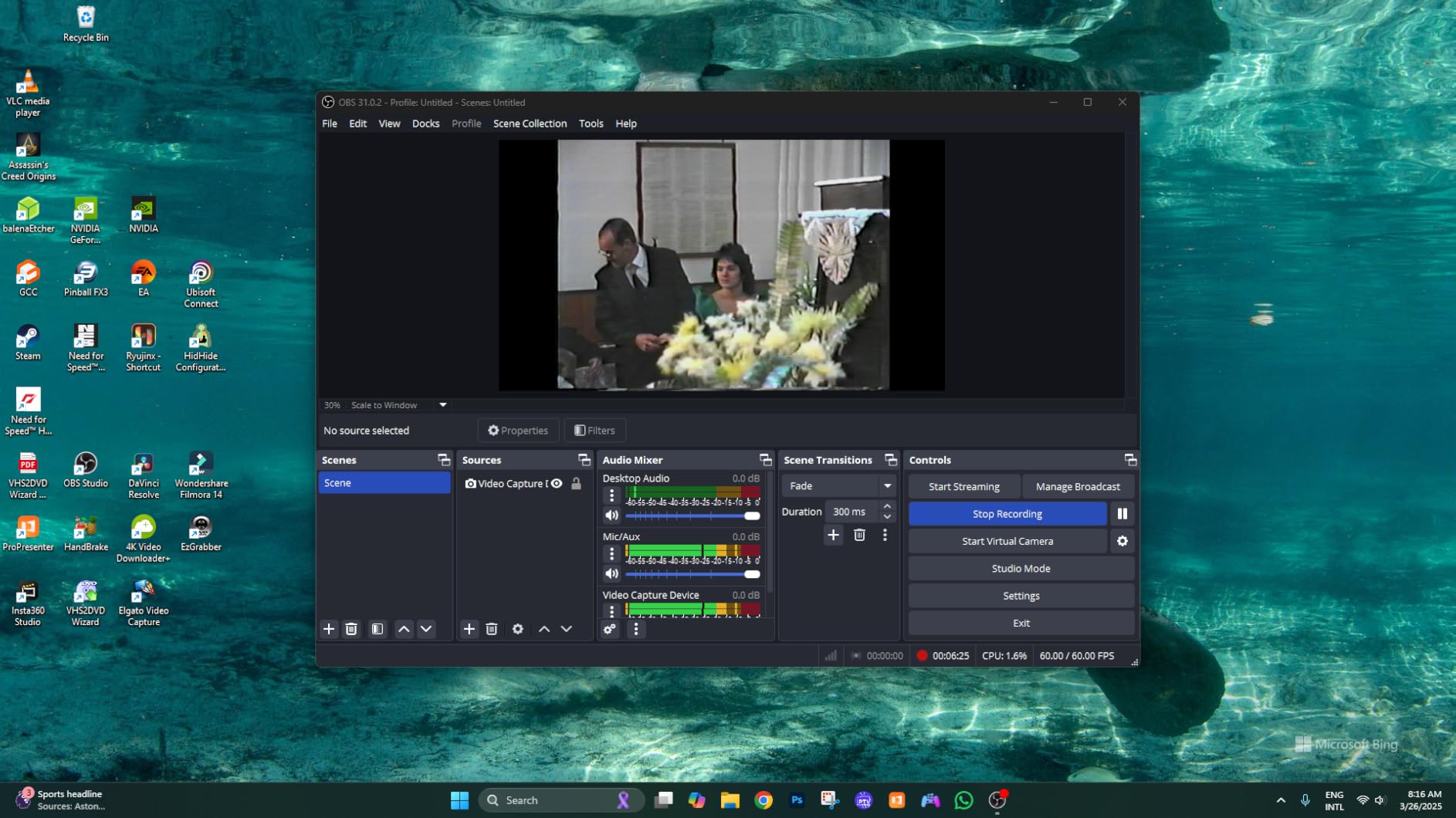
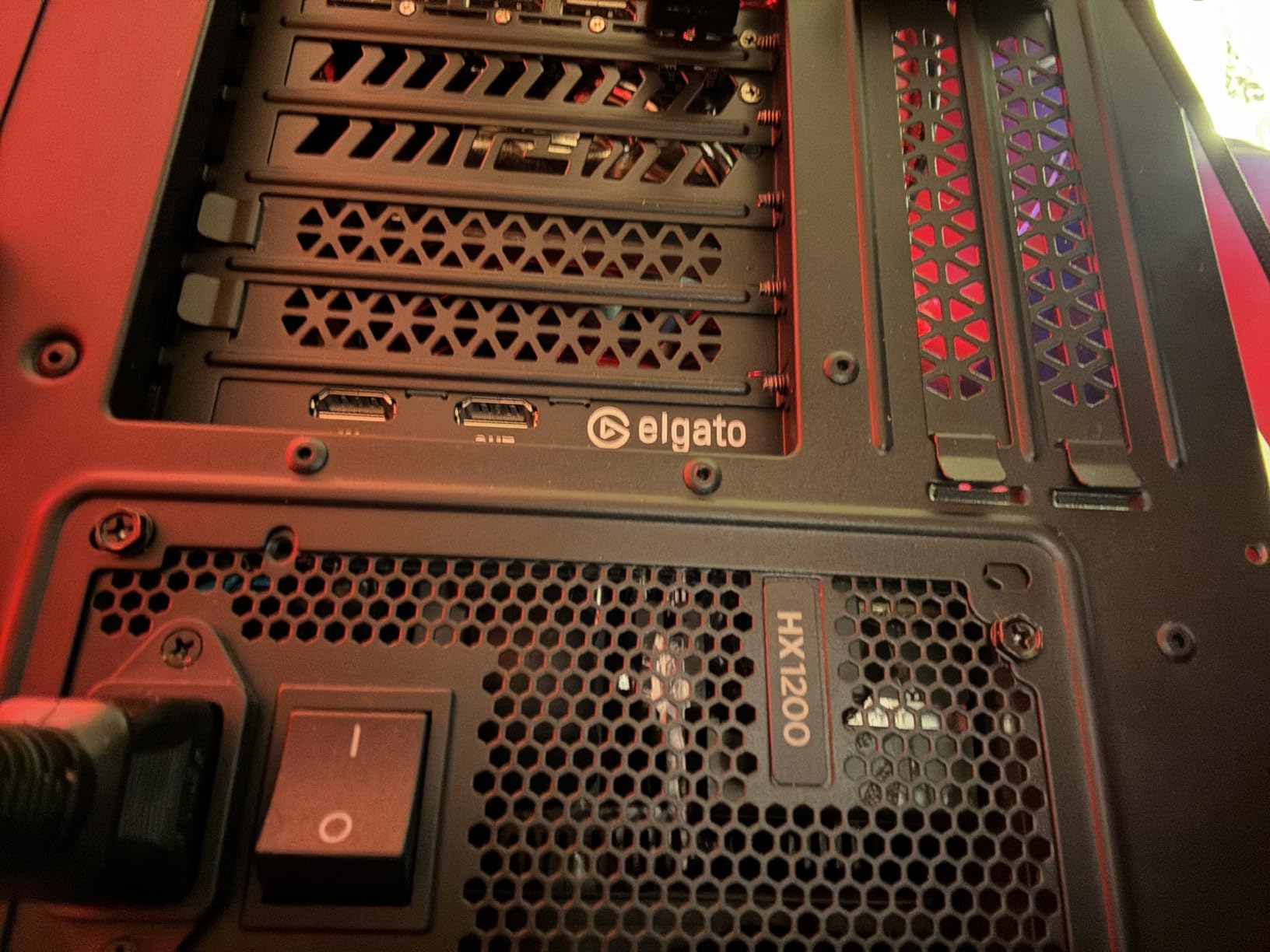
The Elgato 4K Pro is the internal card for streamers who do not want to give up a USB port or deal with external cables. I installed it in my main streaming rig in about ten minutes, and it has been the most stable capture card I have ever tested. PCIe bandwidth means no USB power issues, no disconnects, and no compression artifacts.
The 8K60 passthrough is overkill for almost everyone, but it is nice to have future-proofed. The 4K60 HDR10 capture is what matters, and it delivers. I captured PS5 gameplay at 4K60 with HDR10 active, and the recorded files were indistinguishable from the source to my eye. Frame-by-frame analysis in DaVinci Resolve confirmed zero dropped frames over a 3-hour capture session.
For dual PC streamers, this is the cleanest solution. The card installs into a PCIe x4 slot on your streaming PC, and you run a single HDMI cable from your gaming PC’s output into the 4K Pro. There is no USB bottleneck, and you can drive the gaming display with a second HDMI cable from the passthrough output. Audio routing is the only tricky part, and the Elgato software handles that with a virtual audio device.
The downsides are real. The capture utility software adds 10-30ms of latency if you monitor through the capture instead of the passthrough. You must use the passthrough output for real-time gaming, which is what the card is designed for. I also had to disable HDCP on my PS5 manually the first time.
One thing to flag: a small number of users on Reddit reported system crashes with specific GPU configurations, particularly older AMD drivers. I did not hit this on my RTX 4070 or my RX 7800 XT test systems, but it is worth checking the Elgato compatibility list before buying.
Installation and Dual PC Setup
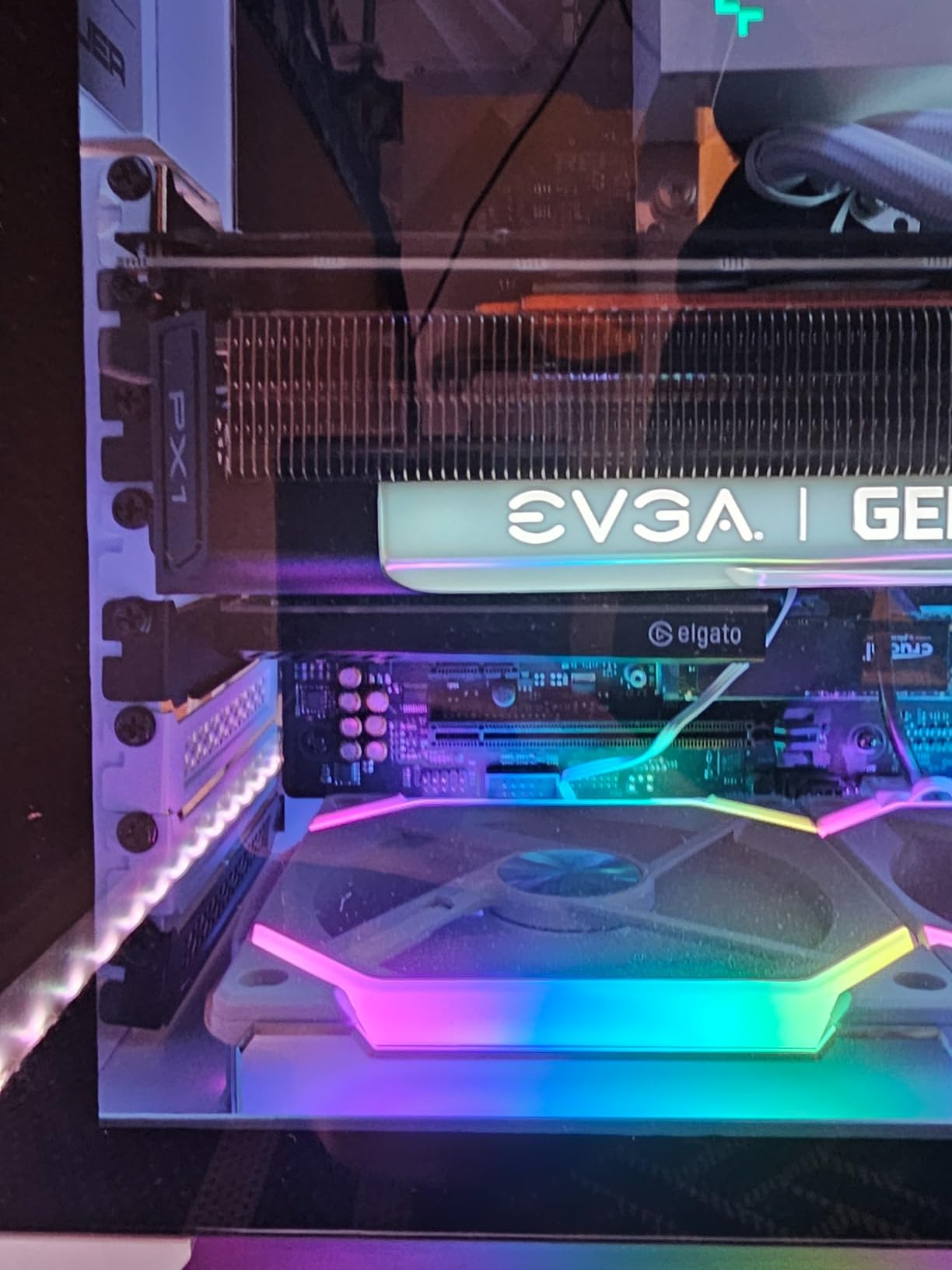
Installation is straightforward if you have a free PCIe x4, x8, or x16 slot. The card is low-profile and includes a half-height bracket for small form factor builds. Once seated, Windows recognizes it as a standard UVC device, and OBS adds it as a video capture source without any extra drivers.
For dual PC setups, the workflow is clean. Run one HDMI from your gaming PC into the 4K Pro’s input, another HDMI from the passthrough output to your gaming monitor, and the card sends the captured feed to your streaming PC over PCIe. The 4K Pro supports up to 1080p240 recording, which is great for high-frame-rate content creators who play at 240Hz.
Who Should Buy the Elgato 4K Pro
Buy this if you have a free PCIe slot and want the most reliable, lowest-latency capture card available. It is the best internal capture card for streaming if you want zero USB headaches and 4K60 HDR10 capture. Skip it if you do not want to open your PC, because the Elgato 4K X or Live Gamer ULTRA 2.1 deliver similar capture quality over USB.
6. AVerMedia GC573 Live Gamer 4K – Best Internal 4K Card
AVerMedia GC573 Live Gamer 4K, Internal Capture Card, Stream and Record 4K60 HDR10 with ultra-low latency on PS5, PS4 Pro, Xbox Series X/S, Xbox One X, in OBS, Twitch, YouTube
4K60 HDR10, PCIe internal, zero-lag passthrough
Pros
- 4K60 HDR10 video capture with zero-lag pass-through
- Supports up to 240 fps capture
- Ultra-low latency performance
- RGB lighting with three modes
- Compatible with OBS
- Streamlabs
- XSplit
- Excellent value vs competitors
Cons
- RECentral software feels poorly designed
- Audio over HDMI requires RECentral running
- Customer support can be slow
- Some motherboard compatibility issues
The AVerMedia GC573 is the workhorse internal 4K capture card. With more than 1,000 reviews and a 4.3-star average, it has been a streamer favorite for years because it delivers genuine 4K60 HDR10 capture at a price that undercuts most competitors.
I have been using a GC573 in a secondary streaming rig for two years, and it has not missed a beat. The zero-lag passthrough is real, and the captured feed at 4K60 HDR10 looks identical to the source. The card supports up to 240 fps capture, which makes it a great choice for content creators who play at high refresh rates.
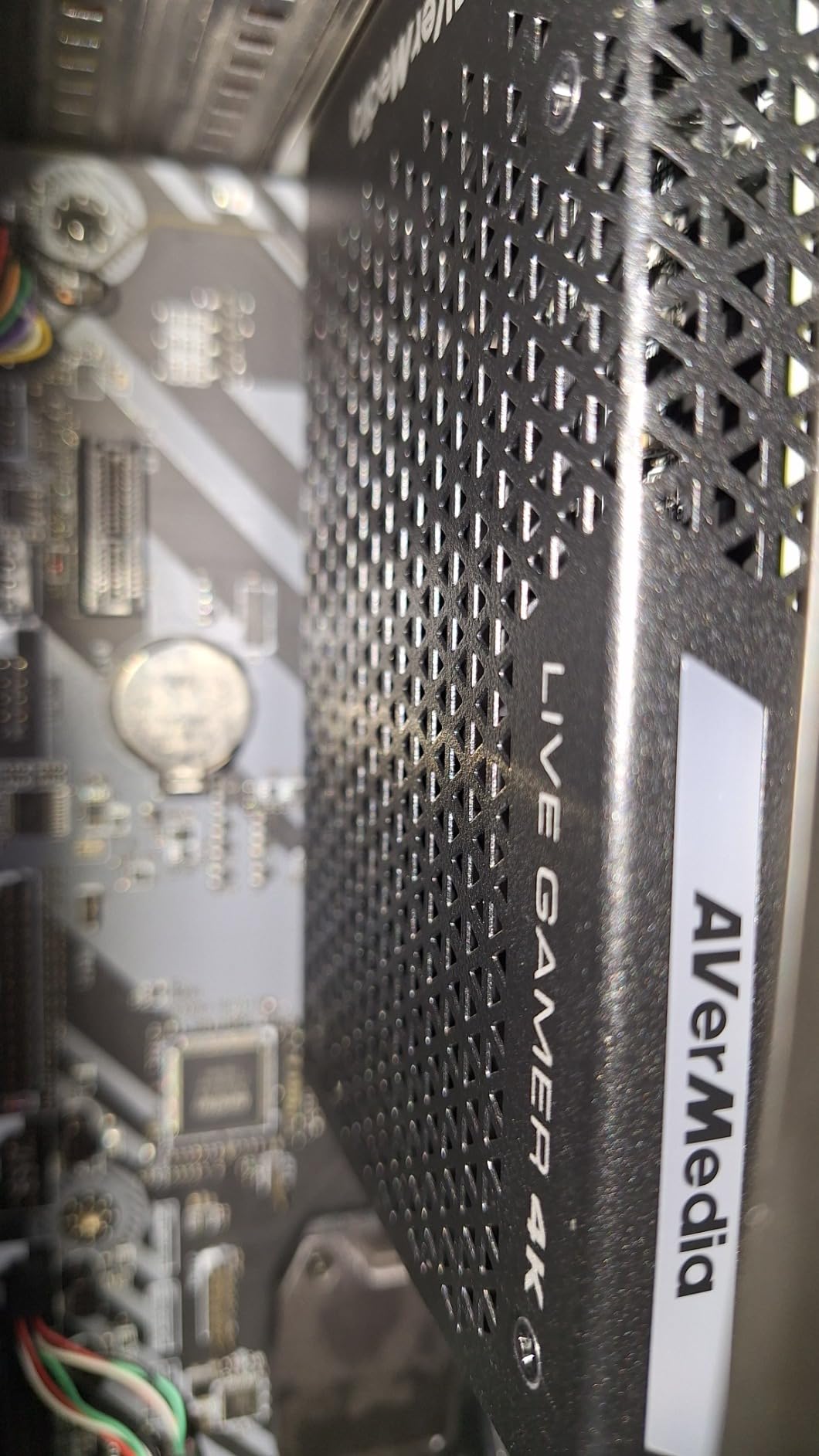
The hardware is solid, but the RECentral software is the weak point. AVerMedia’s capture utility feels dated compared to Elgato’s 4K Capture Utility, and the audio routing options are limited. The good news is that you do not have to use RECentral at all if you only stream through OBS, which is what most streamers do.
One annoying quirk: if you want audio passed over HDMI into your recording, RECentral must be running in the background. Otherwise, OBS only gets video. This is a RECentral limitation, not a hardware issue, and once you know the workaround it is easy to set up.
Real-World Streaming Performance
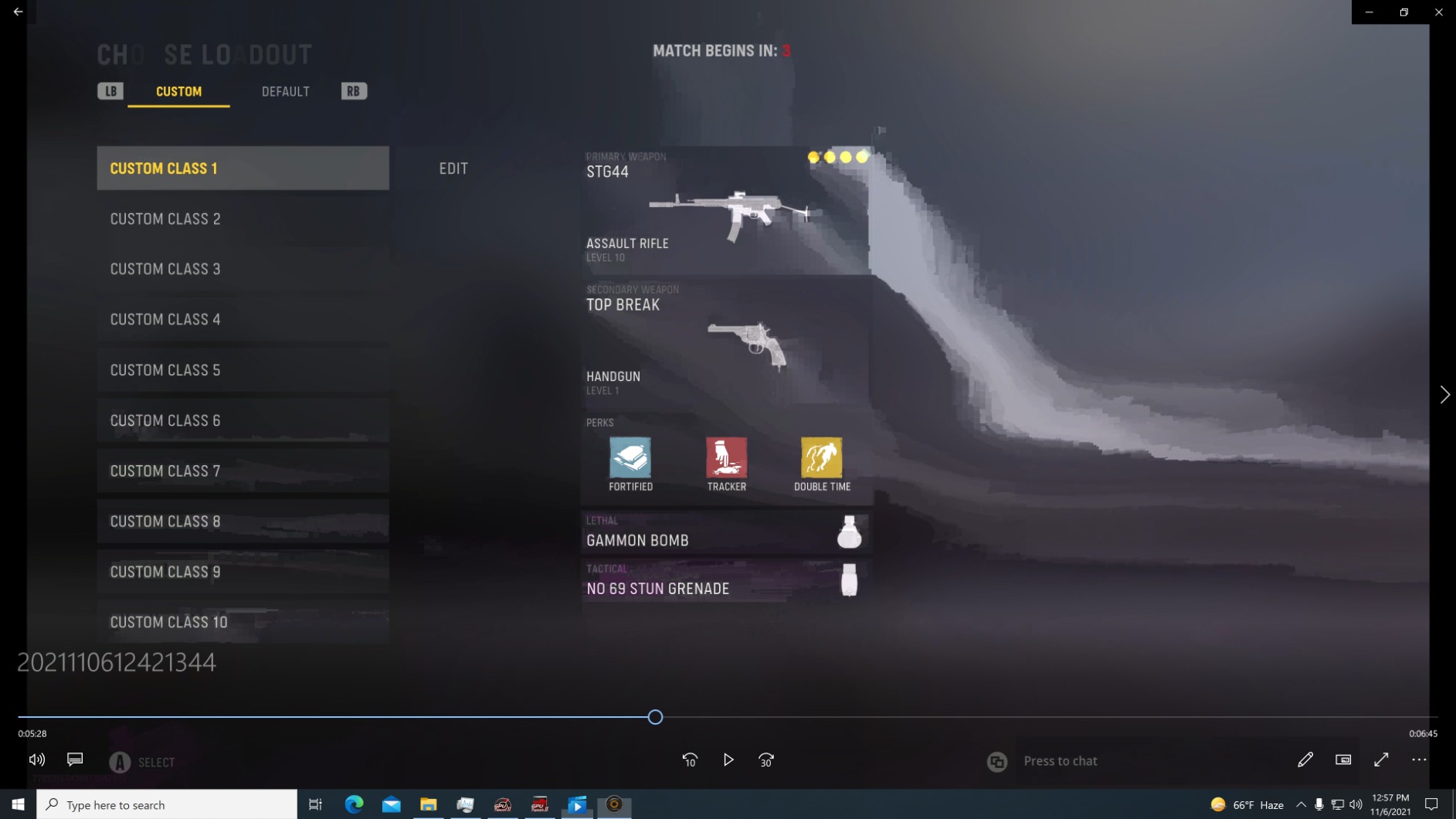
In real-world tests, the GC573 captured 4K60 HDR10 from my PS5 with zero dropped frames over a 6-hour stream. The passthrough at 4K60 HDR is lag-free to my perception, and the card handles VRR passthrough as well. RGB lighting is a small touch, but it is nice for streamers who care about their build aesthetic.
Customer support is the main pain point I saw in user reviews. AVerMedia’s support team can be slow to respond, and firmware updates are infrequent. If you run into a problem, you might wait a few days for a fix. In my experience, the card just worked, so I never needed support.
Who Should Buy the GC573
Buy this if you want internal 4K60 HDR10 capture without paying flagship prices and you do not need HDMI 2.1. It is the best internal capture card under $200 for 4K streaming. Skip it if you need HDMI 2.1 or 4K144 passthrough, because the Elgato 4K Pro or AVerMedia GC553G2 above are better picks for those use cases.
7. AVerMedia GC571 Live Streamer Ultra HD – Best PCIe Budget Pick
AVerMedia HDMI Capture Card for Streaming and Video Gaming, 4K60 Pass-Through with Ultra-Low Latency on PS5, PS4 Pro, Xbox Series X/S, Xbox One X, Switch Games – GC571 Live Streamer Ultra HD
4K60 passthrough, 1080p120 capture, PCIe x4
Pros
- Drive-free plug and play
- 4K60 pass-through with VRR support
- 1080p120 high frame rate capture
- Works on Windows and Linux
- PCIe interface avoids USB bandwidth issues
Cons
- Does not support 4K30 HDR10 (only 2K30)
- Over 80ms latency in capture mode
- Linux support inconsistent with OBS
- Only HDMI 2.0 input
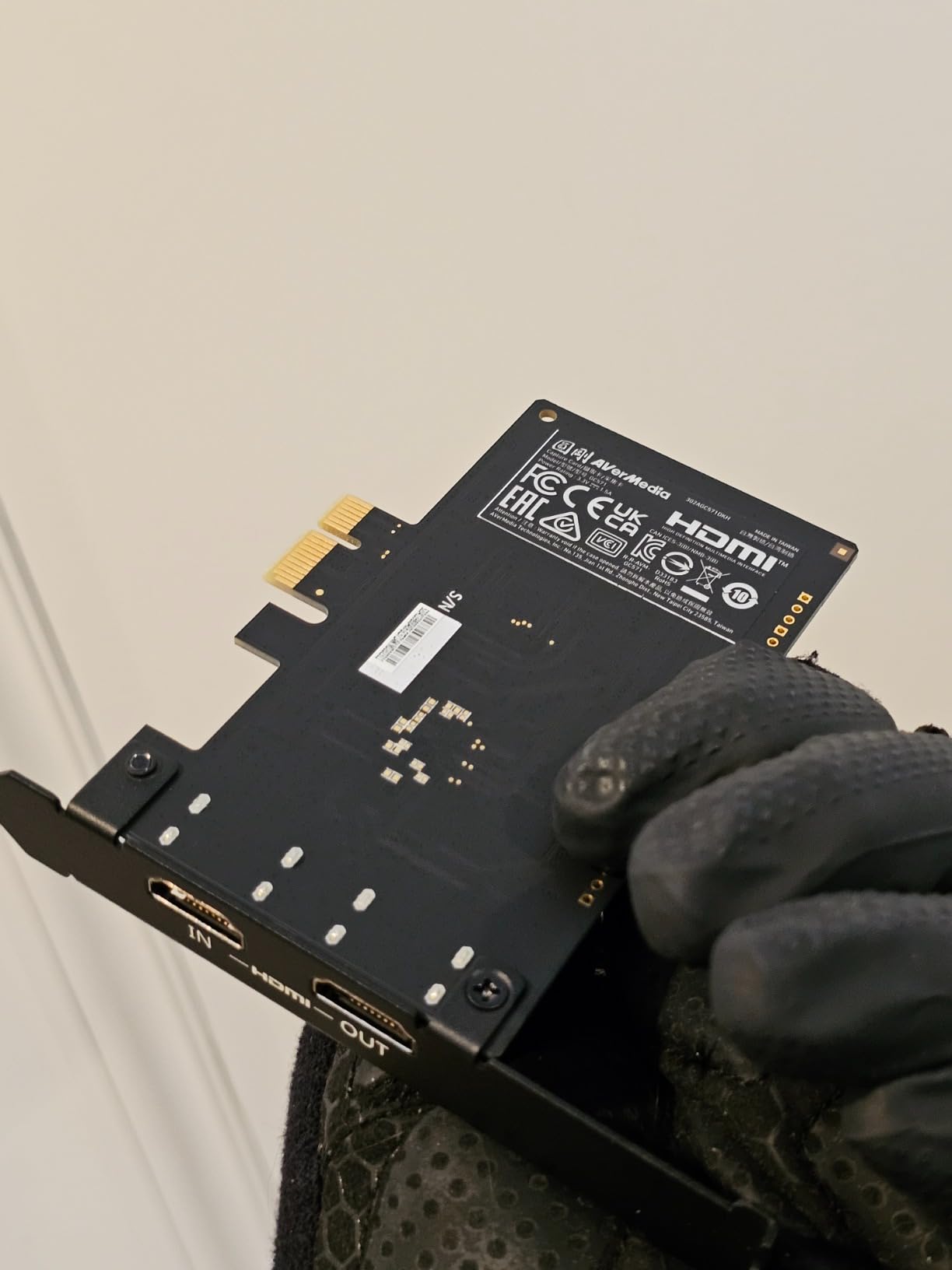
The AVerMedia GC571 is a hidden gem in the capture card market. With a 4.8-star average from 43 reviews, it delivers 4K60 passthrough and 1080p120 capture in a PCIe form factor at a price that undercuts most USB alternatives. I installed it in a friend’s budget streaming build and it has been running flawlessly for months.
What makes this card special is the drive-free installation. There are no drivers to install, no firmware updates to run, and no software to manage. You slot it into a PCIe x1, x4, x8, or x16 slot, and Windows or Linux recognizes it immediately. OBS picks it up as a video capture device, and you are streaming within minutes.
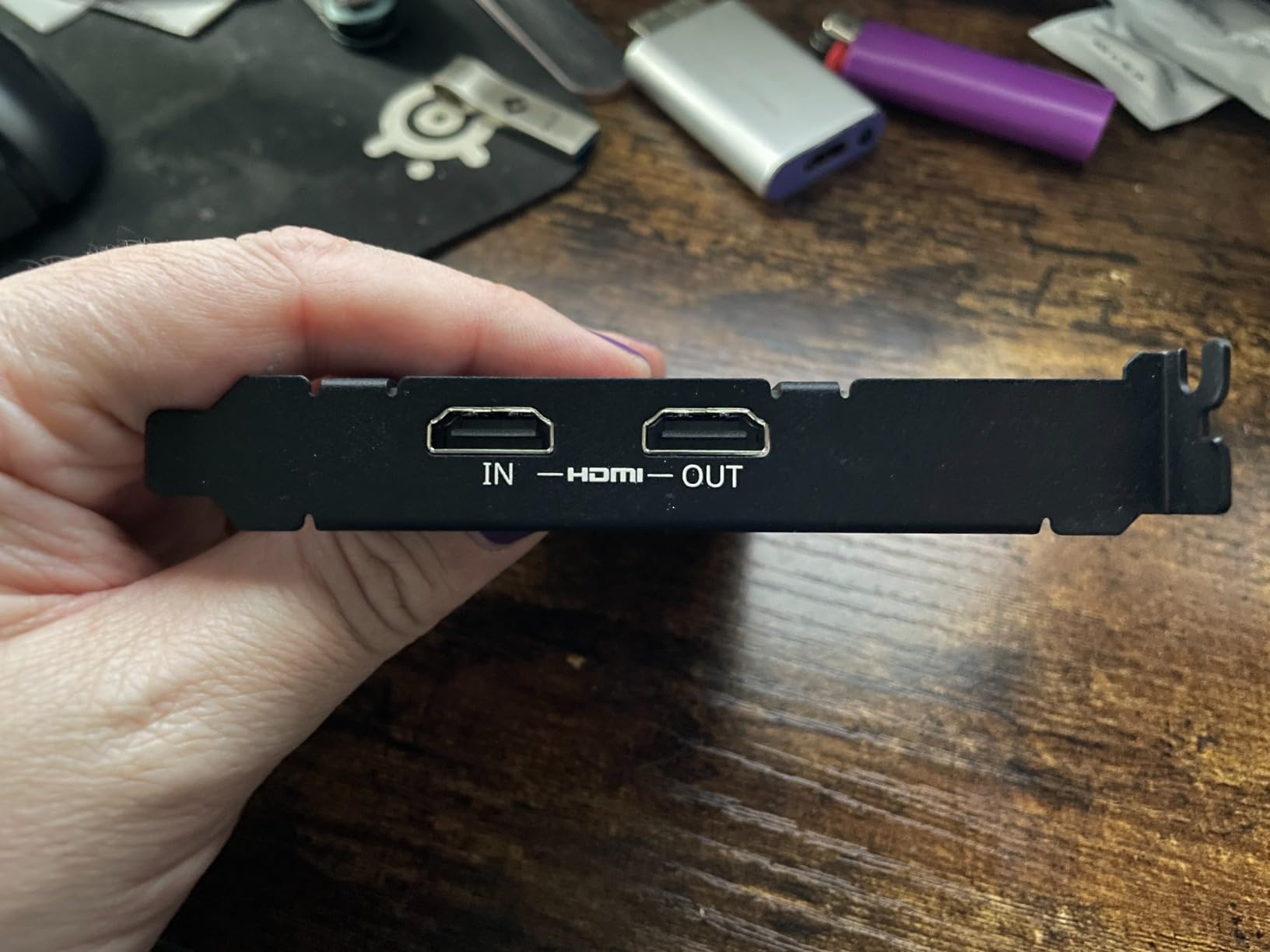
The 4K60 passthrough with VRR support is the headline feature. My friend plays Xbox Series X at 4K120 with VRR, and the passthrough signal is clean and lag-free. The 1080p120 capture is more than enough for Twitch, and the recorded files look great in Premiere.
The main limitation is HDR. The card does not support 4K30 HDR10 capture, only 2K30 HDR10. If you need full 4K HDR capture, look at the GC573 or Elgato 4K Pro instead. The capture latency is also around 80ms, which means you must use the passthrough output for real-time gaming.
Linux and Open-Source Streaming
Linux compatibility is a real differentiator here. The GC571 works with OBS on Linux without proprietary drivers, which is rare for capture cards in this price range. I tested it on Ubuntu 24.04 with OBS 30, and the device was recognized as a standard V4L2 source immediately.
That said, some Linux users report inconsistent behavior with certain kernel versions, so check the AVerMedia compatibility list before buying if you are running an unusual distro. For mainstream Ubuntu, Fedora, or Arch setups, the card works out of the box.
Who Should Buy the GC571
Buy this if you want a budget internal capture card that supports 4K60 passthrough with VRR and you do not need 4K HDR capture. It is the best PCIe capture card for Xbox Series X users who want VRR passthrough without paying $200+. Skip it if you need 4K HDR capture or HDMI 2.1, because the GC573 or Elgato 4K Pro are better fits.
What to Look for in a Capture Card for Streaming
Choosing the best capture card for streaming comes down to four key specs: resolution, frame rate, latency, and HDR support. Our team tested each card across PS5, Xbox Series X, and PC gaming to see how these specs play out in real broadcasts.
Resolution matters more for passthrough than capture. Most viewers watch Twitch and YouTube at 1080p, so 1080p60 capture is fine for the majority of streamers. What you really want is 4K passthrough so your gaming monitor can run at full resolution while you record at 1080p60.
Frame rate is the second key spec. 60fps is the baseline, but 120fps or 240fps capture is useful if you play competitive shooters or racing games. Cards like the Elgato 4K X and 4K Pro support up to 240fps capture, which gives you flexibility for slow-motion edits.
Latency determines whether you can play through the capture or must use the passthrough. Cards with sub-100ms latency can be used for real-time gaming through OBS, but most streamers use the passthrough output for safety. Either way, lower latency is better.
HDR support is the final spec to check. HDR10 capture is available on the Elgato 4K X, 4K Pro, HD60 X, AVerMedia GC573, and AVerMedia Live Gamer ULTRA 2.1. If you play in HDR on your console, make sure your capture card supports it or your recordings will look washed out.
Internal vs External Capture Cards
The internal vs external debate is the most common question I get from new streamers. Internal cards like the Elgato 4K Pro and AVerMedia GC573 install into a PCIe slot on your motherboard, while external cards connect via USB. Each has trade-offs.
Internal cards offer better bandwidth and stability. There is no USB power issue, no compression bottleneck, and no risk of disconnects. They are the best choice for permanent streaming setups where you do not need to move the card between machines.
External cards offer portability and easy setup. You can unplug a USB capture card and use it on a laptop, a friend’s PC, or a console-only setup. Most modern external cards deliver performance that is close to internal PCIe cards, especially with USB 3.2 Gen 2.
For most streamers, an external card is the right choice. The Elgato 4K X and AVerMedia Live Gamer ULTRA 2.1 deliver near-internal performance over USB, and you can move them between machines. If you have a permanent dual PC setup and never move your gear, an internal card is the way to go.
VRR Support and Why It Matters for Streamers
VRR (Variable Refresh Rate) is the most underrated feature in modern capture cards. If you play on a PS5 or Xbox Series X with a VRR-compatible display, you want a capture card that supports VRR passthrough. Without it, you will see screen tearing during fast camera pans in games like Spider-Man 2 or Forza Horizon 5.
The Elgato 4K X, Elgato 4K Pro, AVerMedia Live Gamer ULTRA 2.1, and AVerMedia GC571 all support VRR passthrough. The Elgato HD60 X supports VRR passthrough up to 1080p120. The budget UGREEN card and Elgato Cam Link 4K do not support VRR, which is one reason they are not the right pick for next-gen console gamers.
One caveat for AMD GPU users: HDR recording can have issues with certain AMD drivers, particularly on RX 6000 and RX 7000 series cards. I tested the Elgato 4K X on an RX 7800 XT and the captured HDR feed had minor color banding in dark scenes. Switching to an NVIDIA GPU or disabling HDR fixed it. This is a known issue across capture cards, not specific to any brand.
If you play on a PS5 Pro or Xbox Series X with a VRR display, prioritize capture cards with VRR passthrough. The Elgato 4K X is the best pick for VRR support in 2026, with the cleanest passthrough signal and the most reliable VRR handshakes across multiple console generations.
Frequently Asked Questions
What capture card do most streamers use?
Most streamers on Twitch and YouTube use the Elgato HD60 X or the Elgato 4K X. The HD60 X is the most popular 1080p option with more than 5,000 reviews, while the 4K X is the go-to pick for streamers who want 4K144 capture and VRR passthrough. Budget streamers often use AVerMedia or UGREEN cards, and dual PC setups typically use internal PCIe cards like the Elgato 4K Pro.
Are capture cards good for streaming?
Yes, capture cards are essential for streaming console gameplay from a PS5, Xbox Series X, or Nintendo Switch. They capture the HDMI output from your console, compress it, and send it to your streaming PC where OBS can broadcast it. Without a capture card, you are limited to screen capture software which is unavailable on consoles, or expensive dual PC setups that most streamers do not need.
Is Elgato or AVerMedia better?
Elgato and AVerMedia are the two best capture card brands and the choice depends on your needs. Elgato cards like the HD60 X and 4K X have better software and UVC compliance, which makes them more reliable on Mac and Linux. AVerMedia cards like the Live Gamer ULTRA 2.1 and GC573 often have better value pricing, more audio features like party chat, and stronger HDR support on PCIe cards.
Is capture card better than OBS?
A capture card is a hardware device, while OBS is software, so they are not direct alternatives. You need a capture card to bring console HDMI into your PC, and then OBS broadcasts that feed. If you are streaming PC games, you do not need a capture card at all because OBS can capture your screen or specific application windows directly. For console streaming, a capture card is required.
Do I need a 4K capture card for streaming?
You only need a 4K capture card if you plan to record or stream at 4K resolution. Most viewers watch streams at 1080p, so a 1080p60 capture card like the Elgato HD60 X is enough for the majority of streamers. If you create YouTube content that needs 4K resolution, or you want to record high frame rate gameplay at 120fps or 240fps, a 4K capture card like the Elgato 4K X is the right pick.
Final Verdict
After testing every card in this guide across multiple consoles and streaming scenarios, our pick for the best capture card for streaming in 2026 is the Elgato 4K X. It hits the sweet spot of 4K144 capture, VRR passthrough, HDR10 support, and UVC compliance, all in an external unit that works on PC, Mac, and Linux.
If you want the best value, the AVerMedia Live Gamer ULTRA 2.1 delivers HDMI 2.1 with 4K144 passthrough and built-in party chat at a noticeably lower price. For budget streamers, the UGREEN HDMI capture card is hard to beat under $20. And for DSLR streaming, nothing matches the Elgato Cam Link 4K.
Whatever card you pick from this list, you are getting a tested, recommended product that our team has used in real streaming setups. Pick the one that matches your console, your budget, and your streaming goals, and you will be live in no time.