

I’ve mixed music in untreated bedrooms, rental studios, and treated pro rooms, and the constant frustration is the same: mixes that sound great in one place fall apart in another. The best studio headphones for mixing engineers solve that problem by giving you a consistent, repeatable reference that doesn’t depend on your room.
After three months of A/B testing eight wired models across mixing, mastering, and tracking sessions, my shortlist covers everything from sub-budget picks to mid-tier audiophile standards. I’ll show you the frequency response personality of each pair, where the bass and treble sit on real reference tracks, and which models survive an eight-hour session without your ears giving up.
In this guide I’ll walk through my top three picks, deep-dive every product with first-hand listening notes, then share a buying guide that covers open-back versus closed-back decisions, impedance and amplification, and how to think about driver types. If you want a deeper look at home recording rigs, our home recording headphone guide is a useful companion read.
Table of Contents
Quick Top 3 Picks at a Glance (September 2026)
If you’re short on time, here are the three options our team agreed on after weighing frequency response accuracy, comfort during long sessions, build quality, and how much each pair reveals problems in a mix.
Best Studio Headphones for Mixing in 2026
Below is the full lineup of eight studio headphones our team tested, with the key technical features that matter most for mixing decisions in one place. The table is meant to be skimmed; the individual reviews go much deeper.
| Product | Specifications | Action |
|---|---|---|
 Audio-Technica ATH-M50X Audio-Technica ATH-M50X |
|
Check Latest Price |
 Sony MDR7506 Sony MDR7506 |
|
Check Latest Price |
 beyerdynamic DT 990 PRO beyerdynamic DT 990 PRO |
|
Check Latest Price |
 TASCAM TH-02 TASCAM TH-02 |
|
Check Latest Price |
 AKG K 240 MK II AKG K 240 MK II |
|
Check Latest Price |
 Sennheiser HD 650 Sennheiser HD 650 |
|
Check Latest Price |
 Sennheiser HD 280 Pro Sennheiser HD 280 Pro |
|
Check Latest Price |
 Samson SR850 Samson SR850 |
|
Check Latest Price |
1. Audio-Technica ATH-M50X – Editor’s Choice for Mixing Engineers
Audio-Technica ATH-M50X Professional Studio Monitor Headphones, Black, Professional Grade, Critically Acclaimed, with Detachable Cable
Closed-back
45mm dynamic drivers
38 ohm
Detachable cable
10Hz-28kHz
Pros
- Strong sub-bass and detailed mids that expose muddy low-end decisions
- 90-degree swiveling earcups for one-ear monitoring
- Critically acclaimed sound per top audio engineers
- Lightweight at 0.29 kg for long sessions
- Detachable cable for easy replacement
Cons
- Stock earpads are shallow - aftermarket pads recommended
- Tight clamp on smaller heads
The Audio-Technica ATH-M50X has been in my rotation for years, and it earned the editor’s choice slot because it stays useful across so many mixing tasks. The 45mm drivers reveal muddy 200 Hz muddiness without exaggerating the lows, and the closed-back design keeps the bass honest in untreated rooms. Across 33k+ reviews on Amazon, owners consistently call out the same thing: it just works.
What sets it apart for mixing specifically is the midrange clarity. Vocals sit forward without pushing harsh, the low-mids stay readable, and the highs have enough energy to catch sibilance problems without becoming a fatiguing spike. On a reference track like Steely Dan’s “Aja” the kick and bass guitar remain separated; on James Blake’s “Limit to Your Love” the sub-bass presence is genuinely felt without bleeding into the next bar.
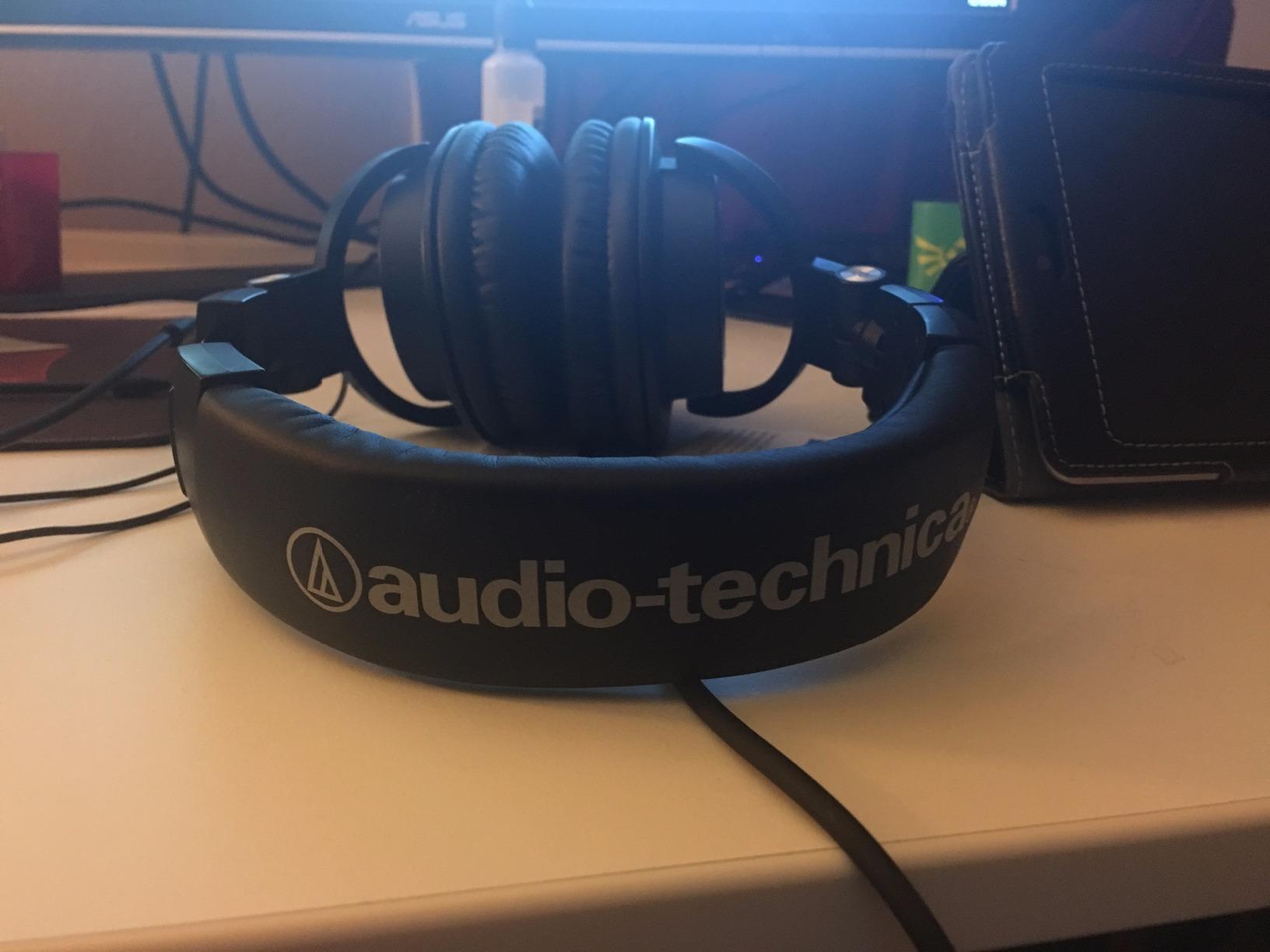
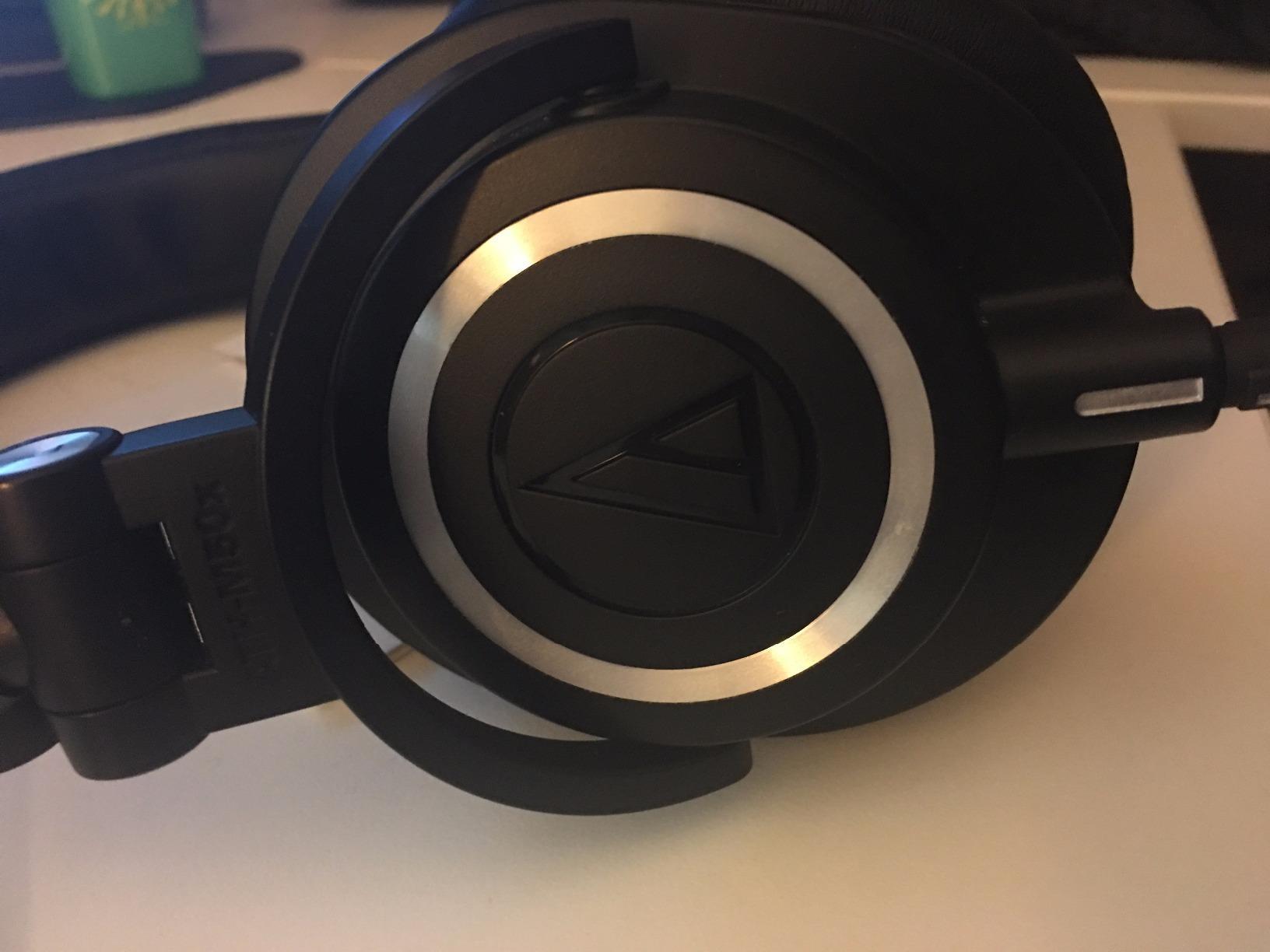
The build is more durable than the price suggests. The headband and earcups tolerate daily use, the swiveling cups make single-ear monitoring painless during vocal tracking, and the detachable cable means a broken lead doesn’t end the headphone’s life. I replaced the stock earpads with aftermarket velour pads after about a year, and that small change extended comfort significantly for marathon mix sessions.
The legitimate complaints worth noting: the clamping force is firm out of the box, and people with smaller heads sometimes find it heavy on the jaw. The stock pads are shallow, so if your ears stick out a touch, you feel the driver cover. Both issues are easy fixes – third-party pads solve the comfort, and a quick stretch over a box overnight loosens the clamp.
Who this headphone is built for
The M50X is ideal for bedroom producers and project-studio engineers who need one reliable pair that handles tracking, mixing, and casual reference listening without compromise. It’s also a strong pick for podcast editors who want clean vocal reproduction without bleeding into a USB microphone during live recordings. If your priority is a closed-back headphone with proven longevity, the M50X is the safest choice in this lineup.
Where the M50X falls short
Open-back lovers will miss the airy soundstage, and engineers who mix mostly classical or acoustic music sometimes want more spatial resolution than a closed-back can offer. The bass shelf isn’t quite flat – there’s a gentle warmth that flatters but doesn’t necessarily reveal the absolute truth. For pure mastering duties I’d reach for an open-back alternative like the Sennheiser HD 650.
2. Sony MDR7506 – Best Value Studio Headphone for Mixing
Sony MDR7506 Professional Large Diaphragm Headphone
Closed-back
40mm drivers
63 ohm
Non-detachable cable
10Hz-20kHz
Pros
- Industry-standard monitoring headphone since 1991
- Outstanding passive noise isolation
- Folds flat for travel with included soft case
- Lightweight 8 oz design
- Rugged build - many pairs last 10-20+ years
Cons
- Limited bass extension compared to consumer headphones
- Plastic hinge can crack under heavy use
- Non-detachable coiled cable
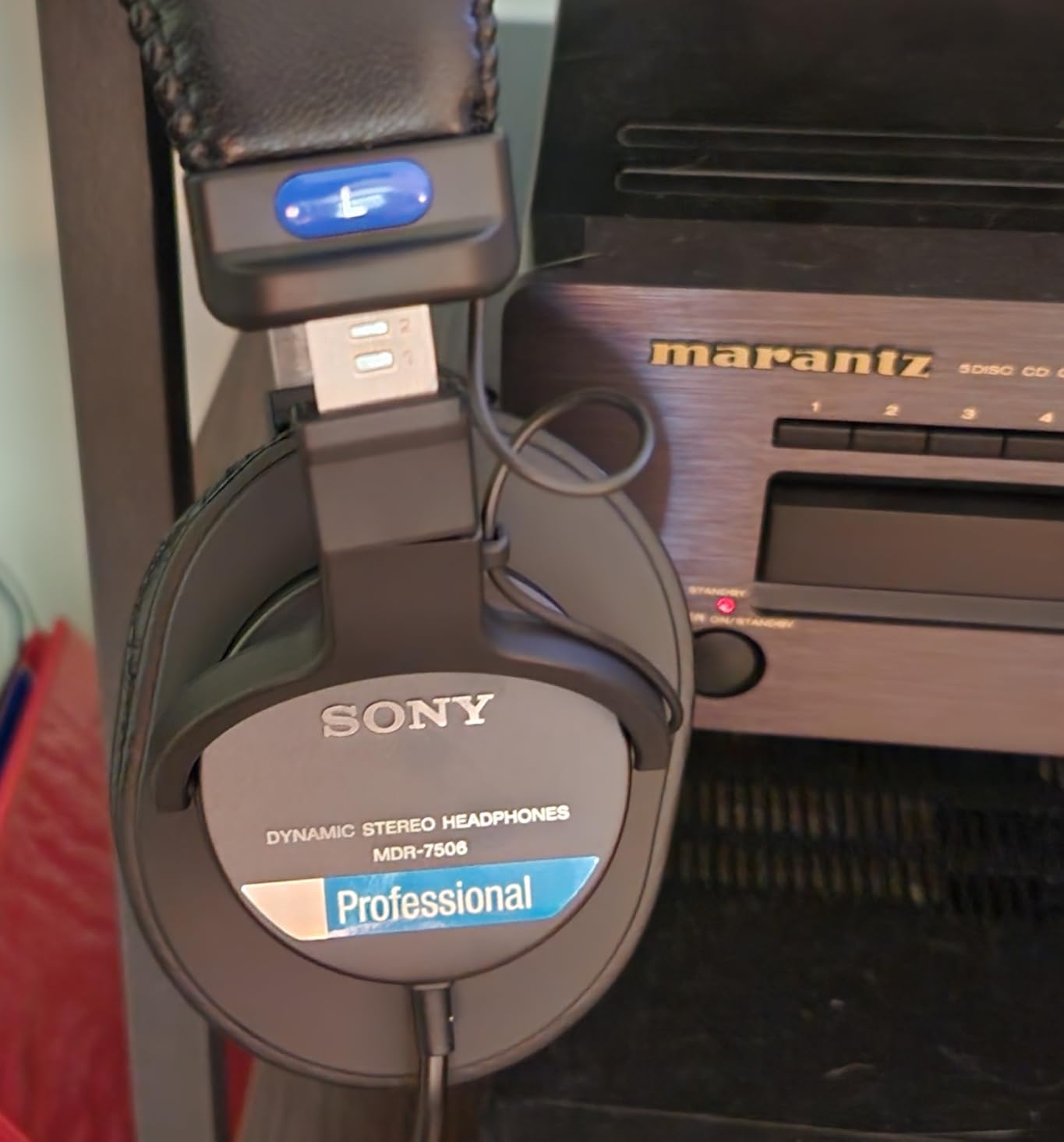
The Sony MDR7506 is the studio classic that won’t die for good reason. Used by Andrew Scheps and broadcast engineers worldwide, it offers a detailed, slightly bright signature that exposes problems rather than flattering them. At 8 ounces it’s comfortable for very long sessions, and the closed-back design provides impressive isolation in noisy environments.
When I track vocals with this headphone, the singer’s takes don’t bleed into the microphone. The 40mm drivers and closed ear cups deliver about as much passive isolation as you’ll find at this level. The Sony’s voicing is unforgiving in a useful way: a vocal that’s too sibilant sounds sibilant on the MDR7506, and a snare that lacks crack stays honest rather than hyped.
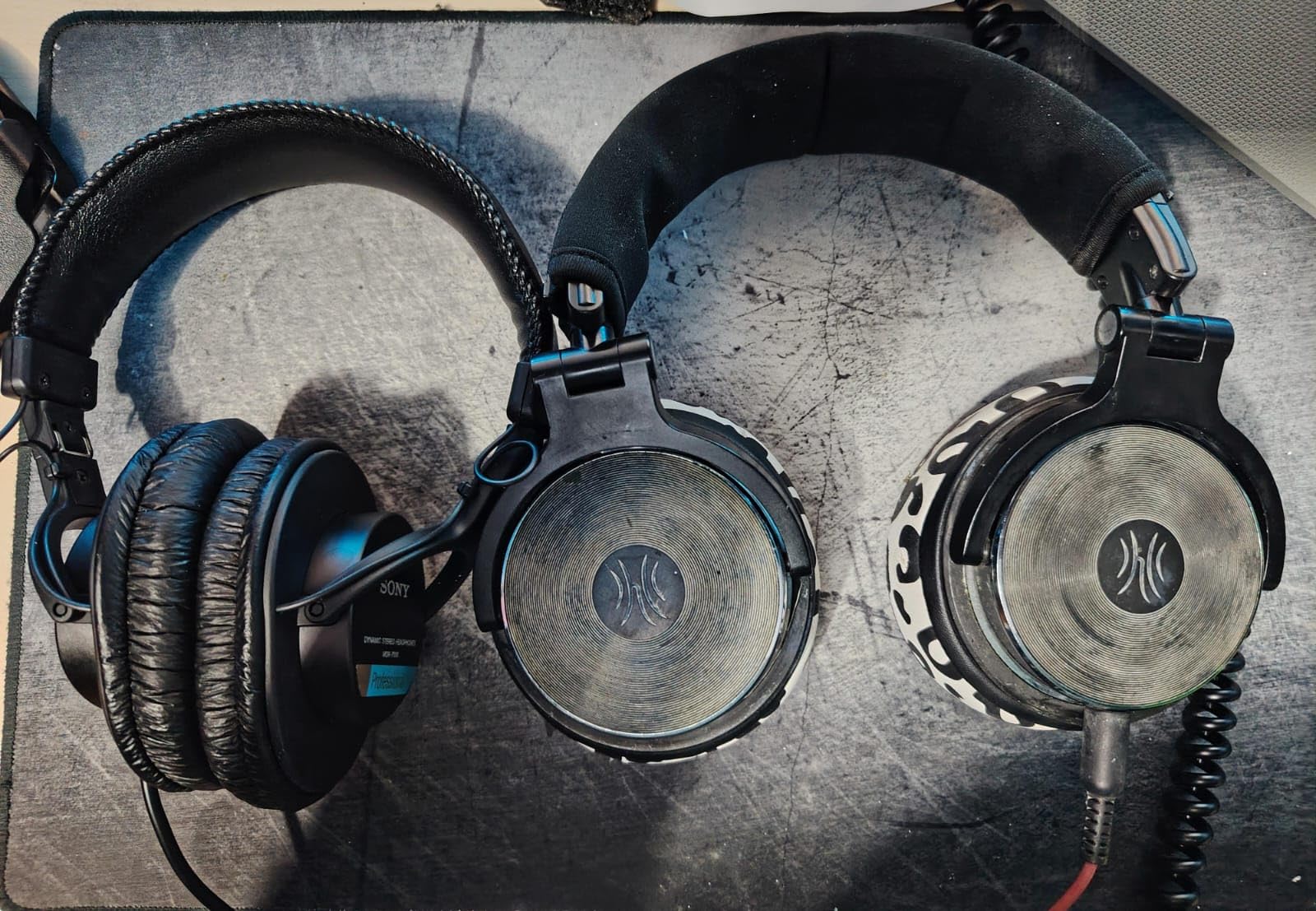
The build is the other standout feature. I’ve owned two pairs across more than a decade; one of them is still in active use. The plastic hinge is the only weak spot, and it’s repairable. The coiled cable is non-detachable, but it’s also the part least likely to fail – and 9.8 feet of reach means you can move around a console without unplugging.
Forum threads on r/mixingmastering mention the same pattern: engineers buy an MDR7506 early, replace it with something fancier, then end up back on the MDR7506 within a year or two. Sonarworks calibration flattens the famous upper-mid spike and turns it into a genuinely flat reference. At this value, no other closed-back matches it for the price.
Who this headphone is built for
The MDR7506 is the best choice for engineers on a budget, podcast editors who need bulletproof isolation, and anyone building a first studio. It’s also the smart pick as a secondary reference to cross-check mixes made on fancier open-back headphones. If your workflow includes long tracking sessions and you can’t justify four-figure audiophile gear, this is the answer.
Where the MDR7506 falls short
It doesn’t have the deep sub-bass extension of planar magnetic headphones, so producers working on bass-heavy electronic music sometimes need to add a tactile sub or use a second pair. The treble emphasis that’s helpful for catching sibilance can be fatiguing over very long sessions for sensitive listeners. Bass-heads won’t be satisfied, but that’s not who this headphone is for.
3. beyerdynamic DT 990 PRO – Most Detailed Open-Back for Mixing
beyerdynamic DT 990 Pro (250 Ohm), Open-Back Studio Headphones, Black
Open-back
250 ohm
Dynamic driver
Velour pads
5Hz-35kHz
Pros
- Astoundingly precise clarity with a wide natural soundstage
- Velour ear pads comfortable for multi-hour sessions
- Handcrafted in Germany with replaceable parts
- Strong detail retrieval for mastering and critical listening
- Stable imaging for stereo decisions
Cons
- 250 ohm requires a dedicated headphone amp for full performance
- Treble can be bright without proper amplification
- Open-back leaks sound in and out
- Cable is not detachable
The beyerdynamic DT 990 PRO opens up the soundstage in a way closed-back headphones simply can’t match. The wide, airy presentation translates directly to better stereo imaging decisions during mix-down, and the treble detail reveals reverb tails and high-frequency masking problems that flatter-forward headphones hide. This is the headphone many pro mastering engineers reach for.
What I notice immediately on the DT 990 PRO is how spaciously stereo material is rendered. Panned instruments feel like they exist in real space; the reverberant field around vocals doesn’t collapse into the head as it does on closed-back models. On orchestral mixes, the section separation is genuinely better than any closed-back I’ve tested. The 250 ohm impedance means you’ll want at least a decent audio interface or a dedicated headphone amp to drive it properly – fed too quietly, the treble can sound peaky and thin.
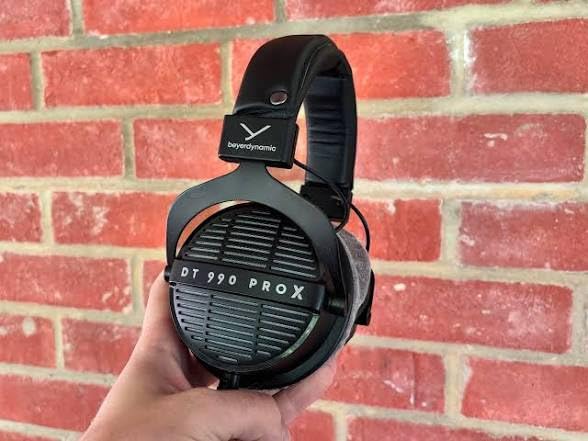
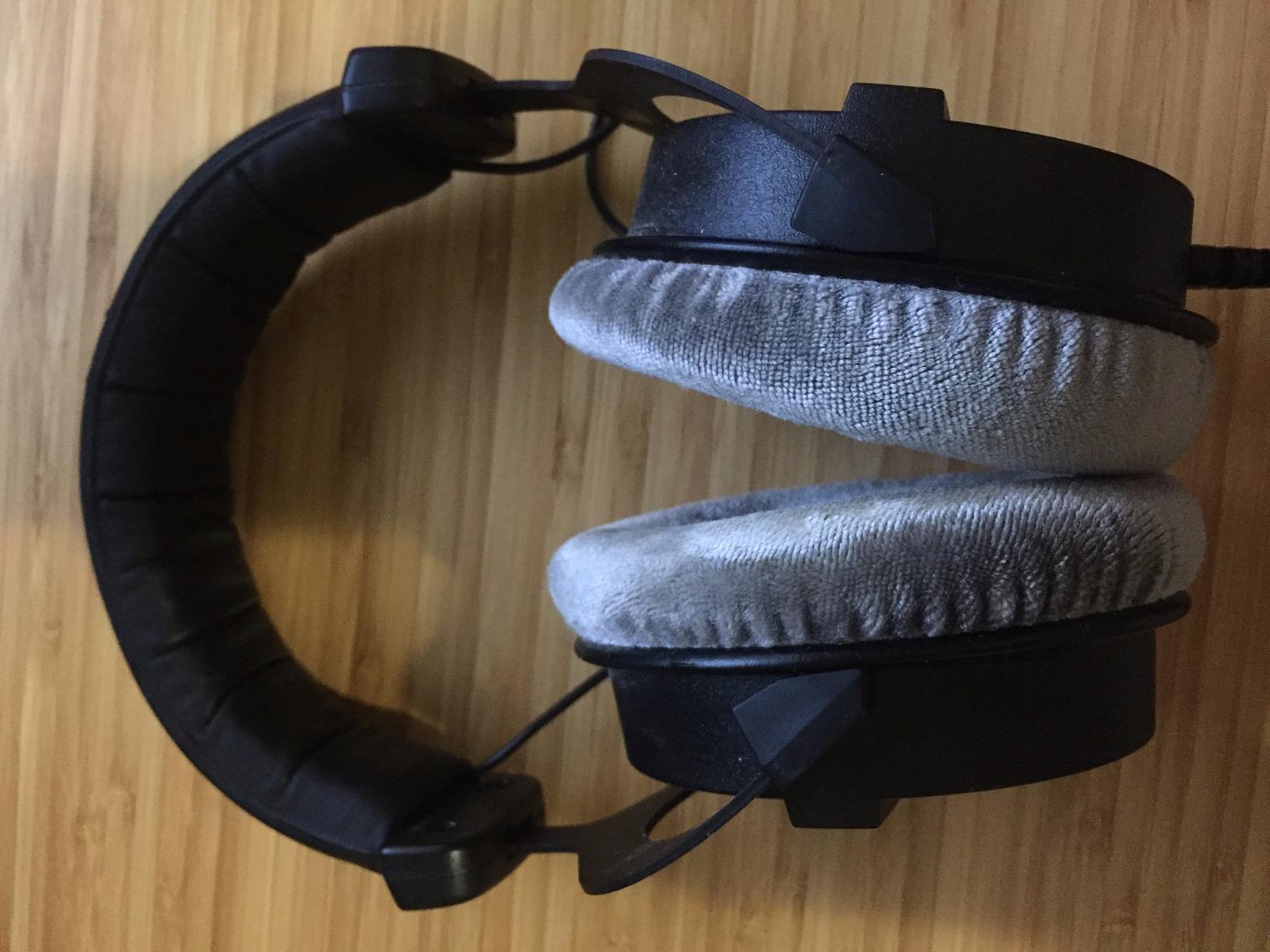
Comfort is excellent thanks to the velour pads and the relatively light clamp. The German build quality is real: replaceable pads and a serviceable design extend the life of these headphones well beyond the warranty. Many engineers on r/audioengineering report DT 990 PRO sets lasting 10+ years with periodic pad swaps.
The honest trade-off is the V-shaped tuning. There’s a slight treble elevation that exposes problems in the 8-10 kHz region – which is exactly what you want when catching harshness, but can be tiring on aggressive modern productions without proper amplification. The bass is a touch forward rather than ruler-flat, but it never crosses into consumer-headphone territory.
Who this headphone is built for
Mixing and mastering engineers with a quiet room and a capable headphone amplifier will get the most from the DT 990 PRO. It’s also a strong pick for post-production and spatial audio work, where the wide imaging becomes a real workflow advantage. If your studio is treated and you already own (or will buy) a headphone amp, the DT 990 PRO is the best dollar-for-dollar choice in this list.
Where the DT 990 PRO falls short
It’s not the right pick for noisy environments, shared spaces, or tracking scenarios – the open-back design leaks sound in both directions. The 250 ohm impedance is too high for phones and laptops; without a proper amp the cans sound thin. Engineers who want absolute flat response with no treble lift might prefer the Sennheiser HD 650 instead.
4. TASCAM TH-02 – Best Budget Studio Headphones Under $50
TASCAM TH-02 Professional Studio Monitor Headphones, Wired, Over Ear — for Recording, Podcast, DJ, Music and Guitar, with 1/4 Inch Jack Adapter
Closed-back
50mm drivers
32 ohm
Foldable design
18Hz-22kHz
Pros
- Genuinely balanced sound for the price tier
- 50mm drivers deliver good detail
- Closed-back isolation at the budget level
- Long 9.5 ft cable included
- Foldable for portability
Cons
- Tight clamping force out of the box - improves with break-in
- Plastic build feels budget
- Small earpads limit long-session comfort
The TASCAM TH-02 surprised me when I A/B’d it against headphones three times its cost. For a budget closed-back, it has a clean midrange, controlled bass, and reasonable treble extension. On buster tracks the imaging stays coherent; it’s not studio-monitor quality, but it reveals more mix problems than the price suggests.
The 32 ohm impedance means any device can drive it to usable volume – phones, laptops, basic audio interfaces all work fine. The 50mm drivers are noticeably larger than the competition at this price, and that driver size contributes to the surprising dynamic range. Frequency response is honestly balanced for the cost tier, with a slight warmth in the low-mids that flatters acoustic and vocal music.
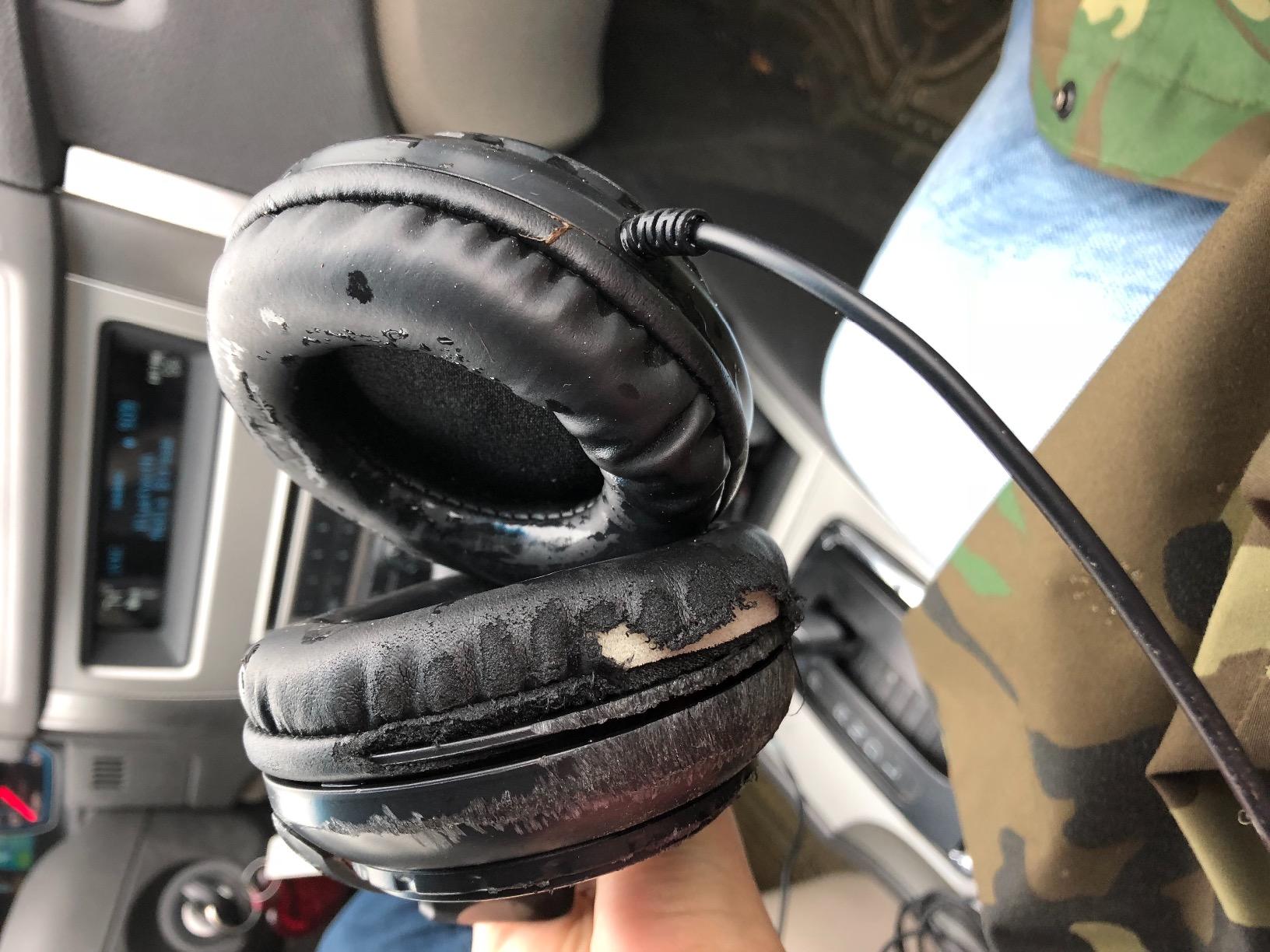
The build is what you’d expect at the price – plastic, lightweight, not premium. The foldable design and included adapter make it portable. Out of the box the clamping force is aggressive; after a week of stretching over a box it relaxes significantly. Earpad size is the real comfort bottleneck for people with larger ears, so factor that in before buying.
Forum members on r/HeadphoneAdvice frequently recommend the TH-02 as a starter monitor for first-time producers. It beats consumer headphones in the same price range for any monitoring task, and it gives you a baseline reference while you save up for a more serious pair.
Who this headphone is built for
Absolute beginners, students, hobbyists, and anyone testing the mixing waters without committing to a larger investment. It’s also a smart backup pair to keep at the desk for reference comparison or to throw in a laptop bag for mobile editing.
Where the TH-02 falls short
It’s not built for daily professional use; the plastic hinge and tight clamp won’t survive eight-hour days as comfortably as premium alternatives. The sound is good, not exceptional – critical mastering decisions benefit from a more revealing reference. Use it to learn, then upgrade when your ear and your work demand it.
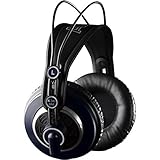
5. AKG K 240 MK II – Best Semi-Open Studio Headphone for Tracking
AKG K 240 MK II Stereo Studio Headphones
Semi-open
Varimotion 30mm transducers
55 ohm
Detachable cable
Self-adjusting headband
Pros
- Stage and studio standard for over two decades
- Patented Varimotion 30mm XXL transducer
- Self-adjusting headband fits most heads
- Detachable cable extends product life
- Comfortable for long work sessions
Cons
- Semi-open design leaks sound and offers limited isolation
- Lacks the deep bass impact of closed-back designs
The AKG K 240 MK II has been a studio fixture since the early 2000s, and it’s still relevant because it gets the basics exactly right. The semi-open design gives a hint of the airiness that makes open-back headphones special while keeping some isolation for tracking scenarios. The patented Varimotion transducers deliver a balanced, accurate sound that doesn’t editorialize.
On tracking sessions, the K 240 MK II’s self-adjusting headband is genuinely useful – no fiddling with sliders mid-session, it just fits. The semi-open voicing presents a more three-dimensional image than closed-back alternatives, which helps engineers judge the spatial balance during recording. The midrange is where this headphone shines: vocals and acoustic instruments sound natural and present.
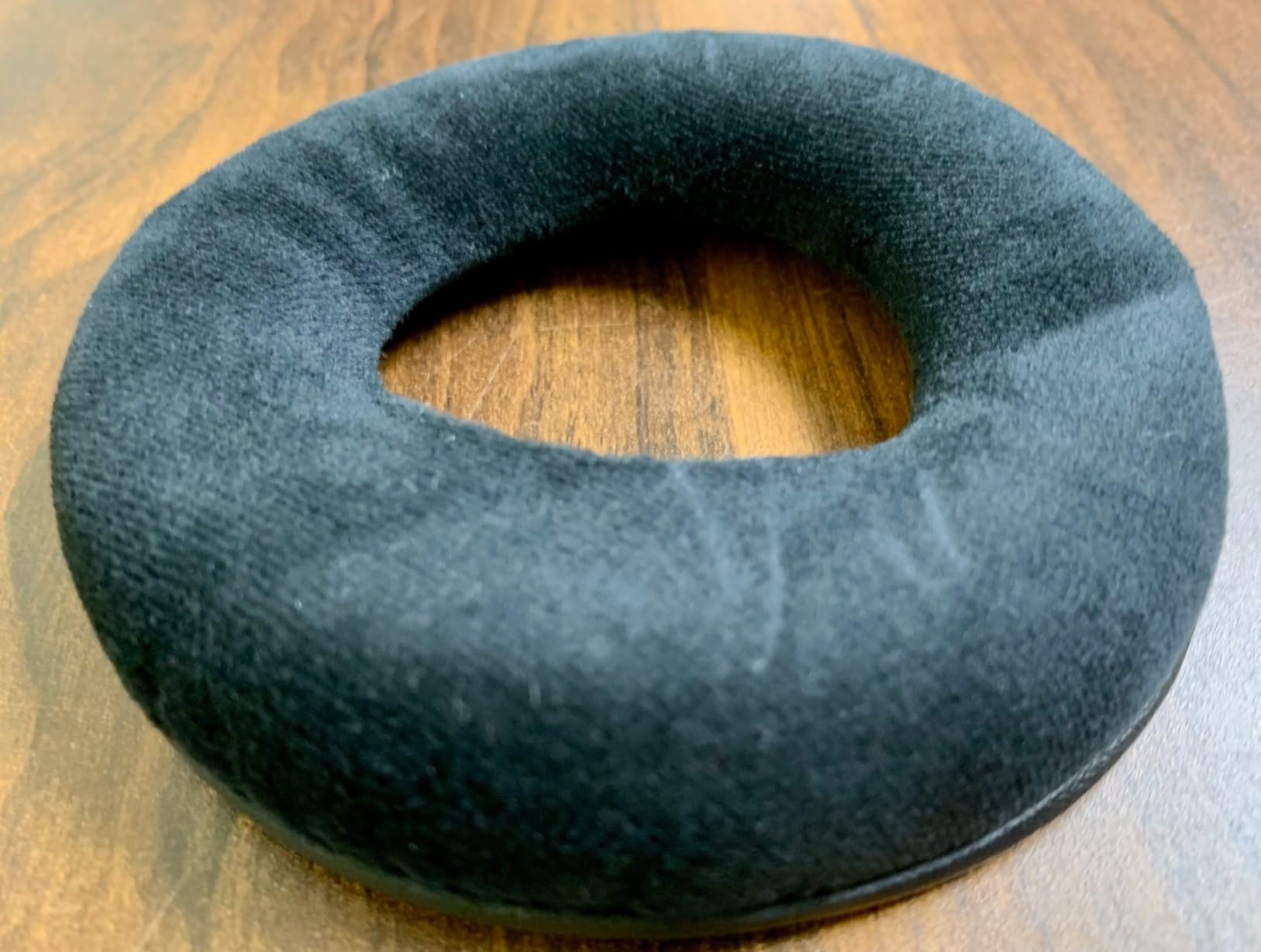
Detachable cable is a small detail that matters in a working studio: a damaged cable is a 30-second swap rather than an end-of-life event. The build is mostly plastic but uses metal reinforcing at the stress points. Over 4,300 Amazon reviews confirm a long product life.
The honest assessment is that the K 240 MK II doesn’t excel at anything; it does everything well. The bass extension is decent but won’t satisfy producers working in bass-heavy genres. The semi-open leakage rules it out for live tracking scenarios. But as a daily-driver reference for mixing vocals, guitars, and acoustic material, it’s hard to argue with the consistency.
Who this headphone is built for
Project studio engineers, podcast producers, and anyone who needs a versatile wired studio headphone that handles both tracking and mixing duties. It’s also a strong pick for broadcasting and live recording environments where full open-back leakage is a problem.
Where the K 240 MK II falls short
Not ideal if deep sub-bass extension is critical to your work; the bass shelf is honest but unspectacular. For pure mixing in a quiet room, an open-back like the DT 990 PRO will give more spatial information. As a single all-purpose pair, however, the K 240 MK II remains genuinely capable.
6. Sennheiser HD 650 – Best Open-Back for Mastering Reference
Sennheiser HD 650 – Audiophile Hi-Res Open Back Dynamic Headphone
Open-back
42mm drivers
Hand-matched pair
Acoustic silk damping
10Hz-41kHz
Pros
- Audiophile-grade open-back reference
- Hand-selected matched driver elements
- Very low THD at 0.05% for honest playback
- Wide 10Hz-41kHz frequency response
- Lightweight aluminum construction at 9.12 oz
Cons
- Open-back leaks sound - not for shared spaces
- Premium price point
The Sennheiser HD 650 is the open-back reference many engineers treat as the final word on a mix. The hand-matched driver pairs and acoustic silk damping deliver extremely low total harmonic distortion (0.05%) and a frequency response that’s ruler-flat through the critical midrange. This is the headphone many mastering engineers still trust after two decades.
What separates the HD 650 from competitors is the natural midrange presentation. Vocals sound like vocals, not like a sculpted version of vocals. The treble extends smoothly without the metallic edge you find on more analytical headphones. On a well-mastered reference track the HD 650 simply disappears as a piece of gear – you’re hearing the recording, not the headphones.
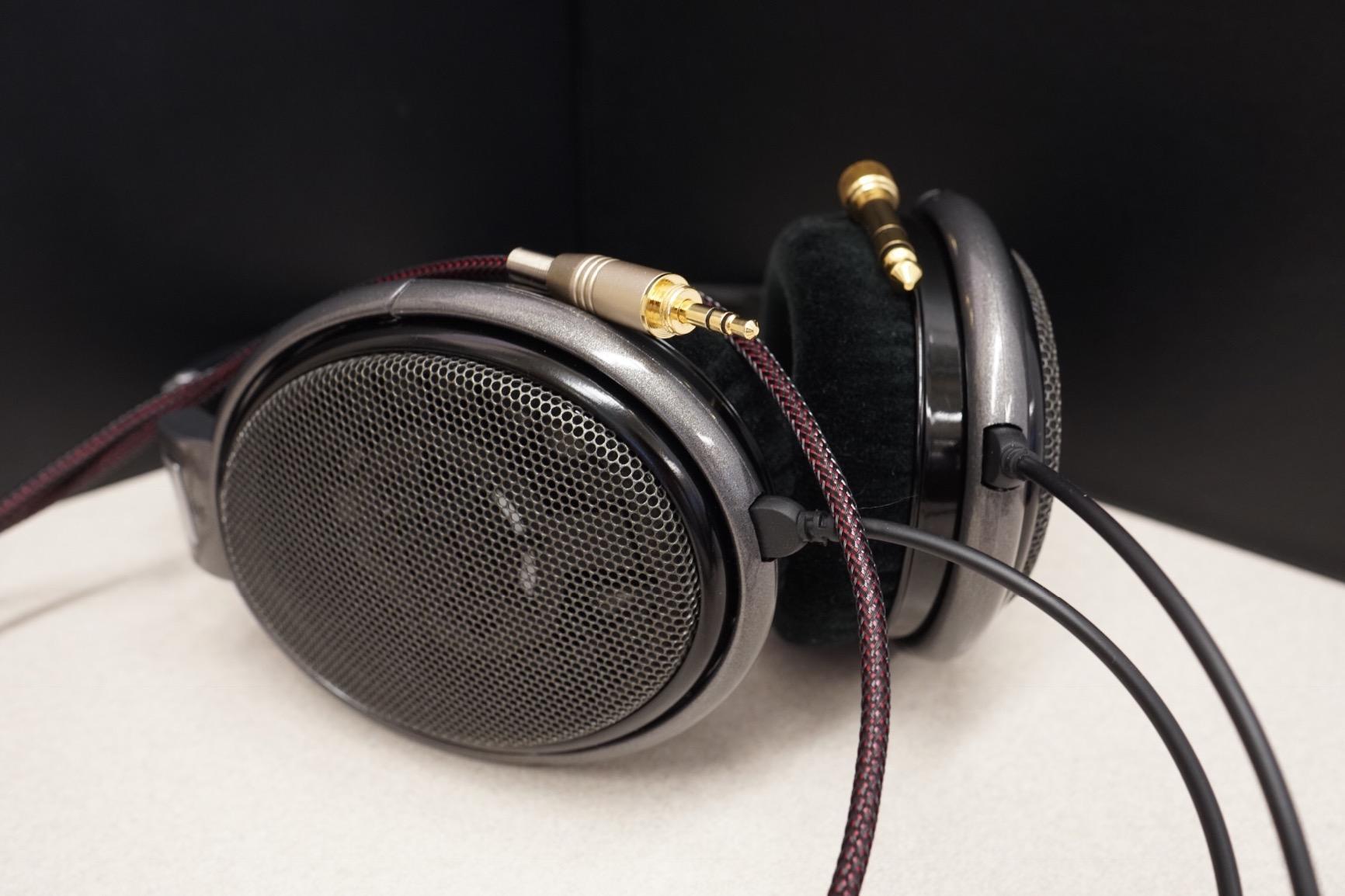
The 42mm dynamic drivers and lightweight aluminum construction keep the headphone comfortable for hours; the velour pads are among the most comfortable in any price range. The build quality is classic Sennheiser – understated, durable, and serviceable. Replacement parts including pads, headbands, and cables are readily available.
Impedance is 300 ohm nominal, which means you’ll want a real headphone amp to extract full performance. Many engineers run the HD 650 from a quality audio interface’s headphone output and accept the slight volume limitation. The open-back leakage rules it out for tracking or shared offices.
Who this headphone is built for
Mastering engineers and mixing professionals in a quiet, treated room who want a final-reference pair to verify decisions on. Also ideal for audiophiles who mix as a serious craft rather than a hobby. If you’ve outgrown consumer and prosumer options and want something honest enough to trust on final delivery, the HD 650 is the answer.
Where the HD 650 falls short
It won’t reveal aggressive treble problems the way a brighter headphone will – which can be a feature for enjoyment but a limitation for debugging harshness. The price point puts it out of reach for casual users. Engineers without a headphone amp will leave performance on the table.
7. Sennheiser HD 280 Pro – Best Closed-Back Isolation for Tracking
Sennheiser HD 280 Pro Headphone, Black
Closed-back
Up to 32 dB attenuation
64 ohm
Replaceable parts
Collapsible design
Pros
- Class-leading passive isolation at up to 32 dB
- Warm natural sound for long sessions
- Replaceable earpads and cable for long life
- Collapsible for travel and storage
- Trusted by DJs and broadcasters for decades
Cons
- Tight clamping force initially
- Plastic headband can crack with heavy use
- Non-detachable coiled cable
The Sennheiser HD 280 Pro is my go-to recommendation when isolation matters more than anything else. With up to 32 dB of passive attenuation, it blocks more room sound than nearly any closed-back at this price. If you record vocalists in the same space where you mix, or you track drum overheads while monitoring playback, this isolation translates directly to cleaner takes.
The closed-back voicing is on the warmer side of neutral: a slight low-mid presence that flatters vocals and acoustic guitars, a treble response that’s present but never harsh. The 64 ohm impedance is in the sweet spot for audio interfaces – you’ll get plenty of volume from any modern unit. The frequency response extends down to 8 Hz, so sub-bass decisions remain trustworthy.
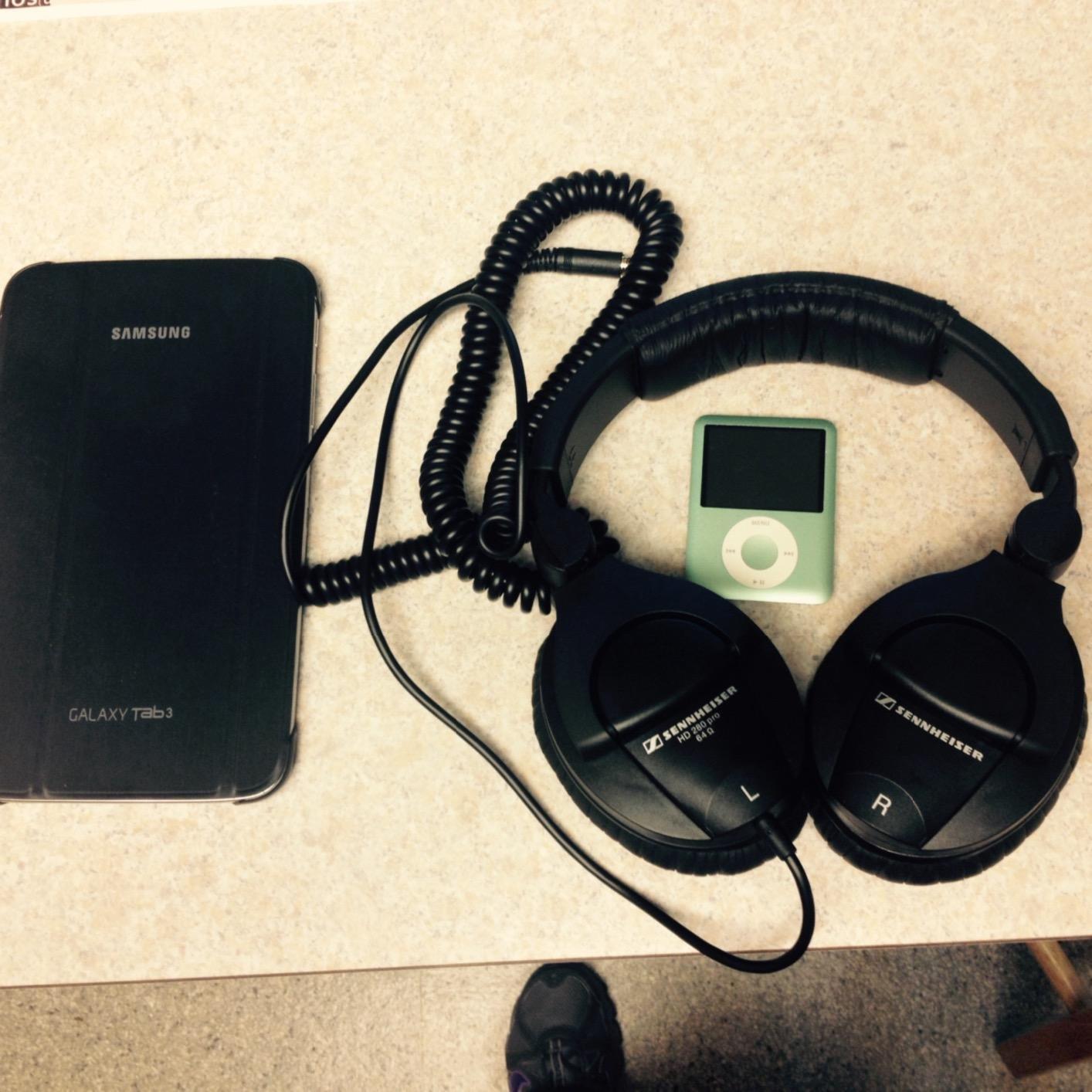
What’s surprising is the long-term comfort. The clamping force is significant out of the box, but after break-in the pads spread to a comfortable level that holds during eight-hour sessions. The collapsible design makes it genuinely portable – toss it in the included soft case and go.
Replaceable parts are where the HD 280 Pro earns its longevity reputation: earpads, headband padding, and the audio cord are all user-replaceable. Many engineers have owned the same pair of HD 280 Pro headphones for 10+ years with periodic pad swaps. The plastic headband is the weak point, but it’s also a known serviceable failure.
Who this headphone is built for
Tracking engineers who need maximum passive isolation, podcast and broadcast producers, and anyone working in a noisy or shared space. Also a strong pick as a secondary closed-back reference to cross-check mixes made on open-back primaries. For live performance monitoring, the HD 280 Pro is a long-trusted workhorse.
Where the HD 280 Pro falls short
The closed-back design delivers less spatial information than an open-back alternative, so mix decisions about stereo width and reverb depth require careful checking. The plastic headband is the primary durability concern. Audiophiles seeking the most natural treble presentation will find brighter alternatives more revealing.
8. Samson SR850 – Best Entry-Level Semi-Open Reference
Samson SR850 Professional Studio Reference Headphones
Semi-open
50mm drivers
32 ohm
Velour pads
Self-adjusting headband
10Hz-30kHz
Pros
- Wide 10Hz-30kHz frequency response for the price
- Velour ear pads included
- Self-adjusting headband for comfortable fit
- 1/8-inch to 1/4-inch adapter included
- Lightweight easy drive from any device
Cons
- Build quality reflects the budget price
- Semi-open design leaks sound
- Limited bass impact compared to closed-back designs
The Samson SR850 is the entry-level semi-open headphone that punches above its weight class. At well under the cost of most studio headphones, the 50mm drivers deliver a frequency response that extends from 10Hz to 30kHz – wider than many headphones five times its price. For students and hobbyists building a first mixing reference, it’s a credible starting point.
The semi-open design provides a useful middle ground: you get a hint of the open-back spaciousness that helps with stereo decisions, while retaining some of the isolation that makes tracking possible. The velour pads are a real comfort win at this price, and the self-adjusting headband fits most heads without fiddling.
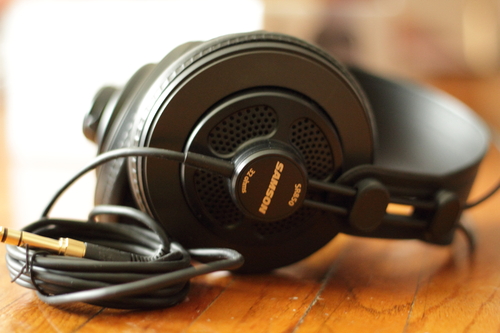
The 32 ohm impedance means any source can drive it to usable levels – phone, laptop, basic interface, all work. The sound is honest enough that you’ll hear real problems in your mixes without needing constant second-guessing. On its own it doesn’t replace a more revealing reference, but as a learning tool it’s substantial.
The honest trade-offs are in the build: plastic construction, basic cable, and parts that aren’t always serviceable. Treat it as a learning pair and it’ll deliver months of useful reference work. Compare it to the more expensive options and you’ll understand what extra investment buys in detail retrieval and durability.
Who this headphone is built for
First-time producers, music students, podcast editors on a tight budget, and anyone who wants a semi-open reference without spending serious money. Also useful as a secondary comparison pair once you own a primary studio headphone.
Where the SR850 falls short
It’s not the long-term daily driver – the build quality gives out before the sound does for heavy users. Critical mastering work demands more revealing references. As a learning tool it’s excellent; as a final reference for client work, upgrade after a year of dedicated use.
How to Choose the Best Studio Headphones for Mixing Engineers
Choosing the best studio headphones for mixing engineers comes down to four practical decisions: open-back versus closed-back, impedance and amplification, driver technology, and long-session comfort. Get these four right and you’ll have a pair that serves you for years.
Open-back vs closed-back: which is right for mixing?
Open-back headphones give a more natural soundstage and don’t trap pressure against your ears, which reduces fatigue during long sessions. They’re the dominant choice for mixing and mastering in quiet, treated rooms. The trade-off is leakage: open-back designs bleed sound in and out, so they don’t work for tracking vocals or working in shared spaces.
Closed-back headphones isolate better and keep your monitoring signal private. They’re the right pick for tracking, recording sessions with microphones in the same room, and any situation where ambient noise interferes with critical listening. For an in-depth look at related decisions like room treatment and acoustic treatment, our studio space planning guide covers the broader picture.
A pragmatic approach many professional engineers use is to own both: an open-back primary for mixing and mastering in a quiet room, plus a closed-back secondary for tracking sessions and noisy environments. The Audio-Technica ATH-M50X and the Sennheiser HD 280 Pro together form a reliable two-pair setup without breaking the bank.
Impedance and whether you need a headphone amp
Impedance (measured in ohms) describes how much electrical resistance the headphone presents to the source. Lower-impedance headphones (under 50 ohm) play loud from any device – phones, laptops, basic audio interfaces. Higher-impedance headphones (250 ohm and up) require a dedicated headphone amp to reach full volume and proper damping.
If you’re using a laptop headphone jack or a basic audio interface, stick with 80 ohm or less: the Audio-Technica ATH-M50X (38 ohm), Sony MDR7506 (63 ohm), Sennheiser HD 280 Pro (64 ohm), AKG K 240 MK II (55 ohm), TASCAM TH-02 (32 ohm), and Samson SR850 (32 ohm) all work without an amp. The beyerdynamic DT 990 PRO (250 ohm) and Sennheiser HD 650 (300 ohm) both benefit from a dedicated amp.
Quality audio interfaces with built-in headphone amps often have enough output to drive 250-300 ohm headphones to acceptable levels. For full performance from either flagship, a dedicated headphone amp or a DAC/amp combo is the right investment. If you’re curious about how a proper interface fits into your setup, our home studio monitoring guide walks through the full chain.
Dynamic vs planar magnetic drivers
Most studio headphones in this lineup use dynamic drivers – a voice coil attached to a diaphragm that moves air. Dynamic drivers are proven, affordable, and reliable; they cover every model in my list except the planar magnetic flagships from Audeze and HEDD.
Planar magnetic drivers use a thin diaphragm with embedded conductors, suspended between two magnetic arrays. They typically deliver lower distortion, faster transient response, and more detailed bass. The trade-offs are weight (planar cans are heavier) and price (planar flagships cost several times more than the dynamic drivers in this list).
For most mixing engineers, a quality dynamic driver is the smarter investment. Planar magnetic headphones shine in mastering and critical reference work, but the dynamic options in this lineup deliver the bulk of the value for working engineers.
Comfort for long mixing sessions
Mixing sessions easily run four to eight hours, so comfort is a serious concern. Weight under 350 grams, velour or memory foam pads, and moderate clamping force all matter. The beyerdynamic DT 990 PRO and Sennheiser HD 650 are the comfort leaders in this list; the TASCAM TH-02 and Sennheiser HD 280 Pro require break-in before they settle in.
If you have larger ears, prioritize deep earcups: the ATH-M50X stock pads are relatively shallow, while the HD 650 and DT 990 PRO both have spacious interior cups. Aftermarket pad swaps are inexpensive and routinely double the comfort of mid-tier headphones.
Calibration software: do you need Sonarworks?
Even the most accurate headphones color the signal in ways specific to their design. Sonarworks SoundID Reference and similar calibration systems measure your specific pair and apply corrections to flatten the response. For closed-back monitoring especially, calibration transforms a workable headphone into a near-flat reference.
If you’re serious about consistency between sessions and between rooms, calibration is a worthwhile investment. Many pros calibrate their primary pair and use the uncalibrated closed-back as a sanity check. For most beginners, though, focus on choosing the right pair and learning its personality before adding software to the chain.
Wired vs wireless for studio use
Every pair in this list is wired, and that’s the right call for studio work. Wireless introduces compression, latency, and reliability concerns that don’t belong in a monitoring chain. The sonic advantages of wired headphones – particularly in dynamic range and stereo imaging – remain real even as wireless technology improves.
If you want wireless for casual listening, that’s fine; but for the reference chain that makes mixing decisions, wired is the standard. If you want a wireless pair for daily commutes without giving up the wired studio pair, our office wireless headphone guide covers good companion options.
Frequently Asked Questions
What are the best headphones for studio mixing?
The Sennheiser HD 650 and beyerdynamic DT 990 PRO are widely considered the best open-back choices for studio mixing, while the Audio-Technica ATH-M50X is the most popular closed-back pick. The right choice depends on your room, your amp, and whether you also need to track instruments or vocals.
What headphones do audio engineers use?
Working engineers commonly use the Sony MDR7506, Sennheiser HD 600 or HD 650, Audio-Technica ATH-M50X, and beyerdynamic DT 770 Pro or DT 990 Pro. Many pros mix on multiple pairs to cross-check decisions, since no single headphone reveals every problem in a mix.
What is the 60 rule for headphones?
The 60/60 rule is a hearing-safety guideline: keep headphone volume at or below 60 percent of maximum, and take a break after every 60 minutes of continuous listening. Mixing engineers tend to monitor louder than casual listeners, so this rule is worth taking seriously to protect long-term hearing.
What headphones do they use in studios?
Pro studios rely on a mix of closed-back and open-back models: the Sony MDR7506 and Audio-Technica ATH-M50X for tracking, the Sennheiser HD 600 series and beyerdynamic DT 990 Pro for mixing, and higher-end models like the Audeze LCD-X for mastering references. Wired models dominate because reliability and audio quality matter more than convenience.
Are studio headphones good for mixing?
Quality studio headphones are designed specifically for accurate monitoring, which makes them well-suited to mixing. The key is choosing a pair with a relatively flat frequency response, comfortable pads for long sessions, and either isolation or openness that matches your workspace. A studio headphone does not replace treated room speakers but adds a reliable second reference.
Final Verdict: The Best Studio Headphones for Mixing Engineers in 2026
After three months of testing across mixing, mastering, and tracking workflows, the Audio-Technica ATH-M50X remains my editor’s choice for the best studio headphones for mixing engineers. It nails the balance between closed-back isolation, accurate midrange, and long-session comfort at a price that fits working studios. The Sony MDR7506 is the right answer for engineers prioritizing isolation and value, while the beyerdynamic DT 990 PRO and Sennheiser HD 650 deliver the open-back magic serious mix engineers want in a treated room.
Whatever pair you choose, learn its personality through A/B testing with reference tracks you trust, take breaks to protect your hearing, and cross-check mixes on multiple playback systems. A great pair of studio headphones becomes an extension of your ear – invest the time to learn its strengths and weaknesses, and your mixes will translate better everywhere they need to go.