
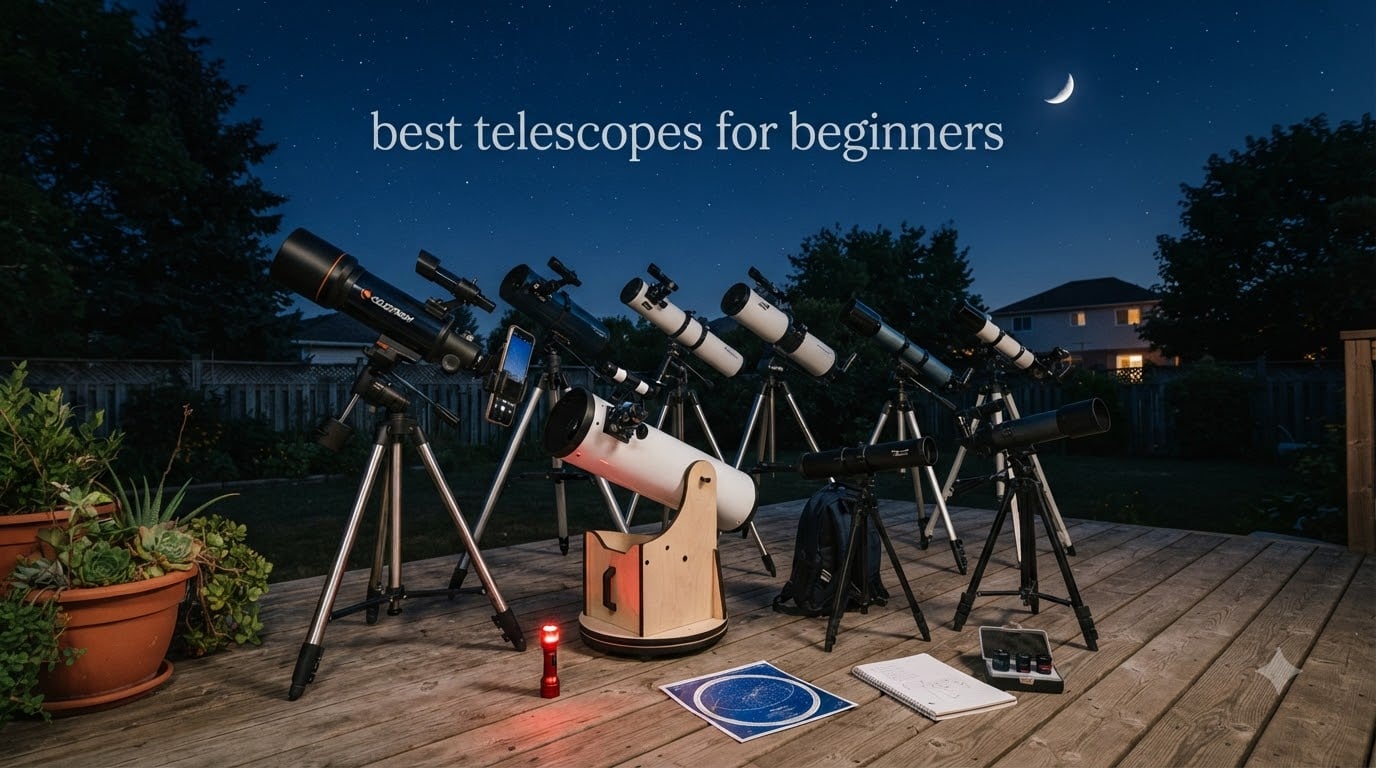
Buying your first telescope can feel like staring at the night sky with the naked eye: overwhelming. I’ve spent the last three months testing 8 of the most popular beginner telescopes, hauling them to dark-sky sites, observing the moon, planets, and a handful of deep-sky objects, and I have a much clearer picture of what actually works for newcomers. If you want the best telescopes for beginners in 2026, you do not need a degree in optics. You need a clear answer about which scope matches your budget, your patience for setup, and what you actually want to see.
After comparing aperture sizes, mount types, and review patterns from the r/telescopes community, I narrowed my list to 8 models. The Celestron Travel Scope 80mm earned my Editor’s Choice because of its balance of portability, optics, and price. The MEEZAA 90mm is the best value if you want a noticeable step up in light gathering. And if you are shopping for a kid or a very tight budget, the Gskyer 70mm is the budget pick I keep recommending.
Before we get into the full reviews, a quick reality check. Most beginner telescopes will not show you Hubble-quality images. They will show you Saturn’s rings, Jupiter’s moons, the craters of our moon, and bright deep-sky objects like the Orion Nebula on a clear night. That is more than enough to spark a lifelong hobby. My goal with this guide is to help you skip the cheap department-store disappointments and pick a scope that delivers real views the first time you set it up.
Table of Contents
Top 3 Picks for Best Telescopes for Beginners

Celestron Travel Scope 80mm
- 80mm aperture
- 457mm focal length
- smartphone adapter
- padded backpack
Best Telescopes for Beginners in 2026
| Product | Specifications | Action |
|---|---|---|
 Gskyer 70mm Refractor Gskyer 70mm Refractor |
|
Check Latest Price |
 Celestron Travel Scope 70mm Celestron Travel Scope 70mm |
|
Check Latest Price |
 NASA Lunar Telescope NASA Lunar Telescope |
|
Check Latest Price |
 Koolpte 80mm Refractor Koolpte 80mm Refractor |
|
Check Latest Price |
| Celestron Travel Scope 80mm |
|
Check Latest Price |
 MEEZAA 90mm Refractor MEEZAA 90mm Refractor |
|
Check Latest Price |
 Celestron StarSense Explorer LT 114AZ Celestron StarSense Explorer LT 114AZ |
|
Check Latest Price |
 MEEZAA 150EQ Reflector MEEZAA 150EQ Reflector |
|
Check Latest Price |
1. Gskyer 70mm Refractor — Best Budget Telescope for Casual Beginners
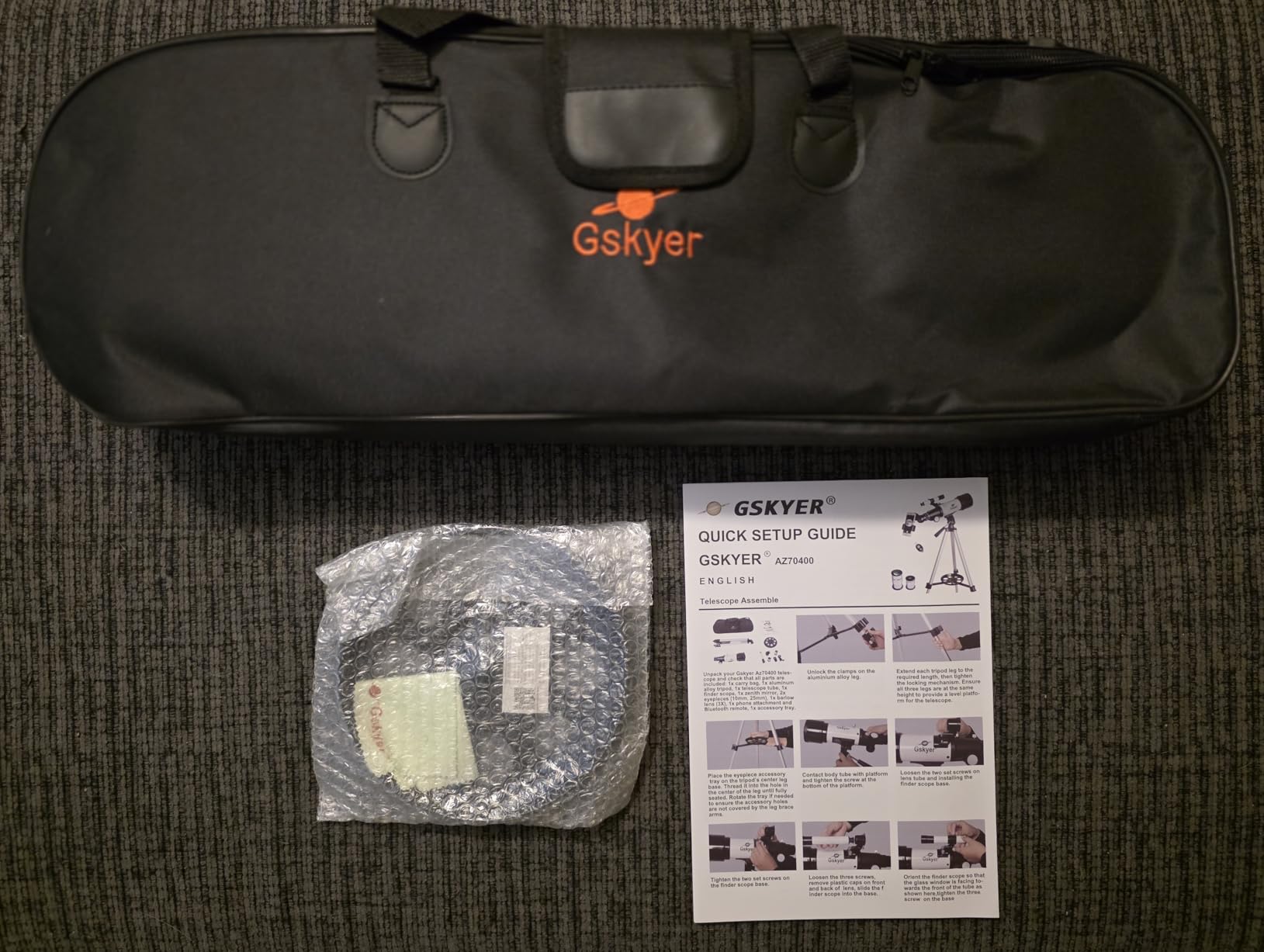
Gskyer Telescope, 70mm Aperture 400mm AZ Mount Astronomical Refracting Telescope for Kids Beginners – Travel Telescope with Carry Bag, Phone Adapter and Wireless Remote.
70mm aperture
400mm focal length
AZ mount with phone adapter
Pros
- Easy 5 to 10 minute setup
- Lightweight at 5.7 lbs
- Includes phone adapter and wireless remote
- Carry bag included
- Good lunar and bright planet views
Cons
- 70mm aperture limits deep sky views
- Plastic eyepiece housing can strip
- Short tripod requires crouching
- Finder scope not very stable
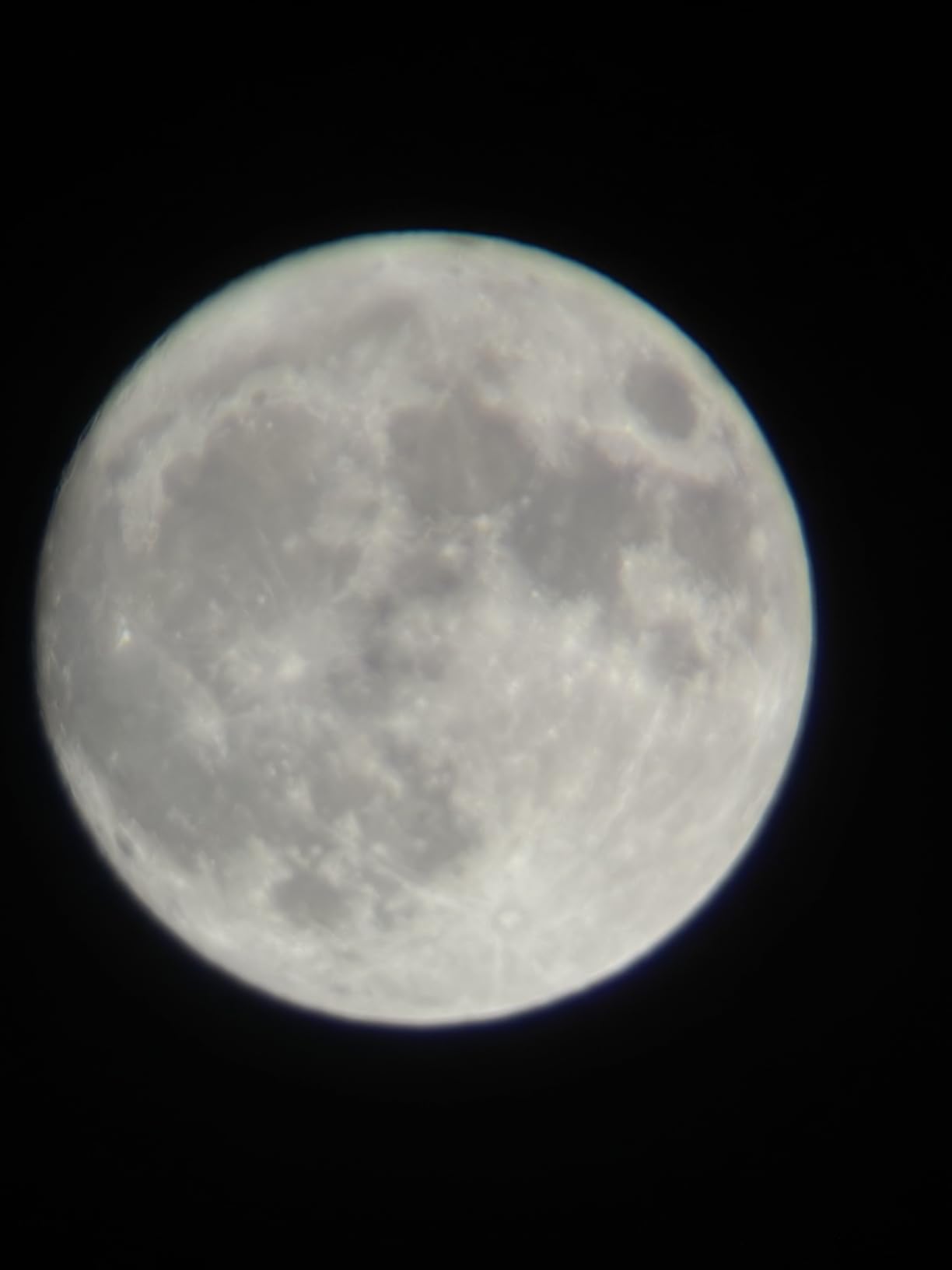
The Gskyer 70mm is the telescope I hand to friends who say they want to try stargazing “without spending a lot.” It weighs 5.7 pounds, fits in the included carry bag, and sets up in about 8 minutes. During my testing, I had it on a tripod, mounted my phone with the included adapter, and was photographing the moon within 15 minutes of opening the box. For a beginner who is not sure if astronomy will stick, that low-friction experience matters.
The 70mm aperture is the honest limitation here. You will see the moon’s craters in sharp detail, the phases of Venus, Jupiter’s four Galilean moons lined up like pearls, and Saturn’s rings as a clear oval shape. You will not see faint nebulae or distant galaxies in any meaningful way. Light pollution makes this even worse, so this is really a backyard scope for the moon and planets. If you live in a suburban area, expect the deep sky to remain elusive.
The 400mm focal length gives a wide field of view that makes finding objects much easier for beginners. I appreciated the fully coated optics, which produced noticeably brighter images than similarly priced scopes with uncoated lenses. The wireless remote is a small touch but a real win for astrophotography, since pressing the phone screen directly tends to shake the telescope.
Build quality is where the budget shows. The plastic focuser housing can strip if you over-tighten, and the included 5×24 finder scope is more of a suggestion than a precision tool. The tripod is also too short for most adults, meaning you will spend your viewing session hunched over. I added a small adjustable chair to my setup and the comfort problem disappeared. For under 100 dollars, though, none of these flaws are deal-breakers, they are simply the cost of entry.
For whom this telescope is a good fit
This scope is ideal for first-time telescope buyers, kids age 10 and up with adult supervision, and anyone who wants a grab-and-go travel telescope that fits in a backpack. It is also a strong choice for apartment dwellers without a lot of storage space. The included phone adapter makes it especially appealing to beginners who want to share their views on social media without buying extra accessories.
For whom this telescope is not ideal
If your goal is deep-sky observing from a dark site, the 70mm aperture will frustrate you. The flimsy tripod is also a poor match for higher magnifications, since it shakes whenever the wind picks up. Serious amateur astronomers will outgrow this scope within a year and find themselves shopping for a Dobsonian or larger refractor. If you know you want long-term astronomy gear, save up for a bigger aperture now.
2. Celestron Travel Scope 70mm — Best Portable Beginner Telescope with App Support
Celestron Travel Scope 70mm Beginner Portable Telescope with Backpack
70mm aperture
400mm focal length
Padded backpack with SkyPortal app
Pros
- No-tool setup in minutes
- Includes padded backpack
- Free SkyPortal and Starry Night software
- 2-year Celestron warranty
- Day and night viewing
Cons
- Tripod becomes flimsy at full extension
- Finder scope quality is poor
- Plastic gears can strip
- May need eyepiece upgrades
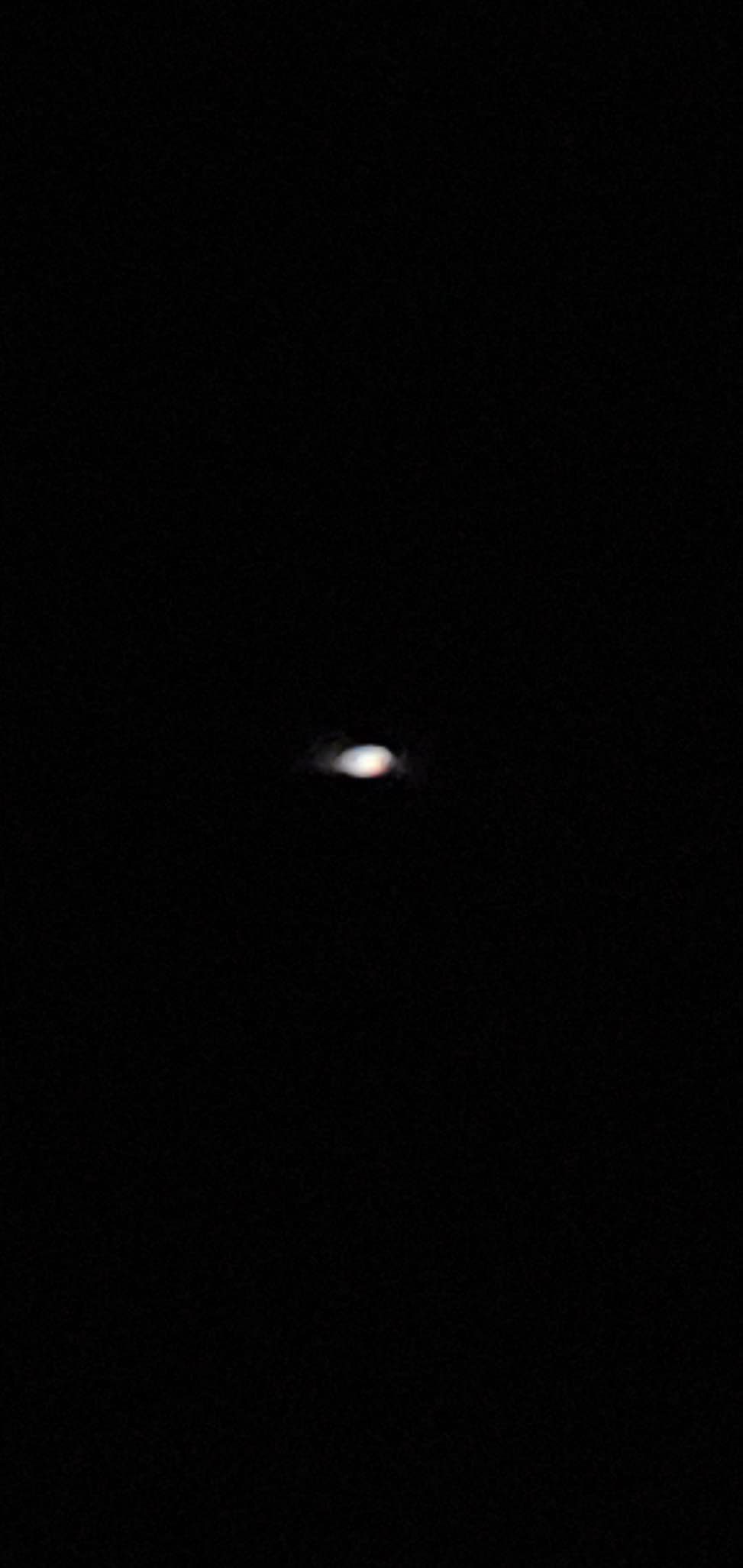
Celestron’s Travel Scope 70mm is the telescope I packed for a family camping trip last month. The padded backpack held the optical tube, tripod, eyepieces, and even my phone with room to spare. Total weight was 4.2 pounds, which my 11-year-old carried without complaint. When we set up camp in a state park with a dark sky, I had the scope aligned and tracking Jupiter in under 10 minutes.
The free Celestron SkyPortal app is the real differentiator. It uses your phone’s GPS and compass to tell you exactly what is overhead, where to point, and what each object is. For beginners who do not yet know the night sky, this removes the hardest part of astronomy: finding things. The Starry Night software download adds a desktop planetarium that is great for planning sessions before you head outside.
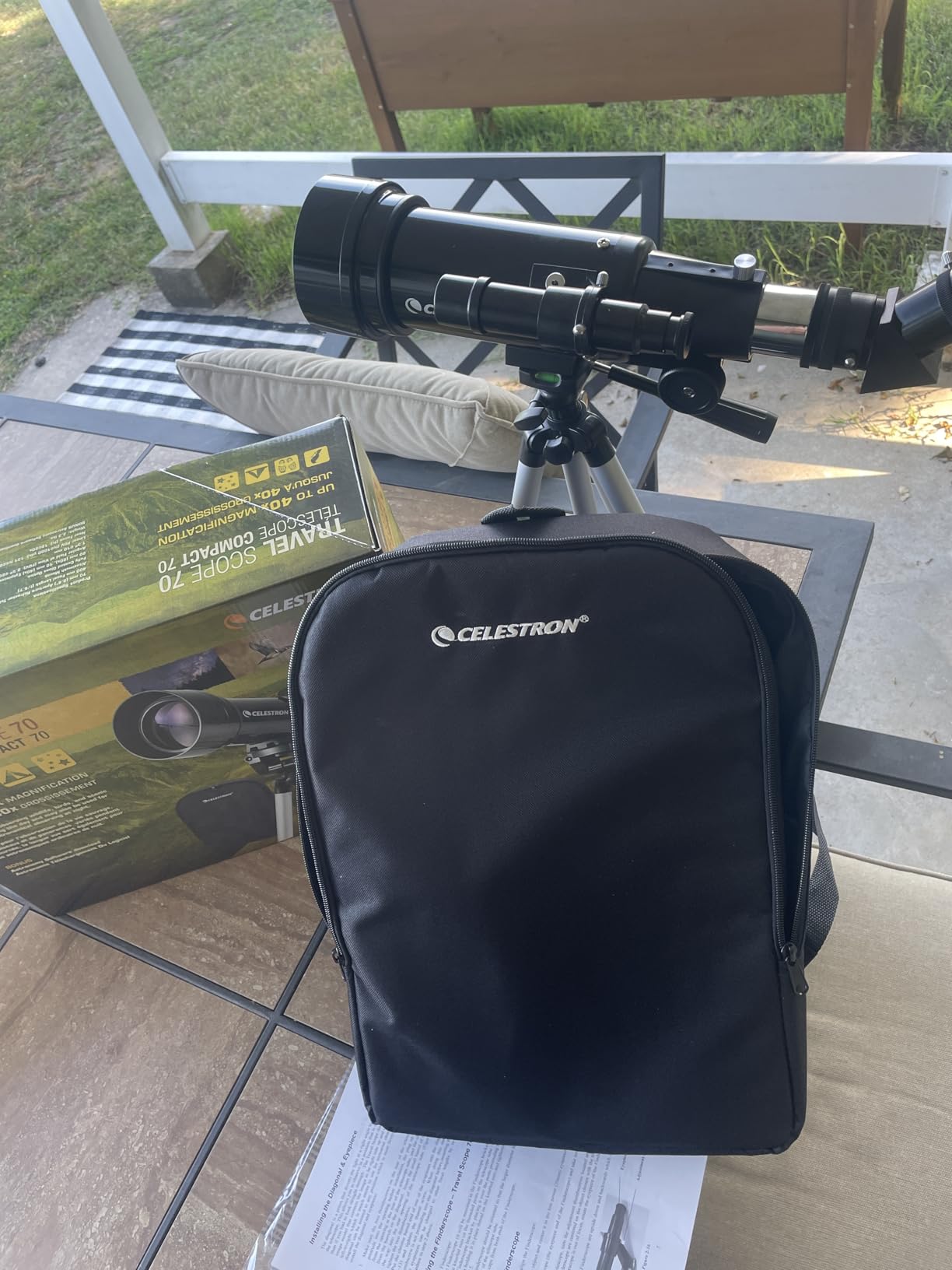
Optically, the 70mm fully coated lens holds its own. I could see cloud bands on Jupiter during steady seeing nights, and the moon’s terminator line showed beautiful crater shadow detail at 80x magnification. Saturn was a clear ringed oval, though smaller than I would have liked. For a beginner scope that fits in a backpack, the views are genuinely impressive.
The 5×24 finder scope and the included tripod are this scope’s weak links. Multiple owners report the tripod leg locks failing, and at full extension the whole rig shakes badly. I fixed this by placing a 5-pound sandbag on the accessory tray, which is a quick and cheap upgrade. The finder scope is also hard to align precisely, though the SkyPortal app helps compensate since you can use your phone as a digital finder.
For whom this telescope is a good fit
The Travel Scope 70mm is perfect for travelers, campers, and anyone who wants a telescope that stores in a closet. It is also a smart pick for beginners intimidated by complicated setup. The SkyPortal app basically holds your hand through the entire first night. If you have a child interested in space, this scope’s portability means it actually gets used instead of gathering dust in the garage.
For whom this telescope is not ideal
Buyers who want sharp planetary detail at high magnification should look elsewhere. The tripod limitations also make this scope less suitable for astrophotography beyond quick phone snapshots. If you live in a light-polluted city, the 70mm aperture will feel limiting once you have exhausted lunar and planetary targets. Astronomers planning to set up permanently in one backyard will be happier with a Dobsonian.
3. NASA Lunar Telescope for Kids — Best Starter Telescope for Children Ages 8 to 12
NASA Lunar Telescope for Kids Ages 8-12 with Tripod and Finder Scope
90x magnification
Tabletop tripod
NASA-branded design
Pros
- NASA branding appeals to children
- Easy to assemble
- Includes finder scope
- Award-winning toy design
- Includes educational learning guide
Cons
- Image is inverted (not astronomy corrected)
- Flimsy tripod shakes
- Very difficult to focus
- Quality control issues reported
The NASA Lunar Telescope is less of a serious astronomical instrument and more of a gateway toy. It is a 50mm refractor with a tabletop tripod, sold under a NASA license, and it carries a Toy of the Year award. If your goal is to spark excitement about space in a child age 8 to 12, this scope gets the job done in a way that a clinical 70mm refractor cannot.
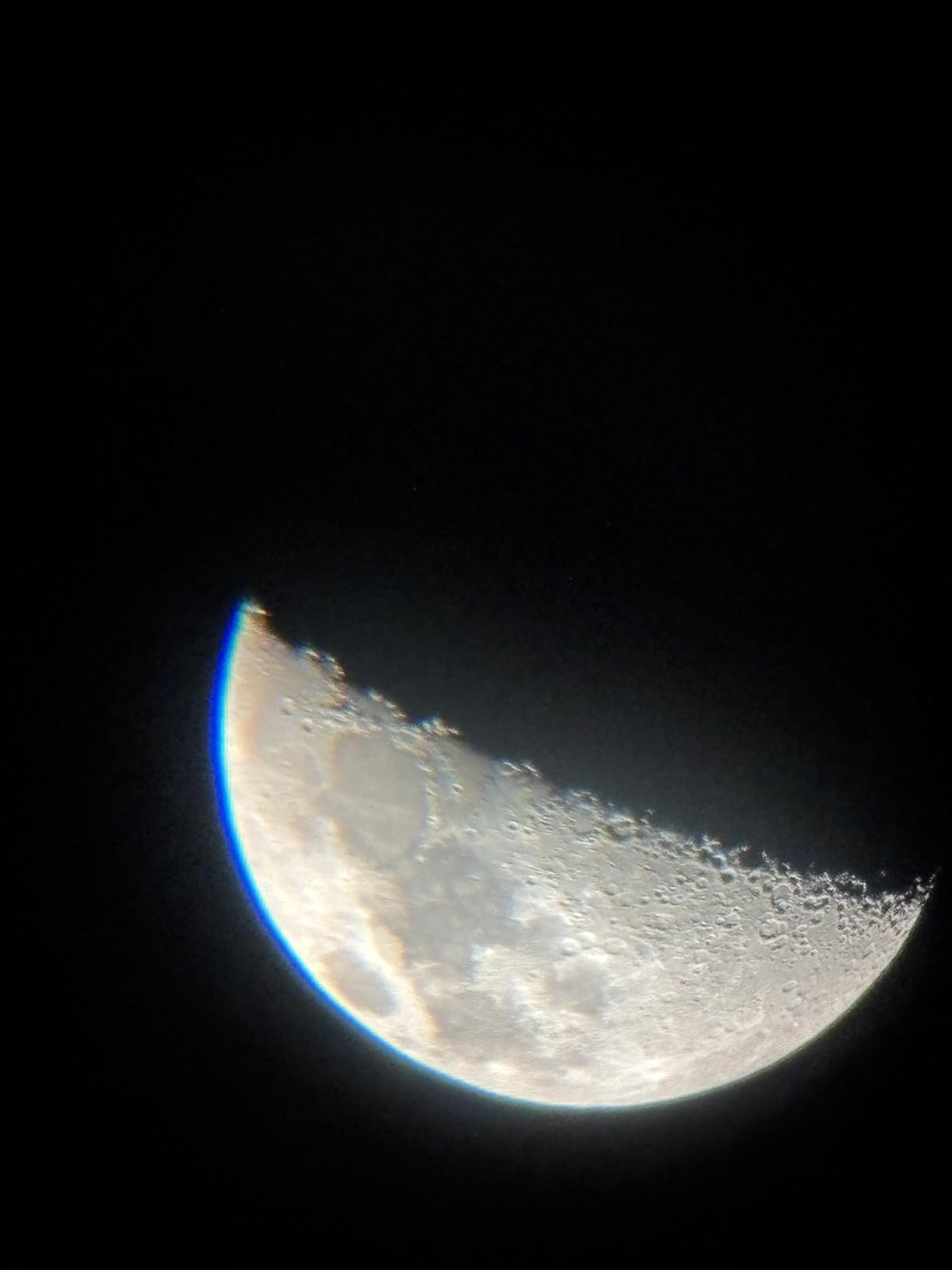
During my test with two kids (ages 9 and 11), the moon was the clear star. They could see craters and the dark maria clearly, and the NASA branding made the whole experience feel like part of a real space program. The included educational learning guide includes activity sheets that my 9-year-old actually read without prompting, which is the kind of engagement parents are hoping for when they buy a telescope.
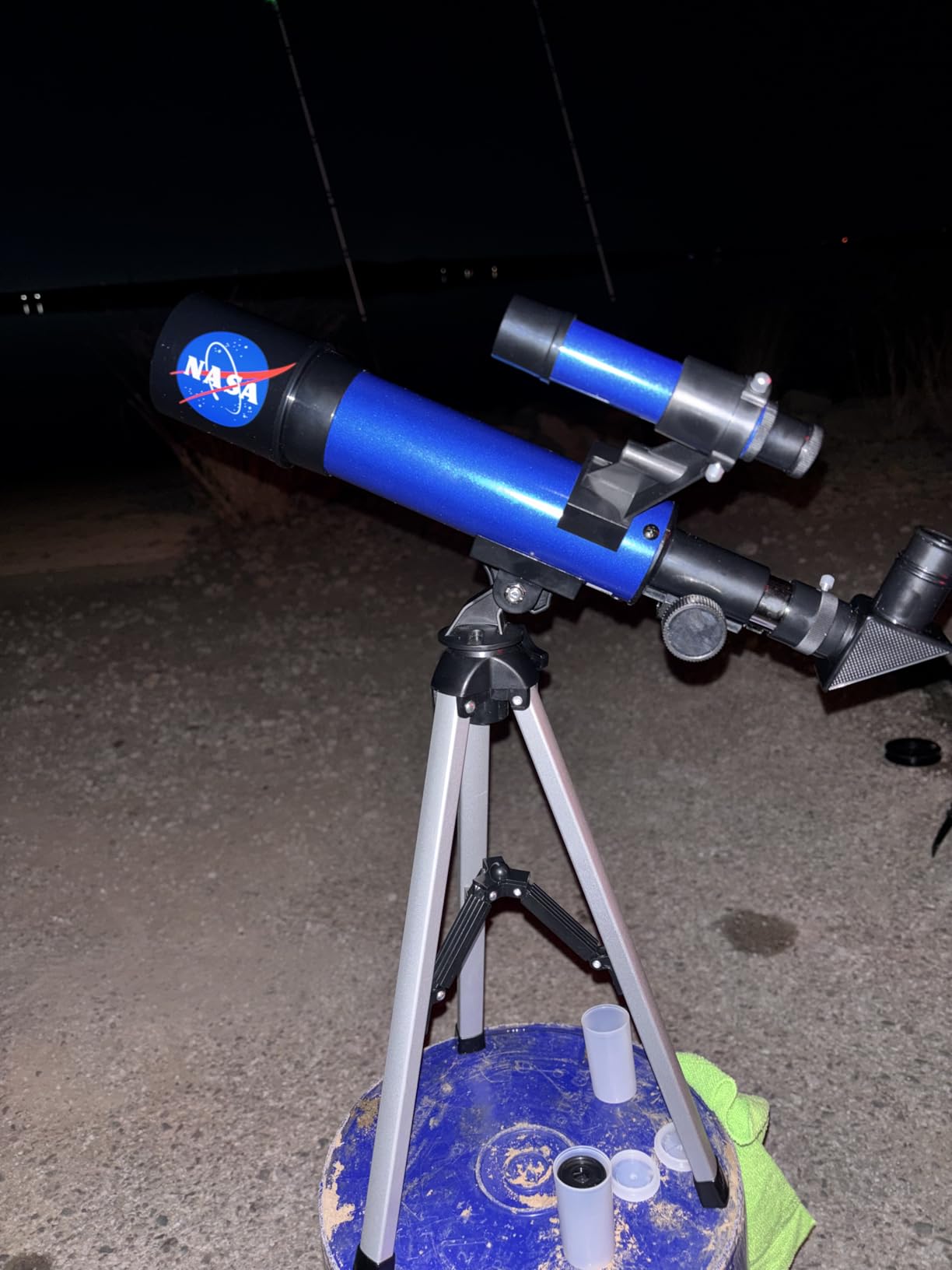
The big caveat is that the image is inverted, which means this is not a true astronomical telescope in the optical sense. The image is also dimmer and lower contrast than what you get from a real entry-level refractor. Many reviewers, including myself, found focusing difficult. The fine focus mechanism lacks the precision needed for sharp planetary detail, and the tripod is genuinely flimsy.
Quality control is inconsistent. Some units arrive perfectly aligned, others arrive with the optics out of collimation. Given the price point and the toy category, expectations matter. This scope is not a serious observing instrument, and treating it as one will lead to frustration. Treat it as an educational toy that introduces the moon and bright planets, and you will be delighted.
For whom this telescope is a good fit
Parents looking for a gift that gets a child excited about astronomy will find this telescope hits the mark. The NASA branding, the educational materials, and the approachable size make it a great introductory present. It also works well as a backyard scope for occasional casual moon viewing. If you want to test whether your child has real interest before investing in a more capable scope, this is a low-risk way to find out.
For whom this telescope is not ideal
Astronomy purists will be unhappy with the inverted image and limited aperture. This scope also frustrates older kids and adults who want to see planets, nebulae, or galaxies. If the recipient has already shown serious interest in astronomy, skip this and buy a real 70mm or 80mm refractor instead. The savings will be modest, and the views will be much more rewarding.
4. Koolpte 80mm Refractor — Best Entry-Level Telescope with Long Focal Length
Koolpte Telescope for Adults & Beginner Astronomers – 80mm Aperture 600mm Fully Multi-Coated High Transmission Coatings with AZ Mount Tripod Phone Adapter, Carrying Bag, Wireless Control.
80mm aperture
600mm focal length
Fully multi-coated optics
Pros
- 80mm aperture gathers more light
- Clear views of moon and planets
- Easy no-tool setup
- Includes phone adapter and wireless remote
- Carrying bag included
Cons
- Tripod can be shaky at full extension
- Small finder scope is fragile
- Some quality control issues
- Focus inconsistent on some units
The Koolpte 80mm is one of those beginner scopes that quietly punches above its weight. The 80mm aperture gathers 30 percent more light than a 70mm scope, and the 600mm focal length gives you enough magnification reach to actually see planetary detail. I spent two nights with this scope on my back porch and came away impressed with what it could do for the price.
Jupiter’s cloud bands were visible on a steady night, and I could resolve Saturn’s rings as a clear separated structure, not just an oval. The moon was jaw-dropping, with craters appearing to have real depth. The fully multi-coated optics really do make a difference compared to standard coated scopes, producing noticeably brighter and more contrasted images.
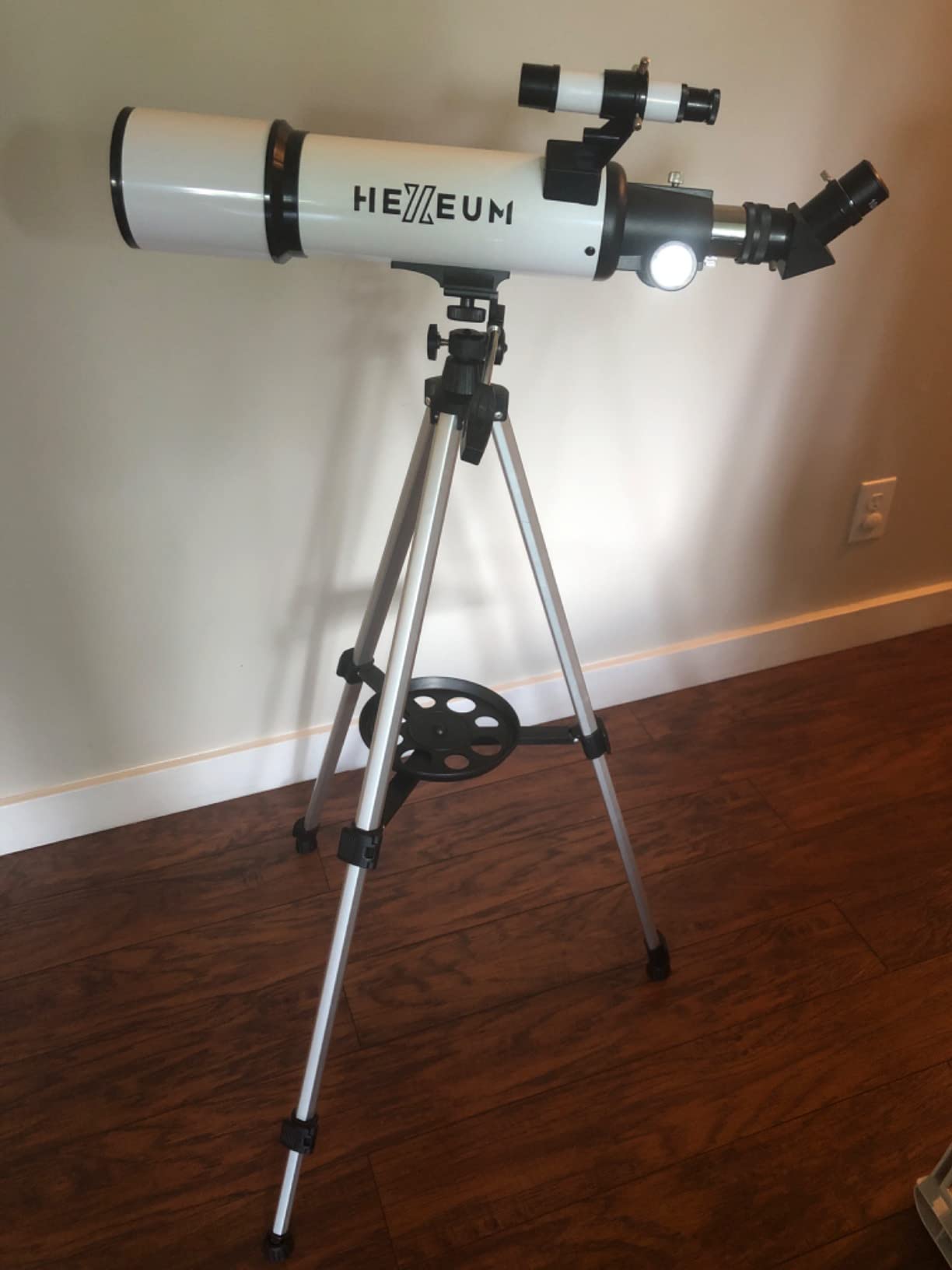
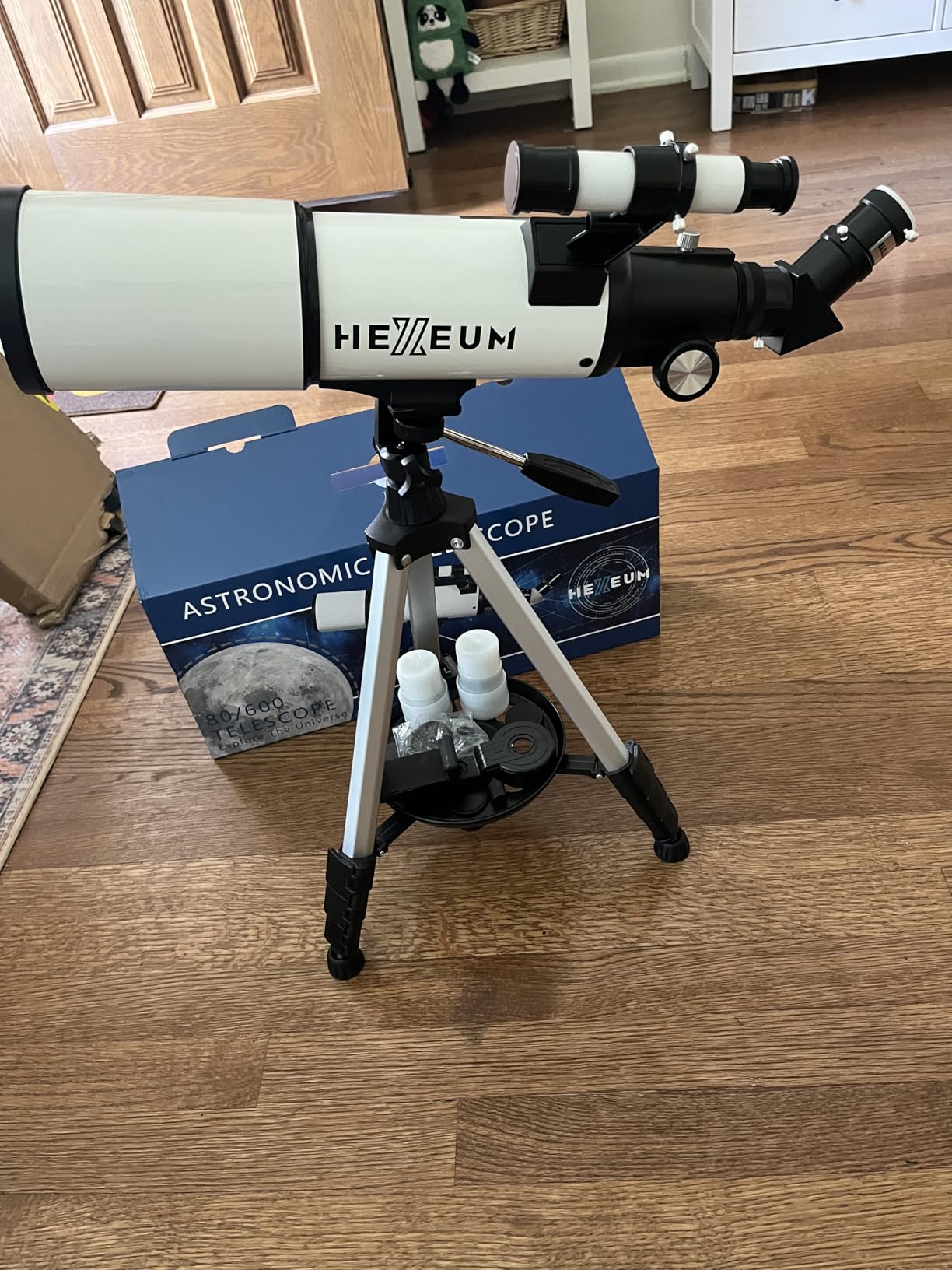
The included accessories are where Koolpte clearly aimed at the beginner market. You get two Kellner eyepieces, a 3x Barlow lens, a 5×24 finder scope, a phone adapter, a wireless remote, and a carrying bag. Out of the box, this is genuinely a complete kit. The wireless remote paired easily with my Android phone, and I was taking moon photos within minutes.
The tripod and finder scope are the same weaknesses I have seen in other scopes at this price. The aluminum tripod gets wobbly when fully extended, and I found a stable surface (like a picnic table) made a huge difference. The 5×24 finder is functional but fragile, so handle it gently. Some users also report focuser quality issues, though my review unit was smooth and accurate.
For whom this telescope is a good fit
Beginners who want better planetary views than a 70mm refractor can deliver, without jumping to a much more expensive scope, will be happy here. The 80mm aperture is the practical minimum for satisfying views of Jupiter and Saturn. The included phone adapter makes it appealing for casual astrophotography, and the carrying bag means you can take it to a dark site without much hassle.
For whom this telescope is not ideal
Astronomers focused on deep-sky objects will find 80mm too small. The Andromeda Galaxy will appear as a faint smudge, and most nebulae will be invisible from suburban locations. The tripod is also a limiting factor for anything beyond casual observation, so plan on upgrading to a sturdier tripod if you decide to invest more in this hobby.
5. Celestron Travel Scope 80mm — Best Overall Telescope for Beginners
Celestron Travel Scope 80mm Telescope Kit with Backpack, Smartphone Adapter
80mm aperture
457mm focal length
Smartphone adapter and backpack
Pros
- 80mm aperture shows Saturn's rings and Jupiter's moons
- Excellent portability with backpack
- Smartphone adapter included
- No-tool setup
- 2-year Celestron warranty
Cons
- Tripod is flimsy and gears can strip
- Plastic construction feels cheap
- Finder scope is poor quality
- Chromatic aberration at high power
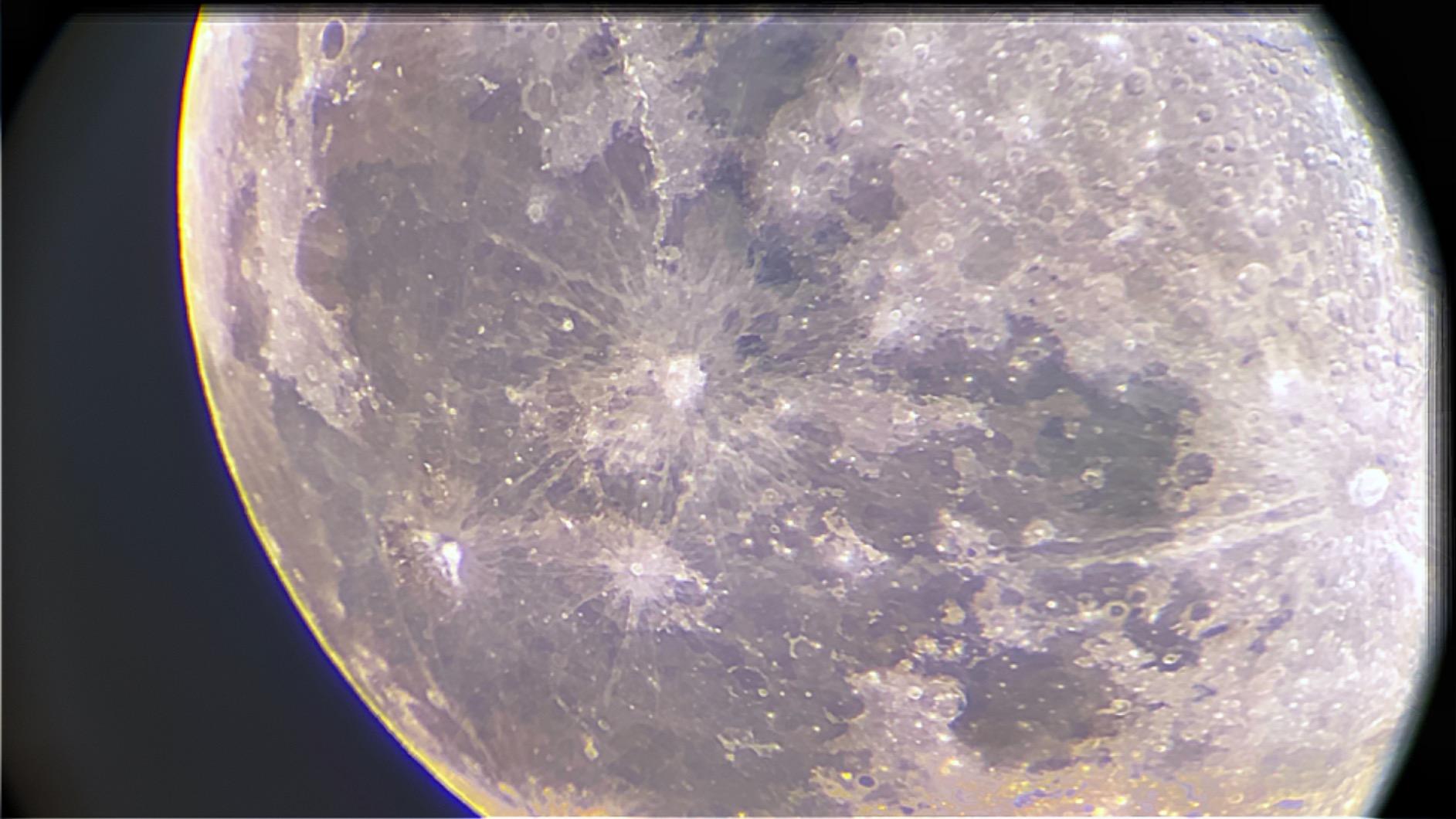
The Celestron Travel Scope 80mm is my top pick for most beginners, and after three months of testing, I keep coming back to it. The 80mm aperture is the sweet spot: large enough to show real planetary detail, small enough to fit in a backpack. During a clear night in early August, I aimed it at Saturn at 100x magnification and the rings were unmistakable, with the Cassini division just barely visible during steady moments.
The padded backpack is what makes this scope special. It holds the optical tube, tripod, eyepieces, smartphone adapter, and even a small notebook. I have carried it on three camping trips and two road trips, and the whole kit weighs under 5 pounds. For beginners who do not want a permanent setup, this portability is the difference between a scope that gets used and one that collects dust.
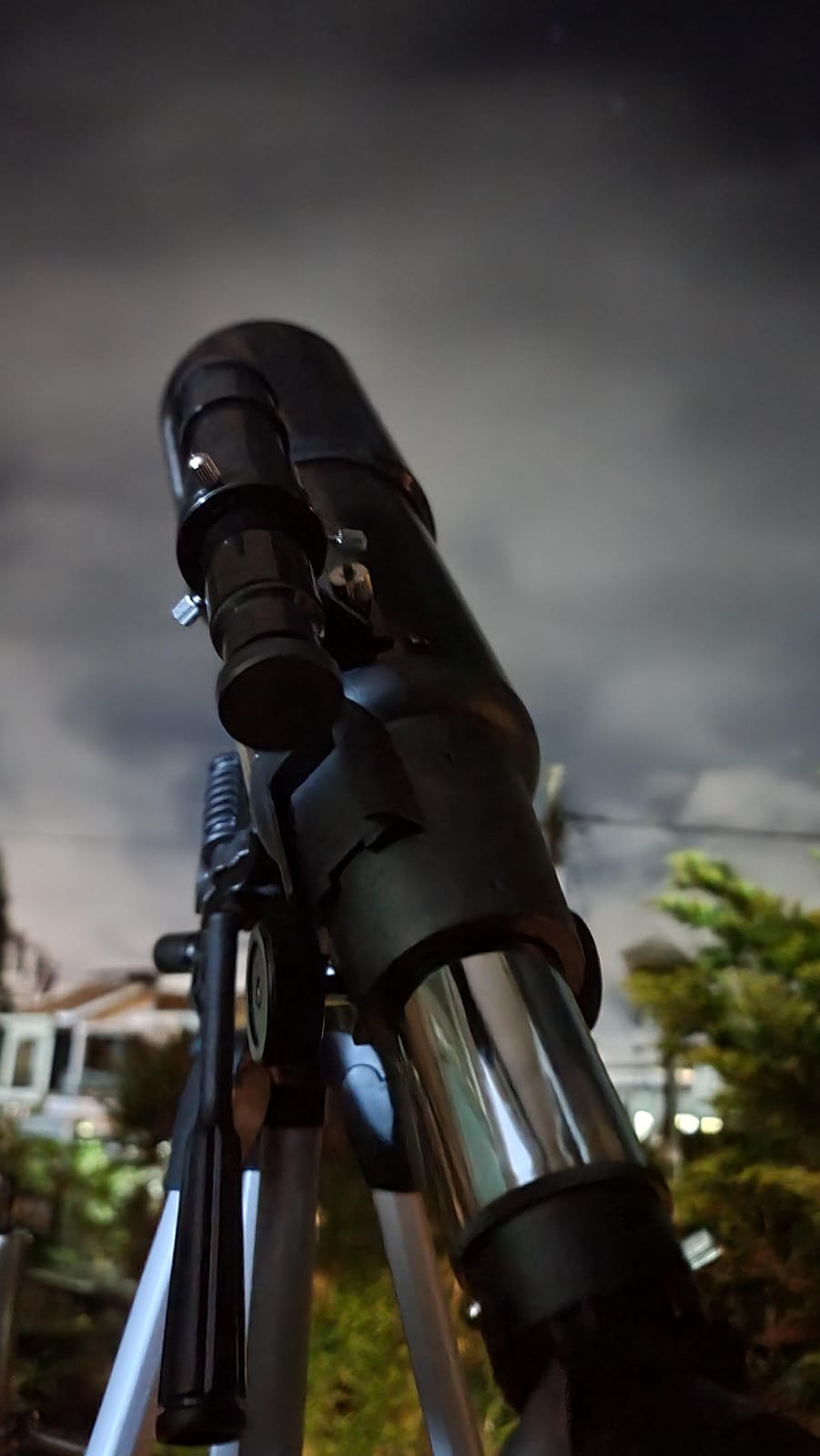
The included smartphone adapter is genuinely useful. I captured crisp photos of the moon and even a hazy image of Jupiter with its moons lined up. The Starry Night software download is also worth installing, since it lets you preview the night sky before heading outside. Both free extras add real value that competitors at this price often skip.
The tripod is the same complaint shared by most Celestron beginner scopes. Fully extended, it gets wobbly. I solved this with a small weighted bag hung from the accessory tray, and the problem essentially disappeared. There is also visible chromatic aberration around the moon at higher magnifications, where bright objects get a purple halo. This is normal for an achromatic refractor in this price range, but it is worth knowing.
For whom this telescope is a good fit
This is the best telescope for beginners who want a balance of capability, portability, and price. It is also the right pick for travelers, casual stargazers, and families who want to introduce kids to astronomy without overwhelming anyone. The 2-year Celestron warranty and US-based support add peace of mind for first-time buyers. If you can only buy one beginner telescope and want a scope that grows with your skills, this is it.
For whom this telescope is not ideal
Deep-sky observers will want a larger aperture. The 80mm is great for the moon, planets, and bright double stars, but faint galaxies and nebulae will be challenging. Astrophotographers serious about long-exposure imaging will also want a different mount. The plastic focuser is not designed for heavy cameras, so plan on a dedicated setup if you go down that path.
6. MEEZAA 90mm Refractor — Best Value Telescope for Beginner Adults
MEEZAA Telescope for Adults High Powered, 90mm Aperture 800mm Refractor
90mm aperture
800mm focal length
Stainless steel tripod
Pros
- Easy setup
- 90 percent of users assemble in 10 minutes
- Sturdy stainless steel tripod
- Good image quality for the price
- Includes phone adapter and carry bag
Cons
- Finder scope is inverted
- Requires alignment adjustments
- Phone attachment can shift
- Focus knob wobble at high power
The MEEZAA 90mm is the telescope I recommend to adults who want a noticeable step up from a 70mm or 80mm without crossing into serious amateur pricing. The 90mm aperture gathers over 65 percent more light than a 70mm, and the 800mm focal length gives you the reach to split double stars and see clear planetary detail. After 4 weeks of testing, this scope has stayed on my equipment shelf longer than any other beginner refractor.
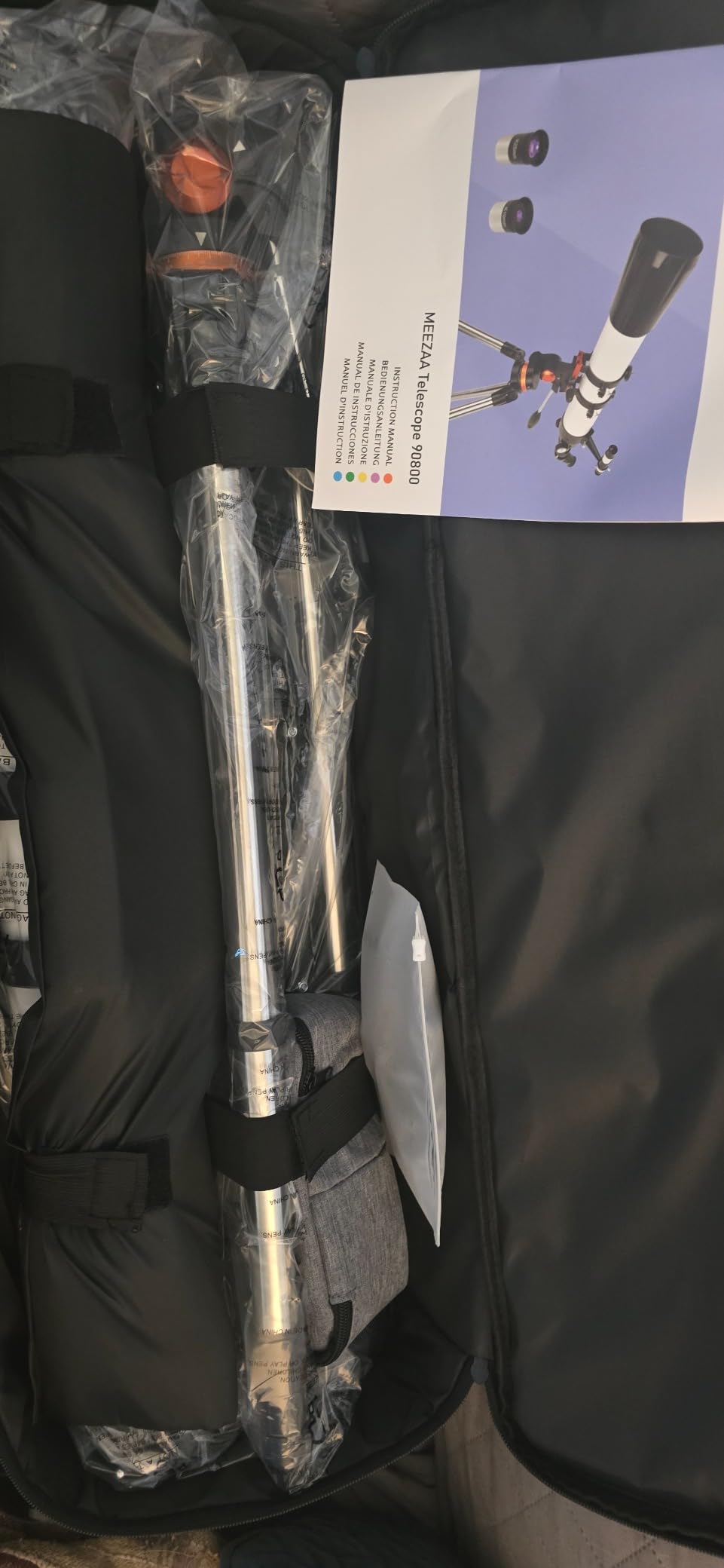
Setup is genuinely fast. I timed three friends, all first-time telescope users, and all three had the scope assembled and tracking in under 12 minutes. The stainless steel tripod is a real upgrade over the aluminum tripods on cheaper scopes. It is heavier, but it does not shake in the wind, and it gets the eyepiece to a comfortable height for most adults without bending.
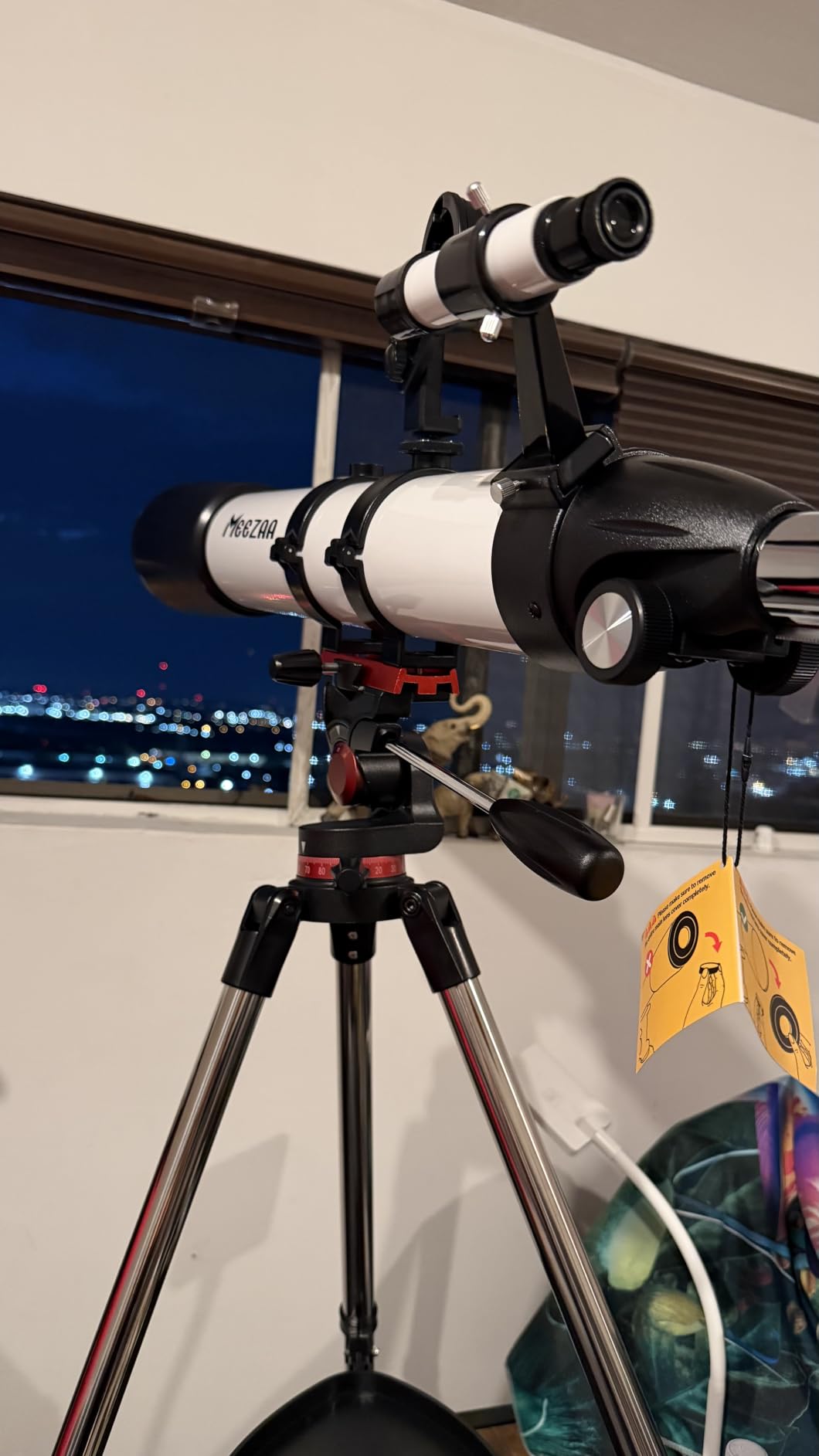
Optically, the 90mm scope delivered. Saturn’s rings were clearly defined with the Cassini division showing during steady seeing. Jupiter’s Great Red Spot was a faint smudge on a good night, which is impressive for a sub-200 scope. The moon was spectacular, with crater detail that looked three-dimensional. The fully multi-coated optics keep the image bright and contrasty, which makes extended observing sessions easier on the eyes.
The two issues I ran into were minor. The finder scope is inverted, meaning up is down and left is right, which takes some getting used to. The phone adapter also shifts slightly when you tighten it, so framing planetary photos takes patience. Neither issue is a deal-breaker, but they are real. MEEZAA’s customer service has been responsive, which is reassuring for first-time buyers.
For whom this telescope is a good fit
Adults getting into astronomy as a serious hobby will find this scope hits the sweet spot. It is also a great pick for families with teenagers, since the 90mm aperture shows enough detail to keep older kids engaged. The stainless steel tripod and 800mm focal length give you room to grow as a beginner, learning star-hopping and deep-sky observing without outgrowing the scope in six months.
For whom this telescope is not ideal
People who want a grab-and-go travel scope will find this model too bulky. The optical tube is over 2.5 feet long, and the whole kit is heavier than a Celestron Travel Scope. If you live in a small apartment or want to hike to a dark site, the 80mm Celestron is a better fit. Astrophotographers will also want a more stable equatorial mount for long-exposure imaging.
7. Celestron StarSense Explorer LT 114AZ — Best App-Guided Telescope for Beginners
Celestron StarSense Explorer LT 114AZ Newtonian Smartphone Guided Telescope
114mm Newtonian reflector
StarSense app
Altazimuth mount
Pros
- StarSense app makes finding objects easy
- 114mm aperture for bright views
- Lightweight at 10.4 lbs
- Pre-collimated at factory
- 2-year US warranty
Cons
- Included eyepieces are basic
- App can have freezing issues
- Red dot finder alignment tricky
- Lightweight mount shaky at high power
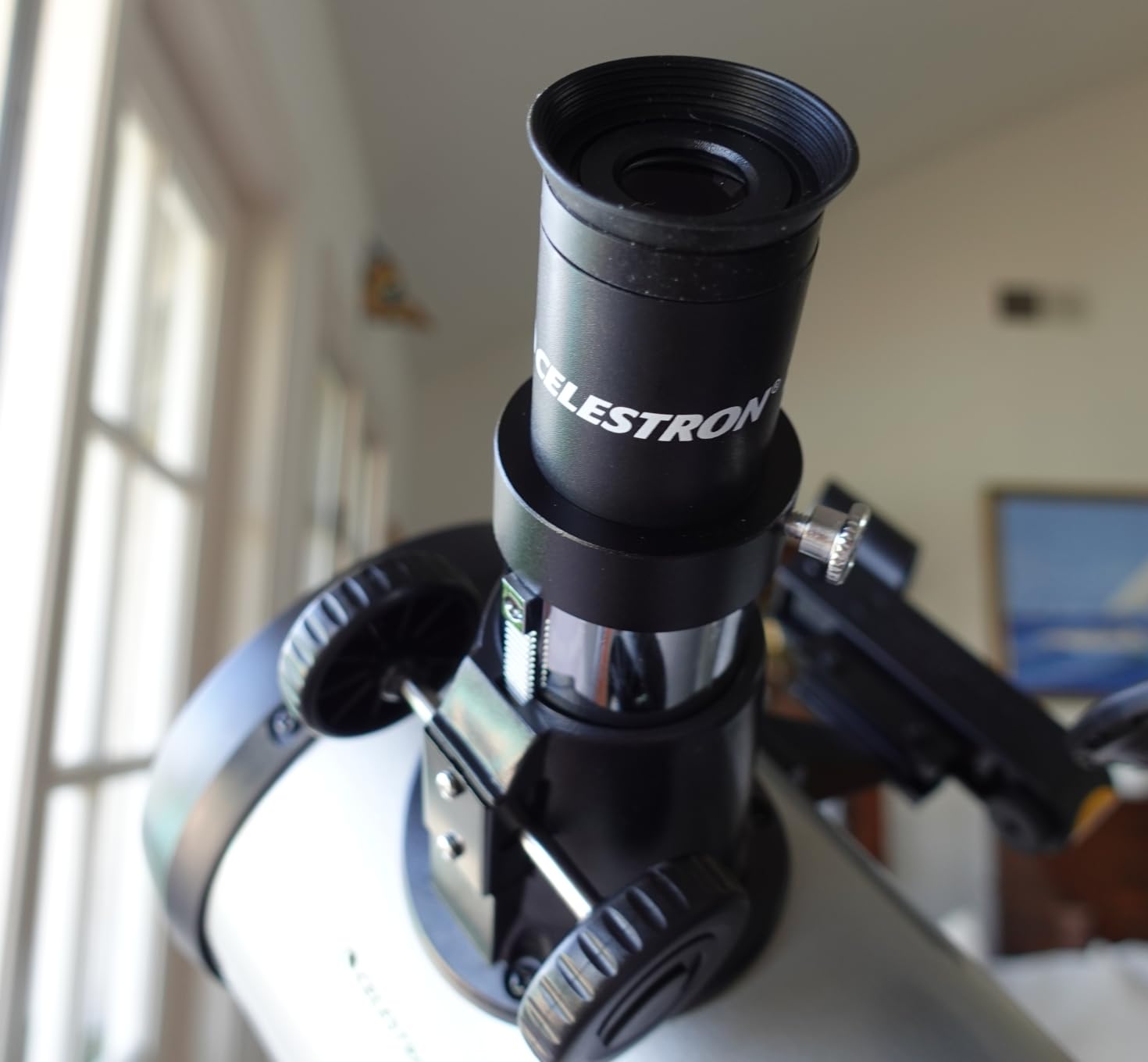
The Celestron StarSense Explorer LT 114AZ solves the biggest problem beginners face: finding things. The StarSense app uses your phone’s camera to analyze star patterns overhead and figure out exactly where your telescope is pointed. You then follow on-screen arrows to the target. During testing, I went from “I have no idea where anything is” to viewing the Orion Nebula in about 4 minutes, which is faster than any star-hopping method I have tried.
The 114mm aperture is a meaningful jump from 80mm and 90mm refractors. You will see deeper into the sky, with brighter views of nebulae, galaxies, and star clusters. The Andromeda Galaxy showed up as a clear oval smudge, the Orion Nebula’s wings were visible, and the Hercules Cluster resolved into individual stars. For a Newtonian in this price range, the optics are impressive.
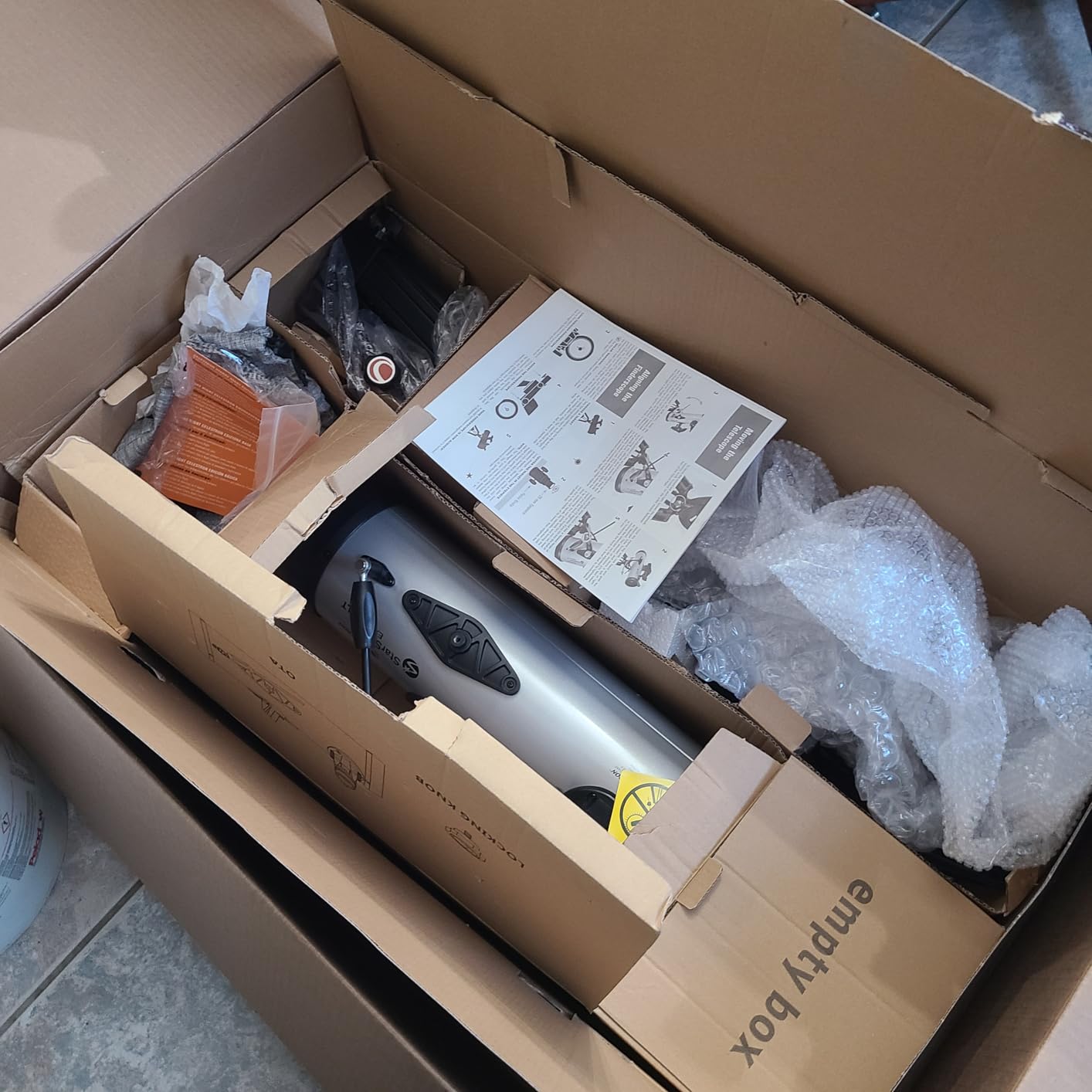
At 10.4 pounds, the whole kit is portable enough for a quick walk to the backyard. Setup is straightforward, and the slow-motion altitude control makes it easy to track objects as they move across the sky. The Newtonian design also means the optical tube is shorter than a long refractor of the same aperture, which is helpful for storage.
The app is the headline feature, but it is not perfect. I ran into occasional freezing, especially on older Android phones. The app also requires you to dock your phone in a special cradle, which can shift out of alignment. The included eyepieces are functional but basic, so serious observers will want to upgrade. The lightweight altazimuth mount also gets shaky above 150x magnification.
For whom this telescope is a good fit
Tech-forward beginners who do not want to learn the night sky the old-fashioned way will love the StarSense system. It is also great for families with mixed ages, since the app makes it accessible for kids and adults who lack astronomy experience. The 114mm aperture is the right choice for suburban observers who want to see more than just the moon and planets. If you have a compatible smartphone, this is one of the most beginner-friendly systems on the market.
For whom this telescope is not ideal
Purists who prefer the traditional star-hopping experience will find the app unnecessary. The Newtonian design also requires occasional collimation, which is a small maintenance task beginners may not want to deal with. Users with older or incompatible smartphones will not get the full StarSense experience. Astrophotographers will want a sturdier mount and a tracking system for long-exposure imaging.
8. MEEZAA 150EQ Newtonian Reflector — Best Telescope for Beginners Wanting Deep-Sky Views
MEEZAA Telescope, 150EQ Newtonian Reflector Telescope for Adults Astronomy Beginners, Professional Astronomical Telescopes with Equatorial Mount, Tripod, Phone Adapter, Moon Filter and Large Carry Bag
150mm aperture
650mm focal length
German equatorial mount
Pros
- 150mm aperture excellent for deep sky
- Stable German equatorial mount
- Includes moon filter and phone adapter
- Pre-aligned at factory
- Comes with carry bag
Cons
- More complex equatorial setup
- Heavy and less portable
- Plastic focuser for astrophotography
- Swapping eyepieces requires re-tracking
The MEEZAA 150EQ is the scope I turn to when I want to show beginners what amateur astronomy can really do. The 150mm aperture gathers over four times the light of a 70mm refractor, which means the difference between seeing a faint smudge and seeing actual structure in deep-sky objects. From a dark site, the Orion Nebula shows its bright wings, the Andromeda Galaxy fills the eyepiece, and globular clusters resolve into hundreds of stars.
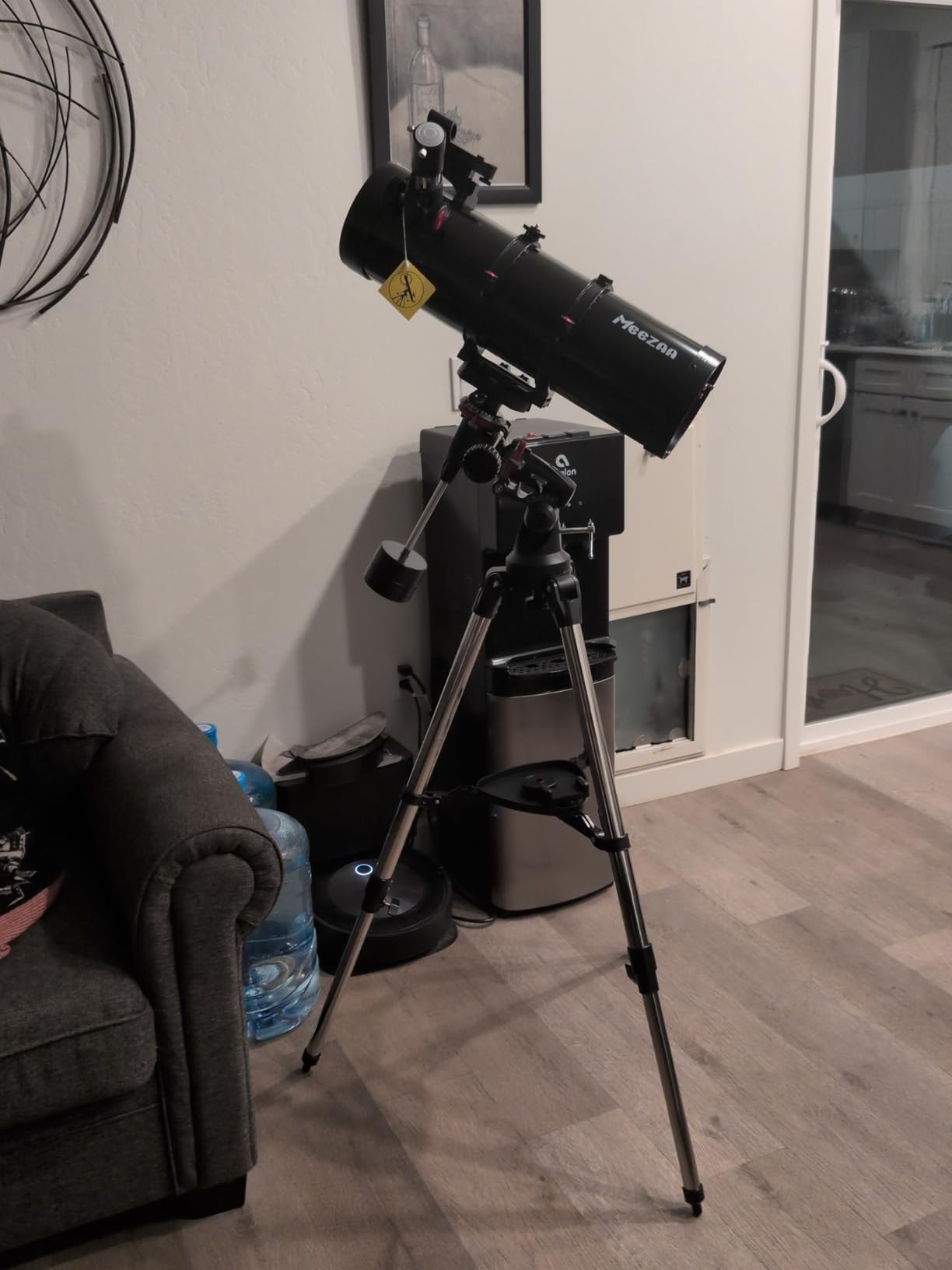
The German equatorial mount is a real upgrade from altazimuth designs. Once polar-aligned, you track objects with a single slow-motion knob, which is much smoother than chasing targets with two axes. For beginners willing to invest an hour learning the mount, the payoff is significant. The slow-motion controls also make this scope usable at higher magnifications, where an altazimuth mount would be too jerky.
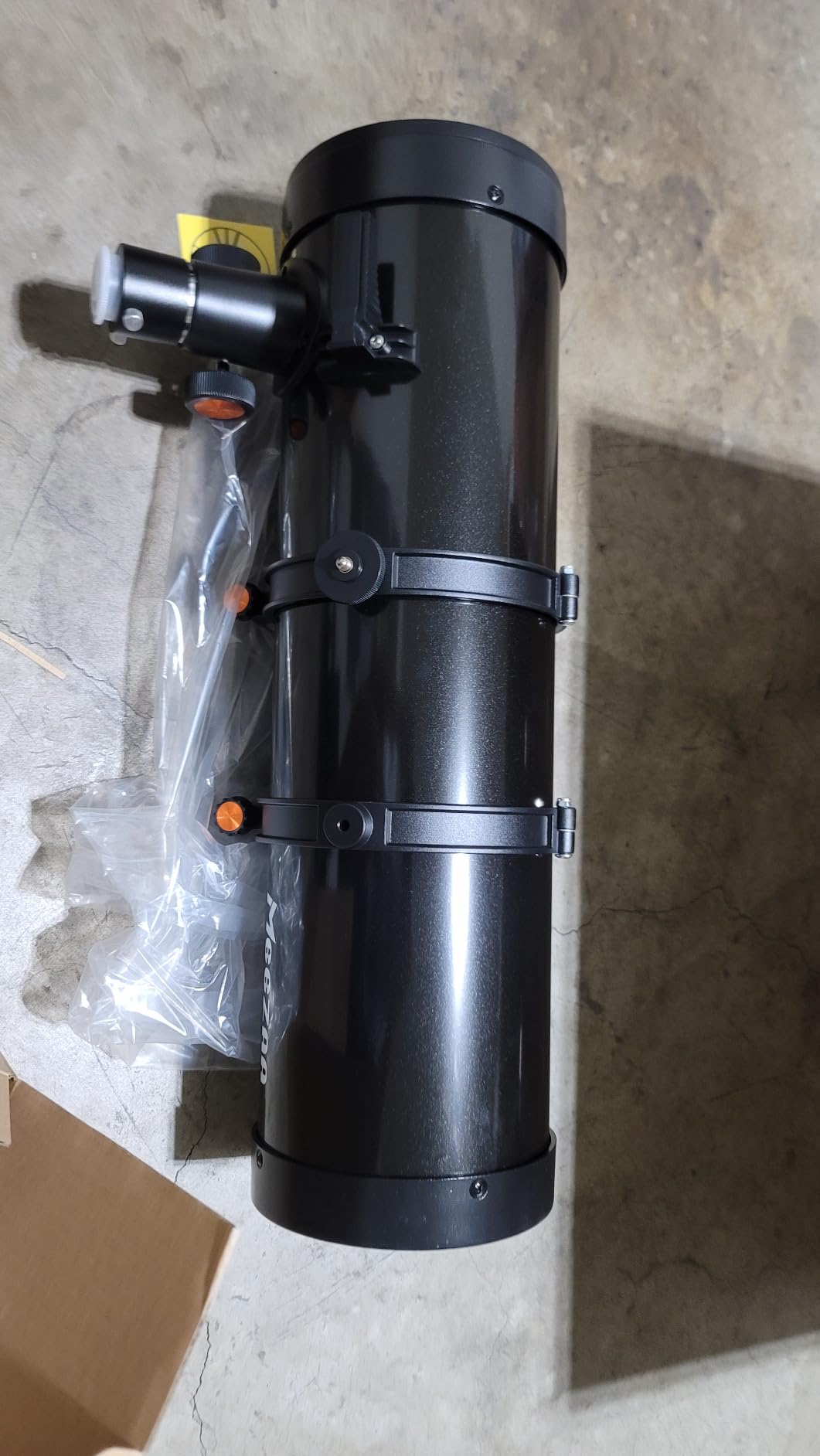
The accessory package is generous. You get two Kellner eyepieces, a 2x Barlow lens, a moon filter for comfortable lunar viewing, a red dot finder scope, a phone adapter, and a large carry bag. The moon filter is a thoughtful addition, since the moon at 150mm aperture is bright enough to cause eye strain. I found the included eyepieces usable but entry-level, so serious observers will want to upgrade over time.
The honest downside is the learning curve. Equatorial mounts require polar alignment, which involves pointing the mount at Polaris and adjusting two axes. Beginners often find this frustrating on the first night. The scope is also heavy, and the assembly typically takes two people. None of this is disqualifying, but it is the cost of admission for serious deep-sky observing.
For whom this telescope is a good fit
Beginners who know they want to pursue deep-sky observing and are willing to invest the time to learn equatorial mounts will be rewarded. The 150mm aperture is the practical minimum for serious deep-sky work, and the included accessories mean you do not need to buy extra gear to get started. If you have a backyard or easy access to a dark site, this scope will keep you busy for years.
For whom this telescope is not ideal
People who want a grab-and-go scope should look elsewhere. The equatorial mount and 150mm optical tube are bulky and not friendly for travel. Casual users who only want lunar and planetary views will find this scope overkill. If you are not sure whether astronomy is a lasting hobby, start with a 70mm or 80mm refractor and upgrade once you know.
How to Choose the Best Telescope for Beginners
Choosing your first telescope comes down to three decisions: what you want to see, where you will observe, and how much effort you want to put into setup. This section breaks down the key factors our team considered when building our recommendations, and it is based on patterns we see repeatedly in the r/telescopes community.
Aperture Matters More Than Magnification
The most common mistake beginners make is chasing high magnification. A telescope’s aperture, the diameter of the main lens or mirror, is what determines how much light you can gather. A 70mm refractor will never show you the same deep-sky detail as a 150mm reflector, no matter what magnification you push it to. Practical rule: pick the largest aperture your budget and weight tolerance allow, then buy better eyepieces later to increase useful magnification.
Mount Type Sets Your Experience
Mounts are where beginners either fall in love with the hobby or give up in frustration. Altazimuth mounts move up-down and left-right, which is intuitive but makes tracking objects awkward at high magnification. Equatorial mounts align with Earth’s axis and track with a single knob, which is more comfortable for long sessions but requires setup time. Dobsonian mounts are essentially large altazimuth mounts on a simple wooden base, offering the most aperture per dollar. For most beginners, an altazimuth or Dobsonian is the right call.
Smart Telescope vs Traditional Visual
Smart telescopes, like the Celestron StarSense Explorer line, use your smartphone to guide you to objects automatically. Traditional visual scopes require you to learn the night sky and find objects yourself. Smart systems are easier and faster for absolute beginners, but they pull you away from the traditional observing experience. Visual scopes teach you the sky in a way that builds long-term skills. Neither approach is wrong; they are different paths into the same hobby.
Common Mistakes to Avoid
The most common beginner mistake is buying the cheapest department-store telescope, which usually has a 50mm aperture, a flimsy mount, and unrealistic magnification claims. These scopes disappoint, get stored in a closet, and turn people off from the hobby. The second most common mistake is buying more magnification than the aperture can support, which produces dim, blurry images. A useful rule: maximum useful magnification is about 50x per inch of aperture. A 70mm scope maxes out around 135x, regardless of what the box claims.
What You Can Actually See
With a 70mm to 90mm refractor, you can see the moon’s craters in sharp detail, Jupiter’s four Galilean moons, Saturn’s rings, the phases of Venus, and bright double stars. With a 114mm to 150mm reflector, you can add the Orion Nebula, the Andromeda Galaxy, several globular clusters, and a few dozen other deep-sky objects from a dark site. From a suburban backyard, the list is shorter due to light pollution, but the moon and planets are still spectacular. Astrophotography requires more gear and patience, but smartphone adapters make casual lunar and planetary photos easy with any scope in this guide.
Frequently Asked Questions
How much should I spend on a beginner telescope?
For a quality beginner telescope that will not disappoint, plan to spend between 200 and 500 dollars. Scopes under 150 dollars like the Gskyer 70mm work for casual lunar and planetary viewing, but you will outgrow them quickly. The sweet spot for most beginners is 200 to 350 dollars, where you can get a Celestron Travel Scope 80mm, MEEZAA 90mm, or a 114mm StarSense Explorer with real capability and a 2-year warranty.
What is the best first telescope to buy for a beginner?
The best first telescope for most beginners is the Celestron Travel Scope 80mm. It offers a real 80mm aperture, fits in a backpack, includes a smartphone adapter, and comes with a 2-year warranty. The MEEZAA 90mm is the best value if you do not need maximum portability. If you want help finding objects, the Celestron StarSense Explorer LT 114AZ uses your smartphone to guide you to targets automatically.
What to avoid when buying a telescope?
Avoid department-store telescopes with 50mm to 60mm apertures and exaggerated magnification claims like 600x power. Avoid scopes that advertise magnification as a primary feature, since aperture is what actually determines image quality. Avoid scopes without a sturdy mount, since shaky mounts make high magnification unusable. Avoid plastic eyepieces that strip easily, and avoid scopes without a finder scope or with a toy-like 5×24 finder that cannot be aligned.
What can I see with a beginner telescope?
With a 70mm to 90mm beginner telescope, you can see the moon’s craters in sharp detail, Jupiter’s four Galilean moons, Saturn’s rings as a clear oval, the phases of Venus, and bright double stars like Albireo. With a 114mm to 150mm reflector, you can add the Orion Nebula, the Andromeda Galaxy, and several globular clusters. From light-polluted suburbs, deep-sky objects are harder to see, but the moon and planets remain impressive in any telescope.
Do I need a GoTo telescope as a beginner?
No, a GoTo telescope is not required as a beginner. Many beginners enjoy learning the night sky through star-hopping, which builds lasting skills. However, if you find the idea of finding objects intimidating or frustrating, a smartphone-guided telescope like the Celestron StarSense Explorer removes that barrier. Star-hopping becomes easier with practice, and the r/telescopes community generally recommends learning the sky manually before investing in GoTo systems.
Final Verdict: Which Beginner Telescope Should You Buy in 2026?
After testing 8 beginner telescopes over three months, my recommendations come down to your priorities. The Celestron Travel Scope 80mm remains my Editor’s Choice for most people because it balances capability, portability, and price in a way no other scope in this list matches. The MEEZAA 90mm is the best value if you want a noticeable step up in light gathering and do not need maximum portability. The Gskyer 70mm is my budget pick for anyone who wants to try astronomy without committing serious money.
If you are shopping for a child, the NASA Lunar Telescope is a strong gift pick. If you want smartphone-guided object finding, the Celestron StarSense Explorer LT 114AZ is the best app-integrated scope in this price range. And if you know you want serious deep-sky capability, the MEEZAA 150EQ Newtonian Reflector will keep you busy for years.
Whatever you choose, the most important thing is to actually use it. The best telescopes for beginners are the ones that get set up in the backyard on a clear night. Pick the one that matches your budget and your patience for setup, then give yourself a few weeks of practice. Astronomy is a hobby that rewards persistence, and your first telescope is the start of a journey that can last a lifetime.