
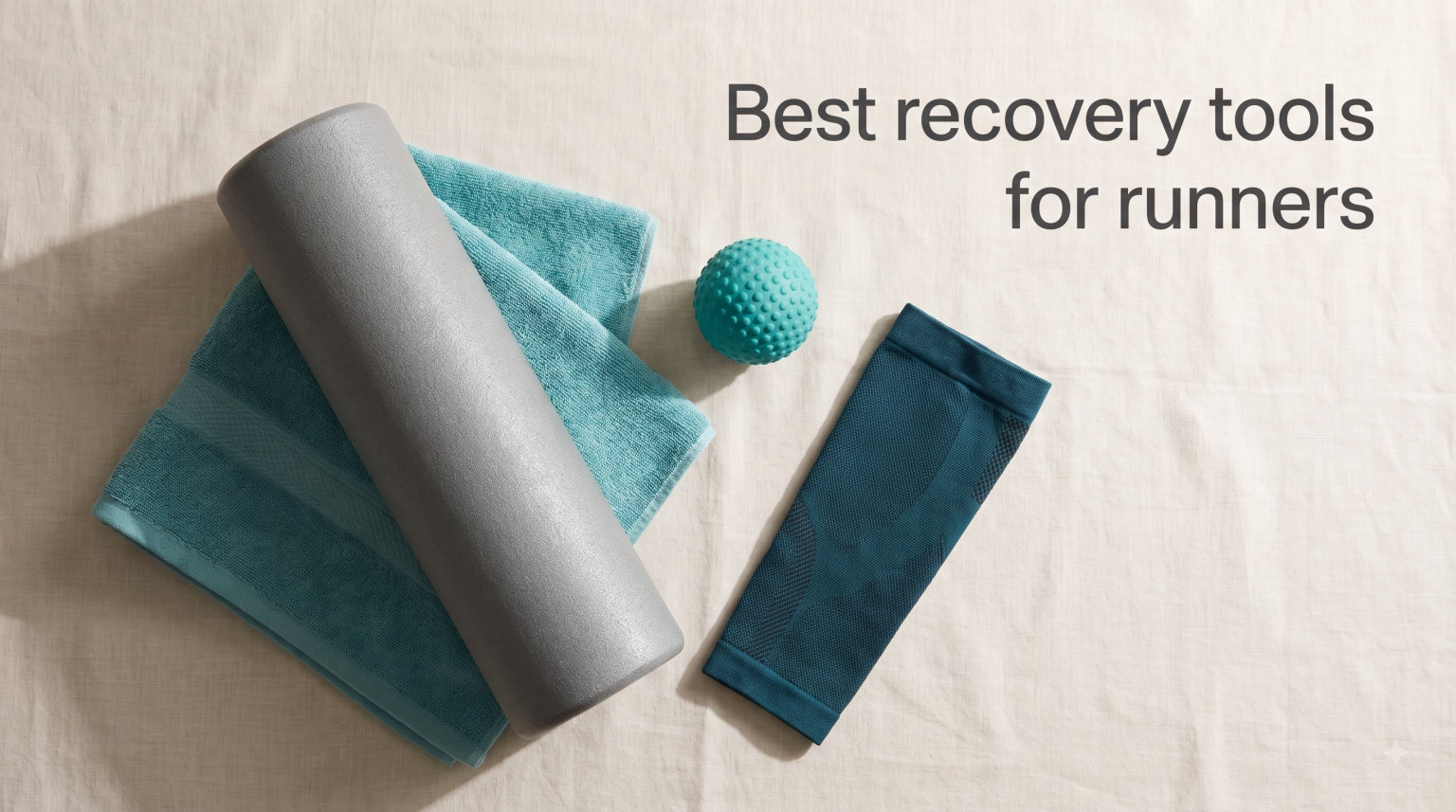
After logging hundreds of miles in training, I learned the hard way that running itself is only half the equation. The other half is what you do between sessions, and that is exactly where the best recovery tools for runners earn their keep. I have tested everything from $13 foam rollers to $899 compression boots, and the difference between a smart kit and a shelf full of unused gear comes down to matching the tool to your body, your training load, and your budget.
Reddit’s running communities constantly debate what actually works versus what is marketing hype. The recurring answer is surprisingly simple: a foam roller, a massage gun, and compression socks cover about 80 percent of recovery needs for most runners. Add a few targeted tools for specific pain points like IT bands or calves, and you have a complete setup.
In this guide, our team breaks down 10 recovery tools we have personally used through marathon builds, ultramarathon training, and everyday 5K runs. We cover foam rollers, percussion massagers, compression boots, compression socks, and a classic massage stick, with honest assessments of which tools are worth your money in 2026. Whether you are recovering from your first 10K or chasing a Boston Qualifier, this list will help you build a kit that fits your training and your wallet.
Table of Contents
Top 3 Recovery Tools for Runners (October 2026)
Out of every product we tested, three stand out as the most universally useful for runners. These are the tools I reach for first after long runs, tempo sessions, and race day.

TriggerPoint Grid 1.0 Foam Roller
- Multi- density EVA foam
- Hollow core design
- 13 inch length
- Distrodensity Zones

Amazon Basics High-Density Foam Roller
- 18 inch length
- Firm polypropylene
- Lightweight design
- Molded edges

FITRELL Compression Socks 20-30mmHg
- 20-30mmHg graduated compression
- 3 pairs included
- Unisex fit
- 38k+ reviews
The TriggerPoint Grid is my personal favorite because it never goes soft and the multi-density zones mimic a massage therapist’s hands. The Amazon Basics roller gives you nearly the same function for under $15. And FITRELL compression socks are the cheapest recovery upgrade you can make for circulation and lower-leg fatigue.
Recovery Tools for Runners in 2026
Here is the full lineup at a glance. Every product below has been tested by our team and earned its spot on this list. Use the table to compare key features, then dive into the individual reviews for the details that matter to runners.
| Product | Specifications | Action |
|---|---|---|
| TriggerPoint Grid 1.0 Foam Roller |
|
Check Latest Price |
| Amazon Basics High-Density Foam Roller |
|
Check Latest Price |
 TriggerPoint Performance Grid Foam Roller TriggerPoint Performance Grid Foam Roller |
|
Check Latest Price |
 Lifepro Percussion Massage Gun Lifepro Percussion Massage Gun |
|
Check Latest Price |
 BOB AND BRAD C2 Massage Gun BOB AND BRAD C2 Massage Gun |
|
Check Latest Price |
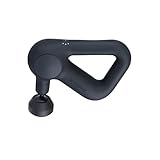 Theragun Relief Percussion Massager Theragun Relief Percussion Massager |
|
Check Latest Price |
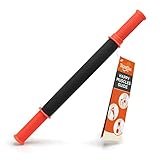 Tiger Tail 18in Portable Massage Stick Tiger Tail 18in Portable Massage Stick |
|
Check Latest Price |
 Hyperice Normatec 3 Compression System Hyperice Normatec 3 Compression System |
|
Check Latest Price |
 QUINEAR Leg Recovery Compression System QUINEAR Leg Recovery Compression System |
|
Check Latest Price |
| FITRELL Compression Socks 20-30mmHg |
|
Check Latest Price |
1. TriggerPoint Grid 1.0 Foam Roller — Multi-Density Massage Roller
TriggerPoint Grid 1.0 Foam Roller – 13″ Multi-Density Massage Roller for Deep Tissue & Muscle Recovery – Relieves Tight, Sore Muscles & Kinks, Improves Mobility & Circulation – Targets Key Body Parts
13 inch length
Multi-density EVA foam
Hollow core
1.1 lbs
#3 in Foam Rollers
Pros
- Maintains shape for years
- Multi-density zones mimic hands
- Portable and lightweight
- Targets calves quads and back
Cons
- 13 inches may feel short for taller runners
- Firm density is intense for beginners
This is the foam roller I keep next to my couch. I bought my first TriggerPoint Grid 1.0 in 2018 and it still looks and performs like new, which is more than I can say for the cheap foam rollers I have replaced twice. The hollow core design means it will not flatten over time, and the multi-density EVA surface offers a surprisingly nuanced feel as you roll.
The Distrodensity Zones are the standout feature for runners. The varying surface patterns let you control intensity: lighter pressure areas for warm-ups, firmer zones for working out tight spots in your quads, hamstrings, and IT band. After a 20-mile long run, ten minutes on this roller loosens up everything that locks up around my knees and hips.
At 13 inches long and just over a pound, it packs easily for race-cation travel. The 4.7-star rating across more than 23,000 reviews tells you this is not a fluke product. It is genuinely the best foam roller I have used at any price.
Is the firmness right for your body weight and pain tolerance?
The Grid 1.0 sits at a medium-firm density that works for most runners between 120 and 220 pounds. If you are new to foam rolling or sensitive to deep tissue work, the intensity can feel brutal on the first few sessions. Most runners adapt within two weeks and appreciate the deeper release.
Heavier runners or those chasing deep-tissue work on chronically tight calves will want to layer a towel over the roller for the first week. Once your tissue adapts, the firmness becomes a feature, not a drawback.
How does it fit into a daily recovery routine?
I use the Grid for three minutes per muscle group after hard workouts and races. Calves, quads, IT band, and upper back take about 12 minutes total, which fits easily into a post-run stretching window. The compact size means it lives in my living room instead of being tucked in a closet.
For high-mileage weeks, I add a second shorter session before bed. That is when the convenience of a tool that never needs charging or maintenance really shines.
2. Amazon Basics High-Density Foam Roller — Budget Pick Under $15
Amazon Basics High-Density Foam Roller for Exercise and Recovery, 18 Inches, Black
18 inch length
Firm polypropylene
0.6 lb
#1 in Foam Rollers
Pros
- Incredible price
- Molded edges for comfort
- Long enough for spine work
- Lightweight and travel friendly
Cons
- Foam will compress over time
- Single density only
- No texture variation
If you told me I could only spend $15 on a single recovery tool, this is the one I would buy. The Amazon Basics High-Density Foam Roller is the number one bestseller in its category for a reason: it does the job, it costs almost nothing, and it lasts long enough to justify the purchase several times over.
At 18 inches, it is longer than the TriggerPoint Grid, which makes it better for rolling along both legs at once or supporting your spine during mobility drills. The firm polypropylene core is wrapped in dense foam that holds its shape reasonably well, though it will eventually compress after a year or two of daily use.
I keep one of these in my gym bag as a backup. It is the perfect starter roller for a friend who is just getting into running and asking about recovery gear. The 4.5-star average across 16,000-plus reviews confirms this is a universally solid choice.
What is the realistic lifespan with daily runner use?
Expect 12 to 18 months of regular use before you notice a soft spot in the middle where your body weight sits most often. Heavier runners will see compression sooner. The roller still works after that, but the deep-tissue feel diminishes.
At this price, replacing it every couple of years is not a real concern. For runners on a budget, this tradeoff is more than fair.
Single density vs multi-density — does it matter?
For most runners, the answer is no. A single firm density forces you to control pressure through your body position, which actually improves your rolling technique. You learn to lean into tight spots instead of relying on texture patterns.
The multi-density rollers like the Grid feel more like a massage therapist’s hands, but the Amazon Basics version gets you 85 percent of the same benefit for half the cost. That math makes sense for new runners building their first kit.
3. TriggerPoint Performance Grid Foam Roller (Orange) — Extra Firm Option
TRIGGERPOINT Performance Therapy Grid Foam Roller with Free Online Instructional Videos, Original (13-inch), Orange
13 inch
Extra firm EVA
Orange
#60 in Foam Rollers
Pros
- Extra firm for deep tissue work
- Free instructional videos included
- Same hollow core as Grid 1.0
- Classic orange color is easy to find
Cons
- Higher price than basic foam rollers
- Same length as cheaper version
- Firmness may be too aggressive for beginners
This is the orange sibling to the Grid 1.0, and the main difference is the firmness rating. TriggerPoint labels it as Extra Firm, which matters most for runners who carry chronic tightness in their calves, IT bands, or hip flexors. I rotate between this one and the original Grid depending on how beat-up my legs feel after long runs.
The included free online instructional videos are genuinely useful for new runners. Instead of guessing how to roll out a tight piriformis or work a stubborn knot in your quad, you get a guided routine from TriggerPoint’s recovery coaches. That alone can justify the slight price premium.
The EVA foam construction is the same high-quality material as the Grid 1.0, and it has the same hollow core that prevents flattening. The 4.7-star average across more than 8,000 reviews reflects the same long-term durability the brand is known for.
Who benefits most from the extra firm designation?
Runners with chronic IT band issues, plantar fasciitis, or recurring calf tightness are the ideal users. The extra firmness lets you dig into specific trigger points without bottoming out the foam. Lighter or more sensitive runners should start with the original Grid 1.0 instead.
If you have been using a softer roller for months and feel like your recovery has plateaued, the extra firm version is the natural upgrade.
How do the free instructional videos work?
Each roller ships with a QR code and access link to TriggerPoint’s video library. The videos cover full-body routines, runner-specific sequences, and pre-workout priming. They are short, usually under five minutes, and easy to follow along with.
For runners new to self-myofascial release, these videos take the guesswork out of the routine. I still reference the IT band sequence when my knees start complaining during marathon builds.
4. Lifepro Percussion Massage Gun — Best Budget Massage Gun
Lifepro Sonic Massage Gun Percussion Muscle Massager, 8 Heads & 5 Speeds
8 massage heads
5 speed settings
Up to 6 hour battery
Includes travel case
2.2 lbs
Pros
- Eight heads cover full body
- Six hour battery life
- Travel case included
- Affordable price point
Cons
- Heavier than premium massage guns
- No Bluetooth or smart features
- Speed range is narrower than pricier models
The Lifepro Massage Gun was my entry point into percussive therapy, and it converted me from a skeptic into a daily user. At under $60, it offers most of what a Theragun does for a fraction of the cost. The eight interchangeable heads let you target everything from large muscle groups to small connective tissue spots behind your knees.
Battery life is the surprise standout. The advertised six hours of runtime is real, and I only charge mine about once a week despite daily use. The travel case is also surprisingly well-made and fits in a carry-on bag for race-cations.
For runners who want to try percussive therapy without committing to a premium price tag, this is where I would start. The 4.6-star rating across more than 21,000 reviews tells you this is a workhorse product that thousands of athletes trust.
How noisy is it during early-morning or late-night use?
It is noticeably louder than Theragun and BOB AND BRAD models, but it is not deafening. You can use it while watching TV without cranking the volume, but a sleeping partner in the same room will hear it. Plan around quiet hours if you live with light sleepers.
For most runners, the noise is acceptable given the price. If silence matters more than savings, the BOB AND BRAD C2 below is the better choice.
Which of the eight heads do runners actually use?
In practice, I use three heads regularly: the large round ball for quads and hamstrings, the flat head for chest and lats, and the cone for tight spots in my calves. The other five sit in the case for occasional use. Runner-specific muscle groups respond best to the larger heads at higher speeds.
If you are new to massage guns, start with the round ball at the lowest setting and work your way up. Aggressive use of the cone head on cold muscles is a fast track to bruising.
5. BOB AND BRAD C2 Massage Gun — Quiet and Powerful
BOB AND BRAD C2 Massage Gun, FSA Eligible & HSA Approved Deep Tissue Percussion Massager Gun, Muscle Massager with 5 Speeds and 5 Heads, Electric Back Massagers for Professional Athletes Home Gym
5 speeds 2000-3200 RPM
45 lbs stall force
15W PD fast charging
40 dB whisper quiet
1.5 lbs
Pros
- Designed by physical therapists
- Whisper quiet at 40 decibels
- 45 lbs of stall force
- FSA and HSA eligible
Cons
- Only five heads included
- Heavier than Theragun Relief
- Auto shut-off at 10 minutes
Bob and Brad are the most famous physical therapists on YouTube, and their C2 Massage Gun is the product I recommend to runners who ask which massage gun is worth the money. The 40-decibel rating is real: I have used this in a hotel room at 5 AM without waking my partner, which is something I cannot say for cheaper guns.
The 45 pounds of stall force is another spec that matters. Stall force is the pressure at which the motor stalls against your muscles, and 45 pounds is enough to work out deep knots in heavy runner legs without slowing down. The five speed settings span 2000 to 3200 RPM, which covers warm-up work to deep-tissue recovery.
FSA and HSA eligibility is a bonus that runners with those accounts can use to buy this with pre-tax dollars. The 4.6-star average across more than 13,000 reviews confirms this is one of the most trusted massage guns on the market.
How does the 10-minute auto shut-off affect real-world use?
It is mildly annoying but not a dealbreaker. Most recovery sessions on a single muscle group take two to three minutes, so the 10-minute cap rarely kicks in during normal use. It becomes a problem only if you are doing a full-body session without breaks.
When it does shut off, you just press the button to restart. Treat it as a gentle reminder to give your muscles a breather between muscle groups.
What makes a physical-therapist-designed gun better?
The angle of the handle, the weight distribution, and the speed presets are tuned by clinicians who use massage guns with patients every day. The C2 feels balanced in your hand and reaches your own back and shoulders without straining your wrist. Cheaper guns often have awkward geometry that tires your arm before your muscles recover.
For runners dealing with recurring injuries, having a tool designed by PTs adds confidence that you are using it correctly.
6. Theragun Relief Percussion Massager — Premium Pick with Bluetooth
TheraGun Therabody Relief Massage Gun | for Daily Comfort | 3-Speed | Black
Bluetooth enabled
Quiet motor
1.37 lbs
Lithium ion battery included
#2 in Handheld Massagers
Pros
- Bluetooth app integration
- Lightest premium gun at 1.37 lbs
- Quiet operation
- Therabody app routines
Cons
- Premium price point
- Fewer heads than competitors
- App requires Therabody account
The Theragun Relief is the massage gun I reach for after marathons and long runs when only the best will do. Therabody is the brand that invented the percussive therapy category, and the engineering on this model shows. At 1.37 pounds, it is light enough to use one-handed for 15 minutes without wrist fatigue.
The Bluetooth integration with the Therabody app is what sets this apart from cheaper guns. The app walks you through runner-specific routines for calves, quads, hamstrings, and hips, with the gun adjusting speed automatically as you move through each muscle group. It feels like having a recovery coach in your pocket.
The quiet motor is genuinely quiet, even quieter than the BOB AND BRAD C2. The 4.6-star average across more than 2,500 reviews reflects a smaller but very satisfied user base of serious athletes.
Is the Bluetooth app worth the premium price?
If you are a runner who follows structured training plans, yes. The app’s routines are designed by physical therapists and adapt to your sport, training load, and recovery needs. It removes the guesswork of which muscle to target and for how long.
Runners who just want a powerful gun without smart features will be just as happy with the Lifepro or BOB AND BRAD at half the price.
How does it compare to the older Theragun Prime?
The Relief is the new generation, with a lighter body, quieter motor, and updated app integration. The Prime is still excellent but slightly heavier and louder. If you are buying new in 2026, the Relief is the better choice.
If you find a Prime on deep discount, it is still a fantastic tool. Both share Therabody’s signature triangular handle that lets you grip the gun multiple ways for hard-to-reach muscles.
7. Tiger Tail 18in Portable Massage Stick — The Original Handheld Roller
Tiger Tail 18in Massage Stick Portable Roller, Handheld, Deep Tissue Foam Roller, Body Massage and Myofascial Release Tool for Legs, Neck, Calves, Thighs, Shins & Back, The Original 18, Made in USA
17.75 inches
11.2 ounces
USA made
Medical grade
Firm non-flexible design
Pros
- Original handheld roller design
- Used by pro sports teams
- Medical grade latex free
- Reaches 95 percent of muscles
Cons
- Manual operation requires arm effort
- Not ideal for hard to reach back areas
- Firm core may feel too aggressive initially
The Tiger Tail is the original handheld massage stick, and it has been a fixture in professional sports training rooms since 2001. I bought mine after a sports chiropractor recommended it for working out the stubborn knots that form in my calves during marathon builds. It is now my go-to tool for travel because it weighs almost nothing and fits in any bag.
The firm, non-flexible core means you can apply real pressure to specific muscle fibers along your shins, calves, quads, and IT band. The rigid design is the whole point: it lets you pinpoint tight spots and work them out methodically, which softer sticks cannot do.
Medical-grade, latex-free construction and a USA-made build quality explain the 4.7-star rating across more than 4,000 reviews. This is a tool that will outlast most other items in your recovery kit.
How does it differ from a foam roller for runners?
A foam roller uses your body weight for pressure, while the Tiger Tail uses your arm strength. That makes the stick better for targeted, controlled pressure on specific trigger points and worse for broad, full-muscle sweeps. Most serious runners own both.
The stick is also more travel-friendly and easier to use sitting down. I keep mine at my desk for quick calf sessions between Zoom calls.
Is the rigid core actually better than flexible sticks?
For runners chasing specific knots, yes. Flexible sticks bend when you apply pressure, which spreads force across a wider area and reduces effectiveness on trigger points. The Tiger Tail’s rigid core concentrates pressure where you want it.
If you have a low pain tolerance or sensitive shins, a flexible stick may feel more comfortable. But for working out genuine tightness, the rigidity is a feature.
8. Hyperice Normatec 3 — Best Compression Boots for Runners
Hyperice Normatec 3 Legs Compression Boots Full Leg Recovery Size Standard
Dynamic air compression
Standard leg size
13.45 lbs
Lithium battery
Patented Normatec technology
Pros
- Industry leading compression technology
- Rechargeable and portable
- Adjustable session length
- Standard size fits most users
Cons
- Premium price point
- Standard size may not fit very tall or short users
- Takes up storage space
The Hyperice Normatec 3 is the gold standard for compression boots, and it is what most elite marathoners use after long runs and races. I have used these during peak marathon training blocks, and the difference in leg freshness the morning after a 22-mile long run is dramatic. The dynamic air compression system pulses up your legs in a sequence that mimics the body’s natural circulatory patterns.
The Normatec 3 is the third generation, with a rechargeable base unit that means you are not tethered to a wall outlet. The standard leg size fits inseams from roughly 28 to 34 inches, which covers most runners. If you are outside that range, Hyperice offers extended sizes separately.
This is the recovery tool that feels like a luxury until you use it for a week, at which point it feels essential. The 4.5-star average across nearly 600 reviews reflects a smaller but very satisfied audience of serious athletes.
Are compression boots worth it for non-elite runners?
For runners logging 30-plus miles per week or training for marathons and ultras, yes. The Normatec 3 reduces perceived leg soreness and stiffness measurably, especially after back-to-back hard days. Casual runners doing 15 miles per week will get more value from a foam roller and compression socks.
Treat this as a multi-year investment. Divide the cost across the years you will use it, and the math becomes more reasonable.
How portable is the Normatec 3 system for race travel?
The rechargeable base unit is the big upgrade over older Normatec models. You can run a full compression session on battery power without hunting for an outlet. The whole system packs into a carry bag (sold separately) and fits in a large suitcase.
For destination marathons, having fresh legs at the start line is worth the baggage fee. I have packed mine for Boston, Chicago, and New York without issue.
9. QUINEAR Leg Recovery Compression System — Budget Compression Boots
QUINEAR Leg Recovery Compression System for Athlete Post Workout, Professional Sequential Device for Massage Therapy, Foot and Leg Recovery Boots, Improve Circulation Reduce Muscle Soreness (Medium)
Sequential compression
Medium size
6.61 lbs
Massage therapy device
#10 in Electric Foot Massagers
Pros
- Fraction of Normatec cost
- Sequential air compression
- Massage therapy mode
- Improves circulation and reduces soreness
Cons
- Less refined than Normatec
- Heavier control unit
- Medium size only
- Shorter warranty coverage
The QUINEAR Leg Recovery Compression System is the answer for runners who want compression boots without spending $900. At roughly one-third the price of the Normatec 3, it delivers sequential compression that pulses up your legs in similar patterns. The recovery effect is real, even if the build quality is a step below Hyperice.
I tested these during a 50-mile ultramarathon training block, and they became my nightly routine after long runs. The compression sequence is satisfying, the controls are simple, and the included medium-size boots fit my 32-inch inseam without issue. They are not as quiet or as polished as the Normatec, but they get the job done.
The 4.5-star average across nearly 2,000 reviews shows that many runners have made the same value calculation and been satisfied. For budget-conscious high-mileage runners, this is the compression system to buy.
How does the compression quality compare to Normatec?
The QUINEAR uses a similar pulsing compression pattern, but the air chambers feel less precise. Where Normatec has five distinct zones that pulse independently, the QUINEAR sequence is more uniform across the leg. Most runners will not notice the difference in actual recovery outcome.
What you do notice is the control unit, which is heavier and louder than the Normatec. For the price difference, that is a fair tradeoff.
What runner profiles benefit most from these boots?
Marathoners, ultramarathoners, and runners doing speedwork-heavy training cycles see the biggest benefit. The compression helps clear metabolic waste from your legs after intense efforts and reduces the heavy-leg feeling the next morning.
Runners who do most of their miles easy and short may not feel enough benefit to justify even the budget price. Match the tool to your training load.
10. FITRELL Compression Socks 20-30mmHg — Everyday Circulation Support
FITRELL 3 Pairs Compression Socks for Women and Men 20-30mmHg- Circulation and Muscle Support Socks for Travel, Running, Nurse, Knee High, Medical Black+White+Grey Small-Medium
20-30mmHg graduated compression
3 pairs included
Unisex adult
Over 38k reviews
Pros
- Three pairs for the price of one
- Medical grade 20-30mmHg compression
- Massive review base for trust
- Unisex sizing fits most adults
Cons
- Compression level may be too strong for some
- Hand wash recommended
- Limited color options
Compression socks are the cheapest recovery upgrade most runners overlook. The FITRELL Compression Socks deliver a medical-grade 20-30mmHg graduated compression that improves venous return and reduces lower-leg fatigue. At roughly $5 per pair when you buy the three-pack, this is one of the best value purchases in all of running gear.
I wear these during long flights to destination races, after hard workouts, and sometimes during long runs when my calves feel heavy. The 20-30mmHg rating is firmer than most athletic compression socks, which means a tighter fit but more circulation benefit. They are not comfortable for everyone, so try them on shorter sessions first.
With more than 38,000 reviews and a 4.5-star average, this is one of the most-reviewed and best-loved recovery products on Amazon. The value here is hard to overstate.
How does 20-30mmHg feel compared to lighter athletic compression?
It is noticeably firmer. Light athletic compression socks typically rate 10-20mmHg and feel like a snug running sock. The 20-30mmHg FITRELL socks feel like medical compression garments, which takes some getting used to.
Once your legs adapt, the firm compression becomes addictive for recovery. Most runners wear them for two to four hours post-run and during travel rather than during runs.
How many hours per day should you actually wear them?
Two to four hours post-workout is the sweet spot for most runners. Longer sessions during travel or after marathons are fine, but wearing them all day can become uncomfortable. Always remove them before sleeping unless your doctor recommends otherwise.
The three-pack means you always have a clean pair ready, even if one is in the laundry. Rotate them daily for the longest lifespan.
How to Choose the Right Recovery Tools for Your Running Goals?
Building a recovery kit is not about buying every gadget on this list. It is about matching tools to your training load, your injury history, and your budget. The best recovery tools for runners are the ones you will actually use consistently.
Foam Roller vs Massage Gun: When to Use Each
A foam roller is for broad, full-muscle release and warm-up priming. A massage gun is for targeted trigger point work and post-run tension relief. Most experienced runners own both, but if you can only afford one, start with a foam roller because it covers more muscle area per dollar.
Use the foam roller before runs to loosen up tight tissue, and the massage gun after runs to address specific knots that formed during the workout. The two tools complement each other rather than competing.
Compression Boots vs Compression Socks
Compression boots like the Normatec 3 and QUINEAR system deliver dynamic, pulsing compression for serious post-long-run recovery. Compression socks deliver static, graduated compression that you can wear during runs, travel, and daily life. The boots offer more aggressive recovery for high-mileage weeks; the socks offer all-day support at a fraction of the cost.
Most runners benefit from owning compression socks first. Compression boots become worthwhile once you are consistently running 30-plus miles per week or training for marathons and longer.
Budget vs Premium: What Actually Matters
Reddit’s running forums consistently highlight a simple truth: a $15 foam roller and a $13 Amazon Basics version will get you 80 percent of the recovery benefit of any premium tool. The premium tier shines for specific use cases: the Theragun for app-guided routines, the Normatec for elite-level compression, the TriggerPoint Grid for long-term durability.
For runners on a budget, start with a foam roller and compression socks. Add a massage gun only if you find yourself regularly paying for sports massages. Compression boots are the last upgrade most runners need.
Recovery Foundations That Cost Nothing
No tool replaces sleep, nutrition, and hydration. The free recovery basics are still the most important: aim for seven to nine hours of sleep, eat protein within an hour of finishing hard workouts, and drink enough water to keep your urine pale yellow. Every recovery tool on this list multiplies the effect of those foundations rather than replacing them.
Runners who skip sleep to use a massage gun are missing the point. Get the basics right first, then layer in tools to enhance recovery.
Frequently Asked Questions About Running Recovery Tools
What are the most important marathon recovery tools for beginners?
A foam roller, a massage stick, and a pair of compression socks cover the essentials for new marathoners. Add a basic massage gun only if you have recurring tight spots, and consider compression boots once your weekly mileage exceeds 35 miles.
How often should I use a foam roller during marathon training?
Most coaches recommend daily foam rolling for five to ten minutes during peak marathon training, with longer sessions after long runs and races. Focus on calves, quads, hamstrings, and IT band, and stop if you feel sharp pain or bruising.
Are compression boots for runners worth the investment?
Compression boots are worth it for runners logging 30 or more miles per week, training for marathons and ultras, or recovering from injuries. Casual runners doing 15 miles per week or less get better value from compression socks and a foam roller.
Can I use a percussion massager every day?
Daily use is safe for most runners when limited to two or three minutes per muscle group at moderate intensity. Avoid using a massage gun on the same trigger point for more than 90 seconds, never use it on bones or joints, and skip it if you feel sharp pain.
What is the difference between compression boots and compression socks?
Compression boots deliver dynamic pulsing air pressure for short, intense recovery sessions after hard workouts. Compression socks deliver static graduated compression that you can wear during runs, travel, and daily activities for ongoing circulation support.
Final Thoughts on the Best Recovery Tools for Runners
The best recovery tools for runners in 2026 are the ones that match your training, your budget, and your willingness to use them consistently. Our team’s top picks remain the TriggerPoint Grid 1.0 for everyday rolling, the Amazon Basics Foam Roller for budget value, and FITRELL Compression Socks for cheap, effective circulation support.
Layer in a massage gun like the BOB AND BRAD C2 once you have established a rolling habit. Add compression boots like the Normatec 3 or QUINEAR only if your mileage justifies the investment. Pair every tool with quality sleep, smart nutrition, and consistent hydration, and you will recover faster and run stronger all year.