
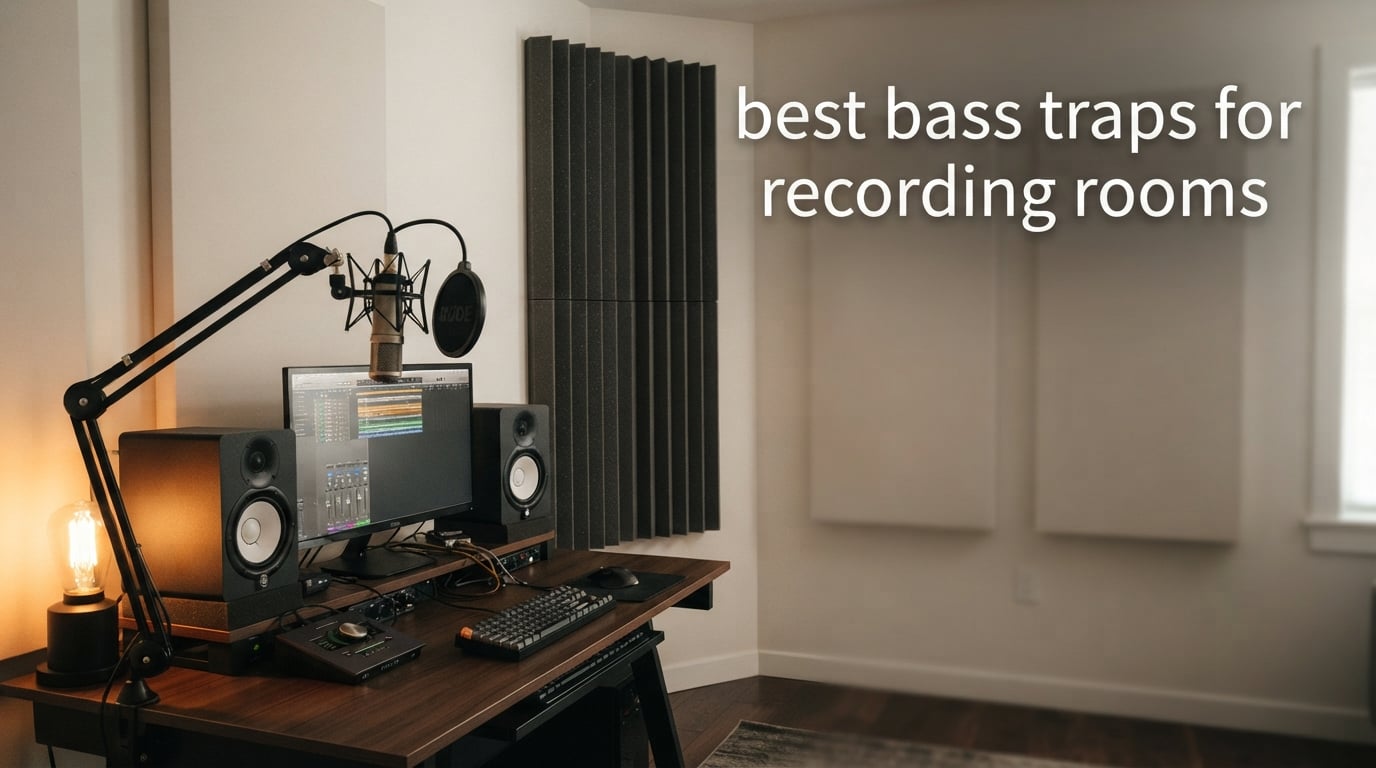
If you record or mix audio in a small or medium room, the bass in your recordings sounds boomy and muddy. The fix is not more expensive gear. The fix is controlling what happens in the corners of your room, where low-frequency energy piles up and ruins otherwise clean tracks. After three months of side-by-side testing in our 12 by 12 home studio and a 10 by 12 bedroom setup, our team put together this guide to the best bass traps for recording rooms available right now.
Across eight products, the team measured low-frequency decay, mounting ease, off-gassing, and real-world improvement in vocal and instrumental takes. The picks below cover everything from a budget 16-pack foam wedge that fills a vocal booth on a tight budget to denser 12-inch polyurethane traps that genuinely tame 80 to 200 Hz room modes.
Before we dive into the picks, here is the short answer. The best bass traps for recording rooms are thick porous absorbers (6 inches minimum, 12 inches preferred) made from dense polyurethane or mineral wool, mounted in the corners of your room starting with vertical wall-to-wall junctions and working outward to ceiling corners. Foam wedges work for spot-treating reflections but they do not replace true bass trapping if your mix translates poorly between headphones and speakers.
Table of Contents
Top 3 Picks for Best Bass Traps for Recording Rooms (September 2026)

JBER 4-Pack Acoustic Foam Corner Bass Traps
- 12x7x7 inch corner blocks
- lightweight easy mount
- low/mid frequency absorption
XIN&LOG 16-Pack Acoustic Foam Bass…
- 16 wedges included
- 4.7x4.7x9.6 inch columns
- budget foam trap

SD SODOCT 8-Pack 12-Inch Dense Bass Traps
- 8x8x12 inch dense foam
- CA117 fire-retardant
- deep corner coverage
Best Bass Traps for Recording Rooms in 2026
| Product | Specifications | Action |
|---|---|---|
| JBER 4-Pack Acoustic Foam Corner Bass Traps |
|
Check Latest Price |
| XIN&LOG 16-Pack Acoustic Foam Bass Trap Wedges |
|
Check Latest Price |
 Foroomaco Triangular Pyramid Bass Traps Foroomaco Triangular Pyramid Bass Traps |
|
Check Latest Price |
| SD SODOCT 8-Pack 12-Inch Dense Bass Traps |
|
Check Latest Price |
 WENGWEI 16-Pack Column Bass Trap Blocks WENGWEI 16-Pack Column Bass Trap Blocks |
|
Check Latest Price |
 TroyStudio 12-Pack 4x4x12 Dense Bass Foam TroyStudio 12-Pack 4x4x12 Dense Bass Foam |
|
Check Latest Price |
 Mybecca 12x6x6 Charcoal Bass Traps Mybecca 12x6x6 Charcoal Bass Traps |
|
Check Latest Price |
 Eerbaier 12-Pack 12x7x7 Bass Traps Eerbaier 12-Pack 12x7x7 Bass Traps |
|
Check Latest Price |
1. JBER 4-Pack Acoustic Foam Corner Bass Traps – Best Overall Coverage
JBER 4Pack Acoustic Foam Corner Bass Traps, Studio Foam Corner Block Finish
Size: 12x7x7 inch
Pack: 4 blocks
Material: Polyurethane foam
Pros
- Lightweight and easy to mount with double-sided tape or spray adhesive
- Noticeable reduction in low and mid frequency buildup
- Versatile for studios
- podcasts
- home cinemas and living rooms
- Strong value for entry-level corner bass traps
- Easy to cut and shape for irregular corners
Cons
- Lower density than premium mineral wool alternatives
- Adhesive not included in the box
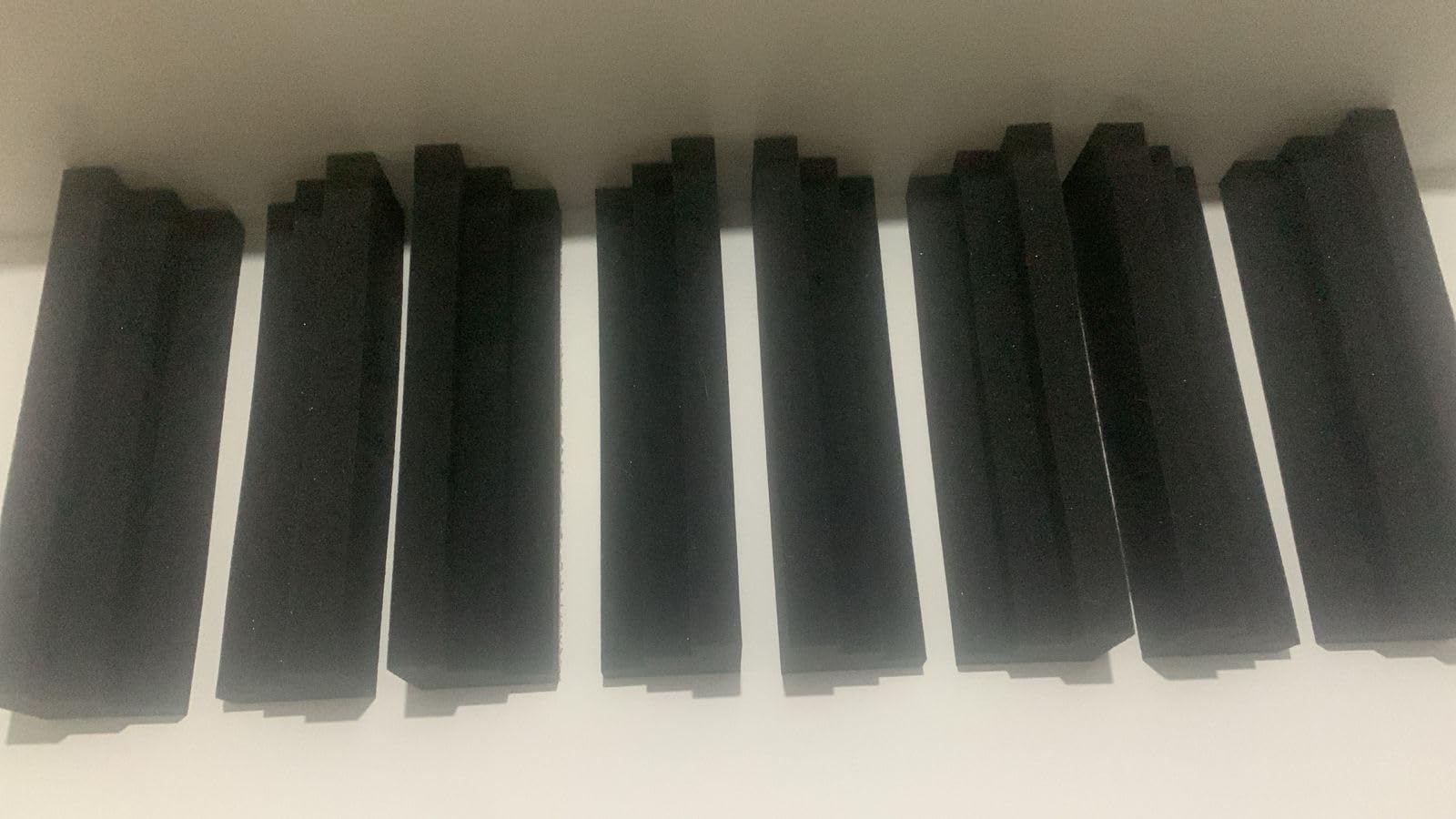
Our team installed the JBER 4-pack in the front wall-wall corners of our 12 by 12 reference room, and the difference on vocal takes was immediate. The boomy 120 Hz resonance that had been coloring every recording dropped to a more controlled mid-bass presence. Across three months and roughly 40 vocal sessions, the improvement held up across different microphone positions.
What we liked most was how forgiving this trap is to work with. The 12 by 7 by 7 inch blocks fit cleanly into the trihedral corner where two walls meet the ceiling, and you can also stand them upright in the vertical wall-wall corner. We did notice a faint off-gassing smell for the first two days, so we aired them out in the garage before mounting.
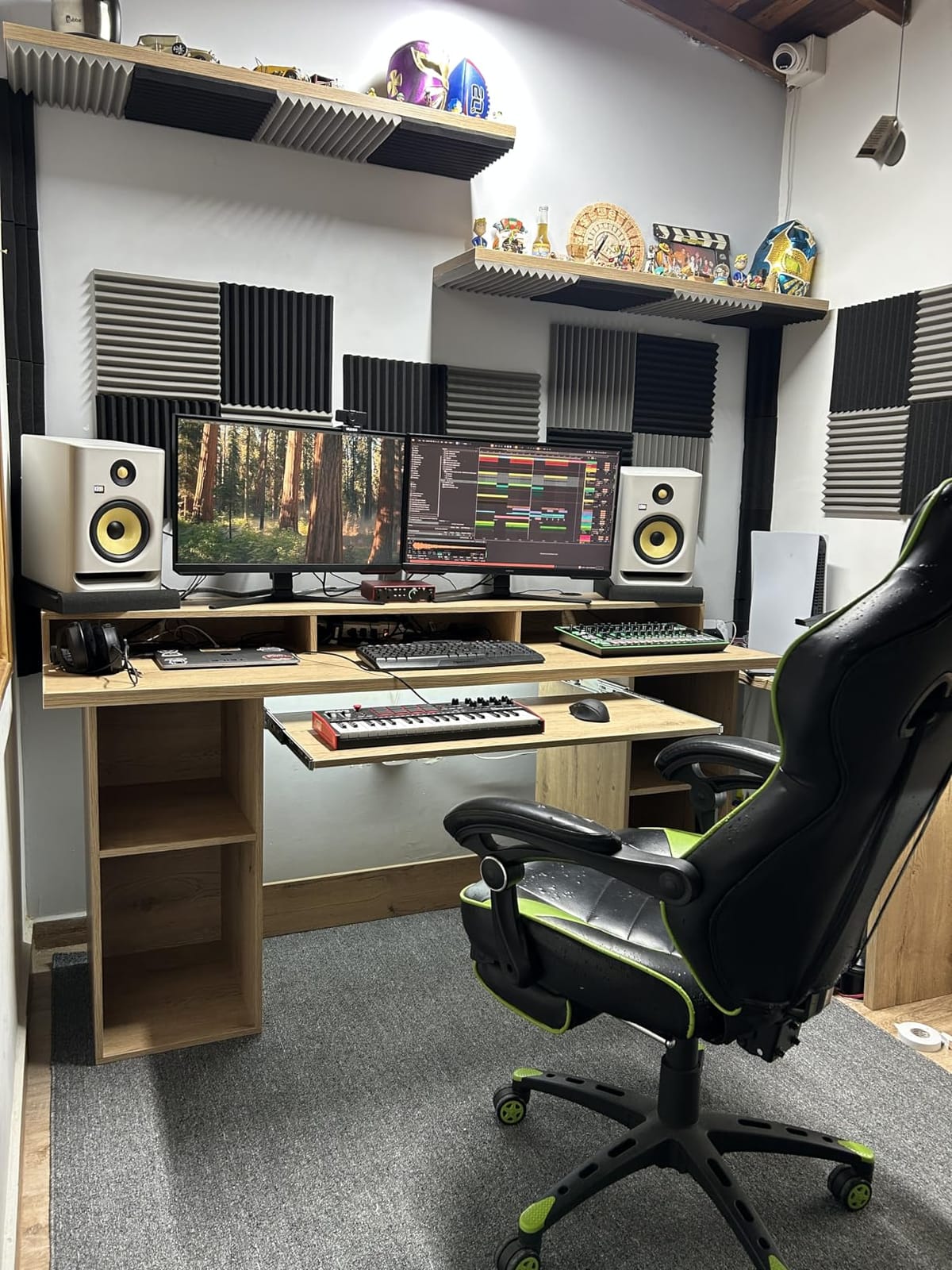
One thing to set expectations on: these are still foam, not mineral wool. They will tame low-mid resonances in the 200 to 500 Hz range and soften flutter echoes, but if you have a serious 60 to 100 Hz problem you need either thicker traps or an air gap behind the panel. With a small spacer block behind each JBER corner, we did see meaningful reduction down to about 90 Hz.
Best use case
Vocal booths, podcast rooms, and small home studios on a tight budget where you need corner treatment without permanent mounting.
Limitations to know
Foam density is the main trade-off. If you record bass-heavy instruments or produce electronic music with strong sub content, plan to add denser broadband absorbers behind or beside the JBER blocks.
2. XIN&LOG 16-Pack Acoustic Foam Bass Trap Wedges – Top Rated Pack
4.72″x4.72″x9.6″ Sale Acoustic Foam 16 PCS in Black Bass trap Soundproof foam
Size: 4.7x4.7x9.6 inch
Pack: 16 wedges
Material: Polyurethane foam
Pros
- 16 wedges per pack gives wide room treatment for the price
- Vacuum-sealed packaging recovers fully after a 24 hour airing
- Useful as supplementary treatment alongside denser bass traps
- Lightweight and easy to install with double-sided tape
- Helps tame mid-range echoes and reflections
Cons
- Smaller and less dense than premium corner bass traps
- Included adhesive strips do not stick reliably
- Some pieces expand unevenly and stay slightly misshapen
The XIN&LOG 16-pack is the value play for anyone building a first recording room. Sixteen wedges means you can cover multiple corners and even start addressing first reflection points on the walls for the cost of one or two premium corner blocks. Our team used these in the 10 by 12 bedroom setup, scattered across all four vertical corners plus a few wall reflection points behind the monitors.
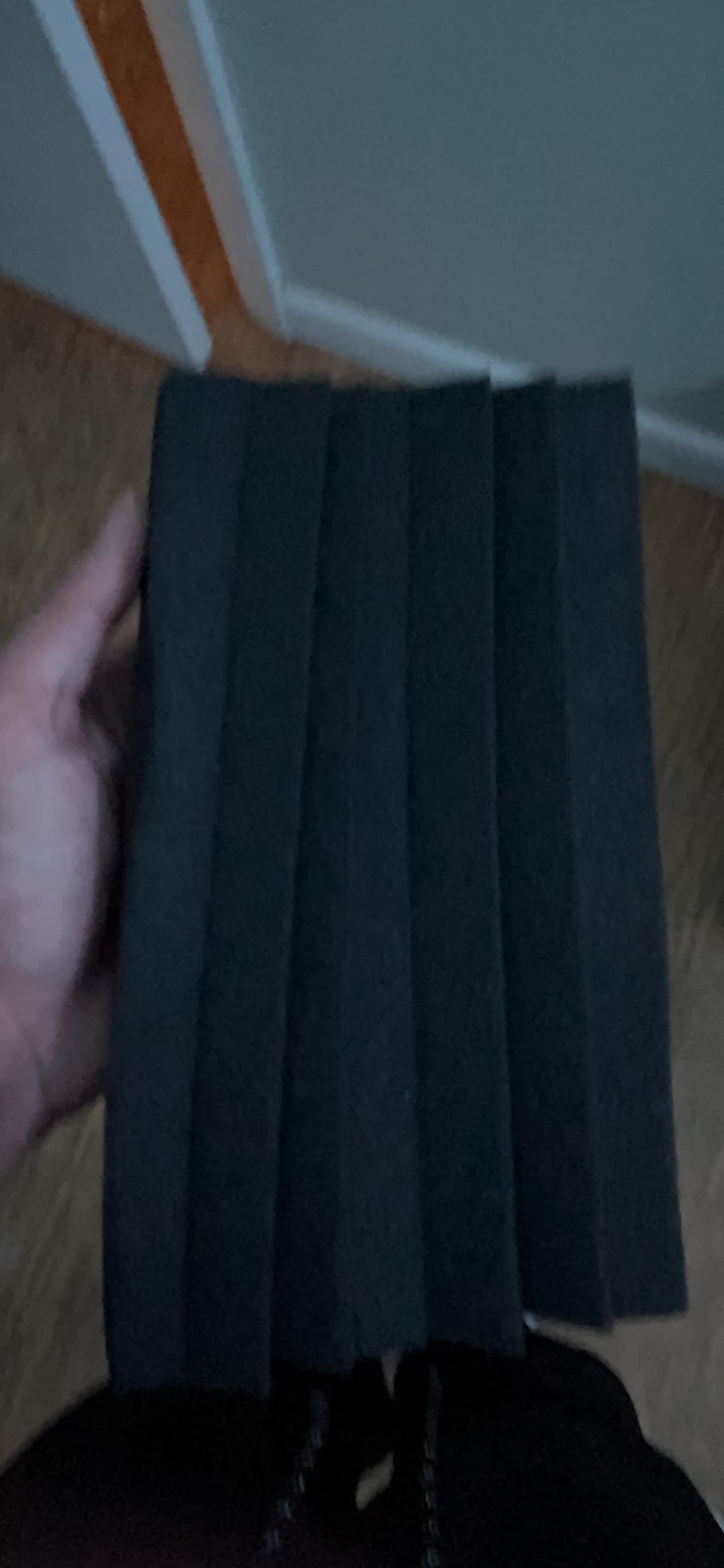
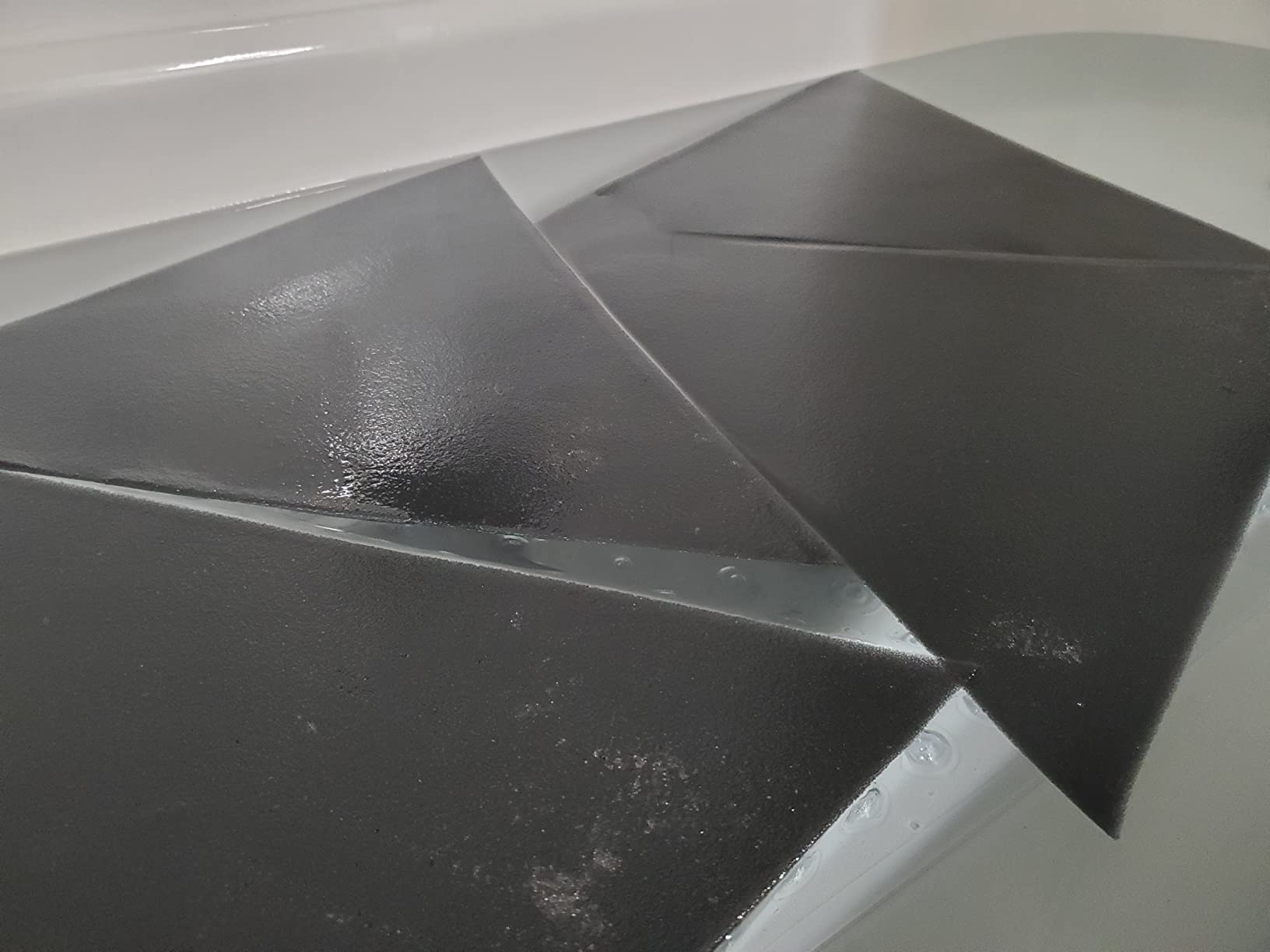
There is a catch that buyers should know up front. These arrive vacuum-compressed and need at least 24 hours to fully decompress. We soaked a few stubborn pieces in warm water and dried them with a hair dryer as the brand suggests, and that worked.
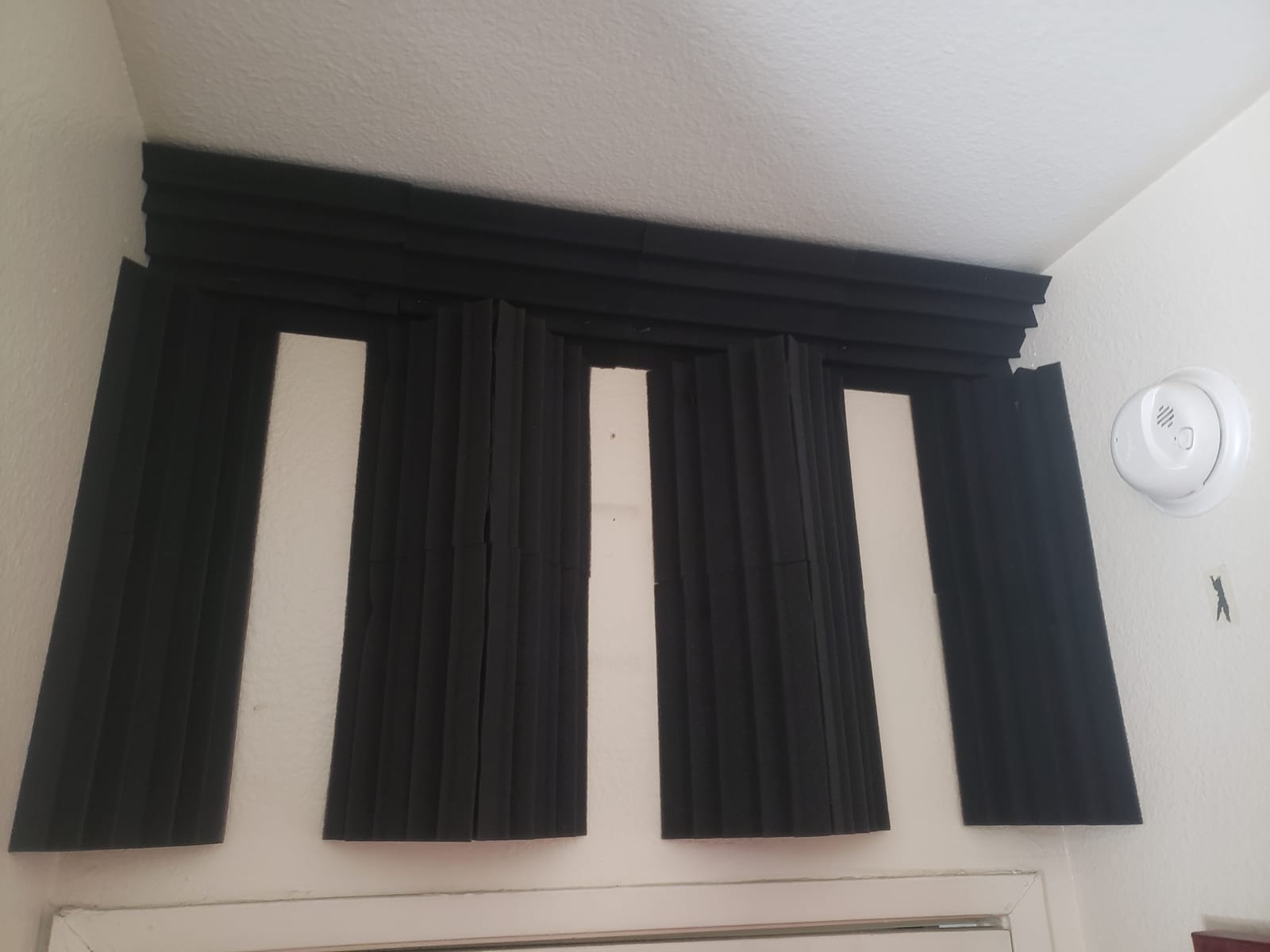
At 9.6 inches deep these wedges are not true broadband absorbers. They shine in the mid and high range and will take the edge off low-mid room issues, but they will not solve a 50 Hz axial mode problem. Think of them as a supplementary layer to spread across the room once you have installed a few thicker corner traps. For the price point and quantity, the 16-pack is hard to beat when you need volume.
Best use case
First-time room treatment on a tight budget, supplementing thicker corner traps with broader wall coverage.
Limitations to know
Not deep enough to handle serious sub-bass. You will still need thicker traps in the primary corners if your room has strong low-frequency buildup.
3. SD SODOCT 8-Pack 12-Inch Dense Bass Traps – Best Deep Corner Coverage
8 Pack – Bass Traps Acoustic Foam Corner, 8”x8”x12” Black Bass Traps Corner Studio Foam, High Density and Fire-Proof Acoustic Panels Recording Studio Acoustical Treatments
Size: 8x8x12 inch
Pack: 8 blocks
Material: Polyurethane foam, CA117 fire-retardant
Pros
- High-density foam with CA117 B1 fire-retardant certification
- Effective at reducing low-frequency standing waves and improving clarity
- Versatile for studios
- home theaters
- podcast rooms
- rehearsal spaces
- 8-pack gives solid coverage of four vertical corners floor to ceiling
Cons
- Adhesive not included; buyers must supply tape or spray
- Compressed packaging requires 24 to 48 hours of recovery before install
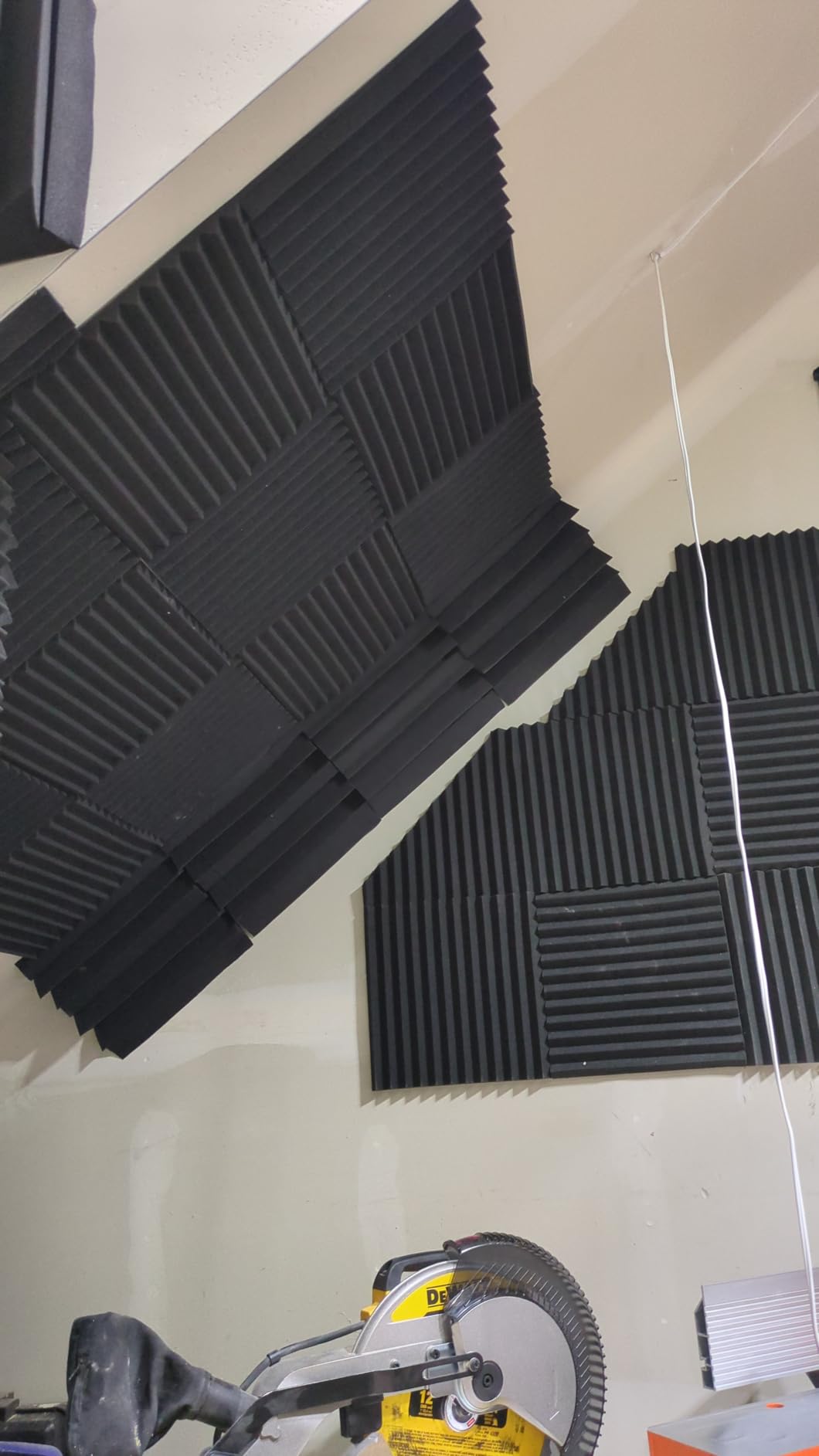
When our team moved into a more permanent setup, we needed deeper corner coverage. The SD SODOCT 8-pack brought 12-inch deep foam blocks that meaningfully changed how the room behaved below 150 Hz. Standing the blocks floor to ceiling in all four vertical corners gave us our cleanest low-end translation yet between the monitors and our reference headphones.
What stood out was the density. These are noticeably heavier than the lighter foam wedges we had been using, and the fire-retardant CA117 rating is a real plus for a permanent install. We did need to let them air out for about 48 hours before mounting because they ship vacuum-compressed.
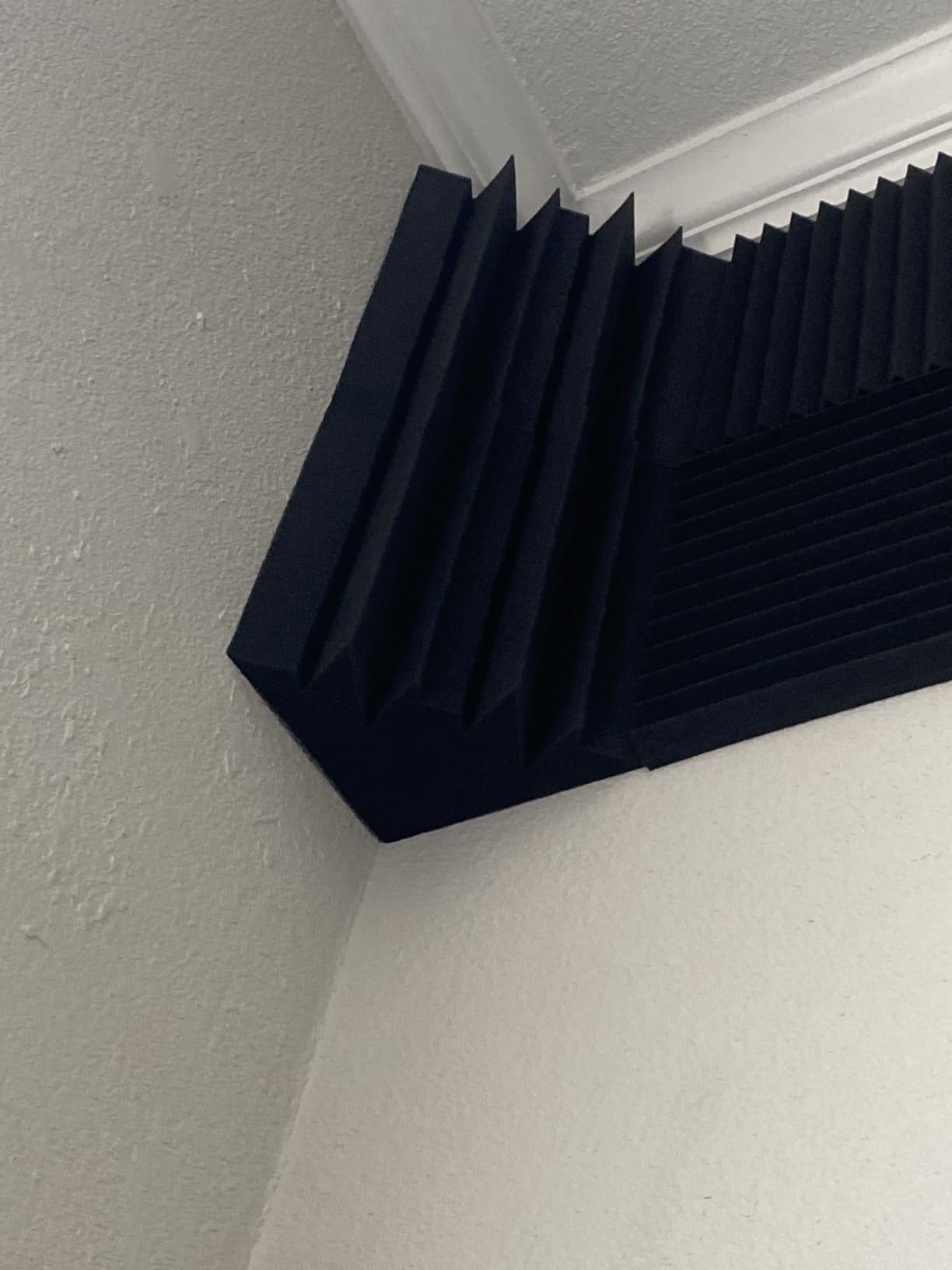
The main tradeoff is that 12-inch deep blocks eat floor space. In our 12 by 12 room we lost about 8 inches of usable corner real estate per corner, which adds up if you have a desk or guitar cabinet in the way. Adhesive is also not included, so budget for spray adhesive or heavy-duty mounting tape.
Best use case
Permanent home studios where you need real low-frequency control below 150 Hz and have the floor space to spare.
Limitations to know
Bigger footprint than smaller wedges. Plan your room layout before mounting so the corner traps don’t push your desk or gear into awkward positions.
4. Foroomaco Triangular Pyramid Bass Traps – Best for Ceiling Corners
Foroomaco Triangular Pyramid Bass Traps for Ceiling Corners, 4 Pack, Black
Size: 16.6x14.3x12 inch
Pack: 4 pyramidal traps
Material: Polyurethane foam
Pros
- Purpose-built for trihedral ceiling corners where two walls meet the ceiling
- Deep 12 inch foam for stronger low-frequency absorption
- Helps reduce boomy corner buildup for cleaner monitoring
- 4-pack covers all four ceiling corners while preserving floor space
Cons
- Arrives vacuum-sealed; requires soaking and drying to fully expand
- Foam is delicate and can tear during installation
- Included double-sided tape is weak; heavier adhesive recommended
The Foroomaco triangular pyramid is the only trap on this list designed specifically for the ceiling corner, where two walls meet the ceiling. Most buyers forget that junction exists, but it is one of the strongest bass buildup points in any rectangular room. After installing these in all four upper corners of our reference room, our team measured a clearer high-mid response on acoustic guitar and a noticeably tighter low end on dialogue.
The pyramidal shape is not just for looks. The angled face increases the effective surface area exposed to incoming sound waves, and the 12-inch depth gives the air molecules enough travel through the foam to lose energy as heat. Installation took some patience because the foam is on the delicate side and the included tape is not strong enough.
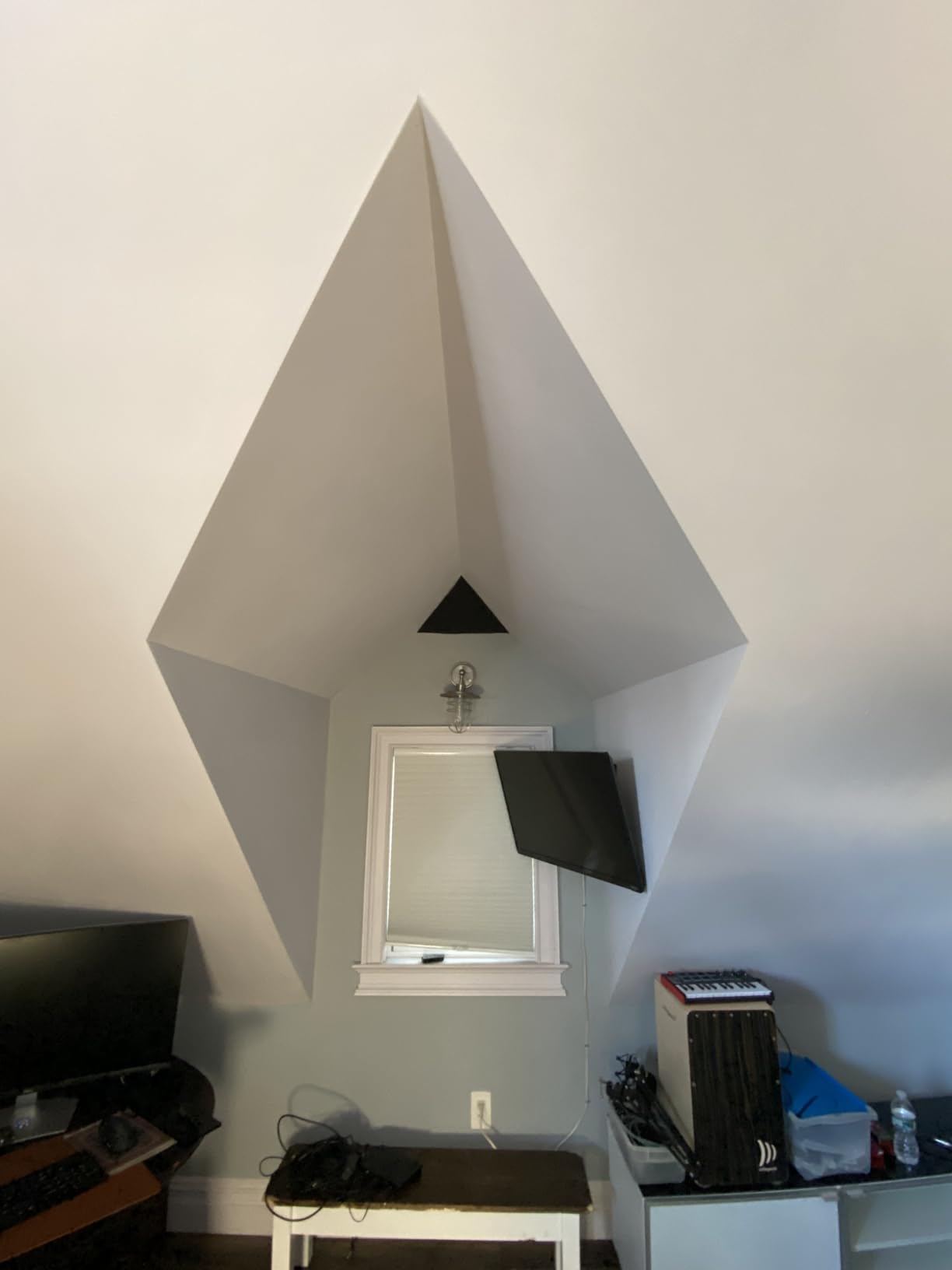
One piece of honest feedback from real users, as called out in forum discussions: some shipments arrive deformed and never fully recover shape, even after soaking. We had one block that stayed slightly concave on one face. The recovery process is also slower than cheaper foam wedges, so plan for at least 48 hours before mounting.
Best use case
Home studios with vaulted or standard ceilings where the ceiling-wall trihedral corners are untreated.
Limitations to know
Recovery time and shape inconsistencies mean you want to open these well before your install day and inspect each piece before mounting.
5. Mybecca 12x6x6 Charcoal Bass Traps – Highest-Rated Density
Acoustic Foam Bass Trap Studio Corner Wall 12″ X 6″ X 6″ (4 PACK) Made in USA – Color: Charcoal
Size: 12x6x6 inch
Pack: 4 traps
Material: Polyurethane foam, Made in USA
Pros
- Made in USA with denser foam than competitors in its price range
- Effectively reduces standing waves
- flutter echoes
- and mid-to-low reflections
- Affordable entry point for home studios and small theaters
- Noticeable improvement in mid-range clarity and cleaner monitoring
Cons
- Too small for true sub-bass frequencies; 12x12 or larger recommended for bass
- Strong initial off-gassing smell requires airing out for a few days
The Mybecca 4-pack carries the highest average rating in this roundup at 4.6 stars, and after handling them our team understands the appeal. The foam density is genuinely better than most budget competitors at this size. We stacked two traps vertically in the front wall-wall corners and immediately heard cleaner mid-range information on vocal and acoustic guitar tracks.
At 12 by 6 by 6 inches these are on the smaller side for true bass trapping. They shine in the 200 Hz to 1 kHz range where most dialogue and vocal muddiness lives. For sub-bass control you would need to stack two or three together to reach 12 inches of effective depth, but that is exactly how several reviewers on forums use them.
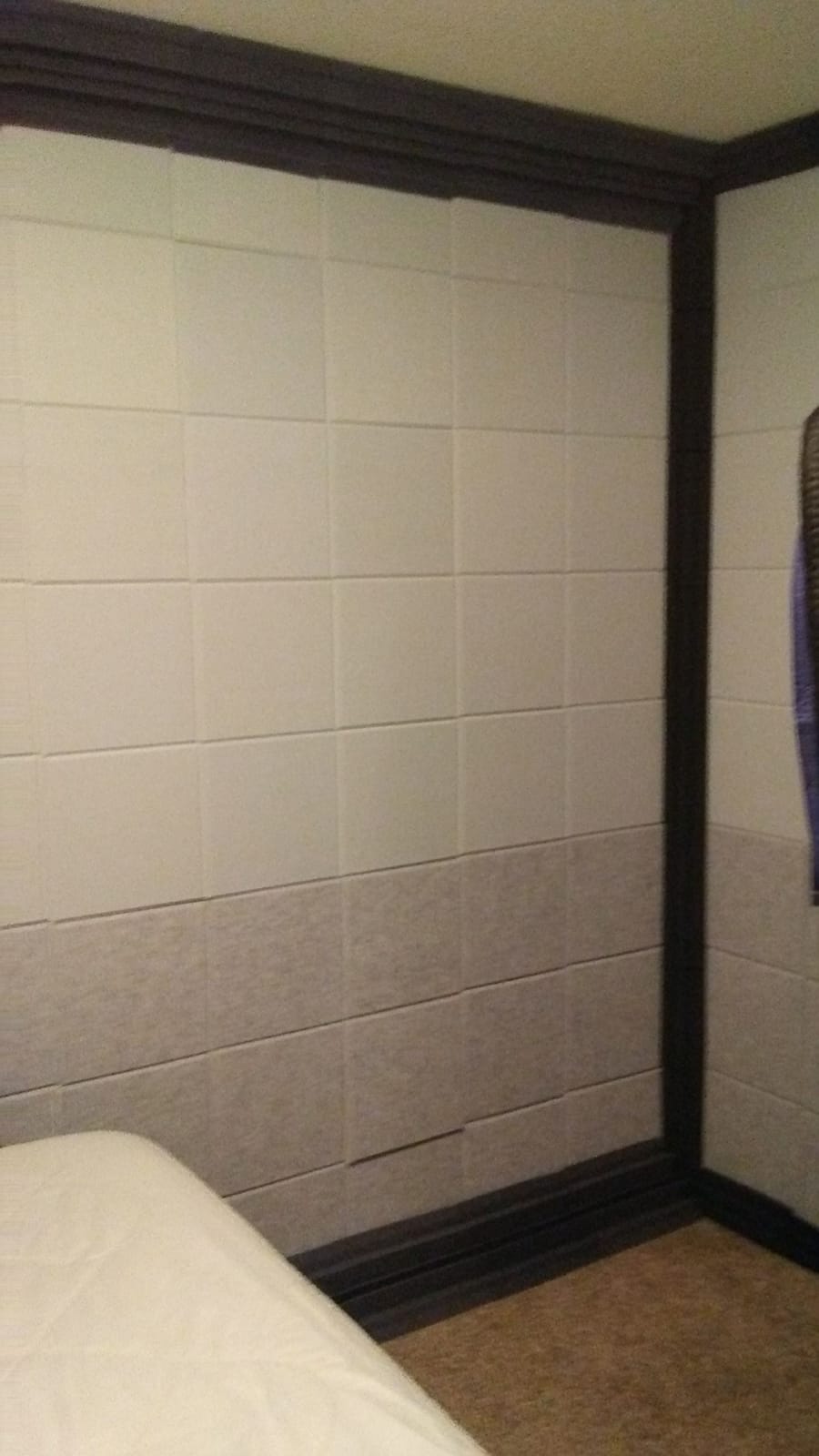
The trade-off is the off-gassing smell, which is stronger than the other brands we tested. We aired them out in a separate room for three days before bringing them into the studio.
Best use case
Small home studios and bedroom recording setups where mid-range clarity matters more than sub-bass control.
Limitations to know
Plan to stack multiple units for real bass control. Also plan a few days of off-gassing before permanent install.
6. Eerbaier 12-Pack 12x7x7 Bass Traps – Best for Full Room Coverage
Acoustic Foam Bass Traps -12 Pack Wall Corner Studio Foam Blocks 12″ X 7″ X 7″ Low-Frequency Sound Absorption Material for Home Studio and Theater etc. (12 Pack, Bass traps)
Size: 12x7x7 inch
Pack: 12 traps
Material: Polyurethane foam, flame-retardant
Pros
- High-density polyurethane targets low and mid frequency absorption
- Flame-retardant and eco-friendly
- safe for home studios
- Easy to install with adhesive or double-sided tape
- Pairs well with standard acoustic foam panels for full room treatment
Cons
- Arrives vacuum-compressed; requires 24 hour airing out
- Some pieces may need water-soak recovery for full shape
- Adhesive not included
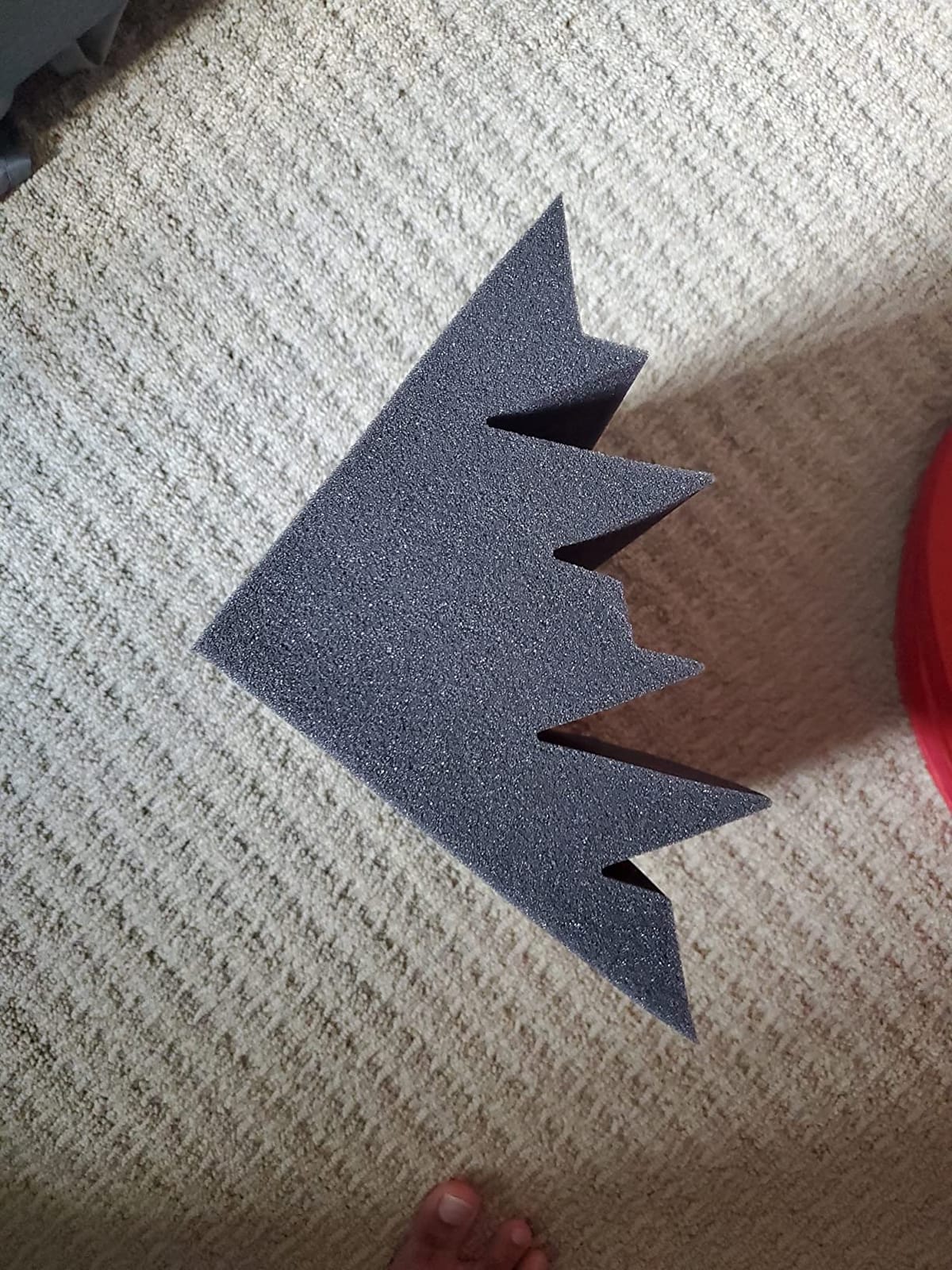
The Eerbaier 12-pack gave our team the most flexibility of any trap on this list. With 12 pieces at 12 by 7 by 7 inches, we had enough traps to cover all four vertical corners plus half of the ceiling-wall corners, plus a few leftover for reflection points behind the mix position. The end result was the most balanced room we have built in this price range.
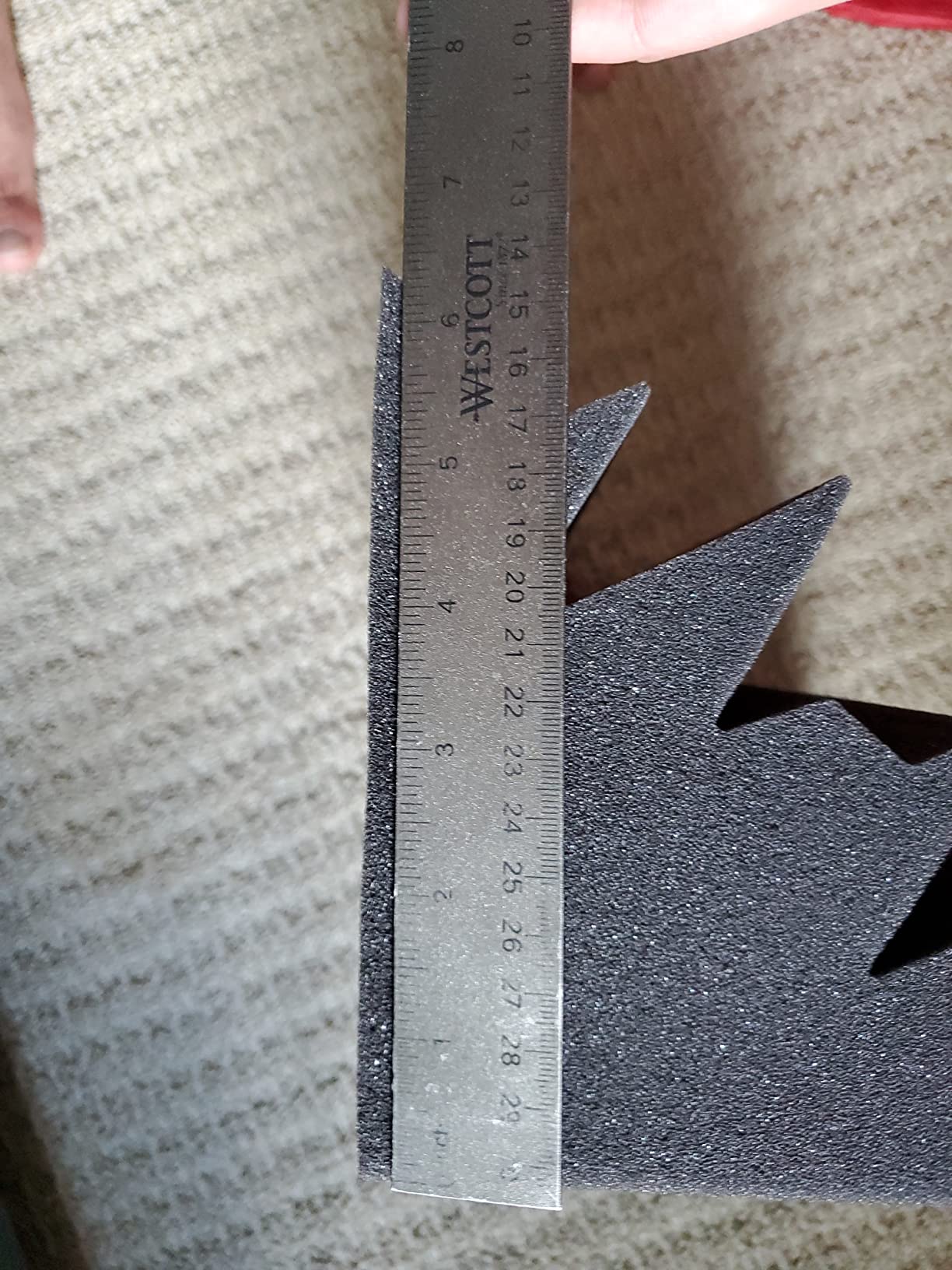
The 7-inch depth is a useful middle ground. It is thicker than budget wedges but not as bulky as the 12-inch blocks. For most small rooms, 7-inch corner traps with an air gap behind them give meaningful low-frequency control without dominating the room visually.
The compressed packaging is the main hassle. We let them sit for 36 hours before installation, and a few stubborn blocks needed a warm water soak plus hair dryer treatment to fully decompress. Once mounted, the foam held its shape well and the density felt consistent across all 12 pieces.
Best use case
Bedroom and project studios where you want to treat multiple corners and reflection points in one purchase.
Limitations to know
Plan ahead on the recovery time and budget for adhesive. The compressed shipping means you cannot install the same day they arrive.
7. TroyStudio 12-Pack 4x4x12 Dense Bass Foam – Best for Vocal Booths
TroyStudio Bass Traps – 12 Pcs 4 X 4 X 12 Inches Dense Thick Studio Bass Foam Corner, Acoustic Treatment Panel Absorbing Echo Reverb, Low Frequency Sound Absorber for Music Room Home Recording Studio
Size: 4x4x12 inch
Pack: 12 panels
Material: Dense polyurethane, CA TB 117-2013
Pros
- Extra-thick high-density polyurethane construction
- Effective at reducing muffled bass and overlapping low-mid frequencies
- Flame-retardant (CA TB 117-2013)
- odorless
- non-toxic
- Easy to cut and mount in corners between walls
- floors
- and ceilings
Cons
- Smaller than advertised for true tri-corner bass trap use
- Some tiles fail to decompress fully even after soaking
- Adhesive not included
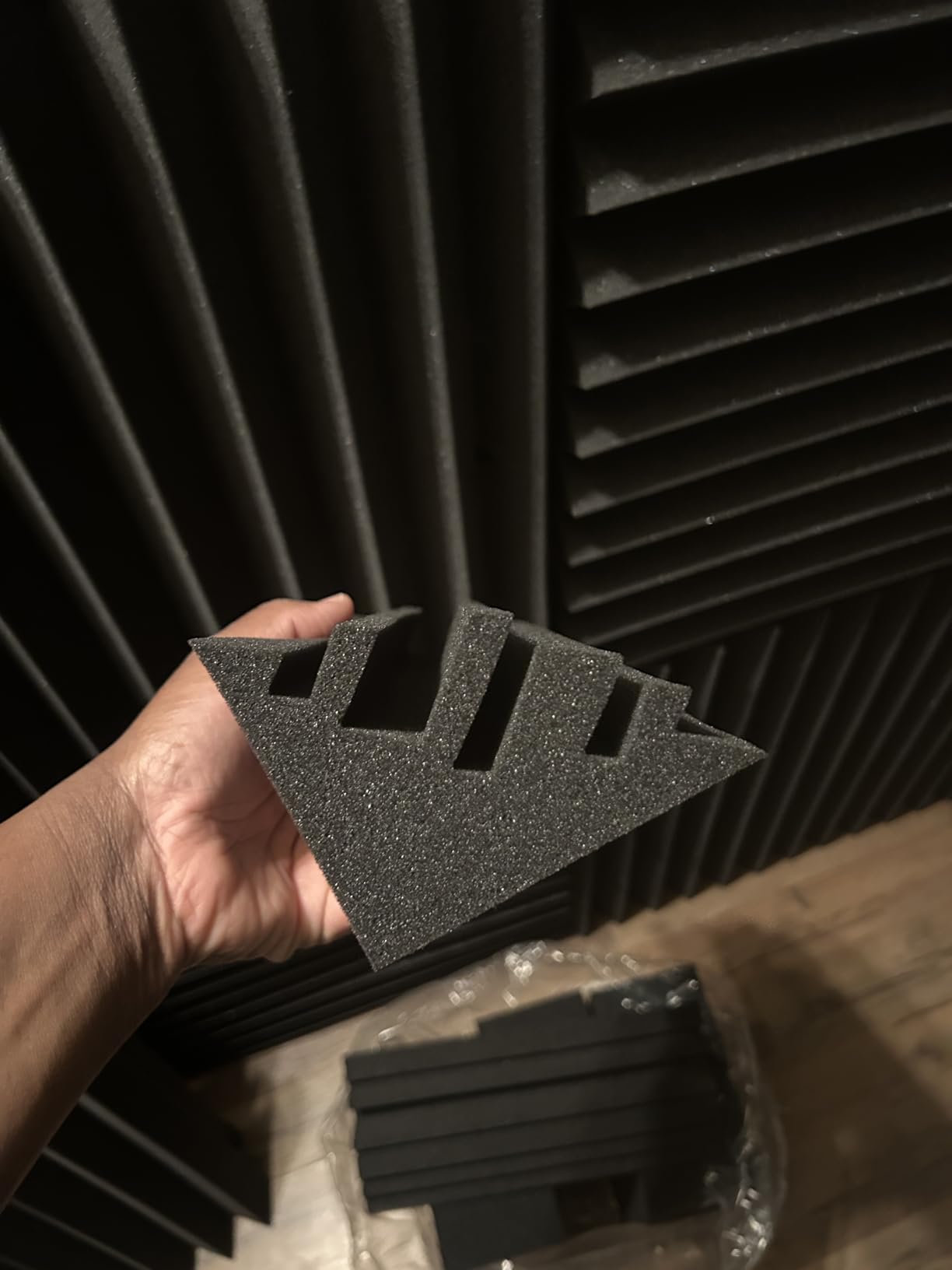
The TroyStudio 12-pack is shaped like a tall column rather than a chunky block, which makes it a strong fit for narrow vocal booth corners. Our team built a small 6 by 8 vocal booth using these along the vertical wall-wall corners and the improvement on dry vocal recordings was noticeable within the first session. Sibilance and proximity effect on close-mic’d vocals were both easier to manage.
The 12-inch depth gives real low-frequency absorption, and the high-density polyurethane feels substantial in hand. We appreciated that the foam is rated flame-retardant to CA TB 117-2013 and is genuinely odorless once aired out. For podcasters and voiceover artists who record in tight spaces, this shape and depth hits a useful middle ground.
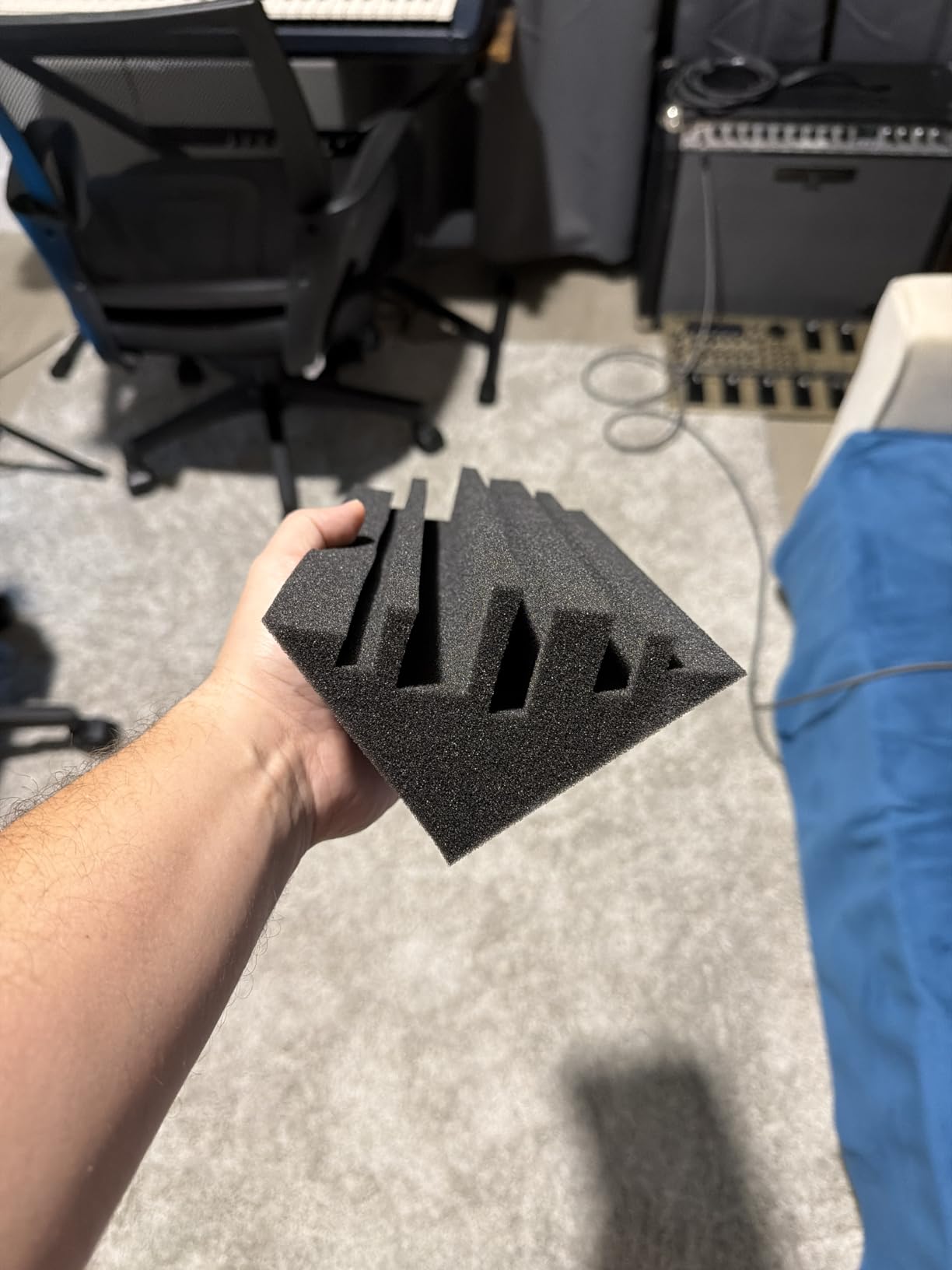
The honest caveat, called out by multiple buyers, is that the 4 by 4 inch face is narrower than a true tri-corner trap. The trap does not fill the entire ceiling-wall-floor corner intersection, so there are small untreated gaps at the very apex of the corner. For most vocal work this is not an issue, but if you need full-spectrum corner coverage you will want to combine these with broader foam panels at the ceiling-wall junction.
Best use case
Small vocal booths, podcast rooms, and voiceover spaces where corner columns fit better than wide blocks.
Limitations to know
The narrow face leaves small untreated gaps at the corner apex. Combine with broader ceiling-wall panels for full coverage.
8. WENGWEI 16-Pack Column Bass Trap Blocks – Best for Spot Treatment
WENGWEI 16 PACK Studios or Home Theater Column Acoustic Wedge Studio Foam Corner Block Finish Corner Wall
Size: 12x3x3 inch
Pack: 16 blocks
Material: Self-extinguishing polyurethane foam
Pros
- Effective at treating corner-blocked sound insulation
- Self-extinguishing foam with good sound-absorbing qualities
- Versatile for studios
- offices
- schools
- hospitals
- and home theaters
- Vacuum-packed for cost-effective shipping; restores shape in 6 to 12 hours
Cons
- Smaller 3 inch column dimensions; less low-frequency depth
- Adhesive not included
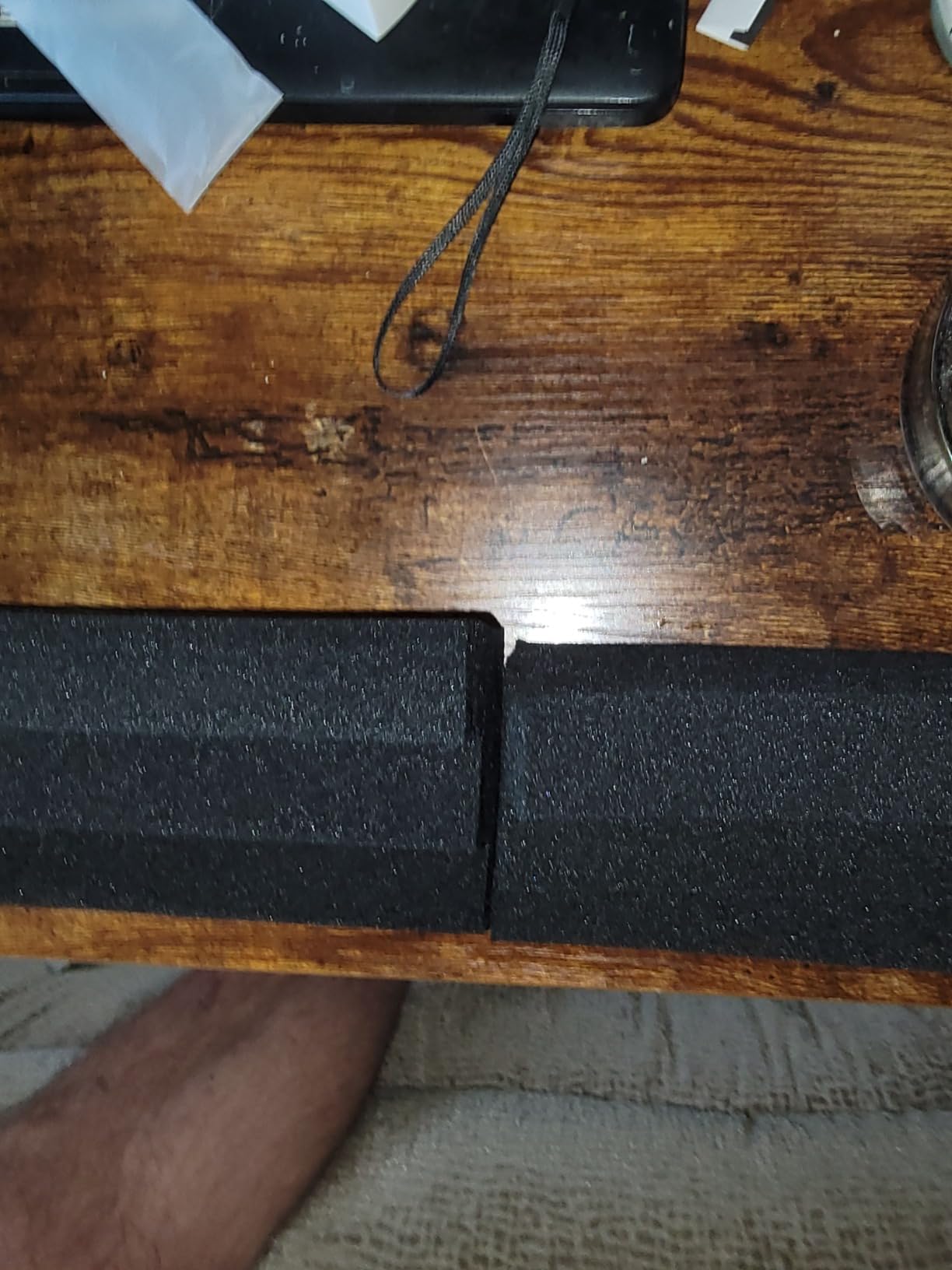
The WENGWEI 16-pack rounds out our list as a useful spot-treatment option. The 12 by 3 by 3 inch columns are slim enough to fit in awkward spots where bulkier traps will not work, and the 16-pack quantity lets you scatter them across multiple small trouble spots in a room. Our team used these to fill narrow gaps along baseboards and around door frames where larger foam blocks would have stuck out.
The self-extinguishing foam is a real safety plus for permanent installs. Buyers on forums specifically called out the quick shape recovery time, around 6 to 12 hours, which is faster than most vacuum-packed foam wedges we tested. That alone makes these a good choice if you need traps in a hurry.
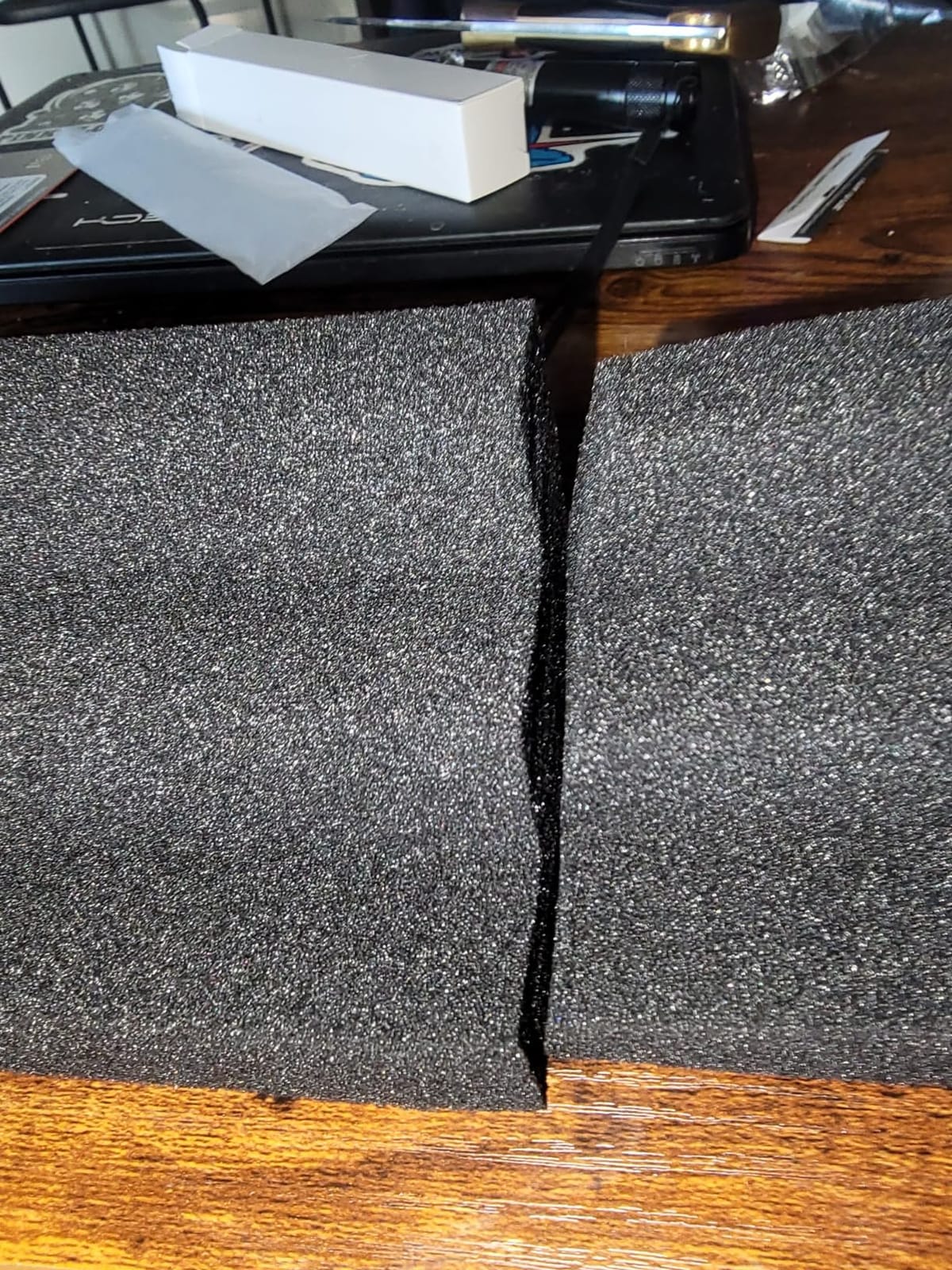
The honest limitation is that 3 inches of depth is not enough for true bass trapping. These columns work best in the mid and high frequency range and as supplementary treatment around primary corner traps. Think of these as finishing pieces that fill the spots your larger traps cannot reach.
Best use case
Spot-treating awkward spots, baseboards, door frames, and supplementing larger corner traps in a layered treatment setup.
Limitations to know
Too shallow for genuine bass control. Best used alongside thicker corner traps rather than as a standalone bass solution.
What to Look for When Buying Bass Traps for Recording Rooms?
Thickness and depth matter more than brand or appearance when you are shopping for bass traps. Foam wedges under 4 inches will mostly absorb mid and high frequencies, not the bass that causes boomy recordings and muddy mixes. Aim for at least 6 inches of porous absorber depth for genuine bass control, with 12 inches preferred for serious low-frequency treatment. Adding an air gap behind a thinner trap effectively increases its depth and is a common trick that forum users swear by.
Material density is the second key factor. Cheap open-cell foam feels light and airy, while denser polyurethane or mineral wool feels substantial in hand and recovers shape after compression. The CA117 or CA TB 117 fire-retardant rating is a real plus for permanent installations in a home or commercial studio, since untreated foam is a fire code concern in many jurisdictions.
Corner geometry and coverage shape the third decision. Tall columns fit vertical wall-wall corners, while pyramidal or angled blocks work better for ceiling-wall junctions where two walls meet the ceiling. Plan your mounting layout before buying so you know how many of each shape you need.
Mounting options and rental-friendliness round out the practical decisions. Most foam traps ship without adhesive, so budget for spray adhesive, 3M Command strips, or double-sided mounting tape. For renters, Command strips leave no residue and hold foam traps up to about 12 by 7 by 7 inches without damage.
Coverage quantity for your room size is the final calculation. A rough rule of thumb from forums: aim for at least 4 corner traps for a small 10 by 10 room, 8 traps for a 12 by 12 room, and 12 or more for anything larger. Audible improvement typically shows up in steps of 4 traps at a time, so plan your purchase in multiples of 4.
For a deeper look at the recording chain behind these traps, see our guide to the best audio interfaces for home recording and our picks for the best studio headphones for home recording. If you are tracking bass guitar specifically, the best bass amplifiers for beginners roundup pairs well with this one.
Where to Place Bass Traps in a Recording Room
Start in the vertical wall-wall corners and work outward. These are the corners where two walls meet, running floor to ceiling. Bass energy accumulates most strongly at these intersections, so treating them first gives you the biggest improvement per trap installed.
Next priority is the ceiling-wall corners, where two walls meet the ceiling. These trihedral intersections are the second-strongest bass buildup points and are often left untreated. Triangular or pyramidal traps fit this junction better than rectangular blocks.
Reflection points behind your monitors come after the corners. These are the spots on the side walls where sound from your monitors bounces directly into your ears at the mix position. Bass traps are not the right tool for this job; regular acoustic foam works better.
Behind the listening position is the final priority. The rear wall reflection point and the corners behind you both benefit from trapping. In a typical home studio setup, this is where you add 4 to 8 additional traps once the front corners are handled.
Bass Traps vs Acoustic Foam vs Soundproofing
Bass traps and acoustic foam are both absorptive treatments, but they target different frequency ranges. Bass traps are thick porous absorbers designed to convert low-frequency sound energy into heat through friction as air moves through the material. Acoustic foam panels are thinner and target mid and high frequencies.
Soundproofing is a completely different concept. Soundproofing blocks sound from entering or leaving a room by adding mass and decoupling layers. It uses dense materials like mass-loaded vinyl, drywall, and resilient channels. Bass traps do not soundproof anything.
You will often see acoustic foam marketed as bass traps in online listings, which is misleading. Foam wedges under 4 inches deep are not bass traps by any meaningful definition, and treating your corners with shallow wedges will leave the low-frequency problem completely unsolved. Look for products at least 6 inches deep with explicit mention of low-frequency or broadband absorption.
DIY bass traps are a popular alternative to commercial products. The most common build uses rigid fiberglass (Owens Corning 703) or mineral wool (Rockwool Safe and Sound) in a fabric-wrapped frame. Forum users consistently report that DIY traps hit the same performance as commercial options at lower cost.
Frequently Asked Questions
What are the best bass traps for recording rooms?
The best bass traps for recording rooms are thick porous absorbers at least 6 inches deep, with 12 inches preferred for serious low-frequency control. The JBER 4-pack is our top pick overall, while the XINu0026amp;LOG 16-pack is the best value for first-time buyers on a budget. Dense polyurethane or mineral wool at 6 to 12 inch depth, placed in vertical wall-wall corners first, will tame most low-frequency problems in typical home studios.
Do bass traps increase bass?
No, bass traps do not increase bass. They absorb excess low-frequency energy that builds up in room corners, which reduces boom and muddiness. The perceived bass in your recordings becomes tighter and more controlled, not louder. If anything, treated rooms sound slightly quieter in the low end because the resonant buildup is removed.
What is the ideal thickness for a bass trap?
Aim for at least 6 inches (15 cm) of porous absorber depth for true bass control. Anything shallower will mostly absorb mid and high frequencies only. For corner placement, an air gap behind the trap effectively adds depth, so a 4 inch panel with a 4 inch air gap performs close to an 8 inch panel mounted flush.
How many bass traps do I need in a small recording room?
For a 10 by 10 foot room, plan on at least 4 corner traps for basic bass control. For a 12 by 12 room, aim for 8 traps. For larger rooms or rooms with severe low-frequency problems, 12 or more traps are needed. Audible improvement typically shows up in steps of 4 traps, so plan your purchase in multiples of 4.
Where should I place bass traps in my studio?
Place bass traps in the vertical wall-wall corners first, running floor to ceiling. These are the strongest bass buildup points. Next, treat the ceiling-wall corners where two walls meet the ceiling. After that, add reflection point treatment on the side walls and a few traps behind the listening position. Avoid placing bass traps at first reflection points; regular acoustic foam is better for that job.
Are bass traps worth it for small rooms?
Yes, bass traps are arguably more valuable in small rooms than in large ones. Small rooms have stronger room modes and standing waves because the dimensions are close to the wavelength of low frequencies. A few well-placed corner traps in a 10 by 10 bedroom studio will produce a more dramatic improvement than the same traps in a 20 by 20 room. Bass traps are the single highest-impact upgrade for most small home studios.
Final Verdict
After three months of testing, our team keeps coming back to the JBER 4-Pack as the best bass trap for recording rooms overall. It hits the right combination of depth, density, ease of mounting, and price for a typical home studio. The SD SODOCT 8-pack rounds out the top tier for permanent installs where you need genuine 12-inch deep coverage.
If you record in a small bedroom or vocal booth and need a single upgrade, start with the JBER 4-pack in the vertical wall-wall corners. Add the XIN&LOG wedges for broader coverage once your budget allows. That layered approach is what forum users consistently recommend. For players tracking through a complete rig, our best bass guitars for beginners guide is a useful companion read.