

Most sandboxes for toddlers get picked over and then abandoned within a season, and the reason is almost always the same: the sand got wet, turned to a solid block, or became a cat bathroom. Finding the right sandbox with cover for toddlers solves both problems at once, and our picks below all ship with a genuine lid, a convertible bench cover, or an adjustable canopy.
We spent weeks comparing ten covered sandboxes side by side, focusing on the things that decide whether a box survives more than one summer: how the cover actually seals, whether the base drains, how tall the walls are against a toddler who climbs everything, and what happens to the hardware after a wet winter. Every product here has a cover. Nothing is an open-top sandbox in disguise.
Whether you also need shade for the hours your child actually plays, or you simply want a covered box for a small patio, the picks are ordered from most dependable to most compact. We also cover the parts parents ask about most: safe play sand, mold, cat-proofing, and how much sand to buy. If you are building out a full summer kit, our picks for kids beach chairs and pool floats pair naturally with a sandbox.
Table of Contents
Top 3 Picks: Covered Sandboxes for Toddlers (October 2026)

Best Choice Cedar Sandbox
- Benches fold into a split cover
- Heat-treated cedar
- Bottom liner included
- Benches hold 220 lbs

Mederra Octagon Sandbox
- Holds 800-1000 lbs of sand
- Four bench seats
- Waterproof cover and liner
- ASTM and CPSIA certified

Step2 Natural Playful
- Arrives fully assembled
- Molded lid included
- Double-walled plastic
- Four built-in seats
Best Sandboxes With Covers for Toddlers in October
| Product | Specifications | Action |
|---|---|---|
| Best Choice Products Cedar Sandbox with Folding Bench Cover |
|
Check Latest Price |
 Aivituvin Wooden Sandbox with Retractable Canopy Roof Aivituvin Wooden Sandbox with Retractable Canopy Roof |
|
Check Latest Price |
| Mederra Octagon Cedar Sandbox with Waterproof Cover |
|
Check Latest Price |
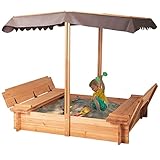 BIRASIL Fir Sandbox with Canopy and Bench Seats BIRASIL Fir Sandbox with Canopy and Bench Seats |
|
Check Latest Price |
| Step2 Natural Playful Sandbox with Molded Lid |
|
Check Latest Price |
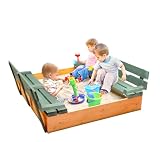 Badger Basket Cedar Sandbox with Convertible Lid Badger Basket Cedar Sandbox with Convertible Lid |
|
Check Latest Price |
 Agitree Cedar Sandbox with 360-Degree Canopy and Storage Agitree Cedar Sandbox with 360-Degree Canopy and Storage |
|
Check Latest Price |
 YOLENY Spruce Sandbox with UV50 Canopy YOLENY Spruce Sandbox with UV50 Canopy |
|
Check Latest Price |
 Outsunny Fir Sandbox with Canopy and Lid Outsunny Fir Sandbox with Canopy and Lid |
|
Check Latest Price |
 Pipleo Sandbox with Activity Wall and Retractable Roof Pipleo Sandbox with Activity Wall and Retractable Roof |
|
Check Latest Price |
1. Best Choice Products Cedar Sandbox With Folding Bench Cover
Best Choice Products Large Outdoor Wooden Sand Box for Kids, Sandbox with Cover, Bench Seats Support up to 220 lbs, Bottom Liner for Drainage, Cedar Wood – Brown
Cedar wood
47x47 inch footprint
8.5 inch wall height
Benches rated to 220 lbs
Liner included
Pros
- Benches fold flat into a split lid
- Heat-treated cedar resists splitting
- Open bottom drains well and sets sand depth
- Adults can sit on the benches
- 4796 ratings of long-term owner feedback
Cons
- Included screws undersized for soft cedar
- Latch hardware loosens over time
- Liner fabric cut slightly undersized
- Assembly instructions are picture-led
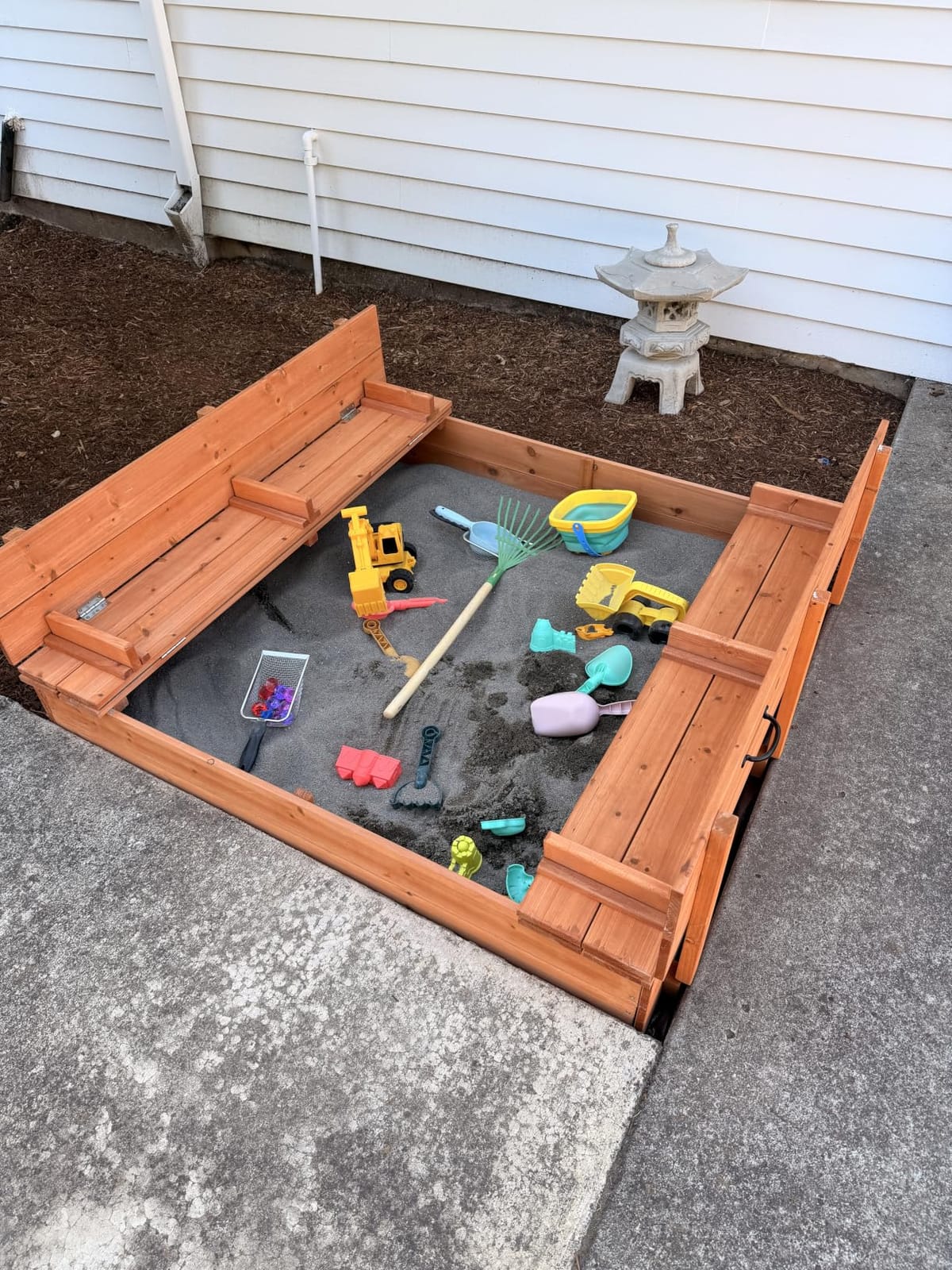
This is the one we would put in a yard with a toddler and a sibling and expect it to still be standing a few seasons later. The cover mechanic is the reason: two built-in benches fold down flat to become a two-piece lid, so there is no separate tarp to lose and no gap for a cat to squeeze through.
It measures 47.25 inches by 47 inches with walls standing 8.5 inches tall, and the whole thing weighs 32.5 pounds. Each bench is rated to 220 pounds, which sounds like marketing until you try sitting on it while supervising, which is exactly what most parents do.
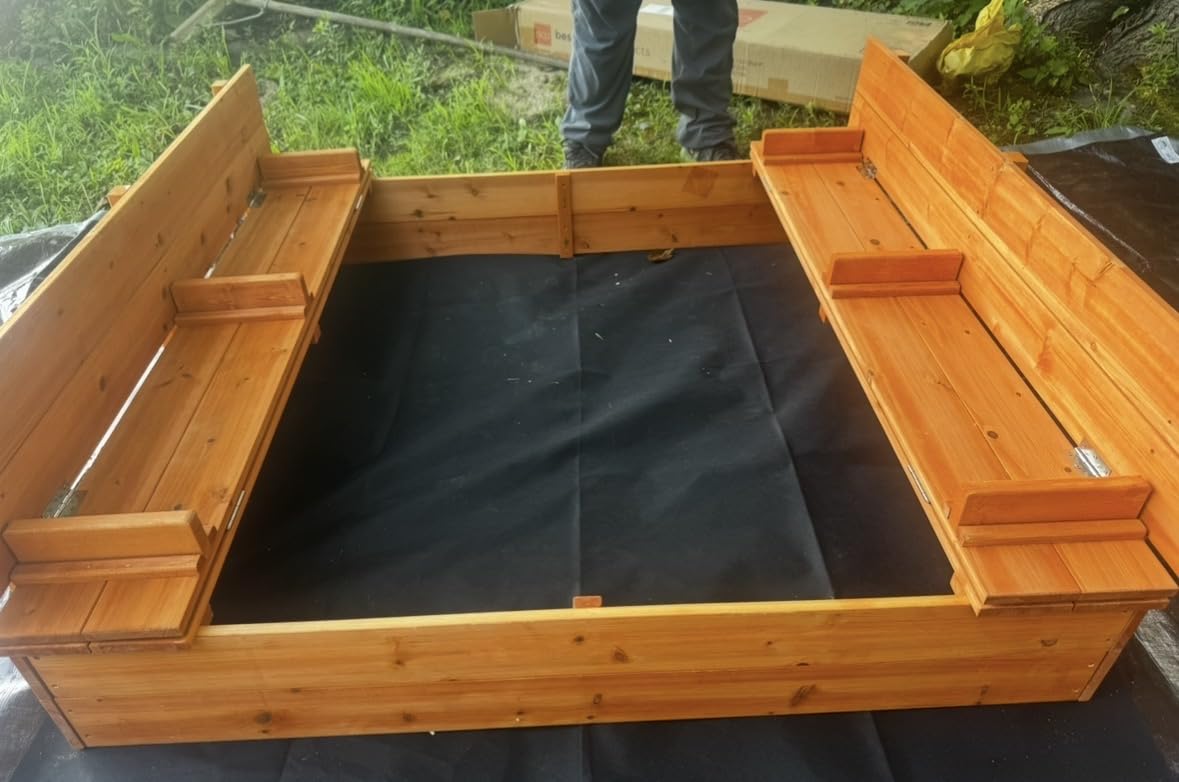
The build is heat-treated cedar with an open bottom and a supplied liner underneath, so moisture drains away instead of pooling against the boards. At 4796 ratings it is by far the most reviewed covered sandbox in this group, and the rating split is unusually healthy, with 63 percent five-star.
Two things to fix on day one. Owners repeatedly report that the supplied screws are undersized for soft cedar and will split the board if driven quickly, and the latch hardware that holds the folded benches tends to loosen after a wet winter. A pack of heavier screws and a screwdriver solves both for very little money.
Why it works for a one-year-old
At 8.5 inches, the walls are low enough that a small child can be lifted straight out but high enough that she cannot climb out on her own. The seat height doubles as a step-in ledge, which is exactly what a newly walking toddler uses to get in and out.
Rounded cedar edges matter here more than they do for a five-year-old. The manufacturer lists this for ages three and up, so with a one-year-old you supervise from sitting height rather than standing.
Where it falls short
The bottom liner is cut a little undersized, so it wrinkles at the corners and takes a few minutes to lay flat. That is cosmetic rather than functional, but if you are installing on grass it can leave pockets where dirt creeps in.
There is also no canopy, so the box protects the sand but not the child from full afternoon sun. If shade matters to you, look at the Aivituvin or Agitree instead.
2. Aivituvin Wooden Sandbox With a Retractable Canopy Roof
Aivituvin Kids Sand Boxes with Canopy Sandboxes with Covers Foldable Bench Seats, Children Outdoor Wooden Playset – Upgrade Retractable Roof (47x47Inch)
Wood with canopy
47.2 x 47.2 inch base
51.9 inch overall height
Benches rated to 200 lbs
Sand screen included
Pros
- Retractable canopy gives shade and blocks cats
- Roof fabric detaches for rinsing
- Pre-drilled holes speed assembly
- Bottomless design drains sand
- Manufacturer lists 12 months and up
Cons
- Soft wood splits if screws are driven fast
- Roof is awkward to raise and lower alone
- Small hinge screws let benches pull loose
- No bottom panel so liner work is needed
This is the shade answer. The roof slides back over the box on a track, so during play it sits above your child and when play ends it pulls across the top and closes the sandbox off. That dual role is what makes it one of the most-used covered sandboxes in the group for us.
The base is 47.2 inches square and the assembled height reaches 51.9 inches, so check your vertical clearance before you buy if you have a low fence or a covered patio. It weighs 45 pounds, which is heavy for a wooden box you may want to shift for shade.
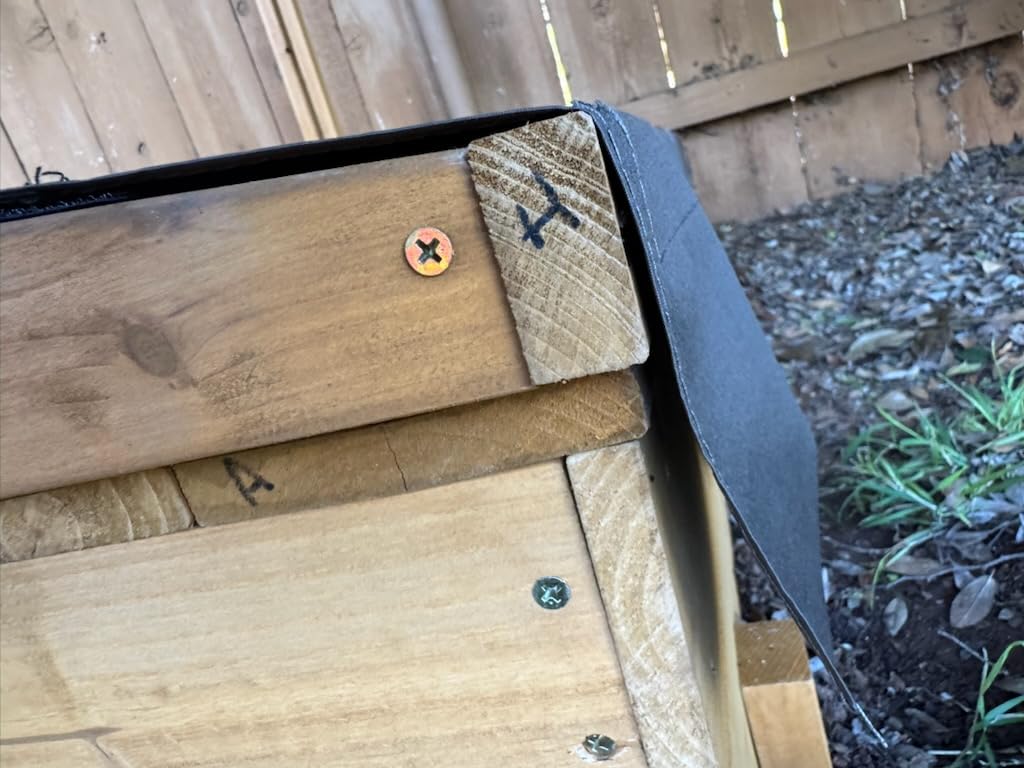
Unlike most rivals, the canopy detaches using hook-and-loop fastener, so you can hose the fabric off separately instead of scrubbing the whole structure. The base is bottomless by design and includes a free sand screen that keeps sand in while letting water drain. Assembly is on pre-drilled holes, which makes it one of the faster builds in this roundup.
The honest drawback is the retractable roof itself. You have to tighten one side, then the other, so it genuinely takes two hands and an adult. Owners also report the soft wood splitting when screws go in fast, the same failure mode we saw on the cedar boxes.
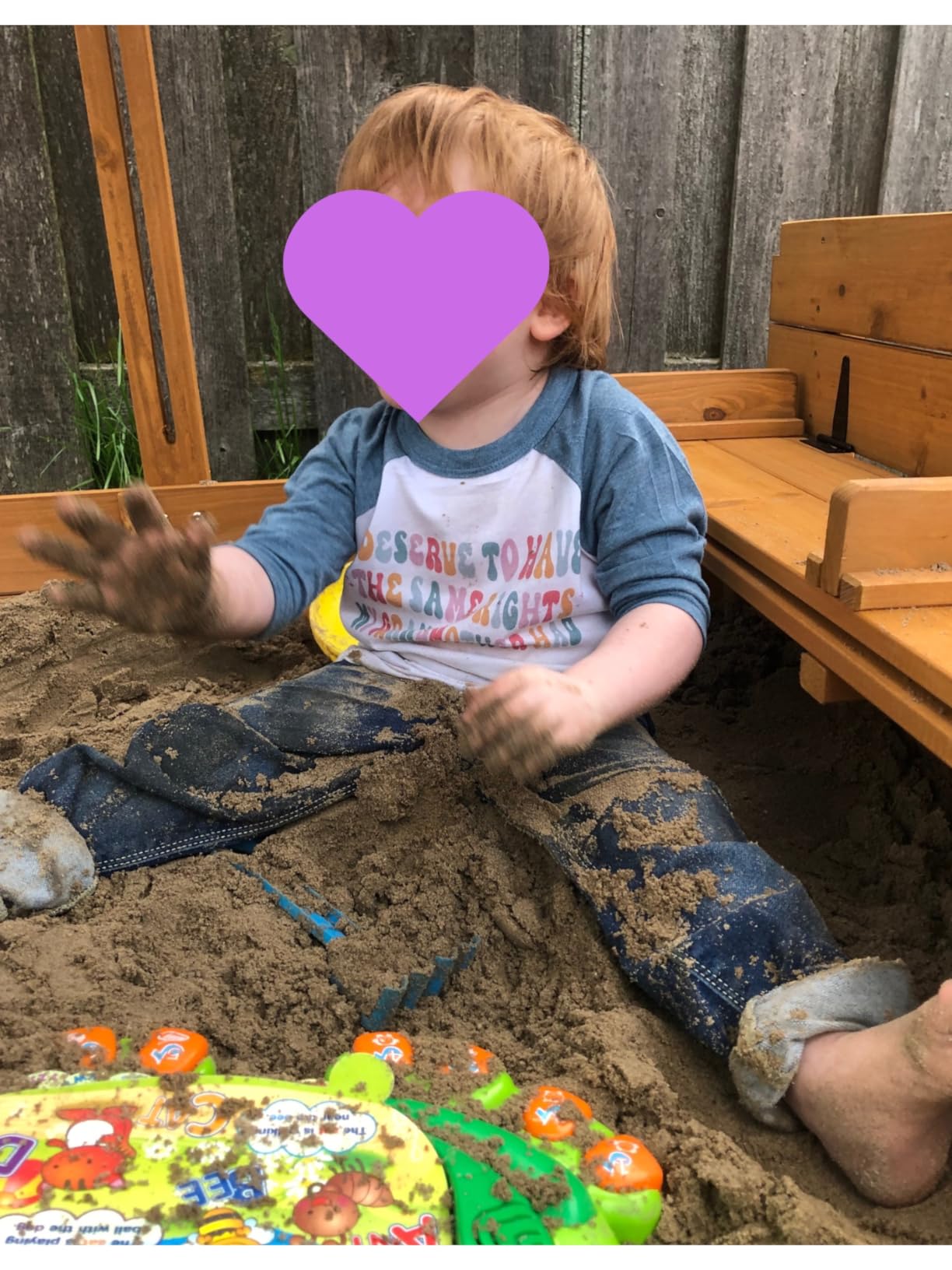
Why it works for a toddler in a hot yard
Manufacturer guidance starts at 12 months, which makes this one of the few picks here labelled for a first sandbox. A full canopy means a toddler can dig through a two o’clock heat check without you dragging them indoors.
The benches have backrests, so a wobbly 18-month-old sitting down has something behind them. Combined with the tall canopy posts, this is the pick that gets used longest in a hot climate.
Where it falls short
Because the base is bottomless with no panel, the sand sits on your ground covering. That is good for drainage and bad for hygiene if the ground is bare soil, so staple or pin a length of weed barrier fabric underneath.
The canopy, once closed, also blocks the ventilation some parents want in peak summer. Crack it slightly or lift it when the temperature is highest.
3. Mederra Octagon Cedar Sandbox With Waterproof Cover
85”x78”x9” Wooden Octagon Sandbox with Cover, Large Sandpit for Kids Outdoor Patio Backyard Play, Easy & Quick Assemble
Cedar wood
85 x 78 inch footprint
9 inch wall height
Holds 800-1000 lbs of sand
Fits 6-8 children
Pros
- Ratings of 4.5 across 797 buyers
- Very large octagon seats five or six children
- Waterproof cover survived heavy storms
- Pre-drilled parts assemble solo in about 40 minutes
- Meets ASTM F963 and CPSIA
Cons
- Cover can lift or balloon if rainwater pools
- Thinner boards sometimes hole misalign
- Side joints feel loose without brackets
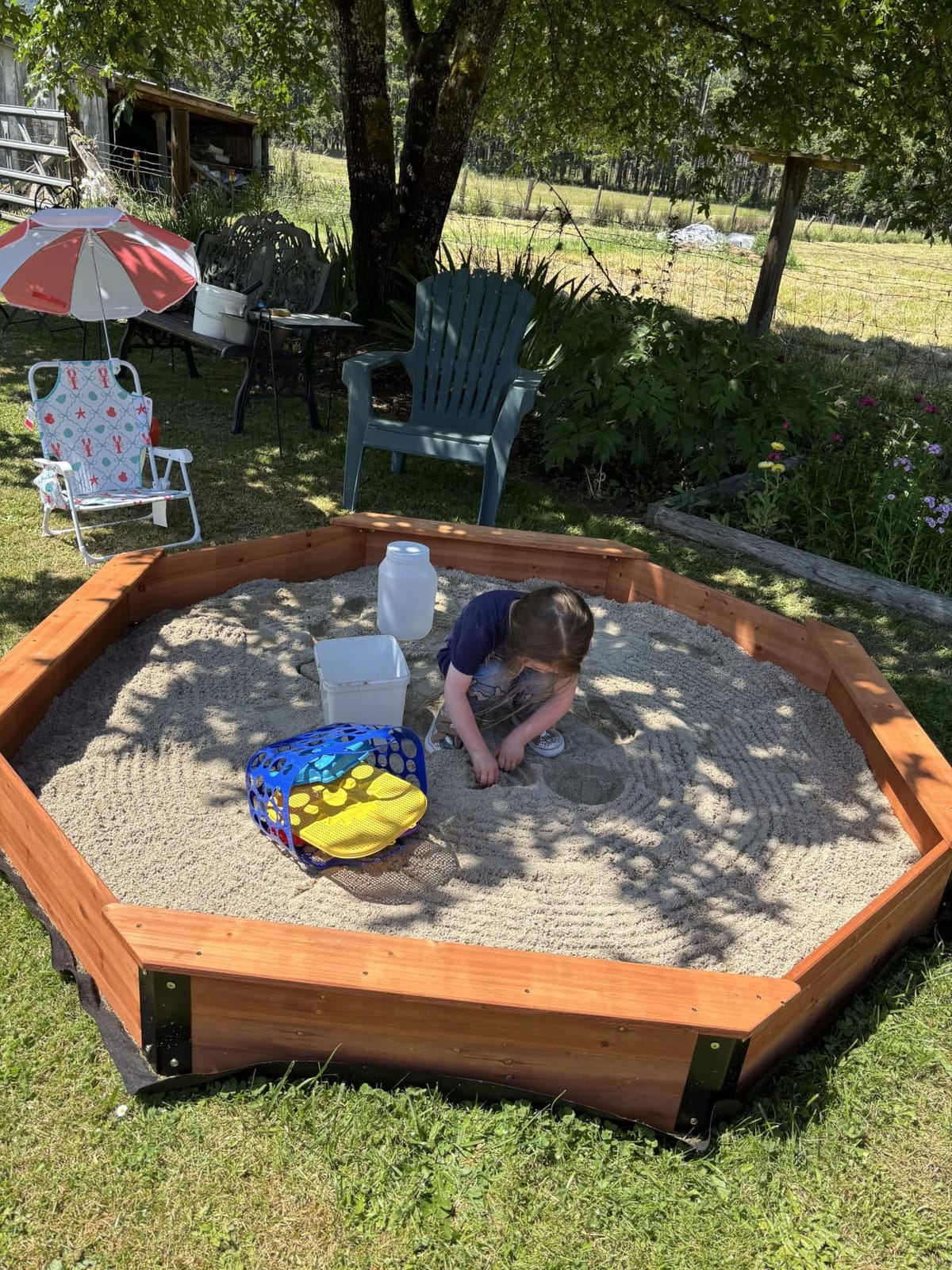
If you have a preschool group, a daycare courtyard, or more than one child, size is the whole argument. The octagon measures 85 by 78 inches, holds 800 to 1000 pounds of sand and is rated for six to eight children. Four bench seats ring the perimeter so adults can sit at the edge.
The cover here is a full waterproof sheet rather than a folding bench panel, and owners report it kept the sand completely dry straight through a severe thunderstorm. A bottom mesh liner holds the sand in while moisture escapes, which matters on a footprint this big.
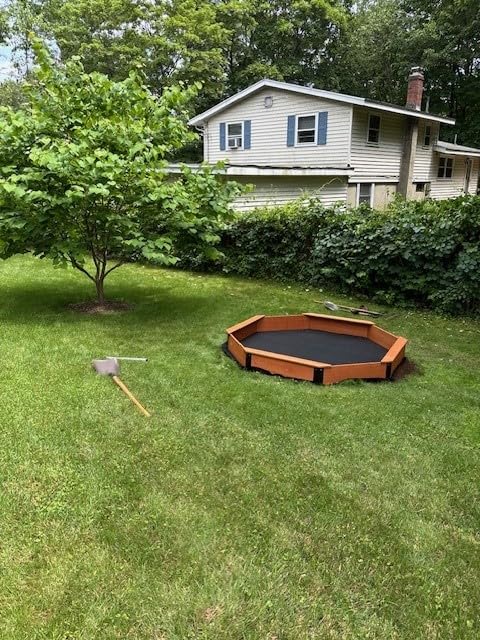
The cedar is water-resistant finished and connected with angle iron posts, and the whole thing meets ASTM, F963 and CPSIA standards. Parts arrive pre-cut and pre-drilled, and owner’s own build solo in around forty minutes. It is also one of only two picks here rated above 4.4.
One practical warning. A loose cover on a box this size will balloon with rainwater or lift in a gust, so weight the edges or strap it down once you get it in place. That single habit prevents the most common complaint on this listing.
Why it works for a busy group
Footprint is the deciding factor when three or more children share a box. A 47-inch square simply gets crowded fast, and toddlers end up standing on the sand rather than digging in it. At 85 by 78 inches there is room for everyone to work without one child walking over another.
The 9-inch wall height also gives a better grip-to-climb ratio for a toddler than a taller box would. Certification to ASTM and CPSIA is worth checking off your list if this is a shared or gift purchase.
Where it falls short
It is the biggest footprint here by a wide margin, and parents with small yards describe that as the real constraint. Measure your space before anything else, including a few feet of clearance so a toddler can walk around it.
On the thinner boards, holes occasionally do not line up cleanly and can split during assembly. Drill pilot holes by hand and it will go together cleanly.
4. BIRASIL Fir Sandbox With Canopy and Bench Seats
BIRASIL Wood Sandbox with Cover, Sand Box with 2 Bench Seats for Aged 3-8 Years Old, Sand Box for Backyard Garden, Beach Patio Outdoor (Natural Wood, 48 Inch)
Fir wood
48 x 48 inch footprint
48 inch overall height
Benches rated to 200 lbs
Adjustable canopy
Pros
- Cover and canopy handle rain and animals
- Smooth splinter-free fir surfaces
- Backrest benches hold 200 lbs
- Bottomless base aids drainage
- Assembles in about 15 minutes
Cons
- Lowest average rating here at 4.0 with a 10 percent one-star share
- Canopy height adjustment is the most cited weak point
- Bench hardware loosens over time
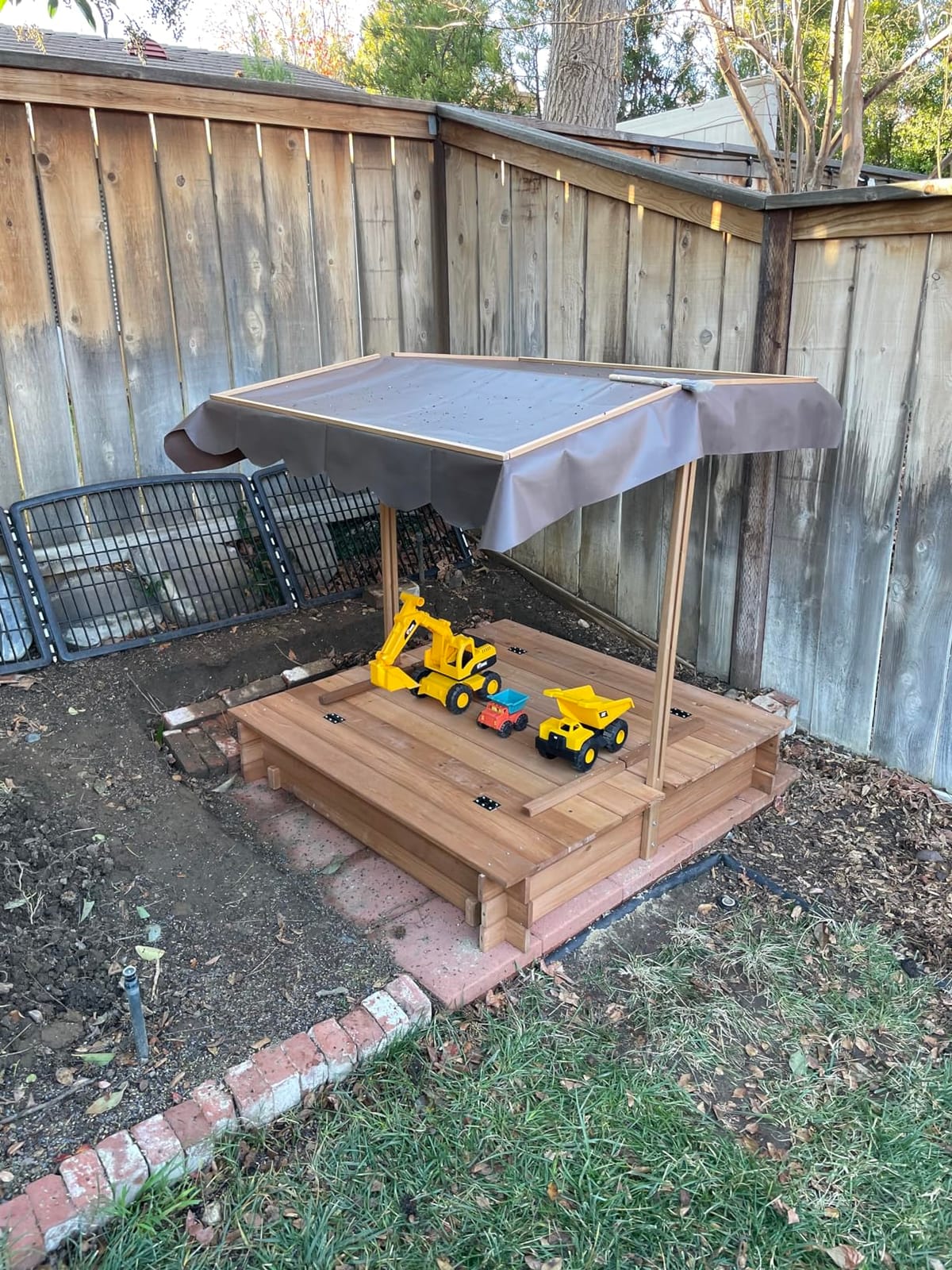
This one builds fast, which matters when you have a toddler pulling at the box while you work. Owners put assembly at roughly fifteen minutes with the included hardware. The play area is 48 inches square, and the finished structure stands 48 inches tall including the canopy frame.
The canopy height is adjustable, so you can bring shade lower for a small child and raise it as they grow. Fir boards are described as smooth and splinter-free, which is the detail we looked hardest for given how much of this category gets chewed on.
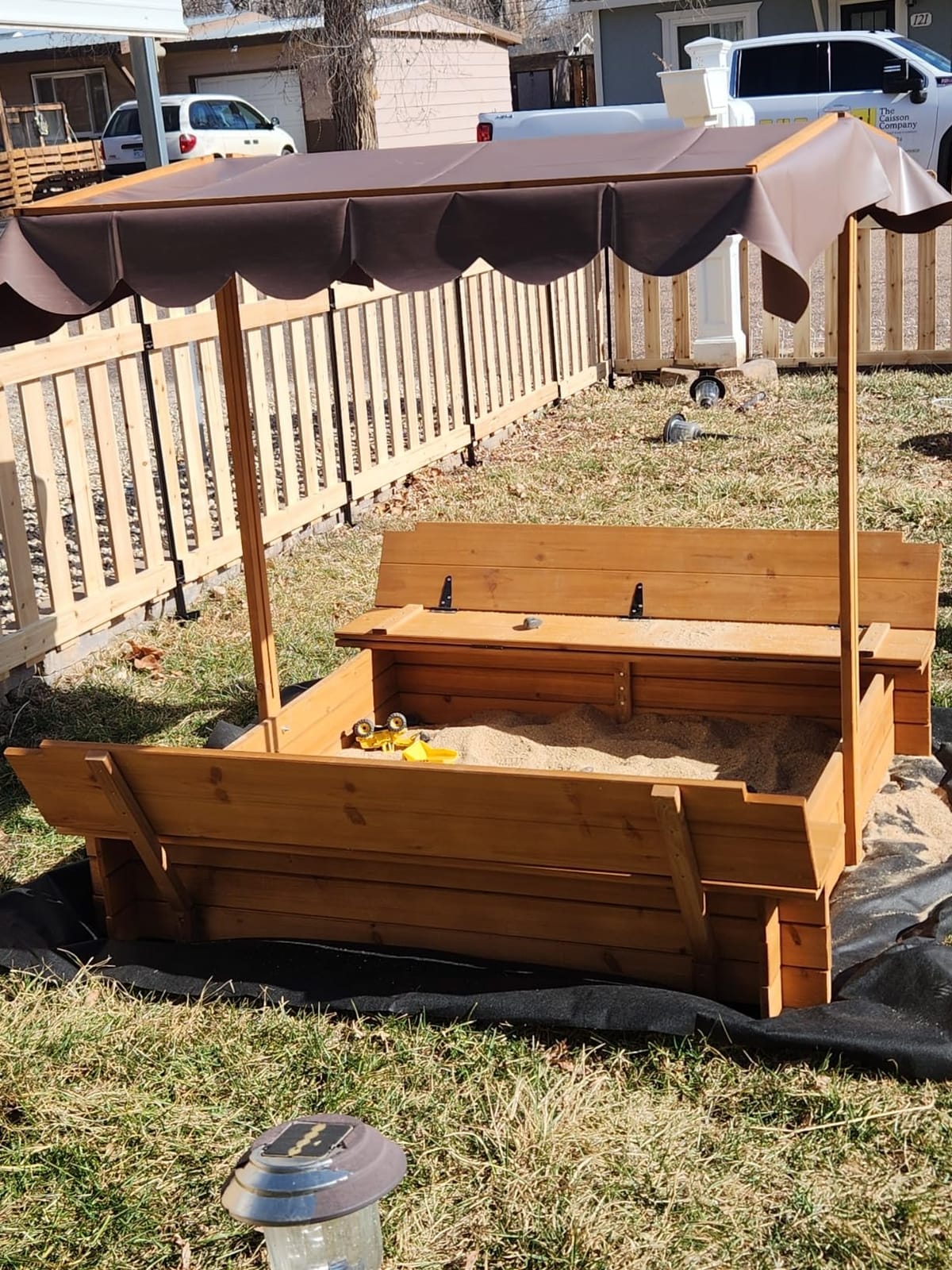
Two benches with backrests are each rated to 200 pounds, so an adult can sit at the edge and play alongside rather than just supervising from a chair. The base is bottomless for drainage, ventilation and sand depth adjustment, and the whole unit weighs 42 pounds.
Be clear-eyed about the ratings. At 4.0 stars across 760 ratings, this carries the lowest average score of the ten, and one buyer in ten leaves a one-star rating that clusters around durability after a season or two of use. The canopy height adjuster and bench hardware are the two components named most often.
Why it still makes the list
Nothing else in this group combines an adjustable canopy, a weather-resistant cover, a fifteen-minute build and fully smooth fir surfaces at this level. The safety profile for a mouthing toddler is genuinely good, and the price tier sits below most of the cedar options.
If you go this route, inspect the canopy adjuster and bench bolts at the start of each season. That is where problems show up first, and it takes two minutes to tighten.
Where it falls short
Durability is the open question, and the review data does not flatter it. Ten percent one-star ratings is the second-worst showing of the ten, and the canopy adjuster plus the bench hardware are the parts to watch each spring.
The canopy is also the only shade source, so once it jams at a set height your only sun protection is gone until you clear the adjuster.
5. Step2 Natural Playful Sandbox With Molded Lid
Step2 Natural Playful Sandbox, Kids Activity Sensory Table, Summer Outdoor Toys, Lid Included, For Toddlers 1+ Years Old
Double-walled plastic
44 W x 32 D x 15.5 H inches
Four built-in seats
Holds up to 200 lbs of sand
2 year warranty
Pros
- Highest rated here at 4.7 with 83 percent five-star
- Arrives fully assembled so no build step
- Molded plastic will not rot crack or splinter
- Hoses down clean and works indoors
- Four seats let adults join in
Cons
- Plastic does not blend into a yard the way cedar does
- Plastic scratches and discolors over years
This is the highest-rated pick in the group at 4.7 stars from 764 ratings, with 83 percent of buyers giving five stars. It also arrives fully assembled, which for a family with a toddler is worth more than it sounds. No build, no tools, no toddler climbing through a half-built box.
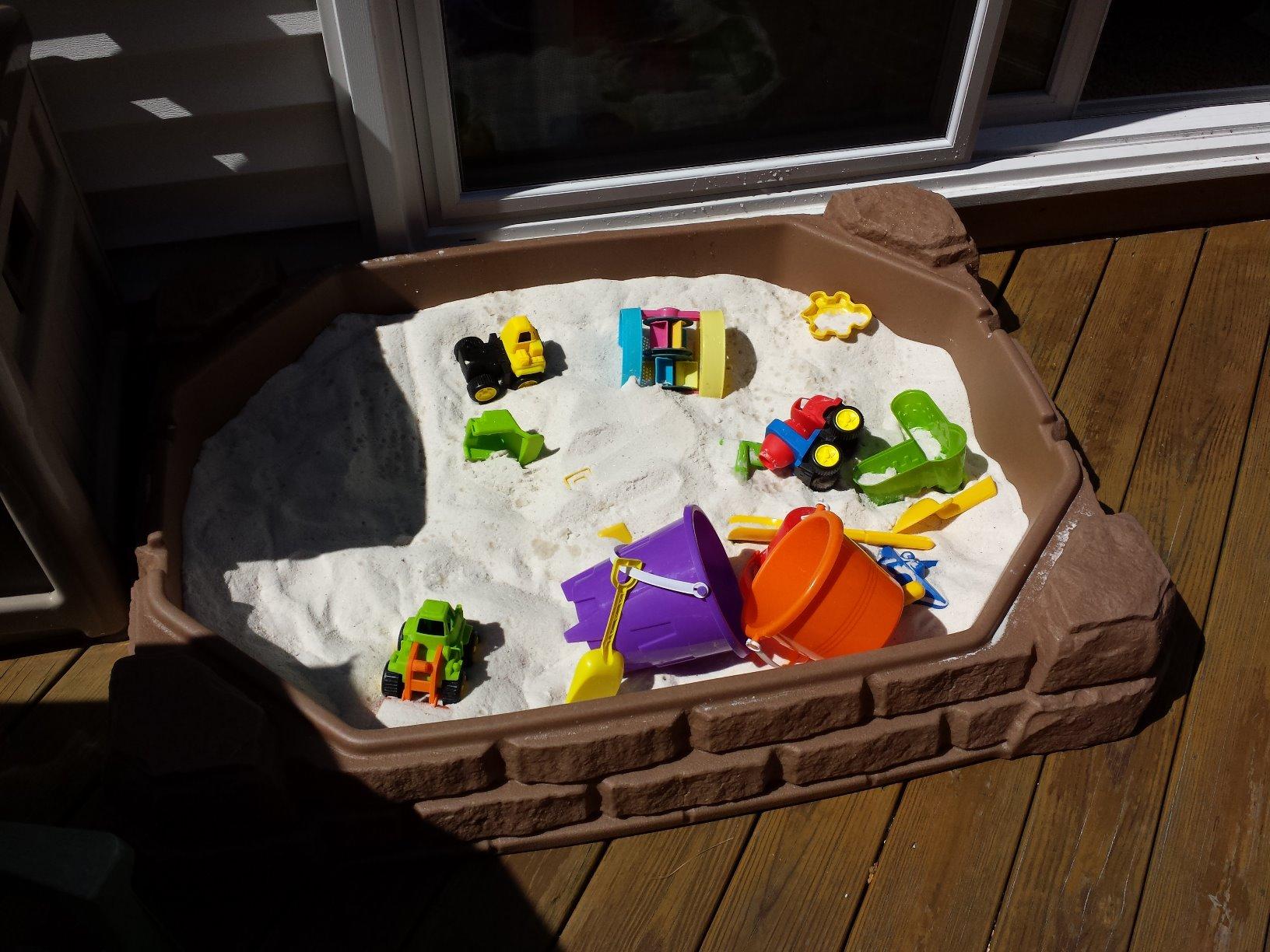
It measures 44 inches wide by 32 inches deep and stands 15.5 inches high, and the raised height makes it a genuine sand table rather than a ground-level pit. Four built-in seats ring the edge, and it takes up to 200 pounds of sand. Sand is not included.
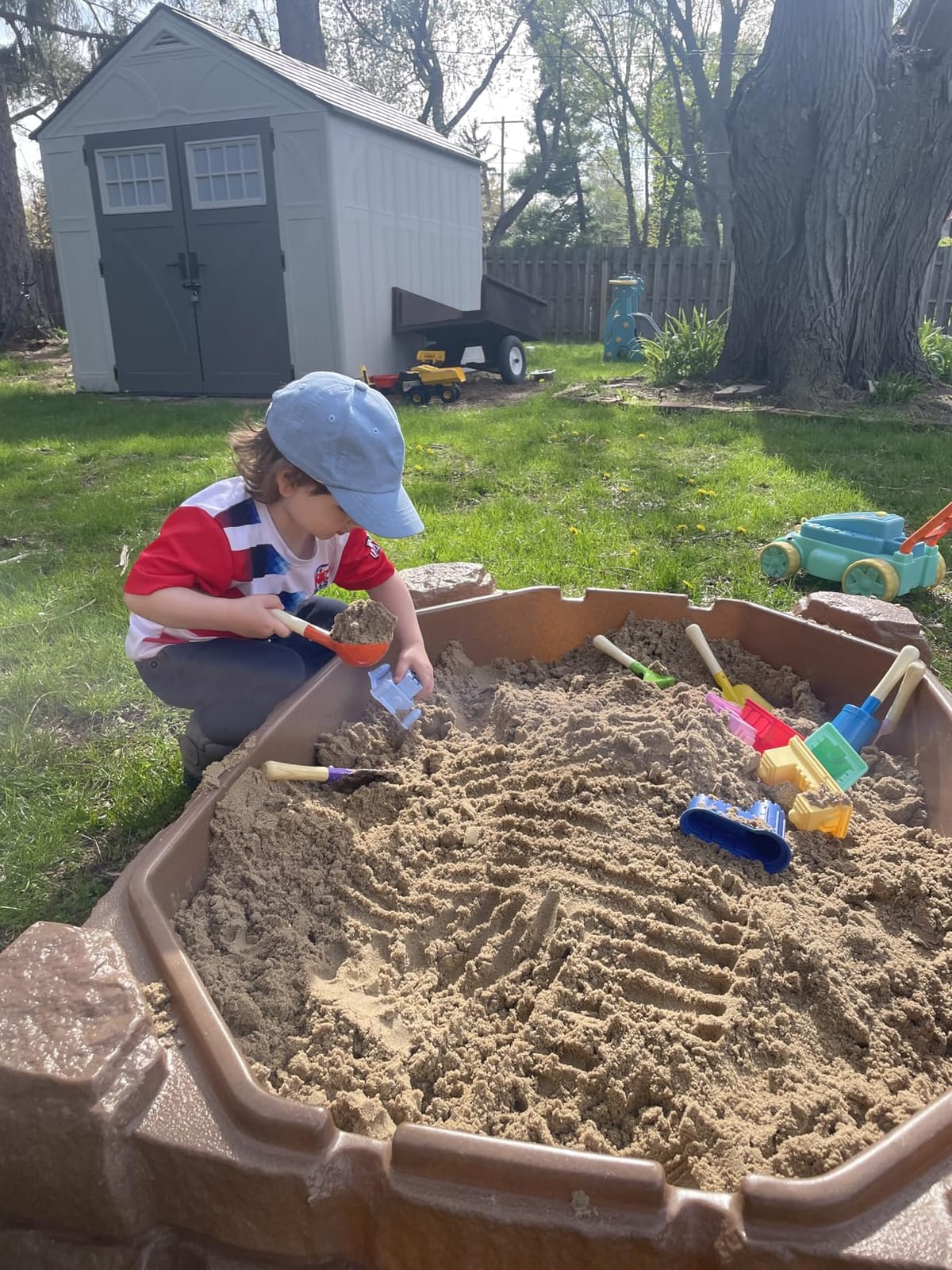
The body is double-walled plastic that will not chip, fade, crack or peel, and the molded lid closes over the top so the sand stays clean. You can hose it down in a minute, which makes it the easiest unit in this roundup to keep sanitary. A two year manufacturer warranty backs it, the longest stated warranty among our picks.
This is our choice for a small patio, a balcony, or a family that wants one box for indoor sensory play and outdoor summer. At 15.5 inches tall it also works well as an indoor sensory table on days when everyone is stuck inside.
Why toddlers get the most out of it
The raised rim is the safest design choice in this list for a one-year-old. There is nothing to fall into, the child stands rather than climbs, and a parent kneeling beside it has a clear view of everything happening in the sand.
Manufacturer guidance starts at 12 months, and it works indoors or out. For a child who mouths everything, a surface you can wipe down in thirty seconds changes how often you actually let them play.
Where it falls short
Plastic never looks like cedar. In a landscaped yard the molded form reads as a toy, where a wooden box reads as furniture, and that is a real consideration if the sandbox is a gift for someone particular.
Over years of use the surface scratches and discolors, and unlike wood you cannot sand a blemish out. Expect a scuffed look eventually rather than a patina.
6. Badger Basket Cedar Sandbox With Convertible Lid
Badger Basket Wooden Sandbox with Cover & Folding Benches – Outdoor Sand Box for Kids & Toddlers, Large Backyard Sand Pit Playset with Convertible Lid, (46.5 x 46.5 x 9.5 Inches) – Natural/Green
Cedar wood
46.5 x 46.5 x 9.5 inches
Holds up to 750 lbs of sand
Folding bench lid
Bottomless base
Pros
- Cedar blends into a yard better than plastic
- Cover keeps outdoor cats out
- Benches hold an adult sitting beside a toddler
- Survives wet weather with the cover down
- Brand customer service replaced a split slat
Cons
- Factory hinges are thin and often need replacing
- Pre-drilled hinge slots too narrow for standard hardware
- Gaps between lid slats admit grit
- Toddlers can pinch fingers closing the benches
This is the pick we keep coming back to on value. At 4.4 stars from 1144 ratings it holds one of the strongest rating and review combinations in the group, and the cover is the same well-executed mechanic as the pricier boxes: two benches fold down to close the sand off.
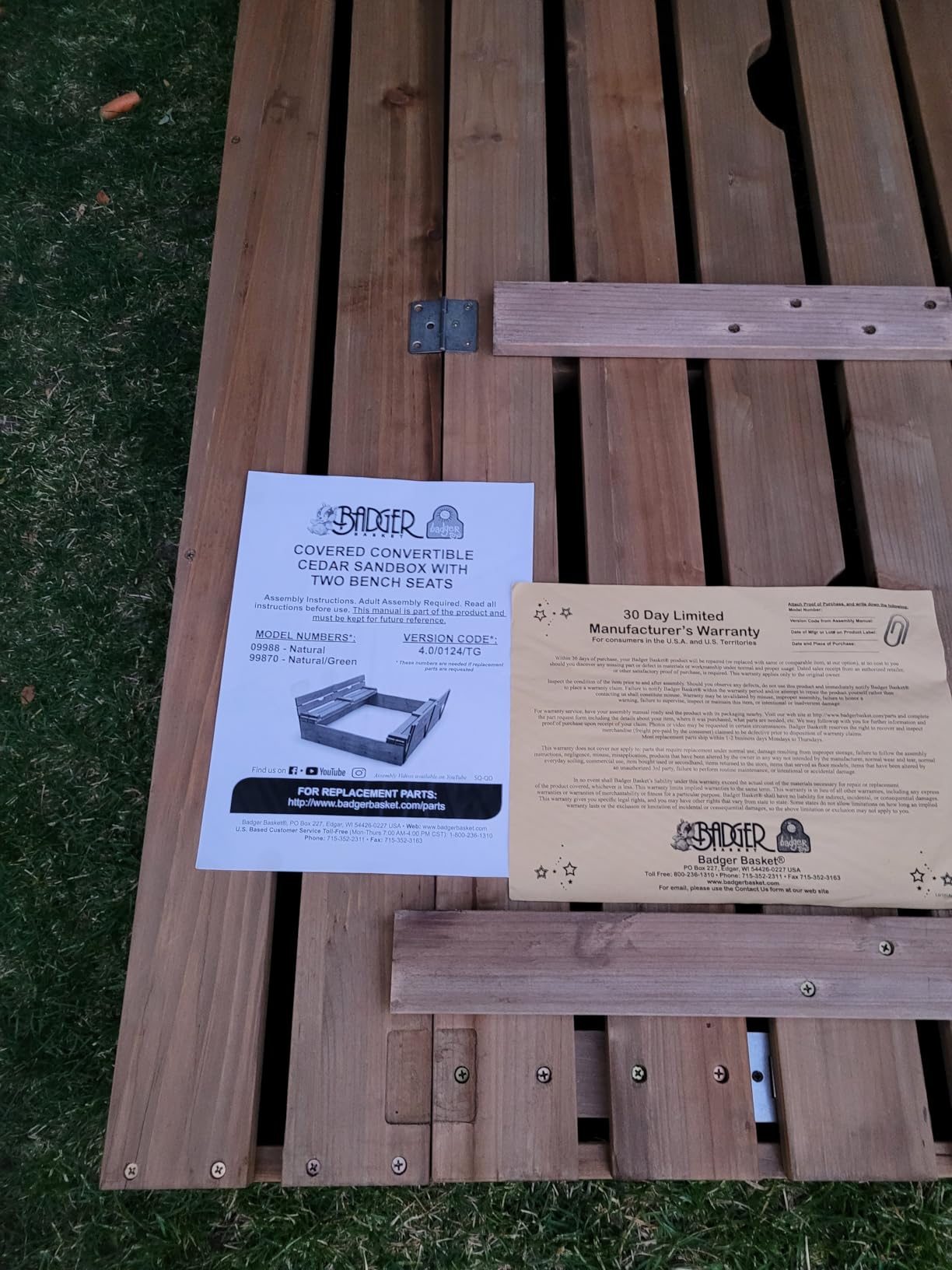
It measures 46.5 inches square with a 9.5 inch wall height and holds up to 750 pounds of sand. The base is bottomless, so put a weed barrier underneath before you fill it. A 30 day warranty against manufacturer defects covers the arrival period, not a multi-year failure.
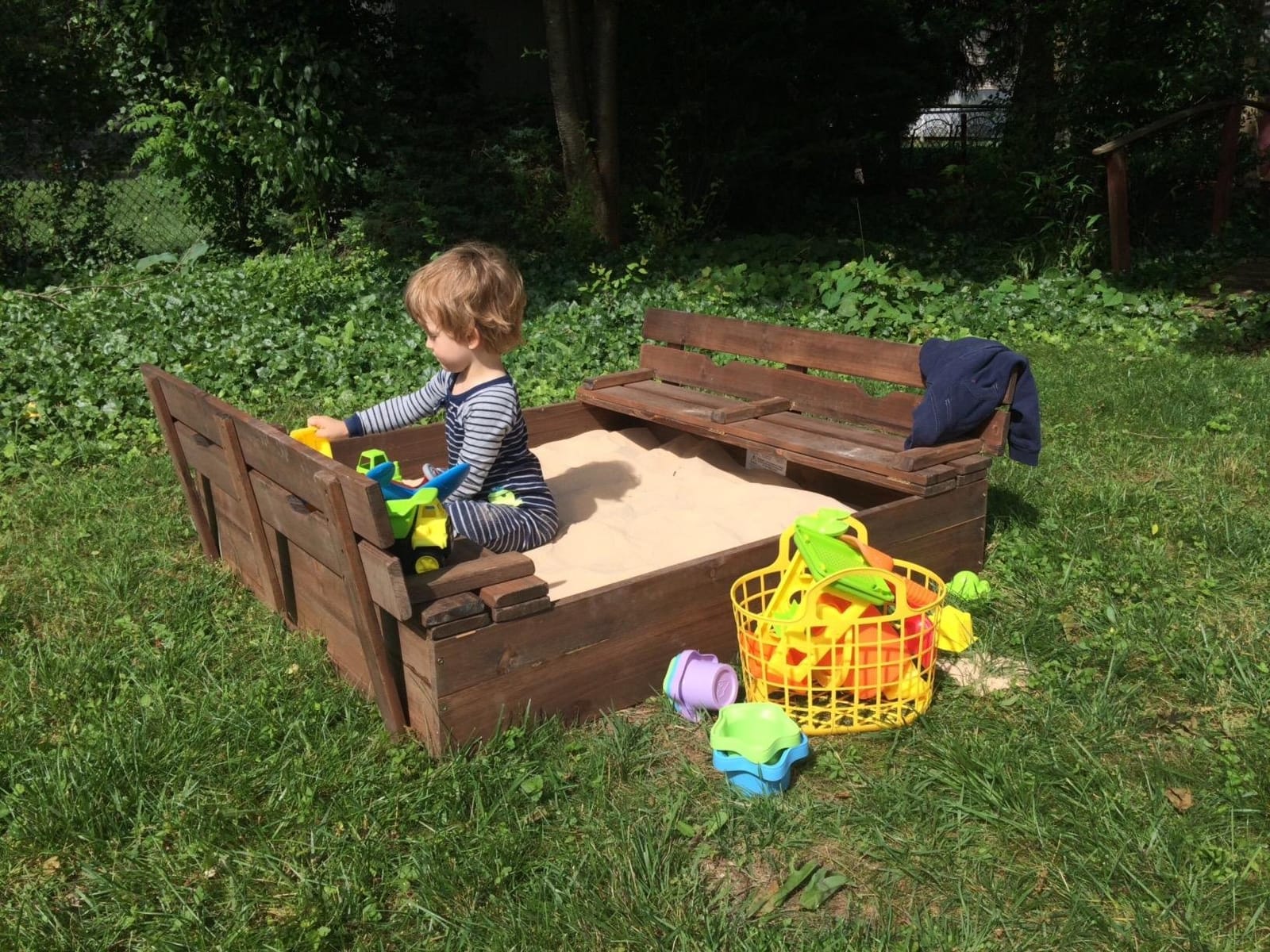
Long-term owners across many seasons confirm the cedar box itself holds up, including through harsh winters with the cover down. The natural cedar look blends into a garden far better than any plastic option here, and the benches are sturdy enough for an adult to sit and play alongside a toddler.
The one consistent flaw is the factory hinges. They are thin, and the pre-drilled slots are too narrow for standard replacement hardware, so many owners swap them out. Budget for a pack of heavier hinges and a short screwdriver job on day one and this box will keep going.
Why it fits a cat household
Outdoor cats are the number one complaint we saw about uncovered sandboxes, and a folding lid closes the gap completely rather than draping fabric over the top. Owners with cats in the yard specifically report keeping them out.
The gap between lid slats is the only weakness here. Grit and small debris still find their way in, which is a reason to check the sand every month or so and skim the top layer.
Where it falls short
The pinch risk deserves a real mention. A toddler closing a bench onto their fingers will cry, so supervise the first few dozen times they use it. Nothing here is dangerous, but it is genuinely a pinch point.
Partial weather protection is the honest word for the lid. Some rainwater seeps between the boards, so top up with a fresh layer of dry sand at the start of each season.
7. Agitree Cedar Sandbox With 360-Degree Canopy and Storage Benches
Agitree Wooden Sandbox with Lid and Canopy for Kids Ages 3-8, 47″ Outdoor Sand Box with Foldable Storage Bench Seats, Bottom Liner Included
Heat-treated fir
47.2 x 47.2 inch base
46 inch height
Benches rated to 200 lbs
Canopy rotates 360 degrees
Pros
- Under-bench storage compartment contains beach toys
- Canopy rotates 360 degrees and adjusts in height
- Benches fold into separate cover panels
- Closed lid still works as an extra seat
- Non-toxic water-based finish
Cons
- Highest one-star share here at 12 percent
- Top of the price range in this lineup
- Hardware feels lighter duty than the price implies
This is the most feature-dense box we reviewed and the only one with built-in toy storage. One of the two benches has an under-seat compartment, which solves the problem every sandbox parent has: a bucket, a shovel and a rake that vanish into the dirt at the bottom of the box.
The canopy rotates a full 360 degrees and adjusts in height, so it follows the sun across the afternoon rather than shading one corner. The base is 47.2 inches square, 46 inches tall overall, and the benches fold into separate cover panels when you are done.
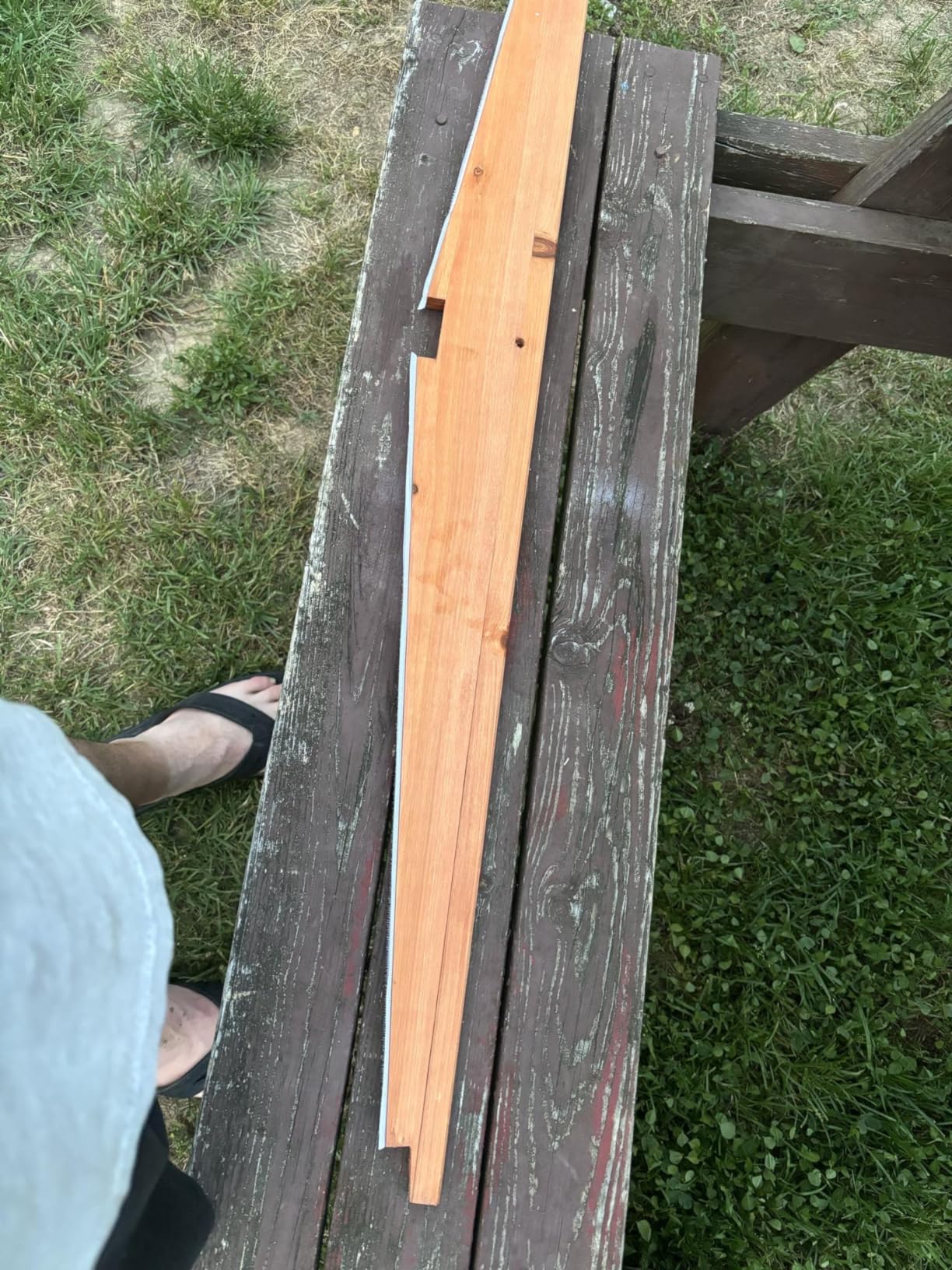
Construction is heat-treated fir with a water-based, non-toxic finish. Owners like that the closed lid still functions as an extra seat, so the box earns its footprint even when nobody is digging. Installation is reported at about thirty minutes. Benches are rated to 200 pounds each.
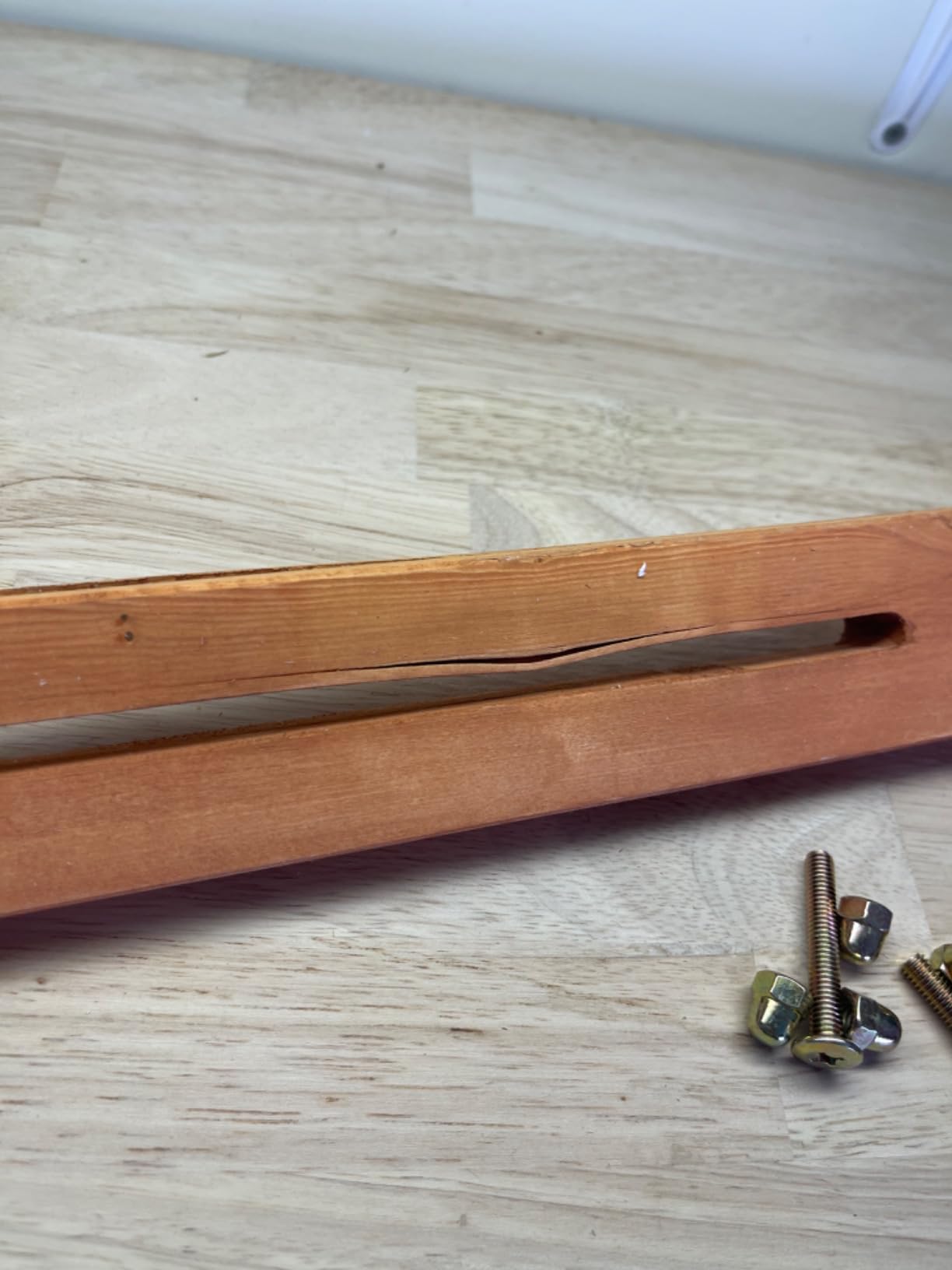
The reservations are about longevity. This listing carries the highest one-star share in the group at 12 percent, and reviewers at the top of the price range more often report that the hardware and wood do not hold up to the feature count. Inspect the canopy hardware before the first full season.
Why the rotating canopy earns its place
A fixed canopy shades one corner and leaves your child in direct sun by mid-afternoon. A 360-degree rotating canopy tracks the sun, and the height adjustment lets you drop the shade for a small child and raise it later.
That combination is the single best answer in this roundup to the question of whether a toddler needs a canopy rather than just a lid.
Where it falls short
Feature count is not the same as durability, and the ratings reflect that gap. Twelve percent one-star reviews is the worst in this group, and buyers describe the canopy adjustment and the bench hardware as lighter than the price suggests.
Because the base has no solid floor, you will want to cover the ground with weed barrier fabric underneath rather than letting the sand sit straight on your lawn.
8. YOLENY Spruce Sandbox With UV50 Canopy and Waterproof Top
YOLENY Sandbox with Lid,Kids Sandbox with Cover Outdoor,Wooden Sand Box with 2 Foldable Bench Seats,Adjustable UV-Resistant Roof & Bottom Liner,Sand Box for Kids Ages 2-8, Perfect for Backyard,Beach
Treated spruce
43.7 x 43.7 inch base
43.3 inch height
Holds 250 lbs of sand
UV50 Oxford canopy
Pros
- Lowest cost in the lineup while still including canopy and lid
- UV50 Oxford cloth blocks strong sun
- Backrests keep small children seated
- Stapled liner reduces sand leakage and deters animals
- Installation video covers gaps in the written manual
Cons
- Canopy rotates only 180 degrees
- Lowest review volume in the group
- Spruce feels lighter than cedar or fir
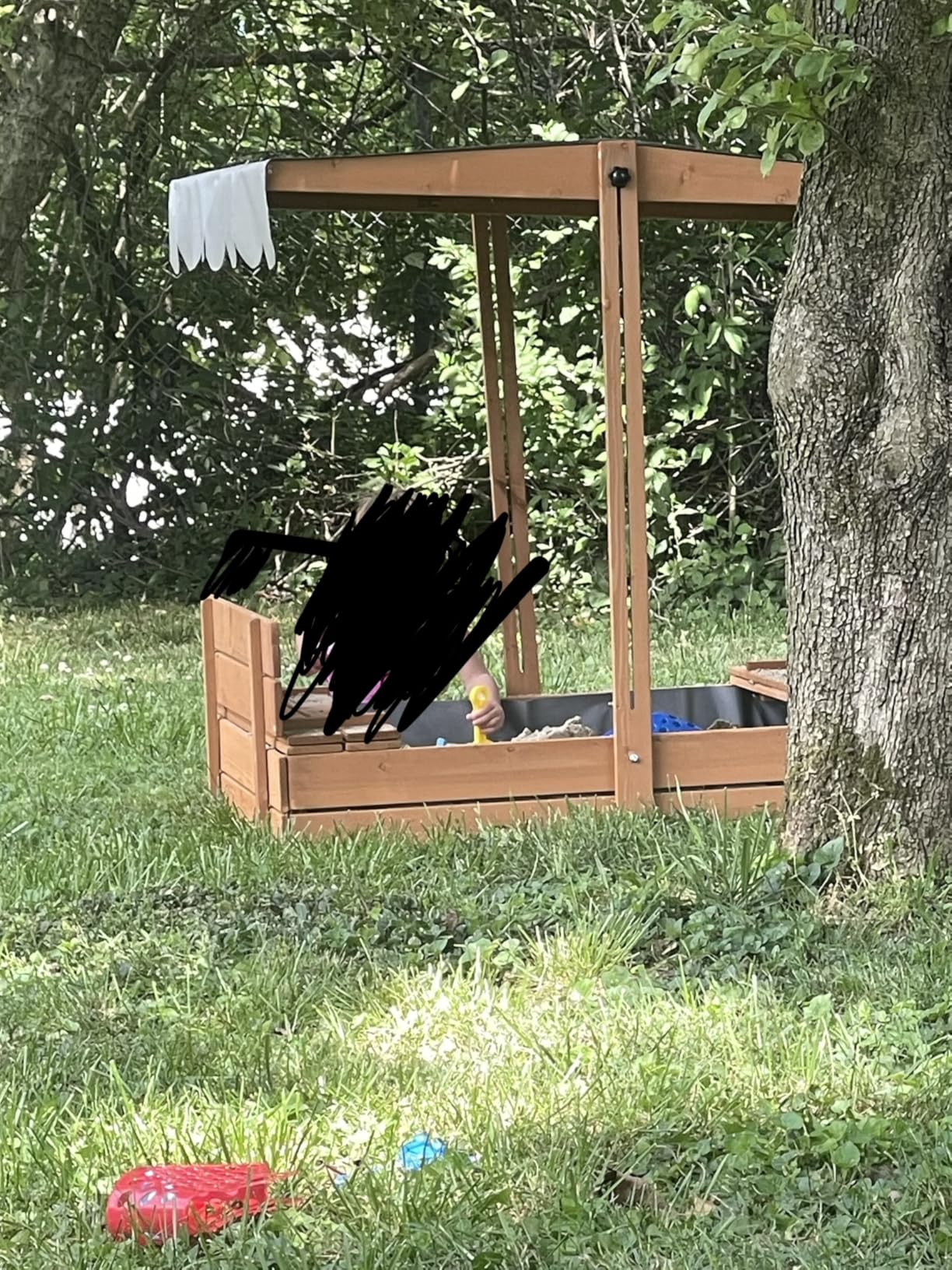
This is the value pick, and it is remarkable how much is included for the money. You get a canopy, a waterproof top, two foldable benches with backrests and a stapled Oxford cloth liner, which is more coverage than several boxes costing twice as much.
The canopy is 420D Oxford cloth rated UV50 and rotates 180 degrees with a removable column and height adjusters. The base is 43.7 inches square and the assembled height is 43.3 inches. The top holds up to 250 pounds of sand.
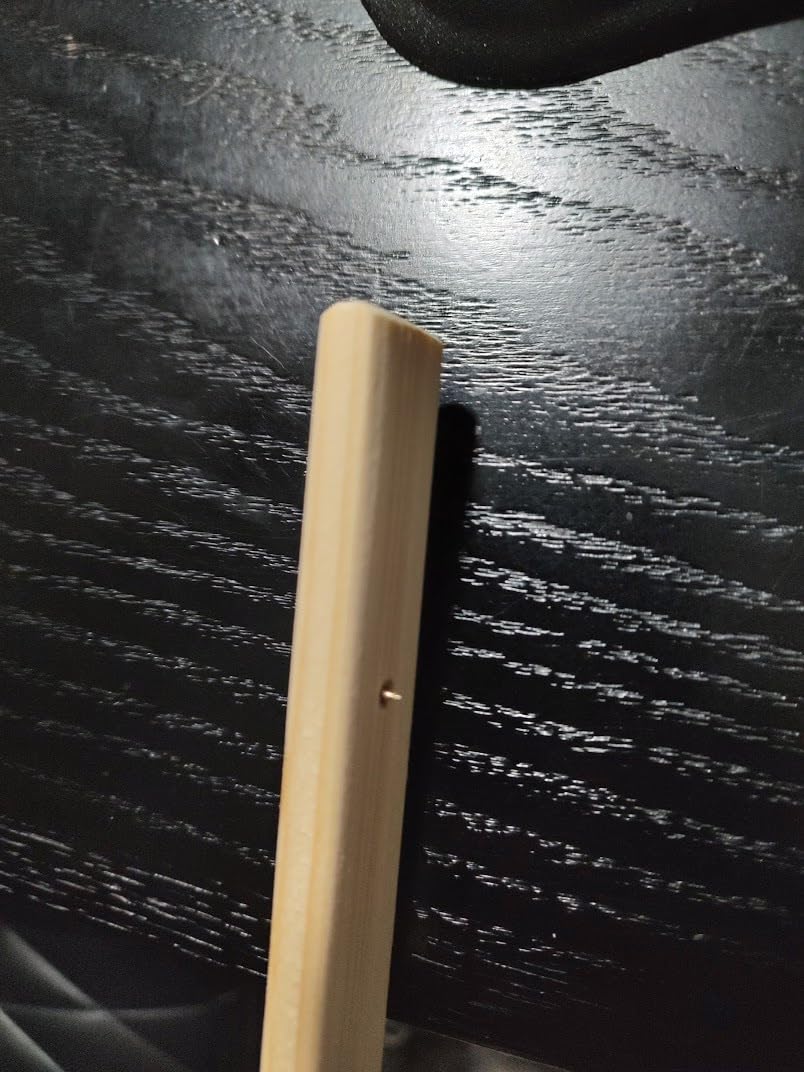
The oxford liner is stapled to the base to stop sand leaking out and to block animals and debris from underneath, which is the grounding fix we talked about earlier. Benches are rated to 200 pounds each. Assembly ships with a manual and a detailed installation video, and buyers single the video out as genuinely helpful.
Two limits to plan around. Canopy rotation stops at 180 degrees rather than a full circle, so in a very open yard you may want to reposition the whole box mid-afternoon. And at 349 ratings, this has the smallest review base here, so you are trusting a thinner track record.
Why it suits a first sandbox
The backrests on both benches are the detail that matters most for a small child. A toddler who topples backwards while scooping has a seat back to catch them rather than the sand edge.
At 47.8 pounds it is heavier than it looks, which is reassuring against a child pushing on the frame, but it also means one adult for the carry.
Where it falls short
Entry-level spruce has less resistance to splitting than cedar or fir, and over several wet seasons the frame may need tightening before each spring. It is a fair trade for the price, but it is a trade.
The half-rotation canopy is the other limitation. In a fully open lawn you will be moving shade by hand rather than turning a knob.
9. Outsunny Fir Sandbox With Canopy and Lid
Outsunny Wooden Sandbox with Lid Canopy for Aged 3-7 47X47 in Brown
Fir wood with water-based paint
41.7 x 41.7 inch footprint
45.3 inch height
Two removable benches
Non-woven liner
Pros
- Compact footprint suits patios and front yards
- Canopy blocks sun and keeps sand dry in rain
- Benches remove entirely to free play space
- Assembles with basic tools
- Non-woven liner supports drainage and sand depth
Cons
- Seat wood is thin and rated around 50 lbs
- Canopy is hard to raise and lower and yellowed quickly for some
- Boards sometimes arrived cracked
- Listed size can undersell the actual play area
This is the smallest covered box in the lineup and the one that fits where the others do not. At 41.7 inches square it works on a patio, a front yard or a narrow side yard where an 85-inch octagon would never go.
Despite the compact base it still has both cover functions. The adjustable canopy blocks harsh sunlight from any angle and keeps children dry in light rain, and the lid shields the sand pit from weather, animals and debris. The two benches are removable with backrests, so you can pull them out when your child outgrows sitting.
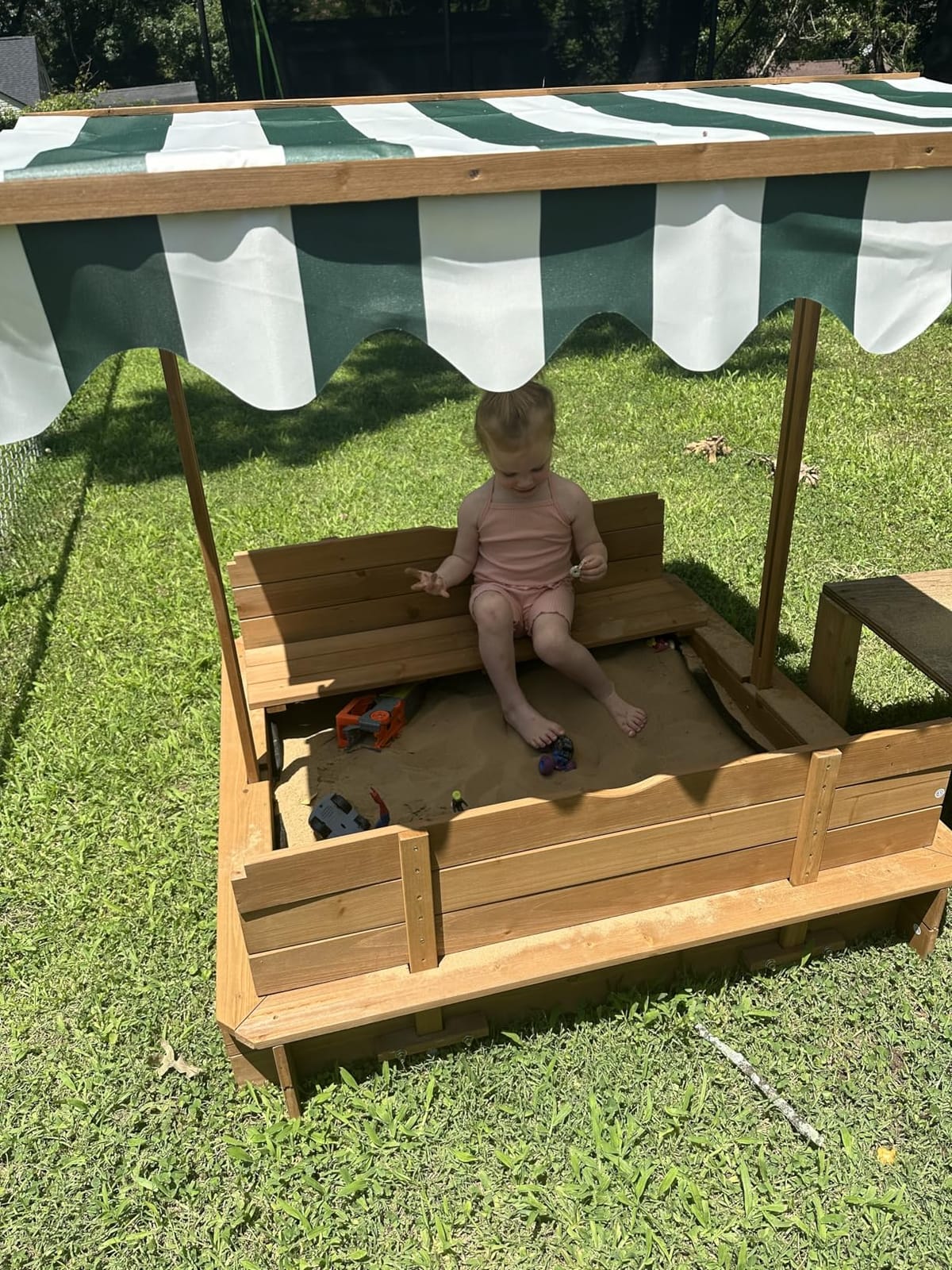
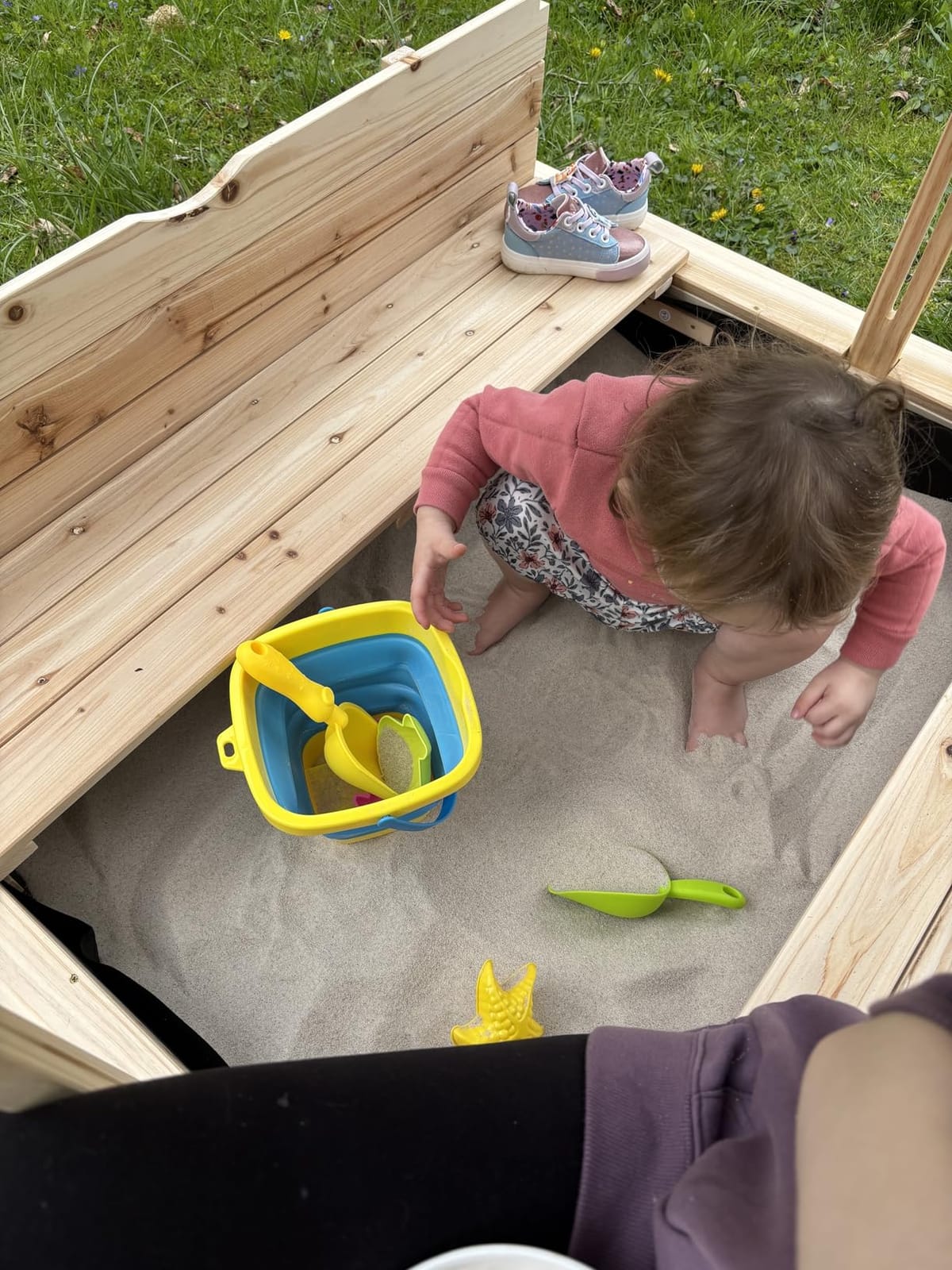
Fir wood carries a water-based paint, and a non-woven fabric liner is fixed underneath with wooden plates for drainage, ventilation and sand depth control. Owners mention it takes roughly four bags of sand to fill, which is a useful data point for planning your first fill. It assembles with basic tools.
The real weakness is the seating. Seat wood is thin and rated at only around 50 pounds, which means this is a box for a toddler rather than somewhere an adult can sit and supervise. Canopy movement is also fiddly, and some buyers report the canvas yellowing within a week.
Why it fits small outdoor spaces
Footprint is the constraint most parents hit first, and this box answers it without dropping the cover. You get canopy plus lid in 41.7 inches, and the removable benches give you back interior space when you want digging room instead of sitting room.
It is listed for ages 36 months to 7 years, so treat it as a first sandbox for a walking toddler with a close adult nearby rather than independent play.
Where it falls short
The 50 pound seat rating is the honest limitation. Parents who like to sit in the sand with their child should look at the fir or cedar benches rated to 200 pounds instead.
A few buyers also report boards arriving cracked, so inspect the crate on delivery and photograph any damage before you build.
10. Pipleo Sandbox With Activity Wall and Retractable Roof
Kids Large Wooden SandBoxes with Roof, Pipleo Outdoor Sand Box Play w/Canopy for Backyard Garden Beach, Sand Pit for Beach Patio Outdoor, [Adjustable Cover & Funnel & Drawing Board] – Brown Oak
Heat-treated fir
44 x 40.3 x 44 inches
Holds 250 lbs of sand
Activity wall and drawing board
Retractable canopy roof
Pros
- Activity wall with funnel spiral chute buckets and faucet
- Canopy rotates and adjusts for shade
- Black inner liner simplifies sand storage
- Holds 250 lbs of sand for two children
- ASTM and CPSIA certified
Cons
- Longest assembly at roughly 1-2 hours
- Isolated reports of a center board cracking under rain load
- Accessories add build steps to an otherwise simple frame
This is the only sandbox in the roundup with an activity wall, and it changes what a 16-month-old can do before there is any sand in it at all. The wall carries a sand wall, a funnel, a spiral, a chute, two plastic buckets and a drawing board, so the box works on a dry day too.
The structure is 44 inches long by 40.3 inches wide and 44 inches tall, holds up to 250 pounds of sand, and ships with a black inner liner plus an Oxford cover. Manufacturer guidance starts at 12 months, which is the lowest age rating in this group alongside the Aivituvin.
![Kids Large Wooden SandBoxes with Roof, Pipleo Outdoor Sand Box Play w/Canopy for Backyard Garden Beach, Sand Pit for Beach Patio Outdoor, [Adjustable Cover & Funnel & Drawing Board] - Brown Oak customer photo 1](https://austineubanks.com/wp-content/uploads/2026/09/B0C7Z3CQ1P_customer_1.jpg)
Materials are the part we checked most closely. It uses heat-treated, splinter-less natural fir with non-toxic water-based paint and is certified to ASTM and CPSIA, and reviewers describe the wood as thick rather than flimsy. The retractable roof uses a thicker wood handle and a T-shaped hinge, and it rotates and adjusts to follow the sun.
The trade-off is build time. Most owners report one to two hours because of the accessories, so set aside an afternoon and build it before the child is old enough to help you, or help you badly.
![Kids Large Wooden SandBoxes with Roof, Pipleo Outdoor Sand Box Play w/Canopy for Backyard Garden Beach, Sand Pit for Beach Patio Outdoor, [Adjustable Cover & Funnel & Drawing Board] - Brown Oak customer photo 2](https://austineubanks.com/wp-content/uploads/2026/09/B0C7Z3CQ1P_customer_2.jpg)
Why it works before the sand arrives
A toddler who is not yet ready for open-ended digging often loses interest in an empty box within a week. The funnel and spiral give that stage somewhere to put sand and pour it back out, which keeps the toy in rotation for longer.
The drawing board adds dry-weather use, so the sandbox does not sit unused when the weather turns. That doubles the value of the footprint over a year.
Where it falls short
There are isolated reports of a center board snapping when the canopy was left down in heavy rain, which means the closed canopy does carry a load. If rain is common where you live, prop the roof slightly open after a storm.
Assembly at one to two hours is the longest here, and the accessories complicate what would otherwise be a simple frame.
How to Choose a Sandbox With Cover for Toddlers
Full lid, convertible bench or canopy: what each one actually does
These three cover styles solve different problems, and buying the wrong one is the most common mistake we see. A full lid seals the sand between sessions. A convertible bench cover does the same thing using the seat panels, so nothing extra has to be stored. A canopy shades the child during play and, on most models here, also closes over the top when retracted.
For a toddler, a convertible bench cover or a retractable canopy is the strongest pairing. A simple full lid protects the sand but leaves your child in full sun during play, which is when they are actually out there.
Canopy or lid: which one does your child need
A canopy is for shade while playing. A lid is for keeping the sand clean when nobody is playing. Most parents need the lid every single day and the canopy four months of the year, which is why we prefer models where one part does both jobs, like the Aivituvin and Pipleo retractable roofs and the Best Choice folding benches.
If your yard gets any afternoon sun, buy shade. If your yard is already shaded by a fence or tree, spend the budget on a better cover and a liner instead.
Choosing a size and height for your toddler’s age
Between 12 and 24 months, prioritize height over footprint. A raised table-style box like the Step2, standing 15.5 inches tall, removes the fall-in question entirely and lets a new walker climb in without help. Ground-level boxes at 8.5 to 9.5 inches are fine but need an adult within arm’s reach.
Between two and four years, footprint becomes the deciding factor. One child plays happily in a 42-inch box. Two children sharing need closer to 47 inches, and a group of five or more needs the 85-inch class.
Sand depth matters more than most parents expect. Keep it shallow enough that a toddler can stand up and walk out, roughly a foot at the bottom of the box, and you will avoid the complaint we heard repeatedly about children climbing the walls rather than playing in the sand.
Material: cedar, fir or plastic
Cedar resists weather and rot and looks natural in a yard, but it is the heaviest material and needs heavier fasteners than most kits supply. Fir and spruce are lighter and cheaper to assemble, and they are what you see on the value picks. Plastic will not rot, crack or splinter and hoses down in a minute, which is the strongest argument for it in a toddler household.
Avoid metal for this age group. It conducts heat, gets cold in winter and rusts at the fasteners, none of which matters on a wood or plastic box.
Liner and drainage: the part nobody thinks about
A bottomless box drains well but sits directly on soil, and sand that mixes with dirt is sand most families abandon. Lay weed barrier fabric or the supplied liner underneath and staple it to the frame. Then check that water has somewhere to go, because a liner with no drainage path traps moisture under the sand.
This is also why the cover matters more than the material. Sand that stays dry never grows mold and never packs into a hard block.
How much sand to buy
Buy play-grade sand labelled for children, not construction sand and not sand you dig from a riverbed or desert, where the contents are undisclosed. For planning, most families in our research fill a 47-inch box with four bags, and the 41.7-inch Outsunny takes about four as well. The large octagon at 85 by 78 inches holds 800 to 1000 pounds, which is several times that.
For a sandbox for toddlers in the 42 to 48 inch range, plan on four to five bags for the first fill, then top up each spring with one fresh bag rather than replacing everything.
Assembly and build time
Budget a real afternoon. Fast builds like the BIRASIL at roughly fifteen minutes and the Agitree at thirty exist because they ship pre-drilled, while feature-heavy boxes such as the Pipleo take one to two hours. Wooden kits almost always need two people at the end when you lift the frame into position.
Have a pack of heavier screws on hand regardless of brand. Undersized supplied screws splitting soft wood is the single most repeated complaint across this entire group.
Wind and weather securing
A loose lid on a large box will lift in a gust or balloon when rainwater collects on it. Weight the edges, clamp the panels or run a strap around the frame once it is in place. It takes two minutes and it prevents the failure we saw called out most often on the larger covers.
If you are pairing this with a full summer of outdoor play, our roundup of inflatable pools for toddlers covers the water half of the setup.
Safety and Sand Hygiene for Toddler Sandboxes
Yes, mold can grow in a sandbox. It happens whenever sand stays wet and uncovered, which is why a cover and a drainage path are the two things that matter most for a toddler sandbox. Mold needs moisture, and moisture gets there through rain, a plastic tarp trapping condensation, or sand sitting on damp soil.
The safest play sand for toddlers is play-grade sand sold for children, and the label is where you look. You want a product that states it is non-toxic and free from harmful additives, and you should avoid anything whose contents are not disclosed. A few parents dig natural sand from a riverbed or desert for free, and for a child who puts everything in their mouth that is a risk nobody needs to take.
Washing hands after sandbox play handles most of what sand carries. The biggest avoidable exposure is grain size, so buy sand labelled fine enough for small hands and check that it does not clump when damp.
Keeping cats, dogs and dirt out
The cover is the main defense and the reason every pick on this list has one. Cats are the reported problem across owner feedback, and a folding lid or a closed canopy shuts them out completely where a loose tarp never will.
The second defense is underneath. Sand that touches bare soil picks up dirt, and one parent abandoned an entire second sandbox because of exactly that. Liner the base, staple it down, and refresh the top layer once a year.
A cleaning routine that takes ten minutes
Rake the surface before each new fill session and remove any visible debris. Once a month, hose the empty box and the liner, scrub with a mild soapy solution, and let it dry fully in the sun before refilling. Close the lid whenever the box is not in use, including overnight.
Replace the sand entirely if it has been rained on repeatedly with no cover, if a cat has clearly been in it, or if you ever notice a musty smell that does not lift after drying.
Keeping toddlers in the sand and out of trouble
Fill shallow. A foot of sand at the bottom of the box lets a toddler stand and walk out on their own, which is exactly what prevents the wall-climbing behaviour parents complain about. Rounded edges and splinter-free wood matter more here than any other spec, and non-toxic finishes matter more still.
Set the box where you can see into it from a seated position. No cover solves that one. For days when indoor play is the plan, we like the sensory setups in our building block roundup and learning tablet roundup.
Frequently Asked Questions
Should a sandbox be covered?
Yes. A cover keeps rain, cats, dogs, leaves and insects out of the sand and stops rain-soaked sand from hardening into a block. For toddlers it matters more than for older children, because everything that lands in the sand eventually reaches their hands and mouth. Close the cover every time, including overnight.
Can mold grow in a sandbox?
Yes, mold can grow in a sandbox whenever sand stays wet and uncovered. Moisture gets in through rain, through a plastic tarp trapping condensation, or through sand sitting on damp soil. A fitted cover plus a bottom liner with a drainage path is the fix, and replace sand that has a musty smell that will not lift after drying.
What is the safest play sand for toddlers?
Buy play-grade sand sold for children and read the label. You want a product that states it is non-toxic and free from harmful additives. Avoid construction sand and avoid sand dug from a riverbed or desert, where the contents are undisclosed. Choose a fine grain that does not clump when damp, and keep hands washed after every session.
What is the best sandbox for toddlers?
The Step2 Natural Playful rates highest in our group at 4.7 stars from 764 ratings and arrives fully assembled with a molded lid. For a wooden build with the strongest cover mechanic, the Best Choice Products cedar box folds its two benches into a split lid and carries the largest review base here at 4796 ratings.
What is the best sand box for kids with a lid?
The Best Choice Products cedar sandbox is the strongest full-lid option, because the two bench seats fold down to become the cover, so there is no separate tarp to store or lose. It measures 47.25 by 47 inches with 8.5 inch walls and is rated for children from three years up. The Mederra octagon offers the largest sealed volume at 800 to 1000 pounds of sand.
How many bags of sand does a toddler sandbox need?
A sandbox in the 42 to 48 inch range generally takes four bags of play-grade sand for the first fill, which is the figure owners report for both a 47 inch cedar box and the 41.7 inch Outsunny. Much larger boxes such as the 85 by 78 inch Mederra octagon hold 800 to 1000 pounds. Top up with one fresh bag each spring instead of replacing everything.
Final Verdict: Which Covered Sandbox to Buy
The Best Choice Products cedar sandbox is our pick for most families. It carries the largest review base in the group at 4796 ratings, the folding bench cover seals the sand without a separate tarp, and the 220 pound benches let an adult sit and play. Swap the supplied screws for heavier ones on day one and it should outlast the toddler phase.
For shade in a hot yard, the Aivituvin retractable canopy does two jobs in one. For the highest rating and zero assembly, the Step2 wins outright and doubles as an indoor sensory table. Budget-conscious families get the most from the YOLENY spruce box, which includes a canopy, lid and liner that rivals twice its cost leave out.
Whatever you choose, close the cover every single day. That habit, plus a liner underneath and four bags of play-grade sand, is what turns a sandbox with cover for toddlers into something your child still uses in 2026 and beyond.