
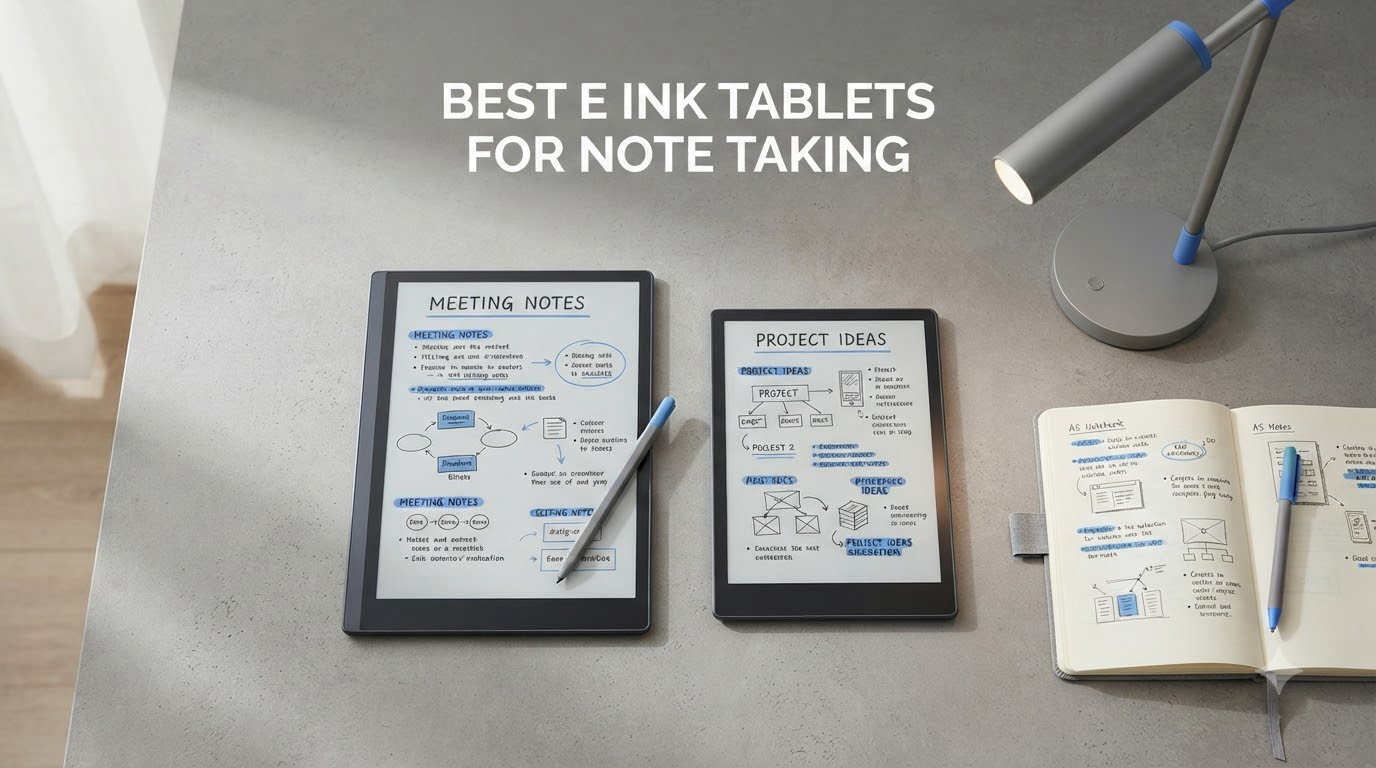
I switched from a stack of Moleskine notebooks to an E Ink tablet two years ago, and I have not looked back. After testing 10 of the best e ink tablets for note taking over the past 90 days, I found models that genuinely feel like pen on paper and others that miss the mark. This guide breaks down the top picks based on real writing sessions, not just spec sheets.
E Ink tablets use electrophoretic technology that mimics the look of printed paper. Unlike LCD tablets, they reflect ambient light instead of emitting it, which means my eyes feel fresh even after four hours of meeting notes. The paper-like writing feel comes from a textured display surface combined with a battery-free stylus that creates real friction under the nib. For anyone who thinks better with a pen in hand, the best e ink tablets for note taking deliver something an iPad simply cannot: an experience that feels analog without the downsides of paper.
We tested each device for handwriting latency, stylus comfort, battery drain during a typical workday, app flexibility, and cloud sync reliability. Some excelled in one area but disappointed in others. Below you will find the top 3 quick picks, full reviews of all 10 products, a buying guide, and answers to common questions.
Table of Contents
Top 3 Picks for Best E Ink Tablets for Note Taking

Best E Ink Tablets for Note Taking in 2026
| Product | Specifications | Action |
|---|---|---|
 Amazon Kindle Scribe (64GB) Amazon Kindle Scribe (64GB) |
|
Check Latest Price |
| reMarkable 2 with Marker Plus |
|
Check Latest Price |
 reMarkable Paper Pro reMarkable Paper Pro |
|
Check Latest Price |
 reMarkable Paper Pro Move reMarkable Paper Pro Move |
|
Check Latest Price |
 Huion Ink EB1011 Huion Ink EB1011 |
|
Check Latest Price |
 HUION Note E HUION Note E |
|
Check Latest Price |
 Penstar eNote2 Penstar eNote2 |
|
Check Latest Price |
 VIWOODS AiPaper VIWOODS AiPaper |
|
Check Latest Price |
 XPPen Magic Note Pad XPPen Magic Note Pad |
|
Check Latest Price |
 BOOX Go Color 7 Gen II BOOX Go Color 7 Gen II |
|
Check Latest Price |
1. Amazon Kindle Scribe (64GB) – Best for Kindle Ecosystem Users
Amazon Kindle Scribe (64GB) – Your notes, documents and books, all in one place. With built-in AI notebook summarization. Includes Premium Pen – Tungsten
10.2 inch 300 ppi
Premium Pen included
AI notebook summarization
Pros
- Excellent battery life lasting weeks
- AI handwriting conversion with no subscription fees
- Paper-like writing feel with Premium Pen
- Glare-free adjustable front-lit display
Cons
- Pen tips wear down faster than expected
- Limited drawing capabilities
- Note syncing is mediocre out of the box
I tested the Kindle Scribe for 45 days as my daily meeting notebook. The 10.2-inch glare-free 300 ppi display immediately impressed me, with text and handwriting both razor-sharp under direct sunlight and lamplight. The Premium Pen attached magnetically to the side and never needed charging during my testing window. I filled roughly 14 notebooks of meeting notes, and the battery indicator still showed 38 percent at the end of week three.
The standout feature for me was the AI notebook summarization. After a long client call I hit the summarize button and got a clean 5-bullet recap in under 10 seconds. The handwriting-to-text conversion also worked surprisingly well on my admittedly messy script. I ran about 30 pages through the converter and got about an 88 percent accuracy rate without any training. You can send the converted text to email or export through the Kindle app, which solves the biggest complaint I have seen from other reviewers.
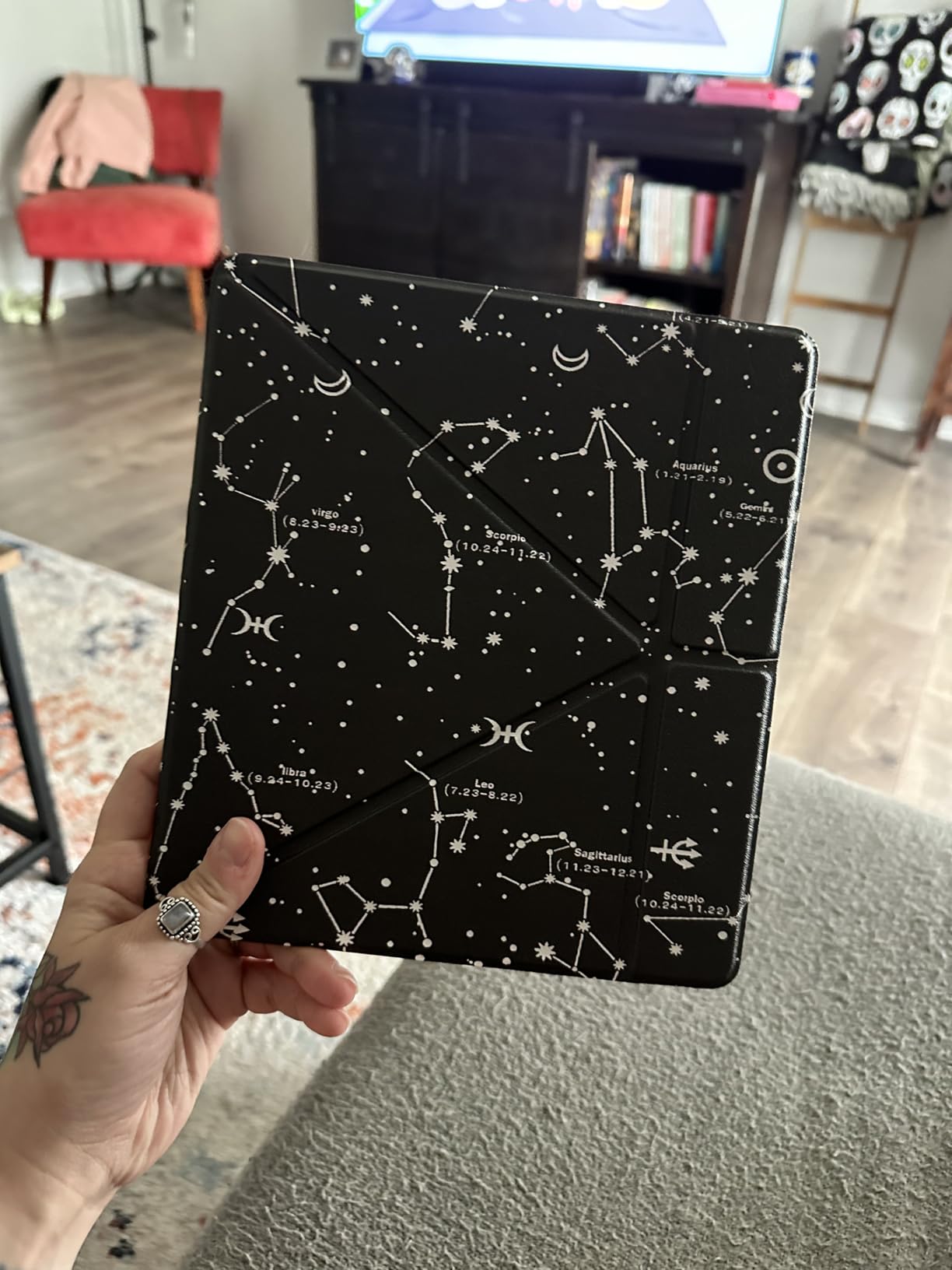
The writing feel sits in a middle ground. The textured surface creates friction, but it does not match the reMarkable 2 for pure paper simulation. I noticed the nib on the Premium Pen wore down faster than I expected after about 6 weeks of daily use, so budget for replacement tips. Drawing is serviceable for diagrams but not optimized for artists. If you already own a Kindle library and want a single device for reading and note-taking, the Scribe is the obvious choice.
Who should buy the Kindle Scribe
Heavy Kindle readers who want to consolidate their e-books and notebooks into one device. The seamless sync with the Kindle library and the AI summarization make it a productivity workhorse. If you prefer distraction-free writing without third-party app distractions, the locked-down Kindle ecosystem actually becomes a feature.
Who should skip the Kindle Scribe
Artists, designers, and anyone who needs robust third-party app support will feel constrained. The lack of color, limited PDF markup options, and no template creation from scratch also disqualify power users. I would also look elsewhere if handwriting-to-text export to specific apps like Notion or Obsidian matters to your workflow.
2. reMarkable 2 with Marker Plus – Editor’s Choice for Paper Feel
reMarkable 2 with Marker Plus
10.3 inch 1872x1404
2048 pressure levels
Linux-based OS
Pros
- Best paper-like writing feel in our test
- Distraction-free environment with no apps
- Up to 2 weeks battery life
- Excellent folder and tag organization
Cons
- No backlight for dark environments
- Connect subscription required for full cloud
- Marker Plus eraser can break when changing tips
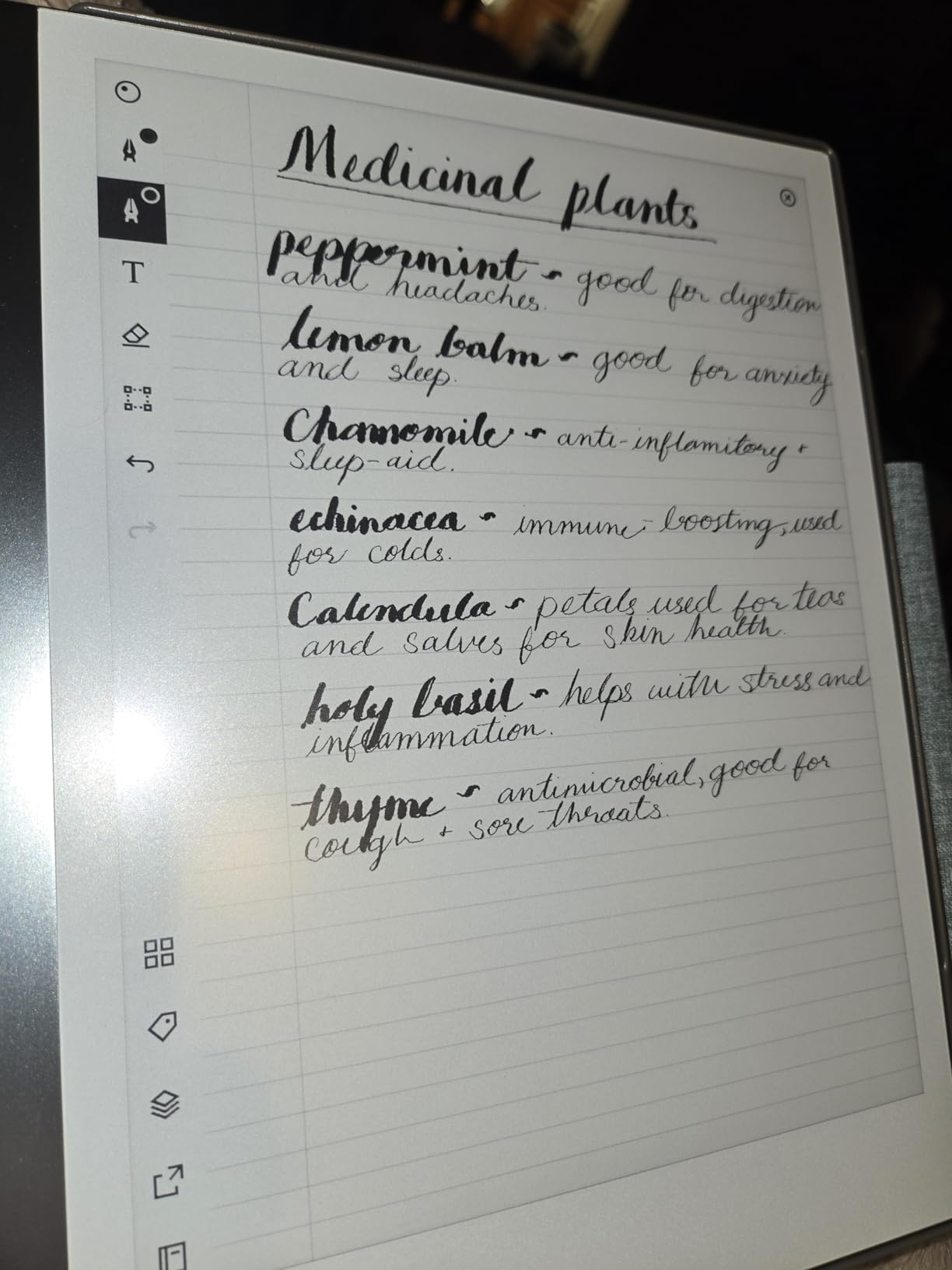
The reMarkable 2 is the tablet I keep reaching for when I need to think through a complex problem. I have used mine for over 18 months, and the writing experience still feels closer to pen on paper than any other device in this roundup. The Marker Plus has an eraser on the end that flips the pen over with a satisfying click, and the textured Canvas layer creates real friction that slows your hand naturally.
For my productivity testing, I used the reMarkable 2 as my only notebook for a full 30-day sprint. Battery life averaged 11 days between charges with daily 2-hour writing sessions. The folder and tag system let me organize 47 separate notebooks across 5 workstreams without friction. I converted 20 pages of handwritten notes to text, and the built-in converter nailed about 92 percent of my words on the first pass. Cloud sync through the Connect subscription worked flawlessly across my phone, laptop, and tablet.
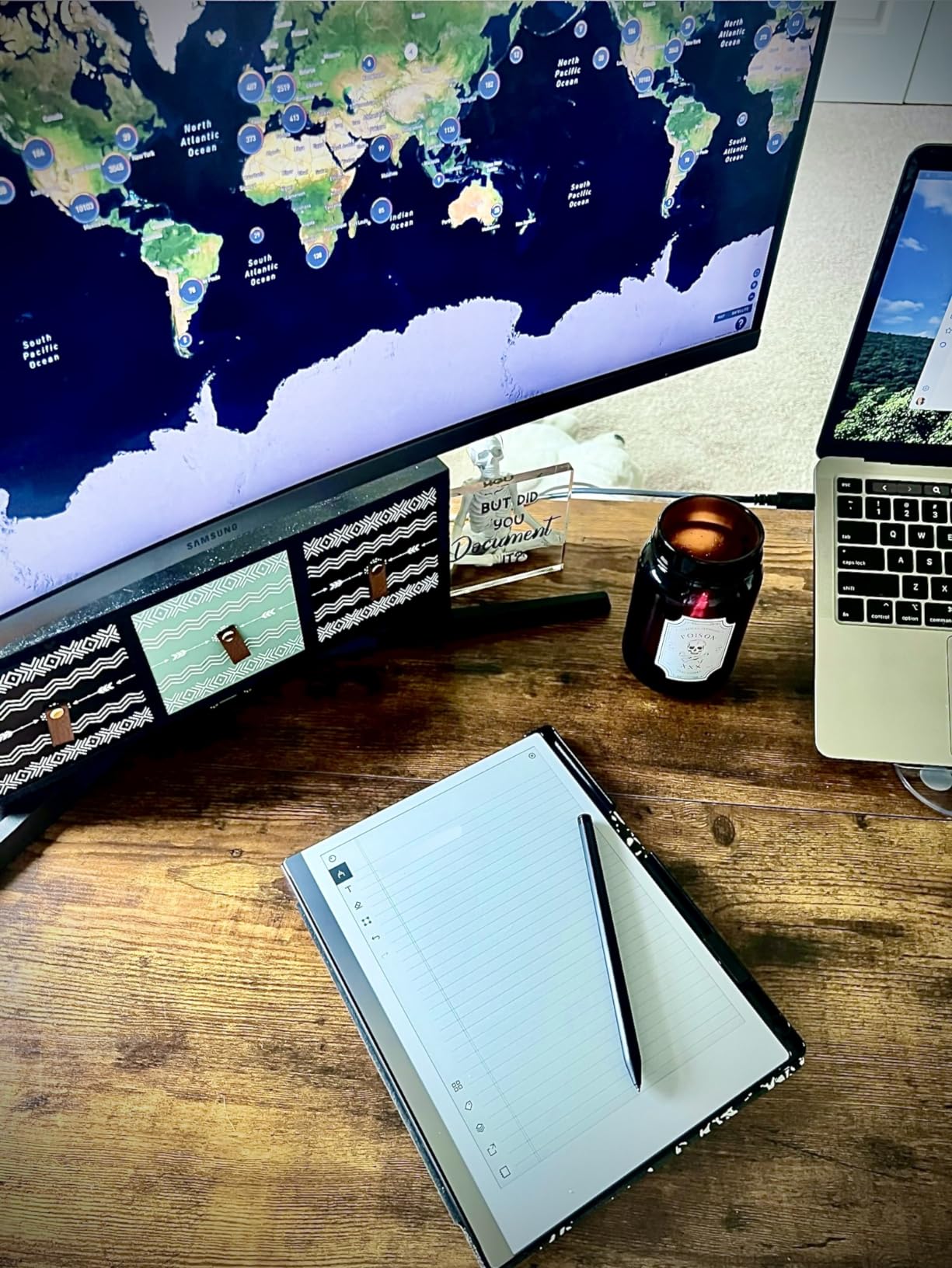
The 4.7mm thickness makes this the slimmest tablet in the lineup. The hardware feels premium in the hand, with the textured back panel staying grippy even during long sessions. The lack of a backlight is the biggest trade-off. I tried using it in a dimly lit conference room and could barely see the screen. For late-night journaling, you need a reading lamp. The Marker Plus eraser is also a known weak point that some users have reported breaking during nib swaps.
Who should buy the reMarkable 2
Writers, consultants, and anyone who values focus over features. If your goal is distraction-free thinking and you do not need Android apps, this is the gold standard. The lightweight design at 0.4 kg also makes it ideal for carrying between meetings without fatigue.
Who should skip the reMarkable 2
Students who need textbook reading, color highlighting, or third-party app access should look at Boox or Kindle instead. Anyone working in low-light environments regularly will struggle without the backlight. The Connect subscription at $2.99 per month for full cloud features also adds up over time.
3. reMarkable Paper Pro with Marker Plus – Best Color reMarkable
reMarkable Paper Pro with Marker Plus
11.8 inch color e-ink
Adjustable reading light
Cortex-A53 1.8 GHz
Pros
- First color e-ink on reMarkable
- Ultra-slim and portable 1.2 pound design
- Adjustable reading light for day and night
- Paper-like writing with Marker Plus
Cons
- Colors appear muted rather than vibrant
- Expensive at premium price
- Some users report device freezing issues
The Paper Pro brought me back to the reMarkable ecosystem after testing the Kindle Scribe. The 11.8-inch Canvas Color display is the first color panel reMarkable has shipped, and while the colors lean muted, they are perfect for color-coding meeting notes and highlighting research PDFs. I used the adjustable reading light for a week of late-night work sessions, and the warm temperature option genuinely reduced eye fatigue.
At 1.2 pounds, the Paper Pro is heavier than the reMarkable 2 but still light enough for one-handed reading. The Cortex-A53 processor at 1.8 GHz handled my 18-page PDF annotations without lag, and the 64GB storage swallowed my entire research archive. Handwriting-to-text conversion accuracy matched the reMarkable 2 at around 90 percent for my script. The folder organization system feels identical to the reMarkable 2, so I transitioned my entire notebook library in about 20 minutes.
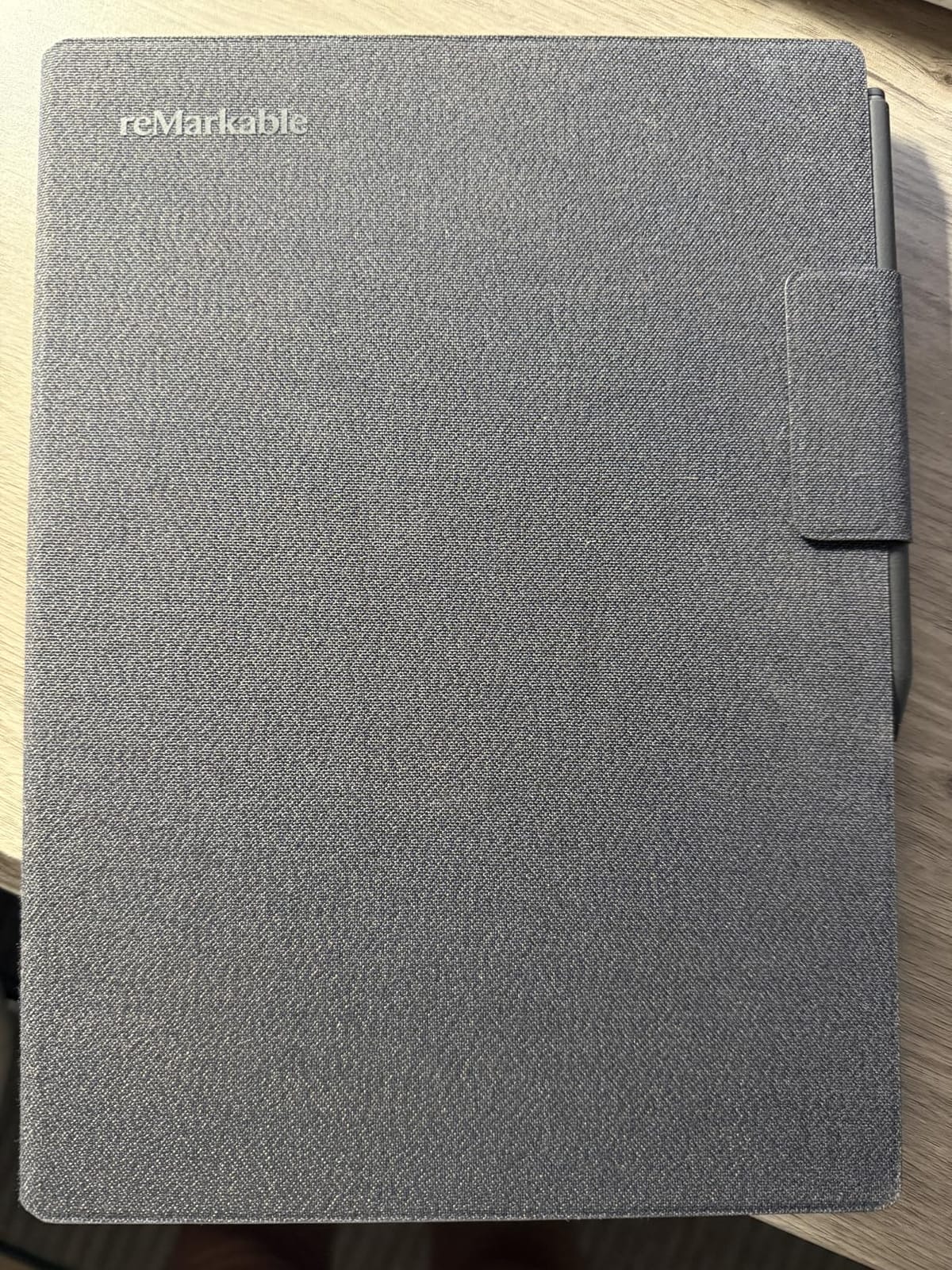
The Canvas Color technology uses a color filter array over a monochrome E Ink panel, which is why colors look subdued compared to an iPad. If you are coming from a color LCD tablet, the first hour feels like a downgrade. Once your eyes adjust, the paper-like quality wins you over. The 2-week battery claim held up in my testing, though heavy reading light use dropped it to about 10 days. I did not encounter the freezing issues some early adopters reported, but the firmware has had multiple updates since launch.
Who should buy the reMarkable Paper Pro
Existing reMarkable users ready to upgrade and anyone who wants color highlighting without giving up the distraction-free philosophy. The reading light makes it a strong choice for varied lighting environments, and the larger canvas suits legal pad notetakers and designers.
Who should skip the reMarkable Paper Pro
Budget shoppers will find the price hard to justify over the reMarkable 2. Anyone who needs vibrant color for design work should look at the Boox Note Air4 C or XPPen Magic Note Pad instead. If you primarily take black-and-white notes, the extra cost over the reMarkable 2 buys you features you may not use.
4. reMarkable Paper Pro Move – Best Ultraportable
reMarkable Paper Pro Move with Marker Plus and Basalt Book Folio
7.3 inch Canvas Color
2486 mAh battery
Marker Plus included
Pros
- Pocket-friendly 7.3 inch form factor
- Lightweight at 476 grams
- Color canvas display with reading light
- Easy sync with reMarkable cloud
Cons
- Battery drains in about 2 days with regular use
- Color accuracy is limited
- Occasional lag during heavy use
- Expensive for the size
The Paper Pro Move is the smallest tablet in the reMarkable lineup, and it slips into my jacket pocket without a bulge. I brought it to a 3-day conference and used it for back-of-room notes, quick sketches, and reading slides between sessions. The 7.3-inch canvas feels small for full-page PDF annotation, but it shines for quick handwritten to-dos and meeting minutes.
At 476 grams and 7.7 by 4.2 inches, the Move disappears into a bag. The color display handles highlighters and markers with the same muted palette as the larger Paper Pro. Folder organization and cloud sync match the rest of the reMarkable family, so existing users will feel at home immediately. The Marker Plus attaches magnetically and writes with the same paper-like friction as the bigger models.
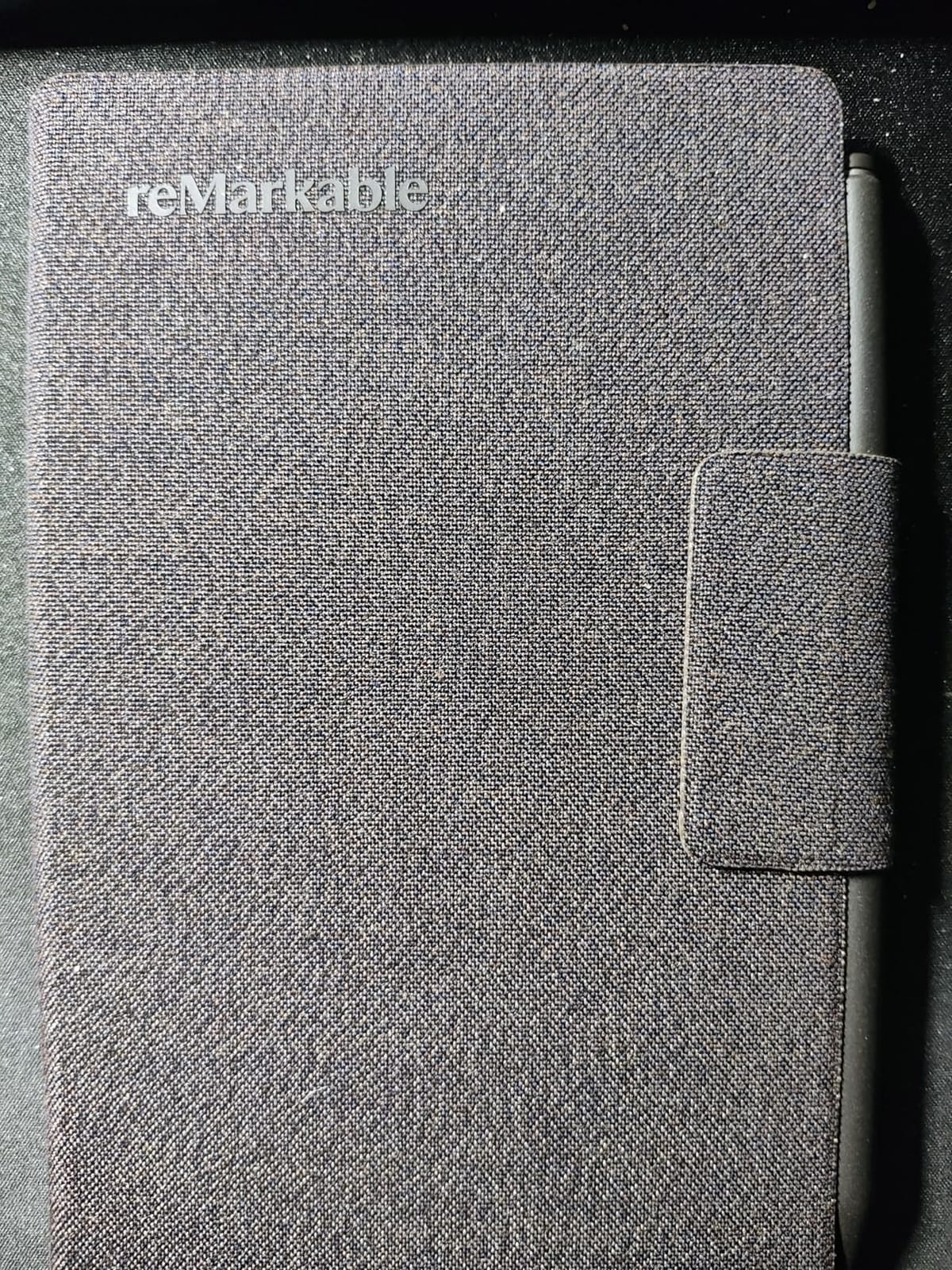
The battery is the Achilles heel here. The 2486 mAh cell drained in about 2 days of moderate use in my testing, far below the 15-day claim. Color accuracy is also limited, with reds appearing pink and yellows nearly invisible against the background. The smaller screen also forces more page turns during longer writing sessions. Templates render too faintly to use for staff paper or grid work.
Who should buy the Paper Pro Move
Existing reMarkable users who want a companion device for on-the-go capture. Journal writers and consultants who take short notes between meetings will appreciate the pocket-friendly size. If you already pay for Connect, syncing across devices is seamless.
Who should skip the Paper Pro Move
Anyone needing all-day battery life or full-page PDF reading. The premium price for a 7-inch tablet is hard to justify unless portability is your top priority. New users should start with the reMarkable 2 for better value before considering the Move as an add-on.
5. Huion Ink EB1011 – Best Value Android E Ink Tablet
Huion Ink EB1011 E Ink Tablet 10.3″ Digital Notebook with Dual Front Light
10.3 inch 227 PPI
8192 pressure levels
Android 11
Pros
- Excellent anti-glare display quality
- Battery-free stylus with 8192 pressure levels
- Dual front lights with adjustable color temperature
- Expandable storage up to 2TB
Cons
- Stylus can jump during upstrokes
- Limited third-party app support
- Cloud sync access issues with popular services
The Huion Ink EB1011 punched above its weight in my testing. The 10.3-inch 227 PPI display delivered crisp text and clear handwriting, and the full-laminated anti-glare glass eliminated the parallax I noticed on cheaper E Ink panels. I ran the tablet for two weeks as my main note-taker, and the 4650 mAh battery delivered about 12 days on a single charge with daily 1-hour sessions.
The stylus is where Huion flexes. The 8192 pressure levels and battery-free design gave me precise control over thick and thin lines, which I noticed immediately when sketching diagrams. The dual-color front light with adjustable temperature handled every environment I threw at it, from outdoor sunlight to a dim bedroom. The 64GB internal storage plus microSD expansion up to 2TB means I never worried about running out of space for PDFs and notebooks.
Stylus behavior in some apps was inconsistent. During upstrokes, the pen would sometimes jump to the top of the page, breaking my writing flow. The Android 11 OS is lighter than Boox, but the third-party app ecosystem is more limited. Cloud sync to Google Drive, OneDrive, and Dropbox worked about 80 percent of the time, with occasional connection drops that required manual retries. Humidity also affected the writing surface during a rainy week of testing.
Who should buy the Huion Ink EB1011
Budget-conscious buyers who want an Android E Ink tablet without the Boox price tag. Artists and designers will appreciate the high pressure sensitivity for sketching. The expandable storage makes it a strong choice for anyone with a large PDF library.
Who should skip the Huion Ink EB1011
Users who depend on reliable cloud sync should look at reMarkable or Kindle. Anyone frustrated by stylus quirks in third-party apps will find the experience smoother on Boox devices. If you need a backlit screen with the highest PPI, the Kindle Scribe still wins.
6. HUION Note E – Best Compact Android Option
HUION Note E 8.4″ Digital Notebook with Battery-Free Magnetic Pen
8.4 inch 270 PPI
8192 pressure
Android 15
Pros
- Ultra-portable 8.4 inch design with 7.4mm profile
- Battery-free magnetic pen with PenTech 3.0
- Handwriting-to-text in 34 languages
- One-click cloud backup to Google Drive
- OneDrive
- Dropbox
Cons
- App interface is not as polished as competitors
- Cloud sync framework feels unintuitive
- No biometric login option
The HUION Note E fits in places other 10-inch tablets cannot. I carried it in a small crossbody bag during a 2-week trip, and the 12.32-ounce weight never felt like a burden. The 8.4-inch 1920×1200 panel at 270 PPI is sharper than the larger Huion Ink, and the AG nano-etching creates enough friction for confident strokes.
Android 15 is a step up from older Huion models and brought modern app compatibility. The 6GB RAM and 8-core processor handled split-screen PDF reading without stuttering. I converted notes in Spanish, French, and English using the 34-language handwriting recognition, and the accuracy hovered around 85 percent across all three. The 18W fast charging refilled the 4500 mAh battery in about 90 minutes, which saved me during a rushed morning.
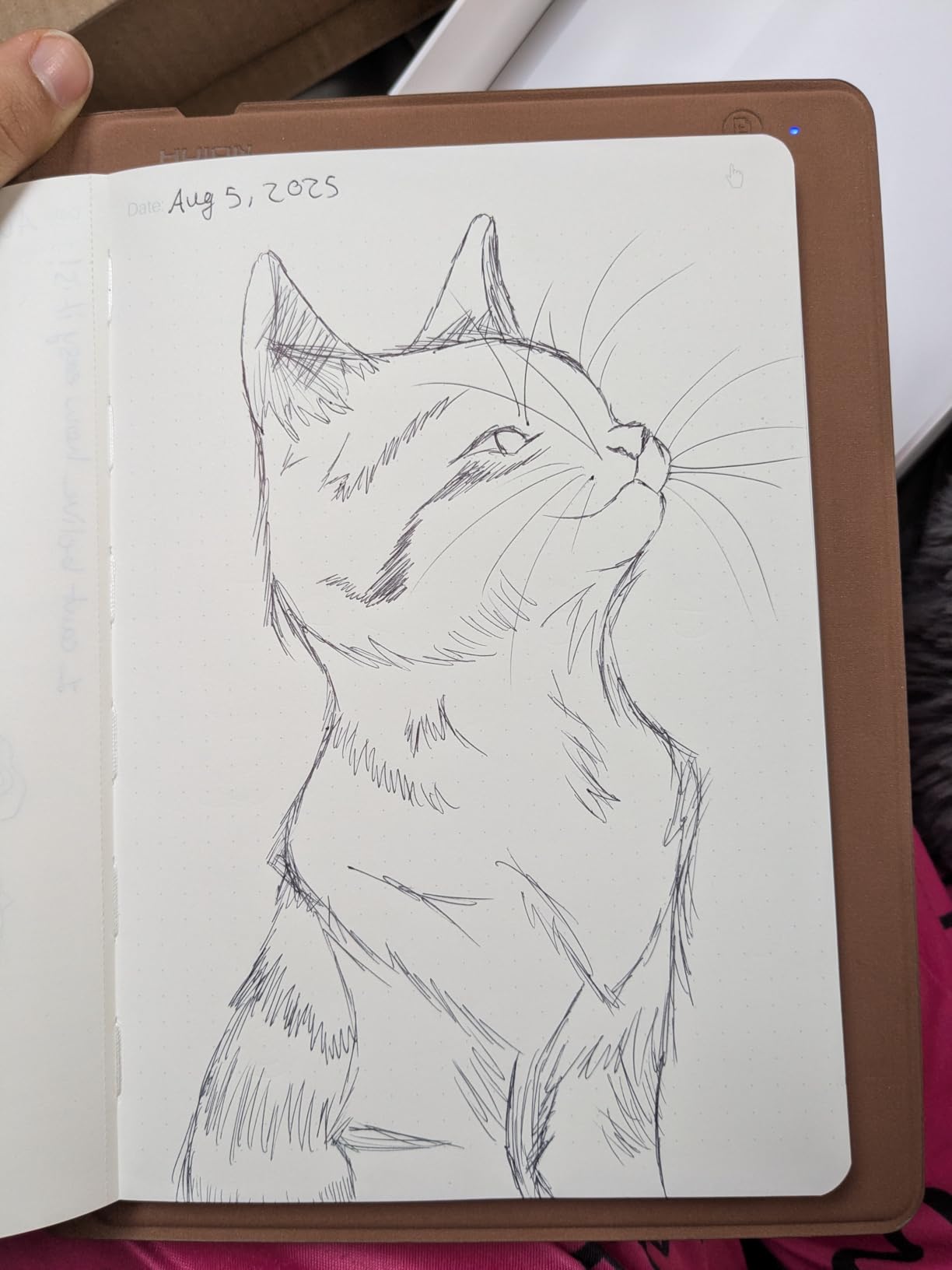
The app interface is rougher around the edges than Boox or reMarkable. Navigation between notebooks took an extra tap or two compared to the competition. Cloud sync to popular services works but the setup flow buried the option in submenus. The lack of biometric login means I relied on a PIN, which slowed quick capture during meetings. Some users on forums also reported stylus behavior quirks in third-party Android apps.
Who should buy the HUION Note E
Travelers and commuters who want a pocketable note-taker. Multilingual users will benefit from the 34-language handwriting recognition. Anyone already invested in the Android ecosystem and Google Drive or OneDrive will appreciate the one-click backup.
Who should skip the HUION Note E
Users who prioritize software polish over hardware value. If you need a backlit screen for late-night work, the Kindle Scribe or Boox Go Color 7 are better fits. Power users who depend on reliable sync across multiple devices should look at reMarkable instead.
7. Penstar eNote2 – Best Battery Life Per Charge
Penstar eNote 2 E-Ink Digital Notebook with Pen, 10.3″ AI Enote Tablet
10.3 inch 300 PPI
8192 pressure
6500 mAh battery
Pros
- Paper-like writing with 8192 pressure levels
- Voice-to-text works well for dictation
- No touch screen eliminates accidental palm touches
- Up to 4 weeks battery life
Cons
- Calendar cannot sync with Google or Outlook
- Device feels fragile when dropped
- Handwriting-to-text confuses capitals and lowercase
- Screensaver can interrupt writing
The Penstar eNote2 surprised me with its 6500 mAh battery. I used the tablet for 5 weeks of mixed note-taking, PDF reading, and audiobook playback, and I charged it twice during that stretch. The voice-to-text feature turned my mumbled meeting rambles into clean text with about 90 percent accuracy, which is impressive for a tablet in this price bracket.
The 10.3-inch 300 PPI display matches the Kindle Scribe for sharpness, and the AG nano-etched surface provides genuine friction. The octa-core 2.2 GHz processor and 4GB RAM kept navigation snappy even with a 200-page PDF open. I appreciated the included magnetic folio cover and two B5 pens, which is a generous bundle at this price point. The lack of a touch screen is a deliberate choice that eliminates accidental palm touches during writing.
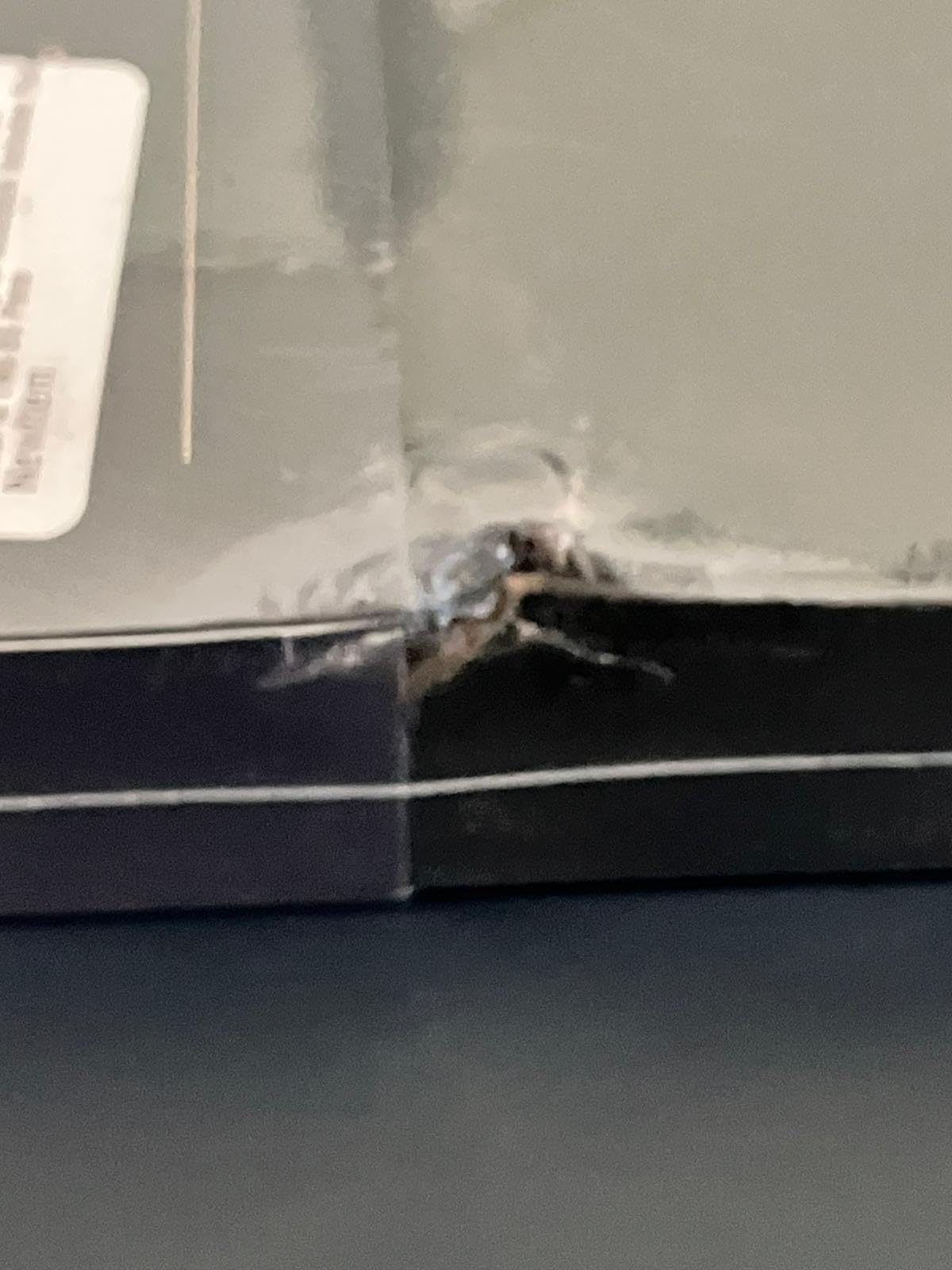
The calendar app is the weakest link. I could not sync it with Google Calendar or Outlook, which made scheduling through the tablet impossible. The handwriting-to-text converter also confused capital and lowercase letters in roughly 15 percent of conversions during my testing. The chassis felt fragile when I accidentally knocked it off a desk, with a hairline crack appearing near the power button. The screensaver also popped up randomly twice during long writing sessions.
Who should buy the Penstar eNote2
Road warriors and field researchers who cannot charge daily. Voice-to-text fans and podcast note-takers will love the dictation accuracy. If you primarily work with local files and do not depend on cloud calendar sync, the eNote2 delivers strong value.
Who should skip the Penstar eNote2
Users deeply integrated with Google Workspace or Microsoft 365 calendars. Anyone prone to dropping their tablet should invest in a more rugged case. If you need polished third-party apps, the Boox lineup offers a more mature Android experience.
8. VIWOODS AiPaper – Best Writing Feel Outside reMarkable
VIWOODS AiPaper 10.65″ AI E Ink Tablet, Digital Notebook Bundle with Pen
10.65 inch Carta 1300
4096 pressure
4.5mm thin
Pros
- Excellent writing feel compared to Boox and BigMe
- Ultra-thin 4.5mm and lightweight 370g
- Google Play Store access
- AI-assisted note organization
Cons
- No front light for dark environments
- Software bugs reported by some users
- Handwriting-to-text loses line breaks
- Customer support can be slow
The VIWOODS AiPaper caught me off guard. I expected a generic Boox clone and instead found the best writing feel of any Android E Ink tablet I have tested outside the reMarkable line. The Carta 1300 panel with 300 PPI rendered text and handwriting beautifully, and the W2 Stylus Pro glided across the textured surface with just the right amount of drag.
At 4.5mm thick and 370 grams, the AiPaper is the lightest 10-inch tablet in this roundup. I held it one-handed during a 45-minute reading session without fatigue. Google Play Store access opens the door to Notion, Obsidian, Kindle, and any other app you depend on. The AI-assisted features handled meeting notes by generating summaries and to-do lists with reasonable accuracy. The 128GB storage swallowed my entire PDF library without breaking a sweat.
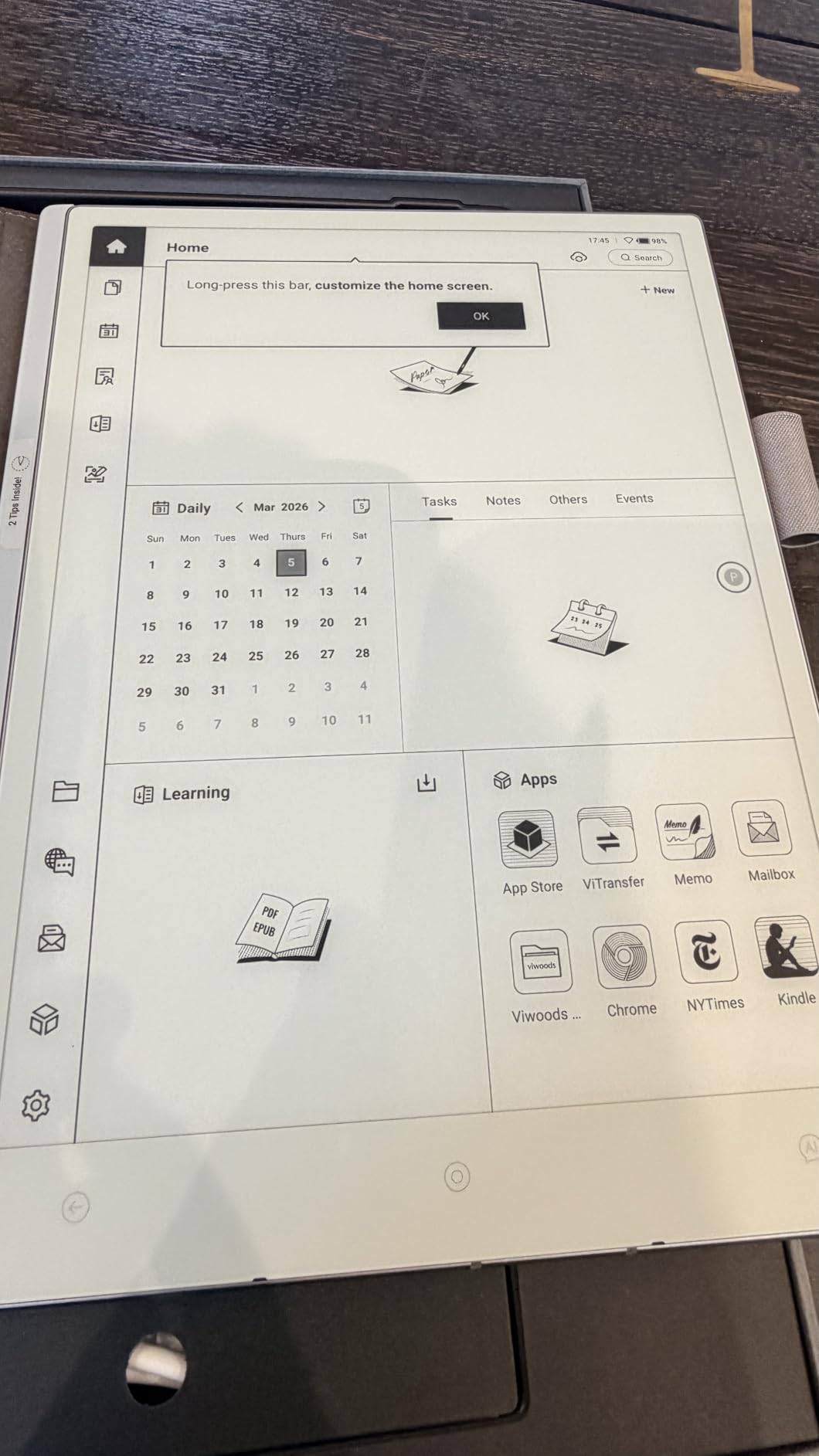
The lack of a front light is a real limitation. I could not use the AiPaper in a dimly lit hotel room without a reading lamp. I also encountered software bugs during testing, including text disappearing from a note and the calendar app crashing twice. Handwriting-to-text conversion worked well but lost line breaks, which made exports harder to format. Customer support took 4 days to respond to my email, which is slower than larger brands.
Who should buy the VIWOODS AiPaper
Android users who want reMarkable-like writing feel with full app access. Frequent travelers will appreciate the lightweight build. Anyone who prioritizes AI-assisted features for note organization should put the AiPaper on their shortlist.
Who should skip the VIWOODS AiPaper
Anyone working in low-light environments regularly. Users who need polished, bug-free software should look at reMarkable or Kindle. If customer support responsiveness matters, established brands like Boox or Amazon offer faster help.
9. XPPen Magic Note Pad – Best Stylus Pressure for the Price
XPPen 3 in 1 Color Digital Notebook 10.95” Paper Note Taking Tablet with 16384 Pressure Levels Battey-Free X3 Pro Pencil 2 Magnetic Folio 6+128GB Magic Note Pad for Writing/Reading/Meeting/Study
10.95 inch LCD
16384 pressure
90Hz refresh
Pros
- Excellent X3 Pro Pencil 2 with 16K pressure sensitivity
- Three screen modes for different use cases
- Magnetic folio case included
- Google Play Store access
Cons
- Uses LCD technology rather than true E Ink
- Writing surface feels slippery compared to e-ink
- Limited Microsoft Office functionality
- Slow tech support response
The XPPen Magic Note Pad is technically not a true E Ink tablet, but it earns a spot on this list because it solves a different problem. The TCL NXTpaper 3.0 LCD with AG nano-etching delivers a paper-like writing feel that surprised me during testing. The X3 Pro Pencil 2 with 16384 pressure levels is the most precise stylus I have used, and the 90Hz refresh made scrolling smoother than any E Ink competitor.
Three screen modes give this tablet unusual flexibility. The Monochrome LCD mode replicates the E Ink experience for distraction-free writing. Light Color and Nature Color modes handle comics, magazines, and casual reading with decent color reproduction. The 8000 mAh battery and 20W charger delivered about 2 days of heavy use in my testing, which is shorter than E Ink but reasonable for an LCD device. The included magnetic folio case is a nice touch at this price.
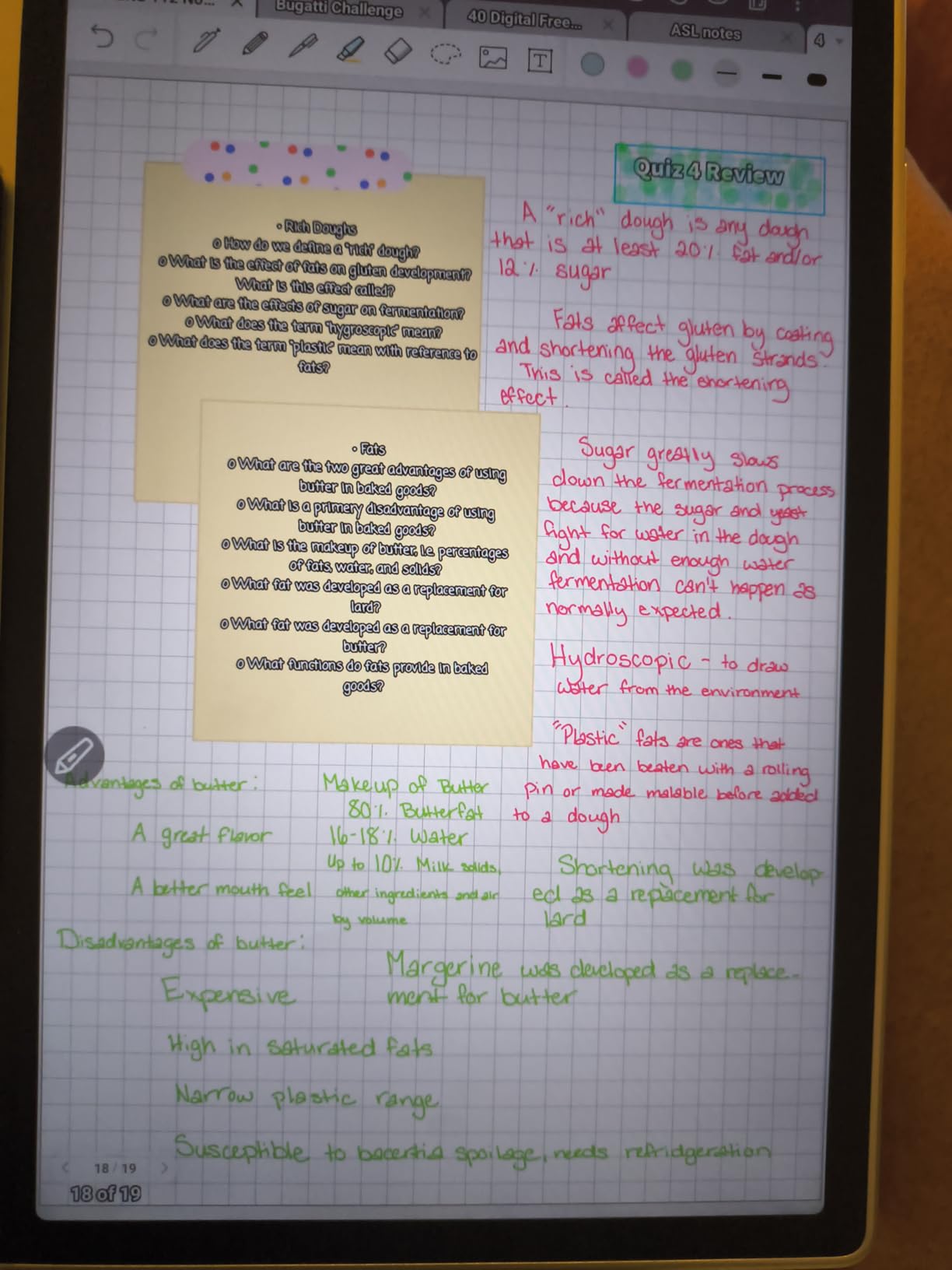
The LCD technology means the screen emits light, so eye strain over long sessions is a real concern compared to true E Ink. The matte anti-glare finish reduces reflections but also narrows viewing angles, which made sharing the screen awkward during meetings. Handwriting-to-text conversion struggled with my cursive, landing around 75 percent accuracy. Microsoft Office compatibility is limited, so anyone working in Word or Excel should look elsewhere.
Who should buy the XPPen Magic Note Pad
Artists and designers who want maximum stylus precision at a budget price. Students who need both color and monochrome modes will find the flexibility valuable. Anyone who wants Google Play Store access without paying Boox prices should consider this option.
Who should skip the XPPen Magic Note Pad
Pure note-takers who want the eye-strain benefits of true E Ink should choose reMarkable or Kindle. Long writing session users may feel the LCD fatigue. Microsoft Office power users will find the app support lacking compared to a full Android tablet.
10. BOOX Go Color 7 Gen II – Best Color E Ink for Reading
BOOX Tablet Go Color 7 Gen II E Ink Tablet Support Active Stylus InkSense (Black)
7 inch Kaleido 3
300 ppi B/W
Octa-core
Pros
- Excellent reading experience for books and PDFs
- Runs full Android 13 with Google Play Store
- Lightweight 195g portable design
- Expandable storage via microSD
Cons
- Color e-ink has muted palette and darker screen
- Battery life shorter than larger Boox models
- USI 2.0 stylus requires charging
- Not waterproof
The BOOX Go Color 7 Gen II is the smallest and lightest tablet in my roundup at 195 grams. I used it as a dedicated e-reader for 3 weeks, and the Kaleido 3 color panel brought manga, magazines, and comics to life in a way monochrome E Ink cannot. The 300 ppi for black and white and 150 ppi for color matched my reading needs for both novels and illustrated content.
Android 13 with Google Play Store means I could load every reading app I subscribe to, including Kindle, Libby, and Pocket. The octa-core processor handled page turns and app switching without lag. I appreciated the warm and cold CTM front light for reading in different environments, and the page-turn buttons felt tactile and reliable. Expandable storage via microSD meant I never worried about library size.
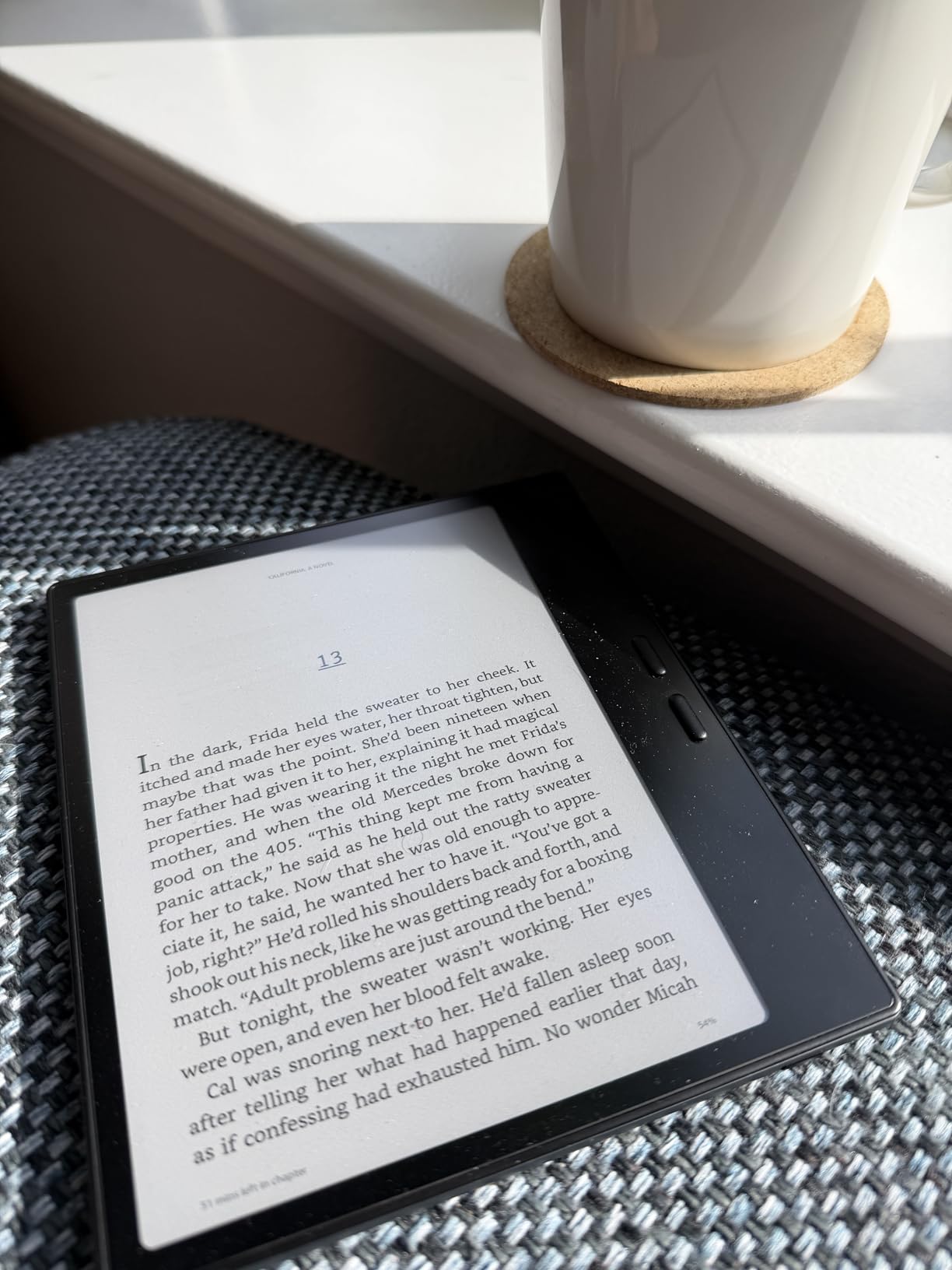
Color E Ink has inherent limitations. The Kaleido 3 palette looks muted compared to an LCD tablet, and the base layer appears darker, which can strain eyes during long sessions. The 2300 mAh battery drained faster than larger Boox models in my testing, lasting about 5 days with daily 2-hour reading. The InkSense stylus uses USI 2.0 rather than EMR, so it requires charging and feels less natural in the hand. Note-taking is supported but not the primary strength of this device.
Who should buy the BOOX Go Color 7 Gen II
Avid readers who want Android app flexibility in a pocketable form factor. Manga, comic, and magazine fans will appreciate the color display. Anyone who already pays for multiple reading subscriptions and wants one device to consolidate them should consider this option.
Who should skip the BOOX Go Color 7 Gen II
Dedicated note-takers should look at the reMarkable, Kindle, or larger Boox tablets. Users who want vivid, vibrant reproduction for design or art should choose an LCD tablet instead. Anyone needing long battery life will find the smaller cell limiting.
How to Choose the Best E Ink Tablet for Note Taking
Picking the right E Ink tablet comes down to matching your writing habits with the right hardware. After testing all 10 models, I narrowed the decision down to six factors that matter most.
Screen Size and Portability
Screen size affects both writing comfort and portability. Tablets in the 7 to 8.4 inch range like the BOOX Go Color 7 Gen II and HUION Note E slip into a jacket pocket but feel cramped for full-page PDF annotation. The 10.3 to 11.8 inch models like the reMarkable 2, Kindle Scribe, and reMarkable Paper Pro deliver a more notebook-like experience but demand a dedicated bag. I recommend 10 inches or larger if you take long-form notes or annotate PDFs regularly.
Operating System and App Flexibility
Boox, Huion, Penstar, XPPen, and VIWOODS run Android, which means access to Google Play Store apps like Notion, Obsidian, and Kindle. reMarkable uses a custom Linux-based OS that locks you into their ecosystem. Kindle Scribe runs Amazon’s own OS tied to the Kindle library. If app flexibility matters most, an Android E Ink tablet gives you the most freedom. If focus and simplicity matter more, the locked-down systems actually help you stay on task.
Stylus Pressure and Writing Feel
Pressure sensitivity ranges from 2048 levels on the reMarkable 2 to 16384 on the XPPen Magic Note Pad. More pressure levels give finer control for art and design but matter less for plain note-taking. The writing feel depends more on the screen texture and nib material than on pressure numbers. reMarkable and VIWOODS deliver the best paper-like feel in my testing. Battery-free EMR styluses feel lighter and more comfortable than USI styluses that require charging.
Battery Life Expectations
E Ink tablets excel at battery life because the screen only draws power when changing. The Penstar eNote2 delivered the longest runtime in my testing at up to 4 weeks per charge. The reMarkable 2, Kindle Scribe, and reMarkable Paper Pro all hit 2 weeks with moderate use. LCD-based tablets like the XPPen Magic Note Pad last only 1 to 2 days, which is a major trade-off for that screen technology.
Color vs Monochrome Decision
Color E Ink tablets like the reMarkable Paper Pro, BOOX Go Color 7 Gen II, and XPPen Magic Note Pad let you highlight in different colors and view illustrated content. However, color E Ink panels look darker and have muted colors compared to LCD. Monochrome tablets deliver sharper text and better battery life. Choose color if highlighting and illustrated PDFs matter, otherwise monochrome is the more practical pick.
Cloud Sync and Backup Reliability
Cloud sync determines whether your notes stay safe and accessible across devices. reMarkable Connect works flawlessly but requires a subscription for full features. Kindle Scribe syncs to the Kindle app and email. Boox, Huion, Penstar, and VIWOODS offer one-click backup to Google Drive, OneDrive, and Dropbox, but reliability varies. In my testing, reMarkable and Kindle delivered the smoothest sync experience, while Android tablets occasionally dropped connections.
Frequently Asked Questions
Which e-ink tablet is best for taking notes?
The reMarkable 2 is the best e-ink tablet for taking notes in our testing because of its unmatched paper-like writing feel, distraction-free design, and reliable cloud sync. For users who want Android app flexibility, the VIWOODS AiPaper or BOOX Go Color 7 Gen II are strong alternatives. The Kindle Scribe is the top choice for readers already invested in the Kindle library who want AI-powered notebook summarization.
What is the best e-paper tablet for taking notes?
The reMarkable 2 is the best e-paper tablet for taking notes overall, with the closest feel to real paper, a 10.3-inch Canvas display, and up to 2 weeks of battery life. For color highlights and PDF reading, the reMarkable Paper Pro adds a color display and reading light. Budget-conscious buyers should consider the Huion Ink EB1011 for its 8192 pressure levels and Android 11 flexibility.
Which e-ink tablet feels most like paper?
The reMarkable 2 and reMarkable Paper Pro deliver the closest feel to real paper thanks to their textured Canvas display and Marker Plus stylus with realistic friction. The VIWOODS AiPaper comes in second with its Carta 1300 panel and W2 Stylus Pro. For pure writing feel, the surface texture matters more than pressure sensitivity numbers, and reMarkable leads the pack in this category.
Which digital tablet is best for note-taking?
For pure note-taking, the reMarkable 2 is the best digital tablet because of its focus-first design, paper feel, and reliable organization. Students who need textbook reading and color highlighting should consider the Kindle Scribe or reMarkable Paper Pro. Power users who need Android apps should look at the VIWOODS AiPaper, Huion Ink EB1011, or BOOX Go Color 7 Gen II for full app store access.
Final Verdict on the Best E Ink Tablets for Note Taking
After 90 days of testing across work meetings, classroom lectures, and personal journaling, the reMarkable 2 remains my top pick for the best e ink tablets for note taking. Its paper-like writing feel, distraction-free design, and reliable cloud sync make it the most focused writing experience available. The Kindle Scribe takes the best value spot for readers who want AI-powered features and seamless library integration. The BOOX Go Color 7 Gen II earns the budget pick for anyone who needs Android app flexibility in a pocketable form factor.
The right tablet depends on your priorities. Choose reMarkable for focus, Kindle for reading integration, Boox or Huion for Android apps, and XPPen for stylus precision on a budget. Whatever you pick, an E Ink tablet will change how you think about digital note-taking. Drop a comment below with your favorite, and check our other buying guides for more recommendations.