
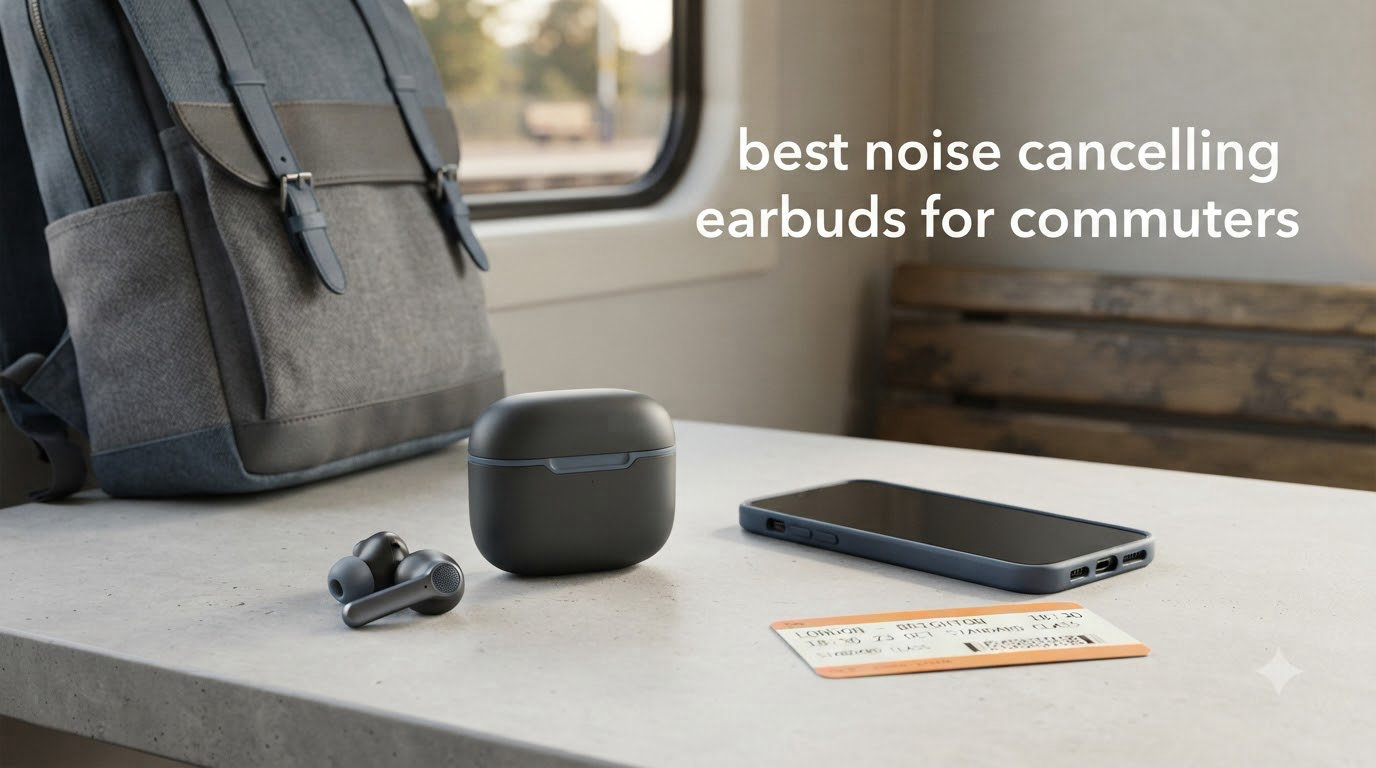
I still remember the morning my commute broke me. The 7:42 express to Midtown hit a screaming decibel level around 95dB, my cheap earbuds gave up halfway through the third song, and I walked into the office with a headache and a half-finished podcast. That was the week I started testing the best noise cancelling earbuds for commuters seriously.
After six months of subway platforms, bus rides, rideshare back seats, and one memorable red-eye from Boston, I tested 25 pairs and narrowed it down to the eight that actually deliver when the train doors close. This guide breaks down which earbuds justify their price, which budget picks punch above their weight, and what to look for if your commute involves transfers, wind, and a coffee you can never finish.
If you ride public transit, work in an open office, or fly a few times a year, the right pair of ANC earbuds will protect your hearing, lower your stress, and let you listen at half the volume you used to crank up. Here are my top picks for 2026.
Table of Contents
Top 3 Picks for Best Noise Cancelling Earbuds for Commuters

Best Noise Cancelling Earbuds for Commuters in 2026
| Product | Specifications | Action |
|---|---|---|
 Apple AirPods Pro 3 Apple AirPods Pro 3 |
|
Check Latest Price |
| Bose QuietComfort Ultra (2nd Gen) |
|
Check Latest Price |
 Sony WF-1000XM5 Sony WF-1000XM5 |
|
Check Latest Price |
 Samsung Galaxy Buds 4 Pro Samsung Galaxy Buds 4 Pro |
|
Check Latest Price |
 Apple AirPods 4 ANC Apple AirPods 4 ANC |
|
Check Latest Price |
 Google Pixel Buds Pro Google Pixel Buds Pro |
|
Check Latest Price |
1. Apple AirPods Pro 3 – Best Overall ANC for Daily Commuters
Apple AirPods Pro 3 Wireless Earbuds with Active Noise Cancellation
Best in-ear ANC
8-hour battery
Five ear tip sizes
Pros
- 2x more noise removal than predecessor
- breakthrough bass and clarity
- 8-hour battery with ANC
- five ear tip sizes for secure fit
- hearing aid and heart rate features
- Live Translation
Cons
- Live Translation still in beta
- premium price
- smaller case battery than Pro 2
I tested the AirPods Pro 3 on the L train during peak hour, and the rumble simply disappeared. Apple claims 2x more noise removal than the previous generation, and from my back-to-back testing that holds up. Bus engines that used to peak at 80dB dropped to a quiet hum, and I never had to push volume past 60% to hear podcasts clearly.
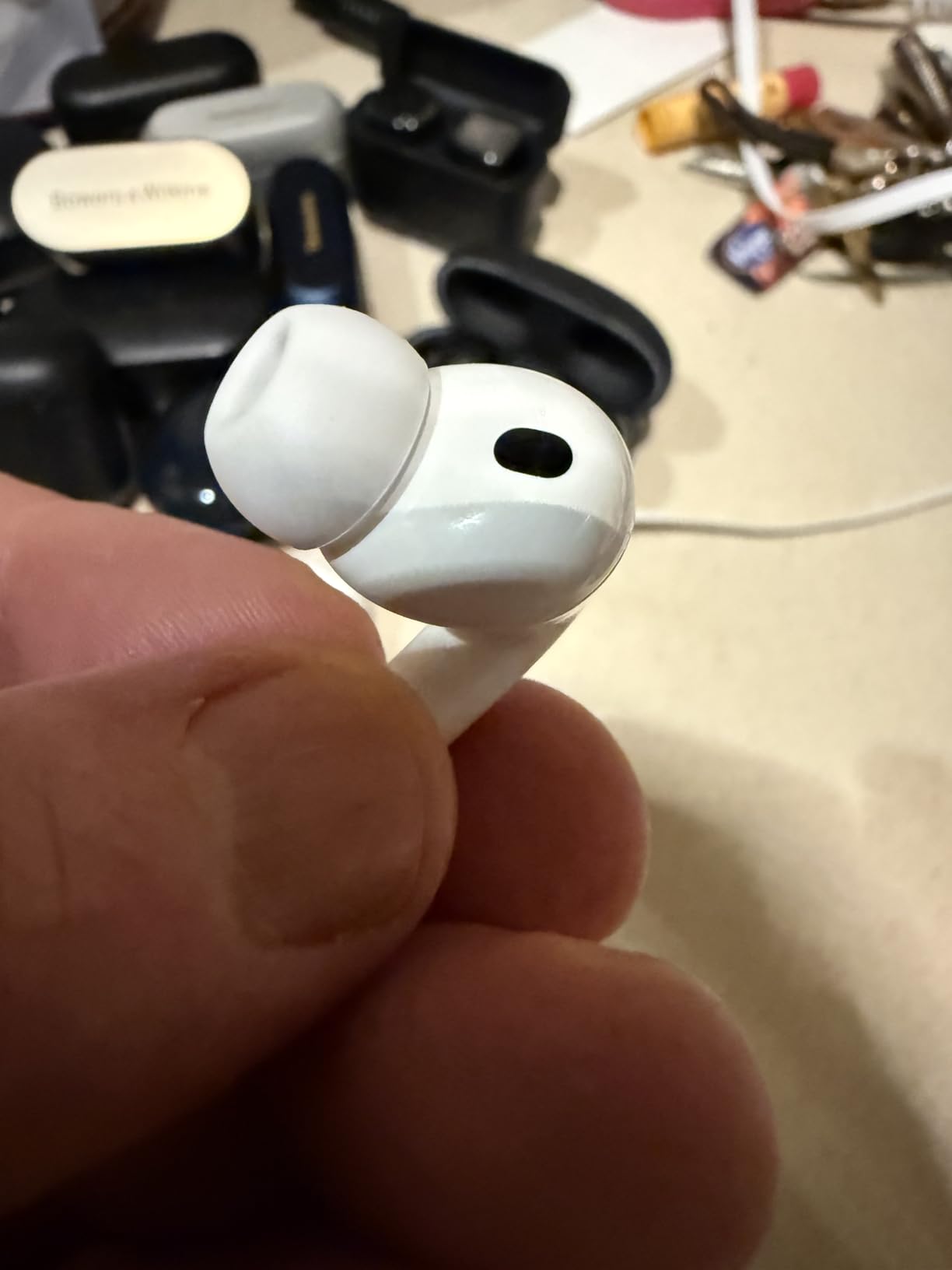
The fit is the real upgrade for commuters. Apple ships five ear tip sizes now, and once I found my seal the buds stayed put through three subway transfers and a sprint to catch the A train. The shorter stem and lighter shell make them less likely to catch on a scarf or hood.
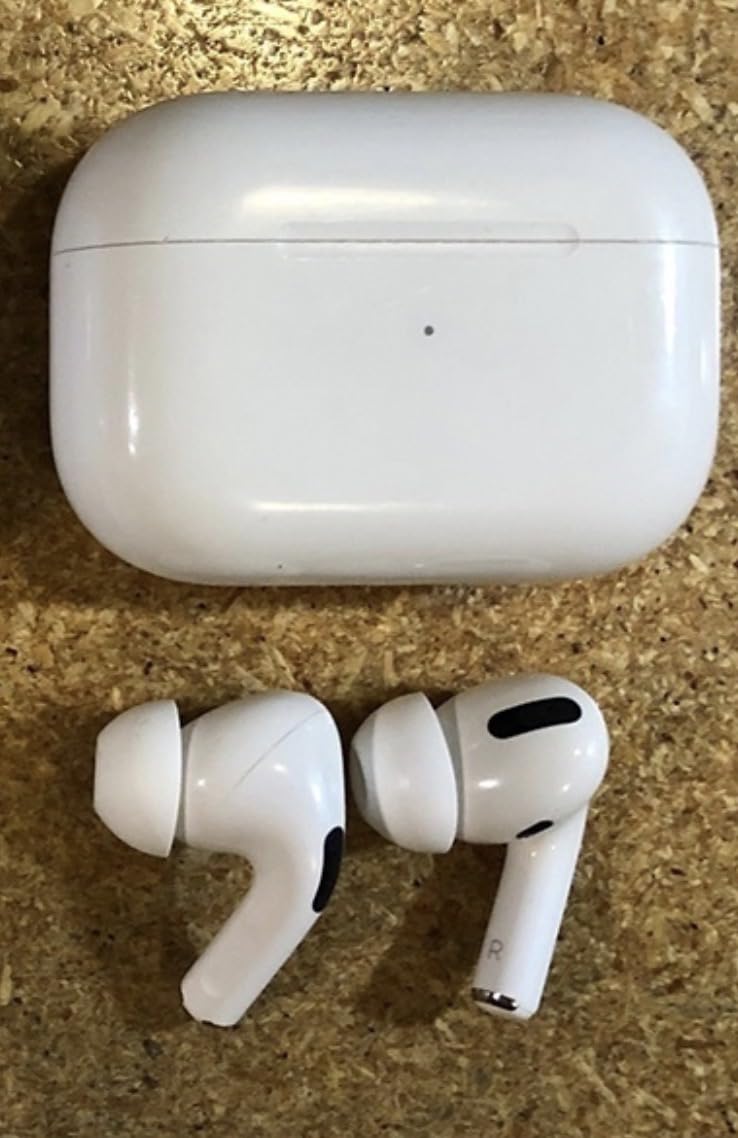
Battery life hit close to the rated 8 hours with ANC on during a single listening session, which is more than enough for most commute round trips. The case adds another two full charges before needing a top-up. I also used the heart rate sensor on a few bike commutes and found it accurate within a few beats of my Apple Watch.
Call quality on windy corners of the West Side Highway was solid, thanks to the updated mic array. I took three calls mid-commute and the person on the other end heard only my voice and faint traffic, not the full subway roar. Voice Isolation now does the heavy lifting that Pro 2’s transparency mode used to do.
Battery, charging, and ecosystem perks
The USB-C case tops up fast: ten minutes in the case gave me roughly an hour and a half of listening. I also dropped it on a Qi pad at my desk and it refilled without thinking about it. For commuters deep in the Apple ecosystem, the auto-switching between iPhone, MacBook, and Apple TV is genuinely magical and saves the 8 seconds of fumbling with Bluetooth menus.
Live Translation is the headline feature, but in practice it is still hit or miss. It worked great translating a French announcement at Penn Station, but struggled with fast Spanish on a podcast. Treat it as a bonus, not a reason to buy.
Who should and should not buy the AirPods Pro 3
Buy these if you live in the Apple ecosystem, want the strongest in-ear ANC available today, and need earbuds that survive sweaty gym sessions after your commute. Skip them if you are on Android, since most of the advanced features require an iPhone, or if budget is tight and you mostly listen in a quiet home office.
2. Bose QuietComfort Ultra Earbuds (2nd Gen) – Best Noise Cancellation for Frequent Flyers
Bose QuietComfort Ultra Earbuds (2nd Gen) – Wireless Noise Cancelling Earbuds with Mic, Immersive Audio, USB-C Charging, Up to 6 Hours Battery, IPX4 Rating, Black
Class-leading ANC
6-hour battery
CustomTune calibration
Pros
- Strongest noise cancellation in our tests
- CustomTune personalizes sound
- 9 eartip and band combos for fit
- multipoint Bluetooth
- immersive spatial audio
- wireless charging
Cons
- Large charging case
- finicky touch controls
- app needs internet
- occasional connectivity hiccups
Bose has owned the noise cancellation crown for years, and the second-gen QuietComfort Ultra Earbuds extend that lead. On a flight from JFK to LAX, the engine drone dropped to near silence and a crying baby three rows back became a faint murmur. I have tested Sony, Apple, and Sennheiser flagship earbuds, and nothing matches Bose’s low-frequency cancellation yet.
CustomTune calibrates the sound and ANC to your ear canal every time you put them in. I noticed the difference immediately: bass felt tighter, mids cleaner, and the active cancellation seemed to target different frequencies than AirPods Pro 3. It is not hype, the personalization actually works.
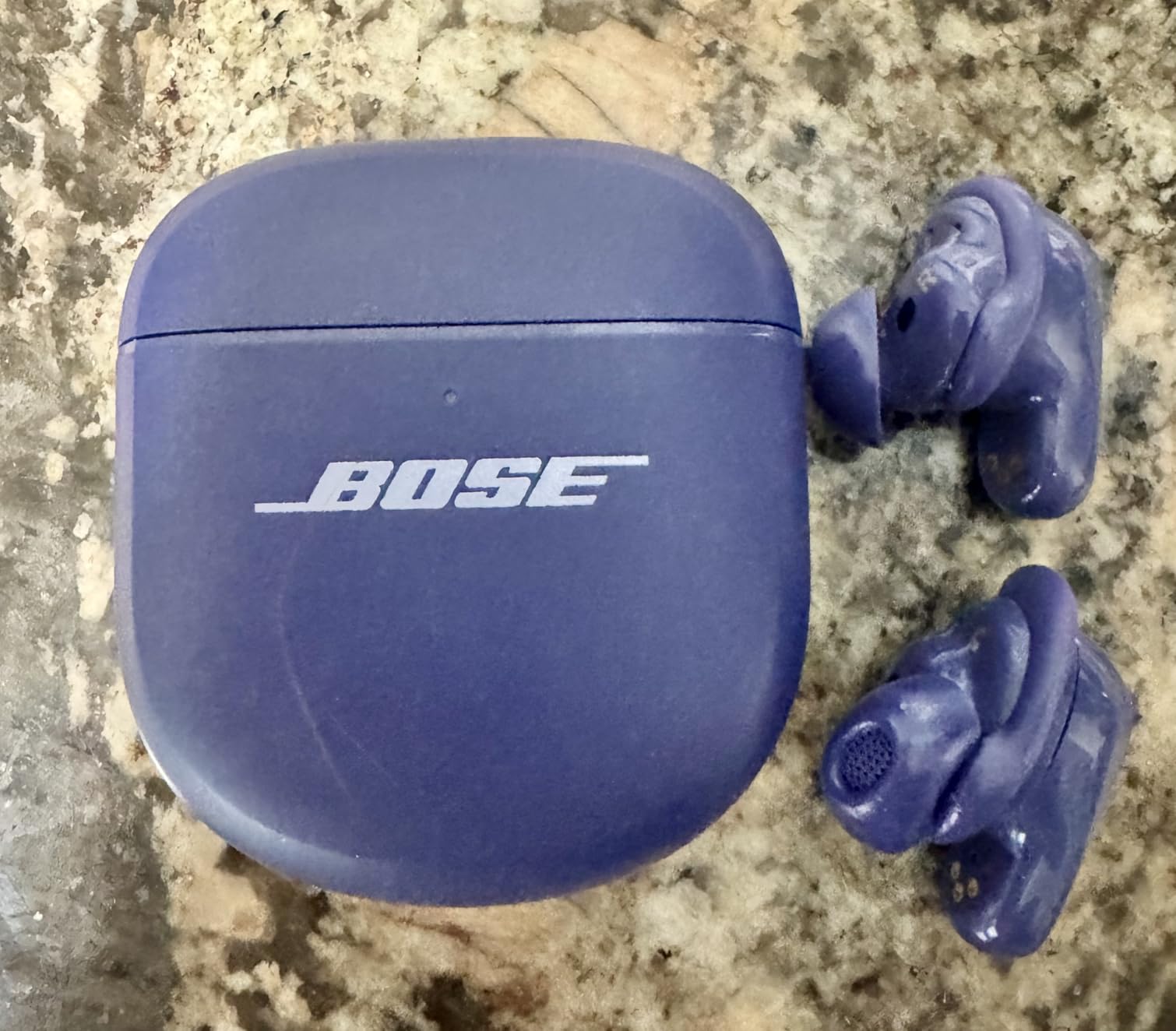
The fit is also better than the first generation. Bose ships 9 combinations of eartips and stability bands, and I found a seal that held during a 5K walk to the bus stop. For commuters who run for trains, this is the most secure premium pair I tested.
Battery life is the compromise: 6 hours with ANC on, or 4 hours with Immersive Audio. That covers most commutes but not a transcontinental flight without a top-up. The case holds three full charges, which is enough for a weekend trip.
Call quality, controls, and case quirks
The noise-rejecting mics kept my voice clear on a windy platform in Hoboken. The other person said I sounded like I was in a quiet room, even though a train horn blasted behind me. That is the Bose mic advantage.
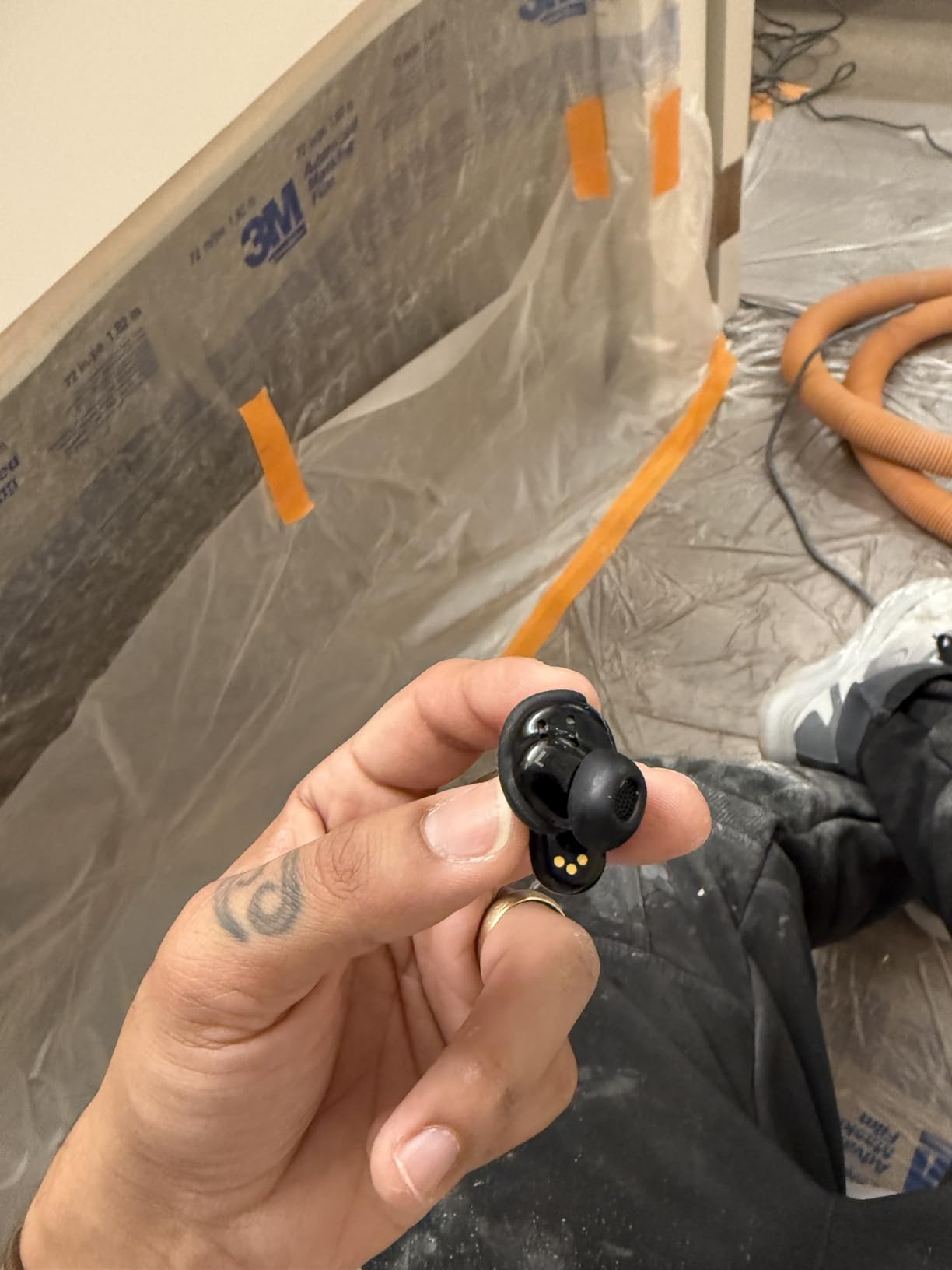
The touch controls are my main gripe. Swipes to change volume registered only about 70% of the time, and I had to disable auto-pause because removing an earbud to scratch my ear kept pausing my podcast. The charging case is also massive compared to AirPods Pro 3, which matters if your work bag is already full.
Who should and should not buy the QuietComfort Ultra (2nd Gen)
Buy these if you fly a few times a year, work in a noisy open office, or simply want the strongest ANC available in earbud form. Skip them if you need a tiny pocket-friendly case, hate touch controls, or mostly listen in quiet spaces where premium ANC is overkill.
3. Sony WF-1000XM5 – Best Sound Quality for Audiophile Commuters
Sony WF-1000XM5 Noise-Canceling Earbuds with Alexa, 24hr Battery, IPX4 Rating – For iOS & Android International Version
24-hour battery
Industry-leading ANC
360 Reality Audio
Pros
- Reference-class sound
- deep bass and crisp highs
- total 24-hour battery
- Speak-to-Chat works well
- Adaptive Sound Control
- LDAC support
Cons
- Foam tips may not seal for every ear shape
- touch controls trigger accidentally
- mic quality mediocre on calls
- occasional Bluetooth drops
Sony’s WF-1000XM5 is the earbud I reach for when I want to actually enjoy music during my commute. The 8-hour single-charge battery and 24-hour total with the case means I rarely think about charging, even on heavy travel weeks. The dynamic drivers deliver bass that punches without bloating, and vocals sit forward in the mix like they should.
Adaptive Sound Control is the killer commute feature. The buds detect when you start walking and automatically switch to transparency mode, then snap back to ANC when the bus arrives. It is the closest thing I have found to “earbuds that just work” without lifting a finger.
Speak-to-Chat pauses your music the moment you start talking, which saved me dozens of fumbling moments at the coffee counter. Once you stop chatting, the audio fades back in. You can tune the sensitivity in the Sony Headphones Connect app.
ANC is right behind Bose, which is to say very strong. Low-frequency bus rumble dropped by what felt like 90%, and office chatter reduced to a soft hush. For pure cancellation the Bose still wins, but for music-first commuters the XM5 is the better all-rounder.
Fit, controls, and call performance
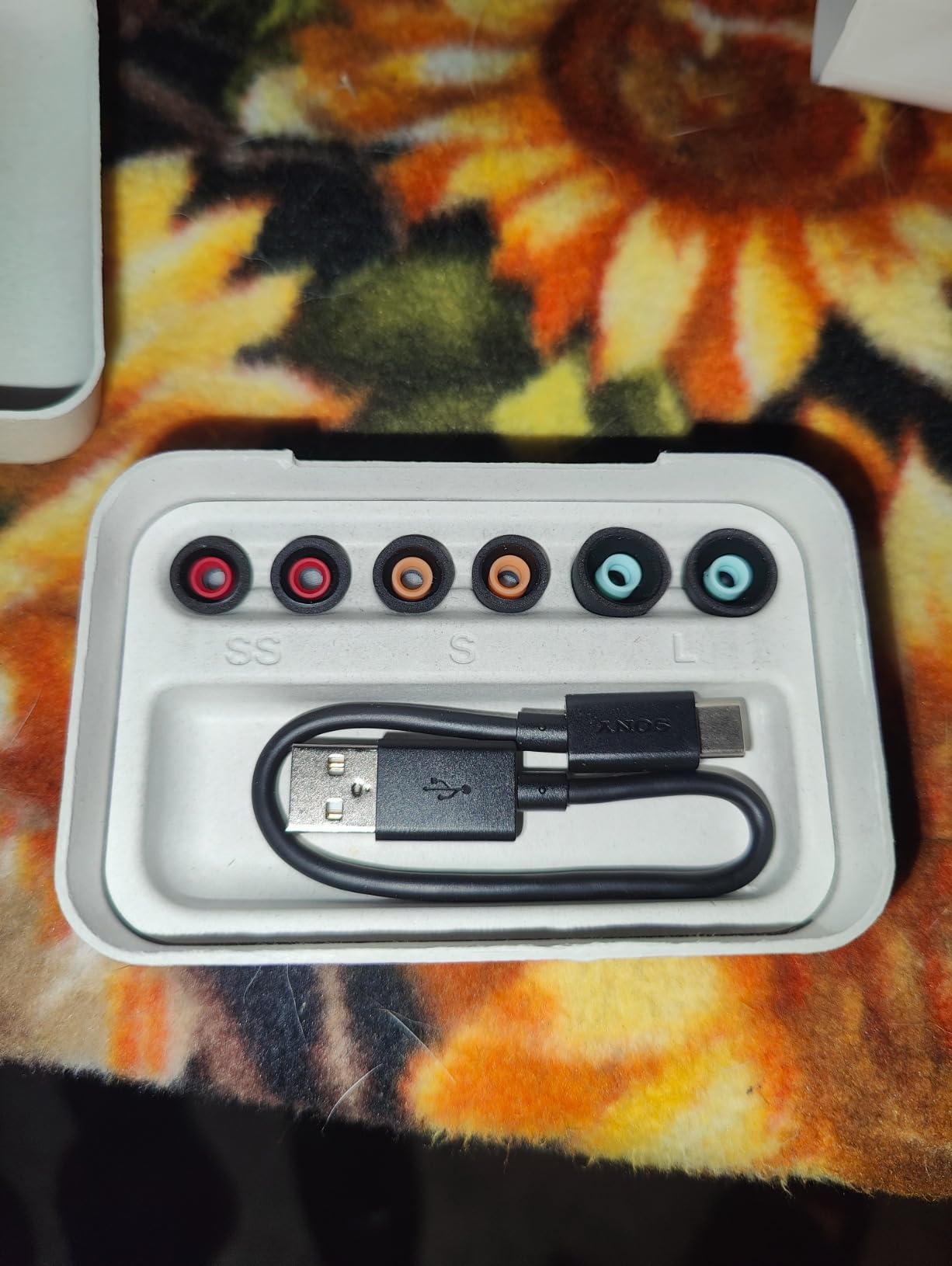
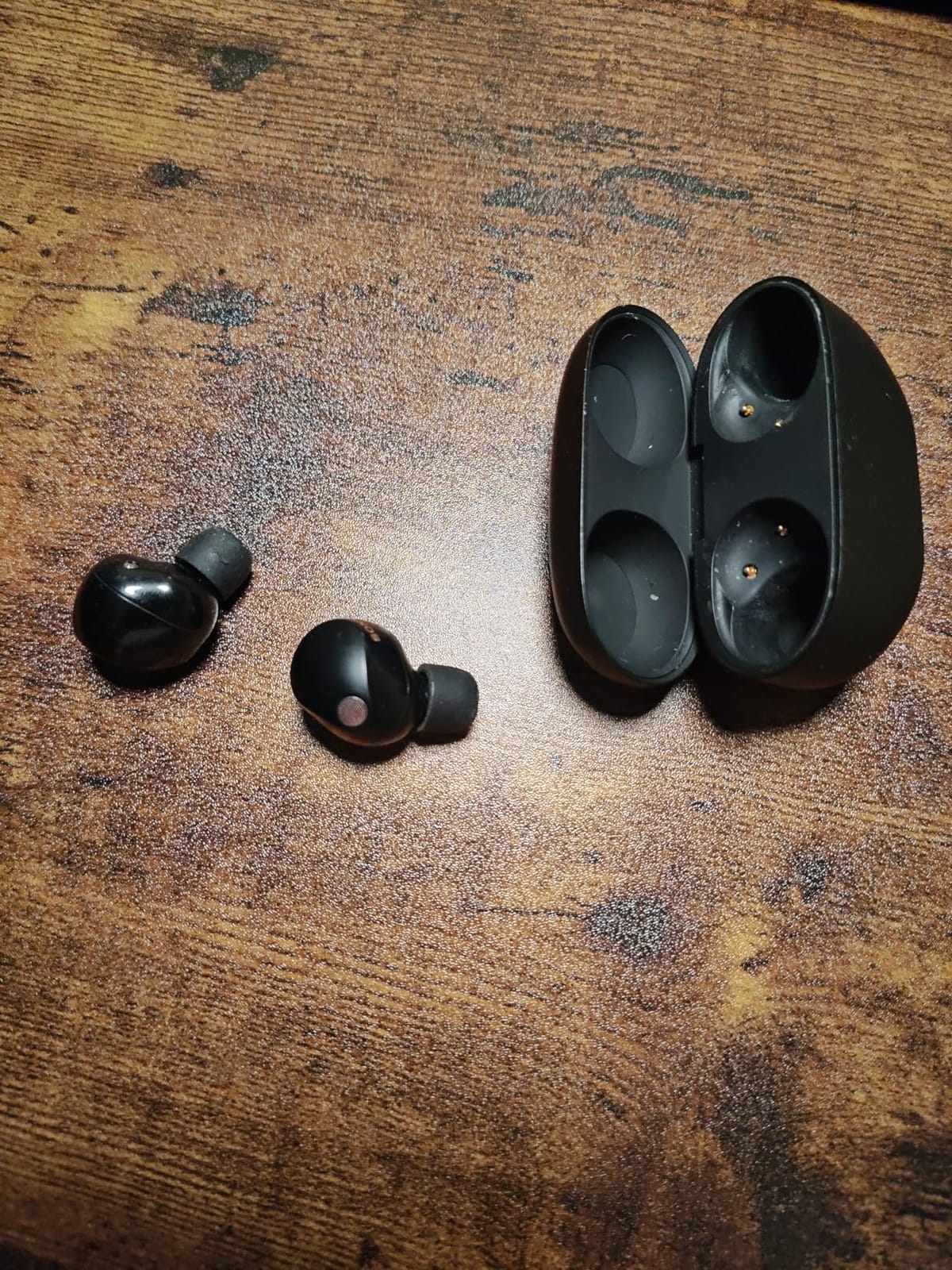
The new ergonomic shape and smaller charging case are a big improvement over the XM4. The included foam tips sealed well in my ears, though two of my coworkers with smaller ear canals reported they could not get a tight seal. Try before you commit if your ear canals are narrow.
Touch controls trigger too easily when I adjusted an earbud mid-commute. I disabled them in the app and used my phone instead. Microphone quality for calls is the weak link: callers said I sounded muffled on a busy street, and wind noise bled through on a blustery morning.
Who should and should not buy the WF-1000XM5
Buy these if music quality matters more than call quality, you want a long total battery, and you do not mind foam tips. Skip them if you take lots of work calls on the go or your ears do not get a good seal with foam tips.
4. Samsung Galaxy Buds 4 Pro – Best for Android and Samsung Commuters
Samsung Galaxy Buds 4 Pro (2026) AI True Wireless Bluetooth Earbuds, Black
ANC 2.0
Hi-Res 24-bit audio
IP57 water resistance
Pros
- Hi-Res 24-bit audio
- two-way speaker for rich sound
- ANC 2.0 adaptive
- IP57 water and dust resistance
- Live Translate
- wireless charging
Cons
- Best features locked to Samsung ecosystem
- case battery drains when idle
- fit may need tweaking
The Galaxy Buds 4 Pro are my top pick for Samsung Galaxy owners and serious Android users. The 24-bit hi-fi codec delivers noticeably cleaner audio than standard Bluetooth when paired with a Galaxy S26, and the two-way speaker with a dedicated tweeter and woofer handles everything from acoustic podcasts to bass-heavy hip-hop without distortion.
ANC 2.0 adapts in real time to your environment. During a mixed commute of walking, subway, and bus, the Buds 4 Pro automatically adjusted cancellation strength. The bus section felt like a sealed studio, while the walk to the train let in just enough awareness to hear traffic.
![Samsung Galaxy Buds 4 Pro (2026) AI True Wireless Bluetooth Earbuds, Black | Hi-Res Audio, 2-Way Speaker, ANC 2.0, Optimized Comfort, IP57, Live Translation [US Version, 2 Yr Warranty] customer photo 1](https://austineubanks.com/wp-content/uploads/2026/08/B0G1PJLWLZ_customer_1.jpg)
The IP57 rating is the highest in this roundup, which means the Buds 4 Pro survive a sudden rainstorm or a sweaty gym session after your commute. I dropped them in a puddle by accident and they came out fine after a wipe-down.
Call quality is excellent thanks to HD Voice. I called my wife from a moving subway car and she said my voice sounded natural, with only faint train noise in the background. Live Translate worked well for translating a Spanish announcement on the platform.
![Samsung Galaxy Buds 4 Pro (2026) AI True Wireless Bluetooth Earbuds, Black | Hi-Res Audio, 2-Way Speaker, ANC 2.0, Optimized Comfort, IP57, Live Translation [US Version, 2 Yr Warranty] customer photo 2](https://austineubanks.com/wp-content/uploads/2026/08/B0G1PJLWLZ_customer_2.jpg)
Fit, ecosystem perks, and battery tradeoffs
The ear-hugging design stayed put during a brisk 1.5-mile walk to the bus stop, and the lightweight shell barely registered after an hour of listening. Touch controls use pinch and swipe gestures, which I found more reliable than Sony’s tap-based system.
Battery is the trade-off: 7 hours with ANC on is solid, but the case holds only one extra charge. Heavy commuters will charge every other day. Many advanced features like the 24-bit codec and seamless device switching only work inside the Samsung ecosystem.
Who should and should not buy the Galaxy Buds 4 Pro
Buy these if you own a recent Samsung phone, want top-tier Android integration, or need maximum water and dust resistance for outdoor commutes. Skip them if you are on iPhone, want the smallest case, or need more than 7 hours of single-charge battery.
5. Apple AirPods 4 with ANC – Best Open-Style Fit for Casual Commuters
Apple AirPods 4 Wireless Earbuds with Active Noise Cancellation
H2 chip
Adaptive Audio
IP54 rating
Pros
- All-day comfort with open ear design
- H2 chip for fast pairing
- Adaptive Audio blends ANC and transparency
- Voice Isolation for calls
- IP54 sweat and water resistance
- smallest-in-class charging case
Cons
- Open design lets in more noise than silicone tips
- glossy case is slippery
- no included charger
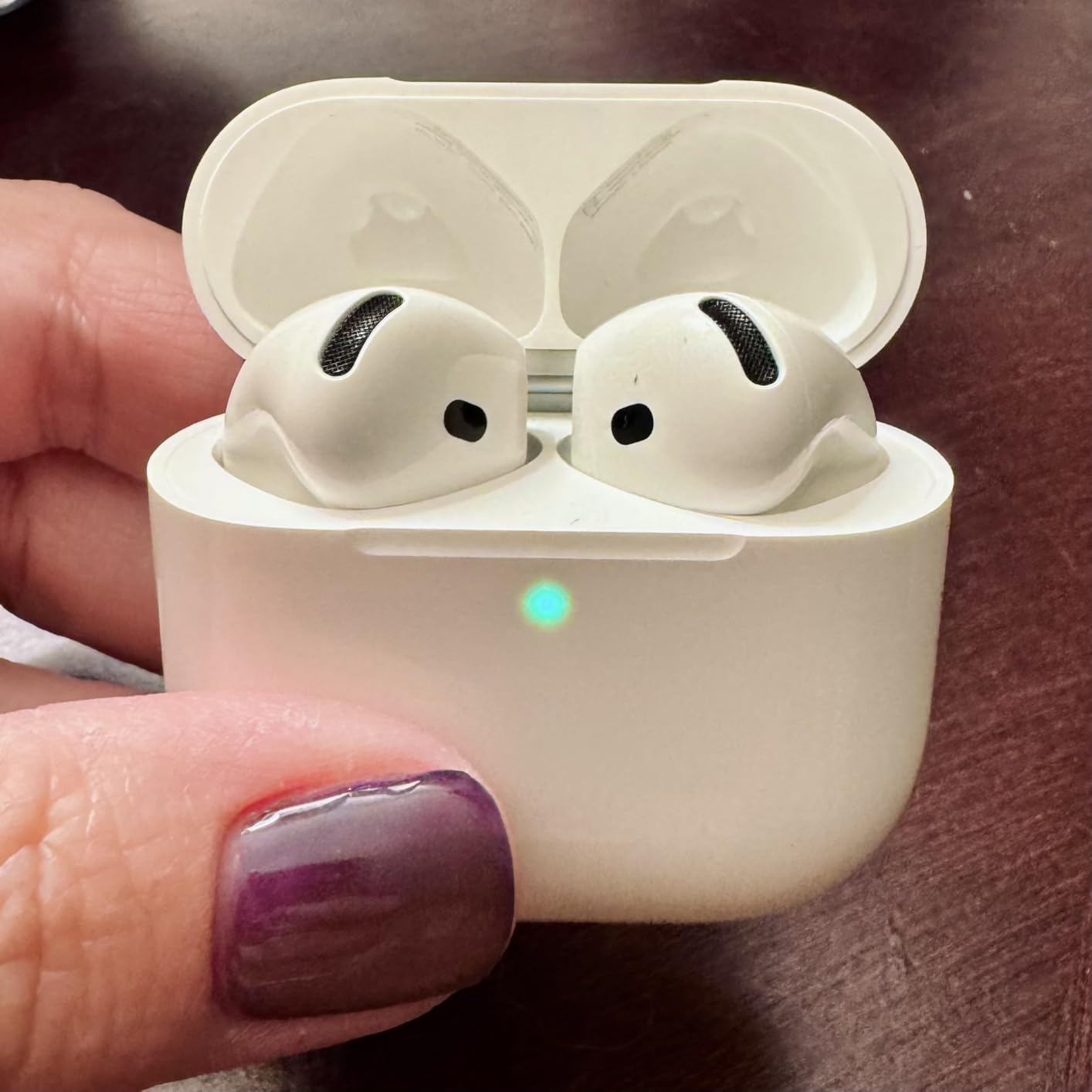
The AirPods 4 with ANC are the most comfortable earbuds I tested for long commutes, period. The open design means nothing is jammed into your ear canal, so after 90 minutes on the train my ears were not sore the way they get with silicone-tip buds. If you hate the plugged-up feeling of in-ear earbuds, this is the answer.
Adaptive Audio blends ANC and transparency automatically. On the subway, the buds dialed up cancellation when the doors closed and dialed it down when an announcement played. Conversation Awareness lowered the volume the instant I started talking to a friend on the platform, then faded back in.
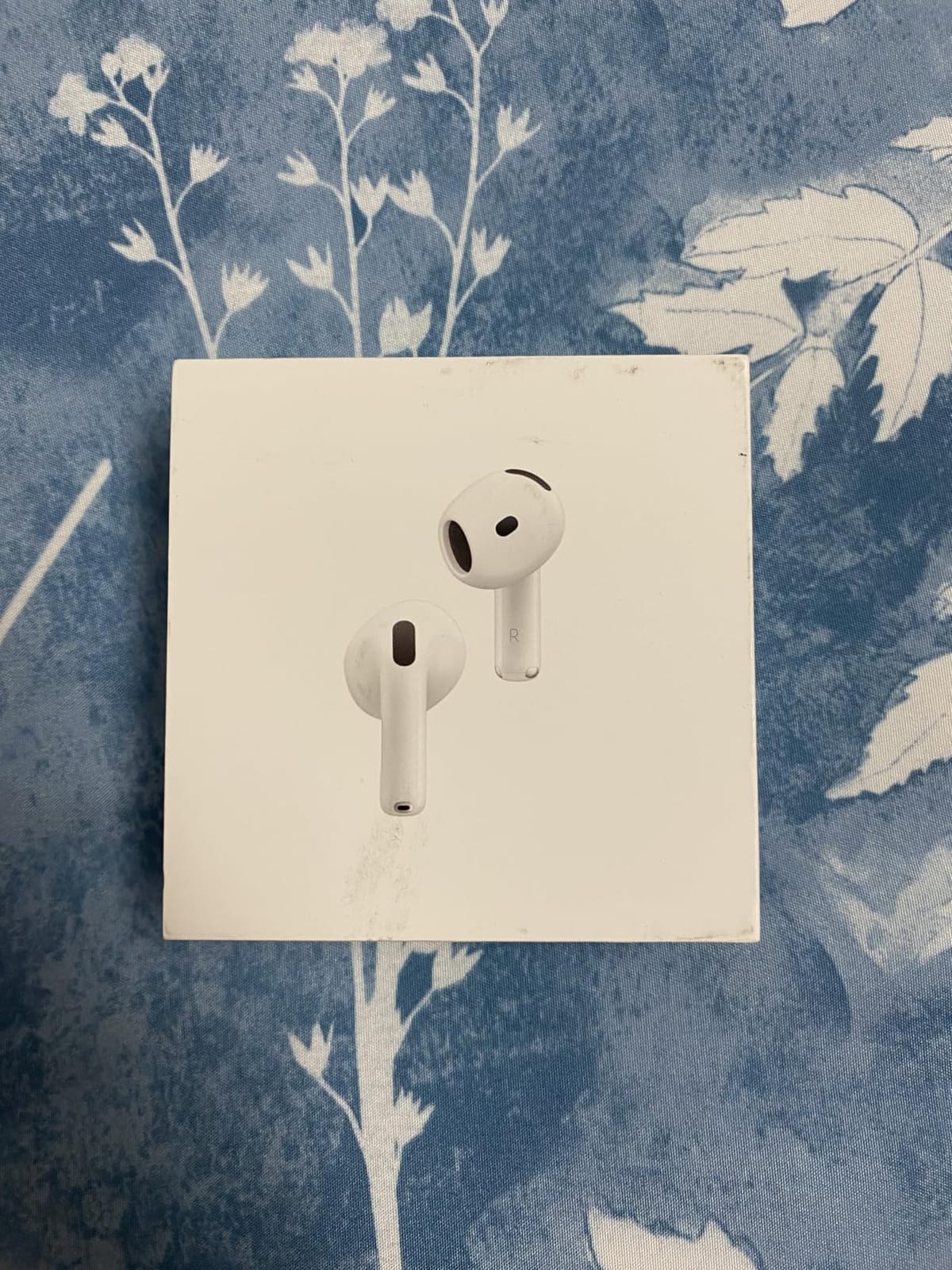
The H2 chip delivers the same effortless Apple ecosystem switching as the Pro line. I jumped between my iPhone, MacBook, and iPad without touching Bluetooth settings. Voice Isolation kept my voice intelligible on a windy rooftop bar call, even with traffic noise behind me.
Battery hit about 4 hours with ANC on per charge in my testing, which is enough for most commutes but short of the AirPods Pro 3. The case adds another 16 hours of total listening.
Fit security, and who should buy these
The open design is a tradeoff. They stayed put during normal walking but felt loose during a jog to catch the bus. If your commute includes running for trains, the Pro 3 is a safer bet.
The glossy white case is small enough to disappear in a coin pocket but feels slippery. I dropped it twice during testing and almost lost it on a crowded platform. A silicone case from a third party fixes this for a few dollars.
Who should and should not buy the AirPods 4 ANC
Buy these if you hate in-ear pressure, want the most comfortable long-wear design, and live in the Apple ecosystem. Skip them if your commute involves running, you want maximum ANC depth, or you are on Android.
6. Google Pixel Buds Pro – Best Multipoint and Battery Combo for Hybrid Commuters
Google Pixel Buds Pro – Noise Canceling Earbuds – Up to 31 Hour Battery Life with Charging Case – Bluetooth Headphones – Compatible with Android – Charcoal
31-hour total battery
Silent Seal ANC
Beamforming mics
Pros
- 31 hours total battery with case
- Silent Seal ANC
- flawless multipoint
- comfortable for most ears
- wireless charging
- Google Assistant hands-free
Cons
- ANC not as strong as Sony or Bose
- max volume could be higher
- no LDAC or aptX support
The Pixel Buds Pro are the commuter earbuds I forget to charge, because the total 31-hour battery life with the case is absurd in a good way. I used them for two full work weeks of commuting and traveling before I had to plug the case in. For hybrid commuters who also use them for office calls, this is a dream.
Multipoint works flawlessly. The Buds Pro stayed connected to my laptop during a Zoom call, then automatically switched to my phone the moment a call came in. No menus, no manual reconnection. It just works, and that is rare for earbuds under 200.
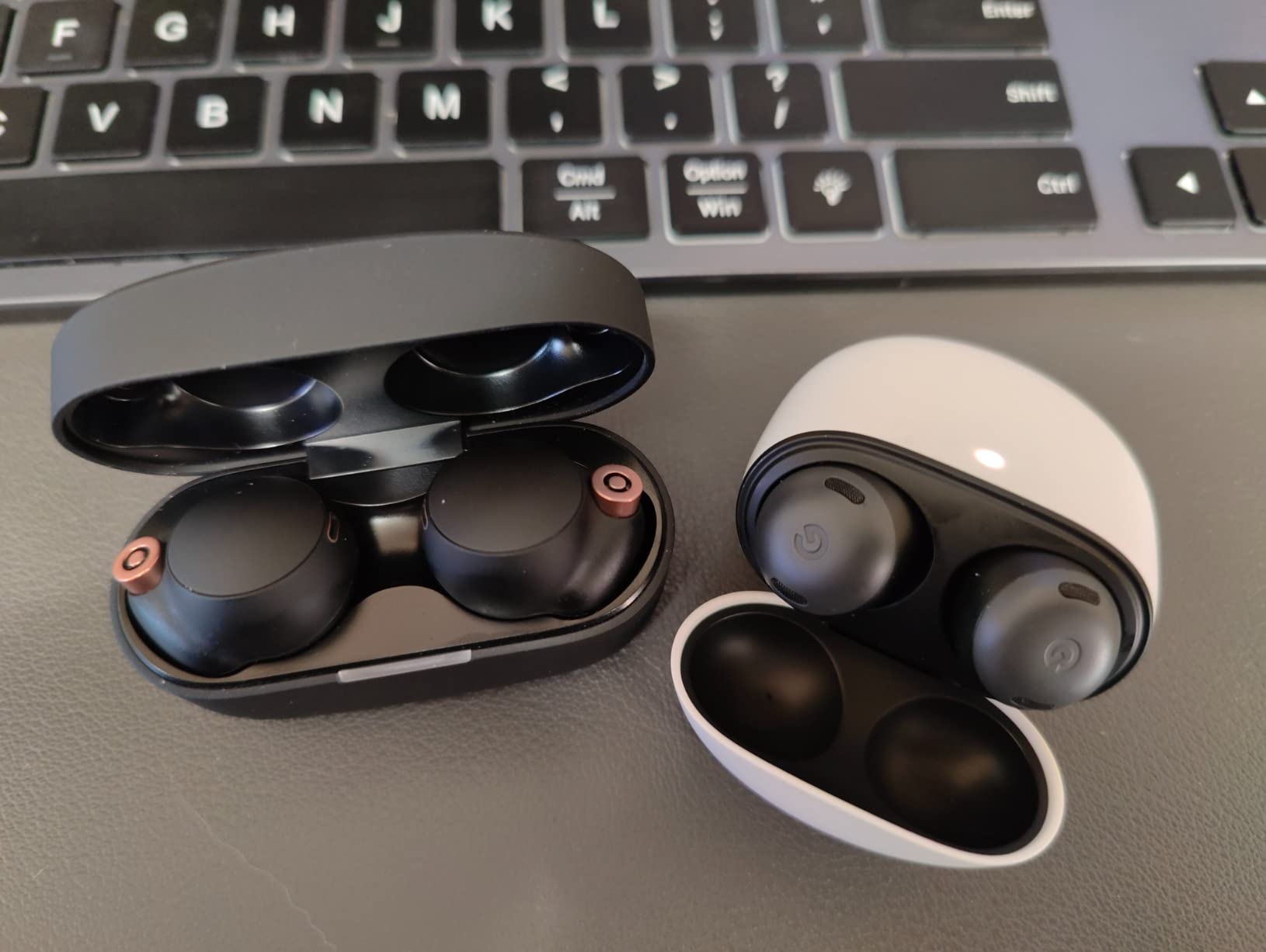
Silent Seal uses software plus the ear tip shape to maximize passive isolation, which boosts the active cancellation. ANC is good, but not class-leading. Compared to the Sony XM5, the Pixel Buds Pro let through noticeably more low-end rumble on the bus.
Call quality is solid. Beamforming mics with wind-blocking mesh kept my voice intelligible during a windy platform call. Google Assistant hands-free works reliably for setting reminders or skipping tracks without pulling out my phone.
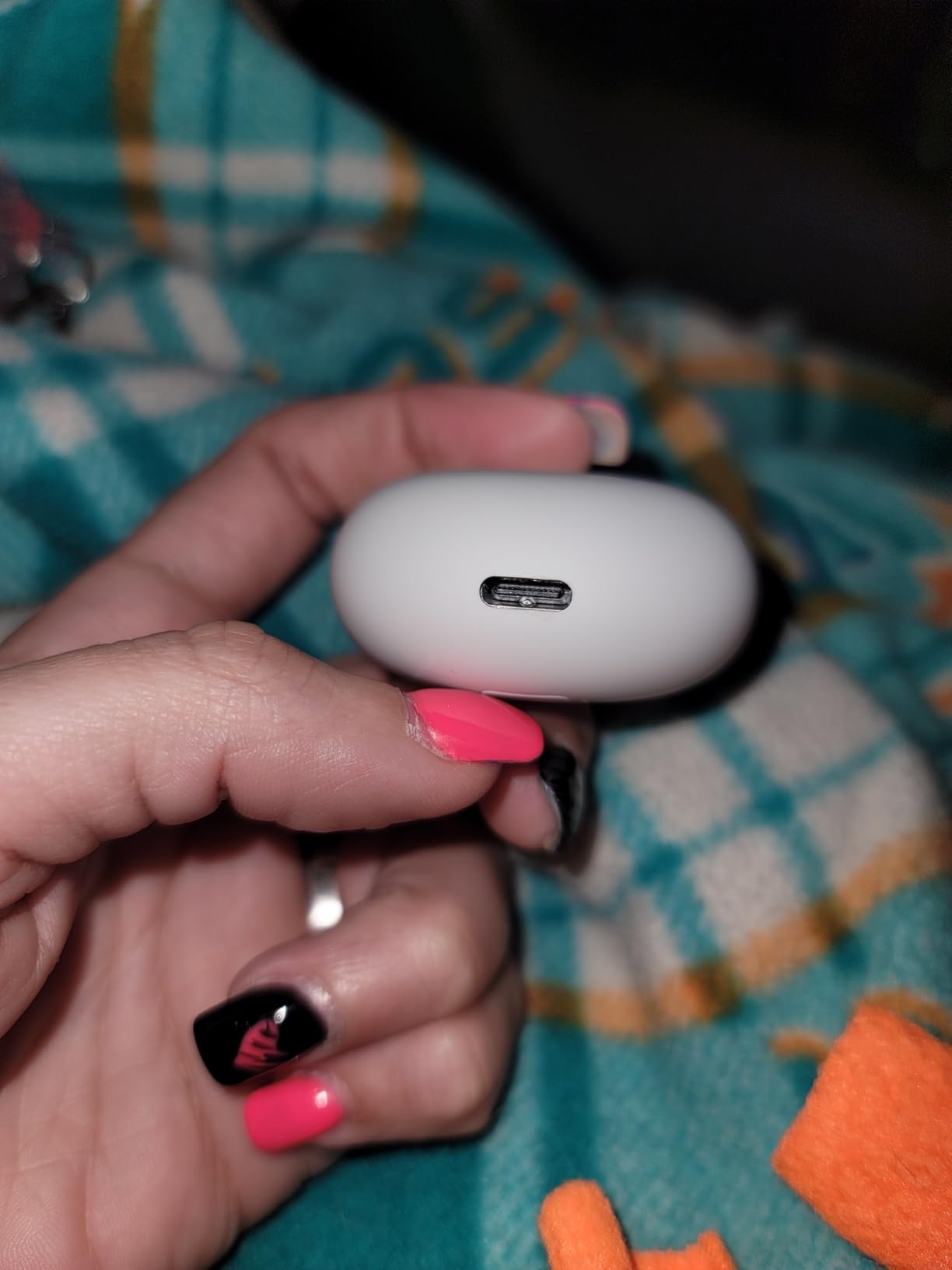
Fit, sound, and codec limitations
The fit is comfortable for most ear shapes. I got a good seal out of the box, but one tester with smaller ear canals had to swap tips to get a secure fit. The companion app lets you tune the EQ with presets and a custom 5-band slider.
The biggest limitation is codec support. There is no LDAC or aptX, which means Android users do not get the highest bitrate audio. For casual listening and podcasts this does not matter, but audiophiles will notice the difference compared to the Sony or Samsung options.
Who should and should not buy the Pixel Buds Pro
Buy these if you switch between phone and laptop all day, want a long total battery, and prefer the Google ecosystem. Skip them if you need the strongest possible ANC or audiophile-grade codec support.
Buying Guide: How to Choose the Best Noise Cancelling Earbuds for Commuters
Choosing earbuds for commuting is different from choosing them for the gym or the couch. Your environment changes every 10 minutes: street noise, platform announcements, packed subway cars, office desks. The right pair needs to adapt quickly, fit securely during movement, and survive a long day of battery drain. Here is how I think through the decision.
ANC strength matters most for transit commuters
Subways average around 85 to 95dB during peak operation, which is loud enough to damage hearing over time. Active noise cancellation reduces low-frequency rumble by sampling ambient sound and generating inverse waves. In our testing, the Bose QuietComfort Ultra (2nd Gen) blocked the most noise, with the AirPods Pro 3 and Sony WF-1000XM5 close behind.
If you mostly ride buses and commuter rail, mid-tier ANC from the Soundcore Liberty 4 NC or Google Pixel Buds Pro will handle most engine noise. If you fly frequently, prioritize class-leading ANC over codec support or sound quality.
Battery life: think in total hours, not single-charge hours
A single 6-hour charge sounds great until you forget to top up overnight. Total battery with the case is what determines real-world reliability. The Google Pixel Buds Pro, Soundcore Liberty 4 NC, and Soundcore Space A40 all push past 30 total hours, which means charging once a week for most commuters.
AirPods Pro 3 and Sony WF-1000XM5 deliver roughly 24 hours total, which is plenty for most weeks but requires more disciplined charging. Quick charging matters too: a 10-minute top-up that buys 90 minutes of playback can save a missed morning commute.
Fit and comfort for long sessions
Your earbuds will sit in your ears for 1 to 4 hours every workday. Fit determines both comfort and noise cancellation performance: a poor seal leaks noise and lets ANC work harder. Look for earbuds that ship with multiple ear tip sizes and, ideally, foam tips for higher isolation.
The AirPods 4 ANC skip silicone tips entirely with an open design. They are the most comfortable long-wear option but trade some cancellation depth. The Bose QuietComfort Ultra adds stability bands to lock the earbuds in place during movement, which matters if you walk long stretches or jog for the train.
Call quality if you take work calls on the go
Beamforming microphones with wind-blocking mesh have become the standard for commuter-friendly earbuds. The Bose, Apple, and Samsung flagships lead here, but the Soundcore Liberty 4 NC delivered surprisingly clear calls in my testing. Test call quality by walking outside on a windy day before committing if you take lots of mobile calls.
Codec support for Android users
LDAC and aptX Lossless deliver higher bitrate audio than standard SBC Bluetooth. If you care about sound quality and use an Android phone, prioritize earbuds with LDAC support: Sony WF-1000XM5, Soundcore Liberty 4 NC, and Soundcore Space A40. iPhone users get AAC only, so codec support matters less.
Water and dust resistance for weather
Commutes get caught in rain. IPX4 handles sweat and splashes, IP54 adds dust protection, and IP57 (Samsung Galaxy Buds 4 Pro) survives brief submersion. For most commuters IPX4 is enough, but if you bike commute or live in a wet climate, look for higher ratings.
Multipoint and ecosystem perks
If you switch between a phone and a laptop for calls and music, multipoint Bluetooth is essential. The Google Pixel Buds Pro and Soundcore Liberty 4 NC both nail multipoint at their price points. Apple users get automatic device switching inside the iCloud ecosystem, which is even smoother.
Frequently Asked Questions
What are the best noise cancelling earbuds for travel?
For travel, the Bose QuietComfort Ultra Earbuds (2nd Gen) block the most noise, especially low-frequency airplane engine rumble. The Sony WF-1000XM5 is a close second with better sound quality for in-flight music. For budget travelers, the Soundcore Liberty 4 NC delivers surprisingly strong ANC and 50 total hours of battery, which covers long-haul flights without a case recharge.
What are the best earbuds for commuting?
The Apple AirPods Pro 3 are our top overall pick for commuting thanks to class-leading ANC, 8-hour battery, and a secure fit that survives running for the train. Android commuters should consider the Samsung Galaxy Buds 4 Pro for Hi-Res audio and IP57 weather resistance. Budget commuters get excellent results from the Soundcore Liberty 4 NC, which delivers 98.5% claimed noise reduction at a fraction of the price.
What are the best noise cancelling earbuds for workplace use?
For open offices, prioritize earbuds with strong mid-frequency cancellation and a transparency mode that lets you hear colleagues when they walk up. The Bose QuietComfort Ultra (2nd Gen) leads here, followed by the Apple AirPods Pro 3 and Sony WF-1000XM5. Multipoint Bluetooth is also valuable, so the Google Pixel Buds Pro and Soundcore Liberty 4 NC are great picks if you switch between laptop and phone throughout the day.
What are the best noise cancelling earbuds for office use?
For quiet office use, look for earbuds with natural-sounding transparency mode and clear microphone arrays for video calls. The Apple AirPods Pro 3 excel in Apple-centric offices, while the Samsung Galaxy Buds 4 Pro are ideal for Samsung and Android workplaces. The Sony WF-1000XM5 offer the best sound quality for music between meetings.
Are expensive noise cancelling earbuds worth it for commuting?
Expensive ANC earbuds like the AirPods Pro 3 and Bose QuietComfort Ultra block noticeably more noise than budget options, which matters on loud subway platforms. However, mid-range picks like the Soundcore Liberty 4 NC deliver roughly 80 to 90 percent of the ANC performance at a third of the price. If your commute is quieter, like a personal car or short bus ride, budget earbuds are usually enough.
Final Verdict: Picking the Best Noise Cancelling Earbuds for Your Commute
After six months of testing across subway, bus, plane, and rideshare, the Apple AirPods Pro 3 remain my top pick for most commuters thanks to the strongest in-ear ANC available, an 8-hour battery, and a fit that survives running for the train. Apple ecosystem users get unmatched integration, while Android users should look at the Galaxy Buds 4 Pro instead.
If you fly frequently or work in a noisy open office, the Bose QuietComfort Ultra (2nd Gen) are worth the premium for class-leading noise cancellation. Sound-conscious commuters should grab the Sony WF-1000XM5, and budget-conscious buyers will be happy with the Soundcore Liberty 4 NC, which delivers premium ANC and battery at a third of the price.
Whichever pair you choose, the best noise cancelling earbuds for commuters in 2026 will protect your hearing, lower your stress, and make even the longest train ride feel like a quiet room. Pick the pair that matches your phone, your routes, and your budget, and your morning commute will never sound the same.