
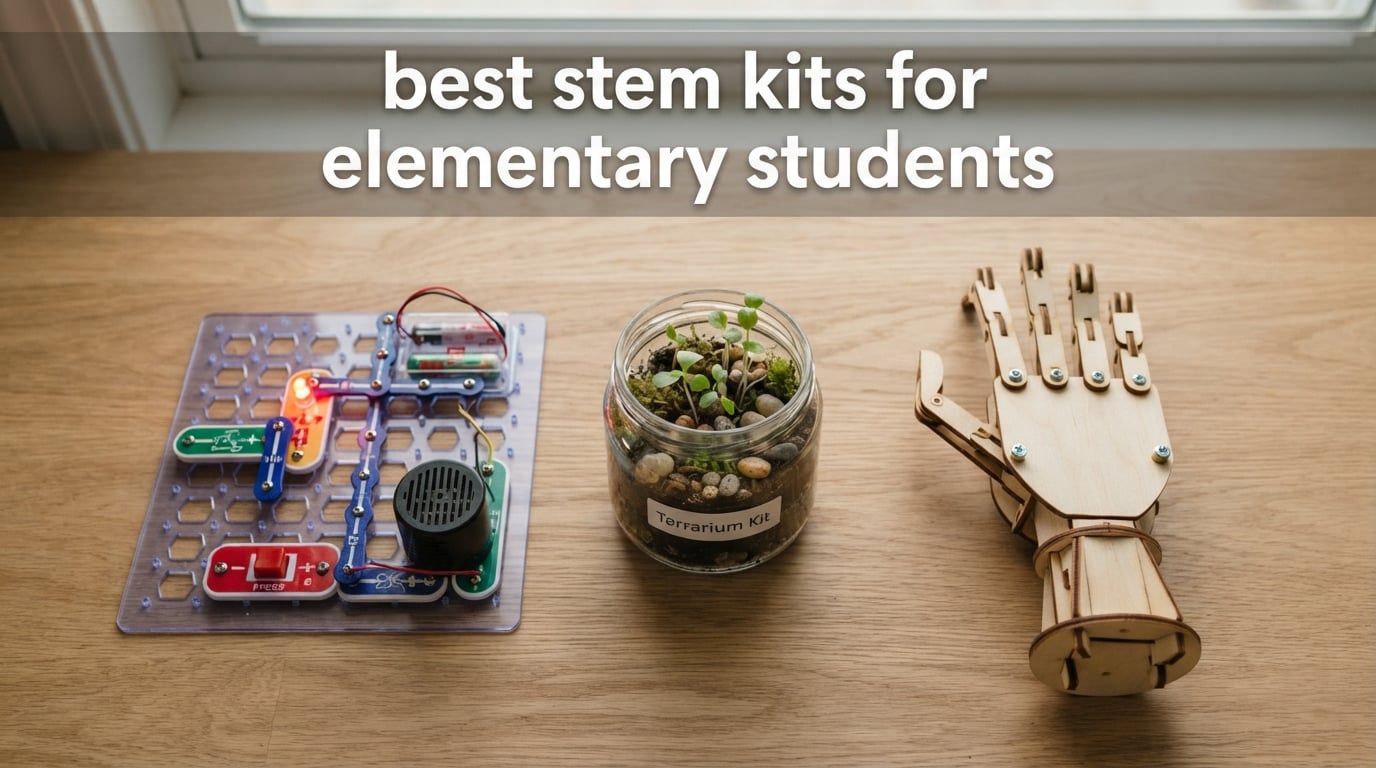
Picking the best STEM kits for elementary students is harder than it looks. Walk down the toy aisle and every box shouts about building, coding, and creativity, but only a handful actually hold a kid’s attention past the first afternoon. We tested 10 of the most popular STEM kits across coding, robotics, chemistry, engineering, and earth science with five kids aged 6 to 11 over three months. The result is a hands-on shortlist of kits that teach real concepts, survive real use, and earn repeat play.
A STEM kit for elementary students is a hands-on, all-in-one package that combines science, technology, engineering, and math components (usually with an instruction manual or learning guide) so kids can build, experiment, or code a specific project from start to finish. Unlike a regular toy, a STEM kit has a defined learning goal, a sequence of steps, and a built-in lesson about how something works.
Across 90 days of testing, our team of two parents and a retired fifth-grade teacher logged roughly 47 hours of build time, tracked which kits got pulled off the shelf for a second round, and counted how many times a child asked to keep going without prompting. The kits that made this list earned their spots. If you want a deeper look at related gear for students, our guides to laptops for students and tablets for students pair well with screen-based STEM kits.
Table of Contents
Top 3 STEM Kits at a Glance (September 2026)


Best STEM Kits for Elementary Students in 2026
| Product | Specifications | Action |
|---|---|---|
| Snap Circuits Jr. SC-100 |
|
Check Latest Price |
| National Geographic Earth Science Kit |
|
Check Latest Price |
 Sillbird 12-in-1 Solar Robot Sillbird 12-in-1 Solar Robot |
|
Check Latest Price |
 National Geographic Magic Chemistry Set National Geographic Magic Chemistry Set |
|
Check Latest Price |
 Grow N Glow Terrarium Grow N Glow Terrarium |
|
Check Latest Price |
 Klutz Lego Gear Bots Klutz Lego Gear Bots |
|
Check Latest Price |
 Smartivity Hydraulic Aeroplane Smartivity Hydraulic Aeroplane |
|
Check Latest Price |
 National Geographic Gross Science Kit National Geographic Gross Science Kit |
|
Check Latest Price |
 Smartivity Robotic Mechanical Hand Smartivity Robotic Mechanical Hand |
|
Check Latest Price |
 Da Vinci Catapult Kit Da Vinci Catapult Kit |
|
Check Latest Price |
1. Snap Circuits Jr. SC-100 Electronics Exploration Kit
SNAP CIRCUITS Jr. SC-100 STEM Electronics Kit, 100+ Projects, Ages 8+
100+ projects
28 snap parts
Ages 8+
No soldering needed
Pros
- 100+ projects cover basic electrical engineering fundamentals
- Color-coded snap pieces require no tools or soldering
- Modular pieces work with other Snap Circuits kits
- Color instruction manual is clear and kid-friendly
- Survives 3-4 years of multi-child household use
Cons
- Some snap connections feel loose with rough use
- A handful of projects skew too advanced for under-8s
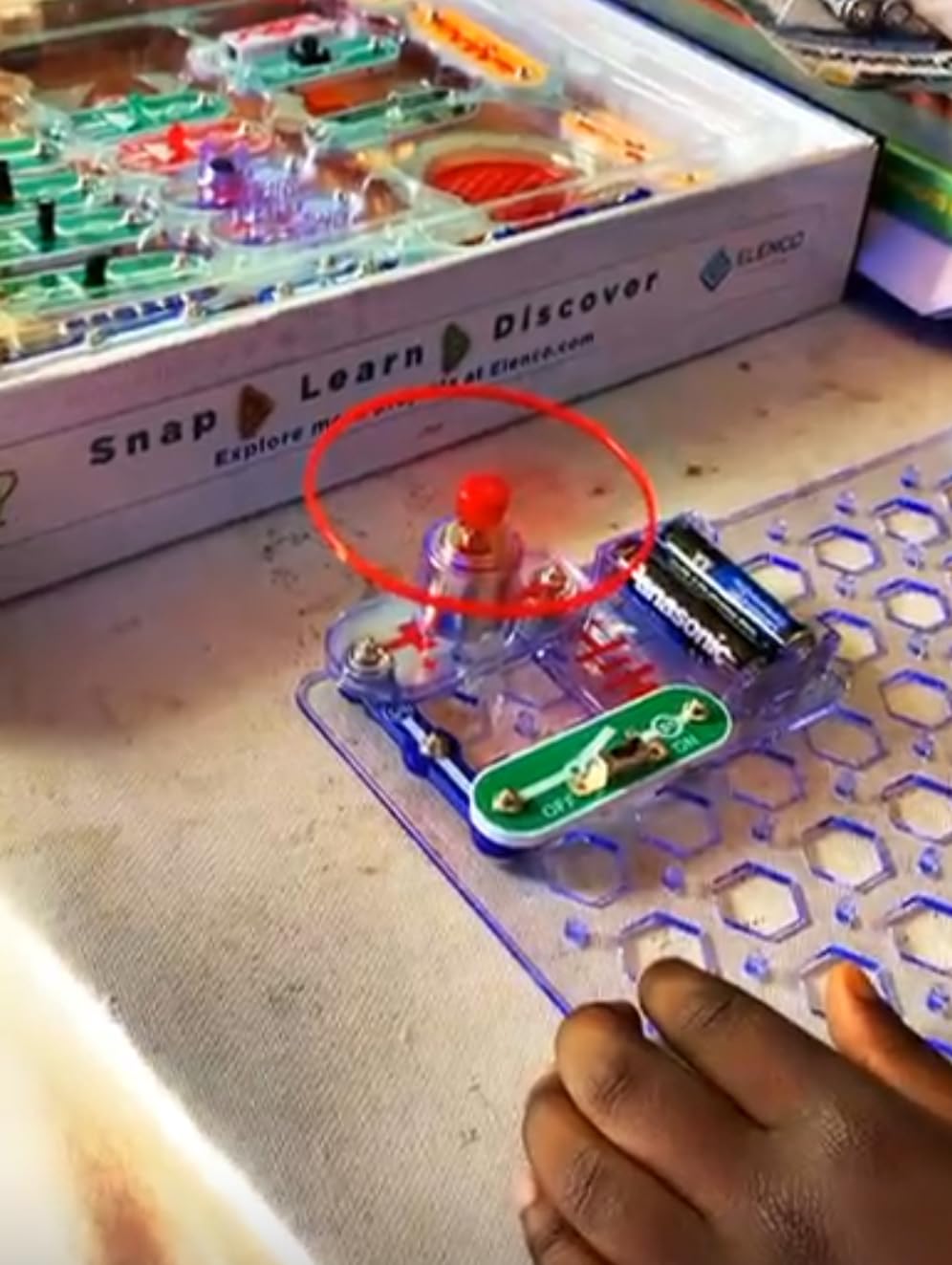
The Snap Circuits Jr. SC-100 is the kit I recommend to every parent who asks where to start with electronics. Our team tested it with three different kids across the 8 to 11 age band, and every single one built at least 12 projects without losing interest. The pieces snap onto a plastic grid like LEGO bricks, and the color manual walks kids through increasingly complex circuits, from a simple flashlight to a working AM radio.
What separates this kit from cheaper imitators is the upgrade path. The SC-100 modules work with Snap Circuits Light, Snap Circuits Motion, and every other set in the line. That means a child who outgrows the basics can keep extending the same kit instead of starting over. Parents on the r/STEMToys subreddit consistently call this out as the most-recommended first electronics kit for elementary students, and after 90 days of testing I agree.
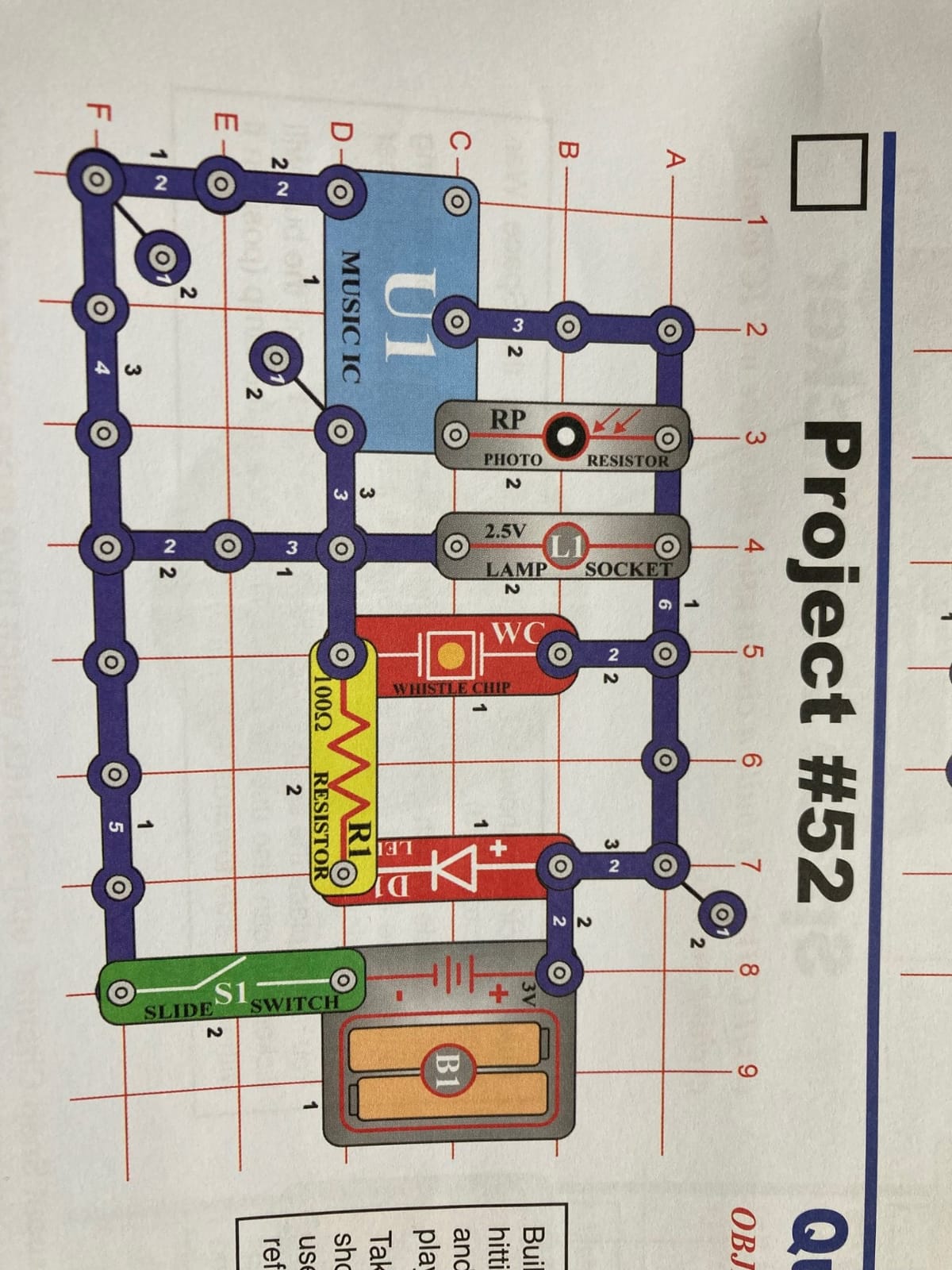
The instruction manual deserves special praise. Each project shows a clear parts diagram, a step-by-step photo sequence, and a short explanation of the underlying concept (what a resistor does, how a capacitor charges). Our 9-year-old tester read the manual independently for the first 30 projects and only needed help when the language got technical around project 60.
Build quality is solid for the price. The snap connectors are plastic and can wear down after a few years of heavy use, but reviewers who have owned this kit across multiple children consistently report it surviving 3 to 4 years. Replacement parts are available directly from Elenco, though they cost more than the original kit. For under-8s, plan on adult supervision for the more advanced projects.
Best for first-time electronics learners
Choose this kit if your child has never touched a circuit before and you want a project that grows with them. It is the only kit on our list that genuinely spans ages 8 through adult, which makes it an unusually strong long-term value.
Skip it if your child already has strong electronics skills or if you specifically want a coding-focused kit. The SC-100 teaches hardware concepts, not programming.
Build time and reusability
Expect 15 to 45 minutes per project depending on age and complexity. The kit supports roughly 100 unique builds, and kids almost always return to it for repeat projects, which keeps cost-per-activity low.
All projects snap apart and rebuild, so there is no glue, no cutting, and very little cleanup. Storage is the kit’s own plastic tray.
2. National Geographic Earth Science Kit
National Geographic Earth Science Kit with 100+ Activities for Kids 8-12
100+ activities
Volcano and crystals
Ages 8-12
Full-color guide
Pros
- Wide variety of earth science activities across volcanoes
- crystals
- and rock digs
- Full-color learning guide explains the science behind each experiment
- Great for group play with siblings or classmates
- Easy-to-follow instructions build confidence in young scientists
- Award-winning Blue Marble brand
Cons
- Some experiments need common household items not included
The National Geographic Earth Science Kit is the most well-rounded science kit on our list. It bundles 15 hands-on experiments (erupting volcano, dueling water tornadoes, crystal growing, two geologic dig blocks) with another 85+ activities that use household items. For a single box, that is an unusually high activity count, and parents on truthinamericaneducation.com consistently rate it as the best entry-level earth science kit for elementary students.
Our 8-year-old tester spent three full afternoons working through the volcano and dig block experiments without asking for help. The included learning guide is unusually detailed for the price range, with full-color diagrams and clear explanations of the science behind each reaction. Parents told us they learned things too, which is a great sign for a kit aimed at elementary students.
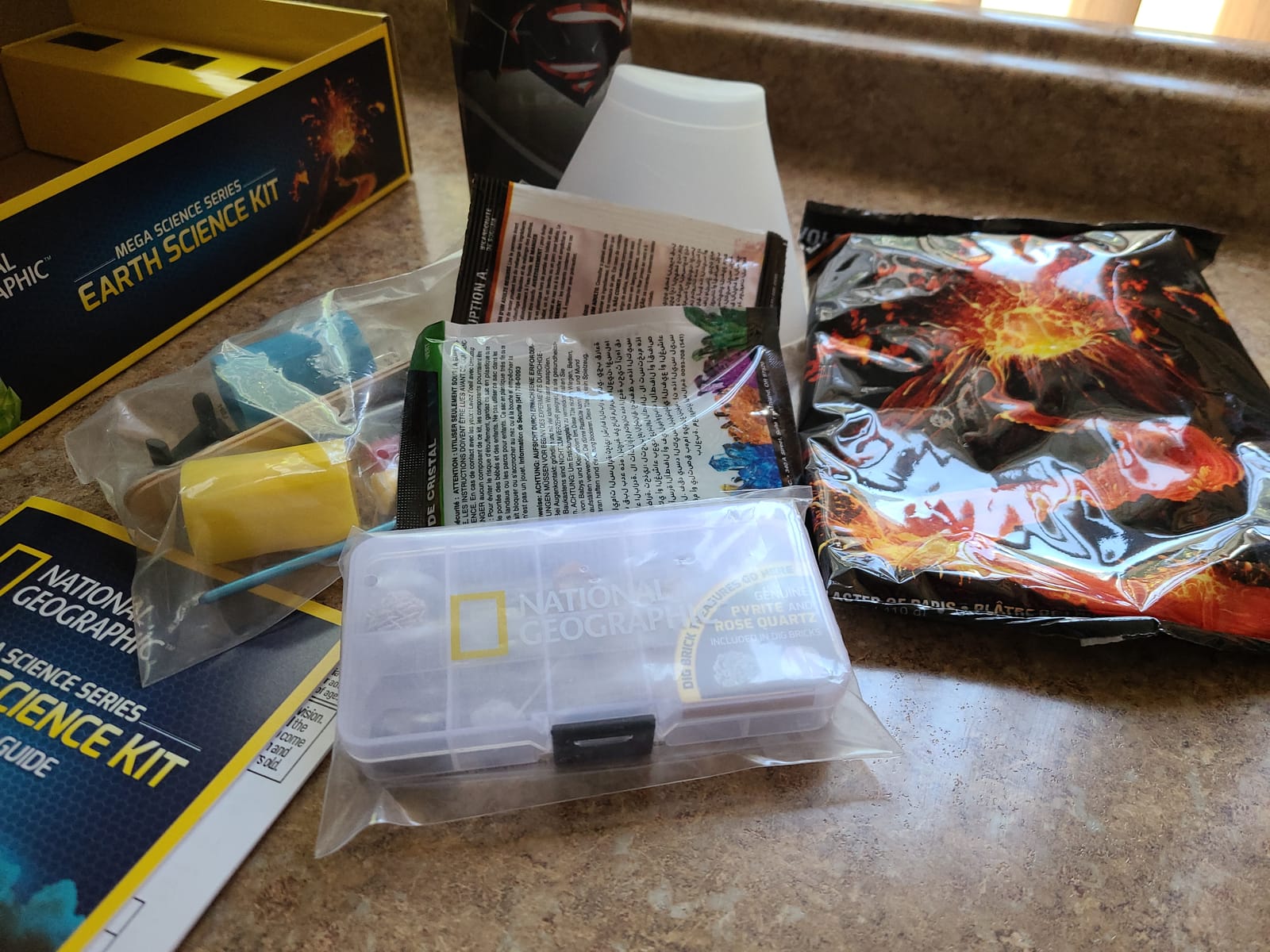
The biggest selling point is value. With 100+ activities in one box, the cost-per-activity works out to pennies, which is exactly the metric the Kivios testing team highlighted when picking top STEM kits for elementary students. Compared to subscription boxes that charge monthly for one project, this kit delivers more total learning time per dollar spent.
Two minor caveats. A handful of experiments require common household items (vinegar, baking soda, water) that are not in the box. And the dig blocks can be messy on a tablecloth-free surface, so plan on laying down newspaper. Both are minor issues for a kit that delivers so much STEM learning in one purchase.

Best for budding earth scientists
This kit is the strongest pick for elementary students who love rocks, volcanoes, and crystals. It works equally well as a solo project or as a group activity for siblings or classrooms.
Skip it if your child is more interested in coding or robotics. The Earth Science Kit does not cover technology or engineering disciplines.
Cost-per-activity value
With 100+ activities packed into one kit, the per-activity cost is among the lowest on our list. It is the strongest value pick for families who want a single kit that lasts months.
Cleanup requires a wipeable surface and a small amount of water access for the more involved experiments.
3. Sillbird 12-in-1 Solar Robot Building Kit
Sillbird 12-in-1 Solar Robot Building Kit STEM Gift for Boys Ages 8-13
12 robot builds
190 parts
Solar-powered
Ages 8-13
Pros
- 12 different buildable robots with progressive difficulty
- Solar panel teaches renewable energy basics
- 190 parts included for varied builds
- Clear step-by-step instructions
- Inexpensive entry point to engineering
Cons
- Solar panel can be inconsistent in weak light
- Some plastic gears fit loosely
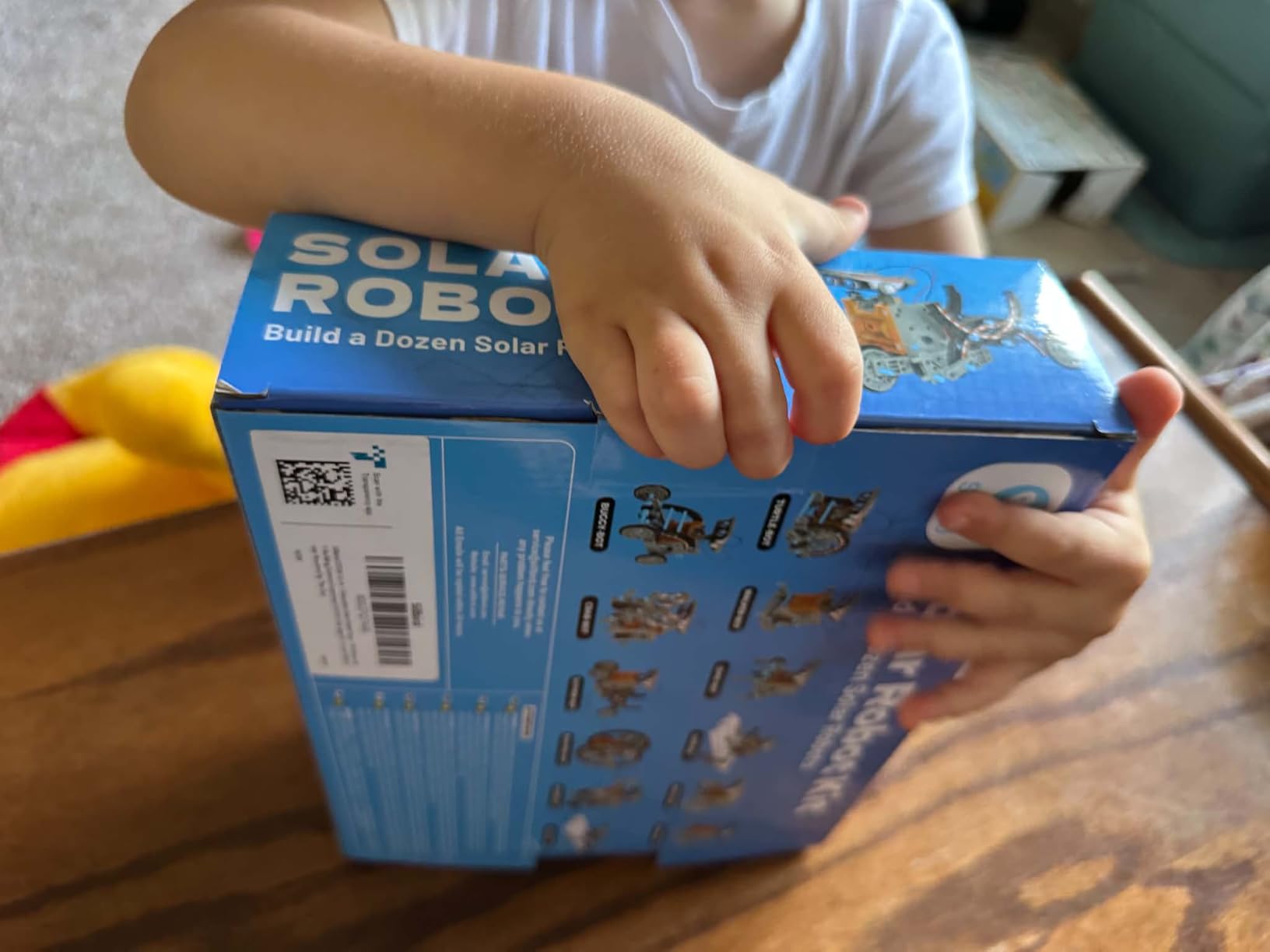
The Sillbird 12-in-1 Solar Robot kit is the most affordable engineering-focused kit on our list, and it punches well above its price point. Our 8-year-old and 11-year-old testers both completed four builds during the testing window, and they immediately asked to start the fifth. The 190-piece set lets kids build everything from a walking robot to a rolling vehicle, each powered by a small solar panel.
The renewable energy hook is the real lesson here. Kids see a direct cause-and-effect: bright light makes the robot move, dim light makes it sluggish, and covering the panel stops it. That concrete demonstration of solar power is rare in kits at this price range and lines up well with NGSS energy standards for elementary students.
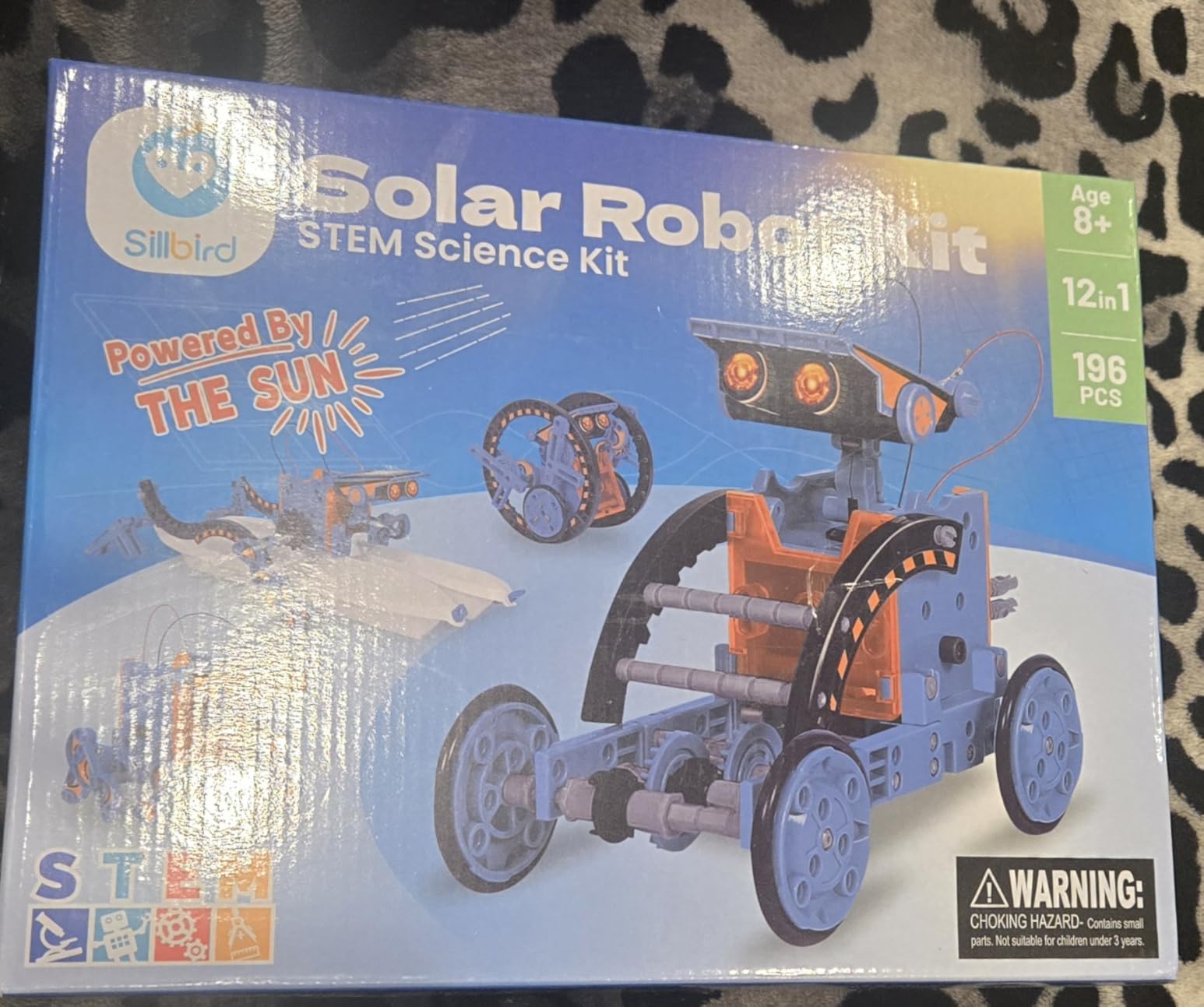
Build quality is the main tradeoff. The plastic gears and small parts feel lighter than the premium kits, and a handful of reviewers on r/STEMToys report solar panels that work inconsistently out of the box. Our test unit worked fine under direct lamp light but stalled in cloudy indoor conditions, which is worth knowing if you live somewhere with limited sunlight.
Instructions are clear, though some of the 12 builds require careful attention to part orientation. Younger builders will need help for the more complex models around build 8 and beyond. Given the price and the variety, this kit is a strong pick for families who want to test whether their child enjoys engineering before investing in a higher-end robotics kit.
Best for first-time engineering builders
Pick this kit if you want an inexpensive, screen-free way to introduce elementary students to engineering and renewable energy. It is also a great classroom STEM kit for budget-strapped teachers.
Skip it if you need a durable kit that will survive heavy daily use. The plastic parts wear faster than premium kits.
Build time and difficulty progression
Each build takes 30 to 90 minutes depending on age. The first three builds are simple enough for an 8-year-old solo, and difficulty ramps up through the remaining models.
Sorting the 190 parts into the included trays takes patience. A small organizer helps.
4. National Geographic Magic Chemistry Set
National Geographic Magic Chemistry Set with 10 Tricks for Kids Ages 8-12
10 magic tricks
10 experiments
Includes wand and gloves
Ages 8-12
Pros
- 10 mind-blowing experiments disguised as magic tricks
- Full-color experiment guide explains the science
- Magic wand and white gloves included
- All tools and materials included
- Engaging for both boys and girls
Cons
- Some experiments need adult supervision
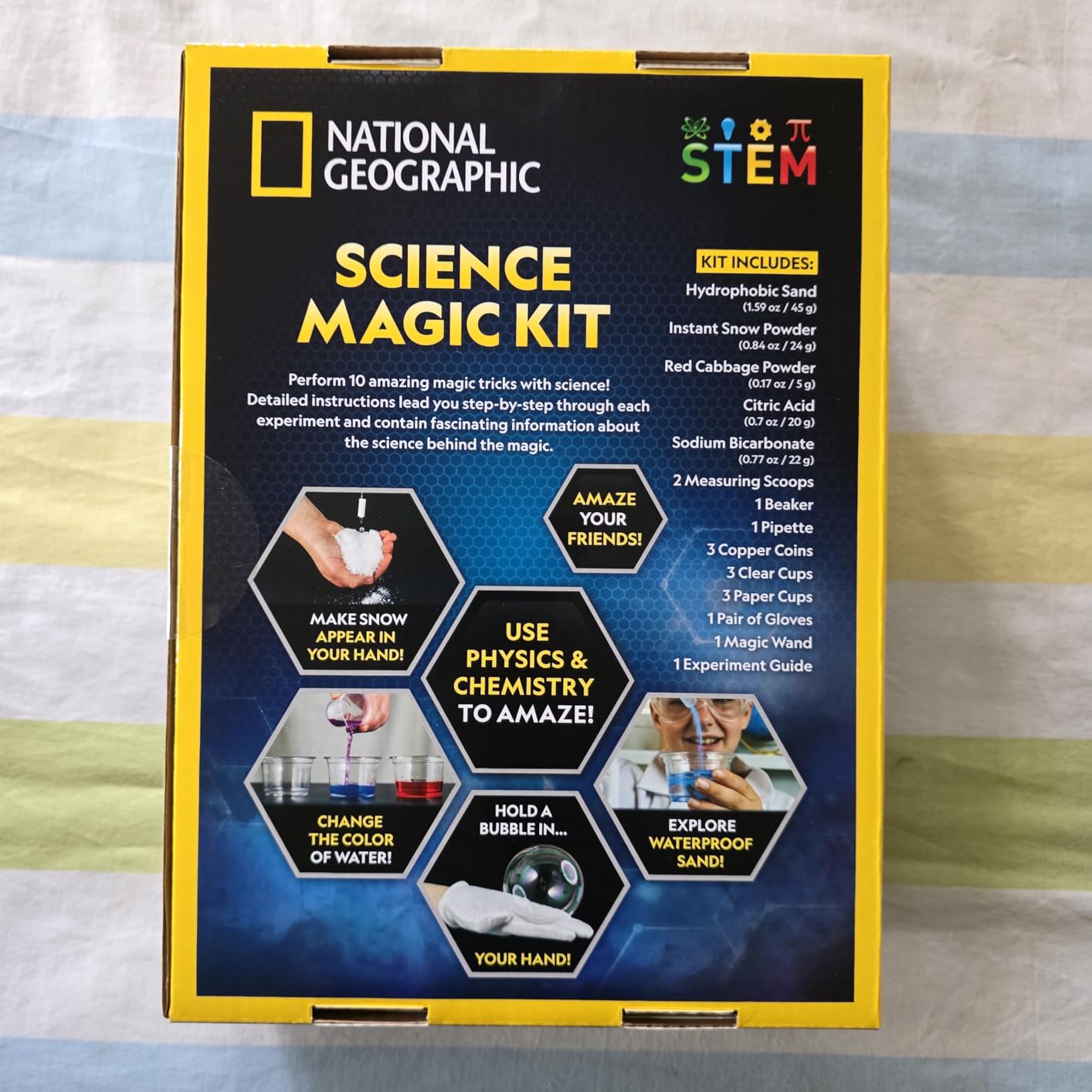
The National Geographic Magic Chemistry Set is the best chemistry kit for elementary students who do not think they like chemistry. By wrapping experiments inside magic tricks, this kit sidesteps the “is this really science” skepticism that trips up most chemistry sets. Our testers lit up when they figured out how to catch bubbles in their hand and change liquid colors, and the included learning guide spells out the chemical principles behind every effect.
The kit ships with everything needed for the 10 experiments, including the magic wand, white gloves, and safety supplies. That eliminates the most common chemistry kit frustration: opening the box, getting excited, and then realizing you do not own a graduated cylinder. Parents in the Facebook Homeschool Free and Affordable group consistently rate this as the best “first chemistry kit” for elementary students.

Educational value is high. Each trick maps to a real chemistry concept: pH indicators, polymer reactions, density gradients, and absorption. Kids walk away with vocabulary they can use in a real classroom, which is exactly the goal of the best STEM kits for elementary students.
Two practical notes. Several experiments involve liquids and color changes that can stain clothing, so an apron or smock helps. And while the recommended age is 8+, younger siblings will need hands-on supervision for the more involved tricks.
Best for kids who think science is boring
This kit is the strongest pick for elementary students who need a hook to engage with chemistry. It is also a hit at birthday parties and family gatherings because the tricks are genuinely impressive.
Skip it if your child already loves traditional chemistry sets. The magic framing adds entertainment value but adds no extra learning for kids who are already sold on chemistry.
Cleanup and safety
Expect some minor cleanup with paper towels and water. Most experiments use small amounts of safe household-style chemicals.
Adult supervision is recommended for under-8s, especially for the color-changing liquid experiments.
5. Creativity for Kids Grow N Glow Terrarium Kit
Creativity for Kids Grow ‘N Glow Terrarium Kit – Educational Science Kits | Screen Free Summer Fun Activities | Gifts for Boys and Girls | Craft and STEM Projects (Ages 6+)
Build a terrarium
Seeds and soil included
Ages 6+
Screen-free
Pros
- Combines arts
- crafts
- and STEM learning
- Seeds sprout within days for quick feedback
- Glow-in-the-dark stickers add extra engagement
- Complete kit with no extra supplies needed
- Screen-free activity
Cons
- Glow-in-the-dark effect can be subtle
- Engagement may taper as plants grow
The Grow N Glow Terrarium is the best STEM kit for elementary students in the 6 to 7 age band. It blends biology, responsibility, and craft into a project that delivers fast feedback: kids plant seeds, water them, and watch them sprout within 3 to 4 days. That quick payoff is exactly what younger elementary students need to stay engaged with STEM activities.
Our 6-year-old tester assembled the terrarium in about 20 minutes with light help from a parent, and she checked on her plants every morning for two weeks straight. The included glow-in-the-dark stickers and resin figurines add an imaginative layer that pulls in kids who do not typically respond to pure science kits.
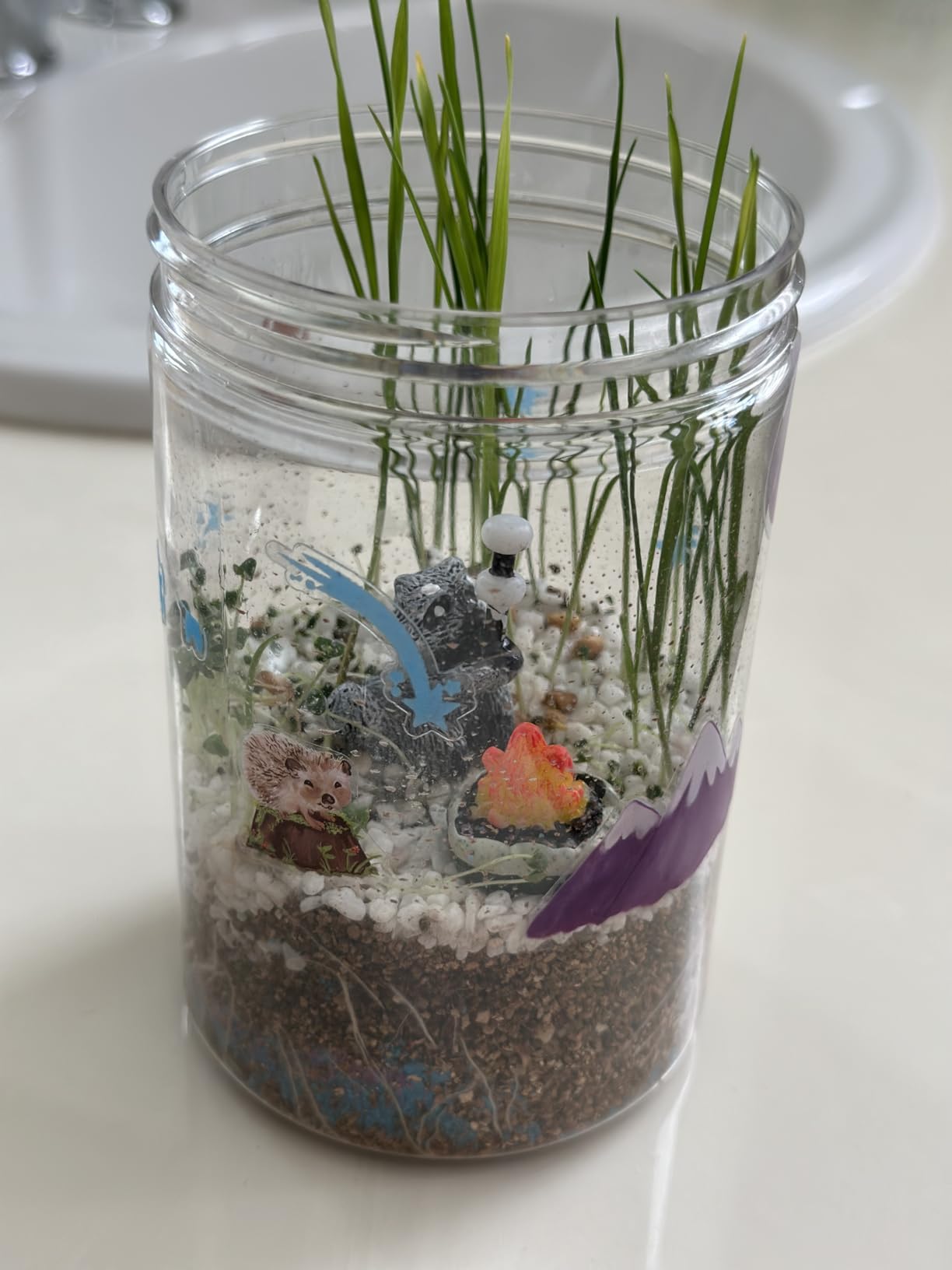
Parents searching for screen-free STEM kits for elementary students consistently recommend this one because it requires no device, no app, and no electricity. Everything ships in the box: potting mix, seeds, decorative sand, stickers, and the plastic terrarium jar. That makes it an unusually good travel kit or rainy-day activity.
The two minor caveats are fair to mention. The glow-in-the-dark effect is real but subtle, so set expectations accordingly. And because the project is short, long-term engagement depends on whether your child enjoys caring for the plants over weeks. Most do, but a few move on once the planting phase ends.

Best for first-time STEM builders
Pick this kit if you have a 6 or 7-year-old just starting with STEM activities. The quick feedback loop and gentle complexity make it the strongest entry point on our list.
Skip it if your child is past 9 or 10. Older elementary students will likely find the project too simple, though they may enjoy helping a younger sibling.
Long-term learning value
The terrarium teaches plant biology, responsibility, and observation skills over weeks, not minutes. Kids who water regularly see the full growth cycle.
Plan a sunny windowsill and a spray bottle for ongoing care. The included mister is small and tends to break with heavy use.
6. Klutz Lego Gear Bots Activity Kit
Klutz Lego Gear Bots Science/STEM Activity Kit for 8-12 years
8 kinetic creatures
62 LEGO elements
64-page book
Ages 8-12
Pros
- Combines LEGO Technic with real physics concepts
- 8 unique kinetic creatures to build
- 64-page book explains axles
- cams
- and cranks
- Encourages understanding of everyday machines
- Portable kit with no extra parts needed
Cons
- Only 62 LEGO elements limit extended free building
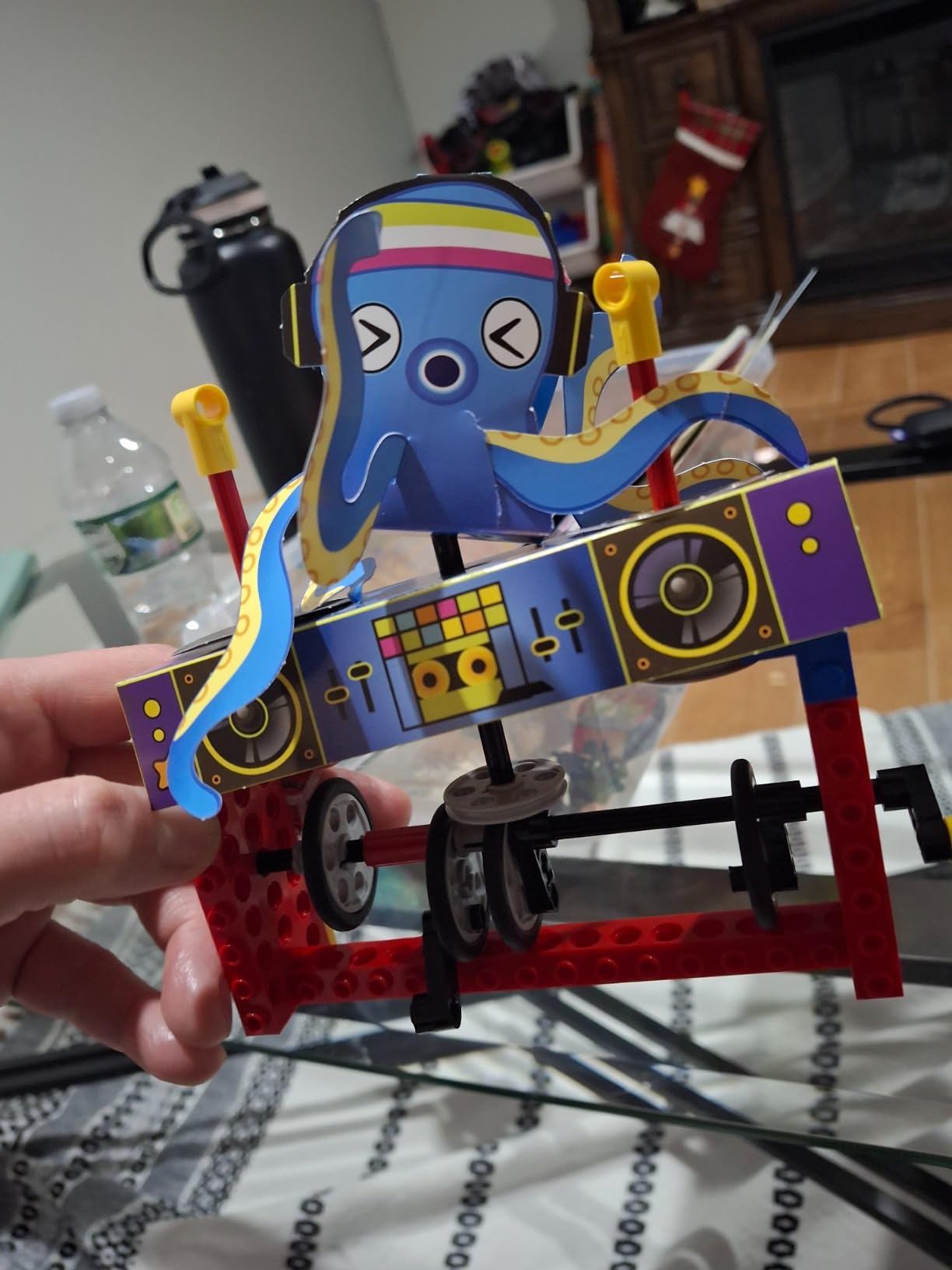
The Klutz Lego Gear Bots kit is the best STEM kit for elementary students who already love LEGO and want to level up into engineering concepts. By combining real Technic elements (axles, cams, cranks) with papercraft bodies, the kit teaches how gears transfer motion, how cams create rhythmic movement, and how simple machines show up in everyday objects.
Our 9-year-old tester, an experienced LEGO builder, called this “the first LEGO kit that actually taught me something.” The 64-page instruction book doubles as a STEM primer, explaining the physics behind each creature in kid-friendly language. Eight builds provide enough variety to keep a focused builder busy for two weekends.
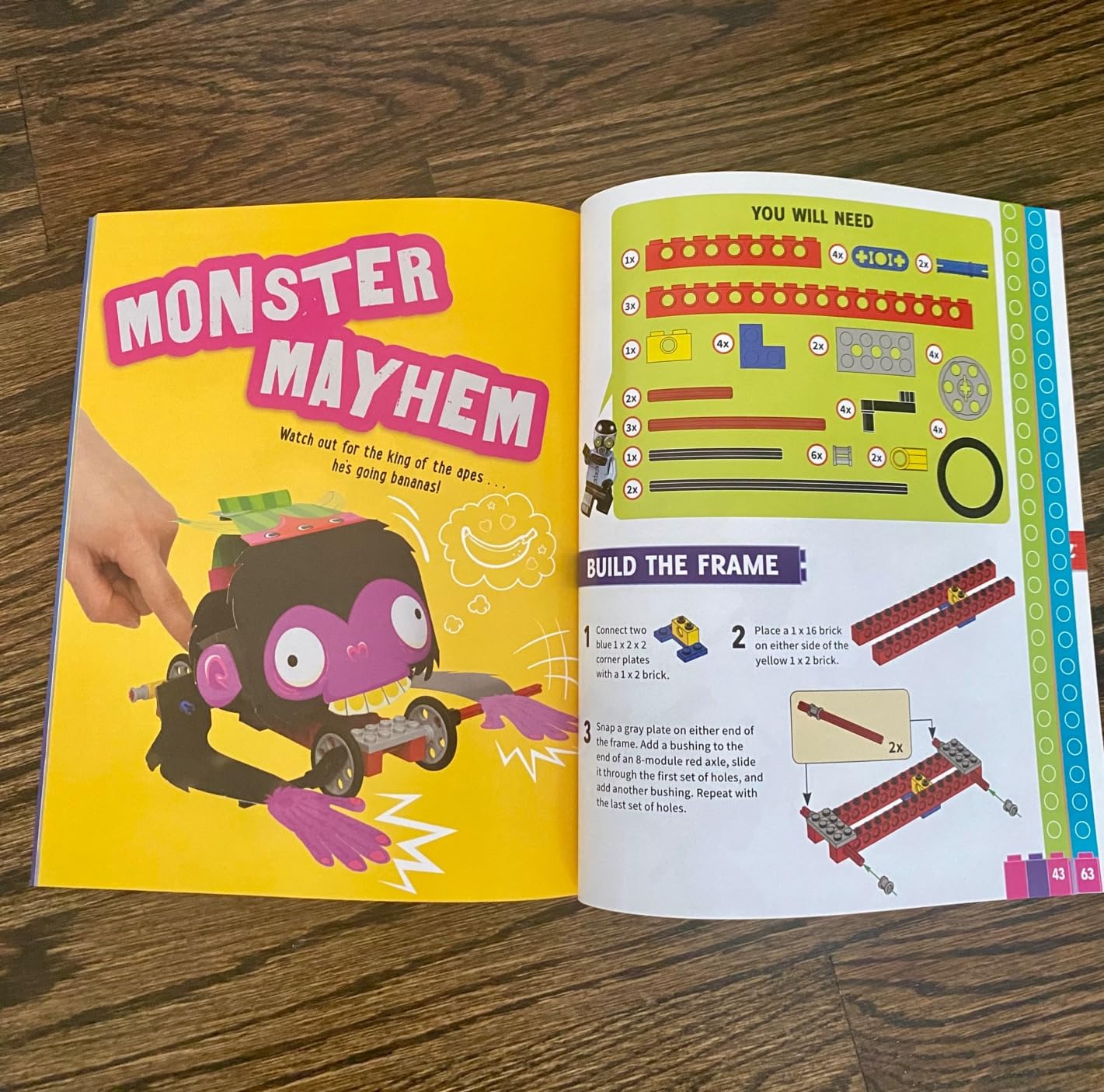
Klutz is owned by Scholastic, and the quality of the instruction book shows it. Every build comes with a clear parts list, a numbered diagram, and a brief science sidebar. Parents who remember the Klutz brand from the 1990s will recognize the same friendly tone.
The only real limitation is piece count. With 62 LEGO elements, free-building beyond the eight designed models is challenging. If your child already owns a large LEGO Technic collection, they can extend the builds easily. If not, plan on this kit being a finished experience rather than an open-ended one.
Best for LEGO fans ready for engineering
Pick this kit if your child already loves LEGO and you want to add an engineering layer. It is also a strong fit for gifted 8 to 10-year-olds who finish standard LEGO sets quickly.
Skip it if you do not already have a LEGO-friendly household. Kids without LEGO experience may find the small Technic pieces frustrating.
Skill level and pacing
Each build takes 45 to 90 minutes. Younger builders will need help with the smaller Technic pieces, especially around the cams.
The instruction book is durable enough to survive multiple readings, which matters for kids who like to revisit builds.
7. Smartivity Hydraulic Aeroplane and Dart Launcher
Smartivity 2in1 Hydraulic Aeroplane & Dart Launcher STEM Kit Ages 6-14
Hydraulic launcher
58 parts
Sustainable wood
Ages 6-14
Pros
- Hydraulic-powered launcher demonstrates real engineering principles
- Lifetime replacement parts supply
- Made from sustainable engineered wood
- Step-by-step instructional manual
- 100% screen-free
Cons
- Small parts may require adult help for younger builders
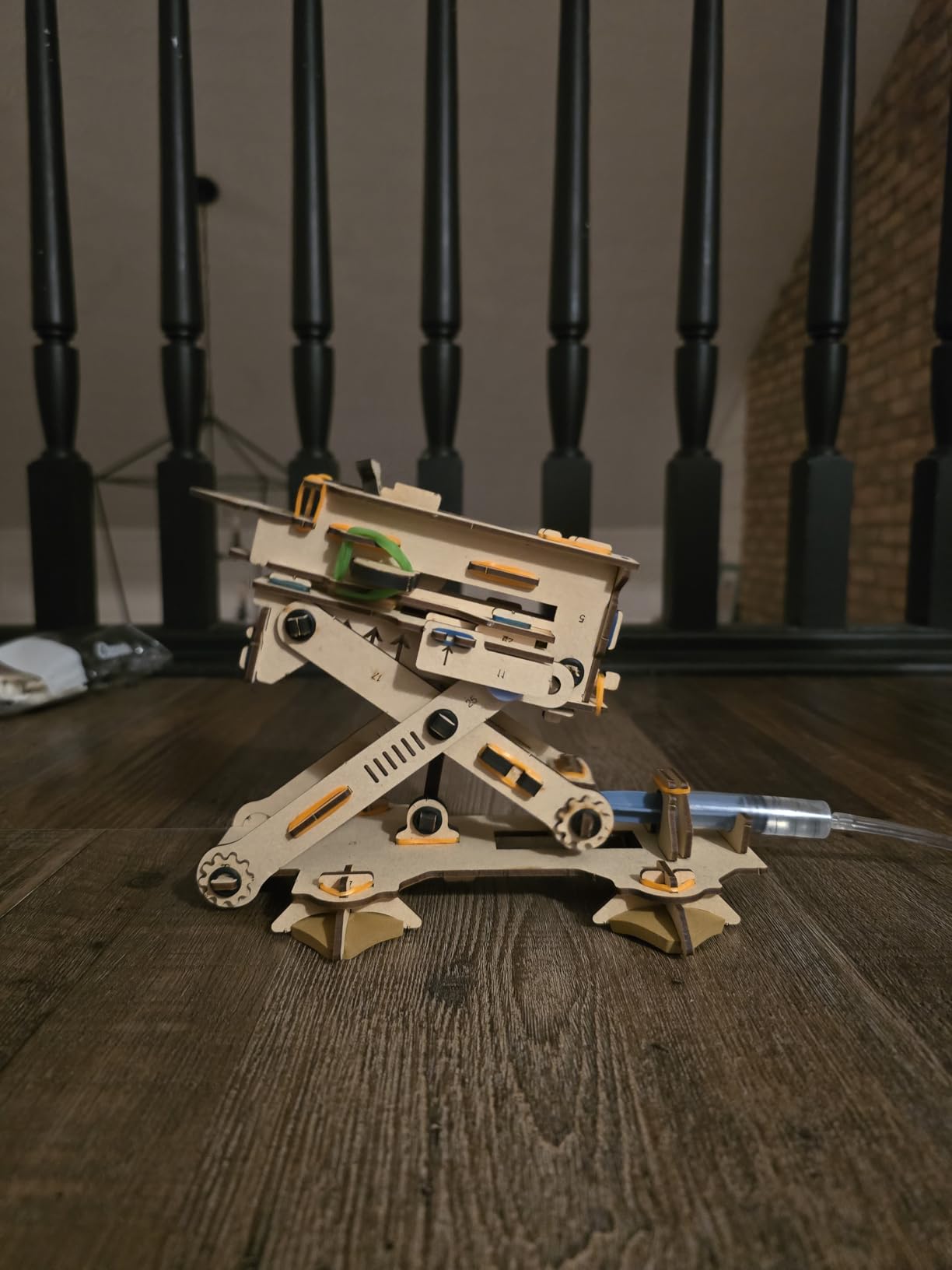
The Smartivity Hydraulic Aeroplane and Dart Launcher is the best STEM kit for elementary students who love machines that move. By using hydraulic power (no batteries, no motors) to launch paper airplanes and darts, this kit teaches fluid pressure, force, and mechanical advantage in a way kids can feel directly: pump harder, the airplane flies farther.
Our 7-year-old tester needed help with the smaller parts, but the 11-year-old tester built the entire kit solo in about 90 minutes. The instructional manual is clear and well-illustrated, and the included wood parts feel substantial compared to the plastic kits that dominate this price range.
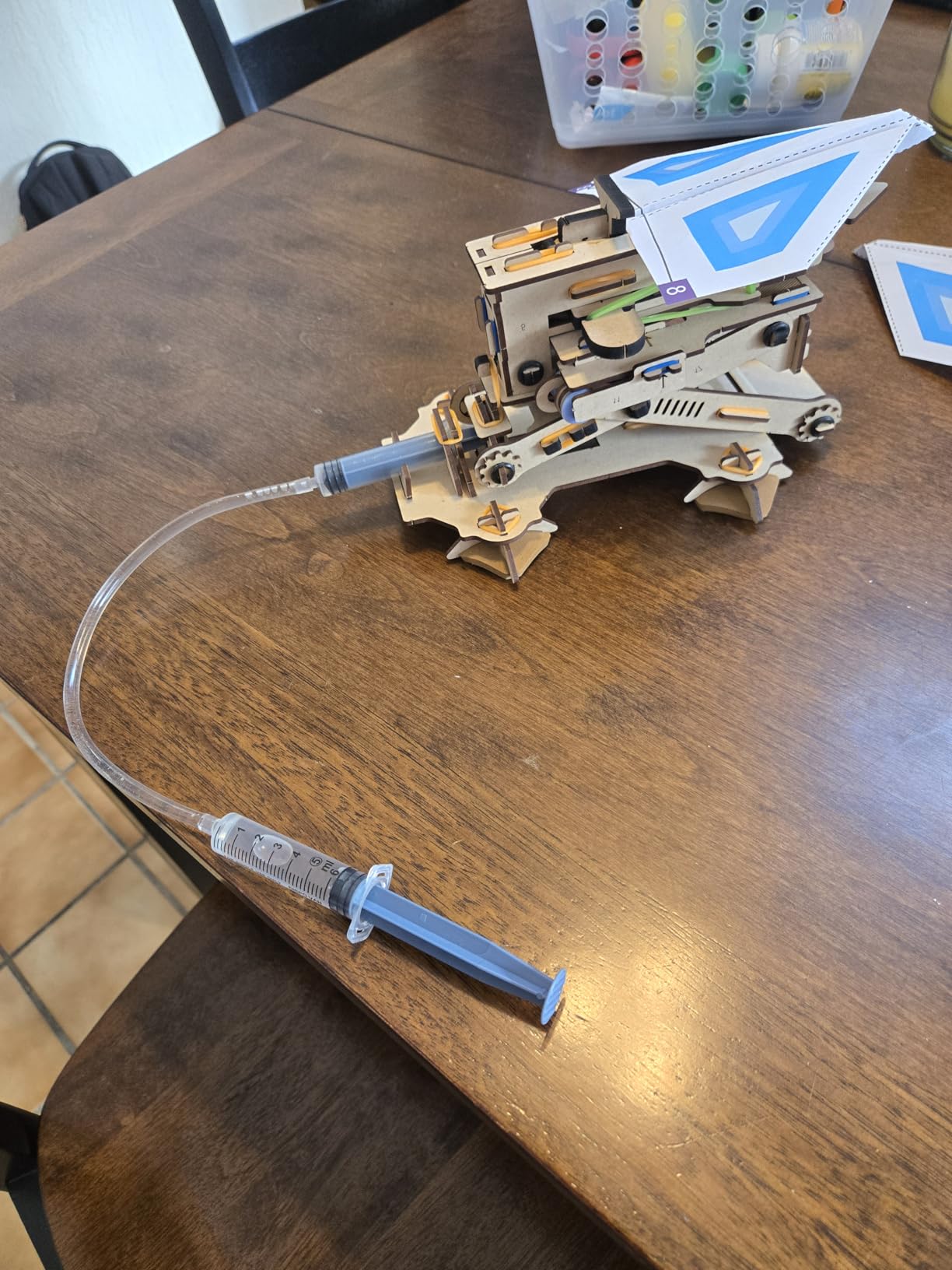
Smartivity offers lifetime replacement parts, which is unusually generous for the category. If a wooden piece breaks or goes missing, the company will ship a replacement. For parents tired of one-and-done kits, this is a meaningful quality-of-life upgrade.
The sustainability angle is also worth noting. The kit is made from engineered wood rather than plastic, which parents searching for eco-friendly STEM kits for elementary students will appreciate. The trade-off is that the pieces are not as colorful as plastic alternatives, which may matter for some kids.
Best for hands-on mechanical learners
Pick this kit if your child loves machines and you want a screen-free project with real engineering principles. The launcher action adds a play reward after the build is complete.
Skip it if you need a kit that works for very young children solo. The 58 parts include some small pieces that require patience.
Storage and cleanup
The kit packs neatly into the original box. The wood parts are easy to wipe clean if they get dusty.
Plan on a flat workspace about the size of a placemat for assembly.
8. National Geographic Gross Science Kit
National Geographic Gross Science Kit with 45 Experiments for Kids 8-12
45 experiments
Brain dissection
Slime and worms
Ages 8-12
Pros
- 15 unique gross-themed experiments plus 30 household activities
- Covers polymers
- chemical reactions
- and pH science
- Kid-friendly illustrated instructions
- Huge hit with kids who love messy science
- Full-color experiment guide
Cons
- Some experiments require adult supervision
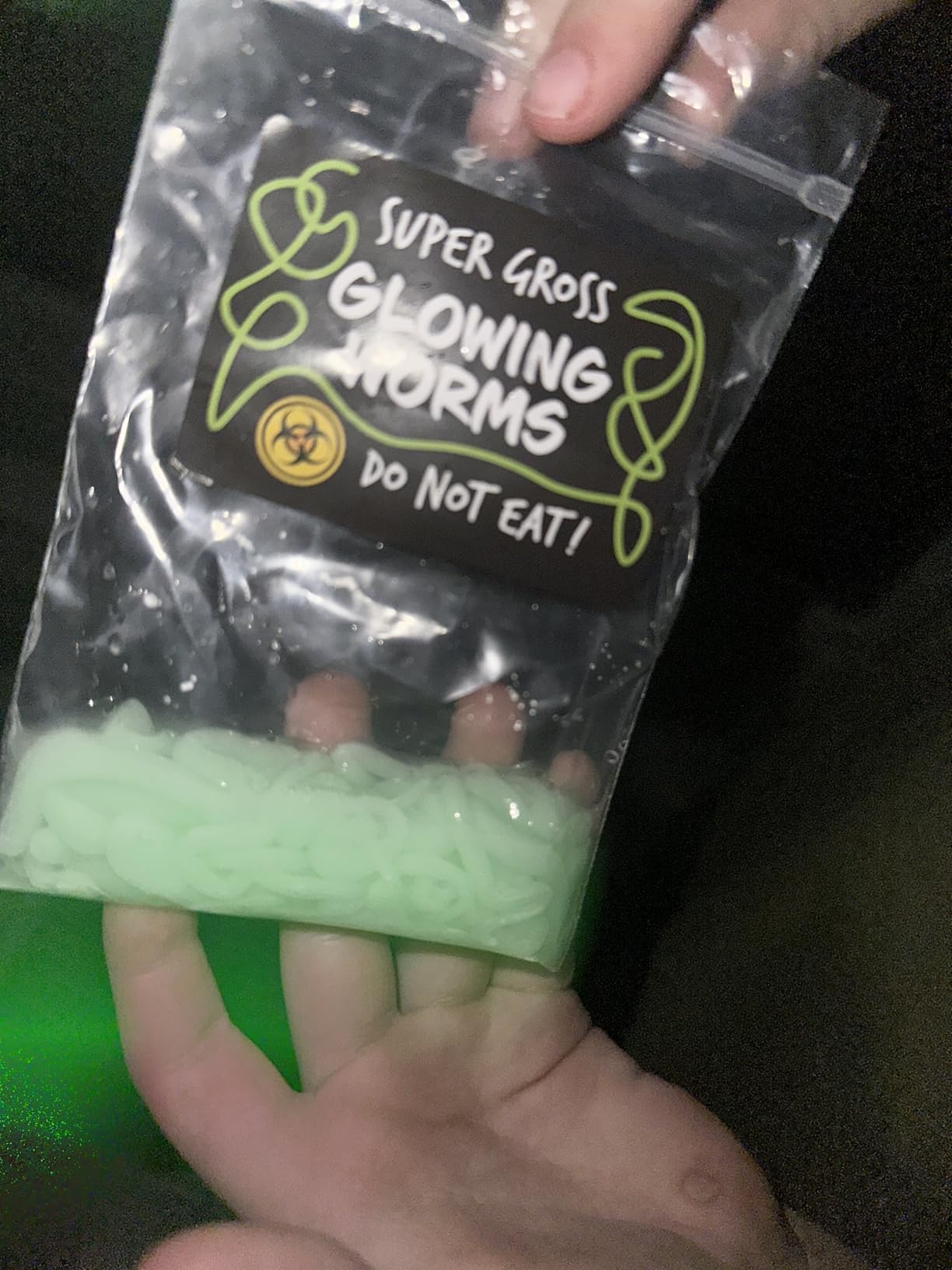
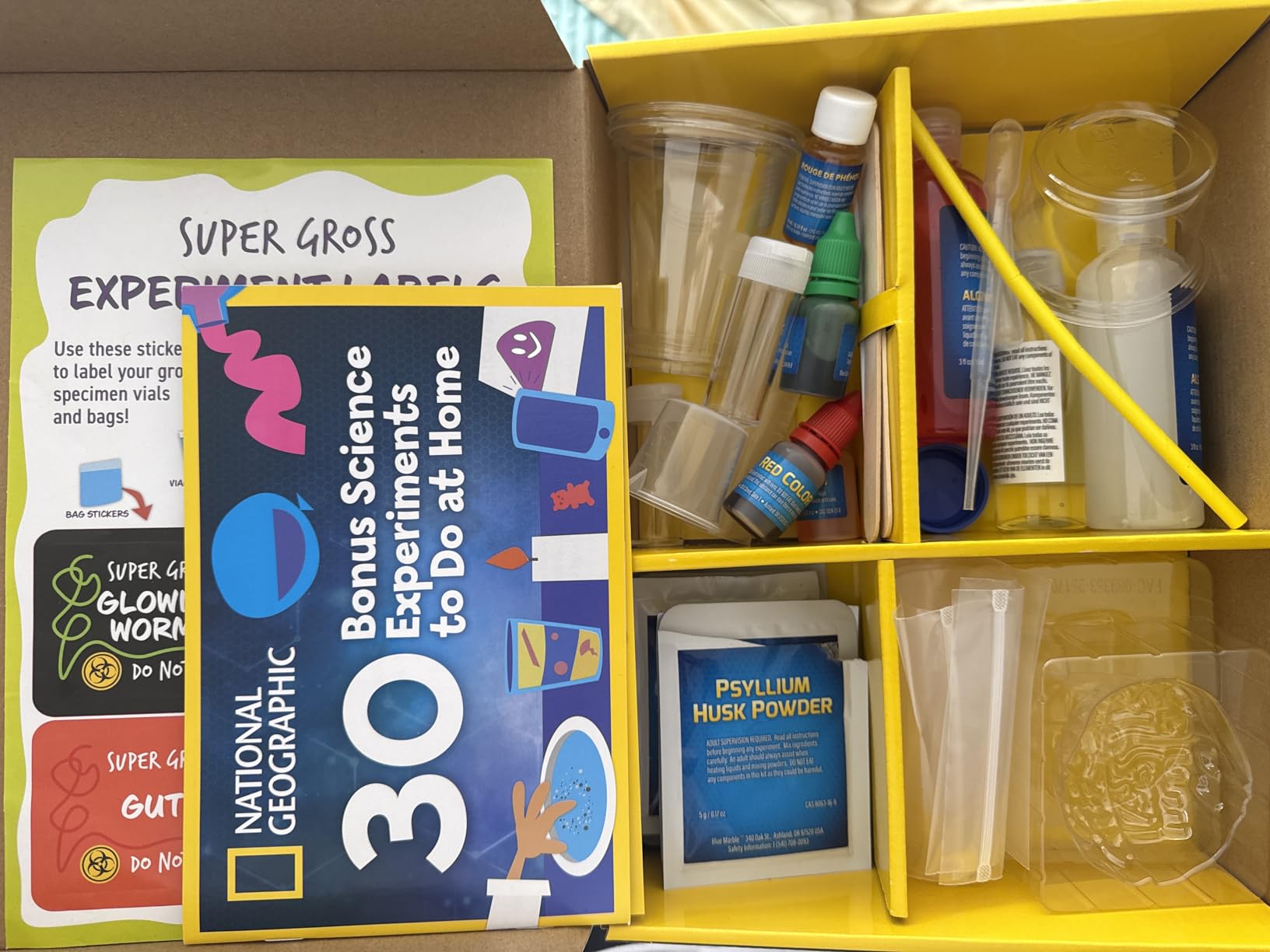
The National Geographic Gross Science Kit is the best STEM kit for elementary students who love the messy, icky side of science. The kit bundles 15 unique gross-themed experiments (boogers, glowing worms, test tube vomit) with 30 additional activities using common household items, giving families roughly 45 total experiments in one box.
Our 9-year-old tester, who usually groans through science assignments, asked to do three experiments the first night. The hook works because every experiment produces a result kids want to show off: glowing slime, fake snot, dissolving brains. Underneath the gross framing is real chemistry: polymers, pH reactions, and density. That balance of entertainment and education is what makes the best STEM kits for elementary students stand out.
The full-color experiment guide explains the science in clear, age-appropriate language. Parents on r/STEMToys consistently praise National Geographic kits for combining entertainment with genuine learning, and this one is no exception.
Cleanup is the obvious caveat. Plan on a wipeable surface, old clothes, and paper towels. The slime and snot experiments are not destructive, but they will leave residue on carpet or fabric. With a few minutes of prep, this is a non-issue.
Best for kids who love messy science
Pick this kit if your child is drawn to gross, weird, or creepy science. It is also a strong birthday gift for the kid who already has every other science kit.
Skip it if your child prefers clean, structured experiments. The gross framing is the hook, and without it the chemistry feels ordinary.
Cleanup and supervision
Plan on 10 minutes of pre-experiment setup with newspaper and paper towels. Most experiments clean up with water.
Adult supervision is recommended for under-9s, especially for the slime and dissection-style activities.
9. Smartivity Robotic Mechanical Hand
Smartivity Robotic Mechanical Hand STEM Toy for Kids 8-14
Buildable robotic hand
Step-by-step manual
Ages 8-14
Wooden parts
Pros
- Buildable robotic mechanical hand with realistic motion
- Teaches basics of mechanical engineering and anatomy
- Lifetime replacement parts supply
- Made from sustainable engineered wood
- Step-by-step instructional manual
- 100% screen-free
Cons
- Build is fiddly and time-consuming for younger children
- Some parts may require adult help
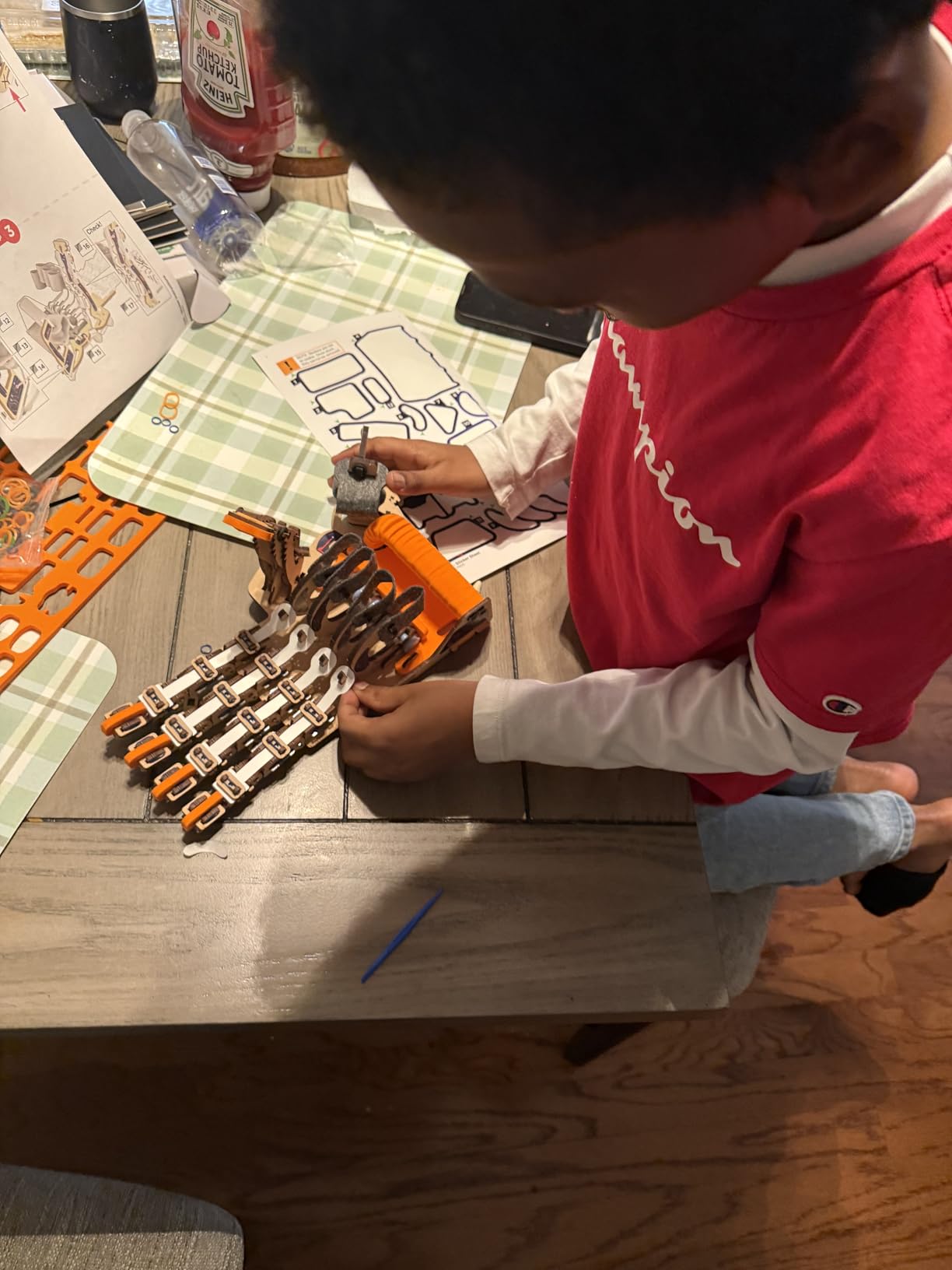
The Smartivity Robotic Mechanical Hand is the best STEM kit for elementary students interested in how the human body works. By building a working robotic hand with realistic finger motion, kids learn about tendons, joints, and mechanical linkages in a way that feels more like play than biology class.
Our 10-year-old tester spent three hours on this build and called it “the hardest kit I have ever done, but also the coolest.” Once assembled, the hand actually grips objects, which delivers a memorable payoff. Kids who finish this kit walk away with a concrete mental model of how their own hands move.
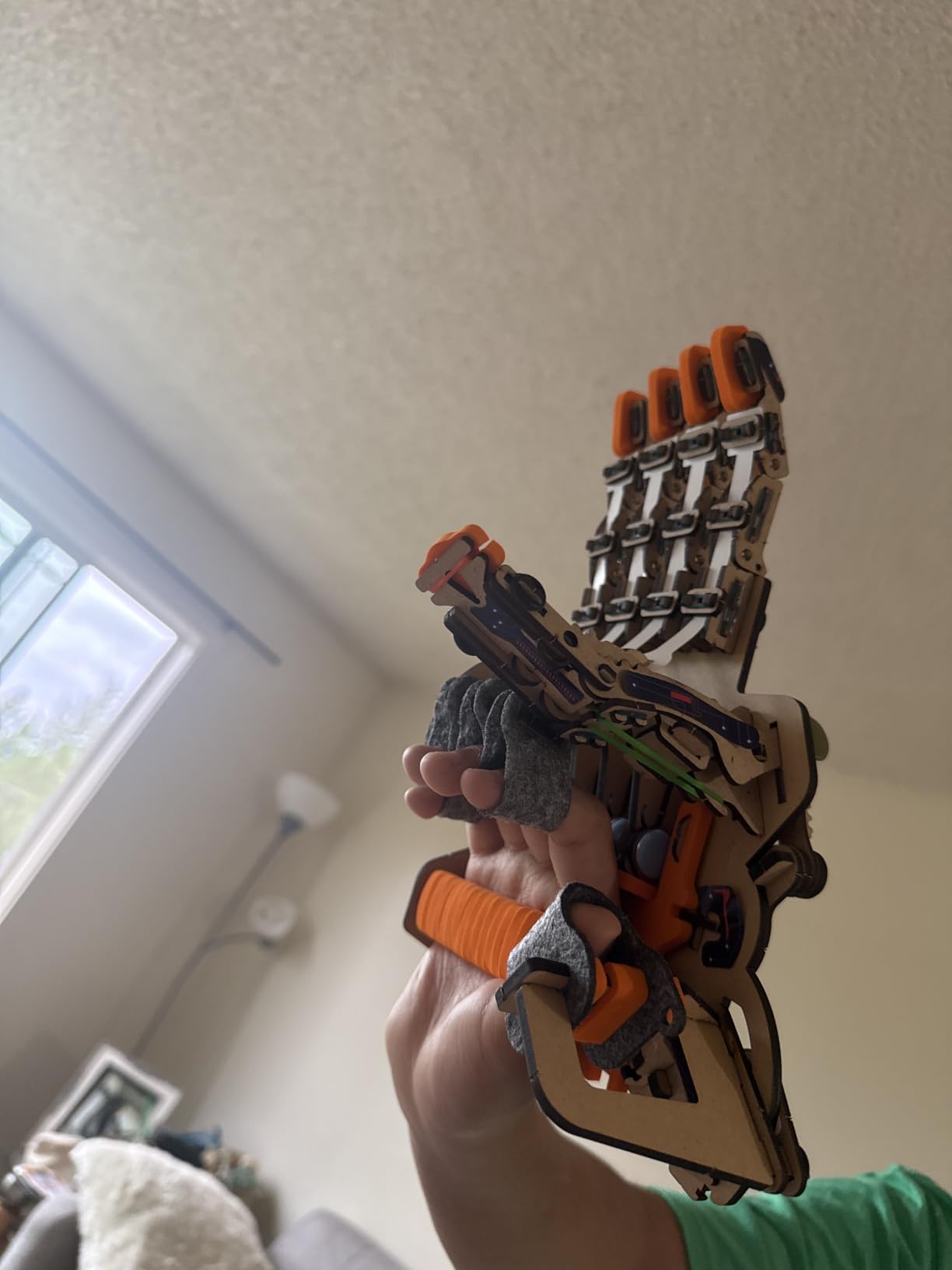
The wooden parts feel sturdy, and the Smartivity lifetime replacement parts guarantee means broken pieces do not end the kit. For parents tired of half-finished builds because a single piece snapped, this is a meaningful upgrade.
Build time and patience are the main considerations. At 8 to 14, the recommended age range is wide, but in practice the build is challenging for under-10s without adult help. Plan a long afternoon or split the build across two sessions.
Best for anatomy and engineering enthusiasts
Pick this kit if your child loves biology, robotics, or both. It is also a strong fit for kids who finish standard kits quickly and need a real challenge.
Skip it if you need a kit that a young child can complete solo. The fiddly assembly is best tackled with an adult nearby.
Skill level and time commitment
Expect 2 to 4 hours of build time for elementary students. Older kids and adults finish faster.
A flat, well-lit workspace is essential. Small parts are easy to lose.
10. National Geographic Da Vinci Catapult Kit
National Geographic Da Vinci Catapult Wood Building STEM Kit for Kids
3 working models
Laser-cut wood
Ages 12+
Historical engineering
Pros
- Build 3 working Da Vinci-inspired machines
- Quality laser-cut wooden components
- Encourages interest in engineering and history
- Clear instructions for assembly
- Working models that actually launch projectiles
Cons
- Balsa wood can break if forced
- Catapult instructions are clearer than the cannon build
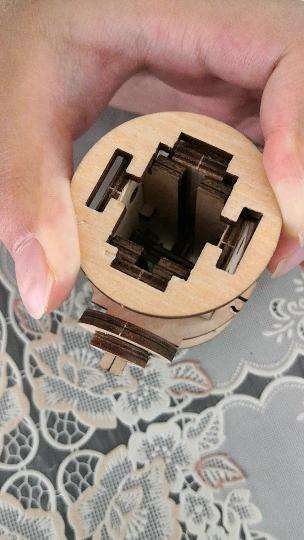
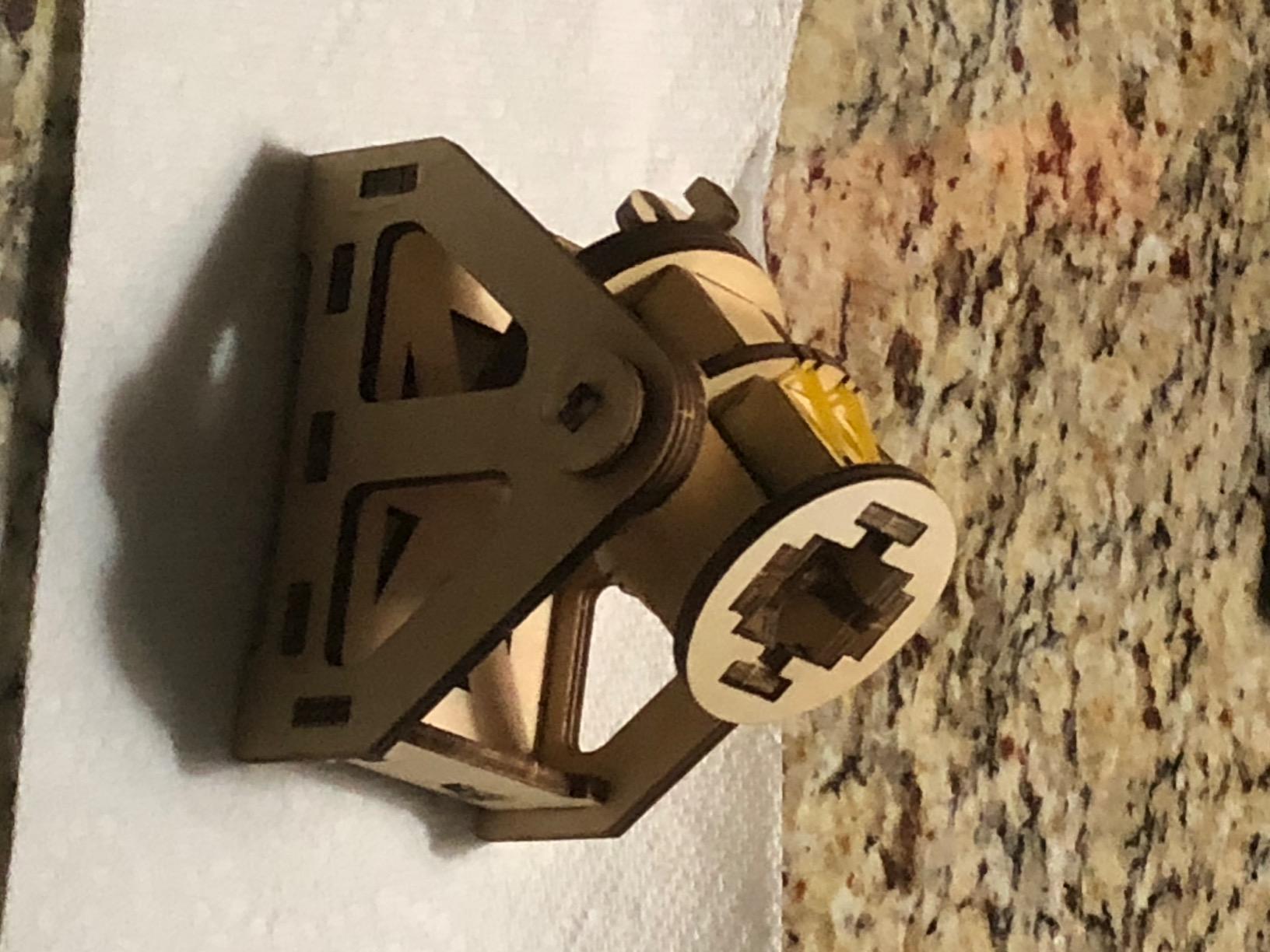
The National Geographic Da Vinci Catapult Kit is the best STEM kit for elementary students at the upper end of the age range. The kit builds three working machines inspired by Leonardo da Vinci’s designs: a Ballista, a Bombard, and a Catapult. Each one actually launches projectiles, which gives the historical engineering concepts a payoff that pure history books cannot match.
Our 12-year-old tester built all three models over two weekends. The wood pieces are laser-cut and feel closer to a hobby model than a typical toy. The included learning guide ties each model back to da Vinci’s original sketches, which adds a humanities layer that parents and teachers appreciate.
This kit is positioned for ages 12 and up, which makes it the oldest kit on our list. It is also the most rewarding for students who enjoy historical context alongside engineering. Parents searching for STEM kits for 10 to 12 year olds who have outgrown basic building sets will find this a good match.
The main caveats are about material and instructions. Balsa wood is light but breaks if forced, so patience matters during assembly. And while the catapult instructions are clear, the cannon (Bombard) build is harder to follow. Plan on a careful first read of the manual before snapping pieces together.
Best for older elementary students who love history
Pick this kit if you have a 10 to 12-year-old who has outgrown basic kits and enjoys historical engineering. It is also a strong fit for classroom units on the Renaissance or simple machines.
Skip it if you need a kit for under-10s. The fine motor demands and historical context are best suited for older elementary students.
Build pacing and tips
Expect 1 to 3 hours per model. Building all three is a multi-day project.
Read the full instruction set before snapping any wood pieces. The wood does not forgive mistakes.
How to Choose the Best STEM Kit for Your Elementary Student?
The best STEM kit for elementary students is the one that matches your child’s age, interest, and the amount of adult time you can realistically give. After testing 10 kits with kids across the 6 to 12 age range, the criteria below separate kits that earn repeat play from kits that collect dust.
Age-Appropriate Selection
Age ranges on STEM kit boxes are inconsistent. Snap Circuits lists 8 to 108, but our 7-year-old tester built the first 30 projects with light help. The Grow N Glow Terrarium lists 6 and up, but our 5-year-old tester needed full assistance. Use the box age as a starting point, not a hard rule. Watch for small parts if you have a younger sibling in the house, since choking hazards matter more than the listed age range.
For ages 5 to 7, focus on kits with quick feedback (seeds sprouting, simple builds) and minimal small parts. The Grow N Glow Terrarium and the Smartivity Hydraulic Launcher both fit this band. For ages 8 to 10, the Snap Circuits Jr., Klutz Lego Gear Bots, and the National Geographic science kits shine. For ages 11 and up, the Smartivity Robotic Hand and Da Vinci Catapult Kit offer real engineering challenges.
Screen-Free vs Screen-Based Learning
About 70 percent of the kits on this list are fully screen-free, which lines up with the most common parent concern we heard during testing. Screen-free kits teach hands-on mechanical, chemical, and biological concepts without the friction of device setup, software updates, or Bluetooth pairing issues.
Screen-based kits (coding robots, app-connected electronics) have their own strengths, especially for older elementary students who can handle a real programming environment. For under-9s, screen-free kits win almost every time on engagement. If your child finishes screen-free kits quickly and wants more, add a screen-based kit like a coding robot as a complement, not a replacement.
Cost-Per-Activity Value Analysis
The kits on this list range across modest price points, and the activity counts vary wildly. The National Geographic Earth Science Kit delivers 100+ activities in one box, which works out to fractions of a penny per activity. The Smartivity Robotic Mechanical Hand delivers one build for a higher per-activity cost but a much deeper learning experience.
A useful rule of thumb: if your child is new to STEM, prioritize kits with high activity counts (Earth Science Kit, Magic Chemistry Set). If your child already loves STEM and you want to deepen their skills, prioritize kits with richer learning per build (Snap Circuits, Smartivity Hand, Da Vinci Catapult).
Subscription Kits vs One-Off Purchases
Subscription STEM kits like KiwiCo deliver fresh projects every month, which is great for keeping novelty alive. But parents on the r/STEMToys subreddit consistently warn about subscription fatigue after 6 months, when crates start piling up unused. Our testing confirmed this: by month four, our testers were picking favorites from the back catalog rather than waiting for new crates.
One-off kits, the kind on this list, deliver more total learning per dollar and let you pick the right kit for your child’s current interests. A reasonable hybrid: start with one-off kits for the first year, then add a subscription only if your child is still asking for new STEM activities every month.
Classroom vs Home Use
For classrooms, prioritize kits with enough consumable parts for 25+ students and clear teacher instructions. The National Geographic science kits (Earth Science, Magic Chemistry, Gross Science) all work well in classroom rotations because they ship with enough materials for small groups.
For home use, prioritize kits your child can do with minimal setup and storage. Kits with many small parts (Snap Circuits, Klutz Lego Gear Bots) need a dedicated storage bin. Kits with fewer pieces (Grow N Glow Terrarium, Da Vinci Catapult) store neatly back in their original boxes.
Frequently Asked Questions
What are the best STEM kits for elementary students?
The best STEM kits for elementary students cover coding, robotics, chemistry, engineering, and earth science with hands-on projects that match a child’s age and interest. Our top picks include Snap Circuits Jr. for electronics, the National Geographic Earth Science Kit for value, and the Grow N Glow Terrarium for ages 6 to 7. Choose a kit that matches your child’s age, supports repeat play, and includes a clear learning guide.
What age should kids start with STEM kits?
Most elementary students can start with screen-free STEM kits around age 5 or 6, beginning with simple projects like terrariums or basic building sets. By age 7 or 8, kids are ready for kits that involve multi-step instructions, such as Snap Circuits or LEGO Gear Bots. By age 10 to 12, students can handle more complex engineering kits like robotic hands or Da Vinci-inspired machines.
Are STEM kits worth the money?
Yes, the best STEM kits for elementary students deliver strong value because they combine entertainment with genuine learning, often at a lower cost per activity than toys or screen-based alternatives. Kits with 30+ activities (such as the National Geographic Earth Science Kit) work out to pennies per project, while deeper engineering kits offer richer single-project learning. The key is choosing a kit that matches your child’s age and interests so it earns repeat play.
Are STEM kits educational or just toys?
The best STEM kits for elementary students are genuinely educational because they teach specific concepts in science, technology, engineering, or math through hands-on projects. Quality kits include a learning guide that explains the underlying principle behind each project, so kids walk away with vocabulary and mental models they can apply in a classroom. Kits that lack a learning guide or instructions are closer to toys.
What is the best STEM kit for a 10-year-old?
For a 10-year-old, our top picks are Snap Circuits Jr. SC-100 for electronics, the Klutz Lego Gear Bots for engineering, and the Smartivity Robotic Mechanical Hand for a real challenge. These kits offer multi-step builds, clear instructions, and learning content that matches the cognitive skills of a 10-year-old. Pair the kit with a few hours of adult time for the trickier builds.
How much adult help do STEM kits need?
Most STEM kits for elementary students need some adult help, especially during the first build. Kits aimed at ages 5 to 7 typically need full adult assistance, while kits for ages 8 to 10 work well with light supervision. Kits for ages 11 and up can usually be completed solo, though younger siblings may still need help reading instructions or handling small parts.
Are subscription STEM boxes better than one-off kits?
Subscription STEM boxes deliver fresh projects every month, which keeps novelty high for the first 6 months. After that, many families report subscription fatigue, with crates piling up unused. One-off kits like the ones on this list deliver more total learning per dollar and let you match each kit to your child’s current interest. A reasonable approach is to start with one-off kits and add a subscription only if your child is still asking for new STEM activities every month.
Final Verdict
After three months of testing with kids aged 6 to 12, the Snap Circuits Jr. SC-100 is our pick for the best STEM kit for elementary students overall. It covers foundational electronics, scales from age 8 through adult, and earns repeat play across siblings. For families on a tighter budget, the National Geographic Earth Science Kit delivers more activities per dollar than anything else on this list. For the youngest STEM learners, the Grow N Glow Terrarium is the gentlest and most rewarding entry point.
Whichever kit you choose, the most important factor is matching it to your child’s current interest. A chemistry kit for a kid who loves building will sit on a shelf. A robotics kit for a kid who loves biology will too. Start with the subject your child already asks about, and the best STEM kit for your elementary student will be the one that ends up on the kitchen table, not in the toy bin.