
Quick answer: a 110V welder handles roughly 3/16 inch mild steel in a single pass on a dedicated 20 amp garage circuit, which covers fence posts, trailer hitches, exhaust pipe, brackets and thin sheet metal. It will not cut 1/4 inch plate all day, and it cannot weld aluminum. That limit is physics, not marketing, and it is the single most useful fact when picking among the best 110v welders for home garages.
I have spent years running welders out of residential garages, and almost every disappointing first purchase I have seen came down to the same thing: the owner bought a 200 amp machine and plugged it into a 15 amp outlet shared with the refrigerator. The machine was fine. The circuit was not. Everything below is organized around avoiding that mistake first and picking a process second.
We compared the eight machines here on output, process coverage, weight, duty cycle and the electrical demands each one puts on a household circuit. If you are new to welding and want the shortest path to your first bead, start with the beginner welder guide first, then come back here. If your work is thinner than 1/8 inch, our MIG welders for auto body picks go deeper on sheet metal specifically.
Table of Contents
Top 3 Picks for Best 110V Welders for Home Garages in 2026
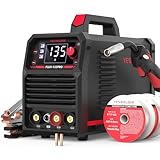
YESWELDER 135A 3-in-1 Flux Core Welder
- Gasless flux core
- stick and lift TIG
- 135A on 110V
- 11.4 lb with carry handle
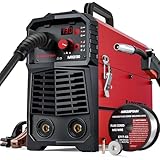
ARCCAPTAIN 130A Flux Core Welder
- 3-in-1 flux core
- stick and lift TIG
- 11.79 lb with shoulder strap
- 2 year warranty

Lincoln Electric 90i FC Weld-PAK
- Flux core wire feed on 120V
- Welds up to 1/4 inch material
- 15 lb with metal case
The Lincoln holds the highest star rating in this group at 4.7, but it takes the Premium Pick badge rather than the editor’s choice because its 572 reviews sit well below the middle of this field. Ratings and sample size both matter, and the YESWELDER has been put through its paces by nearly 3000 owners.
All 8 Machines Compared Side by Side in October
| Product | Specifications | Action |
|---|---|---|
| YESWELDER 135A 3-in-1 Flux Core Welder |
|
Check Latest Price |
| ARCCAPTAIN 130A Flux Core Welder |
|
Check Latest Price |
 HONE 140A Dual Voltage Stick Welder HONE 140A Dual Voltage Stick Welder |
|
Check Latest Price |
 YESWELDER 160A Dual Voltage 4-in-1 YESWELDER 160A Dual Voltage 4-in-1 |
|
Check Latest Price |
 AZZUNO 130A Gasless Flux Core MIG AZZUNO 130A Gasless Flux Core MIG |
|
Check Latest Price |
 bestarc 145A Multi Process Welder bestarc 145A Multi Process Welder |
|
Check Latest Price |
| Lincoln Electric 90i FC Weld-PAK |
|
Check Latest Price |
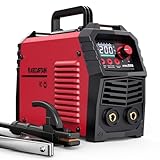 ARCCAPTAIN 200A ARC and Lift TIG ARCCAPTAIN 200A ARC and Lift TIG |
|
Check Latest Price |
1. YESWELDER 135A 3-in-1 Flux Core Welder – Best All-Rounder for a Garage
YESWELDER 135A MIG Welder, 110V Flux Core Gasless MIG/Lift TIG/Stick 3-in-1
135A on 110V
Mild steel up to 3/32 inch
11.4 lb with handle
Flux core, stick, lift TIG
Pros
- Complete kit with wire and torch in the box
- Synergic control reduces burn-through on thin gauge
- 11.4 lb body with a carry handle
- LED display shows live current
- No gas cylinder needed for outdoor work
Cons
- Lift TIG needs a separately purchased torch
- 110V only caps it at light gauge
- Modest 135A output for heavier fabrication
This is the machine I recommend to someone who owns one duplex receptacle in a single car garage and wants to weld the steel he actually runs into. The box contains a MIG torch, an electrode holder, a ground clamp and both .030 and .035 inch E71T-GS wire, so you can strike an arc the same afternoon it arrives. That matters more than raw amperage when you are still learning what a bead is supposed to look like.
Synergic control is the feature doing the real work here. It matches voltage to wire feed speed automatically, which removes the two-knob guesswork that trips up most first-time MIG users and it is the main reason thin gauge does not end up as a smoldering puddle. Owners also like that the display is large enough to read in a bright garage with the door open, and the real-time current readout saves guessing.
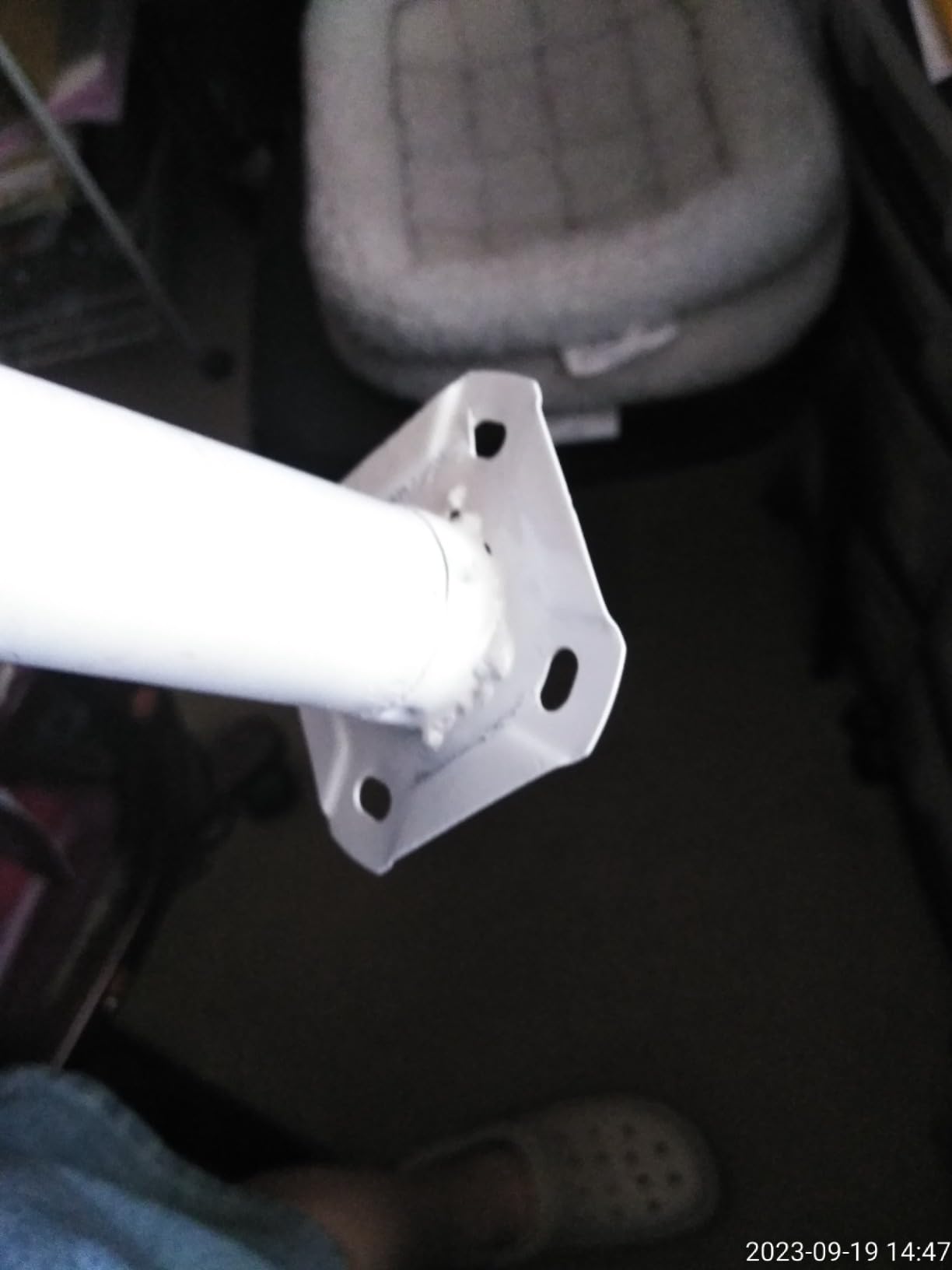
Where it falls short is output ceiling. 135 amps on 110V translates to about 3/32 inch mild steel in a single pass, so if your project list is mostly thicker structural steel you will be running the machine hot and pausing often. There is no 220V path on this unit, so it will never grow into heavier work no matter how long you own it.
The lift TIG mode also needs a separate torch that is not in the box, and TIG is the process you would actually want for aluminum or thin stainless work. If you plan to weld aluminum at all, look at our TIG welder picks for aluminum instead, and treat this machine as a steel-only tool.
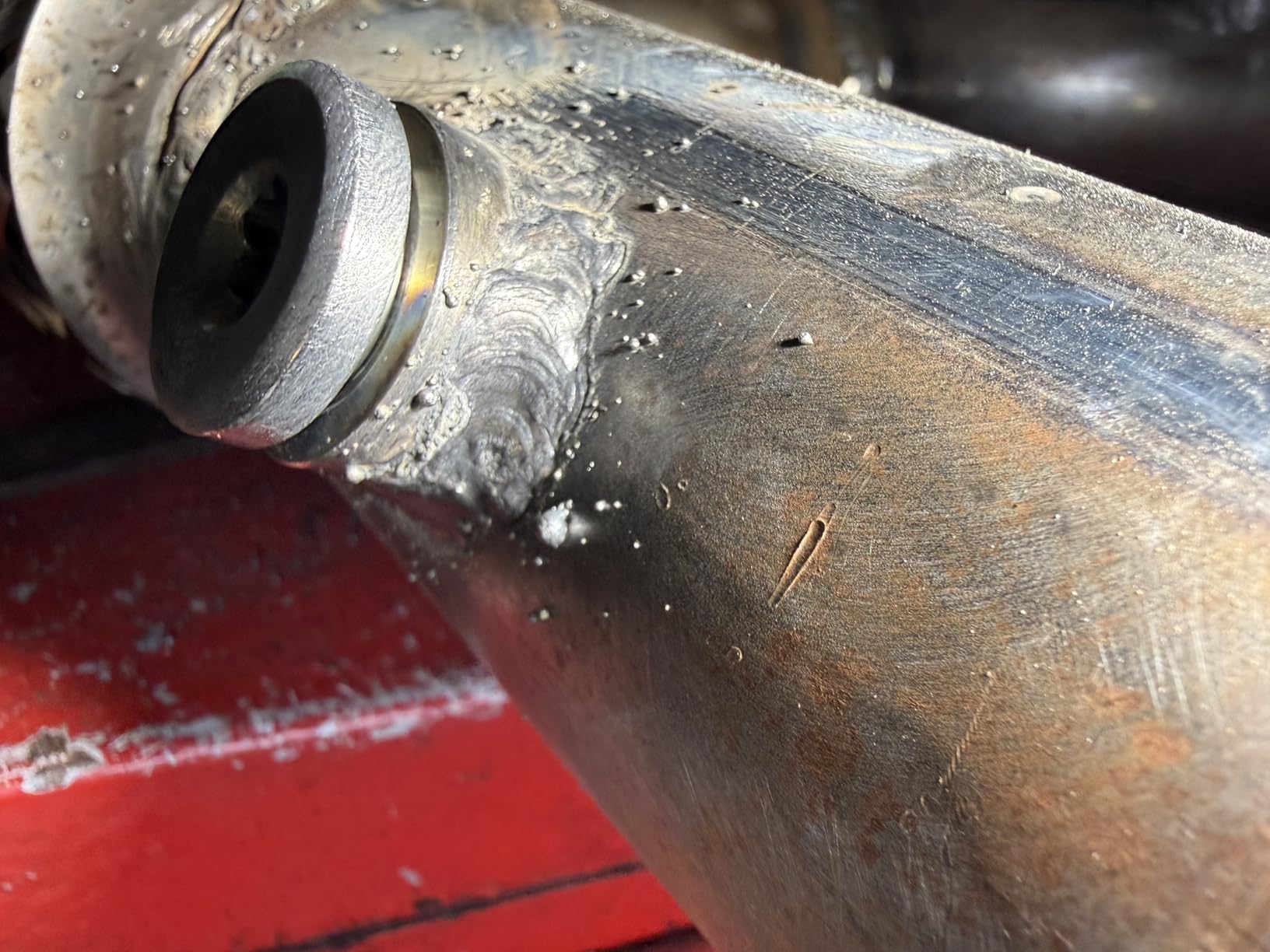
Is it worth buying for a first welder?
Yes. It is a low cost way to find out whether you enjoy welding, and the accessory bundle means there is nothing to buy before the first arc. The 11.4 lb weight means you can carry it outside to a fence or a trailer frame without a cart, and the protection circuits guard against the overheating that punishes cheap machines left running too long.
Be honest about the ceiling. If you already know you want 1/4 inch plate work, a tractor frame or structural steel, a 110V-only machine will frustrate you within a month.
What should you know before you buy it?
The 110V-only design is the dealbreaker for anyone who might add a 220V circuit later. Rated output on a 15 amp breaker is also lower than the panel suggests, and a shared circuit with a freezer or window unit is a common cause of nuisance trips.
The included wire is a 1 lb spool, so you will replace it often and pay a higher price per pound than on a 10 lb spool. Budget for that in your first year costs.
2. ARCCAPTAIN 130A Flux Core Welder – Best Value With a Two Year Warranty
ARCCAPTAIN 130A Flux Core Welder MIG Welder 110V Gasless MIG Stick Lift TIG
130A flux core with stick and lift TIG
11.79 lb with strap
2 year warranty
Pros
- Runs on 110V without tripping a 20 amp breaker
- Included flux core wire feeds smoothly with low spatter
- 10 speed variable wire feed plus current control
- 11.79 lb with handle or shoulder strap
- Two year manufacturer warranty
Cons
- MIG gun and cable assembly is short
- Minimum amperage not low enough for very thin sheet metal
- Auto wire feed adjustment cannot be disabled
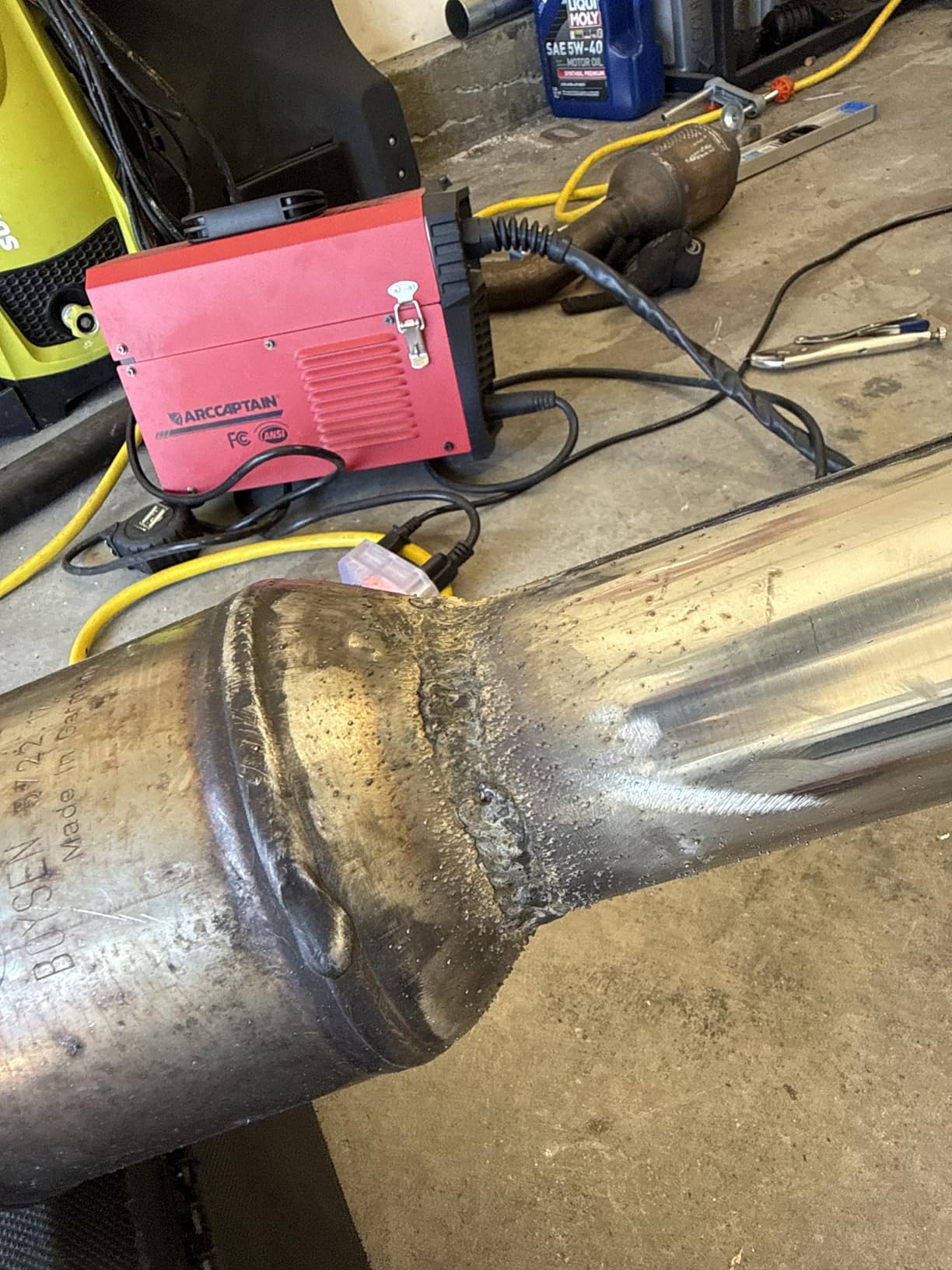
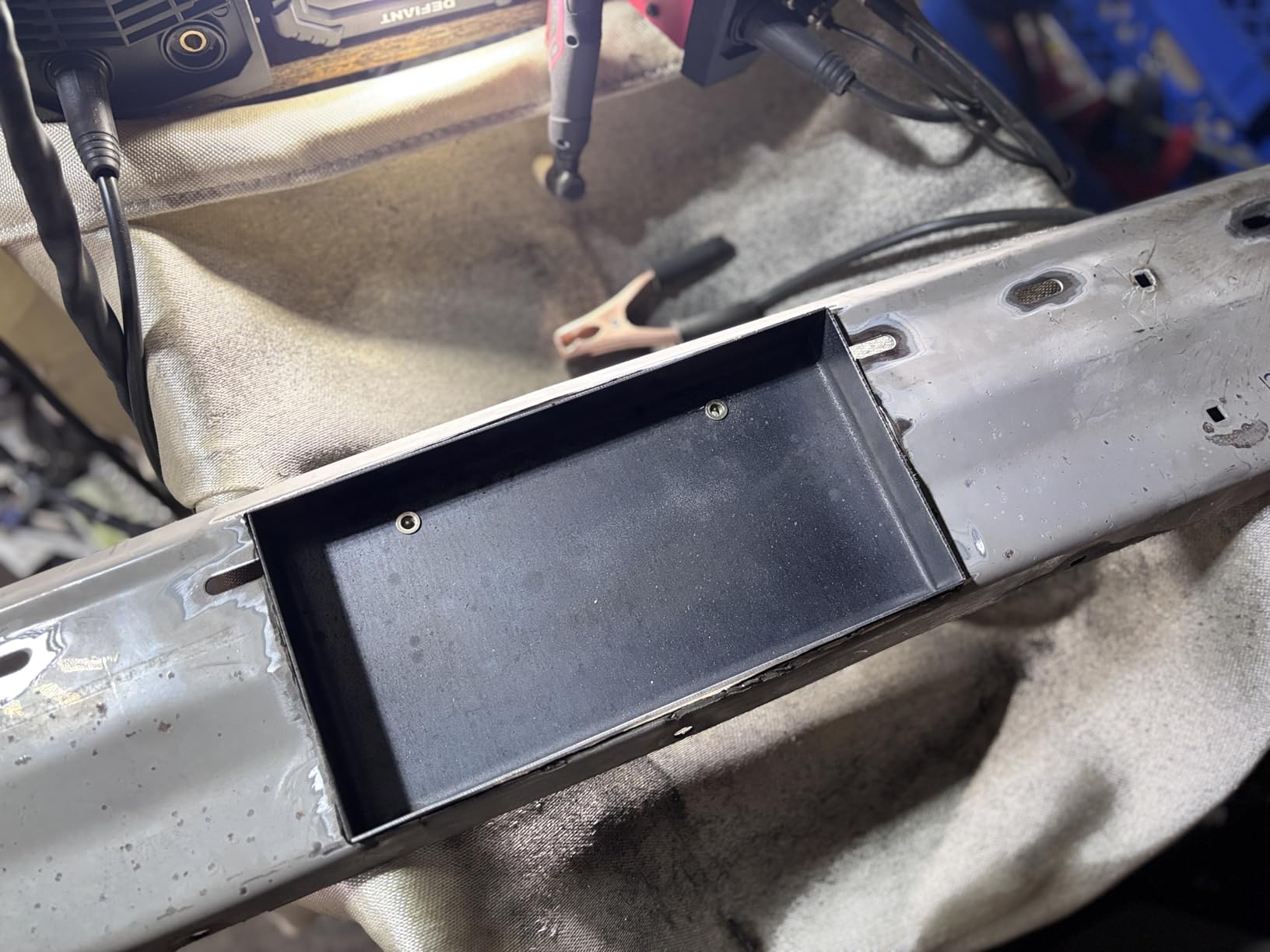
This is the one I send people to when their main concern is not tripping a breaker. Owners repeatedly report stable 110V operation on a 20 amp circuit, which is the single biggest practical difference between this and some competing budget units. The synergic system matches current and wire feed speed to the wire diameter you select across .030, .035 and .040 inch, and a 10 speed wire feed control lets you fine tune from there.
Spatter control is the other quiet strength. The included flux core wire feeds evenly and produces less cleanup grinding than reviewers of cheaper machines describe, and one owner reports handling everything from van sheet metal up to 1/4 inch farm implement steel. The 2 year manufacturer warranty is longer than the 1 year term carried by the cheapest machine in this group.
The short MIG lead is the most common complaint and it is worth measuring your workbench first. A cable that will not reach from the machine to the far end of a pickup bed forces you to drag the welder around, and dragging a welder is how people trip. The minimum amperage also does not go low enough for the thinnest sheet, so if you are doing auto body filler patches on 18 gauge, test before buying.
One more wrinkle: the automatic wire feed speed adjustment cannot be switched off, and some experienced users prefer to set wire feed by hand. If you already know how to tune a MIG, that limitation is mildly annoying. If you do not, it will not bother you at all.
Is it right for a shared garage circuit?
Yes, based on what owners report about its 110V draw. This is the machine to choose if your outlet is a 20 amp receptacle on its own and you do not want to think about it. It weighs 11.79 lb and comes with a shoulder strap, so moving it to a driveway job is a one person task.
If your only outlet is a 15 amp circuit, no 110V welder of this class is the right answer. Have an electrician add a 20 amp receptacle before you buy anything.
What are the trade-offs?
Three processes rather than four: there is no gas shielded MIG here, so a clean indoor bead on solid wire is not available. Lift TIG also requires an extra torch. The short cable is the biggest annoyance in daily use.
Warranty coverage is 2 years, which is longer than the 1 year term on the cheapest machine here.
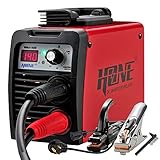
3. HONE 140A Dual Voltage Stick Welder – Best Stick Machine That Grows With Your Circuit
HONE Stick Welder, 110V/220V Actual 140Amp ARC Welder Machine, IGBT Inverter Digital Display LCD Welding Machines with Hot Start Arc Force Anti-Stick, High Efficiency for 1/16″-1/8″ Welding Rod.
120A on 110V and 140A on 220V
40 percent duty cycle
9.44 lb
1/16 to 1/8 inch rods
Pros
- Verified 140A output on 220V with an amp clamp
- Handles 6013 and 7018 rods with minimal sticking
- Compact 9.44 lb body with long leads
- Anti-stick and hot start reduce electrode sticking
- Works on 110V where 220V is unavailable
Cons
- Display reading and knob sticker are not accurate
- Will not reliably run 6010 cellulose rods
- Supplied electrode holder is basic
Stick welding gets overlooked in garage buying guides because the beads look rough and the electrode stubs are cheap. It is still the most tolerant process there is, and that tolerance is exactly what a beginner needs. This machine runs 6013, 7018, 6011 and 6010 rods from 1/16 to 1/8 inch and weighs just 9.44 lb.
The IGBT inverter with arc force is the reason this class of machine punches above its size. Owners with an amp clamp report it actually delivers 140 amps on 220V, and the 40 percent duty cycle at rated output is generous for a machine this compact. It is also genuinely dual voltage, so the same unit works in a rental garage today and on a 220V shop circuit later.
The honest caveat is the control interface. Multiple owners point out that the current shown on the display and the numbers printed on the knob are not accurate at most settings, and the useful band is roughly near 90 amps on 110V and 140 amps on 220V. The fix people use is to write corrected settings on the machine with a paint pen. Expect that step if you buy it.
It also will not reliably hold an arc on 6010 cellulose rod, and the instructions are thin. If you want cellulose for outdoor farm work, pick a machine whose reviews confirm 6010 performance.
Is it worth the slower process?
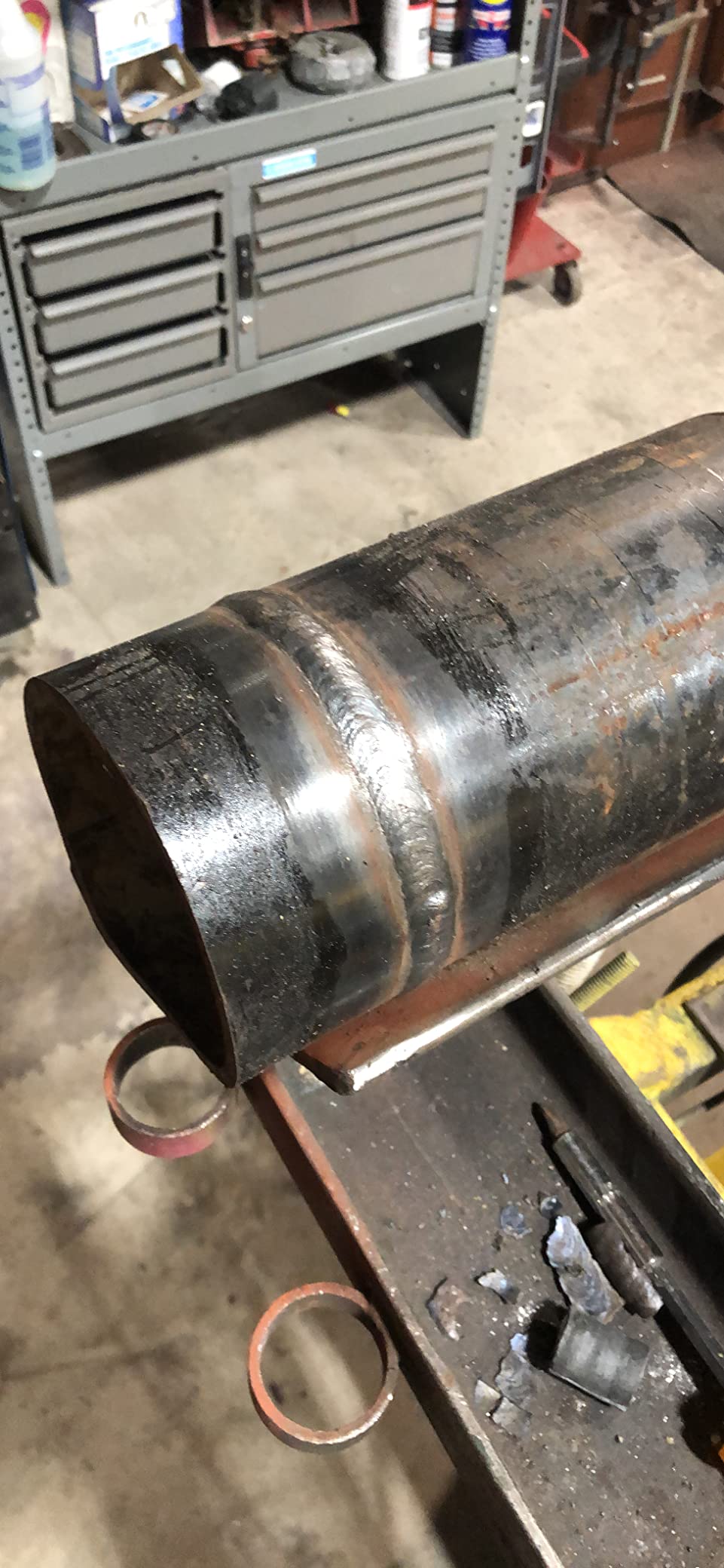
For structural steel, hitches, gate frames and anything you weld outside in wind, yes. Stick needs no shielding gas, no spool gun and no consumable beyond the rod, so there is nothing to run out of mid-job. Many owners use it for farm equipment, mower decks, trailers and railings rather than anything requiring a cosmetically clean bead.
If your project list is mostly brackets, shelf frames and thin patches, a flux core machine will be faster and easier to control.
What should you check before buying?
Measure the space and note that the leads are long, which is good for reach but takes floor space. Verify you have both 110V and 220V service if you intend to use the higher output, because 120 amps on 110V is the realistic ceiling.
Buy a proper electrode holder as a spare. The included one is a basic style, and an upgraded holder makes a noticeable difference in handling.
4. YESWELDER 160A Dual Voltage 4-in-1 – Best When You Might Add a 220V Circuit
YESWELDER 160A MIG Welder, 110V/220V MIG/Flux Core/Lift TIG/Stick
160A on 110V and 220V
Gas MIG, flux core, stick, lift TIG
2 lb and 10 lb spools
Pros
- Genuine 110V and 220V in one machine
- Handles 2 lb and 10 lb spools of solid and flux core wire
- Synergic setup with manual override for experienced users
- Handles 6010 6011 6013 and 7018 rods in stick mode
- Automatic compensation for input voltage fluctuation
Cons
- Stick mode is hard to start though it welds well once struck
- Included MIG gun liner is thin and can melt
- Output near 160A really needs 220V
Gas shielded MIG is the process this machine unlocks and the entry level units here do not offer. Solid wire with argon and carbon dioxide gives a much cleaner bead on thin material than flux core, with far less spatter to grind off afterward. For anyone who will eventually run a 220V outlet, this is the most future proof machine in the group.
It also accepts both 2 lb and 10 lb spools, which quietly matters a lot over a year. A 1 lb spool costs far more per pound of wire, and owners who burn through wire on repair work notice that difference quickly. The 19.4 lb body with a carry handle is heavier than the flux core units but still manageable for a garage.
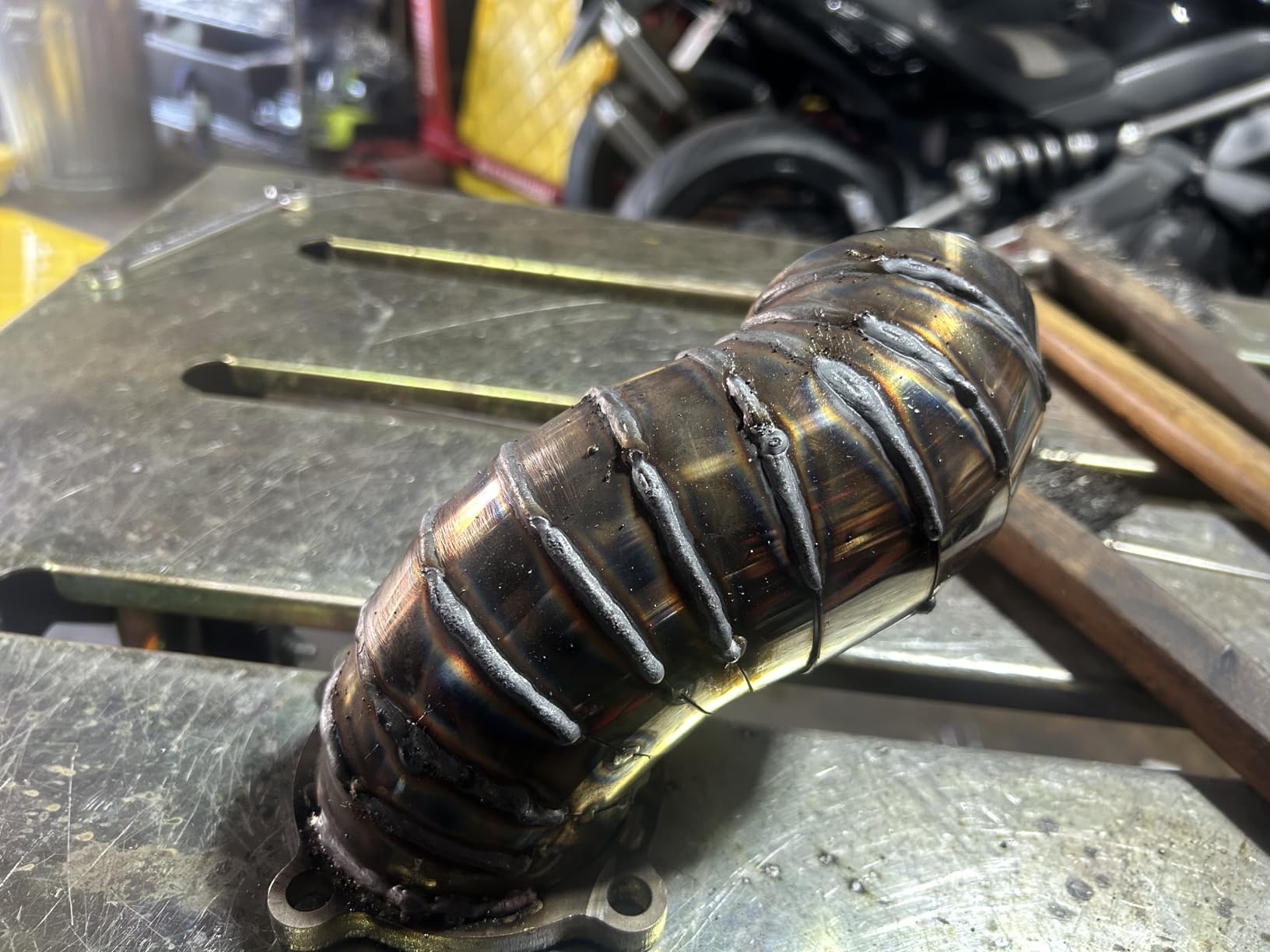
Here is the reality of 160 amps. Owners are clear that delivered output near that figure needs 220V, and the supplied adapter to run from 110V will trip a breaker at the higher settings. Treat the 110V side of this machine as a reduced output setting and the 220V side as the real deal.
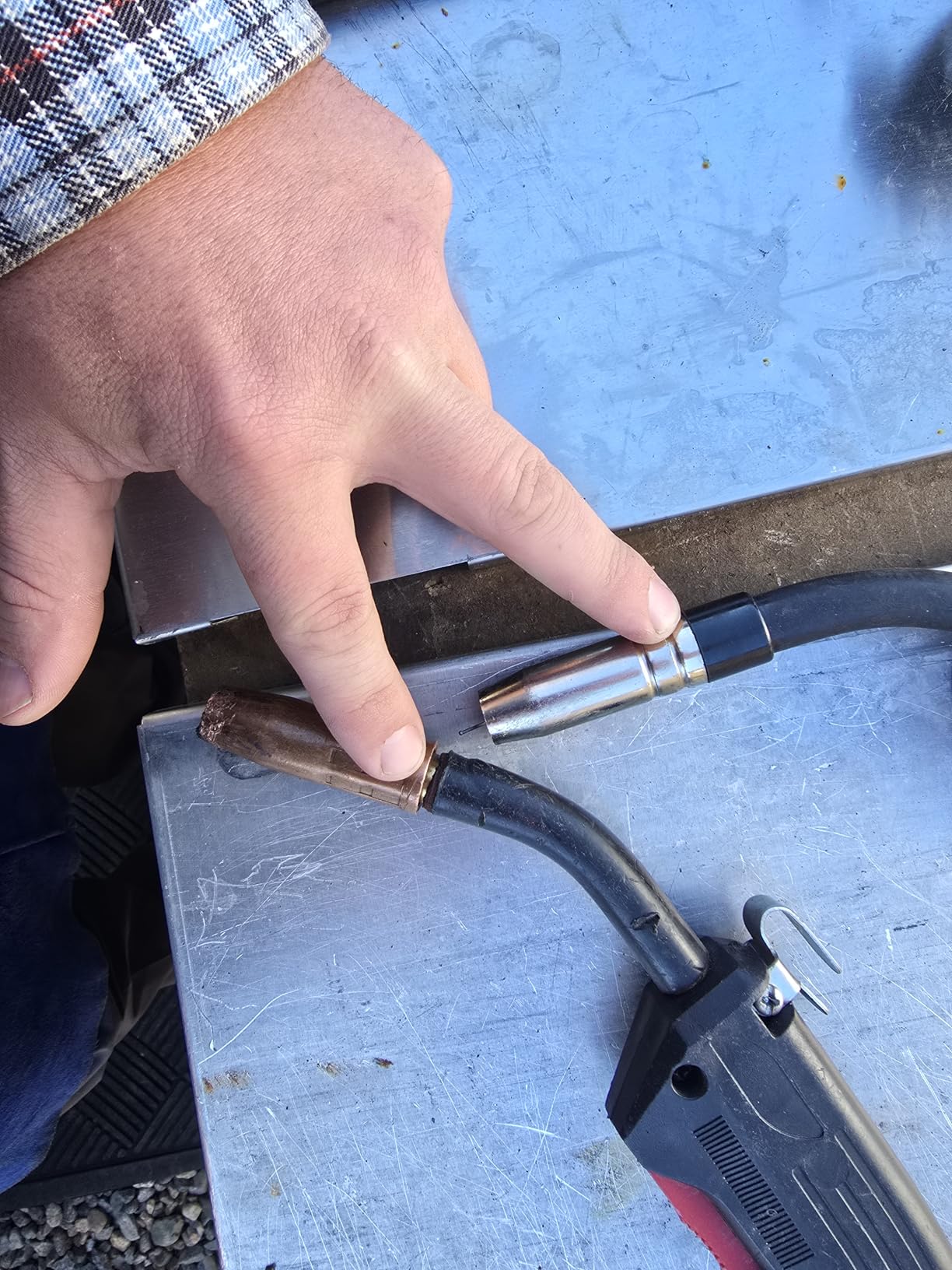
Several owners have flagged that the MIG gun liner is thin enough to melt if it touches a hot weld, which is an inexpensive part to replace. Stick mode also takes practice to start, and the printed control labels are small enough that you may want a marker in your hand.
Is it a good first multi process welder?
Yes if you plan to grow into it. The four process coverage means you will not be shopping again next year, and the synergic mode gives beginners a simple starting point while manual wire feed and voltage adjustment let an experienced user take over when the material demands it. Owners running it in home shops and light construction report consistent performance over long periods.
Be honest about the weight and the gas requirement. Running solid wire means a cylinder, a regulator and somewhere to store them, which is a real cost and space commitment for a small job.
What about the 110V adapter?
It exists and it works at lower amperage, but do not expect full output. If your plan is to hit 160 amps, get the 220V circuit installed first. The manual also leaves the wire drive polarity setup unclear on some machines, so check the connection when you first power it up.
5. AZZUNO 130A Gasless Flux Core MIG – Best Budget Pick for Learning
AZZUNO MIG Welder,Flux Core Welder Machine 110V 130Amp, Gasless MIG Welding Machine IGBT Inverter Welder Portable Wire Feed Welder (110V)
130A gasless flux core MIG
Welds mild steel up to 3.0 mm
8.6 lb body
Synergic auto settings
Pros
- Light 8.6 lb body is easy to carry between bench and driveway
- Synergic control makes settings approachable for beginners
- Complete accessory kit including wire and contact tips
- Compact grab and go design for hobby work
Cons
- Single process flux core only
- 110V only and limited to light gauge mild steel
- 1 year manufacturer warranty
Long-time users repeatedly recommend learning on an inexpensive gasless machine rather than risking an expensive one, and this machine fits that role. At 8.6 lb it is light enough to carry out to a driveway, and the kit in the box includes a MIG torch, ground clamp, brush and hammer, a 1 lb spool of .030 inch flux core wire and two contact tips.
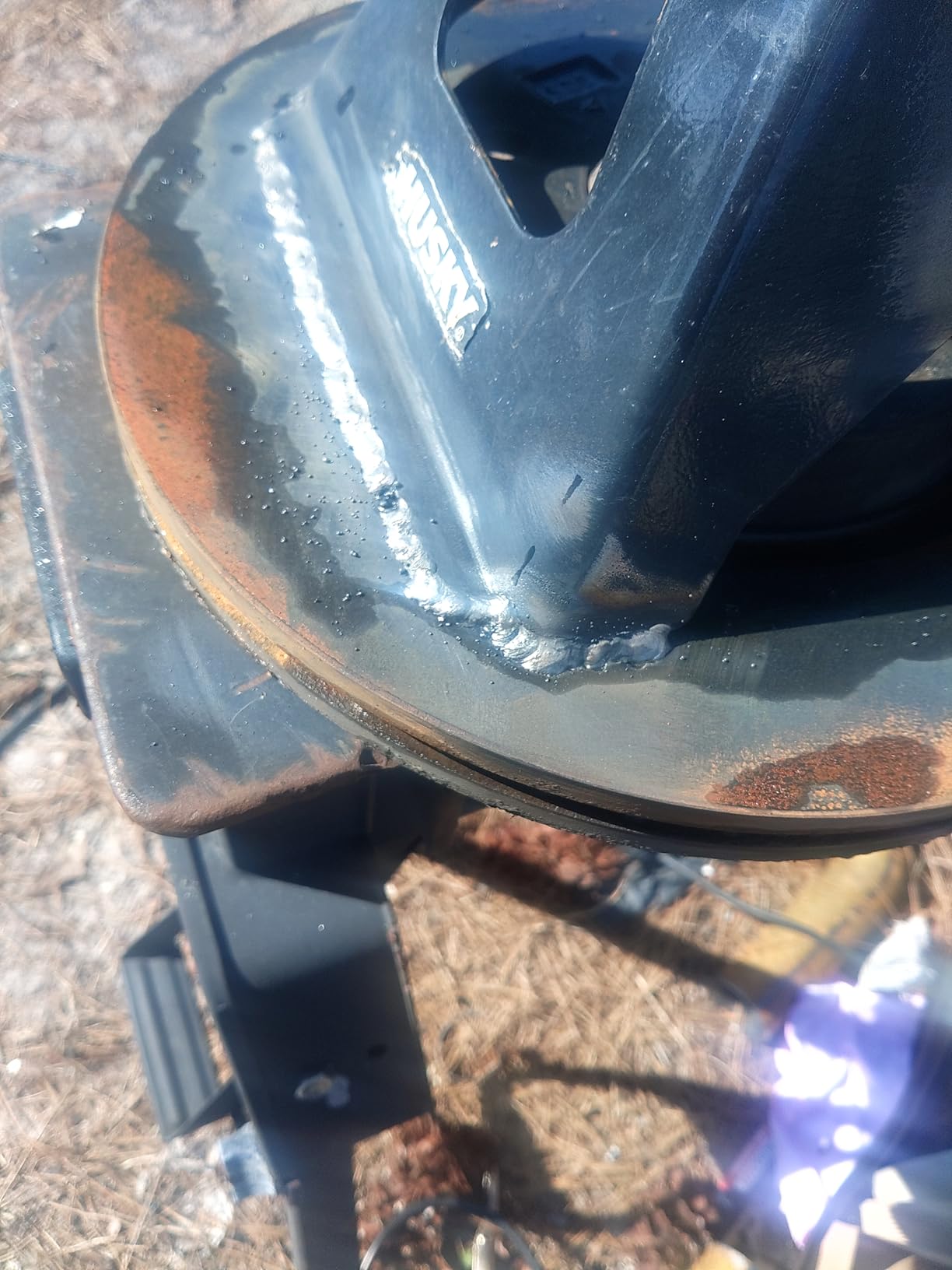
Synergic control adjusts voltage and wire feed speed against your amperage setting and material thickness, so the first weld on 16 gauge mild steel is a knob turn away from right. For hobby use, repair work on a lawn mower deck or a garage shelf bracket, that is genuinely all the capability most people need.
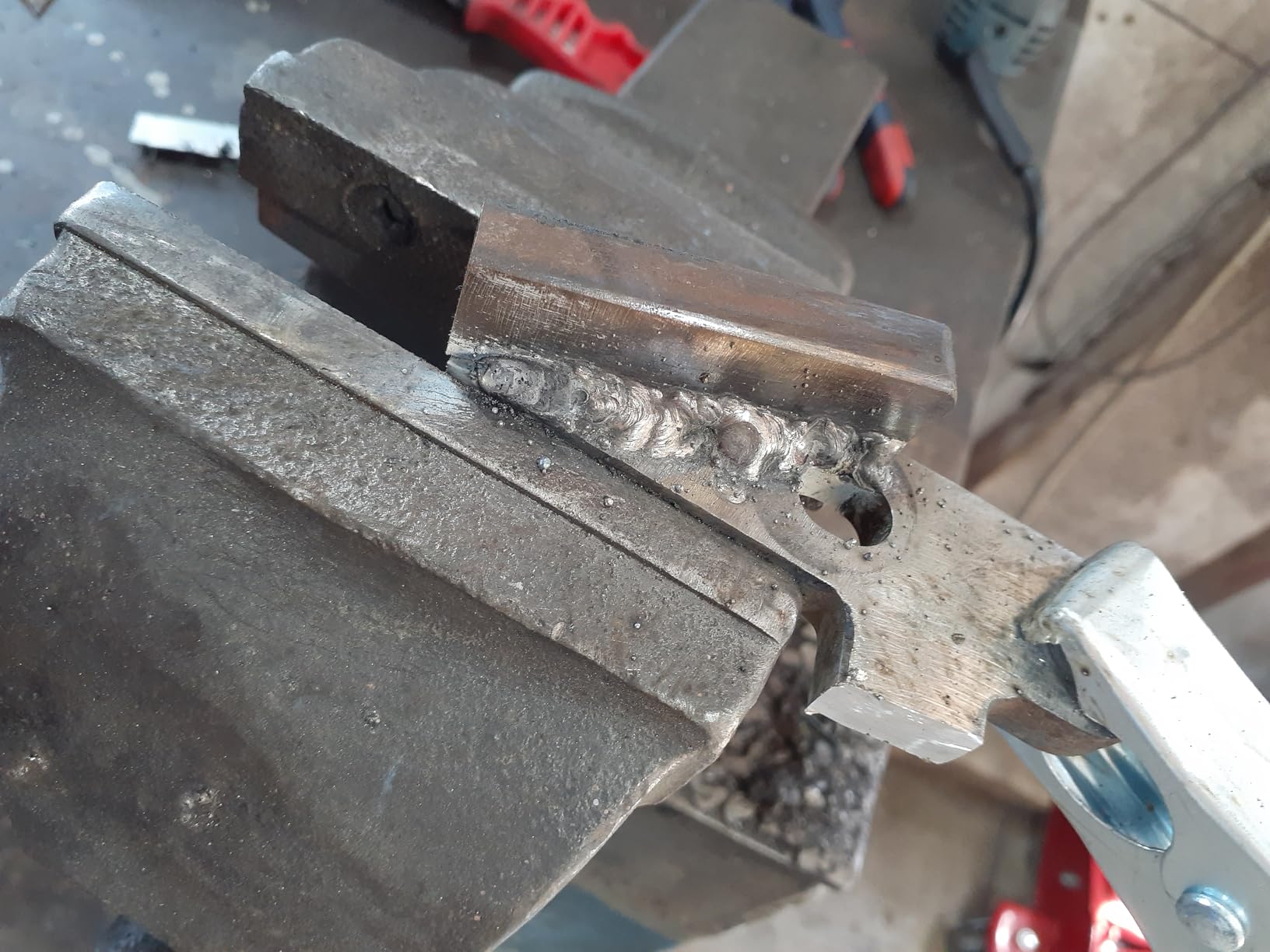
The limitation is total: one process, one voltage, light gauge only. It welds mild steel up to about 3.0 mm, so a 1/8 inch trailer bracket is already near the ceiling. If your work is thicker than that, buying twice is more expensive than buying once.
The 1 year manufacturer warranty is short next to the 2 year terms on the dual voltage machines here, and one owner reports the auto wire feed speed adjustment cannot be turned off. Treat this as a learning tool and a weekend repair machine rather than a shop investment.
Is it worth buying to learn on?
Yes, and it is the least risky first purchase in this list. The cost of a scrapped learning machine is trivial next to damaging a good one while you figure out polarity and gas settings. Several experienced users make the same argument, recommending a cheap gasless unit as a trainer and a better machine as the eventual shop tool.
Set your expectations at light gauge. Thin automotive sheet, small brackets and general household steel are the sweet spot.
Where will it frustrate you?
The 110V only design means no growth path. There is no stick mode for structural repair and no TIG for the thinnest material or any aluminum work. When you outgrow it, you will be shopping again, so factor that into the plan.
Budget for a replacement wire spool within your first few sessions, and accept a higher per pound price than 10 lb spools cost.
6. bestarc 145A Multi Process Welder – Best Four Process Coverage
Bestarc 145A MIG Welder, Flux Core/Gas MIG Stick Lift TIG Welding, 110/220V
Gas MIG, flux core, stick, lift TIG
110V and 220V auto detect
13.7 lb with strap
Pros
- True four process versatility in one box
- Solid ground clamp and heavier 16mm squared cable
- Dual 110V and 220V for home shop and farm use
- Synergic settings with a large clear LED display
- Handles E71T-GS and ER70S-6 wire
Cons
- Earlier versions had a short gun lead and a straight V groove drive roll
- Spool holder spring tension is not adjustable
- No gas regulator is included
This machine puts four processes into a 13.7 lb package with a shoulder strap, and the auto voltage detection shows you on the panel which side of the switch you are on. That last detail sounds minor and saves real frustration when a 110V adapter is plugged in.
Reviewers consistently rate the ground clamp and the heavier 16mm squared cable above what comes with budget competitors, and that is not a small thing. Cable that runs hot above 100 amps is a genuine problem on machines in this class, and this one sidesteps it. One experienced reviewer with a production background raised their rating after the manufacturer updated the gun lead and drive roll on later runs.
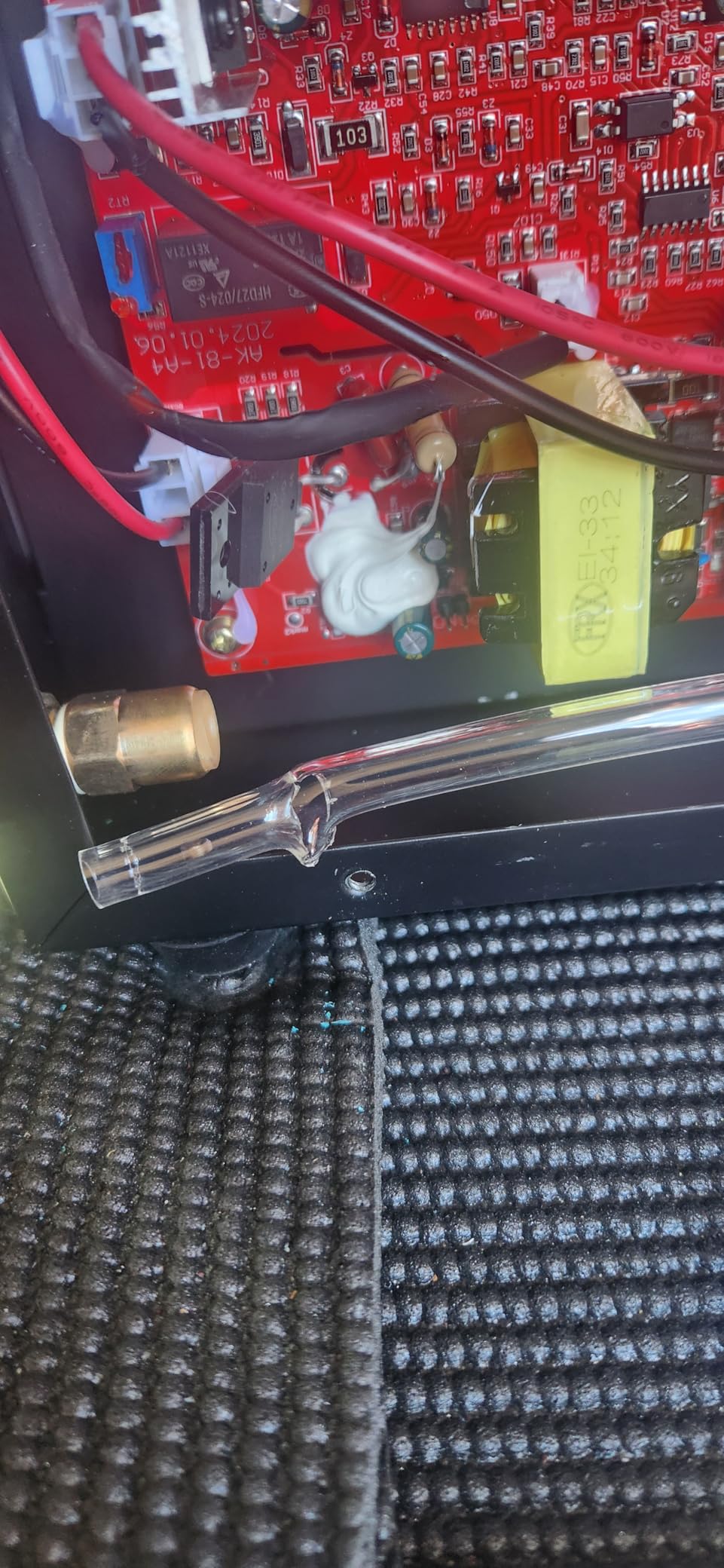
Two gaps to price in. There is no gas regulator in the box, so solid wire gas MIG requires an extra purchase before that process works at all, and stick output appears capped around 130 amps regardless of the panel setting. The spool holder spring tension is fixed, which can be too tight for some spool sizes.
Owners of early production machines reported a short gun lead around 5.5 ft and a straight V groove drive roll; the company updated both later. Check what is included with your machine rather than assuming, and buy a 0.8 mm knurled drive roll if the drive is rough.
Is it worth the extra setup?
If your work spans sheet metal on a Monday and structural steel on a Saturday, yes. Having both gas and gasless MIG means you can weld indoors on a car without the fume headache and outdoors on a fence without hauling a cylinder. Reviewers rate weld quality relative to price as its standout strength.
For a single type of work, a simpler gasless machine is less to go wrong and lighter to carry.
What about the brand?
bestarc has a long standing reputation in affordable plasma cutters and welders, and parts like liners, nozzles and drive rolls are easy to source. The TUV and ANSI style certifications and multi protection circuitry are stated on the machine, which is a reasonable signal at this level.
Confirm your spool size against the fixed spring tension before ordering, and plan on sourcing a regulator if you want gas MIG.
7. Lincoln Electric 90i FC Weld-PAK – Best for Thin Sheet Metal and Car Work
Lincoln Electric 90i FC Flux Core Wire Feed Weld-PAK Welder, 120V Welding Machine, Portable w/Shoulder Strap, Protective Metal Case, Best for Small Jobs, K5255-1
120V flux core wire feed
Two knob control
15 lb with strap and case
Welds up to 1/4 inch
Pros
- Highest rated in this group at 4.7 stars
- 15 lb and easy to carry one handed or up a ladder
- Holds a stable arc and owners report it does not trip a 120V breaker
- Handles 14 to 18 gauge stainless and mild steel cleanly
- Recognizable brand with easy to find consumables
Cons
- Single flux core process with no stick or TIG
- Heavy plate work needs a separate larger machine
- Metal case adds bulk when the strap is the normal carry method
Lincoln Electric is the reference name in this category, and the 90i FC is the smallest member of that family. It is a single process flux core machine, which sounds like a limitation and mostly is not for the jobs it suits: 14 to 18 gauge stainless and mild steel, car restoration panels, small brackets and shop fabrication. The two knob interface for wire speed and voltage is as simple as a welder gets.
What stands out is how rarely it causes problems. Owners describe it as a work horse and note that the arc stays stable and does not blow a breaker on 120V, which is the combination you want in a residential garage. The inverter power source gives smoother weld characteristics and better efficiency than the transformer machines it replaced, and consumables for it are available almost anywhere.
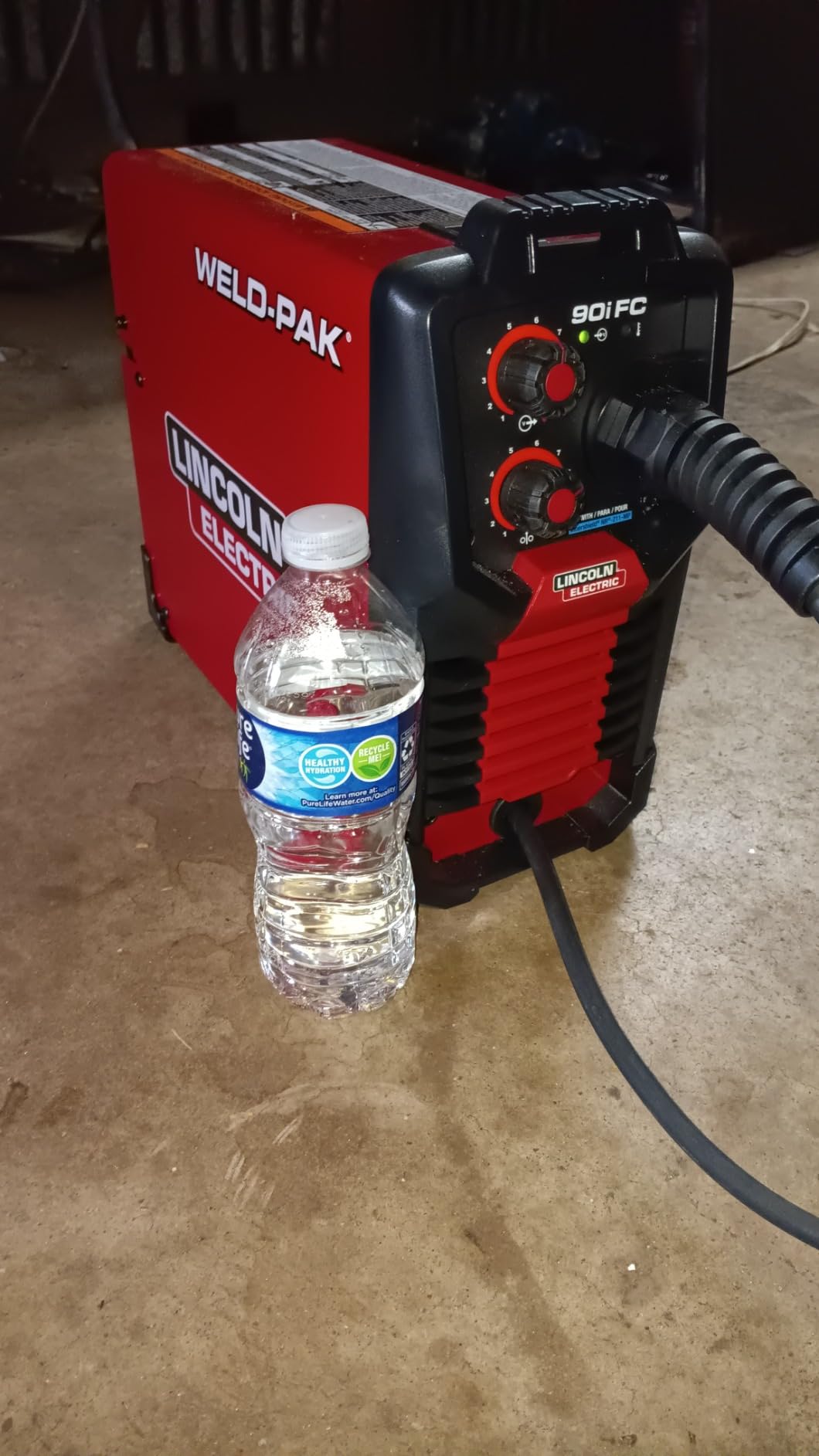
It is single process, so when you need stick for a structural bracket or TIG for a fuel tank, you need another machine. The metal case is protective but adds bulk when the shoulder strap is how you actually carry it. A few owners pushed it to 1/4 inch and 3/16 inch material, but treat that as the top of the range rather than a working point.
At 15 lb it is not the lightest unit here, though it is easy to carry up a ladder on the strap. It is a small machine, and owners wanting heavy plate work pair it with a separate larger unit rather than pushing it.
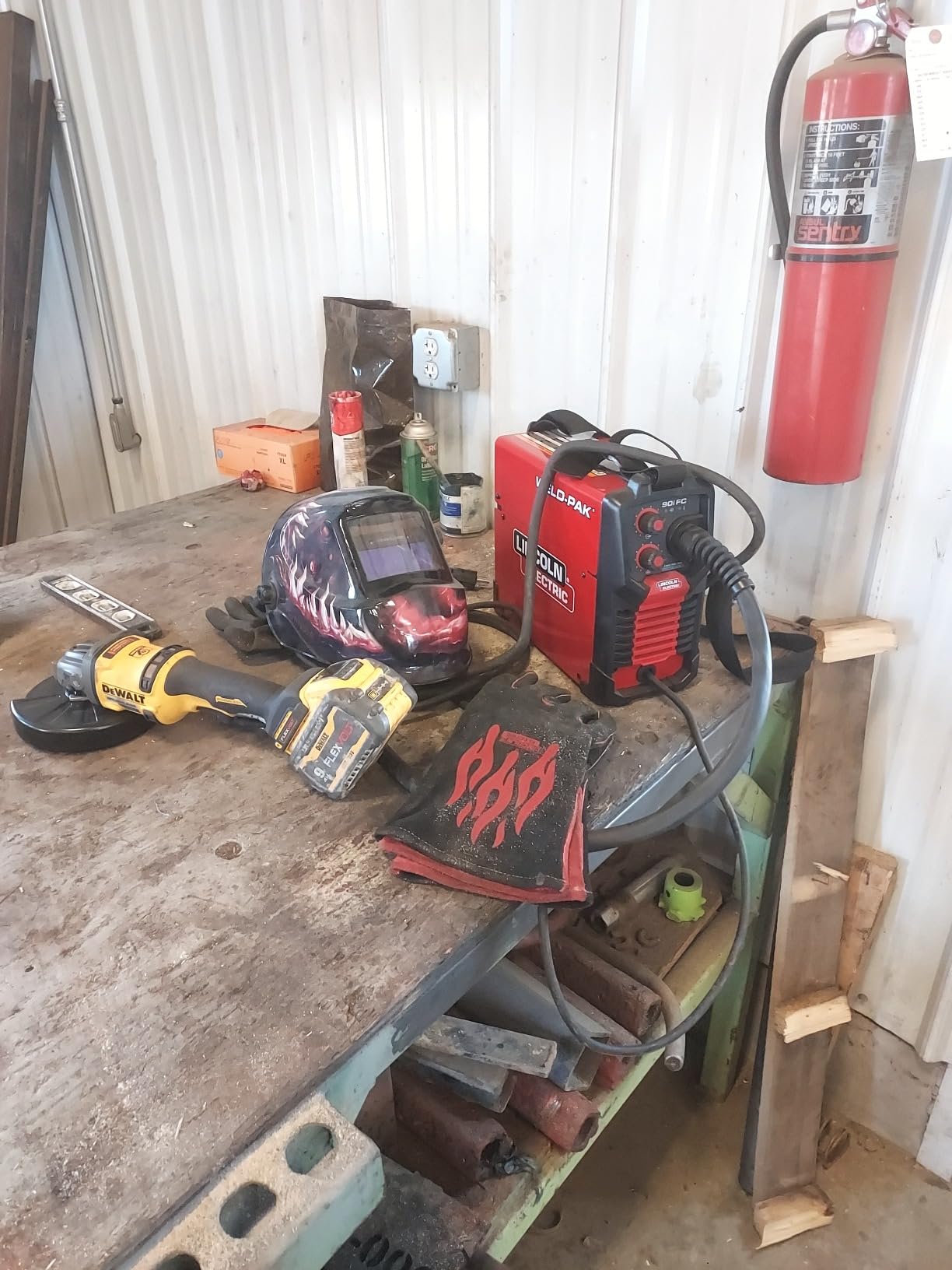
Is it worth paying more for the brand?
For thin sheet metal and car restoration work, the arc consistency and the availability of nozzles, contact tips and liners justify it. If you are doing the same jobs a budget flux core machine handles, you are paying for a steadier arc and parts availability rather than extra capacity, and that is a defensible but not essential upgrade.
The two knob design also means almost nothing to learn. That matters if the other person in your household wants to help.
What are the limitations?
One process, no stick, no TIG, no aluminum. If your garage projects include stainless exhaust work or any aluminum, this is the wrong box, and our aluminum TIG guide covers the alternative.
Owners wanting heavy plate work pair it with a separate larger unit rather than pushing this one.
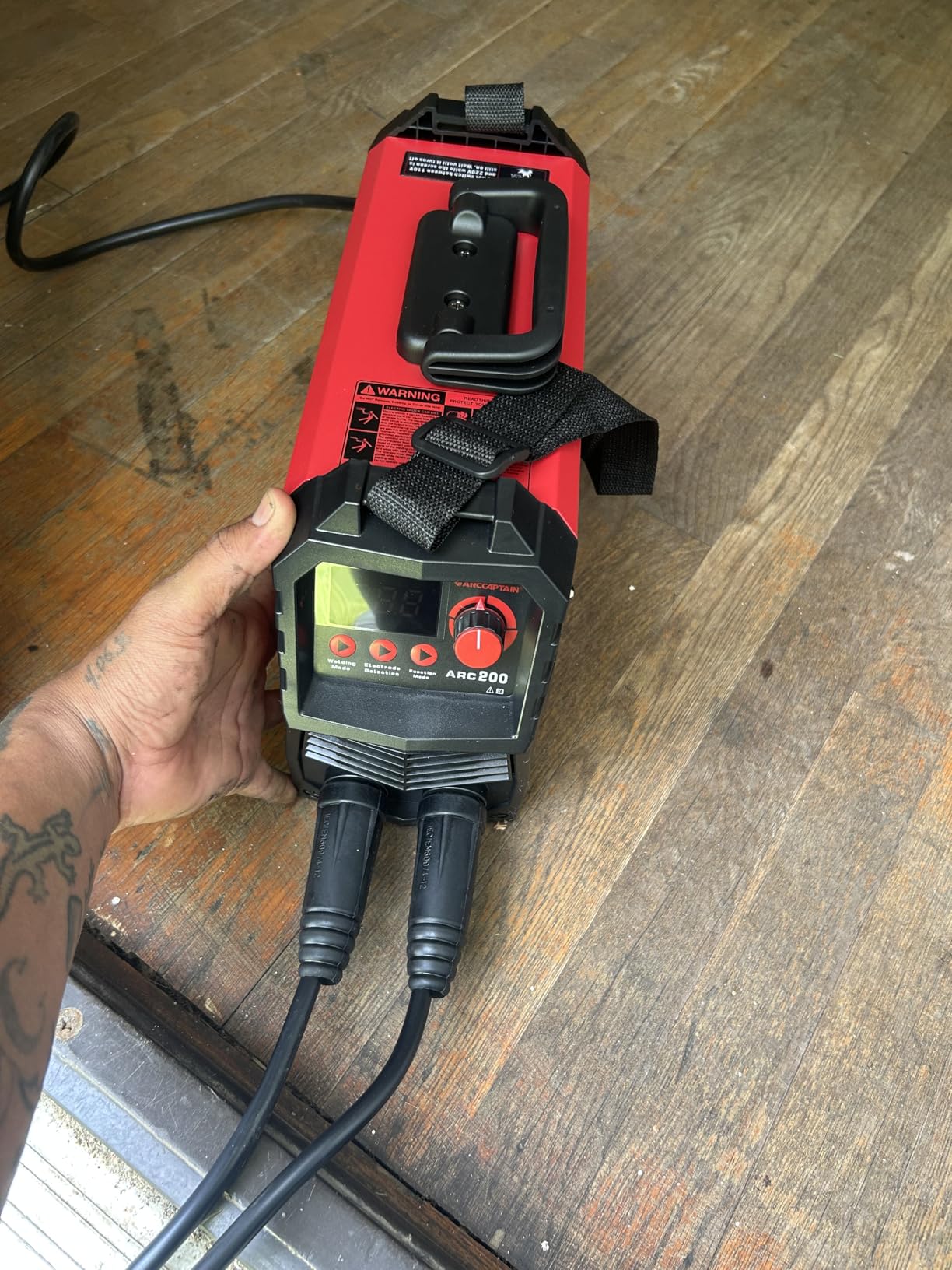
8. ARCCAPTAIN 200A ARC and Lift TIG – Best for Fence, Gate and Farm Work
ARCCAPTAIN Stick Welder, 200A ARC/Lift TIG Welding Machine, 110V/220V
200A stick and lift TIG
110V and 220V
7.2 lb body with shoulder strap
Pros
- Runs 6010 6011 6013 and 7018 rods on both voltages
- Very light at 7.2 lb with a shoulder strap
- LED display readable through an auto darkening helmet
- Adjustable arc force and hot start plus auto anti stick
- 2 year service with TUV and ANSI testing
Cons
- Supplied leads are copper plated aluminum and run hot above 100A
- Measured output was about 175A against a 200A setting with the included cables
- Cooling fan is loud and no lift TIG torch is included
At 7.2 lb this is the machine I take to a fence line, and the shoulder strap is included rather than sold separately. Stick mode handles 6010, 6011, 6013 and 7018 rods on both 110V and 220V, and being able to run 6010 on a low voltage is a genuine advantage outdoors.
The controls are genuinely adjustable rather than fixed. Hot start, arc force and anti-stick are all tunable, and the LED display is bright enough to read through an auto darkening helmet, which is a small detail that gets appreciated on a long afternoon. One owner logged more than 2000 feet of drill pipe fence on it. The 2 year service and TUV and ANSI testing are also stronger commitments than most of this group offers.
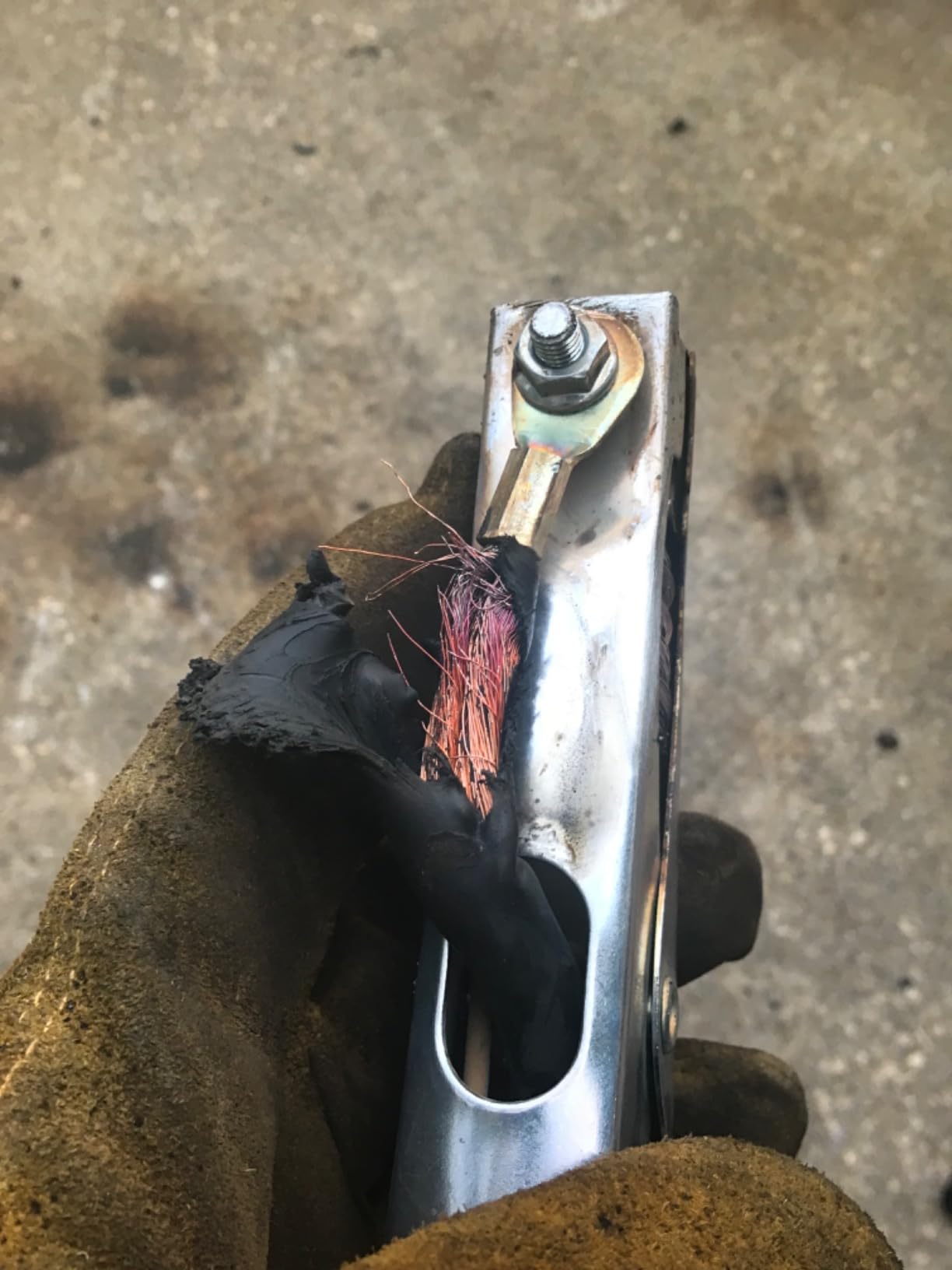
The most useful review of this machine comes from an experienced welder who metered it with an amp clamp and found roughly 175 amps delivered against a 200 amp setting, because the included leads are copper plated aluminum at 16mm squared. After fitting number 2 AWG cable, the output reached about 190 amps. This is a known characteristic, not a defect, and it costs a modest cable upgrade to fix.
Those same leads run hot above 100 amps, so for sustained high current work replace them. The cooling fan is also high pitched and audible, and the lift TIG torch is not included even though the mode is.
Is 200 amps overkill for a home garage?
On 110V, effectively yes, since a 120V circuit caps you near 120 amps of usable output regardless of what the panel says. The value of this machine is the dual voltage path. Run it on 220V in a shop and you have genuine 200 amp class capability for 1/4 inch plate and structural work.
On 110V alone, choose it for the weight and the rod compatibility rather than the headline number.
What should you plan to spend on accessories?
Budget for number 2 AWG cable if you plan to run above 100 amps for extended periods, and for a lift TIG torch if you want that mode. Both are inexpensive relative to the machine and both meaningfully improve it.
Stick has a steeper learning curve than flux core for a first timer, so plan a few practice joints on scrap before touching a gate you care about.
How to Choose a 110V Welder for Your Garage
Most wrong purchases in this category trace back to the outlet, not the machine. Start there and the choice of machine largely makes itself. These are the questions buyers ask in the order that actually matters, answered in the order that actually matters.
How thick can a 110V welder weld?
On a 20 amp circuit, a good 110V welder single passes roughly 3/16 inch mild steel. Below that it is comfortable, and 1/16 to 1/8 inch is where the process feels easy. Above 3/16 inch you are working hard, expecting more heat, more slag control and more passes, and a 220V machine becomes the better investment. Flux core widens the low end because the wire carries its own flux; gas shielded MIG produces a much cleaner bead on thin material; stick tolerates the messiest outdoor conditions best.
As a rule of thumb for a home garage, 16 to 14 gauge sheet for body panels, 1/8 inch plate for brackets and trailer frames, and 3/16 inch for structural hitches and gate frames are all within reach. 1/4 inch structural plate for a truck frame is not, and no amount of machine quality changes that.
Will my garage outlet handle it? Check the breaker first
A 110V welder drawing full output will trip a 15 amp breaker, so a 20 amp circuit is effectively mandatory for anything above about 90 amps of output. The advice community is consistent on one point: run the welder on a dedicated circuit, not shared with a refrigerator, freezer, window unit or garage door opener. Motors cycling on and off during a weld cause the voltage to sag, which shows up as a wandering arc and inconsistent bead.
Extension cords cause the same problem. A long or thin cord introduces voltage drop, and the machine responds by fighting the arc. Use the shortest cord you can manage and the heaviest gauge that will reach. Measure your reach before you buy, then check the cord length against the machine current rating. Owners who use a shared or undersized cord frequently report more spatter and porosity, which is a machine fault people misdiagnose as bad wire.
If your garage has no 20 amp receptacle, that is an electrician visit, not a machine problem. It is worth it: the same call lets you run any of the dual voltage machines on this list at their real output later.
Gas or gasless: which process fits your work
Flux core is gasless, self shielded and works outdoors in wind with nothing to rent and nothing to store. It produces more spatter and a rougher bead, and it is the right default for a garage that mostly sees brackets, frames and repair work. Gas shielded MIG with solid wire and an argon mix gives the cleanest bead and is the process you want for sheet metal, but it means a cylinder, a regulator and a ventilated indoor space.
Stick needs no consumables beyond the rod and is the most forgiving of poor surface conditions. TIG is the process for thin material and for aluminum, but budget lift TIG machines are DC only, and a 110V unit cannot clean aluminum oxide at all because the surface melts at a much lower temperature than the oxide layer above it. Short answer: 110V aluminum TIG is not a real option, and no machine in this list attempts it.
Five specs that matter before you buy
First, real output on 110V rather than the number on the box. Nameplate amps overstate what a household circuit delivers, and owners with amp clamps repeatedly find a 200 amp setting pulling closer to 175 amps with the included cables. Second, duty cycle, which is minutes of welding out of every ten before the machine needs to cool. A 40 percent rating is comfortable for home projects; anything under 20 percent forces constant breaks on a longer weld.
Third, dual voltage. A 110V only machine is cheaper and will never grow, while a dual voltage machine works in your garage now and in a shop later. Fourth, spool size, because 1 lb and 2 lb spools cost noticeably more per pound than 10 lb spools and a heavy user will replace them constantly. Fifth, process coverage, and whether lift TIG needs a torch that is not in the box, which is true of several machines here.
Add a sixth practical check that is not on any spec sheet: measure your work area. Machines range from 7.2 lb to 27.5 lb, and the one that is too heavy to move outside is the one that stays in the corner.
Frequently Asked Questions
What is the best welder for a home garage?
For most home garages, a 110V flux core or multi process machine in the 130A to 160A range is the best fit. It handles 1/16 to 3/16 inch mild steel, plugs into a standard 20 amp outlet, and needs no shielding gas for outdoor work. Add a dedicated 20 amp circuit first, and pick a machine with at least a 2 year warranty.
How thick can a 110V welder weld?
On a 20 amp household circuit, a 110V welder single passes about 3/16 inch mild steel and is comfortable from 16 gauge sheet up to 1/8 inch plate. Thicker material needs multiple passes, more heat control, or a 220V machine. Nameplate amperage on 110V is usually optimistic, so judge machines by measured output.
Are 110V stick welders any good?
Yes. Stick is the most tolerant process available and needs only an electrode beyond the machine. A 110V stick machine running 6013, 6011 or 7018 rods handles fence posts, trailer frames, gates and farm equipment well. The trade-offs are slower travel speed, more slag cleanup and a steeper learning curve than flux core.
Can I run a 110V welder on a 15 amp circuit?
Only at reduced output. A 110V welder near full output draws more than 15 amps and will trip the breaker, which is the most common complaint in beginner setups. Use a dedicated 20 amp circuit with a short, heavy extension cord, and do not share that circuit with a refrigerator, freezer or window unit.
Can a 110V welder weld aluminum?
Effectively no. Aluminum forms an oxide layer that melts at a far higher temperature than the metal beneath it, and 110V machines do not have the arc characteristics or AC balance needed to break it. A budget lift TIG mode is DC only, so it cannot clean aluminum. Aluminum work calls for a 220V AC TIG machine with a dedicated circuit.
Is a Hobart welder better than a Lincoln?
It depends on the model and the shop. Lincoln Electric and Hobart are both established names with wide parts availability, and the small 110V machines in this roundup are closer in capability than the brand names suggest. Judge the specific machine on measured output, duty cycle, warranty length and whether consumables are easy to source locally.
Are Harbor Freight welders of good quality?
For learning and light repair work on light gauge steel, a budget imported machine is widely considered a reasonable place to start, because mistakes on a practice machine cost far less than mistakes on an expensive one. For sustained work, heavy plate or anything where a stable arc matters, a branded machine with a longer warranty and readily available parts is the better buy.
The Verdict for Home Garages in 2026
For most people reading this, the best 110v welders for home garages come down to one clear pick. The YESWELDER 135A 3-in-1 is our editor’s choice: three processes, a 135 amp output, an 11.4 lb body and the largest body of owner feedback here at nearly 3000 reviews. Buy it, put it on a dedicated 20 amp circuit, and open a spool of .035 inch flux core wire.
If you are on a tight 20 amp circuit and want the fewest surprises, the ARCCAPTAIN 130A with its 2 year warranty is the safer bet. If your work is thin sheet metal and car panels, the Lincoln Electric 90i FC is the one that stays lit. And before any of it, measure your reach, check your breaker, and buy a helmet, a ground clamp that fits and a roll of proper wire.
Setting up the rest of the garage properly matters too. Our home garage car lift picks cover working under vehicles, and the garage attic ladder guide is worth a look if you store material overhead rather than tripping over it.