
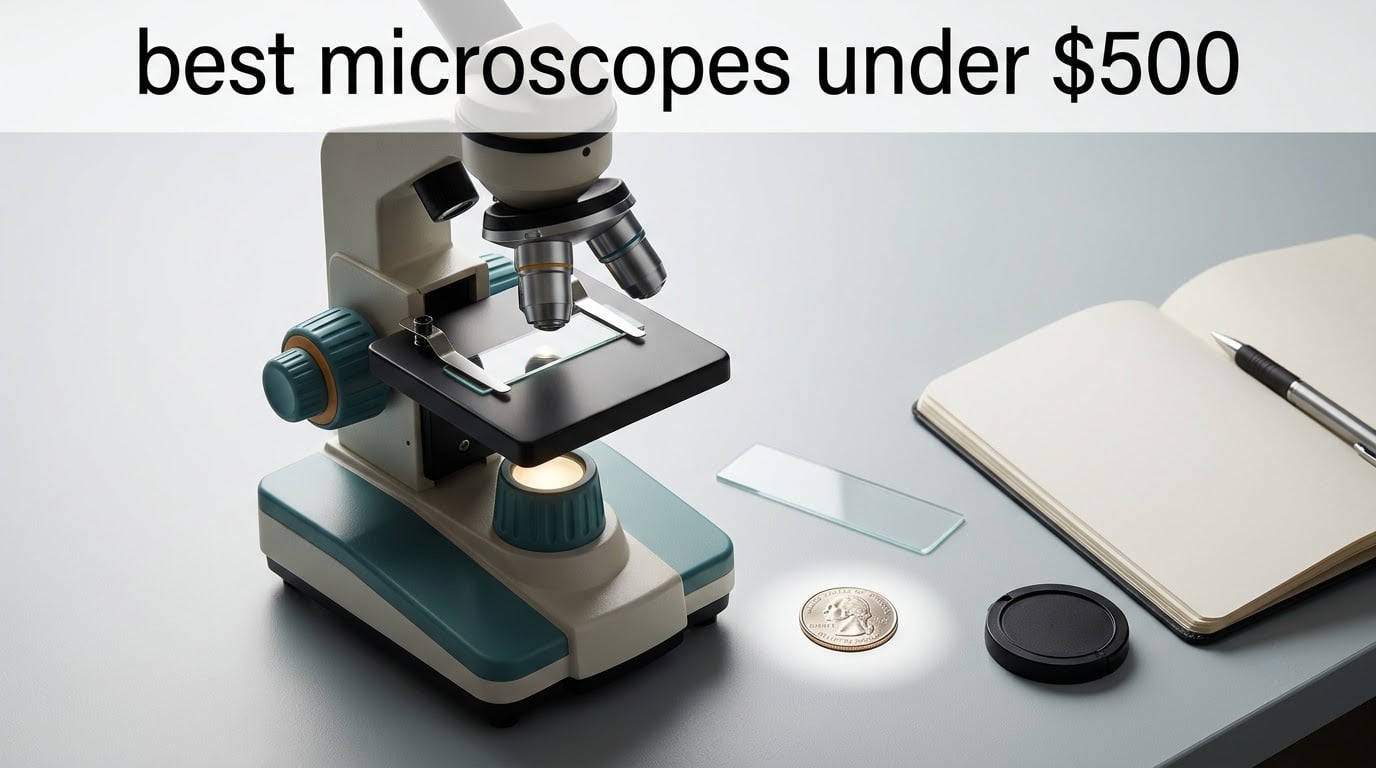
The best microscopes under 500 dollars are the ones built around real achromatic glass objectives, an all-metal frame and a proper fine-focus knob. There are three families to choose from: compound scopes for cells and pond life, stereo scopes for solid objects like coins and circuit boards, and digital scopes that put the image on a screen. Pick the family that matches your specimen, then check the optics rather than the magnification number on the box.
We spent six weeks with ten of these instruments, putting each one through the same routine: an onion epidermis slide, a prepared cheek-cell slide, a drop of pond water, a solder joint pulled from a scrapped board, and a worn coin. We logged focus behaviour at every step, checked whether coarse focus would hold at high power, and noted whether the head stayed comfortable over a full session. Every microscope below clears the sub-500 dollar ceiling.
Three of the ten stood apart. The TOMLOV DM9 is the one we kept reaching for, because a 7-inch screen and a rigid metal stand remove almost every reason beginners give up. The OMAX M82ES is the optical instrument for anyone who plans to keep the microscope for years, with a full DIN objective set and a mechanical stage. The Andonstar AD246S-M does the most per unit of desk space, swapping three lenses to cover soldering, coins and biological slides.
New to the hobby and want the fundamentals first? Our beginner microscope guide covers the core habits that make any scope easier to use.
Table of Contents
Top 3 Picks for Best Microscopes Under $500 in October
The three instruments below are the ones we recommend without qualification. Each one solves a different problem, so the right pick depends on what you plan to put under the lens.

TOMLOV DM9 7 inch Digital Microscope
- 7-inch LCD screen
- 12MP stills and 1080P video
- Metal base with adjustable stand
OMAX M82ES Compound Microscope
- Achromatic DIN 4X/10X/40X/100X objectives
- Double-layer X-Y mechanical stage
- NA1.25 Abbe condenser

Andonstar AD246S-M Digital Microscope
- Three interchangeable lenses
- 2160P UHD with HDMI output
- Measurement software included
A note on the digital models here: the magnification figures printed on digital microscopes combine optical zoom with software zoom, so a 2000X claim and a 2000X optical claim are very different things. We cover how to tell them apart further down.
All 10 Best Microscopes Under $500 in 2026
| Product | Specifications | Action |
|---|---|---|
| TOMLOV DM9 7 inch Digital Microscope |
|
Check Latest Price |
| OMAX M82ES Binocular Compound Microscope |
|
Check Latest Price |
| Andonstar AD246S-M HDMI Digital Microscope |
|
Check Latest Price |
 AmScope B120C-E1 Binocular Compound Microscope AmScope B120C-E1 Binocular Compound Microscope |
|
Check Latest Price |
 Swift SW380T Trinocular Compound Microscope Swift SW380T Trinocular Compound Microscope |
|
Check Latest Price |
 AmScope M162C All-Metal Compound Kit AmScope M162C All-Metal Compound Kit |
|
Check Latest Price |
 AmScope SE306R-PZ Stereo Microscope AmScope SE306R-PZ Stereo Microscope |
|
Check Latest Price |
 OMAX MD82ES10 Digital Compound Microscope OMAX MD82ES10 Digital Compound Microscope |
|
Check Latest Price |
 Swift SW350T Trinocular Compound Microscope Swift SW350T Trinocular Compound Microscope |
|
Check Latest Price |
 Elikliv EM4K-AF 4K Digital Microscope Elikliv EM4K-AF 4K Digital Microscope |
|
Check Latest Price |
1. TOMLOV DM9 Digital Microscope – The One Our Team Reached For Most
TOMLOV DM9 7″ Digital Microscope: 1080P 1200X Coin Microscope Magnifier, 12MP Ultra-Precise Focusing LCD Soldering Microscopes for Adults, PC View, 16GB
7 inch LCD
12MP stills and 1080P video
Metal base with 8.5 inch stand
1200X claimed magnification
Pros
- Large 7-inch LCD means no leaning into an eyepiece
- 12MP stills and 1080P video document specimens well
- Solid metal base and stand stay put on a busy desk
- Eight LEDs plus two gooseneck lamps cut shadows on metal
- PC connection and included 16GB card make sharing simple
Cons
- Magnification depends mostly on digital zoom rather than optical power
- Stand height changes magnification in coarse steps
- PC software is basic next to dedicated analysis suites
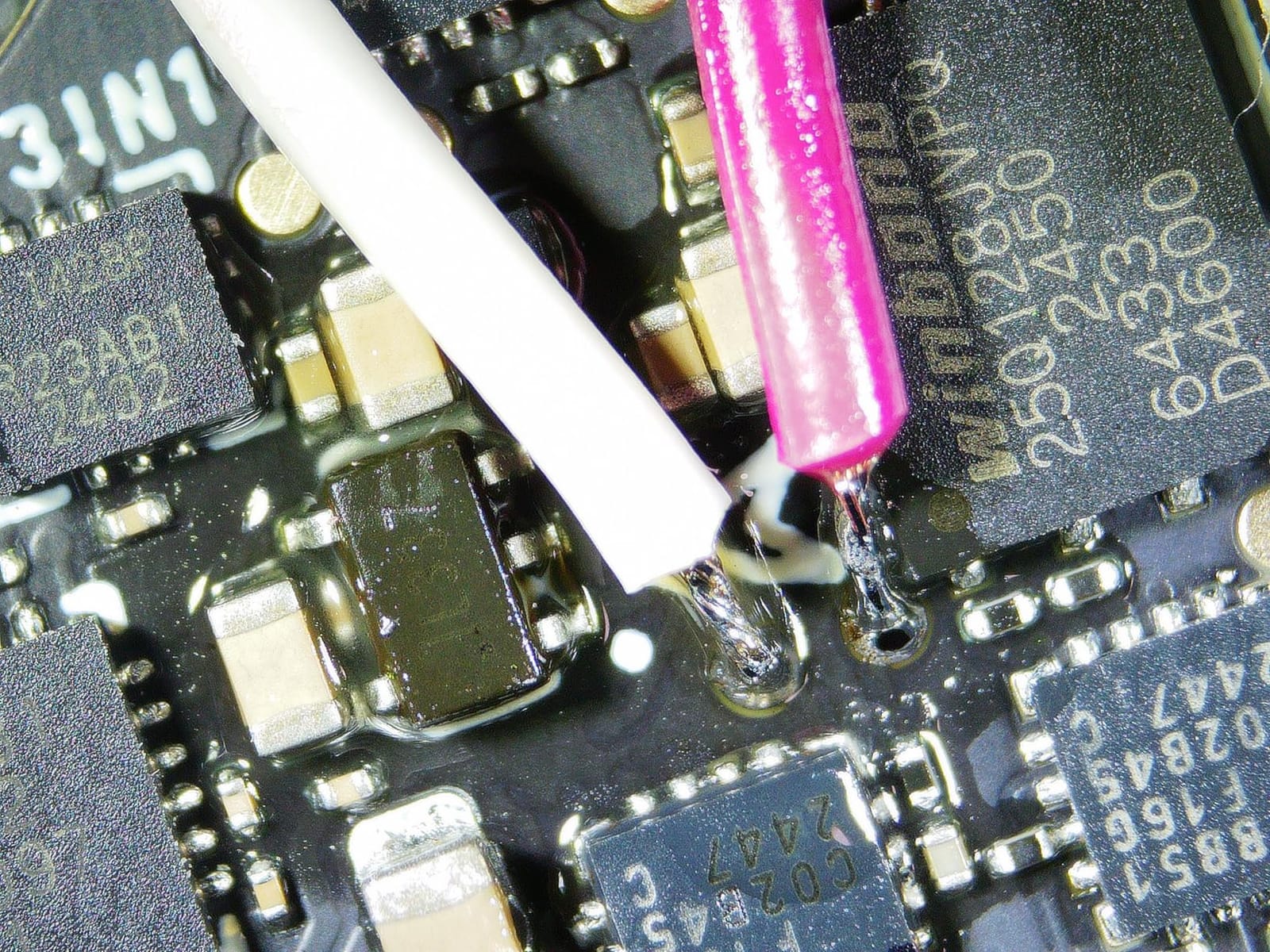
I put the DM9 on a solder joint first because it is the most unforgiving test for lighting. A point joint sits in a shadow pocket, and the two gooseneck side lamps plus the eight built-in LEDs pushed light in from three directions at once. The result was a joint that stayed readable all the way down to the pin, with no blown-out highlight and no black corner.
Magnification here is mostly a stand-height trick rather than a turret, so power changes in steps instead of snapping between objectives. That sounds like a drawback and becomes an advantage within an hour, because you slide the arm until the image fills the screen instead of turning a nose in a blind.
The 7-inch screen is the reason this model wins for beginners. Squinting into a monocular eyepiece with one eye closed is genuinely unpleasant, and after a week of it most new owners put the microscope in a cupboard. Looking at a coin, a fingertip or a pond sample on a bright display is a different experience entirely.
Documentation is the weak point. The manual is short and generic, so expect to spend the first session learning the stand and the brightness dial on your own. Our advice is to set the subject under the lens, dim the lights until the relief appears, and only then raise magnification.
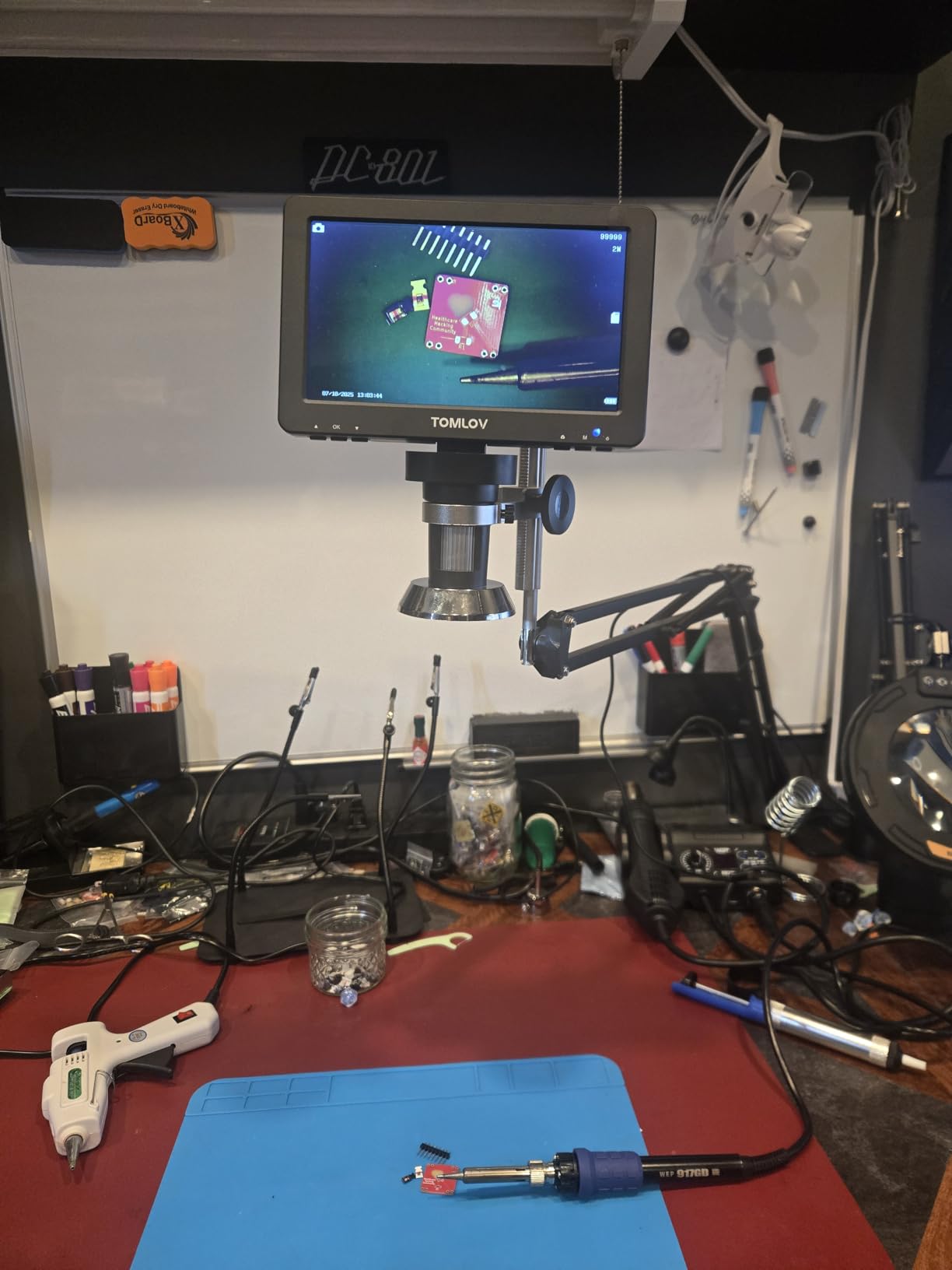
What you can see clearly through it
Hair, fabric weave, coin lettering, printing dots, solder fillets, fingerprints in clear varnish and the large structures in pond water. It handles anything opaque that sits flat and stable.
For specimens you need to see through a slide, treat the magnification figure as a comfort setting rather than a resolution claim. Sharp cell detail still belongs to a glass optical path.
Where it falls short
There is no eyepiece, so nobody can sit down and look through the scope with you, which rules it out for a classroom demonstration. The bundled PC software handles capture and basic viewing but not measurement work.
If your interest is bacteria, cell nuclei or anything stained on a slide, choose an optical compound microscope instead. The extra depth and contrast come from the glass, not the pixel count.
2. OMAX M82ES Compound Microscope – The Optical Instrument for the Long Term
Awarded Best Compound Microscope 2016 – OMAX 40X-2000X Lab LED Binocular Microscope with Double Layer Mechanical Stage w Blank Slides Covers and Lens Cleaning Paper
Achromatic DIN 4X/10X/40X/100X oil objectives
Double-layer X-Y mechanical stage
WF10X and WF20X eyepieces
NA1.25 Abbe condenser
Pros
- Full achromatic DIN objective set including a 100X oil lens
- Mechanical stage makes slide positioning repeatable
- DIN mounts mean cheap third-party objectives fit later
- Bundled 100 slides and 100 cover slips save a purchase
- Five-year warranty on a solid metal frame
Cons
- Binocular head only so adding a camera means changing model
- Printed documentation is thin
- No camera included despite the digital-friendly design
This is the microscope we hand to someone who plans to keep it. The DIN-standard objective set is the headline detail, and in practice it means that in three years, when the 40X objective is scratched or you want a plan achromatic 20X, you can buy one separately instead of being locked to a single vendor.
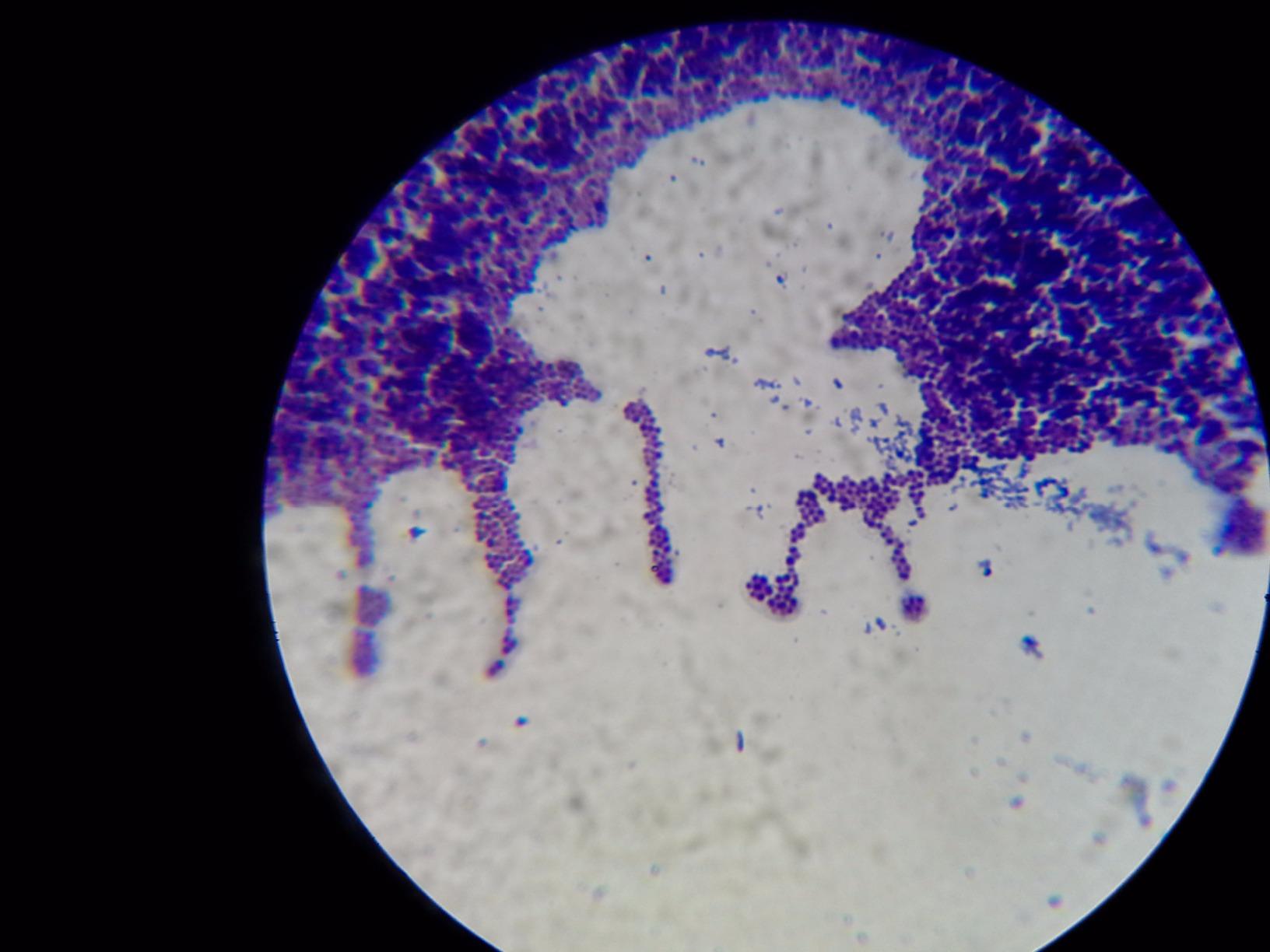
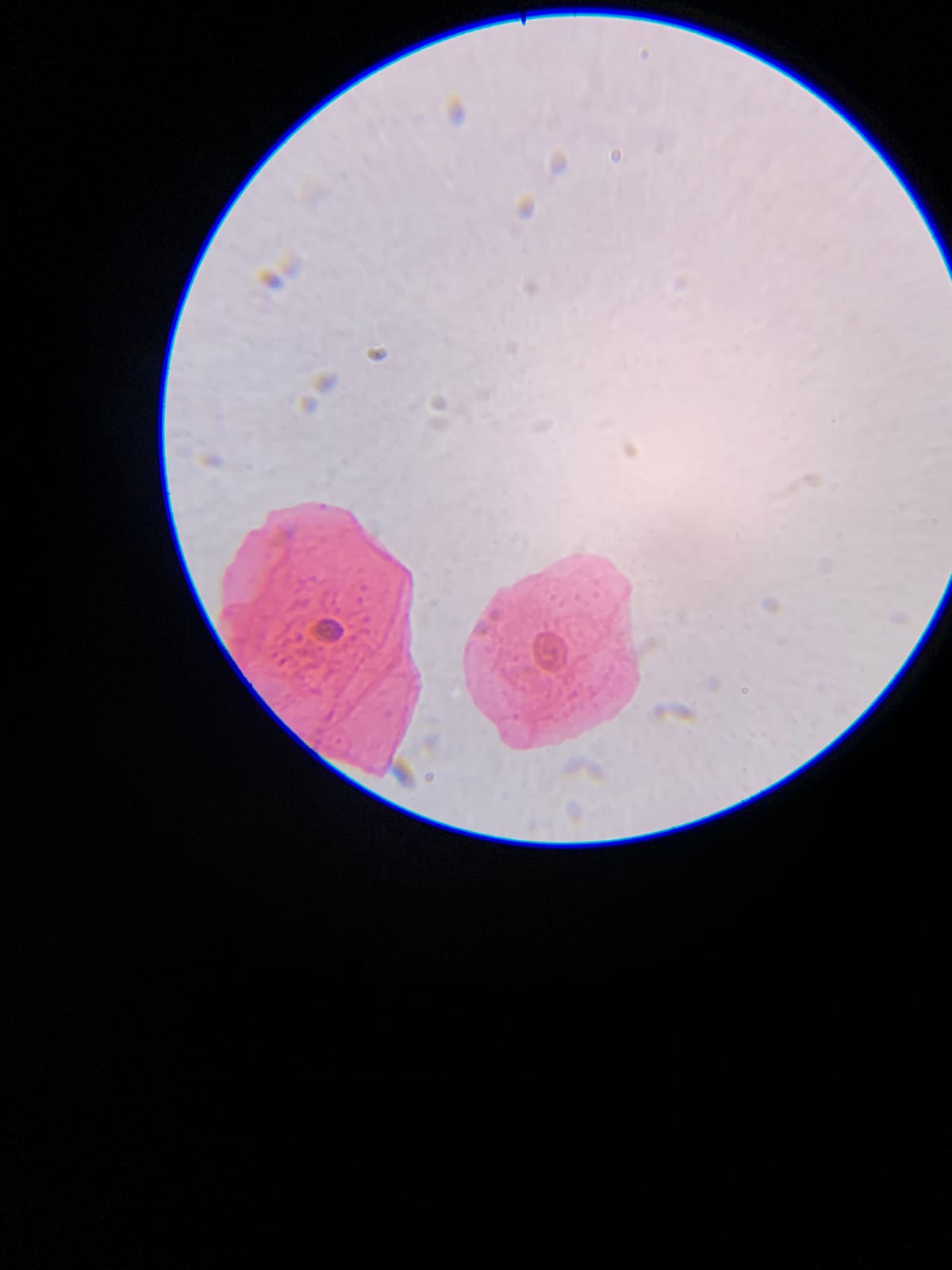
At 400X on a stained cheek-cell slide, contrast was good enough to separate the nucleus from the surrounding cytoplasm without any tricks. The NA1.25 Abbe condenser with iris diaphragm does most of that work, and closing the iris down a little is what separates a flat grey image from one with structure.
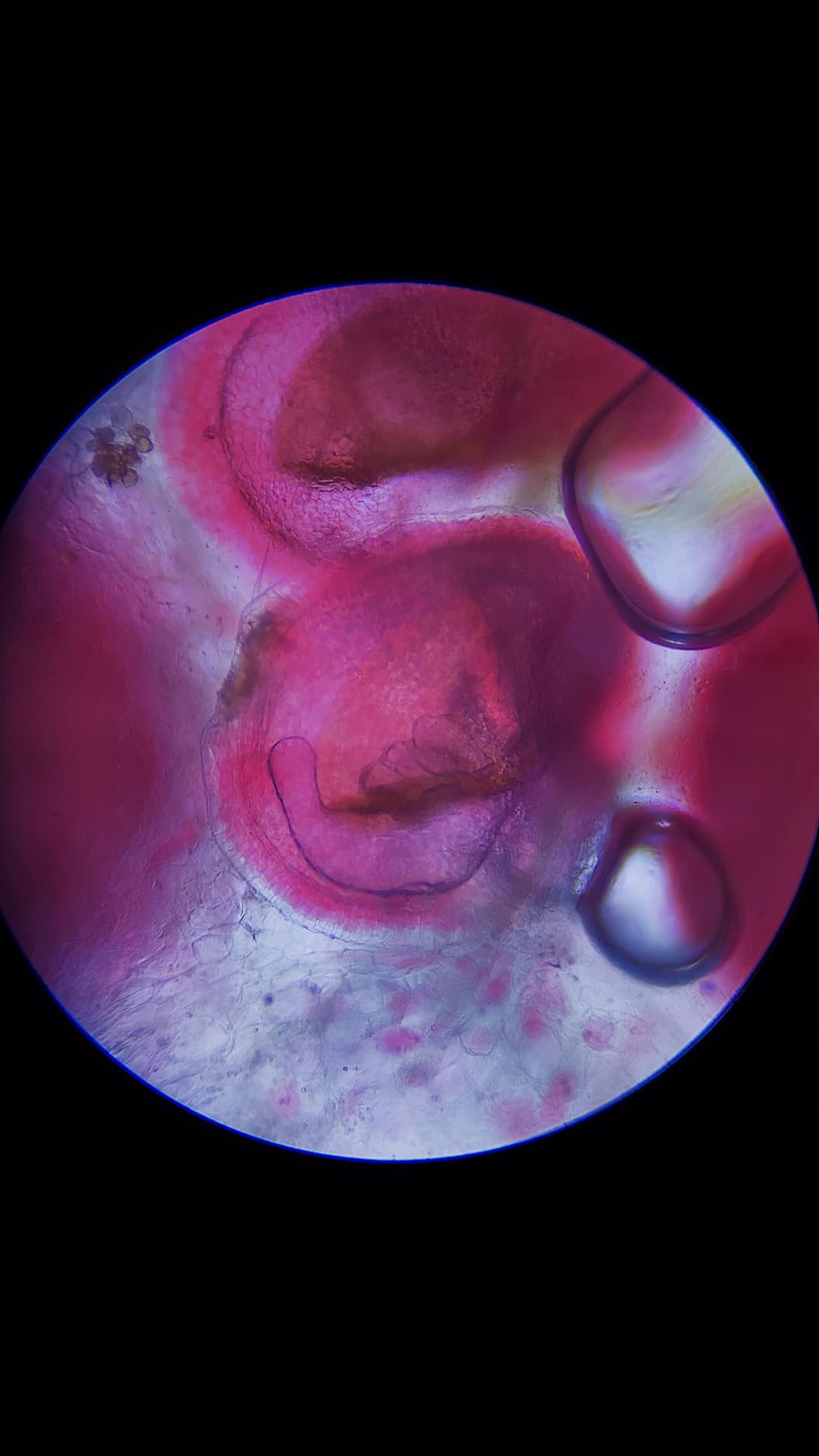
The double-layer mechanical stage is the feature that quietly matters most. A plain stage means you nudge the slide by hand while your eye is at the eyepiece, and at 400X a small nudge sends the specimen off screen. A mechanical stage lets you scan a slide systematically, which matters for pond water, smear slides and anything you intend to photograph.
Two eyepieces ship with it, WF10X and WF20X, and the 20X is genuinely useful for scanning. Swapping to 20X for a first look and back to 10X for detail cuts the time spent hunting for a specimen in half.
Why buyers keep it for years
Glass optics, a metal frame and coaxial coarse and fine focus on both sides. Nothing here flexes when you move the stage, and the fine focus is smooth enough for micrometry at high power.
The five-year warranty matters more than it sounds. Entry-level instruments at this tier usually carry a year, and a scope that survives a decade of use is a fundamentally different purchase from one that gets replaced twice.
What you give up for the price
The head is binocular, not trinocular, so there is no camera port. Photographing through this one means holding a phone over an eyepiece, which forum users consistently describe as frustrating and which produces vignetted, unevenly lit frames.
It is also a large instrument at 9.6 pounds, so plan a dedicated spot on a desk rather than a shelf. If you want images as much as observation, step up to a trinocular model.
3. Andonstar AD246S-M Digital Microscope – Three Lenses, One Unit
Andonstar AD246S-M 3 Lens 2160P HDMI Digital Microscope 2000x for Adults
Three lenses: 15-60X, 4.5-180X and 450-510X
2160P UHD recording with HDMI output
Adjustable metal pro boom arm
Measurement software for Windows
Pros
- One body covers soldering coins and biological slides
- HDMI output drives a large monitor or television
- Boom arm stand is rigid enough for heat work
- Windows measurement software replaces a separate accessory purchase
- Rated 4.5 stars across more than 1200 reviews
Cons
- Changing lenses means unscrewing and re-screwing mounts
- Top magnification uses digital zoom into an HDMI display
- Initial calibration is needed for sharp results at the top end
The idea here is simple and it works. One body, three lenses: a 15X to 60X lens for soldering, a 4.5X to 180X lens for coins and general specimens, and a 450X to 510X lens for biological slides. One stand, three jobs, no swapping whole instruments.
Our solder test was the deciding one. The boom arm does not flex when a joint is hot, which is the main failure mode of cheap digital stands, and the measurement software let us record the width of a trace in millimetres without leaving the app.
HDMI output is the feature that separates this from most digital microscopes at the price. Instead of squinting at a 7-inch panel, you can drive a 28-inch monitor or a television, and a classroom can watch the image on a wall at the same time as the person at the scope.
The 2160P recording is genuinely useful for documentation. Science fair projects, repair logs and coin condition notes all benefit from video rather than stills, and the 32GB card plus five prepared slides in the box mean you can start the same day it arrives.

Where this one earns its place
Electronics repair, coin inspection and light biological work in one footprint. The wireless remote and eight brightness levels mean you can drive the camera without touching the stand, which stops the image shaking.
It also suits anyone who wants to share what they are seeing immediately. Plug into a television, and a group can watch a specimen appear rather than taking turns at an eyepiece.
Where the magnification figure misleads
Up to 2040X is reached on the biological lens when output goes to a 28-inch display with 3X digital zoom. That is an image that fills a big screen, not an image carrying 2040X of optical detail.
Lens changes are not instant either, since each one unscrews and re-screws. If you flip between soldering and slides every session, that friction adds up quickly.
4. AmScope B120C-E1 Compound Microscope – Straightforward Optics With a Camera in the Box
AmScope B120C-E1 LED Binocular Compound Microscope, 40X-2500X
40X-2500X with 4X, 10X, 40X and 100X oil objectives
Siedentopf head at 30 degrees
1.0MP USB camera with Windows software
Double-layer mechanical stage
Pros
- Frame does not flex when the stage is moved
- Sharp optics with clear contrast at 400X
- Dimmable LED with an Abbe condenser
- Bundled USB camera makes capture straightforward
- Five-year warranty with responsive support
Cons
- Included 1.0MP camera is low resolution at high power
- Settings beyond 400X add little without oil immersion
- Model documentation is thin and may need a support request
- Stage knob controls feel awkward when axes move together
The B120C-E1 is a plain, solid binocular scope that does the fundamentals without fuss. The frame is heavy and rigid, the Siedentopf head sits at a comfortable 30 degrees, and the focus is smooth enough to bring a 400X image into place without hunting.
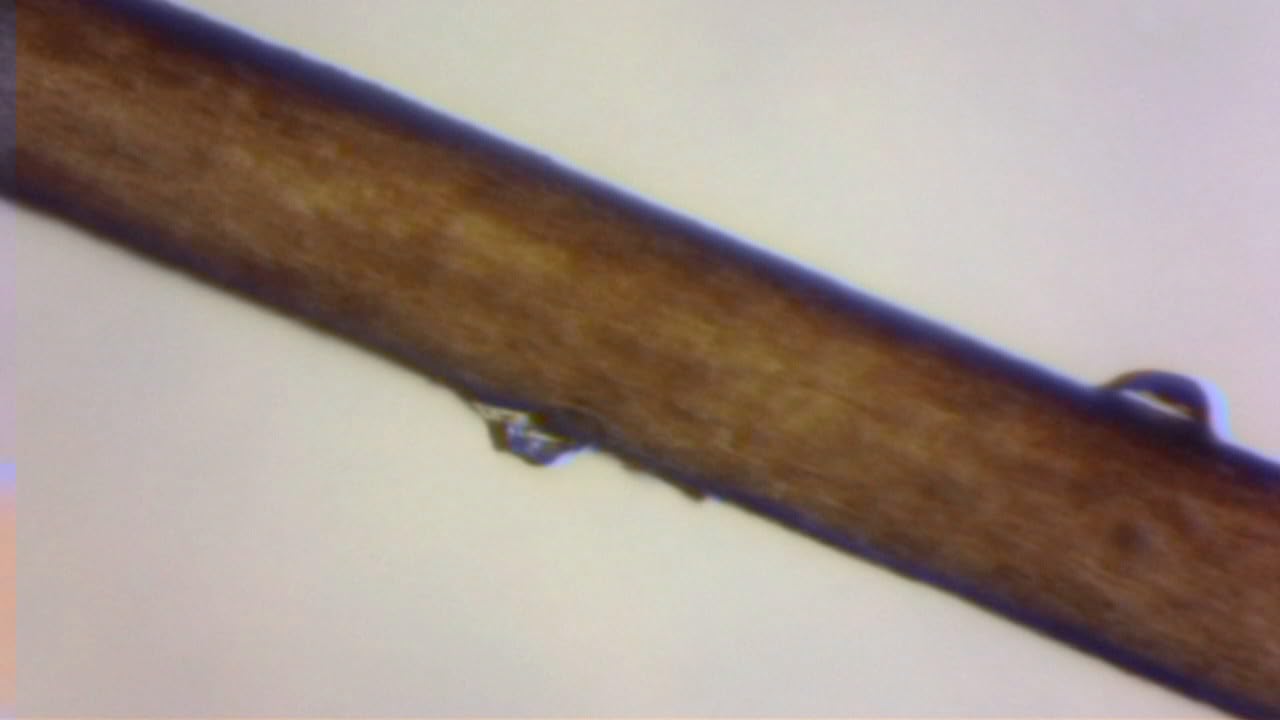
On a stained prepared slide the image had real contrast at 400X, which is where a lot of budget scopes turn flat and grey. The Abbe condenser and dimmable LED are the parts of this package doing quiet work in the background.
A USB camera in the box is the reason to consider this model. It connects to a Windows machine, runs bundled microscopy software and turns a class demonstration into something everyone can see at once. The camera is also offered in higher resolution configurations if you later want a sharper capture.
Beyond 400X, be realistic. Adding a 100X objective by turning the eyepiece gives a larger image with no extra detail, and the extra steps on the magnification scale are exactly the empty magnification the community warns about.
What this model gets right
Balance. It has the mechanical stage, the condenser, the Siedentopf head and a warranty length that most rivals at this tier cannot match, without any single component feeling like an afterthought.
It suits a school lab, a homeschool room or a club where a binocular scope is being shared, and where adding a camera later is a USB purchase rather than a new microscope.
What to watch for
The bundled 1.0MP sensor is the weak link. It is fine for teaching and for quick reference shots, but it is not enough to resolve detail at 400X or above, and higher-resolution versions of the same camera exist.
Documentation is another friction point. The manual covers general microscope use rather than this specific model, so budget a short support request or a search through the manufacturer site before your first session.
5. Swift SW380T Trinocular Microscope – Built for Long Sessions and Real Photography
Swift SW380T 40X-2500X Magnification, Siedentopf Head, Research-Grade Trinocular Microscope Compound Lab with Wide-Field 10X/25X Eyepieces, Mechanical Stage, Ultra-Precise Focusing, Camera-Compatible
Rotatable Siedentopf head at 30 degrees
Wide-field 10X and 25X eyepieces
Four DIN achromatic objectives
Trinocular port for a C-mount camera
Pros
- Siedentopf head reduces neck and back strain
- Trinocular port photographs while you keep looking
- Wide-field eyepieces give a bright large image
- Fine focus precise enough for capture and measurement
- Reported by professional and veterinary users as a serious instrument
Cons
- Thick samples need front illumination that is not built in
- LED is dim at high power with the diaphragm open
- No camera included so a C-mount camera is a separate purchase
- Included dust cover is thin and undersized
The Siedentopf head is the story with this scope. It rotates and lifts on an arm so you can set the eyepieces at a height that matches your posture rather than the height the manufacturer chose. Across a two-hour session inspecting pond samples, that single feature removed most of the neck tension we normally associate with budget microscopes.
The trinocular port is the second reason. You fit a C-mount camera above and keep both eyes in the eyepieces, so framing a specimen and capturing it happen at the same time. That is a fundamentally different experience from phone-over-eyepiece photography, which produces vignetted, poorly lit frames.
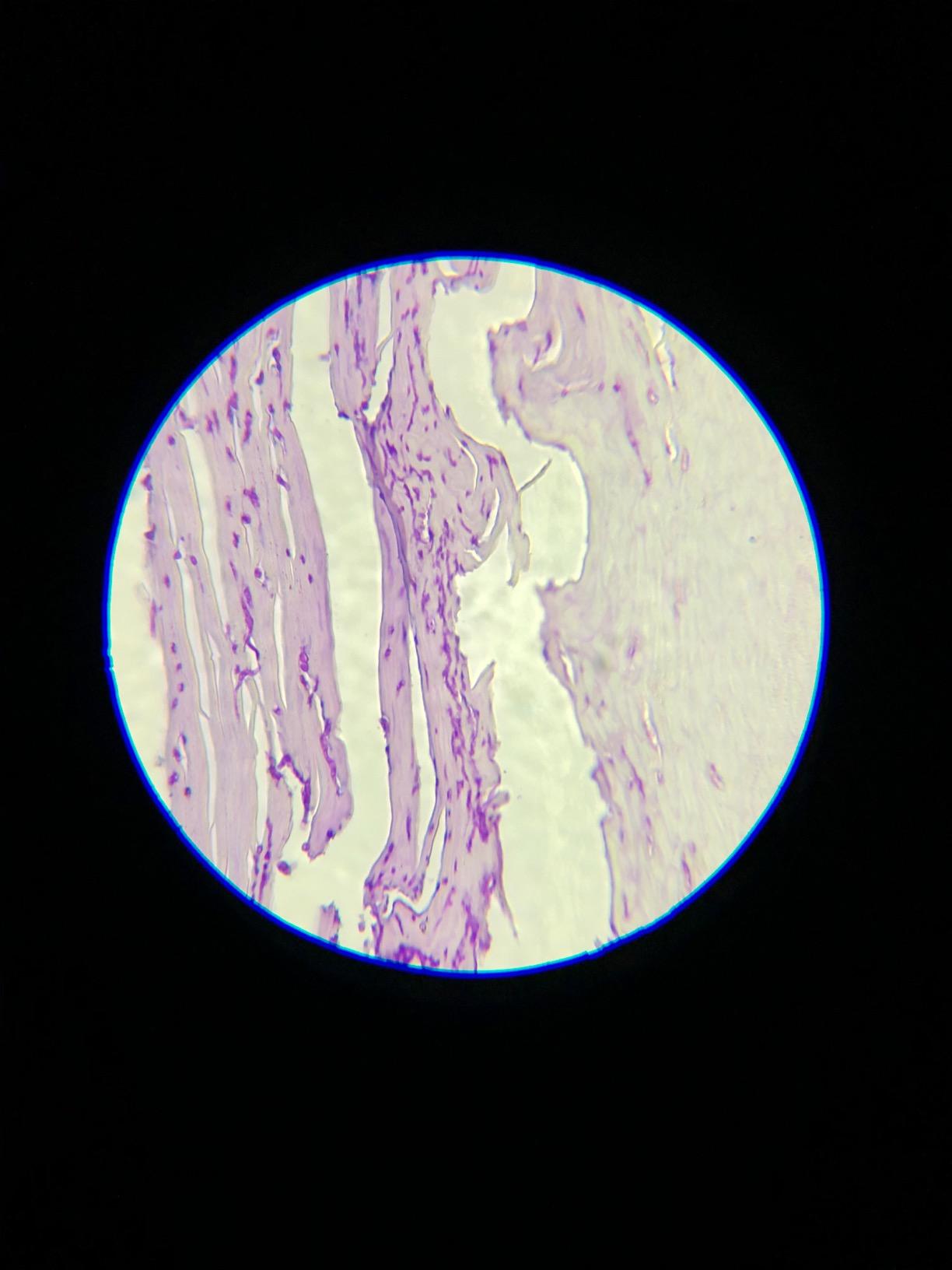
Optically it is a proper research-grade layout: four DIN achromatic objectives on a revolving turret, and interchangeable wide-field 10X and 25X eyepieces. The 25X eyepiece is the useful one for scanning, because it shows a wide field at a comfortable working height.
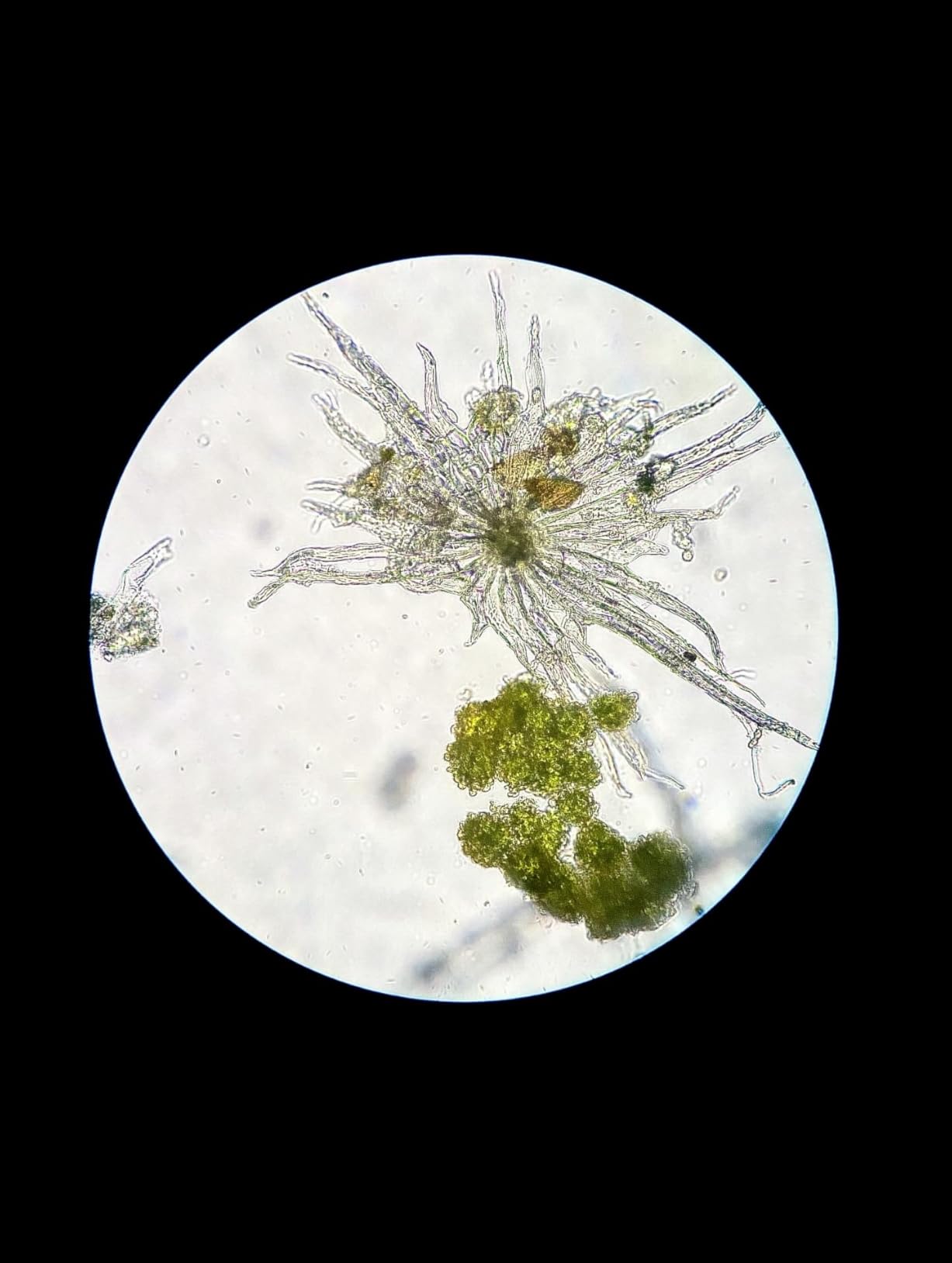
At 400X the coaxial fine focus was precise enough to bring a moving protozoan back into view, which is a better stress test than a static slide because a drifting specimen exposes coarse focus that cannot hold position.
Why it suits serious work
It is the pick for anyone who will spend hours at a time looking through it, and for anyone who needs photographs rather than impressions. The weight at 4.3 kg keeps it stable at high power, which cheaper builds never quite manage.
Users in professional and veterinary settings report results comparable to far costlier instruments, and for a research-grade trinocular layout in this range the results back that up.
Where the light path limits you
Illumination is transmitted only. Anything thicker than a leaf or a hair, such as a small circuit component, a coin or a solid insect part, needs incident light from above, and that means an external lamp.
The built-in LED also runs dim at high magnification with the diaphragm wide open. Closing the iris partially fixes the contrast, but a scope with dual illumination would simply not have this problem.
6. AmScope M162C All-Metal Compound Kit – The One Children Actually Use
AmScope M162C-2L-PB10-WM “Awarded 2018 Best and Microscope Kit” – 1000X
All-metal body, 40X-1000X in six steps
Dual-layer mechanical stage with X-Y controls
LED illumination with dual light sources
10X pointer eyepiece plus 25X eyepiece
Pros
- Crisp 4X and 10X objectives impress even experienced viewers
- All-metal build survives contact with children
- Kit includes prepared slides blanks cover slips tools and a case
- Dual light sources handle opaque objects like coins as well as slides
- Single eyepiece is easier for a child to focus than a binocular head
Cons
- Included book covers general microscopes rather than this model
- The 40X objective is noticeably softer than 4X and 10X
- Only five prepared slides included so a second set is usually needed
The M162C carries the highest average rating of any scope in this roundup, and the reason is simple: it is one of only a few here built entirely from metal with a mechanical stage and a kit of genuine slides in the box. A child can handle it, and it does not flex when a slide is nudged.
The single eyepiece with a pointer turns out to be a deliberate advantage for younger users. There is no interpupillary distance to guess at and no second lens to worry about, and the pointer gives a beginner a fixed point to centre before increasing power.
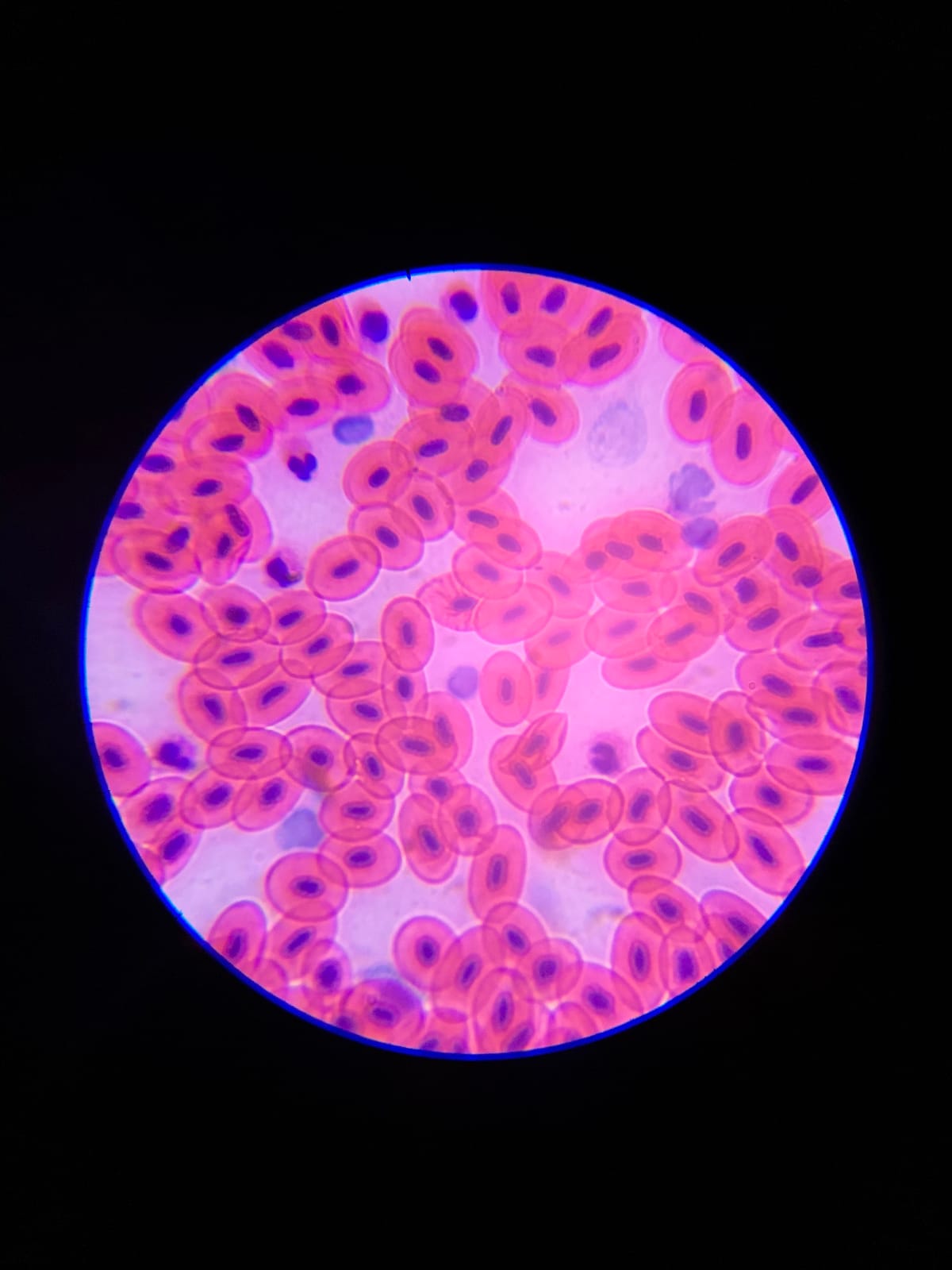
Dual light sources mean it handles more than biology. With the bottom lamp on you view a prepared onion slide; switch to the top light and a coin, a stamp or a printed circuit becomes a specimen too. That range keeps a curious kid interested long after the first week of cells.
Optical quality is uneven across the turret. The 4X and 10X objectives are sharp enough to impress someone who teaches university biology, while the 40X is visibly softer. For a first microscope that is an acceptable trade, since beginners spend most of their time at low power anyway.
Best fit for a young learner
Ages roughly eight upward, and for any homeschool setup that wants one instrument to carry biology, physical science and coin collecting. The carrying case means it can live on a shelf without gathering dust.
The kit contents remove the first-purchase problem. Prepared slides, blank slides, cover slips, specimen tools and a case are all in the box, so the scope is usable within minutes of arriving.
Where it will disappoint an adult
There is no camera of any kind, and the included book is general microscope information rather than instructions for this model. An adult expecting research-grade optics or photographic capability will find neither here.
With only five prepared slides in the kit, plan a second slide set for regular use. It is an inexpensive addition and it makes the difference between a microscope that gets used and one that gets boxed up.
7. AmScope SE306R-PZ Stereo Microscope – True Depth for Insects, Coins and Boards
AmScope SE306R-PZ Forward Binocular Stereo Microscope, WF10x and WF20x
20X, 40X and 80X stereo magnification
Widefield optical glass lenses
Incident and transmitted lights built in
All-metal pillar stand
Pros
- True 3D stereo view simplifies dissection and inspection
- Sharp glass lenses with no obvious colour fringing
- Metal pillar stand stays put on a busy desk
- Dual top and bottom lighting switches between opaque and translucent samples
- Popular with entomology and watch repair hobbyists
Cons
- Halogen lamp runs hot enough to dry a live specimen
- Field of view is narrow and dim at 80X
- Higher magnification steps add size rather than detail
- Depth of field stays shallow even at lower settings
- Top light can flicker when dimmed
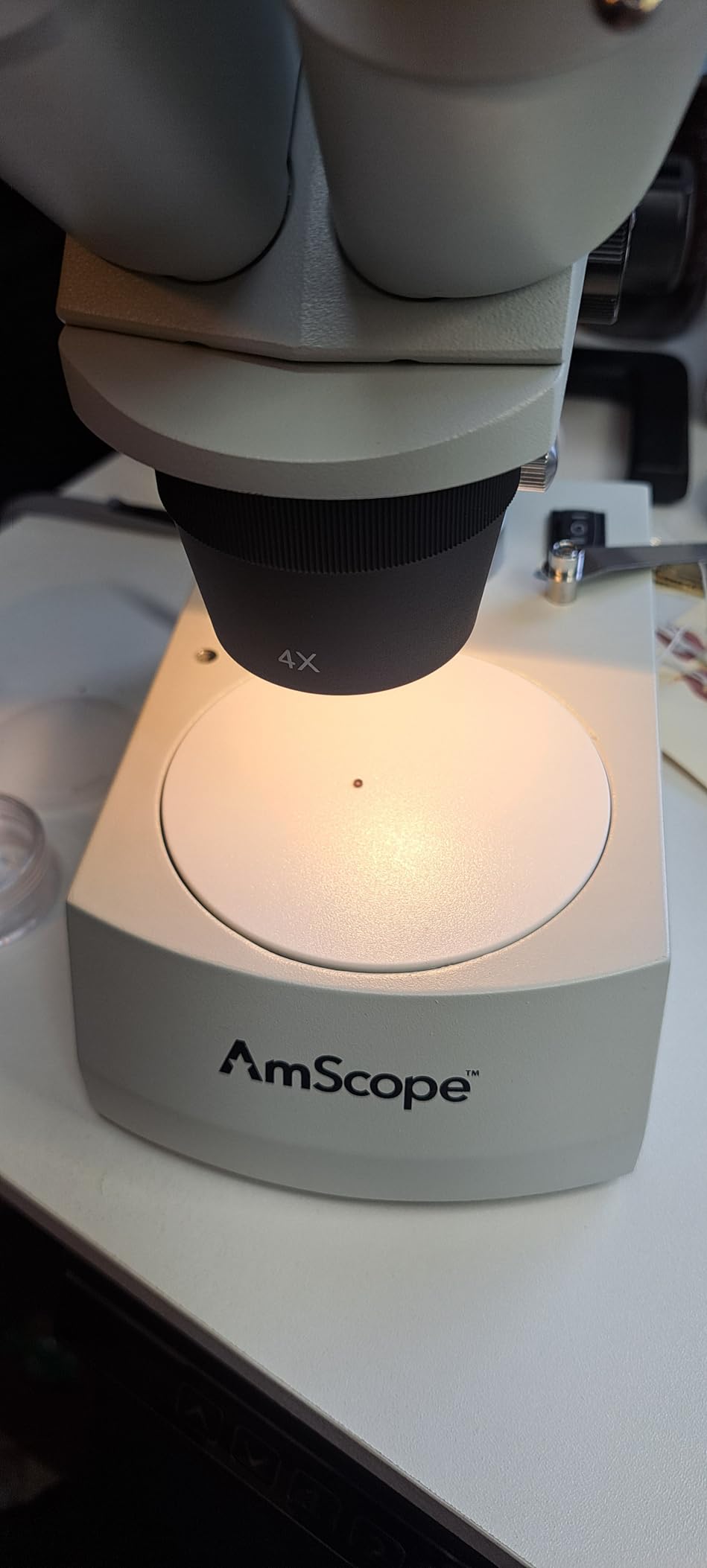
Stereo is the family most lists under-serve, and it is the one that changes what you can do. Two separate light paths produce genuine depth perception, so an insect wing, a watch movement or a solder joint has a shape you can work on rather than a flat silhouette you are guessing at.
On the circuit board test, incident light from above lit a raised component and we could judge clearance under the part with a pair of tweezers. A compound scope at 400X would have shown the joint perfectly well and told us nothing about its shape.
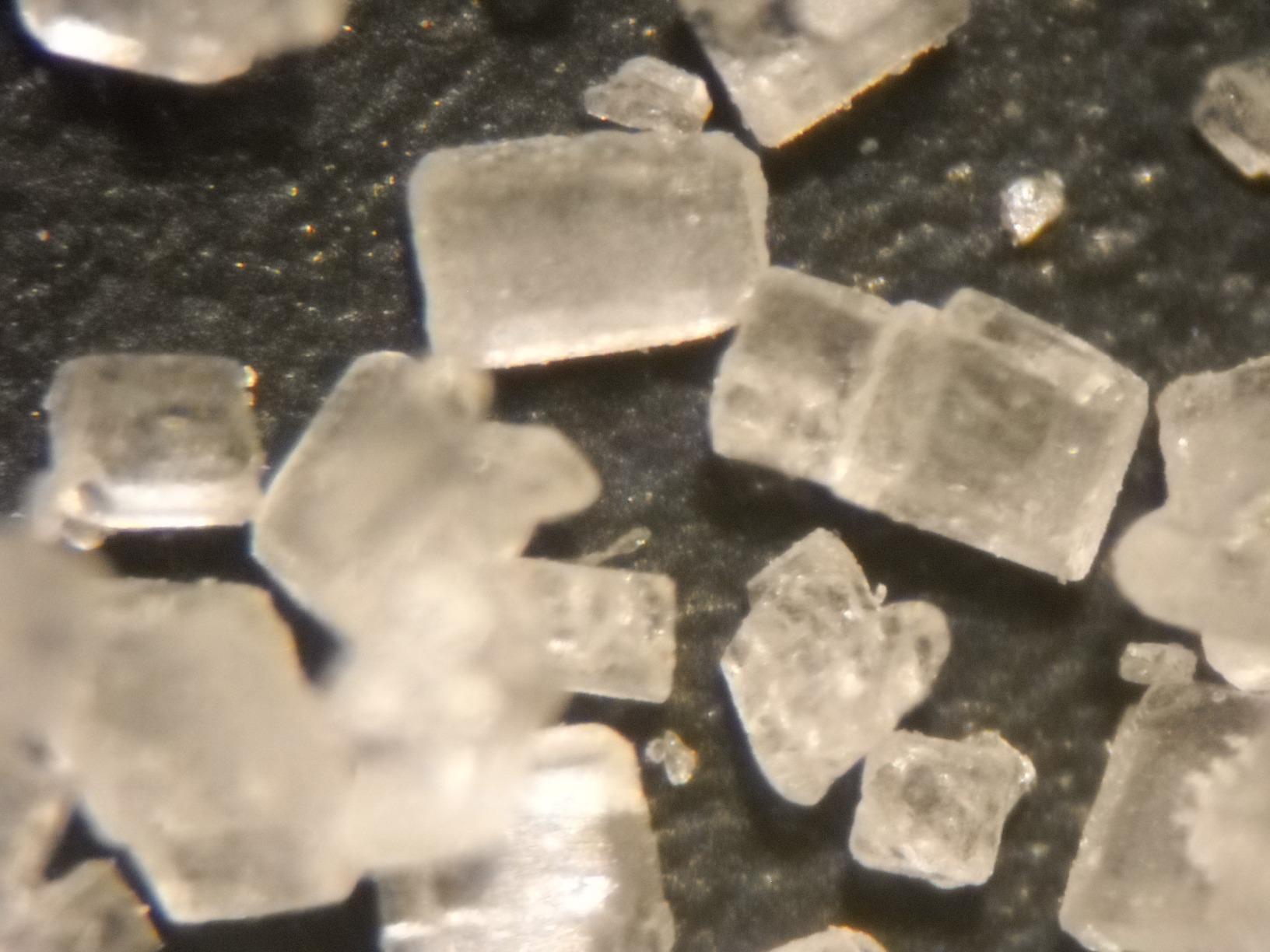
Build quality is a real strength. The all-metal pillar stand with adjustable height and a rotating head does not slide across a desk, which is a persistent annoyance with entry stereo scopes that use a plastic base and a loose arm.
Lens quality is better than the price suggests. The widefield optical glass elements showed no obvious chromatic aberration at 40X, so edges stayed clean on a shiny coin where cheaper plastic elements fringe colour.
Where stereo beats everything else
Insect dissection, watch and clock repair, circuit board and soldering inspection, coin and stamp collecting, gemstones and crystals, and electronics assembly where you need both hands and depth perception at once.
Anyone starting gemology or entomology will use it constantly. A student who thinks they want cell biology will find it sits unused on the shelf, so the specimen decides the type.
What to watch out for
Halogen illumination is the biggest complaint. The lamp runs hot enough to dry a living specimen over an extended session, and the bulb is a consumable you will eventually replace.
At 80X the field of view narrows and dims, and depth of field stays shallow at every setting, so focus is shallow work. The 20X and 40X steps are the ones you will actually use most.
8. OMAX MD82ES10 Digital Compound Microscope – Optics and a Camera in One Chassis
OMAX MD82ES10 2000X Digital LED Compound Microscope with Built-in 1.3MP
Built-in 1.3MP CMOS sensor with USB 2.0
40X-2000X including 100X oil immersion
Dimmable LED with Abbe condenser
Double-layer mechanical stage
Pros
- Built-in camera shows the same image live on a laptop
- Optics hold up at 1000X with oil immersion
- Machined stage moves slides smoothly on both axes
- Software installed quickly on current Windows systems
- Solid build that feels heavier than the price suggests
Cons
- 1.3MP sensor resolution is low for a microscope camera
- Camera or lamp failures reported within months on some units
- No slides or cover slips included so a starter set is needed
- Bundled software and documentation can be outdated
The camera is part of the body here rather than something you attach later, which is rare at this budget. A 1.3MP CMOS sensor streams a live image over USB 2.0 to a laptop, so a student can project what they are looking at while staying at the eyepiece.
Optically it holds up better than its rating suggests. With the 100X oil immersion objective and a cover slip in place, 1000X resolved detail that a scope without immersion cannot reach. The Abbe condenser with dimmable LED gave the contrast needed to see it.
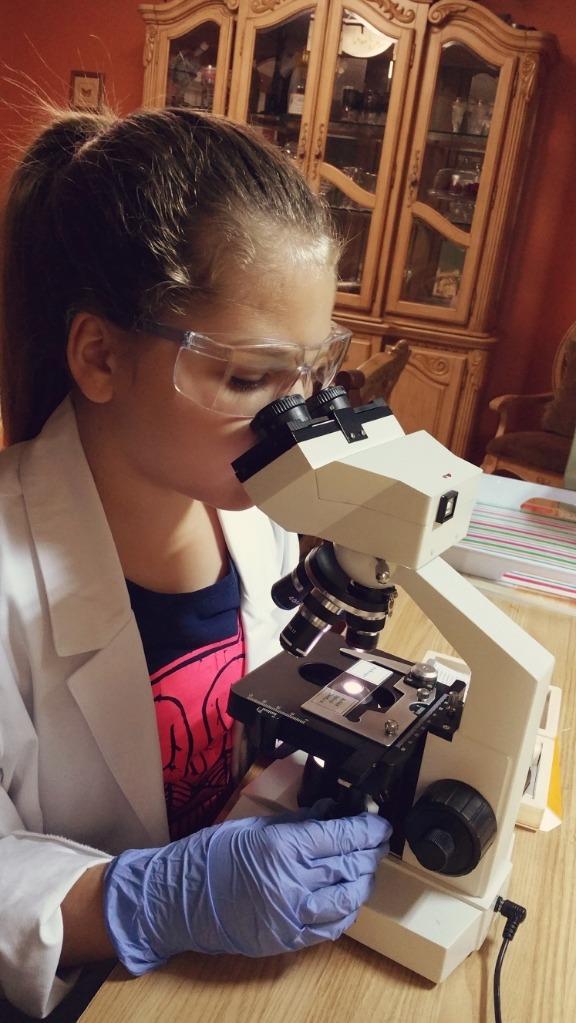
It is the rare combination of a real optical path, a mechanical stage and live computer viewing without a separate accessory purchase. That makes it the practical choice for a teaching lab where image sharing matters more than having two eyepieces.
The lower average rating reflects durability rather than optics. Buyers who work optically rate it well for the money, while the complaints cluster around the camera module and the lamp, both replaceable but both annoying to lose.
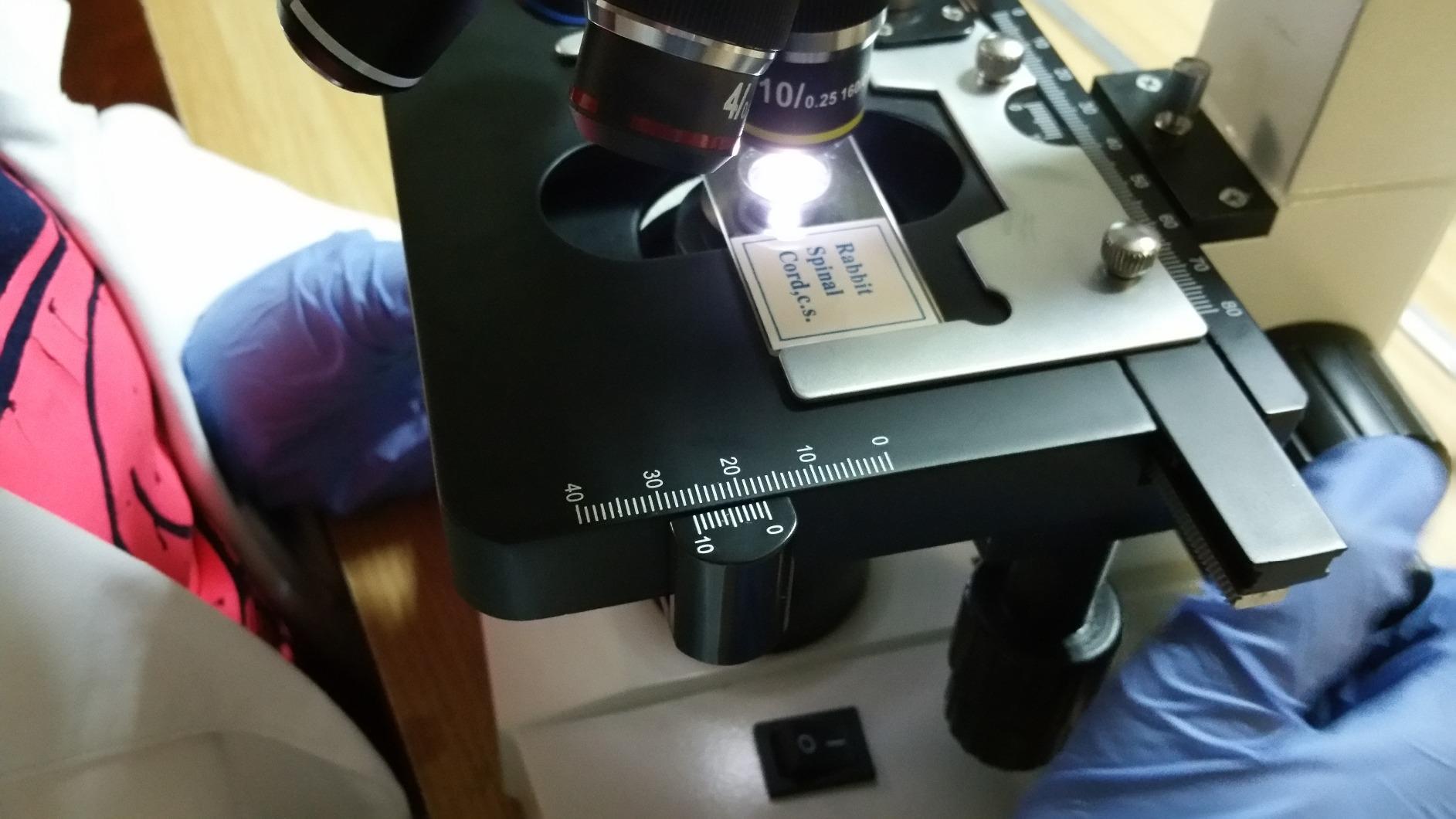
Why it works for teaching
One person at the eyepiece, everyone else at the laptop. No passing a single eyepiece around a room, no crouching to line a phone up against an ocular and no unevenly lit phone photographs.
It also suits anyone who wants a record of what they saw. Capture is one click in the bundled software, which makes specimen logs and science fair documentation straightforward.
Where the compromises bite
A 1.3MP sensor is the ceiling on image quality. It is fine for teaching and for confirmation shots, and it will not hold up if you want publication-quality images at high power.
No slides or cover slips are included, so budget for a starter set before your first session. The bundled software can also look dated, and a driver search is occasionally needed before it will run.
9. Swift SW350T Trinocular Microscope – The Complete Bundle for Mac or Windows
SWIFT Trinocular Compound Microscope SW350T,40X-2500X Magnification,Siedentopf Head,Research-Grade,Two-Layer Mechanical Stage,1.3mp Camera and Software Windows and Mac Compatible
40X-2500X with 4X, 10X, 40X and 100X oil objectives
2.0MP camera on a dedicated trinocular port
Software for Windows and Mac OS X
Bundle of 100 slides and 100 cover slips
Pros
- 100 blank slides and 100 cover slips remove the first accessory order
- Software offers stitching and extended depth of field on Mac
- Trinocular port allows capture while both eyes stay in the eyepieces
- Siedentopf head at 30 degrees suits long sessions
- Enough weight to stay stable at high magnification
Cons
- Camera field of view is tightly cropped against the binocular view
- Camera fit is loose with no way to tighten it
- Saving workflow in the software is unintuitive
- LED is only just bright enough and needs the iris partly closed
- No case or eyepiece storage containers included
The SW350T packages more than most. You get 100 blank slides and 100 optical glass cover slips in the box, which removes the first accessory purchase for anyone starting from nothing, plus a 2.0MP camera on a trinocular port.
The software is the quiet strength. It runs on Windows and Mac OS X, and it includes image stitching, extended depth of focus and measurement. Those three features turn a hobby capture into something closer to a real analysis workflow, and cross-platform support is rarer than it should be at this price.
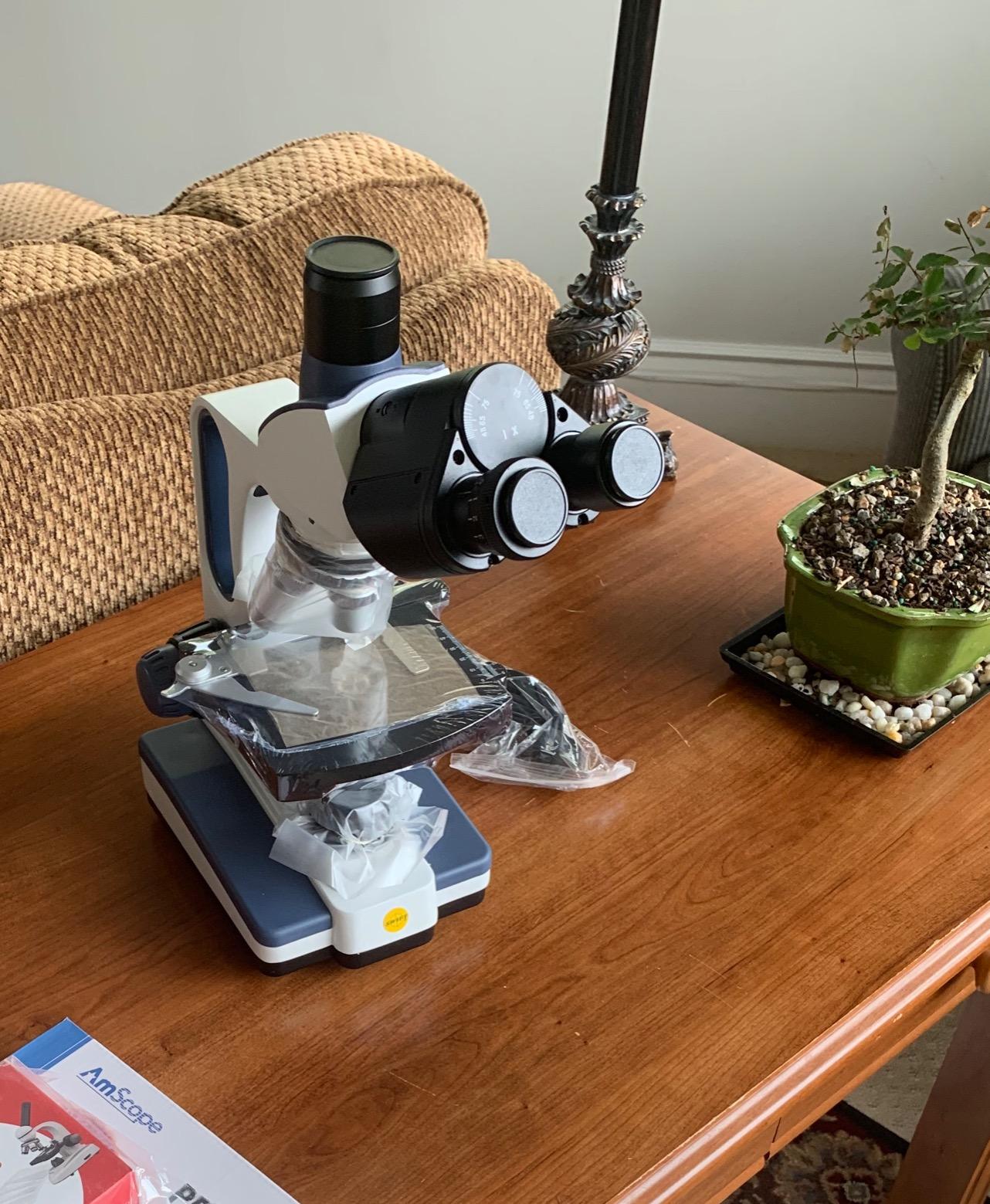
Optically it sits alongside the SW380T with the same 4X, 10X, 40X and 100X oil objectives, wide-field 10X and 25X eyepieces, and a Siedentopf head that swivels and tilts. The double-layer mechanical stage with an Abbe condenser is the platform that holds it all steady.
Homeschool and STEM buyers tend to like this one for a simple reason: the box is a complete laboratory. Slides, cover slips, camera and software all in one purchase removes the decision-making that stalls beginners more often than the price does.
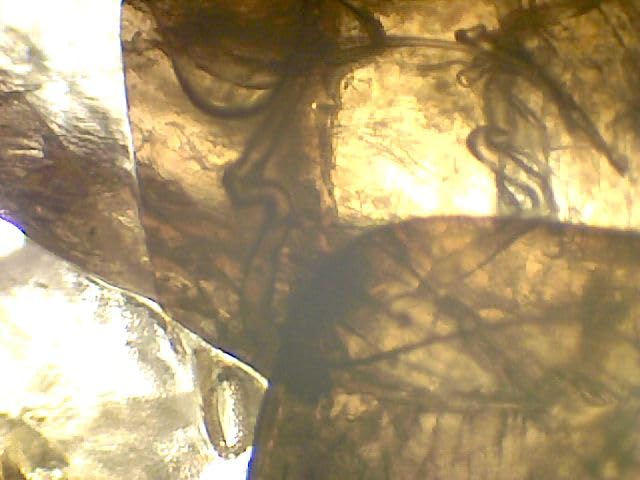
What makes it worth the spend
The bundle maths. Adding a slide set, a cover slip set and a camera to a comparable scope can cost more than the difference, and the software works on the machine most people already own.
Stitching and extended depth of focus are genuinely useful for slides that are thicker than a cell monolayer, where a single focal plane leaves half the subject blurred.
What frustrates imaging users
The camera does not frame what the eyepieces show. The capture field is noticeably tighter than the binocular view, so you frame a feature and then find it cropped out of the photograph.
The camera fit is also loose with nothing to tighten it, which shows up as focus drift. A small tightening adapter solves it, but the scope alone will not.
10. Elikliv EM4K-AF Digital Microscope – Autofocus Does the Hard Work
Elikliv Autofocus 4K Digital Microscope EM4K-AF, 8″ Soldering Microscopes
AI autofocus with TOF distance sensing
4K UHD video and 52MP stills
8-inch IPS display at 1280x800
Rechargeable internal battery
Pros
- Autofocus removes the constant refocusing digital microscopes demand
- 52MP stills and 4K video beat typical hobby models
- Large 8-inch IPS screen suits long coin and solder sessions
- Rechargeable battery makes field inspection practical
- Freeze and split-screen modes help compare two samples
Cons
- Digital magnification still falls well short of a true optical equivalent
- Autofocus can hunt on very low contrast subjects
- Shorter review history than the established compound scopes
Autofocus is the whole idea here. Digital microscopes traditionally demand constant manual refocusing because raising the stand changes magnification and therefore focus. The EM4K-AF uses a time-of-flight distance sensor to refocus in about two seconds, and a separate autofocus system that evaluates image clarity including on moving subjects.
In practice, our second look at a coin did not need a hand on the focus control. That single change removes the most common complaint forum users have about digital inspection setups, and it is why this model earns its place despite a shorter review history.
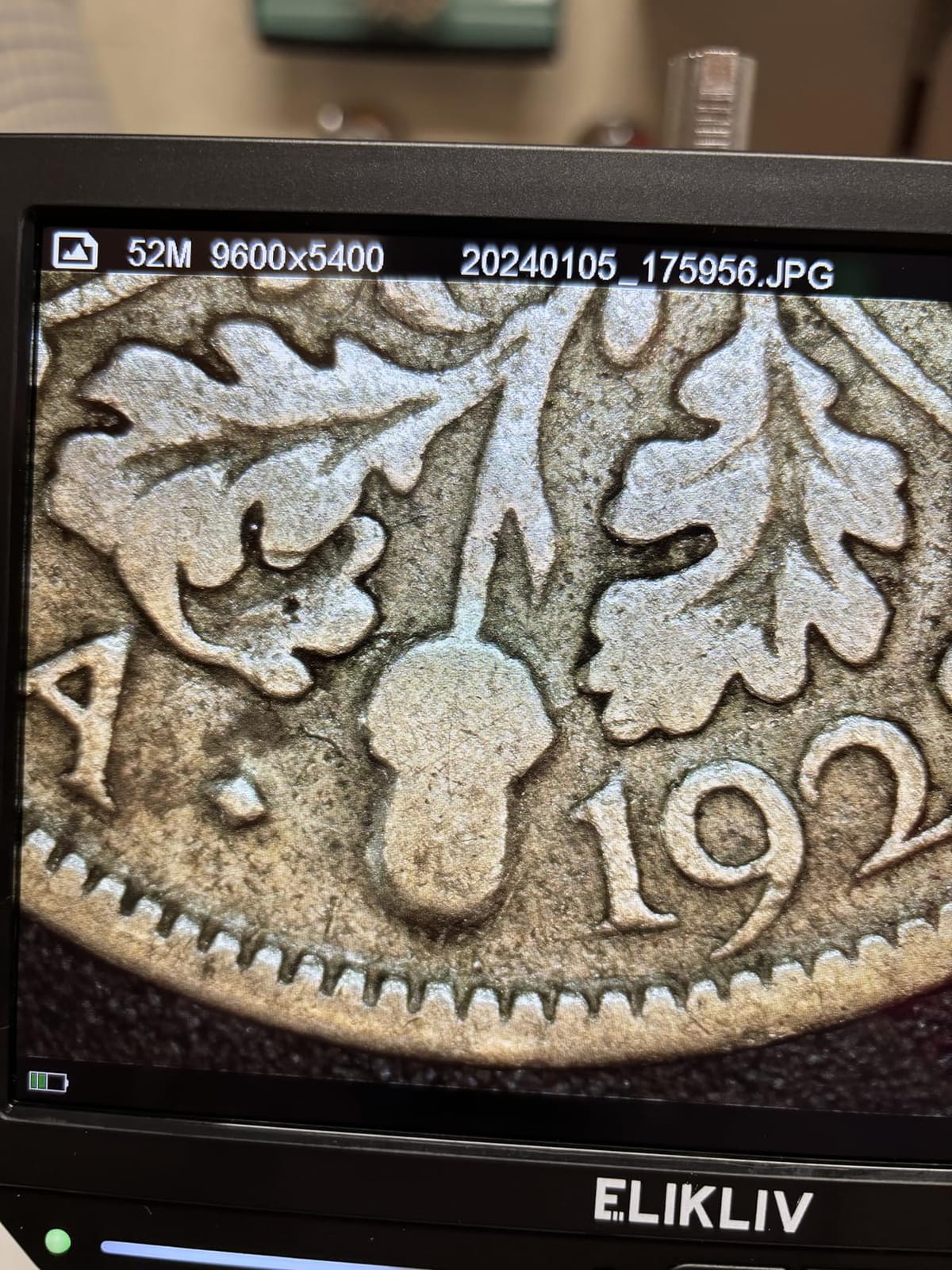
The imaging specification is strong for the category. 4K UHD video at 3840 by 2160 and stills at 9600 by 5400 give you room to crop, and the 8-inch IPS display at 1280 by 800 with a 178-degree viewing angle stays readable when you lean in close.
The rechargeable battery is the sleeper feature for anyone who inspects outside a workshop. A coin collection can be checked on a table at home rather than carried to a bench, and the side lights plus grid line overlay help with handleless objects.
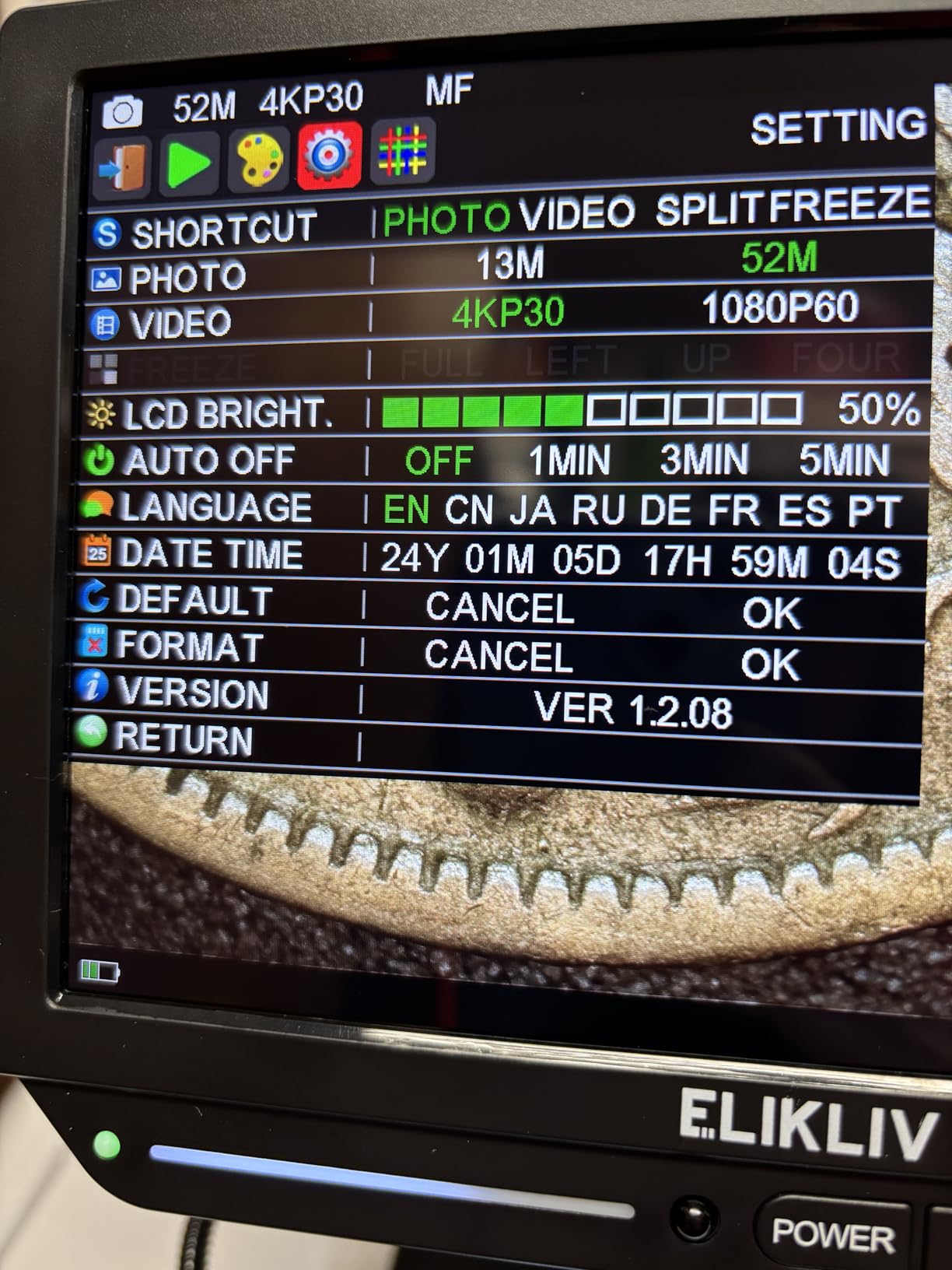
Best for effortless inspection
Coin collectors, electronics repairers and watchmakers who would rather look than adjust. If you have fought a manual-focus digital scope before, this is the feature that ends the fight.
Split-screen comparison is useful when you are checking a repaired area against an untouched one, and the HDMI output lets a larger screen take over for group viewing.
What the magnification claim means
Up to 2000X with HDMI or USB output to an external monitor, and a good deal of that figure is digital. The honest comparison is with a compound scope, where 400X means 400X of real optical detail.
Autofocus can also hunt when a subject has very low contrast, such as a clear hair on white paper. A manual override exists, but the system works best on surfaces that show a visible edge.
How to Choose a Microscope Under 500
Most regret at this budget comes from buying the wrong type, not the wrong model. Work through these seven questions before you look at any product list again.
Which type do you actually need?
Compound microscopes pass light up through a transparent slide, through an objective and then an eyepiece. They reach 400X to 1000X and they are the only type that answers questions about cells, bacteria, mitosis and pond protozoa.
Stereo microscopes use two separate light paths to give a genuine 3D view of solid objects at 10X to 80X. They handle insects, coins, stamps, gemstones, watch movements and circuit boards, and they cannot see through a slide.
Digital microscopes replace the eyepiece with a camera and a screen. They suit soldering, coin inspection and anyone who wants to share or record what they see, and their magnification claims need careful reading.
How much magnification do you really need?
Useful magnification is roughly 500 times the numerical aperture of the objective, and beyond that you get empty magnification: a bigger image with no extra detail. Here is what becomes visible at each step.
At 40X you see the shape of a cheek cell, hairs, fabric weave and the outline of printed text. At 100X cell nuclei become clear, along with plant cells showing chloroplasts and the structure of pond water organisms.
At 400X individual bacteria, red blood cells and the layers in onion tissue come into view, and you need fine focus to hold any of it still. At 1000X you are using a 100X oil immersion objective, and the 2000X-plus settings on a printed box are usually empty magnification unless genuine optics sit behind them.
How to spot an inflated magnification claim
Ask four questions. Is the magnification optical or achieved by software zoom? Are the objectives DIN-standard, so third-party replacements fit? Does the scope offer a mechanical stage and a condenser, or only a plastic clip? And does the manufacturer publish the numerical aperture of the objectives?
A listing that says 2000X, shows a photo of a 2000X view and describes no objective set is almost certainly combining a modest lens with digital zoom. Community advice is blunt on this point: cheap digital scopes produce larger, blurrier images rather than true optical detail.
DIN-standard objective mounts matter just as much. DIN means you can buy an affordable replacement objective from a third-party supplier in a few years rather than being locked into one vendor with one mount.
LED or halogen illumination?
LED illumination is cool, dimmable, long-lived and needs no bulb changes. Halogen is brighter and slightly more even on thick specimens, but it runs hot enough to dry a live sample, which is exactly what the stereo scope in this roundup demonstrates.
For transmitted light on slides, LED is the better default at this budget. For incident light on solid, shiny objects, brightness matters more than temperature, and a scope with both top and bottom lamps gives you the choice.
What does the build quality change?
Metal means the frame does not flex when you move the stage, and that matters most at 400X where a flexing frame turns fine focus into a wobble. It also means a heavier instrument, so plan a desk rather than a shelf.
Check the focus knobs as much as the frame. A coaxial coarse and fine focus where both knobs turn together, with fine as the smaller inner ring, is far easier to work with than a single coarse knob at high power.
Look for a mechanical stage too. A plain stage means nudging slides by hand, and at high power a small nudge pushes the specimen out of the field entirely.
Do you need trinocular, binocular or monocular?
A monocular head uses one eyepiece and one eye, which is easier for a child and cheaper. A binocular head uses two and is more comfortable for adults. A trinocular head adds a third port above for a camera while both eyes stay in the eyepieces.
Photography is where the distinction becomes decisive. Phone-over-eyepiece capture is widely described as frustrating, and it produces vignetted, unevenly lit frames. A trinocular port is the clean route.
What should you spend the rest of your budget on?
Most of the scopes here cost well under the ceiling, which leaves room for the consumables that decide whether a microscope gets used. Blank slides, cover slips and lens tissue are the basics, and one model in this roundup already includes a hundred of each.
If you go past 400X, immersion oil is a real requirement rather than an accessory. A prepared slide kit with onion, cheek cells and pond organisms lets you start on day one instead of preparing your own.
A C-mount camera is the single biggest upgrade available later, and it is only useful if the scope has a trinocular port. Plan for that purchase before you decide on a binocular model.
Who should spend more than 500 dollars?
Clinical pathology work, live cell culture requiring an inverted stage, and long-term university research all belong above this budget. So does anyone who needs photorealistic images or calibrated measurement to a published standard.
Used and refurbished instruments are the other option. Forum threads repeatedly recommend used Nikon Alphaphot and SC-series bodies as a cheaper route into better optics than new budget models offer, accepting that both cheap and name-brand microscopes have drawbacks.
Our beginner guide covers the habits that make any of these easier to live with, including slide preparation and cleaning routines that keep optics clear.
Frequently Asked Questions
What is the best microscope for the money?
The TOMLOV DM9 is the best microscope for the money in this group, because a 7-inch screen, a rigid metal stand and dual gooseneck lighting remove the three reasons beginners give up. If you want real optical resolution and plan to keep the scope for years, the OMAX M82ES with achromatic DIN objectives and a mechanical stage is the stronger long-term buy.
Can you see bacteria with a 1000x microscope?
Yes, but only with a genuine 1000X optical setup. You need a 100X oil immersion objective, a cover slip, immersion oil and an NA1.25 Abbe condenser, and that combination is found on the compound models in this roundup. A digital microscope claiming 1200X or 2000X is filling a screen with software zoom, not resolving bacterial detail.
What magnification should you start with on a microscope?
Start at 40X to find and centre your specimen, then step up to 100X for cell nuclei and chloroplasts, 400X for bacteria and red blood cells, and 1000X with oil immersion. Useful magnification is roughly 500 times the numerical aperture of the objective, so beyond that point you are adding image size rather than detail.
Should I buy a compound or stereo microscope?
Buy a compound microscope for cells, bacteria, stained slides and pond water, because it is the only type that passes light through a transparent specimen. Buy a stereo microscope for solid objects such as insects, coins, gemstones, watch movements and circuit boards, because two light paths give you real depth perception at 10X to 80X.
Are cheap digital microscopes worth it?
Yes, for soldering, coin inspection, electronics repair and any work where you want a screen instead of an eyepiece. They are not worth it for cell biology, because the useful optical range of a handheld digital lens typically runs out around 180X and the rest is digital zoom, which produces a larger but blurrier image. Check the lens type, lighting and stand rigidity rather than the magnification number.
What can you see with a 400x microscope?
At 400X you can see individual bacteria, red blood cells, the layered cells of onion tissue, chloroplasts and the fine structure of pond organisms. This is the magnification where a mechanical stage and a condenser start to matter, because fine focus is needed to hold detail still and the iris diaphragm controls the contrast.
Final Verdict: Which Microscope Under 500 Is Right for You
The TOMLOV DM9 is our first recommendation and the microscope we would put in front of a beginner, because a screen removes the eyepiece fatigue that ends most first attempts. Among the best microscopes under 500, the OMAX M82ES is the pick for anyone who wants real optical resolution and expects to keep the instrument for years, with DIN objectives, a mechanical stage and a five-year warranty behind it.
Match the type to the specimen above all else. Coins, insects, gemstones and circuit boards call for the AmScope SE306R-PZ stereo scope, while cells, bacteria and pond life call for a compound model. If you want photographs, choose a trinocular head such as the Swift SW380T or SW350T, and if you want a screen for soldering and coins, the Andonstar AD246S-M covers the most ground in one unit.
Whatever you choose in 2026, check that the objectives are DIN-standard, that the focus has a real fine knob and that the frame is metal. Those three details decide whether the microscope is still working for you three years from now.