

A miter saw leaves fuzz on the end grain of a casing return, a door binds on the reveal because one stile is a few thousandths proud, and a base shoe measures long by the width of a pencil line. These are the small, unforgiving problems that define trim carpentry, and the tool that solves them is the one most power-tool woodworkers never buy.
The best block planes for trim work are short, palm-sized hand planes with no tote or knob, held in one hand and pushed across an edge. They are the only hand plane small enough to use in a corner, against an installed wall, or on a stair tread, and the only one you can pick up mid-fit without setting down a brush. Every pick below is chosen for a named trim job rather than for a spec sheet, because that is how the choice actually gets made on site.
We spent 2026 working through this list against the same handful of jobs: cleaning up frayed end grain, easing a door until it closes, squaring small parts, and shooting a cross-grain miter. Ten planes made the cut, and they span everything from a palm-sized Japanese kanna to a full Bailey-pattern low-angle plane. The short answer is that you need a low-angle bed for end grain and hardwood, and that the difference between a plane that arrives ready to cut and one that needs an hour of setup matters more than anything printed on the box.
Table of Contents
Top 3 Picks: Best Block Planes for Trim Work (October 2026)
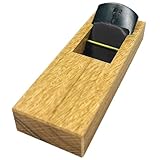
KAKURI 42mm Japanese Block Plane
- Japanese high carbon steel blade
- Eco oak body
- Chipbreaker included
- 5.9 inch body

Jorgensen No.101 Mini Block Plane
- O1 tool steel blade
- Ductile iron body
- Knob depth adjustment
- 3.5 inch palm size

Jorgensen No.60-1/2 Low-Angle Block Plane
- 12 degree low-angle bed
- Adjustable mouth
- O1 tool steel blade
- 6-1/4 inch body
Best Block Planes Compared for Trim Work in 2026
Every plane in the table below appears in the numbered reviews, with the same trim job attached to it there. Bed angle is the number to look for first, because it decides whether a plane can handle end grain without tearing it out.
| Product | Specifications | Action |
|---|---|---|
| KAKURI 42mm Japanese Block Plane |
|
Check Latest Price |
| Jorgensen No.101 Mini Block Plane |
|
Check Latest Price |
 Stanley Block Plane No. 9 Stanley Block Plane No. 9 |
|
Check Latest Price |
 Senkichi 40mm Japanese Pull Plane Senkichi 40mm Japanese Pull Plane |
|
Check Latest Price |
 Stanley 6-1/4 Inch Block Plane Stanley 6-1/4 Inch Block Plane |
|
Check Latest Price |
| Jorgensen No.60-1/2 Low-Angle Block Plane |
|
Check Latest Price |
 Great Neck 3-1/2 Inch Mini Block Plane Great Neck 3-1/2 Inch Mini Block Plane |
|
Check Latest Price |
 SUIZAN 1.7 Inch Kanna Block Plane SUIZAN 1.7 Inch Kanna Block Plane |
|
Check Latest Price |
 WORKPRO W052002 Block Plane WORKPRO W052002 Block Plane |
|
Check Latest Price |
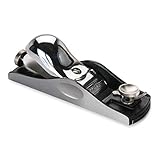 WoodRiver Low Angle Block Plane WoodRiver Low Angle Block Plane |
|
Check Latest Price |
1. KAKURI 42mm Japanese Block Plane – Best Overall for End-Grain Trim
KAKURI Japanese Hand Plane 42mm, Woodworking Block Plane 5.9″ x 2.1″
Blade: Japanese high carbon steel
Body: eco oak
Size: 5.9 x 2.1 x 1.6 inch
Blade width: 42mm
Pros
- Cuts end grain cleanly and leaves a burnished surface
- Chipbreaker reduces splitting on tricky grain
- Light oak body will not mar a finished workpiece
- Sharp factory edge works with brief tuning
Cons
- Needs setup and tuning before the first cut
- Sole can arrive slightly out of flat
- Thin chipbreaker is flimsy by Japanese standards
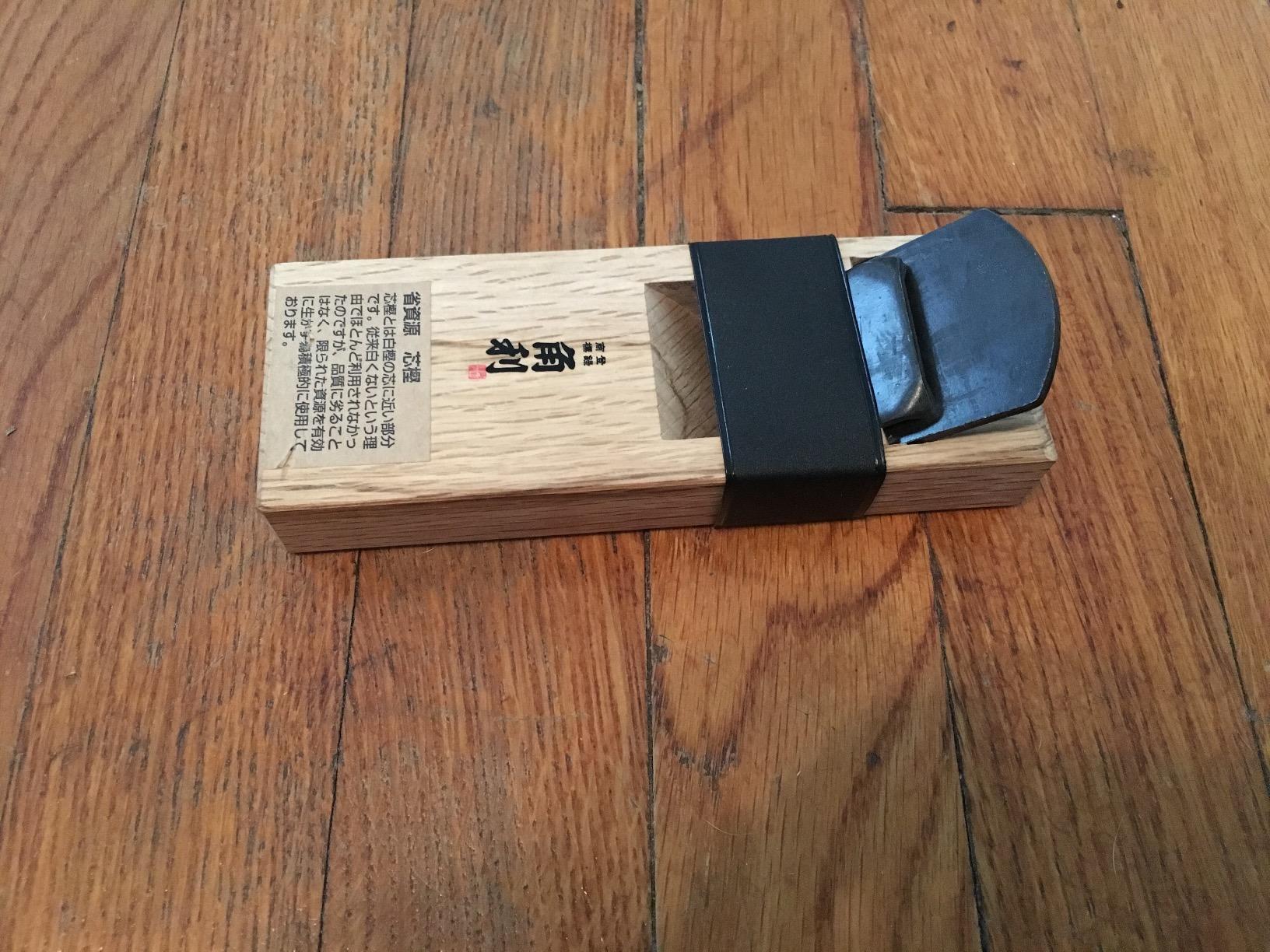
The KAKURI 42mm is the best block plane for trim work overall because it pairs a chipbreaker with a genuinely sharp Japanese high-carbon blade, and that combination keeps a shaving intact when you cut across the end of a casing return. Owners describe it as working well once tuned, holding a fine, dense shaving on hardwood end grain with a burnished look, while the light oak body will not mar a finished casing already on the wall.
The chipbreaker matters more than most buyers realize. Without one, a pull-cut plane on end grain will split the last fraction of the fibre instead of lifting it, which is why a two-blade design wins on hardwood casing and jamb material.
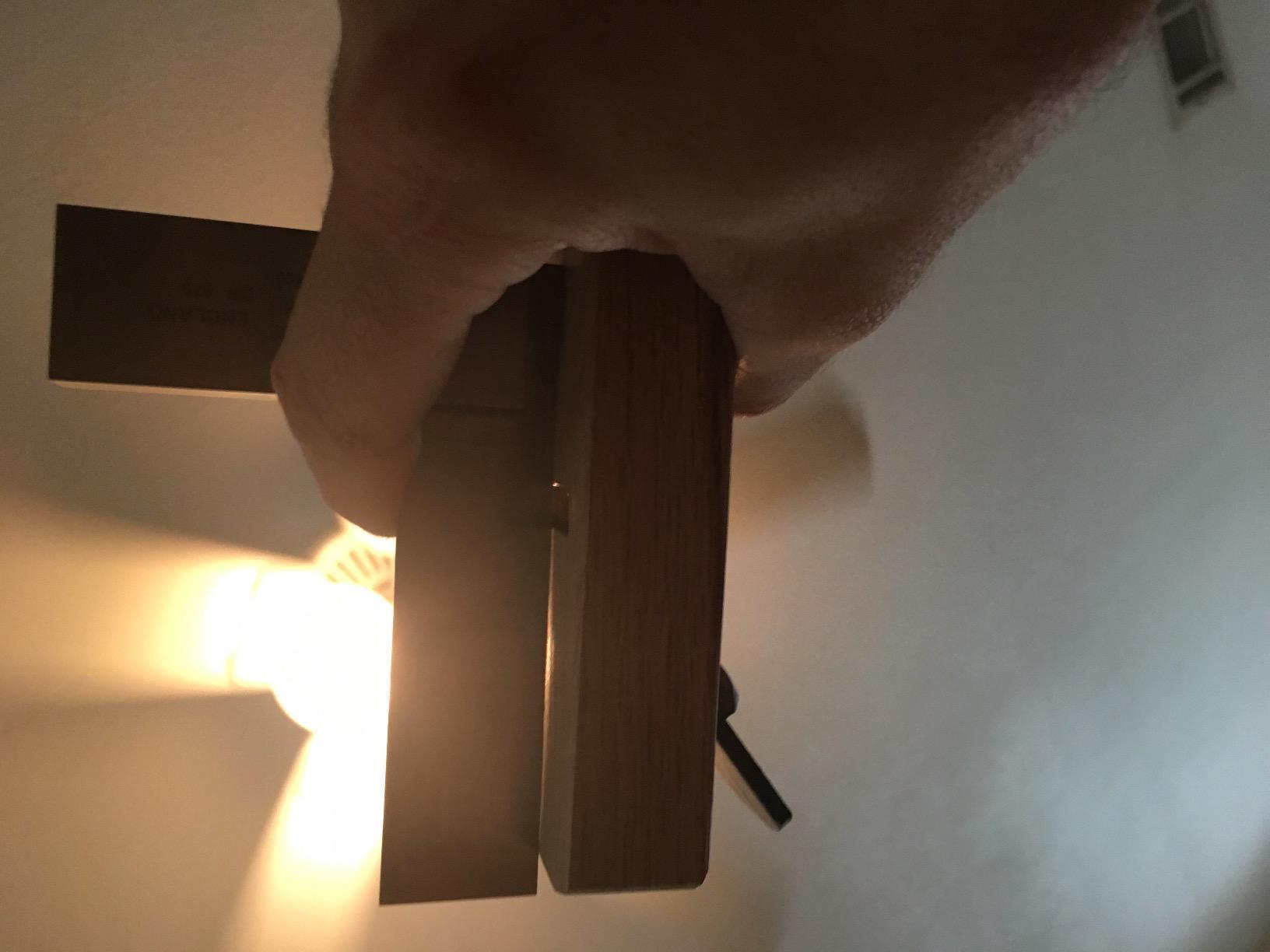
Set expectations honestly. This is a plane that arrives needing bed flattening and depth adjustment, and the depth change is made by tapping the blade with a hammer rather than turning a wheel. Budget half an hour on the bench before you carry it to the trim. Buyers who skip that step tend to blame the plane for a mouth set far too open, which is exactly the complaint the tool cannot fix for you.
There is also a small share of planes reporting a slightly out-of-flat bed or a mild twist in the sole, and some irons arriving with camber that resists quick flattening. Those are manufacturing variations rather than design faults, and they are the reason the rating sits where it does across a very large review count.
It is not a general smoothing plane. There is no tote, the sole is short, and material removal is limited to what a few thousandths of an inch can do across a 36mm cutting width. For fitting and finishing trim it does not need to be anything else.
What the KAKURI does well on trim
It is at its best cleaning up frayed end grain left behind by a miter saw, and on hardwood casing, jamb material, and small parts. Pull a stroke along a door stile and it shaves the fuzz without grinding it into a fuzzy edge. The chipbreaker also earns its place on figured or curly stock where a single-bevel plane would dig in.
Where it will frustrate you
The hammer-tap depth adjustment is genuinely awkward if you are used to a wheel or a knob, and it is the reason we would not hand this to a brand-new beginner without a demonstration. The iron also has to be removed to change depth, so plan for an interruption the first few times. Buyers who want hands-off depth control should look at the Jorgensen picks instead.
2. Jorgensen No.101 Mini Block Plane – Best for In-Place and Stair Trim
JORGENSEN No.101 Mini Wood Planer – Mini Hand Planer for Woodworking
Blade: O1 tool steel
Body: ductile iron
Weight: 0.25 kg
Size: 3.5 inch
Pros
- Arrives sharp and dialed in with no flattening needed
- Ductile iron body feels solid
- Excellent control in tight corners
- Knob depth adjustment
Cons
- Not built for heavy material removal
- Depth knob takes several passes to dial in
- Grip tires over long sessions
The Jorgensen No.101 is the best block plane for installing trim in place, because at 3.5 inches long and a quarter of a kilogram it fits comfortably against an installed wall, in a stair corner, or between a casing and a return without fouling anything. It also arrives ready to work, which is the headline advantage for anyone coming from power tools: the polished bottom is flat on delivery, the O1 tool steel blade is finely sharpened, and there is no bed to flatten.
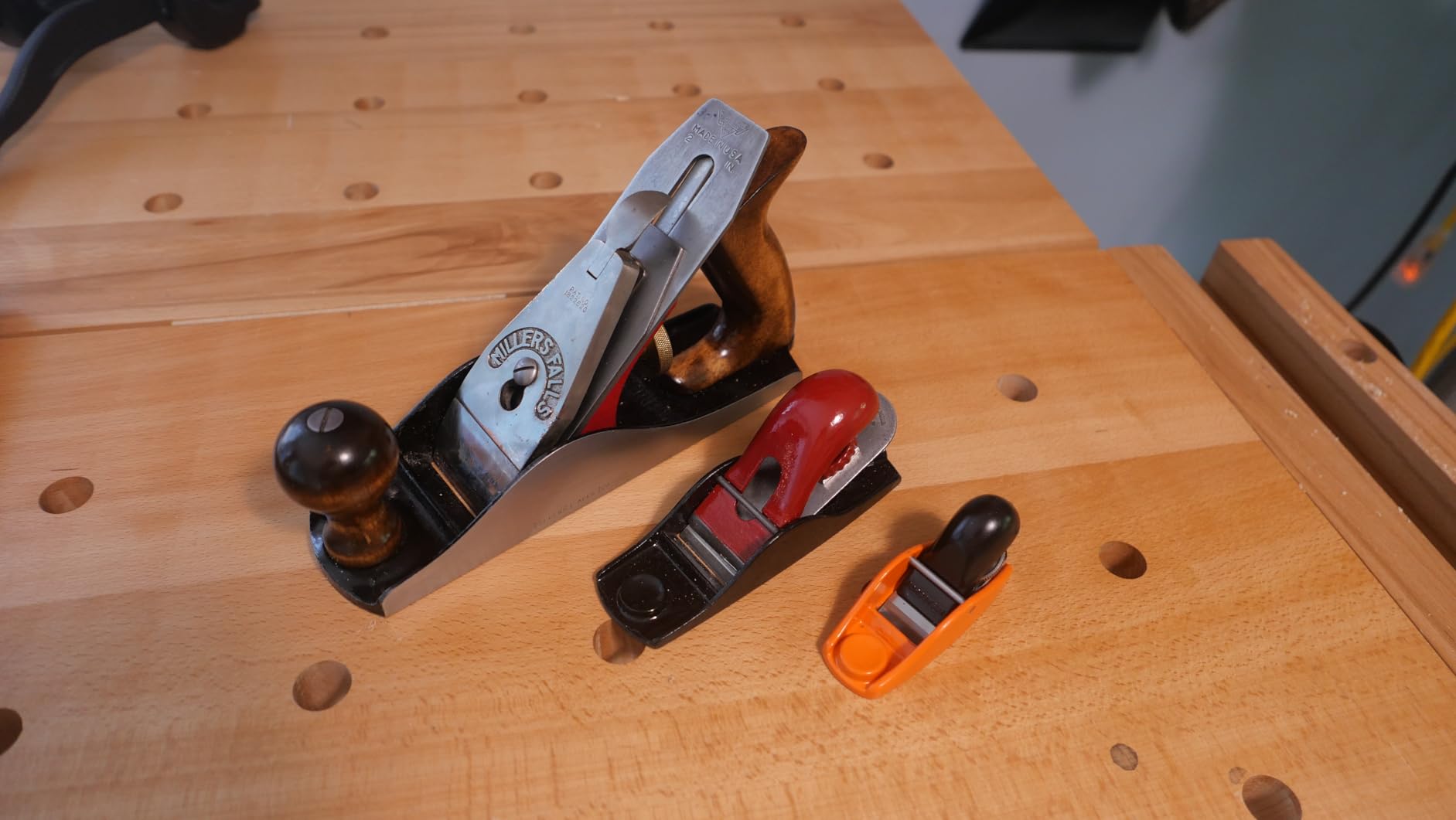
Reviewers frame it as a precision touch-up tool rather than a material removal plane, and they use it for exactly the jobs we would expect: easing a door edge, cleaning end grain, scribing tight joints, and knocking glue off a small part. The edge holds up on older hardwood, which matters when you are trimming reclaimed casing. At 1.25 inches of cutting width it covers most narrow trim in a single pass.
The limitation is capacity, and it is worth stating plainly. Nobody buys this to flatten a board. If you expected a workhorse and found a small-area eraser, the disappointment is real. Buyers who treat it as the last few thousandths of an inch tool tend to rate it very highly.
Adjustments are coarse, and the depth knob takes a few attempts to land on a truly fine shaving. The grip is small, so for a full afternoon of scribing you will be wishing for a larger handle. Neither complaint matters much for the short, precise strokes this plane is built for.
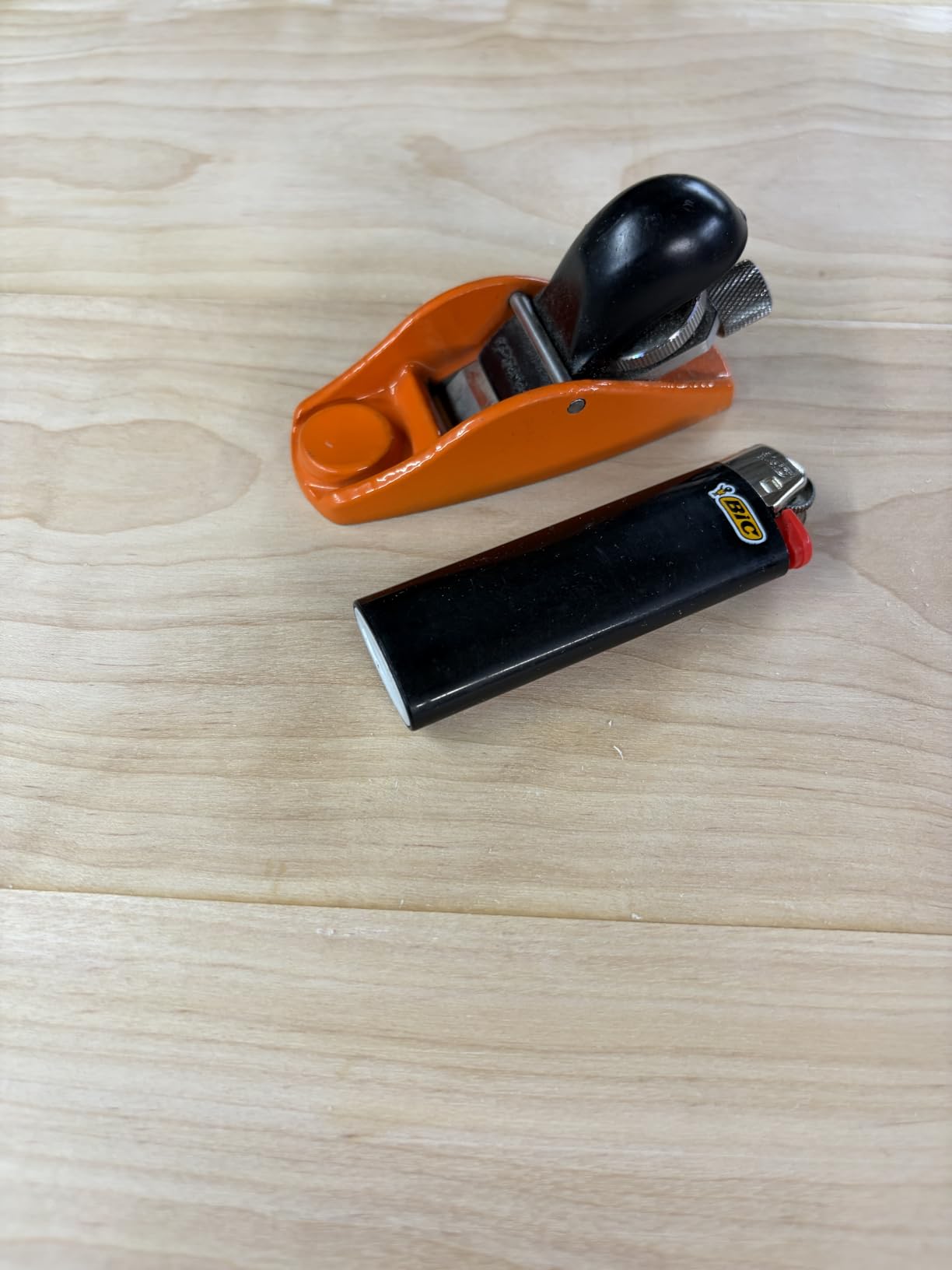
What the Jorgensen No.101 does well on trim
It is the tool to reach for when the plane has to fit somewhere a full-size block plane physically cannot go, and for the fine cleanup passes on door edges, casing ends, and small parts after a saw has done its work. Reviewers consistently praise that it needs no tuning on arrival, which makes it the safest recommendation for a first block plane.
Where it will frustrate you
The 1.25 inch cutting width means more passes than a full-size plane, and the depth adjustment is not precise enough for a paper-thin final shaving without patience. It is also not the plane for anyone who wants a smooth surface on a wide board. For that, stay with a 6-1/4 inch model or the full Bailey-pattern WoodRiver.
3. Stanley Block Plane No. 9 – Best for Cross-Grain Miters
Stanley 1-12-020 Block Plane No. 9, Black/Silver
Cutter angle: 21 degrees
Body: cast iron
Weight: 1.9 pounds
Cutting width: 40mm
Pros
- Enough mass to carry through difficult grain
- Stepless blade and mouth adjustment
- Handles end-grain miters and overhang trimming
- Steel sole flattens quickly
Cons
- Current production quality is inconsistent
- Sole arrives with as-cast machining finish
- Thin build compared with older examples
- Susceptible to surface rust
The Stanley No. 9 is the best block plane for cross-grain miters, because a 21 degree cutter angle sits at the top of the standard-angle range and its 1.9 pound cast iron body has the mass to stay steady when you are adjusting a compound miter on a casing return. Long-term owners praise the weight, the control, and the straightforward stepless blade and mouth adjustment, and a steel sole flattens far faster than a wooden bed.
What we would caution about is current production quality. Reviews divide sharply between long-term users with well-maintained tools and newer buyers who found rough machining marks, a curved sole, or a build quality that feels thin compared with older examples of the same tool. That split is the single biggest reason its rating trails the leaders in this group.
Two more practical notes. The sole arrives with an as-cast machining finish, so expect to flatten it before the first clean pass on finished trim. And the steel will rust if you leave it damp, which on a site means a wipe-down and a light oil at the end of the day.
What the Stanley No. 9 does well on trim
It is a good general trim plane when the material is softwood or when you are working across the grain on a casing, and the mass helps when your stroke is not perfectly aligned. For anyone who already knows Bailey-pattern geometry, the adjustment layout is familiar and needs no learning curve.
Where it will frustrate you
On hardwood end grain, a 21 degree cutter is fighting you, and a low-angle plane will do the same cut with far less risk of tear-out. The as-cast sole and inconsistent machining on recent examples are the reason to buy from a seller who will take a return, and rust maintenance is a genuine daily nuisance on a wet site.
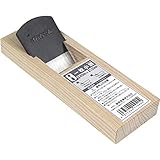
4. Senkichi 40mm Japanese Pull Plane – Entry Point to Pull-Cut Planing
Japanese Wood Block Plane KANNA 40mm Carenter’s Tool Double Edge Senkichi
Blade: 40mm double edge
Body: wood
Weight: 140g
Length: 150mm
Pros
- Entry point to pull-cut planing
- Compact body is easy to control on small parts
- Shavings can be dialed in smooth
- Wooden body will not mar light workpieces
Cons
- Body and blade need flattening before first use
- No chipbreaker so it tears on figured stock
- Blade can sit crooked in the mouth
- Soft wood body dents with use
The Senkichi 40mm kanna is the least expensive way into pull-cut planing, and for learning the technique on offcuts and small trim parts it does something no other plane here does. At 140 grams and 150mm long it disappears into the palm, and with the iron dialled in, reviewers report smooth, chatter-free shavings that will not mark a light workpiece.
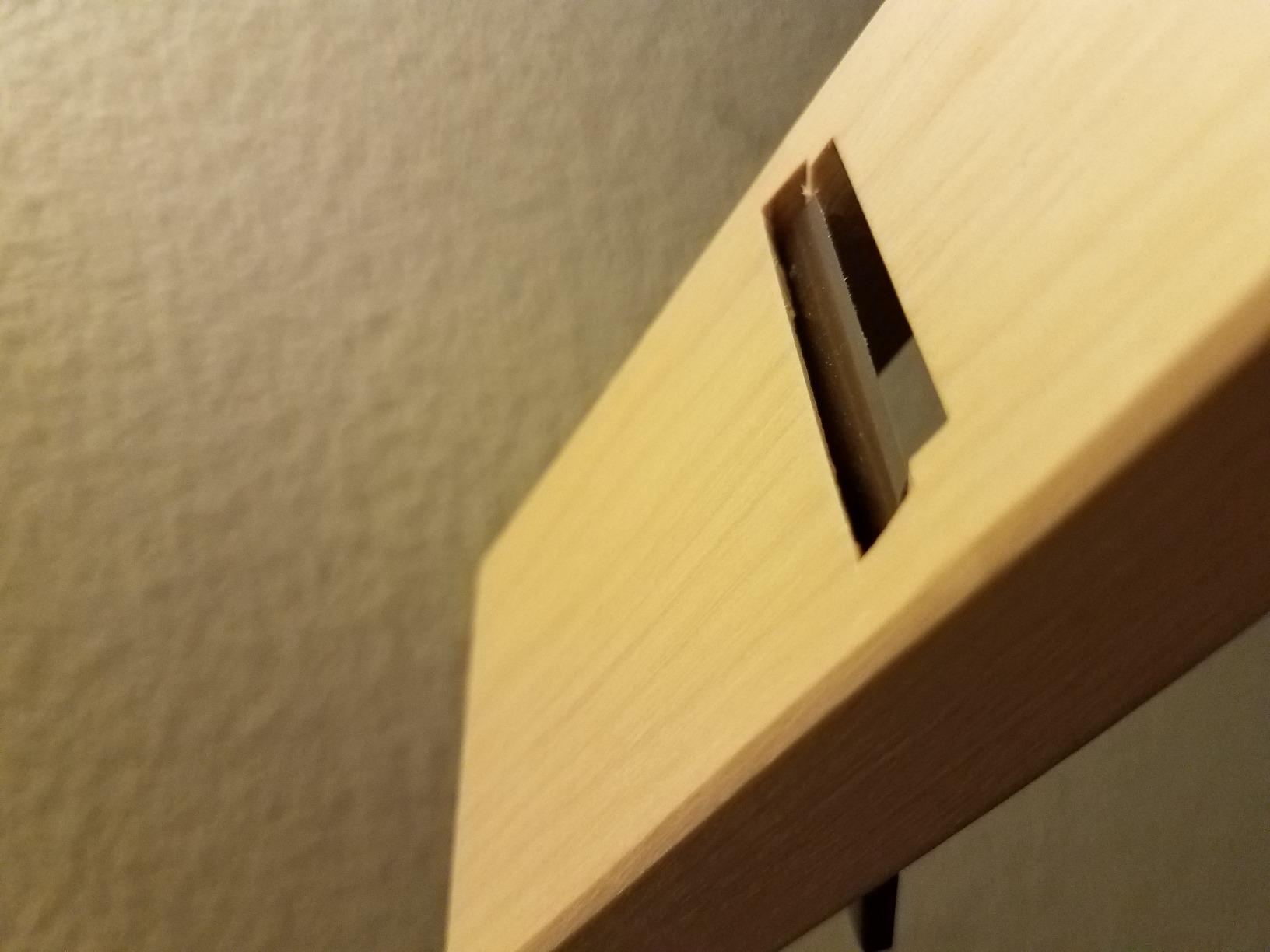
The setup story is the whole story here. Owners put twenty to thirty minutes into flattening the bed and working the iron before the plane performs, and anyone expecting a factory-fresh tool in the box will be disappointed. The blade can also sit crooked in the mouth, which is a setup problem rather than a defect once you know to check it.
The missing chipbreaker is the more important limitation. Without it, the blade will tear rather than lift a shaving in figured stock and on end grain, which is exactly where trim work gets difficult. Treat this as a detail and cleanup plane on straight-grained softwood, not as your end-grain solution.
There is also variation between examples in bed flatness and iron geometry that buyers have to work around individually. That is normal for this class of tool and worth knowing before you judge the design.
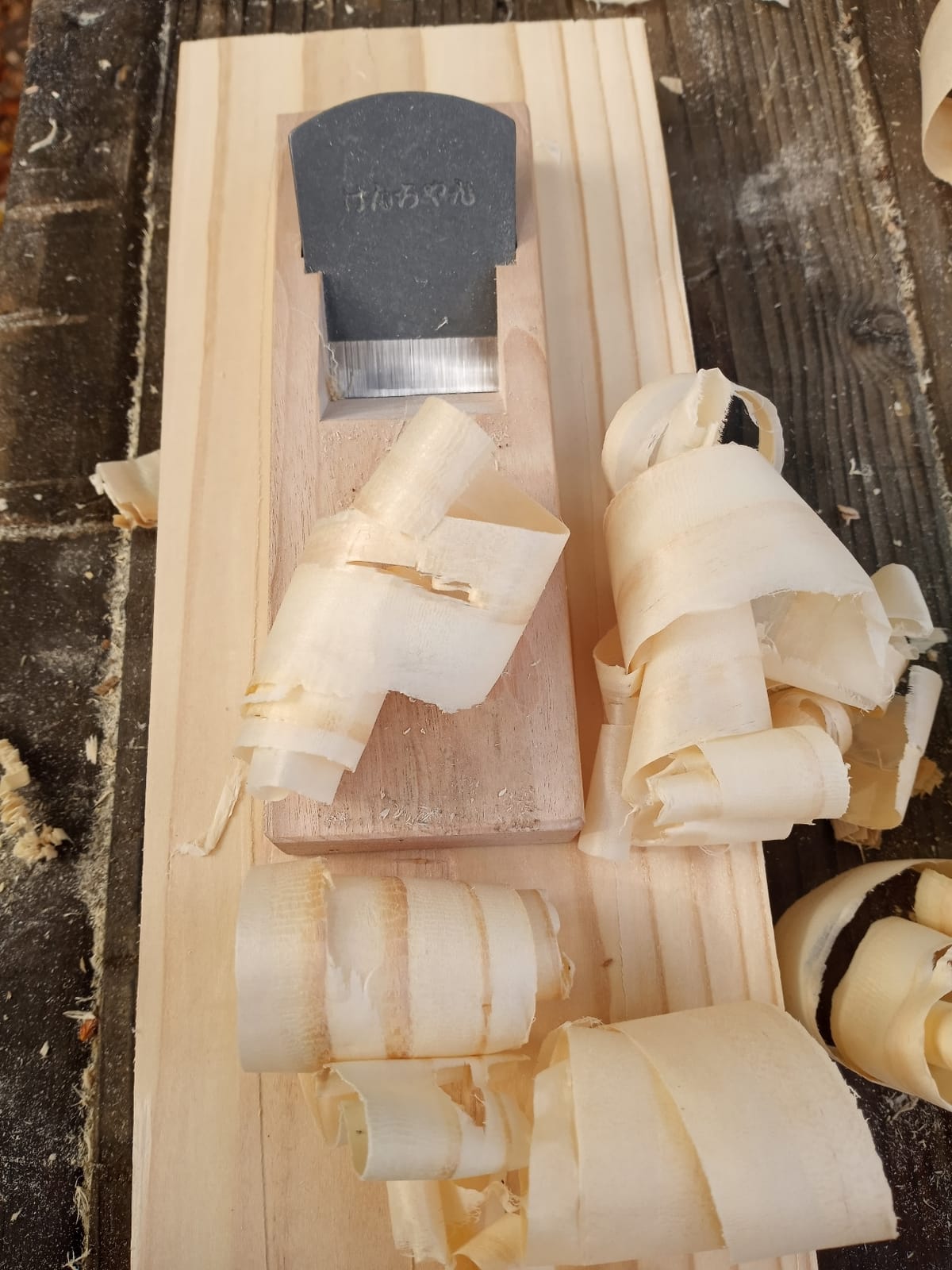
What the Senkichi does well on trim
It is genuinely useful for fitting small parts and light decorative trim in straight-grained softwood, where the absence of a chipbreaker costs you nothing. The palm size and pull-cut control make it pleasant for chamfering and shaping, and it tucks into a tool bag without adding weight.
Where it will frustrate you
End grain, figured casing, and anything where a clean shaving matters will expose the missing chipbreaker immediately. The body and blade both need work before the first cut, and the soft wooden body will dent sooner than any metal-bodied plane in this list. If your trim is hardwood, look at the KAKURI or the Jorgensen 60-1/2 instead.
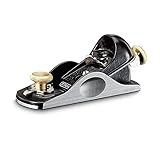
5. Stanley 6-1/4 Inch Block Plane – Best for Squaring Small Parts
Stanley STANLEY 5-12-020 6.1/4″ Block Plane C/w Pouch
Blade: 40mm at 21 degrees
Body: grey iron
Weight: 0.9 kg
Includes storage pouch
Pros
- Fully adjustable for depth
- alignment and mouth
- Once tuned it squares small parts well
- Fine grey iron body suits one-handed finishing
- Storage pouch for site carry
Cons
- Recent examples arrive with a rocking sole
- Substantial grinding needed before use
- Frog and mouth can be out of square
- Adjustment plate arrives in the rearmost position
The Stanley 6-1/4 inch block plane is the best block plane for squaring small parts, because the fully adjustable depth, cutter alignment, and mouth let you set an extremely fine cut and the 40mm blade is wide enough to true a face in reasonable passes. Buyers who tune one up describe a capable fine-finishing plane on end grain, and a couple of hours of flattening and polishing converts it into a good tool.
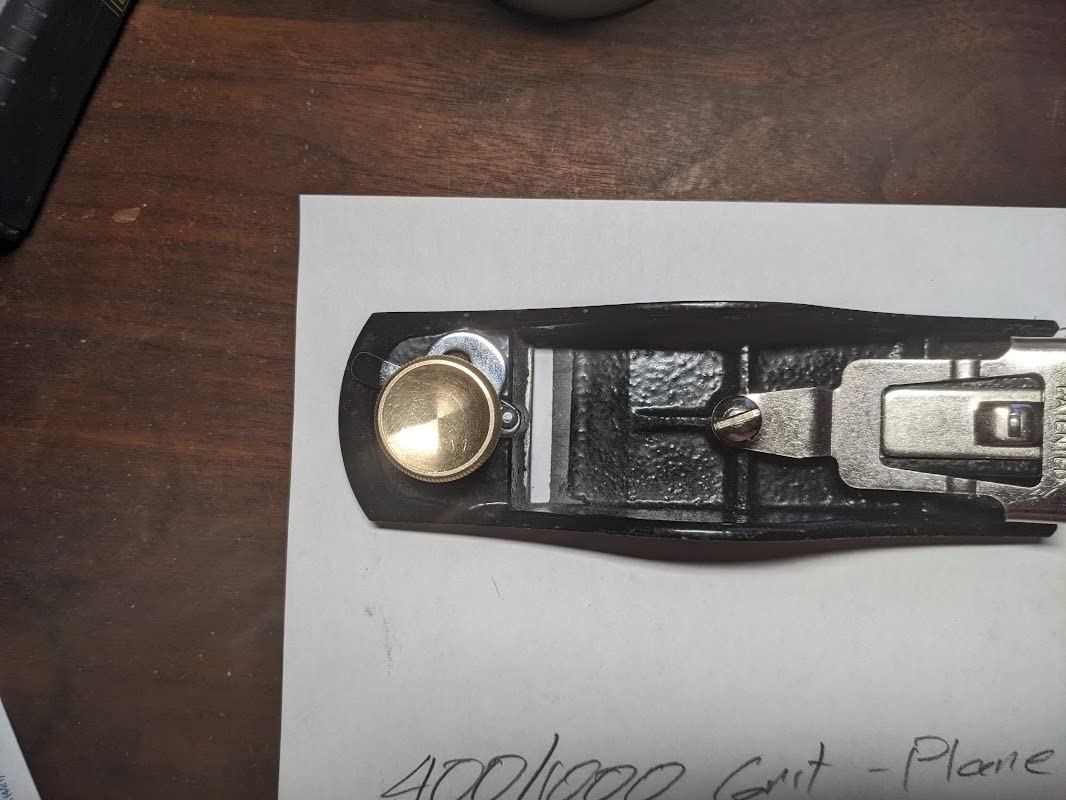
Factory finish is the dominant complaint, and it is a real one. Several reviews describe a sole that rocks on flat glass, an adjustable shoe that sits proud, and a mouth or frog that is out of square, which makes proper blade alignment difficult. Plan on a grinding and stoning session before the first honest shaving.
One detail that catches people out: the adjustment plate arrives set to the rearmost position, so a brand-new plane can look faulty when it is not. Correct it before you judge anything else about the plane.
A number of buyers also question the value on offer next to a cheaper or a genuinely premium alternative. That reaction is fair. You are paying for the adjustment hardware and the fine grey iron, and the setup work is on you.
What the Stanley 6-1/4 does well on trim
Once it is flat and dialled in, it handles end-grain cleanup and small-part squaring well, which covers drawer parts, cabinet components, and short trim sections. The adjustable mouth is the feature that matters most for fine finishing shavings on hardwood, and the supplied pouch makes it easy to carry on a belt.
Where it will frustrate you
The setup burden is the honest drawback. If you want a plane that cuts on the day it arrives, this is the wrong pick, and if you want to fit miters in place you are still looking at a 21 degree cutter rather than a low-angle bed. Check the sole on glass the moment it arrives.
6. Jorgensen No.60-1/2 Low-Angle Block Plane – Best for Door Reveals
JORGENSEN NO.60-1/2 6-1/4″ Wood Planer, Hand Planer for Woodworking
Bed angle: 12 degrees low-angle
Blade: O1 tool steel
Body: ductile iron
Cutting width: 1.38 inch
Pros
- Highest average rating in this group
- Arrives sharp with a flat polished sole
- Low-angle bed and adjustable mouth suit end grain
- Stable ductile iron body
Cons
- Adjustment knob needs several passes
- Not a substitute for a bench plane
- Blade support is shorter than a Bailey frog
The Jorgensen No.60-1/2 is the best block plane for trimming doors because a 12 degree low-angle bed slices through end grain and cross-grain at the hinge side of a stile with far less tear-out than any 21 degree standard-angle plane, and the adjustable mouth lets you close the throat down for a clean finishing shaving.
It carries the highest average rating in this group, with a large share of five-star reviews, and the reason is consistent across them: it works out of the box. The O1 tool steel blade is sharp on arrival, the polished bottom is flat, and there is no sole to flatten. On a door fit, where you may take a dozen passes to remove a few thousandths of an inch, arriving ready to cut is worth more than any amount of adjustability.
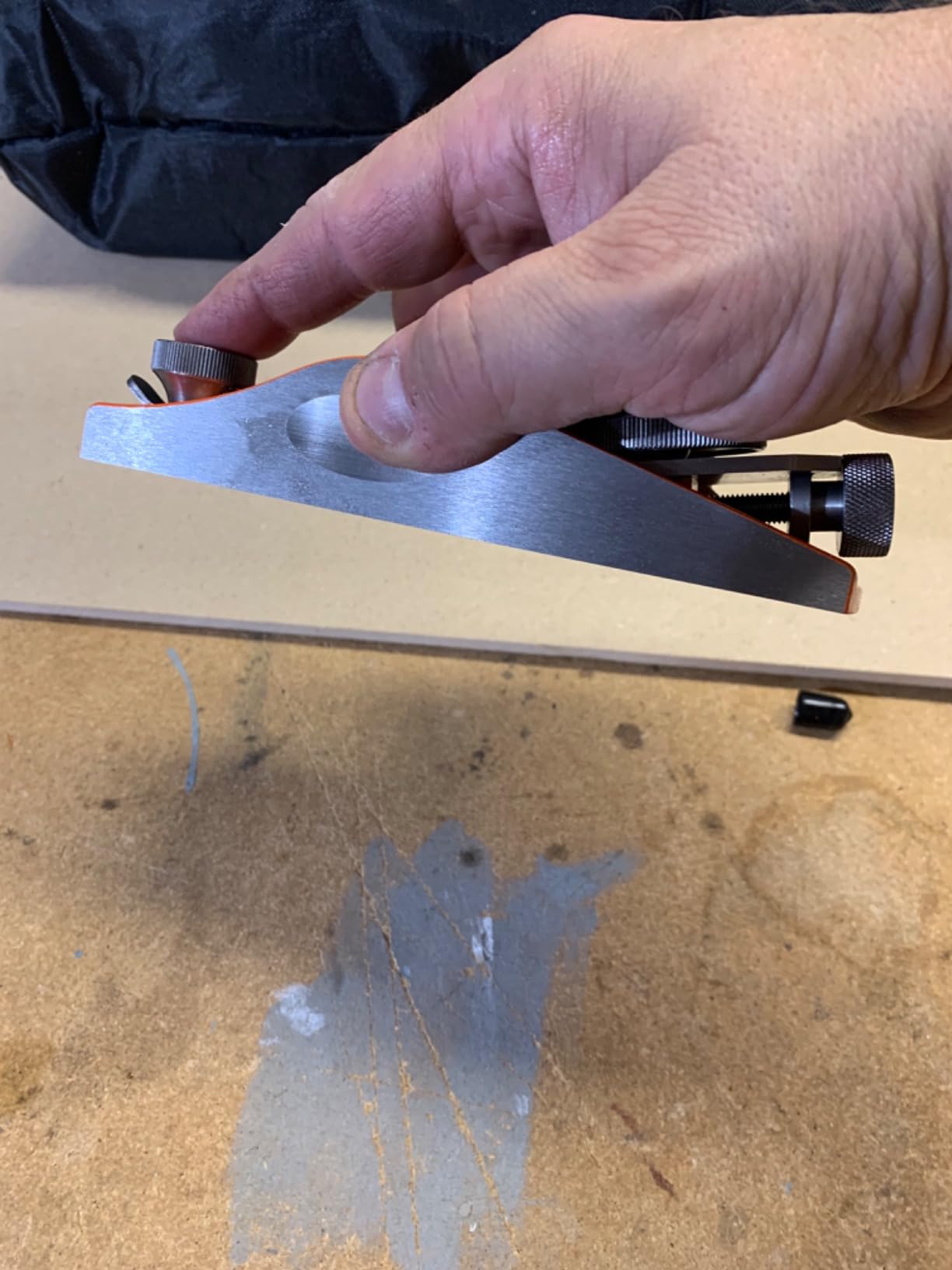
At 1.38 inches of cutting width and 6-1/4 inches overall, it covers a typical stile edge in a small number of passes while staying light enough at 1.5 pounds to hold in one hand against an installed jamb. The ductile iron body gives it real stability for its size, which matters when the door is already hung and the only reference is the gap itself.
The criticism is small and consistent. The depth knob is coarse and takes a few passes to find the right setting, the capacity is not there for heavy material removal, and the blade support is shorter than a traditional Bailey-pattern frog, so it takes a lighter touch. None of that affects fine trim work.
Forum advice almost always points in the same direction for a long-term buy: keep the body and upgrade the iron later. A replacement blade in a hardened tool steel is the standard longevity move, and it is why several owners of cheaper bodies report decades of use.
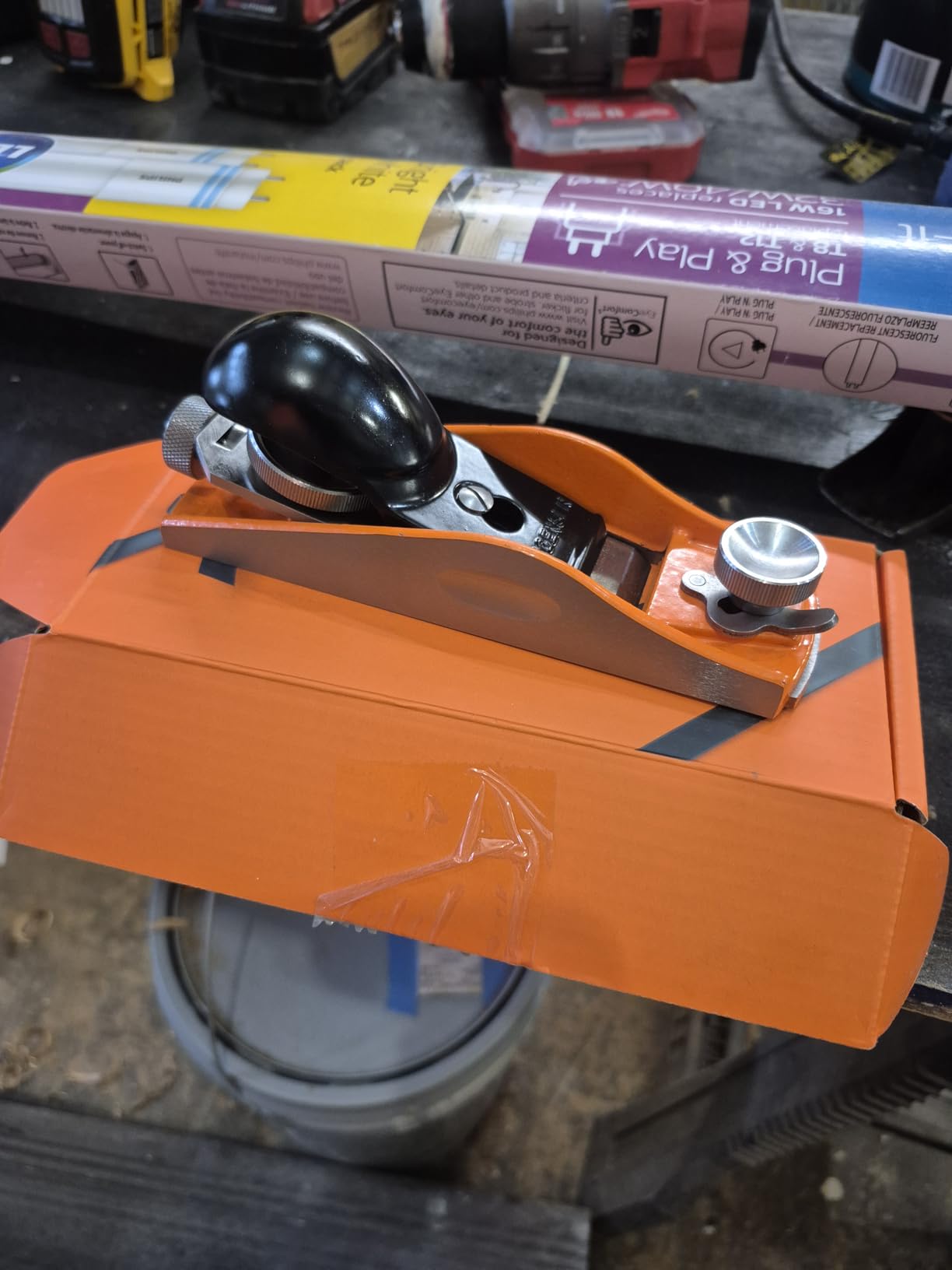
What the Jorgensen No.60-1/2 does well on trim
It is the plane we would want for easing a door until it closes, adjusting a reveal, cleaning end grain, and fitting a jamb, because the low-angle bed and adjustable mouth work together exactly the way a trim job needs them to. Deburring and cross-grain trimming are also called out repeatedly by owners.
Where it will frustrate you
Fine depth control is the weak point. If you need a paper-thin, glassy finishing shaving, the coarse knob will test your patience, and the short blade support means the iron wants a lighter hand than a Bailey pattern. On a large flat surface you will also be working with a 1.38 inch width, one pass at a time.
7. Great Neck 3-1/2 Inch Mini Block Plane – Best for Craft Detail Work
GreatNeck LSO 3-1/2 Inch Block Plane, Small Wood Planer for Use in Home Improvement Projects & Craft, Hobby, & Model-Making, Steel Frame & Adjustable Blade, Perfect for One-Handed Use,Multi
Blade: 1 inch hardened steel
Base: die-cast aluminum
Weight: 6.88 ounces
Body length: 3.15 inch
Pros
- Adjustable depth is unusual in this class
- Steel frame and hardened blade hold an edge
- Contoured body suits short grip
Cons
- 1 inch blade limits cut width
- Shallow adjustment range makes fine changes hard
- Aluminum base gives little authority on hardwood
- Sole and blade need light work before use
The Great Neck 3-1/2 inch mini plane is the best block plane for craft, model, and hobby-scale trim, where a 1 inch blade and a 6.88 ounce body are more appropriate than a plane built for hardwood. The contoured shape fits a one-handed grip for quick beveling and chamfering work.
That depth adjustment is genuinely unusual at this level and separates it from a fixed-mouth toy plane. Reviewers also note that the steel frame and hardened blade hold an edge adequately for the scale of work it is asked to do, and that it handles basket work, model making, and small cabinet softwood cleanly.
What you are giving up is width and authority. A 1 inch blade limits both the width of a cut and how flat you can make a wide surface, and the die-cast aluminum base with the light overall weight gives you very little purchase when the wood is hard.
The adjustment range is shallow enough that fine depth changes take real effort, and both the sole and the blade usually want light honing and flattening before the first proper pass. For softwood trim at small scale that is an acceptable trade. For anything structural, it is not the tool.
What the Great Neck does well on trim
It is a good secondary detail plane: small cabinet work, softwood chamfering, basket and model work, and light touch-ups where a larger plane would be clumsy. The weight and grip make short sessions easy, and it carries a limited lifetime manufacturer warranty from an established maker.
Where it will frustrate you
Hardwood is where it runs out of authority, and the narrow blade means a wide surface will never come truly flat. If you need to bring a stubborn end grain down, reach for a 42mm Japanese plane or the Jorgensen No.101 instead, and save this one for the last few percent of detail work.
8. SUIZAN 1.7 Inch Kanna Block Plane – Best for Softwood Smoothing
SUIZAN Kanna Japanese Wood Planer 1.7″ Single Blade – Hand Block Plane
Blade: 42mm Japanese steel
Body: beech wood
Weight: 0.40 pound
Single blade
Pros
- Shaves ribbons off rough sawn softwood
- Dense beech body resists flexing
- Handles oak and end grain with a fine finish
- Light enough for one-handed control
Cons
- Iron is glued in place and hard to remove
- Body may need fitting to the iron
- Single-blade version has no chipbreaker
- Backs of irons often need flattening
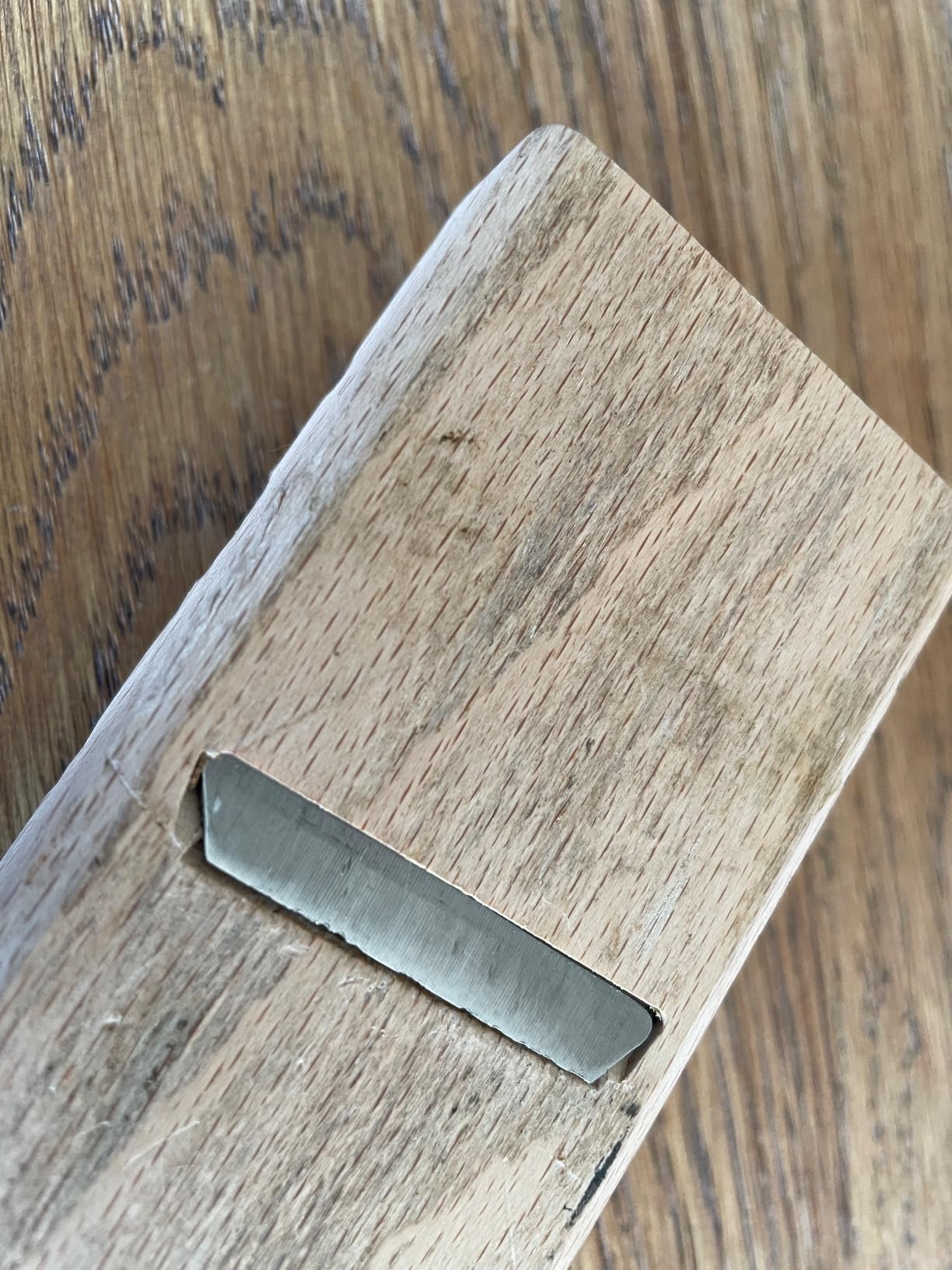
The SUIZAN 1.7 inch kanna is the best block plane for smoothing softwood, and owners are consistently delighted once it is running, describing results that match planes costing several times more. The 42mm Japanese steel blade and pull-cut action turn a rough sawn surface into ribbons quickly.
The dense beech body resists flexing and holds alignment well, which is the property that matters most in a wooden plane. At 0.40 pound it is light enough for one-handed use and far less demanding than any bench plane, and it handles both red oak and softwood with a fine finish.

Setup is the centre of the review conversation, and it is the one thing to know before buying. The iron frequently arrives glued in place for shipping and can be extremely difficult to extract, the body may need planing or chiselling to fit the iron and chipbreaker properly, and the back of the iron is often slightly convex and wants flattening.
Allow roughly twenty to thirty minutes of work before the first good shaving, and some shipments arrive without instructions, so read up on kanna setup first.
One substantive limitation: this 42mm single-blade version has no chipbreaker, which makes consistent shavings harder on figured or end grain. It is still a capable plane on straight-grained stock, and for cleaning end grain in softwood it will do the job nicely.
What the SUIZAN does well on trim
Softwood base, casing, and jamb material is its natural territory, and it will take a rough sawn board to a finish-ready surface in very few strokes. The pull-cut geometry and light weight also make it a good plane for small softwood parts and drawer components where a bench plane is simply too large.
Where it will frustrate you
The glued iron is the first hurdle and there is no way around it. Beyond setup, the missing chipbreaker will show up on end grain and figured casing, and the body may need hand-fitting. If you want a Japanese plane that handles end grain without drama, the KAKURI includes a chipbreaker and is the better buy.
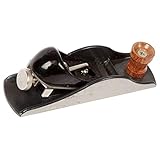
9. WORKPRO W052002 Block Plane – Best for Angled Edge Work
WORKPRO W052002 Block Plane, 1-5/8 In. Wide Blade, Cast Iron Body, Adjustable Cutting Depth, Black (Single Pack)
Blade: 1-5/8 inch hardened steel
Body: cast iron with wood knob
Weight: 0.7 kg
Shallow blade angle
Pros
- Shallow blade angle cuts end grain efficiently
- Wooden front knob gives good push and pull control
- Adjustable depth for fine shavings
- Cast iron body adds useful weight
Cons
- Sole is not consistently flat on arrival
- Blade usually needs honing before first use
- Coarser finish than premium block planes
- Fixed mouth limits ultra-thin shavings
The WORKPRO W052002 is the best block plane for chamfering and working across an edge at an angle, because the 1-5/8 inch blade is wide enough to cover a decent length of edge in one stroke and the front wooden knob gives you a secure grip when the stroke is neither purely forward nor purely back.
Reviewers like the weight and hand control the cast iron body provides, and they confirm the shallow blade angle is effective on end grain. The adjustable depth lets you dial in a fine shaving, and it is well received as a no-frills plane for cleaning up wood ends, edges, and cross-grain miters.
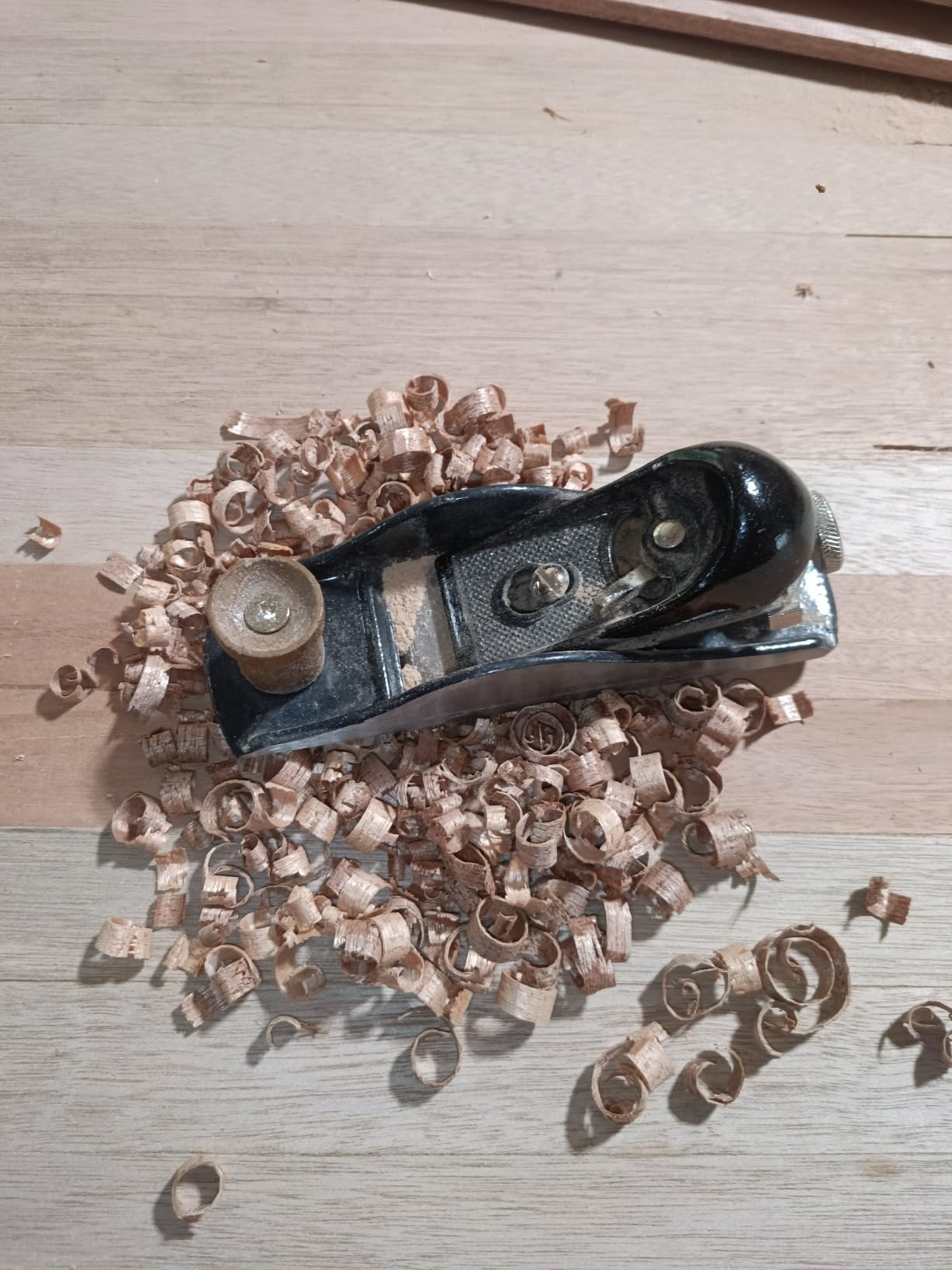
Two setup notes account for most of the gap between this plane and the leaders. The sole is not consistently flat on arrival, so check it on glass and expect light grinding if needed. The blade also typically arrives needing honing before it will take a proper shaving.
Because of those two points, scores cluster in the 4.0 to 4.3 range rather than higher, and that is a fair reflection of out-of-box readiness rather than of the design. The fixed mouth is the other real constraint: it stops you taking an ultra-thin finishing shaving on figured casing.
The general build and adjustment are also coarser than premium block planes, which is a fair trade for a plane aimed at general end-grain cleanup rather than fine furniture work.
What the WORKPRO does well on trim
It handles cross-grain miters, edge cleanup, and end-grain trimming on both softwood and hardwood, and the front knob means you can work a bevel from either direction without regripping. For a first block plane bought specifically to clean up saw damage, it does that job without ceremony.
Where it will frustrate you
Check the sole and hone the blade before you judge it, and accept that the fixed mouth will not give you a glassy final pass on figured stock. If you want fine control of the shaving rather than just a clean end, the adjustable mouth on the Jorgensen 60-1/2 or the WoodRiver is the better investment.
10. WoodRiver Low Angle Block Plane – Best for Bailey-Pattern Handling
Woodriver Low Angle Block Plane With Adjustable Mouth
Bed angle: 12 degrees
Blade: high carbon tool steel at 25 degrees
Blade: 1-5/8 x 0.125 inch
Body: 2 x 7 inch ductile iron
Pros
- Genuinely low-angle bed handles cross-grain and end grain
- Knuckle lever cap takes confident one-handed pressure
- Adjustable mouth sets the bite for finishing cuts
- Better finished body and blade than entry-level planes
Cons
- Heavier and larger than a palm-sized block plane
- 25 degree blade means a longer bevel to hone
- 2 inch cutting width limits it to small parts
- Premium tier suits committed users
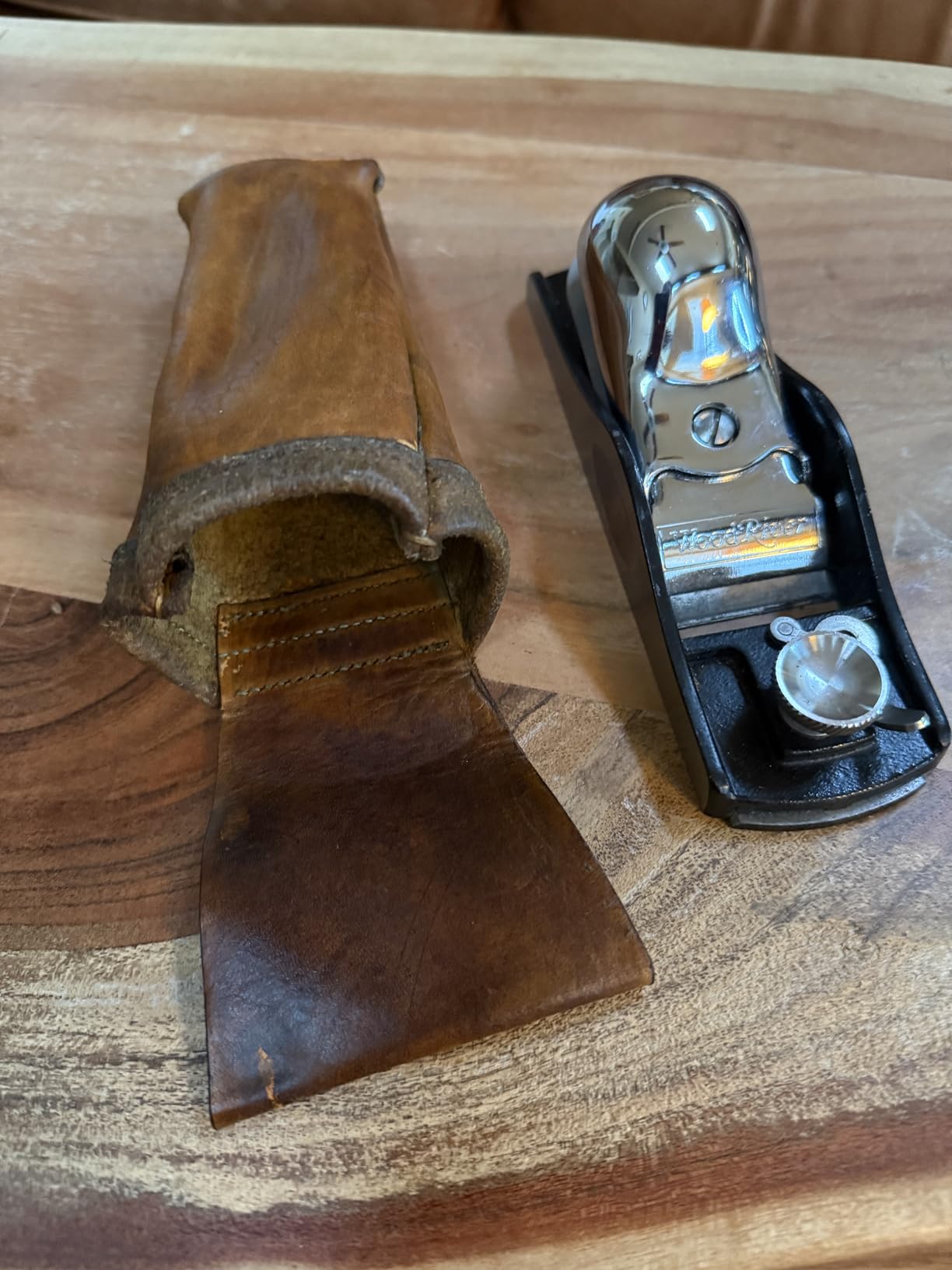
The WoodRiver low-angle block plane is the best block plane for experienced hand-tool users who want a full-size, single-handled plane with a genuine 12 degree low-angle bed, and the Bailey-pattern layout means the geometry is familiar to anyone who has used a bench plane before.
Owners who already know this pattern of plane appreciate the 12 degree bed for cross-grain and end-grain work, and the knuckle-style lever cap in particular, because it lets one hand work the adjuster while the other drives the stroke. That is a genuine advantage when you are fitting a long piece of trim in a single pass.
The ductile iron body and high carbon tool blade are of noticeably better finish than entry-level planes, and at 2 inches by 7 inches with a 1.63 inch cutting width, it covers more edge per pass than any other plane in this list. It is also the only pick here with a genuinely large body, which makes it the steadiest when you are working a long run of casing.
Trade-offs are equally clear. It weighs two pounds, so it is a two-handed tool rather than a palm tool, and that makes it wrong for stair work, tight corners, and anything where you need to hold the work in one hand. The 25 degree blade angle and thicker iron also mean a longer sharpening bevel to hone, which is real maintenance time on a busy site.
One caveat on the rating: with a much smaller review count than the mass-market models here, the score carries less statistical weight. The sentiment is consistently positive, but treat the number as a smaller sample than the others on this list.
What the WoodRiver does well on trim
It is the pick for long casing runs, base shoe, and any trim where you want a flat, wide cut and a stable body to push. The adjustable mouth lets you set the bite for fine finishing shavings, and the low-angle bed handles cross-grain without the tear-out a standard-angle bed would give you.
Where it will frustrate you
Weight and size rule out anything one-handed, in-place, or in a corner. The 2 inch cutting width still limits it to small parts and trim rather than wide boards, and the 25 degree bevel is more work at the stone than a low-angle thin iron. If your trim work is mostly on stairs and against walls, this is the wrong plane.
Which Block Plane for Which Trim Job
Start from the job, not the plane. The run-down below maps the trim tasks that generate the most rework to the pick that handles each one, and each of those planes appears in the numbered reviews above with the reasoning behind it.
For cleaning up frayed end grain left by a miter saw, a low-angle bed wins. The KAKURI 42mm handles it with a chipbreaker, and the Jorgensen No.60-1/2 handles it with an adjustable mouth. If the material is softwood and straight-grained, the SUIZAN kanna will do it with a pull stroke.
For easing a door until it closes, you want stability and a fine cut rather than speed. The Jorgensen No.60-1/2 is the pick, and the Jorgensen No.101 mini covers the same job when the door is hung in a corner you cannot get a full-size plane into. For a proud hinge-side stile you are holding in one hand, the mini is the only realistic option.
For fitting a jamb or a base shoe to length, take the deepest cut the job allows and then refine. The WoodRiver low-angle plane covers more edge per pass than anything else here, and the Stanley No. 9 is the alternative when you are working cross-grain on a softwood jamb.
For casing miters, the answer depends on the workflow, not on the plane. A post-assembly approach where you fit the miter with a plane wants a low-angle bed and a fine mouth setting, which points at the Jorgensen No.60-1/2 or the WoodRiver. A pre-assembly approach where every joint is cut and fitted on the bench, then scribed and fastened, needs almost no miter fitting at all, and a small palm plane is enough.
That last distinction matters more than any other in this article, and it is the one trim carpenters argue about most. A long-running thread on Canadian Woodworking and Home Improvement put it bluntly: the low-angle plane only ever gets used for fitting miters, and after switching the whole system to pre-assembly trim, that job essentially disappeared. If you trim pre-assembly, buy small. If you fit miters in place, buy a low-angle bed with an adjustable mouth.
For small parts, drawer components, and cabinet doors, the Stanley 6-1/4 and the Senkichi 40mm make a sensible pair. One gives you full adjustment on end grain once it is flattened, the other gives you an inexpensive pull-cut tool for straight-grained material. For craft and model-scale work, the Great Neck mini has the right weight and width.
Safety is the other thing that follows you up a staircase with a plane in one hand and a base shoe in the other, so whatever you wear matters as much as the tool itself. Our waterproof work boots roundup covers wet-site and stair work, which is where most trim actually gets fitted.
Low-Angle vs Standard-Angle Block Planes: The Rule for Trim
Use a 12 degree low-angle bed for end grain, hardwood trim, and cross-grain cuts, and a 20 to 25 degree standard-angle bed for flat-sawn softwood and long straight edges. That single rule resolves nearly every low-angle versus standard-angle debate, and it is worth learning because most of the confusion around these planes comes from people applying one answer to both jobs.
The reason is the effective cutting angle, which is the bed angle plus the angle of the honed bevel. A low bed gives a shallower, slicing action that lifts the fibre rather than levering against it, so on the end grain of an oak casing return it leaves a burnished surface instead of a torn one. A standard-angle bed with a steeper bevel has more strength behind the cut and is a better choice when you are taking a heavier cut in softwood that would split at a shallow angle.
It also helps to know the two angles are independent. A 12 degree low-angle plane can accept irons ground at different bevel angles, which is why owners of low-angle planes often fit a thin 25 degree iron for general work and a steeper one for end grain. That flexibility is the strongest practical argument for a low-angle bed as a single plane for trim.
Skew block planes confuse people because skew angle and bed angle are different things. The bed is the angle of the surface the iron sits on; the skew is the side-to-side tilt of that surface across the width of the sole. On a skew block the bed can be set low and skewed sideways, so the blade cuts slightly off perpendicular, which makes it gentler on the corners of end grain where a square-cornered blade tends to dig in. If you routinely ease the four corners of a small end-grain part, a skew block is the geometry that solves it, and that is the only reason to buy one over a conventional low-angle block.
Rabbet block planes are a different answer to a different problem. They carry a skewed fence and a movable stop so the plane can cut a rabbet or shoulder along an edge, and on trim work they earn their keep when you are fitting a stop, a pocket-door track reveal, or a run of casing that needs a rabbeted back. If you do that work regularly, one rabbet block plane replaces a chisel and a sanding block for the job.
What Makes a Good Quality Block Plane
A good quality block plane is defined by five things, in this order: a flat sole, a rigid iron and body, an adjustable mouth, solid depth and lateral adjustment, and reputable blade steel. Everything else is preference.
First, the sole. Check it on flat glass or granite before anything else, because a rocking or twisted sole produces a curved surface no amount of skill can correct. Cast iron and ductile iron bodies hold a flat sole well; wooden bodies are lighter and warmer to hold but need more frequent checking. Both are legitimate choices, and several picks in this list are wooden Japanese bodies for exactly that reason.
Second, body material. Cast iron and ductile iron are the standard for metal block planes, with ductile iron offering more toughness for a plane that gets knocked about in a van. Wooden bodies are traditional and genuinely useful for small work. Die-cast aluminum, as on the Great Neck mini, is the entry level and it works at that scale.
Third, the mouth and throat. An adjustable mouth is the single most valuable feature for trim work, because it is what lets you take a fine finishing shaving on hardwood end grain and a thicker cut for cleanup from the same plane. A fixed mouth forces you to change irons or change jobs to change shaving thickness.
Fourth, blade steel. O1 and high carbon tool steel sharpen easily and take the keenest edge, which is what you want on end grain, but they lose it faster and want frequent honing. Harder steels hold an edge between sessions and are the right call if you are not sharpening daily. The upgrade path most experienced users take is to keep the body and fit a better iron later, so a plane with a simple body and a well-finished blade seat is a good long-term buy.
Fifth, fit and finish. A plane you can hold comfortably in one hand will be used; a plane you find awkward will sit in the van. If your trim work takes you onto stairs and into corners, weight and palm size outrank adjustability every time. And if you are on site all day, worth noting that the gear you wear matters as much as the tool in your hand, which is why we keep updating our steel toe boot picks and our general work boot roundups.
How to Tune a New Block Plane Before the First Cut
Most disappointing first cuts trace back to setup, not to the plane. Work through these five steps in order on any new block plane and you will remove almost every reason to send it back.
1. Check the sole on flat glass. Rock the plane front to back and side to side. Any movement means grinding or stoning before you go further, and this step alone resolves most of the complaints we saw on recent production.
2. Flatten the bed the iron sits on. Scrape or stone it until an iron lays flat with no daylight under the bevel. A proud bed is why a new plane produces a wedge-shaped shaving instead of a fine one.
3. Set the mouth. A tight mouth is slow and safe; an open mouth tears. Start near closed, take a test shaving, and open the mouth only as much as the job needs. This is the adjustment that controls tear-out on end grain.
4. Set the depth. With a sharp iron, back the depth off, then advance until it just begins to cut. On a new plane expect to refine this several times as you flatten and hone.
5. Hone before you judge the edge. Factory edges on planes in every price bracket arrive dull enough to cause the exact tear-out that buyers blame on the design. A few passes on a fine stone or a good strop changes the result more than any purchase decision you made.
Once it is cutting, a rub of paste wax on the sole every few weeks keeps it gliding cleanly and slows rust on the steel-bodied models. It is thirty seconds of work that removes most of the drag you would otherwise blame on the plane.
Frequently Asked Questions
What is the best planer for trimming doors?
For trimming doors by hand, the best block plane is the Jorgensen No.60-1/2 low-angle model, and if the door is hung in a tight corner, the Jorgensen No.101 mini. Note that a power planer cannot do this job: it cannot shave a hung door by thousandths without taking off a full reveal. A block plane cuts with one hand on an installed door.
Who makes the best block plane?
For trim work, Jorgensen makes the strongest all-round choice, with a low-angle 60-1/2 and a palm-sized No.101 mini covering most jobs. Stanley, WoodRiver and the Japanese kanna planes from KAKURI and SUIZAN are all strong in their own categories. The best brand depends entirely on whether you cut end grain, cross-grain, or straight-grained softwood.
What is a good quality block plane?
Five signals define quality: a sole that is flat on glass, a rigid iron and body, an adjustable mouth for controlling tear-out, solid depth and lateral adjustment, and reputable blade steel such as O1 or high carbon tool steel. Body material matters less. A cheap plane with all five will outperform an expensive one with a crooked sole.
What is a #4 plane used for?
A No.4 is a bench smoothing plane used to flatten and surface wood along its length, and it is a poor answer for trim work. It is too large to use one-handed against an installed wall and too blunt an instrument for shaving a hung door by thousandths. A block plane is the correct tool for fitting trim.
When to use a low angle block plane?
Use a low angle block plane, with a 12 degree bed, for end grain, hardwood trim, and cross-grain cuts, because the shallow effective cutting angle lifts fibres instead of tearing them. Use a 20 to 25 degree standard-angle bed for flat-sawn softwood and long straight edges where you need more strength behind a heavier cut.
What angle should a block plane be sharpened to?
Sharpen to an effective cutting angle, which is the bed angle plus the bevel angle, rather than to a single number. A 12 degree low-angle bed with a 25 degree bevel gives roughly 37 degrees and cuts end grain cleanly. A 20 to 25 degree standard bed with a 25 degree bevel gives 45 to 50 degrees, which suits softwood and heavy cuts.
What is the best low angle block plane?
The Jorgensen No.60-1/2 is the best low angle block plane for trim work because it combines a 12 degree bed with an adjustable mouth, arrives with a flat polished sole and a sharp O1 blade, and carries the highest average rating in our comparison. The WoodRiver is the alternative when you want a larger, heavier body and Bailey-pattern handling.
Final Verdict: The Best Block Planes for Trim Work in 2026
The best block planes for trim work in 2026 come down to one decision and two backups. Start with bed angle. If your trim is hardwood, end grain, or cross-grain, a 12 degree low-angle bed is not optional, and on that basis the Jorgensen No.60-1/2 is the first tool we would put in the bag.
Our overall choice is the KAKURI 42mm Japanese block plane, because the chipbreaker and the Japanese high carbon blade together give the cleanest end-grain shaving in this group, and it carries the deepest well-worn body of feedback here. Buy the Jorgensen No.60-1/2 if you want a plane that arrives sharp with an adjustable mouth and no setup. Buy the Jorgensen No.101 mini if the work happens in corners, on stairs, and against installed walls, which is where most trim actually gets fitted.
Whatever you choose, spend the first half hour flattening the sole, setting the mouth, and honing the iron. That time decides whether the plane feels expensive or disappointing, far more than the badge on the body.