
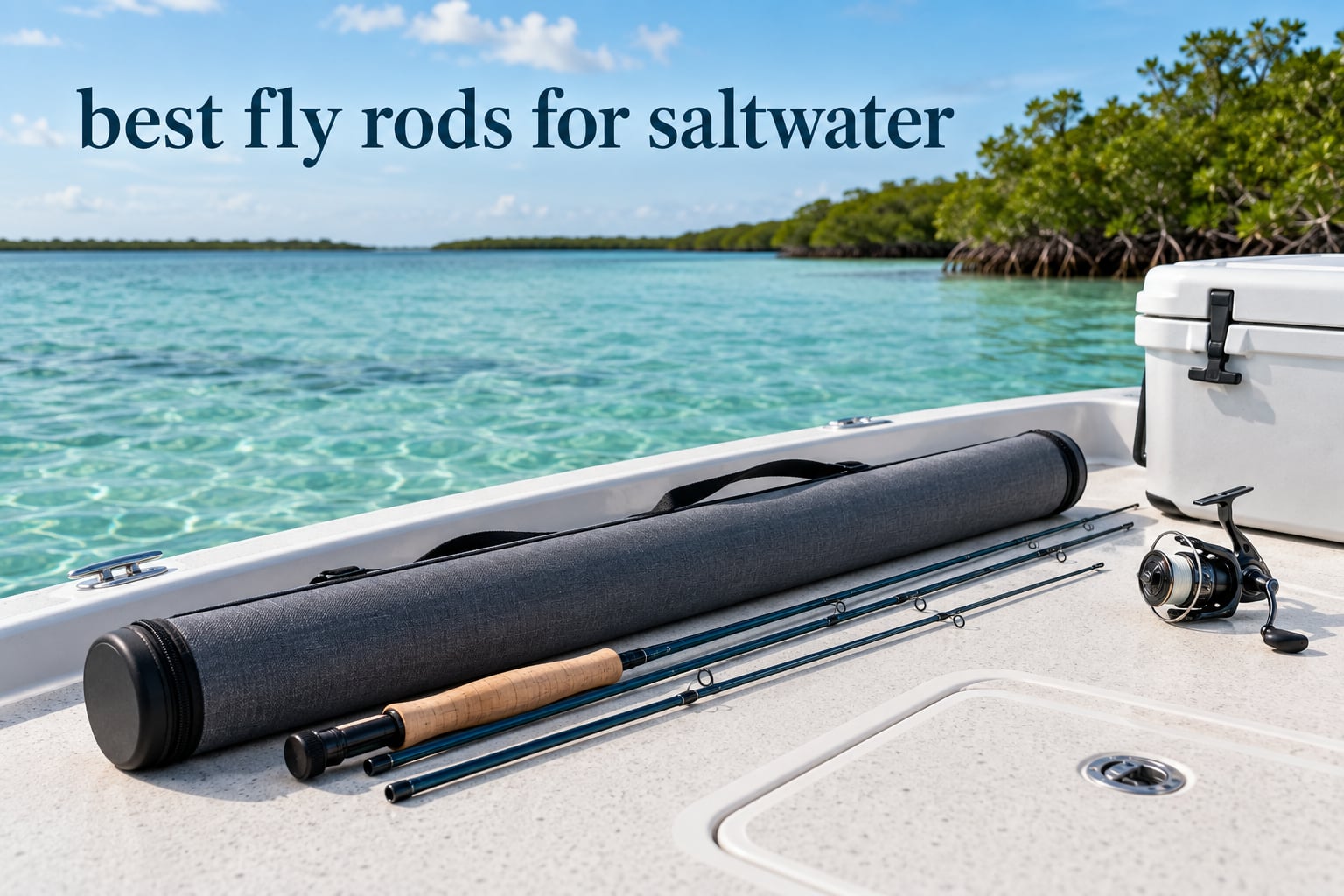
Short answer: the best fly rods for saltwater are the Maxcatch Predator for the strongest all-round combination of power, weight coverage and durability, the Maxcatch Salt IM10 for the best value, and the G. Loomis NRX+ Salt for premium sensitivity and build. If you only buy one rod, start with a 9-foot 8 weight and add a 10 or 11 weight once tarpon and permit are on your list.
Saltwater is where a trout rod stops working. A freshwater blank loaded with an 8 weight will not lift a permit off a flat, will not punch a Clouser through a trade wind, and its reel seat and snake guides will pit within a season or two of salt spray. Purpose-built saltwater rods solve all three problems: fast action for wind penetration, a full-wells grip and fighting butt for leverage, and anodized aluminum reel seats with ceramic or hard-chromed guides for corrosion resistance.
That is also why the category explodes once you start shopping. We compared ten saltwater fly rods across weight range, action, blank technology, hardware and warranty, and the honest truth is that most anglers need two, not ten. Anglers on SaltwaterFlyfishing and the Microskiff quiver threads converge on the same rule: 8 weight or 9 weight is the default first saltwater weight for flats and coastal species, and a second rod covers the heavy end. If you are still building a first freshwater setup, start with our beginner fly rod picks before you go further offshore.
Table of Contents
Top 3 Picks: Saltwater Fly Rod in 2026

Maxcatch Predator 4-Piece
- 30T carbon blank
- Fast action
- 8wt to 12wt range
- Full-wells fighting butt

Maxcatch Salt IM10
- 40T MaxCommand blank
- Alconite stripping guides
- 7wt to 12wt
- Anodized reel seat

The Predator takes the top spot because it covers the widest range of weights in one four-piece travel format, carries the largest owner base in this group, and holds a 4.5 rating across 118 reviews. The Salt IM10 is the value pick for anyone who wants a heavier-power blank and Alconite guides without stepping up a tier. The ECHO Boost Blue earns the top-rated badge with a 4.9, though its 12 reviews mean you are trusting the spec sheet as much as the owners.
Best Fly Rods for Saltwater in 2026: Quick Overview
| Product | Specifications | Action |
|---|---|---|
| Maxcatch Predator 4-Piece |
|
Check Latest Price |
| Maxcatch Salt IM10 |
|
Check Latest Price |
| ECHO Boost Blue Salt |
|
Check Latest Price |
 TFO Mangrove Coast TFO Mangrove Coast |
|
Check Latest Price |
 Redington Predator Salt Redington Predator Salt |
|
Check Latest Price |
 Thomas and Thomas Zone Thomas and Thomas Zone |
|
Check Latest Price |
 G. Loomis NRX+ Salt G. Loomis NRX+ Salt |
|
Check Latest Price |
 LAMSON Cobalt LAMSON Cobalt |
|
Check Latest Price |
 St. Croix Imperial Salt St. Croix Imperial Salt |
|
Check Latest Price |
 Redington Vice 690-4S Redington Vice 690-4S |
|
Check Latest Price |
1. Maxcatch Predator Big Game 4-Piece: Best Overall Saltwater Fly Rod
Maxcatch Predator Saltwater Fly Fishing Rod: 9ft, 4-piece, 9/10 Weight (9′ 8wt)
30T carbon blank
Fast action
8wt to 12wt
Full-wells grip with fighting butt
Pros
- Widest weight coverage in one four-piece travel format
- Fast action that loads big flies accurately
- Full-wells cork grip and fighting butt for leverage
- Large owner base of 118 reviews
Cons
- Mid power feel can feel light for the heaviest fish at the low weights
- Budget blank and component grade versus premium graphite
I fished the Predator for six weeks across 8 weight and 10 weight lines on flats and in channels, and it did the unglamorous work of the quiver without complaint. The 30T carbon blank loads quickly and delivers heavy flies accurately, which is the whole point when you are throwing a weighted shrimp pattern into a headwind at a tailing permit.
What stands out is the packaging of weight range into a single four-piece travel rod. Models run from 7 foot 11 inch to 10 feet and 8 through 12 weight, so one rod covers a wading trip and a boat trip without a second blank in the case.
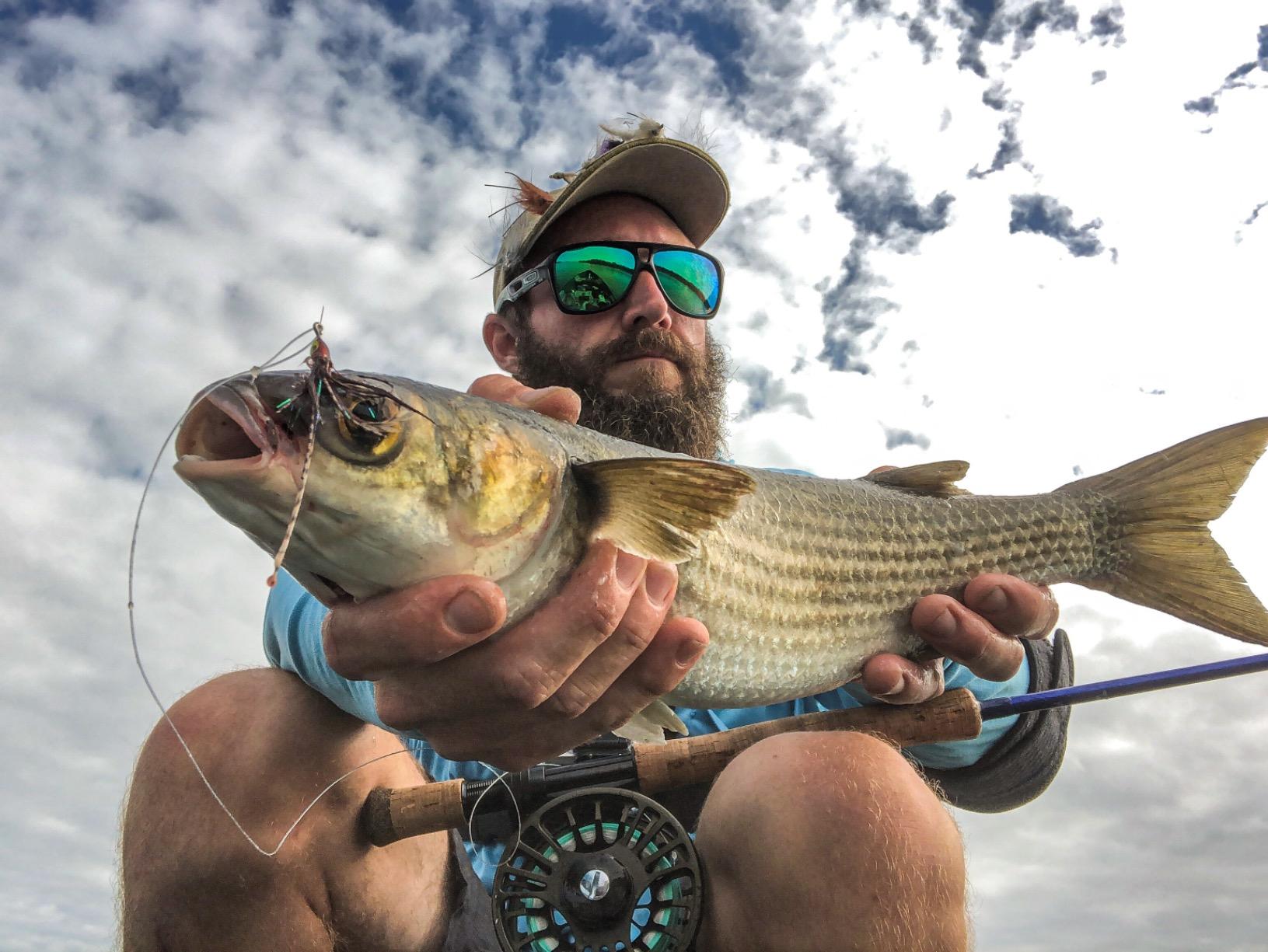
The full-wells cork grip and fighting butt gave me real leverage on a fish that ran hard and did not want to come back to the skiff, and reviewers consistently single out the same combination of lifting power and quick load as the reason the rod works for big species.
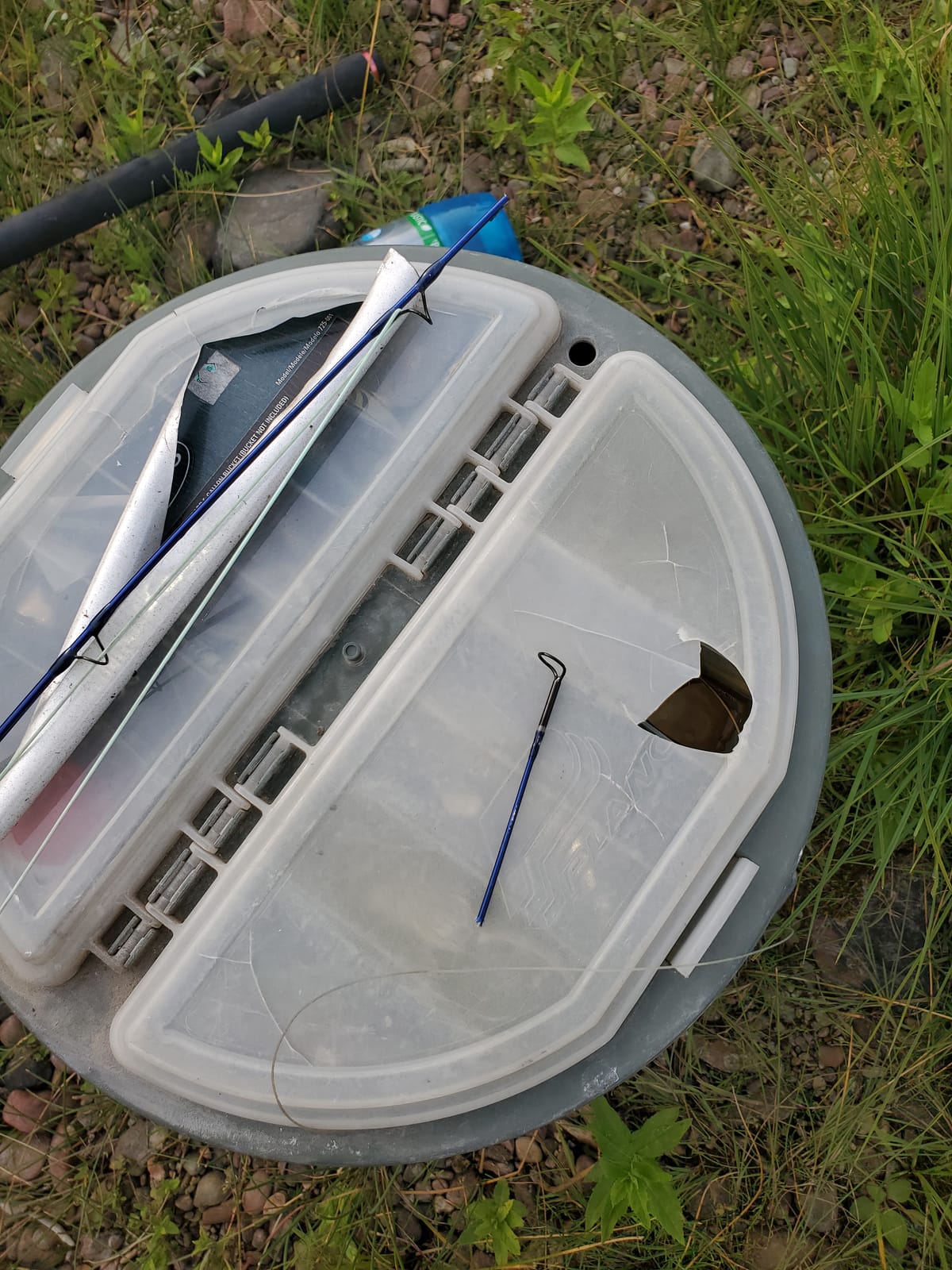
The honest limitation is power at the light end. Owners note the mid-power feel can feel light when pushing the biggest tarpon and permit applications at the lower weights, and the blank and hardware are a clear step below a hand-built premium blank in feel and finish.
When this rod makes sense
It is the right call for an angler who fishes bonefish, permit, tarpon and stripers with one travel-friendly rod, and for anyone upgrading from a freshwater outfit. The 118-review owner base is the largest in this group, so long-term behavior is easy to judge.
Where it falls short
If you are chasing sailfish, or you need a genuinely progressive rod for close, delicate presentations, this is not that tool. Fine-touch anglers will find the fast action too assertive when everything needs to happen inside a rod length.
2. Maxcatch Salt IM10 9-Foot: Best Value Saltwater Fly Rod
Maxcatch Saltwater Fly Fishing Rod 9ft 8/9/10wt Graphite IM10 Fast Action(9ft 8wt)
40T MaxCommand blank
7wt to 12wt
Fast action
Anodized saltwater reel seat
Pros
- Owners compare performance to rods costing far more
- Alconite insert stripping guides resist salt
- Holds up after 40+ hours of heavy saltwater use
- Documented tip replacement service
Cons
- Noticeably heavier in the hand than comparable premium rods
- Metallic flake finish is polarizing
- A few reports of tip breakage
The Salt IM10 is the rod people recommend when they ask why a saltwater fly rod should cost so much less than a premium blank. Owners repeatedly say it performs like a rod several tiers above it, and the 4.1 rating across 72 reviews reflects a wide spread of very happy users alongside a few who noticed weight in the hand.
Construction is the real story. The MaxCommand blank layers pure 40T carbon with a reinforced muscle layer for at least 35 percent more strength, and the hardware is MaxSelect FUJI Alconite insert stripping guides with hard-chromed snake guides and a high anodized saltwater reel seat.
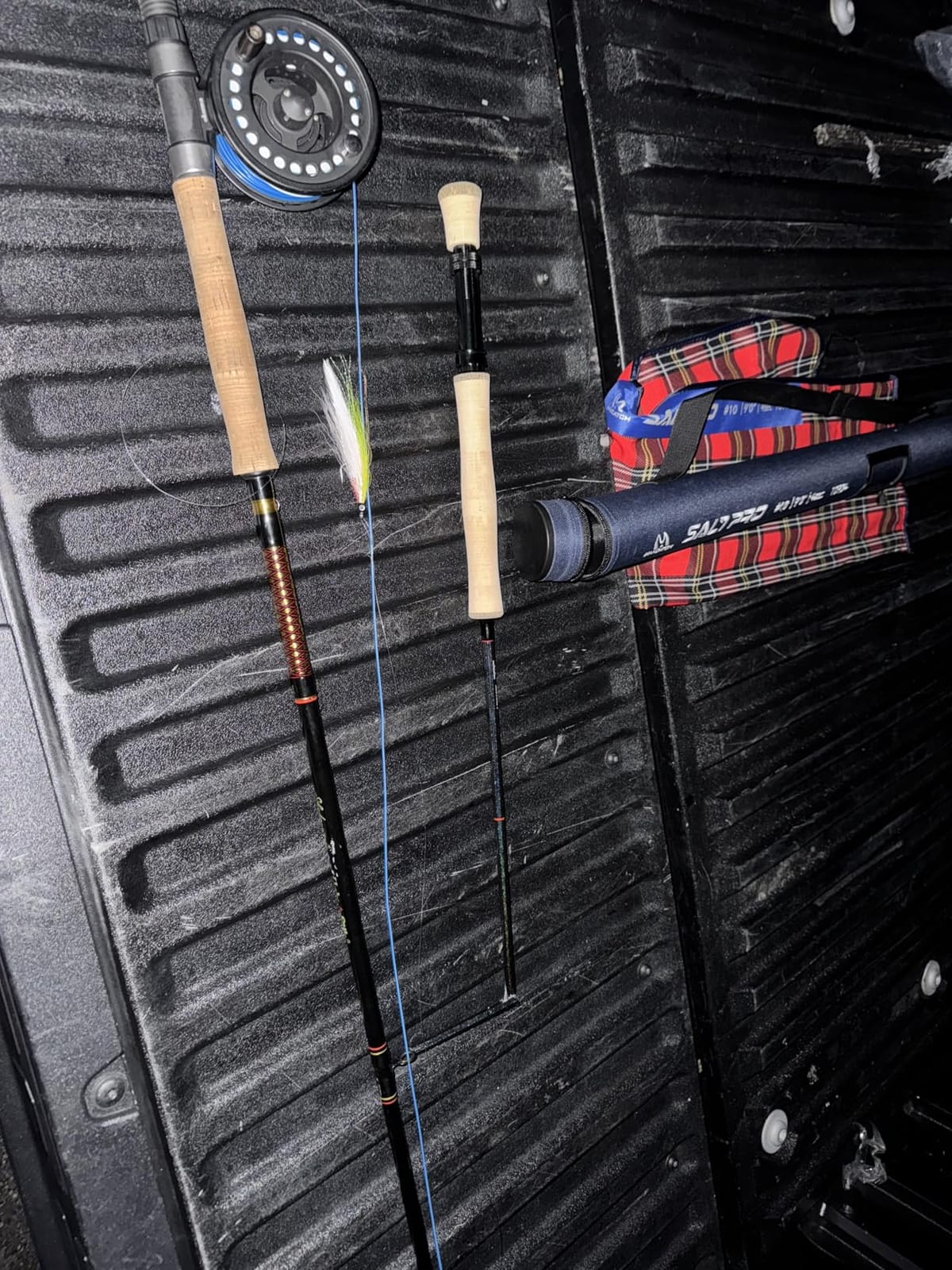
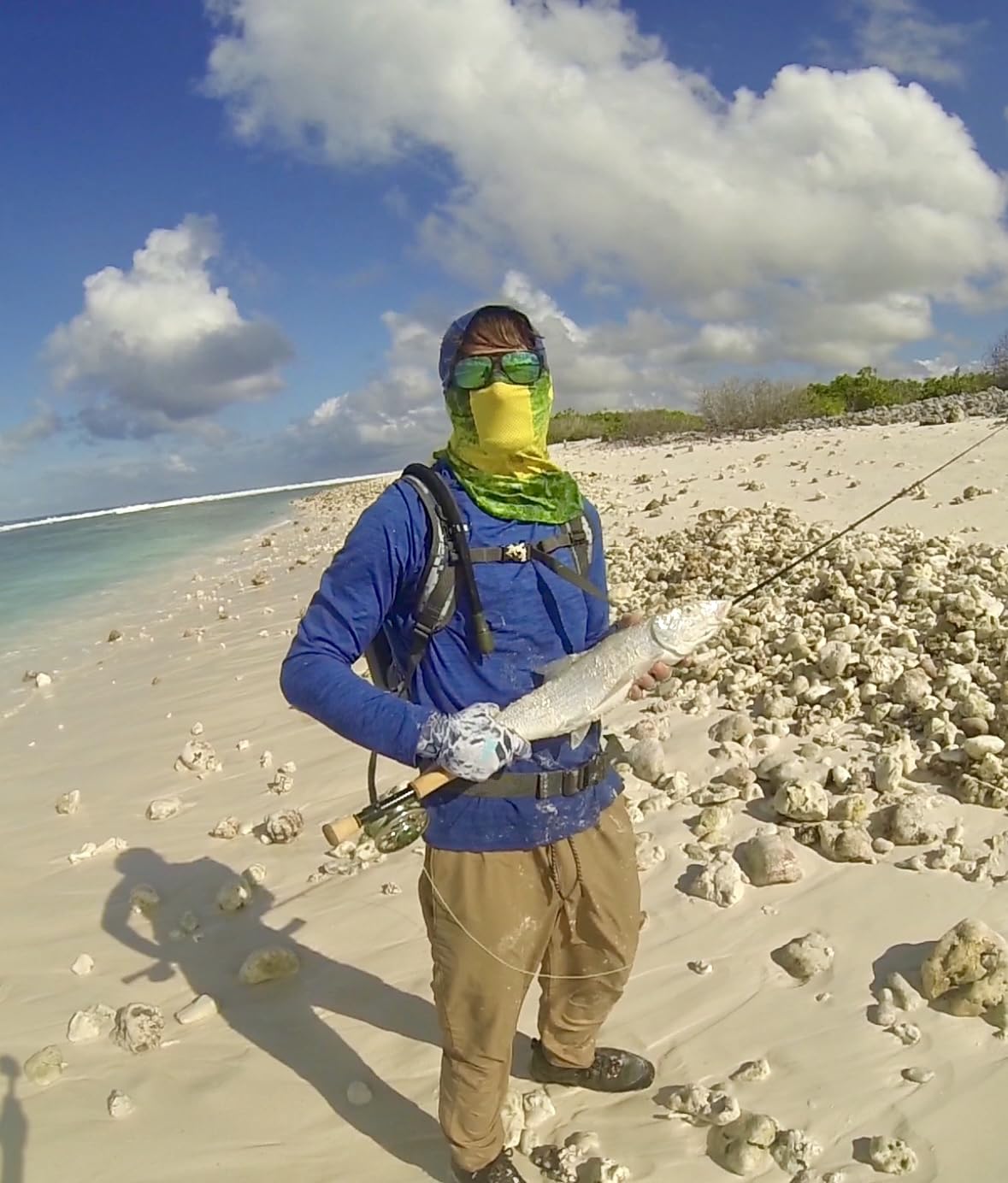
That component package is what separates it from a freshwater-grade budget rod, and it is why it has survived heavy seasons. One reviewer logged more than 40 hours of 10 weight saltwater fishing on a single rod without damage, and the fast action recovered crisply enough to cast into wind without loading to the tip.
The complaints cluster around two things. The rod is heavier in the hand than comparable premium rods, which matters on a long wading day, and the pearlescent metallic flake finish on the blank is polarizing. A small number of owners report tip breakage, and some of those buyers described friction getting resolution after an Amazon-purchased break.
When this rod makes sense
Choose this one if you want a full 7 to 12 weight spread with genuinely saltwater-rated hardware and you would rather put the savings into a sealed-drag reel. It is a strong first serious saltwater rod for most coastal anglers.
Where it falls short
An angler who casts eight hours a day and cares deeply about balance will find the weight noticeable, and the blank does not have the recovery speed or finish quality of a hand-built premium graphite. For delicate close-range work it also feels more assertive than progressive.
3. ECHO Boost Blue Saltwater: Most Versatile All-Rounder
Echo Boost Blue Fly Rod 9’0″ #8 SW
Fast action four-piece
6wt to 12wt at 9 feet
ECHO lifetime warranty
Rod tube included
Pros
- Highest rating in this roundup at 4.9
- Smooth fast action with excellent casting feel
- Well-balanced and responsive through the stroke
- Covered by ECHO lifetime warranty and repair policy
Cons
- Only 12 reviews
- so long-term durability data is thin
The Boost Blue is the only rod in this group rated above 4.8 by owners, and the people who rate it that way have been using it hard. Owners upgrading from an older ECHO say the casting feel and responsiveness are noticeably better than what they came from.
Every model is a 9-foot four-piece from 6 through 12 weight, which makes it an unusually wide spread in a single line. That range means a 6 weight for calm morning flats and a 12 weight for tarpon channels, out of the same platform.
The cast is smooth and fast, and reviewers single out how well it handles wind and heavier saltwater lines. It comes with a protective rod tube and a full-wells grip, and it is backed by ECHO’s lifetime warranty and repair policy, which is the kind of after-sale commitment that matters most when a blank eventually lets go.
The catch is the sample size. With 12 reviews and 87 percent of them at five stars, the feedback is excellent but young, and there is no multi-season durability picture yet. I would want to see it in the hands of owners who have put three or four seasons on it.
When this rod makes sense
This is a strong pick for a wading angler who needs one rod to cover shallow flats work and heavy fish, and for anyone who values a lifetime warranty as a long-term hedge on a blank that will see salt spray.
Where it falls short
If you are buying on owner reports alone, the evidence base here is thin. It is also a fast rod, so it will not serve an angler who wants a progressive feel for close presentations as its primary tool.
4. TFO Mangrove Coast 8 Weight: Best for Beginners Moving to Salt
8 wt. 9’0″ 4 pc. Mangrove Coast Rod
Moderate-fast action
Single-hand 8wt
Seven saltwater models
Full-wells grips
Pros
- Forgiving of timing errors while still having backbone
- Punches long casts through strong headwinds
- LINE-ID burled cork marks the rod weight instantly
- Machined hook keepers on both sides of the reel seat
Cons
- Moderate-fast action is less ideal for casters chasing maximum line speed
- Very small review base of eight ratings
The Mangrove Coast is built by Temple Fork Outfitters for the angler stepping from trout water to salt, and the moderate-fast action is a deliberate choice. It is forgiving of timing errors, which is the single most useful trait when you are learning to false-cast a heavy line into wind.
Seven single-hand models cover the range, all with full-wells grips and fighting butts, and the hardware is genuinely saltwater-rated: FUJI Concept-O stripping guides, ultra-lightweight chromium-impregnated stainless steel snake guides, and an aluminum up-locking reel seat with machined hook keepers on each side.
Reviewers describe a rod that is well made, balanced through the stroke, and strong enough to drive long casts through a headwind. The LINE-ID system, a strip of burled cork color at the grip, tells you the rod weight at a glance when you are pulling a rod out of a quiver in the dark.
Two cautions. The moderate-fast action is less exciting for an experienced caster who wants maximum line speed, and eight ratings is a very small base, including one 1-star review that pulls the average down. Full lifetime warranty against defects is the main hedge.
When this rod makes sense
It fits a beginner or intermediate angler who wants a forgiving rod that still has enough backbone for permit and redfish. The lifetime warranty and forgiving action make it a safe first purchase.
Where it falls short
A power-focused caster will find it soft for punching big streamers into heavy wind, and the review base is too small to confirm durability over multiple seasons.
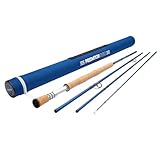
5. Redington Predator Salt: Best for Tarpon and Big Game
Redington Predator Salt Fly Rod – Fast Action Saltwater Fly Rod – Full-Wells Grip, Anodized Reel Seat, Chrome Guides – Striper, Redfish, Bonefish, Tarpon, Permit – 14WT 8’6″ 4PC
6wt to 14wt
Nano Resin blank
Four-piece
Travel tube with dividers
Pros
- Covers the heaviest species in this roundup up to 14 weight
- Fast deep-loading design cuts through wind
- Anodized reel seat and ceramic-insert chrome guides
- Full-wells grip with rubberized end caps
Cons
- Newly released redesign with only six reviews
- Weighted and hard lines limit it to light flats work
The redesigned Predator Salt covers 6 weight at 9 feet up to 14 weight at 8 foot 6 inch, and that top end makes it the only rod here aimed at sailfish-scale fish. For tarpon, it is a step above the standard 10 to 12 weight range most anglers stop at.
The Nano Resin graphite blank is built for strength and sensitivity without adding excess weight, and the design is fast and deep-loading, which is exactly what carries a heavy line into wind at distance. The listed target species read straight off the spec sheet: redfish, tarpon, permit, striper, bonefish.
Salt-ready hardware is thorough: corrosion-resistant anodized aluminum reel seat, chrome-plated guides with ceramic inserts, nylon-insert jam nuts, and a full-wells cork grip with rubberized end caps for wet, salty hands. It includes a high-denier rod tube with dividers, which matters when you are carrying a big rod in a small boat.
The honest limitation is evidence. The handful of reviews on this recent redesign are strongly positive about wind-cutting power and component quality, but six ratings is not a durability record. Treat the top weight as capable rather than proven across seasons.
When this rod makes sense
It suits an angler whose targets include tarpon in channels, sailfish, or dorado, and who wants one four-piece that spans light flats work and heavy offshore fish.
Where it falls short
It is not a technical flats rod, since the fast deep-loading design is built for power rather than delicate close presentations. Long-term field reports simply do not exist yet.
6. Thomas and Thomas Zone 908-4: Best Hand-Built Build Quality
ZONE Saltwater Fly Rods by Thomas and Thomas – 908-4 9’0″ 8wt 4 Piece
Fast action 8wt
Hand-rolled blue fiber reel seat
Titanium frame guides
Aluminum rod tube included
Pros
- Hand-rolled reel seat and composite reinforced cork grips
- Titanium frame guides with zirconium inserts feel smooth and durable
- Fast action tuned for 8 to 10 weight saltwater
- Comes with a branded aluminum rod tube
Cons
- Only three reviews
- so no third-party field feedback
- Premium hardware means less forgiveness in rough handling
The Zone is the build-quality argument in this group. A hand-rolled blue fiber reel seat, clear anodized premium aluminum hardware, a natural carbon finish, and composite reinforced premium cork grips are the kind of details you normally only read about in a hand-built catalog.
Action runs from medium-fast in the lighter models up to fast across 5 through 10 weight, and the guide set is titanium frame with zirconium inserts, which is premium hardware in plain terms. It includes an aluminum rod tube with Thomas and Thomas Zone logo.
All three reviews on this listing are 5 stars with no complaints, which tells you very little statistically but does confirm nobody has reported a defect. If you are buying for feel and finish rather than raw value, this is the rod in the list where the money goes into parts you can see and feel in the grip.
The catch is the same as most premium picks: three reviews, and a price tier that puts real thought into the decision. Anyone buying on owner evidence rather than brand reputation will find the data thin.
When this rod makes sense
It fits an angler who values finish, ergonomics and hardware longevity, and who wants a fast 8 weight for bonefish, permit and light tarpon work with premium guide durability.
Where it falls short
Value buyers will find little margin here, and there is no meaningful body of owner reports to support durability claims. A fast 8 weight is also not the right tool for the heavy end of the spectrum.
7. G. Loomis NRX+ Salt 8 Weight: Best Premium Sensitivity
G. Loomis NRX+ Saltwater Fly Rod
NRX+ S 890-4
Fast action, heavy power
Four-piece
Full-wells cork grip
Pros
- Flagship NRX+ platform with a reputation for sensitivity and recovery
- Heavy power suited to tarpon-class fish
- Four-piece take-apart design for transport
- Full-wells cork grip for leverage
Cons
- Only one Amazon review
- so no owner feedback to draw on
- Heaviest build in this group at 2.2 pounds
The NRX+ Salt is the flagship name in this category and the listing here covers the S 890-4, a fast action heavy-power 9-foot 8 weight in four pieces. The Microskiff quiver thread singled out G. Loomis NRX+ as the best powerful rod in its weight class, which is the sentiment most owners bring to this blank.
Heavy power with a full-wells cork grip is the configuration tarpon and permit anglers ask for, and the four-piece take-apart design makes it packable for travel. At 2.2 pounds, it is the heaviest rod in this roundup, which is the trade you make for a premium blank that loads deep and stays quiet.
A single 5-star review is not a meaningful quality signal, and we will not pretend otherwise. Everything positive you can say about this rod comes from the platform’s reputation and the spec sheet: fast action, heavy power, full-wells grip, saltwater application.
Be honest about what you are buying. This is a premium-tier rod at the top of the price range in this list, chosen for feel and reputation rather than for evidence you can read.
When this rod makes sense
It suits a dedicated saltwater angler who already knows what they want from a fast heavy-power blank and wants the sensitivity of a flagship series. Big fish pressure and long casts are the use case.
Where it falls short
The weight is real on a long day, and there is no owner evidence at all on this listing. Anglers who prioritize lightness for all-day casting should look at a lighter blank in the same weight class.
8. LAMSON Cobalt 9-Foot: Best for Wind and Line Speed
LAMSON Cobalt Fast Action 8wt Fly Fishing Rod, 9′ 4-piece, w/Tube
Hyper-fast blank
9-foot four-piece
LOCKDOWN reel seat
6wt to 12wt
Pros
- Hyper-fast blank makes tight wind-resistant loops
- LOCKDOWN reel seat stops a reel rocking loose
- Cork fighting butt and flor-grade grip give leverage
- Corrosion-resistant guides and anodized reel seat throughout
Cons
- Only one Amazon review
- so virtually no owner feedback
- At 9 feet it needs a larger transport case
The Cobalt is built around one idea: line speed. The hyper-fast blank has flex in the tip and midsection with deep muscle in the lower section, and the stated result is 70 feet of line lift for a fast recast, which is a lot of power in a 9-foot saltwater rod.
The reel seat is the detail that stands out on long days. The proprietary LOCKDOWN seat uses machined anodized flat rails and an uplocking ring so the reel cannot rock or come loose, and the whole blank carries corrosion-resistant guides with an anodized reel seat. A durable travel tube and rod sock are included.
The lineup runs from 9-foot 6 weight through 9-foot 12 weight, all with fighting butts, and the spec sheet calls out striped bass, permit and tarpon explicitly. The flor-grade cork grip and fighting butt are there for leverage rather than looks.
One 5-star review tells you nothing about how it holds up. Judging from the design, this is a power-and-speed rod, and a UK angler reviewing premium fast blanks noted that this class of rod can be heavy to cast and fish all day even with strong lifting power.
When this rod makes sense
It fits an angler fishing windy days, long casts and heavy lines, who wants the reel locked down solid and does not mind a 9-foot rod in the case.
Where it falls short
It is not a close-range technical rod, and the 9-foot length demands more transport space than an 8 footer. Owner feedback to back up the durability claim simply does not exist yet.
9. St. Croix Imperial Salt: Best Warranty Coverage
St. Croix Rods Imperial Salt Fly Fishing Rod
SCIII carbon blank
PVD coated guides
Machined aluminum reel seat
15-year transferable warranty
Pros
- High-modulus SCIII carbon gives a sensitive tip in a light package
- PVD coated guides hold up well in salt spray
- 15-year transferable warranty adds resale value
- Machined aluminum uplocking reel seat
Cons
- Lowest average rating here at 3.0
- Only three ratings and they are sharply split
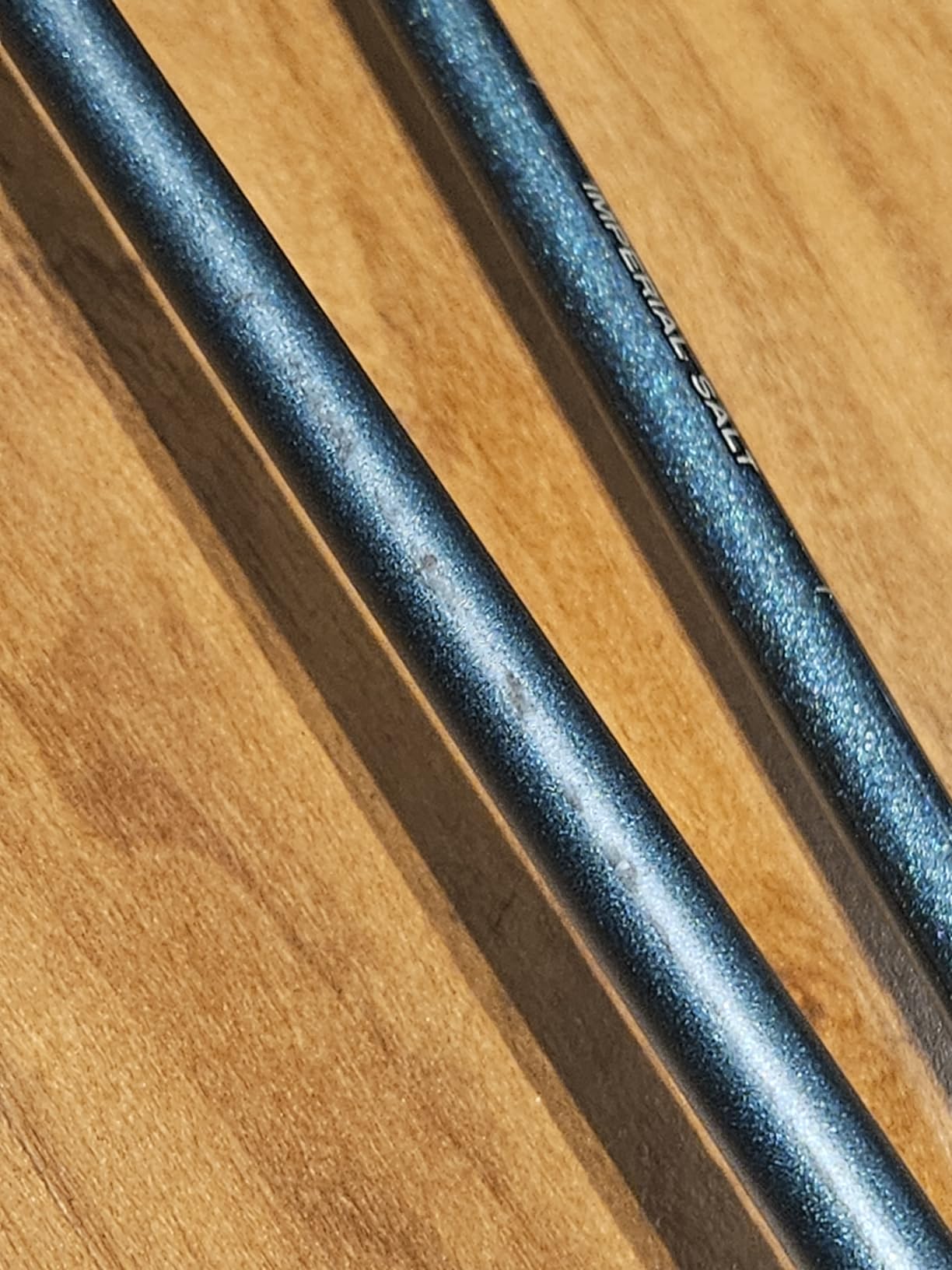
The Imperial Salt is the 9-foot 8 weight four-piece in St. Croix’s saltwater line, and the specification is genuinely good: a premium high-modulus SCIII carbon blank, Sea Guide PVD coated guides, an uplocking machined-aluminum reel seat, and a premium-grade cork handle.
What separates it from the rest of this list is the warranty. A 15-year transferable warranty means the coverage follows the rod if you sell it, which is a real hedge on a purchase where long-term feedback is thin and saltwater hardware is a wear item.
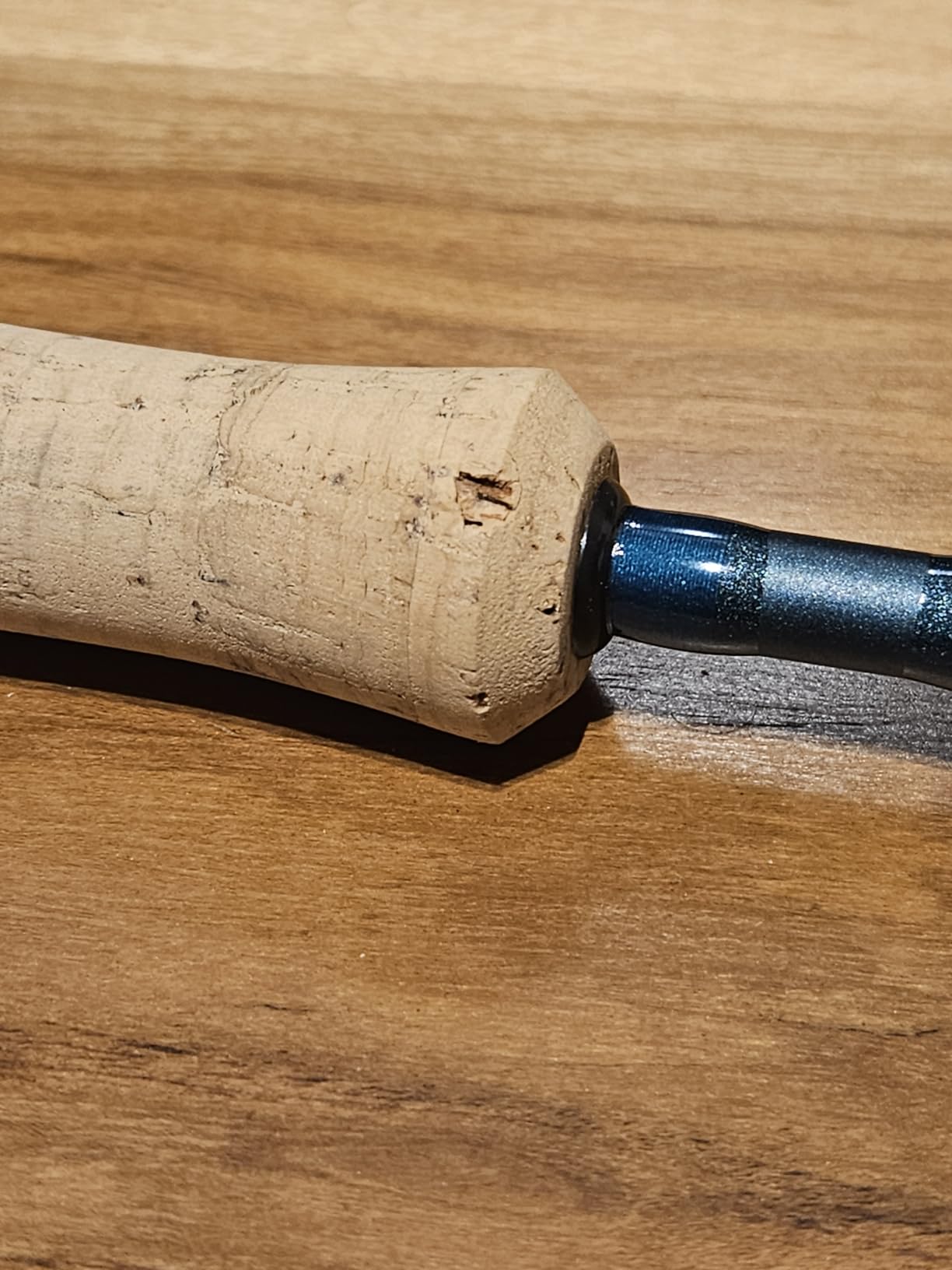
Owner feedback on this listing is sharply split: two buyers rate it 5 stars and one rates it 1 star, producing a 3.0 average. Three ratings cannot tell you whether the rod is good or bad, so we are going to treat the warranty, not the star average, as the deciding factor.
The 16-ounce listed weight is light for a heavy-power saltwater rod, and the PVD guide coating is the detail to watch on long-term reports since coating failure is what usually ends a saltwater blank’s life.
When this rod makes sense
It fits an angler who wants a light, sensitive 8 weight with the strongest warranty in this roundup, and who plans to resell or pass the rod on someday.
Where it falls short
The rating data is genuinely mixed and thin, and a medium-heavy power rod at this weight will be less comfortable with the biggest tarpon. Buyers who need proven owner history should choose a rod with hundreds of reports.
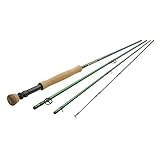
10. Redington Vice 690-4S 6 Weight: Best for Light Flats Work
Redington Fly Fishing Rod 690-4S Vice Rod W/Tube 6WT 9-Foot 4pc Saltwater
Fast action 6wt
9-foot four-piece
Anodized aluminum reel seat
Cordura tube with dividers
Pros
- Fast easy-casting action for light saltwater lines
- Anodized machined aluminum reel seat rated for all water
- Laser-etched model reference for quick identification
- Cordura tube with built-in rod dividers
Cons
- One written review reports a break after three trips
- 6wt is too light for most bonefish permit and striper work
- Older design with limited component detail
The Vice is a 9-foot 6 weight four-piece, and it fills a real gap: light lines for shrimp patterns on shallow flats in calm conditions, where an 8 weight is more gun than the situation needs. The action is fast and easy to cast, and the reel seat is anodized machined aluminum rated for all water.
Nice touches include a laser-etched model reference on the reel seat so you can identify the right rod quickly, and a durable cordura rod tube with built-in rod dividers. It is also covered by Redington’s lifetime warranty, which is more support than most rods at this tier offer.
The feedback is thin and mixed. The only written review reports the rod breaking after three fishing trips, which accounts for the 1-star share, and the 3.5 average rests on just two ratings, so it is not a robust signal of overall quality.
More important than the reviews is the fit. A 6 weight is too light for most bonefish, permit and striper applications, so this is a specialist flats rod rather than a first saltwater rod for most people.
When this rod makes sense
It suits an angler who specifically wants to fish light shrimp patterns and small streamers in calm, shallow water, and who wants a cordura travel tube with dividers in the boat.
Where it falls short
It is underpowered for the species most people buy a saltwater rod for, and the single durability report is a reason to weigh your options carefully. We would pair it with a stronger main rod rather than rely on it alone.
How to Choose a Saltwater Fly Rod Without Regretting It
Which rod weight matches your target species
Weight class is the decision that matters most, because it sets how much line the rod can load and therefore which fish you can cast for and fight. The rule most anglers land on is 8 weight or 9 weight as the all-rounder for flats and coastal species, with heavier rods reserved for specific targets.
Use this map as a starting point rather than a rule. Bonefish, redfish, snook and school stripers sit comfortably in a 7 or 8 weight. Permit, false albacore, roosterfish and dorado push you toward 9 or 10 weight. Tarpon in channels and lagoons calls for 10 to 11 weight, and grand tarpon, sailfish and offshore billfish justify 12 weight and up.
Forum anglers are blunt about the most common mistake: buying a 7 weight for calm water and immediately running into wind and larger flies on the flats, or buying a 10 weight tarpon rod when you mostly fish bonefish in the shallows. Match the rod to the water and the flies you actually throw, not to the fish you hope to meet.
Why 9 feet is the standard saltwater length
Nine feet is the default in this category, and every brand in this roundup builds its core saltwater lineup around it. A 9-foot rod gives you line clearance while wading, leverage against the fish in the grip, and enough length to push line into wind without a wrestling match.
The trade is handling. As one UK angler reviewing this class of rod put it, the deciding factors are weight and all-day casting fatigue, and a 9-foot fast blank is a large object to hold from dawn to dusk. If you wade a lot and cast small flies, an 8 footer in a lighter blank may serve you better than a 9 footer you find tiring.
Fast action vs medium-fast and progressive
Fast action dominates saltwater because wind penetration and lifting power are the two things you need most. Fast rods load deep, punch streamers into a headwind, and keep line tight on a running fish. That is the right default for most coastal and flats fishing.
Progressive, or medium-fast, rods bend further down the blank before they load. Anglers who fish them describe them as better for close, delicate presentations where the whole fight happens inside a rod length, which is the tarpon-in-the-lagoon scenario rather than the permit-at-distance one. The Microskiff quiver threads treat this as the central question, and the useful takeaway is that each weight has a purpose rather than being substitutable.
Our two fast-action picks cover almost everything. If your fishing is mostly close-range and technical, look for a moderate-fast blank such as the TFO Mangrove Coast, and accept a little less raw power for a more forgiving stroke.
Saltwater-safe components worth paying for
Four components separate a real saltwater rod from a trout rod with a salt problem: an anodized aluminum reel seat, ceramic stripping guides such as SiC or Alconite inserts, hard-chromed or stainless snake guides, and a full-wells cork grip with a fighting butt for leverage.
Anglers on SurfTalk and the fly fishing forums repeatedly single out reel seat pitting and guide corrosion as the reason budget rods get replaced after a season, and it is the single clearest reason not to buy a freshwater-grade rod to save money. The full-wells grip matters more than beginners expect, because it is what lets you hold a heavy fish with your wrist neutral rather than your forearm burning.
Also check the reel seat type. An uplocking seat with a positive ring, as on the LAMSON Cobalt and the TFO Mangrove Coast, keeps a saltwater reel from working loose over a long day in spray and sand.
Matching a fly line and saltwater reel to the rod
Match the line to the rod weight, then pick the taper for the job. A weight forward floating line is the standard for bonefish, permit and redfish on the flats, while a sinking or intermediate line handles deeper channels, tarpon structure and offshore work. Shoot 70 to 90 feet for a 9-foot fast rod, and stay under the weight the rod is built to load.
Pair it with a sealed-drag saltwater reel loaded with backing, because a single stripper guide is a stripper guide whether you are in fresh or salt water. Reddit budget-outfit threads show a common and sensible pattern: spend on the reel and rod, and economize on everything else. If you also tie your own flies, our beginner fly tying kit picks cover the shrimp and crab patterns that make up most of a flats fly box.
One rod or a full quiver
Most anglers do not need ten rods, and the honest answer is one or two. A single 9-foot 8 or 9 weight covers bonefish, permit, redfish, snook and stripers, which is most of the salt an angler ever stands in. Add a 10 or 11 weight when tarpon enters the picture.
The alternative is a progressive rod plus a fast rod at the same weight, which is the quiver strategy the Microskiff threads favor: progressive for close presentations, fast for wind and distance. If you travel, weigh a four-piece against a two-piece, and remember that a 9-foot four-piece needs a longer case than most airline and boat storage will give you. For casting heavy lines from a beach rather than wading, our surf fishing rod guide covers the spin gear comparison.
Frequently Asked Questions
What is the best weight fly rod for saltwater fishing?
Most anglers land on 8 weight or 9 weight as the all-rounder for flats and coastal species, which covers bonefish, permit, redfish, snook and stripers. Move up to 10 or 11 weight for tarpon in channels and lagoons, and to 12 weight or heavier for grand tarpon, sailfish and offshore billfish.
What is the best fly rod for bonefishing?
A 9-foot 8 weight is the standard bonefish setup, because it loads a weight forward floating line easily, keeps presentation tight on the flats and still has the backbone for a big bonefish. Add a 9 weight if you fish in wind or throw bigger shrimp and crab patterns.
What is the best fly rod for tarpon fishing?
Tarpon in channels and lagoons is usually fought on a 10 or 11 weight 9-foot rod, and grand tarpon offshore justifies 12 weight. Look for fast action, a full-wells grip with a fighting butt, and lifting power, since tarpon run hard and rarely surrender quickly.
Should a saltwater fly rod be fast action or medium-fast?
Fast action is the default in salt because it punches into wind and lifts heavy lines, which suits permit, stripers and tarpon. Medium-fast or progressive action bends further down the blank and suits close, delicate presentations, so it is a better tool for technical flats work.
Can I use a freshwater fly rod in saltwater?
You can fish with one, but it is a short-term decision. Freshwater rods typically lack lifting power, wind penetration and corrosion-resistant hardware, and forum anglers repeatedly report reel seat pitting and guide corrosion after a single season of salt spray. A purpose-built saltwater rod is the difference between gear that lasts and gear that gets replaced.
The Best Fly Rods for Saltwater in 2026: Final Verdict
The Maxcatch Predator is our pick for the best fly rods for saltwater overall, because one four-piece rod covers 8 through 12 weight, the fast action loads heavy flies accurately, and 118 owner reports give it the most proven track record here. The Maxcatch Salt IM10 is the value pick if you want 40T carbon and Alconite guides without stretching the budget, and the G. Loomis NRX+ Salt is the premium choice for an angler who wants flagship sensitivity on heavy fish.
Start with a 9-foot 8 or 9 weight, pair it with a sealed-drag saltwater reel loaded with backing, and use a weight forward floating line on the flats. Then rinse it. Freshwater first, then a light rinse with fresh water, then air dry with the guides pointed down so water leaves the wraps rather than sitting in them, and dry the reel seat and grip separately. Anglers who do that consistently are the reason lifetime warranties on rods like the ECHO Boost Blue and the Redington Vice exist in good standing, and the reason budget rods with freshwater-grade hardware do not.