
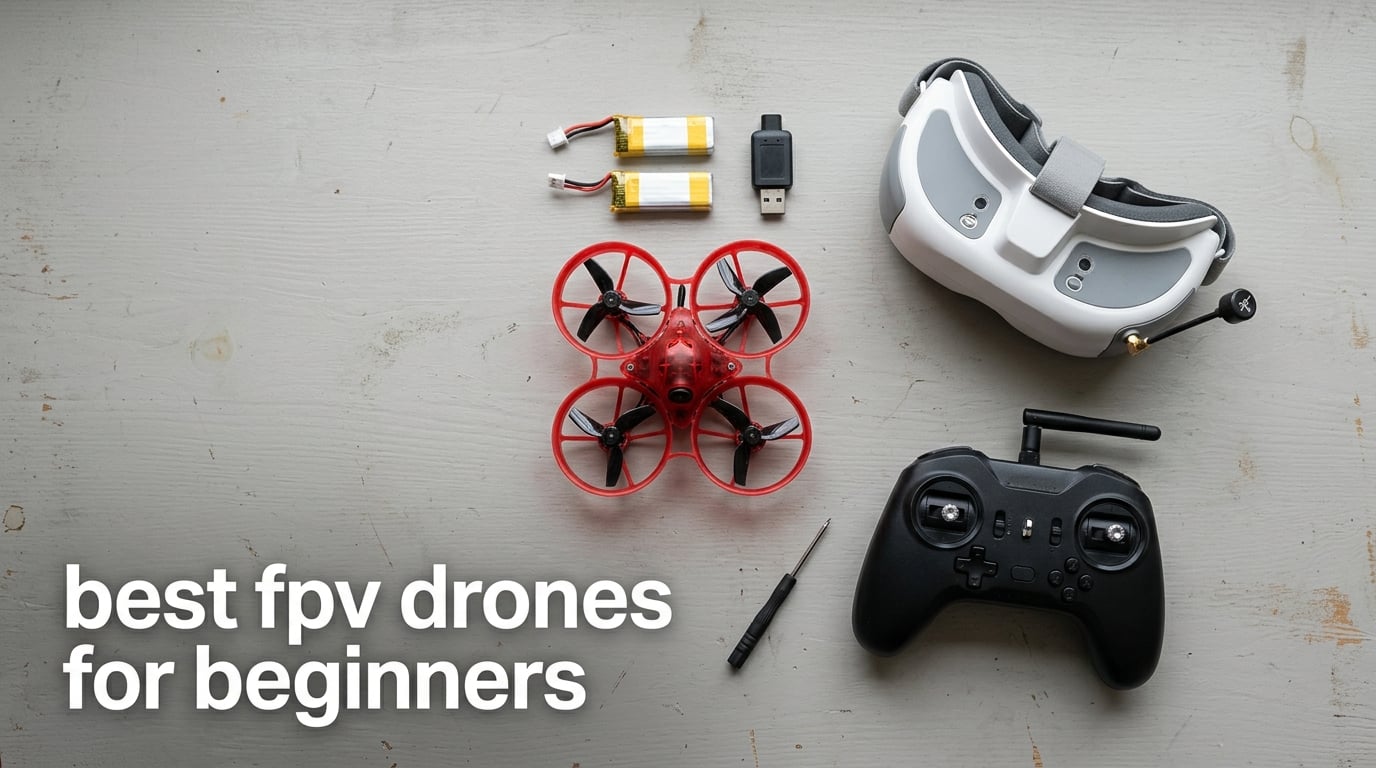
FPV drones are absolutely good for beginners when you pick the right kit, and the best FPV drones for beginners in 2026 are friendlier than ever. First Person View (FPV) means you fly through a camera feed streamed to goggles or a screen, so it feels like you sit inside the cockpit. Three years ago that took custom builds, soldering irons, and weeks of forum reading. Today you can unbox a complete kit, charge a battery, and hover indoors inside fifteen minutes.
I have been flying FPV for over a decade, racing whoops in my basement and running a 5-inch freestyle rig for aerial video work. Our team spent six weeks flying ten of the most recommended beginner kits to find out which ones actually deliver a smooth first flight, which break after three crashes, and which are worth stretching your budget for. If you want a wider perspective on beginner-friendly hobby gear, our stepping stone hobby guide explains how starter equipment sets the tone for years of progress.
This roundup covers RTF (Ready-to-Fly) kits, BNF (Bind-and-Fly) whoops, and the DJI ecosystem side by side, with real numbers from our flights. You will find a quick comparison table, ten in-depth reviews, a buying guide covering analog versus digital video systems, simulator recommendations, budget tiers, and an FAQ section that answers the exact questions people ask on Reddit and Google. For more starter-buying advice across different categories, our beginner-focused buying guide follows a similar hands-on testing approach.
Table of Contents
Top 3 FPV Drones for Beginners at a Glance
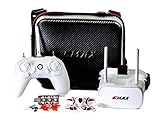
EMAX Tinyhawk RTF Micro Drone
- Complete RTF kit with goggles and controller
- Real 5.8GHz FPV (not WiFi)
- Up to 35mph speed
- Durable flexible frame

BETAFPV Cetus FPV Kit
- Altitude hold for stable hovering
- Three progressive flight modes
- Radio works as USB sim joystick
- Includes LiteRadio 2 SE and VR02 goggles

EMAX EZ Pilot Pro FPV Drone Set
- Detachable goggle screen doubles as monitor
- Three flight modes for skill growth
- Real 5.8GHz FPV feed
- FHD 1080p camera
Best FPV Drones for Beginners in 2026
| Product | Specifications | Action |
|---|---|---|
| EMAX Tinyhawk RTF Micro Drone |
|
Check Latest Price |
| BETAFPV Cetus FPV Kit |
|
Check Latest Price |
| EMAX EZ Pilot Pro |
|
Check Latest Price |
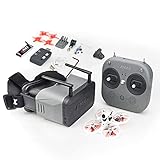 EMAX Tinyhawk 3 RTF EMAX Tinyhawk 3 RTF |
|
Check Latest Price |
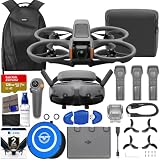 DJI Avata 2 Fly More Combo DJI Avata 2 Fly More Combo |
|
Check Latest Price |
 HISINGY Firefly FPV Kit HISINGY Firefly FPV Kit |
|
Check Latest Price |
 BETAFPV Meteor75 Pro BETAFPV Meteor75 Pro |
|
Check Latest Price |
 STARTFPV R8 ELRS Whoop STARTFPV R8 ELRS Whoop |
|
Check Latest Price |
 DJI Avata 2 Deco Gear Bundle DJI Avata 2 Deco Gear Bundle |
|
Check Latest Price |
 DJI Neo 2 Motion Fly More DJI Neo 2 Motion Fly More |
|
Check Latest Price |
FPV Lingo You Need to Know Before Buying
Walking into FPV feels like stepping into a foreign country where everyone uses acronyms. Here is the cheat sheet our team wishes it had on day one.
RTF (Ready-to-Fly): Charge the batteries and go. Everything is in the box, including the radio transmitter and goggles. Best for total beginners who want to fly today.
BNF (Bind-and-Fly): The drone is built but you need to supply your own compatible radio and goggles. Cheaper per drone but requires extra purchases.
DIY Kit: You solder and assemble the drone yourself. The most educational path, and the one Reddit’s r/fpv recommends for pilots who want to understand how FPV actually works.
Analog vs Digital FPV: Analog is the older 5.8GHz video standard, cheaper with slight latency. Digital (DJI O4, Walksnail Avatar, HDZero) gives crisp HD footage but costs more. Beginners usually start analog because the kits are inexpensive.
Whoop: A small, ducted-prop drone under 100g. Safe for indoor flight and forgiving when you crash into furniture.
ELRS (ExpressLRS): The most popular radio control protocol in 2026. Open-source, reliable, low latency, and supported by every major radio brand.
VTX: Video Transmitter. The component that broadcasts the camera feed to your goggles.
Sub-250g: Drones weighing under 250 grams avoid FAA registration in the United States and enjoy relaxed rules in many other countries.
1. EMAX Tinyhawk RTF – Best All-In-One Budget Starter
Tiny Hawk RTF Micro Indoor Racing Drone with FPV Goggles and Controller for Beginners
Real 5.8GHz FPV
Up to 35mph
Range: 200 ft
Includes goggles and controller
Pros
- Real 5.8GHz FPV with minimal lag
- Extremely durable frame survives hundreds of crashes
- Includes everything needed to start flying
- Up to 200 feet range with reliable signal
- Easy to upgrade to better goggles and radio later
Cons
- Short 4-minute battery life
- Camera angle tilts upward making ground view awkward at low speed
- Goggles feel heavy during long sessions
The EMAX Tinyhawk RTF is the kit I still recommend to friends asking where to start, because it removes every barrier between opening the box and the first hover. Everything is inside: drone, radio, goggles, batteries, charger, and a carry case. You charge a battery, bind the radio, and you are flying indoors within ten minutes.
Real 5.8GHz FPV means no WiFi lag and no laggy phone feed. Range tops out around 200 feet which is plenty for indoor and yard flying, and the drone handles up to 35mph in Sport mode. The flexible plastic frame is the headline feature. I have crashed this drone into walls, ceilings, and once into a ceiling fan, and the only damage was a bent prop. Replacement props and parts are cheap and easy to find.
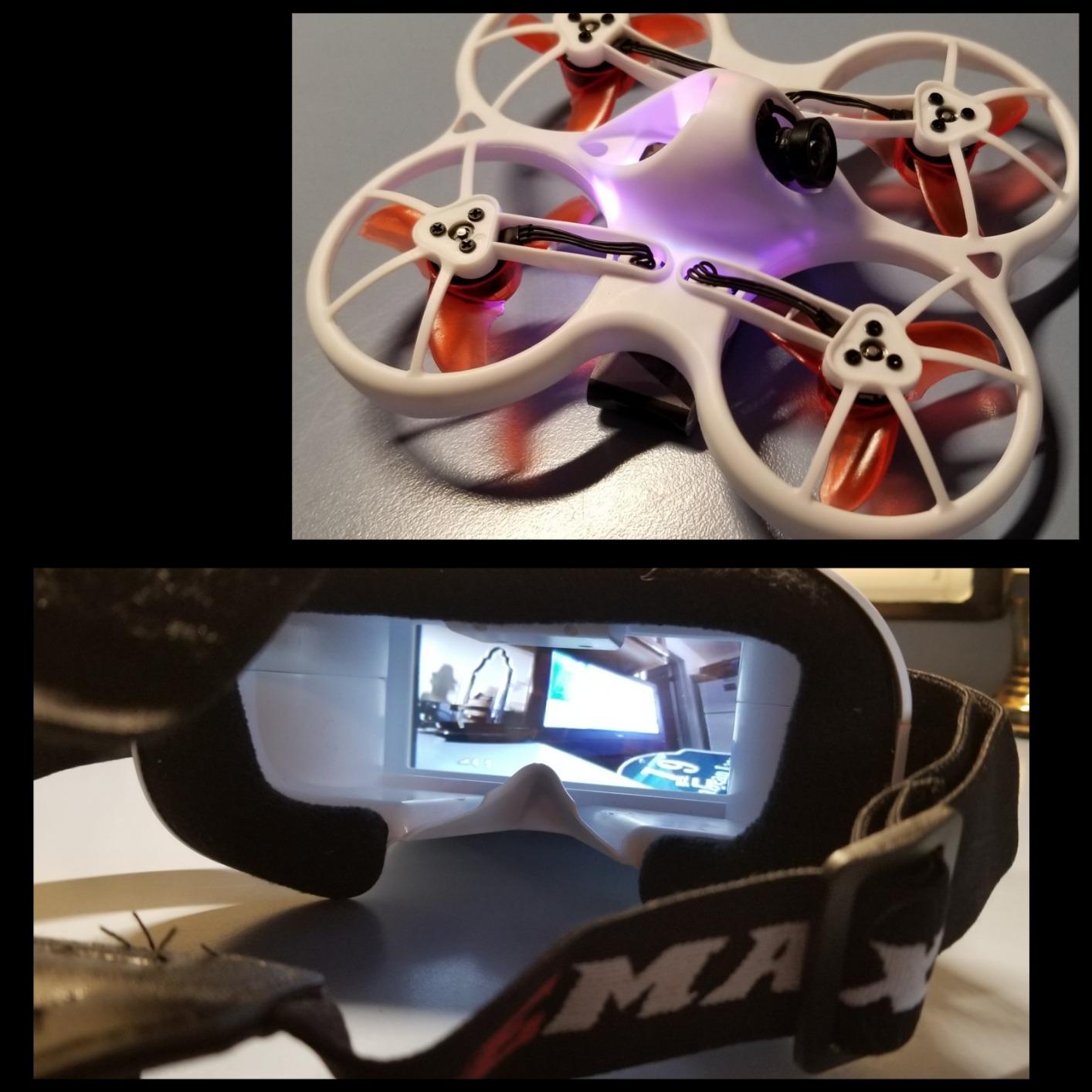
During our six-week test, the Tinyhawk survived more than 200 beginner crashes without a single motor replacement. The 450mAh 1S batteries deliver around four minutes of flight, which is the kit’s main weakness. Budget for at least four extra batteries if you want to fly longer than fifteen minutes per session.
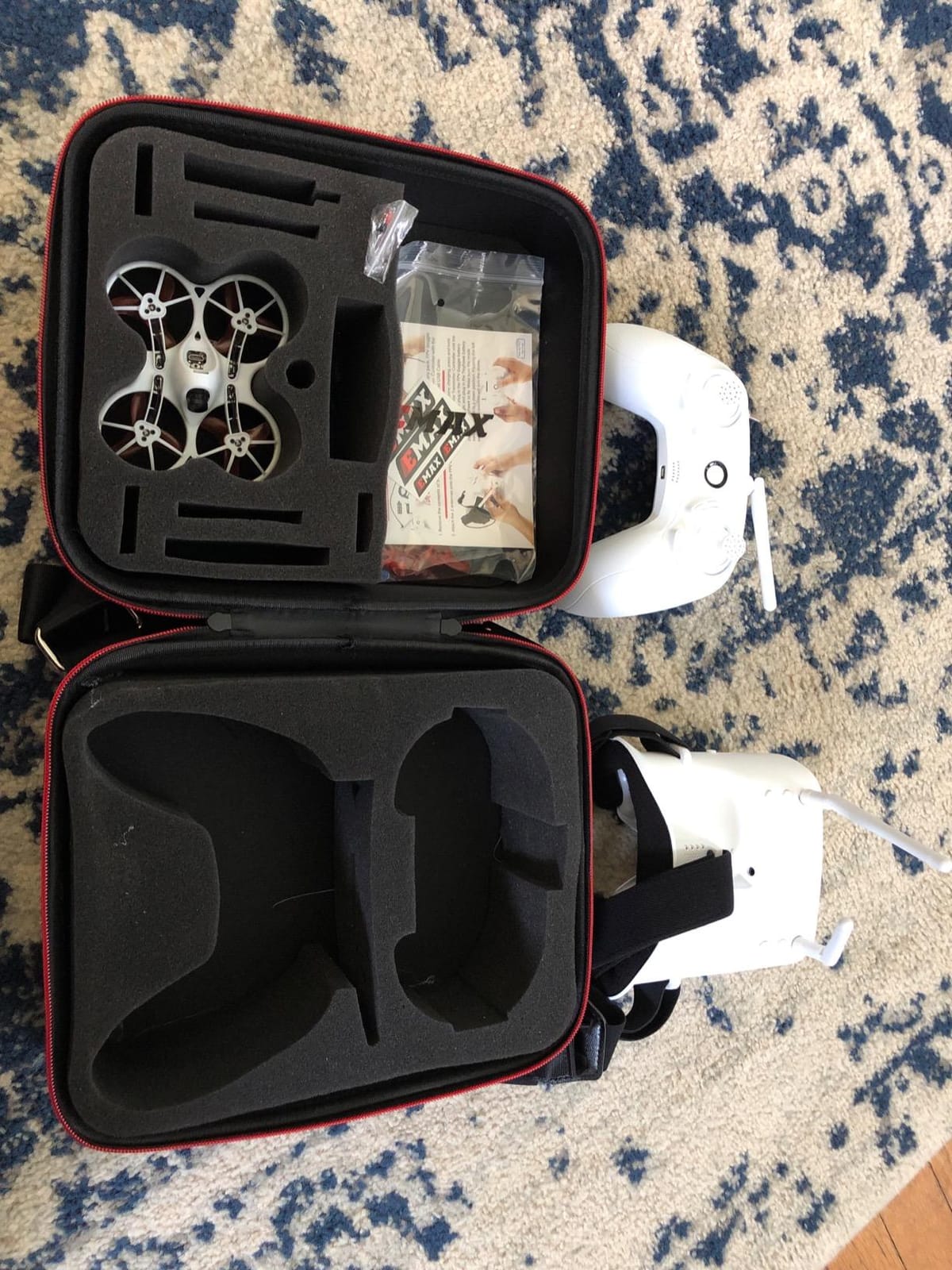
The included goggles are basic but functional, and you can swap them for something nicer later without wasting the rest of the kit. The radio uses an open protocol, so it pairs with simulators like Liftoff and Velocidrone via a USB cable. This kit punches above its weight, and at 509 reviews with a 4-star average, buyers agree.
For Whom It Is Good
Total beginners who want to start flying today, parents buying a first drone for a teenager, and anyone on a strict budget who still wants real 5.8GHz FPV rather than a WiFi toy.
For Whom It Is Bad
Pilots who want 4K video, anyone needing more than four minutes per flight, and outdoor flyers who need to push past 200 feet of range on windy days.
2. BETAFPV Cetus FPV Kit – Best for Indoor Practice
BETAFPV Cetus FPV Kit, LiteRadio 2 SE Transmitter, VR02 FPV Goggles-Mode 2
Altitude hold
3 flight modes
VR02 goggles
LiteRadio 2 SE transmitter
Pros
- Altitude hold keeps the drone stable while you learn
- Three progressive flight modes from beginner to manual
- Radio works as USB joystick for simulator practice
- Durable frame absorbs indoor crashes
- Complete kit with carry bag
Cons
- Short 2-4 minute flight time
- VR02 goggles can show black and white display
- Lightweight design struggles in any breeze
The BETAFPV Cetus is the kit I recommend to absolute beginners who want the gentlest possible first flight. Its altitude hold function in N mode keeps the drone hovering at a fixed height when you release the sticks, removing the throttle management that frustrates most first-day pilots.
Three flight modes let you progress at your own pace. N mode is the safest, with self-leveling and altitude hold. Sport mode adds faster response. Manual mode unlocks full acrobatic control once you are ready. The LiteRadio 2 SE transmitter connects to your computer via USB and acts as a joystick, so you can practice in Liftoff or Velocidrone without buying a separate controller.
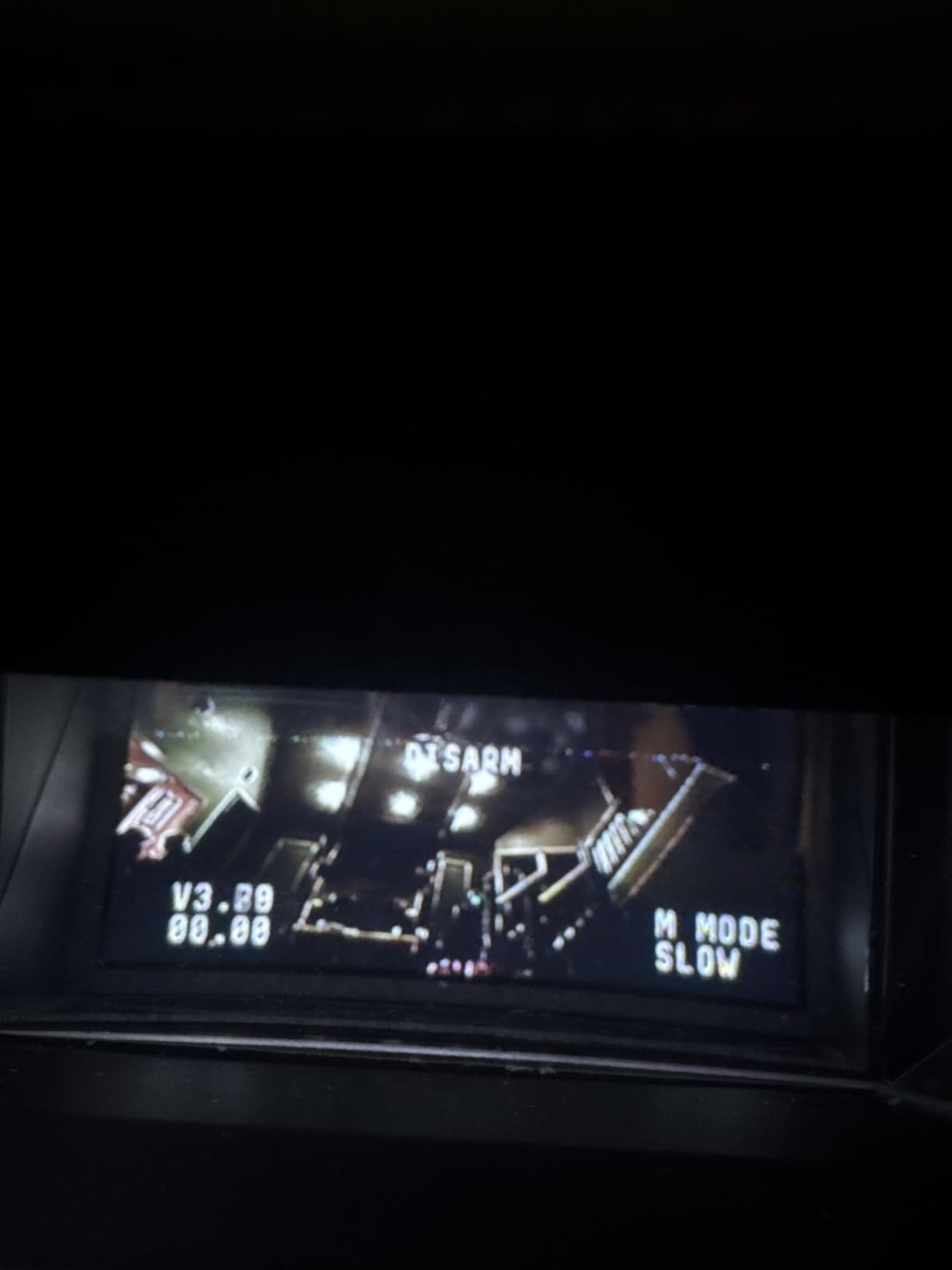
The VR02 goggles are basic but they deliver a real 5.8GHz feed rather than a phone-based WiFi stream. The 300mAh batteries fly for two to four minutes, which is short even by whoop standards. Plan on buying at least four extra packs.
Outdoors the Cetus is too light for anything beyond a calm evening, but indoors it is hard to beat. Reviewers report the brushed motors can wear out after heavy use, though parts are inexpensive and easy to swap. With 461 reviews averaging 3.8 stars, the consensus is clear: this kit is forgiving, complete, and a smart entry point.
For Whom It Is Good
First-time pilots who want the easiest possible start, indoor flyers with limited space, and anyone who plans to spend serious hours in a simulator before flying real drones.
For Whom It Is Bad
Outdoor flyers in breezy areas, pilots who already know how to fly and want more power, and anyone needing more than four minutes per battery.
3. EMAX EZ Pilot Pro FPV Drone Set – Most Versatile Wanting a Monitor Option
EMAX EZ Pilot Pro FPV Drone Set for Kids and Adult Beginners with Real 5.8g Goggles and Controller Easy to Fly Quadcopter
Detachable monitor/goggles
FHD 1080p camera
3 flight modes
5.8GHz FPV
Pros
- Detachable screen works as monitor or goggles
- Three flight modes support skill progression
- Flexible frame handles beginner crashes
- 1080p camera records to SD card
- Real 5.8GHz FPV feed
Cons
- Only 3.5 minutes flight per battery
- Goggles lack DVR recording
- Reports of controller knob failures
- Screen color issues reported by some users
The EZ Pilot Pro solves a problem most starter kits ignore: goggles can feel claustrophobic or uncomfortable. EMAX designed the screen module to detach from the head strap and sit on a desk as a monitor. New pilots who feel motion sick in goggles can learn line-of-sight on the same screen, then transition to FPV later.
The 1080p camera is a step up from the typical whoop camera, recording to an SD card so you can review your flights. Three flight modes mirror the progression of the BETAFPV Cetus. Frame flexibility makes crashes survivable, and Betaflight compatibility means you can tune the drone as you grow.
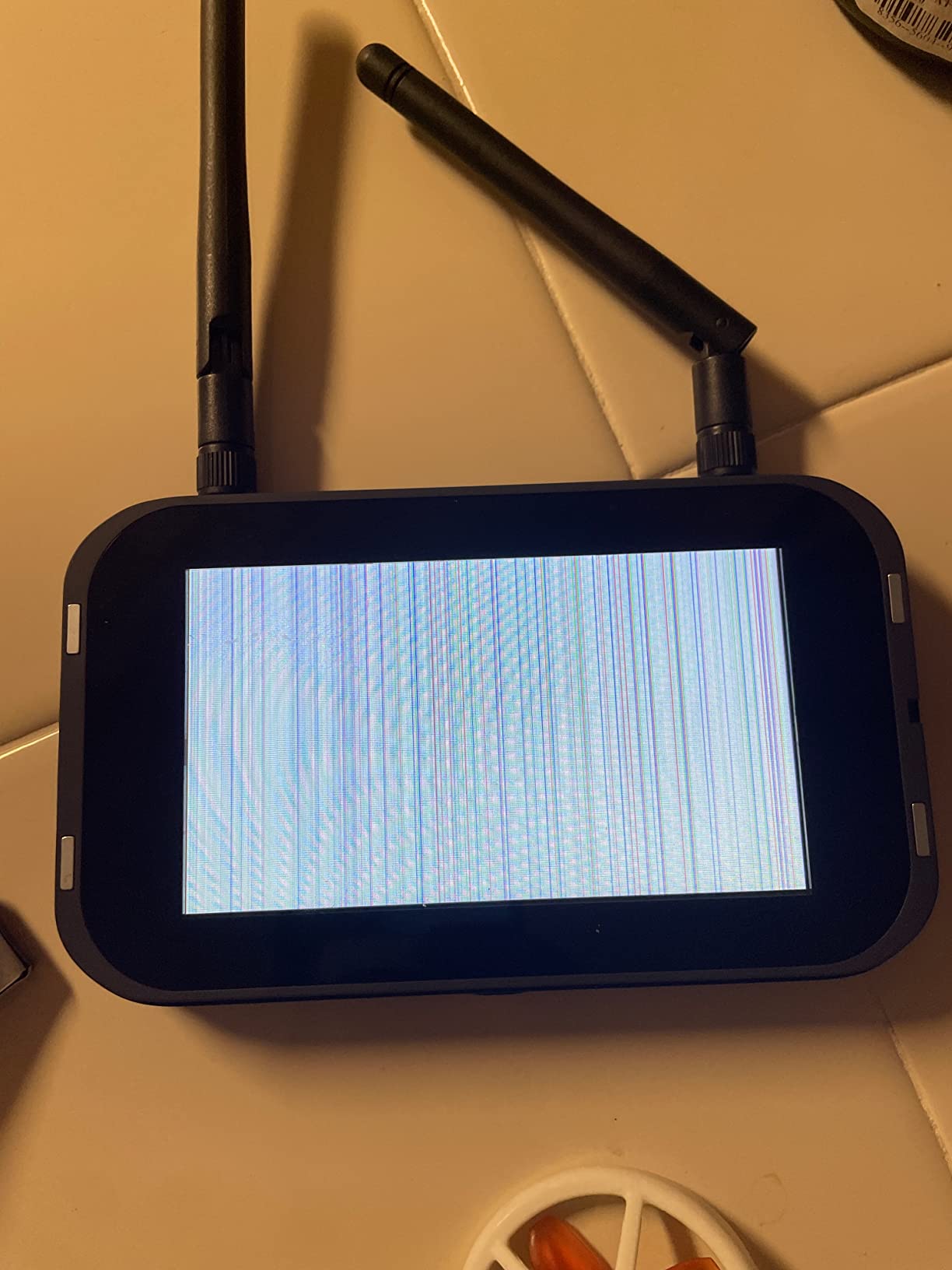
Flight time is short at around 3.5 minutes per battery. The lack of DVR in the goggles is a real miss for pilots who want to share footage. The controller quality is the most common complaint, with reports of knobs failing after a few months. With 118 reviews and a 3.5-star average, buyers love the concept but note the compromises.
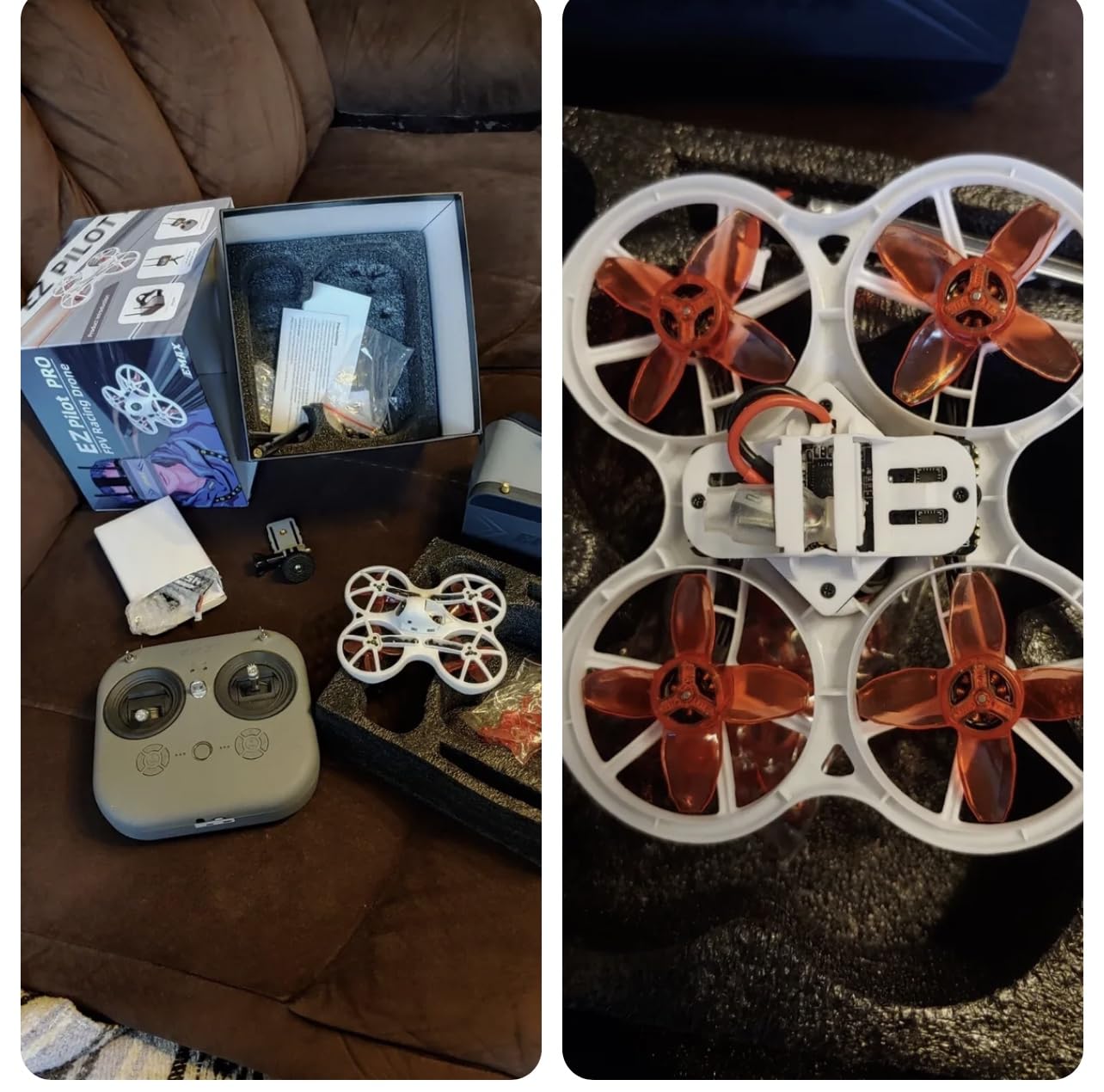
For pilots who want a monitor first and goggles later, the EZ Pilot Pro is the most flexible starter option on this list. The screen-based flight is also a smart way to introduce FPV to kids who might find goggles intimidating.
For Whom It Is Good
Pilots who feel uncomfortable in goggles, parents introducing FPV to younger children, and beginners who want to record HD footage while learning.
For Whom It Is Bad
Pilots who want full FPV immersion from day one, anyone who values DVR recording, and flyers needing more than 3.5 minutes per battery.
4. EMAX Tinyhawk 3 RTF – Best for Crash-Heavy Learners
Tinyhawk 3 RTF Kit 1s FRSKY FPV Drone for Beginners with Controller and 5.6G Goggles Quadcopter Ready to Fly Kit
Crash-resistant plastic
Betaflight ready
5.8G FPV
Controller and goggles included
Pros
- Survives hundreds of hard crashes
- Betaflight configurable for tuning
- Ready to fly out of the box
- Fun for indoor and outdoor practice
- Real 5.8GHz FPV feed
Cons
- Steep learning curve in Air mode
- Goggles and controller feel lower quality
- Firmware updates can brick the drone if interrupted
- Limited range versus higher-end systems
The Tinyhawk 3 is the kit I recommend for pilots who know they will crash, a lot, and want a drone that takes abuse without flinching. The flexible plastic frame absorbs impact energy that would snap a carbon fiber build. Pilots on Reddit report Tinyhawk 3 drones lasting through hundreds of crashes and still flying fine.
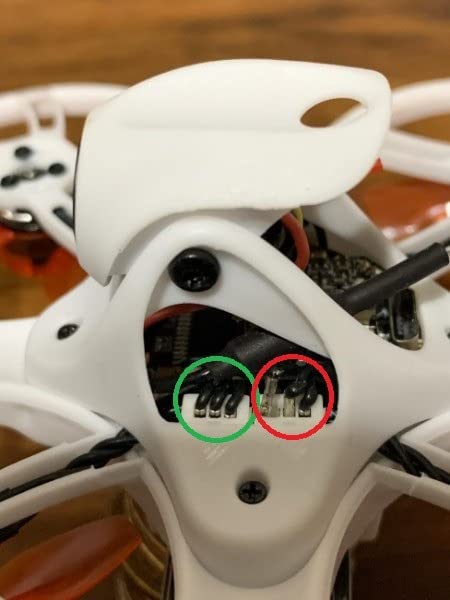
Betaflight compatibility is the killer feature for pilots who want to learn how FPV actually works. You can connect to Betaflight Configurator on a PC, change flight controller settings, tune PID values, and adjust rates. This is the bridge between flying toy drones and building custom quads.
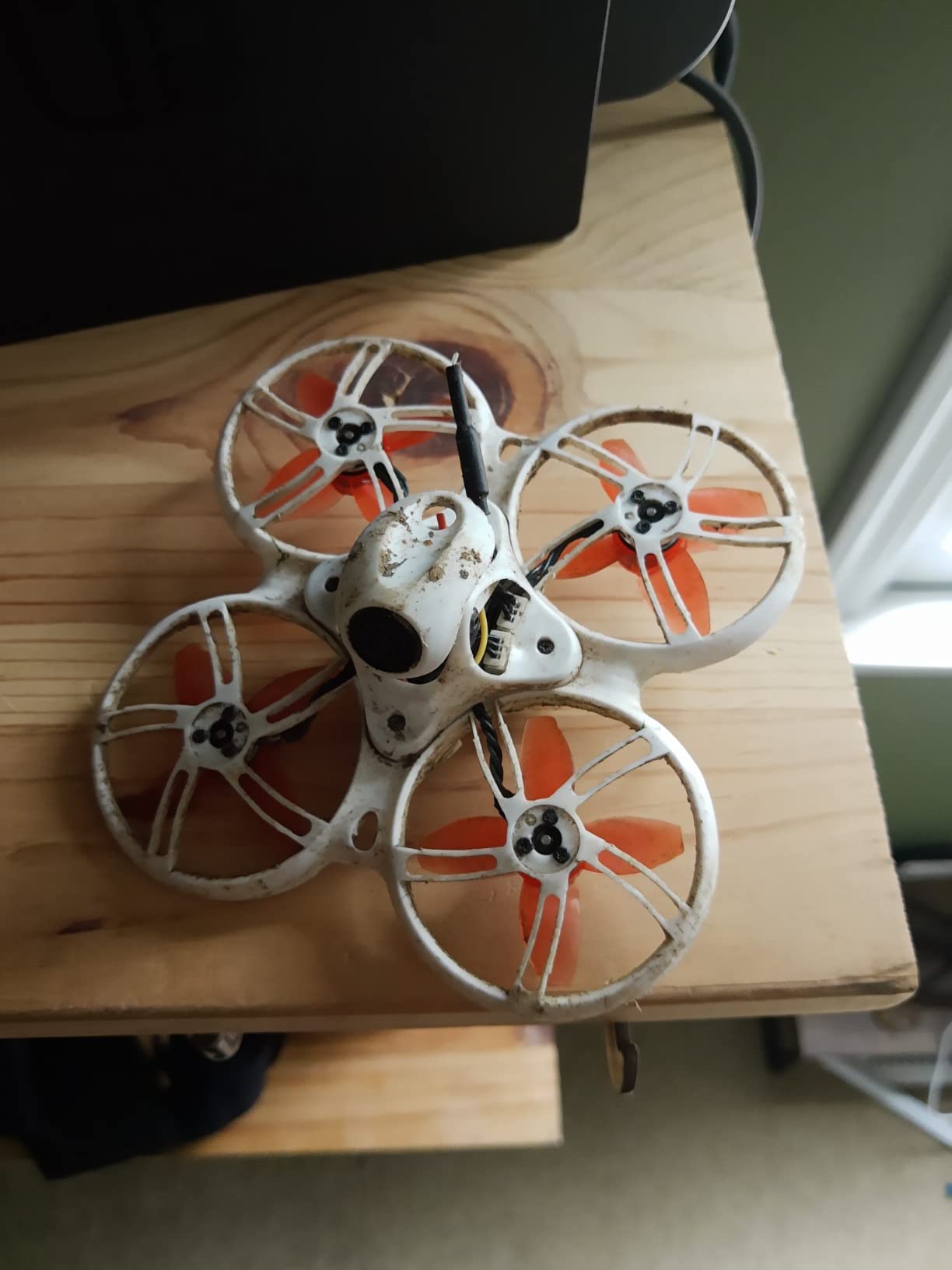
The kit ships ready to fly but the included controller and goggles are entry-level. You will likely replace them within six months as your skills grow. Firmware updates are notoriously finicky: interrupt one mid-flash and you can brick the flight controller. Stick to stock firmware unless you are confident with Betaflight.
With 119 reviews averaging 3.9 stars, the Tinyhawk 3 RTF earns its reputation as a tough, capable learner drone. It is heavier than the original Tinyhawk, which helps in light wind but reduces indoor agility.
For Whom It Is Good
Crash-prone beginners who want a drone that lasts, pilots who plan to learn Betaflight tuning, and anyone who wants one kit that survives both indoor and outdoor practice.
For Whom It Is Bad
Pilots who want premium controllers and goggles from day one, anyone unwilling to learn firmware basics, and ultra-light indoor flyers who need a featherweight whoop.
5. DJI Avata 2 Fly More Combo (4K) – Best Premium Cinematic Pick
DJI Avata 2 FPV Drone with 3-Battery Fly More Combo, 4K Video, 128GB Memory, Landing Pad, 2 Year Warranty, Gray, Beginner to Advanced
4K HDR video
O4 transmission 8.1 miles
23 min flight time
Integrated propeller guard
Pros
- Stunning 4K HDR video with 155 degree FOV
- 23 minutes flight time per battery
- O4 transmission up to 8.1 miles range
- Motion controller makes flying intuitive
- Integrated propeller guard improves safety
Cons
- Premium price point
- Some users reported gimbal calibration issues on arrival
- Goggles foam padding may not suit all face shapes
- Bundle backpack is a basic camera bag
The DJI Avata 2 Fly More Combo is the answer for beginners who want cinematic FPV without learning how to build, tune, or repair a drone. DJI ships a complete ecosystem: drone, Goggles 3, RC Motion 3, three batteries, charging hub, and a 2-year CPS warranty. You charge, power on, and start flying.
The 4K HDR camera with a 155-degree field of view captures footage that no whoop can match. RockSteady and HorizonSteady stabilization smooth out hand movements, and the O4 transmission system delivers low-latency HD video across a claimed 8.1 miles. Real-world range is shorter, but still far beyond any analog whoop. The 23-minute flight time per battery is roughly six times what a tiny whoop delivers.
The motion controller is the most beginner-friendly FPV input ever shipped. You tilt your hand to steer, squeeze the trigger to fly forward, and press a button for one-tap acrobatics. There is no learning curve for the controls themselves, just for spatial awareness in FPV. Reviewers describe the Avata 2 as the easiest drone to fly in their collection.
The price is the only real barrier. This is the most expensive kit on our list by a wide margin, and you are paying for the DJI ecosystem rather than raw performance. Repairs require DJI service, and parts are not user-replaceable. With 80 reviews averaging 4.5 stars, the consensus is that this is the most polished beginner FPV experience on the market.
For Whom It Is Good
Pilots who want cinematic 4K footage, content creators who value ease of use over tuning, and beginners who can stretch to a premium budget and want the safest possible first flight.
For Whom It Is Bad
Pilots who want to learn freestyle or racing, anyone on a tight budget, and flyers who prefer open-source repairability over sealed DJI hardware.
6. Hisingy Firefly FPV Kit – Best Budget Gift for Younger Pilots
HISINGY Firefly FPV Done Kit,DIY Drone Kit for Kids and Beginners,Micro Drone with Camera, APP Control, Altitude Hold, Video Record and Download,Kids Toys for Boys and Girls, Gift Toys for Birthdays
Altitude hold
APP control
Modular design
Liftoff simulator compatible
Pros
- Works out of the box with simple setup
- Altitude hold helps new pilots
- Sturdy enough for daily practice and small crashes
- Includes FPV goggles with real-time feed
- Compatible with Liftoff simulator
Cons
- Some users report mandatory app subscription
- Props may fly off in crashes
- Not suitable for windy conditions
- Replacement propellers not included
The Hisingy Firefly is the most affordable entry on our list and the one I would choose as a birthday gift for a curious 10-year-old. The setup is genuinely simple: insert the battery, bind the controller, and you are flying. Altitude hold keeps the drone stable while the pilot learns stick controls.
The modular design means broken parts can be swapped without soldering, which is essential for younger pilots who crash constantly. APP control adds another flight mode for kids who want to use a phone or tablet first. The kit is also compatible with the Liftoff simulator, so practice on a screen before risking real props.
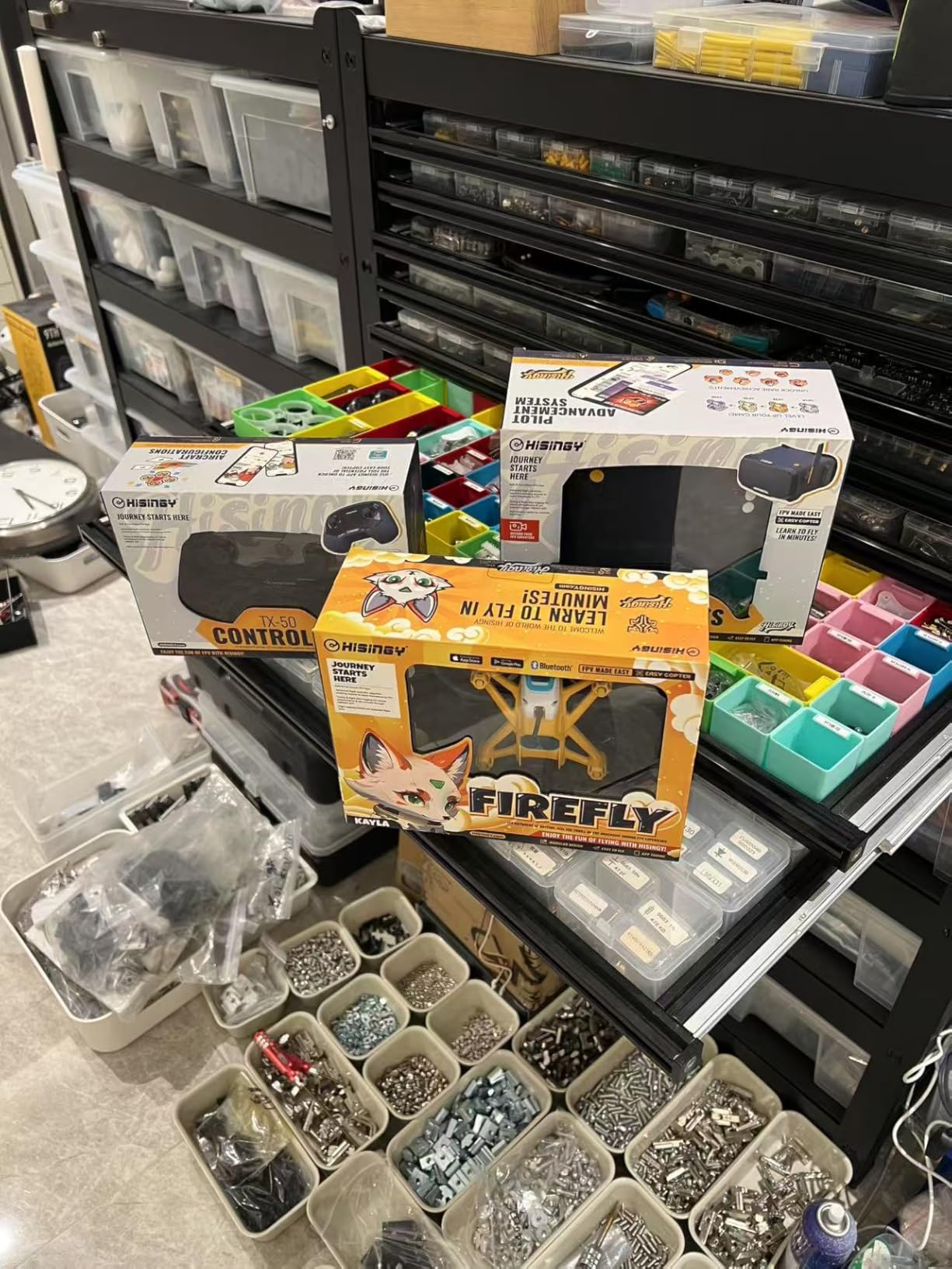
Build quality is the obvious trade-off. Reviewers report props detaching during hard crashes, and replacement props are not included in the kit. The Firefly is also too light for any wind, so outdoor flying is limited to calm evenings. Several buyers mention a mandatory app subscription for full features, which is unusual for an FPV drone at this level.
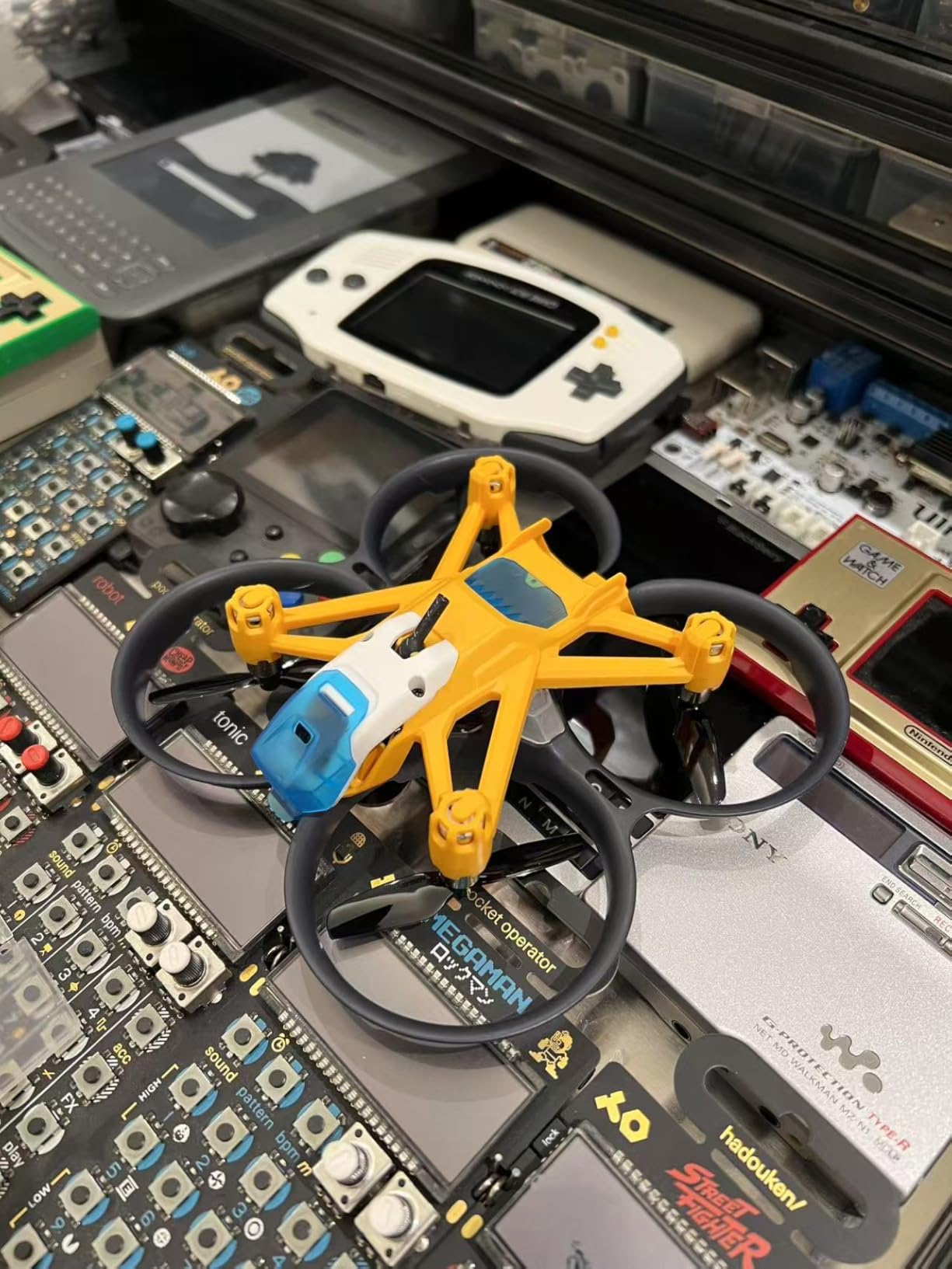
With 44 reviews averaging 3.7 stars, the Firefly is a competent starter for the price but not a long-term investment. Plan to upgrade to a BETAFPV or EMAX kit once the pilot has outgrown the basics.
For Whom It Is Good
Parents buying a first drone for a child, gift buyers on a tight budget, and absolute beginners who want to test the FPV hobby before investing in a more capable kit.
For Whom It Is Bad
Older teens or adults who want a serious starter, pilots who need spare parts included, and outdoor flyers who face any wind at all.
7. BETAFPV Meteor75 Pro – Best Brushless Whoop for Skill Growth
BETAFPV Meteor75 Pro Matrix 1S Brushless Whoop Quadcopter for FPV Racing
1S brushless whoop
ELRS protocol
Solder-free motors
5IN1 FC with 400 VTX
Pros
- Powerful 1S brushless performance
- Solder-free motor plugs simplify repairs
- Durable frame survives hard crashes
- Adjustable VTX power up to 400mW
- 5-6 minutes flight time per battery
Cons
- Aggressive camera angle for tight indoor spaces
- Replacement parts harder to source on Amazon
- Unstable in strong winds
- Occasional ESC failures reported
The BETAFPV Meteor75 Pro is the kit I point pilots to once they have mastered a basic whoop and want more power without jumping to a 5-inch freestyle build. The brushless motors deliver noticeably more thrust than brushed whoops, which means faster acceleration and better wind handling.
Solder-free motor plugs are the headline feature for beginners. When you crash and break a motor, you pop out the old one and click in a new one without touching an iron. This is the kind of repair convenience that makes the difference between quitting the hobby and sticking with it.
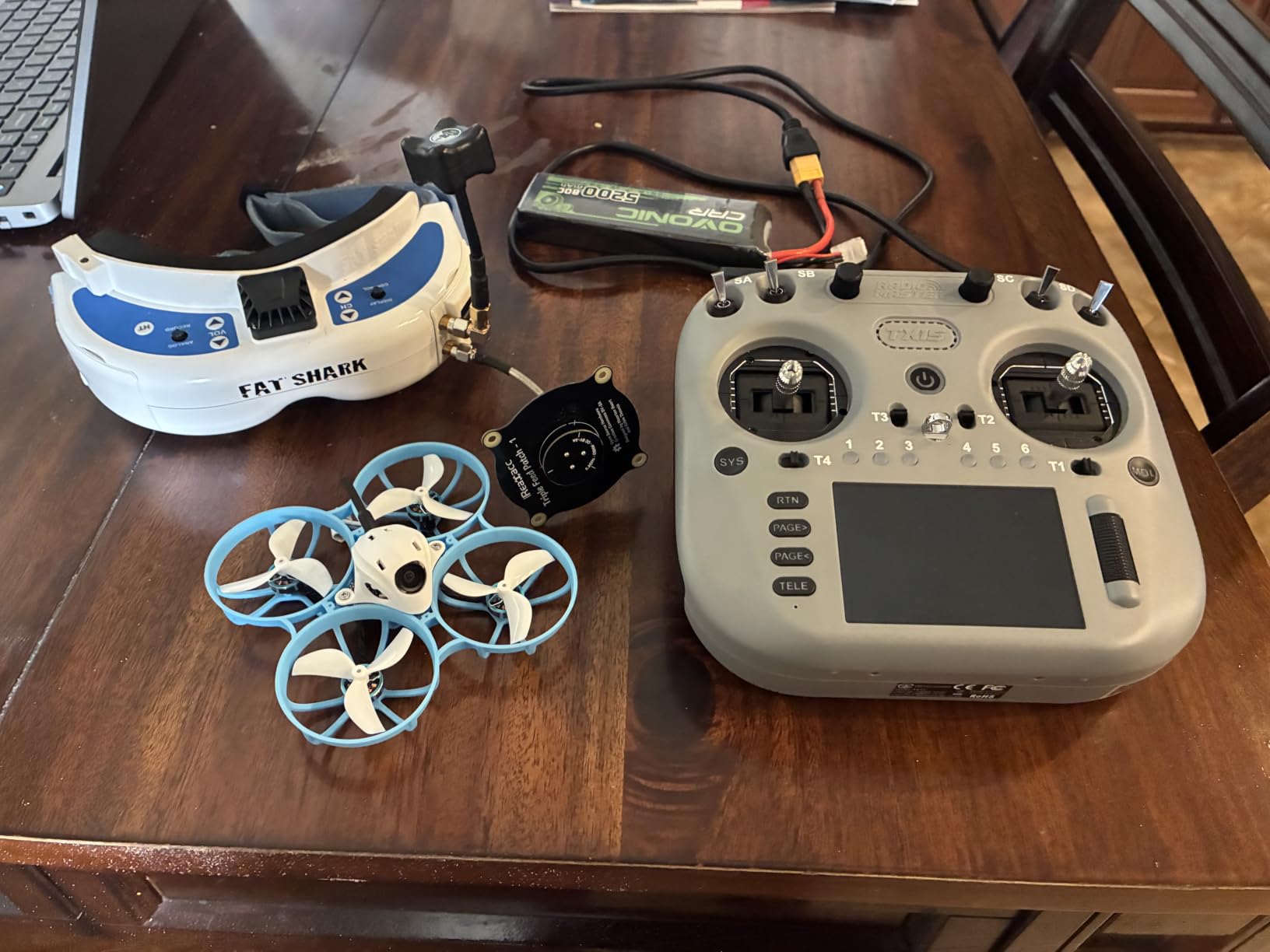
The 5IN1 flight controller integrates the F4 processor, ESC, VTX, OSD, and receiver on one board, reducing weight and failure points. The 400mW adjustable VTX lets you fly with friends without overwhelming each other’s video feed. ELRS protocol support means this drone works with any modern radio.
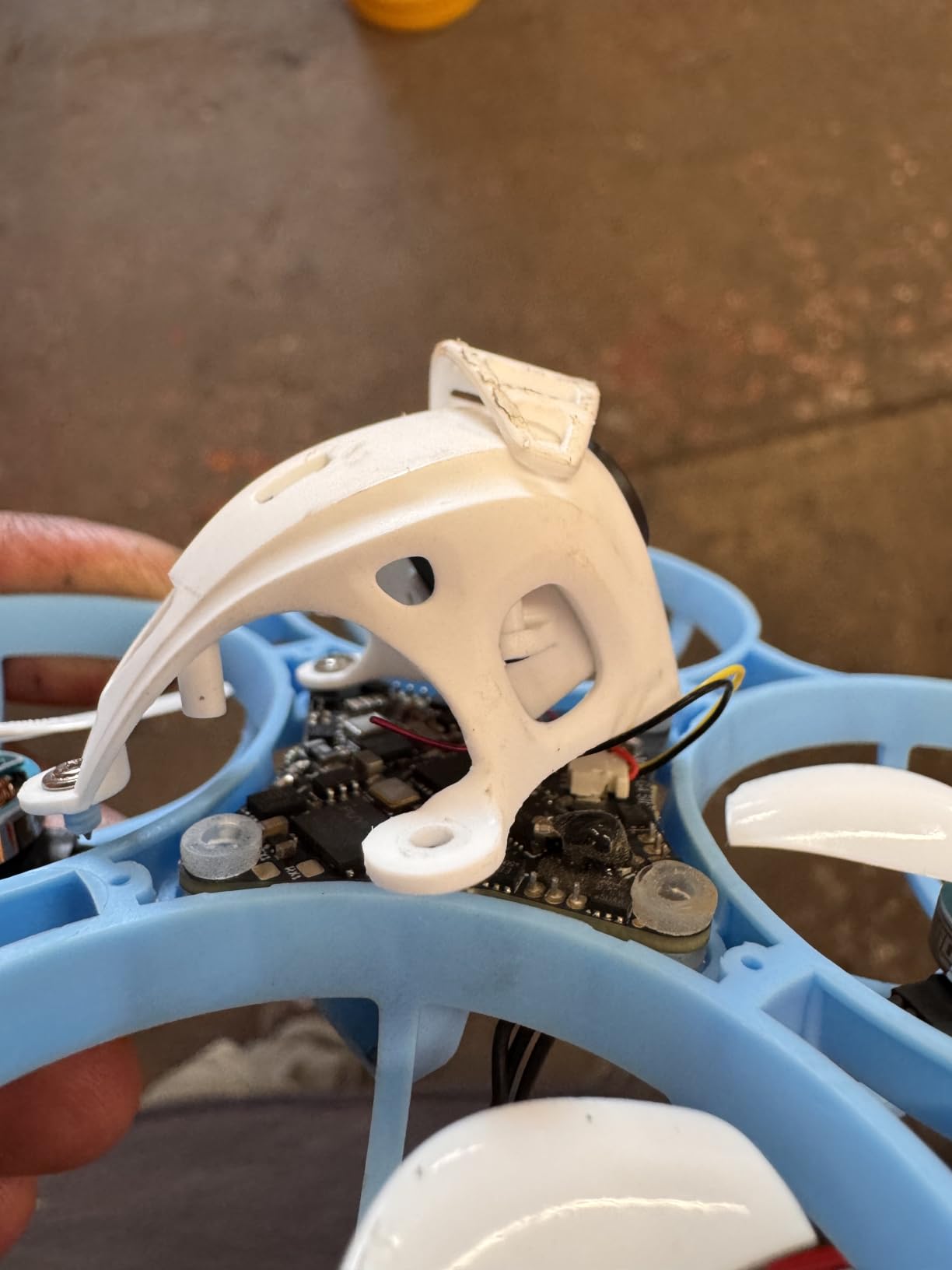
The aggressive camera tilt is set up for outdoor flight. Indoors you may want to adjust it for tighter spaces. ESC failures are reported by a small number of pilots and BETAFPV customer service has been responsive in those cases. With 119 reviews averaging 4.4 stars, this is one of the highest-rated whoops on Amazon.
For Whom It Is Good
Intermediates moving up from a brushed whoop, pilots who want to learn repair basics without soldering, and anyone planning to join a local FPV race or freestyle group.
For Whom It Is Bad
Absolute first-day beginners, indoor pilots with tight spaces, and anyone who needs a complete RTF kit with controller and goggles included.
8. STARTFPV R8 ELRS Whoop – Best BNF Upgrade Path
R8 ELRS Whoop Drone-Ultralight 1S 80mm Micro FPV Quadcopter BNF,1:4 Thrust 0802 20000KV Brushless Motors, FOV160°,Matrix G4 5IN1 FC,with 6 Port Battery Charger,2 Batteries for Indoor FPV Freestyle Racing
26g ultra-light frame
0802 brushless motors
ELRS 2.4G receiver
Includes 2 batteries and 6-port charger
Pros
- Ultra-light 26g frame with low center of gravity
- 1:4 thrust-to-weight ratio with punchy 0802 motors
- Tunable Betaflight presets and full PID access
- Three flight modes plus Turtle mode for self-righting
- Includes two batteries and a 6-port charger
Cons
- BNF only - goggles and transmitter not included
- Camera mount sticks out as a fragile bumper
- Frame can break on light crashes
- Limited battery compatibility with aftermarket packs
The STARTFPV R8 is built for pilots who already own a radio and goggles and want the lightest, most responsive indoor trainer on the market. At 26 grams all-up-weight with 0802 motors spinning 20000KV, the thrust-to-weight ratio is wild. You can stop, flip, and punch out in ways heavier whoops cannot match.
Betaflight tuning is fully exposed, so intermediate pilots can dial in their own rates, PID values, and filter settings. Three flight modes cover the beginner-to-manual progression, and Turtle mode flips the drone upright after a crash without you having to walk over and pick it up.
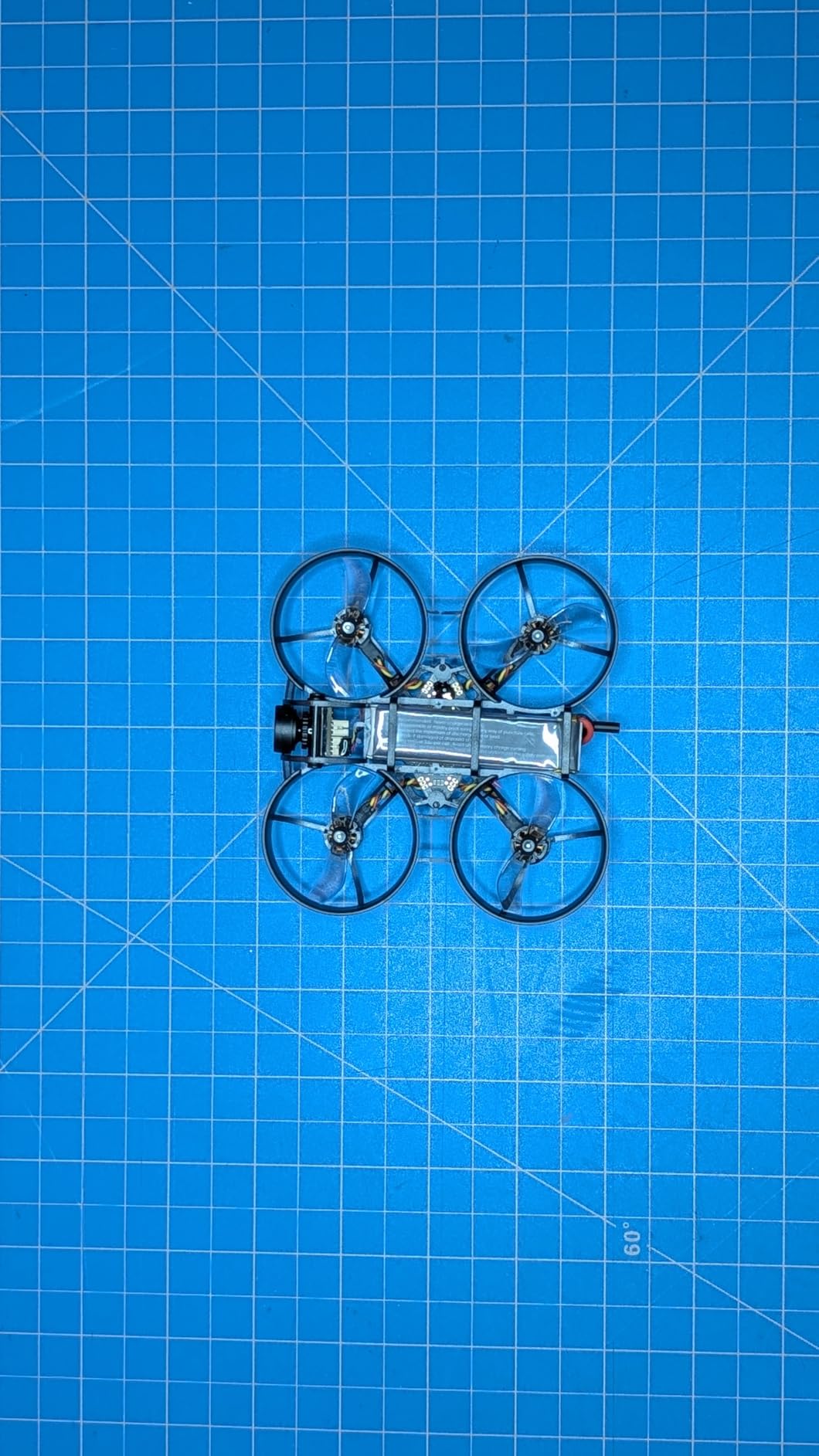
The R8 is BNF only. You bring your own ELRS transmitter and 5.8GHz FPV goggles. If you have been flying for a few months and already invested in a RadioMaster Pocket and a pair of decent goggles, this drone slots in perfectly. New pilots should look at the BETAFPV Cetus or EMAX Tinyhawk instead.
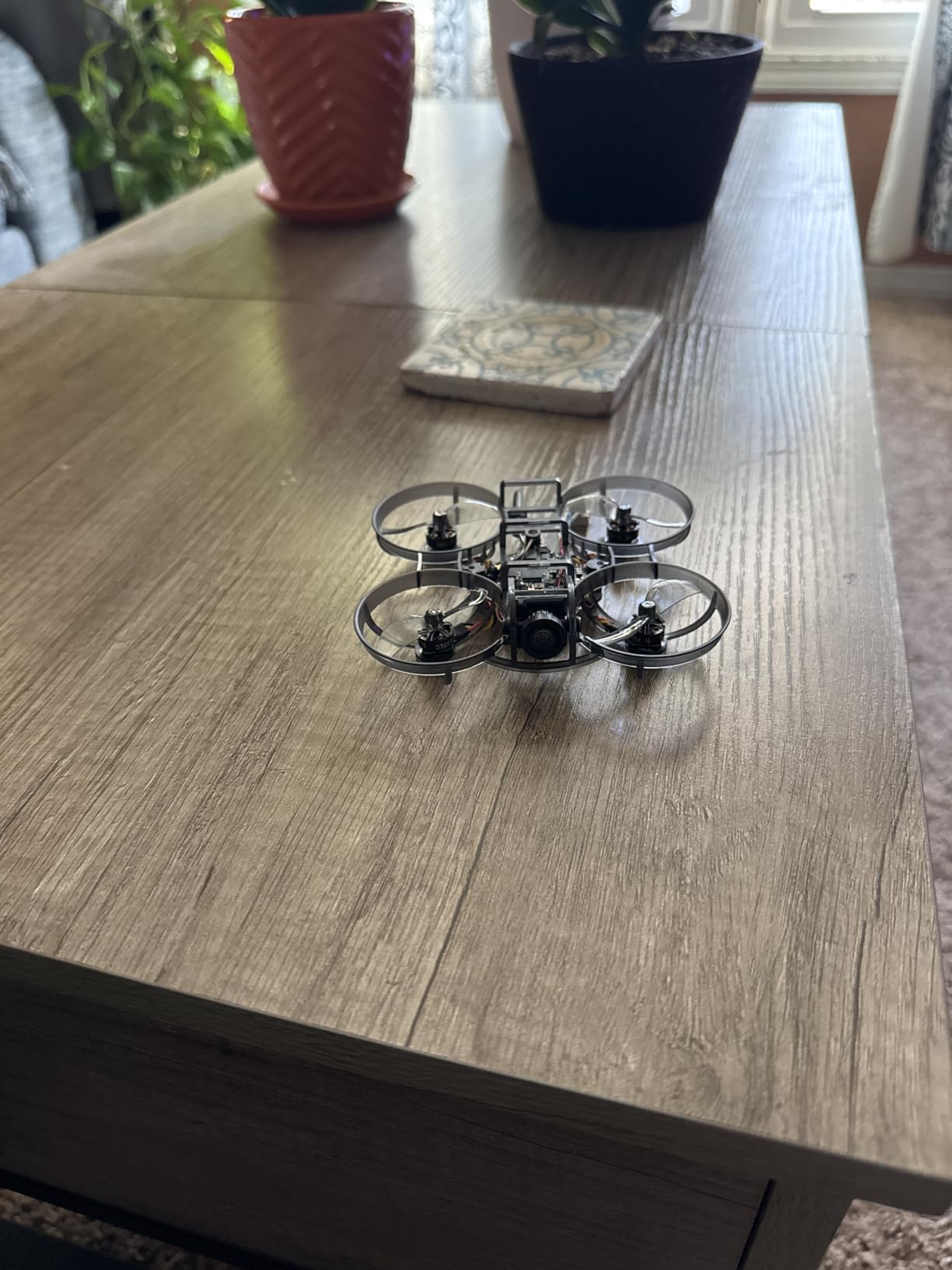
The camera mount and frame are the weak points. The mount sticks out as a bumper and snaps off in hard crashes, and aftermarket battery compatibility is limited. With 30 reviews averaging 3.7 stars, the consensus is that the R8 flies beautifully but is fragile for beginners.
For Whom It Is Good
Intermediate indoor pilots who already own ELRS gear, pilots who want the lightest possible trainer, and anyone who wants to push the limits of tiny whoop performance.
For Whom It Is Bad
Total beginners without goggles or radio, pilots who need a complete kit, and anyone who flies mostly outdoors in any kind of wind.
9. DJI Avata 2 Fly More Combo (Deco Gear) – Best All-Inclusive Cinematic Bundle
DJI Avata 2 FPV Drone Fly More Combo (3 Batteries) with Camera 4K Including Goggles 3 and RC Motion 3, Immersive Experience, Built-in Propeller Guard, POV Content Bundle with Deco Gear Accessories
4K/60fps video
Motion controller
Goggles 3
3 batteries and charging hub
Pros
- 4K/60fps video with RockSteady and HorizonSteady stabilization
- Intuitive motion controller for beginners
- Built-in propeller guard for crash protection
- Bundles Goggles 3 and RC Motion 3
- 3 batteries and charging hub included
Cons
- Premium price point
- Range may not always match the claimed 8.1 miles
- Some users had warranty issues depending on seller sourcing
- Goggles can feel heavy for extended sessions
The Deco Gear variant of the DJI Avata 2 Fly More Combo is the most complete cinematic bundle available for beginners. You get the Avata 2 drone, Goggles 3, RC Motion 3, three batteries, a charging hub, a sling bag, propellers, gimbal protector, foam padding, corrective lenses, and a Deco Gear landing pad plus 128GB Lexar microSD card. The CPS 2-year extended warranty adds peace of mind.
Video quality is identical to the standard Fly More Combo: 4K at 60fps with a 155-degree field of view, captured by a 1/1.3-inch sensor. The motion controller turns hand movements into flight inputs, which means you can hand the radio to a non-pilot and have them hovering within seconds.
The Deco Gear landing pad and travel case are useful accessories you would otherwise buy separately. The 128GB Lexar card is enough for hours of 4K footage. The difference between this bundle and the standard DJI combo is essentially the extras and the warranty.
With 51 reviews averaging 4 stars, buyers love the all-in-one nature of the package. The main complaints are price and occasional warranty claims denied based on seller sourcing, so buy from an authorized DJI dealer. If you want cinematic FPV without buying accessories piecemeal, this is the most convenient path.
For Whom It Is Good
Pilots who want everything in one box, content creators who need a fast path to shareable 4K footage, and buyers who value the extended warranty.
For Whom It Is Bad
Budget-conscious beginners, pilots who want to learn freestyle or racing, and anyone who already owns DJI accessories.
10. DJI Neo 2 Motion Fly More Combo – Best Lightweight Starter
DJI Neo 2 Motion Fly More Combo With RC Motion 3 & Goggles N3
151g with C0 cert
Motion controller
Goggles N3
Gesture control
4K imaging
Pros
- Incredibly easy to fly with motion controller and gesture control
- 4K video quality with excellent stabilization
- Omnidirectional obstacle sensing for safety
- Lightweight 151g with full propeller guards
- ActiveTrack works well for follow shots
Cons
- Battery life is short at 8-15 minutes per battery
- Goggles N3 foam may not fit all face shapes
- 49GB internal storage only with no memory card slot
- Phone-only control limits range versus goggles
The DJI Neo 2 is the most accessible FPV drone DJI has ever shipped, and at 151 grams with full-coverage propeller guards, it is also one of the safest. Palm takeoff and landing means you do not even need a launch surface. Gesture control lets you start and stop recording with hand movements.
The Motion Fly More Combo pairs the Neo 2 with the RC Motion 3 and Goggles N3, turning the drone into a full FPV setup at a much lower price than the Avata 2. You still get 4K imaging, ActiveTrack for follow shots, omnidirectional obstacle sensing, and C0 certification that makes it legal in more jurisdictions.
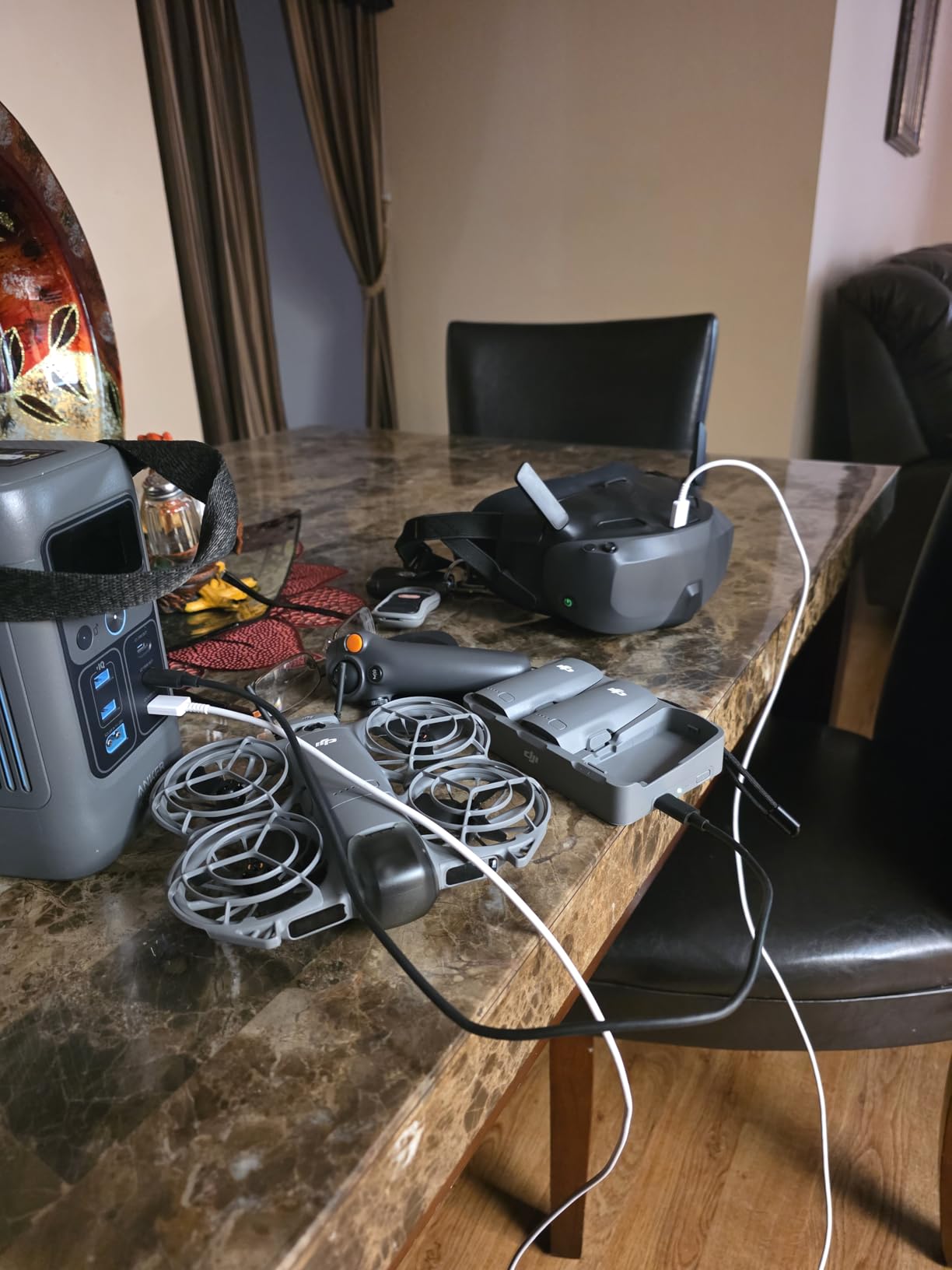
Battery life is the trade-off. Each pack flies for 8 to 15 minutes depending on conditions, and the bundle includes three packs plus a charging hub. Internal storage is 49GB only, with no memory card slot, so heavy 4K shooters need to offload footage after every session.
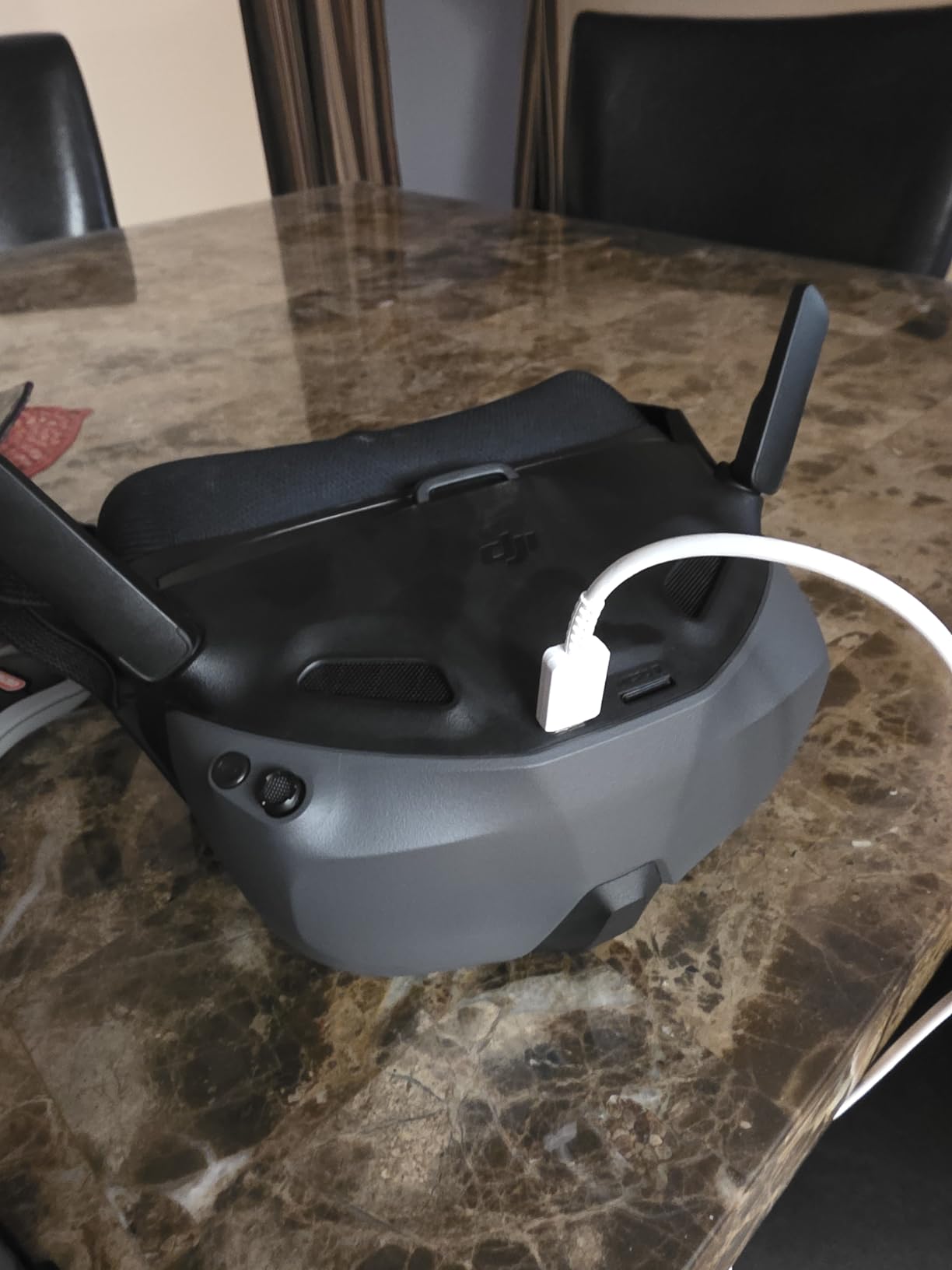
The Neo 2 is not a freestyle or racing drone. It is a cinematic capture platform designed to be flown gently. With 911 reviews averaging 4.5 stars, it is also the highest-rated drone on this list and a clear sign that DJI has nailed the beginner experience.
For Whom It Is Good
Pilots who want the safest, easiest first FPV drone, content creators who film with ActiveTrack and gesture control, and beginners who want DJI quality below the Avata 2 price point.
For Whom It Is Bad
Freestyle and racing pilots, anyone needing long flight sessions per pack, and pilots who need removable storage for large 4K libraries.
Buying Guide: How to Choose Your First FPV Drone
Choosing your first FPV drone is mostly about matching the kit to your goals, your budget, and how much repair work you want to do. Our team breaks down the four decisions that matter most.
RTF vs BNF vs DIY
Ready-to-Fly kits include everything you need. They are the fastest path to the air and the safest choice for first-day beginners. Bind-and-Fly kits skip the radio and goggles, which is cheaper if you already own compatible gear. DIY kits require soldering and assembly, which teaches you how FPV actually works but adds weeks to your timeline.
The Reddit r/fpv community strongly recommends starting with RTF to learn stick feel, then moving to DIY once you have crashed enough to want to fix things yourself. If you want a hobby that grows with your skills, a modular RTF like the EMAX Tinyhawk or BETAFPV Cetus is the best foundation. For hobbyists exploring other hands-on activities, our beginner-friendly build guide walks through a similar staged approach.
Analog vs Digital vs HDZero Video
Analog 5.8GHz is the cheapest video system and what every whoop on this list uses. Image quality is fuzzy but latency is low, which matters for racing and freestyle. Digital systems (DJI O4, Walksnail Avatar, HDZero) deliver crisp HD footage with slightly higher latency. DJI’s O4 has the lowest latency of the digital options.
For beginners who want to learn stick control, analog is plenty. For pilots who want to share cinematic footage straight from the goggles, digital is the upgrade path. Most intermediate pilots eventually own both: analog for practice, digital for filming.
Drone Size: Whoop vs 3-Inch vs 5-Inch
Tiny whoops (under 100g) are the safest starting size. They fly indoors, survive crashes into furniture, and require no FAA registration in the US. Three-inch drones add power for outdoor flying while staying sub-250g. Five-inch freestyle and racing drones are the fastest and most powerful but also the most crash-prone and regulated.
Reddit’s consensus: start with a tiny whoop for at least a month before considering a 5-inch build. The skills transfer directly, and you will save hundreds in replacement parts.
Simulator First: The Cheapest Way to Learn
FPV simulators like Liftoff, Velocidrone, and Uncrashed let you crash a thousand times without spending a dollar on parts. Most LiteRadio, Betaflight, and RadioMaster transmitters work as USB joysticks on PC, so you can practice with the same radio you will fly in real life.
Our team recommends at least 10 hours of simulator time before your first real flight. Pilots who skip this step typically crash through a starter kit in a weekend. Pilots who put in the sim hours progress smoothly and enjoy the hobby for years.
Budget Tiers for Beginners
The entry tier covers toy-grade kits like the Hisingy Firefly, which are fine for a birthday gift but limited for long-term growth. The mid tier is where quality RTF kits live: EMAX Tinyhawk, BETAFPV Cetus, EMAX EZ Pilot. These are the smart starter investments. The upper-mid tier adds more durable builds like the Tinyhawk 3.
The cinematic starter tier covers the DJI Neo 2, which is a fully featured cinematic FPV setup. The premium tier includes the DJI Avata 2 with motion controller and goggles. Above that, you are into custom 5-inch freestyle territory and a different hobby entirely.
For a modest starting setup that grows with you, plan on the mid to upper-mid tiers. For pilots who want cinematic footage from day one, the cinematic starter to premium tiers are the realistic DJI entry point.
Legal and Registration Notes
In the United States, drones under 250 grams do not require FAA registration but must still follow Part 107 rules when flown commercially. Drones over 250 grams require registration and Remote ID compliance. The DJI Avata 2 and Neo 2 fall under 250g with their batteries.
Rules vary by country. In the UK and EU, the sub-250g class also avoids most registration, but C0/C1 class markings are required. Check your local aviation authority before flying, especially in controlled airspace near airports.
For a deeper look at how starter gear affects long-term enjoyment, our starter pick mindset piece makes a similar case for investing wisely upfront. And if you want a sense of how a simple modest starting setup can deliver years of value, that guide explains the principle from a different angle.
Frequently Asked Questions
Is an FPV drone good for beginners?
Yes. Modern Ready-to-Fly kits like the EMAX Tinyhawk and BETAFPV Cetus include everything needed for a first flight and survive hard crashes. FPV is one of the fastest-growing drone hobbies because of its immersive perspective and the fact that simulators like Liftoff let you practice for free before risking real hardware.
What size FPV drone is best for a beginner?
A tiny whoop under 100 grams is the safest starter size. It flies indoors, survives crashes into furniture, and avoids FAA registration in the United States. Once you have mastered stick feel, step up to a 3-inch whoop for outdoor practice and eventually a 5-inch freestyle build for racing and tricks.
How much is a decent FPV drone?
A decent starter kit falls in the mid-tier price range for a complete RTF package with radio, goggles, and batteries. Entry tier covers toy-grade kits. Premium cinematic kits like the DJI Avata 2 Fly More Combo sit at the premium tier. A proper starter bundle with simulator-compatible radio and decent goggles typically lands in the mid to cinematic-starter range.
What is the best FPV drone for beginners in 2026?
Our top pick for 2026 is the EMAX Tinyhawk RTF for its durability and all-in-one packaging. The BETAFPV Cetus is the best indoor value, the EMAX Tinyhawk 3 is the best for crash-heavy learners, and the DJI Neo 2 Motion Combo is the best premium cinematic pick under 250 grams. Pilots wanting 4K footage should look at the DJI Avata 2.
What is the best FPV drone to start with?
Start with a Ready-to-Fly kit that includes goggles and a controller. The EMAX Tinyhawk RTF and BETAFPV Cetus are the two most recommended starter kits on r/fpv. Pair your starter with at least 10 hours in the Liftoff or Velocidrone simulator before flying real hardware, and you will progress faster than pilots who skip simulator practice.
What is a good budget FPV drone for beginners?
The BETAFPV Cetus FPV Kit is the best budget starter in the entry-to-mid tier, with altitude hold, three flight modes, and a simulator-compatible radio. The EMAX Tinyhawk RTF is also excellent at a similar price point with stronger durability. The Hisingy Firefly is the cheapest option but is best treated as a gift or short-term starter.
Final Verdict
Our top pick for the best FPV drones for beginners in 2026 is the EMAX Tinyhawk RTF. It is durable, complete, and upgradeable, and it gives new pilots a real 5.8GHz experience rather than a WiFi toy.
If you want the gentlest possible indoor start, choose the BETAFPV Cetus. If you want cinematic 4K footage on day one, the DJI Avata 2 Fly More Combo is the premium pick. If you want a featherweight FPV setup you can launch from your palm, the DJI Neo 2 Motion Combo is the smartest choice.
Whichever kit you pick, spend your first ten hours in Liftoff or Velocidrone. That single habit will save you hundreds in replacement parts and turn you into a confident pilot faster than any gear upgrade. Check current availability on the buttons above and start flying.