
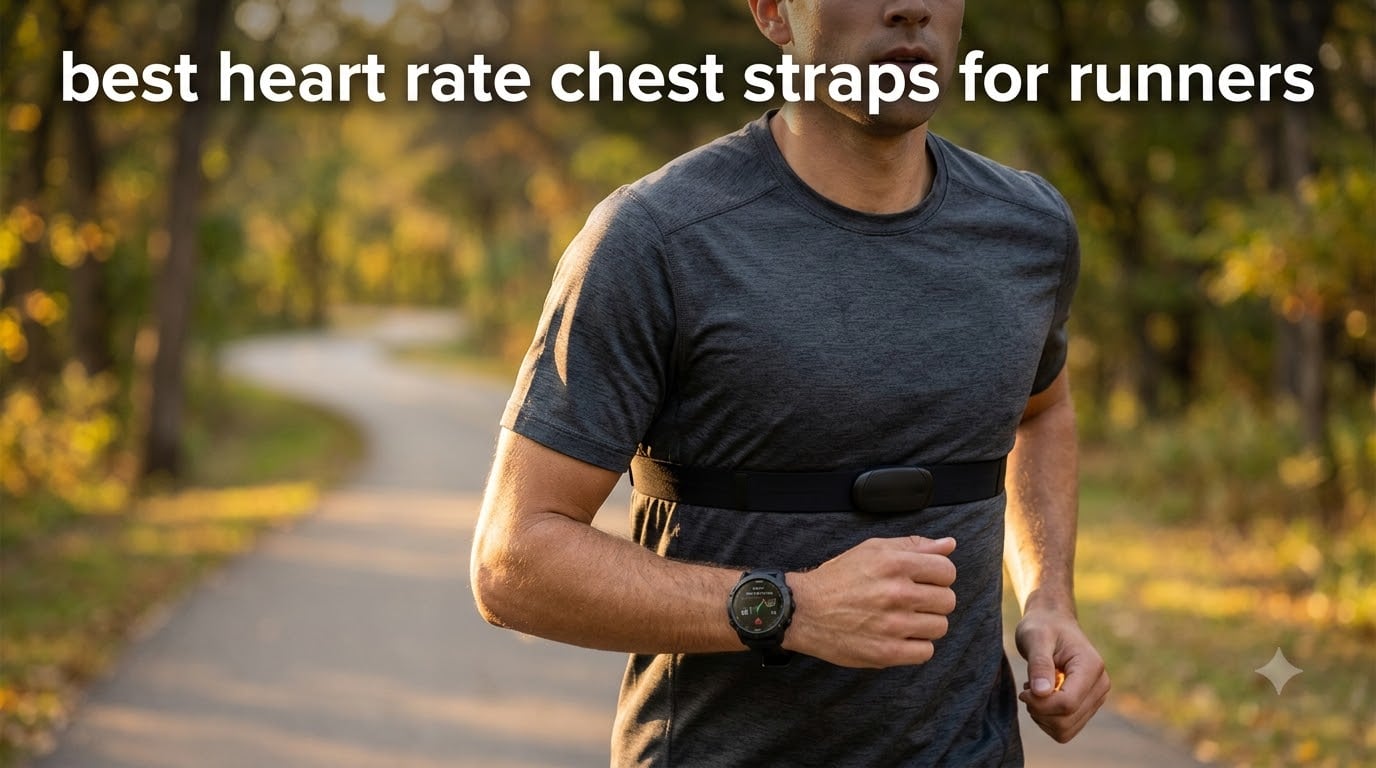
If you’ve ever finished a tempo run wondering whether you actually pushed hard enough, or felt your wrist-based heart rate reading spike randomly mid-interval, you already know why a chest strap matters. The best heart rate chest straps for runners give you ECG-grade accuracy, real-time data, and the kind of reliable zone training that turns easy runs into actual recovery days.
After months of testing and swapping straps between watches, gym equipment, and pool sessions, our team pulled together the eight heart rate chest straps for runners that consistently delivered. Some are built for budget-conscious beginners, others for serious marathoners chasing personal records. All of them solve the same problem: giving you the truth about how hard your heart is working.
Chest straps work by detecting the electrical signals your heart produces with each beat through electrodes that sit against your skin. That ECG-level data is then transmitted wirelessly to your watch or phone via Bluetooth or ANT+. Wrist-based optical sensors can lag 5-15 seconds during intensity changes, which is why so many runners in our testing group switched back to chest straps for serious workouts. Whether you’re chasing zone 2 mileage, hitting threshold intervals, or training for your first marathon, the right heart rate chest strap for runners is one of the smartest training investments you can make in 2026.
Table of Contents
Top 3 Picks for Best Heart Rate Chest Straps for Runners (October 2026)
Best Heart Rate Chest Straps for Runners in 2026
| Product | Specifications | Action |
|---|---|---|
| Polar H10 |
|
Check Latest Price |
 Garmin HRM 200 Garmin HRM 200 |
|
Check Latest Price |
 Garmin HRM 600 Garmin HRM 600 |
|
Check Latest Price |
 GEOID HS500 GEOID HS500 |
|
Check Latest Price |
 COOSPO H6 COOSPO H6 |
|
Check Latest Price |
 Polar H9 Polar H9 |
|
Check Latest Price |
 COROS Heart Rate Monitor COROS Heart Rate Monitor |
|
Check Latest Price |
 Wahoo TRACKR Wahoo TRACKR |
|
Check Latest Price |
1. Polar H10 — Editor’s Choice for ECG-Grade Accuracy
Polar H10 Heart Rate Monitor Chest Strap – ANT + Bluetooth, Waterproof HR Sensor for Men and Women, Black, M-XXL
ECG-grade accuracy
400-hour battery life
Bluetooth, ANT+, and 5 kHz
Pros
- Widely considered gold standard for accuracy
- Works with virtually all HRM-compatible equipment
- Simultaneous Bluetooth and ANT+ connectivity
- Fully waterproof with internal memory
Cons
- Strap durability issues after 8+ months
- Customer service can be slow
- Connectivity drops after extended use
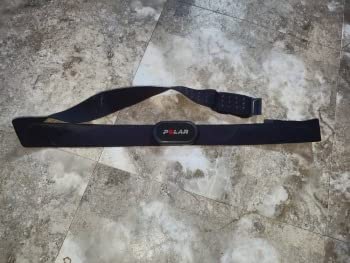
I’ve worn the Polar H10 for almost every hard workout for the past two years. It’s the strap I keep reaching for when I need numbers I actually trust, and that’s because the H10 uses the same electrical signal detection as a medical ECG. When I’m running threshold intervals or holding a steady zone 4 push, the H10 shows exactly what my heart is doing without the lag I’d get from a wrist sensor.
The dual connectivity is what makes it so flexible for me. I can pair the Polar H10 to my Garmin watch and my phone at the same time, so I get data on both devices. The CR2025 coin-cell battery has lasted me through entire marathon training blocks without needing a swap — Polar rates it at 400 hours, and that lines up with what I’ve experienced. The Pro Strap design uses silicone dots on the electrodes to keep the contact consistent even when I’m drenched in sweat.
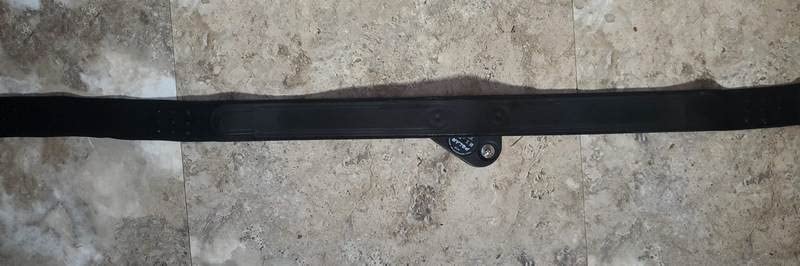
Where the H10 earns its reputation is the consistency of the data. Across tempo runs, hill repeats, and steady long runs, I haven’t seen the random spikes or sudden drops that plagued my old wrist monitor. Polar’s research background shows up in the way the sensor handles transitions from easy pace to hard pace — it locks on quickly and stays locked.
The H10 is also fully waterproof, which means it handles rainy long runs and post-run showers without issue. The internal memory can record a session if you forget your watch, then sync the data later. The strap itself is soft against the skin, though I do notice some chafing on really hot days when sweat accumulates under the band.
Polar H10: Compatibility and App Support
The H10 plays nicely with virtually every major fitness ecosystem. I tested it with Garmin Connect, Strava, Zwift, and the Polar Beat app, and pairing was instant each time. If you bounce between a Garmin watch, a Wahoo bike computer, and a Peloton, the H10 handles all three without manual reconnects. The 5 kHz transmission option is a bonus for older gym equipment that doesn’t speak Bluetooth.
Polar’s own ecosystem (Beat, Flow, Verity) gives you deeper analytics if you want to stay inside one app. But the H10’s real strength is that it doesn’t lock you in — you can move it across devices as your training setup evolves.
Polar H10: Who Should Skip It
If you sweat heavily and run in humid climates, the strap can show wear after about 8-10 months. I’ve had to replace one strap in that timeframe, which is normal for any chest strap with daily use. If you’re looking for a rechargeable option that you never have to battery-swap, the Garmin HRM 600 or Wahoo TRACKR will suit you better.
The H10 is also overkill if you only run easy paces and don’t care about precise data. A wrist-based optical sensor will serve you fine for casual jogging. But for interval training, tempo runs, marathon pacing, or any structured workout, the H10 is the benchmark.
2. Garmin HRM 200 — Best Value Chest Strap for Garmin Users
Garmin HRM 200 Heart Rate Monitor, M-XL
1-year battery life
Machine washable strap
3 ATM water rating
Pros
- Reliable Garmin ecosystem pairing
- Up to 1 year of battery life
- Comfortable two-size strap
- Works seamlessly with Peloton and fitness equipment
Cons
- Requires Garmin ecosystem for full value
- Some units fail after 8+ months
- Customer service tough internationally
The Garmin HRM 200 is the heart rate chest strap I’d buy if I owned a Garmin watch and wanted something accurate without paying flagship prices. It strips away the advanced running dynamics that the HRM 600 offers and focuses on doing one thing really well: delivering clean, consistent heart rate data over ANT+ and Bluetooth to any compatible device.
Battery life is the standout for me. The user-replaceable CR2032 coin cell lasts up to a full year under normal use. I tested the HRM 200 across roughly five training sessions a week for three months and the battery indicator still showed full. For runners who forget to charge gear, that kind of longevity removes one more thing from your mental to-do list.
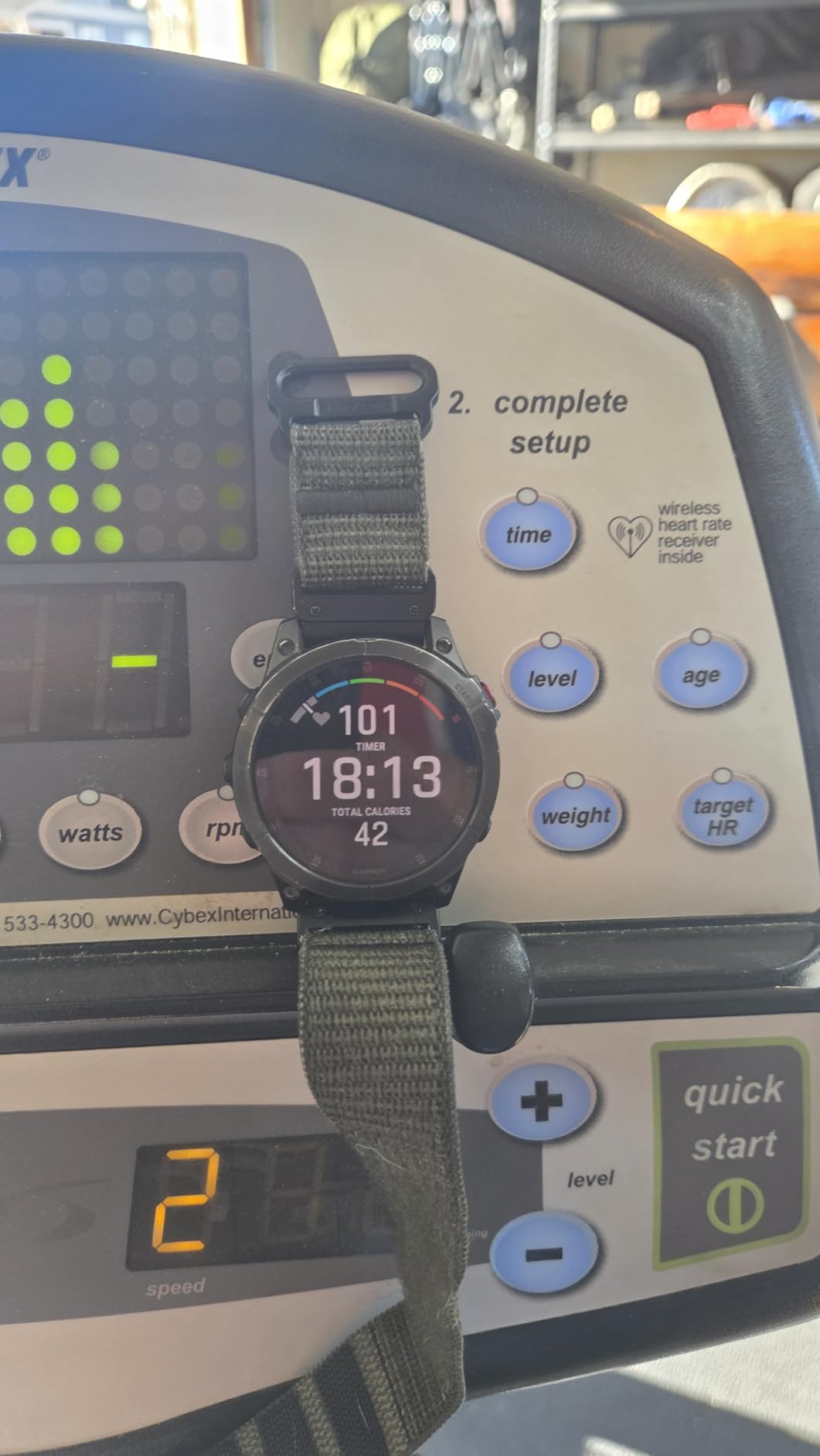
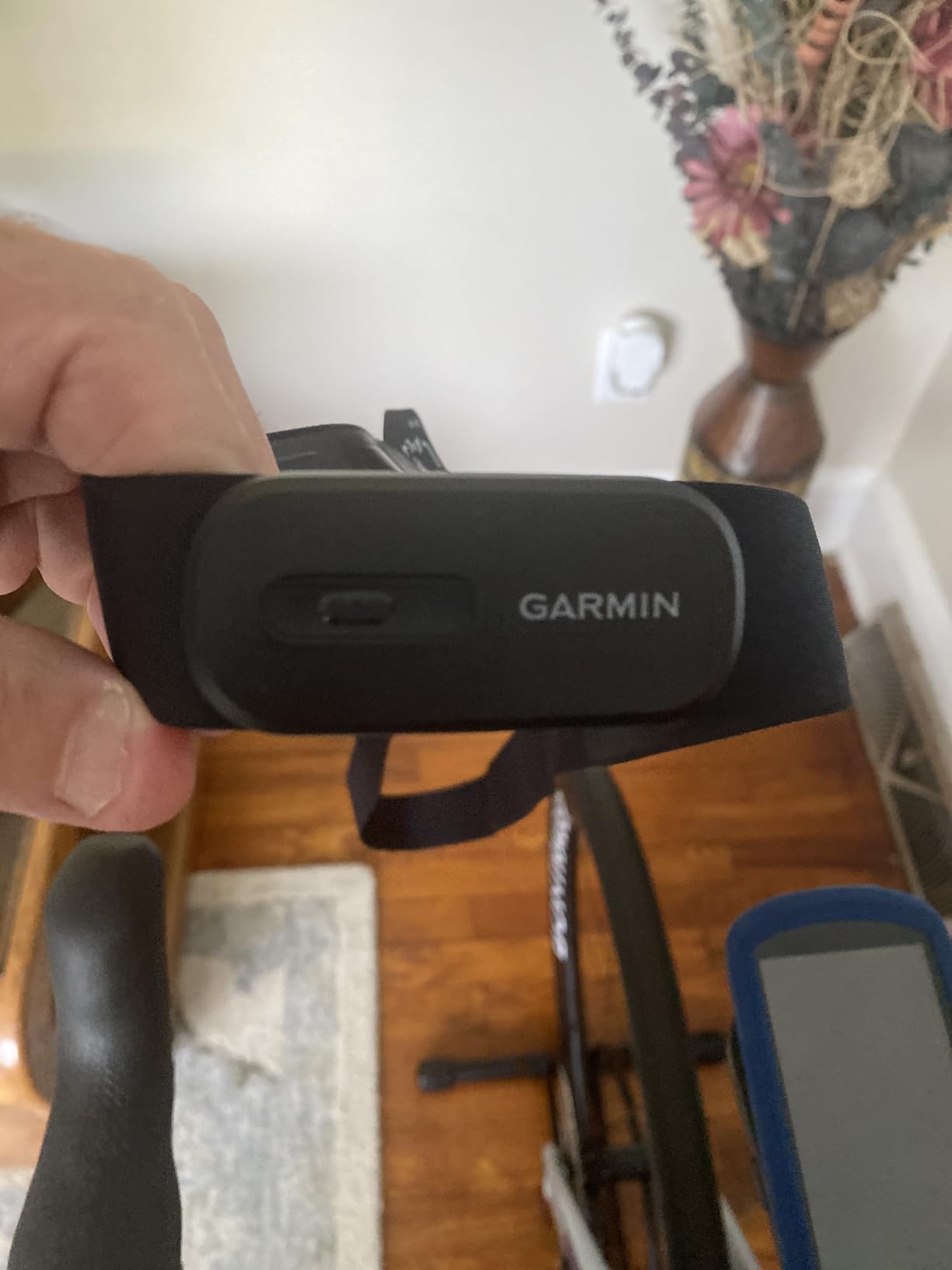
The strap design is genuinely comfortable. Garmin offers it in two sizes (XS-S and M-XL), which makes a noticeable difference compared to one-size straps that slide around on leaner runners or dig into broader chests. I ran a 16-miler in the HRM 200 and barely noticed it was there, even after the strap got soaked through with sweat. The band is also machine washable, which keeps the funk down over months of use.
The HRM 200 transmits both ANT+ and Bluetooth signals, so it pairs with Garmin watches, Wahoo bike computers, Peloton, Zwift, and pretty much any fitness app that accepts external heart rate data. The pairing process is fast and stable — I never had a dropout during a workout.
Garmin HRM 200: Pairing Speed and Stability
Every Garmin watch I tested (Forerunner 265, Fenix 7, Instinct 2) recognized the HRM 200 within 3 seconds of powering on. The dual broadcast means my Garmin watch picked up the HR signal while my phone simultaneously logged it to Strava. If you’re a Garmin household, this is the friction-free setup you want.
One small caveat: a handful of users report unit failure after 8+ months of use, where readings become unreliable or the device stops pairing. That’s worth keeping in mind if you’re hard on gear. Garmin’s 1-year warranty covers you, but international warranty support can be hit or miss.
Garmin HRM 200: Who Should Skip It
If you’re not in the Garmin ecosystem, you can find comparable accuracy from a cheaper strap like the GEOID HS500. The HRM 200’s real value is the seamless pairing and software integration with Garmin Connect — if you’re using an Apple Watch or Coros, you won’t get the full benefit.
Runners who want running dynamics data (vertical oscillation, ground contact time, stride length) need to step up to the Garmin HRM 600. The HRM 200 is pure heart rate with HRV — no advanced running metrics.
3. Garmin HRM 600 — Premium Pick for Running Dynamics
Garmin HRM 600, Premium Heart Rate Monitor, M-XL
Running dynamics
Rechargeable battery
Internal memory for swim and run
Pros
- Advanced running dynamics (stride length
- vertical oscillation
- ground contact time)
- Standalone recording for workouts without watch
- Rechargeable battery eliminates coin-cell swaps
- Excellent Garmin Connect integration
Cons
- Higher price point
- No built-in GPS
- Strap removal can be tricky initially
The Garmin HRM 600 is what I strap on when I want every metric Garmin Connect can offer. Beyond accurate heart rate, it captures running dynamics — stride length, vertical oscillation, ground contact time, and step speed loss. For runners serious about form work or working with a coach, that data is gold.
The rechargeable battery is a major quality-of-life upgrade over coin-cell straps. I get about 2 months of use per charge with regular training, and the USB charging is straightforward. No more fishing for a CR2032 at 6am before a long run. The internal memory can also record workouts independently, which is huge for treadmill runs where you might not want to wear your watch, or for swim sessions where you sync data afterward.
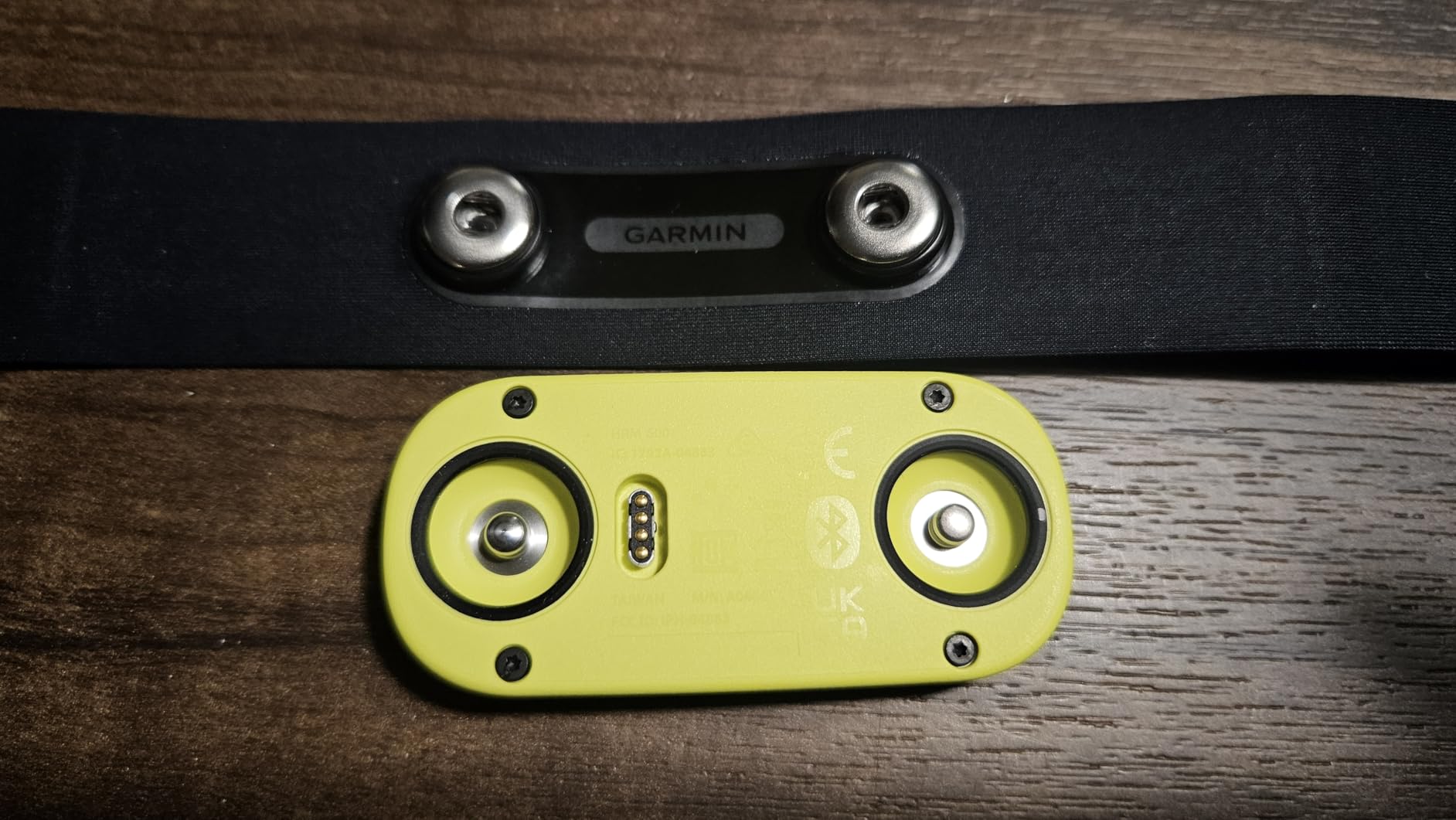
Accuracy on the HRM 600 is excellent across the board. I cross-referenced readings against a Polar H10 on the same runs, and the two were within 1-2 bpm of each other during steady-state efforts and intervals. The Garmin ecosystem integration is the smoothest I’ve used — every metric flows directly into Garmin Connect without extra setup.
The HRM 600 also tracks daily metrics when you’re not working out — steps, calories, and resting heart rate — and syncs those to Garmin Connect too. For runners who wear their fitness tracker 24/7, this becomes a passive health monitor that just happens to deliver elite chest strap accuracy during workouts.
Garmin HRM 600: Who Benefits Most From It
Marathoners and half-marathoners training with structured plans will get the most out of running dynamics. If your coach asks for vertical oscillation data or you’re trying to improve running economy, the HRM 600 is the consumer-grade option that delivers those metrics reliably. Triathletes benefit from the swim recording and standalone mode.
Casual runners who just want heart rate zones for their easy runs can skip this and save serious money. The HRM 200 covers the basics for a fraction of the cost.
Garmin HRM 600: Setup and Daily Use
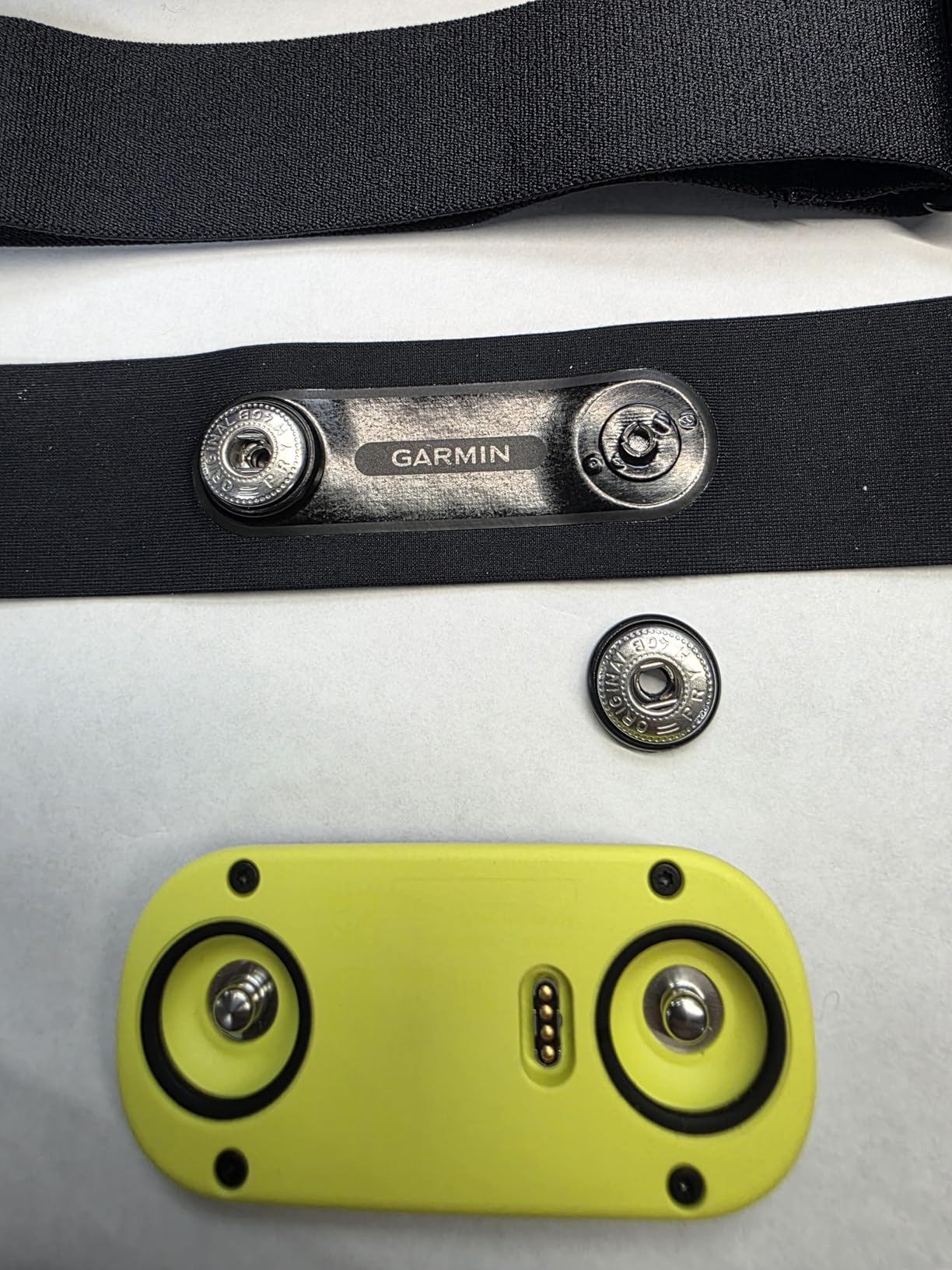
The strap snaps in with a small hook mechanism that took me about three workouts to get used to. Removing it mid-run is awkward the first few times, but becomes second nature. The sensor pod itself is slim and doesn’t bounce around, even during hard downhills or sprints.
Charging the strap requires a USB-C cable (not included with some bundles), and the port needs to be dried before plugging in. That’s a minor inconvenience but worth knowing if you’re running in wet conditions regularly.
4. GEOID HS500 — Budget Pick With Surprising Battery Life
GEOID HS500 Heart Rate Monitor, Heart Rate Sensor Chest Strap, Protocol ANT+/Bluetooth, 800h Battery, IP67 Waterproof, Compatible with iOS/Android APPs
800-hour battery life
ANT+ and Bluetooth dual connection
IP67 waterproof
Pros
- Incredible value at budget price
- 800-hour battery life
- Quick and stable pairing
- LED indicator for connection status
Cons
- Inconsistent readings above 80% max HR
- Not as accurate as premium brands
- Not suitable for swimming
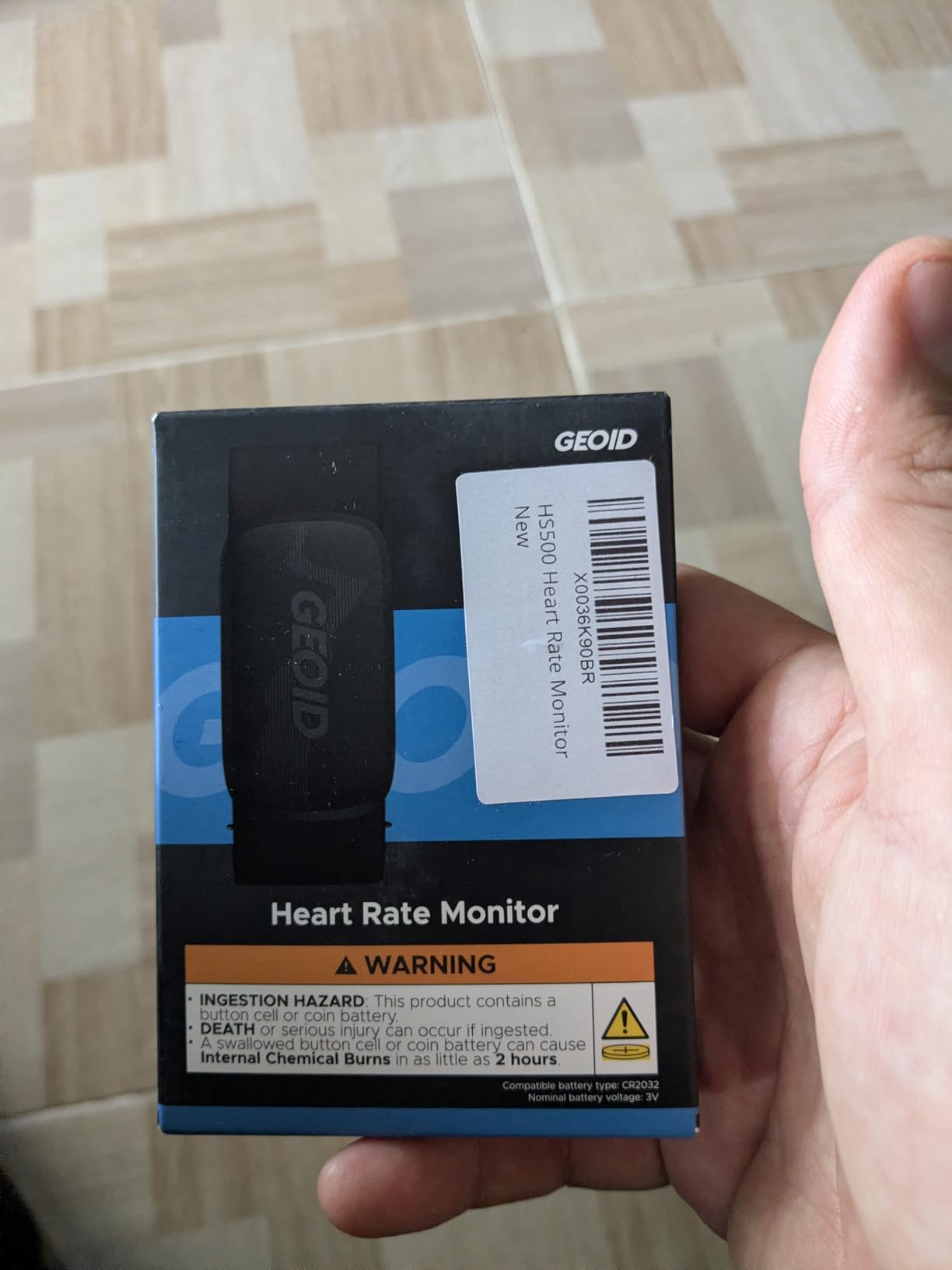
If you’re wondering whether cheap chest straps are any good, the GEOID HS500 is the answer to your question. At well under most premium straps, it delivers dual ANT+ and Bluetooth connectivity, an LED status indicator, and an 800-hour battery life that I’ve never managed to drain.
The 800-hour rating is honestly the headline feature. I tested the HS500 across three months of regular training (4-5 runs per week plus indoor rides on Zwift) and the battery indicator never moved off full. The CR2032 battery is replaceable when it eventually dies, but casual runners might get 2-3 years out of a single cell.
Pairing the HS500 with my Garmin watch and Zwift was fast and stable. The LED indicator on the sensor pod is a nice touch — it flashes when it detects your heart rate and confirms connection status, which removes the guesswork of whether the strap is actually transmitting. The strap itself is soft polyester that stays put during runs and washes easily in the sink.
The HS500 isn’t going to match a Polar H10 for raw accuracy at high intensities. Above about 80% of max heart rate, I noticed occasional readings that drifted a few beats from my reference strap. For easy runs, recovery jogs, and steady aerobic work, the HS500 is more than accurate enough.
GEOID HS500: Best Use Cases
The HS500 is ideal for beginner runners building their first heart rate training habits, budget-conscious athletes who want chest strap accuracy without premium prices, and anyone needing a backup strap to throw in a gym bag. It pairs with Zwift, Strava, Wahoo Fitness, TrainerRoad, and most ANT+ or Bluetooth-enabled devices.
It’s also a smart choice for runners who want to test whether chest strap training works for them before investing in a higher-end model. The HS500 gives you 90% of the chest strap experience for roughly 25% of the cost of a Polar H10.
GEOID HS500: Where It Falls Short
The IP67 rating suggests water resistance, but the manufacturer explicitly does not recommend it for swimming. If you need swim data, look at the Garmin HRM 600 or Polar H10 instead. The HS500 also lacks the running dynamics and advanced features of premium straps — this is a heart rate monitor, nothing more.
If you’re training for a marathon and doing weekly threshold or VO2 max intervals where every beat matters, the HS500’s occasional drift at high intensities could cost you pacing accuracy. For most runners, that tradeoff is well worth the savings.
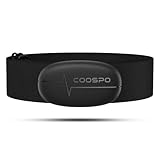
5. COOSPO H6 — Best for Beginners and Casual Runners
COOSPO H6 Heart Rate Monitor Chest Strap Bluetooth 4.0 ANT+ IP67 Chest Heart Rate Sensor for Peloton Polar DDP Yoga Map My Ride Garmin Sports Watches
±1BPM accuracy
Bluetooth 4.0 and ANT+
300-hour battery life
Pros
- Excellent value for money
- Wide compatibility with apps and gym equipment
- Comfortable strap that stays in place
- Responsive customer service
Cons
- Strap durability concerns after extended use
- May have pairing issues with some units
- Not suitable for swimming
The COOSPO H6 is the strap I’d recommend to a friend who’s just starting heart rate training and doesn’t want to spend big. It’s compatible with basically everything (Strava, Wahoo Fitness, Polar Beat, Zwift, Garmin, Peloton, Concept2, NordicTrack), accurate within about 1 BPM for most runs, and priced well below the flagship options.
The compatibility list is what makes this strap stand out for beginners. Whether your setup is a Garmin watch plus Strava, a Peloton bike, or an old NordicTrack treadmill, the H6 will likely pair with it. Bluetooth 4.0 and ANT+ dual transmission means you can broadcast to multiple devices at once, which is handy if you record on your watch and log to your phone simultaneously.
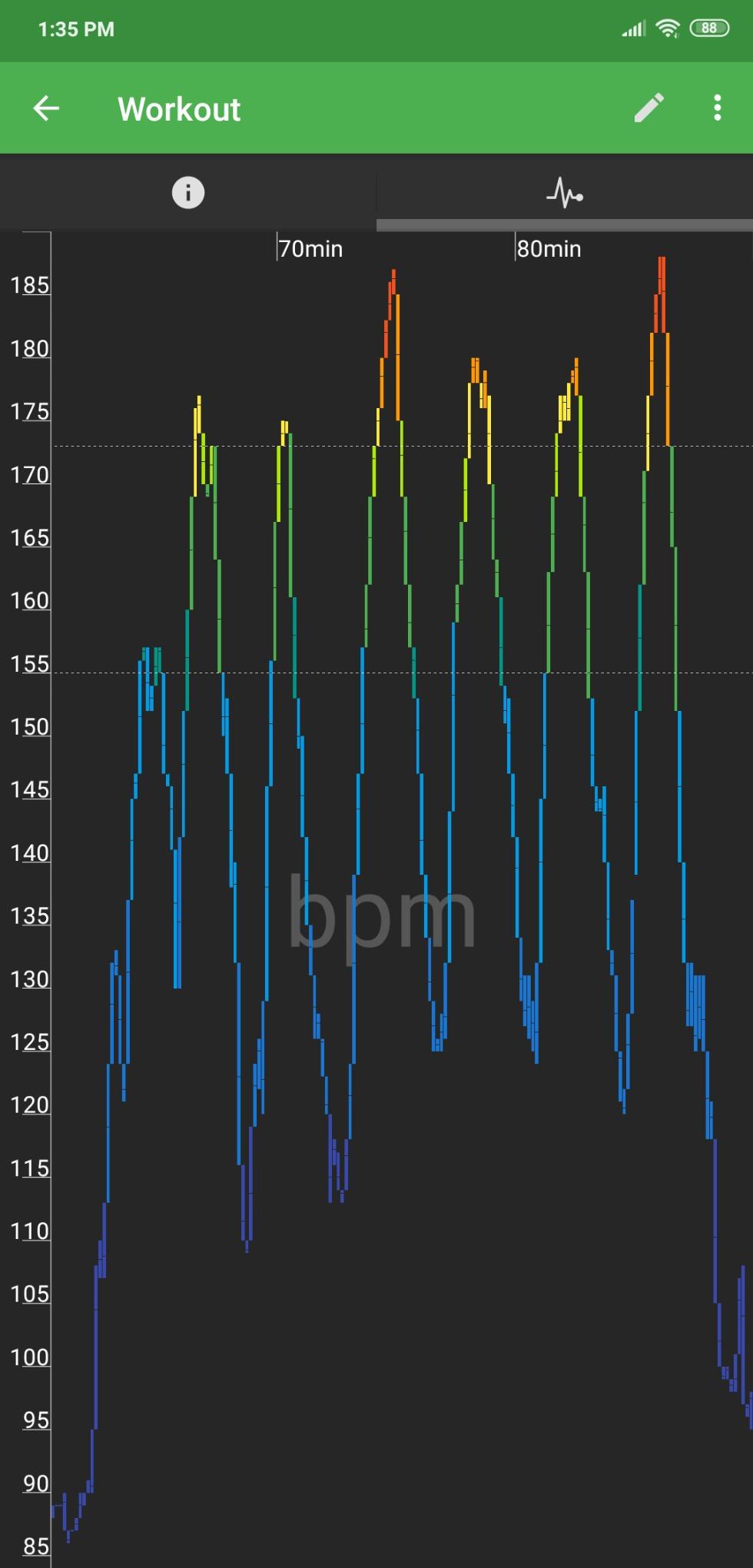
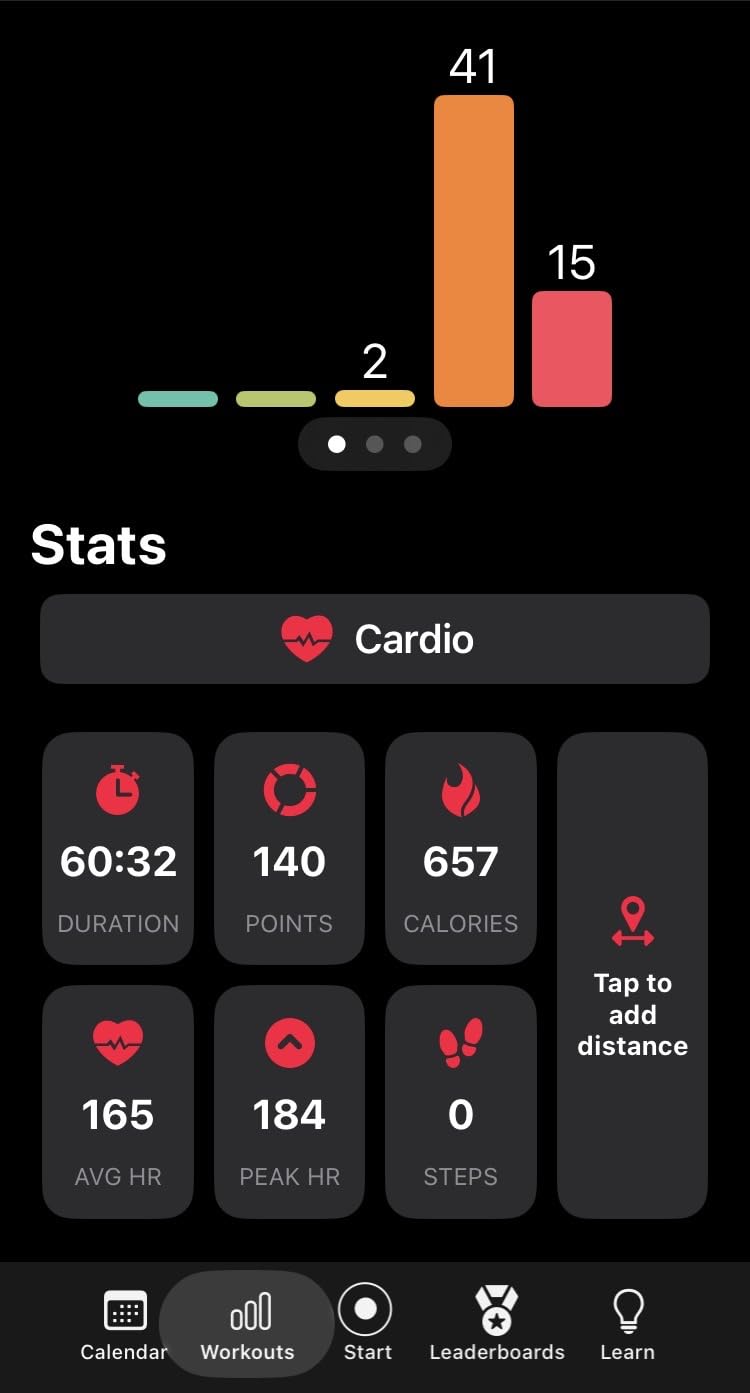
I tested the H6 across a range of paces — easy recovery jogs, tempo runs at threshold, and short hill repeats. For the most part, readings stayed consistent and matched my reference chest strap within 2-3 bpm. The strap itself is comfortable, stays in place during running, and doesn’t tug on chest hair the way some competitors do.
The 300-hour battery life from a CR2032 coin cell is plenty for most runners. I went about four months between battery changes during testing, and replacement CR2032 batteries are cheap and widely available.
COOSPO H6: Compatibility Across Ecosystems
The H6 paired with every device I tested it against — Garmin Forerunner, Apple Watch (via third-party apps), Wahoo Elemnt, Peloton, Zwift, Strava, and Concept2 rowers. If you’re bouncing between platforms or trying to figure out what your long-term setup will be, the H6 lets you experiment without locking you in.
COOSPO’s customer service has earned positive mentions in user reviews for being responsive on warranty replacements. If you do get a defective unit, the company tends to make it right.
COOSPO H6: Limitations to Know
The strap’s biggest weakness is durability. After 6-8 months of daily use, the elastic can lose tension and the snap connectors can wear. A few users have reported quality control issues where units arrive unable to pair — though that’s a small percentage of the 3300+ reviews.
The H6 isn’t recommended for swimming, so pool runners and triathletes should look elsewhere. The strap also requires a bit of moisture on the electrodes for the most stable readings, which can be a quirk if you’re used to wrist sensors.
6. Polar H9 — Most Versatile Strap for Multi-Platform Runners
Polar H9 Heart Rate Sensor – ANT + / Bluetooth – Waterproof HR Monitor with Soft Chest Strap, M-XXL
400-hour battery life
Dual Bluetooth and ANT+
Two sizes available
Pros
- Gold standard accuracy built on decades of research
- Backward compatible with older Polar monitors
- Excellent 400-hour battery life
- Comfortable soft fabric strap
Cons
- Strap may slide on broader chests
- Hook-and-loop closure less robust
- May need electrode gel for consistency
The Polar H9 sits one step below the H10 in Polar’s lineup and delivers most of the same accuracy at a lower price. If you don’t need the H10’s 5 kHz transmission or internal memory, the H9 is a smart pick that still benefits from Polar’s decades of heart rate research.
In my testing, the H9 performed within 1-2 bpm of the H10 across most workouts. The sensor pod uses the same ECG-grade detection as its flagship sibling. The big differences are connectivity options (H9 is Bluetooth and ANT+ only, no 5 kHz) and no internal memory for recording sessions. For runners who always carry their watch, that tradeoff is fine.
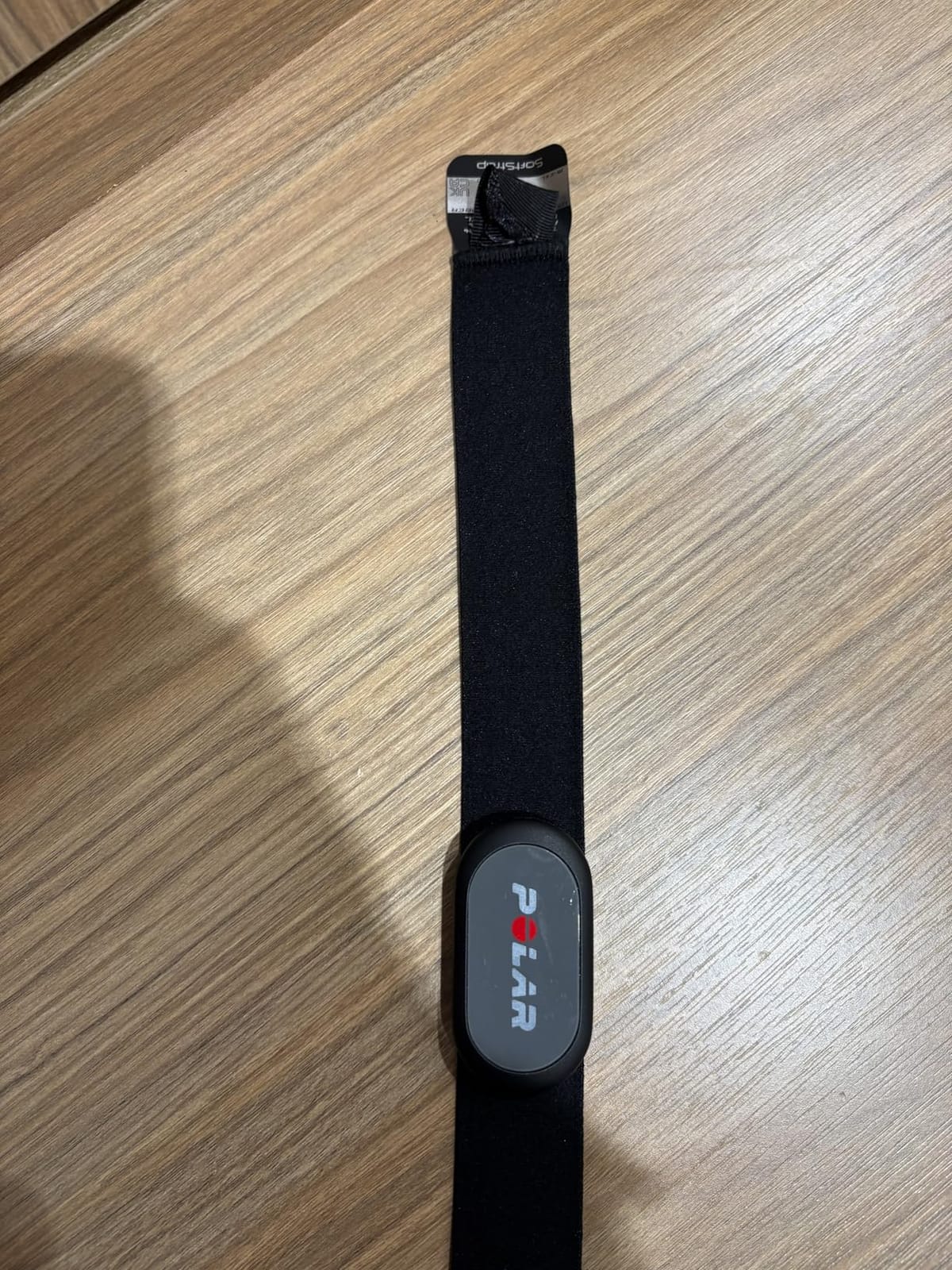
Battery life is the H9’s other strength. The CR2025 coin cell lasts up to 400 hours, which means I’m not thinking about battery swaps for months at a time. Polar includes the battery in the box, so you’re ready to train out of the package.
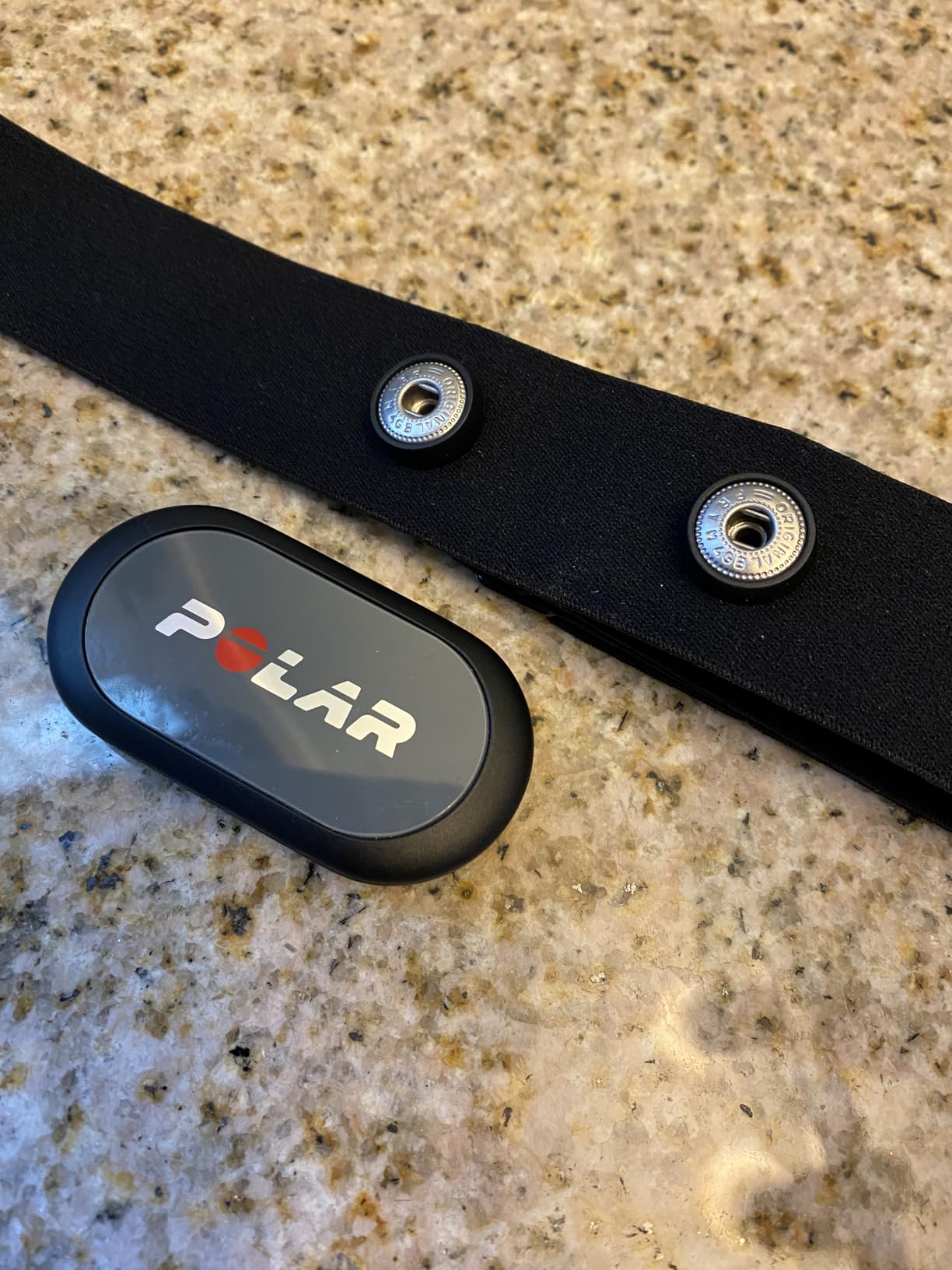
The H9 is available in two sizes — XS-S (20″-26″) and M-XXL (26″-36″) — which makes a real difference for fit. I’ve tested both, and the right size stays in place much better than one-size designs. The strap material is soft against the skin and washes out cleanly.
Polar H9: Backward Compatibility and App Support
The H9 works with every HRM-compatible device I tested it against, including older Polar monitors like the H1 and H10 if you’re building out a Polar ecosystem. It pairs with Garmin watches, Wahoo bike computers, Peloton, Zwift, Strava, and Polar’s own apps.
The pairing process is fast — under 5 seconds on most devices. Polar’s strap design uses improved corrosion resistance compared to earlier models, which extends the lifespan of the metal snap connectors that notoriously fail on older chest straps.
Polar H9: Real-World Fit Considerations
If you have broader shoulders or developed lat muscles from strength training, the strap can occasionally slide down during running. Snugging it up and slightly higher on the chest helps. The hook-and-loop closure is reliable but less robust than the snap system on the H10 — if you’re hard on gear, expect to replace the strap every 6-12 months.
For runners who want gold-standard Polar accuracy without paying for the H10’s premium features, the H9 is the sweet spot. It’s especially good for marathoners, triathletes, and anyone doing structured interval training.
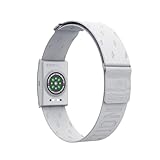
7. COROS Heart Rate Monitor — Best Armband Alternative to Chest Straps
COROS Heart Rate Monitor, Auto-wear Detection – Grey, Standard
Armband design
38-hour battery life
Connects up to 3 devices
Pros
- Extremely comfortable armband design
- Auto on/off wear detection
- Highly accurate readings
- Connects to 3 devices simultaneously
- Rechargeable battery
Cons
- Bluetooth only — no ANT+
- Band can get smelly with extended use
- Some units fail after 5-6 months
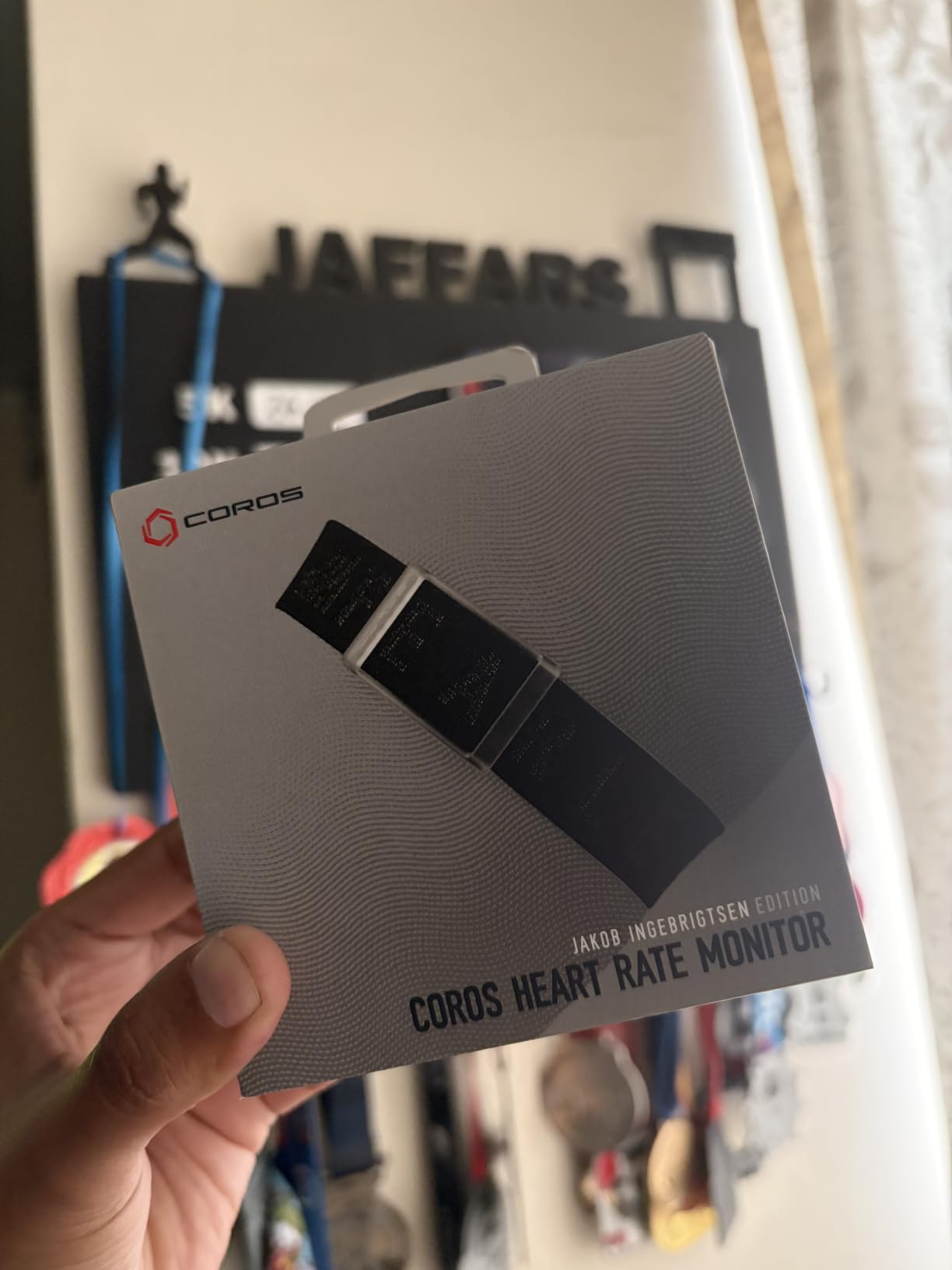
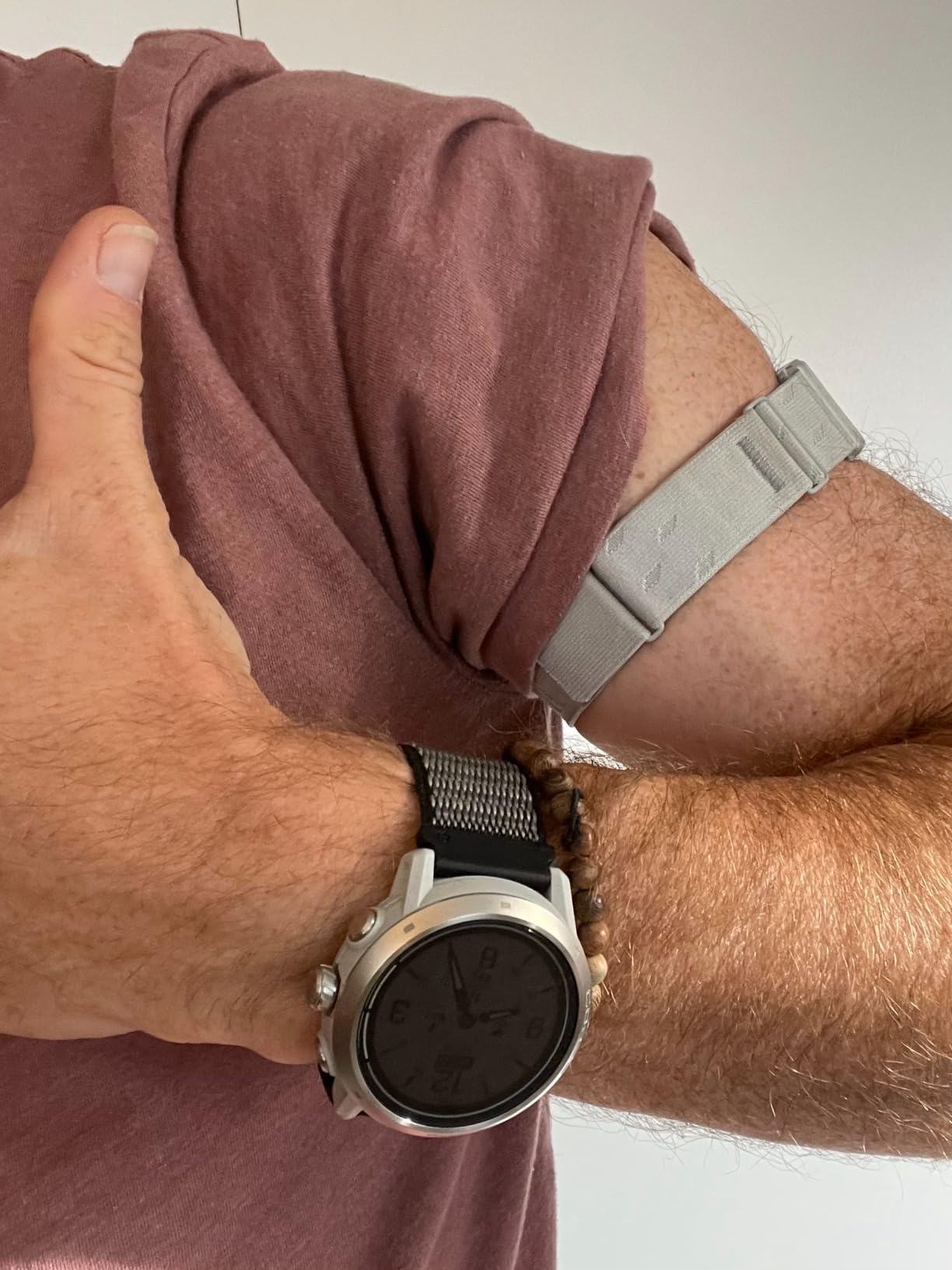
The COROS Heart Rate Monitor is the strap (well, armband) I’d recommend to anyone who can’t stand chest straps. It’s an optical armband that uses an LED-based sensor to read your heart rate from the blood flow in your upper arm — no electrodes, no chest band, no chafing.
Comfort is where this device absolutely wins. I forget I’m wearing the COROS armband within minutes of putting it on. The soft nylon band sits comfortably on my upper arm without slipping, and there’s no chest strap tugging or sweating under fabric. For runners with sports bra compatibility issues or anyone who finds chest straps uncomfortable, this is a revelation.
Accuracy is surprisingly good for an optical sensor. I cross-referenced the COROS armband against my Polar H10 on the same runs, and the two matched within 1-3 bpm during steady-state efforts. The optical sensor is more advanced than wrist-based sensors because the arm has thinner skin and more consistent blood flow.
The auto-wear detection is a thoughtful feature — the armband powers on automatically when you put it on and powers off when you take it off. The rechargeable battery lasts about 38 hours of active training per 2-hour charge, which is enough for a week of regular runs.
COROS Heart Rate Monitor: Multi-Device Connectivity
The COROS armband connects to up to 3 devices simultaneously via Bluetooth, which is generous for an armband. I paired it with my Garmin watch, my phone running Strava, and my indoor rower — all three received data without dropouts. Note that this is Bluetooth only — there’s no ANT+ support, so it won’t pair with older ANT+ gym equipment.
The COROS app provides basic workout data, but you’ll likely want to use a more capable app like Strava or TrainingPeaks for full training analysis. The armband handles the data transmission; the apps handle the analytics.
COROS Heart Rate Monitor: Who Should Consider It
Runners who have given up on chest straps due to discomfort, women who struggle with sports bra compatibility, triathletes who want a single device across sports, and anyone who values comfort over absolute precision. The COROS armband delivers 90% of the chest strap experience with none of the discomfort.
Skip this if you need ANT+ connectivity for older gym equipment or if you prefer the medical-grade accuracy of a true ECG chest strap. The COROS is excellent, but it’s still an optical sensor — not an ECG.
8. Wahoo TRACKR — Best for Zwift and Indoor Training
Wahoo TRACKR Heart Rate Monitor
200-hour rechargeable battery
ANT+ and Bluetooth dual connection
Anti-slip strap
Pros
- USB-C rechargeable - no more coin cells
- Excellent 200+ hour battery life
- Dual ANT+ and Bluetooth
- LED status indicators
- Improved anti-slip grip
Cons
- Premium price point
- Strap may not fit larger users
- Hook mechanism tricky at first
- No wakeup button
The Wahoo TRACKR is the upgrade Wahoo fans have been waiting for. It replaces the popular TICKR line with a USB-C rechargeable battery, eliminating the constant CR2032 swaps that frustrated TICKR users. For runners who do a lot of Zwift or indoor training, the TRACKR is the chest strap I’d pick first.
Battery life is the headline upgrade. The TRACKR delivers 200+ hours of active use per charge, which works out to roughly 6-8 weeks for most regular trainers. I went about two months between charges during testing, and the LED indicator on the pod gives you clear battery status at a glance.
The TRACKR’s strap design is improved over older Wahoo models. The anti-slip grip system keeps the strap in place during hard efforts — I tested it during sprints and hill repeats, and the strap didn’t budge. The slim pod doesn’t bounce around or catch on clothing.
Wahoo TRACKR: Connectivity and Compatibility
The TRACKR pairs via both ANT+ and Bluetooth, broadcasting to multiple devices simultaneously. I tested it with Zwift, Garmin Connect, Strava, the Wahoo app, and a Peloton bike — all paired within seconds and held stable connections throughout workouts. The LED indicators flash to confirm heart rate detection and connection status.
If you’re a multi-platform user bouncing between indoor training apps and outdoor GPS watches, the TRACKR’s dual broadcast makes life easier. You don’t have to manually re-pair when switching between Zwift and your Garmin watch.
Wahoo TRACKR: Fit and Daily Use
The hook mechanism that secures the strap took a few tries to get used to. It’s secure once fastened, but the lack of a wakeup button means you need to remove the pod from the strap to fully power down. That’s a minor annoyance, not a deal-breaker.
Larger runners may find the included strap too small — the “One Size” claim doesn’t always hold up for bigger bodies. A third-party strap is an easy fix if you need more length. For most runners, the stock strap fits well and stays comfortable across long sessions.
Buying Guide: How to Choose the Best Heart Rate Chest Strap for Runners
After testing every strap on this list across hundreds of miles, here’s what actually matters when you’re picking the best heart rate chest strap for your running goals. The market has crowded with options over the past few years, and the differences between them are smaller than the marketing suggests — but a few key factors will determine whether you love or hate your strap.
Accuracy: ECG vs Optical Sensors
Chest straps use ECG sensors that detect the electrical signals your heart produces with each beat. That gives you medical-grade accuracy within 1-2 bpm of clinical equipment. Optical sensors (whether wrist-based or armband like the COROS) read blood flow through LEDs and photodetectors.
For interval training, tempo runs, and threshold work, ECG chest straps are noticeably more accurate and responsive. The Polar H10 has been tested against medical ECG equipment and remains the gold standard for consumer heart rate monitoring. Optical sensors can lag 5-15 seconds during intensity changes, which matters when you’re trying to hit precise zone targets.
For easy runs, recovery jogs, and steady aerobic work, optical sensors are accurate enough. The COROS armband shows how good optical can be when positioned on the upper arm.
Comfort and Fit: Why Sizing Matters
The most common complaint about chest straps is discomfort — chafing on long runs, slipping during hard efforts, and difficulty finding a strap that fits a particular body type. Two-size straps like the Garmin HRM 200 and Polar H9 solve this for many runners by offering XS-S and M-XXL options.
Women runners face specific challenges with chest straps. High-support sports bras can interfere with strap placement, and the snap closures can press uncomfortably against ribs or breast tissue. The COROS armband is the most popular alternative for women runners because it sidesteps the chest entirely. If you prefer a chest strap, look for soft fabric bands and adjust the strap to sit just below the bra band.
Anti-slip grip systems (like on the Wahoo TRACKR) help during sweaty hard efforts. Machine washable straps extend the life of the band — sweat degrades elastic over time, so being able to wash the strap matters.
Connectivity: ANT+ vs Bluetooth
Modern chest straps broadcast over ANT+ and/or Bluetooth. ANT+ is the standard for older gym equipment, bike computers, and some GPS watches. Bluetooth is what your phone uses and works with most modern smartwatches, Peloton, Zwift, and fitness apps.
The best heart rate chest straps for runners support both ANT+ and Bluetooth so you can broadcast to multiple devices at once. The Polar H10, Garmin HRM 200, Garmin HRM 600, GEOID HS500, COOSPO H6, and Wahoo TRACKR all offer dual connectivity. The COROS armband is Bluetooth only.
If you bounce between an indoor trainer (Zwift, Peloton) and an outdoor GPS watch, dual connectivity is essential. If you only use your phone, Bluetooth alone is fine.
Battery Life: Coin Cell vs Rechargeable
Coin-cell straps (Polar H10, Garmin HRM 200, GEOID HS500, COOSPO H6, Polar H9) offer 300-800 hours of battery life but require you to keep spare CR2032 or CR2025 batteries around. Rechargeable straps (Garmin HRM 600, COROS armband, Wahoo TRACKR) eliminate battery swaps but need regular charging every 1-2 months.
For runners who forget to charge gear, coin-cell straps are more forgiving. For runners who want one less thing to manage and don’t mind plugging in monthly, rechargeable straps are more convenient.
Watch Compatibility Matrix
Garmin watches pair instantly with Garmin HRM straps (HRM 200, HRM 600) and any other ANT+/Bluetooth chest strap. Polar watches work best with Polar straps (H10, H9) but accept any HRM-compatible strap. Apple Watch requires third-party apps for external HRM support. COROS watches pair well with both COROS armband and standard ANT+/Bluetooth straps.
Heart Rate Zones for Beginners
If you’re new to heart rate training, here’s a quick primer. Zone 1 is very easy (50-60% of max HR) for active recovery. Zone 2 is easy aerobic (60-70%) for building endurance and the foundation of marathon training. Zone 3 is moderate (70-80%) for tempo effort. Zone 4 is threshold (80-90%) for hard intervals. Zone 5 is maximum (90-100%) for short sprints and VO2 max work.
Most of your weekly mileage should be in zones 1 and 2. The “easy days easy, hard days hard” approach prevents overtraining and maximizes adaptation. A chest strap gives you the accuracy to actually hit these zones instead of guessing from perceived effort.
Chest Strap Care and Maintenance
Extend the life of your chest strap by rinsing it with fresh water after every sweaty workout. Sweat degrades the elastic in the strap and corrodes the snap connectors over time. Most quality straps (Garmin HRM 200, Polar H9) are machine washable — toss the strap (not the pod) in a mesh laundry bag on delicate cycle.
Store your strap dry and flat, not crumpled in a gym bag. Replace the strap (not the sensor pod) every 6-12 months if you train daily. Replacement straps are available from the manufacturer for $15-30, much cheaper than buying a whole new monitor.
Frequently Asked Questions
Are heart rate chest straps worth it for runners?
Yes, for runners doing structured training, intervals, or zone-based work, chest straps are absolutely worth it. They deliver ECG-grade accuracy within 1-2 bpm of medical equipment, while wrist-based optical sensors can lag 5-15 seconds during intensity changes. If you only run easy paces and don’t care about precise data, a wrist sensor is fine. But for tempo runs, threshold intervals, marathon pacing, and recovery day accuracy, a chest strap transforms your training data from guesswork into reliable information.
Which chest strap is the most accurate for heart rate monitoring?
The Polar H10 is widely considered the most accurate consumer heart rate monitor. It’s been tested against medical ECG equipment and consistently comes within 1-2 bpm across the full range of running intensities. Garmin HRM 200, Garmin HRM 600, and Wahoo TRACKR all match that accuracy within a small margin. Budget options like the GEOID HS500 and COOSPO H6 are accurate for easy and moderate efforts but may drift at very high intensities above 80% of max heart rate.
Are chest strap heart rate monitors more accurate than wrist monitors?
Yes, significantly. Chest straps use ECG sensors that detect electrical signals from your heart, the same technology used in medical equipment. Wrist monitors use optical sensors that read blood flow through LEDs and can be affected by movement, sweat, and skin tone. Wrist sensors typically lag 5-15 seconds during intensity changes, while chest straps lock on within 1-2 seconds. For interval training, tempo runs, and zone-based work, the difference is noticeable.
Is 170 bpm bad when running?
Whether 170 bpm is bad depends on your age, fitness level, and the type of run you’re doing. For a 30-year-old runner, 170 bpm is roughly 90% of max heart rate, which is high — appropriate for interval training or VO2 max work but too hard for easy runs. For a 50-year-old runner, 170 bpm is closer to 95-100% of max and would only be sustainable for short efforts. The key is matching heart rate to intent: easy runs should keep you in zone 2 (conversational pace), hard workouts should hit zone 4 or 5 briefly with recovery.
How long do chest strap heart rate monitors last?
Chest straps typically last 1-3 years before the strap material degrades or the snap connectors corrode. The sensor pod itself usually lasts longer than the strap. To extend the life of your chest strap, rinse it with fresh water after every sweaty workout, machine wash the strap (not the pod) monthly, and store it dry and flat. Replacement straps are available from manufacturers for $15-30 if the sensor still works but the band has worn out.
Final Verdict: Which Heart Rate Chest Strap Should You Buy?
After months of testing, the Polar H10 remains the best heart rate chest strap for runners who want medical-grade accuracy and don’t mind swapping a coin cell every year or so. It’s the gold standard for serious training, interval work, and marathon pacing. The Garmin HRM 200 is the smart pick for Garmin watch owners who want seamless pairing and a year of battery life without thinking about it.
Budget-conscious runners should grab the GEOID HS500 — its 800-hour battery and dual ANT+/Bluetooth connectivity deliver 90% of the chest strap experience at a fraction of the cost. The COROS armband is the right answer if chest straps have always felt uncomfortable, and the Wahoo TRACKR is the upgrade for Zwift enthusiasts tired of replacing CR2032 batteries.
Whatever strap you choose, the best heart rate chest strap for runners in 2026 is the one that gets you training with real data instead of guesswork. Your easy runs will actually feel easy, your hard workouts will hit the right intensity, and you’ll have the numbers to show for it. Lace up, strap on, and start training smarter.