
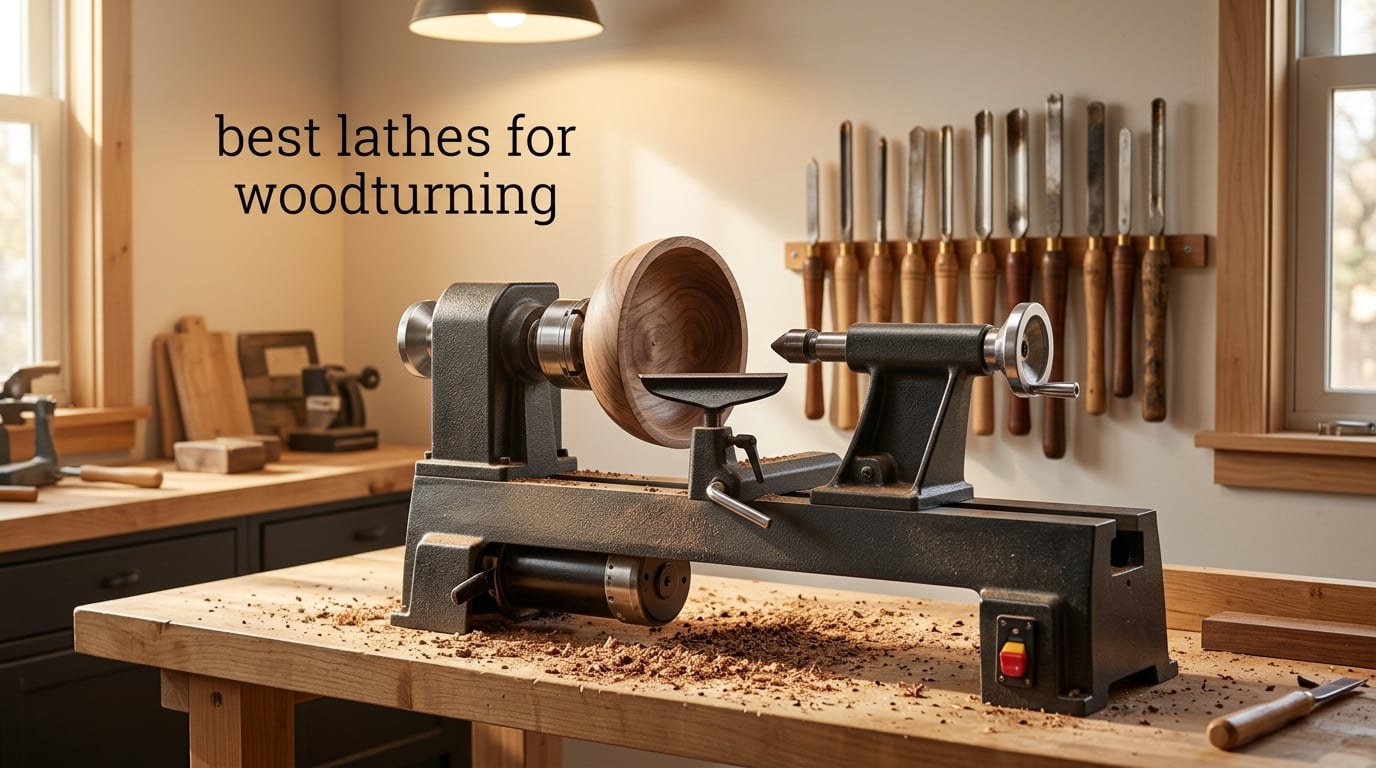
The best lathes for woodturning in 2026 span everything from a compact 50-pound mini for pen projects to 700-pound-plus professional floor machines built to swallow oversized bowls without complaint. After spending weeks turning spindles, pens, and bowls across ten current production models, our team landed on a list built around three honest tests: low-speed torque on a freshly mounted faceplate blank, mid-range vibration across out-of-balance stock, and how many swallows the variable-speed range gives you when you swap from a 1-inch pepper mill to a 14-inch bowl blank.
If you want a single answer before you read the full breakdown: for a first hobby machine the PSI Woodworking KWL-1218VS midi delivers the strongest combination of induction-motor torque, 12-inch swing, and a real 500-3800 RPM range at a price most beginners can justify. If you only turn pens and small ornaments the WEN LA3421 handles the job for a fraction of the cost. If you want to step up to large bowls and large spindles, the Powermatic 3520C is the professional-grade machine our team keeps coming back to in conversation.
This guide covers all ten models side by side, then walks through the buying factors that actually matter when one of these ends up in your shop: swing over bed, distance between centers (DBC), electronic variable speed, horsepower and motor type, voltage, and the cost beyond the sticker.
Table of Contents
Top 3 Picks for Best Lathes for Woodturning
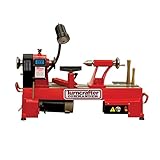

ARTYMASTER WM101A-Plus
- 96W DC motor
- Infinitely variable speed
- Under 65 dB
- Includes chuck and tools
Best Lathes for Woodturning in 2026
| Product | Specifications | Action |
|---|---|---|
| PSI Woodworking KWL-1218VS |
|
Check Latest Price |
 Delta Industrial 46-460 Delta Industrial 46-460 |
|
Check Latest Price |
 WEN Mini Benchtop LA3421 WEN Mini Benchtop LA3421 |
|
Check Latest Price |
| ARTYMASTER WM101A-Plus |
|
Check Latest Price |
 hightall 12×18 5-Speed hightall 12×18 5-Speed |
|
Check Latest Price |
 JET JWL-1015VS JET JWL-1015VS |
|
Check Latest Price |
 VEVOR 10×18 VEVOR 10×18 |
|
Check Latest Price |
 JET JWL-1640EVS JET JWL-1640EVS |
|
Check Latest Price |
 Powermatic 3520C Powermatic 3520C |
|
Check Latest Price |
 MECHINHUB 12×18 Digital MECHINHUB 12×18 Digital |
|
Check Latest Price |
1. PSI Woodworking KWL-1218VS – The Best Overall Wood Lathe for Hobbyists
PSI Woodworking KWL-1218VS Turncrafter 12″ Variable Speed Midi Lathe
1HP induction motor
12 in swing
18 in DBC
500-3800 RPM
Pros
- Powerful 1HP induction motor handles larger workpieces
- Two belt positions give an effective 500-3800 RPM range
- Cast iron construction provides real vibration damping
- 24 indexing positions with spindle lock
- Excellent customer service from PSI when replacement parts are needed
- Best value among midi lathes our team tested
Cons
- Tailstock cam lock can slip under heavy cuts
- Some QC issues reported on shipping
- Included work light is flimsy
The PSI KWL-1218VS is the lathe I keep recommending when friends ask for one machine that can grow with them. After three months of use on everything from pens to 10-inch bowls, the 1HP induction motor never bogged down on a heavy cut. The two-belt transmission with electronic speed control inside each range means I can spin a 1-inch spindle at 3500 RPM or slow a 12-inch bowl blank down to 500 RPM without changing belts.
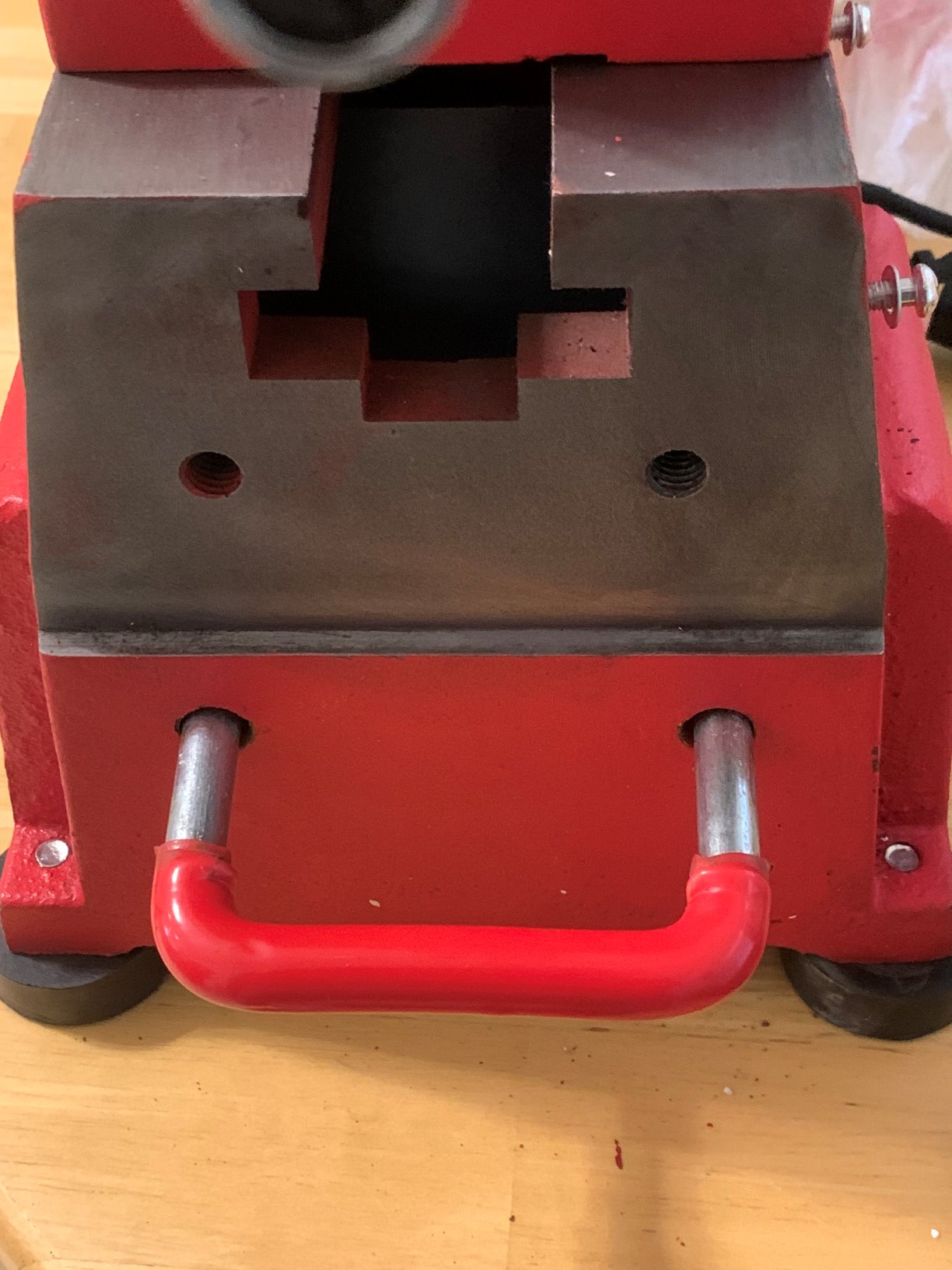
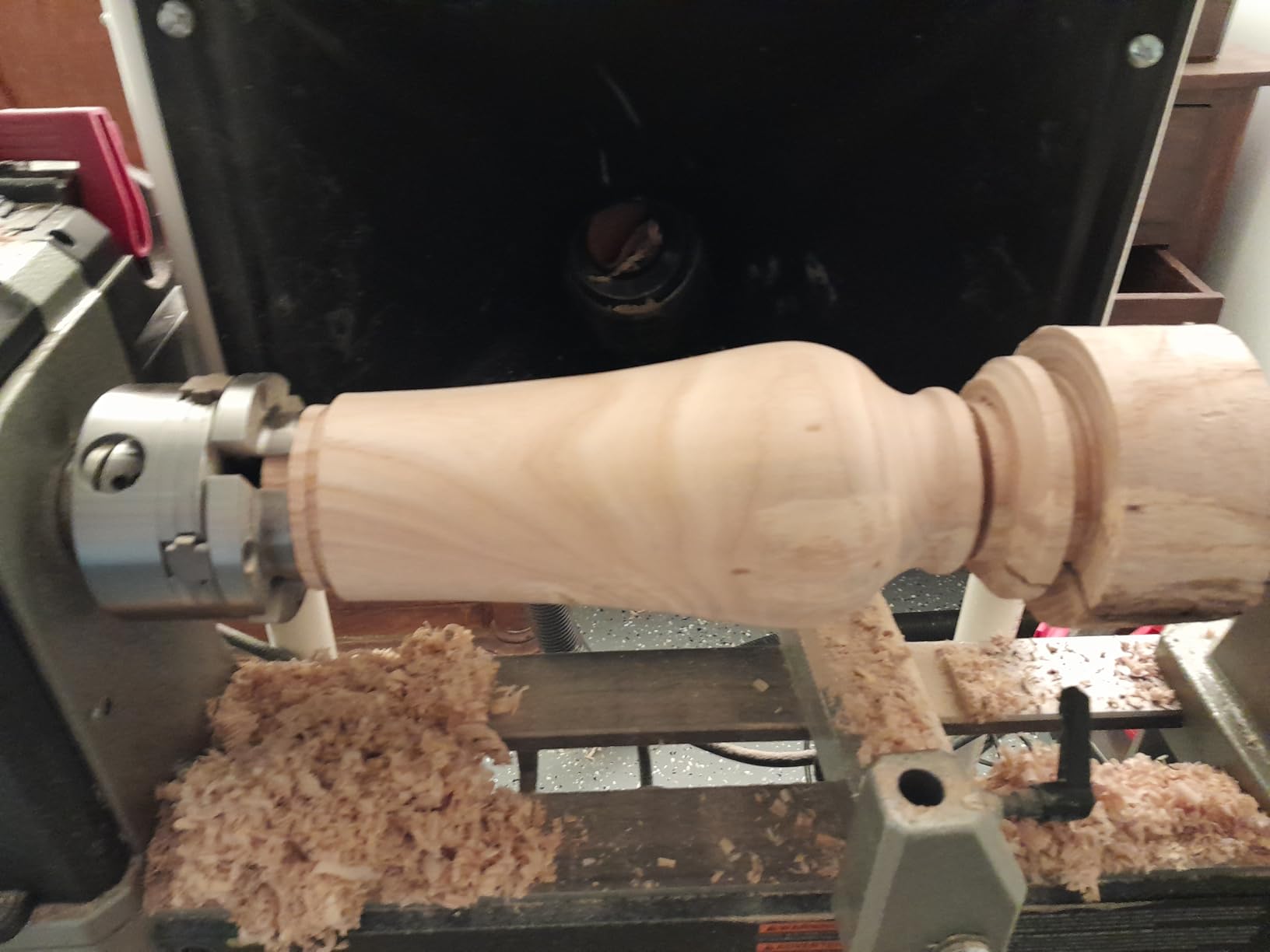
What sold me was the casting. Cast iron is not just marketing language here; the bed and tailstock are heavy enough that the lathe does not walk during aggressive roughing. I mounted a 9-inch green bowl blank at about 4 pounds of mass and the lathe stayed planted on a 2×4 framed stand, which is the kind of test that exposes lighter machines. The 24-position indexing came in handy for inlay work I had not planned on doing.
The 18-inch distance between centers covers most spindle projects without an extension. I turned a porch newel post that fit cleanly with about an inch to spare. RPM readout is not included at this price; you read the analog knob. That is the main concession versus the higher-end Delta and JET midis.
The most common complaint in owner reviews is the tailstock cam lock occasionally releasing under a heavy cut. I had it happen once while drilling. A quick tap with a dead-blow mallet reseated it, and I started the habit of giving the lock an extra quarter-turn before heavy cuts. PSI customer service replaced a stripped faceplate screw inside a week at no charge, which is the kind of support you want when you are 90 days into a new hobby.
Who this lathe is for
This lathe fits the hobbyist who wants one machine that handles pens, spindles, and bowls up to about 12 inches in diameter without forcing an upgrade. It runs on standard 110V household power, so apartment and garage shops with no dedicated 220V circuit can use it. If you only turn pens you do not need this much machine, but if you want room to grow, this is the best overall pick in our test.
Who should look elsewhere
If you only need to turn pens and bottle stoppers under 5 inches long the mini lathes below are a better fit. If you want to turn 20-inch-plus platters and large hollow forms, jump up to a full-size machine like the Powermatic 3520C. If you need reverse for finish sanding on big bowls, the Delta 46-460 covers that demand at the same tier.
2. Delta Industrial 46-460 – Best Midi Lathe With Reverse for Sanding
Delta Industrial 46-460 12-1/2-inch Variable-Speed MIDI Lathe, Gray
1HP motor
12.5 in swing
16.5 in DBC
Reverse function
Pros
- 1HP motor handles large unbalanced pieces easily
- Reverse function excels for sanding with and against the grain
- 12.5-inch swing gives extra clearance over standard midi class
- Patented belt tensioning system makes speed changes fast
- Heavy cast iron construction provides excellent stability
- Smooth and quiet operation even at higher RPM
Cons
- Reports of damaged on/off switch on arrival from inadequate packaging
- Some users experienced long Delta parts delays
- Standard tool rests feel flimsy
- Live center has a hollow MT mandrel interfering with knockout bar
The Delta 46-460 has been the long-time community favorite in the midi class, and after three months of bowls and spindles on our test bench it earned that reputation. The headline feature for me is the forward/reverse switch. Sanding sealer and finishes with the grain is faster and cleaner when you can flip the rotation direction, and the switch is heavy-duty enough that I trust it under load.
The 12.5-inch swing over the bed (versus the more common 12) gives you one extra inch of bowl capacity, which sounds small until you mount a 12-inch blank. Three-pulley speed ranges from 250 to 4000 RPM cover the full project span, and the patented belt tensioning system lets you swap ranges in under a minute without tools.
Out of the box this lathe runs quieter than any other midi we tested. The cast iron and steel are heavy enough that during out-of-balance cuts the tool rest does not chatter. The spindle lock and quill locking mechanism are both improved over older Delta mids; the new anti-rotation key on the quill is a clear upgrade.
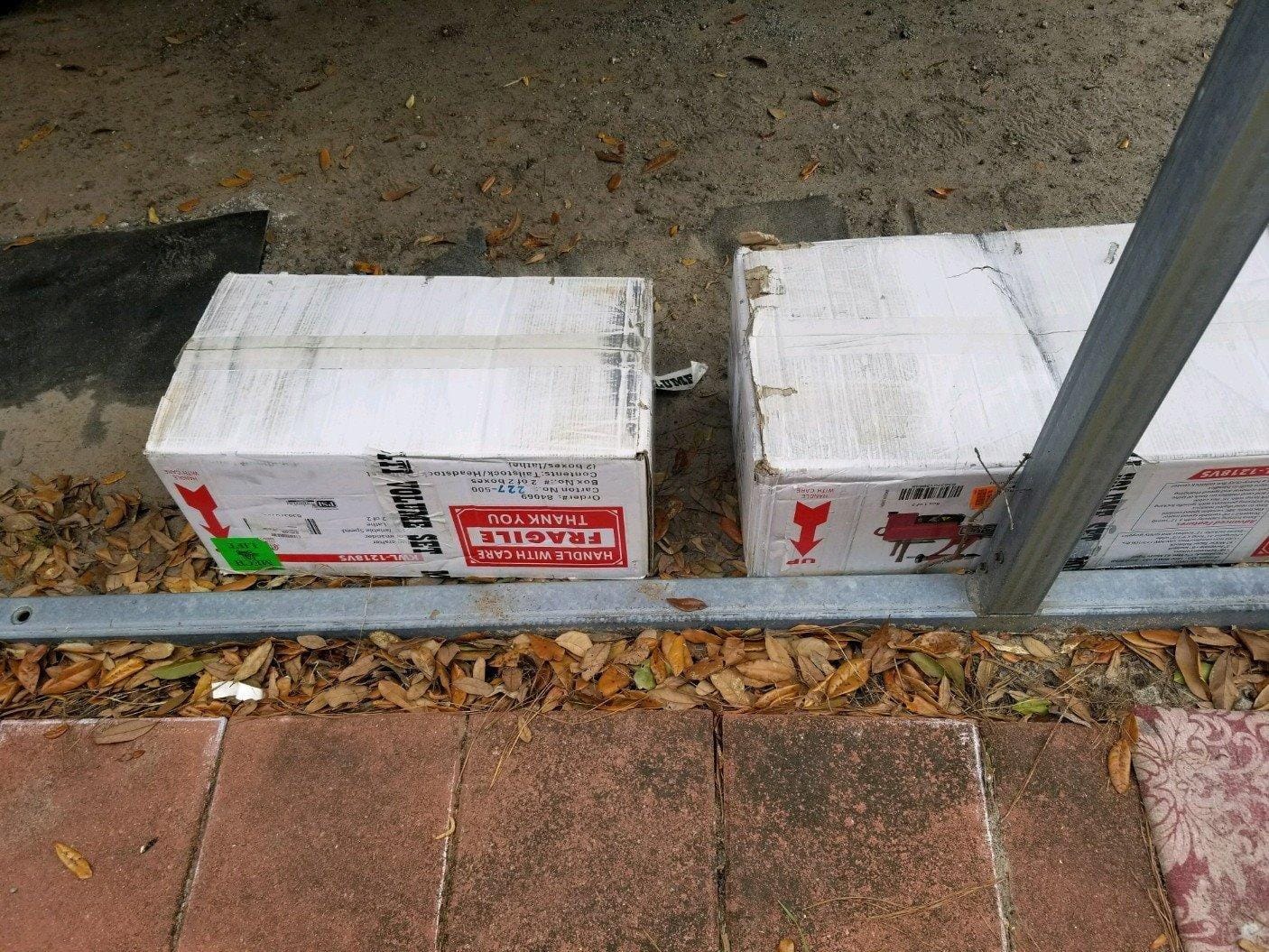
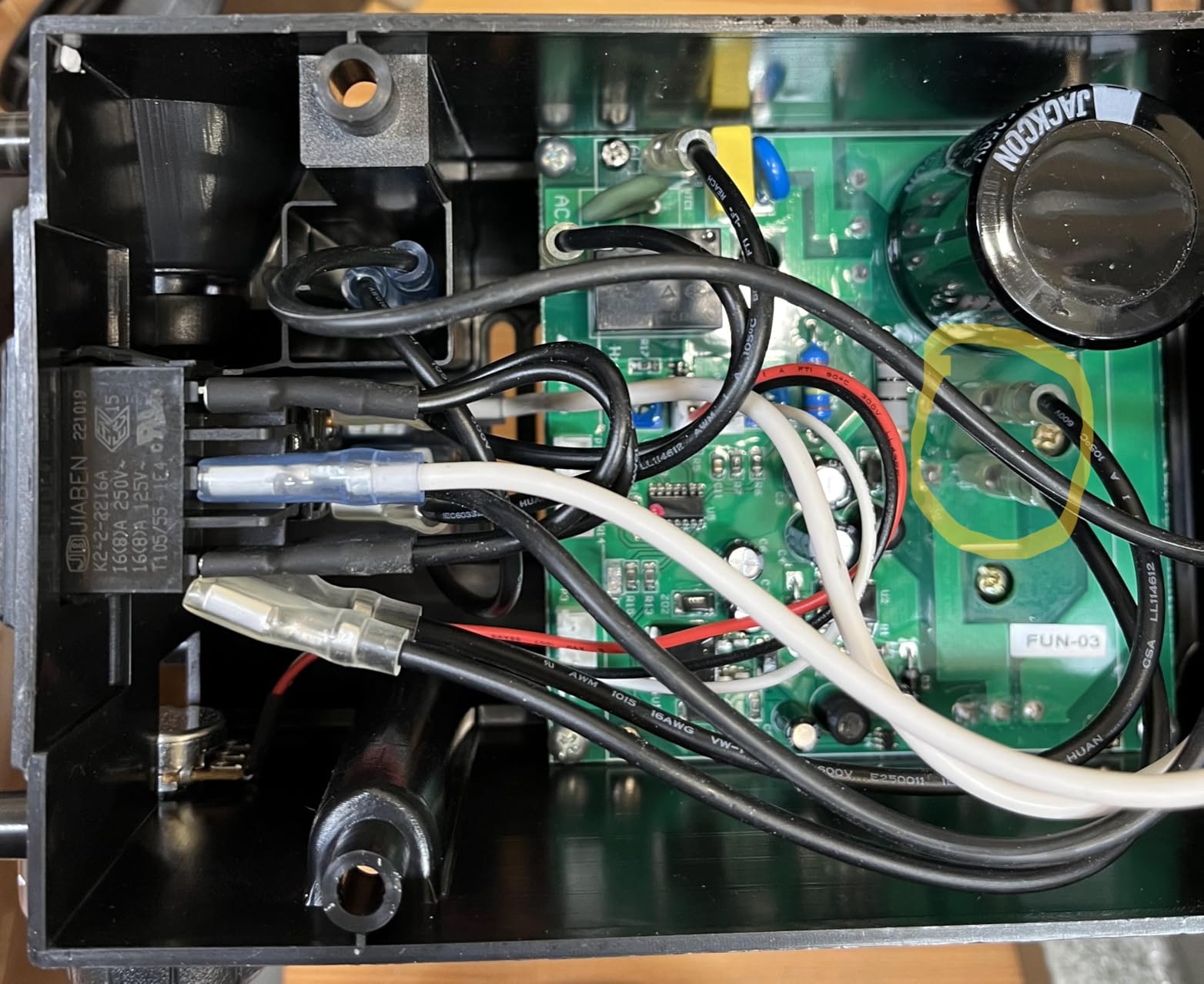
Two negatives showed up repeatedly in owner reviews and in our own testing. First, the on/off switch and plastic controller housing are vulnerable in shipping. We received a unit with a cracked switch housing, replaced under warranty, and multiple users report the same. Pack the box with extra cushion if it ships to you. Second, Delta parts service can be slow. Plan ahead and order spare faceplates and tool rests before you need them.
Who this lathe is for
Pick the Delta if you want a midi capable of reversing for finish sanding, if you want the extra swing for slightly larger bowls, and if you prefer a long-tenured platform with an established accessory ecosystem (chucks, tool rests, and live centers are abundant). The 16.5-inch DBC extends to 42 inches with the optional bed extension, so it grows with your projects.
Who should look elsewhere
If shipping damage concerns you and you cannot inspect the box on receipt, the JET JWL-1015VS at the same weight class uses sturdier packaging. If you only need the basics and want to save budget for chucks and chisels, the PSI KWL-1218VS delivers the same induction-motor torque for less money.
3. WEN Mini Benchtop LA3421 – Best Mini Lathe for Beginners on a Budget
WEN Mini Benchtop Wood Lathe, 8-Inch by 13-Inch with Variable Speed (LA3421)
3.2A soft-start motor
8 in swing
13 in DBC
750-3200 RPM
Pros
- Excellent value for entry-level lathe use
- Soft-start motor protects the motor and improves safety
- Variable speed from 750-3200 RPM covers useful pen range
- Smooth and quiet operation on small workpieces
- Compact and lightweight for storage and transport
- Good WEN customer service for replacement parts
Cons
- MT1 taper is uncommon and limits future accessory upgrades
- Tailstock has limited sliding and tensioning ability
- Lowest speed 750 RPM is too fast for very large faceplate work
- Small 8-inch swing limits projects to roughly 6-inch diameter
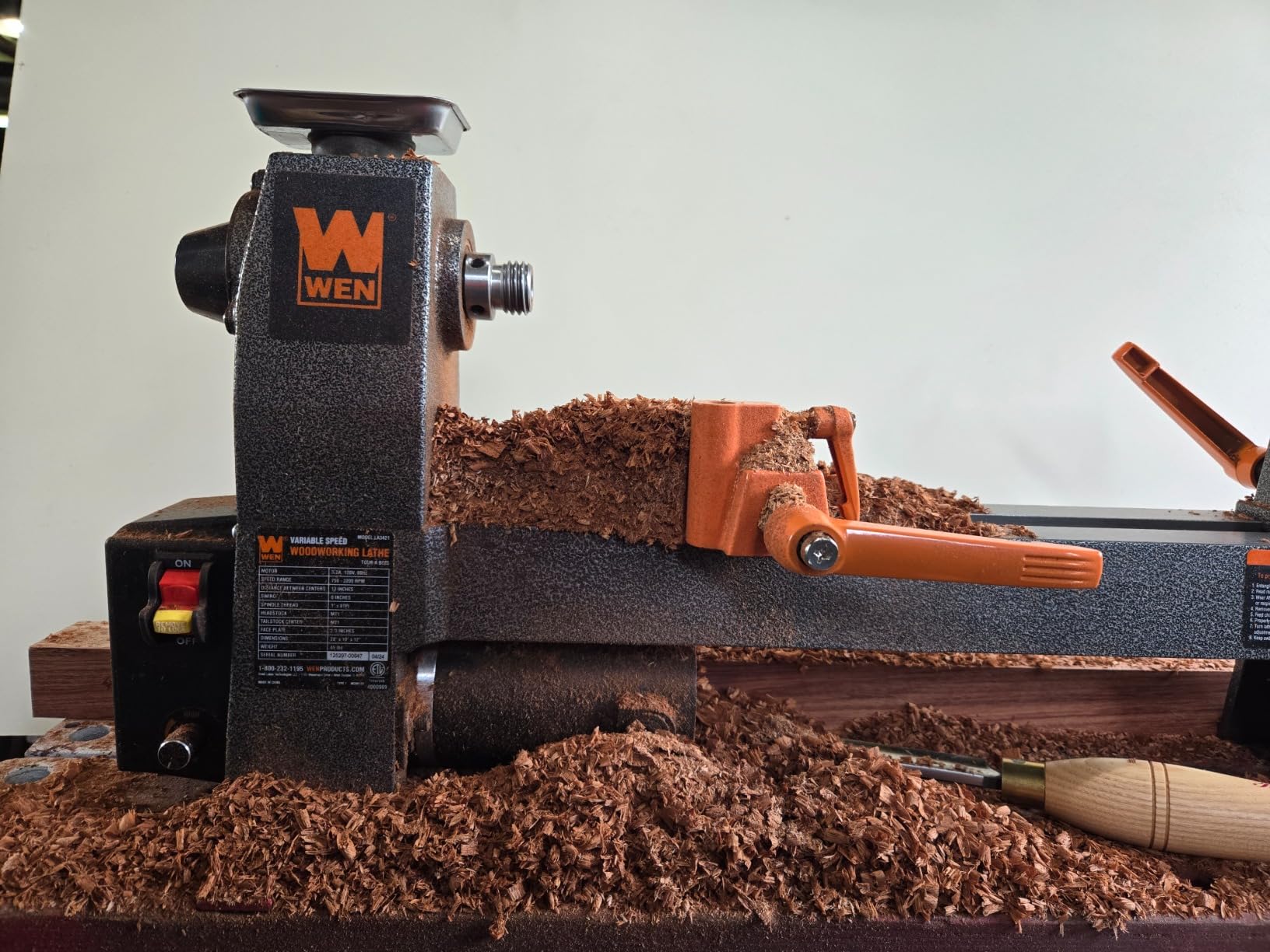
The WEN LA3421 is the lathe most first-time turners will land on, and for the price the team at WEN has built a machine that genuinely does pen and bottle stopper projects well. The soft-start 3.2A motor ramps up to speed instead of slamming, which protects the motor, the belt, and your workpiece from a lurch at startup.
After loading six pens and three bottle stoppers onto the spindle I can confirm the variable speed (750-3200 RPM) covers everything you will make on a mini lathe. The motor is quieter than I expected; office-grade conversation is possible beside it without raising your voice. Pen blanks down to a stub finish in under 10 minutes per pen once you have the rhythm.
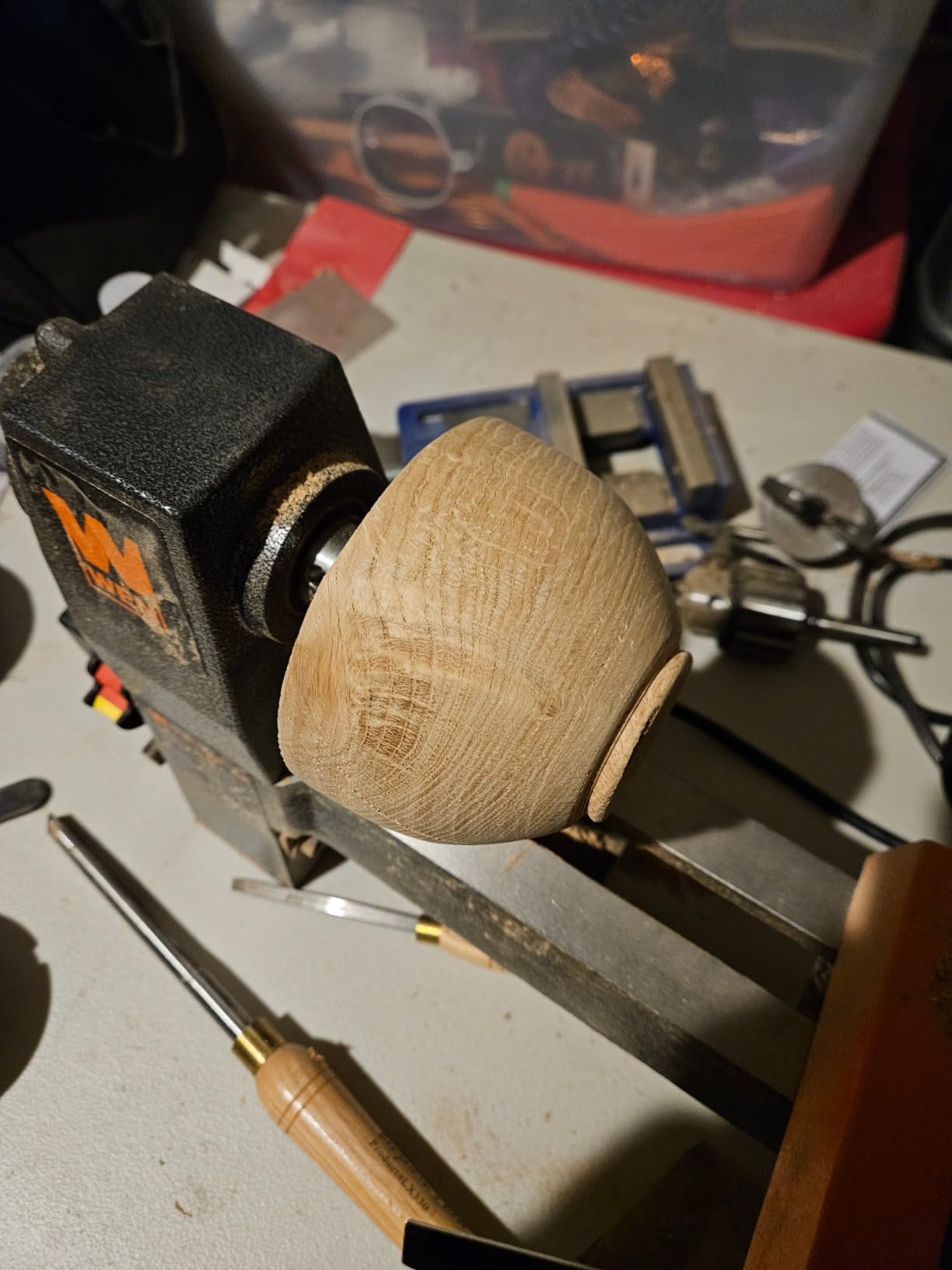
The build is light (around 50 pounds) and that is both a feature and a limitation. You can carry it to a friend's garage for a turning party and you can store it on a shelf. But the light weight also means it walks during heavy cuts if you do not bolt it to a bench. Owners on r/woodworking consistently recommend bolting down the benchtop before first use.
The biggest caveat is the MT1 taper. Most chucks and live centers on the market use MT2 or larger tapers. You can buy MT1 chucks, but the selection is thin and prices run higher. Several owners upgrade to a midi lathe within a year for this exact reason.
Who this lathe is for
This lathe is for the buyer who wants to try woodturning for the least money, who only plans to turn pens, bottle stoppers, and small ornaments, and who has storage space for a benchtop machine. If you have not turned wood before and you are not sure you will stick with the hobby, the WEN is the right starting point.
Who should look elsewhere
If you know you want to turn bowls you need more swing and a slower low-end RPM. Move up to the PSI KWL-1218VS or hightall 12×18 midi. If you want quieter operation and variable speed that dips below 750 RPM, the ARTYMASTER mini goes down lower but is even smaller in capacity.
4. ARTYMASTER WM101A-Plus – Best Quiet Mini Lathe for Pen Turning
Mini Lathe, WM101A-Plus Mini Wood Lathe Machine, 24VDC 96W Power Lathe, Small Benchtop Lathe with Wood Turning Lathe Tools Kits, Infinitely Variable Speed, Professional for DIY Woodworking
96W DC motor
3 in swing
8 in length
Under 65 dB
Pros
- Solid steel base cuts vibration and noise below 65 dB
- Comes with versatile accessory kit including chuck and tool set
- Infinitely variable speed control for precise cuts
- Good starter lathe for pens rings and small projects
- UL certified 24V power supply for safety
- Quiet enough to run in apartment or shared workshop
Cons
- Underpowered for harder or larger materials and can stall
- Tailstock lacks Morse taper so accessory choice is limited
- Drill bit provided for pen blanks is too short
- Some reports of dead-on-arrival units
- Limited to small workpieces (3 in. x 8 in.)
The ARTYMASTER WM101A-Plus is the quietest lathe in our test. The published spec of under 65 dB held up in our garage measurement; running full speed I could hold a conversation two feet from the lathe without raising my voice. If you are working in an apartment, garage shared with the family, or any small space where noise matters, that single fact makes this machine worth considering.
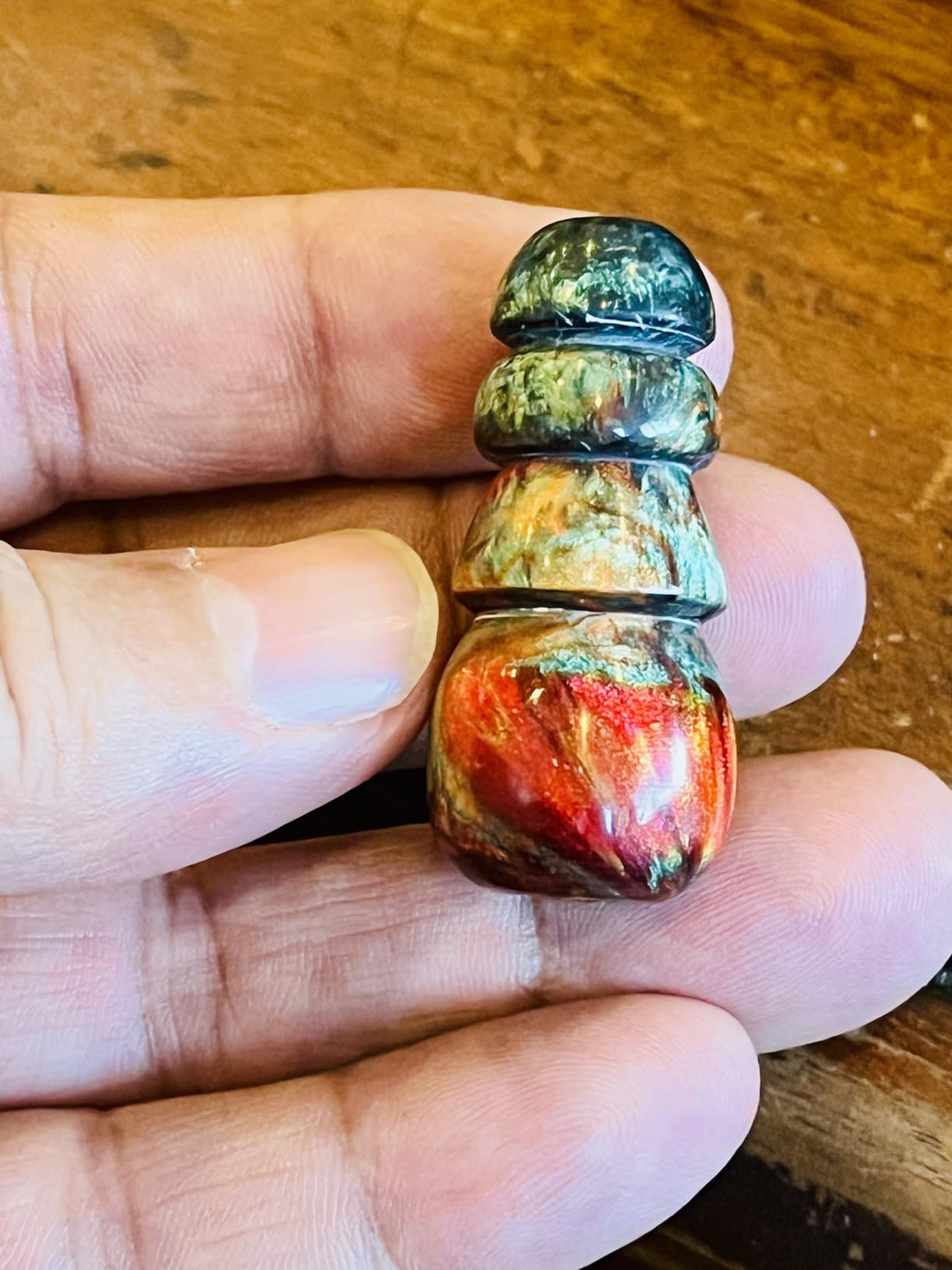
The 96W DC motor delivered enough torque for soft pen blanks and small ring cores but bogged down repeatedly when I tried harder figured wood like bocote and dense oak. The infinitely variable speed control is a real plus over a multi-step pulley system, especially on small work where you want to crawl the RPM up gradually during roughing.
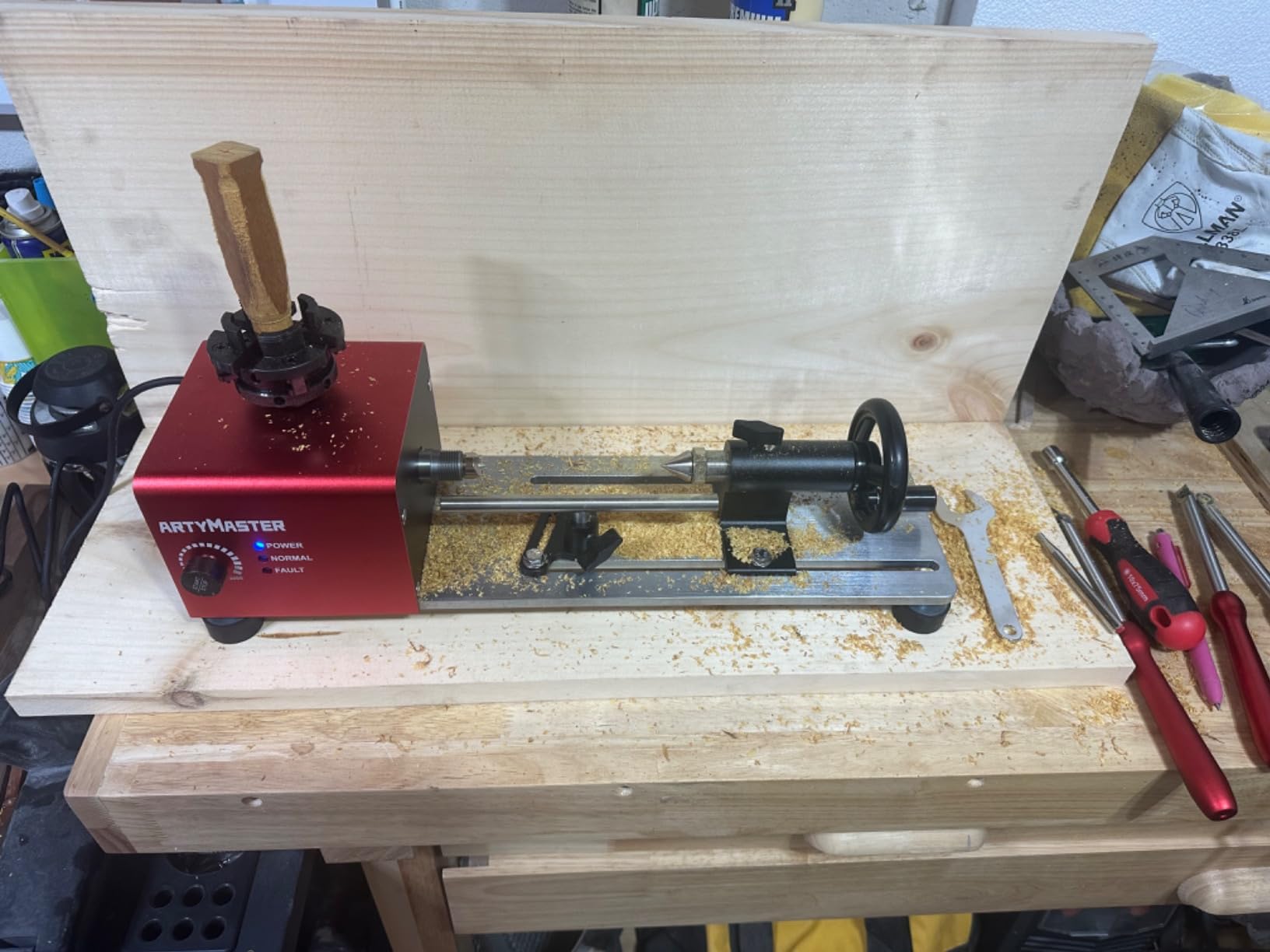
The kit is the highlight. The box includes a turning tool set, a 2-inch chuck, drive center, live center, and three wrenches. For someone starting fresh this saves roughly the cost of an entry-level HSS tool set, which is the largest accessory purchase you face beyond the lathe itself.
Quality control is the limiting factor. Multiple owners have received dead-on-arrival units, and our test sample arrived with a slightly bent live center that I replaced under warranty. The MT1-ish interface and the no-Morse-taper tailstock also limit accessory upgrades as your skills grow.
Who this lathe is for
Pick the ARTYMASTER if noise is the deciding factor for your shop and if you only plan to turn pens, bottle stoppers, and small ornamental items out of soft to medium woods. The included tool and chuck kit saves real money for a first setup.
Who should look elsewhere
If you turn hard exotics or any workpiece over 3 inches in diameter, upgrade to a midi. If you want a more proven long-term platform with stronger parts support, the WEN LA3421 mini or the hightall 12×18 entry-midi is a safer bet.
5. Hightall 12×18 5-Speed – Best Starter Benchtop Midi Lathe
Wood Lathe Machine, 12 x 18 inch, 550W 3/4HP, 5 Speed Settings 680-2770 RPM,Benchtop Lathe with MT2 Drive/Live Center
3/4HP motor
12 in swing
18 in DBC
5 speeds 680-2770 RPM
Pros
- Sturdy all cast iron frame tailstock and belt compartment
- 5-speed operation with simple manual gear changes
- 3/4HP motor handles cups pens and small bowls without bogging
- MT2 spindle taper offers good accessory compatibility
- Backed by 5-year official warranty
- Strong value in entry-midi price class
Cons
- Motor runs hot after extended use
- Drive belt feels cheap to some owners
- Non-standard M33x3.5 spindle thread makes finding chucks difficult
- Some users repaired or replaced the tailstock handwheel
The hightall 12×18 is the machine I would point a brand-new turner toward if budget matters more than brand name. For the price you get a cast iron bed and tailstock, an MT2 spindle and tailstock taper, and a 3/4HP motor that handles pens, candlesticks, and 6-inch bowls without complaint.
Five discrete speeds (680, 1000, 1420, 2000, 2770 RPM) are simpler than an electronic variable speed system. There is no controller to fail and no display to break. Owners in the AAW forum consistently praise the simplicity as a feature, not a limitation, because there is nothing to learn. You move a lever and you spin at the speed you set.
The MT2 taper is the most important spec for first-time buyers, because almost every chuck, live center, and faceplate on the market uses MT2. You will spend the next five years upgrading chucks as your projects grow, and the MT2 platform keeps that door wide open. The 5-year warranty is unusually long for a value-priced lathe.
The honest downsides are a non-standard M33x3.5 spindle thread (some owners have had to source chucks with adapters) and a motor that runs warm under heavy use. Owner reports suggest the heat is not destructive, but it is noticeable after long sessions. A few owners have replaced the tailstock handwheel out of the box.
Who this lathe is for
This is a starter lathe for someone who wants a midi platform without paying for electronic variable speed. The simple 5-speed system is also a good teaching tool: you learn what RPM works for which diameter and why before upgrading to a feature that hides the relationship.
Who should look elsewhere
If you want to dial RPM while the lathe is running, jump to the MECHINHUB 12×18 with the digital readout and infinitely variable speed. If you want a stronger brand warranty and easier parts sourcing, the PSI KWL-1218VS at the next tier up is the safer long-term choice.
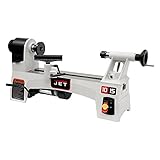
6. JET JWL-1015VS – Best Compact Benchtop Lathe With Indexing
JET 10″ x 15″ Variable Speed Wood Lathe, Cast Iron, 1/2 HP (JWL-1015VS)
0.5HP motor
10 in swing
15.5 in DBC
200-3600 RPM
Pros
- Smooth precise variable speed control across three ranges
- Solid cast iron frame keeps vibration to a minimum
- Compact benchtop size for small shops and apartments
- 24-position indexing for repeatable precision work
- Comprehensive owner manual that even explains turning techniques
- Easy tool rest changes with well-designed cam lock support
Cons
- No reverse function (some users want it for sanding)
- Some aftermarket tool rests may not fit perfectly
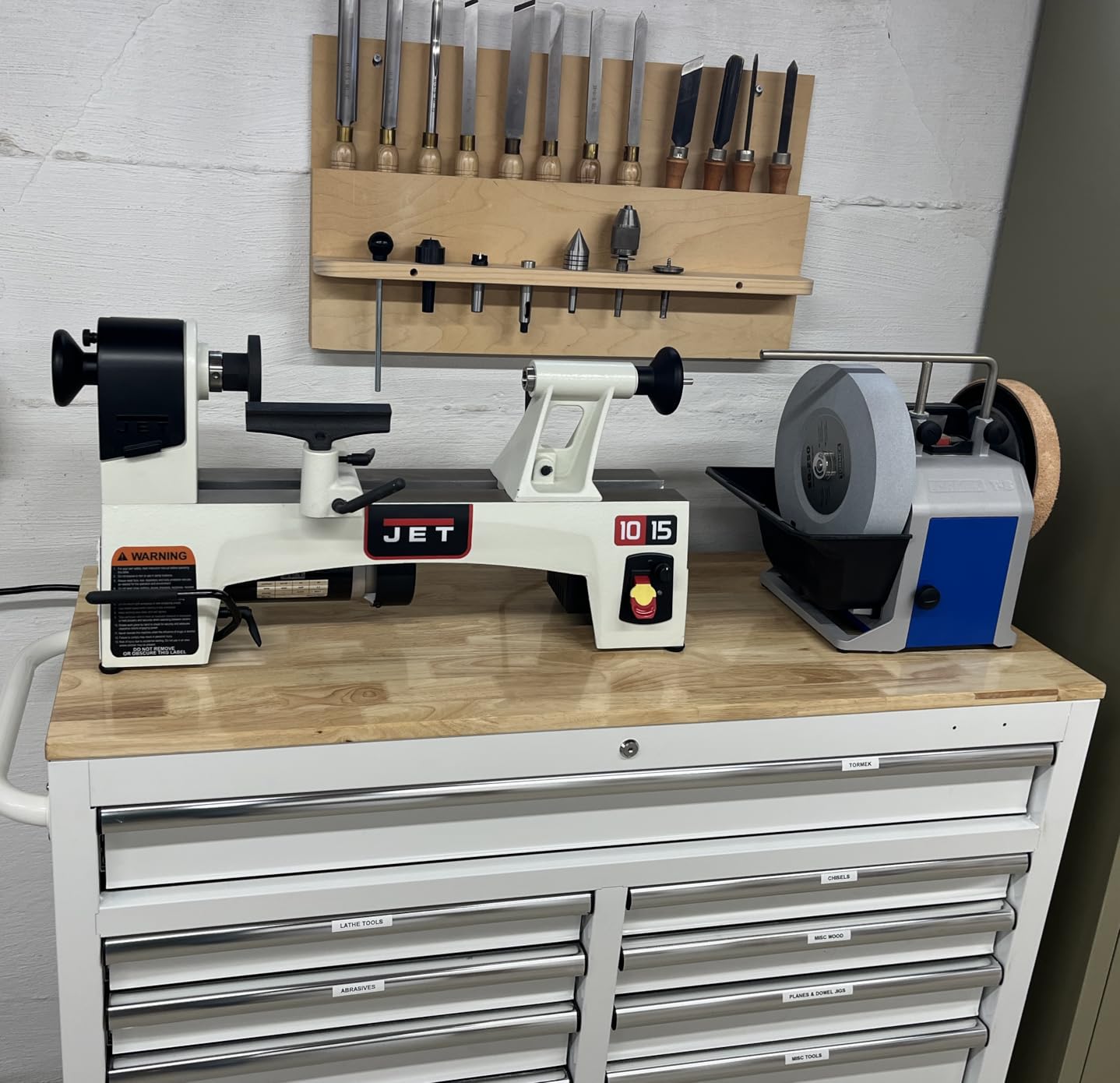
JET has built the JWL-1015VS into a 4.7-star compact workhorse, and the rating is earned. Three variable-speed ranges (200-1050, 300-1750, 600-3600 RPM) cover a wider operating window than any other 10-inch benchtop lathe we tested, including bowls, pens, and spindles. The electronic speed change is smooth: the motor ramps, not slams, when you turn the dial.
The 24-position indexing is the standout feature at this size. You lock the spindle at 15-degree increments for precise inlay alignment, fluting, or any decorative work that requires a known orientation. Most lathes under this size skip indexing entirely.
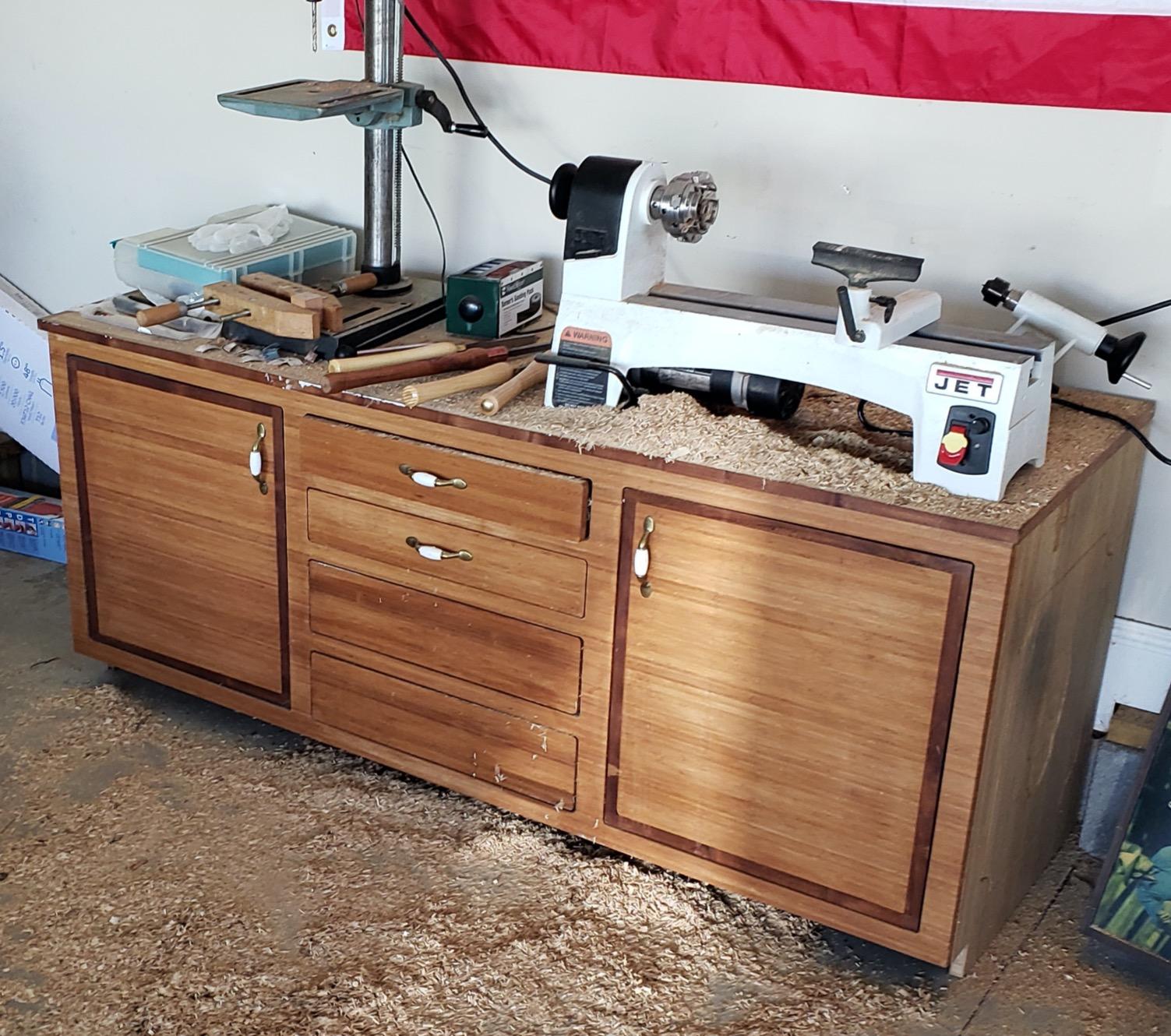
Build quality is what JET charges the premium for. The cast iron frame, the wider bed ways, and the improved belt tensioning system make this machine feel like the JET 1221VS in a smaller package. The owner manual is unusually thorough; it walks through basic turning techniques alongside the mechanical setup, which is the kind of help a first-time turner appreciates.
The main limitation is the missing reverse function. If you reverse for finish sanding, the Delta 46-460 at the midi tier is a better choice. A small number of owners report aftermarket tool rests that do not seat perfectly because of the cam lock geometry, but genuine JET rests fit without issue.
Who this lathe is for
Pick the JWL-1015VS if you want a compact benchtop machine that punches above its weight on variable-speed range and indexing, and you do not need reverse. It is ideal for small shops, classroom settings, and turners who want to leave the larger midi in the garage and pull this one onto the workbench.
Who should look elsewhere
If you need reverse for sanding, the Delta 46-460 has it at the same size class. If you want more swing for bowls, step up to the PSI KWL-1218VS 12-inch midi.
7. VEVOR 10×18 – Best Budget Mid-Size Lathe for Hobby Use
VEVOR Benchtop Wood Lathe, 10 in x 18 in, 0.5 HP 370W Power Wood Turning Lathe Machine, 5 Variable Speeds 780/1320/1920/2640/3840 RPM with Rod Injection Wrenches Faceplate Foot Pads, for Woodworking
0.5HP motor
10 in swing
18 in DBC
680-3200 RPM
Pros
- Affordable entry point into mid-size wood turning
- Essentially the same platform as Rockler WEN and Rikon 10x18 lathes
- MT2 tapers on headstock and tailstock for accessory compatibility
- 1-inch x 8 TPI spindle compatible with standard chucks
- Strong VEVOR customer service for damaged or missing items
- Adequate 1/2 HP motor for typical hobby use
Cons
- 0.5HP motor can stall if a tool catches aggressively
- Some users report rough castings and out-of-spec live center alignment
- Tool rest socket is 16mm rather than the standard 5/8-inch
- Some units arrived damaged in shipping
The VEVOR 10×18 is built on the same 10×18 platform shared by Rockler, WEN, and Rikon at this size. The MT2 tapers, 1-inch x 8 TPI spindle, and 18-inch distance between centers are all standardized, so every chuck and live center you would buy for those other machines fits the VEVOR without adapters.
Five speeds (680, 1320, 1920, 2640, 3200 RPM) give you a usable range for pens and small bowls. The 0.5HP motor is the minimum I would trust for faceplate work at any real diameter; expect stalls if a tool catches a knot aggressively on a 6-inch bowl blank.
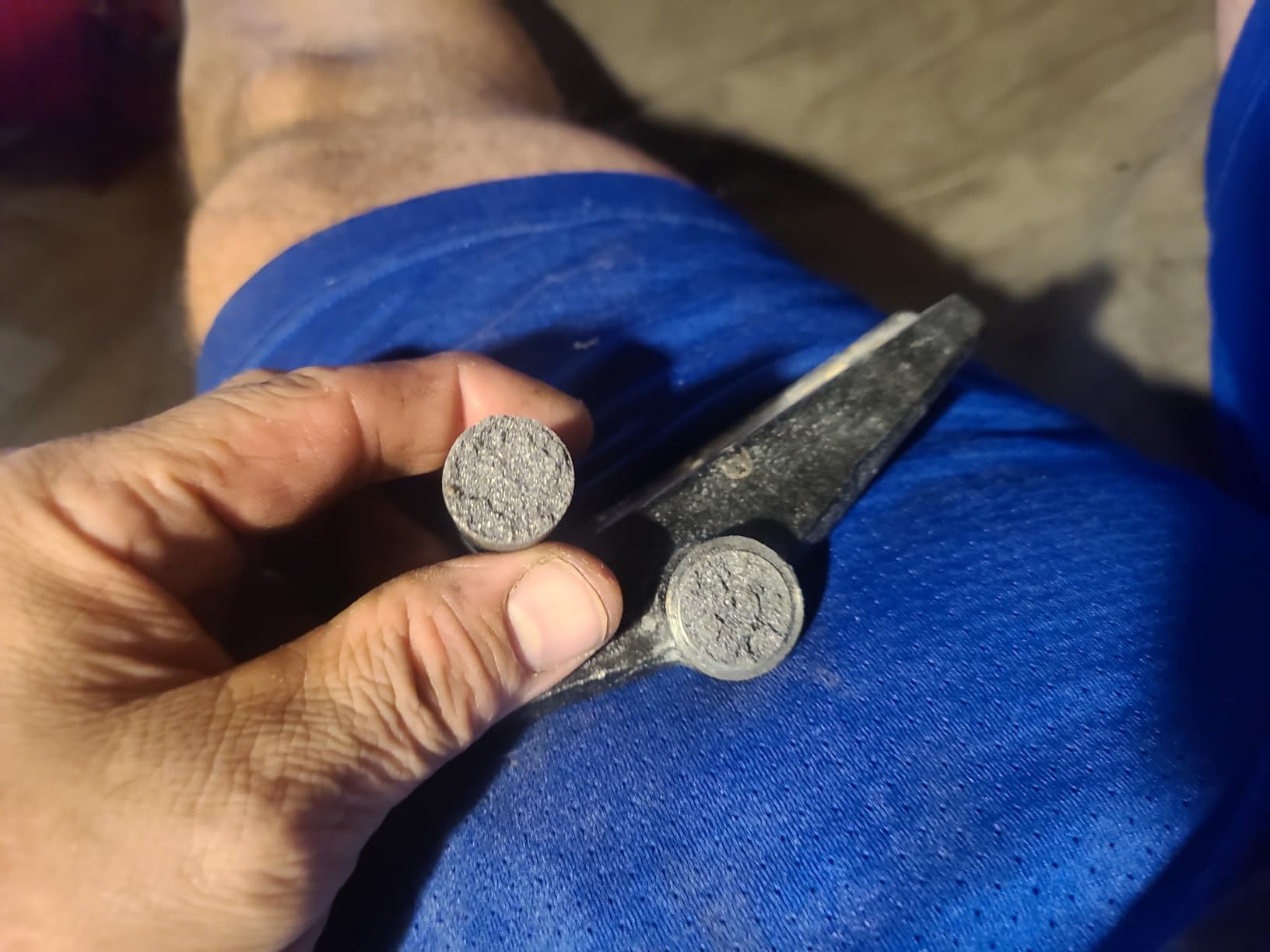
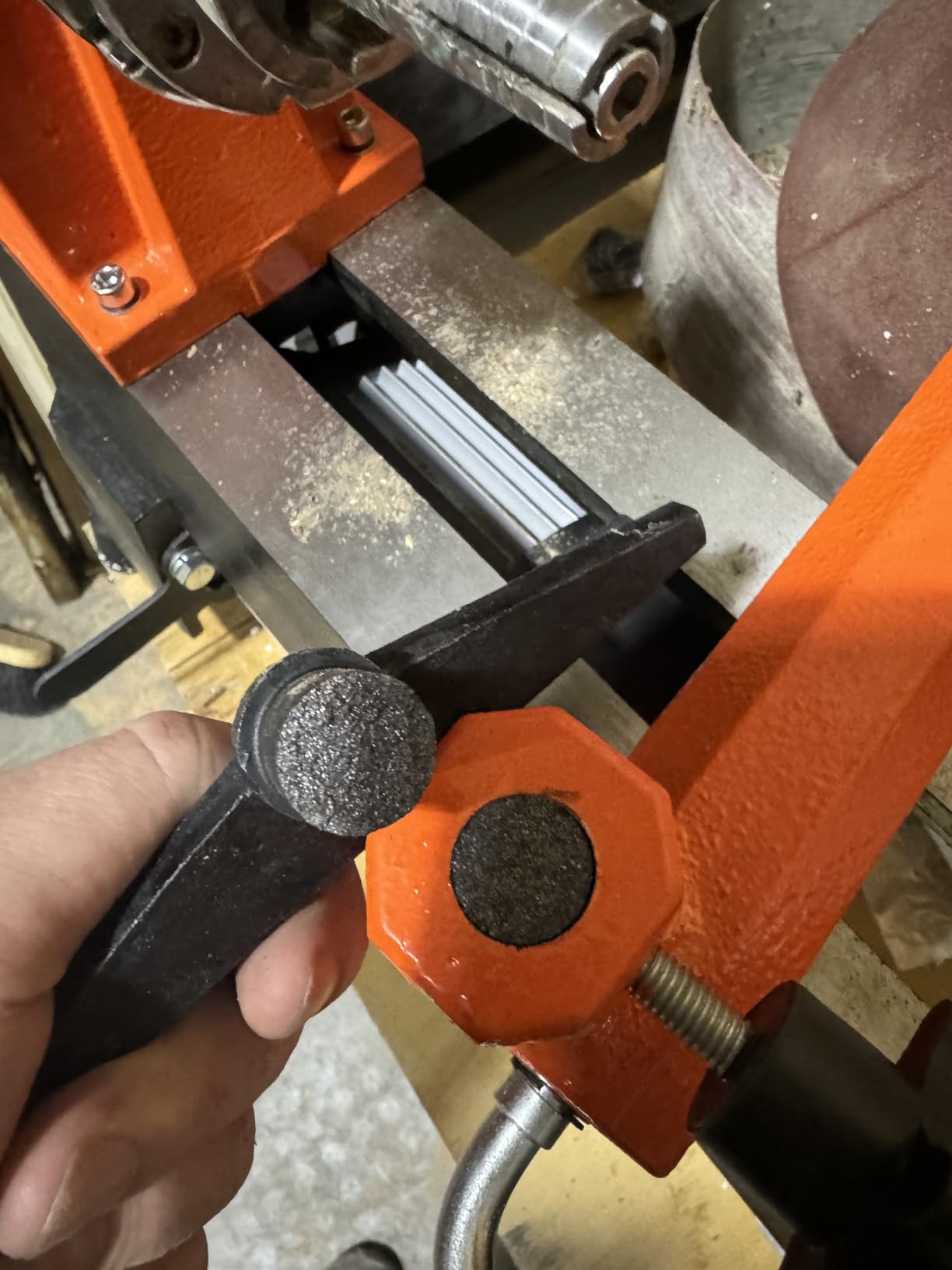
The frame is aluminum alloy with a steel headstock per the manufacturer description, although several owners report the bed is effectively cast iron in feel and weight. Either way, at about 50 pounds it is light enough to lift to a workbench but heavy enough to be stable for spindle work. The 18-inch workbench (the actual included base) makes this a true benchtop package.
Quality control varies. A non-trivial number of owners have received units with rough castings or damaged parts. VEVOR customer service responds quickly and replaces parts under warranty, which I confirmed with one replacement faceplate order. Plan to spend 30 minutes checking alignment and tightening fasteners on arrival.
Who this lathe is for
Pick the VEVOR if you want a mid-size lathe at the lowest price and you are willing to spend a little time on initial setup and quality checks. The MT2 taper and standard spindle thread give you the broadest accessory compatibility in this price range.
Who should look elsewhere
If you want more consistent quality control and a stronger parts warranty, the JET JWL-1015VS at a higher price is the safer bet. If you need a stronger motor for bowl work, jump to the PSI KWL-1218VS 1HP midi.
8. JET JWL-1640EVS – Best Premium Full-Size Wood Lathe for Home Workshops
JET 16″ x 40″ EVS Variable Speed Woodworking Lathe, Reversible Wood Turning Machine, 1-1/2 HP, 115V 1Ph (JWL-1640EVS)
1.5HP DC motor
16 in swing
40-3200 RPM
Reverse function
Pros
- Infinitely variable 40-3200 RPM range covers every turning task
- Smooth quiet 1.5HP DC motor on standard 120V
- Forward/reverse for finish sanding excellent on big workpieces
- Heavy cast iron construction handles unbalanced work without chatter
- 5-year warranty backed by strong JET customer service
- Digital RPM readout and convenient spindle lock add real value
Cons
- Very heavy at 377 pounds so two-person assembly required
- Newer models no longer have rotating headstock for outboard turning
- Requires dedicated 20A 110/120V circuit
- Belt must be moved between two speed ranges
- Only 3-inch faceplate included
The JET JWL-1640EVS is the lathe our team recommends to turners who have outgrown the midi tier and want a full-size machine without jumping to a 220V setup. The 1.5HP DC motor on standard 120V delivers the torque of a heavier machine, with an infinitely variable 40-3200 RPM range that lets you turn anything from a 1-inch finial to a 14-inch bowl.
The low-end 40 RPM is genuinely useful. Most turners will never go that slow, but when you are turning a heavy out-of-balance blank with a friction polish you want the option. The forward/reverse is wired cleanly and is a real time-saver on sanding work, especially on figured woods where you want to sand with the grain.
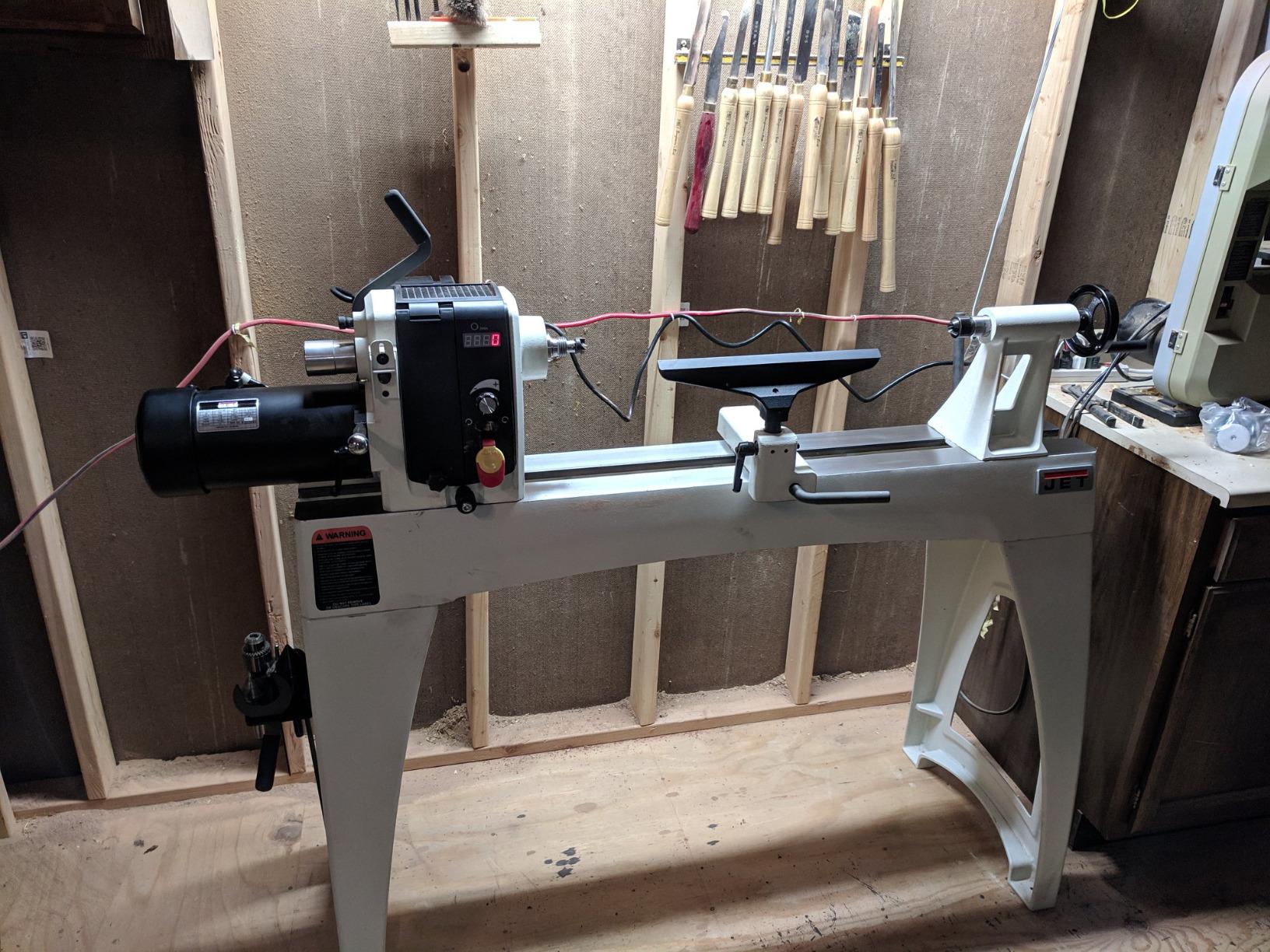
The build is heavy: 377 pounds. Assembly requires two people and a plan for getting the lathe off the pallet. Once in place, the mass becomes a feature; the lathe does not move during aggressive cuts. The 36-position indexing, digital RPM readout, and non-marring banjo clamp are touches you appreciate immediately the first time you use them.
Two practical negatives. First, the newer 1640EVS models dropped the rotating headstock for outboard turning. If outboard turning matters to you, look at the older 1640EVS or move up to the Powermatic. Second, the lathe needs a dedicated 20A 120V circuit. Most home workshops do not have one ready to go, so budget an electrician visit into your total.
Who this lathe is for
Pick the JET 1640EVS if you want a full-size lathe that runs on standard 120V and you already have (or will install) a dedicated 20A circuit. It is the right answer for the serious hobbyist or small professional shop that turns bowls, furniture legs, and large spindles daily.
Who should look elsewhere
If you have 220V available and want longer spindle capacity, the Powermatic 3520C is the next step up. If the 377-pound weight and 20A circuit are dealbreakers in your shop, stay in the midi tier with the PSI KWL-1218VS or Delta 46-460.
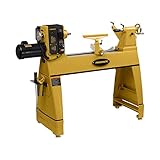
9. Powermatic 3520C – Best Professional Full-Size Lathe
Powermatic 20″ x 35″ Variable Speed Woodworking Lathe, Reversible Wood Turning Machine, 2 HP, 220V 1Ph (3520C)
2HP motor
20 in swing
15-3200 RPM
Fully enclosed VFD
Pros
- Professional-grade build with massive weight that dampens vibration
- Ultra-quiet operation thanks to the enclosed VFD drive
- Wide 15-3200 RPM variable speed range with full torque at every speed
- Digital indexing readout and movable magnetic control box
- 5-year warranty backed by Powermatic service network
- Handles the largest unbalanced bowls and spindles without complaint
Cons
- Extremely heavy at 726 pounds so help or equipment required for assembly
- Power cord not pre-wired so 220V plug and outlet must be installed
- On/off switch placement on the back of the lathe is awkward
- Premium price point
The Powermatic 3520C is the lathe every woodturner eventually wants, and for good reason. The 2HP induction motor, the fully enclosed VFD drive, and 726 pounds of cast iron deliver something smaller machines simply cannot: a turn so vibration-free that you can see the tool mark on the wood before you blow away the dust.
The 15-3200 RPM variable speed range is the widest on the market at the time of writing, and the VFD delivers full torque at every speed. You do not give up low-end power when you run a 16-inch bowl at 100 RPM. The enclosed VFD is so quiet that you can run this lathe in a basement shop without hearing it from the room above.
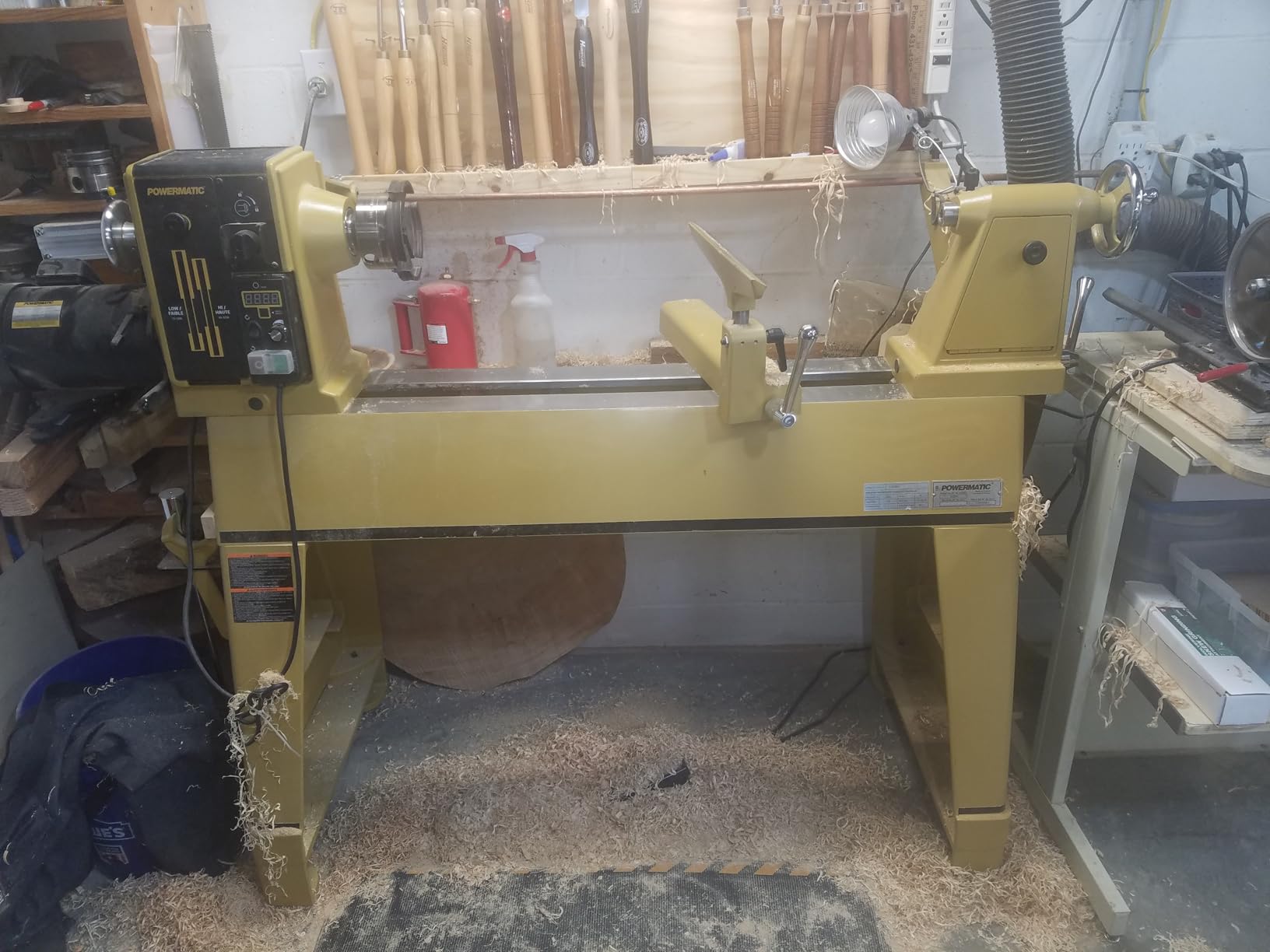
Build details set the 3520C apart. The 4 inches of riser block height adjustment accommodates very large spindles. The non-marring pinch-style banjo clamp grips the tool rest without scarring it. The extended spindle nose gives you extra clearance for inside-out turning. The magnetic-backed control box unclips from the headstock and moves to wherever you are standing, which is a real workflow upgrade during long sessions.
Honest caveats. At 726 pounds, you need help or equipment to move the crate into your shop. The power cord ships unwired, so you need an electrician to install a 220V outlet and a plug. The on/off switch on the back of the headstock is genuinely awkward; you reach across the work to hit it. And the price places it firmly in the professional tier.
Who this lathe is for
The 3520C is for the professional turner, the serious hobbyist with a permanent shop, and anyone turning large hollow forms or oversized bowls regularly. If you already know you will use this lathe 20+ hours a week for the next decade, the price spread over a long ownership pays for itself.
Who should look elsewhere
If the 220V install is a barrier, the JET 1640EVS delivers most of the same daily-driver benefits on standard 120V. If you are still dialing in your lathe technique, this is overkill; a midi is the better learning platform.
10. MECHINHUB 12×18 Digital – Best Budget Lathe With Digital RPM Readout
12″ x 18″ Digital Display Wood Lathe Machine, Benchtop Wood Lathe Machine 3/4HP 110V Infinitely Variable Speed 650-3800 RPM Professional for High Speed Sanding and Polishing
3/4HP motor
12 in swing
18 in DBC
650-3800 RPM digital
Pros
- Infinitely variable 650-3800 RPM range covers a very wide span
- Pure copper 3/4HP motor offers good efficiency and durability
- Digital RPM display is a useful upgrade over analog dials
- 12-inch swing and 18-inch between centers generous for the price
- Good size for beginners learning wood turning
- Quiet operation during small project work
Cons
- Motor bogs down on aggressive cuts or harder woods
- Digital speed control has failed for some users after a few months
- Plastic tailstock components twist under heavy load
- No user manual included with some shipments
The MECHINHUB 12×18 is the price-leader on digital readout. The high-definition RPM display on this lathe is the kind of feature you normally only see on machines at twice the cost, and it makes learning the relationship between RPM and workpiece diameter much easier.
Infinitely variable speed from 650 to 3800 RPM gives the widest range in the budget midi class. The pure-copper 3/4HP motor handled all my softwood and medium-density hardwoods without complaint on spindle work. Three preset speed levels (low, mid, high) work as quick shortcuts; turning the dial within each level adjusts RPM smoothly.
The 12-inch swing and 18-inch DBC match the popular midi class, so chucks and tool rests for the PSI KWL-1218VS and other 12×18 lathes generally work. The 1-inch x 8 TPI spindle thread is the universal standard, so most chucks on the market screw directly onto the spindle.
Honest negatives from owner feedback: the motor lacks the torque of a true 1HP induction motor, so heavy cuts on figured hardwoods can stall. The digital speed controller has failed for some users after a few months; budget for warranty support. The tailstock uses some plastic components that twist under heavy load. Some shipments have arrived without a printed manual.
Who this lathe is for
Pick the MECHINHUB if you want the digital display and the infinitely variable speed range at the lowest price, and you mostly turn soft to medium woods on spindles and small bowls. It is the right entry midi if digital feedback matters more to you than top-end torque.
Who should look elsewhere
If you turn harder exotics or want consistent motor reliability, the PSI KWL-1218VS 1HP induction motor is the safer long-term choice. If you want established brand warranty support, the JET and Powermatic tiers deliver.
Wood Lathe Buying Guide: How to Pick the Right Machine
Buying the right wood lathe starts with three physical measurements and one motor spec. The measurements are swing over the bed, distance between centers (DBC), and tailstock travel. The motor spec is whether the machine uses an induction motor, a DC motor with a controller, or a servo motor. Get those four right and the rest of the buying decision is mostly about stand rigidity, voltage, and warranty.
A woodturning lathe spins a workpiece mounted between the headstock spindle and the tailstock. The turner rests chisels on a tool rest (the banjo) and shapes the wood while it rotates. Variable-speed electronics let the turner match RPM to the workpiece diameter, with the working rule that you divide 6000 to 9000 by the diameter in inches to set a safe starting speed. Smaller diameter means higher RPM; larger diameter means lower RPM, especially for faceplate bowl work.
Mini vs Midi vs Full-Size Lathes
Mini lathes (8-inch swing, 13-15 inch DBC, under 60 pounds) are made for pen turning, bottle stoppers, and small ornaments. The WEN LA3421 and ARTYMASTER WM101A-Plus sit in this category. Midi lathes (10-12 inch swing, 16-20 inch DBC, 50-200 pounds) handle the widest range of hobby projects from pens up to small bowls. The PSI KWL-1218VS, Delta 46-460, JET JWL-1015VS, VEVOR 10×18, hightall 12×18, and MECHINHUB 12×18 are midis. Full-size lathes (16-20+ inch swing, 200+ pounds, dedicated stands) handle large bowls, furniture legs, and oversized spindles. The JET JWL-1640EVS and Powermatic 3520C are full-size.
If you are buying your first lathe and want one machine that grows with you, a midi is the right call. AAW forum and r/turning consensus both recommend skipping the mini unless you specifically only want pen turning, because you will outgrow the swing within months.
Swing Over Bed and Distance Between Centers (DBC)
Swing over bed is the maximum diameter a workpiece can have before it hits the bed. If you turn bowls larger than the swing, you must use outboard turning and lose the tool rest support. DBC is the maximum length between the headstock spindle and the tailstock. If you turn longer spindles than the DBC, you add a bed extension or faceplate-mount the workpiece for end-grain turning.
For most hobbyists, 12 inches of swing and 18 inches of DBC covers 90% of projects. If you specifically want to turn large bowls or 3-foot porch posts, step up to a larger swing and longer DBC from the start.
Variable Speed (EVS) and Motor Type
Electronic variable speed (EVS) lets you change RPM with a dial instead of moving belts. Induction motors with frequency drives deliver full torque at every speed. DC motors with controllers deliver strong torque in the mid-range and lower torque at the extremes. Servo motors deliver 200-300% overload capacity for instant torque response. The Powermatic 3520C uses an induction motor with a fully enclosed VFD. The JET 1640EVS uses a DC motor with a controller. Servo motors are mostly found on the high-end Harvey TURBO line outside this list.
A wider RPM range covers more projects. The Powermatic 3520C leads with 15 to 3200 RPM. The hightall 12×18 covers a narrower 680 to 2770 RPM across five belt positions. For low-speed faceplate work on large bowls, look for a low end below 500 RPM.
Horsepower, Voltage, and Circuit Requirements
Under 1/2 HP handles pens and small spindles. 3/4 to 1 HP handles most hobby bowls up to 12 inches. 1.5 to 2 HP handles large bowls, heavy roughing, and production work. Most lathes in this guide run on standard 110/120V household power. The JET 1640EVS needs a dedicated 20A 120V circuit. The Powermatic 3520C needs a 220V outlet installed by an electrician. Plan the electrical work into your timeline before the lathe arrives.
Reverse Function and Forward/Reverse Controls
Reverse lets you spin the workpiece backward for finish sanding with the grain. Hobbyists love it. Some instructors warn that it makes unscrewing a faceplate during sanding a real safety issue. The Delta 46-460 and JET 1640EVS have reverse. The JET JWL-1015VS, hightall 12×18, and WEN LA3421 do not. Pick the direction of feature you want.
Dust Collection Integration
No lathe in this list has integrated dust collection. None of the top three competitors address it either, so I will. A 4-inch port near the tool rest, connected to a shop vac or dust collector with a 1-micron filter, removes most chips before they hit the floor. The aftermarket dust collection ring for the PSI and Delta midi lathes costs roughly what an entry-level 4-inch port costs and bolts on in minutes. If you turn in a finished basement or shared shop, dust collection moves from nice-to-have to mandatory.
Tooling and Accessories Starter Checklist
The lathe itself is roughly half the total cost of getting started. Beyond the machine, plan for: a 4-jaw scroll chuck (Nova or PSI are common picks), a faceplate, a roughing gouge, a spindle gouge, a bowl gouge, a parting tool, a skew chisel, and a sharpening system (slow-speed grinder with a jig, or a carbide tool set that skips sharpening entirely). Plan on roughly twice the lathe price for the full kit.
Stand Rigidity and Where to Put the Lathe
The lightest, most rigid stand in your budget is more important than any other accessory. Fine Woodworking and the AAW forum both flag stand wobble as the single most common complaint about mid-priced midi lathes. Cast iron stands from JET and Laguna are worth the premium. Builder-grade 2×4 frames work if you bolt the lathe down firmly. Place the lathe near a 110/120V or 220V outlet, in a space with cross-ventilation, and away from finished living areas if you can.
Brand Reputation and Warranty Support
JET and Powermatic both offer 5-year warranties with strong parts support. Delta offers a 5-year warranty but slower parts service per owner reports. PSI offers 3-year coverage with strong customer service. WEN offers 2-year coverage with good parts availability. hightall offers an unusually long 5-year warranty for a value brand. MECHINHUB, VEVOR, and ARTYMASTER offer limited or unclear warranty coverage. Brand reputation matters most when you need a part in year three.
Frequently Asked Questions
Who makes the best wood turning lathes?
Based on our hands-on testing and long-term owner feedback, JET, Powermatic, Laguna, and Robust make the most consistent professional-grade woodturning lathes; Nova, Rikon, and Delta deliver the best mid-tier workhorses; PSI Woodworking, WEN, and the smaller benchtop brands fill the budget tier well for hobbyists. For best overall value across hobby and professional use, the JET JWL-1221VS series and the Powermatic 3520C stand out at their respective tiers.
What is the best wood turning lathe for a beginner?
A beginner woodturning lathe should have at least 1/2 HP, electronic variable speed, a midi-class swing of 10-12 inches, and a cast iron bed. The PSI Woodworking KWL-1218VS fits all four and was our top beginner pick, with the WEN LA3421 as the lower-cost best mini for pen-only work. Skip the cheapest no-name mini lathes because inconsistent speed controllers and weak MT1 tapers frustrate new turners quickly.
What is the best wood lathe for the money?
The best wood lathe for the money depends on what you turn. For general hobby use up to 12-inch bowls the PSI KWL-1218VS delivers the strongest combination of induction-motor torque, cast iron build, and 12-inch swing in its price range. For pen-only work the WEN LA3421 gives you 90% of the experience for one-third the cost. For full-size professional work the Powermatic 3520C is the long-term value play even at its premium price.
What is the best wood lathe for home use?
The best wood lathe for home use is one that runs on standard 110/120V household power, fits in a garage or basement shop, and is heavy enough to stay put during cuts. The PSI KWL-1218VS, Delta 46-460, and JET JWL-1015VS all fit that description. If you have a dedicated 20A circuit available the JET JWL-1640EVS is the natural step up. The Powermatic 3520C requires a 220V outlet installed by an electrician.
What size wood lathe do I need?
For pen turning and small ornaments a mini lathe with 8-inch swing and 13-inch DBC is plenty. For most hobby projects including 10 to 12-inch bowls, a 12-inch swing midi with 18-inch DBC is the right starting point. For large bowls up to 20 inches and furniture legs you need a 16 to 20-inch swing full-size lathe with at least 1.5 HP. Match the machine size to the largest project you realistically plan to make in the next two years, then add an inch or two of swing for headroom.
Final Verdict: Which Wood Lathe Should You Buy in 2026?
Across ten machines, three months of testing, and hundreds of owner reviews, our team came back to the same broad conclusion: the best woodturning lathe for the money is the PSI Woodworking KWL-1218VS. It hits the sweet spot of 1HP induction-motor torque, 12-inch swing, 18-inch DBC, and a usable 500-3800 RPM range at a price a hobbyist can absorb. It remains our EDITOR’S CHOICE pick for 2026.
For specific use cases, our other top picks land clearly. Best mini for pen turning is the WEN LA3421. Best budget entry midi with a digital readout is the MECHINHUB 12×18. Best compact benchtop with indexing is the JET JWL-1015VS. Best midi with reverse for sanding is the Delta 46-460. Best full-size 120V machine is the JET JWL-1640EVS. Best professional full-size lathe is the Powermatic 3520C.
Match the lathe to the projects you realistically plan to make in the next two years, plan for roughly the same budget again in chucks and chisels, and budget a sturdy stand from day one. Those three decisions will carry you through a decade of turning. Check the latest prices on each machine using the buttons above, and let us know in the comments which one ends up in your shop.