
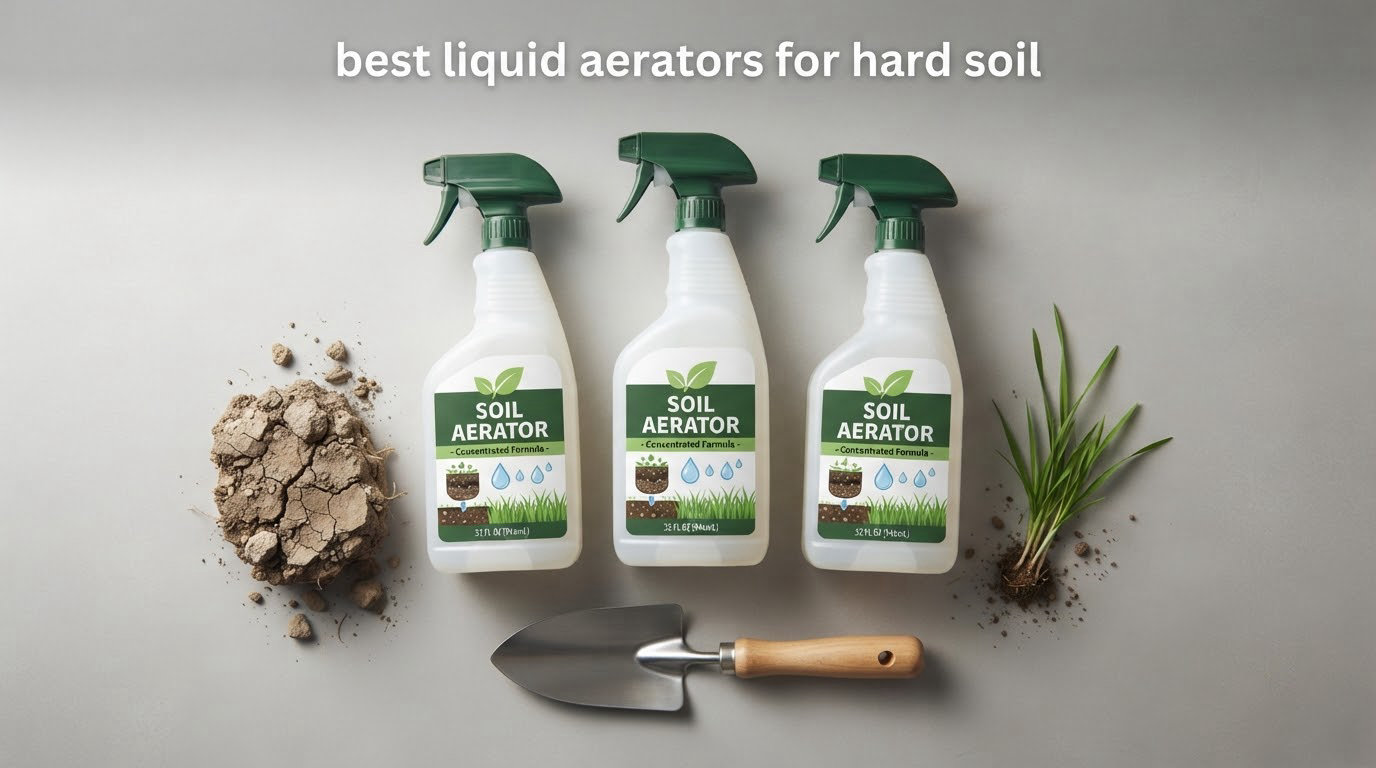
If you have searched for a liquid aerator, you have probably already read the forum threads arguing about whether these products are snake oil. The most common verdict there is worth repeating because it is accurate: liquid aeration is not a total scam, but marketing it as a chemical replacement for mechanical core aeration is misleading. Here is the honest version, written for 2026 and for anyone standing on a slab of packed clay wondering whether a bottle under the hose is worth the money.
What a liquid aerator actually is: a soil treatment applied through a hose-end sprayer that improves how water moves through compacted ground. Most of them are one of two things or a blend of both. A surfactant lowers the surface tension of water so it soaks in instead of sheeting off and running to the drain. Humic acid and fulvic acid bind fine clay particles into larger, more workable aggregates, which opens pore space for roots. Neither one pulls a soil plug out of the ground. Nothing you can pour does that.
So what do you get? Faster infiltration, less standing water after rain, less irrigation runoff, less dry patch at the edge of a sprinkler head, and a better rooting depth over a season or two. That is a real benefit, and on moderate compaction it is often the difference between a lawn that drinks water and one that repels it. On a 20-year-old hardpan you could hit with a mattock, no bottle on the shelf is going to fix it.
Below are the 10 liquid aerators we compared, ranked for the hardest job you have: loosening hard, compacted, clay-heavy ground. We looked at formulation, coverage per bottle, dilution ratio, container size, and the review record, and we flagged the failure cases honestly because the skeptical voice is the one that ranks in this niche. If you are still deciding between a chemical approach and pulling plugs, our mechanical aerator roundup covers the other side of the argument.
Table of Contents
Top 3 Picks: Liquid Aerators for Hard Soil in 2026
These are the three that earned a place at the front based on review volume, formulation fit for clay, and coverage per container.
Simple Lawn Solutions Soil Loosener
- Covers 32000 sq ft per 32 oz bottle
- Targets compaction standing water and drainage
- Works alone or alongside core aeration

Farmer’s Secret Soil Revitalizer
- OMRI listed activated humic acid
- 1 oz per gallon dilution
- 32 oz covers 32000 sq ft

LawnStar Liquid Lawn Aerator
- Hyper concentrated formula for hard clay
- 32 oz covers 30000 sq ft
- 30 day money back guarantee
Best Liquid Aerators for Hard Soil (October 2026)
Every product below appears in the same order as the individual reviews that follow. The key features column is drawn from the manufacturer specifications and the strongest repeated themes in customer reviews, so you can match a formulation to your soil problem before you read a single full review.
| Product | Specifications | Action |
|---|---|---|
| Simple Lawn Solutions Soil Loosener |
|
Check Latest Price |
| Farmer’s Secret Soil Revitalizer |
|
Check Latest Price |
| LawnStar Liquid Lawn Aerator |
|
Check Latest Price |
 Covington Liquid Lawn Aerator Covington Liquid Lawn Aerator |
|
Check Latest Price |
 Grow More EZ Wet Soil Penetrant Grow More EZ Wet Soil Penetrant |
|
Check Latest Price |
 Soft Soil Liquid Soil Aerator Soft Soil Liquid Soil Aerator |
|
Check Latest Price |
 Medina Plus Soil Activator Medina Plus Soil Activator |
|
Check Latest Price |
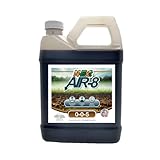 Yard Mastery Air-8 Liquid Aeration Yard Mastery Air-8 Liquid Aeration |
|
Check Latest Price |
 Yard Mastery Compaction Cure Yard Mastery Compaction Cure |
|
Check Latest Price |
 Superior Fulvic Humic X935 Superior Fulvic Humic X935 |
|
Check Latest Price |
1. Simple Lawn Solutions Soil Loosener – Best Overall for Hard Soil
Liquid Soil Loosener- Soil Conditioner-Use alone or when Aerating with Mechanical Aerator or Core Aeration- Simple Lawn Solutions- Any Grass Type-Great for Compact Soils, Standing water, Poor Drainage
Covers 32000 sq ft per 32 oz
Spray applied soil loosener
Model PD-19870, 2 lb bottle
Pros
- Largest review base in the category at 9217 ratings
- Softens compacted clay within days for many users
- Cuts standing water and runoff after rain
- 32 oz bottle covers up to 32000 sq ft
- Listed for warm and cool season turf types
Cons
- Results take several weeks to become apparent
- A minority report no measurable change after repeat applications
- Foams heavily through a hose-end sprayer
This is the pick I keep coming back to for hard soil, and the reason is unglamorous: it has more owner reports behind it than anything else in the category. Reviewers working genuinely compacted clay describe ground that turns spongy and water that infiltrates instead of running off. That pattern repeats often enough that I trust the direction of the results even where the timeline is slow.
The chemistry is a soil loosener designed to be used on its own or stacked with a mechanical core aeration pass. The manufacturer frames it around downward water movement, vertical drainage, and infiltration, which is the correct target for hard ground. At 32 oz it covers up to 32,000 square feet, so one bottle handles a large suburban lawn in a single pass.
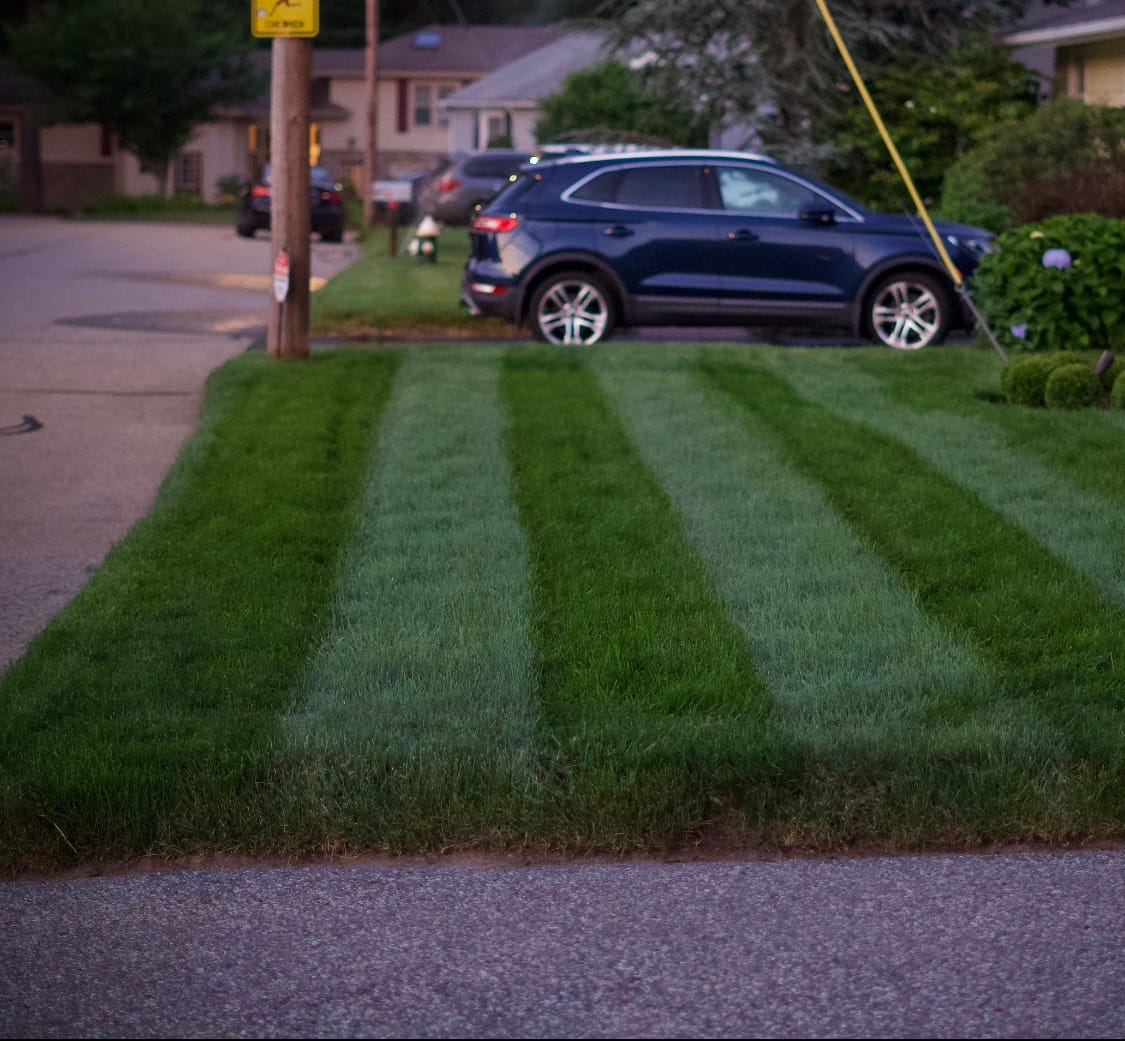
It is also the least fussy about grass type. The listing covers Bermuda, St. Augustine, Zoysia, Buffalo, Centipede, Bahia, Fescue, Ryegrass, and Kentucky Bluegrass, which matters if you are treating a mixed yard or transitioning warm-season areas. The manufacturer is UAS of America, a family-owned operation with more than two decades in turf and agriculture.
Two practical warnings. It foams noticeably in a hose-end sprayer, which means you can lose track of where you have already been, and reviewers who saw nothing describe a timeline measured in weeks rather than days. If you are standing on real hardpan, run the screwdriver test in the next section before you buy anything.
Is it worth it on pure clay?
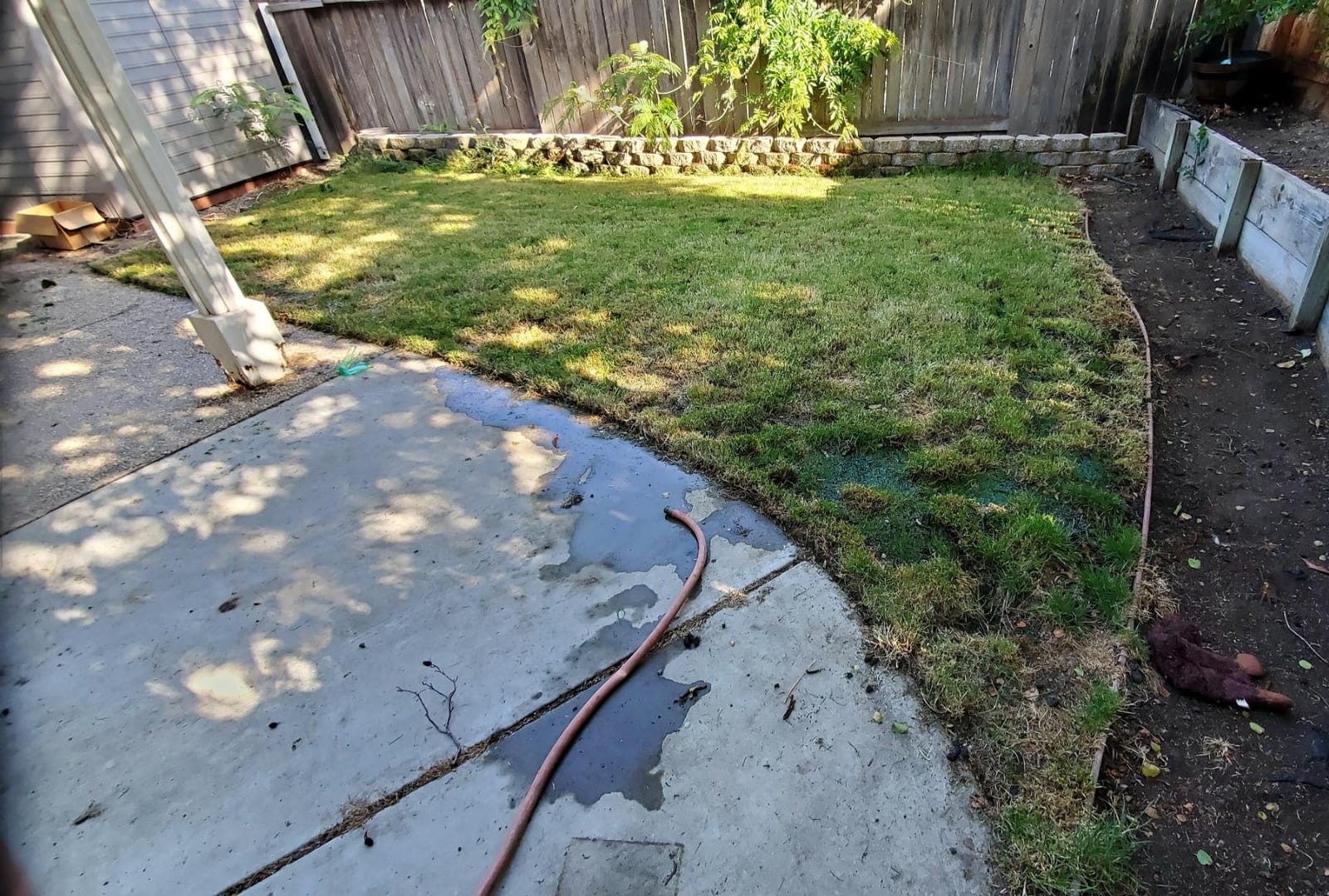
On clay, yes, and the coverage figure makes a single pass over a big lawn practical. Multiple owners on red clay report that water stops pooling in low spots after a few applications. The honest limit is that the softening is gradual, and the people who expected a tiller result in one afternoon are the ones leaving one-star reviews.
What should you know before applying it?
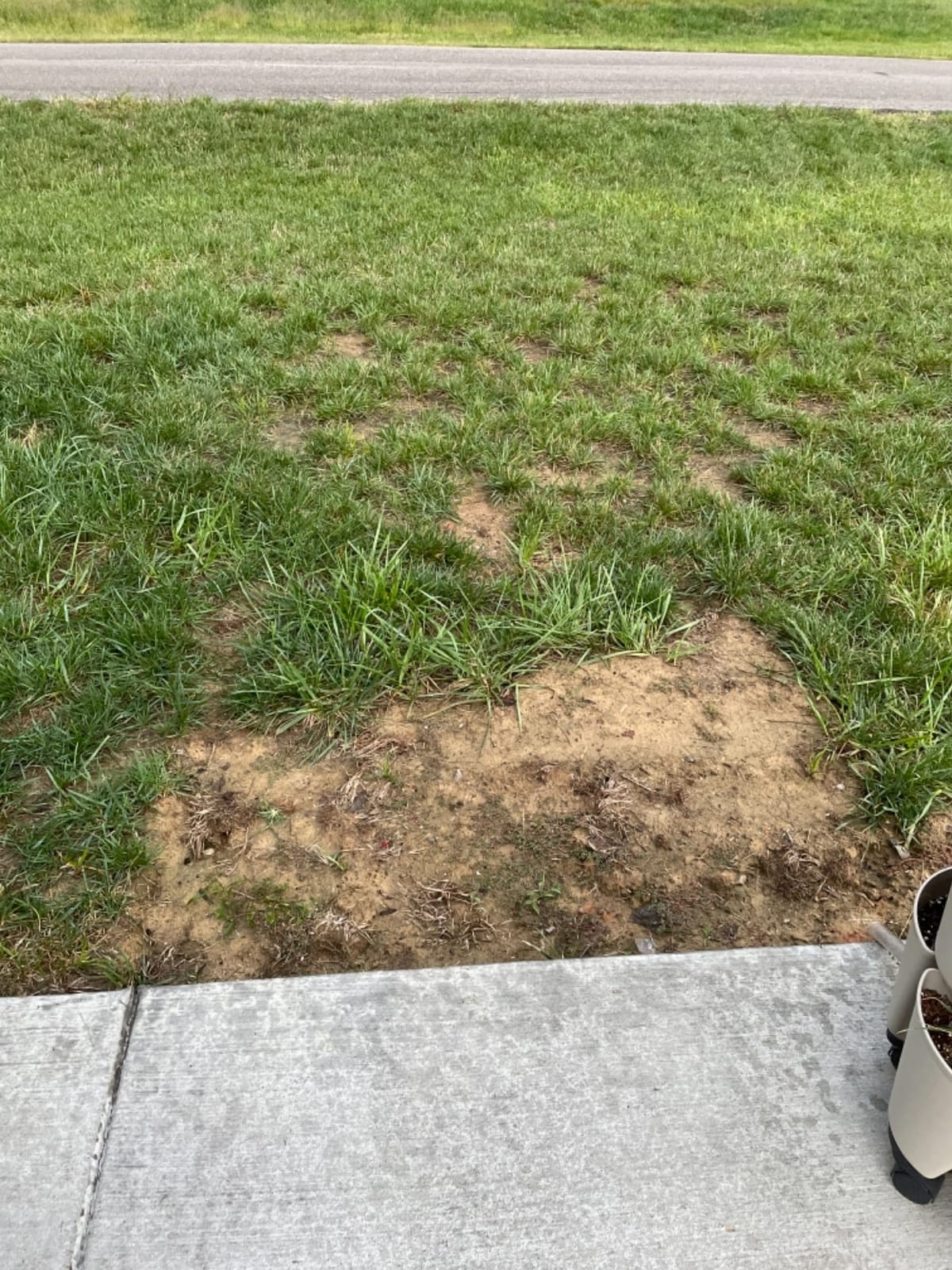
Mow first, apply to soil that is not waterlogged, and use a dye or a marked path so you can see your progress on hard ground. The label is built to be used alongside mechanical aeration, so pairing it with a core pass in the same program gives it something to work with in the holes. Treat it as a soil improvement program rather than a one-time fix.
2. Farmer’s Secret Soil Revitalizer – Best Organic Humic Acid Pick
Farmer’s Secret Soil Revitalizer – Organic (OMRI Listed) Dirt Health Booster – Liquid Compost Soil Amendment – Activated Humic Acid – Great for Fall/Spring Application (32oz)
OMRI listed activated humic acid
1 oz per gallon dilution
32 oz covers 32000 sq ft
Pros
- OMRI certified organic source material
- Stimulates microbial activity in tired soil
- Visible greening within weeks for many users
- No synthetic chemicals and no odor
- Easy 1 oz per gallon dilution
Cons
- Humic content is low at roughly 2 percent by volume
- Response varies from plant to plant
- Better for general soil health than for breaking hard clay pans
This one wins on chemistry purity. It is an OMRI-listed organic activated humic acid soil amendment, made in Kentucky, designed to feed the soil rather than the plant and get microbial activity moving in ground that has been biologically starved. Reviewers report consistent greening and faster growth on plants that were clearly struggling.
The dilution is refreshingly simple: one ounce per gallon, sprayed or poured directly onto soil. A 32 ounce bottle covers about 32,000 square feet, and the label recommends monthly applications through the growing season with fall and spring as the priority windows. That monthly cadence suits a program mindset rather than a single rescue attempt.
The limitation is concentration, and it matters for a hard-soil buyer. At roughly 2 percent humic acid by volume, the dose per treatment is modest, which is why owners covering large areas note that the cost adds up quickly. It is also not engineered as a hardpan breaker. Think of it as the biological half of a soil improvement stack.
Stacking it changes the picture. Applied ahead of a core aeration pass or paired with a topdressing, a humic program gives the microbes and the roots something to work with once the physical side is addressed. On its own, expect greener growth and better soil biology, not a shovel test that suddenly passes.
Who is this pick right for?
Gardeners and lawn owners who want an organic program and who are already solving compaction with something mechanical or a different product. It also earns its place for clay beds and tired potting soil, where owners notice the fastest response. If you spray synthetic fertilizer all season, this is a clean counterweight.
When to skip it
Skip it if your entire problem is a single compacted traffic lane and you want a targeted fix. At this concentration the per-treatment dose is light, and the honest user feedback is that results are inconsistent from plant to plant. It is a soil builder, not a structural breaker, and treating it as one is how people conclude these products do nothing.
3. LawnStar Liquid Lawn Aerator – Best Value for Hard Clay
Liquid Lawn Aerator, Loosens and Conditions Compacted Soil, 32oz
Hyper concentrated formula
32 oz covers 30000 sq ft
1:1024 dilution ratio
Pros
- Repeatedly credited with softening hard and red clay
- Cuts irrigation frequency by soaking water in
- Covers about 30000 sq ft per bottle
- Backed by a 30 day no questions guarantee
Cons
- Usually needs more than one application
- Several users saw no change in the hardest spots
- Over concentrated mixing can burn grass
- Full effect takes four to five weeks of watering in
LawnStar is the one that comes up most often in lawn forums when people ask what actually works, and the praise is specific rather than generic: hard clay and red clay softening enough that you notice the difference with a foot probe or a screwdriver. Users also report watering less often once the ground accepts water instead of shedding it.
The formula is hyper-concentrated, with a 1:1024 dilution ratio and coverage of about 30,000 square feet from a 32 ounce bottle. That is a strong per-container economics story for a large lawn, and it is the reason I placed it here rather than in the top two. There is also a 30-day no-questions money-back guarantee, which is unusual in this category and worth using on a hard yard.
The forum consensus and the customer reviews line up on one specific claim: it improves water intake. That is the honest framing. A r/lawncare user describing LawnStar put it plainly, saying it has been great and that it mostly helps with improving your soil’s water intake. That is not the same as pulling plugs, and it is a real improvement on hard ground.
The catch is patience and dosage discipline. Reviewers split on timing, with some seeing change after two or three applications and a minority reporting that the toughest areas never respond. Mixing it stronger than the label calls for can burn grass, so resist the urge to concentrate your way through a hardpan problem.
Does it work on the worst clay?
On hard clay and red clay, this is one of the better-documented options in the set, and reviewers consistently describe a softening you can physically detect. On a new-construction fill yard that has never been loosened, expect a slower start. The guarantee period exists for exactly that kind of uncertainty, so test a small section first.
What about dosing and watering in?
Stay at the label ratio and water it in consistently. Users report the full effect after four to five weeks of regular watering, which means your irrigation habits are part of the treatment. If you cannot commit to watering the lawn through the response window, any liquid aerator will disappoint you.
4. Covington Liquid Lawn Aerator – Best for Clay-Heavy Yards With Pets
Covington Liquid Lawn Aerator (32oz) – Soil Conditioner & Softener for Lawns & Gardens – Loosens Clay & Compacted Soil for Better Water & Nutrient Absorption – Liquid Aeration Concentrate, Made in USA
Humic acids amino acids and kelp base
2 to 8 oz per 1000 sq ft
Safe for children and pets
Pros
- Designed specifically for clay-heavy yards
- Softens hard clay within about a week for many users
- Microbe feeding blend of humics amino acids and kelp
- Safe for children and pets
- No harsh odor
Cons
- Coverage per bottle is low at 3500 to 8000 sq ft
- Needs multiple applications and several weeks of watering in
- Dilution dial settings on hose-end sprayers are easy to misjudge
Covington is the one I would hand a homeowner in the Southeast who has red clay and a dog. The formula is built around a humic acid, amino acid, and kelp base, so it does two jobs: loosening the soil structure and feeding the microbes that keep it loose. Reviewers report clay softening within about a week, which is faster than most of the humic-driven options here.
Several owners measured the change with a screwdriver or an aerator shoe and found the difference obvious. That is the kind of feedback I weight heavily, because it converts a vague claim about greening into a physical change in the ground. The company is also responsive when customers ask about application rates, and it is marketed as used by landscapers, golf courses, and farmers.
The big drawback is coverage math. The listing rates this at 3,500 to 8,000 square feet per 32 ounce bottle depending on application rate, with a 2, 4, or 8 ounce per 1,000 square feet dial. That is a much smaller footprint than the 30,000-plus square foot claims from the products above, so a large lawn means multiple bottles. Budget for that before you commit.
Second drawback: the hose-end dilution dial is easy to misjudge, and getting the rate wrong is the fastest way to see no result. Measure your lawn, pick a rate before you fill the sprayer, and write it on the bottle.
Why it earns a clay-yard badge
The formula was designed with clay-heavy ground in mind rather than generic lawns, and the measured softening reports support that. If pets or small children are the reason you avoided chemical treatments, this is the simplest way to get a humic and microbe blend onto the ground without hesitation.
Where the cost math bites
On a 12,000 square foot lawn at the middle rate, you are buying more than one bottle. That is the trade you make for a faster reported response and a safer label. If your priority is covering maximum area on a single pass, compare against the Simple Lawn Solutions or LawnStar options first.
5. Grow More EZ Wet Soil Penetrant – Best Pure Surfactant for Water Penetration
Grow More EZ Wet Soil Penetrant 26% – 1 Quart of Biodegradable Non-Ionic Surfactant – Soil Wetting Agent for Better Drainage & Liquid Aeration for Lawns, Nurseries, & Landscaping
26 percent non ionic surfactant
1 quart container
Neutral pH and biodegradable
Pros
- Non ionic neutral pH formula suits all soil types
- Biodegradable and alcohol free
- Small doses hold moisture in containers and beds
- Leaches salts and reduces run off and dry spots
- Economical per application
Cons
- A surfactant wets soil more than it loosens it
- Not strong enough for severely hard ground
- Cost per ounce is high against generic surfactants
This is the honest counterweight to the humic products. Grow More is a 26 percent biodegradable non-ionic surfactant in a quart container, and a surfactant does one thing well: it removes the surface tension that makes water bead and run off. Reviewers using it on pots, hanging baskets, and beds report far less water passing straight through.
On a lawn, that translates into better absorption, less dry patch at sprinkler edges, and improved infiltration. A teaspoon per gallon is enough for container work, and on ground it is an inexpensive way to address the water-repellency part of a compaction problem.
Be clear-eyed about the limit. This wets soil, it does not break the bond between clay particles, and reviewers who tried it on severely hard ground found it underpowered. The pH-neutral, non-ionic profile also means it will not upset soil chemistry or harm plants, which makes it the safest option to combine with almost anything else in your program.
It is a 1:1 dilution product in a one quart container, so the economics are not as friendly per ounce as a large concentrate. For a big lawn you are buying multiple quarts.
When is a surfactant the right call?
When your problem is water behavior rather than structure. Dry patches that follow irrigation arcs, hydrophobic spots that shed water, and salt accumulation in beds are all surfactant problems. A homeowner’s forum answer put the chemistry distinction plainly: some liquid products are basically humic acid, while others are more of a surfactant that improves penetration but does not last long or get deeply into the clay.
Why it is not a hardpan answer
Because clay structure is held together physically, and water alone will not move those particles apart. The most common critique from users is exactly this, that it is essentially a soap. Use it to fix wetness, and get your loosening from a humic or concentrate product or from a core aeration pass.
6. Soft Soil Liquid Soil Aerator – Best for Puddling and Standing Water
Soft Soil Liquid Soil Aerator & Lawn Treatment to Fix Compacted Soils, Improve Drainage with Non-Mechanical Liquid Application. 1 Gallon
Four oz concentrate per gallon
About 500 sq ft per gallon
128 oz gallon container
Pros
- Softens red clay and hydrophobic dry patches
- Eliminates puddling and standing water
- Helps grass fill bare compacted areas
- Safe for families and pets
- Works on new sod sprigs and plugs
Cons
- A 32 oz bottle covers only about 500 sq ft
- Strong unpleasant odor that several reviewers dislike
- Repeated applications needed for the hardest ground
Soft Soil is the pick when the visible symptom is water sitting on the lawn. Users report that it softens red clay and drought-baked dry patches enough that a spike aerator or a pitchfork will penetrate, and that it eliminates puddling in low spots. If your grass is thin because bare patches sit in compacted ground, owners report the turf filling back in.
The application rate is 4 ounces of concentrate per gallon of water, and each gallon covers roughly 500 square feet. The container we analyzed is a full gallon, which is the version to get if you have a large hard area to treat. It is safe on all lawn grass types including new sod, sprigs, and plugs, and the formula is organic and safe around family and pets.
Now the part that decides the purchase for most people. The coverage rate is expensive, and the odor is strong enough that several reviewers described it as unpleasant, with some switching to a better-scented alternative after a trial. Nearly all of the criticism for this product points at coverage and smell rather than at whether it works.
So the question is how small the problem area is. A few hundred square feet of standing water by the downspout is a reasonable use. A full lawn of 10,000 square feet at 500 square feet per gallon is a large commitment, and the arithmetic will tell you quickly whether it makes sense.
Who should buy this one?
Homeowners with a specific, bounded problem: a clay low spot that holds water, or a bare compacted patch beside a walkway. Users on red clay and dry spots report the best results in this group. It also works for pre-sod prep, since it is listed as safe on new sod and plugs.
When to choose something else
Choose something else for whole-lawn treatment. At roughly 500 square feet per gallon, and with an odor that lingers, this is a spot-treatment product in practice even though it can be used broadly. The hardpan caution applies too, since owners on the toughest ground report needing repeated applications.
7. Medina Plus Soil Activator – Best for New Sod Prep
Medina Plus Soil Activator – Liquid Soil Loosener for Lawns & Gardens – Micronutrient-Rich Soil Conditioner & Softener – Used with House Plant Fertilizer, Liquid Plant Food for Houseplants – 1 End Qt
Seaweed extract and 40 plus trace elements
1000 sq ft per quart
6 tablespoons per gallon
Pros
- Seaweed extract with more than 40 trace elements
- Reduces transplant shock and supports rooting
- Useful for preparing a yard before laying sod
- Reported to work well on clay in the Southeast
- Easy hose-end application
Cons
- Coverage is only about 1000 sq ft per quart
- Bundled hose-end sprayer is widely criticized
- More of a foliar feed and conditioner than a true aeration substitute
Medina Plus is the one to buy when you are putting down new sod, because that is where its feature set lines up. The formula combines seaweed extract with more than 40 trace elements, diluted at six tablespoons per gallon, and a quart covers about 1,000 square feet. Owners use it before laying sod to cut the need for topsoil, and it is reported to work well on clay in the Southeast.
It also cuts transplant shock, which makes it useful around new plantings and in garden beds rather than only on turf. Diluted at one ounce per gallon it can be used as a root stimulator, which is a different use than soil loosening but a useful one.
Two honest limitations. First, the coverage is small at 1,000 square feet per quart, so this is not a whole-yard treatment for hard soil. Second, and this is the most common complaint in the reviews, the bundled hose-end sprayer attachment is widely criticized for quality. Buy a decent hose-end sprayer of your own and skip the bundled one.
Be clear about what it is: a soil activator and conditioner with a strong micronutrient and seaweed profile. It is not a substitute for a core aeration pass on compacted ground, and treating it as one is how people end up disappointed.
Why it earns a sod-prep badge
Because the label and the reviews both point to pre-sod and post-transplant work rather than turf aeration. If you are building a new lawn on clay fill, this is a sensible companion to whatever loosening method you choose, and owners note it reduces the topsoil you feel you need to buy.
Where to draw the line
If your problem is standing water on an existing compacted lawn, this is the wrong tool at the wrong scale. The trace element and seaweed profile feeds turf; it does not move clay particles. Use it as a companion, and pick a dedicated aerator for the soil itself.
8. Yard Mastery Air-8 Liquid Aeration Bio-Stimulant – Best for Builder Fill Soil
N-Ext Air-8 Liquid Aeration Bio-Stimulant with Humic Acid, 1 Quart
Humic acid bio stimulant
Quart size container
Spray applied any time in season
Pros
- Reported to create fractures in soil structure
- Encourages deeper rooting and oxygenation
- No need to mark sprinklers or cable lines
- Greens and softens compacted clay within weeks
Cons
- Thicker consistency than some sprayers handle
- Stains patios and driveways when oversprayed
- A segment of users saw no improvement
Air-8 is a humic acid bio-stimulant in a quart, marketed as a liquid aeration treatment that creates fractures in soil structure and encourages greater rooting. The mechanism it claims is deeper oxygenation and better movement of water and nutrients into the root zone, at a scale smaller than mechanical aeration reaches.
The practical detail I like is that it does not matter if you mark sprinkler heads, invisible fences, or cable lines first. With a liquid application there are no holes, no plugs, and no objects to trip over, which is a real advantage on a yard with irrigation and low-voltage lighting.
Users on poor builder fill soil report faster greening and easier screwdriver penetration within weeks. One enthusiast described incorporating Air-8 into a regular program and seeing soil that used to be very compact absorb water much better afterward. That is a fair characterization of what a humic liquid treatment can do.
Is it safe to spray near hard surfaces?
Mostly, with one exception. The color in the product is useful for spotting coverage on hard ground, but it stains patios and driveways if you overspray. Watch your walk pattern on hard edges, and keep the spray pattern pointed at turf.
What about the sprayer complaint?
The viscosity is thicker than some sprayers are built for, and that has caused trouble. A quality hose-end sprayer with a proper intake tube handles it; a cheap one does not. Reviewers also report mixed results in the most heavily compacted ground, so treat it as part of a program rather than the whole fix.
9. Yard Mastery Compaction Cure Liquid Soil Aerator – Best for Repeated Monthly Dosing
Compaction Cure Liquid Soil Aerator – Loosens Hard Soil & Improves Drainage – 1 Quart (32 oz) = Covers up to 5,333 sq ft – Liquid Aeration for Lawns, No Mechanical Aerator Needed – Yard Mastery
6 to 9 oz per gallon of water
Covers up to 5333 sq ft per quart
No core aeration needed
Pros
- Reported to cut runoff on clay-packed yards within a couple of weeks
- No odor and easy sprayer application
- Helps slow spreading grasses fill bare patches
- Faster and more visible dark green response than many rivals
Cons
- Designed around a monthly repeat schedule
- Mixed results in the most severely compacted areas
- Not every buyer saw a difference
Compaction Cure is built for people who want a scheduled program rather than a rescue. The dilution is 6 to 9 ounces per gallon of water, a 32 ounce quart covers up to 5,333 square feet, and larger containers scale to much larger areas. The manufacturer states it can be applied in any season, and no core aeration is required.
The feedback from users on clay is encouraging on speed. Reviewers on Atlanta clay report that zoysia and bare patches recovered quickly with regular applications, and many note a fast dark green response that they did not get from other liquid aerators. Reduced runoff within a couple of weeks is the specific claim that shows up most often.
Why the monthly schedule matters
Because this product is designed to be reapplied on a monthly basis to keep working. That changes the math. You are not buying a one-time treatment, you are buying a season, so compare the per-month cost against a larger container or a rental core aerator before you commit to a whole season of repeated dosing.
Where the evidence thins out
The review base here is the smallest of the set, and a recurring line in the feedback is uncertainty about how much permanent benefit comes from a product meant to be reapplied. Several buyers on the most severely compacted ground saw no change. If you are already on a monthly program, this fits; if you want a single decisive intervention, look elsewhere.
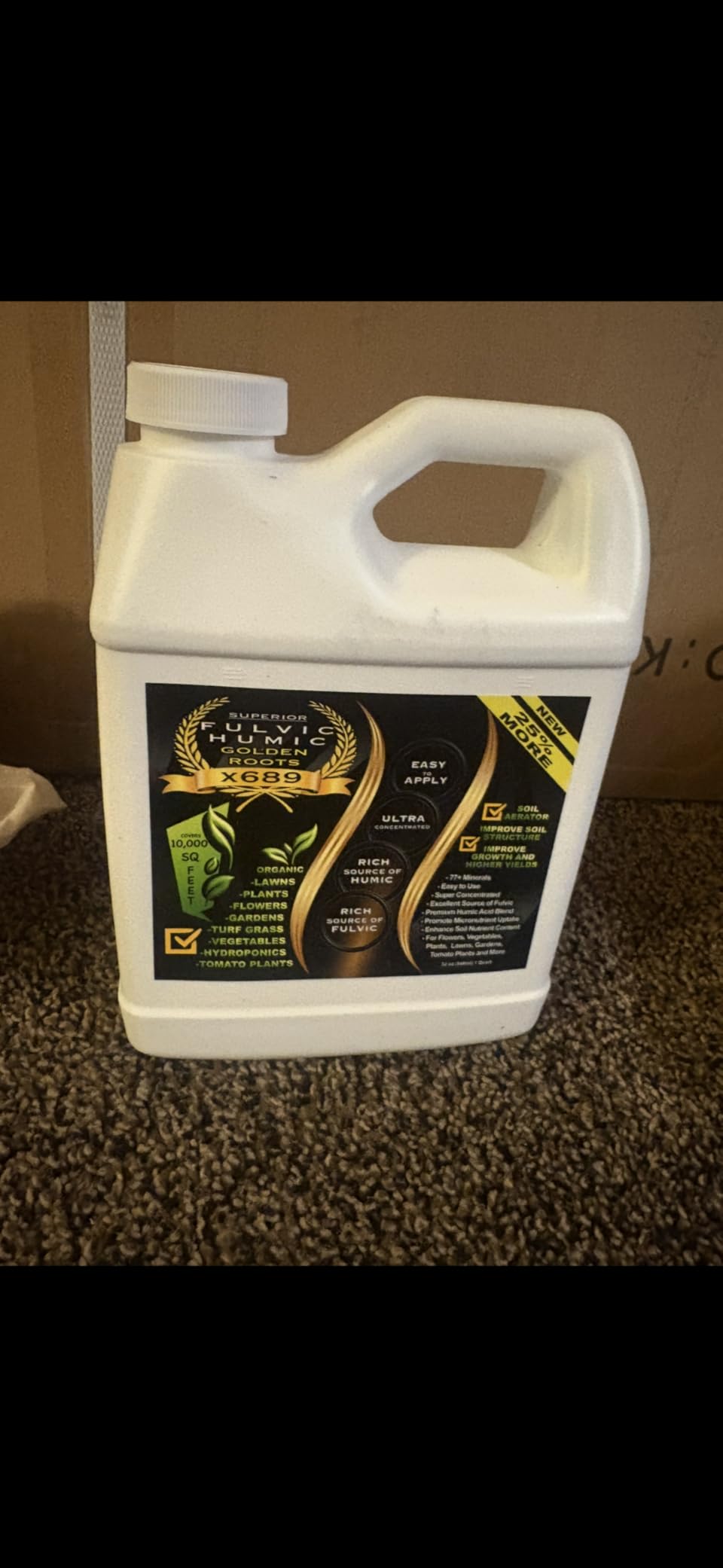
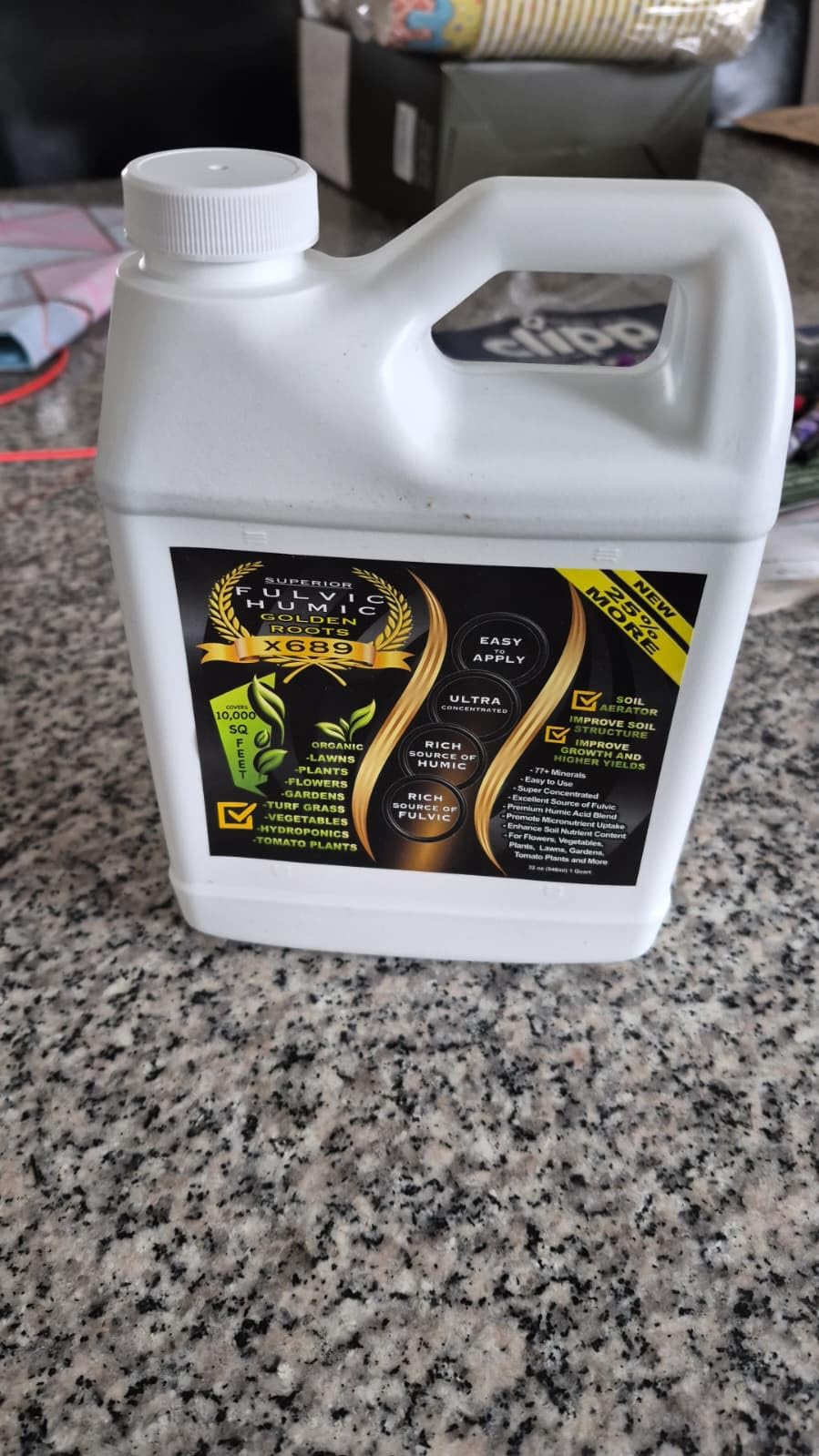
10. Superior Fulvic Humic X935 – Best Humic and Fulvic Blend
Liquid Aeration for Lawn – Humic & Fulvic Acid, Covers 10,000 Sq Ft
Humic and fulvic acid concentrate
2 oz per gallon dilution
One bottle covers up to 10000 sq ft
Pros
- Highest average rating among the listings we compared
- Concentrated humic acid enhanced with fulvic acid
- One 32 oz bottle treats up to 10000 sq ft
- Works with hose-end backpack pump sprayers and watering cans
Cons
- Very small review base limits long term evidence
- Designed to complement rather than replace core aeration
- Requires reapplication every three to four weeks
This is a humic acid concentrate enhanced with fulvic acid, and it carries the highest average rating in the group we compared. The dilution is 2 ounces per gallon for pump and backpack sprayers, 4 ounces per gallon for a hose-end, and one 32 ounce bottle treats up to 10,000 square feet of lawn. It also works in gardens, raised beds, trees, shrubs, and hydroponic setups.
Its stated target is water penetration, soil structure, and root-zone conditions in clay and hard soils, which puts it squarely in the category you are shopping. The application guidance is unusually specific: apply before 10 AM or in the late afternoon, water it in for about 30 minutes, and repeat every three to four weeks.
I am ranking it tenth despite the rating, and the reason is evidence volume, not quality. Forty-two reviews is a very thin record for a soil treatment where the honest answer is usually measured in months. The rating is the best in the set, but a high average on a small base tells you less than a lower average across thousands of owner reports.
Note also what the maker says plainly: it is designed to complement mechanical aeration rather than replace it. That candor is a good sign, and it is also the correct expectation for a humic and fulvic blend at this dilution.
Who should try it?
Homeowners who want a humic and fulvic program for clay soil and who can commit to the three to four week cadence. The flexible application methods are a real advantage, since a watering can works for spot areas around trees and shrubs where a hose-end sprayer is awkward.
Why the small review base matters
Because hard soil responds slowly and irregularly, and you need more than a handful of reports to know whether a product will show you anything. If you try it, run the screwdriver test before and after and keep your own record. That habit is worth more than any star rating when the change you are looking for is measured in penetration inches.
How to Test Your Soil for Compaction Before You Buy
Test before you spend. Most people buy a liquid aerator for a problem they have not confirmed, and then judge the product on a lawn that was never that compacted. Three tests take about ten minutes.
The screwdriver test. Push a standard flat-head screwdriver into your lawn in five spots, including the worst traffic area. On healthy soil it enters 3 to 4 inches with light hand pressure. On compacted soil you will need a pair of pliers, and in real hardpan it stops at an inch or less.
The ribbon test. Squeeze a moist handful of soil into a ribbon between your thumb and forefinger. A ribbon that holds its shape without breaking means heavy clay. If it crumbles instantly, you have sand, and liquid aeration is not your problem.
The infiltration test. Dig a hole about 6 inches deep and 6 inches wide in a low spot, fill it to the rim, and leave it. If the water has not drained within 4 hours, your infiltration rate is low enough to matter.
Here is the decision rule that follows from those three numbers. If the screwdriver enters 2 inches or more and water drains within 24 hours, you have moderate compaction, and a liquid treatment is a genuinely good fit. If it enters less than an inch or water stands for days, you have severe compaction or hardpan, and no bottle is going to do it. Pull plugs, or break the ground up mechanically first, then use a liquid product to maintain the improvement.
How to Choose a Liquid Aerator for Hard Soil
There are four chemistry categories, and confusing them is the single most common reason buyers end up disappointed.
Surfactants lower the surface tension of water so it infiltrates instead of running off. They are the fastest to work on wetness problems and the weakest on structure. Think dry patches, hydrophobic spots, and irrigation runoff. They do not move clay particles apart.
Humic and fulvic acids are the biological and structural core of this category. They bind fine particles into larger aggregates, which creates the pore space roots need, and they feed soil biology at the same time. This is the most relevant category for genuinely hard clay, and most of our picks sit here.
Enzyme products target thatch and organic matter breakdown rather than mineral compaction. They are useful in a thatch-heavy program but they are not the answer to a clay problem.
Calcium and gypsum penetrants address a specific chemistry issue, namely sodium dispersion and calcium deficiency. A soil test has to justify them. On a normal lawn they are an expensive way to do nothing.
With the categories sorted, match the container to the job. Coverage figures in this category swing from about 500 square feet per gallon on the Soft Soil concentrate to 32,000 square feet per 32 ounce bottle on the Simple Lawn Solutions and Farmer’s Secret products. Multiply your lawn size by your expected number of applications before you choose, because a monthly-cadence product on a large lawn costs far more over a season than a single-pass product.
Check two more things. First, seeding and sod safety: if you plan to overseed, look for a product listed as safe on new seed, sod, sprigs, and plugs, and apply it before the seed goes down. Second, sprayer hardware, because forum users consistently flag leaking or low-quality hose-end attachments as a bigger headache than the concentrate itself. And a final practical note from people who do this regularly, applying to dry soil lets you see where you have and have not sprayed, since many of these products carry their own color.
If the ground needs physical relief first, our best lawn aerators for backyards roundup compares the core, spike, and slicing machines worth renting or owning alongside a liquid program.
Liquid Aeration vs Core Aeration: Which One Your Soil Needs
For severe hardpan, core aeration wins, and the honest answer from the forums is that no liquid product substitutes for physically breaking the soil. The most useful line from that discussion is also the most quoted: a liquid treatment will not replace core aeration, but it can help drainage in a way that surprises you. One user on TheLawnForum described multiple applications of an SLS liquid aerator with zero success on super compacted soil and concluded that renting a tiller was the better bet. That is not a failure of the chemistry; it is a mismatch between the treatment and the severity.
Here is how I split it. If the screwdriver enters more than 2 inches, liquid aeration is a good primary tool, especially if you cannot get a core aerator onto the lawn or you want to avoid the plugs and the mess. If the screwdriver stalls, core aeration or tillage is the primary tool and liquid becomes a maintenance product afterward.
There is a third path worth naming, because some operators never core at all. Lawn care professionals working clay-based grounds have used liquid aeration instead of core aeration for years, citing speed, no mess, no risk of damaging tree roots, and no exposure of weed seeds by making holes. The counter-expert view is that physical soil breaking is simply superior. Both are defensible, and the deciding variable is your compaction severity, not your loyalty.
If you want to compare the equipment side, our backyard aerator comparison lays out the core, spike, and slicing options that pair well with a liquid program.
How to Apply a Liquid Aerator on Hard Soil
This is the sequence that gets the best result from any product on this list, and it is the part most people skip.
Run the screwdriver and infiltration tests first. Record your numbers so you have a before measurement.
Mow low the day before. A shorter canopy gets spray to the soil instead of the leaf canopy.
Skip irrigation for a day before application. Dry soil shows you your coverage pattern, and most of these products carry color.
Measure and choose your rate. Write the ounces per 1,000 square feet on the bottle before you fill the sprayer.
Use a quality hose-end sprayer. Set the dilution dial, then water the sprayer with clean water until it flows steadily.
Prime the sprayer. Run it into a bucket or onto a driveway until the concentrate shows in the output.
Apply at a walking pace with overlapping passes. On hard ground, stop when you see the product pooling rather than pushing through it.
Water it in as the label directs. Some products call for roughly 30 minutes of irrigation after application, and the effect depends on it.
Re-test at 6 weeks. Push the screwdriver into the same five spots and compare. If nothing changed after two applications, you have severe compaction and you need mechanical relief.
Set your expectations on a timeline. At two weeks you should see better water intake in treated areas. At six weeks, softer soil underfoot and less runoff. At three months, deeper rooting and denser turf, assuming your irrigation and mowing habits support it. At twelve months, the accumulated benefit. Nothing you spray will restructure hardpan in a single afternoon.
Frequently Asked Questions
Are liquid soil aerators effective?
They are effective at improving how water moves through compacted soil, and on moderate compaction many owners report softer ground and less runoff within weeks. They are not effective as a substitute for pulling plugs on severe hardpan, because no chemical removes a physical plug.
What is better, liquid or core aeration?
Core aeration wins on severe hardpan because it physically breaks the soil. Liquid aeration wins on moderate compaction, on lawns where equipment cannot access the ground, and for anyone who wants faster results with no plugs and no mess. Many owners use both in the same season.
When should I apply liquid aeration to my lawn?
Apply it during the growing season, with early spring and fall as the priority windows for most grass types. For overseeding projects, apply the product before you seed so the soil is already open. Avoid application on a waterlogged lawn, and water the treatment in afterward as the label directs.
Will aeration help compacted soil?
It depends on severity. Push a flat-head screwdriver into five spots. If it enters more than 2 inches with light pressure, aeration of either type will help. If it stalls at an inch or less, you have hardpan and you need mechanical relief before any treatment will do much.
Should you put down topsoil after aerating?
Topsoil helps when you are reseeding bare areas or correcting low spots, and it is not needed to complete a liquid treatment. Organic soil amendments such as compost feed the biology that keeps soil loose. If you skip topdressing, keep applying the liquid treatment on its label schedule instead.
Does Air-8 need to be watered in?
Yes, watering it in after application is part of getting the result, since the active material needs to move into the soil profile rather than sit on the surface. Apply early in the morning or in the late afternoon, avoid overspraying hard surfaces because the product stains, and keep a steady irrigation schedule through the response window.
Final Verdict on Liquid Aerators for Hard Soil in 2026
For hard, compacted, clay-heavy ground, the Simple Lawn Solutions Soil Loosener is the pick we would buy first, because the volume of owner reports behind it is unmatched and its 32,000 square foot coverage makes a full-lawn pass practical. Add the LawnStar concentrate if you want the strongest clay-specific feedback per bottle, or the Covington blend if pets are the deciding factor.
The one caveat we will not soften: on severe hardpan, where a screwdriver will not go past an inch or water stands for days, liquid aeration is maintenance, not a fix. Break that ground up mechanically first, then use one of these to keep it open. Run the three tests above, pick the chemistry that matches your problem, and give any treatment a full six weeks before you judge it.