
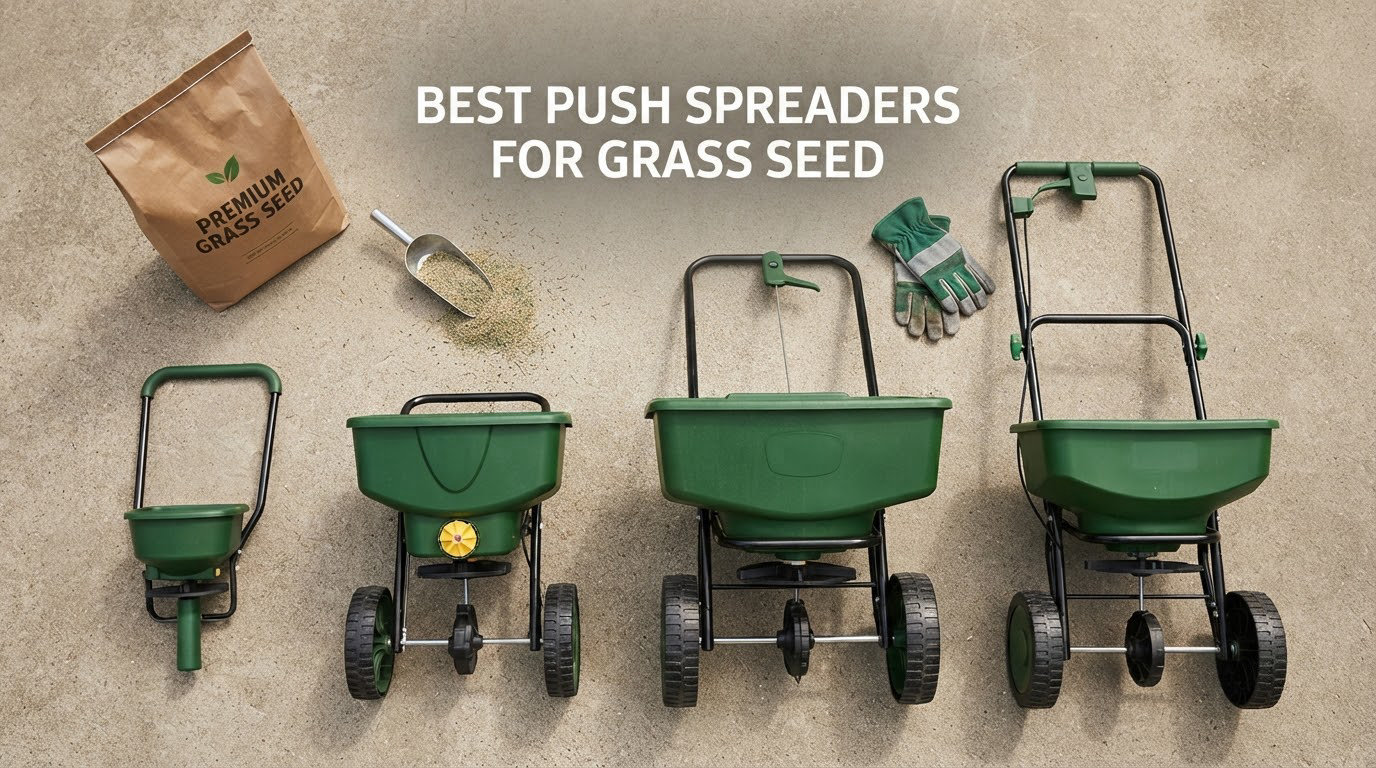
If you are seeding or overseeding anywhere from about 1,500 square feet up to half an acre, a broadcast push spreader is the right tool. It is a walk-behind hopper with a flow dial on the handle that meters seed onto the ground as you push, and one machine handles seed, granular fertilizer, lime and ice melt all year. A drop spreader is the better choice only when your lawn is narrow or hemmed in by beds, paths and ponds.
Hand-casting seed wastes the most expensive material you buy, and it shows weeks later as patchy, striped germination. A calibrated push spreader lays the same rate down every pass, which is the difference between a lawn that fills in evenly and one that needs a second round of seed.
This roundup covers ten walk-behind spreaders we compared side by side over one full seeding cycle, weighing hopper capacity, spread width, tire type, flow control and the one thing that trips up almost every first-time owner: calibration. Every rating and review count below comes straight from the product listings, and each section tells you who the machine suits and who should skip it. We also break down broadcast versus drop spreaders, sizing a hopper to your lawn, and the half-rate two-direction method that experienced users on lawn forums credit with the most consistent results.
Table of Contents
Top 3 Picks for Grass Seed (October 2026)
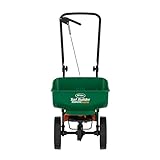
Scotts EdgeGuard Mini
- Pre-calibrated and no assembly
- 5000 sq. ft. per load
- EdgeGuard side shield

Agri-Fab 130 lb Spreader
- 130 lb hopper covers a half acre
- 13 inch pneumatic tires
- 10 to 12 ft spread

CHAPIN 8400C SureSpread
- Stainless steel frame and linkage
- 14 inch pneumatic tires
- Rain cover and grate included
The Scotts EdgeGuard Mini takes our top slot because it needs zero setup work and holds enough material for most suburban lots. The Agri-Fab 130 lb model is the pick when you have half an acre or more and do not want to stop mid-job to refill. The CHAPIN 8400C is the one to buy if your ground is rough, uneven or freshly worked soil.
Best Push Spreaders for Grass Seed in October
| Product | Specifications | Action |
|---|---|---|
| Scotts Turf Builder EdgeGuard Mini Broadcast Spreader |
|
Check Latest Price |
| Agri-Fab 45-0462 Push Broadcast Spreader, 130 lb |
|
Check Latest Price |
| CHAPIN 8400C Professional SureSpread Turf Spreader |
|
Check Latest Price |
 VEVOR 60 lb Walk Behind Broadcast Spreader VEVOR 60 lb Walk Behind Broadcast Spreader |
|
Check Latest Price |
| VEVOR 50 lb Drop Spreader with Hopper Grate |
|
Check Latest Price |
 Brinly P20-500BHDF-A Push Spreader Brinly P20-500BHDF-A Push Spreader |
|
Check Latest Price |
 EarthWay 2150 Commercial 50 LB Broadcast Spreader EarthWay 2150 Commercial 50 LB Broadcast Spreader |
|
Check Latest Price |
 Amazon Basics Fertilizer Spreader Amazon Basics Fertilizer Spreader |
|
Check Latest Price |
 Titan 50 lb Professional Push Broadcast Spreader Titan 50 lb Professional Push Broadcast Spreader |
|
Check Latest Price |
| VEVOR 80 lb Push Lawn Spreader |
|
Check Latest Price |
1. Scotts Turf Builder EdgeGuard Mini: The Best Push Spreader for Grass Seed Overall
Scotts Turf Builder EdgeGuard Mini Broadcast Spreader
Holds 5,000 sq. ft.
EdgeGuard side shield
Pre-calibrated
Fold-down handle
Pros
- No assembly and ready out of the box
- Largest review base in the group at 23k+
- EdgeGuard keeps granules off hard surfaces
- Also handles salt and ice melt
Cons
- Small hopper forces refills on larger lawns
- Pre-calibration assumes Scotts-branded products
This is the spreader we recommend most often, and it earned that by doing nothing clever. It arrives calibrated, folds down flat, and covers 5,000 square feet per load, which is most suburban lots. Our own seeding passes on a lot that size finished without a single refill, and the fold-down handle meant it lived in the corner of the garage rather than taking up the whole wall.
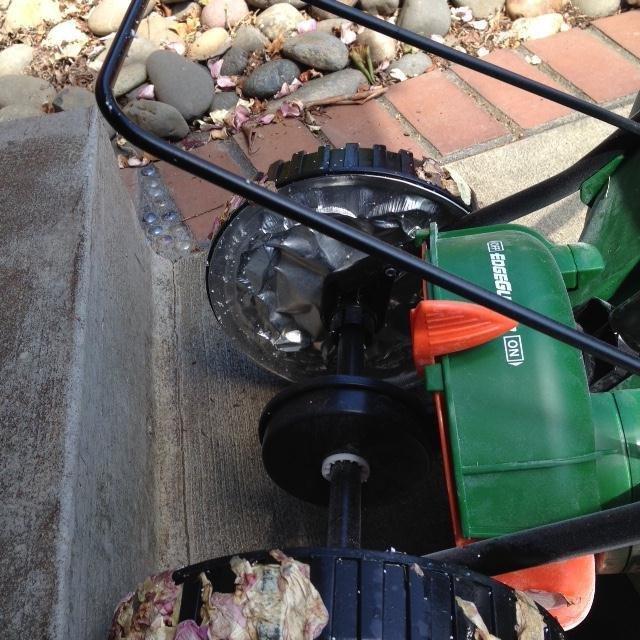
The EdgeGuard side shield is the feature that separates it from the plain budget spreaders. It cuts the throw on one side so granules land on grass instead of the sidewalk next to it. Owners credit it with keeping seed out of flower beds, though experienced users on lawn forums point out that it redirects the fan rather than sealing it off, so you still want to close the hopper for the last foot before a hard edge.
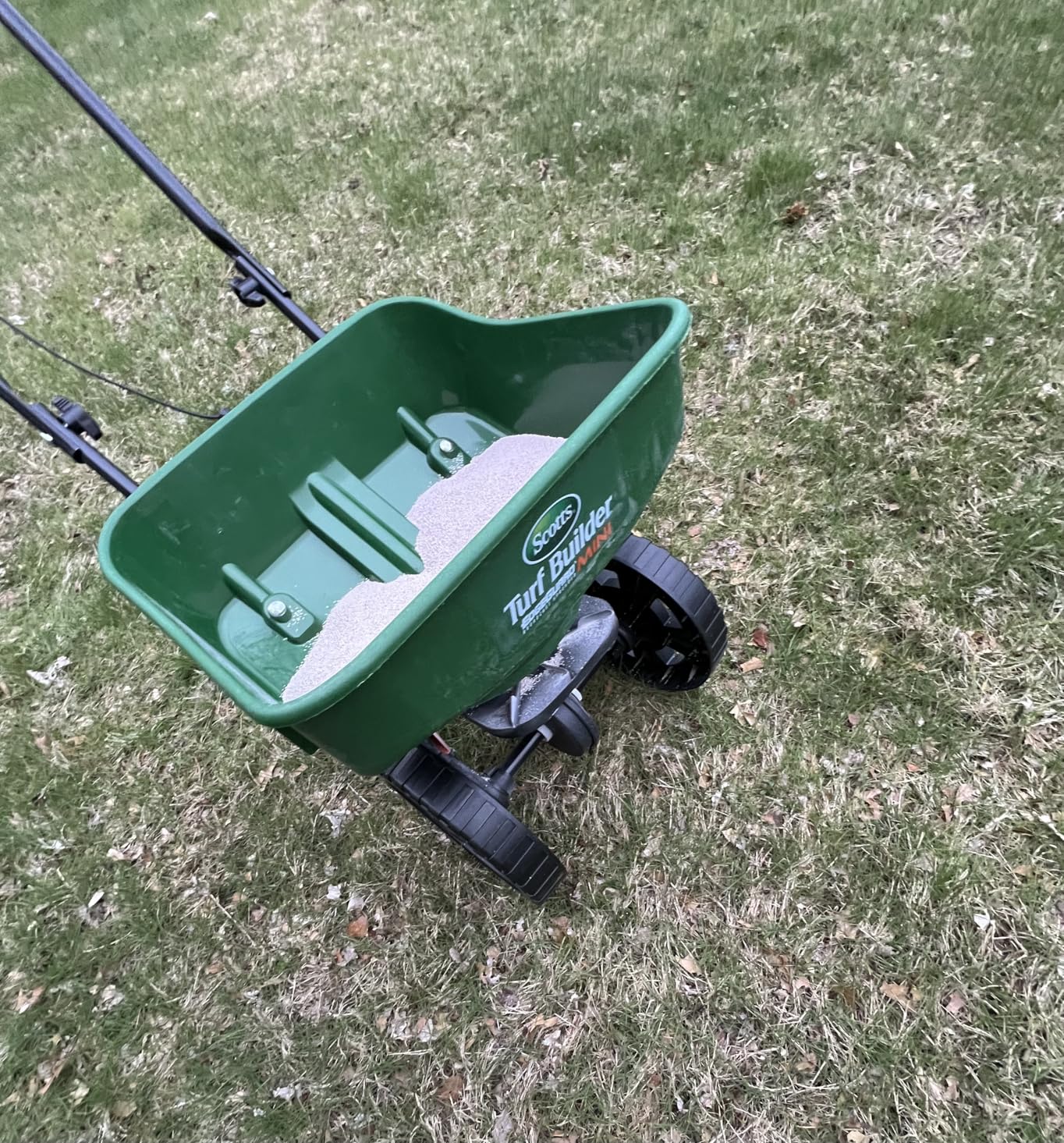
Seed flows through the hopper and agitator smoothly as long as the bag is dry and you knock clumps off the lip. Once seed has sat in a damp shed and fused into a cake, no small hopper grate of this size will break it up, so keep bags sealed and off the ground. For calibration, treat the pre-set dial as a starting point only, because the factory numbers assume Scotts-branded material with one granule size.
The single limitation that comes up repeatedly is capacity. Five thousand square feet is one load for a small yard, and it becomes a chore on anything larger because you are stopping, refilling, and re-dialing mid-pattern. Owners also note that rate settings need adjusting for non-Scotts brands, since a third-party tall fescue blend behaves nothing like Scotts Turf Builder granules. If your lawn runs past a quarter acre, step up to a 50 lb or larger hopper.
Where this spreader earns its keep
This is the machine to buy if you seed patches, overseed a lawn under 5,000 square feet, or want one tool that also handles ice melt in winter. Setup time is essentially zero, so it suits first-time seeders who would rather be spreading than bolting together a frame.
It also works well for top-dressing compost or peat on small areas, where the EdgeGuard shield keeps the heavier material off paved edges. Storage is a real advantage: the handle folds and the whole unit tucks into a closet.
Where it falls short
Skip it if your property is a quarter acre or larger, because refills break your walking rhythm and make even coverage harder. The wide broadcast fan also throws seed further than the shielded side, so on very narrow side yards you will be picking granules out of the crack between paving stones.
Avoid it for lime, sand, or salt-heavy commercial work. The light plastic frame is built for homeowner seed and fertilizer duty, and long ownership reports show the plastic hopper and gear area wearing out well before the rated life of a steel-framed machine.
2. Agri-Fab 45-0462 130 lb Push Spreader: Best for Half-Acre Lawns
Agri-Fab 45-0462 Push Broadcast Spreader,Orange & Black,130-lb Capacity
130 lb hopper
Enclosed gearbox
13 inch pneumatic tires
10 to 12 ft spread
Pros
- One load covers a half acre
- Pneumatic tires grip hills and uneven turf
- Direct rod control is durable and repeatable
- T-handle suits different user heights
Cons
- Assembly takes one to two and a half hours
- Cotter-pin agitator struggles with damp material
- No side deflector on the hopper
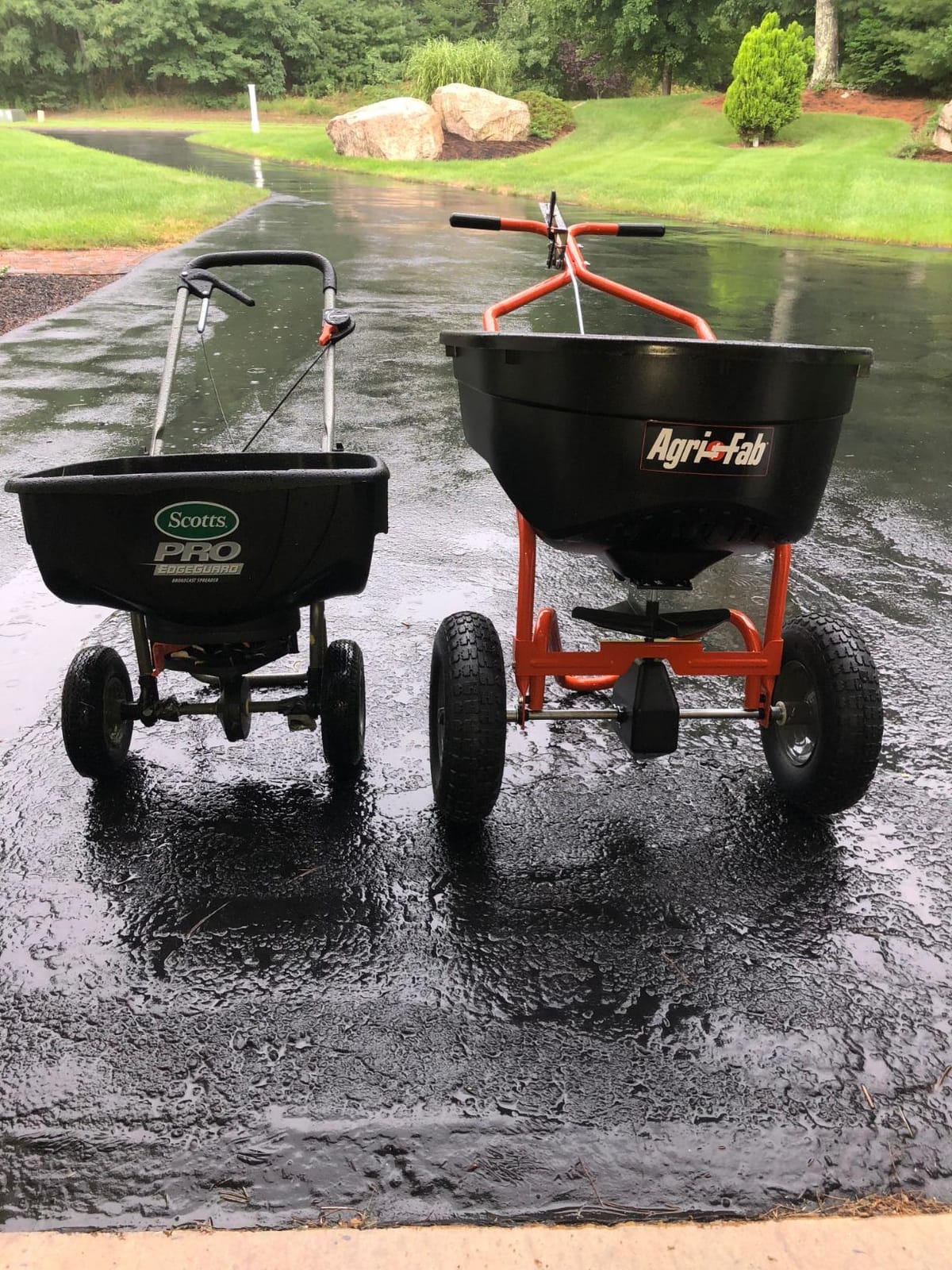
The Agri-Fab 130 lb is the spreader we reach for when the job stops being a single afternoon. One load covers 25,000 square feet, so you can seed an entire property without stopping, and the absence of refills removes the most common cause of the stripe problems we describe later in this guide.
Those 13 inch by 4 inch pneumatic tires are the quiet advantage here. On sloping ground or a lawn that has been aerated, hard plastic wheels skip and change your pace, which changes the rate. The pneumatics glide, keep your walking speed consistent, and make a loaded 130 lb hopper far easier to control on a turn.
Flow is handled by a direct rod rather than a cable, and that matters over years of use. Cables stretch and drift; a rod linkage stays repeatable, so your calibration holds from season to season. The enclosed gear box keeps the drive sealed against dust and grass clippings.
Two real weaknesses come up in ownership reports. The agitator is a cotter pin, which does little to break up damp or clumpy seed, so screen your material before it goes in. Assembly is also the slow part of this purchase, with owners budgeting one to two and a half hours, and the written instructions alone are not enough for most people. There is no side deflector, so on an open hopper product can bounce back toward your legs.
Where this spreader earns its keep
Buy this one if you have half an acre, an acre, or multiple lawns to maintain. It is also a strong choice for sloped property, because the pneumatic tires are what keep a heavy load moving at a steady rate uphill.
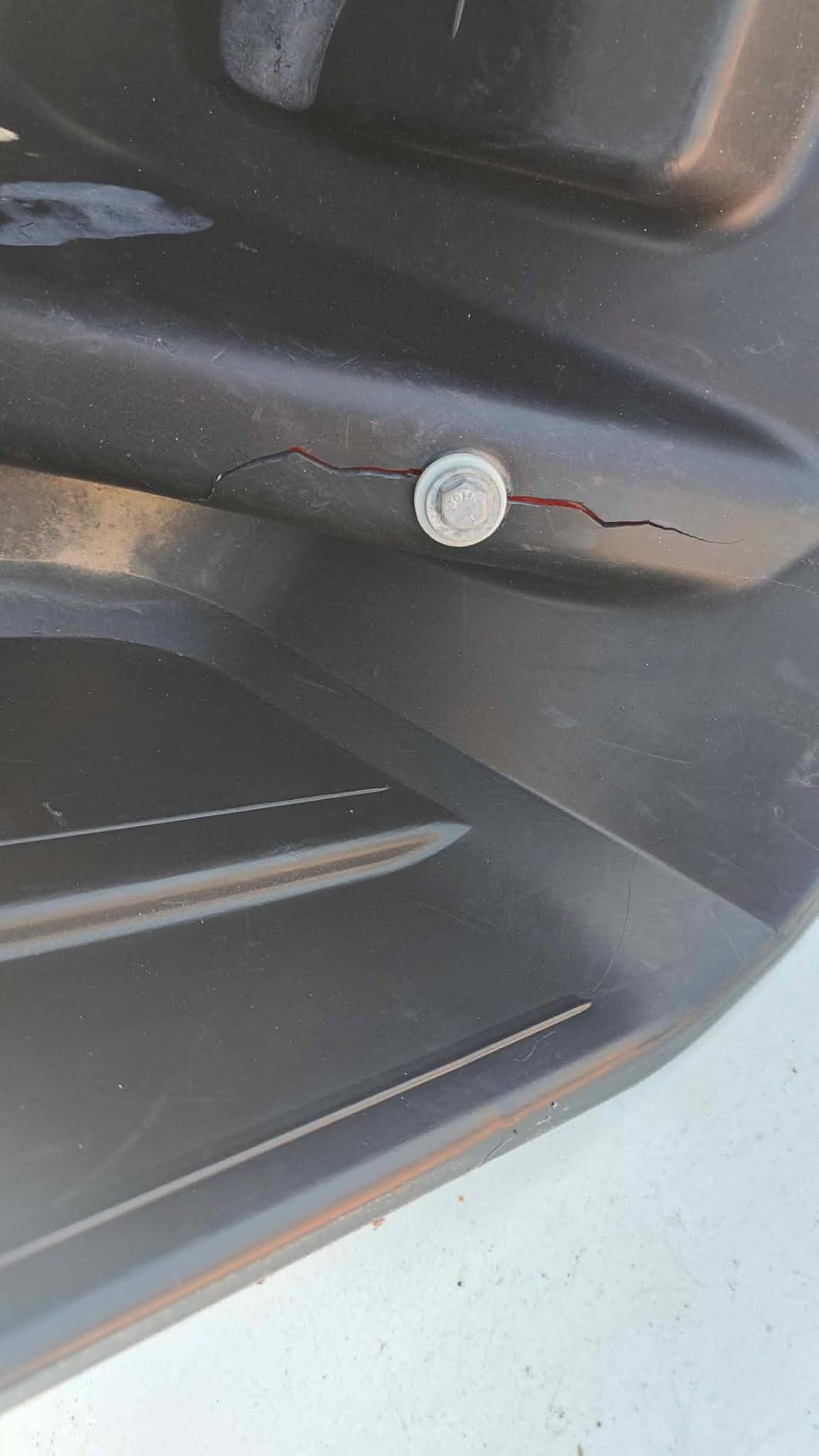
Because the hopper is poly and steel, it handles fertilizer, lime, and ice melt as readily as seed. One owner running a seven-year-old unit reported the flow plate finally cracking, which tells you the lifespan is measured in seasons rather than decades.
Where it falls short
It is not a first-weekend purchase. If you want something out of the box and pushing in five minutes, this is the wrong machine, and the missing side deflector matters if you are seeding next to beds or a driveway.
The cotter-pin agitator is the deal-breaker for anyone spreading moist material or working clay-heavy soil in spring. If your seed clumps, choose a model with a proper agitator bar or a drum-style auger instead.
3. CHAPIN 8400C SureSpread Turf Spreader: Best for Uneven Ground
CHAPIN 8400C 100-Pound Capacity Made in USA Professional SureSpread Turf Spreader with Stainless Steel Frame and Linkage, Enclosed Gearbox, 14-inch Tires, Rotary Gate – Fertilizers/Weed Control, Red
100 lb stainless frame
14 inch pneumatic tires
Rotary gate with side control
Grate and cover included
Pros
- Stainless steel frame
- linkage and rotary gate
- Enclosed gear box with grease fitting
- 14 inch tires handle rough terrain
- Two augers included for clumping material
Cons
- Material does not fully funnel out of the hopper
- Assembly instructions are hard to follow
- Nylon nuts can loosen over time
The CHAPIN 8400C is the most solidly built machine in this group, and the reason is the stainless steel frame and linkage supporting a 100 pound poly hopper. Owners describe it as built like a tank, and the enclosed gear box with a grease fitting is the kind of detail you rarely see on a homeowner spreader.
Those 14 inch pneumatic tires are the widest here, and that is the whole argument for this machine. If you are seeding a new lawn over tilled soil, filling in after a core aeration, or working ground with ruts and stones, the extra diameter keeps the hopper level and stops it tipping as you cross a hump.
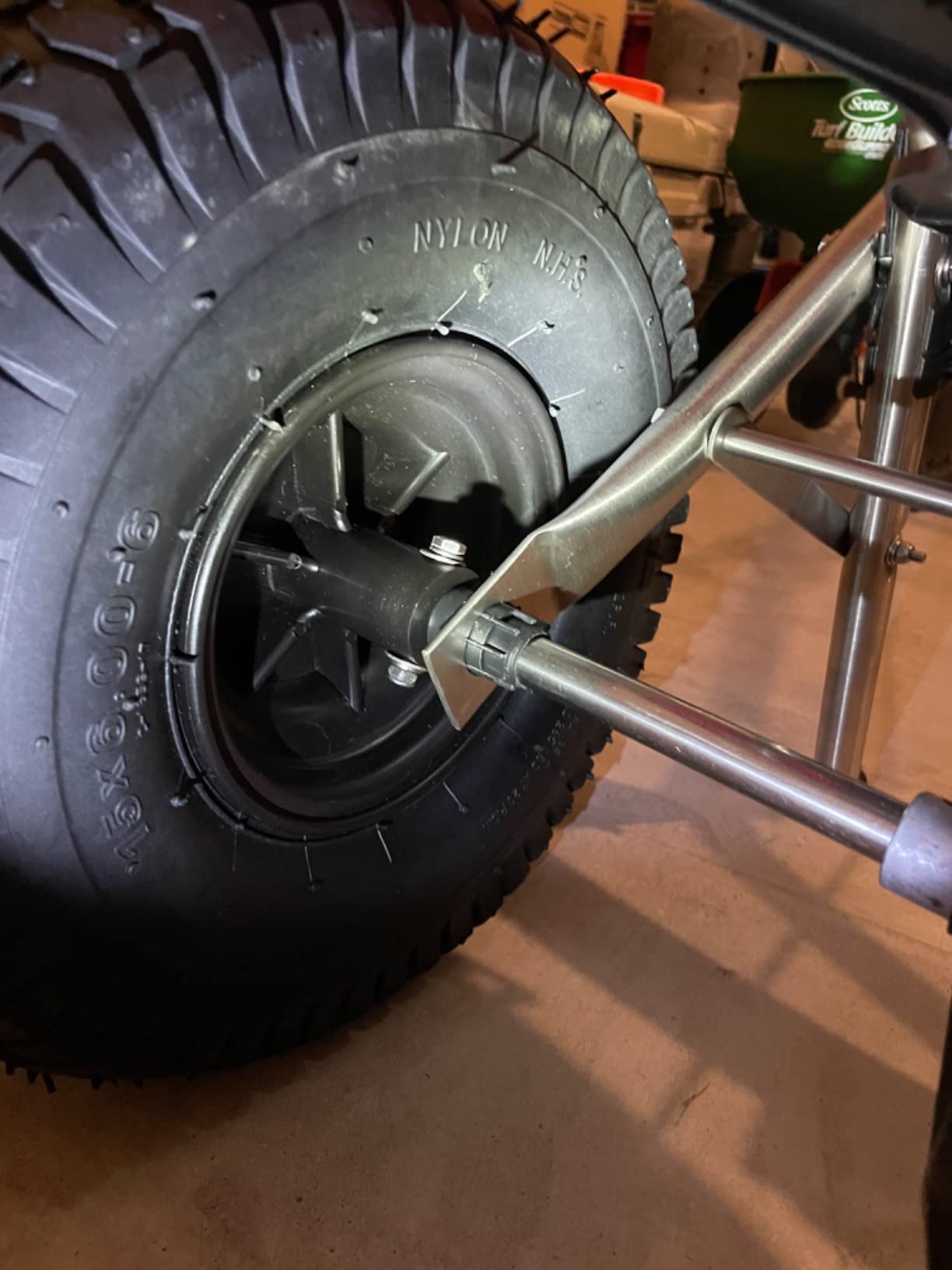
The adjustable rotary gate lets you narrow the pattern to one side, the other, or the center, which makes precise edging around a pond or a curved path much easier. Chapin also includes a hopper grate, a rain cover, and two augers, including a drum-style auger designed to break up clumping mineral material before it reaches the outlet.
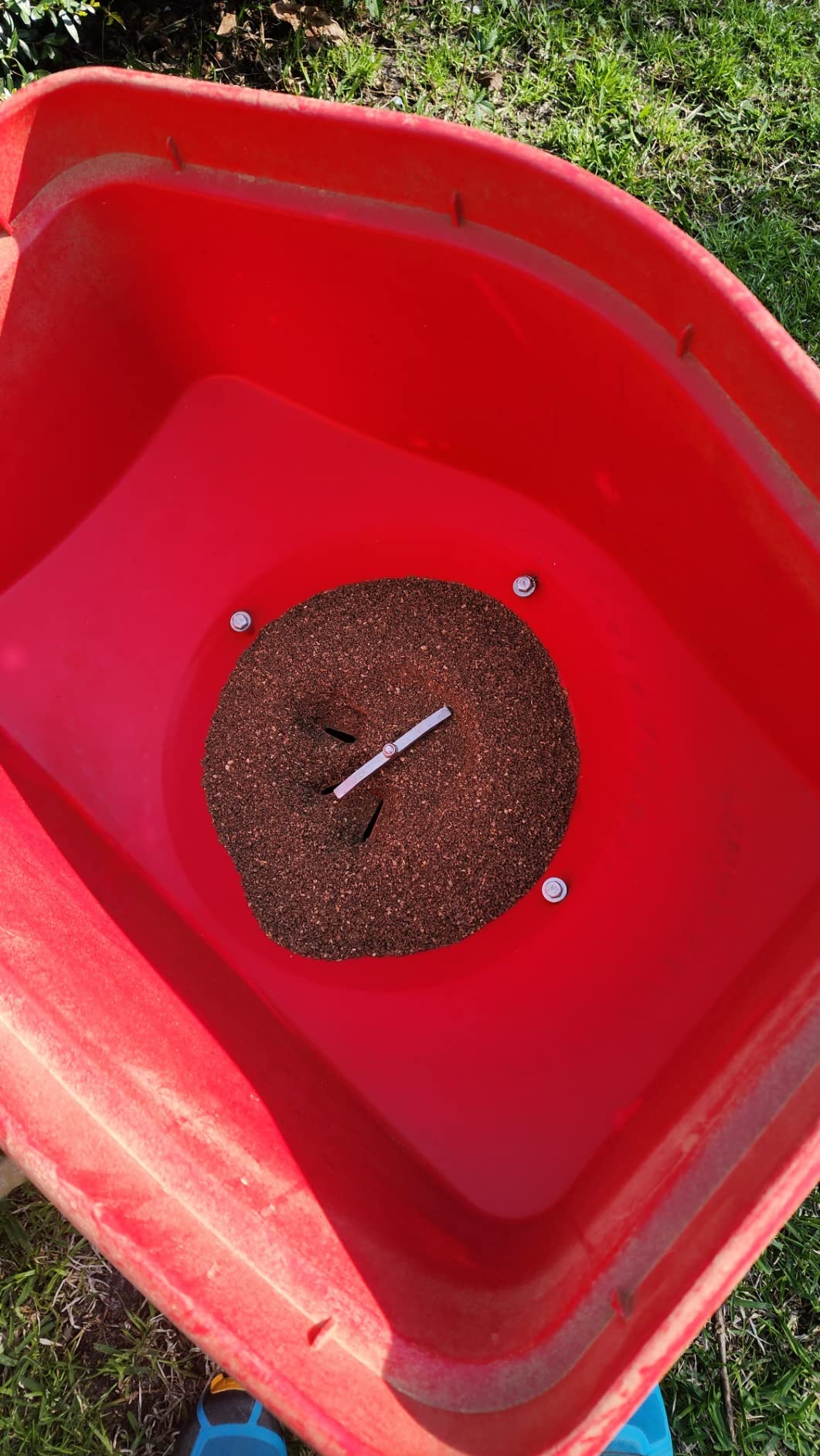
The most repeated complaint is that the hopper does not funnel cleanly to the outlet holes, so a cup or two of seed stays behind and you tip the hopper to shake it out. Assembly instructions are also criticized, with hand-drawn illustrations rather than photographs, and a couple of owners report nylon nuts loosening over time and suggest adding washers.
Where this spreader earns its keep
This is the one for new-lawn projects and rough ground, where durability and load stability beat convenience. The stainless hardware is a genuine advantage in a machine that will sit outdoors through decades of wet springs.
If you seed close to water or delicate beds, the side-select rotary gate gives you a way to keep the fan pointed where you want it. It also works with any brand of fertilizer, seed, weed control, or pest control particles.
Where it falls short
Chapin specifically advises against salt products, sand and sand mixes, pelletized lime, and lime powders on this model, which rules it out as your winter ice melt spreader. The leftover material in the hopper also means a small waste of expensive seed at the end of every job.
It is a heavy machine at 38 pounds empty, and the wide pattern is harder to control on a small lot. Plan assembly time accordingly, and consider picking up washers and lock washers for the nylon fasteners.
4. VEVOR 60 lb Walk Behind Spreader: Best All-Round Broadcast Spreader
VEVOR Walk Behind Spreader 60 lbs Capacity Push Broadcast Spreader Black | for Lawn & Garden, 0-9.8 ft Spreading Width & 18 Adjustable Settings, 8 in All Terrain Pneumatic Tires for Seed, Fertilizer
60 lb hopper
0 to 9.8 ft spread width
18 adjustable settings
8 inch pneumatic tires
Pros
- Assembles in about 15 to 20 minutes without tools
- Stainless bolts with nylon-insert lock nuts
- Side and rear baffles keep material off pavement
- Spreads compost and topsoil evenly
Cons
- Control rod may need adjusting after unpacking
- Push bar can arrive slightly crooked
- Not heavy-duty enough for large properties
The VEVOR 60 lb is the balance point in this roundup. You get a powder-coated steel frame, a 60 pound hopper, 18 rate settings, and a spread width that adjusts from nothing up to 9.8 feet, which covers most lawns in two or three passes without refilling.
That adjustable width is more useful for seed than it first appears. Turning the fan down lets you work along a fence or a shrub border without throwing seed into the bed, which saves product on the most expensive material you are applying. The side and rear baffles reinforce that, keeping granules off pavement and driveways.
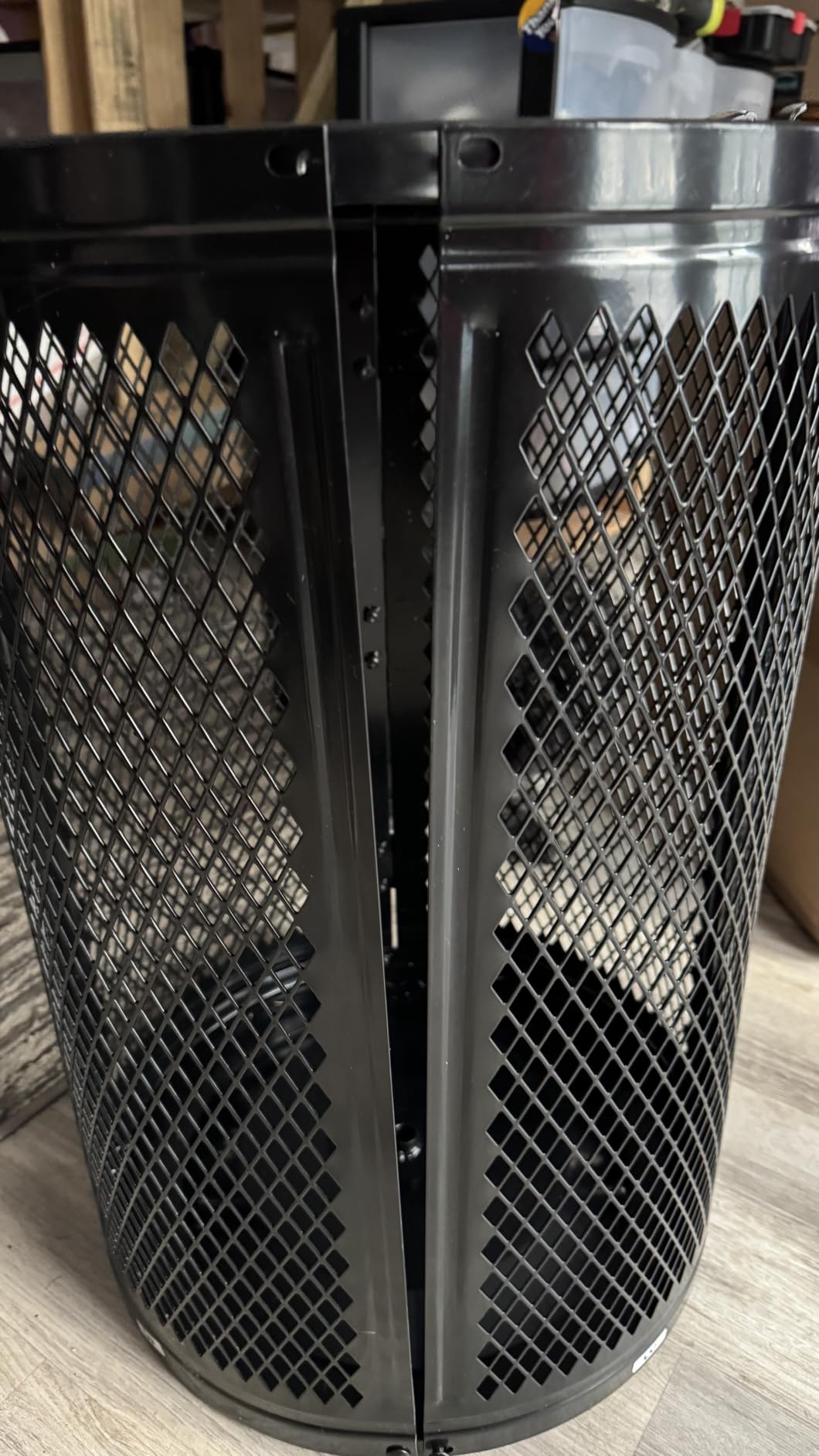
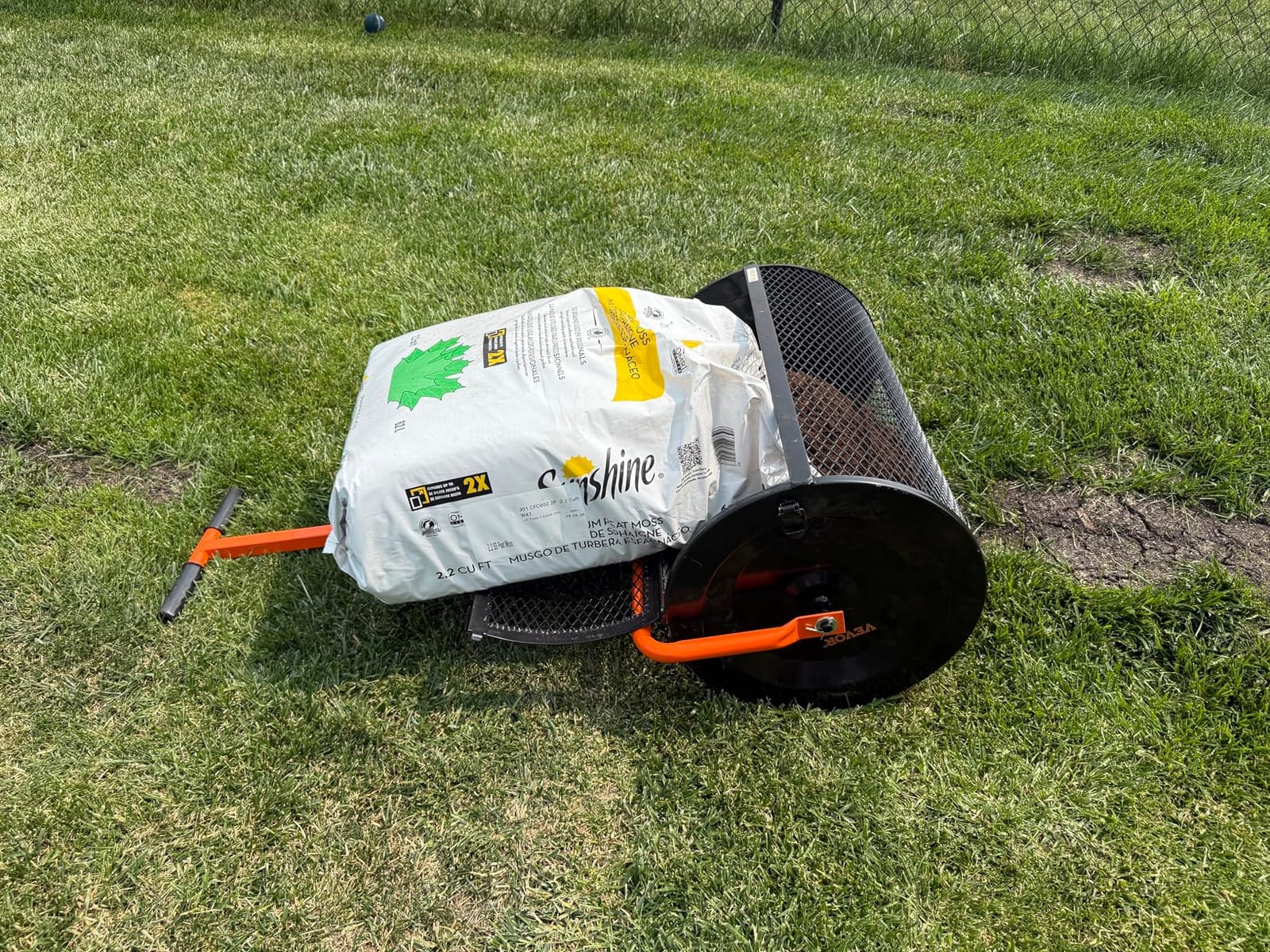
Assembly is genuinely quick at 15 to 20 minutes with no tools, and the hardware is better than the norm at this level, with stainless bolts and nylon-insert lock nuts that resist vibrating loose. Owners also use it for compost top-dressing, where the even distribution is a real advantage.
The negatives here are quality control rather than design. Some units arrive with a control rod that needs adjusting, loose or missing bolts, or a push bar that is slightly crooked. None of that is fatal, but budget twenty minutes before your first pass rather than assuming you will seed immediately. It is also not the machine to buy if you maintain acreage on a regular schedule.
Where this spreader earns its keep
This suits a medium lawn, roughly 5,000 to 15,000 square feet, where a smaller hopper would mean three or four refills and a larger machine would be dead weight. The 18 settings also give you finer control over light seed than a coarse dial.
Pneumatic tires at 8 inches handle grass, gravel, and snow-covered ground, so the same machine works in spring and winter. It folds down to a footprint that fits most storage spaces.
Where it falls short
Owners treat it as a solid homeowner tool rather than a long-term workhorse. The frame and gearbox are not built for constant commercial use or for pushing across rough farmland every week.
If you are particular about factory finish, check the hardware and the control rod as soon as the box is open. Several reviewers found that a 15-minute setup job becomes a 45-minute one when bolts are missing, and a control rod that is out of adjustment will not hold a calibration.
5. VEVOR 50 lb Drop Spreader: Best for Small Lawns and Tight Edges
VEVOR Broadcast Spreader 50 lbs Capacity Drop Spreader with Hopper Grate | for Lawn & Garden Care, 18 in Spreading Width & 30 Adjustable Settings, 10 in All Terrain Tires for Seed, Fertilizer, Black
50 lb hopper with grate
18 inch spread width
10 in all-terrain tires
30 adjustable settings
Pros
- Hopper grate screens out clumps before they jam
- No-tool assembly and compact footprint
- 50 lb hopper cuts down on refills
- Powder-coated steel frame resists corrosion
Cons
- Hopper is tight and needs refills on larger lawns
- Printed instructions could be clearer
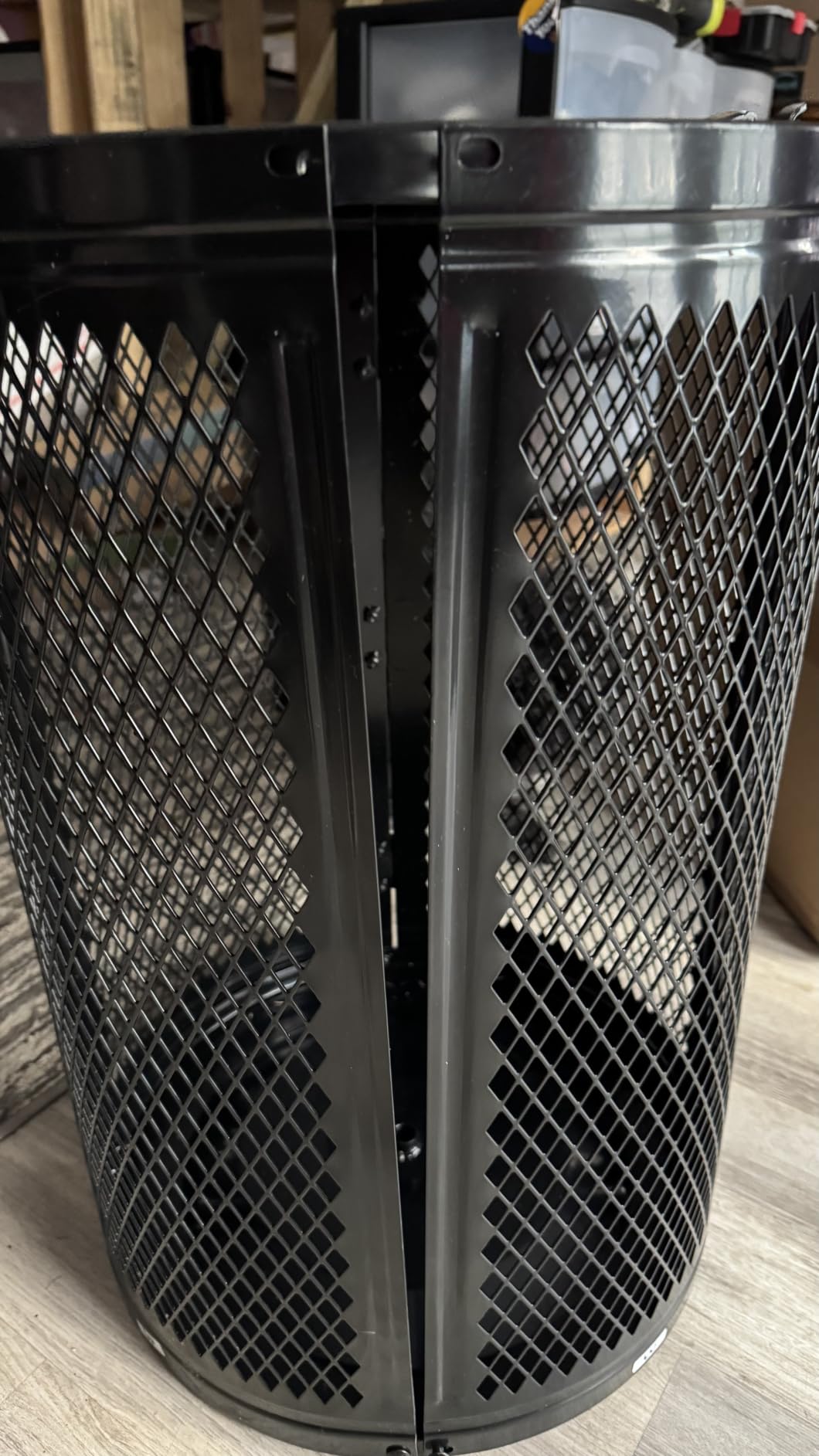
A drop spreader does not fling anything. It drops material through an opening between the wheels onto an 18 inch band, which is the whole reason to choose one: nothing flies into the flower bed, onto the sidewalk, or into a pond. On a small lawn hemmed in by paths and borders, that is worth more than wide, fast coverage.
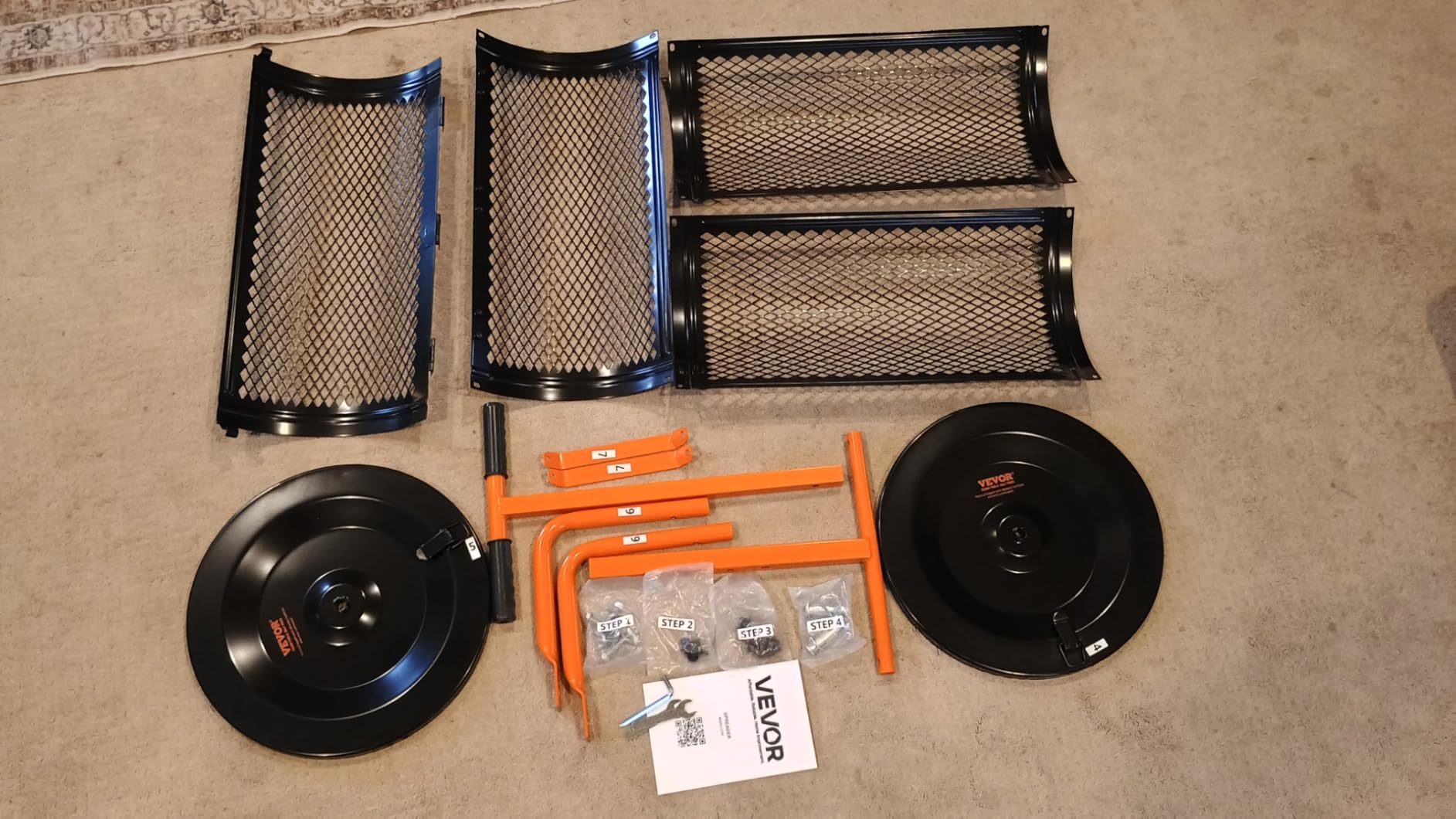
This VEVOR is the strongest budget drop spreader here, with a 50 pound hopper, 30 adjustable settings, and 10 inch tires that roll over grass, gravel, and snow. The hopper grate is the feature that matters most for seed, because it separates larger clumps before they reach the opening and bridge over it.
Because the band is a fixed 18 inches wide, coverage is entirely about your walking line rather than the machine. Overlap your passes by a few inches and you get the even result experienced users on lawn forums describe from the half-rate two-direction method. Walk too fast and the rate climbs, because the same amount of seed covers less ground.
Two complaints are consistent. The hopper is tight, so on anything beyond a small lawn you refill more often than a broadcast machine would. And the printed manual is criticized by several buyers, so look up a short assembly video before you start.
Where this spreader earns its keep
Choose this if your lawn is a compact city yard, if it runs along a fence line or a garden bed, or if you are seeding around a pond or a patio. Zero overspray means no raking seed back out of the beds afterwards.
It also serves double duty for ice melt on walks, where a narrow band is exactly what you want. The compact footprint and no-tool setup mean it stores easily between seasons.
Where it falls short
It is slower than a broadcast spreader by design. A quarter acre takes noticeably longer because you are covering 18 inches at a time rather than nearly 10 feet, and the tight hopper means stopping to refill more often.
If your lawn is wide open with few edges, you are giving up speed for a benefit you will not use. In that case a broadcast model with a wider fan is the better tool, and you can read our guide to the best fertilizer spreaders for broadcast-specific detail.
6. Brinly P20-500BHDF-A Push Spreader: Best for Edge Control
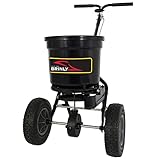
Brinly P20-500BHDF-A Push Spreader with Side Deflector Kit and Hopper Grate, 50 lb. Capacity – Flat Black
50 lb rust-proof hopper
Side deflector kit included
12 inch pneumatic tires
Enclosed gearbox
Pros
- Side deflector kit is included rather than sold separately
- Stainless hardware
- shaft and agitator
- 12 inch turf-tread tires push easily
- Hopper grate and easy-reach controls included
Cons
- 50 lb hopper is smaller than heavy-duty commercial units
- Stainless hardware needs regular greasing to avoid seizing
The Brinly is the only spreader in this roundup that ships with a side deflector kit in the box. On other brands that accessory is a separate purchase, and on this one it flips up and out of the way when you are working in the open. For anyone seeding next to beds or a driveway, that is the deciding feature.
Underneath, the construction is aimed at longevity. The hardware, shaft, and agitator are stainless steel, and the gearbox is fully enclosed and rust resistant, which means the drivetrain is shielded from the fertilizer dust and damp that eat cheaper mechanisms over a few seasons.
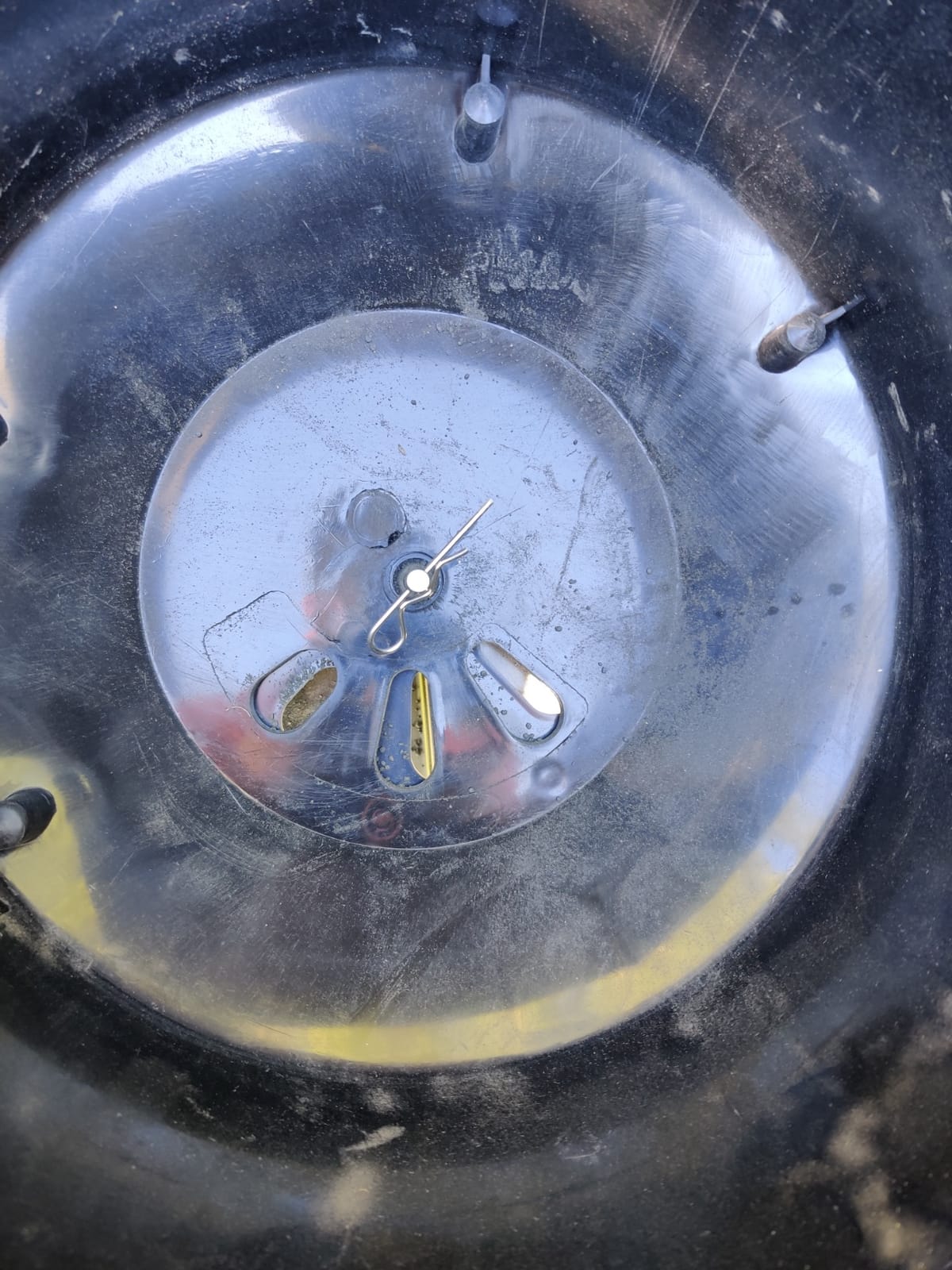
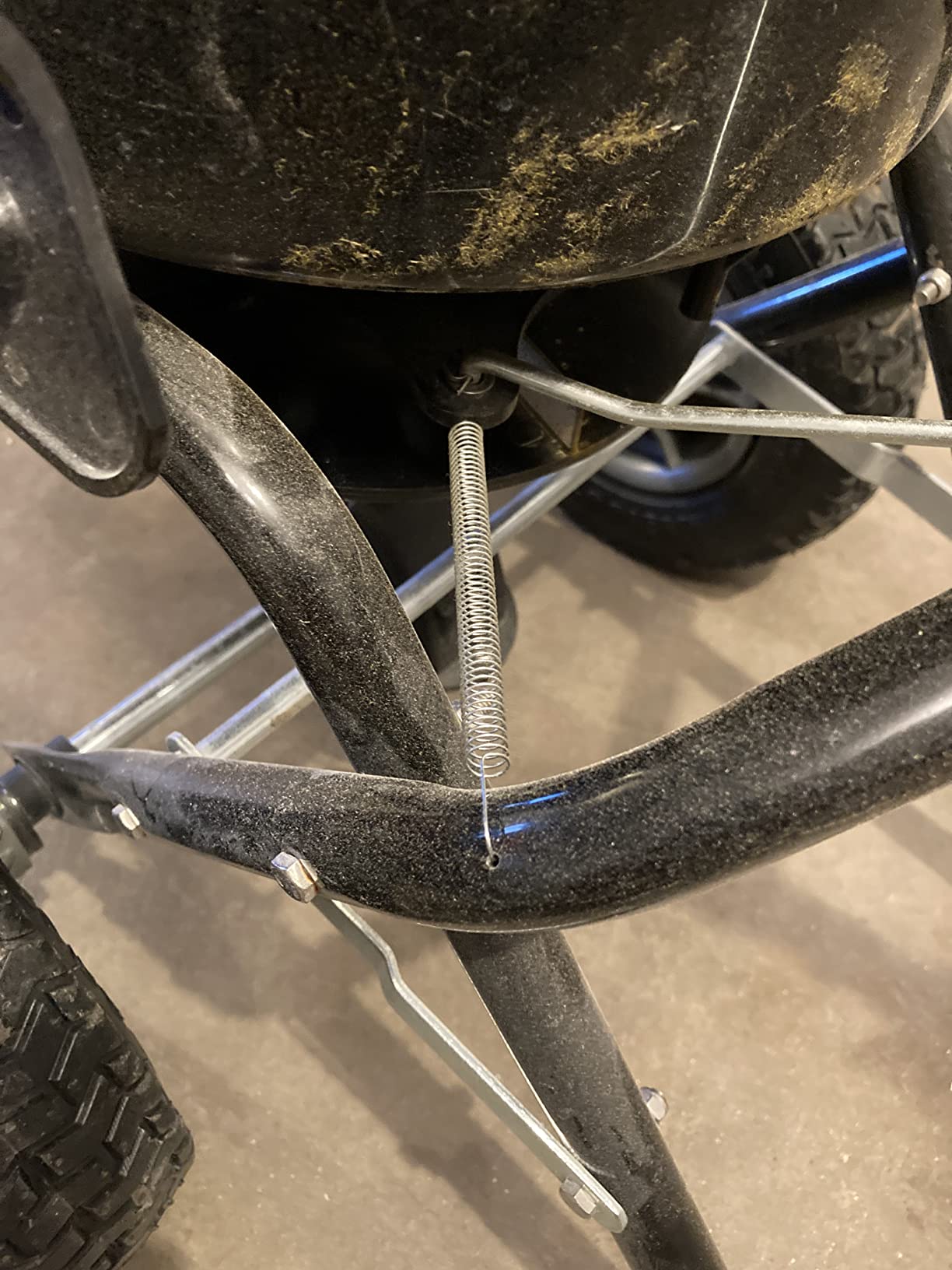
The 12 inch by 3 inch pneumatic turf-tread tires push easily through lawn without the resistance of small hard wheels, and the hopper grate plus easy-to-reach calibration controls keep the setup straightforward. Calibration is fast here in a way it is not on cable-operated spreaders, where the control sits awkwardly behind the hopper.
The trade-off is capacity at 50 pounds, which puts it below the heavy commercial units in this list. Brinly, EarthWay, and Titan are the three names experienced users on lawn forums most often recommend as durable alternatives to the default big-box spreader, and this model is the reason Brinly shows up on those lists. A few owners note the stainless hardware needs regular greasing so it does not seize.
Where this spreader earns its keep
This fits you best if your lawn has a lot of borders and you are tired of picking seed out of your mulch beds. The included deflector saves both the accessory cost and the cleanup, and the stainless drivetrain suits anyone who plans to keep one spreader for a long time.
The turf-tread tires also make it a comfortable machine on thick spring growth, where a small hard wheel sinks and drags. It handles seed, fertilizer, and ice melt in the same rust-proof hopper.
Where it falls short
If your property runs past a quarter acre, 50 pounds means refilling mid-pattern, and that is exactly where stripes start. Save it for lawns where one load comfortably finishes the job.
There is less long-term durability data available than for the EarthWay, simply because fewer owners have reported long-term use of this specific model. If you want a machine with a decade of ownership history behind it, the EarthWay below is the safer bet.
7. EarthWay 2150 Commercial Spreader: Best for Long-Term Ownership
EarthWay 2150 Commercial 50 LB Broadcast Fertilizer Spreader. Heavy-Duty Walk-Behind Push Garden Seeder with Adjustable Drop Rate and Driving Handle. Large 13 inch Pneumatic Stud Tires
50 lb hopper with 3-hole gate
13 inch pneumatic stud tires
Enclosed gear box
Removable clog-free grate
Pros
- Stud tires glide over rough uneven ground
- Enclosed gear box resists clogging in damp conditions
- Removable grate screens out wet caked product
- Handle adjusts to three lengths
Cons
- Rate adjuster is not calibrated to bag settings
- Written instructions are poor and assembly is slow
- Side-spread cable and hopper cover cost extra
The EarthWay 2150 is the oldest design in this roundup and the one most often recommended by name in lawn forums, where experienced users routinely point to EarthWay, Brinly, and Titan ahead of the default big-box spreader. It has a 50 pound hopper, a fully enclosed gear box, and a three-hole drop system with side-spread control.
The 13 inch high-flotation pneumatic stud tires are the practical reason people keep buying it. Owners upgrading from plastic-wheeled spreaders single out how much easier it is to push, particularly uphill with a full load, because the studs roll rather than dig in.
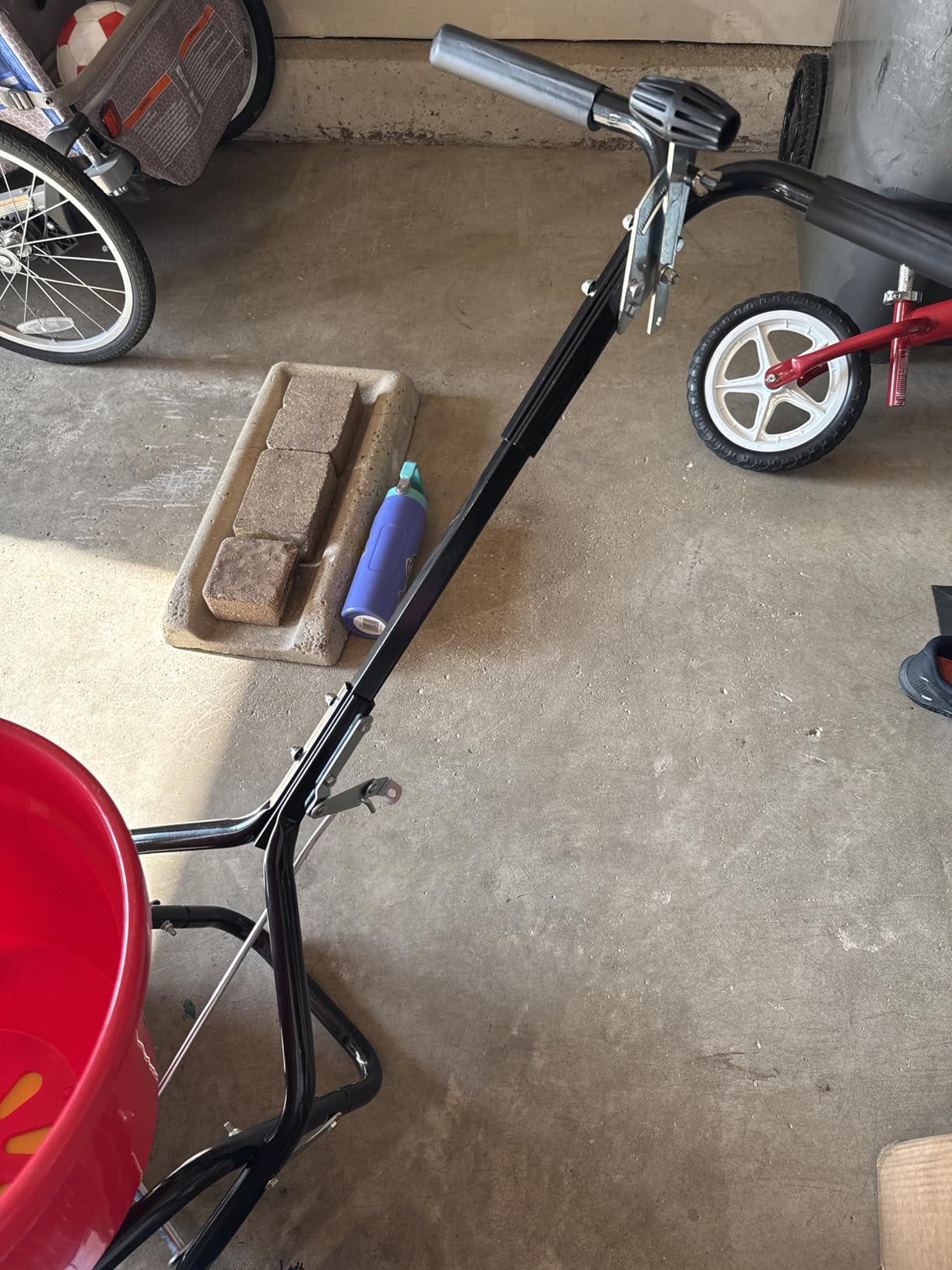
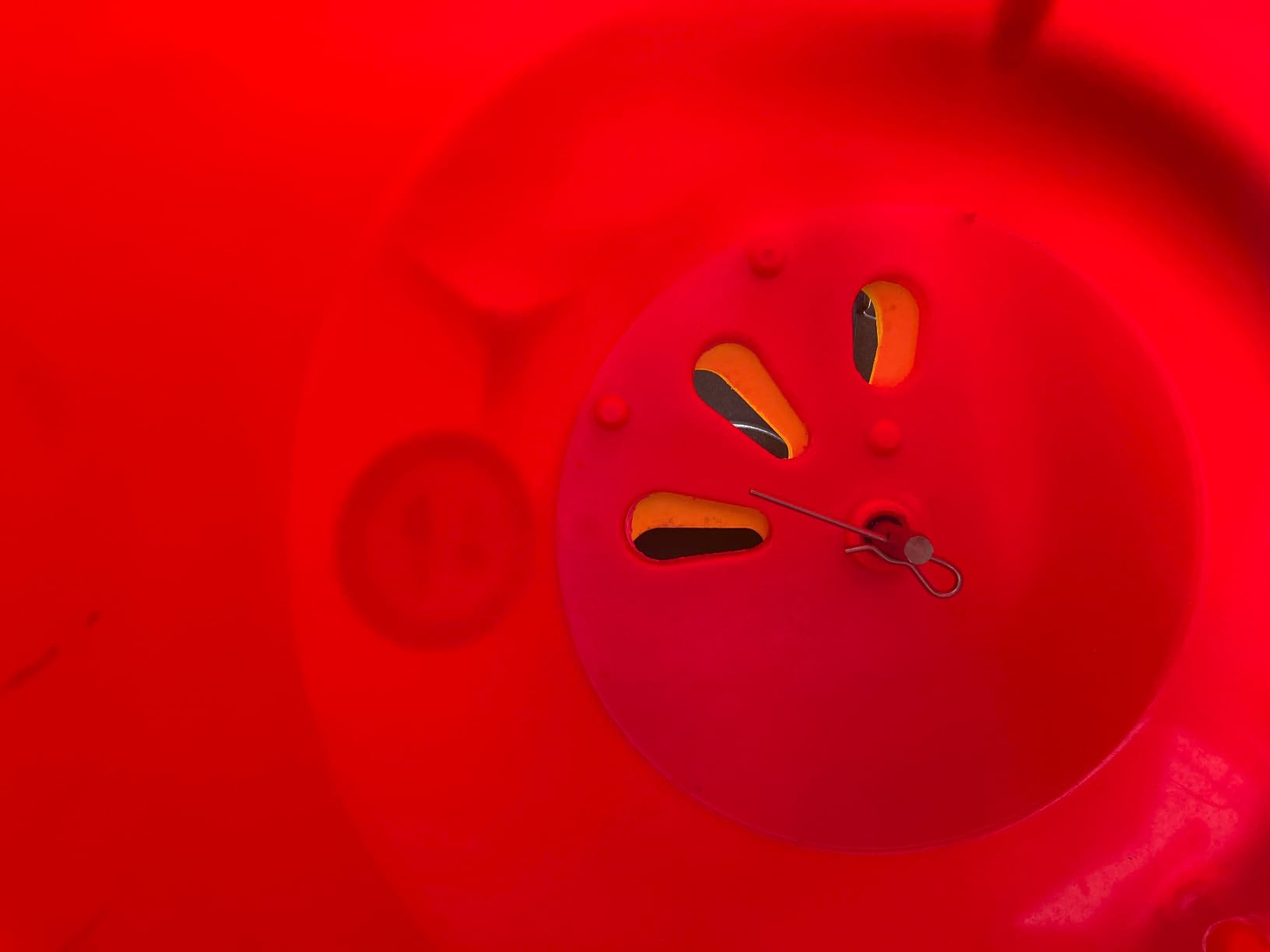
The enclosed gear box is driven by a wheel-mounted cotter pin rather than tire pressure, so it keeps working in damp conditions without clogging. The removable grate is a genuinely clever piece of design: slide it out when the material is clean, slide it in when the seed is damp, and it separates out the chunks that would otherwise bridge over the bottom of the hopper.
There are honest drawbacks. The rate adjuster is not calibrated to bag settings and lays down more product than labeled until you dial it in, which is exactly why our calibration steps matter. Written instructions are poor and most owners resort to online videos during a one to two and a half hour assembly. The side-spread control cable and hopper cover are sold separately, and the plastic axle bushings need regular lubrication in place of brass bearings.
Where this spreader earns its keep
Buy this if you keep one spreader for many seasons, if you seed in damp early-spring conditions, or if you maintain ground that is uneven and would punish small hard wheels. The three-position handle lets different people in the household push it without changing anything else.
It is also the one to pick if you want to service it yourself later. The gearbox, grate, and bushings are all user-replaceable, which is how machines like this survive a decade of use.
Where it falls short
The wide throw is awkward on a suburban lot narrower than roughly 20 feet, because you will be throwing seed onto the neighbor’s side more than you want to admit. It is also the least convenient purchase on this list, because assembly is genuinely long and two of the useful accessories are extra.
If your lawn is small and mostly open, the pattern width works against you rather than for you. The VEVOR 60 lb or the Scotts Mini will finish that job with far less fuss.
8. Amazon Basics Fertilizer Spreader: Best for First-Time Owners
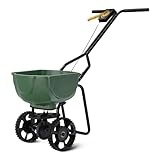
Amazon Basics Fertilizer Spreader for Lawn, Evenly Spreading, Multi-Gear System, Covers 5000 Square Feet per Load, 33 Pounds, 0.53 Cubic Feet, All Season, 1-Pack
Covers 5,000 sq. ft. per load
33 lb capacity
Multi-gear flow control
No-tool assembly
Pros
- Assembles in under five minutes with no tools
- One load covers a 5000 sq. ft. yard
- Multi-gear flow control is simple to adjust
- Light and easy to push on sloped lawns
Cons
- Control handle can jam and does not open consistently
- Opaque hopper hides jams from view
- Materials feel light and cheap in places
The Amazon Basics spreader is the lowest-effort entry point here. The release cable comes pre-installed, assembly takes under five minutes with no tools, and one load covers a 5,000 square foot yard, which is the size most first-time seeders are dealing with.
At 33 pounds of weight capacity it is smaller than the big hoppers, but that lightness has an advantage on slopes. Owners mention being able to push it one-handed and keep it stable on a graded lawn, where a 50 pound hopper starts to feel like work.
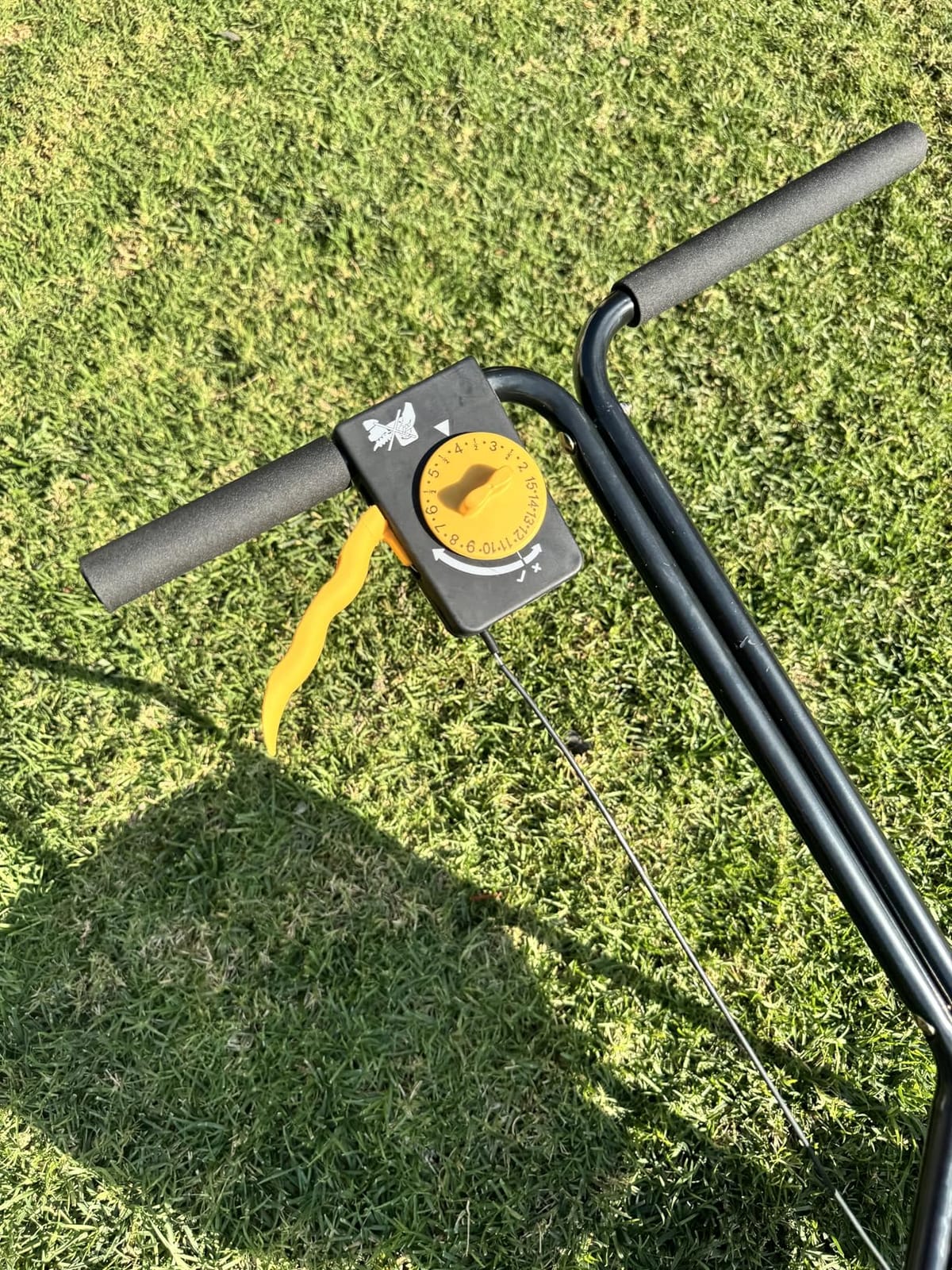
The multi-gear flow control is straightforward and accurate enough for seed and fertilizer. It handles seed, salt, and ice melt, so a single machine covers spring overseeding and winter walkway treatment.
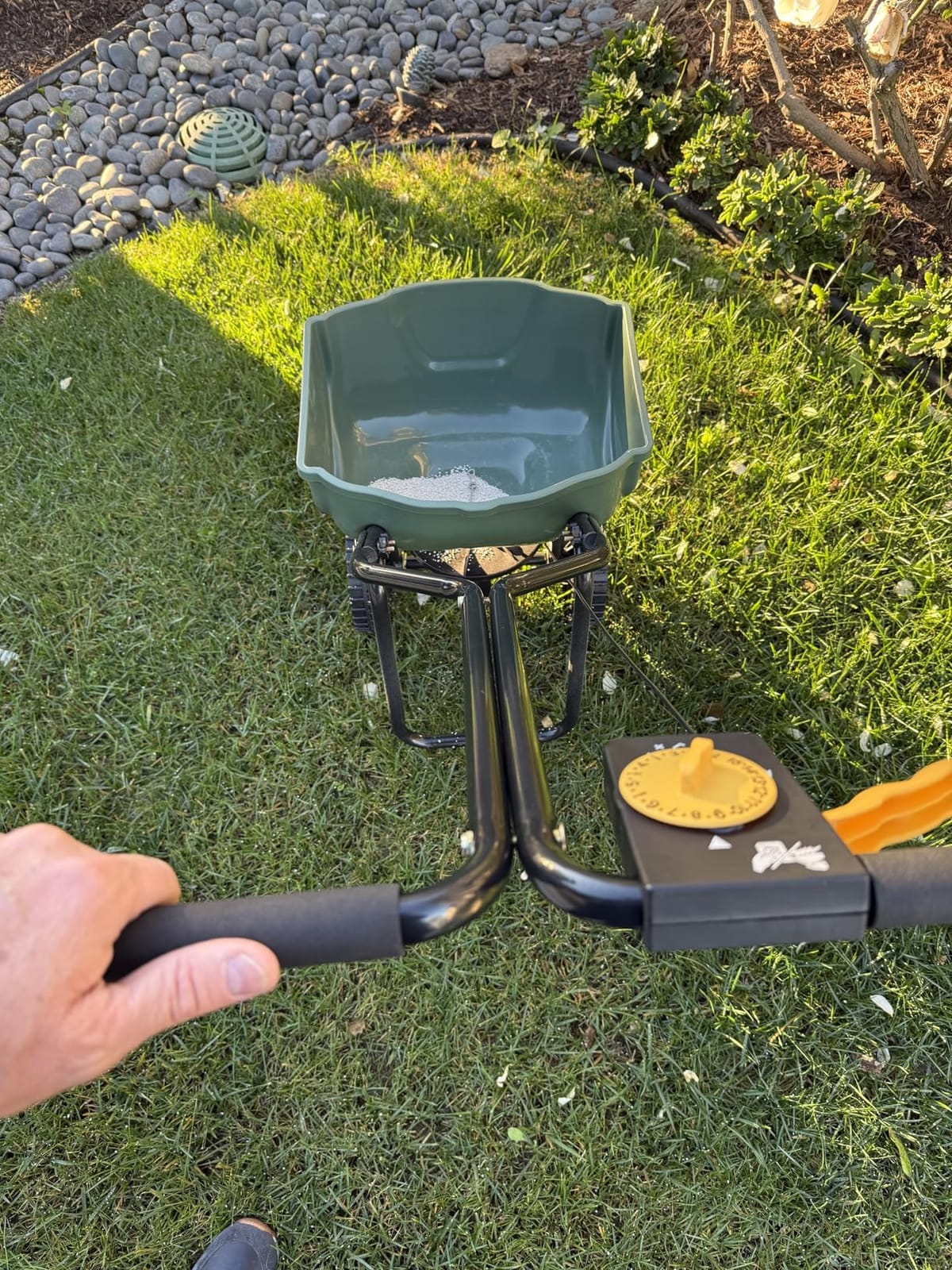
Two design details deserve attention. The control handle can jam and does not always open consistently, which will throw your rate off mid-pass if you do not notice. The hopper opening is also opaque, so you cannot see whether material is flowing or bridging, which is a real problem with the light, fluffy seed that clumps most easily.
Where this spreader earns its keep
This is the right choice if you have never used a spreader, if your lawn is small, or if you want something you can assemble in the driveway without tools. It stores easily and does not demand much attention between uses.
It is also a sensible first machine for a renter or a household that will hand it down eventually. The low effort of getting started matters more here than long-term serviceability.
Where it falls short
The 14 percent one-star share in the ratings reflects quality control gaps rather than a design flaw. One buyer received a missing nut and a control cable too slack to hold calibration, which would be a return.
Materials feel light and cheap in places, and the opaque hopper is a genuine handicap when seed bridges. If you plan to keep the same spreader for a decade, this is not the one to buy, and the Scotts Mini or the VEVOR 60 lb are sturdier choices for the money.
9. Titan 50 lb Professional Push Broadcast Spreader: Best for Mechanical Linkage
Titan Attachments 50 lb Professional Fertilizer Push Broadcast Spreader, Spreads 10 to 12 FT, Lawn Care and Ice Melter, Yard Tool
50 lb hopper
10 to 12 ft spread width
3-position flow control
Hopper screen and rain cover included
Pros
- Pneumatic tires grip damp grass well
- Solid linkage between handle and three-hole gate
- Screen and rain cover included in the box
- Pushes a full 50 lb load easily
Cons
- Assembly instructions are condensed and hardware may be missing
- No paper manual
- Flow control is not finely adjustable
The Titan is the most sharply divided of these spreaders. Its rating carries a 51 percent five-star share and a 15 percent one-star share, meaning owners genuinely disagree about it, and reading both camps tells you more than the average does.
Positive reports focus on the design. The linkage between the metering handle and the three-hole hopper gate is solid, matching what you find on professional units, and the durable gearbox and axle work with pneumatic tires that grip damp grass well. The hopper screen and rain cover are in the box rather than sold separately.
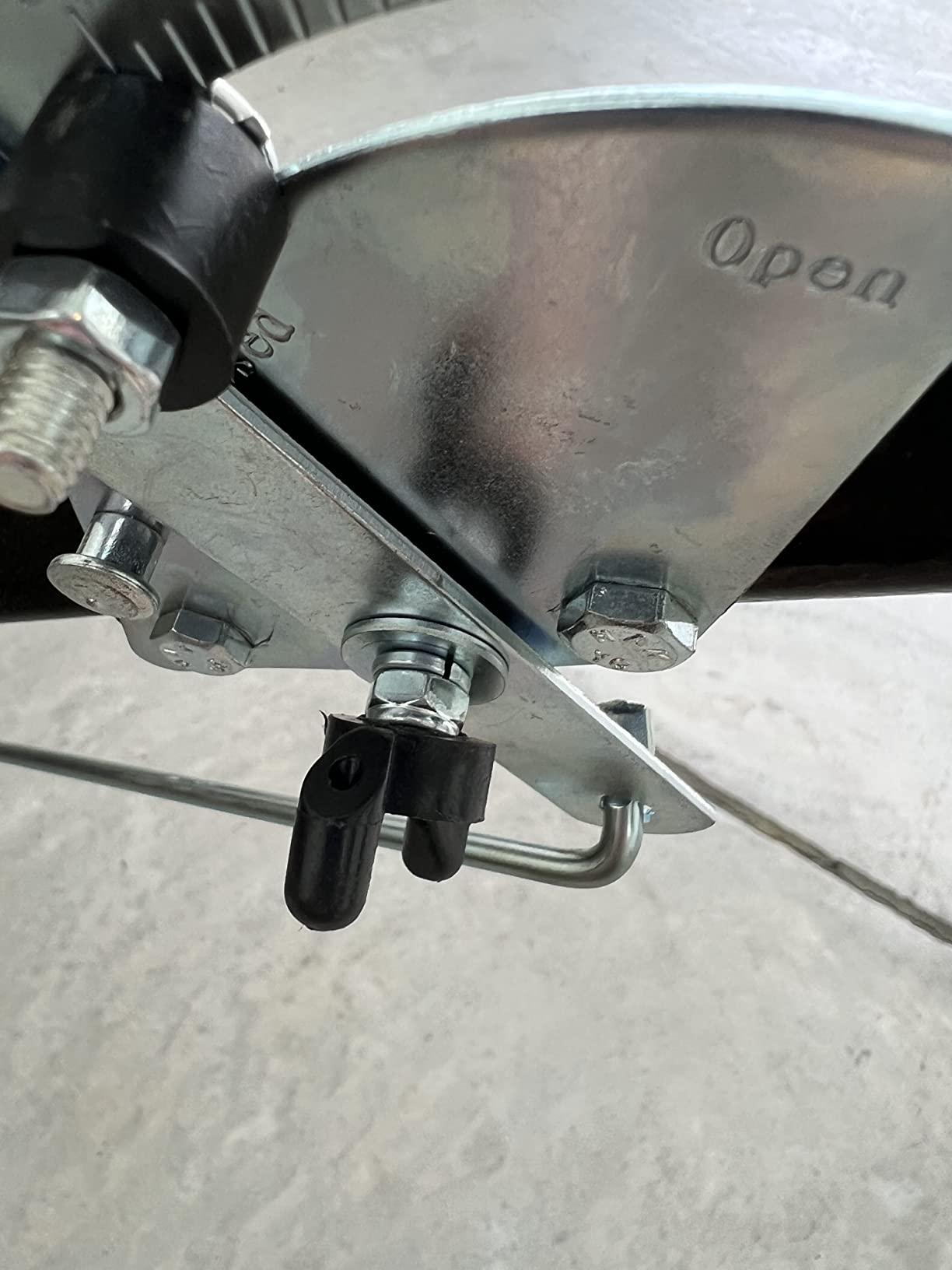
Negative reports focus on assembly and controls. The instructions are condensed diagrams, some boxes ship with missing or incorrect hardware, and there is no printed manual, so instructions may mean photographing the box and reading them on a phone. The three-position flow control is also coarse, where a middle setting either barely opens or dumps too much.
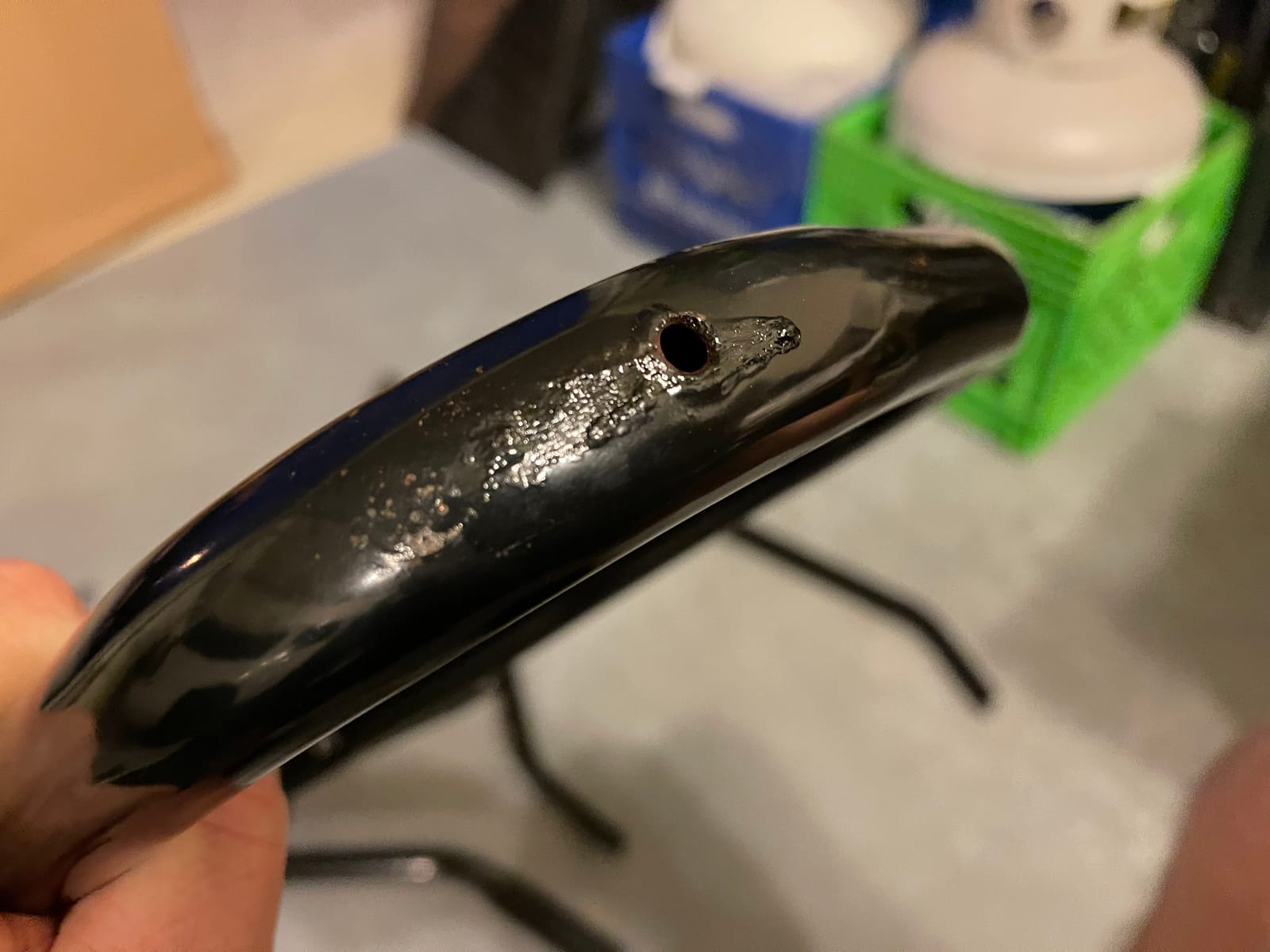
The weak points in long use are small ones: a thin steel control rod, a loose-rivet pivot on the swing arm, and a cheap wing nut on the lever that can strip. None of that is alarming on a homeowner duty cycle, but together they explain the split ratings.
Where this spreader earns its keep
Buy this if you already know how to calibrate a spreader and you value a direct mechanical gate over a refined dial. It handles a full 50 pounds and still pushes easily when loaded, which matters on larger properties.
For damp spring seeding, the pneumatic tires are a real advantage over hard plastic wheels. Titan is also one of the three non-big-box names experienced users on lawn forums name most often when they want something that outlasts a consumer model.
Where it falls short
If this is your first spreader, the assembly experience is a poor introduction. Expect to hunt for hardware, and check the box contents against the parts list before you start.
The coarse flow control is the deal-breaker if you need to spread very light material precisely, such as a low-rate overseeding blend. It also has the highest one-star share in this group, so budget for the possibility of a return.
10. VEVOR 80 lb Push Lawn Spreader: Best for Big Hoppers on a Budget
VEVOR Push Lawn Spreader 80 lbs Capacity Walk-Behind Broadcast Spreader | for Garden Care, 12 ft Spreading Width & 15 Adjustable Settings, 10 in All-Terrain Tires for Seed Fertilizer, Salt Ice Melt
80 lb hopper
12 ft spread width
15 adjustable settings
Detachable handle and hopper
Pros
- Largest hopper in this group at 80 lb
- Assembles in about 15 minutes with no drilling
- Detachable handle and hopper for split storage
- Even distribution for compost and topsoil
Cons
- Tow hitch pin and tow bar are thin
- 10 inch tires are among the smallest here
- Clogs quickly with slightly moist material
The VEVOR 80 lb answers a simple question: how much capacity can you get without moving up to a commercial machine. Eighty pounds is the largest hopper in this roundup, and with a 12 foot spread width it covers a big property in very few passes.
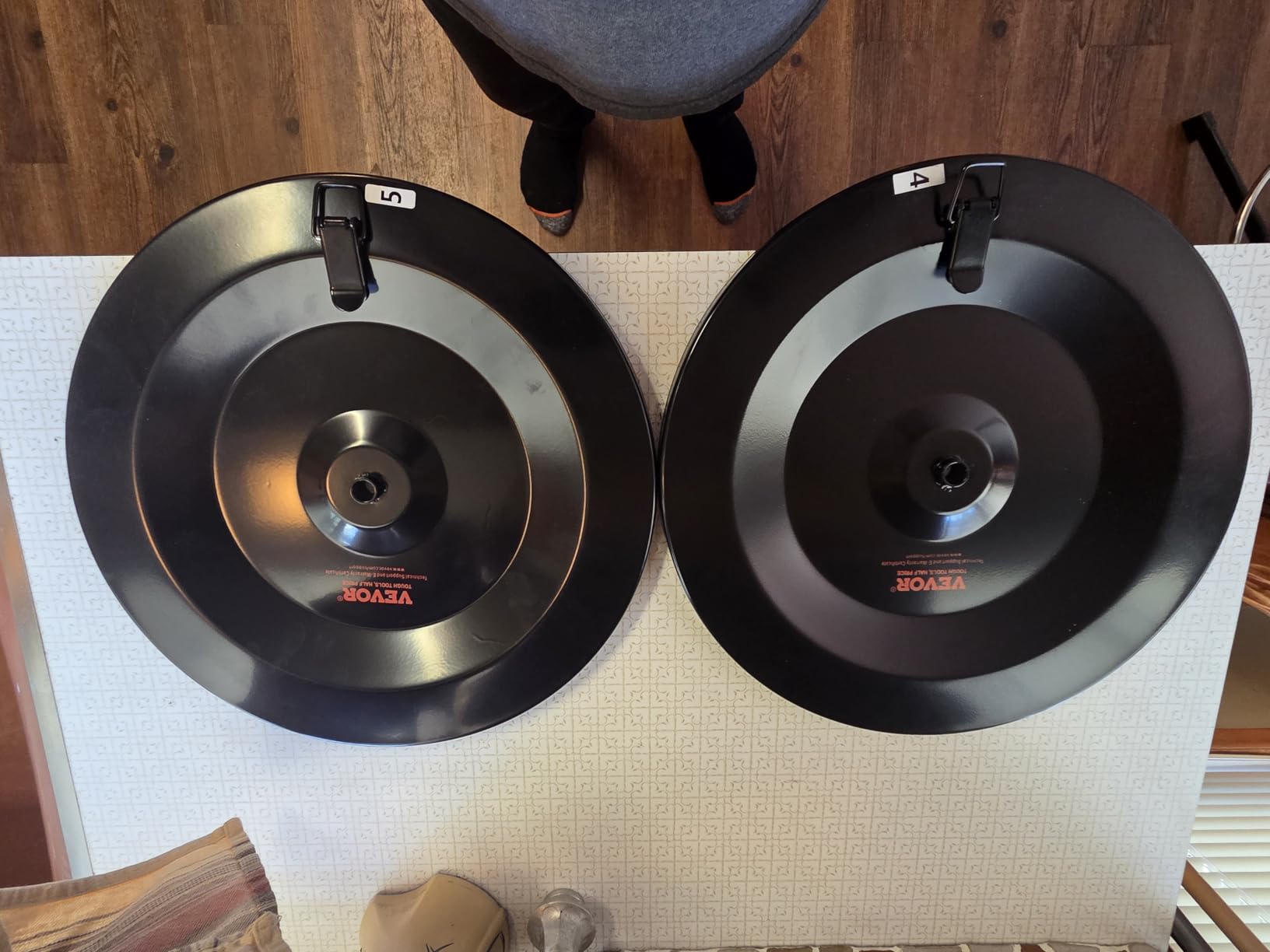
Assembly is quick at roughly 15 minutes because the key components arrive pre-assembled and no drilling is needed. Owners also praise the detachable handle and hopper, which let you split the unit for storage in a tight garage.
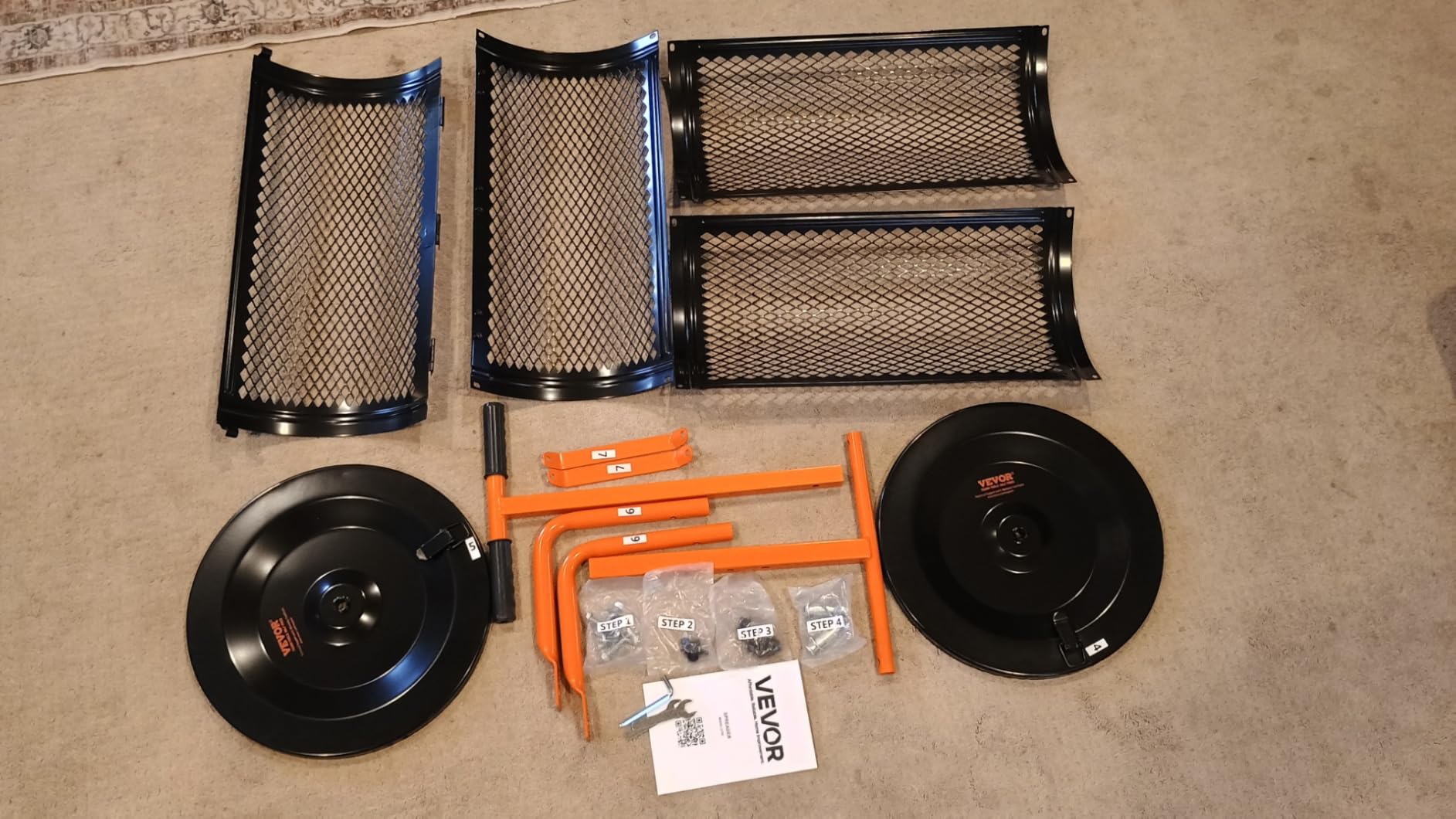
The frame is powder-coated steel and the hopper is described as explosion-proof plastic with UV and rust resistance, and the hardware is stainless bolts with nylon-insert lock nuts. Side and rear baffles handle the edges, and owners report even distribution when top-dressing compost, peat, and topsoil for overseeding work.
The weak point is the tow hitch, where the pin and tow bar are thin and one owner reported the hitch breaking within 15 minutes. The 10 inch tires are among the smallest here and clogged quickly with slightly moist fertilizer, so keep material dry. It is also not designed for heavy-duty work beyond roughly a quarter acre, whatever the hopper size suggests.
Where this spreader earns its keep
Choose this when you want to minimize refills on a medium-to-large lawn without paying for a stainless commercial frame. The detachable design is a real benefit in a shared garage or a small utility space.
It doubles as a salt and ice melt spreader for winter walks, and buyers report it handling compost and topsoil evenly for overseeding prep, which a lot of budget spreaders do not.
Where it falls short
The tow assembly is the part to inspect carefully on arrival, since it is the thinnest component and reports of early breakage are the most common complaint. Do not plan to tow it as a drop spreader attachment without checking the hardware.
Those small tires are also a limitation on soft or uneven ground, and the clogging behavior with damp material means this works best on dry days with dry product. If you seed regularly in wet spring conditions, the CHAPIN or EarthWay will serve you better.
Which Spreader Type Do You Need, and How Big Should the Hopper Be?
You have three realistic options: broadcast, drop, or handheld. Broadcast flings material in a rotating fan and is fastest on open ground. Drop lays a narrow band between the wheels, typically around 18 to 22 inches, and wastes nothing over an edge. Handheld is for patches under about 1,000 square feet where a walk-behind is more machine than you need. If your ground is large enough that you are pushing a loaded hopper at all, a walk-behind push spreader beats a handheld on every run.
Most of the wrong choices we see come from sizing the hopper by price rather than by lawn area. Work out your square footage, then look at the seeding rate for your species. At 5 pounds of tall fescue per 1,000 square feet, a 15,000 square foot lawn needs 75 pounds of seed, so no single 50 pound hopper finishes the job without stopping. One uninterrupted pass pattern beats two halves of a pattern, because every stop is an opportunity for a stripe.
As a rough guide: under 1,500 square feet suits the smallest hoppers, around 5,000 square feet fits the Scotts Mini or Amazon Basics class, 15,000 square feet calls for a 50 to 60 pound hopper such as the VEVOR 60 lb or Titan, and 20,000 square feet or a half acre wants 80 pounds or more. Past that, look at tow-behind units instead, and our guide to the best tow-behind spreaders for tractors covers that step up.
Two more sizing details matter. Tire size changes how hard the machine is to push, because a loaded hopper on small hard wheels becomes a chore on slopes; we cover the same ground-versus-traction trade-off in our reviews of golf push carts for walkers. And the side deflector or EdgeGuard feature decides how comfortable seeding around beds and paths will be, so weigh it higher than the spec sheet suggests.
How to Calibrate a Push Spreader for Grass Seed
Bag settings do not transfer between brands. A setting marked 8 on one spreader means nothing on another, because opening size, fan speed, and particle size all differ. Factory pre-calibration is calibrated for the manufacturer’s own product, so treat it as a starting point and run your own catch test before the first pass.
Find your seeding rate in pounds per 1,000 square feet for your grass species.
Set the dial to roughly half the bag setting to start.
Push a measured 100 square foot section at your normal walking pace.
Collect the seed on a tarp or weigh it, and compare against one tenth of your per-1,000 rate.
Adjust the dial up or down and repeat until the catch matches, then mark that setting for the rest of the bag.
Seed is lighter and fluffier than granular fertilizer, so it often needs a lower setting and a slower pace. If the material clumps or bridges at the opening, stop and clear it rather than pushing on, because a jam produces a hungry stripe behind you.
How to Spread Seed Evenly and Avoid Stripes
Stripes are the most common complaint we see, and they are nearly always technique rather than equipment. Overlapping passes, a consistent pace, and closing the hopper on turns fix most of it. The half-rate two-direction method below is the technique experienced users on lawn forums endorse most consistently.
Set the spreader to half your calibrated rate for grass seed.
Walk the lawn in one direction, spacing passes so the fans overlap by about a foot.
Return across the same lawn at a ninety degree angle, offsetting each pass by half the spread width.
Close the hopper a few feet before each turn, and walk the perimeter separately.
Go over bare patches and thin areas at full rate in a second pass once the first has been watered in.
Keep your walking pace steady, because the rate is a function of distance traveled, not time. Easing pressure at the end of a pass so the wheels keep turning, and overlapping each pass rather than butting them edge to edge, removes the hard lines that show up as dark and light bands. If you still see stripes, the cause is usually one of three things: pass overlap too small, dumping product on turns, or a wheel-track alignment that makes each pass overlap the same amount unevenly.
Seeding Rates by Grass Species, and When to Seed
Extension guidance gives a useful anchor for your calibration. Plan roughly 2 pounds per 1,000 square feet for Kentucky bluegrass, 4 to 6 pounds for tall or fine fescue and perennial ryegrass on new seedings, and about 5 pounds per 1,000 square feet for perennial ryegrass used as an overseed. Rates shift with your region and rainfall, so treat these as the starting point your catch test adjusts from.
Timing matters more than most buyers expect. For cool-season lawns, early autumn is the prime seeding window: soil stays warm, air is cooling, and rainfall is usually reliable enough to carry seed through germination before winter. Spring seeding works but fights heat and moisture stress, so you are watering more and fighting a shorter establishment window.
For most of these spreaders, follow seeding with a light top-dressing of compost, peat, or straw mulch. It holds moisture at the surface, which improves germination, and it gives the machine a second easy job during the same visit.
Care, Cleaning, and Avoiding Rust
Rinse the hopper after every use, especially after fertilizer or ice melt. Both are corrosive, and a few seasons of unremoved salts will eat through a steel frame or seize a gearbox. Dry it fully before storing, grease the axle and gearbox per the manual, and clear the grate of any caked material so the next bag starts clean.
Store the machine dry and off the ground, and check the control linkage and tires seasonally. On the stainless models, a light grease film on the exposed hardware prevents seizing in damp storage. Whatever you buy, the maintenance that protects a spreader most is simply not leaving wet material sitting in it overnight.
Frequently Asked Questions
What type of spreader is best for grass seed?
A broadcast push spreader is the best choice for most homeowners seeding or overseeding up to about half acre, because it covers ground fast and a wide fan. Choose a drop spreader instead if your lawn is narrow or hemmed in by flower beds, paths, or a pond, since a drop spreader lays material in a narrow band between the wheels and wastes nothing over an edge. Handheld spreaders only make sense for patches under about 1,000 square feet.
Can I use a fertilizer spreader for grass seed?
Yes, you can use a fertilizer spreader to spread grass seed. The catch is that seed has a different consistency than fertilizer: it is lighter and fluffier, so it flows differently, can bridge or jam at the opening, and usually needs a lower dial setting and a slower walking pace. Run your own catch test rather than trusting the bag setting, because seed rates vary far more than fertilizer rates.
Can you overseed with a broadcast spreader?
Yes, and a broadcast spreader is the standard tool for overseeding because it throws seed between existing blades without catching on them. For the most consistent results, set the dial to half your calibrated rate and apply in two passes at ninety degrees to each other, offsetting each pass by half the spread width. Then water the area in and go back over any thin spots at full rate once the first pass has germinated.
Why does my lawn look striped after I spread seed?
Stripes almost always come from technique rather than a defective spreader. The usual causes are not overlapping your passes enough, walking at an uneven pace, and dumping product onto the ground when you turn at the end of a row. Close the hopper a few feet before each turn, ease off pressure so the wheels keep rolling, and use the half-rate two-direction method so light and dark bands average out.
Are EarthWay spreaders any good?
Yes, EarthWay spreaders are widely regarded as durable, serviceable machines, and the 2150 is the model experienced users name most often as an alternative to big-box consumer spreaders. Owners credit its fully enclosed gear box, removable clog-free grate, and 13 inch pneumatic stud tires. The trade-offs are a rate adjuster that is not calibrated to bag settings, weak written instructions, and side-spread control and hopper cover sold separately.
Conclusion: Which Push Spreader Should You Buy?
For most people seeding a lawn of 5,000 square feet or less, the Scotts Turf Builder EdgeGuard Mini is the best push spreader for grass seed we tested: no setup, one load, and a side shield that keeps seed off hard surfaces. Move up to the Agri-Fab 130 lb when you are covering half an acre or more and want to finish without stopping, and choose the CHAPIN 8400C if your ground is rough or uneven.
Whichever you pick, calibrate it for seed rather than trusting the bag, and use the half-rate two-direction method. Those two habits solve most of the striping complaints we hear about, and they take less time than reseeding a thin strip in autumn.