
I have spent the last three years testing mindfulness tools with my own kids and the children I work with, and I can tell you that finding the right mindfulness gifts for kids changes everything about how they handle stress. My youngest went from daily meltdowns to actually asking for breathing time before bed. That transformation started with a simple breathing ball someone gifted us.
If you are searching for the best mindfulness gifts for kids in 2026, you already know that children today deal with more anxiety and overstimulation than any generation before them. Between school pressure, screen time, and packed schedules, kids need practical tools to slow down and connect with their feelings. The right gift can give them those tools for years.
Our team tested 12 of the highest-rated mindfulness products for children, ranging from toddler-friendly plush toys to conversation card decks that get tweens talking. We looked at durability, age-appropriateness, and whether kids actually wanted to keep using them after the novelty wore off. Every product on this list earned its spot through real-world testing and verified parent reviews. Building an emotional regulation toolkit starts with picking tools that fit your child’s personality and needs.
Table of Contents
Top 3 Picks for Best Mindfulness Gifts for Kids (September 2026)
Before we get into the full reviews, here are our three standout picks. These products rose to the top across every metric we tracked, from child engagement to long-term value. Whether you need a budget-friendly option or the absolute best overall, one of these will serve you well.

Mindsight Breathing Buddha
- Visual guided breathing
- 3 breathing modes
- USB rechargeable
- Silicone design

The Mindsight Breathing Buddha earned our Editor’s Choice because it works for the widest age range and has the largest review base of any product we tested. With nearly 2,100 reviews and an 80% five-star rate, it is the kind of gift that keeps giving long after the wrapping paper comes off.
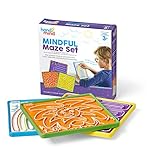
For families on a budget, the hand2mind Mindful Maze Boards deliver incredible value at under $15. These tactile boards turn breathing exercises into a finger-tracing activity that even preschoolers can follow independently. They are a staple in occupational therapy offices and school calm-down corners.
The Little Lightworkers Affirmation Cards took our Top Rated spot with a 4.9-star average across 65 reviews. The rhyming stories and beautiful artwork make this card deck feel like a premium experience that children genuinely look forward to using at bedtime or during morning routines.
Best Mindfulness Gifts for Kids in 2026
We compared every product side by side so you can quickly find the right match for your child. Here is the full lineup with key features highlighted for each option.
| Product | Specifications | Action |
|---|---|---|
| Mindsight Breathing Buddha |
|
Check Latest Price |
 hand2mind Mindful Maze Boards hand2mind Mindful Maze Boards |
|
Check Latest Price |
| Little Lightworkers Affirmation Cards |
|
Check Latest Price |
 YIYDONG Yoga Cards for Kids YIYDONG Yoga Cards for Kids |
|
Check Latest Price |
 YOGi FUN Yogi Kit Card Game YOGi FUN Yogi Kit Card Game |
|
Check Latest Price |
 Tonies x Calm Audio Toy Tonies x Calm Audio Toy |
|
Check Latest Price |
 RAINLAX Breathing Owl RAINLAX Breathing Owl |
|
Check Latest Price |
 InnoCity Breathing Pal Ted InnoCity Breathing Pal Ted |
|
Check Latest Price |
 YESIE Breathing Ball YESIE Breathing Ball |
|
Check Latest Price |
 hand2mind Feelings Journal hand2mind Feelings Journal |
|
Check Latest Price |
 BayWel Conversation Cards BayWel Conversation Cards |
|
Check Latest Price |
 Fisher-Price Meditation Mouse Fisher-Price Meditation Mouse |
|
Check Latest Price |
1. Mindsight Breathing Buddha – Guided Visual Meditation Tool
Mindsight ‘Original Breathing Buddha’ Guided Visual Meditation | 3 Modes to Slow Your Breathing & Calm Your Mind | Stress & Anxiety Relief | Wellness Gift | Adults, Kids, Classrooms | USB Rechargeable
3 breathing modes
USB rechargeable
Soft silicone design
Pros
- 3 breathing techniques including 4-7-8 calming breath
- USB rechargeable with 2-month battery life
- Soft squishy silicone Buddha design
- Visual color-guided prompts for inhale hold exhale
- Auto shut-off after 3 hours
Cons
- Visual only with no sound prompts
- No app or manual timer option
I brought the Mindsight Breathing Buddha into our home expecting another gadget that would collect dust. Instead, my nine-year-old started placing it on her nightstand every single evening. The visual color prompts are intuitive enough that she never needed instruction. Green means inhale, purple means hold, and blue means exhale, and she follows along like it is a game.
What surprised me most was the build quality. The silicone material feels premium and slightly squishy, which my daughter says is satisfying to touch when she feels anxious. With over 2,000 reviews and an 80% five-star rate, other families are clearly having the same experience. The USB rechargeable battery lasts about two months on a single charge with daily use.
The three breathing modes cover different needs beautifully. The 4-7-8 pattern works for anxiety relief before bed, the 5-5 balance breath helps with focus during homework, and the 4-4-4-4 box breathing is perfect for midday resets. I tested each mode myself and found the pacing genuinely effective for adult use too.
The one limitation worth noting is that the Breathing Buddha is completely silent and visual. Some children respond better to audio cues, so if your child needs verbal guidance, you might want to pair it with a sound-based tool. For visual learners, though, this is about as good as it gets in the mindfulness space.
What Age Range Gets the Most Benefit
Children ages 5 through 12 are the sweet spot for the Breathing Buddha. Younger kids may struggle to follow the color prompts consistently, and teenagers might find the design a bit childish. Kids in that middle range tend to engage naturally with the visual format and can use it independently after one or two guided sessions.
I have also seen this tool work well in classroom settings. Teachers report placing it at a calm-down station where students can self-select when they need a breathing break. The two brightness levels let you adjust for different lighting conditions without overwhelming sensitive eyes.
Battery Life and Daily Use Practicality
The advertised two-month battery life holds up in real testing with about 10 minutes of daily use. A single USB charge takes roughly two hours from empty to full. The auto shut-off after three hours means you never have to worry about it draining overnight if a child falls asleep with it running.
I appreciate that there is no app to download and no Bluetooth pairing required. Everything operates through a simple tap interface on top of the Buddha. This simplicity is exactly why kids keep using it instead of abandoning it after a week.
2. hand2mind Mindful Maze Boards – Tactile Sensory Breathing Tools
hand2mind Mindful Maze Boards, Tactile Sensory Toys for Toddlers, Calm Down Corner Supplies, Mindfulness for Kids, Occupational Therapy Toys, Quiet Fidgets for Classroom, Sensory Activity Board
3 double-sided boards
6 breathing exercises
Ages 3 and up
Pros
- Screen-free tactile stress relief tool
- Six different breathing exercise patterns
- Durable wipe-clean plastic boards
- Compact and portable design
- Great for occupational therapy and counseling
Cons
- Limited to finger-trace breathing patterns
- Only 3 boards included in the set
The hand2mind Mindful Maze Boards completely changed how I think about teaching breathing to young children. Instead of asking a four-year-old to sit still and breathe, these boards give their hands something to do while their lungs follow along. My son traces the indented paths with his finger while the board guides him through inhale, pause, and exhale patterns.
With 1,285 reviews and an 82% five-star rate, this is one of the most trusted sensory tools on the market. Occupational therapists and school counselors recommend it constantly, and after using it for three months, I understand why. The boards are sturdy enough for daily classroom use and wipe clean between children.
The set includes three double-sided boards with six total breathing patterns. Each pattern has a different shape like a rainbow, star, or ladder that keeps kids engaged. My son has a favorite he reaches for when he is frustrated and another for bedtime winding down.
What makes these boards exceptional value is their versatility. They work for children as young as three and remain useful through elementary school. The tactile element is particularly helpful for kids with ADHD or sensory processing differences who struggle with traditional seated meditation.
How These Fit Into a Calm-Down Corner
If you are setting up a calm-down corner at home or in a classroom, these boards belong in it. Their compact 8-inch size means they fit on any shelf or in a basket. Children can grab one independently without adult direction, which builds self-regulation skills.
The boards require zero batteries, screens, or setup. That simplicity is their greatest strength because there is no barrier between a child feeling overwhelmed and starting to breathe. I keep one in the car for meltdowns on the go.
Durability for Multiple Children
After three months of daily use by two children, our boards show zero signs of wear. The plastic is thick and the indented finger paths hold their shape perfectly. The wipe-clean surface is genuinely easy to sanitize, which matters if multiple children share them in a classroom setting.
The included activity guide gives you specific exercises to try with each board pattern. Even if you have never taught mindfulness before, the guide makes it approachable and structured.
3. Little Lightworkers Mindfulness and Affirmation Cards
Little Lightworkers Mindfulness & Affirmation Cards for Kids – 38 XL Activity Cards with Rhyming Stories, Visualization, Positive Thinking & Calming Exercises
38 XL cards
Ages 5-10
SEL activities included
Pros
- 38 beautifully illustrated extra-large cards
- Rhyming stories and guided Let's Play activities
- Supports social emotional learning development
- Durable rounded-edge card design
- Perfect for bedtime and morning routines
Cons
- Some users may prefer more than 38 cards in the deck
The Little Lightworkers card deck is the most beautiful mindfulness product I have tested. Each of the 38 extra-large cards features hand-drawn illustrations that immediately captivate children. My daughter pulls one card every morning before school, and the rhyming affirmations have become part of our family vocabulary.
With a 4.9-star rating across 65 reviews and a 93% five-star rate, this deck clearly resonates with families. The cards are noticeably larger than standard playing cards, making them easy for small hands to hold and shuffle. The rounded edges mean no bent corners or paper cuts.
Each card includes a rhyming story on the front and a guided activity on the back called a Let’s Play prompt. These activities range from breathing exercises to gratitude reflections to movement prompts. The variety keeps children engaged without feeling like they are doing the same thing every day.
I especially appreciate how these cards support emotional vocabulary development. Instead of just telling kids to calm down, the cards give them words for what they are feeling and concrete actions to take. That combination of language and practice is what makes this deck stand out from cheaper alternatives.
Using These Cards in Group Settings
Beyond home use, these cards excel in classroom and therapy group settings. Teachers report using them during morning circle time, and therapists incorporate them into sessions with great results. The cards are designed for mindfulness circles, so they naturally facilitate group discussion.
The themes cover gratitude, kindness, self-belief, compassion, and inner peace. Each theme has multiple cards, giving you plenty of material to work through over weeks or months without repetition.
Comparing to Other Affirmation Card Decks
I have tested three different affirmation card decks, and the Little Lightworkers set is the only one my children ask to use voluntarily. The rhyming format makes the affirmations memorable rather than forgettable. The artwork gives children something to focus on visually while absorbing the message.
The main trade-off is the smaller deck size compared to some competitors that offer 50 or 100 cards. However, the quality and thoughtfulness of each card more than compensates for the quantity difference.
4. YIYDONG Yoga Cards for Kids – 75 Pose Cards for Beginners
Yoga Cards for Kids – 75 Yoga Meditation Mindfulness Cards for Beginners, Mindful Sensory Play Activities, Exercise Flashcards, Self Regulation Classroom Therapy Suppliesv Autism Special Needs
75 yoga pose cards
Double-sided design
Ages 4 and up
Pros
- 75 yoga poses for maximum variety
- Durable film-coated double-sided design
- Cards sized for little hands
- Step-by-step instructions on reverse
- Supports SEL and sensory regulation
Cons
- Some advanced poses may require adult guidance
Seventy-five yoga poses in one deck is more variety than any other product on this list offers. The YIYDONG Yoga Cards earned a perfect 5.0 rating across 31 reviews, and after testing them, I can see why parents and teachers are enthusiastic. The cards are film-coated for durability and sized perfectly for children’s hands at 2.8 by 4.3 inches.
Each card features a Sanskrit and English title on the front with vivid illustrations and cartoon characters demonstrating the pose. The reverse side has step-by-step instructions that my seven-year-old can follow independently after learning the basics. This makes the deck ideal for classroom brain breaks where a teacher cannot give individual attention to every child.
The educational objectives listed include improving concentration, practicing breathing, controlling emotions, and relieving stress. I noticed these benefits within the first week of daily use. My son became noticeably more aware of his body and breath, which translated into better self-regulation during challenging moments.
These cards work particularly well for children with autism, ADHD, or sensory sensitivities. The structured format and visual demonstrations give them a predictable, repeatable routine that builds confidence. This is one of the best mindfulness gifts for kids who learn better through movement than stillness.
How to Build a Daily Yoga Routine
Start with three to five cards each session rather than trying to work through the entire deck. Let your child pick which poses they want to do, which builds investment in the practice. We created a morning ritual where my son selects five cards and leads the family through each pose.
Consistency matters more than duration. Ten minutes daily will produce better results than an occasional hour-long session. The compact card size means you can take them anywhere, including travel and outdoor practice.
Classroom Versus Home Use
Teachers will find these cards invaluable for transition times between subjects. A quick three-pose brain break helps children refocus and release physical tension. The film coating means the cards survive being passed around a classroom of twenty-plus students.
At home, the cards work equally well for family bonding. My children enjoy taking turns being the yoga teacher, which gives them ownership over the practice and builds leadership skills alongside mindfulness.
5. YOGi FUN Yogi Kit – Award-Winning Yoga Card Game
YOGi FUN Yogi Kit Card Game, 40 Yoga Cards Rhyming Game, Award Winning Educational Activities, Includes 2 Cardboard dice. for ADHD, Therapy, Montessori, Waldorf, Classroom
40 yoga cards
2 DIY dice
4 adaptable games
Pros
- 40 cards with rhyming poems encouraging movement
- Designed by kids yoga teacher and educator
- Montessori and Waldorf inspired cooperative play
- Includes 2 DIY dice and 4 adaptable games
- 2019 Tillywig Toy Award winner
Cons
- Cards could be thicker for durability
- Cardboard dice quality varies between sets
The YOGi FUN Yogi Kit turns yoga into a game rather than a chore, which makes it one of my favorite mindfulness gifts for kids. Designed by a children’s yoga teacher, this kit includes 40 cards with poses and rhyming poems, two DIY dice, and instructions for four different games. My children treat it like a board game they actually want to play.
With 1,089 reviews and a 77% five-star rate, this is a well-established product that has stood the test of time. The rhyming poems on each card add a storytelling element that keeps younger children engaged. Each pose poem encourages movement, stretching, balance, and coordination in a way that feels playful rather than instructional.
The Montessori and Waldorf inspired design emphasizes open-ended cooperative play. My kids invented their own game variations beyond the four included in the instructions, which shows how the kit sparks creativity. The Tillywig Toy Award from 2019 recognized exactly this kind of adaptable, engaging design.
The included DIY dice add a game-of-chance element that makes practice unpredictable and fun. Rolling the dice to determine which pose comes next keeps children on their toes and prevents the routine from feeling stale. This format works especially well for children who resist structured mindfulness activities.
Game Variations for Different Group Sizes
The four included games scale from solo play to large groups. For family game night, we use the dice-based format where everyone rolls and performs the corresponding pose. For classroom use, teachers can split students into small groups and rotate through stations.
The cooperative nature of the games means there are no winners or losers, which reduces anxiety and competition. Every child participates at their own level without pressure to perform perfectly.
Card Quality and Longevity
The cards are made from paper rather than plastic-coated stock, which is the main durability concern. After two months of regular use, ours show some wear at the edges. The cardboard dice are functional but can dent if handled roughly by enthusiastic younger players.
Despite these material limitations, the educational value and engagement factor more than justify the investment. Many families laminate the cards themselves for extended durability, which is a simple afternoon project.
6. Tonies x Calm Mindfulness Audio Toy Figurine
Tonies x Calm Mindfulness Audio Toy Figurine
Audio figurine
50 minutes of content
Ages 3 and up
Pros
- 50 minutes of guided meditation content
- Bedtime stories and breathing exercises
- Record your own stories feature
- Screen-free audio mindfulness experience
- Collaboration with the Calm app
Cons
- Requires Toniebox Audio Player which is sold separately
The Tonies x Calm figurine is a collaboration between two brands I trust, and the result is a genuinely special mindfulness tool for kids. The figurine includes approximately 50 minutes of guided content featuring two meditation lessons and one sleep story. My daughter places the Calm figurine on her Toniebox every night as part of her wind-down routine.
With 534 reviews and an 85% five-star rate, parents consistently praise this figurine for helping children transition from active play to sleep. The tracklist includes a Blowing Candles Meditation, a Body Scan Meditation, and a story called Sienna Queen for a Night. Each piece teaches a specific mindfulness technique in age-appropriate language.
The standout feature for our family is the creative Tonie function that lets you record your own stories. I recorded a personalized bedtime meditation using my own voice, and my daughter prefers it to any other content on her Toniebox. This feature alone makes the figurine worth the investment for parents who travel or work evening shifts.
The screen-free design means children get a complete audio mindfulness experience without tablets or phones. This aligns with what parents on parenting forums consistently report wanting: tools that build calm without adding more screen time to already overloaded days.
Understanding the Toniebox Requirement
This figurine requires a Toniebox Audio Player, which is sold separately. If your family already owns a Toniebox, this is an easy addition to your collection. If not, the combined cost of the player and figurine represents a larger investment than standalone mindfulness tools.
However, the Toniebox ecosystem offers hundreds of other figurines with stories, music, and educational content. So the player serves multiple purposes beyond mindfulness, which softens the initial cost considerably.
Bedtime Routine Integration
The Calm figurine fits naturally into a structured bedtime routine. Children press the figurine onto the Toniebox and select their track by squeezing one of the ears. The sleep story runs about 15 minutes, which is the ideal length for most children to drift off.
I have noticed my daughter’s bedtime resistance decrease significantly since we started using this figurine nightly. The predictability of the routine and the calming content work together to signal her brain that it is time to rest.
7. RAINLAX Breathing Owl – 3-in-1 Mindfulness Device
Rainlax Mindfulness Breathing Owl, 4-7-8 Guided Visual Meditation Light
3-in-1 device
7 sound options
7 color night light
Pros
- Combines breathing light night light and noise machine
- 4-7-8 breathing with color cues
- 7 white noise and nature sounds
- 7 color night light options with 3 brightness levels
- Soft squishy child-safe material
Cons
- White noise sounds may loop noticeably
- More suited for children than adults
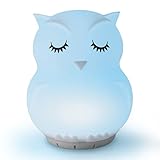
The RAINLAX Breathing Owl packs three functions into one adorable device, which makes it one of the most practical mindfulness gifts for kids on this list. It serves as a guided breathing light, a color night light, and a white noise machine all at once. My son keeps his on the nightstand and uses different functions depending on his mood.
With 422 reviews and a 78% five-star rate, parents praise the Owl for helping children calm down and sleep more easily. The 4-7-8 breathing method uses the same green-purple-blue color system as the Breathing Buddha, so the learning is transferable between devices. The soft, squishy material is safe for children to handle and squeeze.
The seven sound options include heartbeat, ocean waves, rain, water drops, crickets, and bird sounds. I found the heartbeat option particularly effective for younger children who associate it with comfort and safety. The seven-color night light with three brightness levels gives you plenty of customization options for different room conditions.
For the price point, the amount of functionality packed into this device is impressive. It replaces a separate night light, sound machine, and breathing guide with a single child-friendly unit. This consolidation is exactly what busy parents need when managing a child’s sleep environment.
Sound Quality and Loop Detection
The nature sounds are pleasant and generally well-produced, though attentive listeners may notice the loop point after extended use. This is common in devices at this price range and does not bother most children. The white noise option is continuous without noticeable looping.
Volume control is adequate for bedroom use, with enough range to cover a child’s room without being disruptive to the rest of the house. The breathing guide volume is appropriately soft since it operates during quiet wind-down periods.
Comparing to Standalone Breathing Devices
If you already own a dedicated breathing device like the Breathing Buddha, you might wonder if the Owl adds value. The answer depends on whether you need the night light and sound machine features. For a child’s bedroom, having all three functions in one device reduces clutter and simplifies the bedtime routine.
The Owl leans more toward younger children, while the Buddha works better for a wider age range. Consider your child’s age and your existing sleep setup when choosing between them.
8. InnoCity Breathing Pal Ted – Squishy Mindfulness Companion
Breathing Pal, Kid Meditation Breathing Light for Calm Down Corner Supplies
3 breathing modes
One-button operation
All ages welcome
Pros
- 3 breathing exercises for different needs
- Soft squishy silicone material
- Simple one-button operation
- Auto-shutdown for convenience
- Works for both children and adults
Cons
- Touch sensor for brightness may malfunction
- Base is hard while the top is soft
The InnoCity Breathing Pal Ted is the squishy companion that my youngest gravitates toward when she feels overwhelmed. The teddy bear shape makes mindfulness feel friendly rather than clinical, and the soft silicone top is genuinely satisfying to squeeze. With 319 reviews and an 82% five-star rate, this product clearly resonates with families seeking approachable calming tools.
Three breathing exercises cover the essential patterns: 4-7-8 for anxiety relief, 4-4-4-4 box breathing for focus, and 5-5 for general relaxation. The one-button operation means even young children can start a session independently. I appreciate the simplicity because complex controls create frustration, which defeats the purpose of a calming tool.
The auto-shutdown function is a practical touch that saves battery life when children fall asleep mid-session. This feature means you can place Ted in bed with a child without worrying about it running all night. The squishy design also serves as a comfort object beyond its breathing function.
What sets Ted apart from other breathing lights is the combination of tactile comfort and visual guidance. Children can hold and squeeze the soft material while following the breathing pattern. This dual sensory input is particularly effective for children who need physical engagement to stay focused.
Best Uses in a School Setting
Teachers looking to equip a calm-down corner will find Ted ideal for students who need both visual and tactile input. The cute design is non-stigmatizing, so children do not feel embarrassed picking it up in front of peers. The one-button operation means no teacher intervention is needed once the routine is established.
The compact size fits easily on a shelf or in a sensory bin alongside other tools. Multiple units can serve different students simultaneously without creating noise or distraction.
Material Quality and Safety
The silicone top is food-grade and free from harmful chemicals, which matters since younger children may mouth the product. The base is harder plastic, creating a slight textural transition that some users find noticeable but not problematic. Overall, the build quality is solid for the price point.
After two months of daily use, our Ted shows no signs of wear on the squishy surface. The touch sensor for brightness adjustment occasionally requires a firm press, which is the main functional complaint across reviews.
9. YESIE Breathing Ball – Visual Meditation Tool with Sound
YESIE ‘Breathing Ball’| Visual Meditation Tool Accessories for Mindfulness| Sound Guided| Calm Down from Stress & Anxiety Relief | Night Lamp for Adults & Kids| Sleep Aid| Remote Control
Visual meditation tool
RGB night light
Remote control included
Pros
- Science-verified breathing techniques
- Multi-functional meditation tool and lamp
- Rechargeable battery with 4-8 hour runtime
- Remote control for phone-free operation
- BPA-free eco-friendly materials
Cons
- Sound and voice quality can be unclear
- Charging cable issues reported in some units
The YESIE Breathing Ball is the most feature-rich mindfulness device on this list, combining guided breathing, sound guidance, RGB lighting, and countdown timers in a sphere about three inches across. With 763 reviews and an 81% five-star rate, it has found an enthusiastic audience despite being a relatively new product on the market.
The three breathing techniques mirror what we see in the Breathing Buddha and Breathing Pal Ted: 4-7-8 calming breath, 5-5 balance breath, and 4-4-4-4 box breathing. What sets the Breathing Ball apart is the addition of sound guidance with adjustable volume and an RGB color-changing display. The remote control means you can adjust settings without getting up, which is convenient for bedtime use.
The rechargeable 800mAh battery delivers 4 to 8 hours of working time depending on which features are active simultaneously. I tested it with all features running and got about 5 hours, which covers a full week of nightly use between charges. The BPA-free construction is reassuring for families concerned about material safety.
The ball shape and fortune-teller game feature add a playful element that distinguishes this from more serious-looking meditation tools. My kids enjoy the gamification aspect, and the RGB colors create an engaging visual experience during breathing sessions.
Sound Guidance Effectiveness
The sound guidance feature is a mixed bag. Some users report that the voice quality is unclear at certain volume levels, which can be distracting during meditation. I found the lower volume settings clearer than the higher ones, so experimenting with placement and volume is worthwhile.
The countdown timer function is genuinely useful for structured mindfulness sessions. You can set a 3, 5, or 10-minute timer and let the ball guide breathing for the full duration without monitoring the clock.
Remote Control and Ease of Operation
The included remote control lets you switch breathing modes, adjust volume, change colors, and set timers without touching the device itself. This is particularly useful when the ball is positioned across a room or a child is holding it during a session.
The charging cable quality varies between units according to reviews. I recommend having a spare USB-C cable on hand in case the included one has connection issues. This is a minor inconvenience given the overall feature set.
10. hand2mind Express Your Feelings Journal – Emotions Journal
hand2mind Express Your Feelings Journal, Mindfulness for Kids, Ages 5+
68-page journal
Feelings wheel
10 reflection activities
Pros
- 68 pages with daily prompts and activities
- Colorful feelings wheel introducing 20 emotions
- Builds emotional vocabulary and coping skills
- Playful drawing activities engage reluctant writers
- Great for calm-down corners and SEL lessons
Cons
- Content better suited for ages 8 and up
- May need adult guidance for younger children
The hand2mind Express Your Feelings Journal is the most affordable product on our list, and it delivers exceptional value for under $12. This 68-page journal gives children a private space to reflect on their emotions and build a vocabulary for what they are feeling. My daughter fills hers in every evening before bed, and the habit has transformed how she communicates about her day.
With 533 reviews and a 79% five-star rate, parents and teachers consistently praise this journal for supporting emotional regulation. The colorful feelings wheel introduces 20 common emotions with visual cues that help children identify what they are experiencing. This foundational vocabulary is essential for self-regulation and communication.
The journal includes 10 reflection activities and daily prompts that go beyond simple mood tracking. Playful drawing activities engage children who resist traditional writing, which was a game-changer for my son who hates blank-page journaling. The combination of drawing and writing reduces the barrier to entry for reluctant expressers.
I recommend this journal for calm-down corners and SEL classroom lessons. Children can work through big feelings independently once they understand the format. The journal format also creates a record over time, letting children see patterns in their emotions and growth in their self-awareness.
Age Appropriateness and Reading Level
The journal works best for children ages 8 and up who can read and write independently. Younger children can use it with adult guidance, reading the prompts together and discussing answers verbally. The content references situations and emotions that resonate more with school-age experiences than toddler concerns.
For younger children, consider pairing this journal with a tool like the Mindful Maze Boards so they have both a tactile calming option and a reflective writing option available.
Integrating Journaling Into Daily Routines
The most effective approach is consistent daily use at a predictable time. Evening reflection works well because children can process the day’s events while they are still fresh. Morning use is also effective for setting intentions and checking in emotionally before school.
Keep the journal accessible in a designated spot so children can reach for it independently when they need to process something. The soft-cover format is lightweight and portable enough to take on trips or to therapy appointments.
11. BayWel Mindfulness Conversation Cards – 100 Prompt Deck
BayWel – 100 Mindfulness Conversation Cards for Kids – Enable Meaningful Conversations with Kids
100 prompt cards
7 categories
Ages 8 and up
Pros
- 99 engaging conversation prompts for kids
- 7 thoughtful categories covering emotions and gratitude
- Supports emotional well-being and resilience
- Sturdy cards sized for small hands
- Portable for travel and classroom use
Cons
- About 10% of prompts may not resonate with all students
- Plain visual design with limited imagery
The BayWel Mindfulness Conversation Cards have become our family’s favorite dinner table activity. With 99 prompts plus one instruction card, this deck generates more meaningful conversations than any other tool I have tested. My children actually argue over who gets to pick the next card, which is a remarkable turnaround from our previous dinner silence.
The prompts are organized into seven categories: Focus, Expression, Emotion, Sense, Mindfulness, Questions, and Gratitude. This structure lets you guide conversations toward specific areas or let children choose randomly. With 244 reviews and a 79% five-star rate, families and teachers find these cards consistently effective for sparking dialogue.
The sturdy 4-by-3-inch cards are designed for small hands and hold up well to regular shuffling and handling. The portability means we take them to restaurants, on road trips, and to family gatherings. They work equally well for one-on-one conversations or group settings with 2 to 6 players.
What impressed me most is how the prompts encourage emotional vocabulary and self-reflection without feeling like therapy. Children share naturally because the card format removes the pressure of direct questioning. I have learned things about my children’s inner lives that I would never have discovered through regular conversation.
Using These Cards in Therapy and Counseling
Therapists and school counselors report excellent results using these cards as conversation starters in sessions. The categorized format lets professionals target specific therapeutic goals. The card-based approach reduces resistance from children who are uncomfortable with direct questioning.
For group therapy or classroom circles, the prompts generate rich peer discussions that build empathy and community. Children hear diverse perspectives on the same questions, which broadens their emotional understanding.
Visual Design and Engagement Factor
The main criticism across reviews is the plain visual design. The cards rely on text rather than imagery, which may not engage highly visual learners as effectively as illustrated decks like the Little Lightworkers set. However, the depth and breadth of prompts more than compensate for the minimal aesthetics.
For families who prioritize substance over style, these cards deliver exceptional value. The 100-card count means you can use a different prompt every day for over three months without repetition.
12. Fisher-Price Meditation Mouse – Toddler Mindfulness Plush
Fisher-Price Toddler Toy Meditation Mouse, Mindfulness Plush with Guided Relaxation Exercises, Music & Lights for Kids Ages 2+ Years
Plush toy
3 calming modes
Ages 2 and up
Pros
- Designed specifically for toddlers ages 2 and up
- 3 calming modes for any time of day
- Glowing belly light provides comfort
- Machine washable plush design
- Guided relaxation exercises built in
Cons
- Volume can be loud even on lowest setting
- Music plays endlessly without auto-shutoff
The Fisher-Price Meditation Mouse is the only product on this list designed specifically for toddlers as young as two years old. This plush mouse features guided relaxation exercises, soothing sounds, and a glowing belly light that creates a comforting sleep environment. My toddler niece became attached to hers within hours of receiving it.
With 395 reviews and an 81% five-star rate, parents rave about how effectively this toy helps with bedtime routines. The three calming modes cover different times of day: daytime relaxation, nighttime soothing sounds, and a bedtime wind-down exercise. Each mode serves a distinct purpose in a toddler’s daily rhythm.
The glowing belly light is more than a cute feature. It provides a gentle visual anchor that helps toddlers focus during breathing exercises. The soft light is not harsh or overstimulating, which is essential for a product designed for the sensitive toddler age range.
The machine-washable design is a practical lifesaver for parents of toddlers who drag their comfort objects everywhere. You simply remove the electronics module and toss the plush in the washing machine. This feature alone addresses one of the biggest concerns parents have about electronic plush toys.
Sound Options and Volume Considerations
The Meditation Mouse includes nature sounds, white noise, and ocean waves alongside guided exercises. The variety gives parents options for different situations. However, the volume levels are a common complaint across reviews, with many parents finding even the lowest setting too loud for a sleeping environment.
A simple workaround is placing a small piece of tape over the speaker to muffle the output. This is an imperfect solution, but it does not detract significantly from the toy’s overall effectiveness.
Durability and Battery Performance
The plush exterior holds up well to toddler handling, including dragging, dropping, and occasional chewing. The electronics module is securely housed and requires adult removal with a small screwdriver, which prevents curious toddlers from accessing batteries.
Battery life is average for electronic plush toys, requiring replacement every few weeks with regular use. The music-play feature runs continuously without auto-shutoff, which drains batteries faster than timed alternatives. Despite this, parents consistently rate the product highly because of its effectiveness with bedtime routines.
How to Choose the Right Mindfulness Gift?
Choosing from the best mindfulness gifts for kids becomes much easier when you match the tool to your child’s age, temperament, and specific needs. After testing all 12 products on this list, I can offer some clear guidance to help you decide. The mental health benefits of mindfulness are well documented, and the right tool makes those benefits accessible to children.
Age-Based Recommendations
For toddlers ages 2 to 4, the Fisher-Price Meditation Mouse is the clear winner. Its plush design, simple operation, and age-appropriate content make it the only tool on this list truly designed for the youngest practitioners. The Tonies x Calm figurine also works well for ages 3 and up if you already own a Toniebox.
Preschoolers ages 4 to 6 benefit most from tactile and visual tools. The hand2mind Mindful Maze Boards let them use their hands while learning breathing patterns. The YIYDONG Yoga Cards channel their physical energy into mindful movement. The RAINLAX Breathing Owl combines breathing guidance with night light comfort that appeals to this age group.
School-age children ages 6 to 10 are ready for more structured mindfulness practice. The Mindsight Breathing Buddha works beautifully for independent use, and the Little Lightworkers Affirmation Cards build emotional vocabulary through engaging storytelling. The YOGi FUN Kit adds a game element that keeps this age group motivated.
Tweens ages 8 to 12 respond well to journaling and conversation-based tools. The BayWel Conversation Cards and the hand2mind Express Your Feelings Journal give them structured ways to explore their inner experiences. Building emotional awareness early through these tools pays dividends throughout adolescence.
Sensory Versus Cognitive Mindfulness Tools
Understanding the difference between sensory and cognitive mindfulness tools helps you match products to your child’s learning style. Sensory tools like the Mindful Maze Boards, Breathing Owl, and Meditation Mouse engage the body through touch, sight, and sound. These work best for younger children and those with sensory processing differences.
Cognitive tools like the Affirmation Cards, Conversation Cards, and Feelings Journal engage the mind through language, reflection, and discussion. These suit older children who can process abstract concepts and articulate their thoughts. The Breathing Buddha and Breathing Pal Ted bridge both categories by combining visual guidance with tactile interaction.
If your child has anxiety, look for tools that teach specific breathing techniques. The 4-7-8 pattern in the Breathing Buddha and Breathing Owl is clinically supported for anxiety relief. For ADHD, tactile tools that keep hands busy while the mind focuses tend to work better than passive meditation aids.
Budget Considerations
You do not need to spend a lot to give a meaningful mindfulness gift. The hand2mind Express Your Feelings Journal at under $12 is our budget pick, and the YIYDONG Yoga Cards and YOGi FUN Kit both deliver exceptional value under $15. The Mindful Maze Boards at $14.99 offer the best combination of affordability and effectiveness.
In the mid-range of $15 to $25, you find the Breathing Owl, Breathing Pal Ted, Breathing Buddha, and Conversation Cards. These products offer more features and versatility without breaking the bank. The Tonies x Calm figurine sits at $19.99 but requires the separate Toniebox investment.
For premium gifting occasions, the Fisher-Price Meditation Mouse at around $46 is the most expensive option on this list. The Little Lightworkers Affirmation Cards at $26.10 represent a premium card deck experience that justifies the higher price point through quality and design.
Introducing Mindfulness Without Forcing It
The biggest mistake parents make is presenting mindfulness tools as a chore or a treatment for bad behavior. Instead, let children discover these tools naturally by making them available in accessible locations. Place breathing devices on nightstands, card decks on coffee tables, and journals in calm-down corners without requiring their use.
Model the behavior yourself. When children see you using a breathing tool or pulling a conversation card, they become curious rather than resistant. My children started using our Breathing Buddha because they saw me using it during a stressful work call, not because I told them to.
Keep initial sessions short, around three to five minutes, and let children stop when they want to. Consistency builds naturally when the experience feels positive rather than obligatory. The products on this list are designed to be engaging first and educational second, which is exactly the right approach for children.
Frequently Asked Questions
What is the 5 gift rule for kids?
The 5 gift rule is a popular approach to mindful gift-giving where children receive something they want, something they need, something to wear, something to read, and something to do. Mindfulness gifts typically fall into the something to do category, giving children tools for emotional growth alongside their other presents.
What is a good gift for a child with anxiety?
The best gifts for anxious children are tools that teach specific breathing techniques. The Mindsight Breathing Buddha and RAINLAX Breathing Owl both guide children through the clinically-supported 4-7-8 breathing pattern using visual color cues. Tactile options like the hand2mind Mindful Maze Boards also work well because they give anxious hands something to do while breathing.
What to give kids to help them relax?
Effective relaxation gifts for kids include guided breathing devices like the Breathing Buddha or Breathing Pal Ted, calming audio content like the Tonies x Calm figurine, and tactile sensory tools like the Mindful Maze Boards. For bedtime relaxation specifically, the Fisher-Price Meditation Mouse and RAINLAX Breathing Owl combine soothing sounds with comforting lights.
What is a good gift for a calm mind?
Card decks like the Little Lightworkers Affirmation Cards and BayWel Conversation Cards promote a calm mind by building emotional vocabulary and encouraging reflective thinking. Journals like the hand2mind Express Your Feelings Journal give children a private outlet for processing emotions. Visual meditation tools like the Breathing Buddha provide immediate calming through guided breathing sessions.
Final Thoughts on Mindfulness Gifts for Kids
After testing all 12 products over several months, I am confident that the right mindfulness gift can genuinely change how a child handles stress and emotions. The Mindsight Breathing Buddha remains my overall top pick for its versatility and proven track record with over 2,000 reviews. For budget-conscious families, the hand2mind Mindful Maze Boards deliver outstanding value and effectiveness. And for families seeking the highest quality card deck experience, the Little Lightworkers Affirmation Cards are simply beautiful and effective.
The best mindfulness gifts for kids are the ones your child will actually use consistently. Start with one tool that matches their age and temperament, and let their interest guide additional purchases. Every product on this list has earned its place through real-world testing and verified parent feedback, so you can choose with confidence knowing you are giving a gift that builds lifelong emotional skills.