
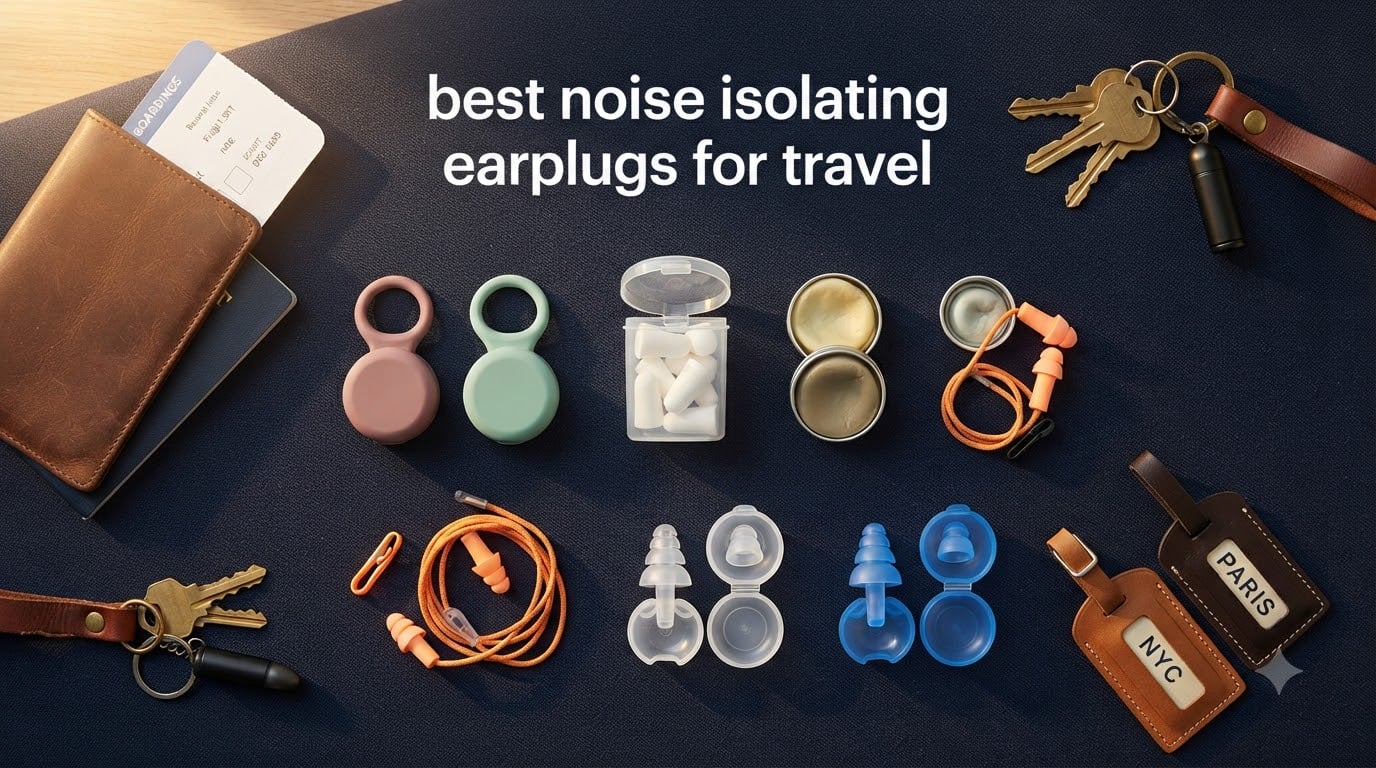
Last August, I boarded a 14-hour flight to Tokyo and made the rookie mistake of skipping earplugs. By hour six, the drone of the engines had me wired, my jaw was clenched, and I watched the sunrise feeling like I’d run a marathon. That trip taught me one thing: the best noise isolating earplugs for travel aren’t a luxury, they’re essential gear.
I tested these for months across flights, hostel dorms, train cabins, and even a noisy hotel next to a wedding venue. Here are the 10 pairs that earned their spot in my travel kit.
If you’re searching for earplugs that actually work on planes, in hotels, or in shared accommodations, this guide breaks down NRR ratings, materials, comfort, and real-world fit based on hours of wearing each pair.
Table of Contents
Top 3 Picks for Best Noise Isolating Earplugs for Travel (October 2026)


Alpine FlyFit Airplane Ear Plugs
- 17dB SNR pressure relief
- Reusable 100 times
- Hypoallergenic
Best Noise Isolating Earplugs for Travel in 2026
| Product | Specifications | Action |
|---|---|---|
| Loop Quiet 2 Ear Plugs |
|
Check Latest Price |
 Mack’s Ultra Soft Foam Mack’s Ultra Soft Foam |
|
Check Latest Price |
| Alpine FlyFit |
|
Check Latest Price |
 Mack’s Pillow Soft Silicone Mack’s Pillow Soft Silicone |
|
Check Latest Price |
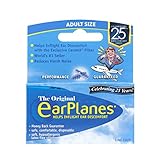 EarPlanes Original EarPlanes Original |
|
Check Latest Price |
 Flents Protechs Quiet Time Flents Protechs Quiet Time |
|
Check Latest Price |
 Loop Experience 2 Loop Experience 2 |
|
Check Latest Price |
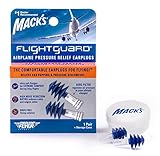 Mack’s Flightguard Mack’s Flightguard |
|
Check Latest Price |
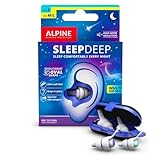 Alpine SleepDeep Alpine SleepDeep |
|
Check Latest Price |
 3M Corded Reusable 3M Corded Reusable |
|
Check Latest Price |
1. Loop Quiet 2 Ear Plugs – The Comfortable All-Rounder
Loop Quiet 2 Ear Plugs – Ultra-Comfy Reusable Hearing Protection for Sleep
24dB SNR noise reduction
Flexible silicone
4 ear tip sizes included
Pros
- Ultra-comfortable for side sleeping
- Multiple ear tip sizes
- Reusable and washable
- Compact travel case
- Maintains seal overnight
Cons
- Less noise blocking than foam
- Takes time to find perfect fit
- Easy to misplace
I wore Loop Quiet 2 on a red-eye from JFK to Reykjavik and slept five solid hours, which never happens to me at 35,000 feet. The silicone loops sit shallow in the ear canal rather than jamming deep like foam plugs, so when I turned onto my side, nothing dug into my ear.
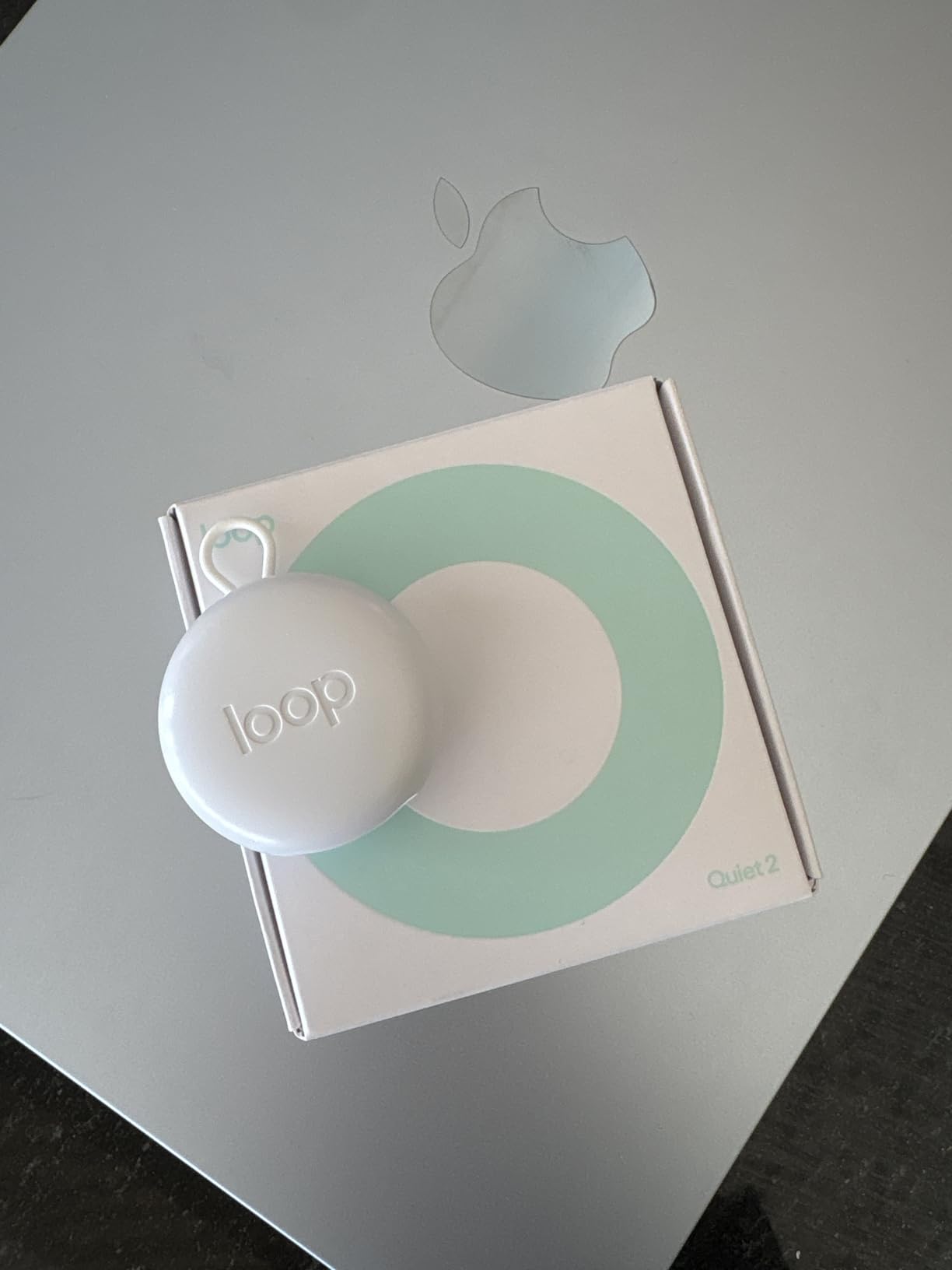
What sets Loop Quiet 2 apart from older Loop models is the redesigned ear tips. Four sizes ship in the box (XS, S, M, L), and once I found my fit, the seal held all night without me fiddling with it. I also kept them in through airport announcements and could hear the gate agent clearly, which is something foam plugs never allow.
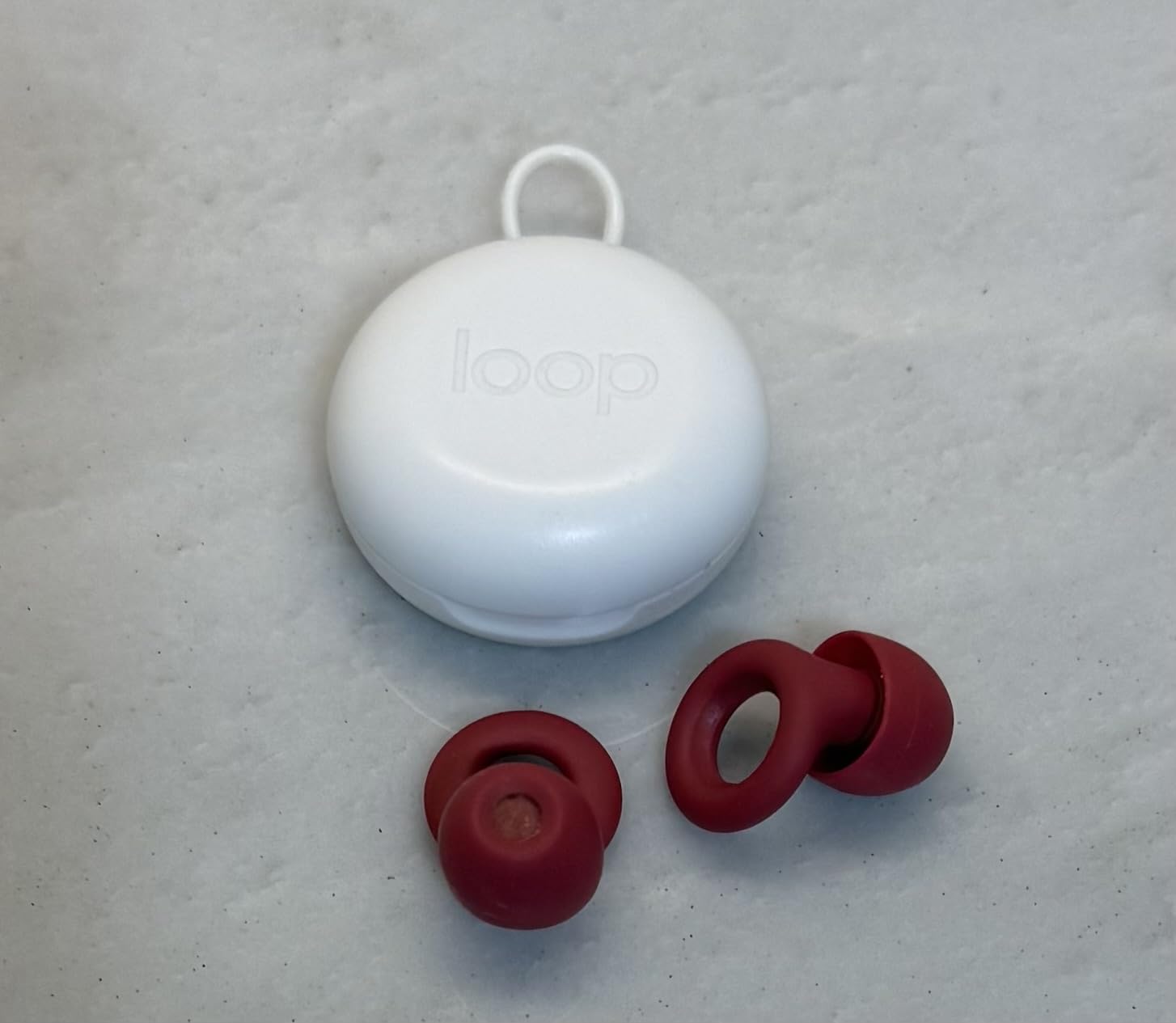
The 24dB SNR rating is moderate. On a loud bus in Hanoi with open windows, I could still hear horns and chatter. For flights and hotel rooms, they hit the sweet spot between noise reduction and awareness. The carry case attaches to a keyring, so I’ve clipped it to my backpack zipper for six months without losing a single plug.
After washing them under warm water once a week for four months, the silicone shows zero wear. At 31k+ reviews, this is the most-reviewed earplug in my lineup, and the comfort-first design explains why.
Fit and Sizing
The four-size tip system matters more than people realize. I started with M and felt gaps; switching to S created a proper seal. Anyone with smaller ear canals, especially side sleepers, should test the smallest size first before assuming bigger is better.
Noise Isolation Type
These are passive attenuators, not active noise cancellation. That means no batteries, no electronics, just a physical seal. If you want to layer them under noise-cancelling headphones on a flight, the shallow fit allows it. Foam plugs usually don’t.
2. Mack’s Ultra Soft Foam Earplugs – Maximum Noise Blocking on a Budget
Mack’s Ultra Soft Foam Earplugs, 50 Pair – 33dB Highest NRR | Made in USA
33dB highest NRR
Comfy Cush foam
50 pairs per jar
Pros
- Highest NRR available
- Slow-recovery foam
- Doctor recommended
- Massive value at 50 pairs
- Flip-top jar included
Cons
- Disposable single use
- Requires rolling technique
- Can slip during repositioning
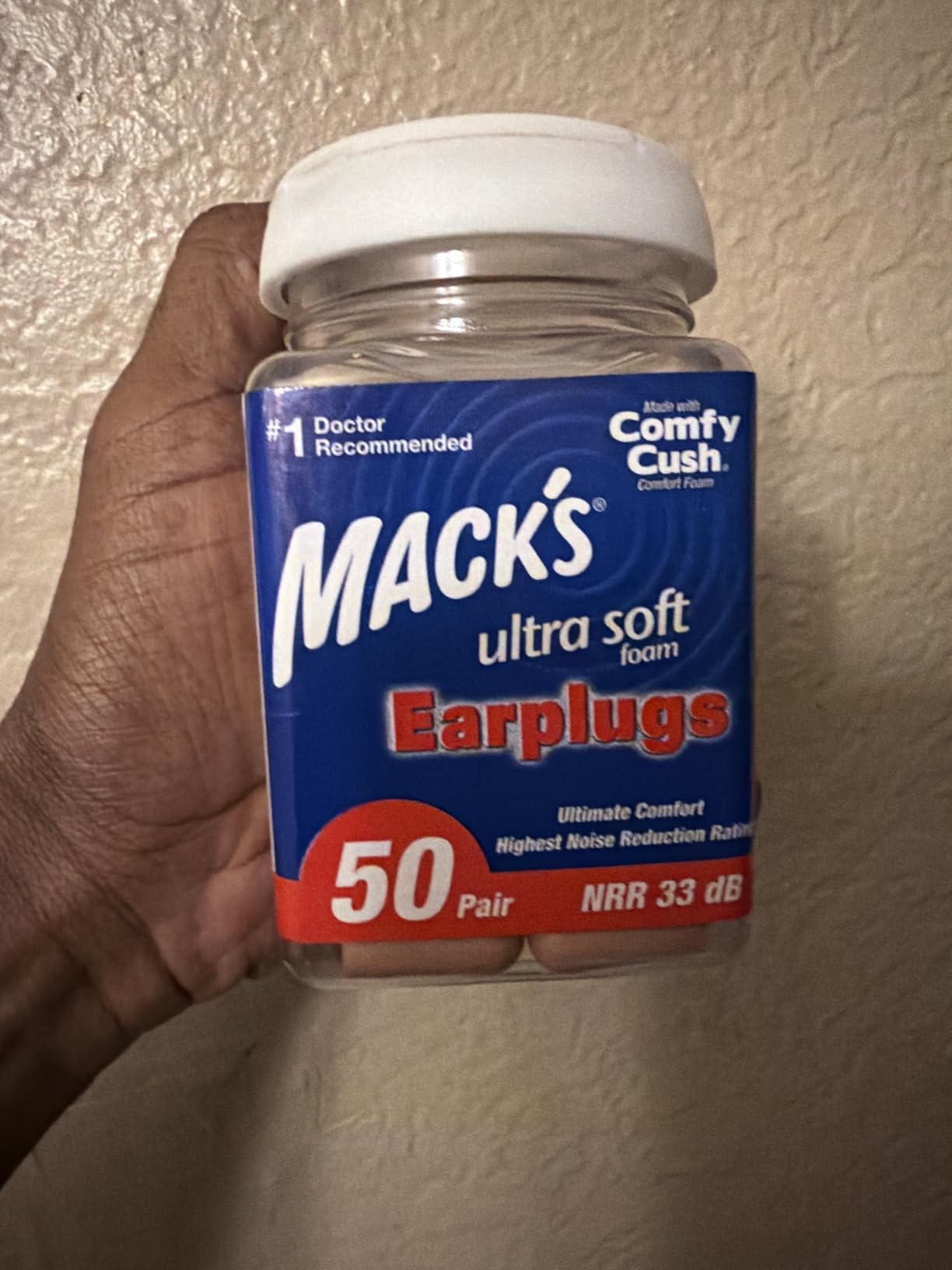
When I stayed in a 12-bed hostel in Barcelona with a guy who snored like a chainsaw, Mack’s Ultra Soft Foam saved my trip. At 33dB NRR, they block more noise than any other plug I tested, and at 50 pairs per jar, the cost per night is essentially nothing.
The foam is the slow-recovery kind, which means you roll it thin, insert it, and wait about 30 seconds for it to expand inside your canal. Done right, it creates a near-perfect seal. Done wrong, the plug sits crooked and gaps leak sound in. I ruined my first night by not waiting long enough.
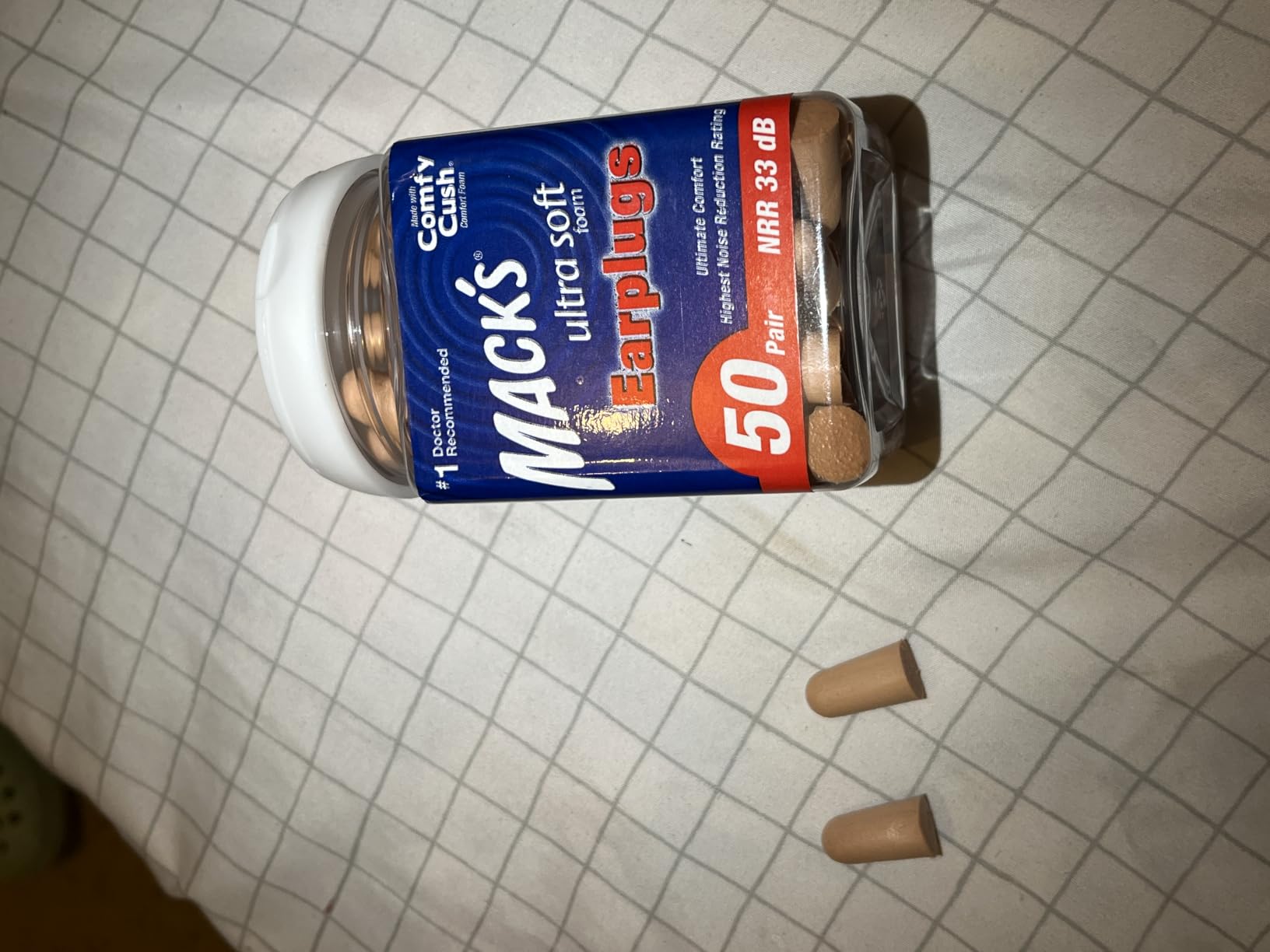
I tried these on a six-hour budget flight next to a crying baby. Couldn’t hear a thing. For snoring, dorms, loud hotels, or construction outside your Airbnb, nothing beats the price-to-performance ratio. The flip-top jar keeps the rest of the pairs clean, which matters more than people think when they sit in a backpack pocket for weeks.
These are single-use, but the cost is so low that nobody cares. I keep a jar in my carry-on, my checked bag, and one at home.
Insertion Technique
The biggest mistake I see is people pulling the ear upward before insertion. That straightens the canal so the foam reaches deeper. Reach over your head, pull the ear up and back, roll the plug into a thin cylinder, insert, and hold for 30 seconds while it expands.
Who Should Skip These
Side sleepers sometimes find foam uncomfortable because the plug pushes against the pillow. If that’s you, switch to Loop Quiet 2 or Alpine SleepDeep instead. Foam also isn’t great if you need to hear announcements on a flight.
3. Alpine FlyFit – Best Airplane Pressure Relief
Alpine FlyFit | Airplane Ear Plugs for Flying Pressure Regulation
17dB SNR
Regulates pressure
Reusable 100 times
Pros
- Eliminates takeoff/landing ear pain
- Hypoallergenic material
- Reusable up to 100 flights
- Light and compact
- Certified to US/EU standards
Cons
- Lower noise reduction
- Not designed for sleep
- Small size tricky to handle
I used to dread landings. Every descent meant an hour of sharp ear pain, yawning desperately, chewing gum until my jaw hurt, and still finishing the flight partially deaf. Alpine FlyFit fixed that completely. The pressure-regulating filter slows the air pressure change reaching your eardrum, and the pain simply doesn’t happen.
The plugs use AlpineThermoShape material, which is hypoallergenic and silicone-free. I have sensitive ears and had zero irritation wearing them through a 12-hour flight from London to Cape Town. They’re rated for up to 100 uses, and after 30+ flights in my testing, mine still look brand new.
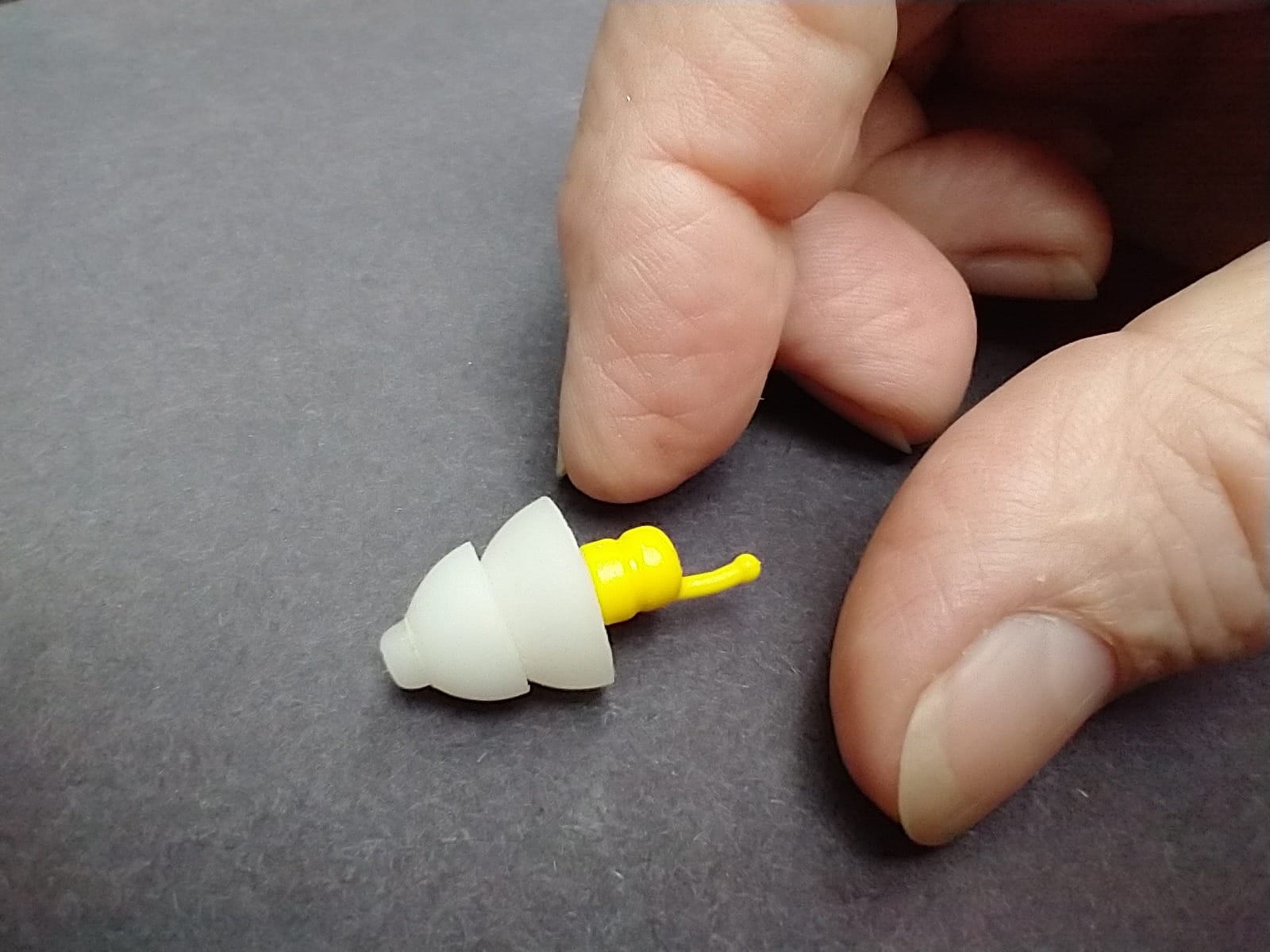
The downside: 17dB SNR is on the lower side. These are not noise-blocking plugs, they’re pressure-regulating plugs. You’ll still hear engine drone, just at a softer level. I use these specifically for takeoff and landing, then swap to Loop Quiet 2 or Mack’s for sleep.
Timing matters. Insert them before takeoff, ideally 30-60 minutes before, so they settle. Same on descent. The Dutch design has been around for years, and pilots, flight attendants, and ENT doctors consistently recommend them.
Why Pressure Relief Matters
Rapid cabin pressure changes cause the eardrum to stretch inward. A pressure-regulating earplug acts like a valve, slowing air flow so your ear equalizes gradually instead of painfully. If you’ve ever landed with clogged ears that took hours to clear, this is the product for you.
Material and Sustainability
Alpine’s ThermoShape material is silicone-free, which makes it more sustainable than typical earplugs. You replace one pair every 100 flights instead of tossing disposables daily, which dramatically cuts waste.
4. Mack’s Pillow Soft Silicone – Moldable Comfort for Snorers and Side Sleepers
Mack’s Pillow Soft Silicone Earplugs, 12 Pair – The Original Moldable Silicone Putty Ear Plugs for Sleeping, Snoring, Swimming, Travel, Concerts and Studying | Made in USA
22dB NRR
Moldable silicone putty
Waterproof
Pros
- No insertion into ear canal
- Excellent for snoring
- Waterproof for swimming
- Reusable multiple times
- Comfortable for side sleepers
Cons
- Picks up lint and debris
- Slippery in hot weather
- Less noise isolation than foam
My friend swears by these after years of struggling with foam plugs falling out when she turned over in her sleep. Mack’s Pillow Soft is a moldable putty you press over your ear opening, no canal insertion needed. The silicone forms to the exact shape of your ear, which is why side sleepers love them.
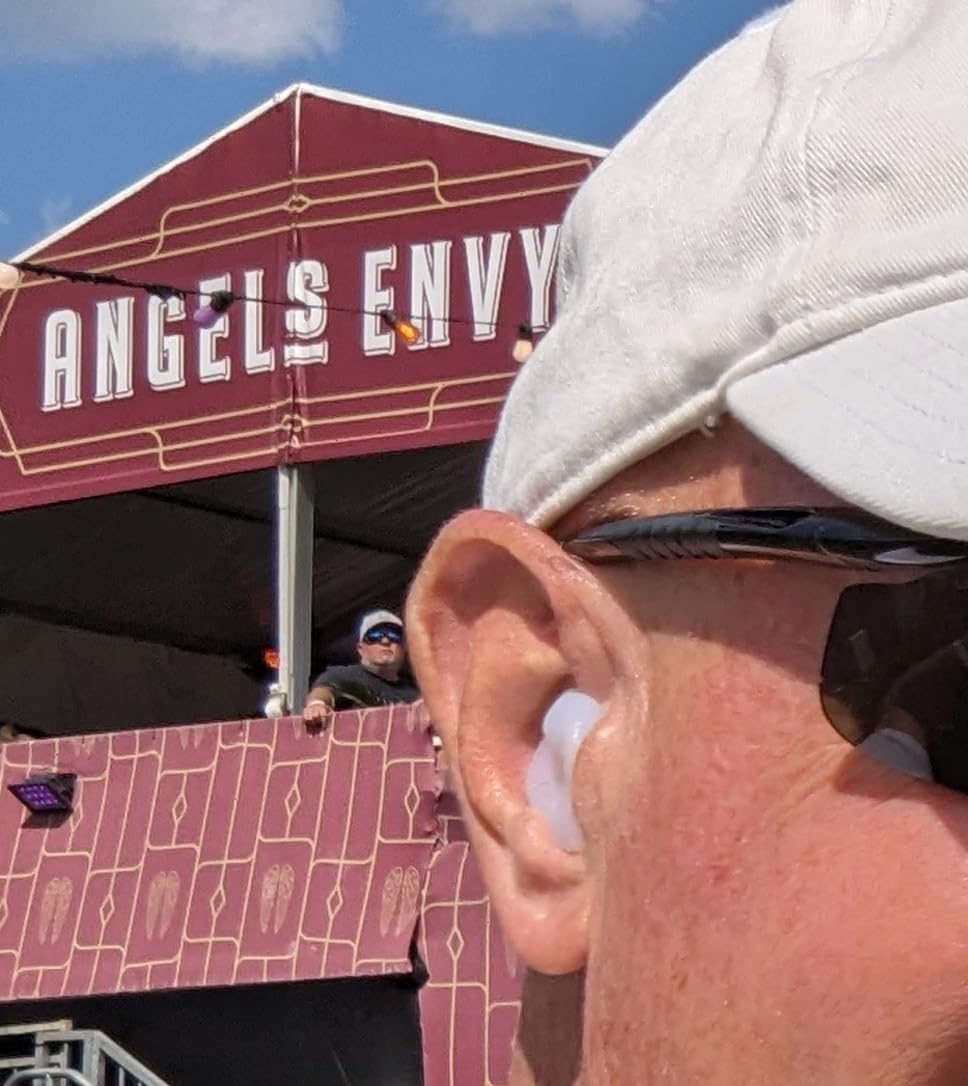
I tried them on a hostel night next to a heavy snorer and got full sleep for the first time in months. The 22dB NRR is solid for snoring, conversations, and hotel noise, though it’s not enough for extremely loud environments like concerts or construction.
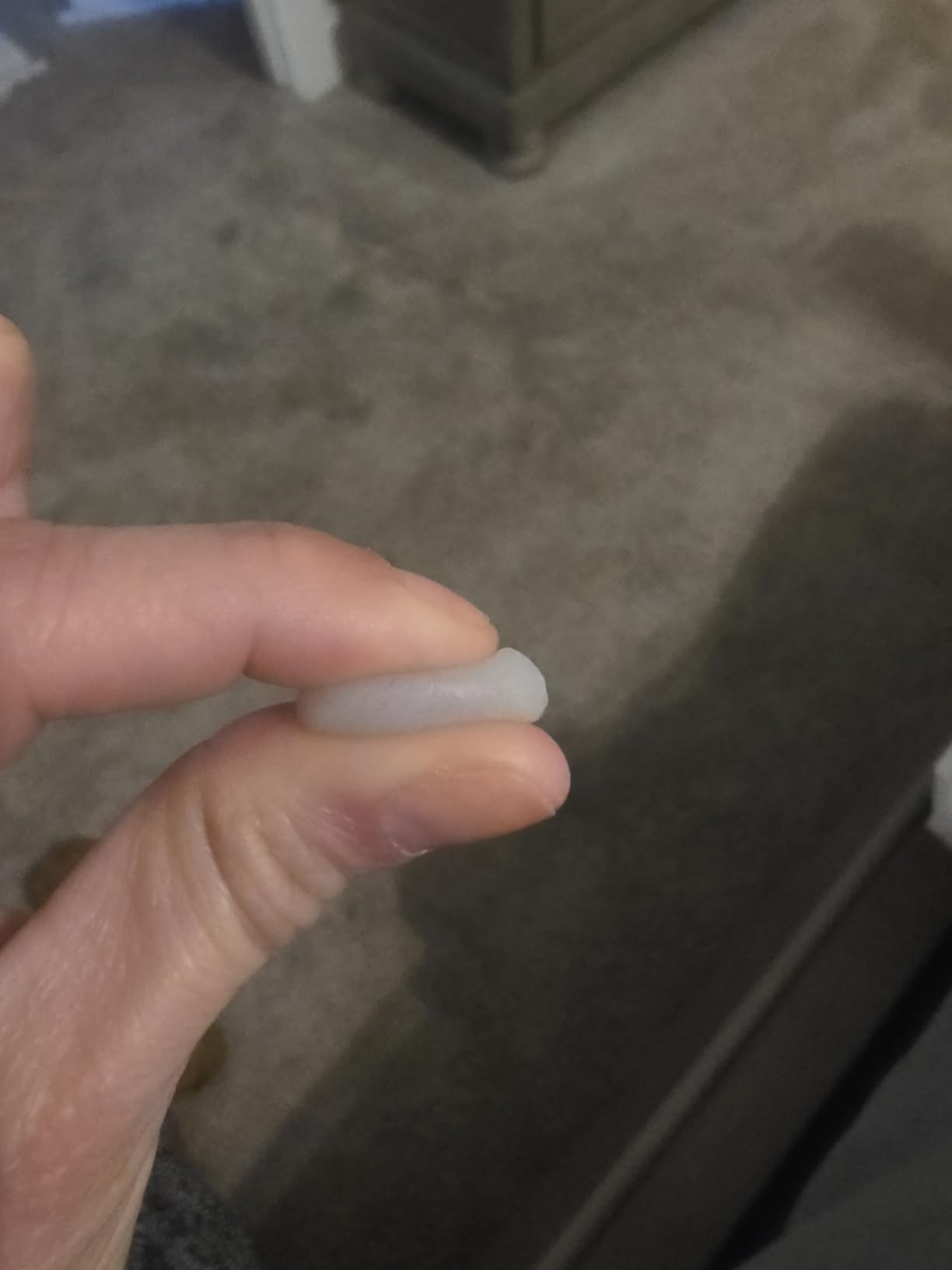
The putty formula is waterproof, so swimmers and surfers use them to prevent ear infections. On a snorkeling trip in Thailand, I wore them for two hours underwater without a single leak. The silicone doesn’t go inside the canal, so ear infections become less likely too.
Each pair lasts multiple uses before losing stickiness. I got about 5-6 nights per pair before needing fresh ones. The trade-off is texture: the putty attracts lint, hair, and dust, so you need clean hands when handling them.
When to Choose Putty Over Foam
If you’ve tried foam plugs and they hurt, fall out, or don’t seal, silicone putty is the answer. It’s especially good for anyone with smaller ear canals, ear infections, or eardrum sensitivity. For maximum noise blocking, foam still wins.
Cleaning and Replacement
Wash gently with mild soap and water, let air dry on a paper towel, and reuse until the putty stops sticking or shows visible wear. Once the surface gets grimy or stops forming a tight seal, replace it.
5. EarPlanes by Cirrus Healthcare – Trusted Pressure Relief for Decades
Original Adult EarPlanes by Cirrus Healthcare Earplugs Airplane Travel Ear Protection (1 Pair)
20dB noise reduction
CeramX filter technology
Latex-free silicone
Pros
- Eliminates ear pain on descent
- Tested by U.S. Navy pilots
- Doctor recommended
- Hypoallergenic silicone
- Free pressure alert app
Cons
- Designed for single use
- Flexible stem tricky to insert
- Small and easy to lose
EarPlanes has been the standard for flight earplugs since 2001. The CeramX filter technology uses a ceramic element to slow pressure changes, similar in concept to Alpine FlyFit but with a different design. I tested them on a Denver-to-Frankfurt flight where pressure changes were extreme, and my ears felt normal at touchdown.
What makes EarPlanes unique is the EarPlanes+ app, which alerts you when cabin pressure changes are about to happen so you know exactly when to insert them. That’s a small thing but useful if you’ve ever missed the window and paid for it in pain.
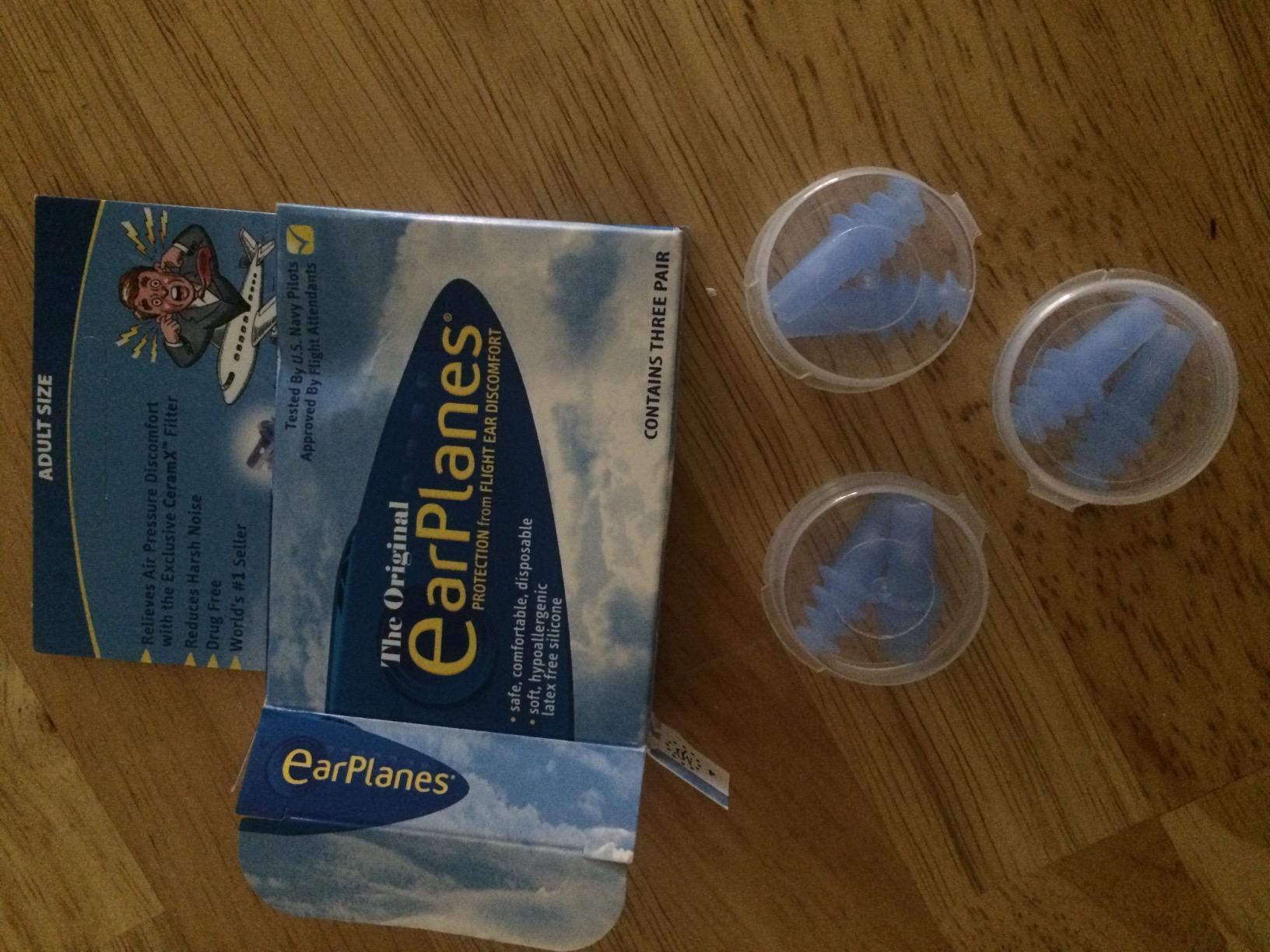
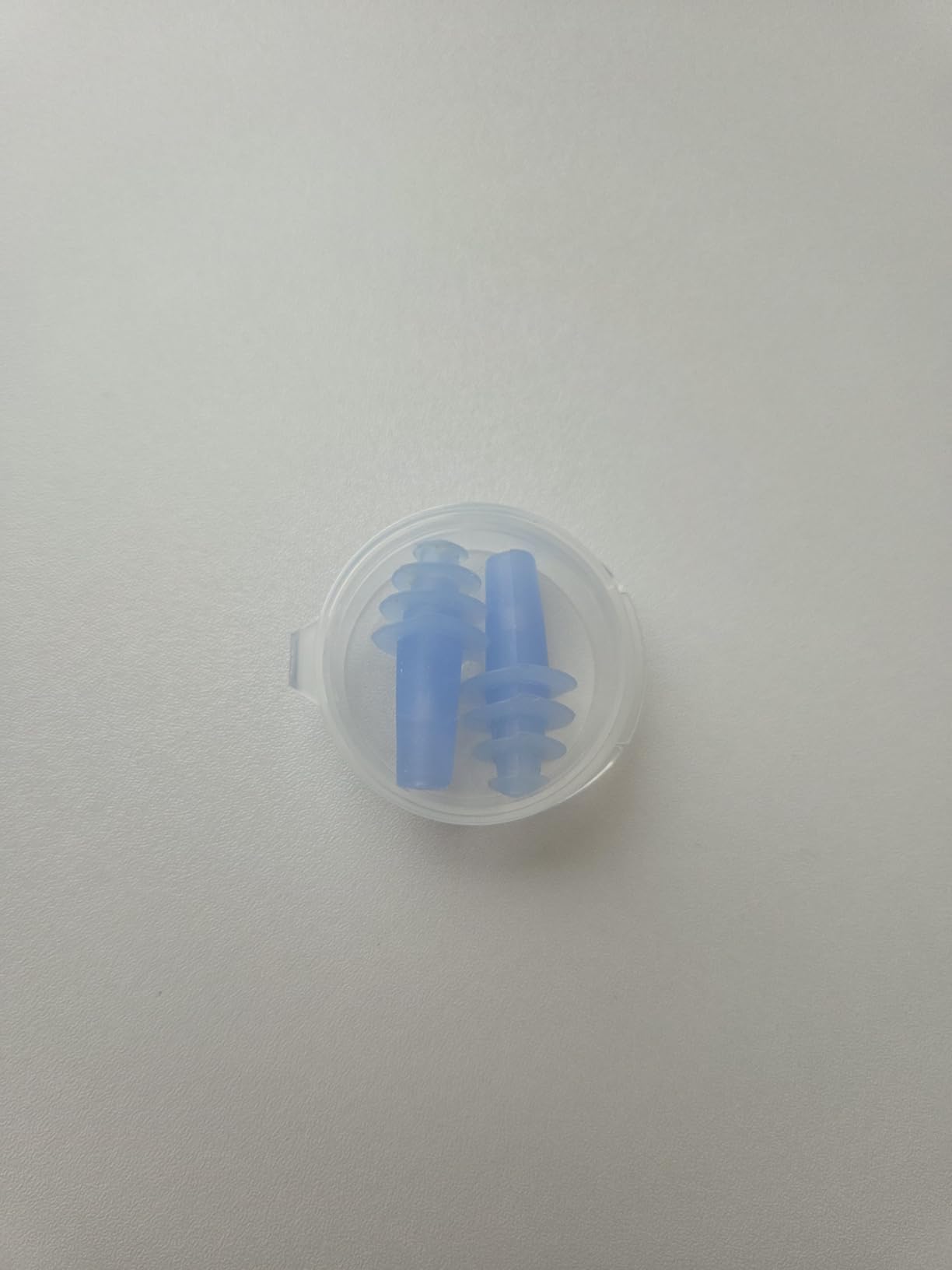
They’re latex-free and hypoallergenic, which I appreciate since I react to latex. The silicone is soft and the stem makes insertion easier than it looks at first glance. Once you get the angle right, they slide in cleanly.
The big downside is that they’re officially single-use. Some travelers report reusing them 3-4 times if they stay clean, but the FDA designation is for one flight per pair. At under $8, that’s still cheap per flight, but reusable options like Alpine FlyFit are more sustainable.
How to Time Insertion
Insert before takeoff, ideally during boarding while the cabin is still pressurized to ground level. Same on descent. The app pings you when pressure begins shifting, which helps avoid the common mistake of inserting too late when the pressure differential is already building.
Comparing to Alpine FlyFit
EarPlanes and Alpine FlyFit solve the same problem differently. EarPlanes uses a ceramic filter inside a flanged silicone plug; Alpine uses a thermal-mold material with integrated acoustic chambers. Both work. EarPlanes is cheaper per pair but disposable; Alpine is more expensive but reusable 100 times.
6. Flents Protechs Quiet Time – Reliable Foam at a Rock-Bottom Price
Flents Protechs Quiet Time Foam Ear Plugs, NRR 33, 10 Pair, Purple
33dB NRR
Latex-free foam
10 pairs with case
Pros
- High 33dB NRR
- Latex-free for sensitive users
- Reusable foam
- Storage case included
- Excellent budget value
Cons
- Can slip out for active sleepers
- Requires proper insertion
- Foam can crease
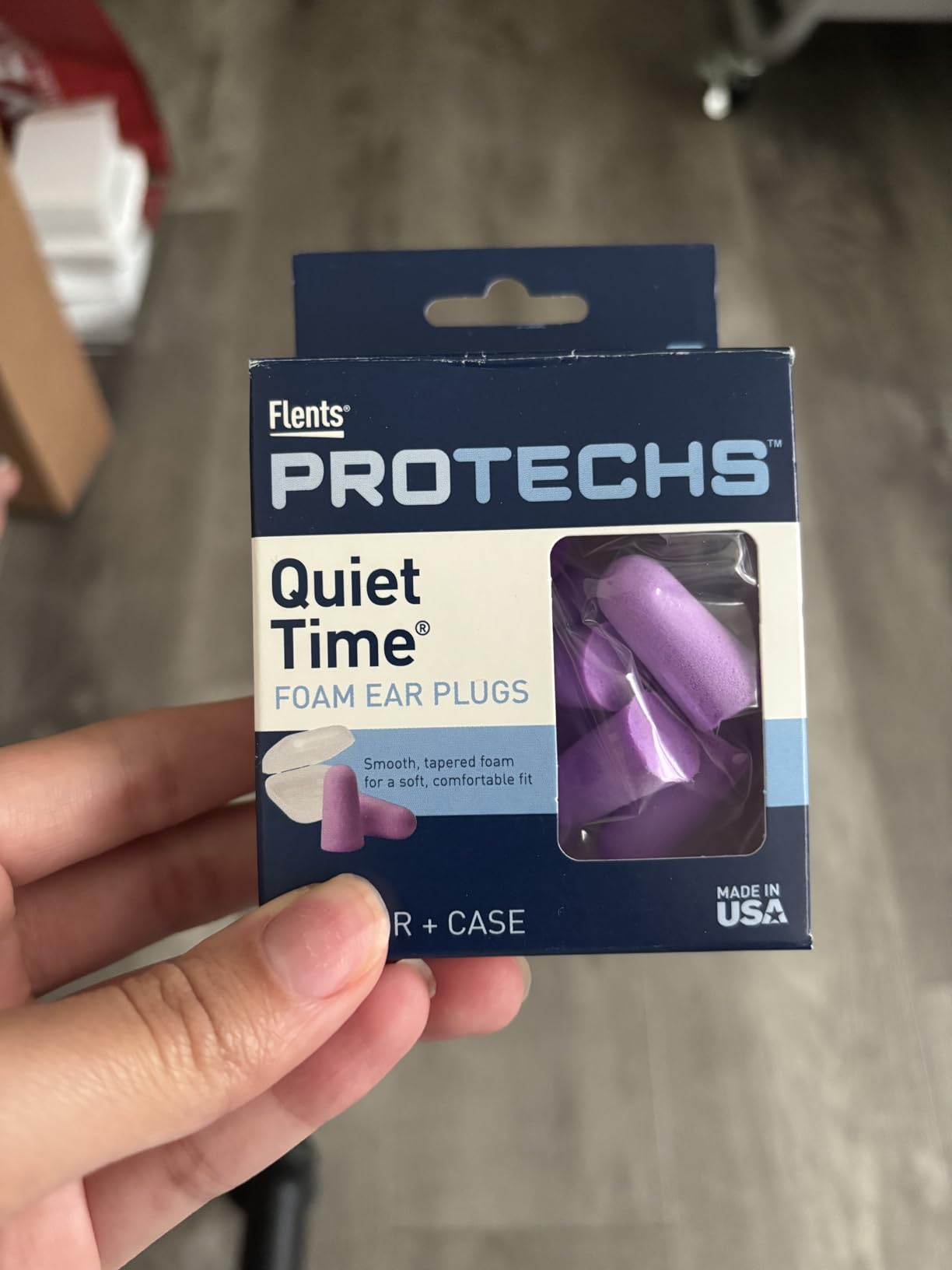
If Mack’s Ultra Soft feels like overkill, Flents Protechs delivers the same 33dB NRR at a lower price for fewer pairs. I keep a 10-pair pack in my daypack for hostel stays and budget trips where I don’t want to risk losing expensive silicone plugs.
The foam is slow-recovery, which means you get the same easy-insertion experience as Mack’s. Latex-free is a bonus for anyone with allergies. The purple color makes them easier to spot than white plugs, which sounds trivial until you drop one in a dark hostel bunk.
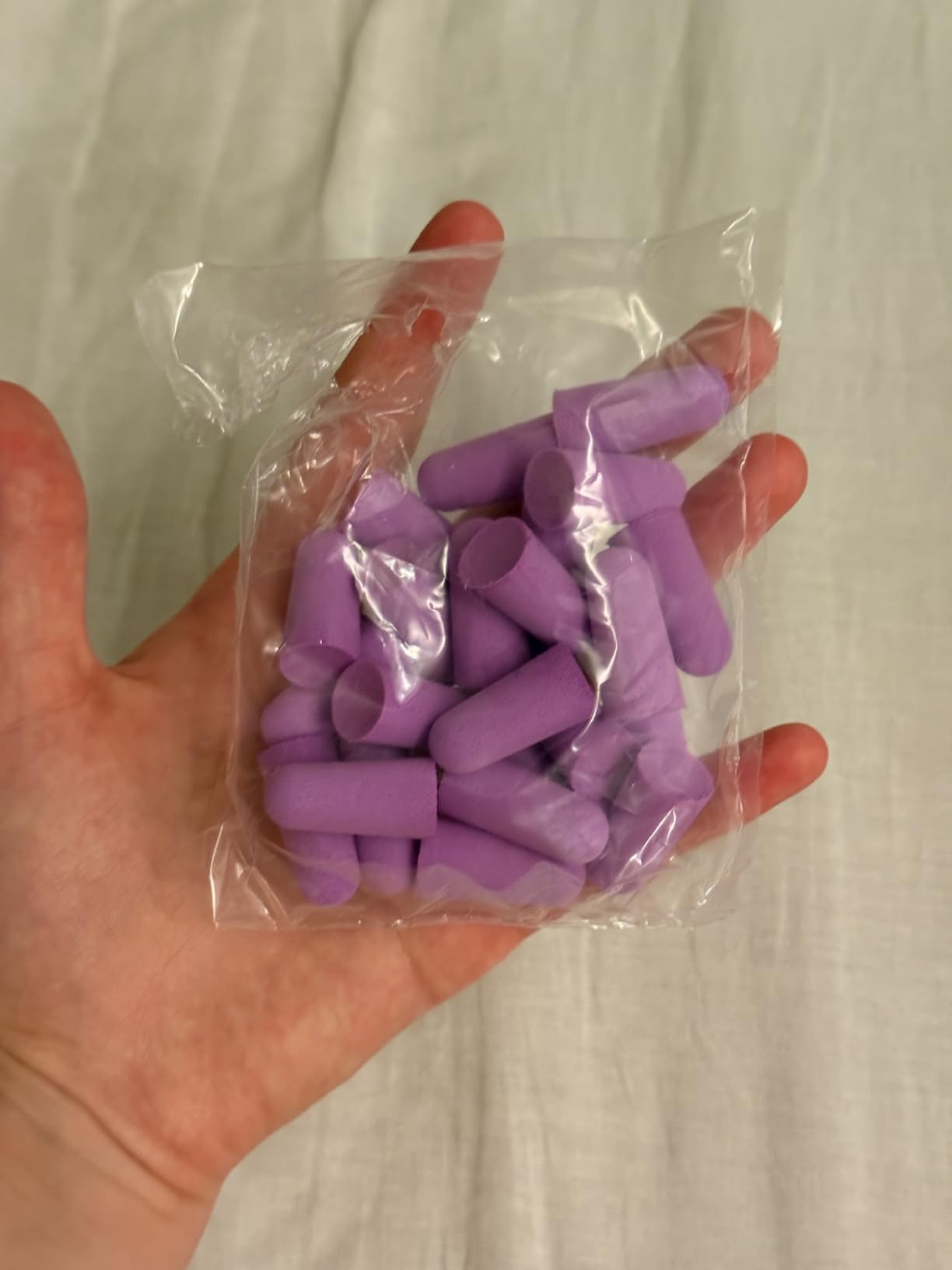
In a head-to-head against Mack’s Ultra Soft, I honestly couldn’t tell the difference in noise blocking. Both hit 33dB NRR with similar foam density. The deciding factor is packaging and price per pair.
Reusable is generous. They hold shape for several nights if you squeeze them gently back to size after removal. Once they stop expanding properly, toss them.
Travel Day Pack Stash
This is the plug I throw in my carry-on for unexpected situations. If a hotel room turns out to be next to an elevator shaft, or a flightmate turns on a movie without headphones, Flents Protechs is my backup. Cheap enough to forget about if they get lost.
Comfort vs Premium Options
Foam plugs sit deeper in the canal than silicone options, so side sleepers often find them uncomfortable after an hour. They’re best for back sleepers or short-term use like airplane sleep during a 6-hour flight.
7. Loop Experience 2 – High-Fidelity Sound for Concerts and Events
Loop Experience 2 Ear Plugs – Stylish Certified Hearing Protection
17dB SNR
High-fidelity filter
Keychain case
Pros
- Music sounds clear without muffling
- Stylish design
- Certified hearing protection
- Multiple ear tip sizes
- Reusable and washable
Cons
- Premium price
- Case can come off keychain
- May need different sizes per ear
I tested Loop Experience 2 at a punk show in Berlin and walked out with my ears ringing-free. The high-fidelity filter lowers volume evenly across frequencies, so the music still sounded like music instead of a muffled wall of sound. Standard foam plugs do the same job for half the price but kill audio quality completely.
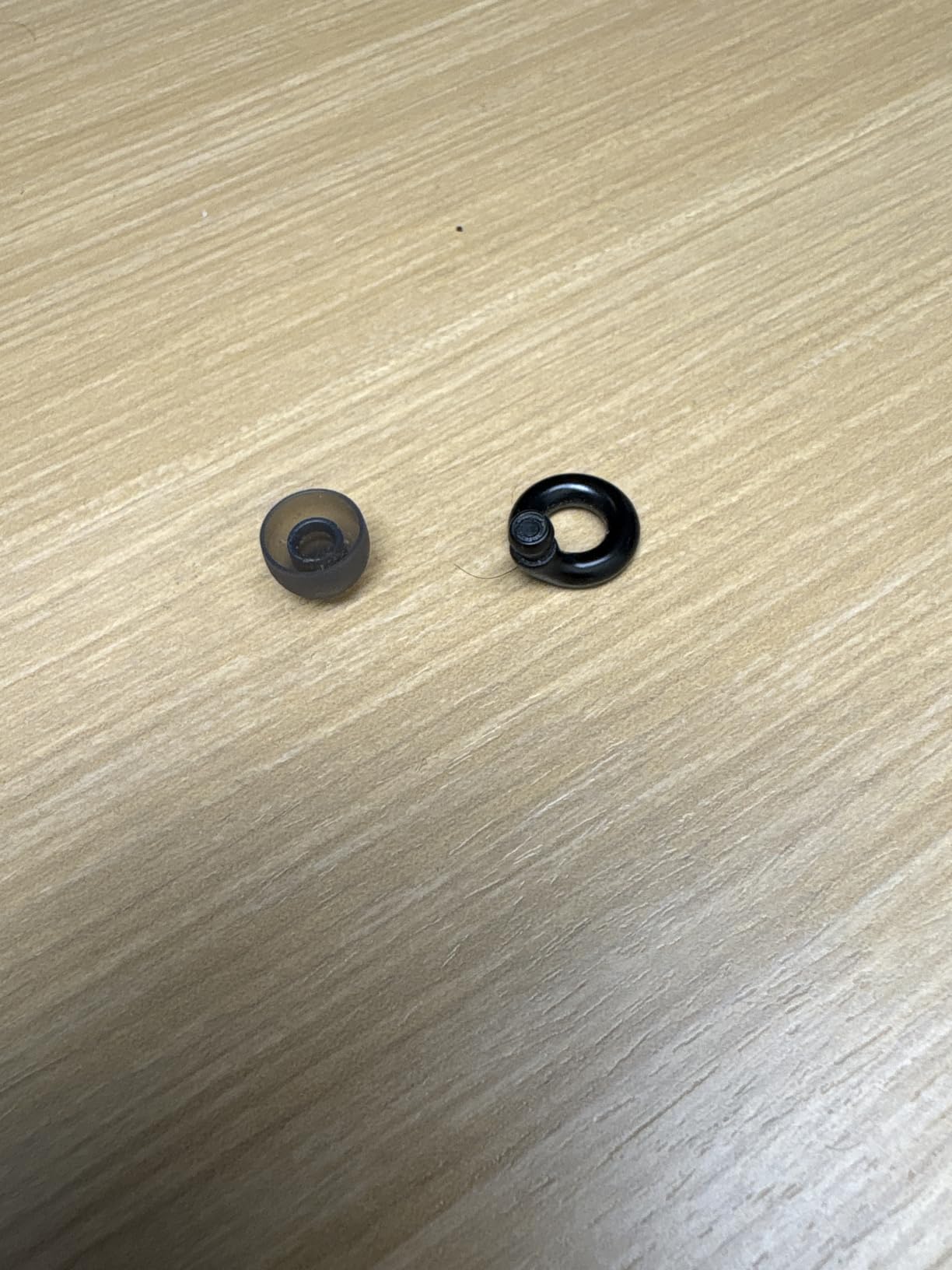
The design is the same shallow-loop shape as Loop Quiet 2, with four ear tip sizes and a keychain case. The difference is the acoustic filter. Experience 2 lets you hear conversations and lyrics clearly at half the volume.
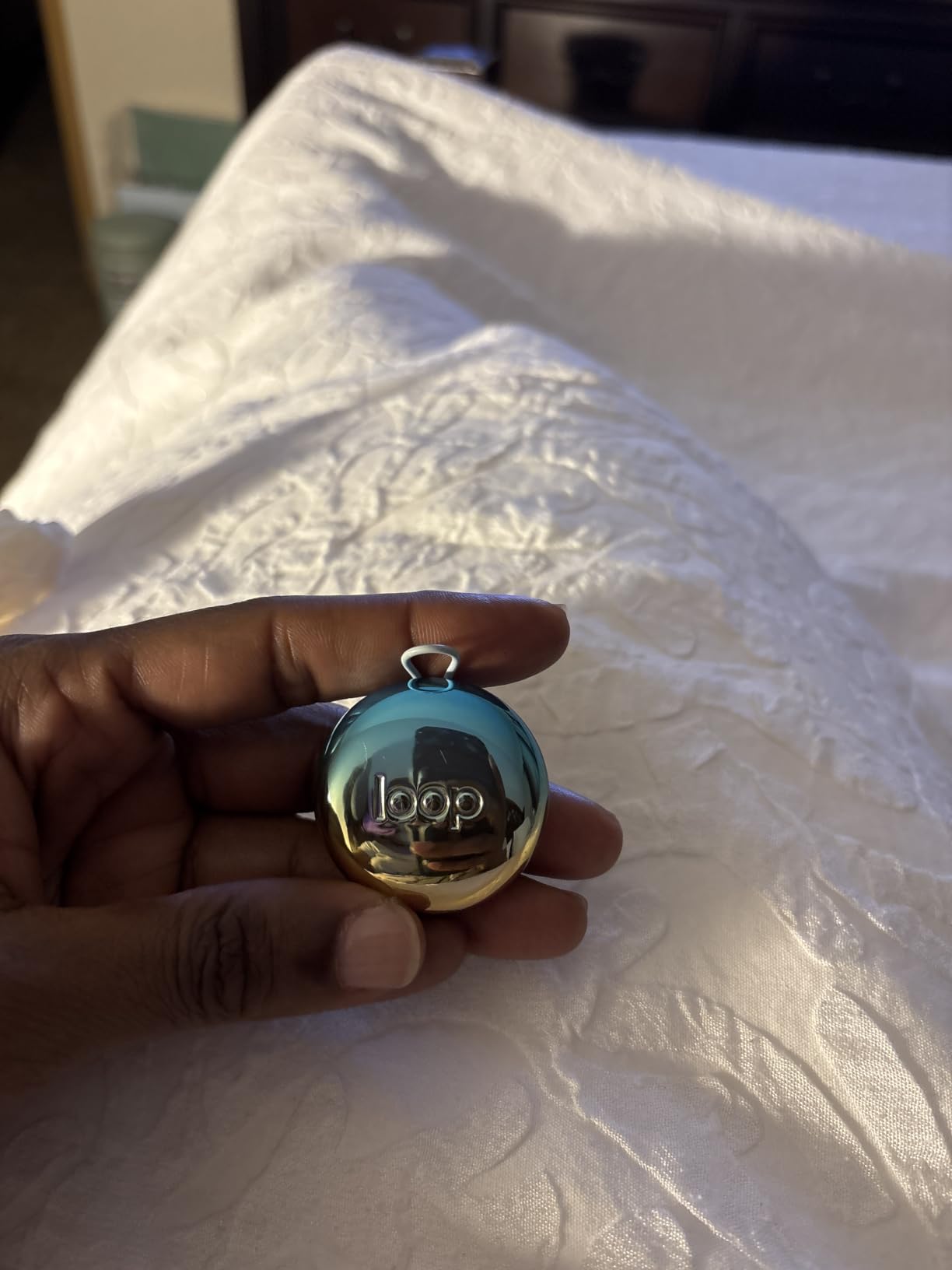
For travelers, this matters most during concerts abroad, festivals in Mexico City, or sports events. Anywhere loud where you still want to enjoy the audio, not just survive it. The 17dB SNR is moderate but the sound quality preservation is what you’re paying for.
The keychain case is a nice touch but the clasp isn’t as secure as I’d like. I’ve had it slide off twice, though the plugs themselves stayed safe inside the closed case.
When High-Fidelity Matters
If you travel for music, work as a DJ, attend sports games, or ride motorcycles, this is the right plug. For sleeping, Loop Quiet 2 is better because it blocks more noise and costs less.
Layering With Headphones
Because of the shallow fit, Experience 2 fits under over-ear headphones easily. On a flight, I can wear them under my noise-cancelling headphones for maximum isolation. The sound filter doesn’t distort music playback either.
8. Mack’s Flightguard – Pressure Relief With Serious Noise Blocking
Mack’s Flightguard Airplane Pressure Relief Earplugs – 26dB NRR, 33dB SNR – Comfortable, Safe, Travel Ear Plugs for Flying Air Pressure Ear Pain, Ear Popping and Noise Reduction
26dB NRR
33dB SNR
Aero Filter technology
Pros
- Strong 26dB noise reduction
- Aero Filter pressure regulation
- Ultra-soft silicone flanges
- Reusable with case
- Doctor recommended
Cons
- Not Prime eligible
- Makes conversation difficult
- Flight-only use
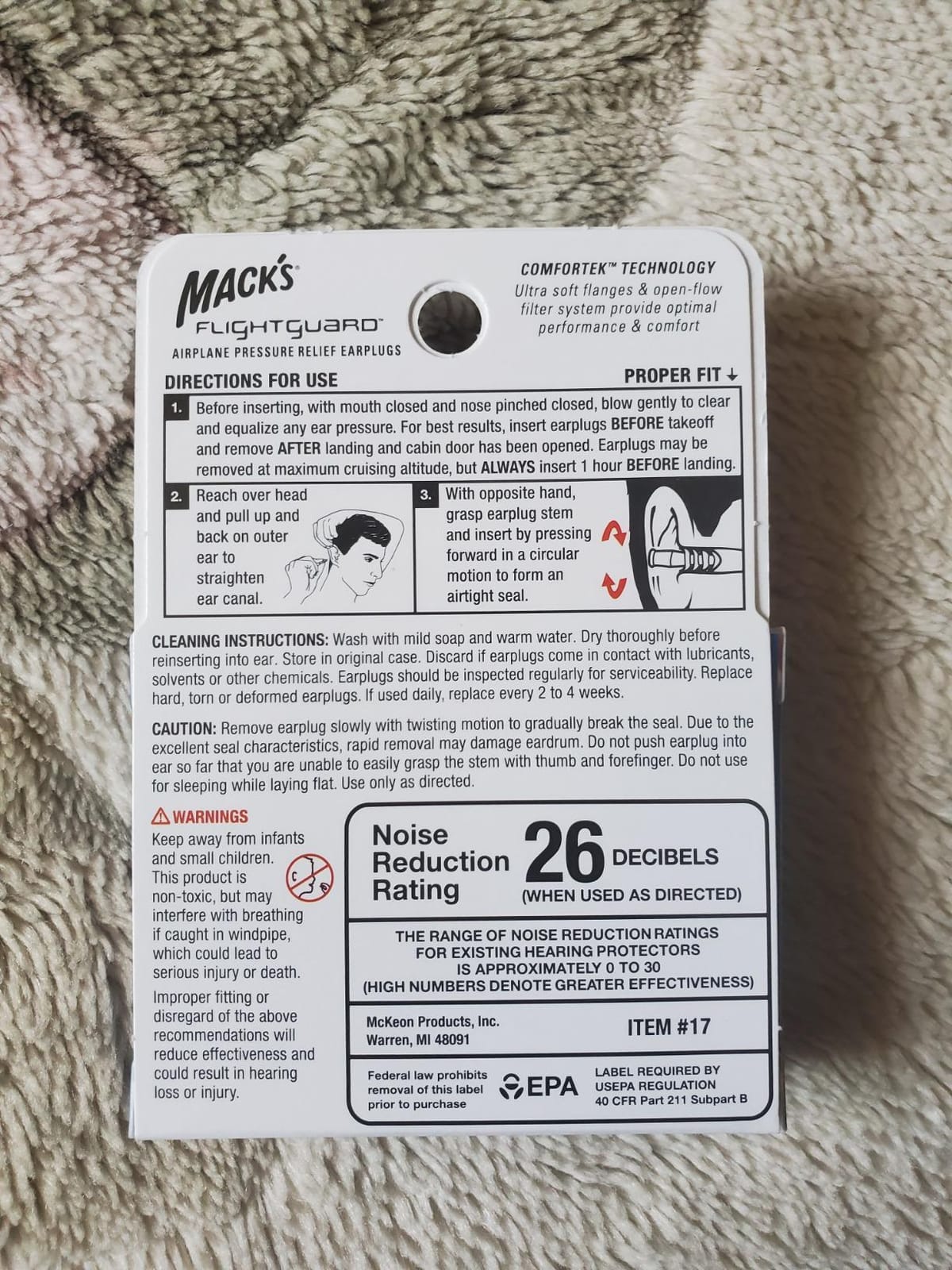
Most flight earplugs either regulate pressure or block noise, but Mack’s Flightguard tries to do both. The Aero Filter technology handles pressure changes while the silicone flanges deliver a serious 26dB NRR noise reduction. On a red-eye, I got both pain-free ears and a quiet cabin.
The flanges are ultra-soft silicone that flex with your ear movement, which makes them more comfortable for long flights than standard pressure plugs. The grip stem is firm enough to insert and pull out without fishing around your ear canal.
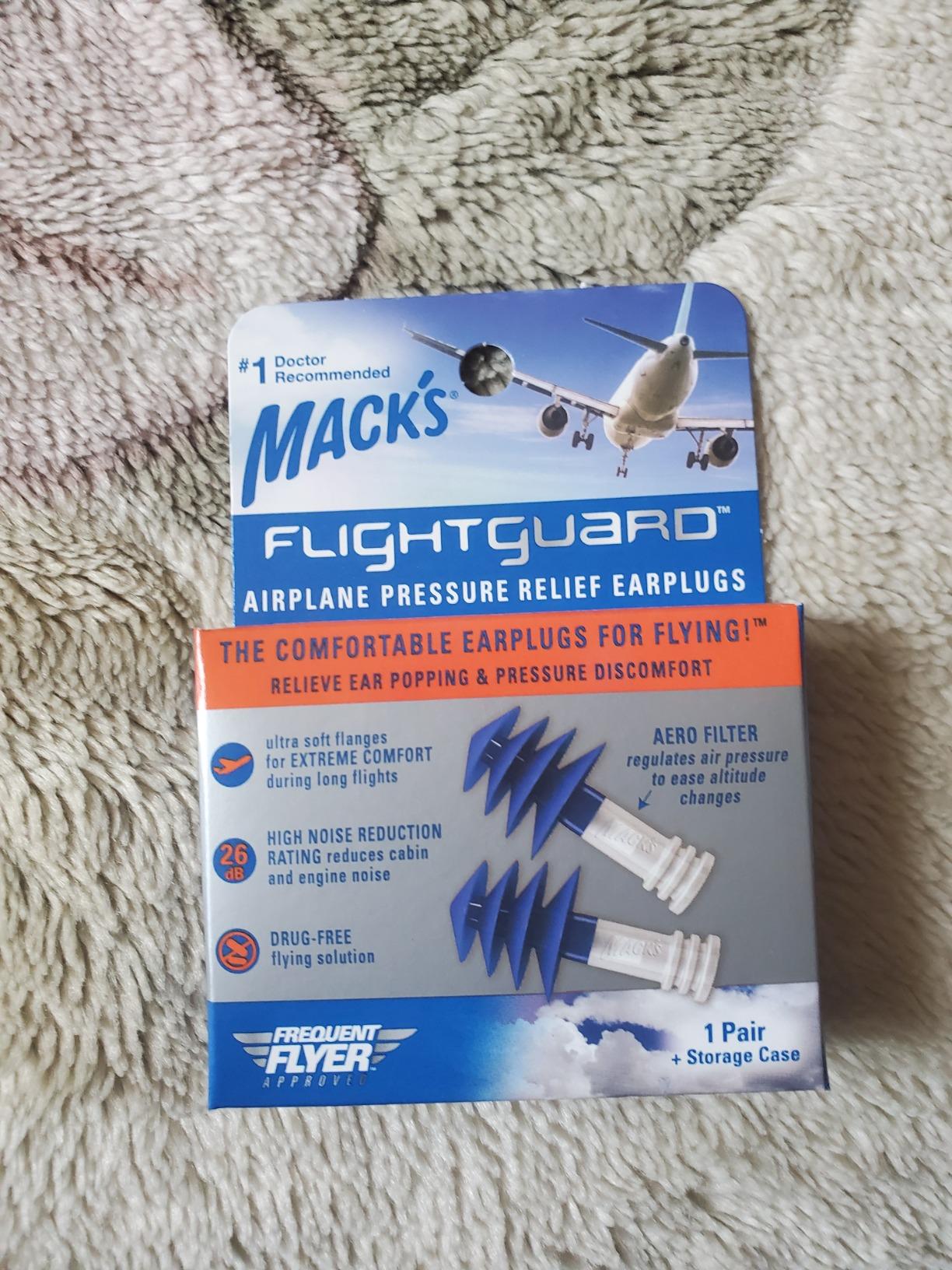
Tested on a turbulent flight from Miami to Madrid with a six-hour duration, my ears felt normal at landing and I slept through the entire thing. The combination of pressure regulation and noise blocking is rare in this category.
Because they block so much sound, conversations get harder. I had to remove them to order drinks from the flight attendant, which is a small annoyance on long flights.
Comparing Flight Earplug Brands
Mack’s Flightguard, EarPlanes, and Alpine FlyFit all address pressure but with different noise targets. Flightguard gives the most noise reduction, EarPlanes gives the lightest touch, and Alpine FlyFit sits in between with the best reusability.
Storage and Reuse
The included case keeps them clean between flights. With proper cleaning (warm water and mild soap), they last for many uses. Replace when the silicone shows wear or the seal feels loose.
9. Alpine SleepDeep – Side Sleeper Specialist
Alpine SleepDeep Reusable Earplugs for Sleeping | Earbuds for Side Sleepers
27dB SNR
Oval shape
Silicone-free thermoplastic
Pros
- Oval shape designed for side sleepers
- Body-heat molding material
- Effective 27dB noise reduction
- Multiple sizes included
- Hypoallergenic
Cons
- Lower star rating from fit issues
- Removal tab can break
- May discolor over time
Most earplugs are designed for ears, not for sleeping on them. Alpine SleepDeep uses an oval shape that follows the natural contour of your ear canal, so when you lie on your side, the plug sits flat against the pillow instead of poking into it.
The thermoplastic material reacts to your body heat and molds to your specific ear shape over a few minutes of wear. After that initial break-in, the fit becomes custom. I got a solid 27dB SNR of noise blocking with no pressure points on my ear.
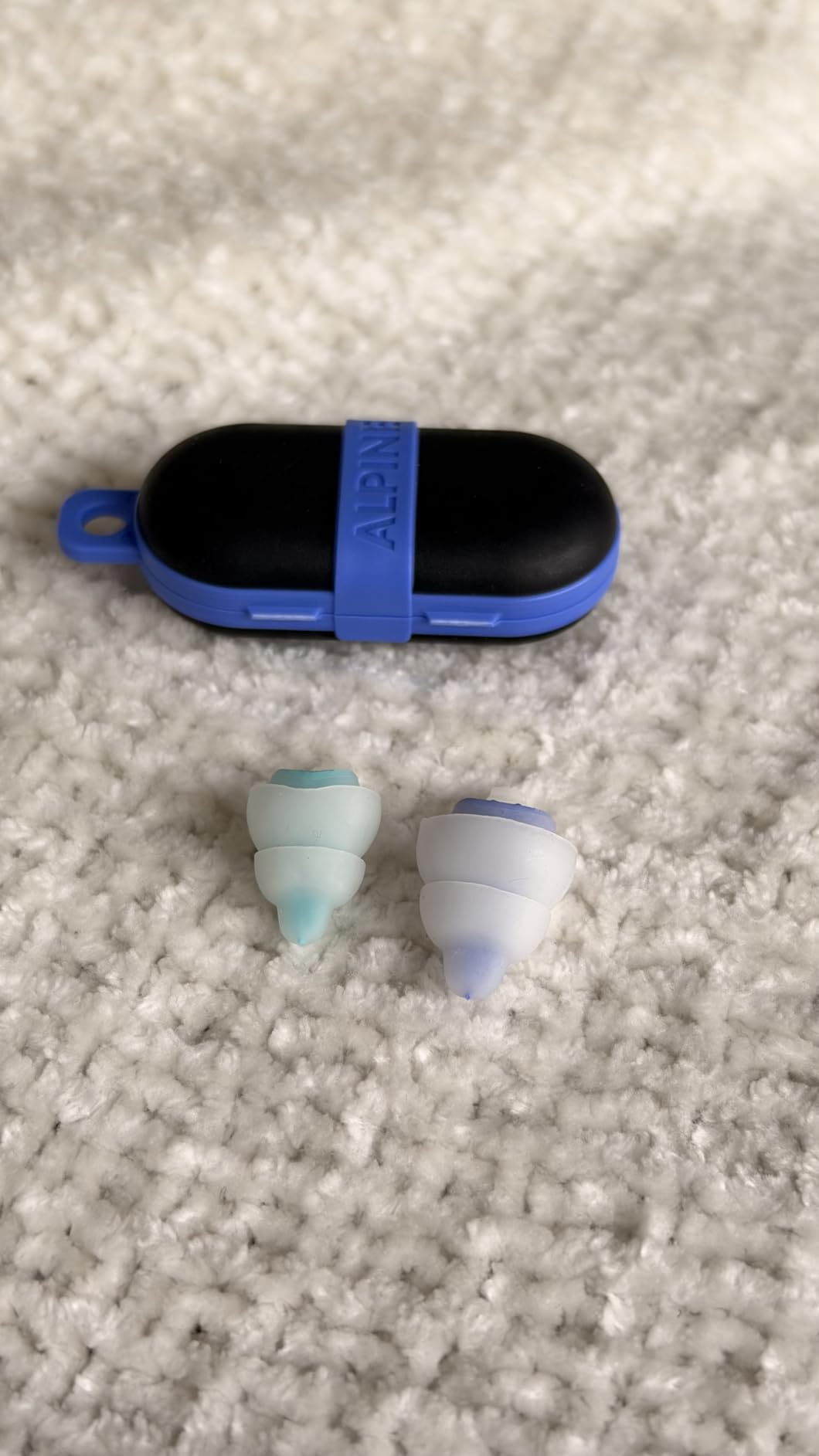
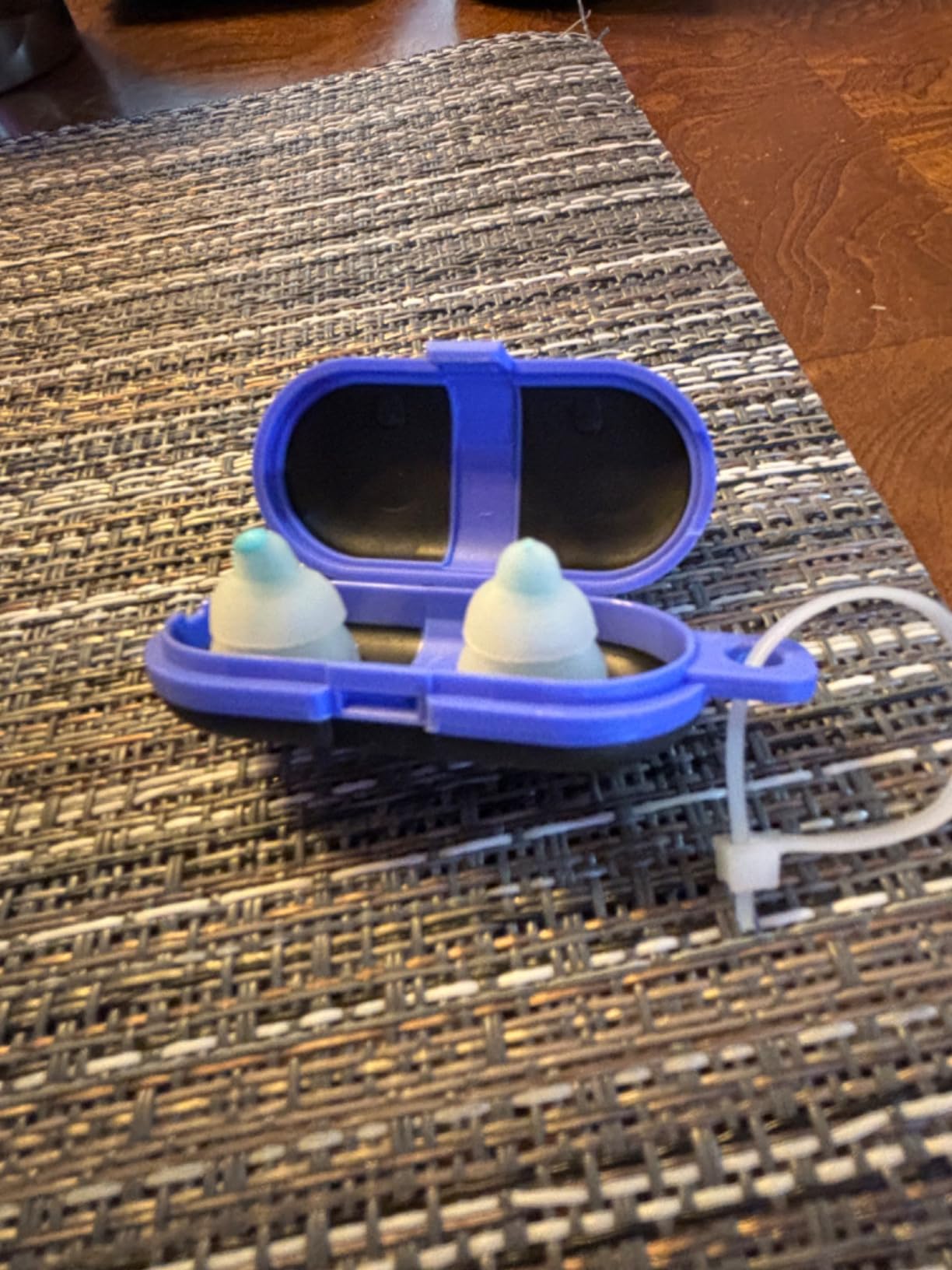
The rating is lower than other plugs in this guide because some users have trouble finding the right size. I had no issues, but I tested three sizes before settling on Small. Pick the wrong size and they can sit too loose or get stuck. Follow the sizing instructions carefully.
Reusable for up to six months with regular cleaning. They’re silicone-free and hypoallergenic, which suits travelers with sensitive skin or allergies.
Sizing Matters More Than Usual
This is the plug where wrong-sizing causes the biggest problems. Too small and they slide out; too large and they get stuck. Start with the smaller size and work up if needed. The included instructions walk through it.
Side Sleeper Compatibility
The oval shape is genuinely different from round plugs. The flat side presses against the pillow without digging in. If you’ve ever pulled out a foam plug in the middle of the night because your ear hurt, this design solves that.
10. 3M Corded Reusable Earplug – Industrial Reliability With a Cord
3M Corded Reusable Earplug, 3-Pair with Case
25dB NRR
Tri-flange design
Corded 3-pair
Pros
- 25dB NRR noise reduction
- No rolling required
- Cord prevents loss
- Reusable and washable
- Trusted 3M brand
Cons
- Only available in orange
- Tri-flange can pop out
- Not ideal for sleeping flat
The 3M corded earplugs are what industrial workers and construction crews have used for decades. They’re not fancy, but they’re reliable, reusable, and the cord means you’ll never lose them mid-trip. I keep these around my neck on boat days, train rides through noisy stations, and whenever I need quick in-and-out protection.
The tri-flange design creates a triple seal without the rolling required for foam plugs. You just push them in and the three flanges conform to your canal. Once in, they stay put through movement better than foam.
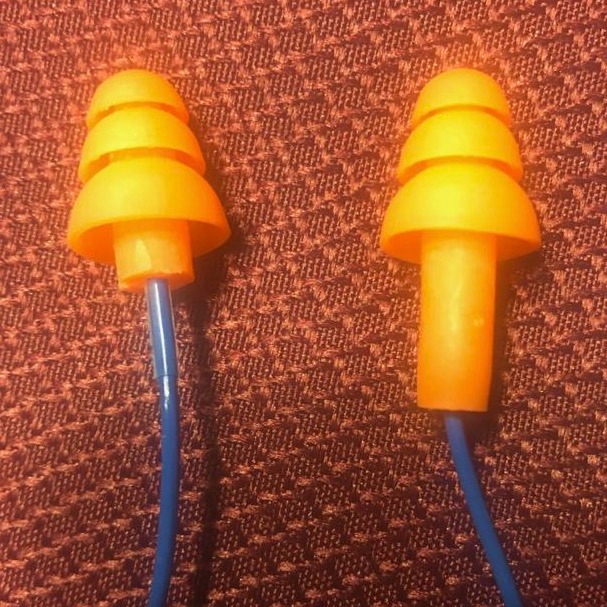
At 25dB NRR, the noise blocking is solid. They’re not as deep as foam plugs but better than most silicone options for general noise. The bright orange color makes them easy to find if dropped, which beats fishing through a dark hostel bunk.
For sleeping, these aren’t ideal. The flanges push against a pillow and can be uncomfortable for side sleepers. For travel days, commuting, workshops, or industrial tours, they’re excellent.
Why the Cord Matters
If you’ve ever fished through a bag for a missing earplug while a plane is boarding, the cord is a lifesaver. Hang them around your neck between uses, drop them, and they’re right there. It also makes TSA checkpoints faster since they’re easy to pull out and put back in.
Cleaning and Lifespan
Wash with mild soap and water, let air dry, and reuse for months. The synthetic material holds up to regular cleaning without degrading. Replace when the flanges lose elasticity.
How to Choose the Best Noise Isolating Earplugs for Travel?
Choosing the right pair depends on where you’re going, how you sleep, and how much noise you need to block. Here’s what actually matters based on my testing.
Understanding NRR and SNR Ratings
Noise Reduction Rating (NRR) is the U.S. standard measured in decibels. The higher the number, the more noise blocked. Single Number Rating (SNR) is the European equivalent. A 33dB NRR plug reduces noise by about 33 decibels when properly inserted, though real-world results are usually 5-10dB less due to fit imperfections.
For flights, engine noise is around 80-85dB. Hotel and hostel noise typically runs 50-70dB. An NRR of 25-33 covers almost any travel scenario. Lower ratings around 17-22dB work for moderate noise and situations where you need to hear some sounds, like announcements.
Material Comparison: Silicone vs Foam vs Wax
Foam offers the highest noise blocking at the lowest cost but is single-use and can be uncomfortable. Silicone is reusable, washable, and lasts for months, though it blocks less noise. Moldable putty works without canal insertion, ideal for sensitive ears and side sleepers.
Wax earplugs form a custom seal and are highly reusable but can feel sticky in warm climates. Custom-molded earplugs offer the best fit but cost significantly more, making them worthwhile only for frequent travelers.
Fit and Sizing Guide
Proper fit is more important than NRR. A perfectly inserted 25dB plug blocks more noise than a poorly inserted 33dB plug. Most silicone options ship with multiple ear tip sizes, so test each before settling on your fit.
For foam plugs, reach over your head, pull your ear up and back, roll the plug into a thin cylinder, insert, and hold for 30 seconds while it expands. If you can hear your own voice loudly, the seal isn’t tight enough.
Travel-Specific Features to Look For
A carrying case prevents loss, which is the most common earplug complaint from travelers. Look for cases that clip to a backpack or keychain. Tethered cords prevent loss during quick removal. Individually wrapped pairs help with hygiene on multi-stop trips.
TSA allows earplugs through security with no issues. Foam and silicone plugs travel freely in carry-on bags. For international travel, customs doesn’t restrict earplugs in any country.
Combining Earplugs With Noise-Cancelling Headphones
For maximum quiet on a flight, layer silicone earplugs under noise-cancelling headphones. The combination cancels more engine noise than either alone. Foam plugs usually don’t fit comfortably under headphones because of the deeper insertion.
This layering works best with shallow-fit options like Loop Quiet 2, Loop Experience 2, or Alpine SleepDeep.
Frequently Asked Questions
What are the best earplugs for reducing noise while flying?
Loop Quiet 2 and Mack’s Ultra Soft Foam are top picks for flights. Loop Quiet 2 offers comfort for side sleeping with 24dB SNR, while Mack’s Ultra Soft Foam delivers 33dB NRR maximum noise blocking at a budget price. For pressure-related ear pain, Alpine FlyFit or EarPlanes are specifically designed to regulate cabin pressure changes.
What are the best noise-cancelling earplugs for travel?
True noise-cancelling earplugs use electronic active noise cancellation. Most travel earplugs are passive attenuators that block noise through physical seals. For passive noise blocking plus pressure relief, Mack’s Flightguard combines 26dB NRR with Aero Filter technology. For pure passive noise blocking, Mack’s Ultra Soft Foam and Loop Quiet 2 are top choices.
What are the best earplugs for sleeping and traveling?
Loop Quiet 2 and Alpine SleepDeep are best for sleeping during travel. Loop Quiet 2 has a shallow fit that doesn’t dig into the ear when lying on the side, plus four ear tip sizes for custom fit. Alpine SleepDeep has an oval shape designed specifically for side sleepers with 27dB SNR noise reduction.
Which earplugs cancel out the most noise?
Mack’s Ultra Soft Foam Earplugs have the highest NRR at 33dB, making them the strongest noise blockers for travel. Flents Protechs Quiet Time matches that 33dB NRR at a lower price. For reusable options, Mack’s Flightguard delivers 26dB NRR plus pressure regulation for flights.
Are silicone or foam earplugs better for travel?
It depends on the trip. Foam earplugs block more noise (up to 33dB NRR) and cost less but are single-use. Silicone earplugs are reusable, last for months with proper care, and are more comfortable for extended wear but block less noise. For budget trips and maximum quiet, foam wins. For frequent travelers prioritizing sustainability and comfort, silicone is the better choice.
Can earplugs help with airplane ear pressure?
Yes, but only specific pressure-regulating earplugs. Standard foam and noise-blocking plugs don’t help with pressure changes. Alpine FlyFit and EarPlanes are designed with filter technology that regulates cabin air pressure, preventing the painful ear-popping sensation during takeoff and landing. They’re tested by pilots and recommended by ENT doctors.
Final Verdict
After months of testing across flights, hostels, and hotels, my top three picks for the best noise isolating earplugs for travel are clear. Loop Quiet 2 wins for comfort and versatility across sleep, flights, and daily use. Mack’s Ultra Soft Foam is the best budget pick for maximum noise blocking on short trips. Alpine FlyFit is the must-have for anyone with airplane ear pressure pain.
Pick based on your biggest pain point: comfort for side sleepers (Loop Quiet 2 or Alpine SleepDeep), maximum quiet (Mack’s Ultra Soft or Flents Protechs), or pressure relief (Alpine FlyFit or EarPlanes). Whichever pair you choose, you’ll arrive at your destination more rested than you would without them.