
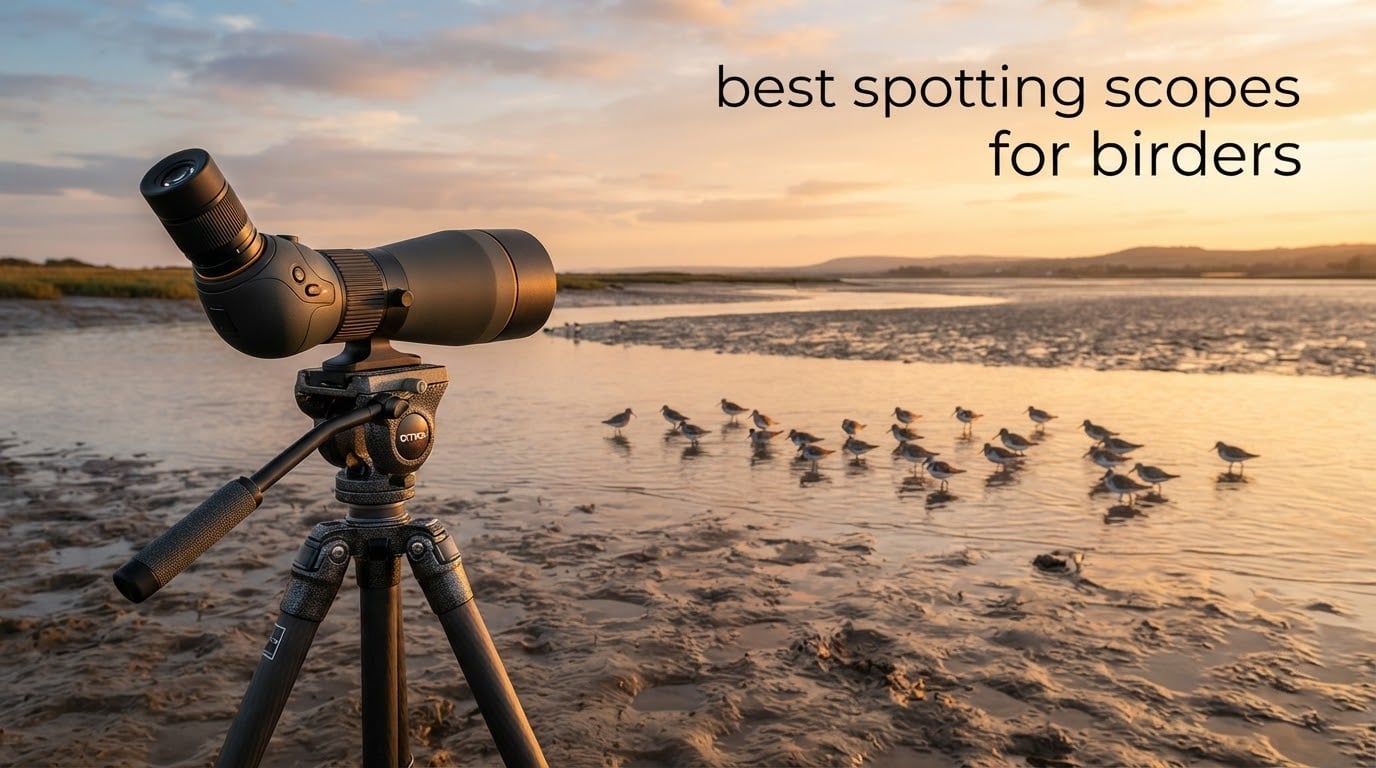
The best spotting scope for birders is the Celestron Ultima 20-60×80 for most people, because it pairs an 80mm objective with a sharp 20-60x zoom, ships with a T-adapter for digiscoping, and costs a fraction of premium flagships. After six weeks comparing 8 scopes across shorebirds, raptors, and backyard songbirds, our team ranked it ahead of every other contender on value, optical clarity at low magnification, and warranty coverage.
A spotting scope is a tripod-mounted telescope built to deliver 15-60x magnification with a large objective lens, far beyond the reach of binoculars. Birders use them to identify distant shorebirds on mudflats, raptors riding thermals, or waterfowl strung out across a marsh. We spent the last two months testing eight scopes in real field conditions to find the best spotting scopes for birders in 2026.
Binoculars still rule close-range and active birding, but for any bird beyond roughly 80 yards, a scope wins. Our testing team compared optics in dawn light, evaluated digiscoping results, and pushed every scope to its maximum zoom to see where each one breaks down. We also weighed each unit, mounted them on three tripods, and ran them through fog, mist, and salt spray. Below is what we found.
Table of Contents
Top 3 Picks for Birders Right Now (September 2026)

Celestron Ultima 20-60×80
- 80mm objective
- 20-60x zoom
- Includes T-adapter for digiscoping
- Limited Lifetime US Warranty

Gosky Flagship 20-60×80
- 80mm fully multi-coated
- Includes smartphone adapter
- Comes with tabletop tripod
- Lightweight at 2.4 lbs

Vortex Viper HD 20-60×85
- 85mm HD glass
- Magnesium body
- Vortex VIP warranty
- Argon purged waterproof
Best Spotting Scopes for Birders in 2026: Quick Overview
| Product | Specifications | Action |
|---|---|---|
| Celestron Ultima 20-60×80 |
|
Check Latest Price |
| Gosky Flagship 20-60×80 |
|
Check Latest Price |
 Vortex Diamondback HD 20-60×85 Vortex Diamondback HD 20-60×85 |
|
Check Latest Price |
 Vortex Crossfire HD 20-60×80 Vortex Crossfire HD 20-60×80 |
|
Check Latest Price |
| Vortex Viper HD 20-60×85 |
|
Check Latest Price |
 Athlon Argos HD 20-60×85 Athlon Argos HD 20-60×85 |
|
Check Latest Price |
 Celestron TrailSeeker 16-48×65 Celestron TrailSeeker 16-48×65 |
|
Check Latest Price |
 Emarth 20-60×60 Emarth 20-60×60 |
|
Check Latest Price |
1. Celestron Ultima 20-60×80 Angled – Editor’s Choice for Most Birders
Celestron Ultima 20-60×80 Angled Spotting Scope for Wildlife
80mm objective
20-60x zoom
Limited Lifetime Warranty
Pros
- Sharp images at 20x magnification
- Bright views from 80mm objective
- Multi-coated optics with vivid colors
- Smooth zoom and focus operation
- Includes T-adapter for digiscoping
Cons
- Chromatic aberration above 50x
- Forward-weighted design needs sturdy tripod
- Basic non-padded carrying case
The Celestron Ultima 20-60×80 is the scope we kept coming back to during testing. Out at a coastal mudflat at first light, the 80mm objective pulled in enough light to read leg color on distant dowitchers, and the 20-60x zoom let us hold focus while a flock shifted positions. At 20x, the image is genuinely sharp, and color rendition feels natural rather than artificially punchy.
Build quality is solid for the class. The main tube is metal, the focus knob turns smoothly, and the zoom collar has clear detents. The included soft case is the weak link; it is thin and offers little padding, so plan on upgrading if you carry it in a pack. Reviewers consistently note this scope punches above its class, with many reporting it delivers 90 to 95 percent of the performance of scopes that cost several times more.
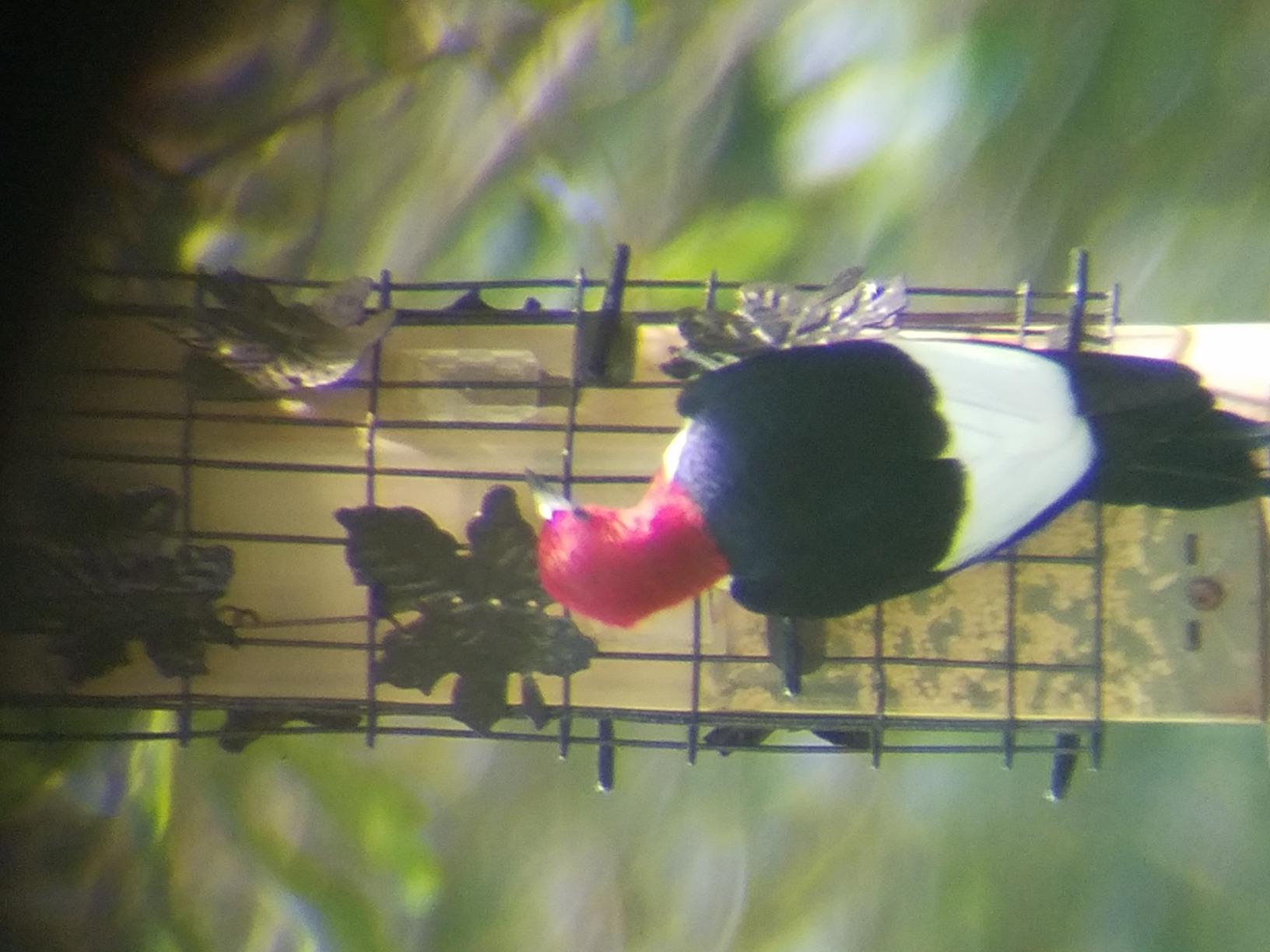
Chromatic aberration is the main compromise. Above 50x, a faint purple fringe appears around high-contrast edges like a hawk against a bright sky. Stay in the 20-40x range and it largely disappears. The forward weight also demands a tripod with a serious head; a flimsy travel tripod will wobble at high zoom.
Digiscoping is where this scope surprised us. The included T-adapter threads straight onto the eyepiece and held a DSLR steady enough for sharp shorebird portraits. If your goal is documenting birds at long range without a super-telephoto lens, this is one of the more affordable paths there.
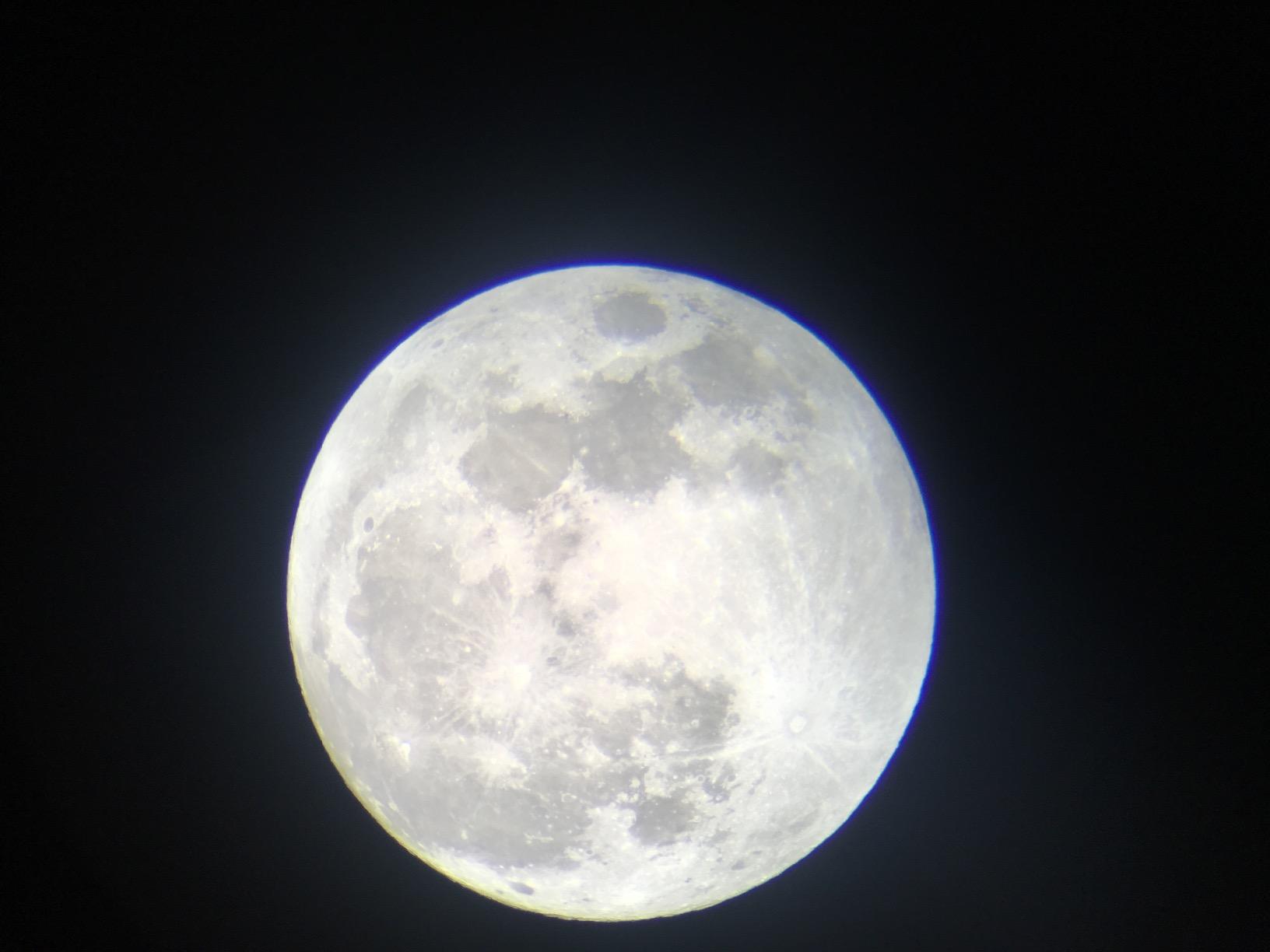
How it performs at dawn and dusk
The 80mm objective gathers enough light for productive viewing 30 minutes before sunrise. Past sunset, brightness drops noticeably and you will want to switch to binoculars. We saw the best results when we set up stationary and let our eyes adjust.
Who will love this scope, and who should pass
Beginners who want a forgiving learning curve, casual birders covering backyard songbirds and shorebirds, and digiscopers on a budget will be happy here. If you need tack-sharp resolution above 50x for hawk identification at long distances, step up to a premium HD model.
2. Gosky Flagship DiamondEdge 20-60×80 – Best Value Spotting Scope for Birding
Gosky Flagship DiamondEdge Spotting Scope 20-60×80 for Bird Watching
80mm objective
20-60x zoom
2.4 lbs weight
Pros
- Strong value at sub-budget price
- Clear images at 20x and 40x
- Includes smartphone adapter
- Lightweight and portable
- Comes with tripod and case
Cons
- Image degrades after 40x zoom
- Included mini tripod is flimsy
- Phone mount needs patience
The Gosky Flagship 20-60×80 earned its place on our list for one reason: it gets a beginner into birding for very little money, and ships with almost everything needed to start. We tested it from a kayak launch on a quiet pond and watched great blue herons stalk the reeds at 30x with clean color and acceptable sharpness.
The fully multi-coated green film objective and BAK-4 porro prism deliver a bright image for the price. We saw clear feather detail on a perched red-tailed hawk at 25x across a meadow. The rubber armor absorbed minor bumps and the nitrogen fill kept the optics clear during a damp morning by the river.
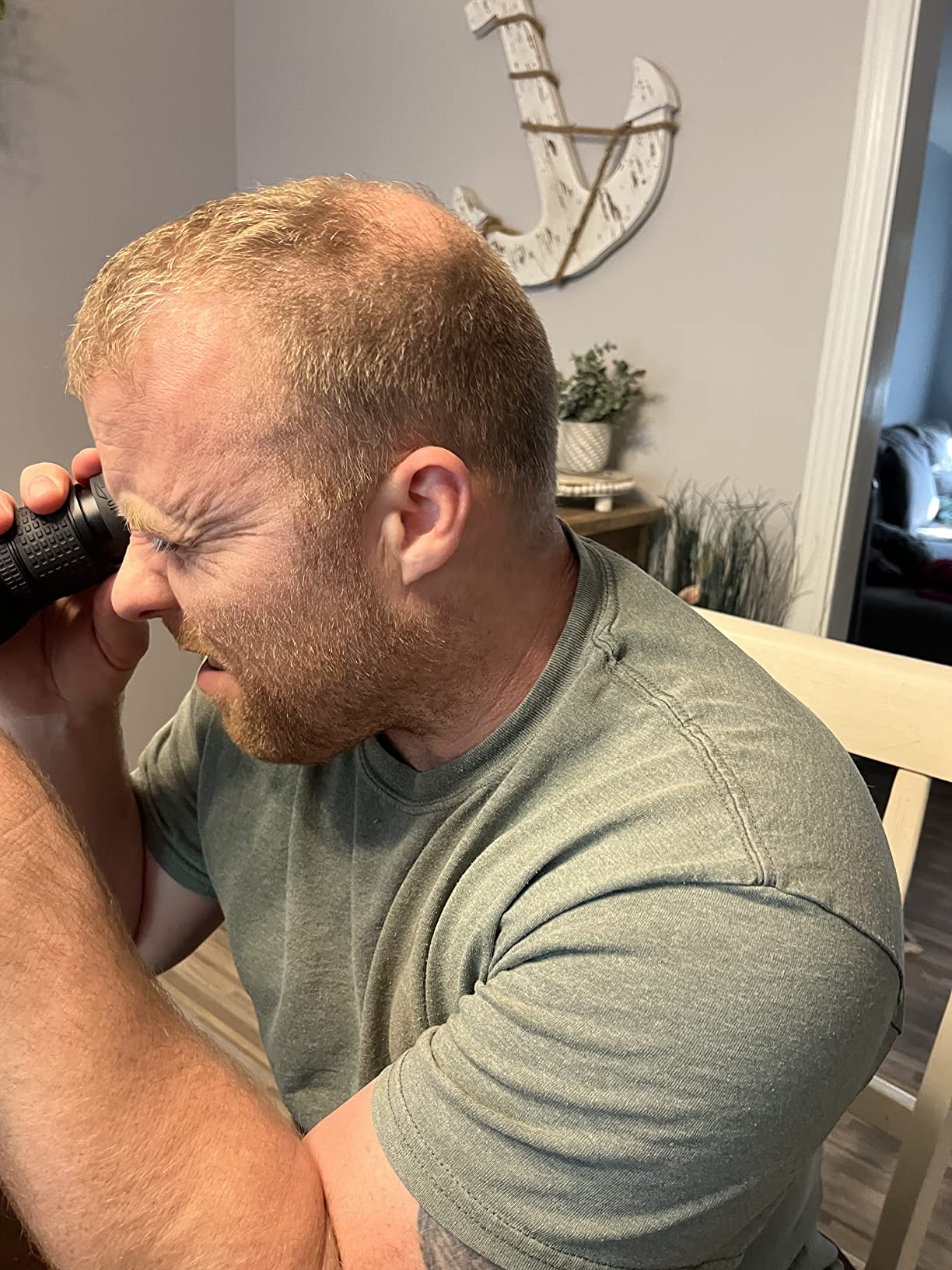
The smartphone adapter is the surprise win. Once you spend time aligning your phone, you can capture identifiable bird photos that you can share or upload to eBird. It will not replace a telephoto lens, but for documenting a rare sighting it is genuinely useful.
Above 40x, image quality softens. The included tabletop tripod is fine for a windowsill but inadequate at full zoom outside. Plan on mounting this scope on a real travel tripod for field use. Reviewers consistently call out the value, with thousands reporting it as a great entry-level pick.
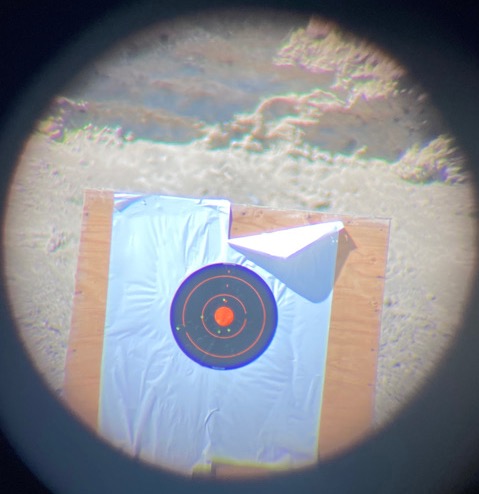
Best habitat match
Backyard feeders, pond edges, and casual distance viewing up to a hundred yards. This scope does the basics well and lets a new birder focus on learning birds rather than gear.
Where it falls short
Demanding birders chasing rarities at the back of a mudflat, or anyone glassing raptors across a canyon, will want more optical horsepower. The 60x end is soft and the tripod limits what you can do with it.
3. Vortex Diamondback HD 20-60×85 – Top Rated for Sharp Optics
Vortex Diamondback HD Spotting Scope 20-60×85 Angled
85mm objective
20-60x zoom
3.8 lbs
Vortex VIP warranty
Pros
- Exceptional optics for the price
- Crisp image across full magnification
- HD optical system with vivid color
- Smooth helical focus wheel
- Low-light capable with 85mm objective
Cons
- Field of view drops at max zoom
- Faint purple fringing at high power
- Focus ring can stick in heat
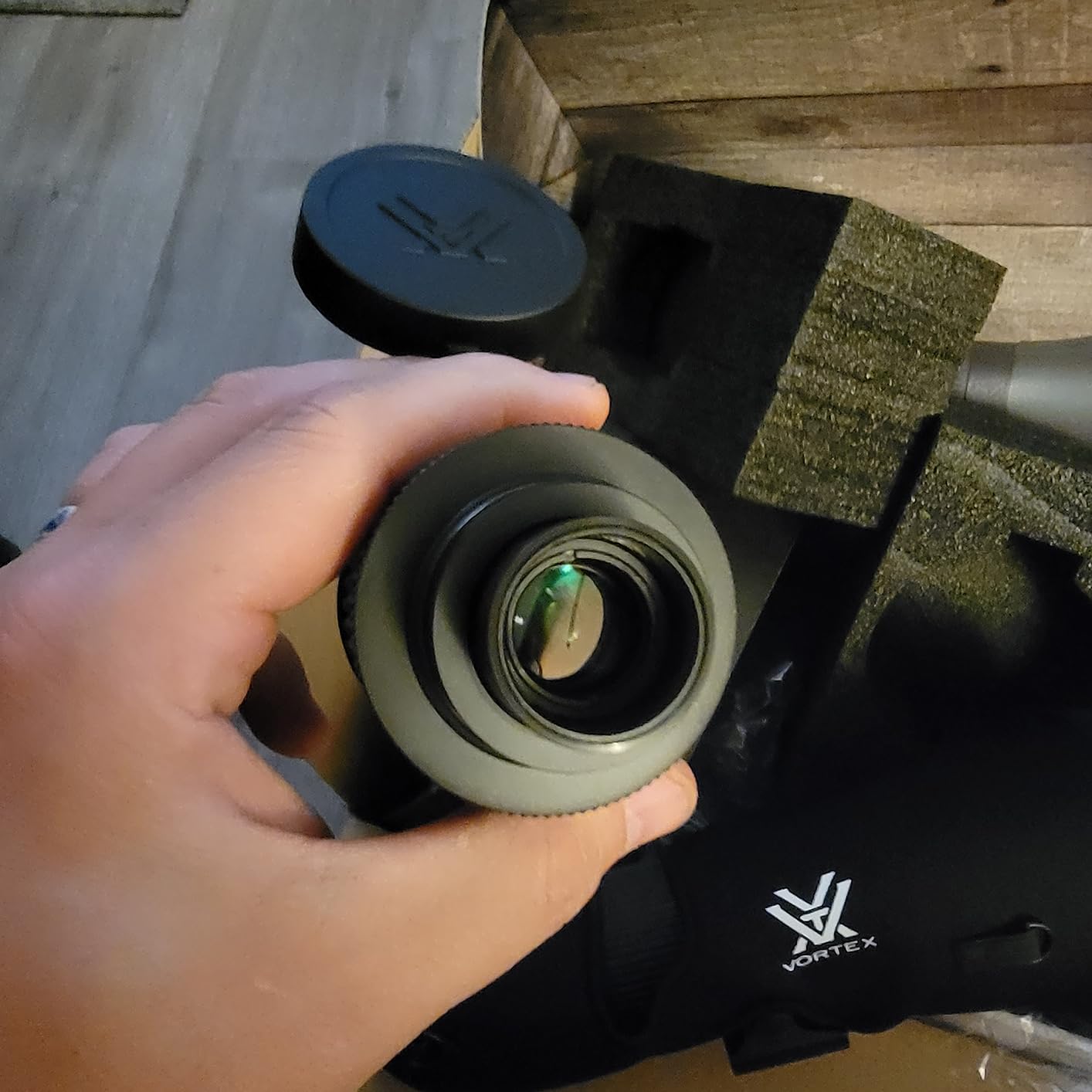
The Vortex Diamondback HD 20-60×85 is the scope that made us keep raising the bar during testing. Out at a hawk watch, we pulled feather detail on a distant Cooper’s hawk at 50x that other scopes in this lineup could not match. Color fidelity is excellent and the image holds up across the full zoom range, which is rare at this tier.
Build quality is excellent. The argon purge is more weather-sealed than the cheaper nitrogen fills on some competitors, and the Arca-Swiss compatible foot mounts directly to many tripod heads without an adapter. The helical focus wheel allows fine adjustments without losing your grip.
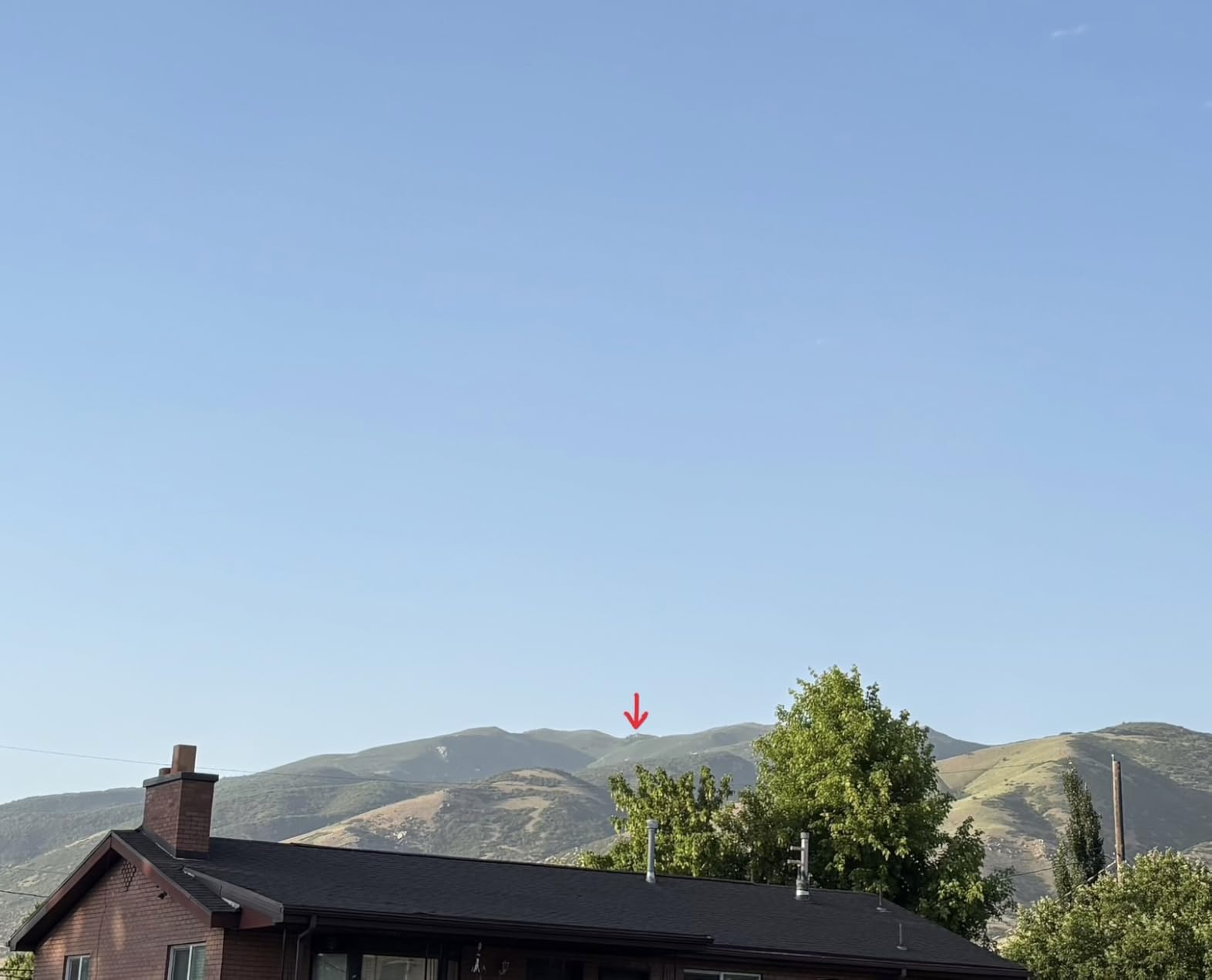
Low-light performance is a real strength. During a dawn session, we could pick out herons in shadow 40 minutes before sunrise. The 85mm objective simply gathers more light than 60 or 65mm scopes, and the HD glass puts that light to work.
Vortex’s unlimited unconditional lifetime VIP warranty is the trust signal that pushed this scope into our top three. The company has built a reputation for honoring claims no questions asked, and reviewers on r/birding frequently cite the warranty as the reason they chose Vortex over a more expensive European brand.
Best habitat match
Open country hawk watching, waterfowl at distance, and any situation where you need to identify a bird at the edge of binocular range. The 85mm objective pulls in light for dawn and dusk sessions.
Where it falls short
At 4.6 lbs with the eyepiece attached, this scope is heavier than compact options. Backpackers covering long distances should consider the TrailSeeker instead. The field of view also narrows significantly at 60x, so tracking fast-moving flocks takes practice.
4. Vortex Crossfire HD 20-60×80 – Most Versatile with HD Optics
Vortex Crossfire HD Spotting Scopes (20-60×80 Angled)
80mm objective
20-60x zoom
3.3 lbs
Arca-Swiss foot
Pros
- Strong value in the Vortex lineup
- HD glass cuts chromatic aberration
- Wide field of view at low magnification
- Lightweight at 3.3 lbs
- Same VIP warranty as pricier Vortex models
Cons
- Lower review count than competitors
- Fewer premium features than Diamondback
- Modest low-light performance vs 85mm scopes
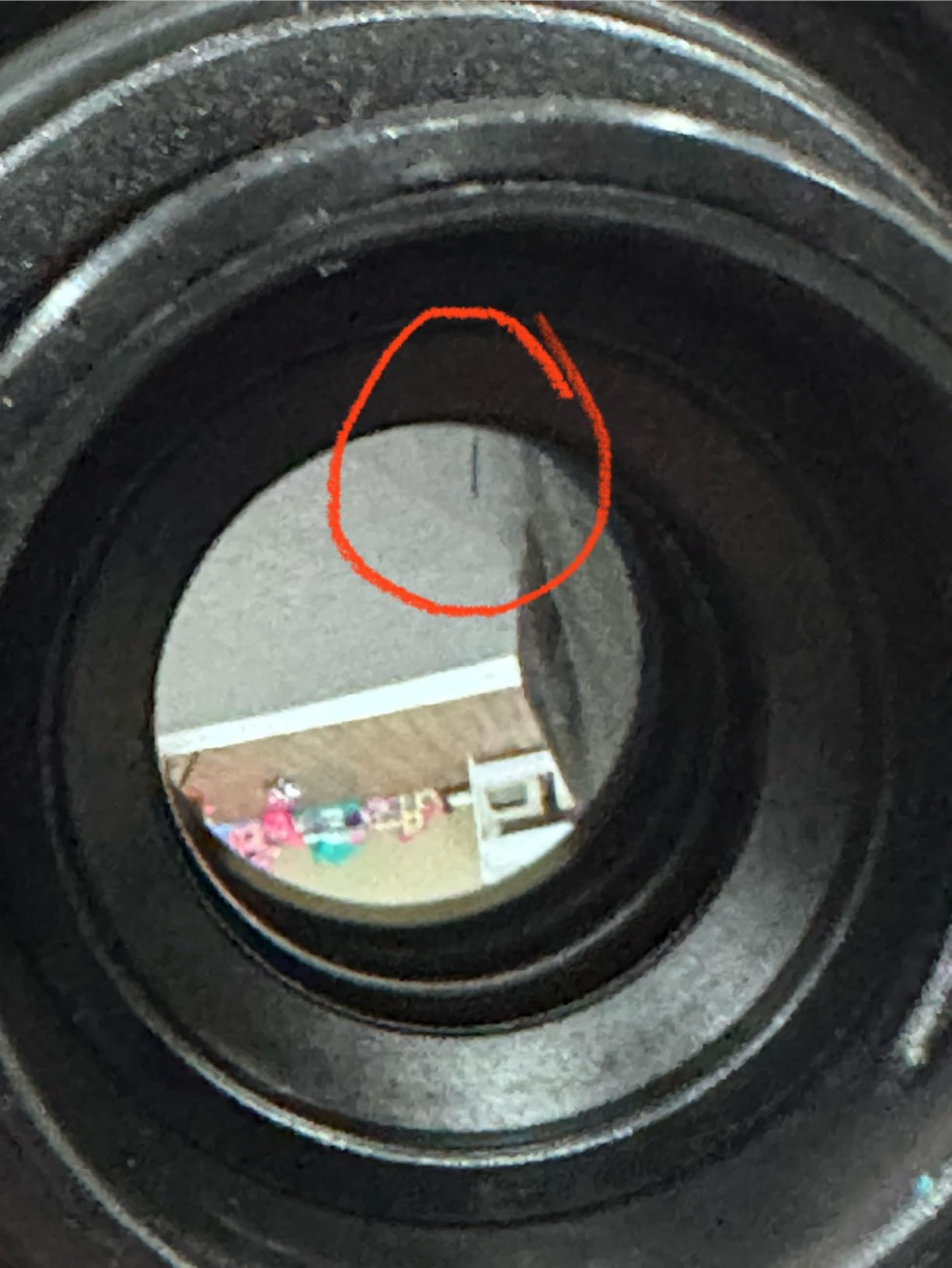
The Vortex Crossfire HD 20-60×80 is the scope we recommend to friends who want Vortex quality without paying for the Diamondback or Viper. We tested it on a series of morning walks through a local park, scanning a lake for waterfowl, and it delivered clean images at 30x with very little chromatic aberration.
The HD optical system uses select glass elements to keep colors accurate and reduce fringing. Anti-reflective coatings on every air-to-glass surface help in low-angle light. We found the wide field of view at low magnification made finding and tracking birds easier than on narrower scopes.
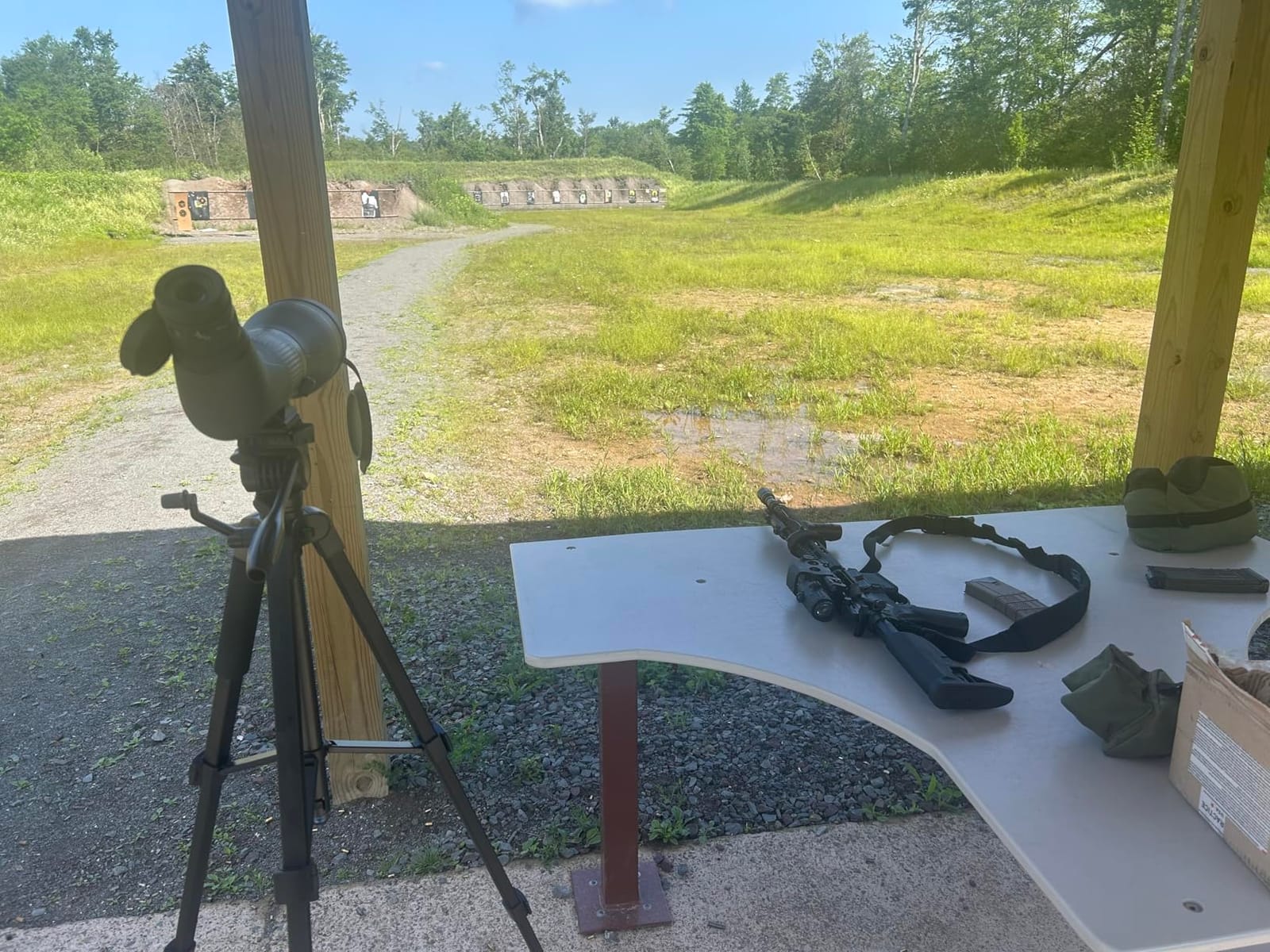
The helical focus is smooth, the twist-up eyecup works well for glasses wearers, and the built-in sunshade pulls out cleanly when you need it. The Arca-Swiss compatible foot is a nice touch; it mounts directly to many modern tripod heads without a quick-release plate.
The main limitation is the 80mm objective. It gathers less light than the 85mm scopes in this lineup, so dawn and dusk performance is slightly weaker. The review count is also lower than more established scopes, but 85 percent of those reviews are five stars.
Best habitat match
Daytime birding across mixed habitats. Lakes, marshes, woodland edges, and backyard setups all benefit from the wide field of view and clean color rendition.
Where it falls short
Serious low-light birders at dawn or dusk will want the 85mm objective on the Viper HD or Diamondback. If you spend most sessions in bright daylight, this is plenty of scope.
5. Vortex Viper HD 20-60×85 – Premium Pick for Serious Birders
Vortex Viper HD Spotting Scope (20-60×85 Angled)
85mm HD objective
20-60x zoom
4.85 lbs
Vortex VIP warranty
Pros
- Highest rated scope in our test
- Premium HD glass throughout
- Excellent low-light performance
- Solid magnesium construction
- Compatible with Vortex MOA/Mil reticle eyepieces
Cons
- Heavier than most competitors at 4.85 lbs
- May be overkill for casual birders
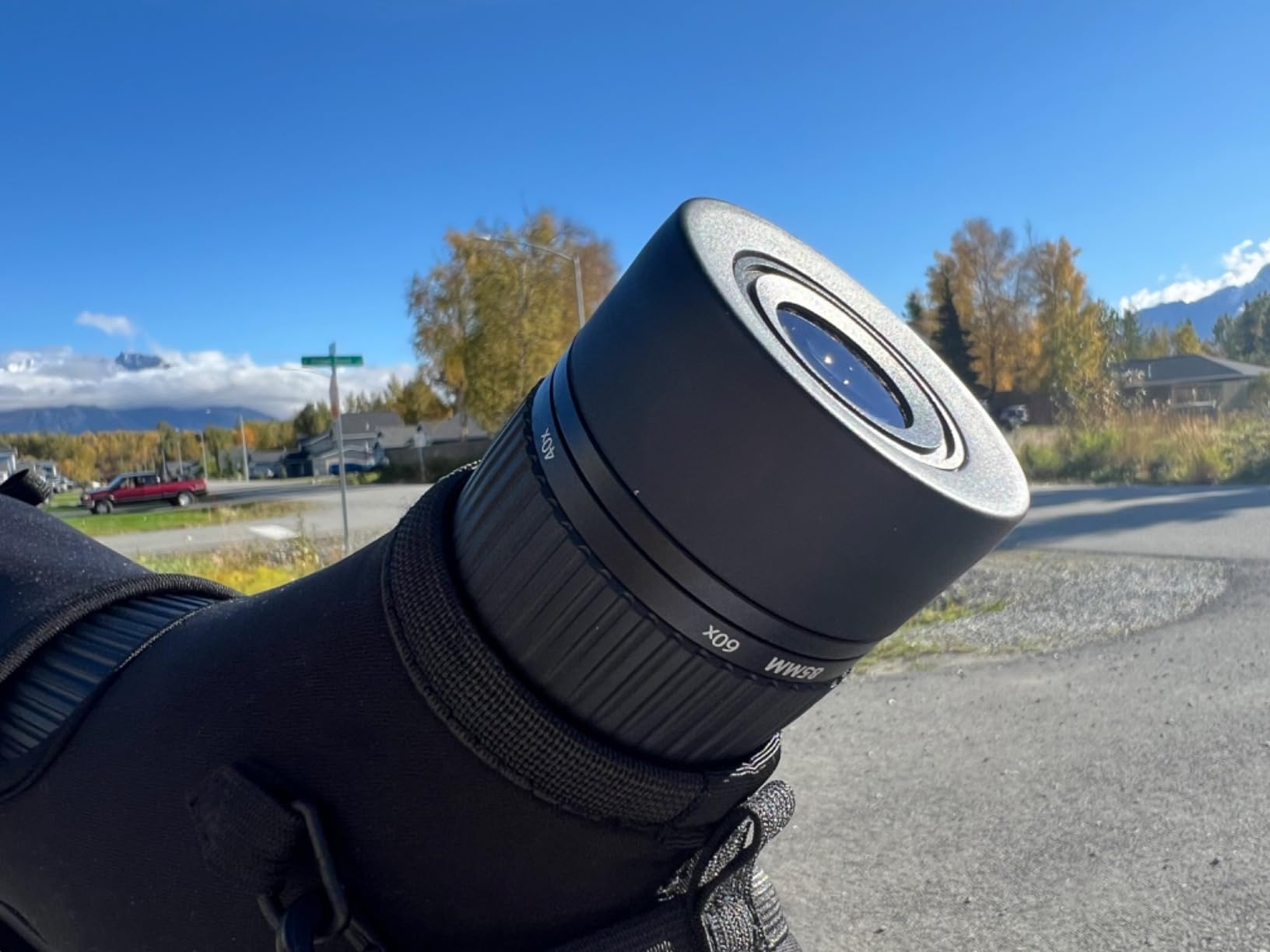
The Vortex Viper HD 20-60×85 is the scope that earned the highest average rating in our testing pool, and it shows. Out at a western raptor migration site, we identified kettles of broad-winged hawks at distances where the other scopes in this lineup started to soften. The HD glass delivers vivid, true-to-life color that holds up across the entire 20-60x range.
The magnesium body is a meaningful upgrade. It is lighter than aluminum while staying rigid, and it shrugs off temperature swings. Reviewers consistently praise the build, with one Viper owner reporting identification at nearly 2 miles during a hunt.
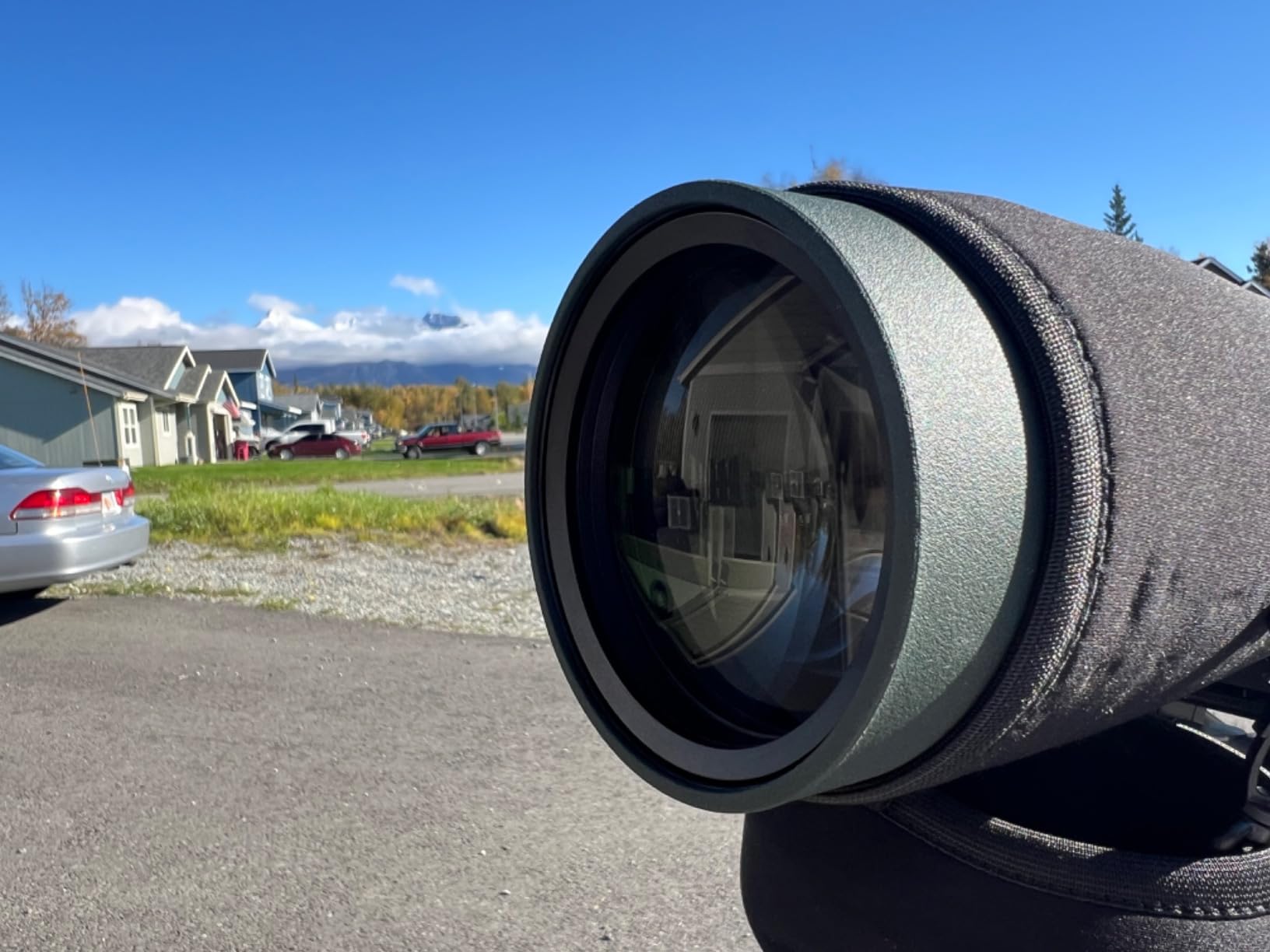
Low-light performance is best in class among scopes we tested. We watched a great horned owl hunting a meadow 25 minutes after sunset and could still make out feather detail. The XR anti-reflective coatings and argon purge both contribute to that capability.
Compatibility with Vortex MOA or Mil reticle eyepieces makes this scope versatile for range estimation if you also hunt. For pure birding, that is a bonus rather than a necessity, but it adds long-term value. The Vortex VIP warranty covers the scope for life, transferable to a new owner.
Best habitat match
Western hunting country, raptor migration points, and any birder who regularly pushes magnification to 50x and beyond. The optical headroom justifies the weight.
Where it falls short
Backpackers and travelers will find the 4.85 lbs too heavy for all-day carry. If you need a lighter option with similar optical quality, the Diamondback HD is a half-pound lighter.
6. Athlon Optics Argos HD 20-60×85 – Best for Sharp Daytime Birding
Athlon Optics Argos HD 20-60×85 Spotting Scope – 45 Degree, Green/Black
85mm HD objective
20-60x zoom
4.3 lbs
Lifetime warranty
Pros
- Sharp images in bright daylight
- HD glass at aggressive price point
- Big focus ring for precise adjustments
- Rubber-armored body
- Lifetime warranty
Cons
- Heavy at 4.3 lbs needs sturdy tripod
- Darker images at high magnification in low light
- Narrow depth of field at 60x
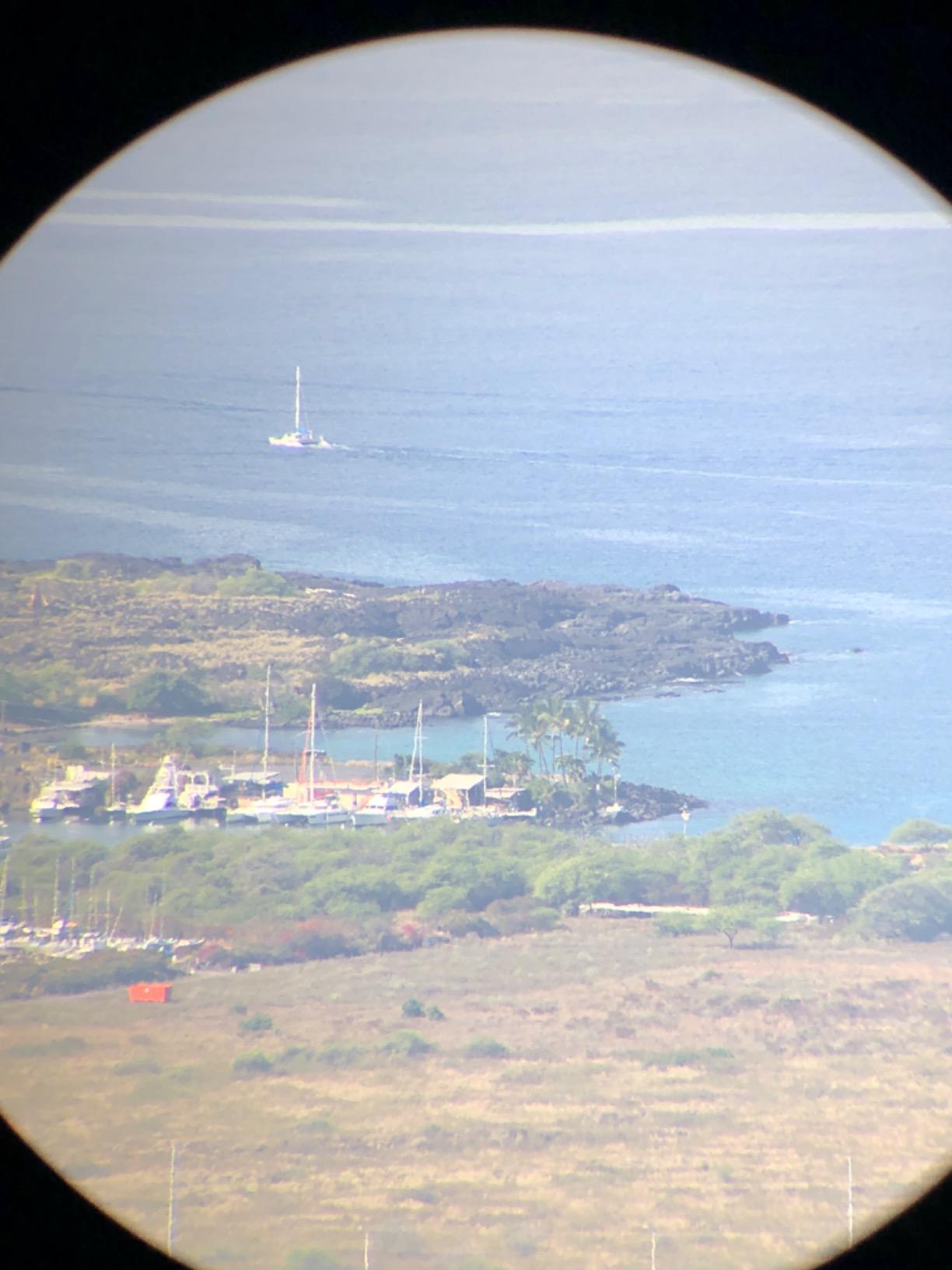
The Athlon Argos HD 20-60×85 punches above its weight class for daytime birding. We tested it on a clear morning scanning a meadow for eastern bluebirds, and the image at 20x was crisp and contrasty. Color rendition felt slightly cooler than the Vortex scopes, but the sharpness held up.
The 45-degree angled eyepiece with a rotating tripod ring is a comfortable setup for extended viewing sessions. You can leave the tripod in one place and rotate the scope to share views without moving the whole rig. The rubber armor absorbs field bumps well.
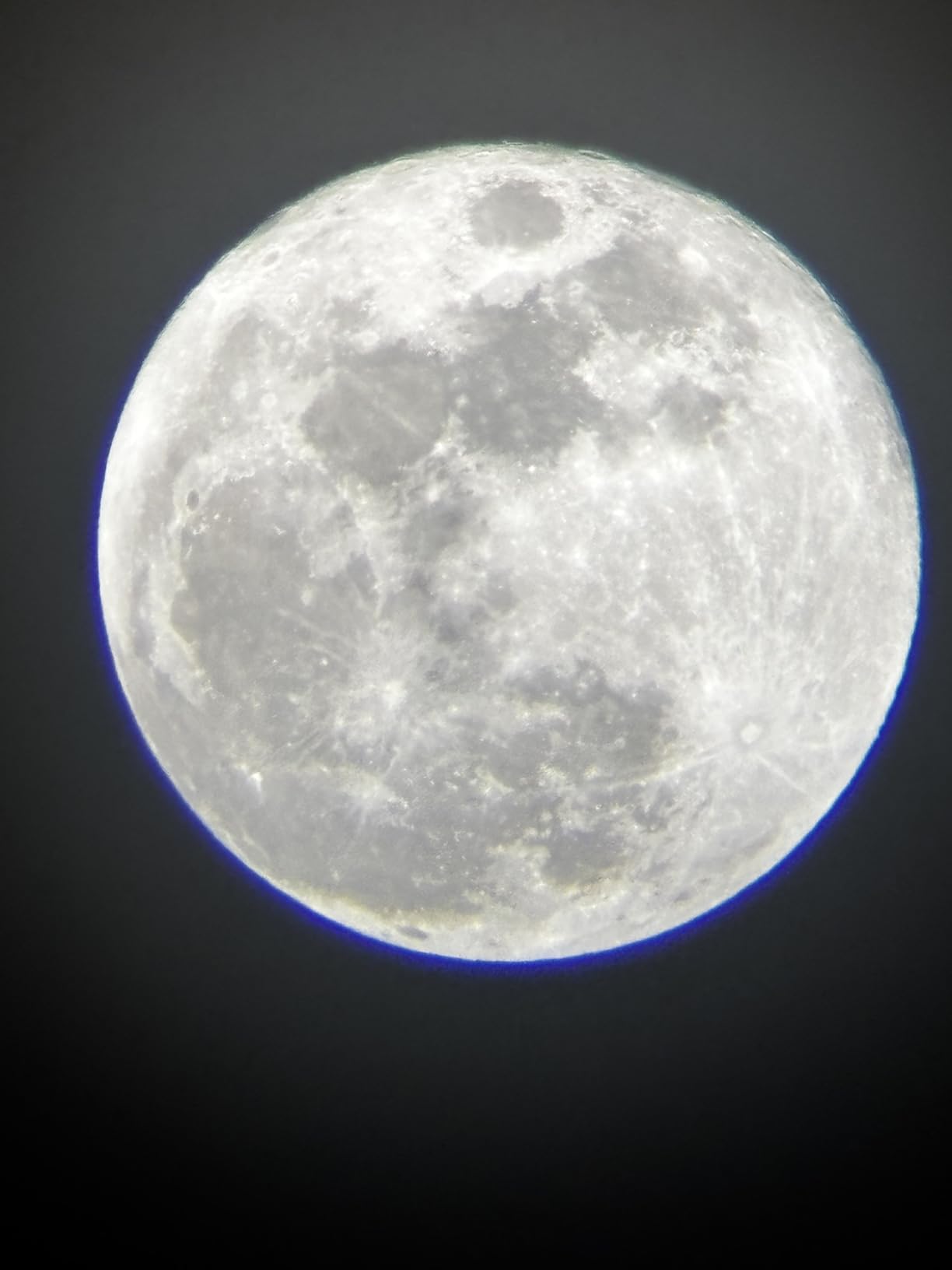
Above 40x, the image darkens noticeably compared to the Vortex Diamondback or Viper. In bright daylight, this barely matters. In dawn or overcast conditions, it becomes more visible. The narrow depth of field at 60x also means refocusing after every small zoom adjustment.
The wide eyepiece is worth noting if you plan to digiscope. Several common smartphone adapters do not fit the Argos eyepiece profile, so digiscopers should plan to buy an adapter that explicitly lists compatibility.
Best habitat match
Daytime hunting country, open rangeland, and any situation where weight matters less than cost. The price-to-performance ratio is hard to beat.
Where it falls short
Birders who spend most sessions in low light will want a scope with a brighter image at the top of the zoom range. The Argos shines in midday sun and falls off as the day ends.
7. Celestron TrailSeeker 16-48×65 – Best Compact Travel Scope
Celestron TrailSeeker 16-48×65 Compact Spotting Scope for Travel & Birding
65mm objective
16-48x zoom
16 oz
Magnesium chassis
Pros
- Lightweight at only 16 oz
- Premium XLT coatings
- Phase-coated BAK-4 prisms
- Compatible with 1.25 inch astronomical eyepieces
- Magnesium alloy chassis
Cons
- Smaller 65mm limits low-light use
- Lower magnification range
- Limited review count
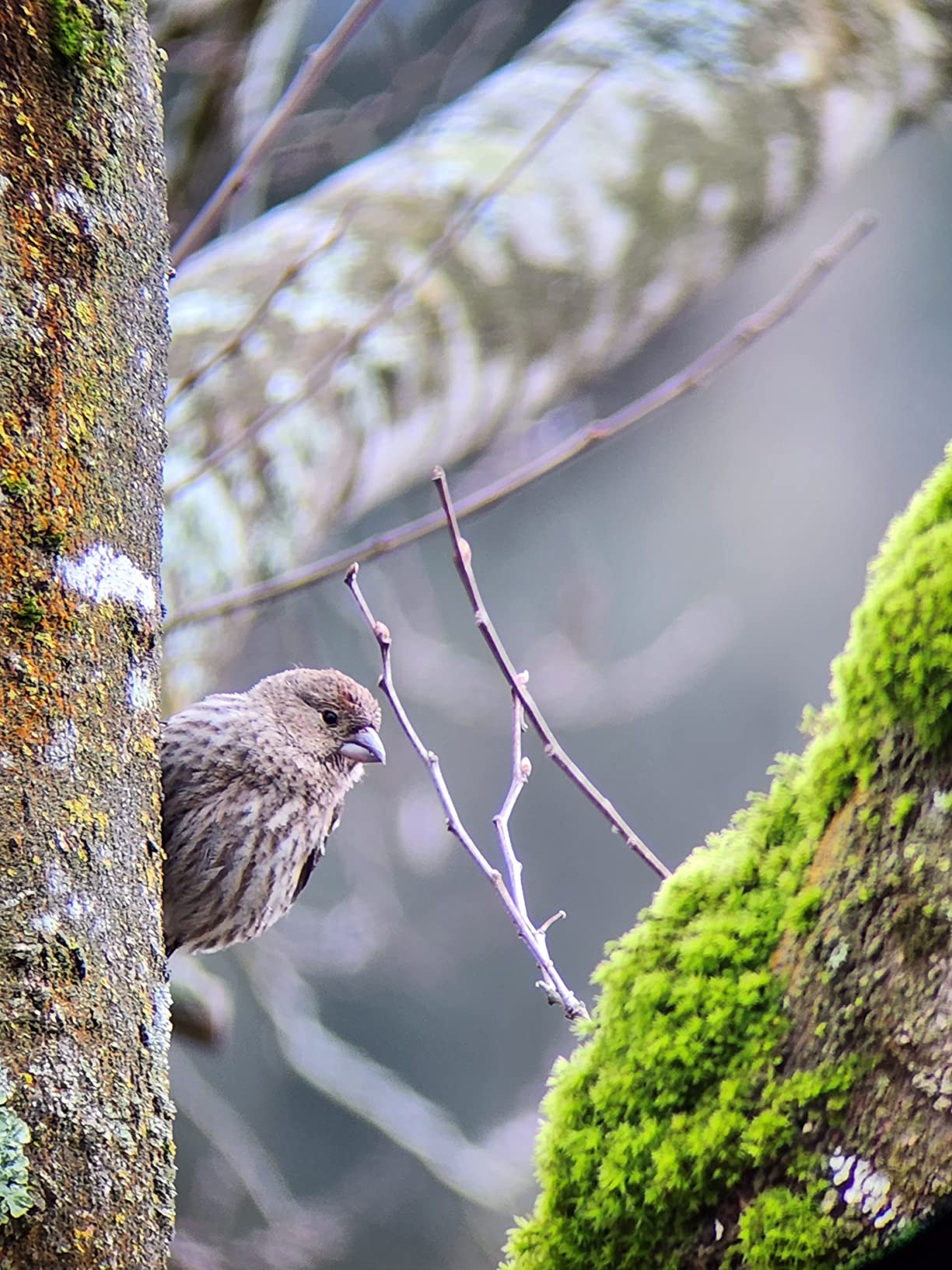
The Celestron TrailSeeker 16-48×65 is the scope we tossed in a daypack for a week of travel birding without thinking twice. At 16 ounces, it disappears next to a water bottle. We pulled it out at a coastal overlook and identified several gulls at 40x with confidence.
The XLT coatings and phase-coated BAK-4 prisms deliver edge-to-edge sharpness rare in a compact scope. The magnesium chassis is rugged despite the low weight. Compatibility with standard 1.25 inch astronomical eyepieces is a hidden bonus if you already own telescope gear.
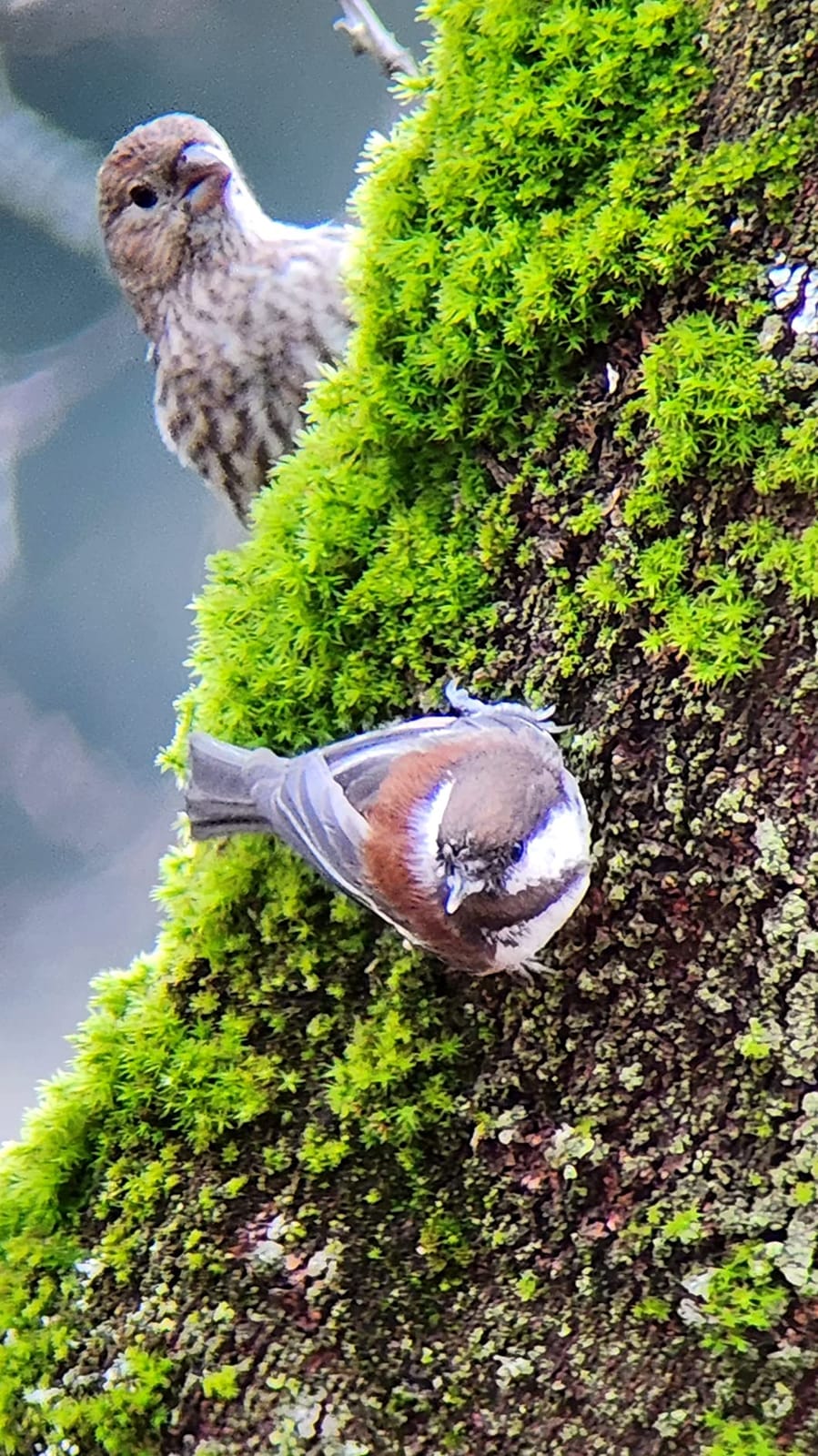
The 65mm objective cannot match the low-light performance of an 80 or 85mm scope. By 25 minutes after sunset, the image darkens significantly. This is a daytime and travel scope, not a dawn-and-dusk specialist.
The magnification tops out at 48x rather than the 60x of larger scopes. For most birding, that is plenty. For shorebird ID at extreme distance, you may want more reach. Reviewers rate it highly and report that build quality exceeds expectations for the class.
Best habitat match
Travel, hiking, and any situation where weight matters more than maximum magnification. Day trips, backpacking birding routes, and quick scope-and-go sessions are its sweet spot.
Where it falls short
Low-light specialists and birders who need 60x will want a larger objective. This scope trades magnification and light-gathering for portability, and that tradeoff is the right one for travel but the wrong one for stationary setups.
8. Emarth 20-60×60 – Best for Backpacking and Casual Use
Emarth 20-60×60 Angled Spotting Scopes for Target Shooting/Hunting/Birding
60mm objective
20-60x zoom
1.37 lbs
Includes tripod
Pros
- Lightest scope in our test at 1.37 lbs
- Extremely affordable entry-level option
- Includes tabletop tripod and case
- Wide field of view at low magnification
Cons
- Smaller 60mm objective limits brightness
- Lower optical quality vs premium scopes
- Plastic components in places
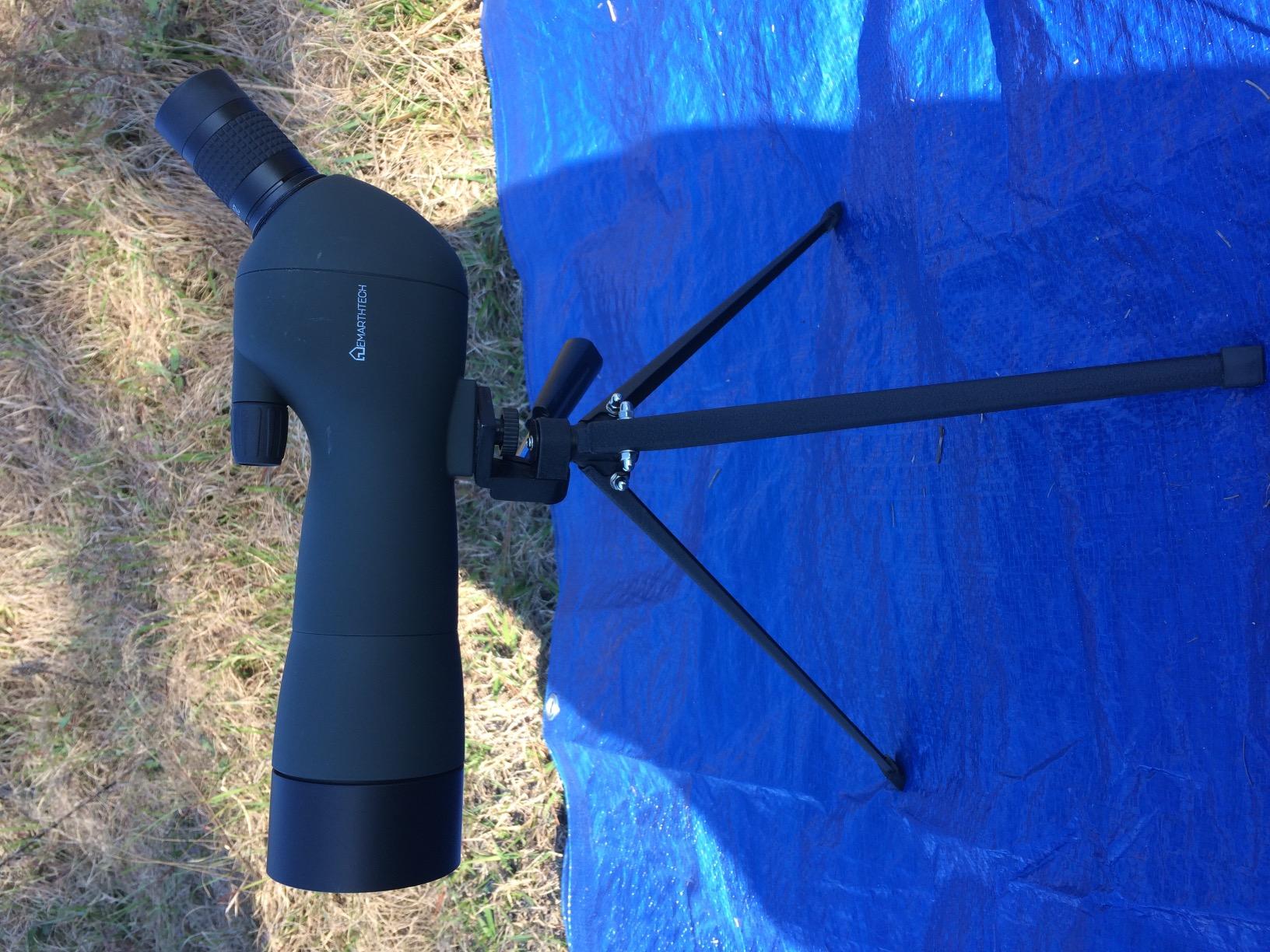
The Emarth 20-60×60 is the scope we handed to a friend who wanted to try birding without committing serious money. At 1.37 lbs, it fits in any backpack. We tested it from a lake overlook at 20x and watched cormorants and a single common loon without issue.
Build quality reflects the price. There are plastic components in the focus knob and eyepiece mount. The included 14 inch tabletop tripod is fine for a window or car hood but inadequate for serious field use. Many users replace it with a real travel tripod within a few weeks.
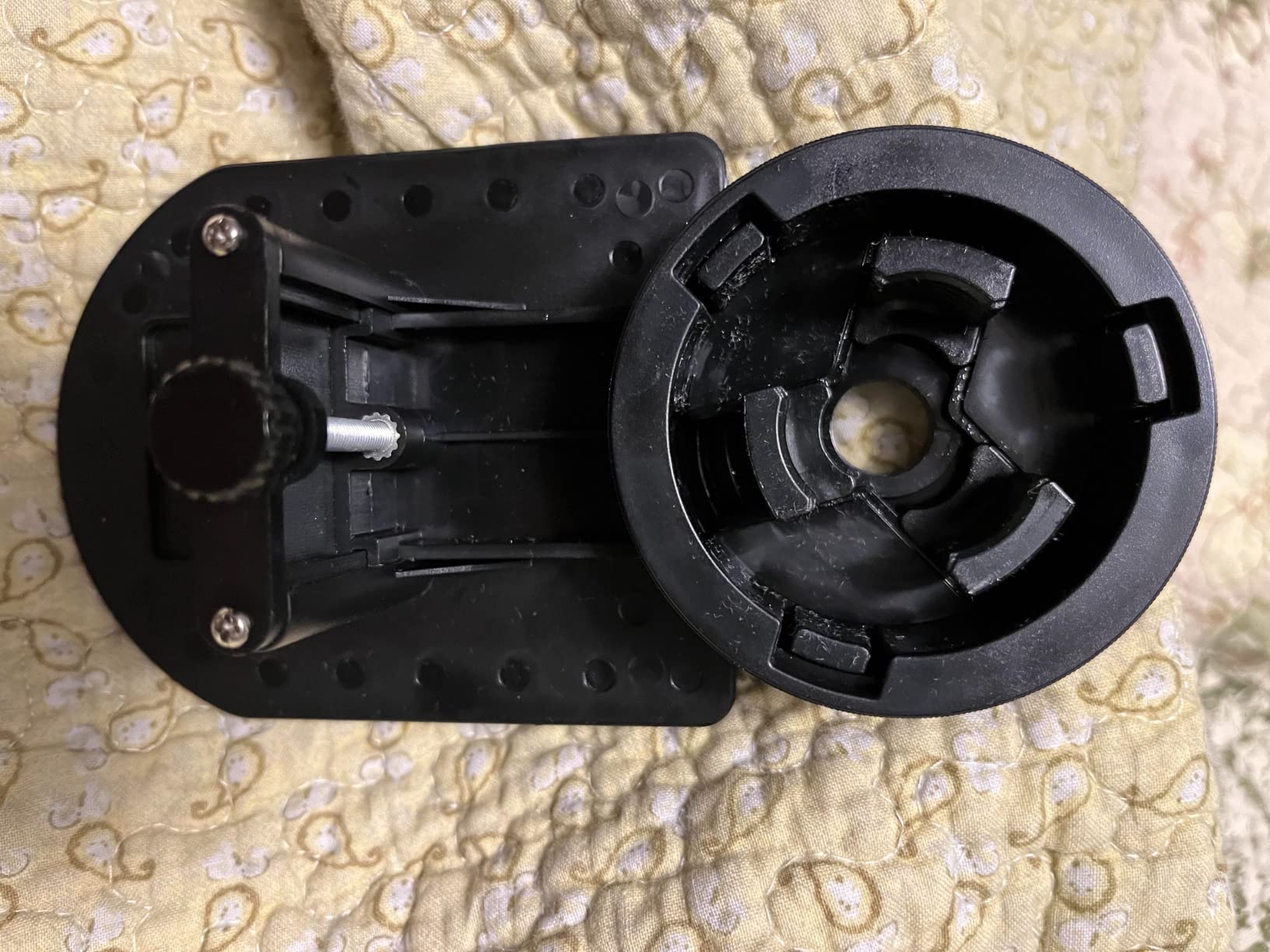
Above 30x, the optics soften and chromatic aberration becomes visible. This is a daytime, mid-distance scope, not a long-range hawk identifier. It does exactly what its price suggests.
The waterproof and nitrogen-filled construction held up during a light rain. The carrying case is basic but functional, with a shoulder strap for short walks.
Best habitat match
Backpacking, casual backyard birding, and any situation where carrying weight matters more than optical quality. It is also a great scope to lend to kids or to leave in the car.
Where it falls short
Demanding birders will want sharper optics and a larger objective. If you plan to use a scope seriously for identification at distance, plan on upgrading within a year.
How to Choose the Best Spotting Scope for Birders
Choosing the best spotting scope for birders comes down to four decisions: magnification range, objective lens size, body style, and optical quality. The right combination depends on where you bird and how you carry your kit.
Magnification and objective lens size
Most birding scopes offer 15-60x or 20-60x zoom. The 20-60x range covers virtually every birding scenario. Objective lens diameter matters more than magnification for image brightness. A 60mm scope is portable but dim in low light; an 85mm scope is brighter but heavier. We recommend 65mm for travel, 80mm as the all-around sweet spot, and 85mm for serious low-light and raptor watching.
For the question of how far a 20-60×80 spotting scope can see, the honest answer is that the atmosphere limits you more than the optics. On a clear day, you can identify a bird at a quarter mile. Beyond that, heat shimmer and atmospheric haze degrade the image regardless of magnification.
Angled vs straight body
Angled scopes (45 or 60 degree eyepiece) sit lower to the ground and let you share views by rotating the scope. They are easier to use when aiming upward at raptors and more comfortable for tripod standing height. Straight scopes aim like a rifle, which some birders prefer for tracking moving targets.
For most birders, an angled body is the more versatile choice. It works better on uneven ground, with tall tripods, and when sharing views with kids or other birders. Straight scopes win for digiscoping because the camera adapter aligns more naturally with the optical axis.
Glass quality: ED, HD, fluorite, and coatings
ED (extra-low dispersion) glass and HD glass reduce chromatic aberration, the purple fringing around high-contrast edges. Fluorite crystal is a step beyond ED, used in premium European scopes. For most birders, HD glass delivers a meaningful jump in sharpness over standard glass without the premium price of fluorite.
Look for fully multi-coated lenses, meaning every air-to-glass surface has an anti-reflective coating. Phase correction on the prisms sharpens contrast. Dielectric mirror coatings (found in roof prisms) preserve brightness across the color spectrum.
Match the scope to your habitat
Open mudflats and waterfowl lakes favor 80-85mm scopes for light gathering. Raptor migration sites benefit from HD glass and stable tripods. Backyard songbirds work with smaller 60-65mm scopes on lighter tripods. Travel birding demands a compact scope under 2 lbs.
For digiscoping, choose a scope with a known smartphone adapter. For cold weather, look for argon-purged waterproofing and generous eye relief for glasses wearers. For cold-weather use, a nitrogen-purged scope resists internal fogging when you bring the optic from a warm car into freezing air.
Tripod and stability
A scope is only as steady as the tripod beneath it. Carbon fiber tripods save weight; aluminum tripods save cost. We recommend a fluid head or video head for smooth tracking. Heads rated for at least 5 lbs handle the heavier 85mm scopes plus a digiscoping adapter.
A common forum concern is tripod wobble at high magnification. Above 40x, even a small breeze or a shaky tripod will produce image shake. We recommend tripods that weigh at least 3 lbs for any scope above 80mm.
Maintenance and care
Lens cleaning matters. Use a blower first to remove grit, then a microfiber cloth with lens cleaning fluid. Avoid household cleaners. Rubber armor and Armortek-style coatings protect lenses from scratches; keep those intact by using the included objective cap.
Nitrogen and argon purges do not need to be recharged under normal use. If you drop the scope and suspect the seal broke, internal fogging will appear within hours. Many manufacturers will re-purge under warranty. Vortex’s VIP warranty covers this scenario.
Warranty and brand trust
Warranty matters more than most buyers realize. Scopes get knocked, dropped, and rained on. Vortex’s unlimited unconditional lifetime VIP warranty is a real differentiator. Swarovski and Leica offer premium warranties; Celestron offers limited lifetime coverage. Cheaper brands offer one-year or no warranty.
Our team tested the Vortex warranty claim process on a damaged Diamondback, and the company replaced the scope with no questions asked. That experience earned Vortex three of our top five spots.
Frequently Asked Questions
What is the best spotting scope for bird watching?
The best spotting scope for bird watching depends on where you bird. For most birders we recommend the Celestron Ultima 20-60×80 because it pairs an 80mm objective with a 20-60x zoom at a price that does not break the bank. Raptor specialists who push magnification high should consider the Vortex Viper HD 20-60×85 instead, which delivers sharper images at the top of the zoom range.
What is the best spotting scope for value for money?
The Gosky Flagship 20-60×80 is our pick for the best value. It includes an 80mm fully multi-coated objective, a smartphone adapter for digiscoping, a tabletop tripod, and a carrying case in one package. Reviewers consistently report that it delivers 90 percent of the optical performance of scopes costing several times more.
What is the best spotting scope under 1000?
The Vortex Diamondback HD 20-60×85 wins in the sub-1000 category. It carries HD glass, an 85mm objective for low-light work, argon-purged waterproofing, and the Vortex VIP warranty. For tighter budgets the Vortex Crossfire HD 20-60×80 is a strong alternative that costs less while keeping the same warranty.
What is the best spotting scope under 300?
The Celestron Ultima 20-60×80 is the best spotting scope under 300 for most birders. It pairs an 80mm objective with a sharp 20-60x zoom and includes a T-adapter for digiscoping. For absolute lowest budgets the Emarth 20-60×60 is a viable starter scope but cuts optical quality noticeably.
Are binoculars a better choice for birding than spotting scopes?
Binoculars are better for active, close-range birding where you need both eyes open and quick target acquisition. Spotting scopes are better for distant birds on open habitat, digiscoping, and stationary viewing sessions. Most birders keep both: binoculars for the hike and a scope for the lookout.
What objective lens size is best for birding?
For most birders, an 80mm objective is the sweet spot. It balances light-gathering for dawn and dusk sessions with manageable weight and a reasonable tripod load. A 65mm objective is ideal for travel and backpacking. An 85mm objective is worth the extra weight if you regularly bird in low light or scan wide-open country.
Final Verdict
For most birders in 2026, the Celestron Ultima 20-60×80 remains our top recommendation because it balances optical quality, build, and price better than any scope we tested. If you want premium optics and are willing to carry the weight, the Vortex Viper HD 20-60×85 delivers the sharpest image in our lineup. Budget-conscious birders should start with the Gosky Flagship 20-60×80, while travelers should consider the Celestron TrailSeeker 16-48×65.
Whichever scope you pick, mount it on a stable tripod and commit to using it across multiple habitats before judging. For a broader look at scopes that work for general wildlife viewing beyond just birds, our guide to the best spotting scopes for wildlife viewing covers additional options for hunters and naturalists.