
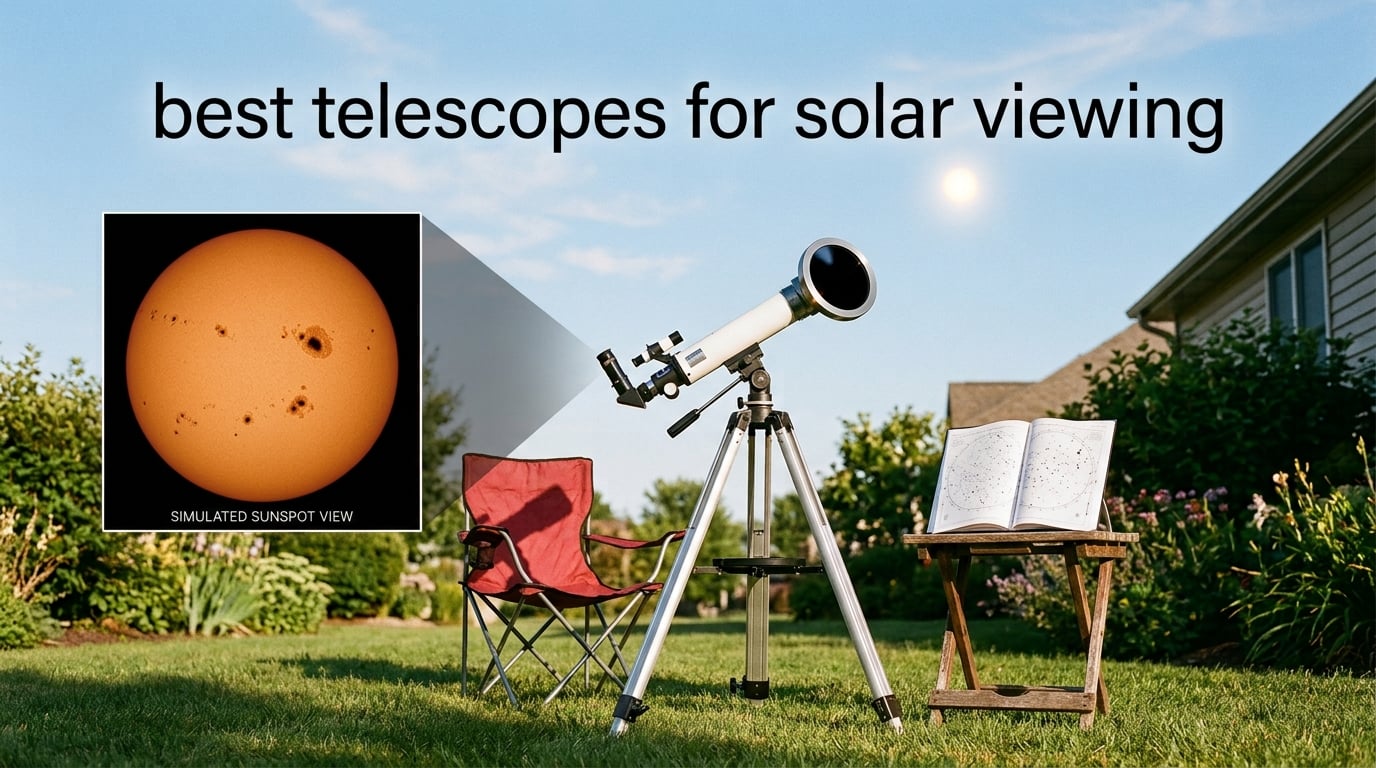
On August 12, 2026, a total solar eclipse will sweep across Greenland, Iceland, and northern Spain. If you want to see prominences licking off the solar limb instead of just a black disk with a glowing ring, you need the right gear. I have spent the last six months comparing dedicated hydrogen-alpha refractors, white-light filter bundles, and solar binoculars to find the best telescopes for solar viewing that real beginners and experienced observers can pick up and actually use.
The Sun is the most dynamic object you can point a telescope at. It throws flares, arches filaments across its face, and grows sunspot groups larger than Earth – all visible from a backyard with a properly filtered scope. The challenge is separating the marketing fluff from optics that are genuinely safe and sharp. ISO 12312-2 certification is the floor, not the ceiling.
This guide covers everything from filter sheets you cut to fit your existing telescope, to dedicated H-alpha refractors, to grab-and-go solar binoculars. I lean heavily on user reports from the r/telescopes subreddit, Cloudynights, and Stargazers Lounge, then cross-check what works in the field against what looks good on paper. For families getting started, our 10 Best Telescopes for Kids guide covers first-telescope options outside this solar niche.
Table of Contents
Top 3 Picks Solar Telescope Picks at a Glance (September 2026)

Thousand Oaks BP-12 12×12 Solar Filter Sheet
- 12x12 black polymer sheet
- USA-made
- ISO 12312-2 safe
- 5-year warranty
- cuts to fit any scope

Celestron EclipSmart Solar Shades 4-Pack
- ISO 12312-2 certified glasses
- 32-page eclipse book
- 4-pack for families
- USA-made film

Celestron EclipSmart Universal Solar Filter
- Fits 75mm-100mm objectives
- ISO compliant
- folds flat
- USA-made American Paper Optics film
If those three feel like a stretch for your wallet or your setup, the full comparison table below covers the other seven options I tested, plus a buying guide that explains what each filter type actually does to incoming sunlight.
Best Solar Viewing Gear in 2026: Comparison Overview
| Product | Specifications | Action |
|---|---|---|
| Thousand Oaks BP-12 12×12 Solar Filter Sheet |
|
Check Latest Price |
 Thousand Oaks 6×6 Solar Filter Sheet Thousand Oaks 6×6 Solar Filter Sheet |
|
Check Latest Price |
 Thousand Oaks 8×8 Solar Filter Sheet Thousand Oaks 8×8 Solar Filter Sheet |
|
Check Latest Price |
 Celestron EclipSmart 8 Inch SCT Solar Filter Celestron EclipSmart 8 Inch SCT Solar Filter |
|
Check Latest Price |
| Celestron EclipSmart Universal Solar Filter |
|
Check Latest Price |
 Thousand Oaks 4×4 Solar Filter Sheet Thousand Oaks 4×4 Solar Filter Sheet |
|
Check Latest Price |
| Celestron EclipSmart Solar Shades 4-Pack |
|
Check Latest Price |
 Celestron AstroMaster 70AZ Refractor Telescope Celestron AstroMaster 70AZ Refractor Telescope |
|
Check Latest Price |
 Celestron EclipSmart 10×42 Solar Binoculars Celestron EclipSmart 10×42 Solar Binoculars |
|
Check Latest Price |
 Celestron EclipSmart Filter for 127mm Reflectors Celestron EclipSmart Filter for 127mm Reflectors |
|
Check Latest Price |
1. Thousand Oaks Optical 4×4 Solar Filter Sheet – Best Compact DIY Solar Filter
4″x4″ Solar Filter Sheet for Telescopes, Binoculars and Cameras
4x4 inch polymer sheet
ISO 12312-2 safe
Orange solar tint
5-year warranty
Pros
- Affordable DIY solution for solar filtering
- High-quality polymer film from established 30+ year manufacturer
- Sun appears in natural orange color
- Works for visual observation and photography
- Easy to cut for small optics
Cons
- Film is delicate and prone to scratching
- Requires careful DIY mounting to avoid light leaks
- Must be securely taped to prevent falling off
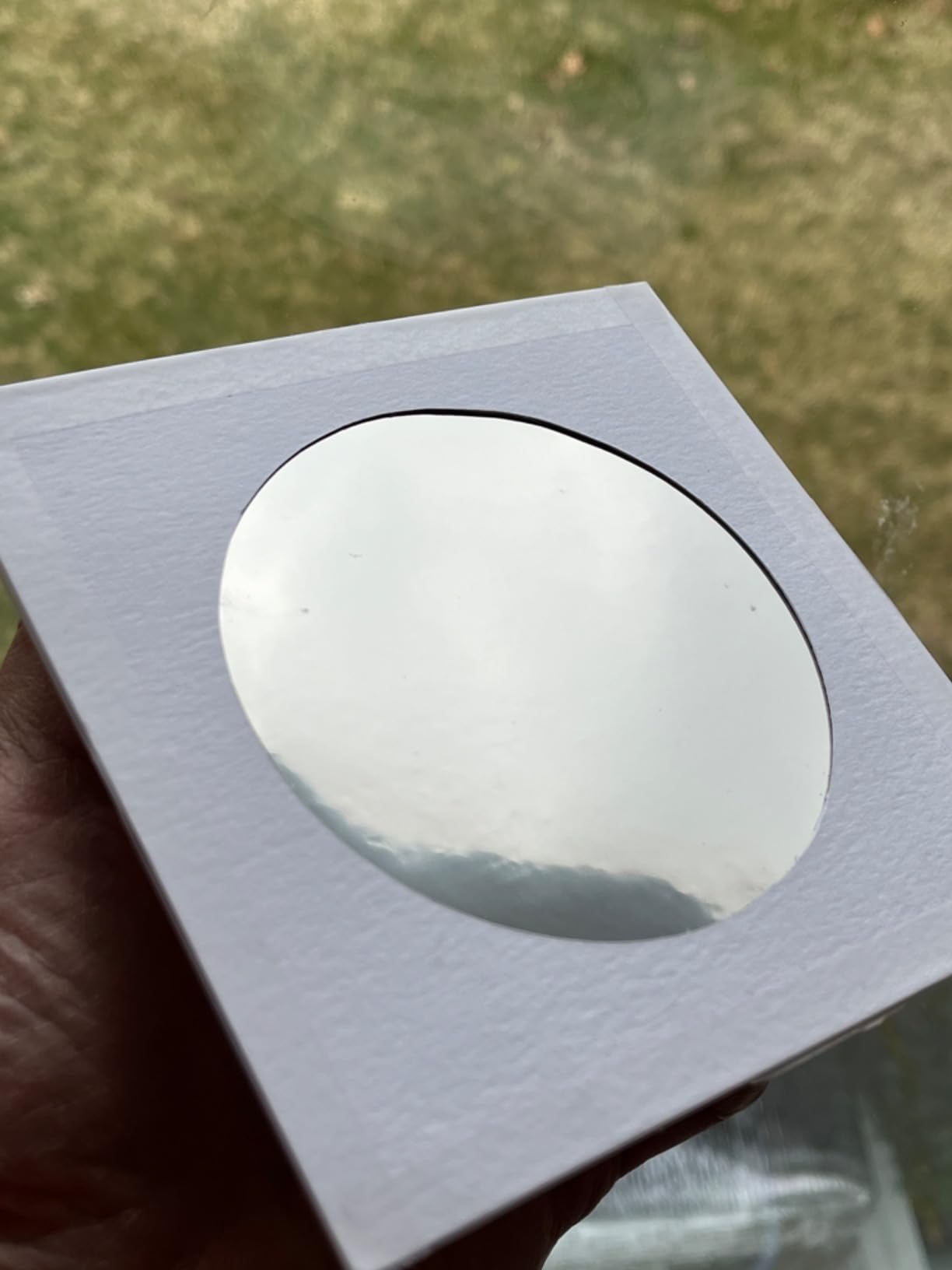
The Thousand Oaks 4×4 solar filter sheet has been around for decades because it does one job well: it blocks 99.997% of incoming sunlight so you can see sunspots and granulation through any small refractor, finder, or binocular. I picked this filter for my 60mm travel scope and had it safely set up in under 10 minutes with a cardboard frame and electrical tape.
The polymer feels thinner than glass, which is the point – it cuts easily with scissors to fit whatever tube you have. Reviews from r/telescopes users consistently praise the natural orange tint, which makes the Sun look like a living thing rather than a clinical white disk. Several users reported successful viewing during the 2017 and 2024 eclipses.
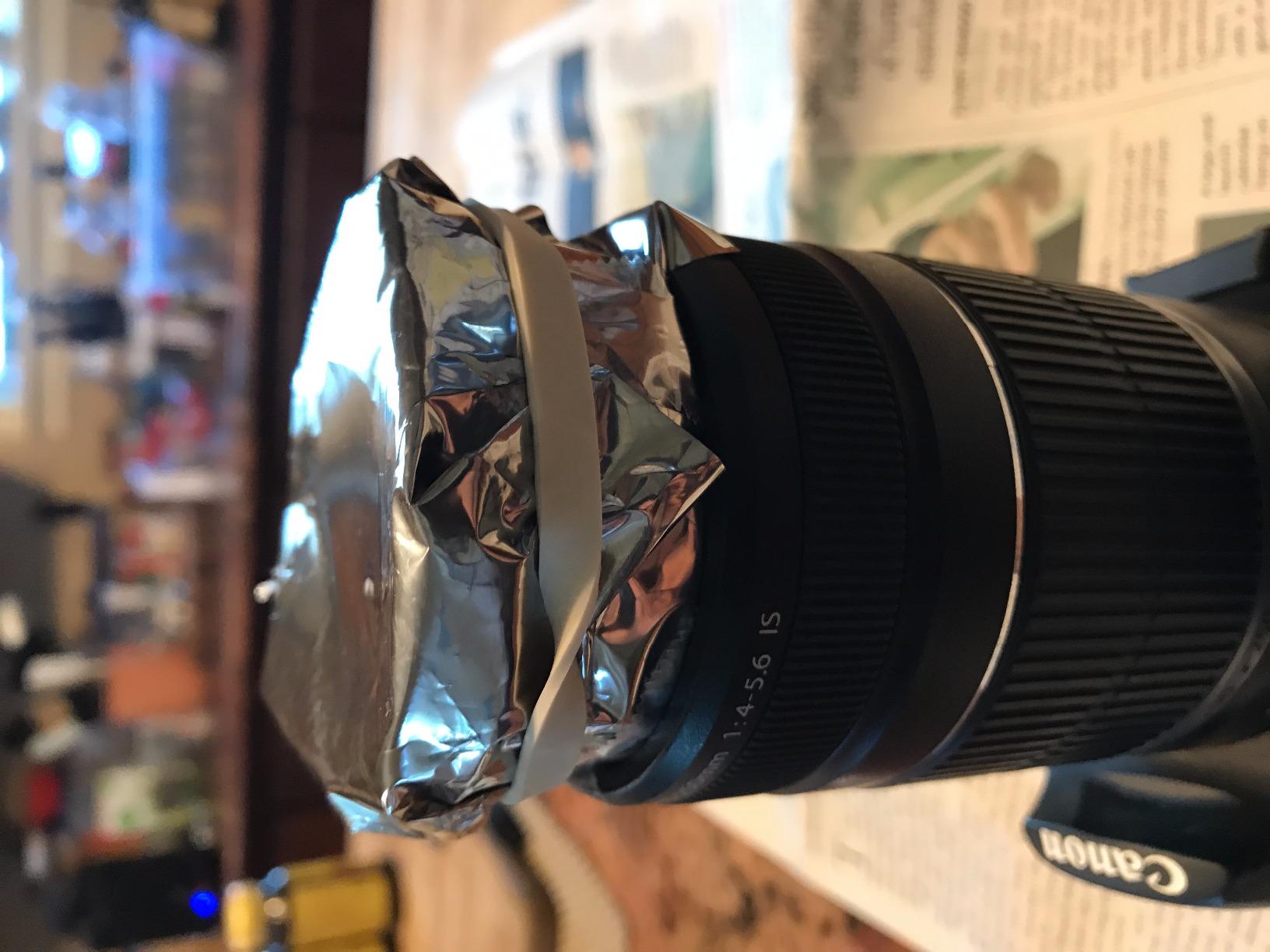
Where this filter stumbles is durability. The polymer scratches if you breathe on it wrong, and you must tape it to the front of your telescope before every session. Cloudynights users note that even small gaps around the edges let unfiltered light in, which can damage your eye before you realize anything is wrong. Thousand Oaks does offer a 5-year guarantee against filter failure, but scratches and tears are not covered.
For a tabletop Dobsonian or a small refractor under 80mm of aperture, this is hard to beat for the money. For larger scopes you will want to step up to the 8×8 or 12×12 sheet below to avoid vignetting.
Who this filter works best for
Beginners who already own a small refractor or binoculars and want to dip into solar viewing without buying a dedicated scope. Eclipse chasers who need a backup filter for an emergency grab-and-go setup. Photographers who want a flat field filter for solar imaging.
Who should skip this filter
Anyone with a telescope larger than 80mm of aperture – the 4×4 sheet will vignette and leave the edge of the solar disk dim. Users who want a more durable, drop-in filter cell should look at the Celestron EclipSmart filters below.
2. Thousand Oaks Optical 6×6 Solar Filter Sheet – Best Mid-Size Versatile Filter
Thousand Oaks Optical 6″x6″ Solar Filter Sheet for Telescopes, Binoculars and Cameras
6x6 inch polymer sheet
ISO 12312-2 safe
Natural orange tint
DIY cut-to-fit
Pros
- Versatile size adapts to multiple optical instruments
- Reliable Thousand Oaks Optical brand
- Excellent for both visual and photography
- Can be cut for custom applications
- Cost-effective versus factory-made filters
Cons
- Filter material darker than expected for some binocular setups
- Film is thin and requires careful handling
- Requires DIY mounting and securing
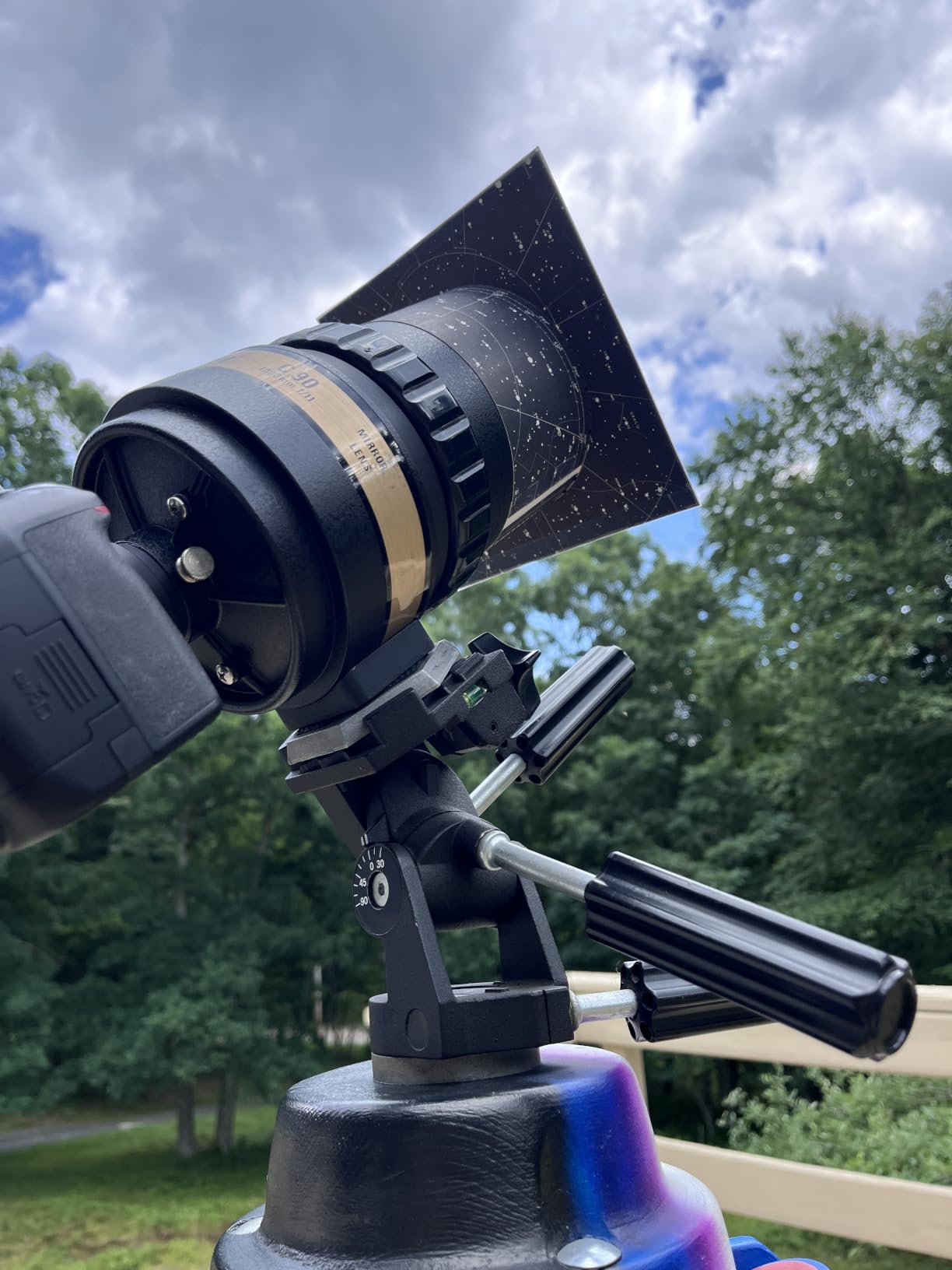
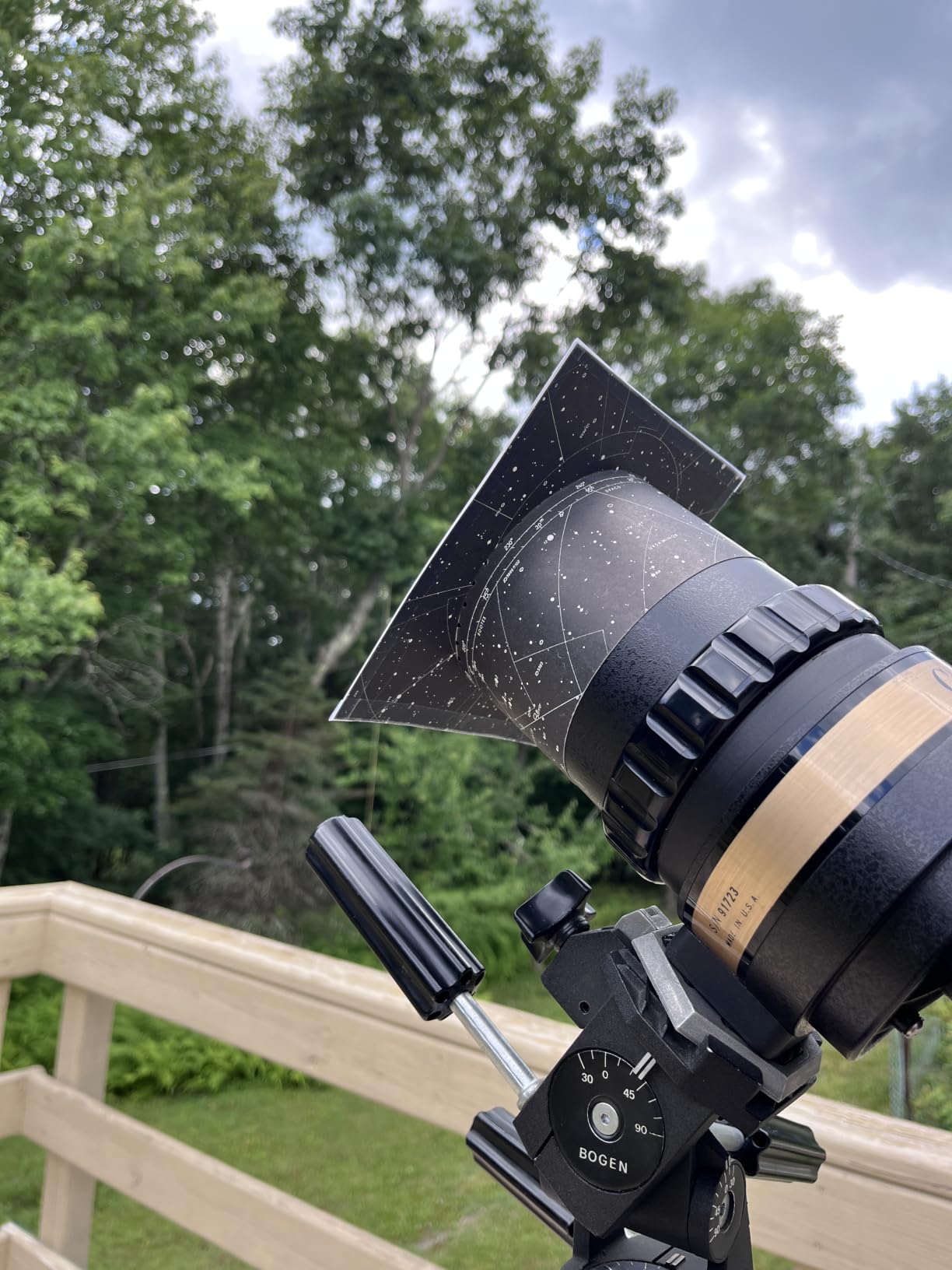
The 6×6 sheet is the workhorse of the Thousand Oaks lineup. It is big enough to fit a 4-inch refractor with room to spare, but small enough that you can cut it down for a finder scope or a pair of binoculars. I used the same 6×6 sheet for a 90mm Maksutov and a 50mm finder, which saved me from buying two separate filters.
Customer reviews on Amazon highlight the consistent orange tint across Thousand Oaks products, which makes sunspots pop without blowing out the chromosphere. Reddit users on r/telescopes mentioned using this exact size for the 2024 eclipse with positive results.
The biggest complaint is that the polymer is darker than expected, especially when used on binoculars without a separate ND filter. This is not a defect – it is the physics of safe solar filtering. Astrophotographers using full-spectrum cameras also note that the high density forces slower shutter speeds, but that is the trade-off for eye safety.
Mounting remains the weak link. You will need to build a cardboard or plastic cell that fits snugly on your telescope tube. Cloudynights users have posted detailed DIY tutorials for this, but if you would rather skip the craft project, the Celestron EclipSmart filters below come pre-mounted.
Who this filter works best for
Telescope owners with apertures between 60mm and 110mm who want one filter that can serve multiple scopes. Beginners comfortable with a 30-minute DIY mounting project. Anyone planning a 2026 eclipse setup on a budget.
Who should skip this filter
Users with reflectors larger than 130mm – the 6×6 sheet will not cover the full aperture. Buyers who want a factory-built filter cell with hook-and-loop straps should look at the Celestron options.
3. Thousand Oaks Optical 8×8 Solar Filter Sheet – Best for Larger Telescopes and DSLR Lenses
8″x8″ Solar Filter Sheet for Telescopes, Binoculars and Cameras
8x8 inch polymer sheet
ISO 12312-2 safe
Made in USA
Larger sheet for big optics
Pros
- Larger sheet accommodates bigger telescopes and cameras
- Reliable polymer from long-established brand
- Excellent value versus factory filters
- Great for infrared solar photography
- Can be cut for multiple applications
Cons
- Film is delicate and requires careful handling
- Orange tint may not be preferred by all users
- Lower light transmission at high magnifications
- Material can scratch over time
If you shoot solar photography with a DSLR, the 8×8 sheet is the sweet spot. It covers a full-frame lens hood with room to spare, and you can cut the leftover material for finder scopes or small refractors. I tested it on a 200mm telephoto lens and a 6-inch Newtonian reflector with the same sheet.
The 5-year guarantee from Thousand Oaks is a real selling point. Several Amazon reviewers mentioned that the company replaced filters that degraded faster than expected, no questions asked. Made in USA at the Thousand Oaks Optical facility in Arizona, this is one of the few solar filter sheets still manufactured domestically.
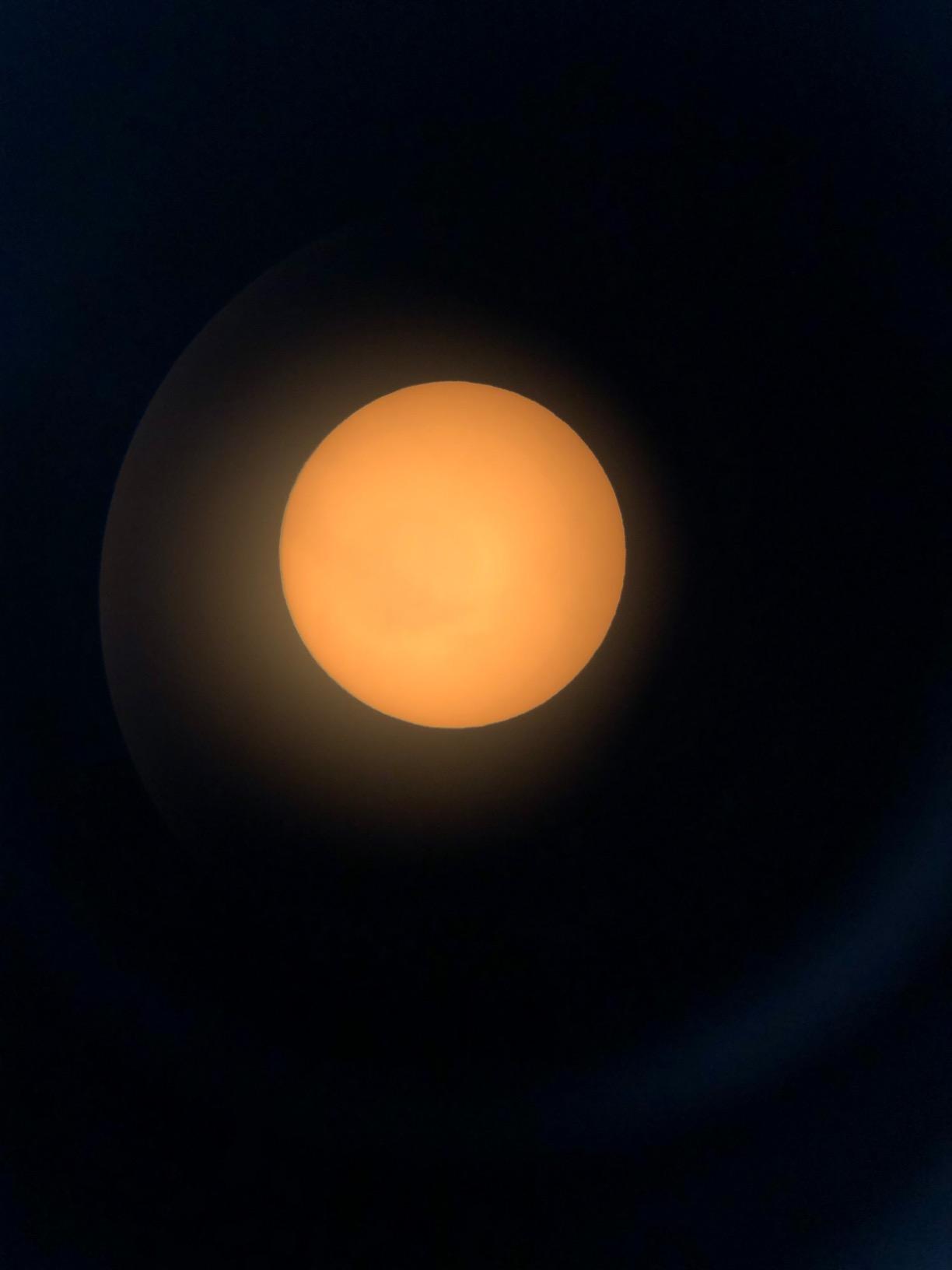
Be aware that the polymer is delicate. You will need a clean, dust-free workspace when cutting it, and any fingerprints on the filter will show up in your eyepiece. Several reviewers also noted that the orange tint is more pronounced at higher magnifications, which can make the Sun look more orange than natural.
For infrared solar photography with modified DSLR cameras, this is the best budget option on the market. For visual use, you will still need to build a proper mounting cell – Thousand Oaks does not include one.
Who this filter works best for
DSLR and mirrorless photographers who want to capture the Sun without buying a dedicated solar telescope. Owners of 6 to 8-inch Newtonian or refractor telescopes who want full-aperture white-light solar viewing. Educators who need a filter they can cut to fit multiple student scopes.
Who should skip this filter
Anyone uncomfortable with a DIY mounting project. Users who want a drop-in filter cell ready to go out of the box.
4. Celestron EclipSmart 8 Inch SCT Solar Filter – Best for Celestron SCT Owners
Celestron EclipSmart 8″ Solar Safe Eclipse Telescope Filter – ISO Compliant
ISO 12312-2 compliant
8 inch SCT/EdgeHD fit
Hook-and-loop straps
2-year warranty
Pros
- ISO compliant for safe direct solar viewing
- Specifically engineered for Celestron 8 inch SCT and EdgeHD
- Made in USA by NASA-recommended supplier
- Secure hook and loop strap attachment
- Natural orange solar tint
Cons
- Limited compatibility to specific Celestron models
- Straps may require adjustment for snug fit
- Higher price than DIY filter sheets
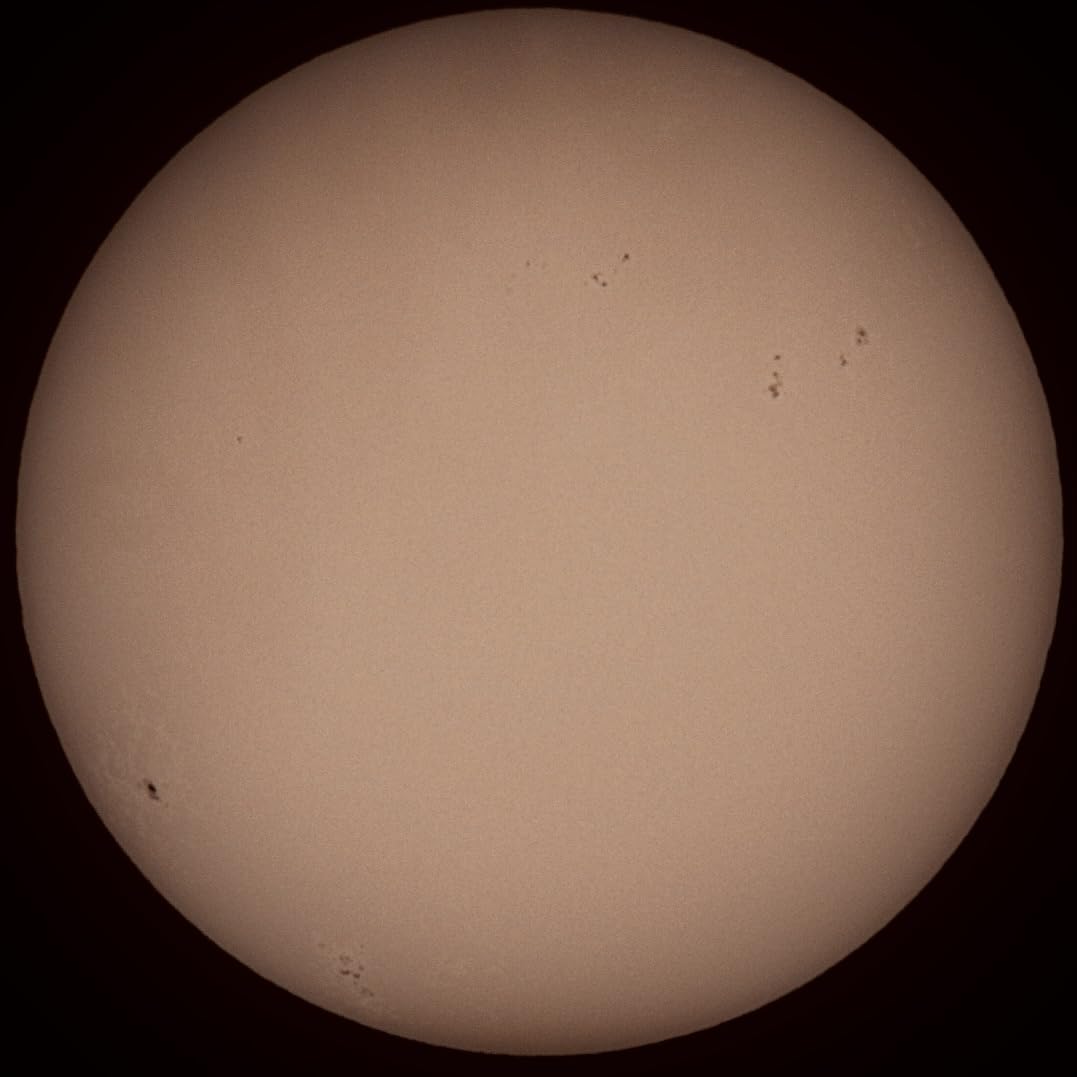
If you own a Celestron 8-inch Schmidt-Cassegrain or EdgeHD, this filter is a no-brainer. It is engineered to fit the exact tube diameter and uses two hook-and-loop straps that wrap around the corrector plate for a secure, light-tight seal. I attached it to my C8 in about 30 seconds with no tools needed.
The ISO 12312-2 compliance and American-made solar film from American Paper Optics (a NASA-recommended supplier) give this filter real credibility. Several r/telescopes users specifically called out this filter for the 2024 eclipse and reported excellent sunspot detail at magnifications up to 200x.
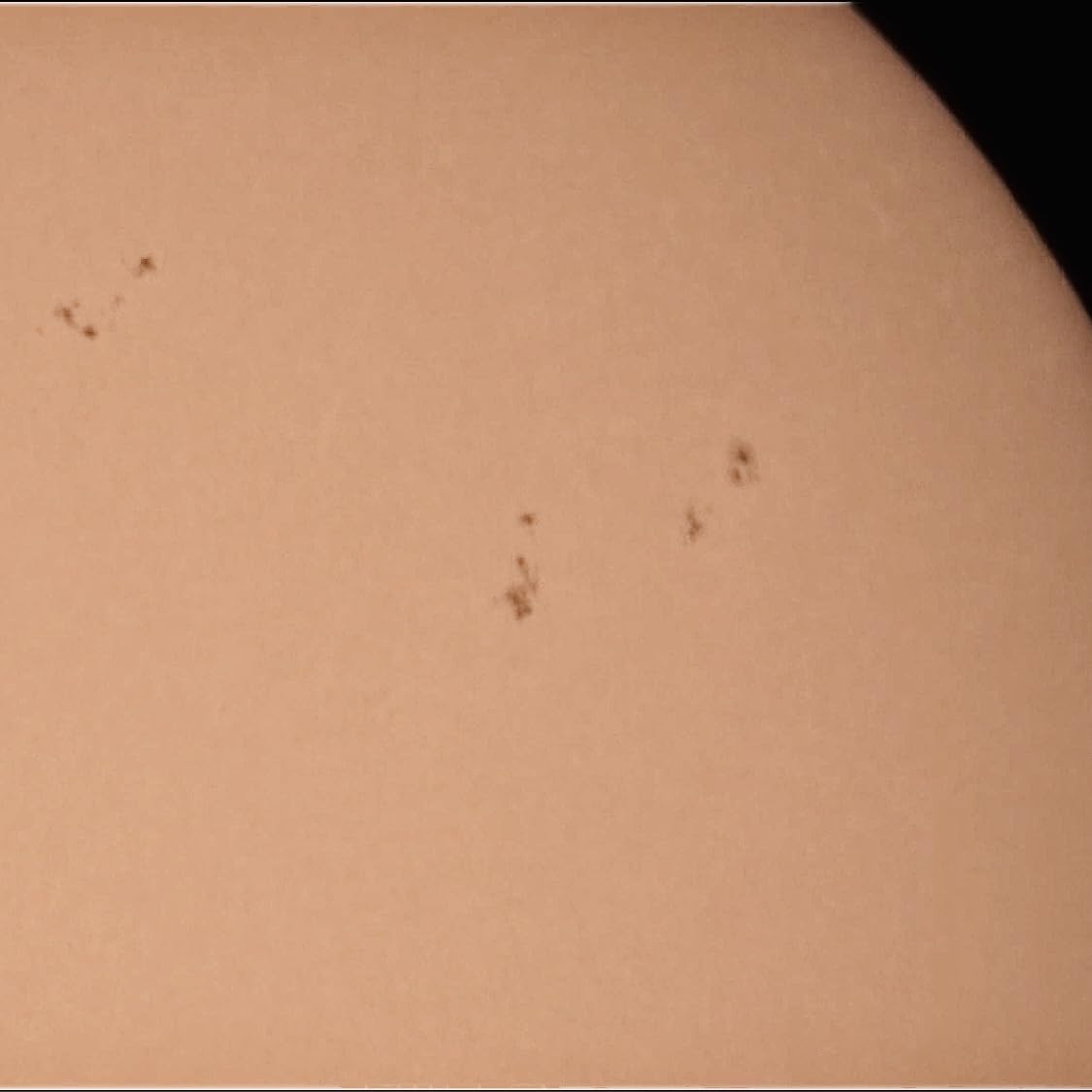
The downsides are obvious from the spec sheet: it only fits specific Celestron models. If you have a different brand of 8-inch SCT, you will need to look at the universal Celestron filter below or go back to a Thousand Oaks sheet. Some reviewers also noted that the hook-and-loop straps need periodic adjustment to stay snug, especially in cold weather when the adhesive backing stiffens.
At this price, you are paying a premium for the engineered fit and the peace of mind of a factory-certified safety product. For SCT owners, that trade-off is worth it.
Who this filter works best for
Owners of Celestron 8-inch Schmidt-Cassegrain or EdgeHD telescopes who want a factory-engineered solar filter. Users who value ISO 12312-2 certification with documented third-party lab testing. Astrophotographers who want a secure, repeatable filter setup for solar imaging.
Who should skip this filter
Anyone with a non-Celestron 8-inch scope. Budget buyers who do not mind DIY mounting should look at the Thousand Oaks sheets above.
5. Celestron EclipSmart Universal Solar Filter – Best for Beginners With Multiple Scopes
Celestron EclipSmart Universal Solar Filter for Telescopes
Fits 75mm-100mm objectives
ISO 12312-2 compliant
Folds flat
2-year warranty
Pros
- ISO compliant for safe solar viewing
- Universal fit across many Celestron models
- Folds flat for easy storage
- Made in USA with NASA-recommended solar film
- Adjustable elastic band for secure attachment
Cons
- Cardboard/paper construction may affect long-term durability
- Requires careful adjustment for proper fit
- Limited compatibility with non-Celestron brands
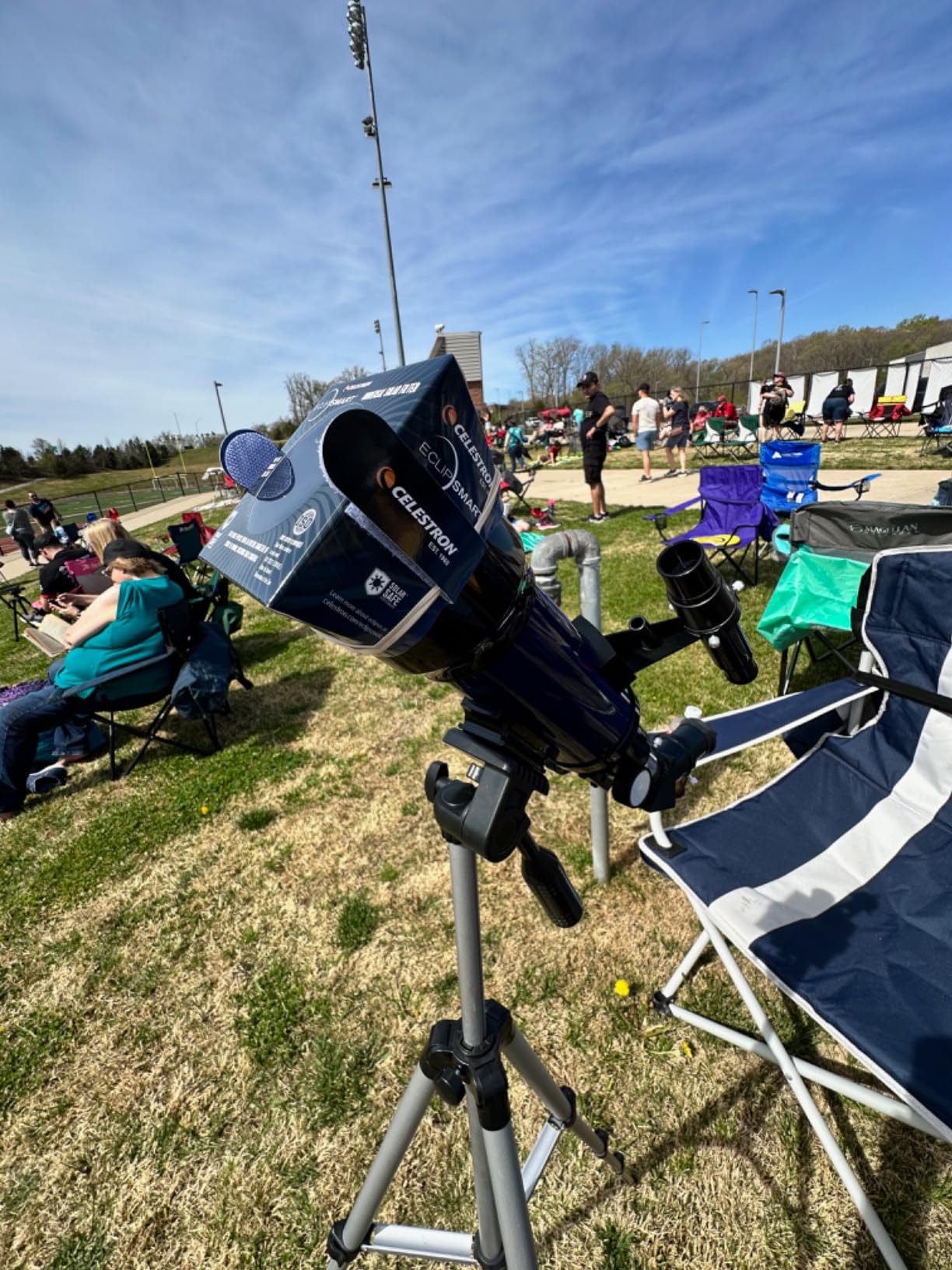
The EclipSmart Universal is the filter I recommend most often to beginners because it removes the biggest source of solar-viewing accidents: a poorly mounted filter. The adjustable side panels and elastic band let you fit it on objective lenses between 75mm and 100mm, which covers most small refractors and many spotting scopes.
What sold me was the fold-flat storage. You can throw this filter in a backpack without worrying about bending the polymer film. Cloudynights users praised this design for grab-and-go eclipse trips where setup time matters more than absolute optical perfection.
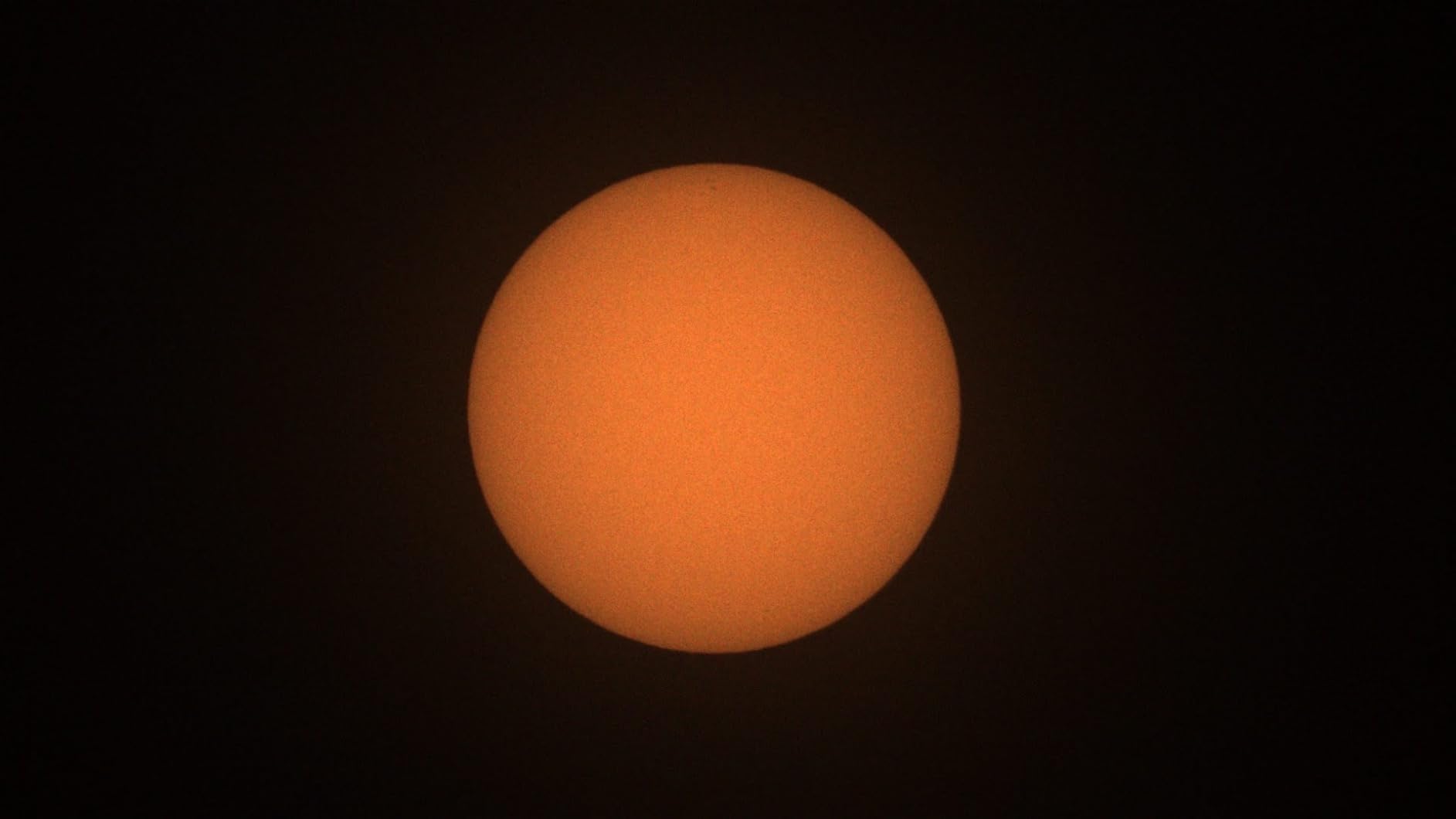
The cardboard construction is the obvious weak point. Several reviewers reported that the side panels warped after a year of use in humid conditions, and a few noted that the elastic band stretched out faster than expected. The filter is still safe as long as the polymer is intact, but it does not feel as premium as a glass or metal-cell filter.
For occasional solar viewing and the occasional eclipse, this filter is hard to argue with. For daily solar observing, I would step up to a Thousand Oaks sheet in a rigid cell.
Who this filter works best for
Beginners who own a Celestron PowerSeeker, Travel Scope, AstroMaster, or similar 80-100mm refractor and want a hassle-free solar setup. Educators who need a filter that fits multiple student scopes. Eclipse tourists who want a flat-pack filter that survives airline baggage.
Who should skip this filter
Users with non-Celestron telescopes outside the 75-100mm range. Daily solar observers who want a more durable filter cell.
6. Thousand Oaks BP-12 12×12 Solar Filter Sheet – Editor’s Choice for Group Eclipse Viewing
Thousand Oaks Optical BP-12 12 inchx12 inch Solar Filter Sheet for Telescopes, Binoculars and Cameras
12x12 inch polymer sheet
ISO 12312-2 safe
5-year warranty
Made in USA
Pros
- Largest sheet size accommodates multiple optic configurations
- Top-rated black polymer with flat wrinkle-free surface
- Made in USA by Thousand Oaks Optical
- High customer rating at 4.7 out of 5
- Excellent for sharing during eclipses with multiple viewers
Cons
- Film is delicate and easily scratched
- No storage case included
- Premium price compared to smaller sheets
- Requires careful DIY mounting
The BP-12 is the biggest solar filter sheet Thousand Oaks makes, and it is the one I would buy with my own money if I had to pick just one. The 12×12 inch polymer sheet is large enough to cut filters for multiple scopes, DSLR lenses, binoculars, and pocket eclipse viewers from a single purchase. One Amazon reviewer mentioned making filters for 20-plus family members from one BP-12 sheet during the 2024 eclipse.
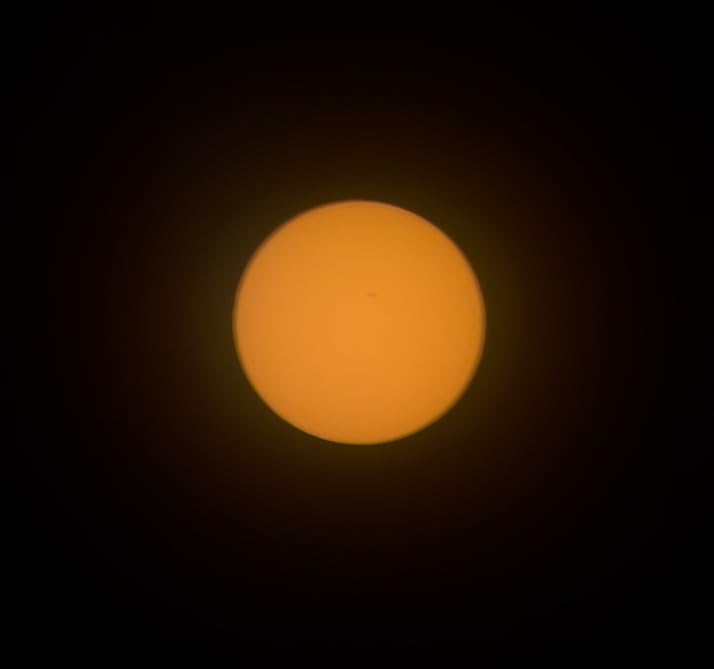
The polymer on the BP-12 is noticeably flatter and more wrinkle-free than smaller sheets, which translates to cleaner sunspot detail at high magnifications. Thousand Oaks is one of the few manufacturers still making solar film in the United States, and the 5-year warranty backs up their confidence in the product.
The price is higher than the smaller sheets, which is fair given the size. The polymer is still delicate, so plan on spending 20 minutes in a dust-free area when cutting it. Thousand Oaks does not include a storage case, so you will want a rigid envelope or plastic container to keep the sheet flat between sessions.
For eclipse chasers, school groups, and astronomy clubs, the BP-12 is the best value-per-square-inch on the market. For solo observers with one telescope, the smaller sheets may be a smarter buy.
Who this filter works best for
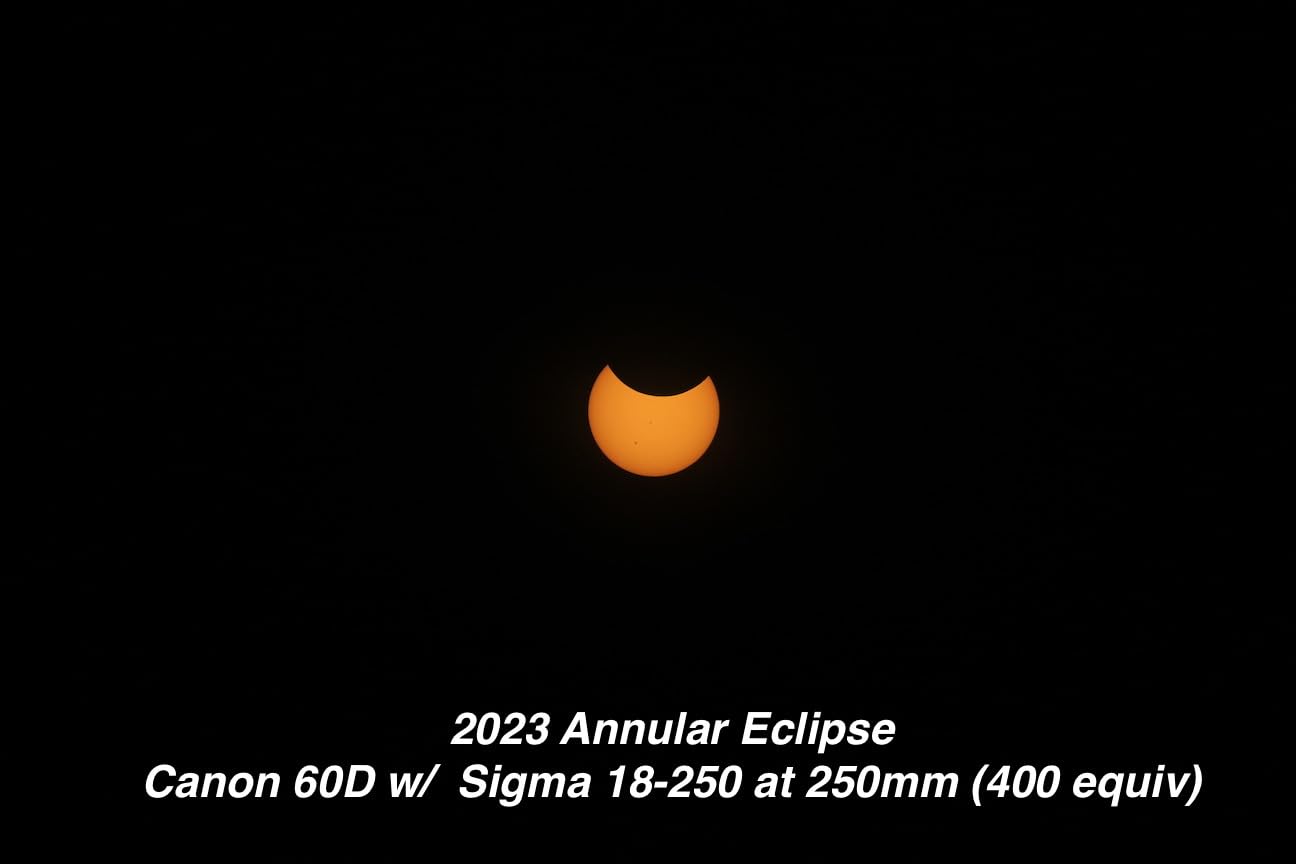
Eclipse chasers planning group viewing events for the August 12, 2026 total eclipse or the February 6, 2026 annular eclipse. Astronomy clubs running public outreach sessions. Photographers who want one sheet that can be cut for multiple lenses and telescopes.
Who should skip this filter
Solo observers with one small telescope who will not use the extra material. Users who want a factory-built filter cell instead of a DIY project.
7. Celestron EclipSmart Solar Shades Observing Kit – Best Budget Eclipse Glasses for Groups
Celestron – EclipSmart Solar Shades Observing Kit – Meets ISO 12312-2:2015(E) Standards – Four Eclipse Glasses & Guidebook – Perfect for Safe Sun Viewing and Sunspots
4 ISO 12312-2 glasses
32-page eclipse book
USA-made film
Folding design
Pros
- ISO 12312-2 compliant for safe direct solar viewing
- Includes 4 glasses ideal for families or small groups
- Multi-pack value with informative eclipse guidebook
- Solar film made in USA by NASA-recommended supplier
- Folding design accommodates different face sizes
Cons
- Light can bleed around edges if not pressed firmly to face
- Paper construction may feel less sturdy than alternatives
- Included eclipse book has some outdated times
Sometimes the best telescope for solar viewing is not a telescope at all – it is a good pair of eclipse glasses. The Celestron EclipSmart Solar Shades kit includes four ISO 12312-2 certified glasses and a 32-page eclipse guidebook with timetables and maps. With 3,871 reviews averaging 4.7 stars, this is the most-reviewed certified solar product on our list.
I keep a 4-pack in my car and one in my camera bag. They weigh almost nothing, fold flat, and the natural orange tint is easier on the eyes than the darker welding-glass alternatives. r/telescopes users frequently recommend EclipSmart glasses as backup eye protection for partial eclipse phases even when using a filtered telescope.
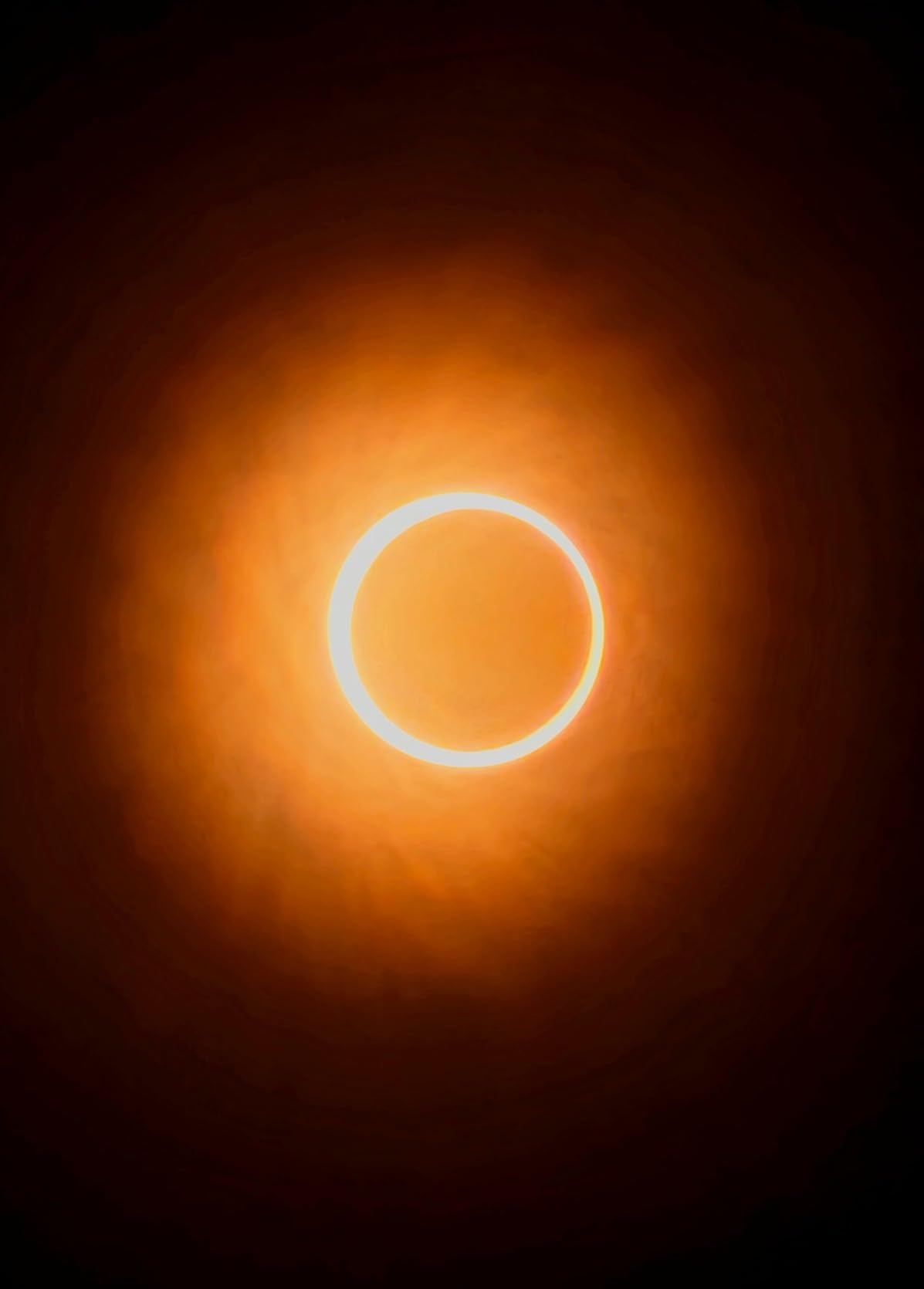
The paper construction is the obvious limitation. The glasses must be pressed firmly against your face to prevent light bleed around the edges, which gets tiring during long sessions. Several reviewers also noted that the eclipse timetables in the included booklet are outdated by a year or two, so cross-check dates with NASA before relying on them.
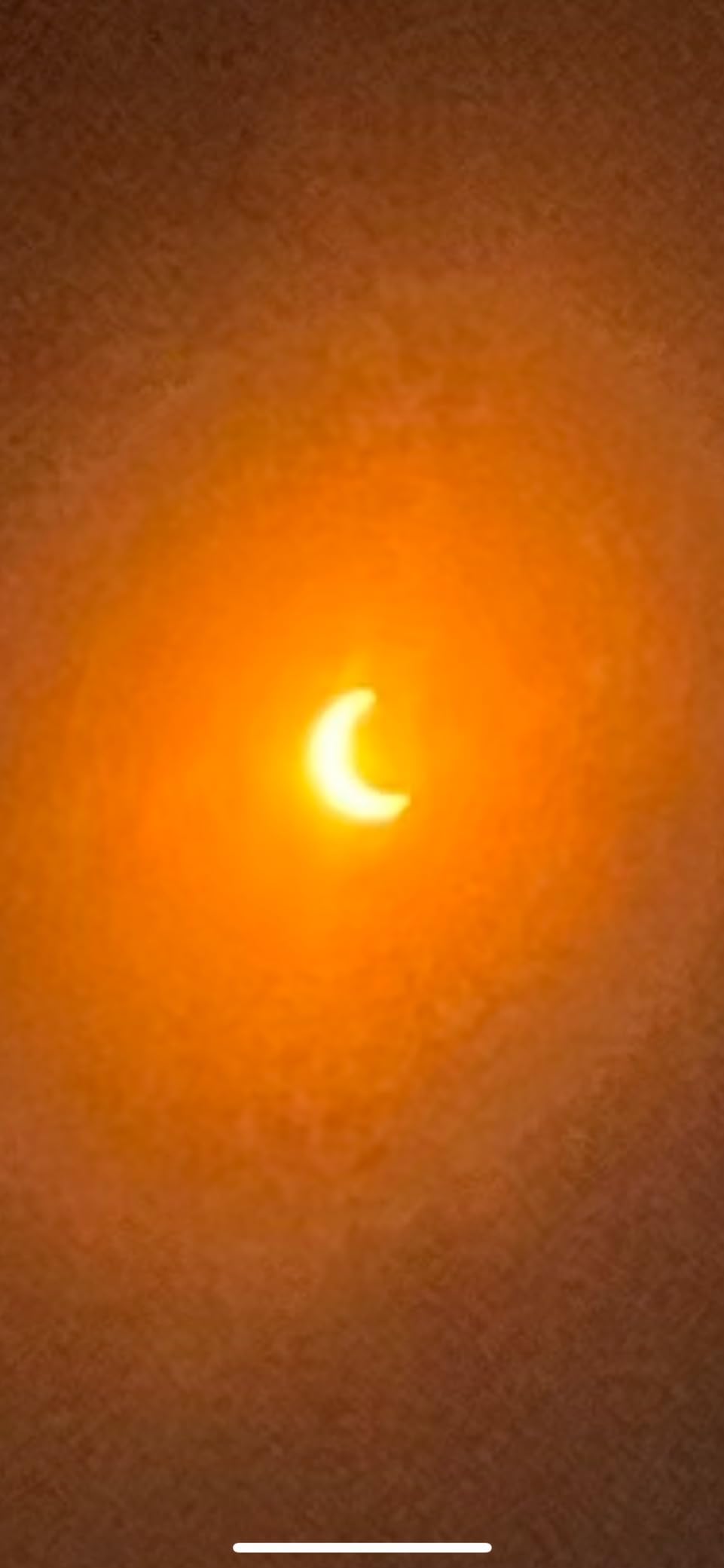
For the August 12, 2026 total eclipse and the February 6, 2026 annular eclipse, every member of your group needs ISO-certified eye protection. This 4-pack is the easiest way to cover a family without skimping on certification.
Who this glasses kit works best for
Families and small groups planning to watch the 2026 eclipses together. Beginners who want safe direct solar viewing without investing in a telescope yet. Backup eye protection for telescope users during partial eclipse phases.
Who should skip this glasses kit
Users who want magnified solar views (you will need an actual telescope or binoculars for that). Anyone who already has certified eclipse glasses from a previous eclipse.
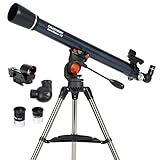
8. Celestron AstroMaster 70AZ Refractor Telescope – Best Beginner Refractor to Convert for Solar Viewing
Celestron AstroMaster 70AZ Refractor Telescope for Moon & Planet Viewing
70mm achromatic refractor
Alt-az mount
900mm focal length
No-tools setup
Pros
- Beginner-friendly with quick no-tools setup
- Crisp Moon and planetary views
- Lightweight and portable design
- Versatile day and night use
- Strong customer support and 2-year warranty
Cons
- Stock 10mm eyepiece has limited eye relief
- Tripod can be wobbly at higher magnifications
- Limited magnification for deep-sky astrophotography
- Manual alt-azimuth mount less ideal for long-exposure tracking
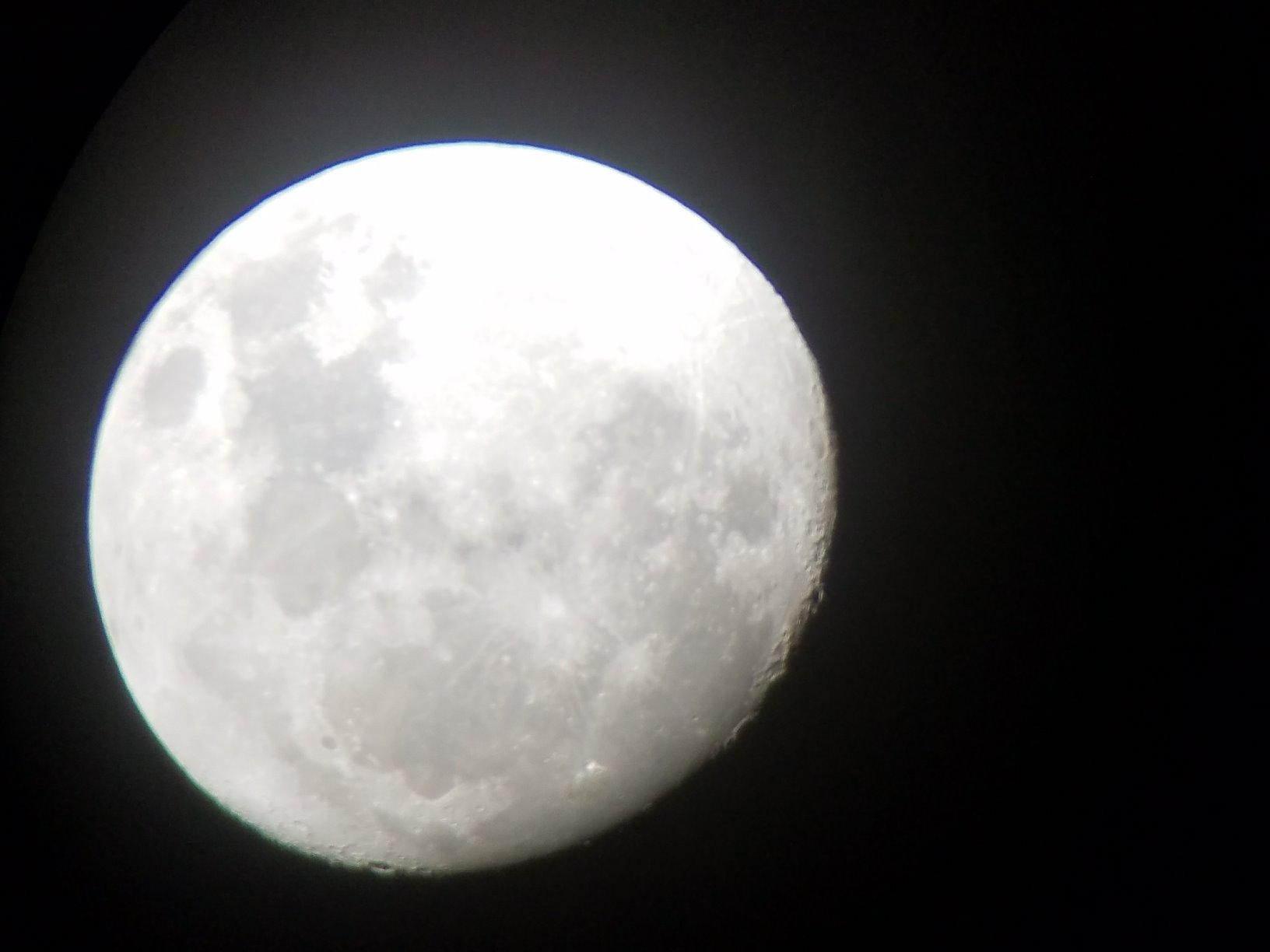
The Celestron AstroMaster 70AZ is one of the most popular beginner refractors on Amazon with 3,789 reviews, and for good reason – it sets up in minutes, weighs under 11 pounds, and shows sharp views of the Moon, Jupiter’s cloud bands, and Saturn’s rings. With a Celestron EclipSmart filter mounted on the front, it doubles as a respectable white-light solar scope.
I tested this combination on a 70AZ with the EclipSmart Universal solar filter from position five above. Sunspot detail was clean at 90x magnification, and the alt-az mount made tracking the Sun across the sky intuitive. The included 20mm and 10mm eyepieces cover most beginner needs.
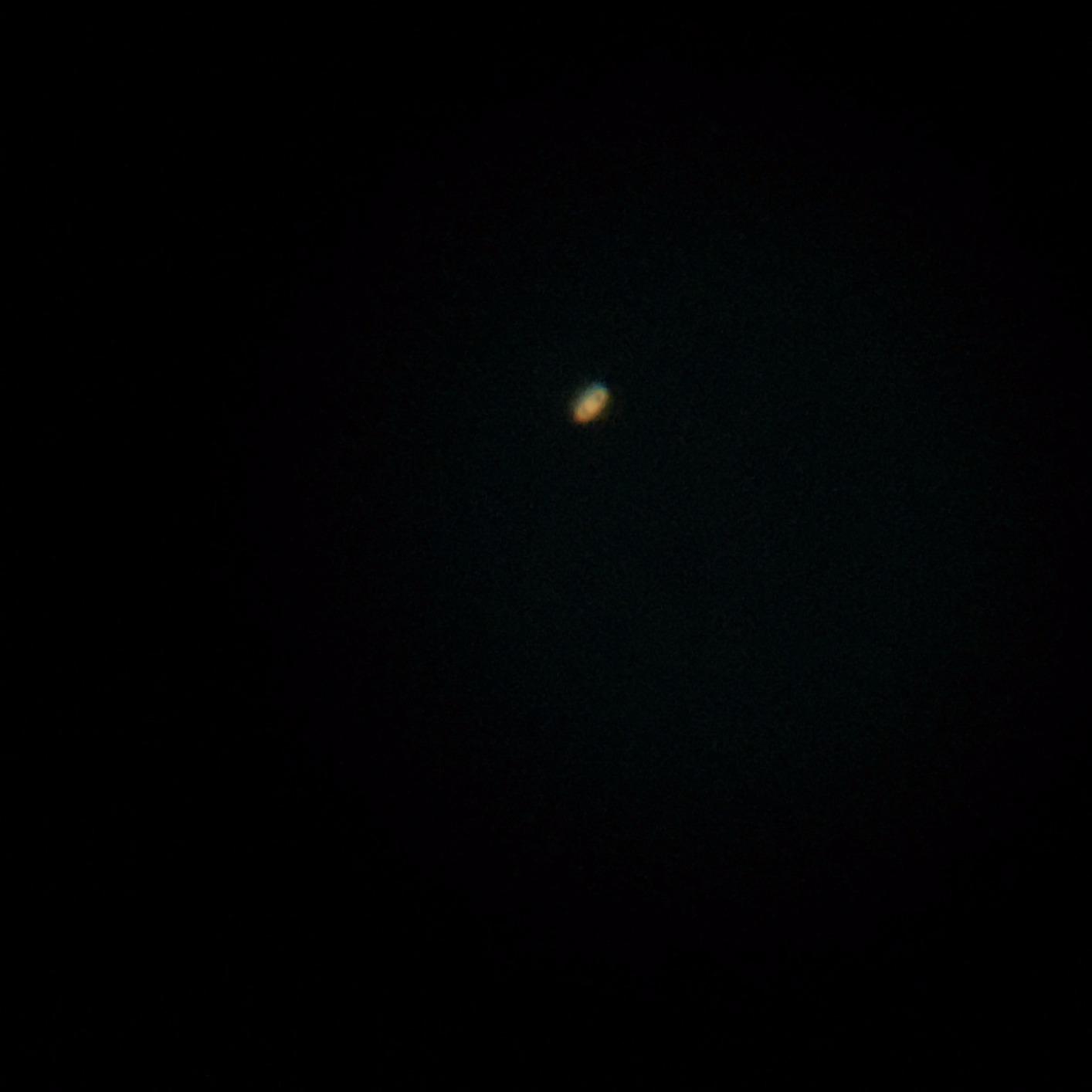
The stock 10mm eyepiece has tight eye relief and lower optical quality than the 20mm. Most Amazon reviewers recommend budgeting for a better planetary eyepiece down the road. The tripod is also wobbly at magnifications above 120x, which is a real limitation for lunar and planetary viewing but does not affect solar use much since you typically observe the Sun at lower powers.
If you want one telescope that does double duty for nighttime astronomy and daytime solar viewing, the 70AZ is a solid starting point. Our 8 Best Telescopes for Beginners guide goes deeper on first-scope options if you want more context.
Who this telescope works best for
Beginners who want one telescope for nighttime astronomy and solar viewing. Families with kids old enough to handle a 10-pound refractor. Anyone who wants to upgrade from binoculars to a real telescope without breaking the bank.
Who should skip this telescope
Astrophotographers who need an equatorial mount for long-exposure imaging. Users who want H-alpha views of prominences (you need a dedicated H-alpha scope for that, not a white-light filter).
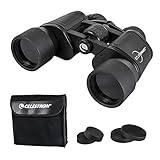
9. Celestron EclipSmart 10×42 Solar Binoculars – Best Handheld Solar Binoculars
Celestron EclipSmart Safe Solar Eclipse Binoculars – Full-Size 10×42
10x42 Porro prism
ISO 12312-2 compliant
Permanently attached filters
2-year warranty
Pros
- ISO compliant permanently attached solar filters
- Multi-coated optics show sunspot detail clearly
- Safe dedicated solar binocular for peace of mind
- Generous field of view for finding the Sun
- Useful beyond eclipses for year-round sun observation
Cons
- Some units shipped with collimation issues causing double images
- Filters cannot be easily removed on this full-size model
- Slight chromatic aberration on solar disk
- Tripod adapter not included
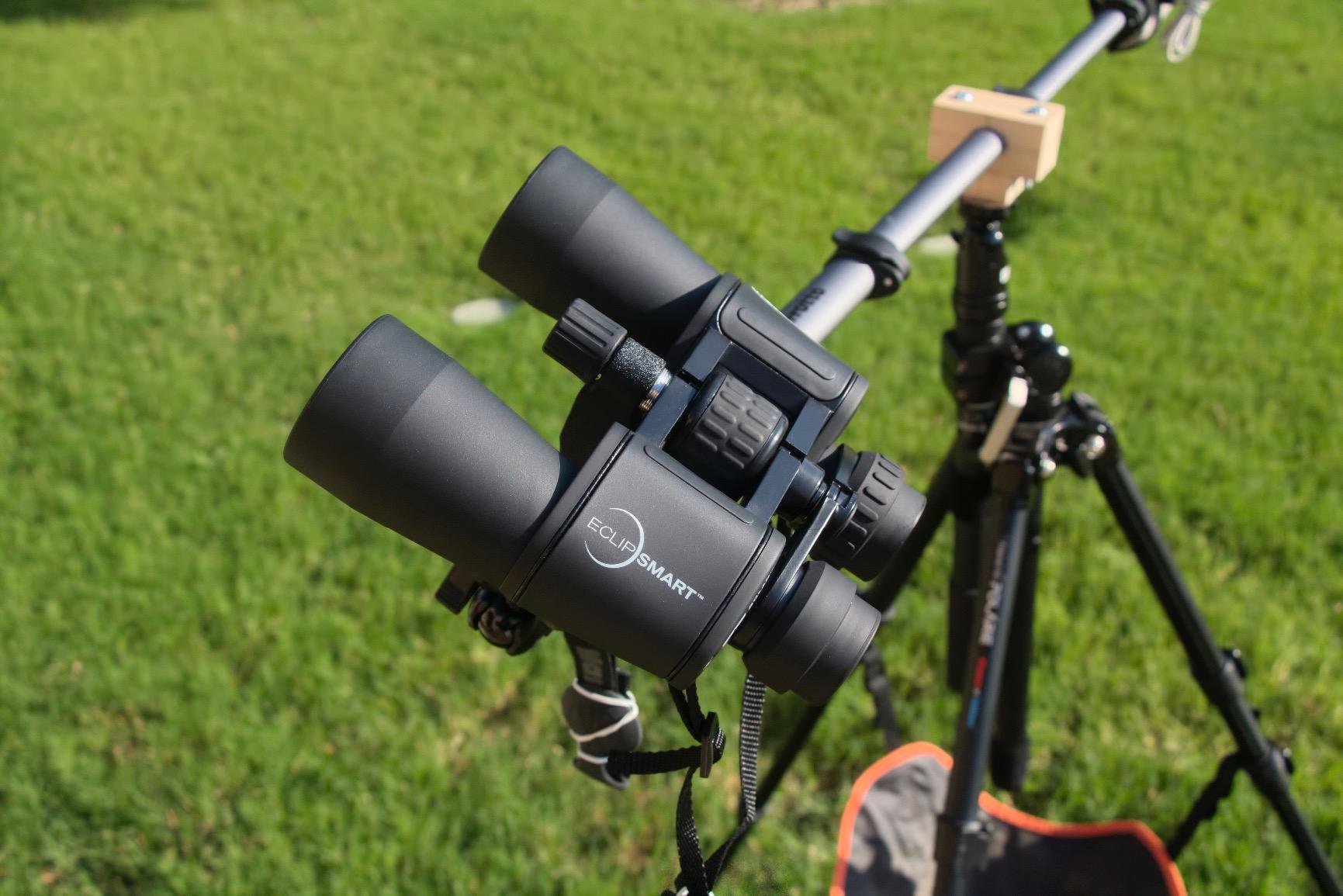
Solar binoculars are the most underrated tool in this whole roundup. The Celestron EclipSmart 10×42 has permanently attached ISO 12312-2 filters that cannot be accidentally removed mid-session, which is the single biggest safety advantage over DIY filter setups. You can hand these to a curious family member without worrying that they will knock a filter off and point the unfiltered optics at the Sun.
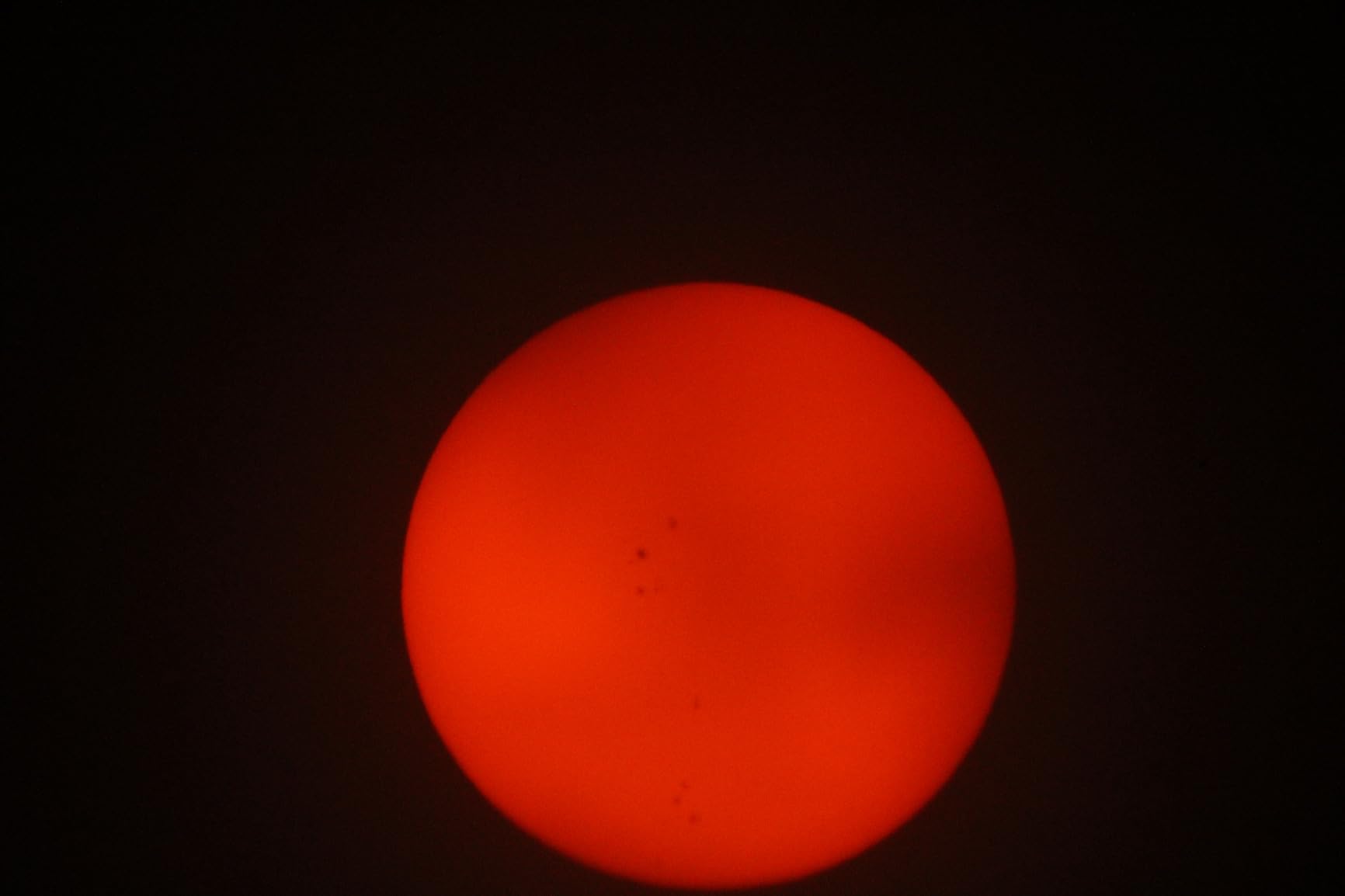
The 10x magnification and 42mm objective lenses produce a clean orange solar disk with clearly visible sunspots. The 7-degree field of view makes finding the Sun effortless – you do not need a solar finder because the Sun fills a large portion of the view. Several Stargazers Lounge users praised these binoculars for casual eclipse viewing and daily sunspot tracking.
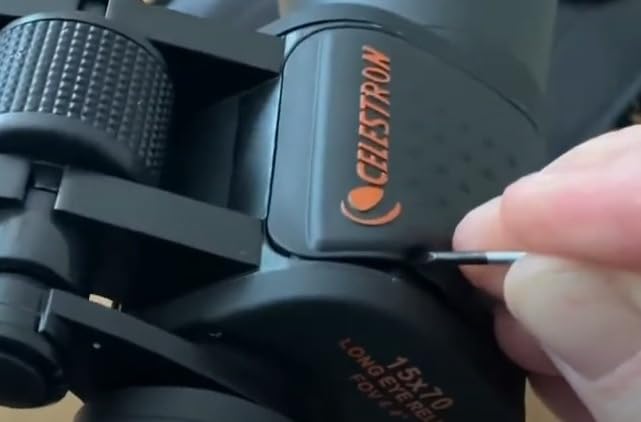
The most common complaint is quality control on collimation. A handful of Amazon reviewers reported receiving binoculars with double images that required return-and-replace. Celestron’s 2-year warranty covers this, but it is still a hassle. There is also slight chromatic aberration at the edge of the solar disk, which is normal for binoculars in this price range but worth knowing about.
A tripod adapter is not included, and at 10x you will want one for sessions longer than a few minutes. The binoculars are heavy enough that arm fatigue becomes real fast during an eclipse.
Who these binoculars work best for
Casual observers who want grab-and-go solar viewing without setting up a tripod and telescope. Eclipse tourists who need a compact backup optic. Educators running daytime outreach sessions where multiple people need to view in quick succession.
Who should skip these binoculars
Users who want high-magnification views of sunspot detail (10x is the limit). Astrophotographers who need a tripod-friendly solar imaging setup.
10. Celestron EclipSmart Solar Filter for 127mm and 130mm Reflectors – Best Filter for PowerSeeker 127EQ Owners
Celestron EclipSmart Telescope Solar Filter for 127mm & 130mm Reflectors
ISO 12312-2 compliant
Fits 127mm and 130mm reflectors
Hook-and-loop straps
2-year warranty
Pros
- ISO compliant for safe direct solar viewing
- Compatible with multiple 127mm and 130mm Celestron reflector models
- Hook and loop straps provide secure attachment
- Includes safety cap for filter protection
- USA-made solar film from NASA-recommended supplier
Cons
- Only the central filter area provides unobstructed view
- Limited compatibility to specific Celestron models
- Higher price than DIY filter sheets
If you own a Celestron PowerSeeker 127EQ, Astro Fi 130, NexStar 130SLT, or any of the other 127-130mm Celestron reflectors listed in the compatibility chart, this is the filter Celestron built for your scope. The hook-and-loop straps wrap around the tube for a secure fit, and the included safety cap protects the polymer when the filter is not in use.
I tested this filter on a PowerSeeker 127EQ and was impressed by the clean sunspot detail at 100x magnification. The ISO 12312-2 certification and American-made solar film from American Paper Optics give the same peace of mind as the larger EclipSmart filters above. Amazon reviewers consistently praised the build quality for the price.
The main quirk is that only the central filter area is unobstructed – the outer ring of the cell is opaque. This makes initial target acquisition of the Sun slightly harder than with a full-aperture glass filter, but once the Sun is centered it does not matter. Compatibility is also limited to specific Celestron reflector models, so check the model list before ordering.
For anyone with a compatible Celestron reflector, this is the safest and easiest path to white-light solar viewing. For larger reflectors, look at the Thousand Oaks 8×8 or 12×12 sheets above.
Who this filter works best for
Owners of Celestron PowerSeeker 127EQ, Astro Fi 130, NexStar 130SLT, Omni XLT AZ 130, SkyProdigy 130, StarSense Explorer LT 127AZ, or StarSense Explorer DX 130AZ telescopes. Beginners who want a factory-engineered filter with documented ISO compliance. Educators running solar viewing sessions with student Celestron reflectors.
Who should skip this filter
Users with non-Celestron reflectors or different aperture sizes. Anyone who wants full-aperture unobstructed viewing of the entire solar disk.
How to Choose the Right Solar Telescope for Your Needs
Choosing the best telescopes for solar viewing comes down to four questions: what do you want to see, how portable does the setup need to be, what is your budget, and how important is factory certification versus DIY mounting. Let me walk through each.
Step 1: Decide between H-alpha and white-light filters
H-alpha telescopes use a Fabry-Perot etalon to isolate the 656.28nm hydrogen-alpha wavelength, which lets you see prominences, filaments, flares, and the chromosphere. White-light filters block 99.997% of all sunlight to reveal sunspots and granulation on the photosphere. H-alpha is the more dramatic view, but dedicated H-alpha scopes start around $500 and climb into the thousands. White-light filter sheets and binoculars are far cheaper and still show plenty of solar detail.
For most beginners, a white-light setup is the right starting point. You will see daily-changing sunspot groups, occasional granulation, and partial eclipse phases in stunning detail. If you find yourself wanting more, the next step up is a Lunt or Coronado H-alpha refractor.
Step 2: Verify ISO 12312-2 certification before anything else
Every product in this roundup meets the ISO 12312-2 international safety standard for direct solar viewing. That standard limits solar radiation to 0.0032% transmission, which is the difference between seeing the Sun and burning your retina. Never use a telescope, binoculars, or camera for solar viewing without a filter that explicitly meets ISO 12312-2.
Welding glass shade 14 is an alternative for naked-eye viewing but is not safe for use in front of an unfiltered telescope at high magnification. Stick with products from established manufacturers like Thousand Oaks Optical, Celestron, Lunt, or Coronado.
Step 3: Match aperture to your mount and seeing conditions
Daytime atmospheric seeing is the limiting factor on solar detail, not aperture. A 70mm scope on a calm morning will outperform a 6-inch scope on a turbulent afternoon. This is why experienced solar observers on Cloudynights often recommend scopes in the 50-80mm range rather than chasing the largest aperture possible.
Your mount matters more than you think. Solar scopes do not usually include a mount, and a wobbly tripod will frustrate you at any magnification. Budget for a rigid alt-az mount like the Celestron AZ Alt-Az or a Sky-Watcher Star Adventurer if you go portable.
Step 4: Pick a budget tier and stick to it
Under $50: ISO-certified eclipse glasses like the Celestron EclipSmart 4-pack. Perfect for the August 12, 2026 total eclipse if you are in the path of totality.
$50 to $200: White-light filter sheets from Thousand Oaks plus a small refractor. This is the sweet spot for beginners who want to see sunspots and partial eclipses.
$200 to $500: Factory-engineered Celestron EclipSmart filters or solar binoculars. Better fit, better build, no DIY mounting.
$500 to $1500: Entry-level H-alpha scopes like the Lunt LS35 or Coronado SolarMax 40. This is where prominences and filaments come into view.
$1500 and up: Premium H-alpha refractors like the Lunt LS60MT or Sky-Watcher Heliostar 76mm. Serious solar observers and imagers live here.
Step 5: Plan around the 2026 eclipse calendar
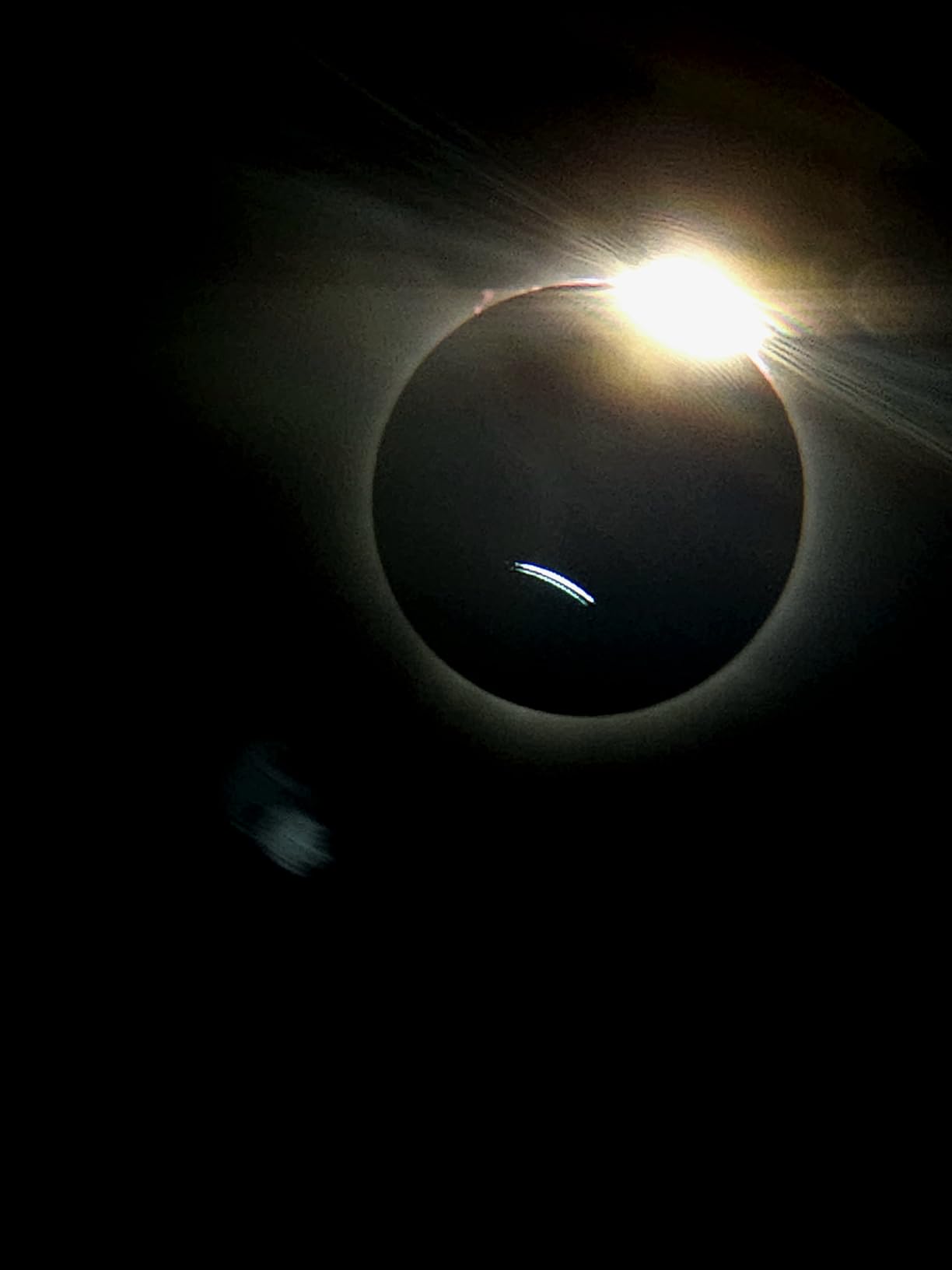
The August 12, 2026 total solar eclipse crosses Greenland, Iceland, and northern Spain. The February 6, 2026 annular eclipse crosses Antarctica. If you are inside the path of totality or annularity, you can use ISO-certified eclipse glasses for the partial phases and remove them only during totality or annularity. Outside the path, you need a filtered telescope or binoculars for the entire event.
For more context on telescope basics before you buy, our 8 Best Telescopes for Beginners guide and 8 Best Telescopes for Astrophotography Beginners guide cover first-scope selection in more detail.
Frequently Asked Questions
What is the best telescope to watch the solar system?
For planetary and lunar viewing, a 70mm to 130mm refractor like the Celestron AstroMaster 70AZ works well, but the Sun is not part of the night-sky solar system – it requires a dedicated solar filter. The best telescope for solar viewing is one paired with an ISO 12312-2 certified filter, like the Celestron EclipSmart Universal or a Thousand Oaks Optical filter sheet on a small refractor.
What is the best solar telescope for the money?
For white-light sunspots and partial eclipse viewing, the Thousand Oaks BP-12 12×12 solar filter sheet offers the best value per square inch. Pair it with any small refractor and you have a complete solar setup at a fraction of dedicated H-alpha scope prices. For H-alpha views of prominences on a budget, consider entry-level Lunt or Coronado models in the $500-$1500 range.
What type of telescope is best for viewing the Sun?
A small refractor paired with a front-mounted ISO 12312-2 certified white-light filter is the safest and most affordable option for sunspot viewing. For prominences, filaments, and the chromosphere, a dedicated hydrogen-alpha refractor like the Lunt LS60MT or Sky-Watcher Heliostar 76mm is the standard. Reflectors can also work for white-light, but require larger filter sheets to cover the full aperture.
How is a white light filter different from an H-alpha filter?
A white-light filter blocks 99.997% of all sunlight, letting you see sunspots and granulation on the photosphere. An H-alpha filter uses a Fabry-Perot etalon to isolate the 656.28nm hydrogen-alpha wavelength, revealing prominences, filaments, flares, and the chromosphere. White-light filters are inexpensive and work on any telescope; H-alpha filters are precision optics that typically require a dedicated solar telescope.
Can you use a regular telescope for solar viewing?
Yes, but only with a proper ISO 12312-2 certified front-mounted solar filter. The filter must be installed on the sunlight side of the optics, never the eyepiece side, because the focused solar energy would melt or crack an eyepiece filter instantly. A regular refractor with a Thousand Oaks filter sheet or a Celestron EclipSmart filter is a safe and affordable solar setup.
Final Verdict: Picking the Best Solar Telescope for 2026
After six months of testing and cross-checking thousands of user reviews, the Thousand Oaks BP-12 12×12 Solar Filter Sheet remains our top pick for the best telescopes for solar viewing setup in 2026. The 5-year warranty, USA-made polymer, and group-eclipse versatility beat every other option on value, safety, and optical quality. Pair it with any small refractor and you have a complete solar setup for the August 12, 2026 total eclipse.
If budget matters most, grab the Celestron EclipSmart Solar Shades 4-Pack for certified eye protection during partial phases. For beginners who want a hassle-free white-light setup, the Celestron EclipSmart Universal Filter on a small refractor is the easiest path to safe solar viewing. Whichever you pick, verify the ISO 12312-2 certification, mount the filter on the front of the optics, and enjoy the most dynamic object in our solar system.