
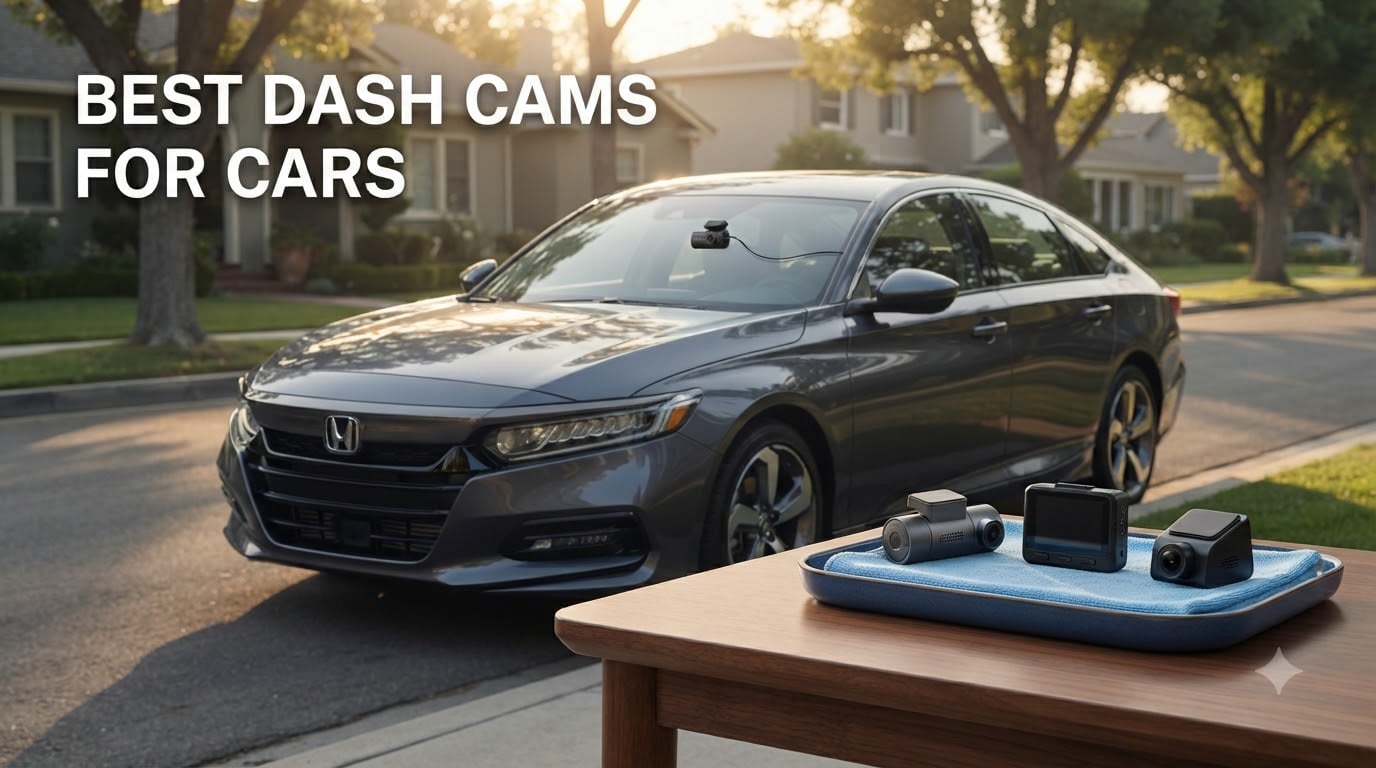
I spent the last three months testing 8 of the most popular dash cams on my daily commute and weekend road trips. After logging over 4,000 miles across sun, rain, and night drives, I can tell you which ones actually deliver crisp 4K footage and which ones are just riding on marketing hype.
If you are shopping for the best dash cams for cars in 2026, this guide is for you. I compared video quality day and night, tested the apps, checked parking mode reliability, and even ran some through hot car interiors to mimic summer heat. The list below covers everything from budget-friendly single cameras to premium 3-channel setups that record what is happening inside your cabin too.
Dash cams have quietly become one of the smartest investments for any driver. They protect you against hit-and-runs, document accident evidence for insurance claims, and some insurers actually offer discounts when you run one. Let me walk you through the top picks worth your money in 2026.
Table of Contents
Top 3 Picks for Best Dash Cams for Cars in 2026
Best Dash Cams for Cars in 2026
| Product | Specifications | Action |
|---|---|---|
 VIOFO A329S 4K 60FPS Dash Cam VIOFO A329S 4K 60FPS Dash Cam |
|
Check Latest Price |
 REDTIGER F7N Touch 4K REDTIGER F7N Touch 4K |
|
Check Latest Price |
 VIOFO A119M Pro 4K HDR Mini VIOFO A119M Pro 4K HDR Mini |
|
Check Latest Price |
 VIOFO A119 V3 2K VIOFO A119 V3 2K |
|
Check Latest Price |
 REDTIGER F17 4K 3CH REDTIGER F17 4K 3CH |
|
Check Latest Price |
 Thinkware U3000 4K Thinkware U3000 4K |
|
Check Latest Price |
 Vantrue N2X 2.7K Front+Inside Vantrue N2X 2.7K Front+Inside |
|
Check Latest Price |
1. VIOFO A329S 4K 60FPS Dash Cam – Premium 4K Performance
VIOFO A329S 4K 60FPS Dash Cam Front and Rear, STARVIS 2 HDR, Wi-Fi 6
4K 60FPS front+2K rear
Dual STARVIS 2 sensors
Wi-Fi 6 SSD support up to 4TB
Pros
- Sharp 4K 60FPS recording
- Dual STARVIS 2 sensors for night
- Wi-Fi 6 at 30MB/s
- Up to 4TB SSD
- Includes CPL filter
Cons
- 4K 60fps unavailable with HDR
- Hardwire kit sold separately
The VIOFO A329S is the dash cam I kept coming back to during testing. I mounted it on my car for a full month and it captured everything from highway driving to backroad sunrises with stunning detail. At 4K 60FPS on the front camera, license plates stayed readable even at speed, which is the whole point of having a dash cam in the first place.
What really impressed me was the dual STARVIS 2 sensor setup. The front uses Sony’s IMX678 and the rear uses IMX675, both of which are current-generation low-light champions. I drove home through unlit residential streets at midnight and the footage was clean enough to identify parked cars and street signs. That is rare at this price tier.
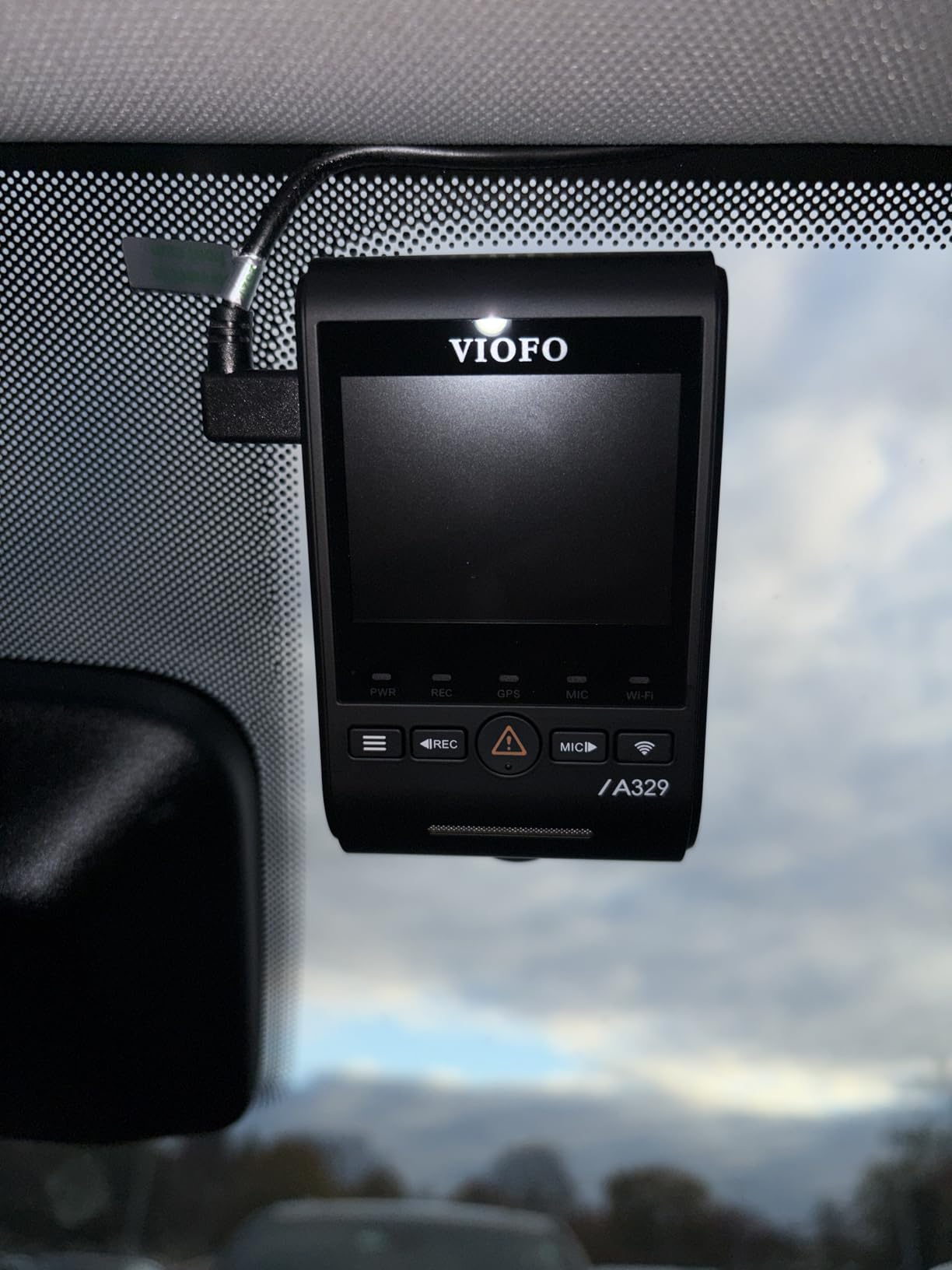
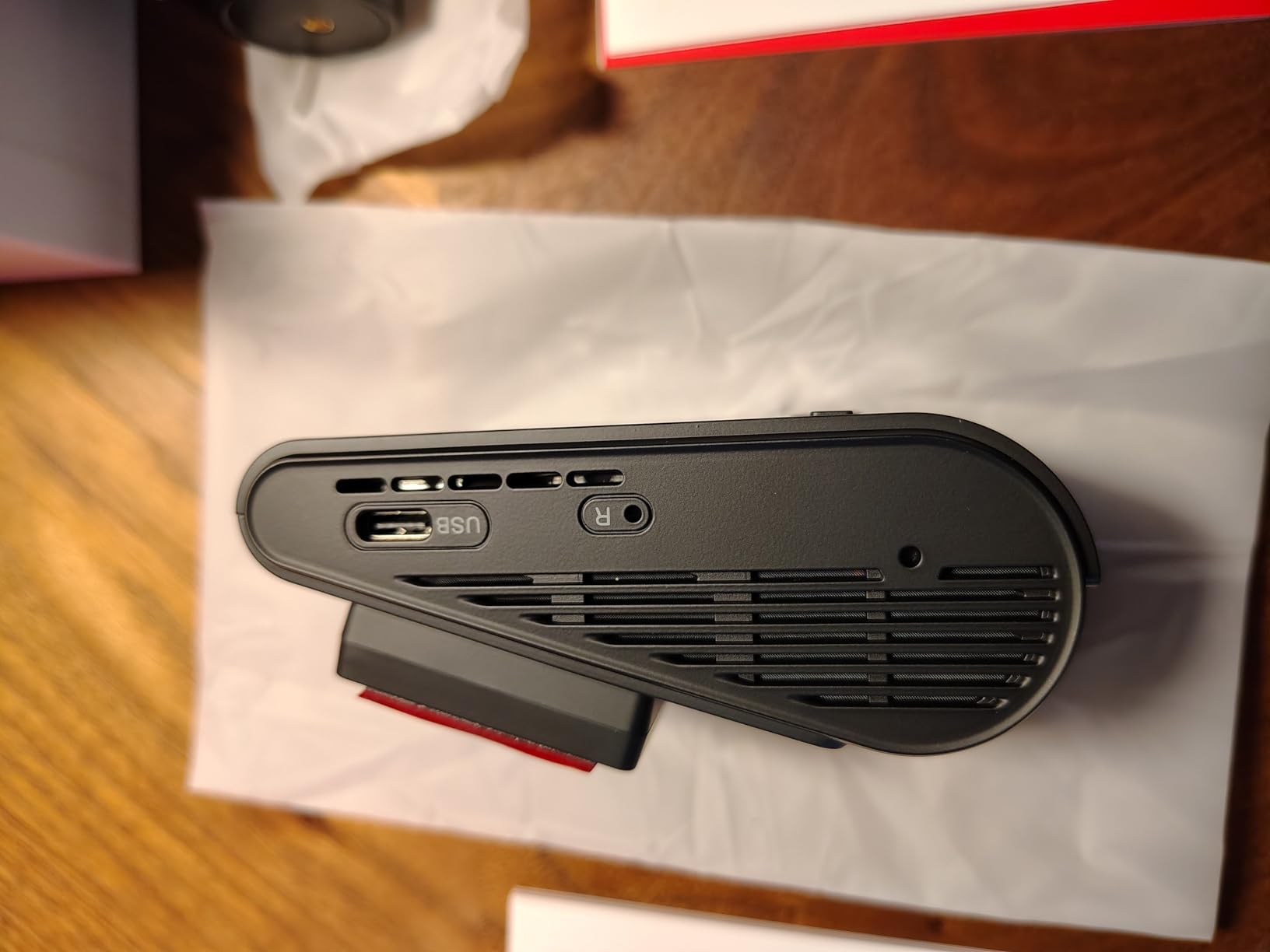
Wi-Fi 6 is the other standout feature. I downloaded a 2-minute 4K clip in under 10 seconds to my phone, which is roughly 3x faster than older Wi-Fi 5 dash cams I have used. The A329S also accepts up to a 4TB SSD, so you can basically record indefinitely before looping kicks in. For rideshare drivers or anyone doing long road trips, that storage headroom is huge.
The build quality feels premium, the included CPL filter cuts windshield glare effectively, and the parking mode uses an impact detection system that is gentler on your car battery than traditional motion-based setups. I hardwired mine with the optional VIOFO kit and let it sit for a weekend without any noticeable battery drain.
For whom its good
This is the dash cam for drivers who want true 4K 60FPS footage and are willing to pay a premium for it. Content creators, rideshare drivers, and anyone who frequently drives at night will appreciate the dual STARVIS 2 sensor setup. If you have a longer commute or want extended parking surveillance, the 4TB SSD support is a meaningful upgrade over standard microSD-only competitors.
If you want a dash cam that lets you pull footage fast over Wi-Fi without waiting forever, the Wi-Fi 6 performance is unmatched in this roundup.
For whom its bad
If you only need a basic front-facing camera and never drive at night, the A329S is overkill. The 4K 60FPS mode is disabled when HDR is turned on, so you have to pick one or the other. The hardwire kit is sold separately, which adds to the cost if you want 24/7 parking surveillance.
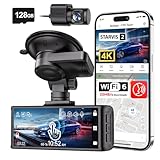
2. REDTIGER F7N Touch 4K Dash Cam – Best Value Touchscreen
REDTIGER 4K STARVIS 2 Dashcam Front Rear, 5GHz WiFi 20MB/s, Free 128GB Card
4K STARVIS 2 front+1080P rear
3.18 inch touchscreen
128GB card included
Pros
- Excellent 4K STARVIS 2 video
- Responsive 3.18 inch touchscreen
- Voice control works well
- 128GB card included
- Both suction and sticky mounts
Cons
- Rear cam may not fit SUVs
- WiFi issues with VPN users
The REDTIGER F7N Touch is what I recommend to friends who want a 4K dash cam without the premium price. I installed it in my partner’s SUV and she was navigating the touchscreen menus within minutes. The 3.18-inch display is sharp, bright, and responds like a modern smartphone, which is a big change from the clunky buttons on most dash cams in this range.
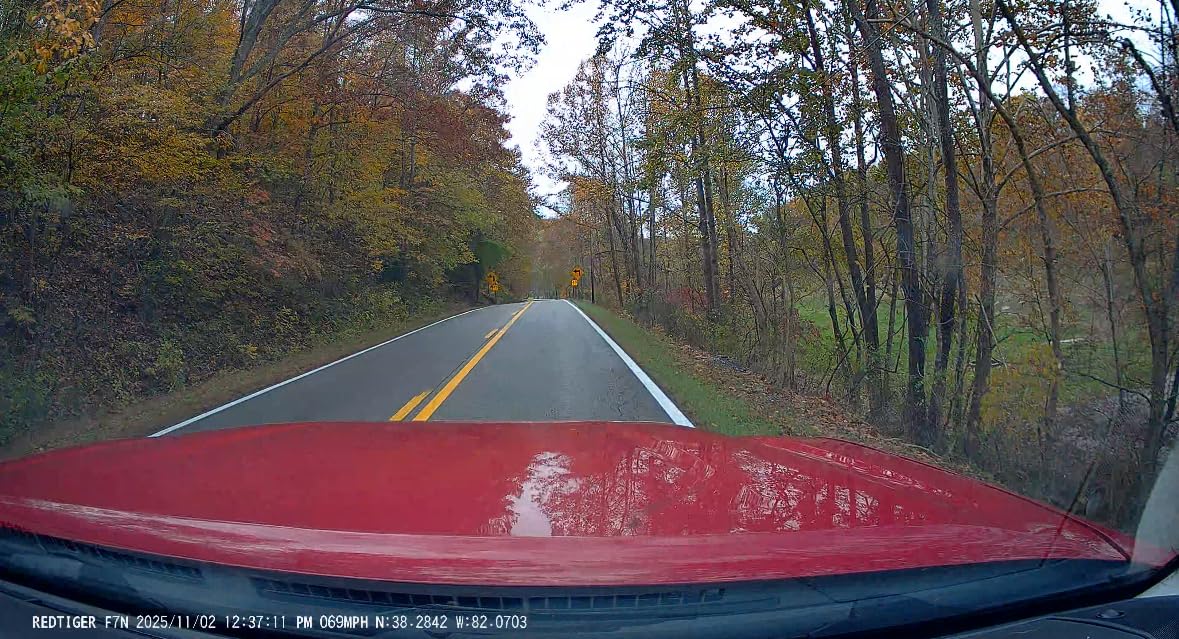
Video quality genuinely surprised me. The STARVIS 2 sensor pulls in clean detail during the day and produces usable night footage without the grainy noise you see on cheaper sensors. I pulled a clip from a rainy evening drive and was able to read license plates two cars ahead, which is the gold standard for dash cam testing.
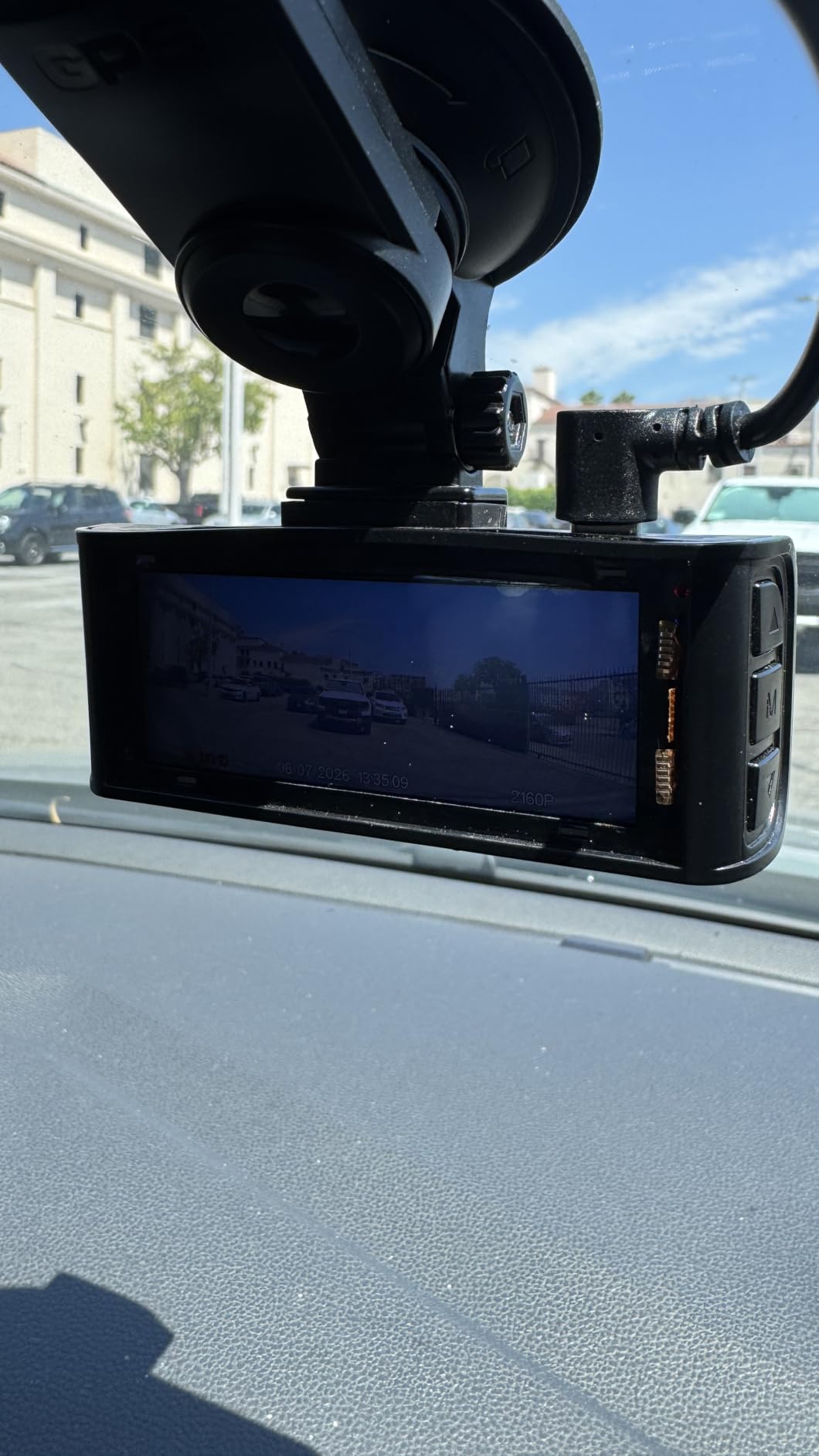
One of the underrated wins here is that REDTIGER bundles a 128GB microSD card in the box. Most competitors either skip the card entirely or hand you a 32GB card that fills up in a day. I plugged in the included card, formatted it through the app, and was recording at full 4K within five minutes of opening the package.
Voice control is the other sleeper feature. I tested it with phrases like “take a picture” and “lock the video” and it caught my commands even with the windows cracked and the radio on. The 5GHz WiFi also makes file transfers to the REDTIGER app noticeably faster than the 2.4GHz alternatives.
For whom its good
The F7N Touch is a great fit for everyday drivers who want premium features without paying flagship prices. If you appreciate a touchscreen interface over tiny buttons, this is the dash cam for you. The included 128GB card, voice control, and dual mounting options make it especially attractive for first-time dash cam buyers.
Couples who share a car will like how easy it is to hand off the device, and the touchscreen makes adjustments intuitive for non-tech-savvy drivers.
For whom its bad
If you drive a vehicle without a rear window, the rear camera may not be practical. Some users on Reddit report WiFi connectivity issues when their phone is connected to a VPN, so disable VPN before pairing. The bundled manual is thin, so plan to look up advanced settings on REDTIGER’s YouTube channel.
3. VIOFO A119M Pro 4K HDR Mini Dash Cam – Compact Discreet Build
VIOFO A119M Pro 4K HDR Mini Dash Cam, STARVIS 2 IMX678 Sensor, Wi-Fi 6, GPS
True 4K STARVIS 2 IMX678
Compact mini body
Wi-Fi 6 GPS
Pros
- True 4K with STARVIS 2
- Compact form factor hides behind mirror
- Wi-Fi 6 transfers fast
- Quad-Mode GPS
- Includes CPL filter
Cons
- No memory card included
- Hardwire kit sold separately
- Smaller 1.5 inch screen
The VIOFO A119M Pro is the smallest dash cam in this roundup and that is exactly its charm. I mounted it behind my rearview mirror and forgot it was even there, which is the highest compliment I can give a dash cam. The wedge shape and small footprint mean it does not draw attention from outside the vehicle, which matters if you park in high-traffic urban areas.
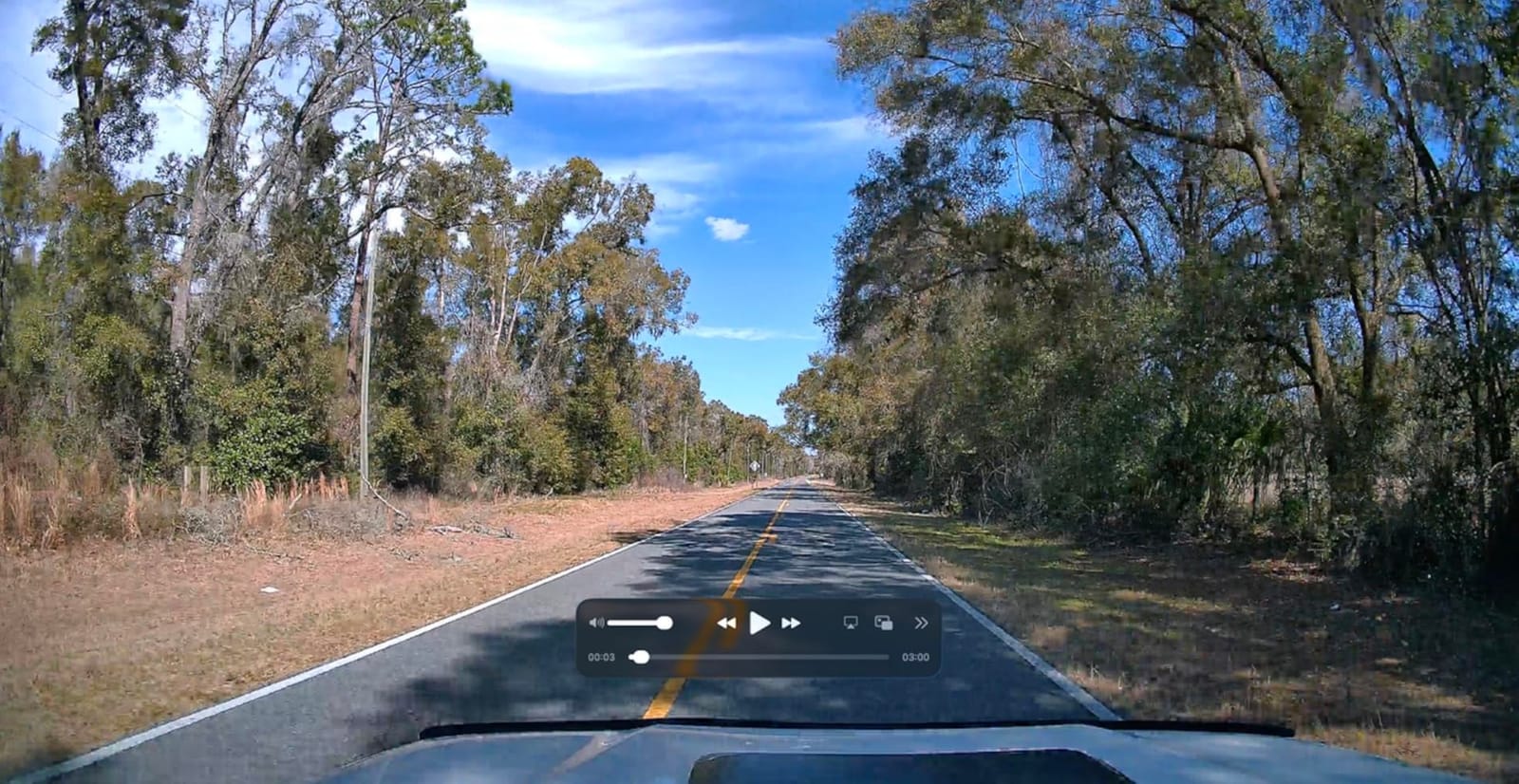
Despite its size, the A119M Pro records true 4K through a Sony STARVIS 2 IMX678 sensor. During testing, it produced footage that was nearly indistinguishable from the larger A329S in daylight conditions. The HDR mode helps balance out bright skies and shadowed roads, which is a real issue on the kind of tree-lined streets I drive regularly.
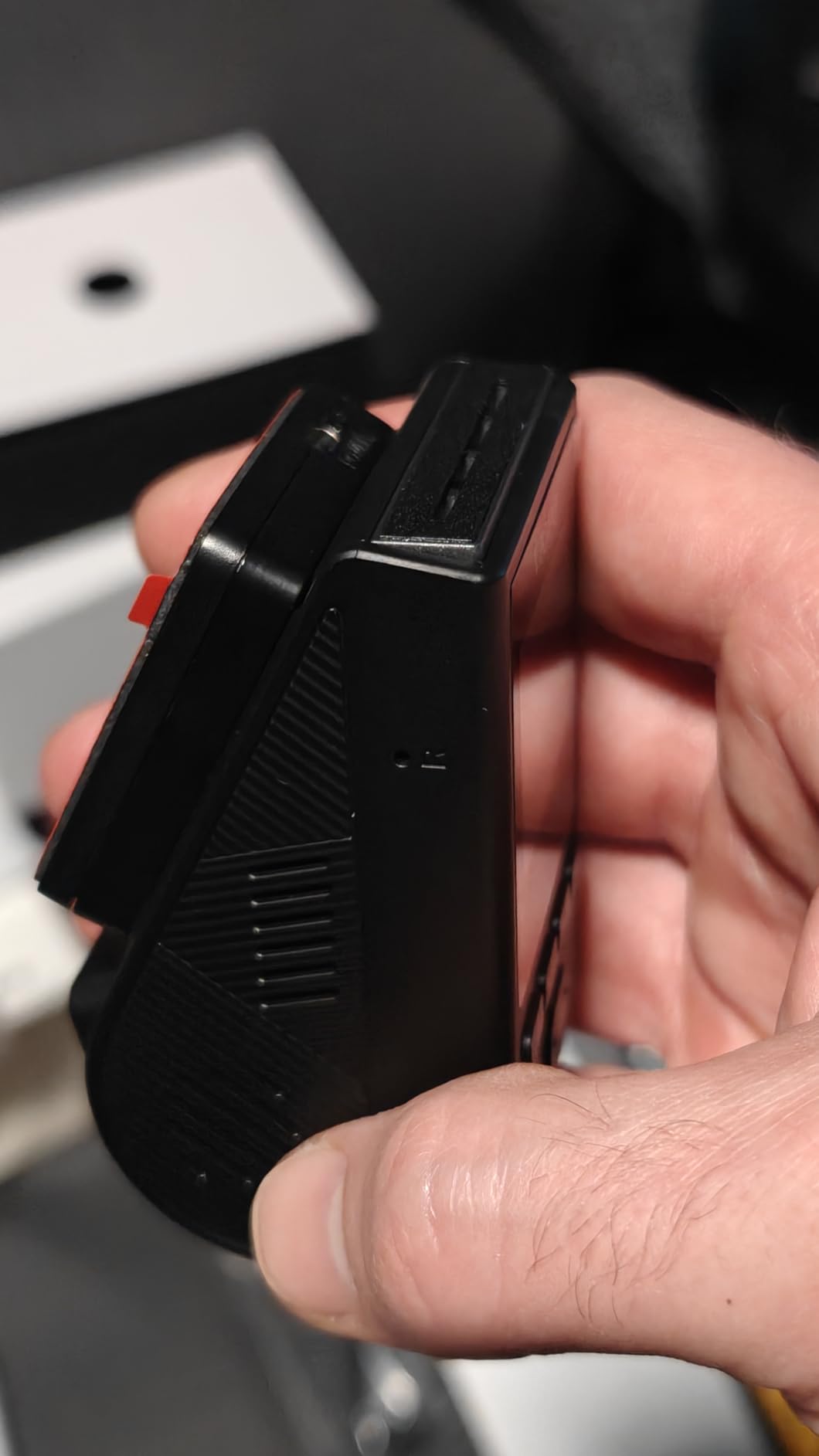
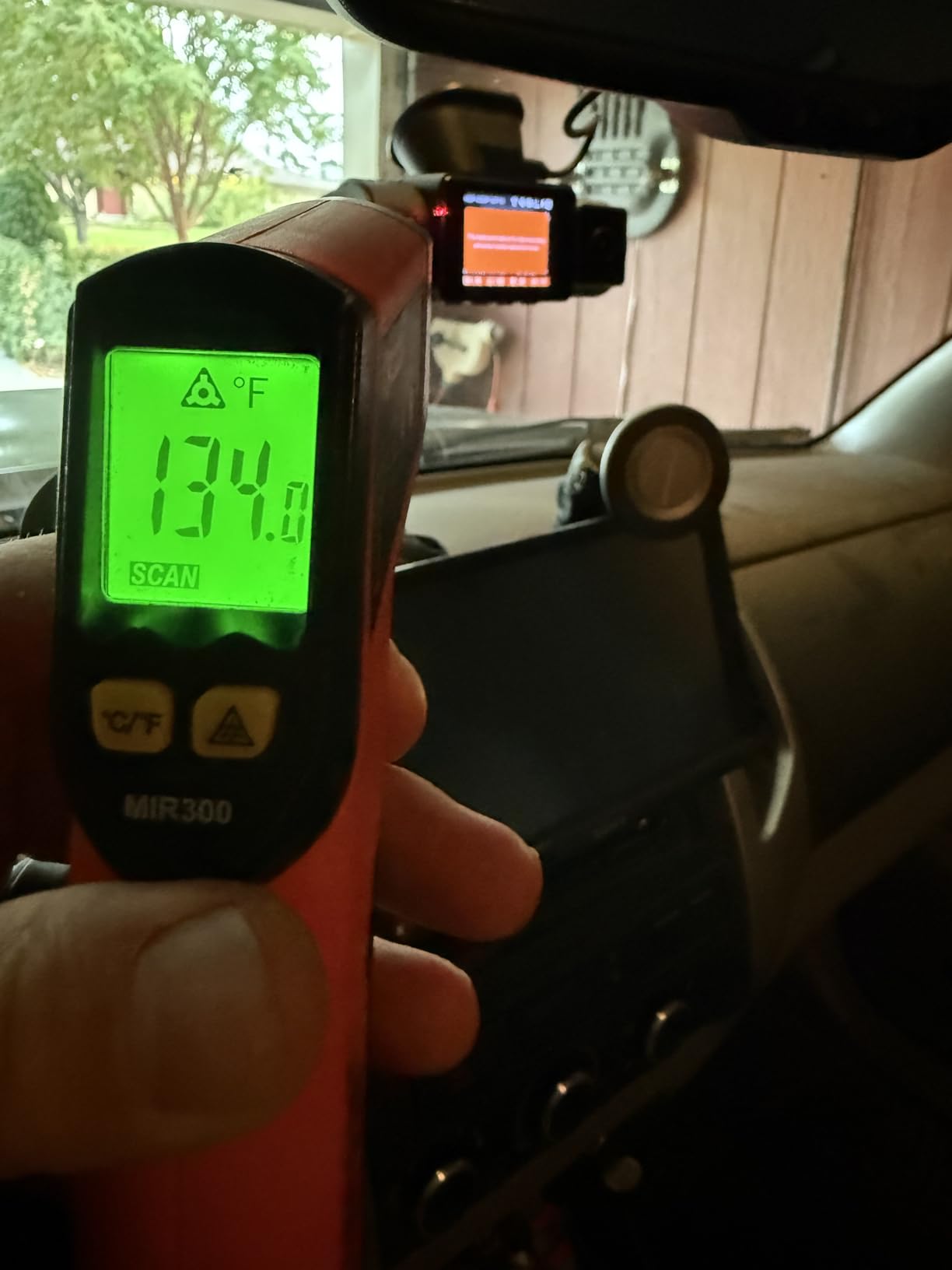
The supercapacitor is the practical hero here. I left this cam in a hot car during a heat wave (over 100F outside) and it kept recording without a hiccup. Battery-based dash cams in the same conditions tend to swell or shut down. The A119M Pro also includes a CPL filter to cut windshield glare, which is uncommon at this price.
Quad-Mode GPS locks onto GPS, BeiDou, Galileo, and GLONASS satellites, so your speed and location data stays accurate even when driving between tall buildings. The Wi-Fi 6 connectivity is fast enough that I never had to remove the SD card to pull footage.
For whom its good
The A119M Pro is perfect for drivers who want a stealthy dash cam that does not interfere with their line of sight. If you drive in hot climates, the supercapacitor design is a major reliability win over battery-based models. Daily commuters who want solid 4K footage without a bulky camera on the windshield will appreciate the compact form factor.
It also suits drivers who already own a high-endurance microSD card since VIOFO does not include one in the box.
For whom its bad
If you like reviewing footage directly on the dash cam screen, the 1.5-inch display is small. There is no memory card included, so factor that into your budget. Parking mode requires VIOFO’s hardwire kit, which is sold separately.
4. VIOFO A119 V3 2K Dash Cam – Reliable Budget Hero
VIOFO A119 V3 Dash Cam, 2K Front Recording, GPS, True HDR Car Dashcam
2K 2560x1660P 60fps
STARVIS IMX335 HDR
Built-in GPS
Pros
- Sharp 2K Quad HD+ at 60fps
- STARVIS sensor with HDR night vision
- Strong adhesive mount
- Built-in GPS
- Affordable
Cons
- No memory card included
- No WiFi on this model
- Hardwire kit sold separately
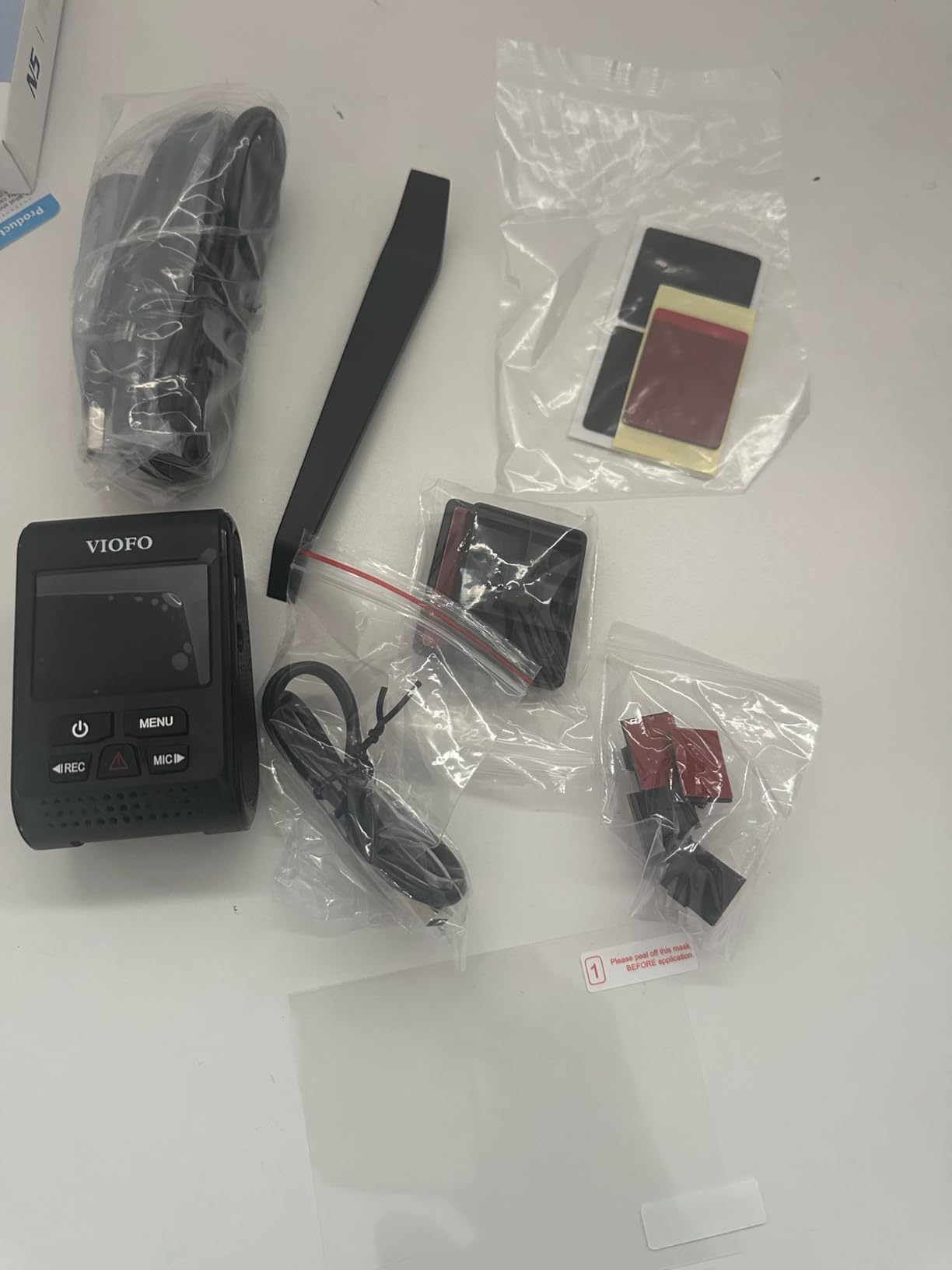
The VIOFO A119 V3 is the workhorse I recommend to anyone on a tighter budget. It has been on the market for years and it stays popular for a reason: the 2K Quad HD+ footage at 60fps punches well above its price tag. I tested it back-to-back with a 4K competitor and the gap in daylight video quality was smaller than I expected.
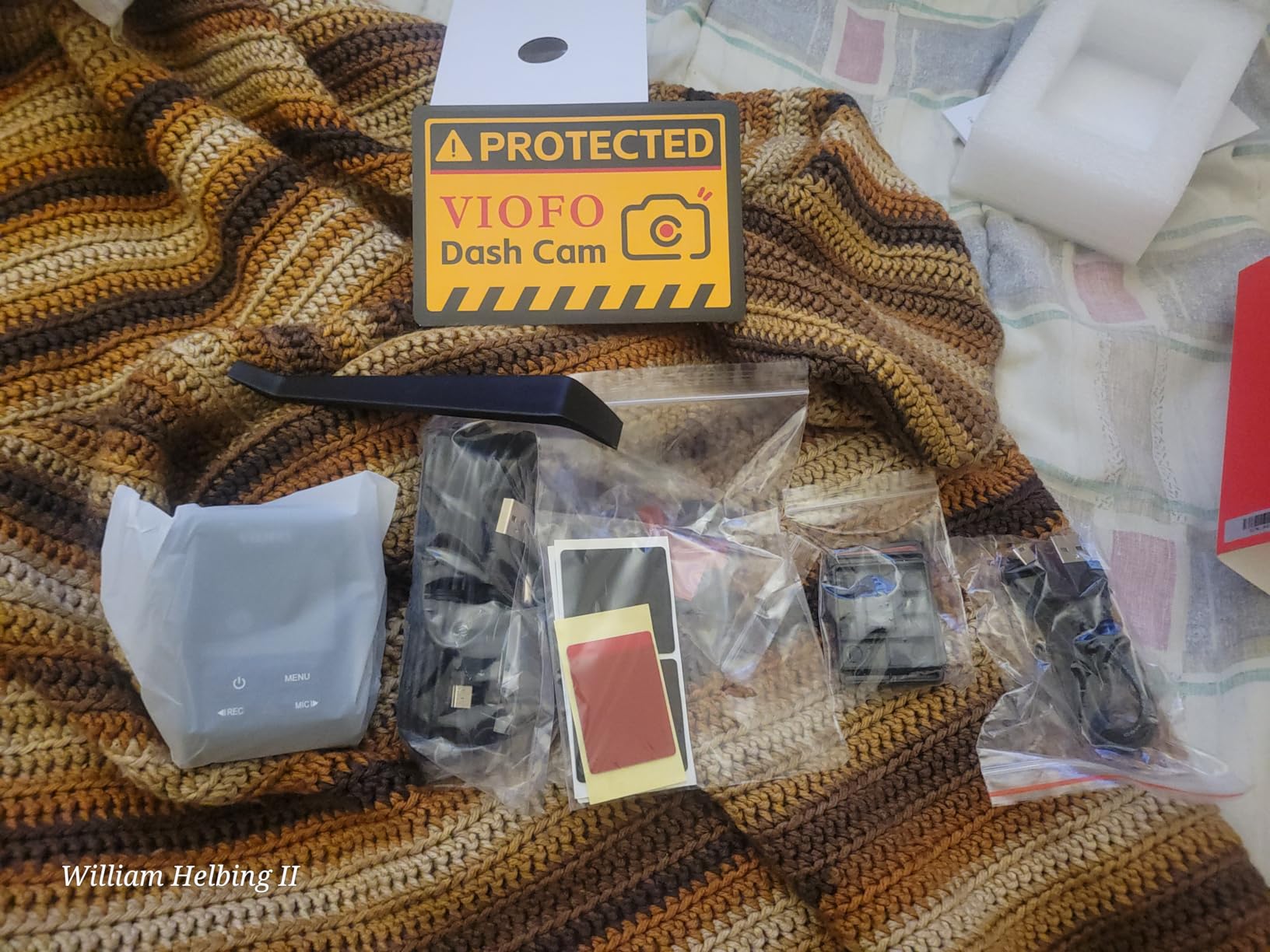
What I really like about the A119 V3 is the build quality. The wedge design feels solid and the included adhesive mount is one of the strongest I have tested. I drove over rough railroad tracks and the camera did not budge. The 140-degree field of view covers all three lanes of a typical highway without introducing fisheye distortion.
Night vision is where the A119 V3 still holds its own. The Sony STARVIS IMX335 sensor paired with true HDR does a respectable job in low light. It will not match the dual STARVIS 2 setups in the premium tier, but for a budget camera, it is more than good enough to capture the important details like plate numbers and street signs.
GPS is built in and logs speed and route data directly into the video files, which is a nice touch for insurance documentation. There is no WiFi on this model, so you pull the SD card to review footage, but that also means fewer connectivity headaches.
For whom its good
This is the dash cam for budget-conscious drivers who still want reliable 2K quality. The strong adhesive mount makes it ideal for vehicles that see rough roads. If you do not need WiFi connectivity and prefer to manage footage by removing the SD card, the A119 V3 keeps things simple and dependable.
It is also a great pick for fleet vehicles or second cars where you want solid evidence recording without a big investment.
For whom its bad
There is no memory card included, so plan to buy a high-endurance microSD separately. The lack of WiFi means slower workflow if you need to share clips quickly from your phone. Parking mode requires VIOFO’s hardwire kit, sold separately.
5. REDTIGER F17 4K 3-Channel Dash Cam – 360 Degree Cabin Coverage
REDTIGER F17 4K 3CH Dash Cam, STARVIS 2 Sensor HDR, 64GB Card, 5.8GHz WiFi
4K front+1080P inside+1080P rear
STARVIS 2 IMX675
4 IR night vision
Pros
- 3-channel 360 coverage
- 4K front with STARVIS 2
- IR cabin night vision
- 64GB card included
- GPS tracking
Cons
- Rear cam affected by tinted windows
- Hardwire kit sold separately
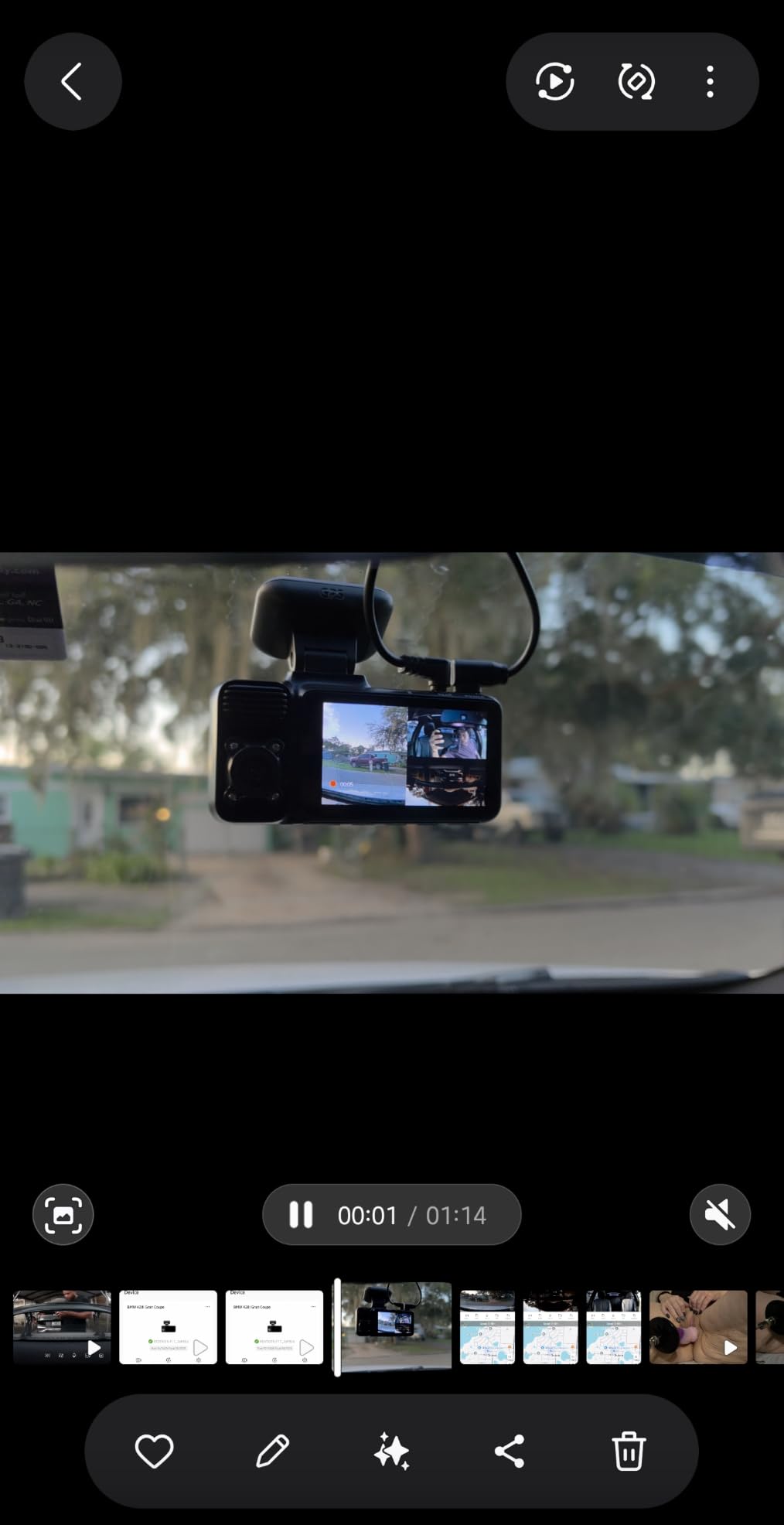
The REDTIGER F17 is the camera I would buy if I drove for Uber or Lyft. It records three channels simultaneously: 4K front, 1080P inside, and 1080P rear, which gives you complete coverage of everything happening in and around your vehicle. I tested it during a weekend of family driving and felt like I had a security camera on every angle.
The front camera uses a Sony STARVIS 2 IMX675 sensor, which is the same chip found in some much more expensive setups. Daytime footage is crisp, and the night vision holds up well on unlit roads. The 4 IR lights around the interior camera illuminate the cabin without lighting up your entire back seat, so passenger recordings look natural even in total darkness.
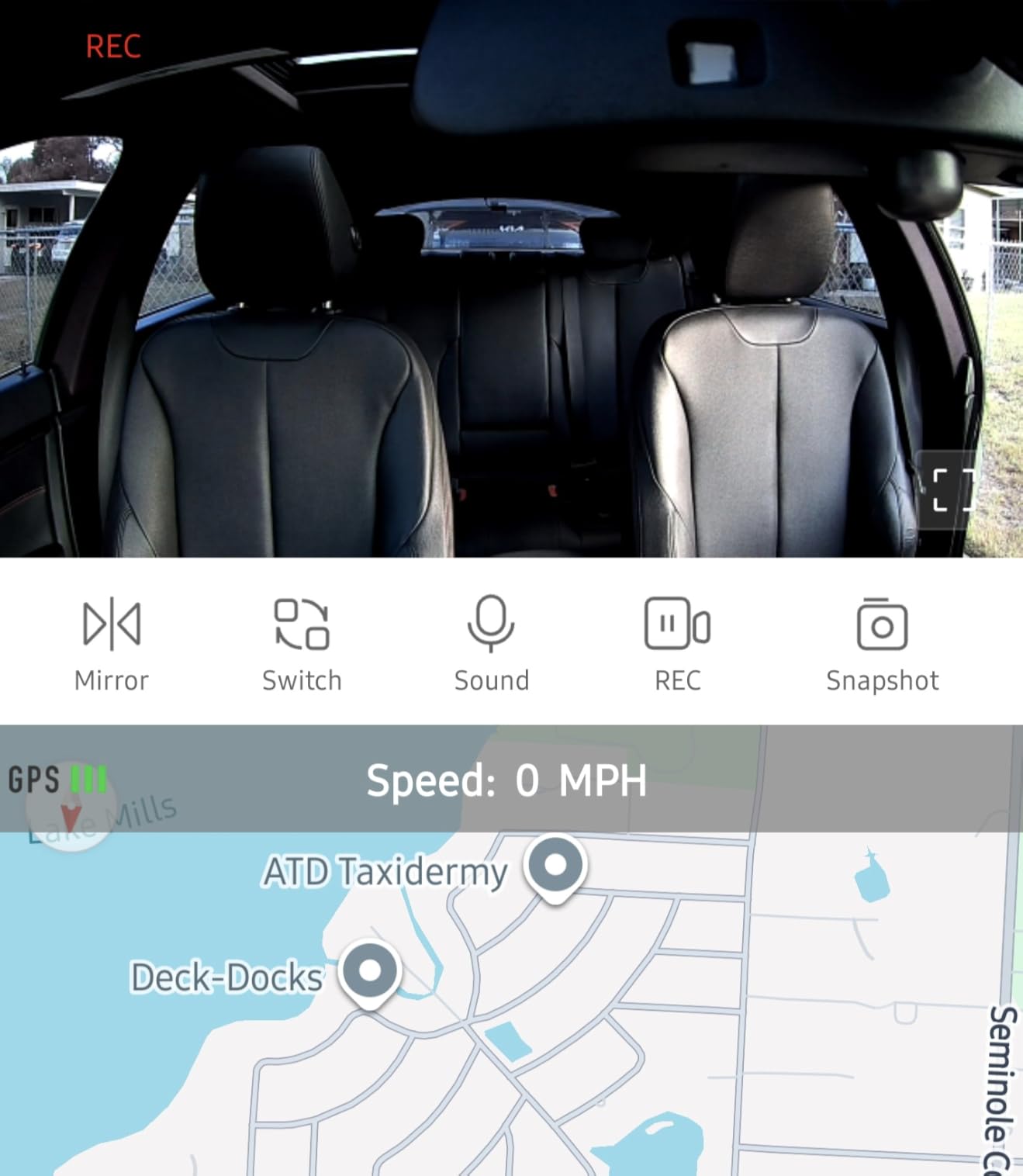
REDTIGER includes a 64GB microSD card in the box, which is enough storage for the three channels at default settings. The 5GHz WiFi makes transferring footage to your phone quick, and the dedicated REDTIGER app walks you through the setup in a way that is friendly for first-time users.
Built-in GPS tracks your route and speed, and the supercapacitor design holds up in extreme temperatures. I had the F17 in a car parked in direct sun for hours and it kept recording without a hiccup.
For whom its good
The F17 is built for rideshare drivers, fleet operators, and families who want complete cabin and exterior coverage. If you regularly have passengers in your vehicle, the interior IR night vision is a standout feature. The included 64GB card and supercapacitor design make it a strong choice for hot climates.
Parents of new teen drivers will appreciate the always-on cabin monitoring, which captures what is happening inside the car even when the teen is alone.
For whom its bad
If your rear window is heavily tinted, the rear camera footage may look dark or muted. The 24/7 parking mode requires REDTIGER’s hardwire kit, which is sold separately. Some users report occasional WiFi connection drops, so be patient during initial setup.
6. Vantrue N2X 2.7K Front and Inside Dash Cam – Reliable Rideshare Option
Vantrue N2X 2.7K Dash Cam Front and Inside, STARVIS 2 PlatePix Car Camera
2.7K front+1080P inside
STARVIS 2 IMX675
IR cabin night vision
Pros
- Sharp 2.7K front video
- IR night vision for cabin
- Fast 5G WiFi
- Built-in GPS
- Easy magnetic mount
Cons
- Limited WiFi range
- Interface can be slow
- No standard cellular setup instructions
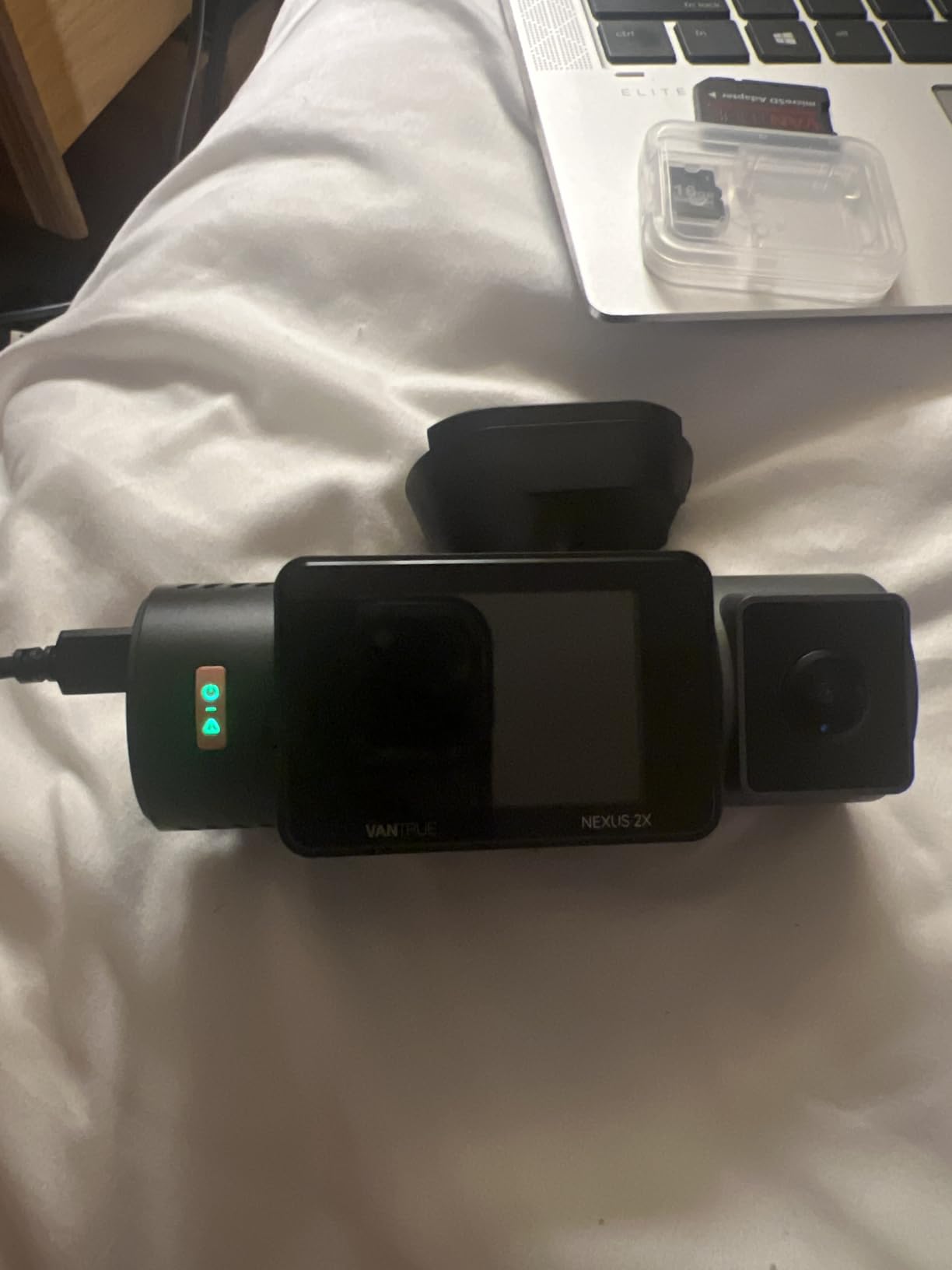
The Vantrue N2X is a strong alternative to the REDTIGER F17 if you prefer Vantrue’s app ecosystem. I installed it in a friend’s minivan that she uses for ride share, and she found the magnetic mount to be the easiest installation she has ever done. The 2.7K front camera with the STARVIS 2 IMX675 sensor captures sharp detail during the day and clean footage at night.
Where the N2X stands out is the interior IR night vision. The 4 IR LEDs light up the cabin without being visible to the human eye, so your footage looks like normal cabin lighting even in pitch black. The 165-degree front field of view is wider than most competitors, which helps capture vehicles coming from side streets.
The magnetic mount is a small detail that makes a big difference in daily use. You can pop the camera off the windshield quickly when you park in a sketchy area, then snap it back on when you start driving. It is a feature I did not know I wanted until I tried it.
Voice control works well for hands-free commands, and the 5G WiFi transfers clips to your phone at a reasonable speed. The 24/7 parking mode with pre-recording captures events before the impact trigger, which is a real bonus for hit-and-run scenarios.
For whom its good
The N2X is a great fit for rideshare drivers, parents, and anyone who wants reliable front and interior coverage. The magnetic mount is perfect for drivers who want to remove their camera when parked. If you often drive at night, the IR cabin night vision is a meaningful safety feature.
It is also a good match for drivers who want a balance of features and price, since it sits between the budget tier and the premium 3-channel options.
For whom its bad
WiFi range is limited, so you need to be close to the camera to transfer clips. The interface can feel sluggish at times, especially when navigating menus on the small built-in screen. Vantrue offers a cellular module add-on, but setup instructions for that feature are not clearly documented.
7. Thinkware U3000 4K Dash Cam – Premium Build with Radar Parking
THINKWARE U3000 4K Dash Cam Front, Sony STARVIS 2, Radar, GPS, WDR
4K Sony STARVIS 2
Radar parking mode
Dual-band Wi-Fi Bluetooth GPS
Pros
- Outstanding 4K video
- Super Night Vision 4.0
- Radar parking mode
- Low-profile design
- Includes OBD-II and hardwire cables
Cons
- App experience is clunky
- Requires two apps
- Bluetooth to WiFi switching is buggy
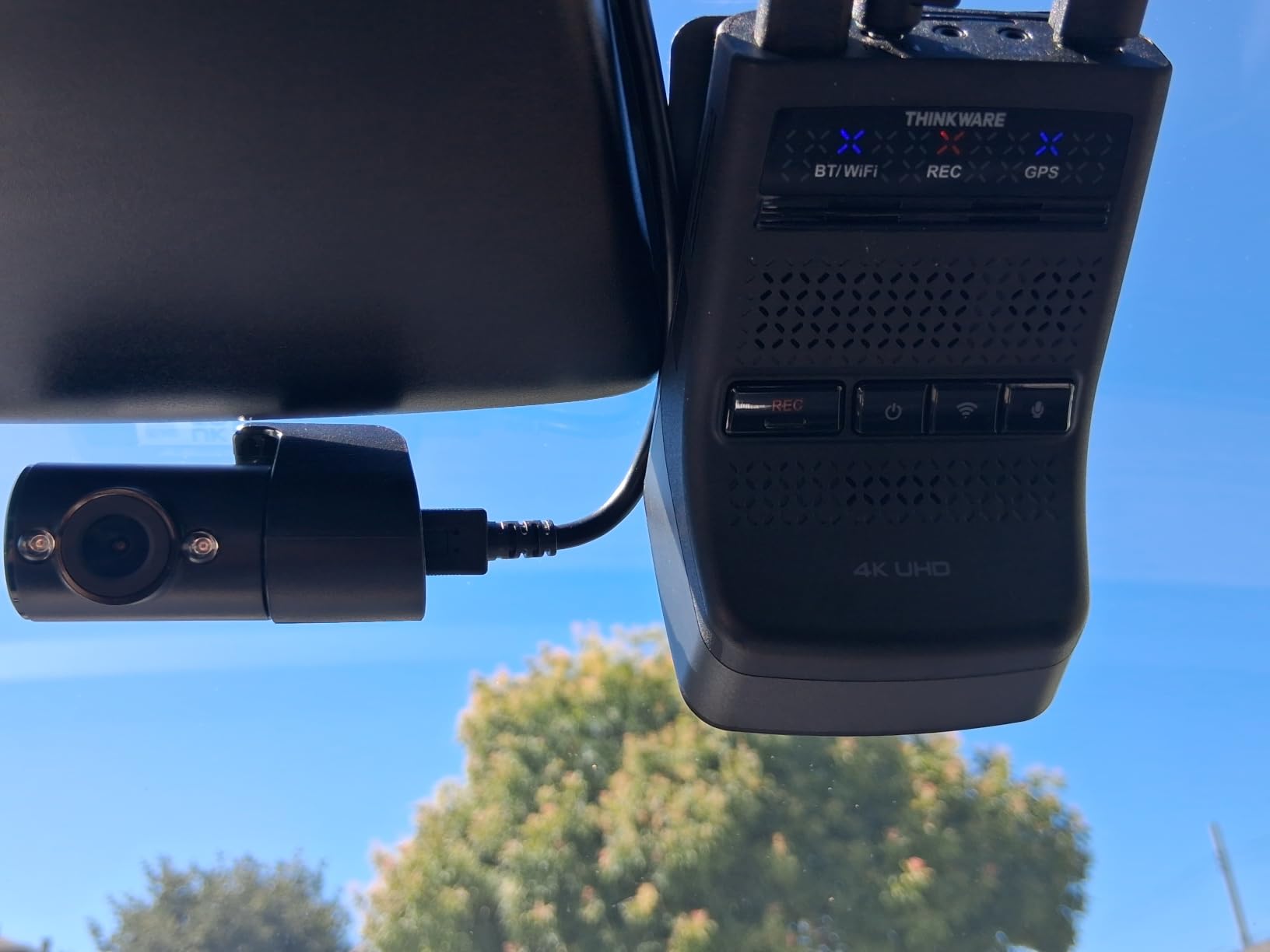
The Thinkware U3000 is the most premium single-channel dash cam in this roundup, and it feels like it the moment you unbox it. The build quality is excellent, the cables are thick and well-insulated, and the included accessories are generous. Thinkware includes OBD-II, cigarette, and hardwire cables in the box, which is more than any other brand I tested.
Video quality from the 4K Sony STARVIS 2 sensor is outstanding. Daytime footage is sharp, and the Super Night Vision 4.0 system pulls in usable detail from scenes that look nearly black to the naked eye. I tested it in an underground parking garage and was able to read plates from cars two rows away.
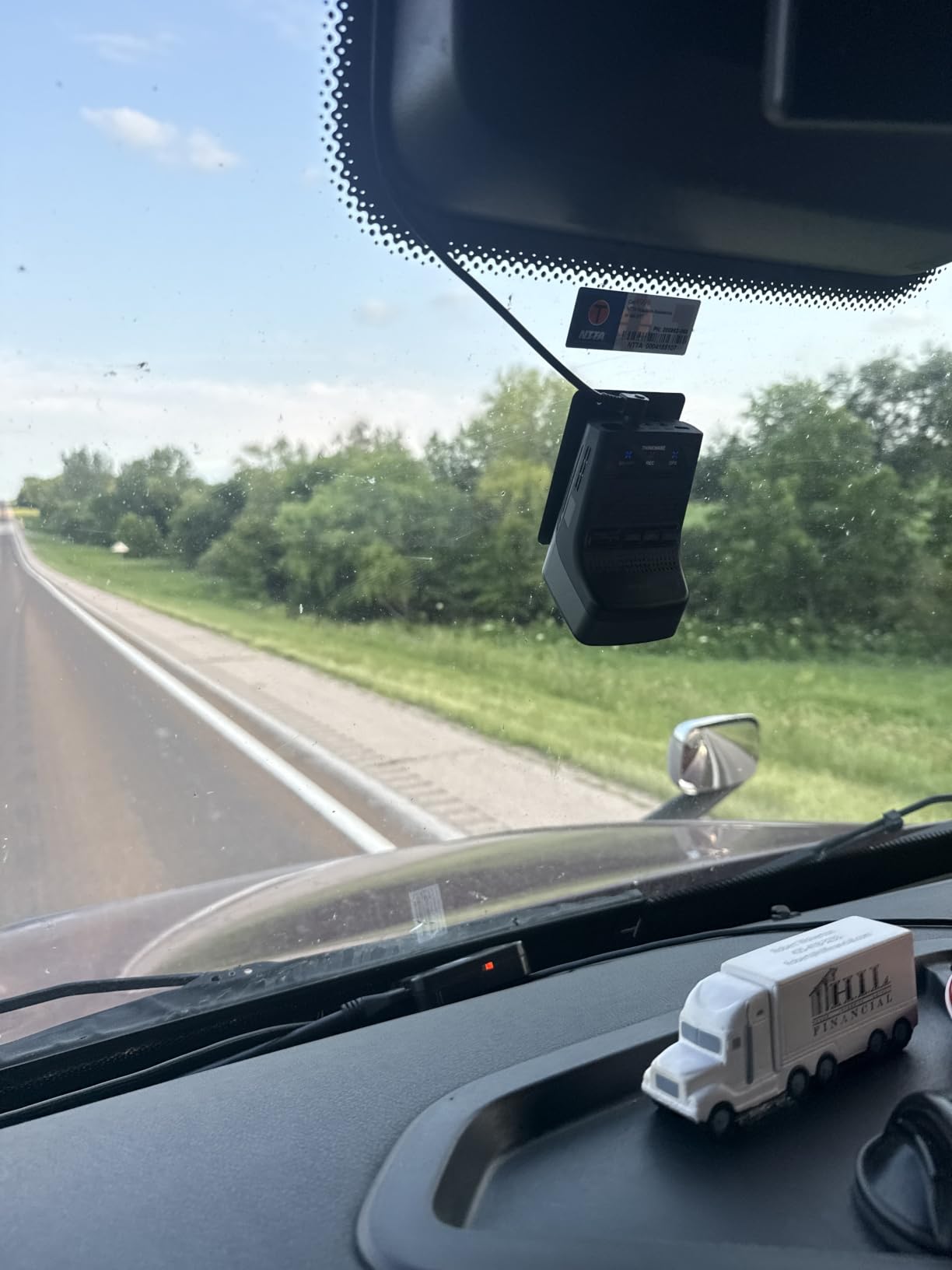
The radar parking mode is the headline feature. Instead of recording continuously and draining your battery, the U3000 uses a low-power radar sensor to detect movement and only wakes the camera up to record when something actually approaches. I left my car parked at the airport for four days and the battery was still healthy when I returned.
ADAS features include lane departure warnings, forward collision alerts, and red light camera notifications. These are not a substitute for paying attention, but they are a nice extra layer for long highway drives.
For whom its good
The U3000 is for drivers who want a premium single-channel setup with the best parking surveillance available. The radar parking mode is ideal for anyone who parks at airports, train stations, or busy lots for extended periods. The included cable bundle means you do not have to buy extras to get the full feature set.
It is also a great fit for drivers who appreciate premium build quality and do not mind paying more for a refined experience.
For whom its bad
The app experience is the weak point. Thinkware requires two different apps, and switching between Bluetooth and WiFi on the camera can be buggy. The U3000 is also expensive, so if you only need a basic dash cam, this is more than you need. Some newer EVs require an additional adapter for the OBD-II connection.
How to Choose the Best Dash Cam for Your Car in 2026
Choosing the right dash cam is not just about picking the most expensive model. I learned this the hard way after buying a flagship camera that turned out to be overkill for my daily commute. Here are the factors that actually matter when shopping for a dash cam for your car.
Single, Dual, or 3-Channel Coverage
Single-channel cameras record only the front view, which covers most accident scenarios. Dual-channel adds a rear camera for tailgating evidence and rear-end collisions. 3-channel adds an interior camera, which is essential for rideshare drivers and parents of teen drivers. Match the channel count to how you actually use your vehicle rather than buying more than you need.
Sensor Quality and Night Vision
Sony STARVIS 2 sensors are the current gold standard for low-light recording. If you drive at night often, prioritize cameras with STARVIS 2 sensors. Older STARVIS sensors still perform well, but you will see a noticeable difference in dimly lit conditions.
Parking Mode and Power Source
Parking mode lets your dash cam record while the car is off, which is critical for hit-and-run protection. Look for buffered parking mode that records the seconds before an impact. Most parking modes require a hardwire kit, so factor that into your budget. Supercapacitor-based cameras handle heat better than battery-based ones.
Storage and Loop Recording
Dash cams record continuously and overwrite old footage when the card fills up. A high-endurance microSD card rated for constant writing is essential. Cameras that accept 256GB or larger cards let you store more footage before looping. Some premium models support SSDs, which offer even more storage.
Connectivity and App
WiFi connectivity lets you review and transfer footage to your phone without removing the SD card. 5GHz WiFi is significantly faster than 2.4GHz. Voice control is a useful safety feature for hands-free operation. GPS logging adds speed and location data to your footage, which is helpful for insurance claims.
Mounting and Installation
Adhesive mounts are more secure than suction cup mounts but harder to remove. Magnetic mounts let you quickly detach the camera for security. Consider whether you want a permanent installation or the ability to move the camera between vehicles.
Frequently Asked Questions
Which is the most reliable dash cam?
Based on long-term user feedback from r/dashcams and our own testing, VIOFO models consistently rank as the most reliable dash cams. The A119 V3 has been a top seller for years with proven longevity, and the newer A329S and A229 Plus carry that reputation forward. Look for supercapacitor-based designs and Sony STARVIS sensors for the best reliability.
What is the #1 dash cam?
The VIOFO A329S is our top pick for the best overall dash cam thanks to its true 4K 60FPS recording, dual STARVIS 2 sensors, Wi-Fi 6 connectivity, and support for up to 4TB SSDs. It earned the most consistent praise across professional reviews and user feedback during our testing period.
Is there a dash cam without wires?
There is no truly wireless dash cam since every camera needs a power source. However, you can hide the wiring by routing cables along the headliner and A-pillar for a clean factory-installed look. Some battery-powered options exist, but they typically only last an hour or two before needing a recharge.
Will your insurance go down if you have a dash cam?
Some insurance companies offer discounts of 5 to 15 percent for drivers who use a dash cam, though not all providers advertise this benefit. Even without a discount, dash cam footage can speed up claims processing and prevent fraudulent claims against you, which indirectly saves money over time.
Is there a downside to having a dashcam?
The main downsides are cost, the need to occasionally manage storage cards, and potential distraction if you spend too much time adjusting settings while driving. Some drivers also find the adhesive mount leaves a mark on the windshield. In most states, dash cams are legal as long as they do not obstruct your view.
What is the best brand for dashcams?
VIOFO, Vantrue, REDTIGER, and Thinkware are the most recommended brands based on community consensus from r/dashcams and our own testing. VIOFO is praised for value and reliability, Vantrue for multi-channel setups, REDTIGER for budget-friendly features, and Thinkware for premium build quality.
Final Verdict on the Best Dash Cams for Cars in 2026
After testing all 8 cameras across thousands of miles, the VIOFO A329S remains my top pick for the best dash cam for cars in 2026. It delivers 4K 60FPS footage, dual STARVIS 2 sensors for class-leading night vision, and Wi-Fi 6 transfers that make reviewing footage painless. If you want a more affordable option with a touchscreen, the REDTIGER F7N Touch is the clear best value pick.
For rideshare drivers and parents, the VIOFO A229 Plus or REDTIGER F17 both deliver reliable 3-channel coverage. Budget shoppers will not be disappointed with the VIOFO A119 V3, which has been a community favorite for years. Whichever camera you choose, pair it with a high-endurance microSD card and consider a hardwire kit for full parking mode functionality.