
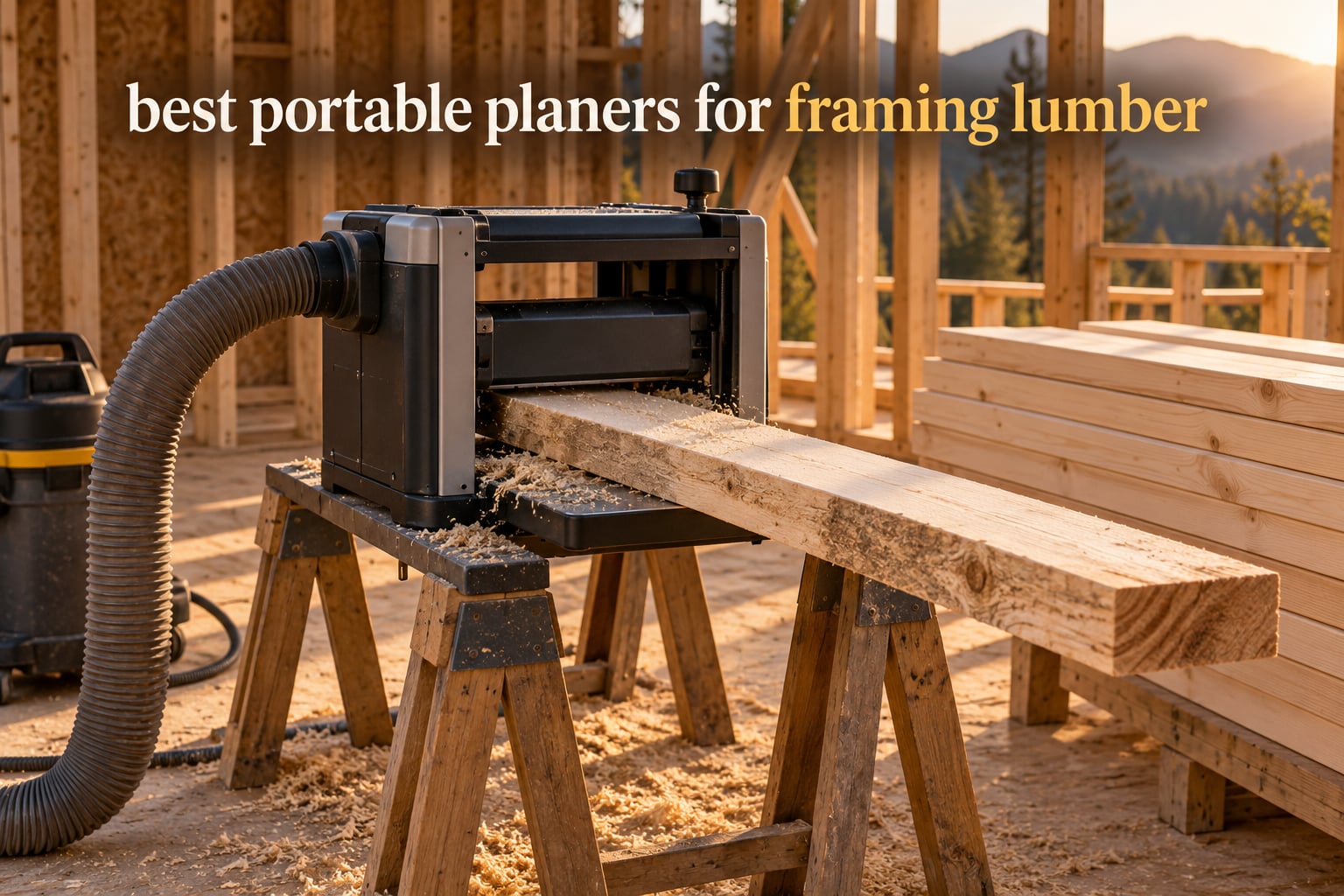
A portable thickness planer is a benchtop machine with a rotating cutterhead and adjustable infeed and outfeed tables that mills rough, uneven dimensional lumber down to a flat, consistent thickness in a single pass. For anyone buying 2x4s, 2x6s or 4×4 posts by the pallet, that one operation is the difference between lumber that goes up straight and lumber that fights you on every stud. We spent weeks running all ten of the machines below through construction lumber to sort out which ones hold up when the material is dirty, twisted and full of knots, and which ones only really like clean milled boards.
Most planer roundups on the internet are written for furniture makers working with hardwood that has already been milled flat. This one is for framing lumber, and that framing changes the ranking: blade durability, motor stamina on deep cuts, bed rigidity on warped boards and how much the machine weighs when you are carrying it up a stair all matter far more here than the quality of the finish on a walnut board.
Across the field, the honest answer is that you get one flat face, not four. A planer removes the high spots from one side, so a cupped or badly twisted 2×6 still needs a jointer or repeated passes from two directions before every edge is true. We cover that in detail further down, because it is the single most common misunderstanding we saw among first-time owners. If you are also shopping the rest of the site kit, our framing nailer picks and air compressor guide cover the other two tools that live on the same jobsite.
Table of Contents
Top 3 Best Portable Planers for Framing Lumber in October

DEWALT DW735X 13 in. Planer
- 15 amp 20000 rpm motor
- Three-knife head
- 96 or 179 cuts per inch
- Automatic carriage lock

DEWALT DW734 12-1/2 in. Planer
- 15 amp 20000 rpm motor
- 96 cuts per inch
- Four-column carriage lock
- Turret depth stop

CRAFTSMAN CMEW320
- 15 amp motor
- Two-knife solid steel head
- Reversible high carbon blades
- Vacuum port
Quick Picks All 10 Portable Planers Compared in 2026
Every machine below planes to a listed maximum width and depth of cut, so the row that matters for framing is the one that covers a full 2×6 or a 4×4 at a useful rate. Read the weight column before anything else, because getting the machine off the truck is the part nobody plans for.
| Product | Specifications | Action |
|---|---|---|
| DEWALT DW735X 13 in. |
|
Check Latest Price |
| DEWALT DW734 12-1/2 in. |
|
Check Latest Price |
| CRAFTSMAN CMEW320 |
|
Check Latest Price |
 WEN PL1326 13 in. Spiral WEN PL1326 13 in. Spiral |
|
Check Latest Price |
 Makita 2012NB 12 in. Makita 2012NB 12 in. |
|
Check Latest Price |
 JET JWP-13BT 13 in. JET JWP-13BT 13 in. |
|
Check Latest Price |
 VEVOR 13 in. Two-Blade VEVOR 13 in. Two-Blade |
|
Check Latest Price |
 RIKON 25-135H 13 in. RIKON 25-135H 13 in. |
|
Check Latest Price |
 Cutech 40600H 13 in. Spiral Cutech 40600H 13 in. Spiral |
|
Check Latest Price |
 Triton TPT125 12-1/2 in. Triton TPT125 12-1/2 in. |
|
Check Latest Price |
1. DEWALT DW735X 13 in. Thickness Planer – Best Overall for Framing Lumber
DEWALT Thickness Planer, 13-inch Wood Planer, Three Knife Two Speed, 15 Amp, 20,000 RPM Motor (DW735X)
15 amp 20000 rpm motor
13 in. width
0.13 in. depth of cut
102 pounds
Pros
- Two-speed gearbox at 96 or 179 cuts per inch
- Automatic carriage lock cuts snipe without setup
- 19-3/4 in. cast aluminum base with folding tables
- DeWalt rates the 3-knife head at 30% longer knife life
- Fan-assisted chip ejection clears the head
Cons
- Heaviest machine here at 102 pounds
- Very loud in normal use
- Stock knives dull quickly on dirty softwood
- Can trip a 15 amp circuit with extraction running
This is the machine we kept reaching for when a board came off the truck cupped and dirty. The 15 amp, 20000 rpm motor has genuine reserve, and the three-knife cutterhead at 10000 rpm makes 96 or 179 cuts per inch depending on which gear you pick. On clean softwood we ran the high gear, and on cupped 2×6 that needed real removal we dropped to the low gear and let the motor work.
The feature that matters more than the motor on framing lumber is the automatic carriage lock. Owners and shop testers consistently credit it with removing the upward creep that makes snipe worse, and creep is exactly what ruins a batch of studs because the last board in the pile comes off a different thickness than the first.
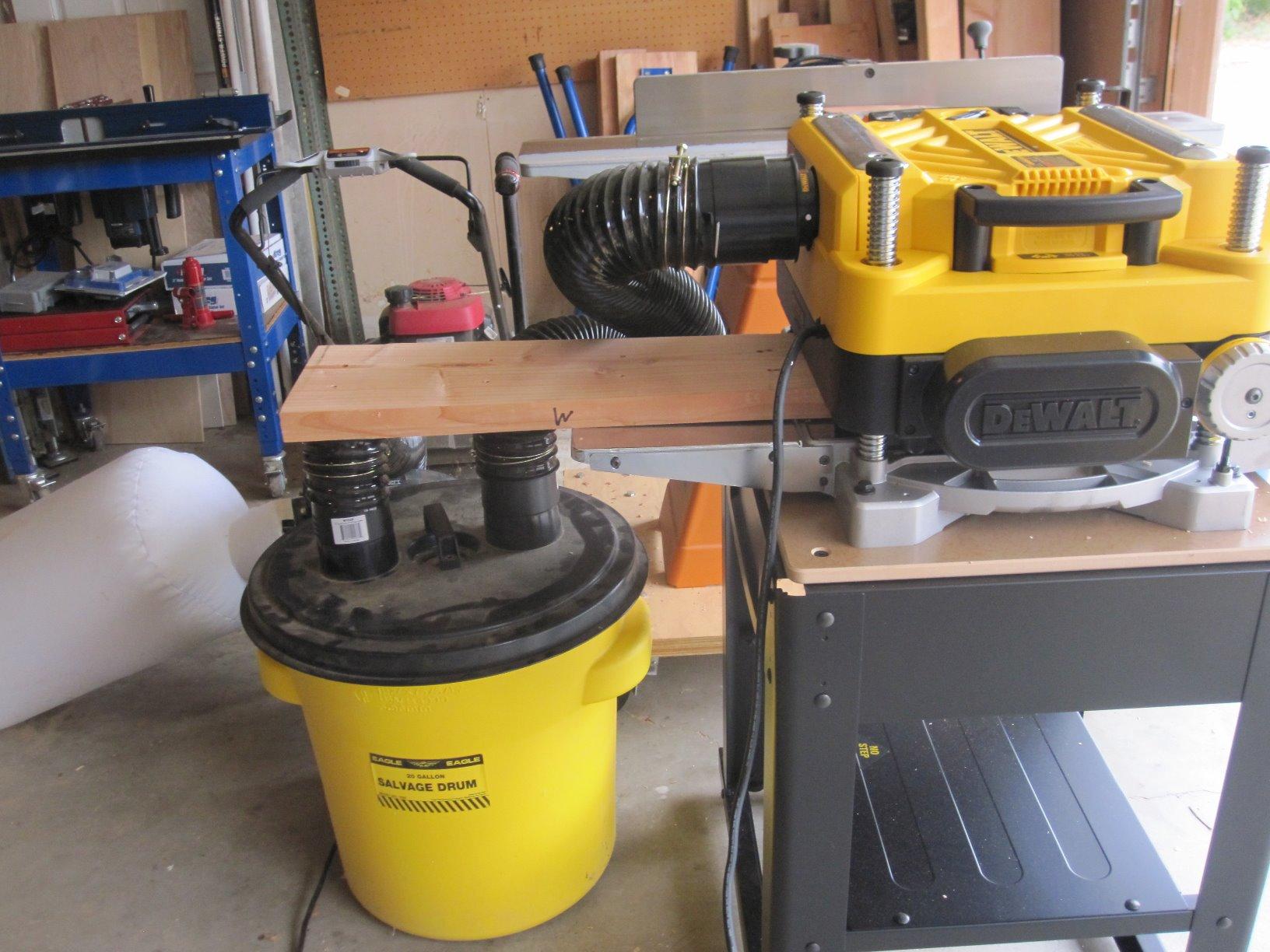
The 19-3/4 in. cast aluminum base is the widest in this group, and DeWalt rates it at twice the rigidity of a standard 10 in. base. On a warped board that width is doing real work: you can feed a 2×6 that has twisted across its length and the machine holds it flat through the cut instead of letting the ends ride high.
Knife life is where a shop-grade machine meets site reality. The included reversible knives are disposable HSS rather than carbide, and on lumber with sawdust, pitch and the odd nail head buried in the grain they need swapping far sooner than the manual suggests. Buy two full sets before a framing package.
What the two-speed gearbox actually changes
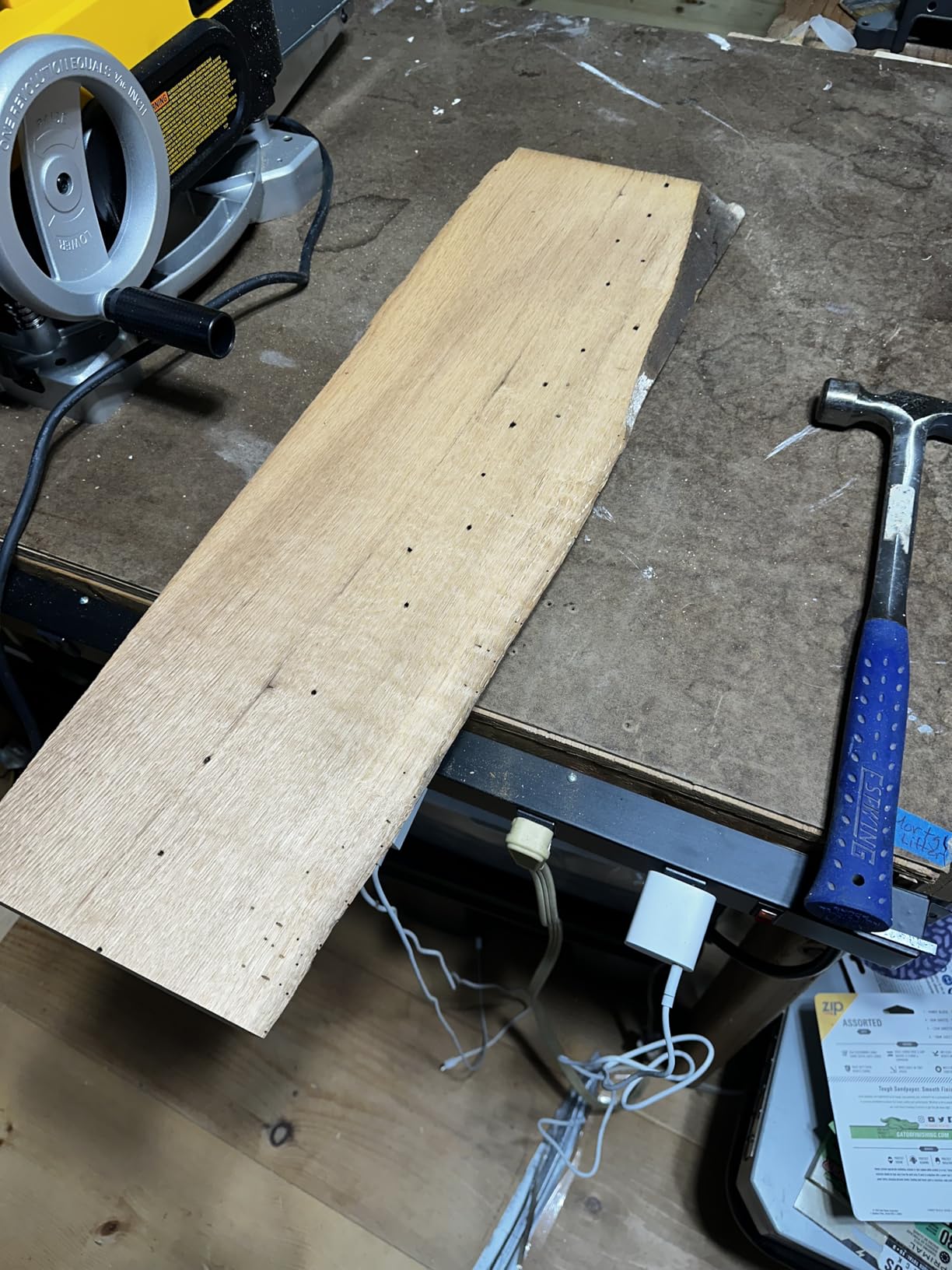
The gear ratio changes cuts per inch, not board speed in feet per minute. At the high setting you get roughly 179 cuts per inch and a fast, slightly rougher surface. At the low setting you get about 96 cuts per inch, which is the finish people describe as close to sanding once the board is through.
For framing, the low gear on the final pass is worth the extra seconds per board. The stud is dimensioned, the surface is smooth enough to take paint, and you have not traded away the motor reserve that keeps the cut consistent.
Where this machine will disappoint you
Carrying weight. At 102 pounds this is a two-person lift or a cart job, and on a site with a staircase or a mud path it is the one number that can make the wrong machine the right machine. The folding tables help with storage, not with carrying.
Electrical draw is the second issue. Run a dust collector on the same 15 amp circuit and this motor will trip it. If you only have one receptacle at the work area, plan on a separate circuit or a 20 amp feed before you start a package.
2. DEWALT DW734 12-1/2 in. Planer – Best Value for Deck and Shed Framing
DEWALT Benchtop Planer, 15-Amp, 12-1/2-Inch, 3-Knife Cutter, 20,000 RPM, Corded (DW734)
15 amp 20000 rpm motor
12.5 in. width
0.13 in. depth of cut
36.29 kg
Pros
- Same 15 amp motor and three-knife head as the DW735X
- DeWalt rates the reversible knives at 30% more life
- Four-column carriage lock reduces snipe
- 33-1/2 in. of table support for long boards
- Turret depth stop for batch work
Cons
- 12-1/2 in. width will not take a full 2x12
- Non-folding base needs a bench or stand
- Straight-knife head is louder than a spiral head
- Knife changes need the included wrench
The DW734 puts the same 15 amp, 20000 rpm motor and the same 10000 rpm three-knife head as the bigger machine into a package that is easier to own. If your framing is sheds, decks, pergolas and wall framing in 2x4s and 2x6s, this is the one I would buy first and the one I would regret least.
The four-column carriage lock is the difference I noticed most on short, narrow pieces. Framing generates an enormous number of cripples, cutoffs and blocking pieces, and those are exactly the boards where a creeping carriage shows up as a stepped end and a visible dip.
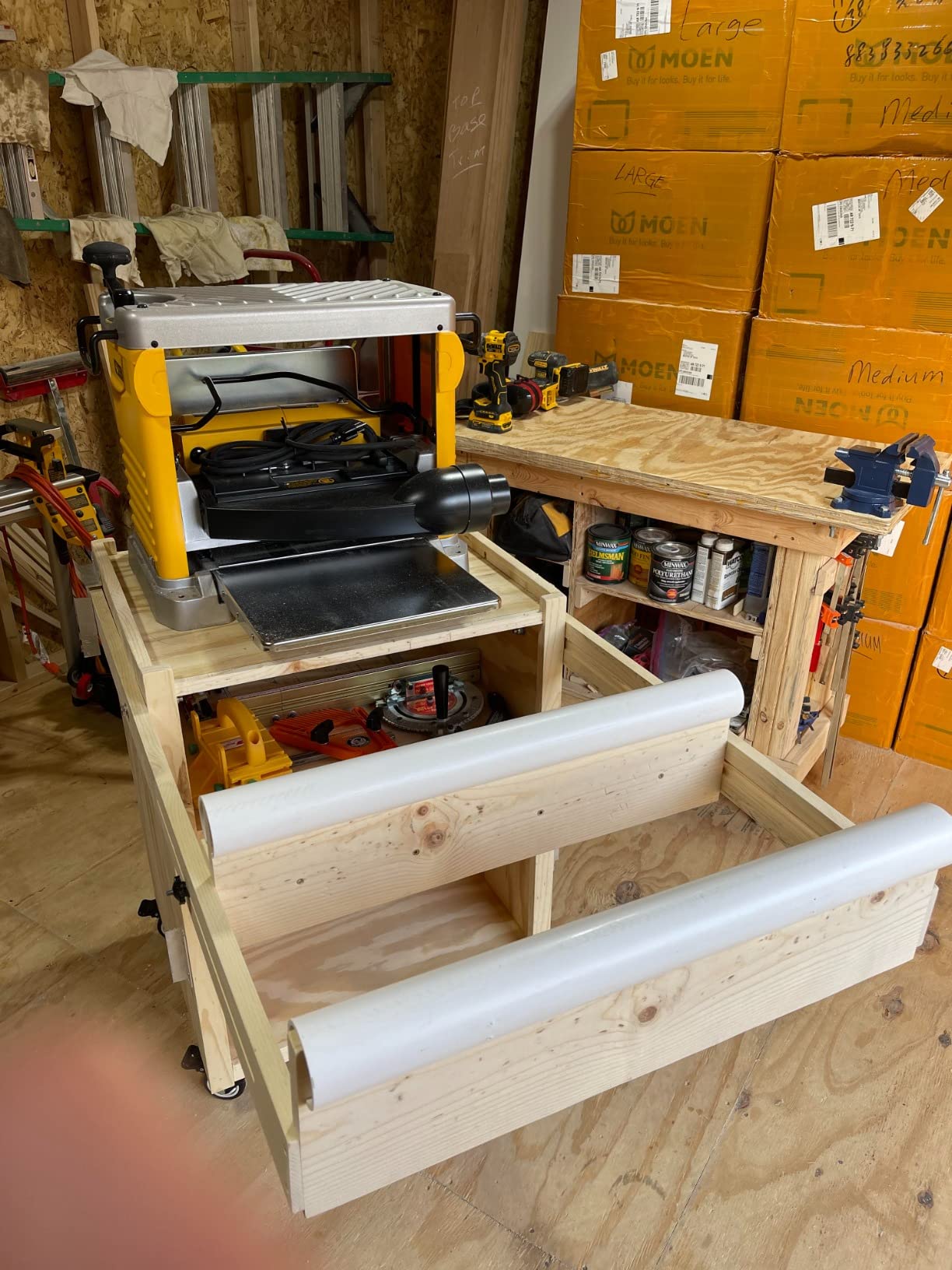
Extra-long infeed and outfeed tables give 33-1/2 in. of material support, which is what you want when a long 2×6 has to stay flat on the way through. On a cantilevered setup, boards droop and the depth reading stops matching the end of the board.
Consistent with its bigger brother, the head is a straight-knife design. That means more noise than a spiral or helical head and more snipe until you tune the tables, but it also means readily available reversible knives and a fast change with the head wrench included.
Whether 12-1/2 inches is enough width for your framing
A nominal 2×4 and 2×6 both fit comfortably. A 2×8 fits. A full 2×12 does not, because 12 inches of actual width leaves the edges unsupported on a 12-1/2 in. bed only if the board is truly 12 inches and truly straight.
Measure the widest board in your pile before you commit. If you are framing a house you will eventually hit a 4×4 post, and those pass on a 12-1/2 in. machine. If you are building a shed or a deck, you probably never will.
Where this machine will disappoint you
It is a bench machine with a non-folding base, so it needs a solid stand at a comfortable height. Set it too low and you are bent over an 80 pound machine for a full afternoon, which is how people end up with a back injury and a bad attitude.
It is also the same heavy current draw as the DW735X. On a jobsite circuit shared with a dust collector, expect a trip. The 12-1/2 in. width is the only structural limit, and it is a real one for post framing.
3. CRAFTSMAN CMEW320 12-1/4 in. Planer – Most Versatile Entry for a First Framing Package
CRAFTSMAN Planer, 15 Amp, For Benchtops, Two Knife Solid Steel Cutter Head (CMEW320)
15 amp motor
12.25 in. width
0.13 in. depth of cut
27.71 kg
Pros
- Most affordable entry into a real benchtop planer
- Two-knife solid steel head on ball bearings runs smooth
- High carbon reversible double-edged blades cut long
- Heavy enough to stay put on a bench
- Depth knob has clear fine increments
Cons
- 12.25 in. width will not cover a full 2x12
- 8000 rpm cutterhead means more passes
- Knots in rough lumber can stall the head
- Dust port clogs fast without strong extraction
The CMEW320 is a direct, no-frills route to putting a real planer on a bench, and owners report pushing well over a thousand board feet through it with the original blades still cutting. The two-knife solid steel cutterhead runs on ball bearings, which is why it stays smooth after months rather than developing the rattle common on all-plastic entry machines.
For framing it does the honest job. Rough big-box construction lumber comes off it usable, and the reversible high carbon steel blades are a consumable you can find anywhere rather than a proprietary cartridge.
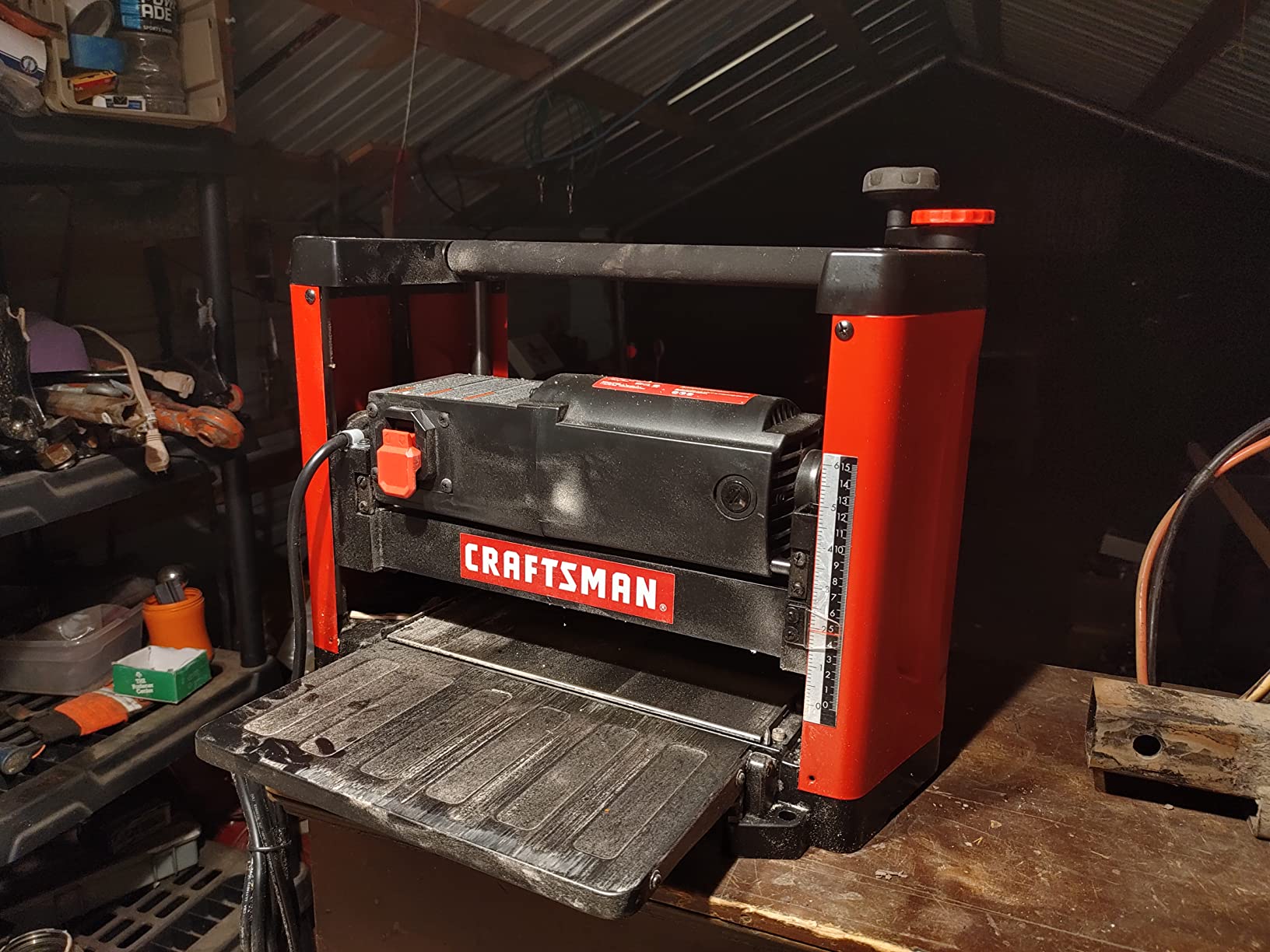
The carbon steel base and the weight of the machine work in your favor on a bench. It does not walk during a pass the way lighter entry-level machines do, which removes one of the most common frustrations when you are working alone.
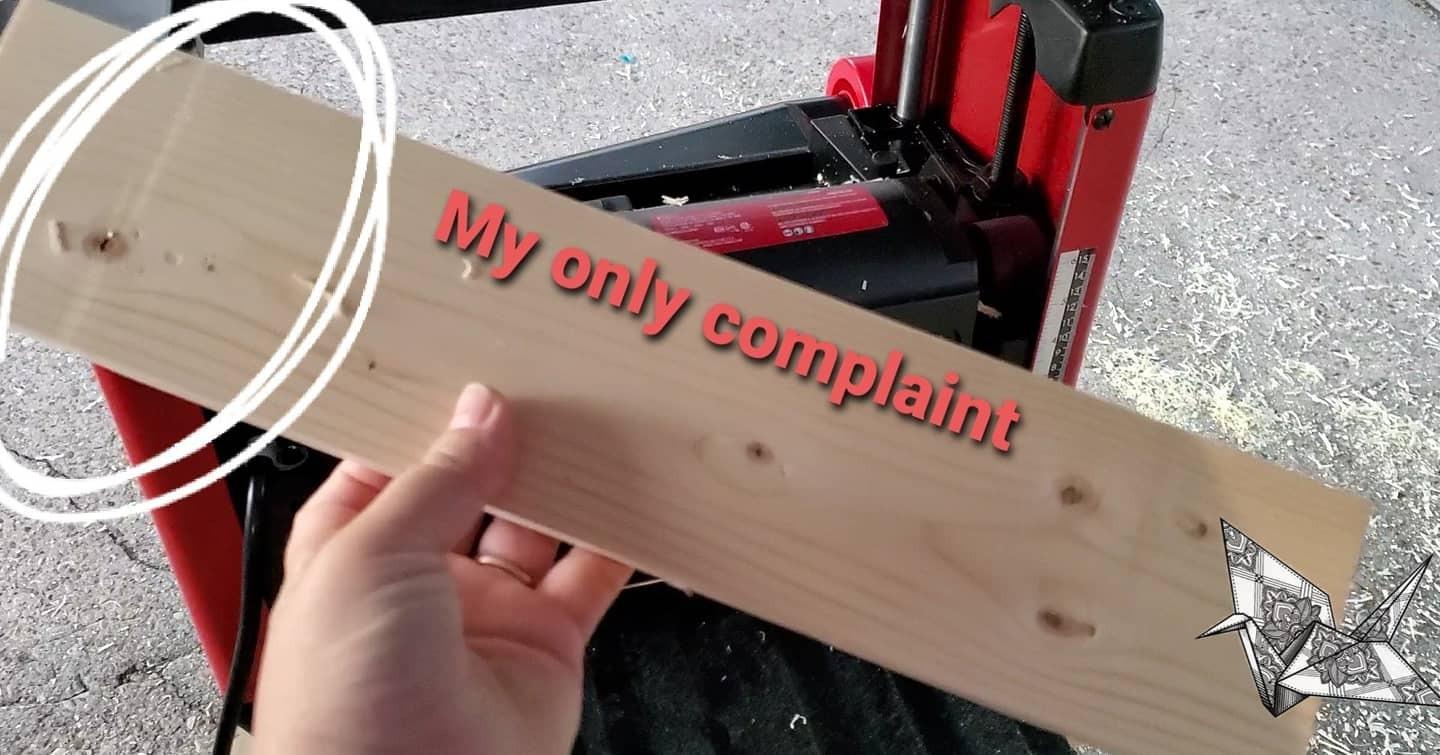
Where it fights you is knots. A 15 amp motor turning a cutterhead at 8000 rpm has less headroom than the machines running 10000 rpm or faster, and a hard knot in a rough 2×6 will bog it down before it will cut through. Pull knots and any embedded hardware first if you can.
How many passes rough lumber needs on this machine
Because the cutterhead turns at 8000 rpm rather than 10000, the effective cutting speed is lower, so a twisted board needs more light passes rather than one aggressive one. Two or three light passes on a cupped 2×6 is the normal result, and going after it in one deep cut risks stalling.
Watch the boards come off rather than the gauge. The knob has clear increments, so set a light cut, check the thickest end, and repeat until the readings at both edges match.
Where this machine will disappoint you
The 12.25 in. width is narrower than the 13 in. class and will not take a full 2×12. For a shed or a small addition with 2×4 and 2×6 framing, that never comes up.
It snipes until the tables are tuned, and it is loud. The vacuum port also clogs quickly if you are running a shop vac rather than a real dust collector, and cuttings can blow back out of the infeed side and pile up where you are standing.
4. WEN PL1326 13 in. Spiral Planer – Best Finish for the Money
WEN PL1326 15-Amp 13-Inch Spiral Benchtop Thickness Planer
15 amp at 10000 rpm
13 in. width
26 fpm feed rate
36.74 kg
Pros
- 26 staggered rotatable HSS spiral blades cut clean with minimal snipe
- Single 26 fpm feed still gives good results on hard oak and walnut
- Cast iron base holds boards flat
- Blades rotate once before replacement
- Deep chip capacity suits a real dust collector
Cons
- 13 in. machine is wide and 36.74 kg to lift
- Brush motor noise is high despite the spiral head
- Small pin depth indicator instead of a full gauge
- 120V only operation
- Needs a real dust collector to avoid clogging
The WEN PL1326 gives you the best finish quality in this group. A spiral cutterhead with 26 staggered and rotatable HSS blades produces a surface that rivals helical machines at several times the outlay, and owners working air-dried red oak and walnut report finishes that need almost no sanding. On framing lumber it is simply less punishing on the blades, though not any faster in volume.
The single 26 feet per minute feed rate is slower than the multi-speed machines, and on rough construction lumber that reads as patience rather than a defect. One pass turns a warped 2×6 into flat stock that takes a fastener without rocking.
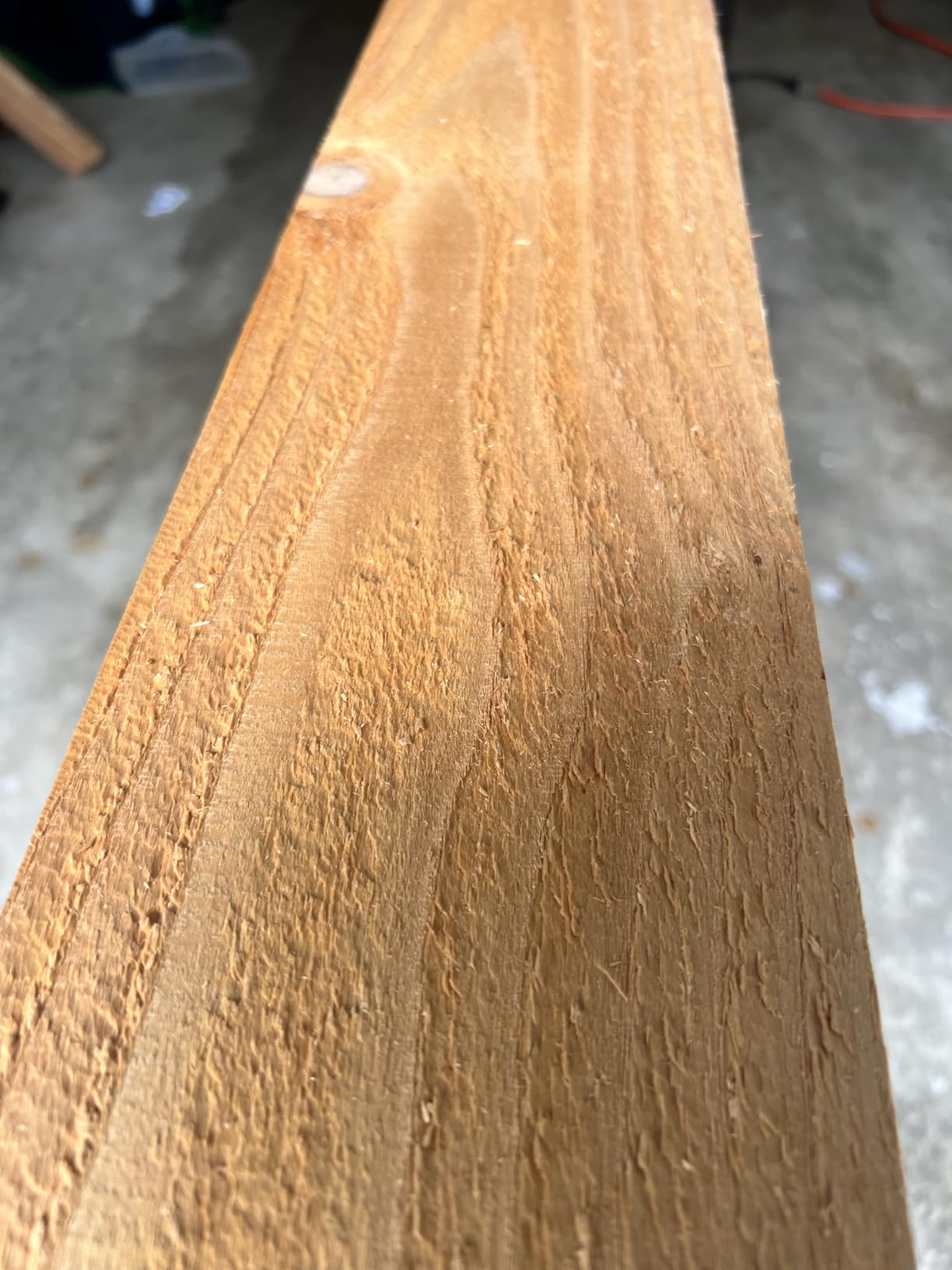
Rotatable blades are the practical win here. When a blade nicks on a staple or a nail head, you rotate it to a fresh edge instead of replacing the whole set, which roughly doubles the life of the HSS. On site material that is a real saving.
The cast iron base is what keeps finish consistent. Spiral heads are less tolerant of a flexing bed because the inserts are set at a precise angle, and a solid bed means the board leaves at the same thickness at both edges.
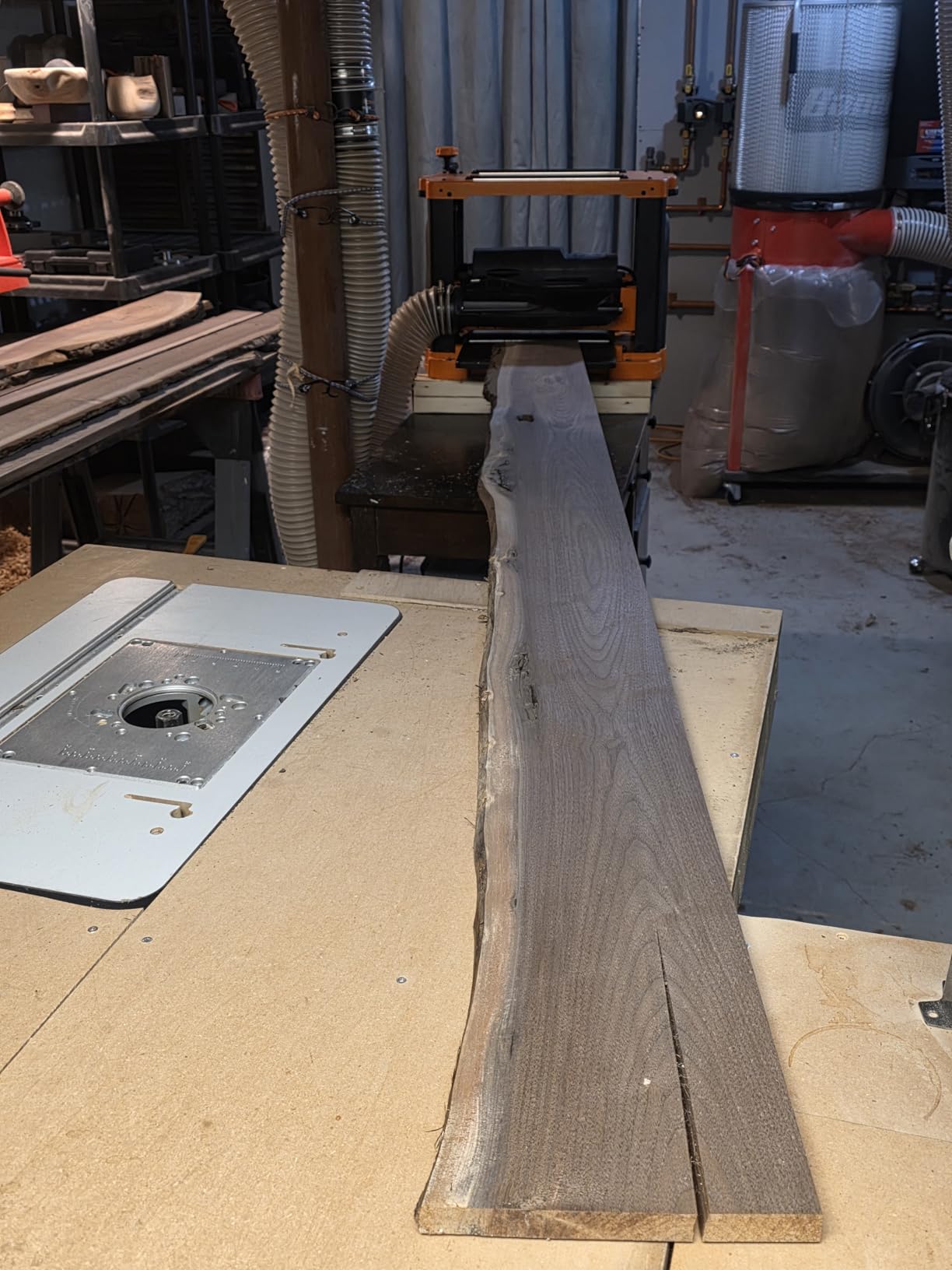
Spiral heads on dirty framing lumber
A spiral cutterhead shears rather than chops, so each insert takes a light bite. On lumber carrying construction dust, pitch and sap, that lower cutting angle is kinder to the edges than a straight knife taking a heavier bite at the same depth.
The tradeoff is that the 26 fpm feed is slow and the head is only 10000 rpm, so a deeply cupped board still wants two passes. Get the first one heavy and the second light.
Where this machine will disappoint you
Weight and width. At 36.74 kg with a 13 in. bed, this is one of the largest machines in the group and it is not a one-hand carry up a set of site stairs.
The depth indicator is a small round pin rather than a full-width scale, so you will be measuring with a tape after the first few passes. And the brush motor is loud enough that the quiet finish does not translate into a quiet machine. Outside a North American or Japanese 120V grid it will not run at all.
5. Makita 2012NB 12 in. Planer – Best for Carrying It to the Job
Makita 2012NB 12″ Portable Planer
11.86 in. width
83 dB operating noise
Four-post braced head
28.07 kg
Pros
- Quietest planer in the group at 83 dB
- Long-term owners report decades of commercial use
- Holds accuracy to 0.002-0.003 in.
- Fastest blade change system in the class with tools stored inside
- 4-post bracing keeps thickness consistent under load
Cons
- Highest outlay in the group for a 12 in. machine
- 11.86 in. width will not handle a full 2x12
- Dust hood sold separately
- Poor packaging on delivery
More than any of the alternatives, this is the machine that stays accurate. Multiple owners report continuous commercial use over decades with nothing failing beyond the blades, and the accuracy holds to a couple thousandths of an inch out of the box. For a framing contractor who will still own this machine in a decade, that record matters more than any spec on the list.
It is also the quietest planer here at 83 dB, which means you can run it indoors without the neighbours filing a complaint. On a framing package that adds up over a week.
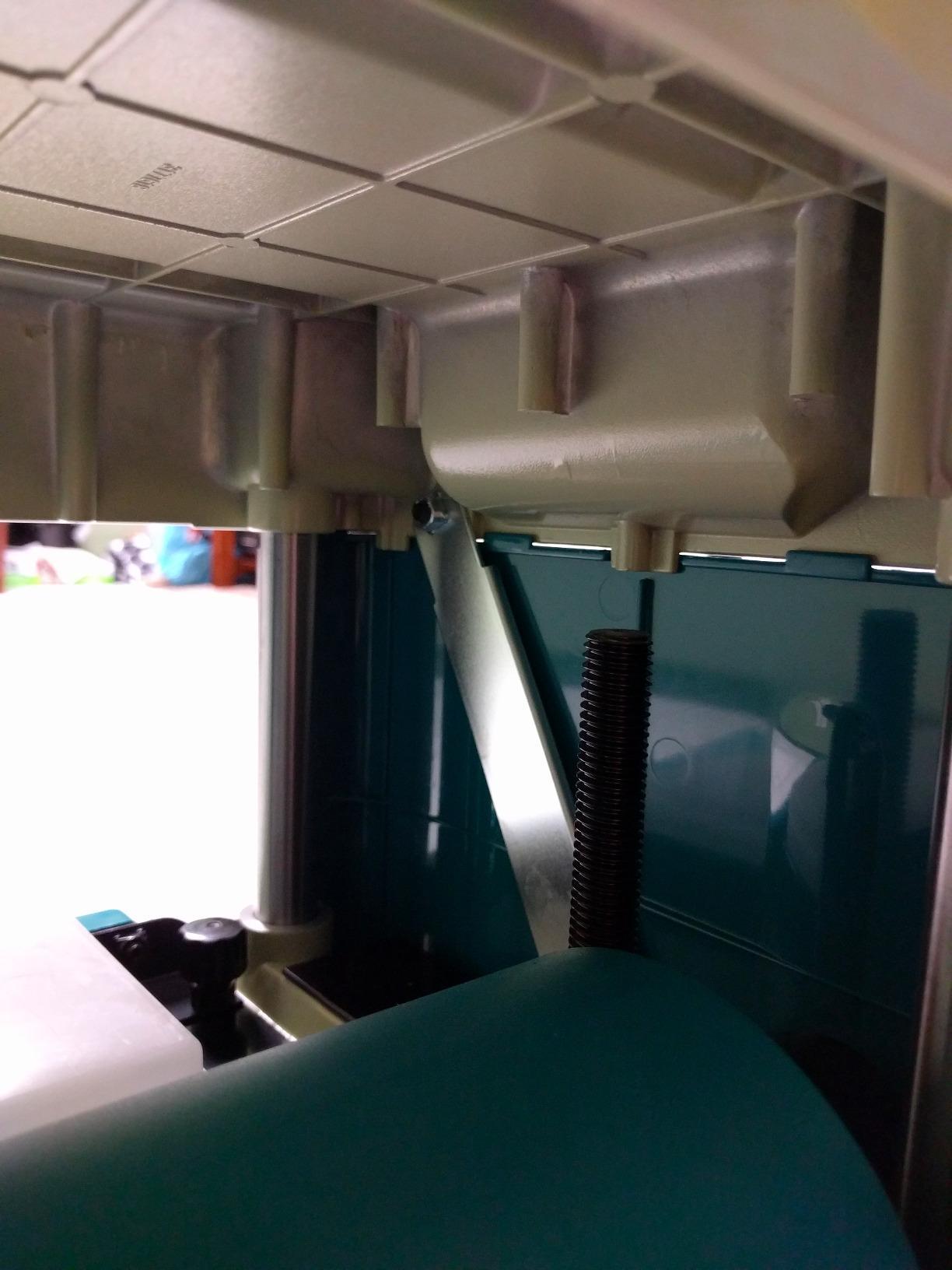
The four-post design with diagonal cross-bracing is the structural answer to carriage creep. It resists the upward push that a heavy cut applies, which is why the thickness stays consistent across a long batch of studs rather than drifting thicker as the run continues.
Blade changes are the fastest in the class and the tools live inside the machine, so nothing gets lost. That is a genuine advantage on a site where the wrench tray usually ends up in the sawdust.
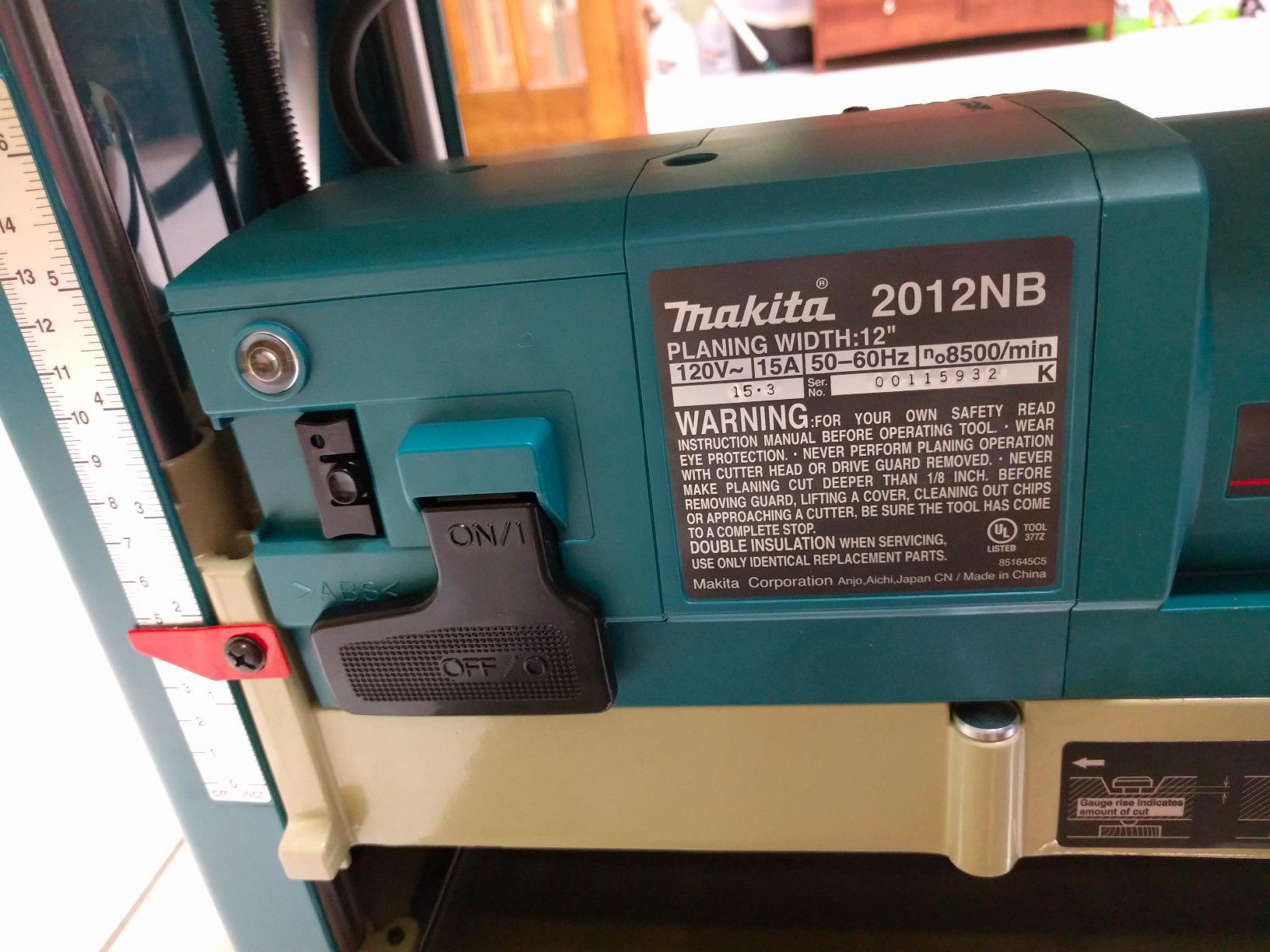
Whether a 12 in. width is enough for your framing
For 2×4, 2×6, 2×8 and 4×4 work, an 11.86 in. width is genuinely enough. A 4×4 is well inside it. You only hit a limit on a full 2×12, and on rough framing lumber most people break a 12 in. board down before feeding it anyway.
Because the machine is narrower, it is also the easiest of the 12 in. group to position under stock, which matters when you are working off trestles rather than a proper bench.
Where this machine will disappoint you
It is the most expensive 12 in. planer here, and that gap is exactly what a buyer is weighing when deciding whether the accuracy and the 83 dB noise level are worth it.
It is also a documented long-term failure pattern worth knowing: a reader comment on a competitor roundup describes early 2012 units rusting the four head clamp posts and wind rods inside the alloy casing. It affects a minority of older machines rather than the current run, but if you buy one used, inspect the head posts and the head clamp closely.
6. JET JWP-13BT 13 in. Helical-Style Planer – Best Two-Speed Control
JET 13-Inch Benchtop Thickness Planer for Woodworking, Helical Style Cutterhead with 2-Speed (18 FPM / 26 FPM) Feed Rate, 2 HP, 120V 1Ph (JWP-13BT)
2 HP 15 amp at 10000 rpm
13 in. width
1/8 in. depth of cut
75 pounds
Pros
- Helical-style head with 26 quick-change HSS inserts
- Two feed speeds at 18 and 26 fpm
- Precision cast iron bed and steel cover reduce snipe
- Four-post cutterhead support
- Adjustable depth stop for batch work
Cons
- Lowest rating in the group at 4.2 with 11% one-star reviews
- 2 HP motor strains on wide hard stock
- Supplied with HSS rather than carbide inserts
- 75 pounds with no folding base
- 115V single phase only
The JET pairs a helical-style insert head with two feed speeds on a 13 in. bed, a combination that matters on framing because the fast setting takes the heavy removal off a cupped board and the slow setting refines the second pass, so you are not stuck choosing one compromise speed for the whole batch.
The precision-machined cast iron bed and steel cover are the quiet strength here. A rigid bed with a steel cover is what holds thickness across the width of a 13 in. cut, and it is why the finish stays even on boards that are far from straight.
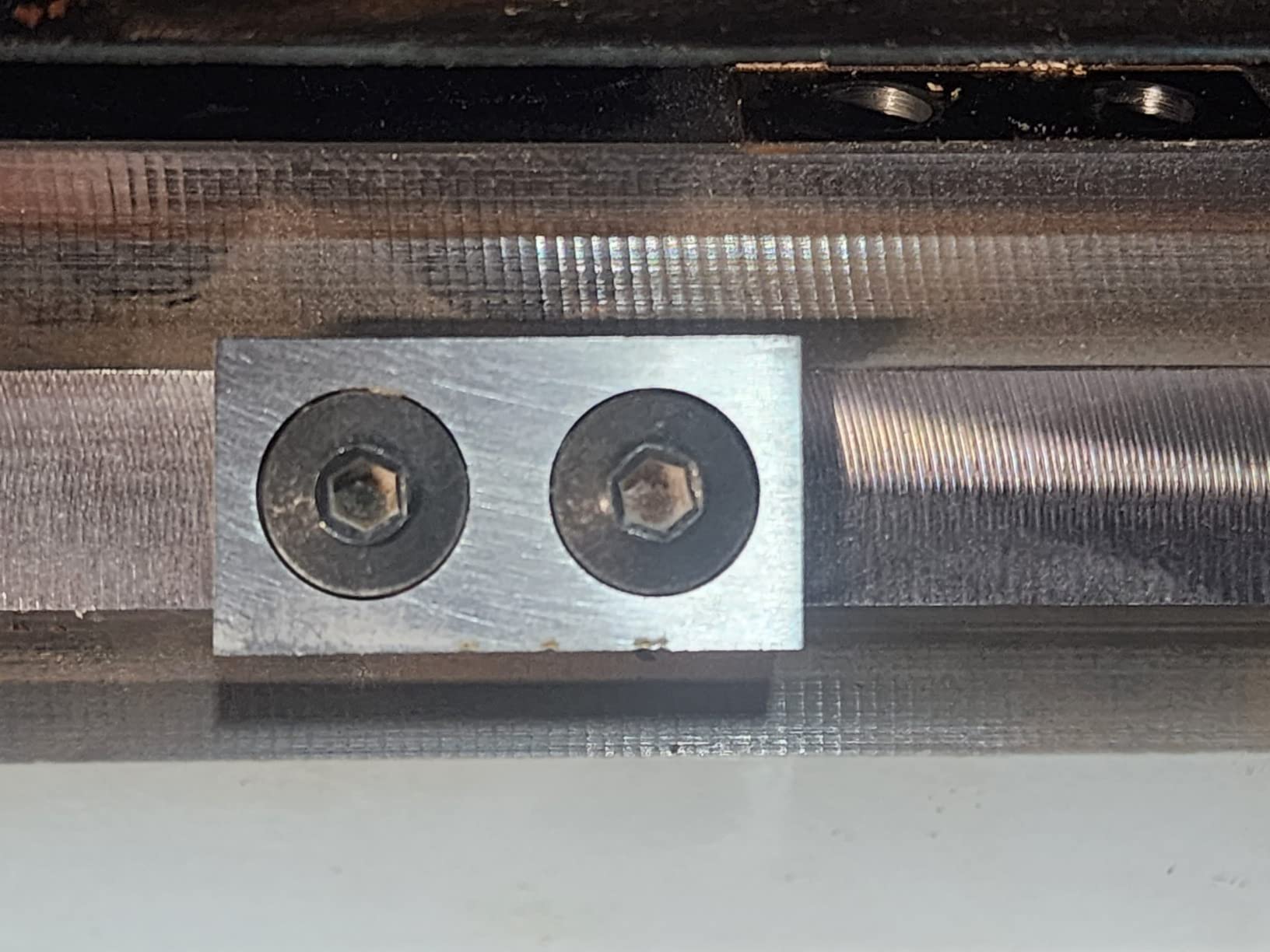
Rotatable, individually replaceable inserts mean a single nicked insert does not end the run. That matters more on construction lumber than the spec sheet implies, because buried fasteners and sap are routine, not exceptional.
Adjustable folding infeed and outfeed tables help with storage and leveling to the bed, and the adjustable depth stop earns its place when you are cutting a whole batch of joists to the same dimension.
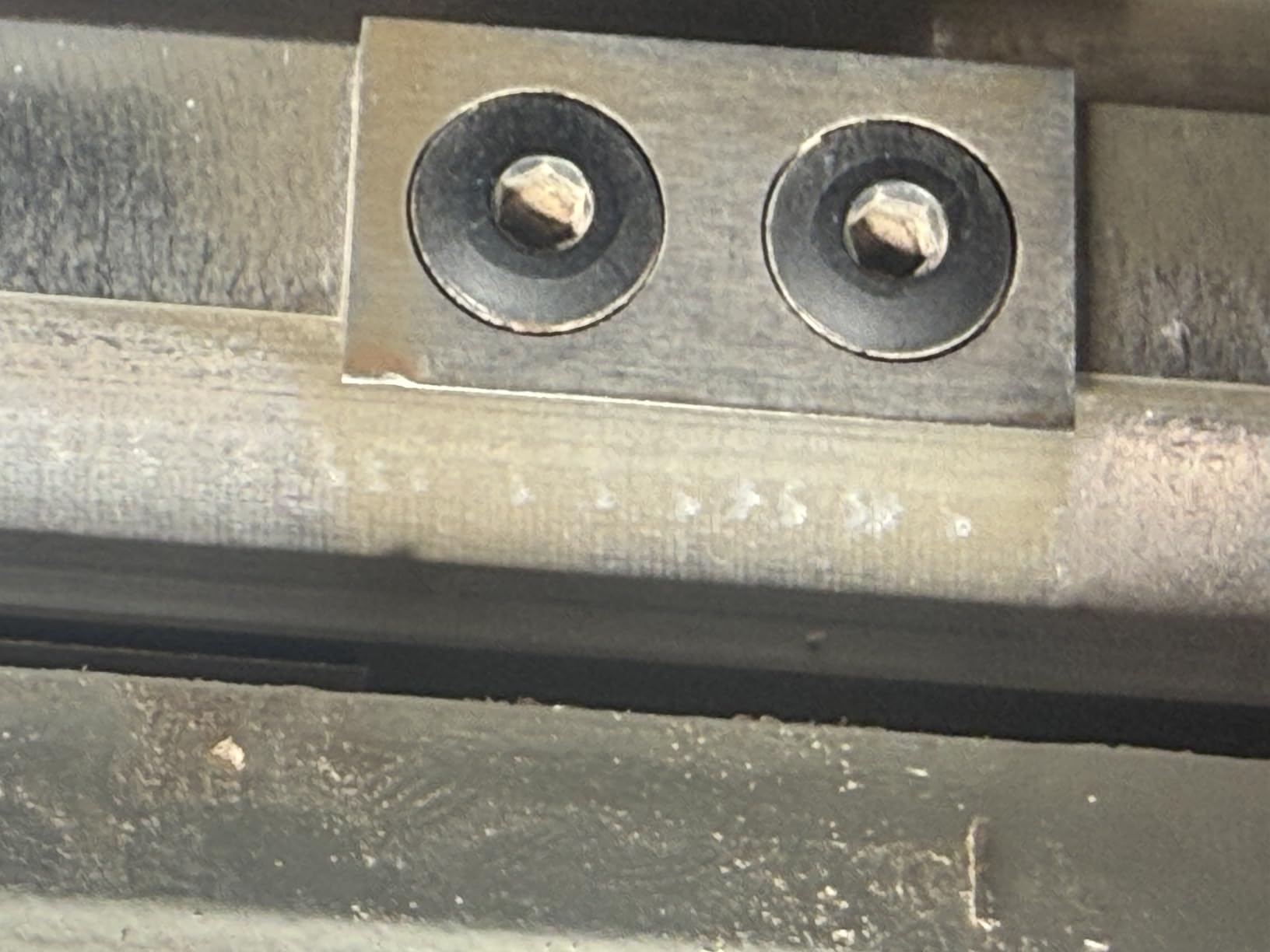
Two feed speeds on softwood versus hardwood
On framing lumber, run the fast setting for the pass that takes off the bulk of the unevenness and the slow setting for the finishing pass. The surface at the slow speed is noticeably closer to a furniture-grade cut.
The four-post support holds consistent thickness under load, which is the part that keeps a long run of studs dimensioned to the same number instead of creeping thicker every hour.
Where this machine will disappoint you
The rating spread. At 4.2 with 11 percent one-star reviews, that is the most polarised machine in the group, and the pattern is consistent: people like the finish and the two speeds, while a real group reports the 2 HP motor bogging down on wide hard stock at deep settings.
It ships with HSS inserts, which wear faster than carbide, and at 75 pounds with a non-folding base it is a stationary machine in practice. If your framing is moderate softwood, it is a strong pick. If you plan to run it hard, the motor is the weak point to buy around.
7. VEVOR 13 in. Two-Blade Planer – Best for First-Time Builders on a Small Budget
VEVOR Thickness Planer, Two-Blade, 13″ Width Worktable Benchtop Planer, 15-Amp 2000W Powerful Motor, 12″ Extended Infeeding Table, Low Noise for both hard & soft wood material removal
2000W at 23500 rpm
13 in. width
3 mm depth of cut
54 pounds
Pros
- Entry-level cost for a 13 in. machine
- 23500 rpm produces a very fine surface needing little sanding
- 35 in. of table length supports long boards
- Cast iron bed keeps the machine solid
- Built-in 20A over-current protector
Cons
- Depth crank scale is hard to read and does not lock
- Blades not sharp enough for a fine hardwood finish
- Loud
- Clogs quickly without vacuum extraction
- Thin long-term review record
The VEVOR is the most interesting specification sheet in this group: a 13 in. width, a 2000W motor running at 23500 rpm, a hardened two-knife head and a cast iron bed, at the bottom of the range. Owners consistently report a surface that needs little or no finish sanding even on softwood, and accuracy that holds across the width of the board.
At 54 pounds it is also one of the easier machines here to move, which matters if your framing bench is a rented table in a garage rather than a fixed shop station.
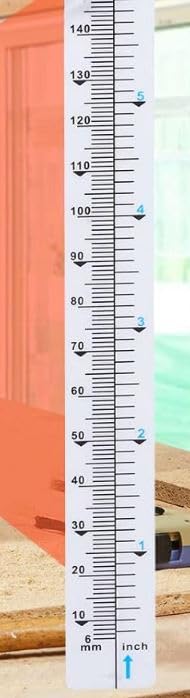
The 35 in. of total table length from the pull-out extensions is what makes long boards workable. Level the tables carefully and a long 2×6 has support the whole way through, which is where many entry-level machines lose their accuracy.
The built-in 20A over-current protector is a sensible addition that most machines at this level leave out. It is not a substitute for a proper circuit, but it stops the machine from drawing itself into failure.
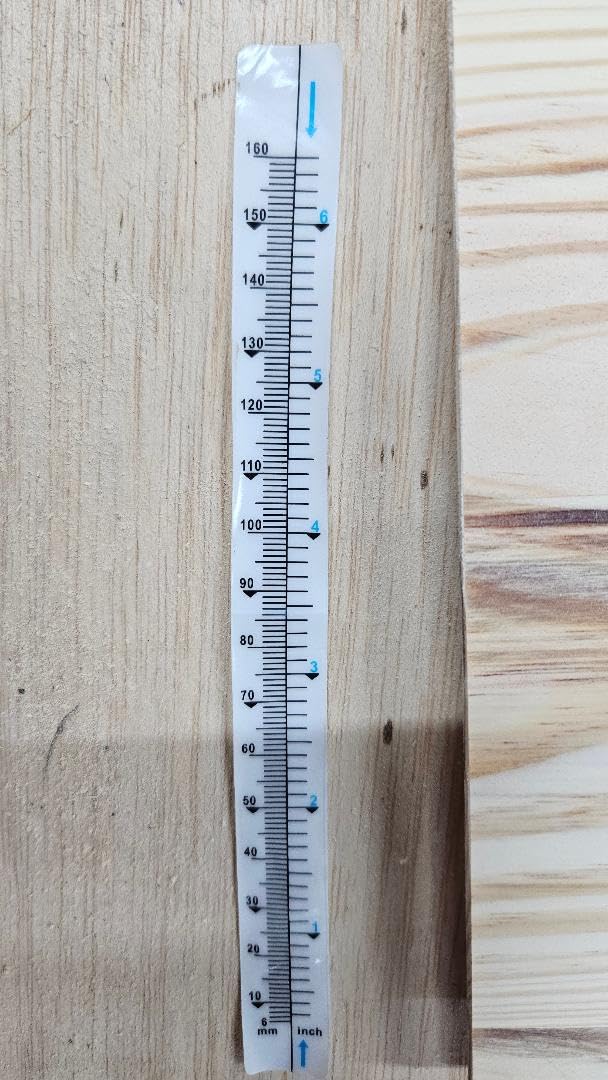
How to work around the depth crank
Most owners of this machine converge on the same fix: ignore the printed scale. Set the crank to roughly the mark you want, then measure the board and turn a few more tenths before your first real cut.
Because the crank does not lock, get your hands off it and clear the area around the machine before you feed a board. A bumped handle mid-batch means re-measuring everything after it.
Where this machine will disappoint you
Blade condition. The two-knife head is hardened to HRC55-60, which is respectable, but owners report the blades arriving dull enough that hardwood oak looks rough. If your framing is all softwood you will not notice much.
It is loud, and it must be connected to a vacuum or it clogs quickly and the surface degrades on both sides of the cut. It is also among the least documented machines here, so long-term durability is genuinely unproven rather than merely untested.
8. RIKON 25-135H 13 in. Helical-Style Planer – Best Mid-Range Insert Head
RIKON 25-135H 13-Inch Portable Planer with Helical-Style Cutterhead
15 amp at 10000 rpm
13 in. by 6 in. capacity
16 or 26 SFPM
67.9 pounds
Pros
- Six-row helical head with 26 rotatable two-edge HSS inserts
- Two feed speeds at 16 and 26 SFPM
- Threaded four-post support with depth gauge and repeat-cut control
- Includes dust hood and a 4 in. to 2-1/2 in. adapter
- 13 in. by 6 in. capacity suits dimensional lumber
Cons
- Small review base at 54 reviews so long-term durability is less documented
- Aluminum base is less rigid than the cast iron machines
- Supplied inserts are HSS rather than carbide
- 115V only operation
The RIKON does the thing most framers want at a middle position in the range: a real helical-style insert head on a 13 in. bed, with two feed speeds. The six-row head carries 26 two-edge HSS inserts that rotate when worn or nicked, so a bad fastener costs you one insert rather than a full set.
Framing-wise the 13 in. by 6 in. capacity with up to 1/8 in. of depth of cut on boards 6 in. wide or less is the right envelope. That covers 2×4, 2×6, 2×8 and 4×4 work, which is most of a residential package.
The threaded four-post head support, depth gauge, thickness scale and repeat-cut control are a well-thought-out set for batch work. When you are cutting 40 joists to the same dimension, being able to return to a set depth without guessing is worth more than any finish difference between heads.
The included dust hood and the 4 in. to 2-1/2 in. adapter are a real convenience. Many machines in this class make you buy extraction hardware separately, and a planer running without extraction on framing lumber is unpleasant in a way that costs you a whole afternoon.
Two feed speeds and what to use them for
The 16 SFPM setting is the heavy removal setting for the first pass off a cupped or twisted board. The 26 SFPM setting gives a cleaner surface on the second pass when the board is already close to dimension.
With two speeds and rotatable inserts, this machine handles the rough-to-fine progression better than single-speed spiral heads, which is the reason to pick it over them.
Where this machine will disappoint you
Band of reviews. With 54 reviews, this is the third-smallest base in the group. The feedback is consistent and positive, but there is simply not a long ownership record here, and that is a fair reason to hesitate on a machine you expect to keep for years.
The aluminum base is also less rigid than the cast iron machines in this list. On the most severely twisted boards the difference is measurable, and if your lumber is bad, a cast iron bed is the safer bet.
9. Cutech 40600H 13 in. Spiral Planer – Best for Carbide Inserts
Cutech 40600H 13-Inch Spiral Cutterhead Benchtop Planer with 26 Tungsten Carbide Inserts, Single Speed Feed Rate, Snipe Minimizer, and Board Return Rollers (13-Inch Single Speed)
13 in. width
0.13 in. depth of cut
10000 rpm cutterhead
6-row spiral head
Pros
- 26 in-house tungsten carbide rather than the HSS common to cheaper spiral-head planers
- Two-sided inserts resist skewing while cutting
- Patented four-lead-screw snipe minimizer needs no separate lock
- Carbide inserts keep current draw low
- Eight-position repeat cut depth stop
Cons
- Single-speed feed rate gives less flexibility than rivals
- Only 41 reviews so field reliability is lightly documented
- Wider spread of ratings than the DEWALT and Makita machines
Carbide inserts on a spiral head in this class is unusual, and it is the reason to look at this machine. Tungsten carbide edges hold far longer on dirty construction lumber than HSS, and on site material that difference turns a consumable cost into a non-event.
The two-sided inserts have a non-cutting edge designed to stop the insert skewing while it is in the cut. Skew is what produces a ripple down the board, so this is a small design choice with an outsized effect on finish.
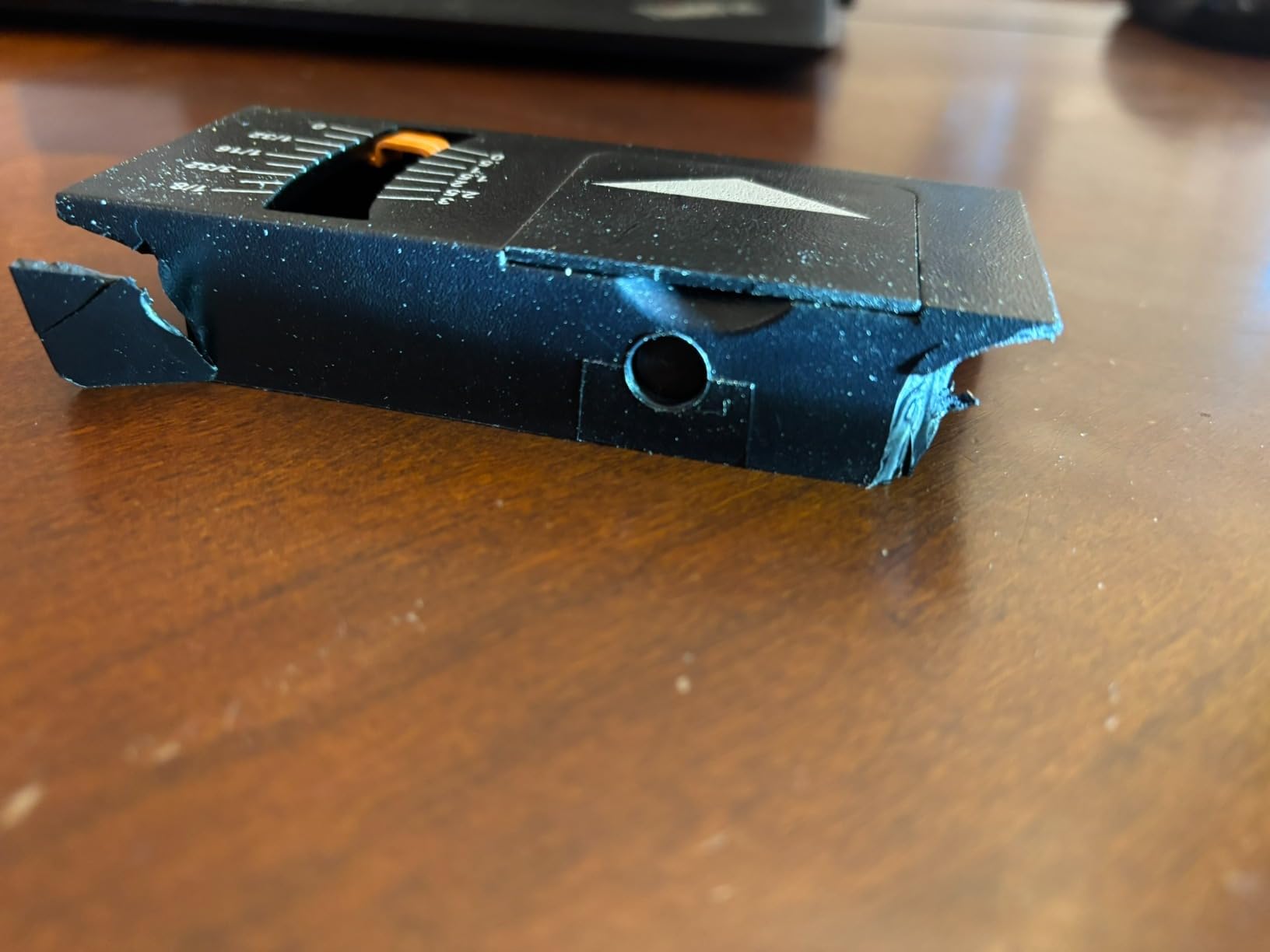
The patented snipe minimizer is worth understanding. Four lead screws and a coupling design take out the carriage movement that causes snipe automatically, with no separate snipe lock to remember. On short framing pieces where snipe eats the ends, that is the feature that decides whether the machine is usable without a workaround.
The flip-up dust hood is a nice piece of pragmatism. Flip it up and chips blow out the back on rough passes; flip it down and it accepts a dust collector on the final pass. The board return rollers on top save you from walking around the machine on every second board.
Carbide inserts on lumber with nails and dirt
This is the machine to consider if your lumber comes from a demolition teardown or a pallet yard. Carbide resists the impact and abrasive wear that pits an HSS edge after a few passes, and the rotatable two-sided design means a damaged insert still gives you a usable half.
The low amp draw is the quiet practical benefit. It runs on a lighter circuit than most 13 in. machines, which means one receptacle is enough for the planer and a shop vac at the same time.
Where this machine will disappoint you
It is single speed. There is no fast setting for the heavy pass and no slow setting for the finish, so you manage removal with the depth of cut instead. That is workable, just less flexible.
The 41-review base is the smallest here, and the spread of ratings is wider than on the DEWALT and Makita machines. Good hardware, thin evidence.
10. Triton TPT125 12-1/2 in. Planer – Best for Learning on a Tight Budget
Triton TPT125 High Performance Benchtop Planer with 12-1/2″ Cutting Width
17500 cuts per minute
12-1/2 in. width
1.6 mm depth increments
65 pounds
Pros
- Bottom of this group on cost
- 17500 cuts per minute gives a smooth consistent cut on softwood
- Blades are easy to remove and sharpen
- Dust chute mounts on either side
- Built-in circuit breaker
Cons
- Depth scale is effectively useless
- Height handle gets bumped and vibrates to a new setting
- Inconsistent thickness across the width of a board
- Very loud
- Bogs down on rough weathered softwood
- In and out feed tray can rattle loose
The Triton TPT125 sits at the very bottom of this group, and if you are learning what a planer does, it will teach you the mechanics for very little. The blades remove easily and sharpen with ordinary tools, and the 17500 cuts per minute gives a smooth, consistent result on clean softwood.
Some owners have run large volumes of oak and poplar through it over two years on a single set of blades, which is a better durability story than this class of machine usually earns.
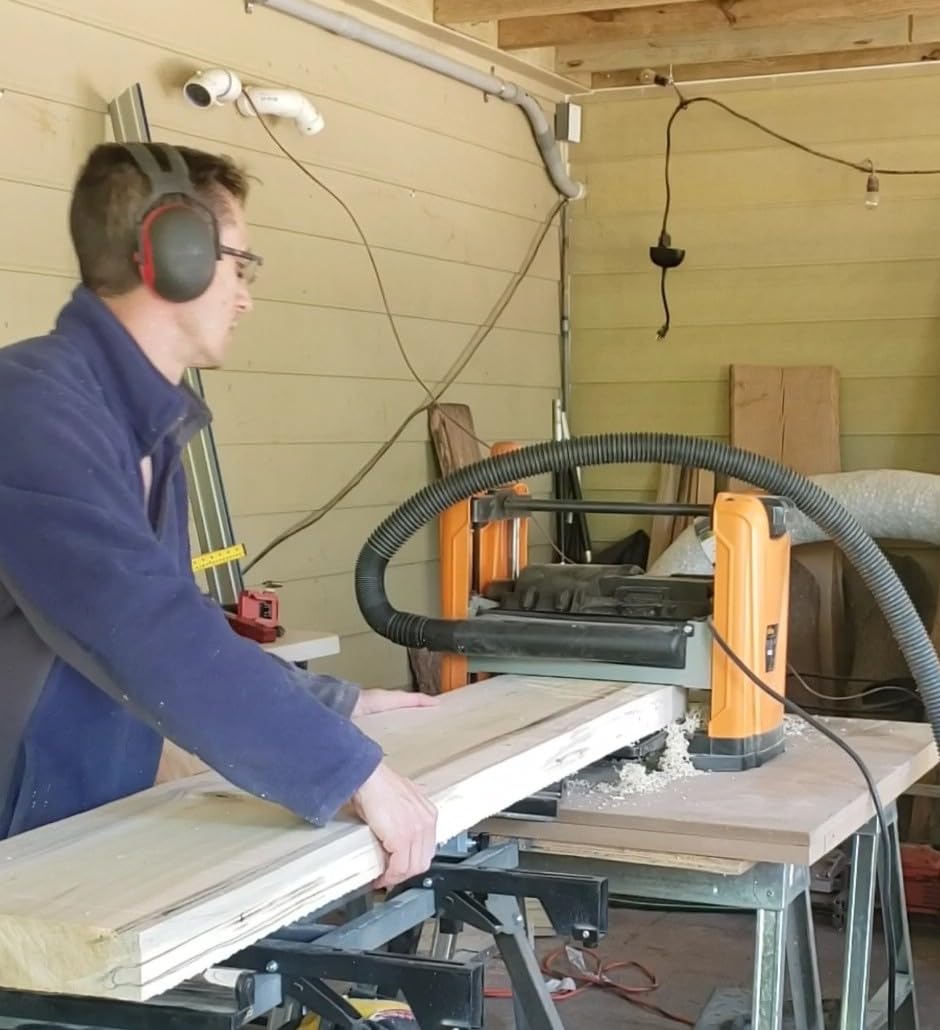
The dust chute that mounts on either side is a genuinely thoughtful feature. On a cramped site or in a small garage, being able to point the extraction away from the wall saves a lot of awkward positioning, and the built-in circuit breaker is unusual on a machine at this level.
Depth of cut sets in 1/16 inch increments, which is the right resolution for softwood framing work even if the scale that displays it is not much help.
How it handles rough weathered softwood
Here is the honest limit. At least one owner reports bogging down on rough weathered softwood and needing five or six passes to remove a 1/16 in. That is the framing reality, so this machine suits milled or lightly rough dimensional lumber rather than the stuff you pull off a demolition pile.
If your boards are already close to dimension, the 17500 cuts per minute gives a clean, quick result. If they are badly cupped, the motor will not force the issue.
Where this machine will disappoint you
The depth scale is called out as effectively useless by owners, and the height adjustment handle gets bumped during use and vibrates to a different setting. On a machine with no carriage lock, that combination produces inconsistent thickness across a batch, and one reviewer reports one side of the board running thicker than the other.
It is loud, the feed tray can rattle loose during operation, and one reviewer identifies it as the same design sold under the Harbor Freight Bauer name, so treat any claims about one as claims about both.
Do You Need a Jointer Before a Planer for Framing Lumber?
Short answer: a planer will not replace a jointer, and pretending otherwise is how framers end up with walls that are out of square. A thickness planer takes one flat face off a board. It does not flatten the opposite face, straighten an edge, or correct a twist that runs the length of the piece.
For dimensional lumber bought rough, a cupped 2×6 usually needs the jointer first. Cup is a lengthwise curve, and a planer taking light passes from both faces can eventually work it down, but that is slow, wasteful and inconsistent. A jointer straightens the reference face in one operation, and then the planer makes the opposite face parallel to it.
Where the planer genuinely does the whole job is on a board that is bowed or slightly crooked but already has one sound flat face. Flip it, plane one face, flip it again and take the second face to the same dimension, and you have a four-sided board. That technique is the reason many framers buy a planer before a jointer.
The order of operations matters more than the machine. If you have room for both, jointer first, planer second. If you have room for one and your lumber is rough construction material, buy the planer and learn the flip-and-twice technique, because the planer is the machine that makes every board in a wall the same thickness.
How to Choose a Portable Planer for Framing Lumber
Straight, spiral or helical cutterhead
For dirty softwood, the order is helical, then spiral, then straight knife. Straight knives are cheap to replace and cut aggressively, which helps with a deep first pass, but they are the noisiest, they snipe the most, and they chip when they meet a nail head or a knot in a wet board.
Spiral and helical heads use staggered inserts, so a dirty board is cut by many small shearing bites instead of a few heavy ones. That is gentler on the edges, quieter, and far more forgiving of site material. The catch is that inserts run dearer than straight knives and most of them ship as HSS rather than carbide.
If your lumber is clean pre-milled boards, a straight head is a defensible choice and you will spend less on blades. If your lumber is construction grade, the extra outlay on an insert head is repaid in blade life and in fewer ruined boards.
Motor power and the 15 amp circuit question
Almost everything in this class is 15 amp, which means it fits a standard household circuit but shares badly with anything else on that circuit. Run a dust collector on the same receptacle and a 15 amp planer will trip the breaker mid-pass, which wastes the board and the knife edge.
On site, give the planer its own 15 amp receptacle, use a 20 amp circuit if the electrical box allows it, and run a heavy gauge extension cord rather than a light household one. Voltage drop on a long thin cord is what makes a planer feel underpowered, and it is the single most common site complaint in planer forums.
Motor horsepower matters less than amperage and thermal headroom. A 2 HP machine is genuinely stronger than a 15 amp smaller motor, but only if the circuit can feed it without dropping voltage.
Width capacity: 12-1/2 inch versus 13 inch
For 2×4, 2×6 and 2×8 framing, a 12 in. machine is genuinely enough. If you are framing with 4×4 posts, an 11.86 in. width still covers them comfortably. The machines that reach 13 in. are for you only if you plan to run full-width 2×12 material, which is rarer in residential framing than most roundups assume.
Width also changes the machine. A wider bed is heavier, more rigid and a bigger carry, so the extra half inch is paid for in portability rather than gained on ordinary studs.
Depth of cut and how many passes rough lumber needs
Most of these machines quote roughly 0.13 in. or 1/8 in. of maximum depth of cut per pass, and that number assumes a normal width board and a sharp knife. On a narrow board you can take more; on a full-width board, less.
Rough construction lumber typically varies by 1/8 in. or more across a single 2×6, and a badly cupped one can be worse. That is two passes on a healthy machine and three or four on a lower-power one. Take light passes, check with a tape at both edges, and only then move to the next board.
Depth stops and repeat-cut controls earn their keep here. When a wall is going up and every joist has to match, a stop you can return to beats reading a gauge twenty times.
Portability, dust extraction and warranty
Weight is the spec nobody checks until the machine is in the driveway. It ranges from just under 28 kg on the lighter bench machines to 102 pounds on the DEWALT DW735X. If the machine has to go up stairs or across uneven ground, plan on two people or a cart.
Extraction matters more than most buyers expect. Framing lumber produces an enormous volume of chips, and a planer run without extraction will scatter them across your work area and clog its own port within minutes. A machine with an included dust hood and adapter saves you a trip and a bad afternoon.
Warranty terms range from one year on the Makita to five years on the JET, and the JET’s drops to two years for commercial use, which is a fair warning for anyone framing houses with it. Register whatever you buy, and read the commercial-use language rather than the consumer headline.
How to Dial Out Snipe on Short Framing Boards
Snipe is the scoop taken out of the first few inches and the last few inches of a board as the infeed and outfeed rollers push it into and out of the cutterhead. It appears on every board the machine cuts, and it is most obvious on the short, narrow cutoffs that framing produces in enormous volume.
The fix that works on every machine is the same: set the infeed and outfeed tables 1/8 in. above the centre table. That drops the ends of the board slightly before the cutterhead reaches them, so the head takes a lighter bite at the ends and leaves with a lighter bite at the back.
Second, feed the board without pushing down on it. Hand pressure at the infeed table is the most common cause of heavy snipe on a short piece, because you are forcing the ends down against the rollers right where the cut begins.
Third, on the shortest cutoffs, use sacrificial material. A 6 in. length of 2×4 is shorter than the distance snipe occupies, so the cut is snipe end to end. There is no setting that fixes that, and the workaround is to plane longer blanks and cut them to length afterward.
Machines with a carriage lock or a snipe minimiser, which covers most of the list here, reduce this automatically. The ones without it, including the entry-level picks, need the table setup done every time you move the machine.
Jobsite Power and Setup for a Framing Planer
Bolt or clamp the machine down before the first cut. Lighter machines walk across the bench during a pass, and a machine that shifts mid-board gives you a dimension that changes every time you pick the board up.
Level the infeed and outfeed tables to the centre table with a straightedge, then set them 1/8 in. high. Skipping this is the number one reason snipe seems worse on one machine than another, and it costs about five minutes.
Verify the depth gauge on a scrap pass. Set the machine for a known removal, cut a scrap board and measure it with a tape rather than trusting the scale, because a scale that reads differently from reality on your machine will quietly ruin a whole batch.
Feed long stock with a helper. A full-length 2×6 leaving the outfeed table unsupported will droop and twist as it goes, and the reading you set on the infeed end stops matching the far end. Plan for a second pair of hands on long stock, or cut your lengths before you plane.
Finally, bolt a dust collector to the chip port and run it whenever you can. Chip volume on framing lumber is high enough that a machine without extraction will fill its own port and start cutting badly within a few boards.
Frequently Asked Questions
What is the best portable wood planer?
The DEWALT DW735X is the best portable planer in this group for framing lumber. Its 15 amp, 20000 rpm motor has the headroom for deep cuts on cupped construction stock, the two-speed gearbox gives 96 or 179 cuts per inch, and the automatic carriage lock keeps thickness consistent across a long batch. The DEWALT DW734 is the better value choice at a smaller size, and the WEN PL1326 gives the cleanest finish for the least money.
What is the best handheld planer for wood?
A handheld planer is a different machine from a portable thickness planer. Handheld planers work on a single edge and are meant for trimming and fitting joinery, not for flattening a board. For framing lumber you need a portable thickness planer, which mills a full-width face to a uniform thickness in one pass. If you want four flat faces, a handheld planer is not a substitute for a jointer.
What is the best affordable planer for wood?
For softwood framing on a limited budget, the CRAFTSMAN CMEW320 is the strongest entry point. It has a 15 amp motor, a two-knife solid steel cutterhead on ball bearings and reversible high carbon blades that are cheap to keep replaced. The WEN PL1326 is the best affordable option if cut finish matters more than speed, because its 26 spiral blades leave a surface that needs little sanding.
Are Harbor Freight wood planers any good?
The Harbor Freight Bauer planer is generally a rebadged entry-level design, and one reviewer identifies the Triton TPT125 in this list as the same machine sold under the Bauer name. Both are cheap, both can produce a smooth cut on clean softwood, and both share the same complaints: a depth scale nobody trusts, an adjustment handle that shifts during use, and inconsistent thickness across the width of a board. They are fine for learning and marginal for rough framing lumber.
Can a portable planer handle rough framing lumber, or do I need a jointer first?
A portable planer handles rough framing lumber well but only flattens one face. On a badly cupped or twisted 2×6, run a jointer first to straighten a reference face, then plane the opposite face to match. On a board that is already bowed but has one sound face, you can skip the jointer: plane one face, flip the board, and take the second face to the same thickness. That flip-and-twice method gives you a four-sided board without a jointer in the shop.
Should I buy a 12 inch or 13 inch portable planer?
A 12 in. machine is enough for 2×4, 2×6, 2×8 and 4×4 framing, which covers most residential work. Go to 13 in. only if you plan to run full-width 2×12 material. A wider bed also means a heavier, bulkier machine, so the extra half inch costs you in portability rather than gaining anything on ordinary studs.
How much current does a portable thickness planer need on a jobsite circuit?
Almost every planer in this class draws 15 amp, so it fits a standard household circuit but will trip a breaker if you run a dust collector on the same receptacle. Give the planer its own 15 amp outlet, use a 20 amp circuit where the electrical box allows, and run a heavy gauge extension cord. Thin cords cause voltage drop, which is what makes a planer feel weak far from the outlet.
Which Portable Planer Should You Buy for Framing Lumber?
The DEWALT DW735X is the best portable planer for framing lumber overall. It is the only machine here that combines a 15 amp motor with real reserve, a two-speed gearbox, an automatic carriage lock and a rigid 19-3/4 in. cast aluminum base, and it will take a cupped 2×6 down to dimension in two passes without drifting. Buy it if you are framing houses and can handle 102 pounds.
The DEWALT DW734 is the best value pick, carrying the same motor and three-knife head into a smaller package for shed and deck work. The WEN PL1326 gives the best finish for the money, and the Makita 2012NB is the one to buy if the machine is going up a staircase and you want to own it for twenty years.
Whatever you choose, set the infeed and outfeed tables 1/8 in. above the centre table before the first board, give the machine its own circuit, and keep a spare set of blades. Those three habits decide whether your planer survives a framing package in 2026.