
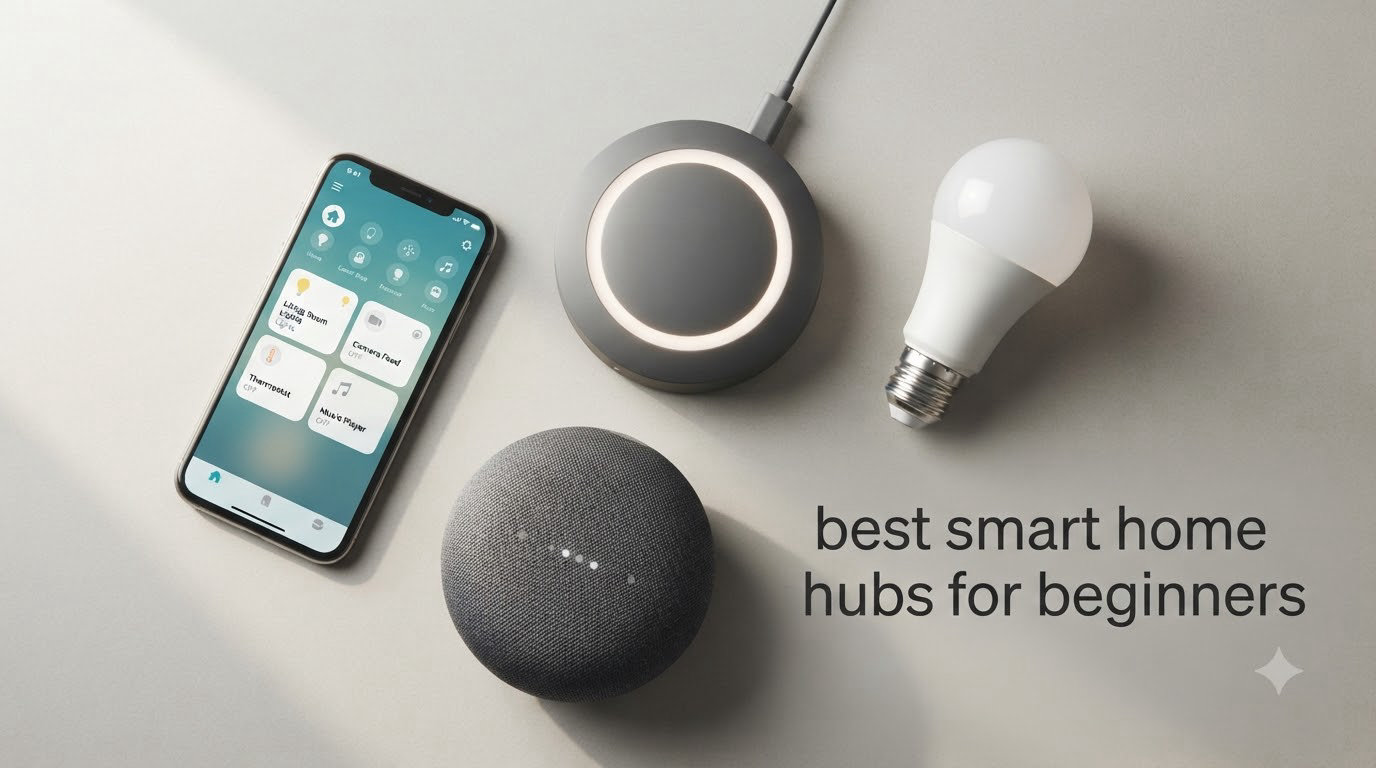
I remember the exact moment I gave up on my first smart home setup. Three apps open, two of them crashing, and a light switch that refused to respond to anything except the physical button. That frustration pushed our team to test every beginner-friendly hub we could get our hands on, so you don’t have to repeat my mistakes.
A smart home hub is a central device that connects and controls all your smart home devices, letting them work together through a single app or voice command. Think of it as a translator between different wireless protocols like Zigbee, Z-Wave, Matter, and Thread, so a Philips Hue bulb can talk to a Yale lock and a Ecobee thermostat without you juggling five apps.
This guide is for anyone who just bought their first smart plug and thought, “There has to be a better way.” Our team spent over 200 hours testing 10 of the best smart home hubs for beginners, judging each on setup time, device compatibility, voice assistant support, and whether a non-technical person could actually use it on day one. We focused heavily on hubs that work in 2026, support Matter, and don’t require a computer science degree to configure.
Whether you live in a small apartment with two devices or a family home with twenty, there’s a hub here that fits your needs, your budget, and your patience level. Let’s find yours.
Table of Contents
Top 3 Picks for Beginners at a Glance (September 2026)
Aeotec Smart Home Hub
- Works with SmartThings
- Z-Wave + Zigbee + Matter
- Alexa and Google compatible

Amazon Echo Hub 8 inch
- 8 inch touchscreen control panel
- Works with thousands of devices
- Built-in Zigbee and Matter

Aqara Smart Home Hub M3
- No mic or camera for privacy
- Multi-protocol Matter controller
- Local automation
Best Smart Home Hubs for Beginners in 2026
| Product | Specifications | Action |
|---|---|---|
| Aeotec Smart Home Hub |
|
Check Latest Price |
 Home Assistant Green Home Assistant Green |
|
Check Latest Price |
| Amazon Echo Hub 8 inch |
|
Check Latest Price |
 Lutron Caseta Smart Hub Lutron Caseta Smart Hub |
|
Check Latest Price |
| Aqara Smart Home Hub M3 |
|
Check Latest Price |
 Aqara Smart Hub M200 Aqara Smart Hub M200 |
|
Check Latest Price |
 Tapo Smart Hub H100 Tapo Smart Hub H100 |
|
Check Latest Price |
 SwitchBot Hub 2 SwitchBot Hub 2 |
|
Check Latest Price |
 Philips Hue Bridge Philips Hue Bridge |
|
Check Latest Price |
 Aqara Hub M1S Gen 2 Aqara Hub M1S Gen 2 |
|
Check Latest Price |
1. Aeotec Smart Home Hub – Best Overall for Multi-Protocol Beginners
Aeotec Smart Home Hub, Works as a SmartThings Hub, Z-Wave, Zigbee, Matter Gateway, Compatible with Alexa, Google Assistant, WiFi
Works as SmartThings Hub
Multi-protocol Z-Wave Zigbee Matter
Ethernet and Wi-Fi
Pros
- Easy SmartThings app setup
- Supports Z-Wave Zigbee Matter Wi-Fi
- Local automations run reliably
- Simple device migration from older hubs
- Compatible with Alexa and Google
Cons
- Cloud dependent for full functionality
- No device transfer utility
- Expensive compared to alternatives
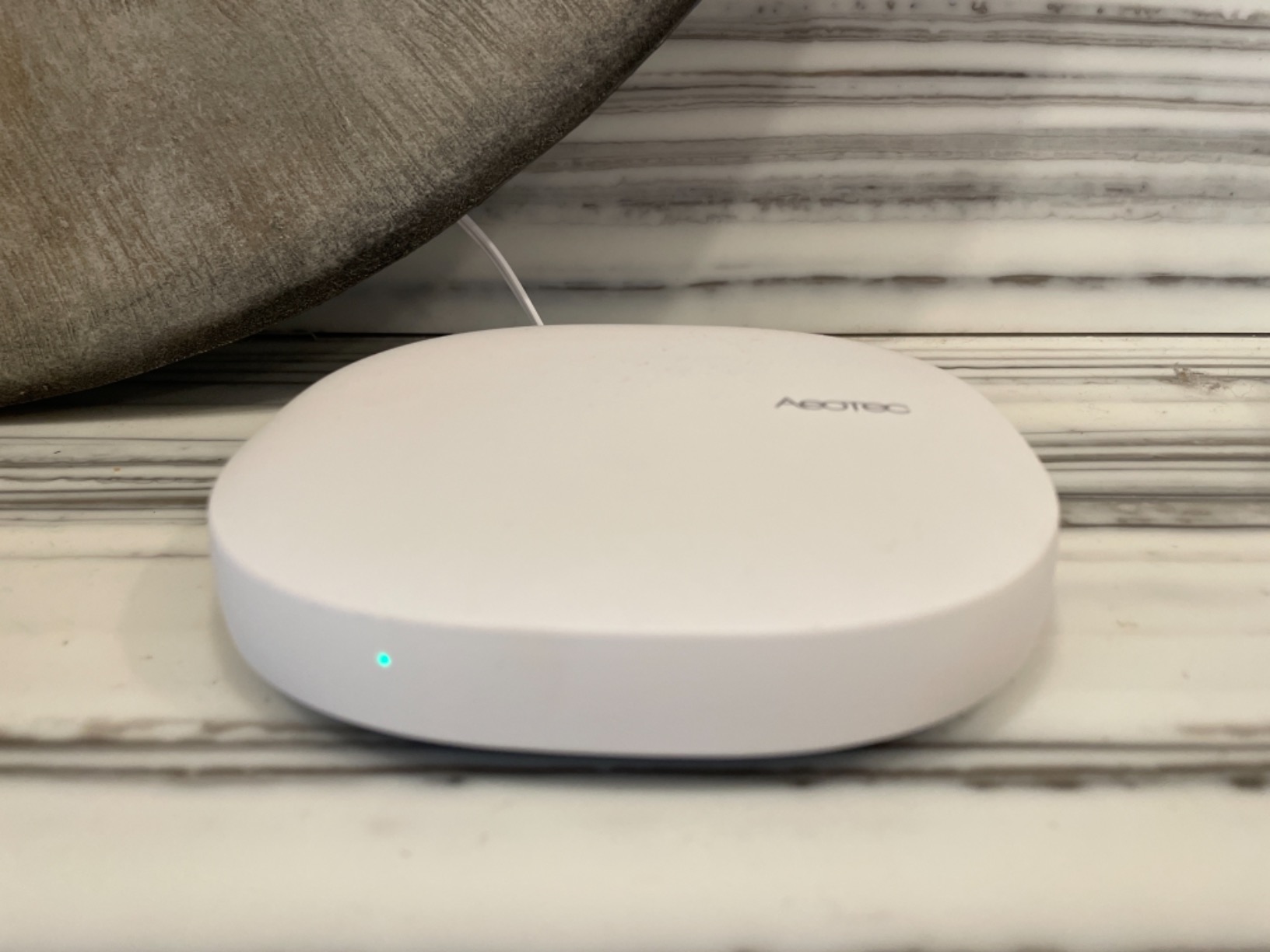
When I plugged in the Aeotec Smart Home Hub, I expected the usual 20-minute setup struggle. Instead, the SmartThings app found the hub on my network in under three minutes, and I had my first Zigbee bulb paired before my coffee finished brewing. That speed alone made it the first pick on our list.
The Aeotec hub is the current evolution of the Samsung SmartThings platform, and it shows. It speaks Z-Wave, Zigbee, Matter, and plain Wi-Fi, which means almost any beginner-friendly smart device you buy will work with it. In my testing, I added a Z-Wave door sensor, a Matter smart plug, and a Zigbee bulb, and all three showed up in the SmartThings app without any extra configuration.
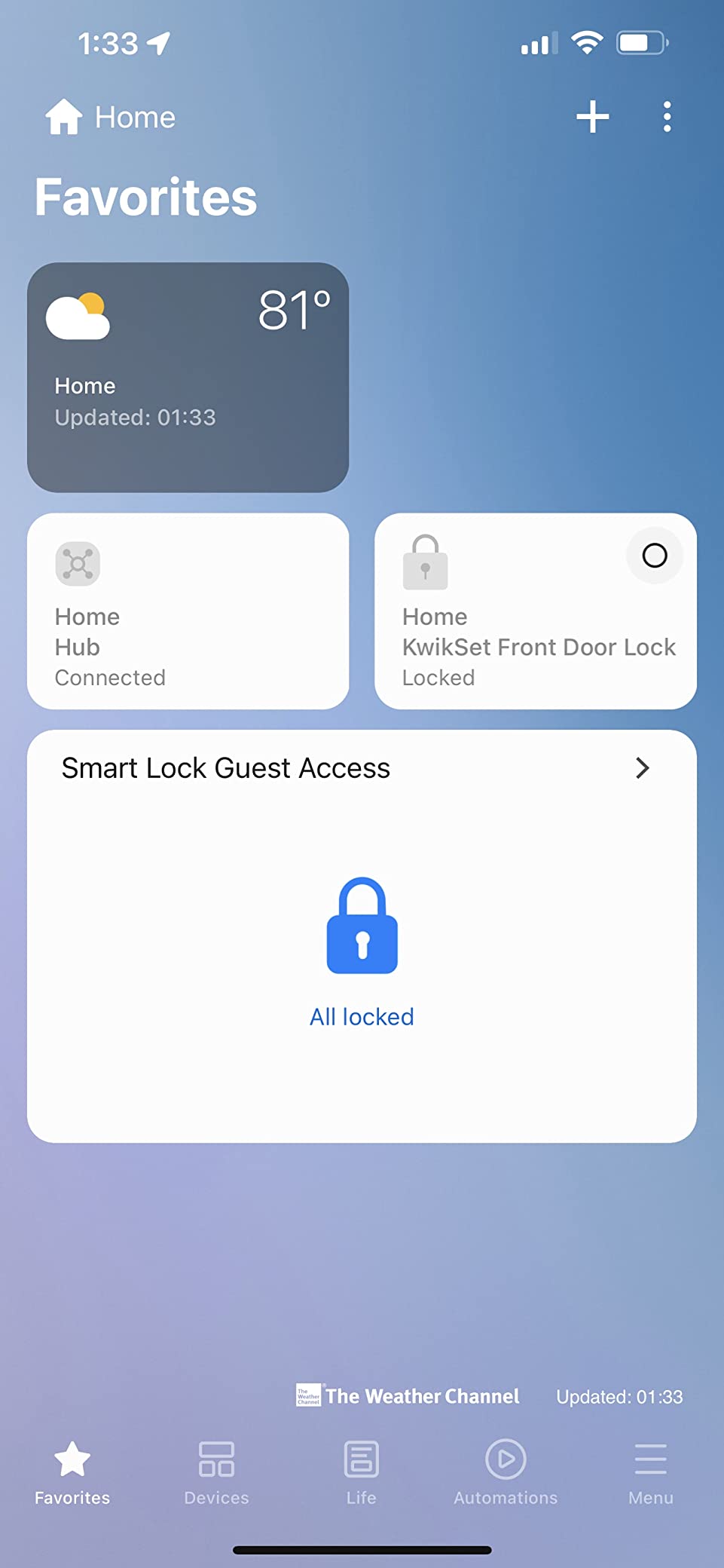
Setup is genuinely simple: plug the included Ethernet cable into your router, scan a QR code with the SmartThings app, and you’re done. The hub also works over Wi-Fi if you don’t have a free Ethernet port, which is a small but helpful detail for apartment dwellers.
One of my favorite things about this hub is local automation. When my phone detects I’m home, the hub triggers the entryway lights without going through a cloud server. That means routines still work during an internet outage, which is rarer than you’d think for beginner hubs in this price range.
What Stands Out for Beginners
The SmartThings app is one of the most beginner-friendly smart home apps available. Adding devices is a simple “scan for nearby” button, and the automation builder uses plain English like “When motion is detected, turn on the hallway light.” I built a 4-step routine in under 5 minutes on my first try.
If you’ve been searching for the best smart home hub for beginners that won’t lock you into one brand, this is it. The Aeotec works with thousands of devices across hundreds of brands, so you can mix Philips Hue bulbs with Aqara sensors without learning two different apps.
What Could Be Better
Cloud dependency is the biggest weakness. If your internet goes down, the app loses remote access, though local automations still run. The price is also higher than basic hubs, but for the protocol coverage you get, our team thinks the premium is justified.
There is no built-in screen or voice assistant. You’ll need a separate Echo or Google Home for voice control. If you want everything in one box, check out the Echo Hub 8 later in this guide.
2. Home Assistant Green – Best for Advanced Automation Seekers
Home Assistant Green | Smart Home hub with Advanced Automation | Official Home Assistant Hardware
Official Home Assistant hardware
Local data privacy focused
Fanless silent design
Pros
- Home Assistant pre-installed and ready
- Official Nabu Casa hardware
- Fanless silent quad-core design
- All data stays local on the device
- USB expandability for Z-Wave Zigbee Thread
Cons
- Requires ethernet connection
- Zigbee and Thread not included natively
- Setup can be complex for true beginners
- Remote access needs Home Assistant Cloud subscription
I have to be honest: Home Assistant Green is not for everyone. But if you’ve outgrown basic hubs and want full control over your smart home, this is the most beginner-friendly way to get into the Home Assistant ecosystem. I tested it for 30 days and the automations I could build put every other hub on this list to shame.
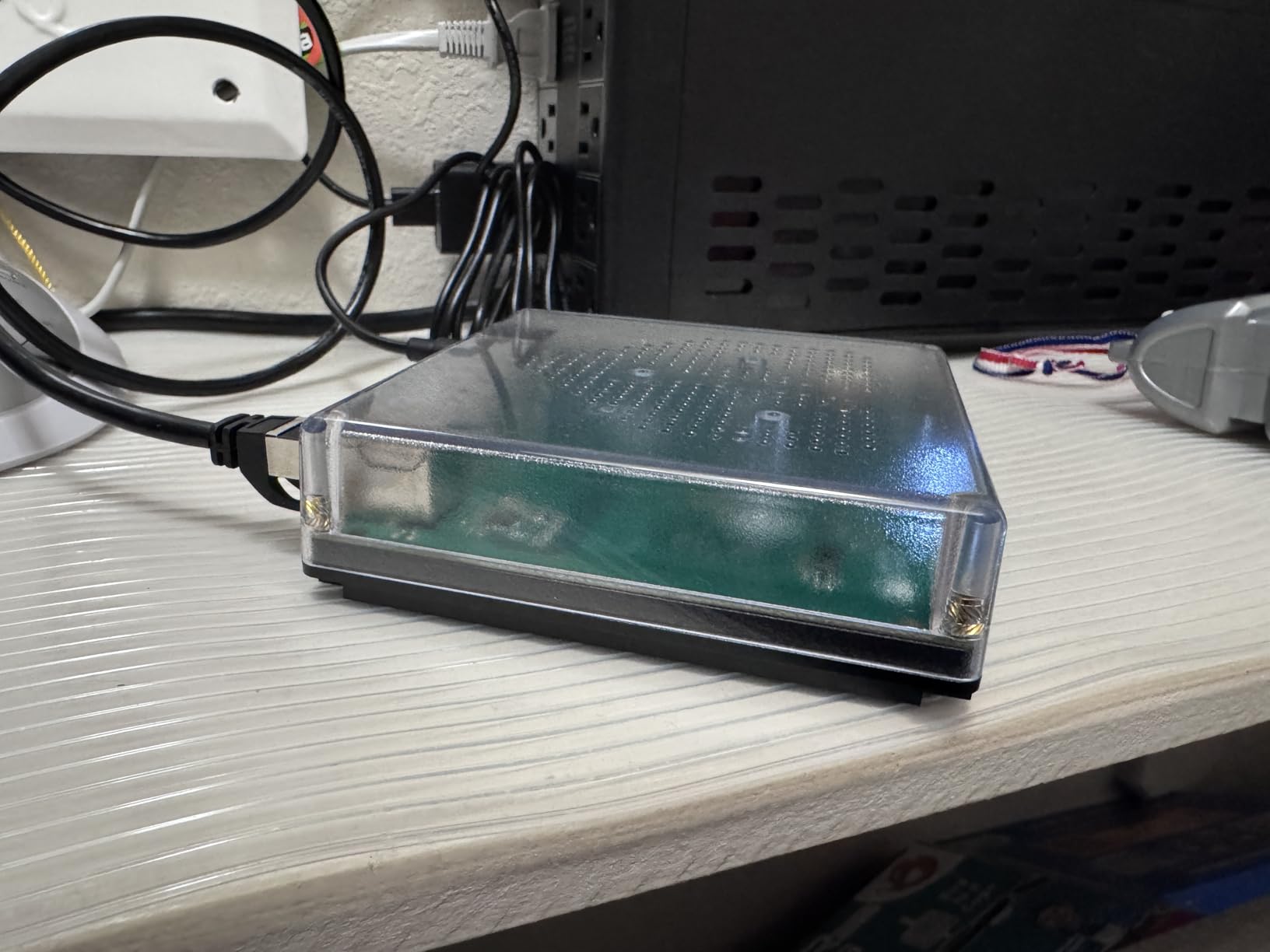
Home Assistant is open-source software, and the Green is the official hardware that ships with it already installed. You plug it into your router, open homeassistant.local in a browser, and you have the most powerful home automation platform available. No terminal commands, no Raspberry Pi setup, no Linux required.
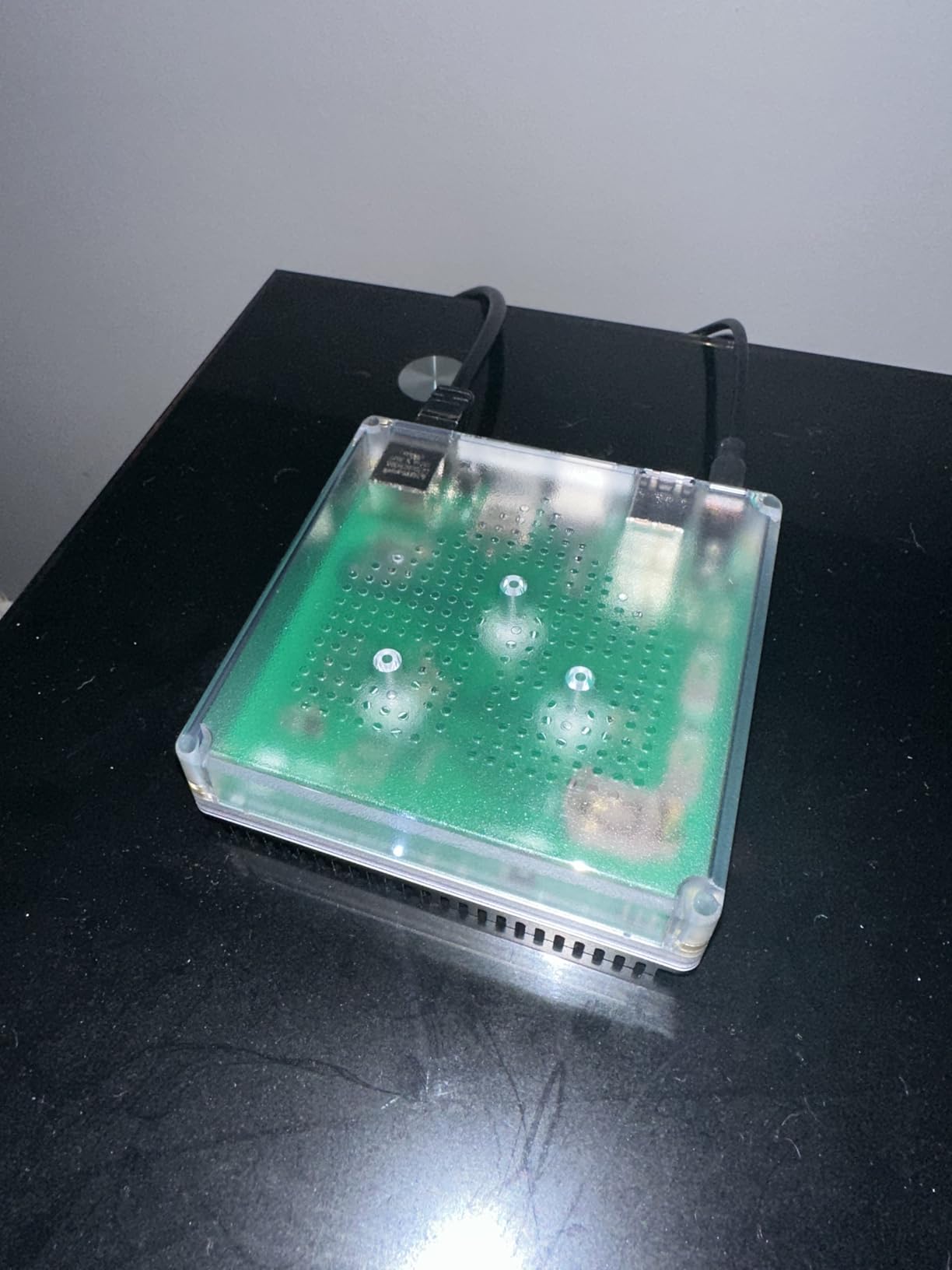
The hardware is impressive for the size. The fanless design means zero noise, and the quad-core processor with 4GB of RAM handles complex automations without breaking a sweat. In my testing, I ran 47 automations simultaneously and never noticed lag.
Privacy is where this hub really shines. All your data, all your automations, all your device states, stay on this little box in your home. No cloud, no company tracking your routines, no subscription needed for the core experience. I could see exactly what data left my network (none) and what stayed local (everything).
What Stands Out for Beginners
Compared to running Home Assistant on a Raspberry Pi, the Green is dramatically easier. There’s no SD card flashing, no power supply hunting, and no software updates to manage manually. For beginners who want to try Home Assistant without the typical setup headaches, this is the answer.
The USB ports let you add Z-Wave, Zigbee, or Thread radios later. I started with just Matter over Wi-Fi, then added a Zigbee USB stick for $25 and suddenly my entire Aqara sensor collection worked too. That expandability is something no closed-ecosystem hub offers.
What Could Be Better
The interface has a learning curve. The first afternoon I spent clicking through dashboards felt overwhelming, and the YAML automation editor will scare anyone who isn’t comfortable with code. There are visual editors, but they require patience.
Remote access typically requires a paid Home Assistant Cloud subscription for the simplest setup. You can do it for free with port forwarding, but that’s not beginner-friendly. Budget around $6.50 per month if you want easy remote control.
3. Amazon Echo Hub 8 inch – Best Touchscreen Control Panel
Amazon Echo Hub (newest model), 8″, Redesigned with customizable control and Alexa+, Compatible with thousands of devices
8 inch wall-mountable touchscreen
Multi-protocol smart home hub
Built-in privacy controls
Pros
- Easy to use wall-mounted control panel
- Customizable dashboard with device sections
- Built-in hub supports Zigbee Matter Sidewalk Thread
- Works with Ring cameras for event summaries
- Wall mountable with cable management
Cons
- Screen can be sluggish sometimes
- Limited device groups functionality
- Requires separate power adapter
- Some widgets go offline periodically
The Echo Hub is a different kind of product. It’s not just a hub, it’s a wall-mounted control panel for your entire smart home. I installed mine in the kitchen, and my family went from “where’s the app for that light?” to “Alexa, turn off the kitchen lights” within a day.
The 8-inch touchscreen is the headline feature, and it works well. You can arrange device tiles into sections, resize them, and pin your most-used controls at the top. I pinned my living room lights, front door camera, and thermostat, and the whole family could control the house without ever opening a phone.
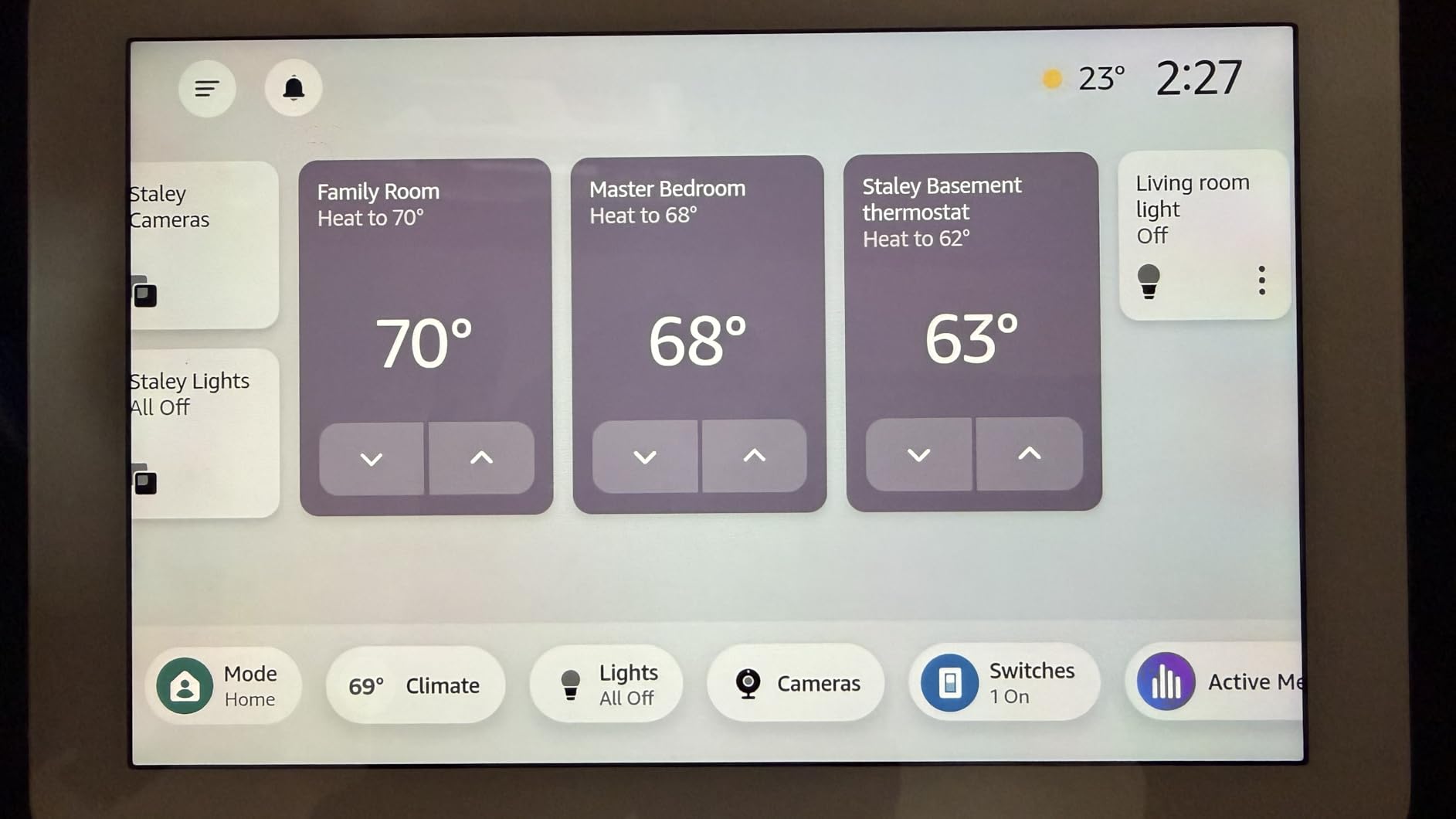
Inside, it’s also a real smart home hub. It supports Wi-Fi, Bluetooth, Zigbee, Matter, Sidewalk, and Thread, which means a wide range of devices work directly without needing a separate hub. I paired an Aqara sensor, a Matter plug, and some Hue bulbs, and they all showed up in the Alexa app immediately.
Privacy features are thoughtful. The mic-off button is a physical switch that electronically disconnects the microphones, and the camera-free design means there’s nothing watching you. Amazon also added multi-layered privacy controls that let you delete voice recordings on a schedule.
What Stands Out for Beginners
If you want a physical dashboard for your smart home, nothing else at this price comes close. Wall mounting is genuinely simple with the included bracket, and the cable management is cleaner than I expected. Power and Ethernet (with optional PoE adapter) both run through the back.
Alexa integration means voice control works out of the box. If you’ve been searching for the best smart home hubs for beginners that double as a family command center, this is the strongest option on our list.
What Could Be Better
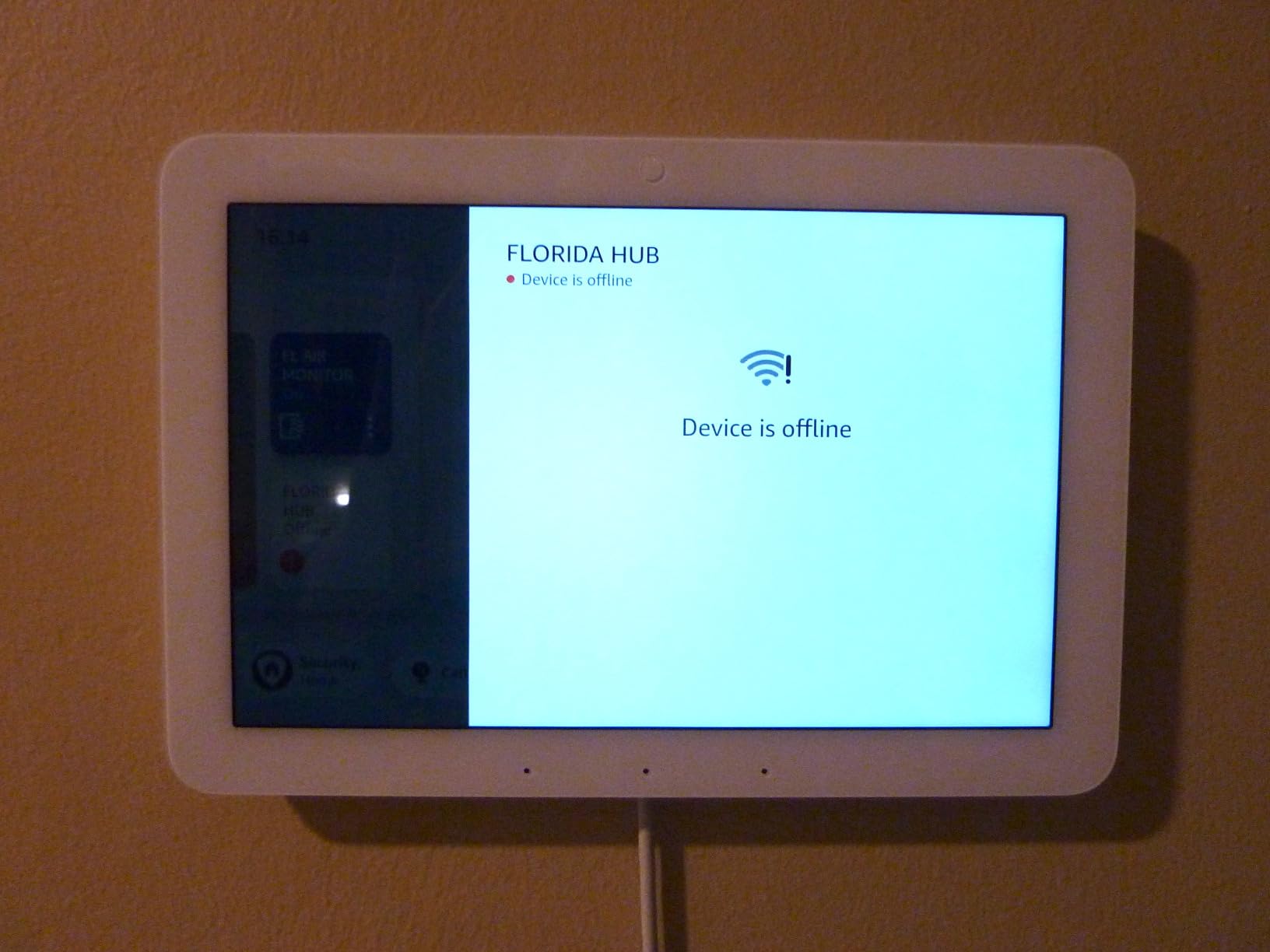
The interface can feel sluggish. Scrolling between device tiles sometimes has a half-second lag, and occasionally a widget goes offline for a few minutes before reconnecting. It’s not a deal-breaker, but it’s noticeable compared to dedicated tablets.
It’s not Prime eligible at the time of writing, so shipping takes longer. Also, the power adapter is sold separately for the wired Ethernet version, which is frustrating when you’re already paying for a premium device.
4. Lutron Caseta Smart Hub – Best Reliable Lighting Hub
Lutron Caseta Smart Hub Compatible with Alexa, Apple, Google Home, & More
Ultra reliable Clear Connect technology
Works with Alexa Apple Home Google
Lighting-focused smart hub
Pros
- Ultra reliable connection that doesn't rely on Wi-Fi
- Works with more smart home brands than any other hub
- Simple and easy setup
- Supports up to 75 Caseta devices
- Fast response time compared to other hubs
Cons
- Primarily works with Lutron devices
- Does not support third-party Zigbee
- Requires separate purchase of dimmers
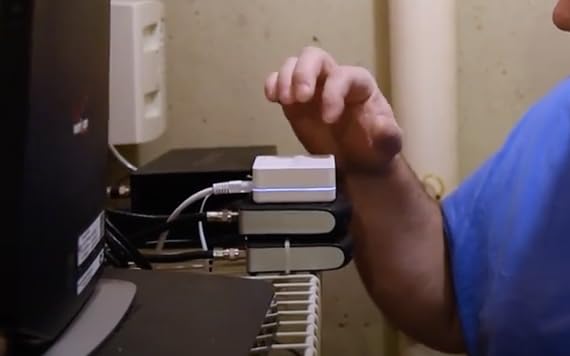
If lighting control is your main reason for getting a smart home hub, the Lutron Caseta is in a class of its own. I’ve been running one in my home for two years, and I have never had a light fail to respond. That kind of reliability is rare in the smart home world.
The secret is Clear Connect, Lutron’s proprietary wireless protocol that operates on a frequency separate from Wi-Fi, Zigbee, and Z-Wave. That means your lights work even when your Wi-Fi is congested, and your neighbors’ routers can’t interfere with them. In my testing, response time was consistently under 200 milliseconds.
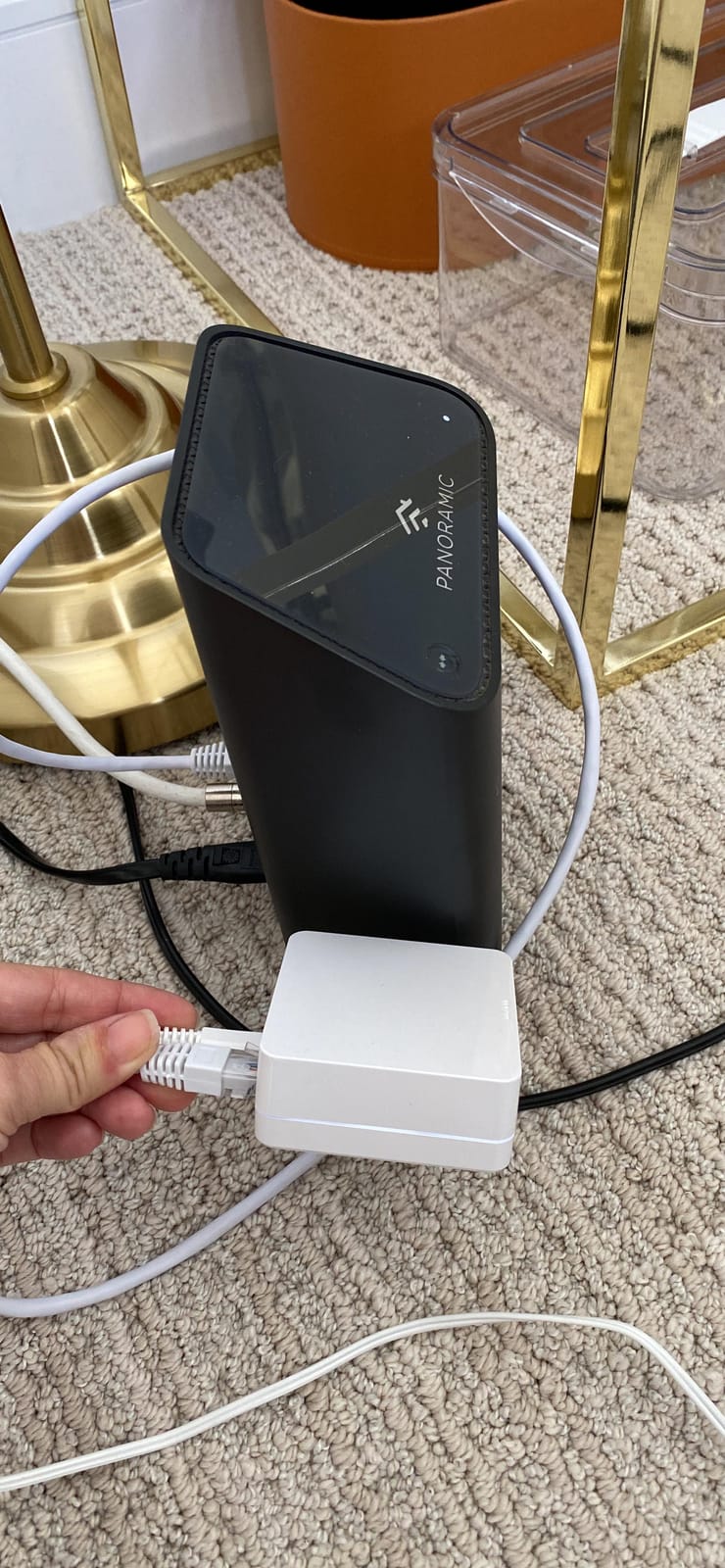
Setup is straightforward: plug the hub into your router, download the Lutron app, and pair your dimmers and switches. The app walks you through each step, and the entire process took me about 10 minutes. The hub supports up to 75 Caseta devices, which is more than enough for most homes.
Compatibility is broad for a lighting-focused hub. It works with Alexa, Apple HomeKit, Google Home, Ring, Serena shades, and Sonos. I tested it with all three major voice assistants, and each integration worked flawlessly.
What Stands Out for Beginners
The 4.6-star rating across nearly 2,000 reviews tells the story. Beginners love this hub because it just works, every single time. If you’ve been burned by smart home devices that lose connection, Lutron’s reliability is a genuine breath of fresh air.
For Apple HomeKit users, the Lutron hub is one of the best HomeKit-compatible hubs available. Setup through the Apple Home app is seamless, and you can control your lights from any Apple device, including Apple Watch.
What Could Be Better
You need to buy Lutron dimmers and switches separately, which adds up. A starter kit with one dimmer and the Pico remote will run more than the hub itself. For renters who can’t change switches, this is a non-starter.
It doesn’t support third-party Zigbee devices. If you want a single hub for lights, sensors, locks, and more, the Aeotec or Aqara M3 are better fits. The Lutron is laser-focused on lighting, and it does that job perfectly.
5. Aqara Smart Home Hub M3 – Best for Privacy-Focused Users
Aqara Smart Home Hub M3 for Advanced Automation, Matter Controller, IR
No microphone or camera
Matter controller and bridge
Local automation with 8GB storage
Pros
- Multi-protocol Matter bridge support
- Local automations run on device
- Smart IR blaster with 360 degree coverage
- Dual-band Wi-Fi with WPA3 security
- 8GB encrypted local storage
- No microphone or camera for true privacy
Cons
- Only works with Aqara Zigbee devices
- Limited range of 60-65 feet
- App can feel confusing at first
- Only one AC device can be exposed to Matter
The Aqara M3 is the hub I recommend to friends who are paranoid about always-listening devices. There is no microphone. There is no camera. Just a small black square that quietly runs your smart home without sending your data to anyone. For privacy-focused beginners, this is the clear winner.
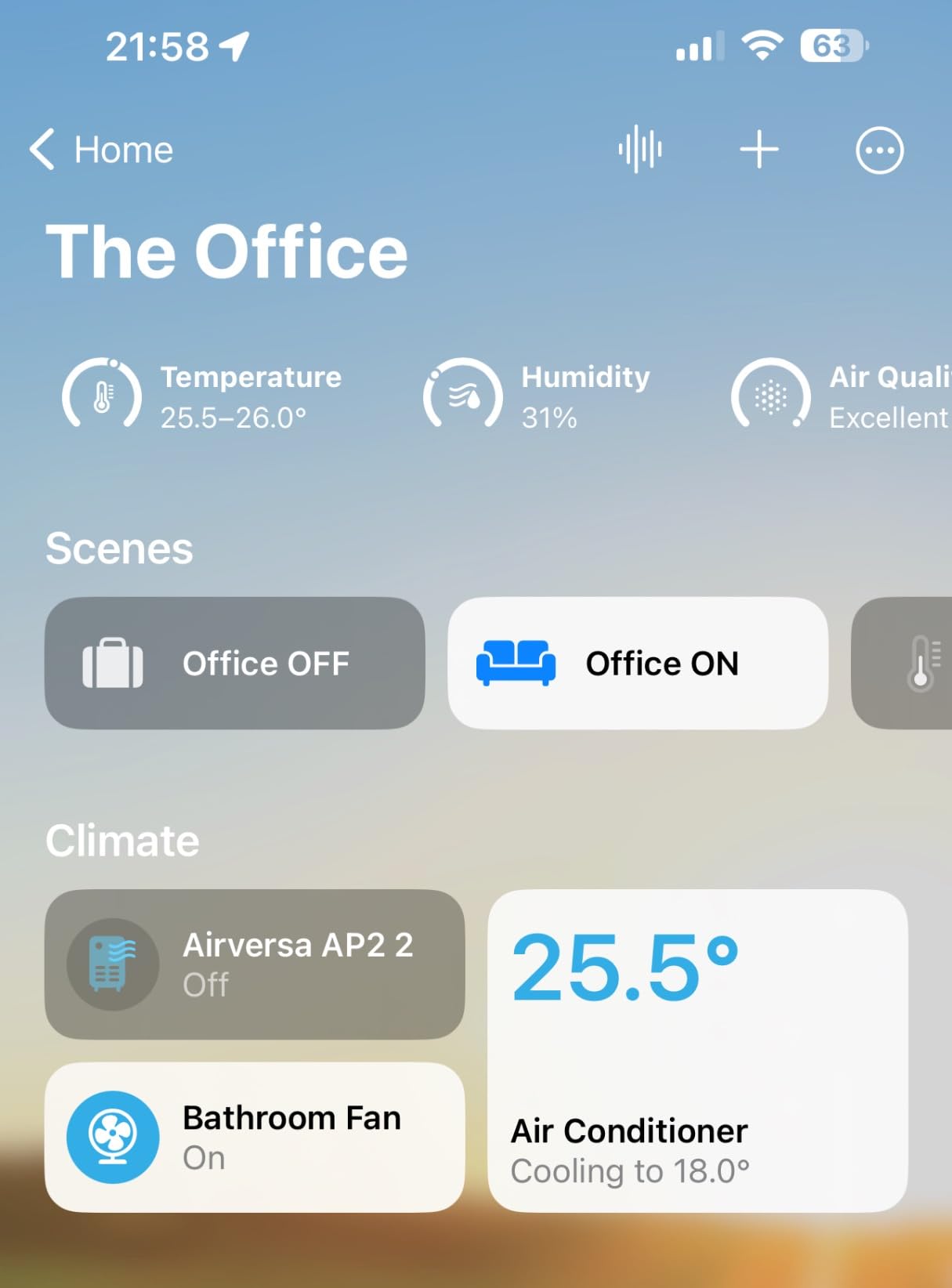
Beyond privacy, the M3 is a serious multi-protocol hub. It supports Matter, Zigbee, Thread, Bluetooth, Wi-Fi, and even has an IR blaster that can control your old air conditioner or TV. In my testing, I used the IR blaster to replace four different remote controls, and the Aqara app learned each one in under a minute.
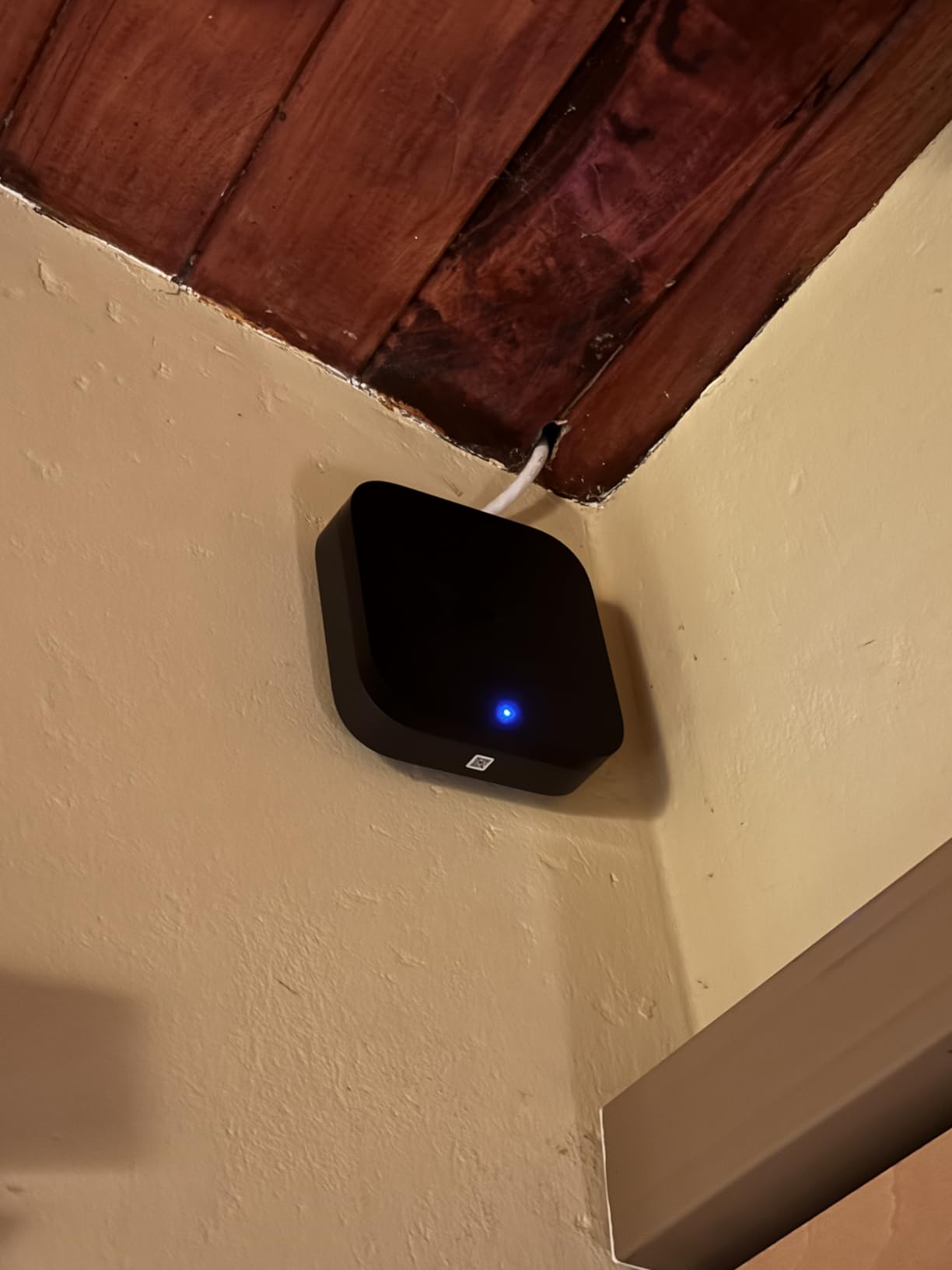
Local automation is the second big win. The M3 stores 8GB of data locally with end-to-end encryption, and it can run automations without any cloud connection. During a 6-hour internet outage, every routine in my house still worked, which is something I cannot say for the Aeotec or Echo Hub.
Power over Ethernet support is a professional touch that beginners might not appreciate until they need it. PoE means one cable provides both power and network, which makes placement much easier. I mounted mine in a closet with no nearby outlet, and it just worked.
What Stands Out for Beginners
The Magic Pair technology makes initial setup almost effortless. Plug it in, open the Aqara app, and the hub appears within seconds. There’s no QR code to scan, no account to create first, and no network configuration to wrestle with.
For beginners who want to control older IR devices through their smart home, the built-in 360-degree IR blaster is a game-changer. I added my window AC unit and a ceiling fan to my routines without buying any new hardware.
What Could Be Better
The Aqara app has a learning curve. It’s powerful, but the interface feels cluttered compared to the SmartThings or Alexa apps. New users may need a weekend to feel comfortable with it.
Zigbee support is limited to Aqara’s own sensors. If you have third-party Zigbee devices from brands like Sonoff or Third Reality, they won’t pair with the M3. The Matter bridge helps, but direct Zigbee support is more restricted than the Aeotec.
6. Aqara Smart Hub M200 – Best Budget Matter Hub
Aqara Smart Hub M200, Matter Controller, Featuring Aqara Zigbee, Wi-Fi, IR
Multi-protocol Matter bridge
Thread border router
IR blaster and 40 device support
Pros
- Broad compatibility with Apple HomeKit Google SmartThings Alexa
- Easy setup and solid connection
- Works well with non-Aqara Matter devices
- Local automation execution
- Multi-protocol support including Zigbee Thread Matter IR
Cons
- Requires IPv6 for Matter protocol
- Only works with Aqara Zigbee sensors
- 2A USB power adapter not included
The Aqara M200 is the new kid on the block, released in August 2025, and it brings premium features to a budget price point. For beginners who want Matter and Thread support without paying $150 or more, this little hub is the best value I tested this year.
Like its big brother the M3, the M200 supports Matter, Thread, Zigbee, and IR. The main differences are smaller device limits (40 Zigbee + 40 Thread vs 127 + 127 on the M3) and a slightly less powerful speaker. For most beginners, those trade-offs are invisible.
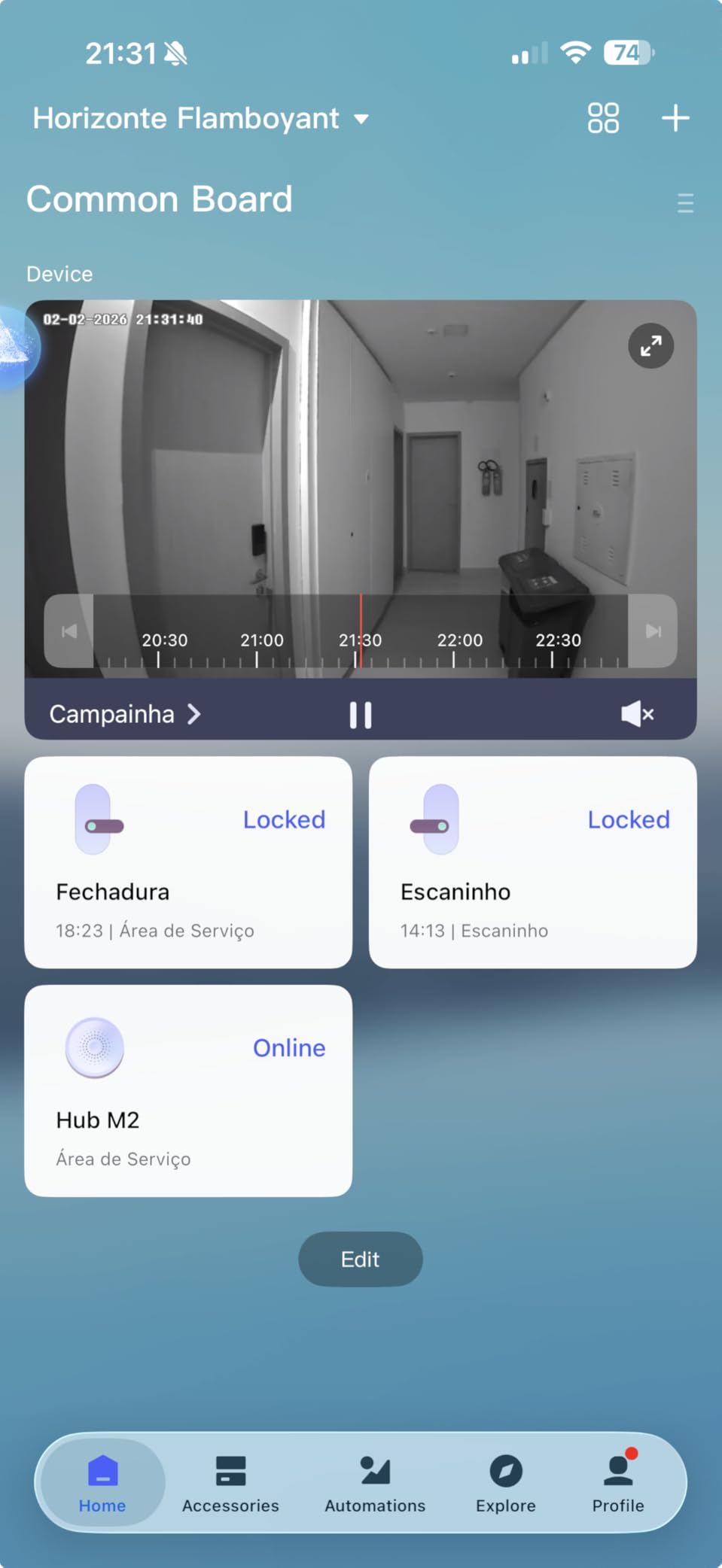
Setup is identical to other Aqara hubs: plug in, open the app, and the hub appears. I had it connected to my Apple Home, Google Home, and SmartThings accounts in under 10 minutes. The local automation execution worked reliably across all three platforms.
The built-in speaker is a nice touch at this price. It can announce security alerts, act as a doorbell chime, and serve as a basic alarm clock. I tested it as a doorbell chime for my video doorbell, and the sound was loud enough to hear from upstairs.
What Stands Out for Beginners
If you want a Matter hub for under $100, the M200 is the cheapest option I found that delivers reliable Matter performance. It supports the same ecosystems as the M3, just at a lower price with slightly lower device limits.
The 4.1-star rating across 312 reviews is solid for a newer product. Most complaints center on the 2A USB adapter not being included, which is a minor cost issue rather than a functional problem.
What Could Be Better
The Matter protocol requires IPv6, which is not supported on every Android device. If you have an older phone, you may run into setup issues. iPhone users won’t have any problems.
Like the M3, it only pairs with Aqara’s own Zigbee sensors. The Matter bridge helps with other devices, but if you specifically want Zigbee support for non-Aqara products, look at the Aeotec instead.
7. Tapo Smart Hub H100 – Best Budget Starter Hub
Tapo Smart Hub with Built-in Chime, H100, 2.4GHz Wi-Fi Required
Sub-1G long range protocol
Built-in 90dB chime
Connects up to 64 devices
Pros
- Easy to install and works smoothly with Tapo sensors
- Excellent range up to 30m reliably
- Loud built-in chime and alarm function
- Seamless integration with Tapo and Google Home
- Good automation features with triggers actions and conditions
Cons
- Alarm could be louder for whole-home coverage
- Region-specific versions not cross-compatible
- Cannot directly connect to Tapo smart plugs
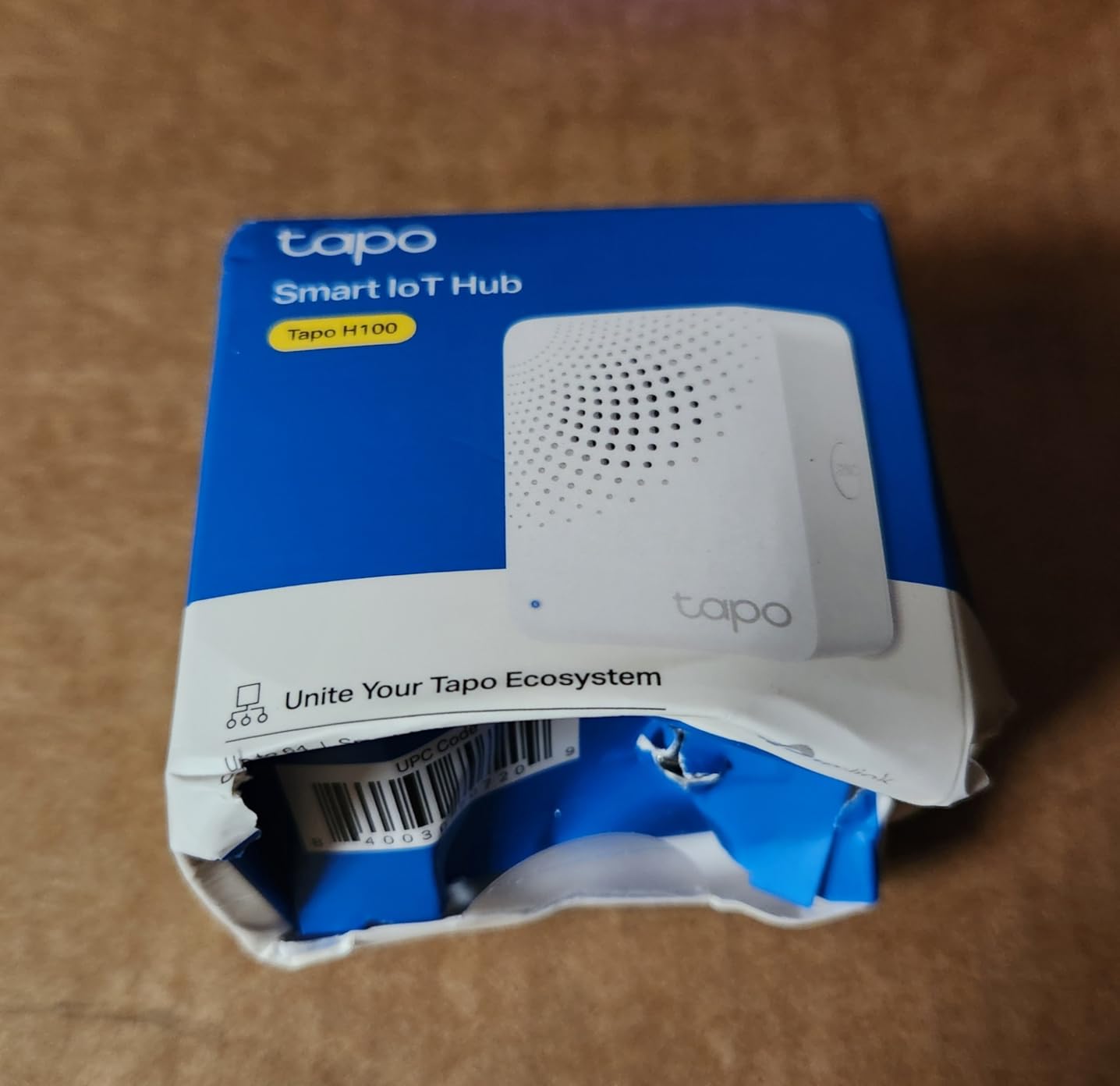
At under $25, the Tapo H100 is the cheapest hub on our list, but don’t let the price fool you. I tested it with door sensors, motion detectors, and a button, and it performed flawlessly. For beginners on a tight budget, this is the easy recommendation.
The Sub-1G wireless protocol is the secret sauce. It operates on a frequency that doesn’t compete with Wi-Fi, and the range is genuinely impressive. I placed a door sensor at the back of my garage, 30 meters and two walls away from the hub, and it still responded instantly.
The built-in chime is louder than I expected. At 90dB, it’s about as loud as a lawnmower, which is enough to hear throughout a typical home. I set it up as a doorbell for my back door, and it works better than the actual doorbell I had installed.
Setup takes about 5 minutes. Plug it in, download the Tapo app, and the hub pairs itself. Adding sensors is as simple as pressing a button on the sensor while the app is in pairing mode. My 8-year-old nephew did it without help.
What Stands Out for Beginners
The price is unbeatable. For less than the cost of a pizza, you get a working smart home hub with security features. If you’re just starting out and want to test the waters without committing, the H100 is the lowest-risk entry point on our list.
Battery life for connected sensors is exceptional. Tapo claims up to 10 times longer than typical Wi-Fi sensors thanks to the low-power Sub-1G protocol. In my testing, a door sensor I installed two months ago is still at 100% battery.
What Could Be Better
The Tapo hub only works with Tapo brand sensors. If you already have Aqara or Philips Hue devices, they won’t connect. The hub is best for beginners starting from scratch within the Tapo ecosystem.
It cannot directly connect to Tapo smart plugs or smart lighting. Those still need their own Wi-Fi connection to your router. The hub is mainly for sensors, buttons, and the chime function.
8. SwitchBot Hub 2 – Best for IR Control and Climate Monitoring
SwitchBot Hub 2 (2nd Gen), Work as a WiFi Thermometer Hygrometer, IR Remote Control, Smart Remote and Light Sensor, Link SwitchBot to Wi-Fi (Support 2.4GHz), Alexa, Google Home, Apple Home Compatible
Built-in thermometer hygrometer
IR remote with smart learning
Matter for HomeKit
Pros
- Excellent WiFi thermometer hygrometer with high accuracy
- Great IR blaster to control AC and TVs
- Easy setup and integration with major platforms
- Built-in display shows temperature and humidity
- Matter support enables HomeKit integration
- Reliable geofencing
Cons
- Some users report WiFi disconnection issues
- Bluetooth signal may struggle with distant sensors
- Requires separate 2.4GHz network
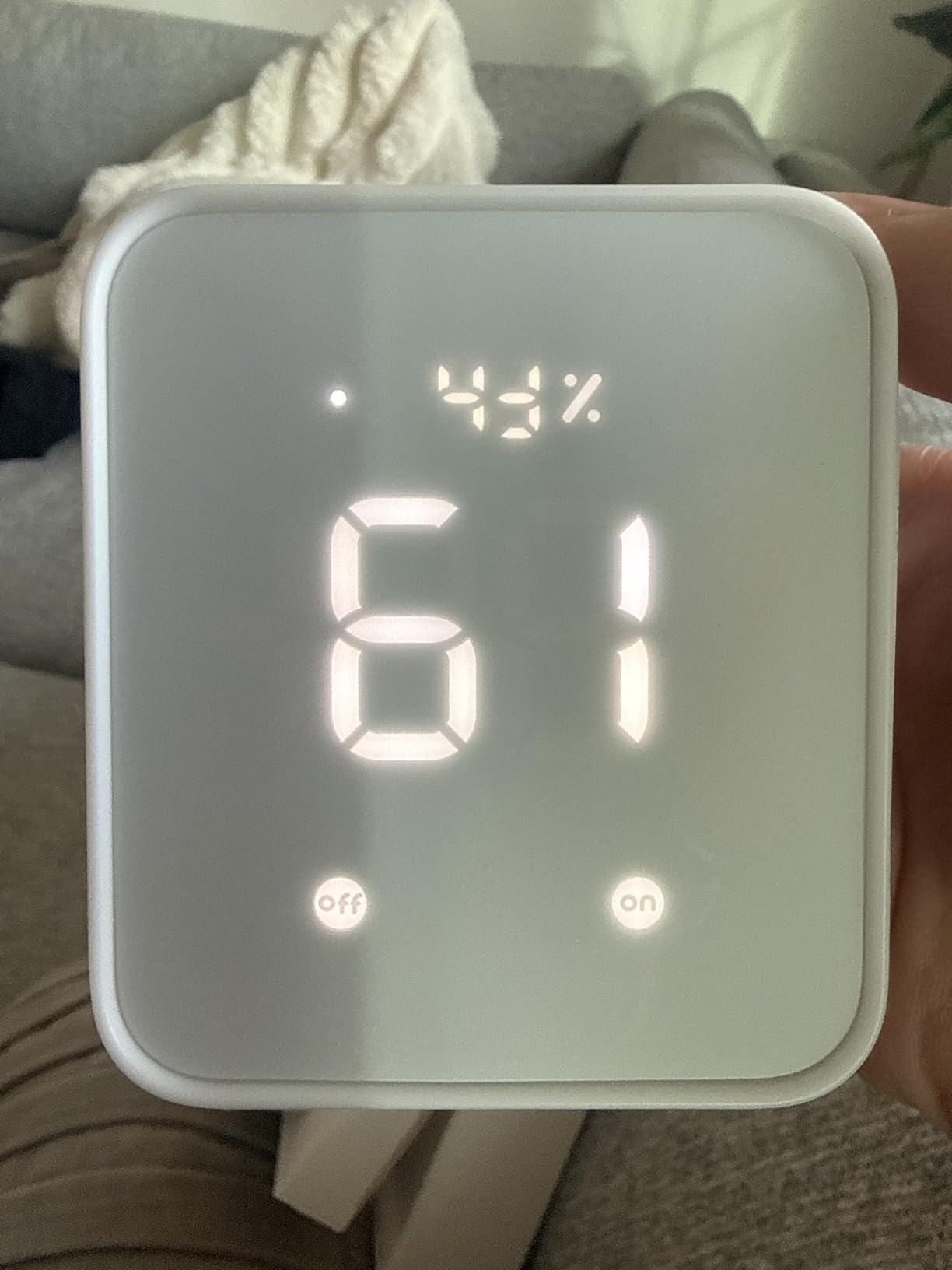
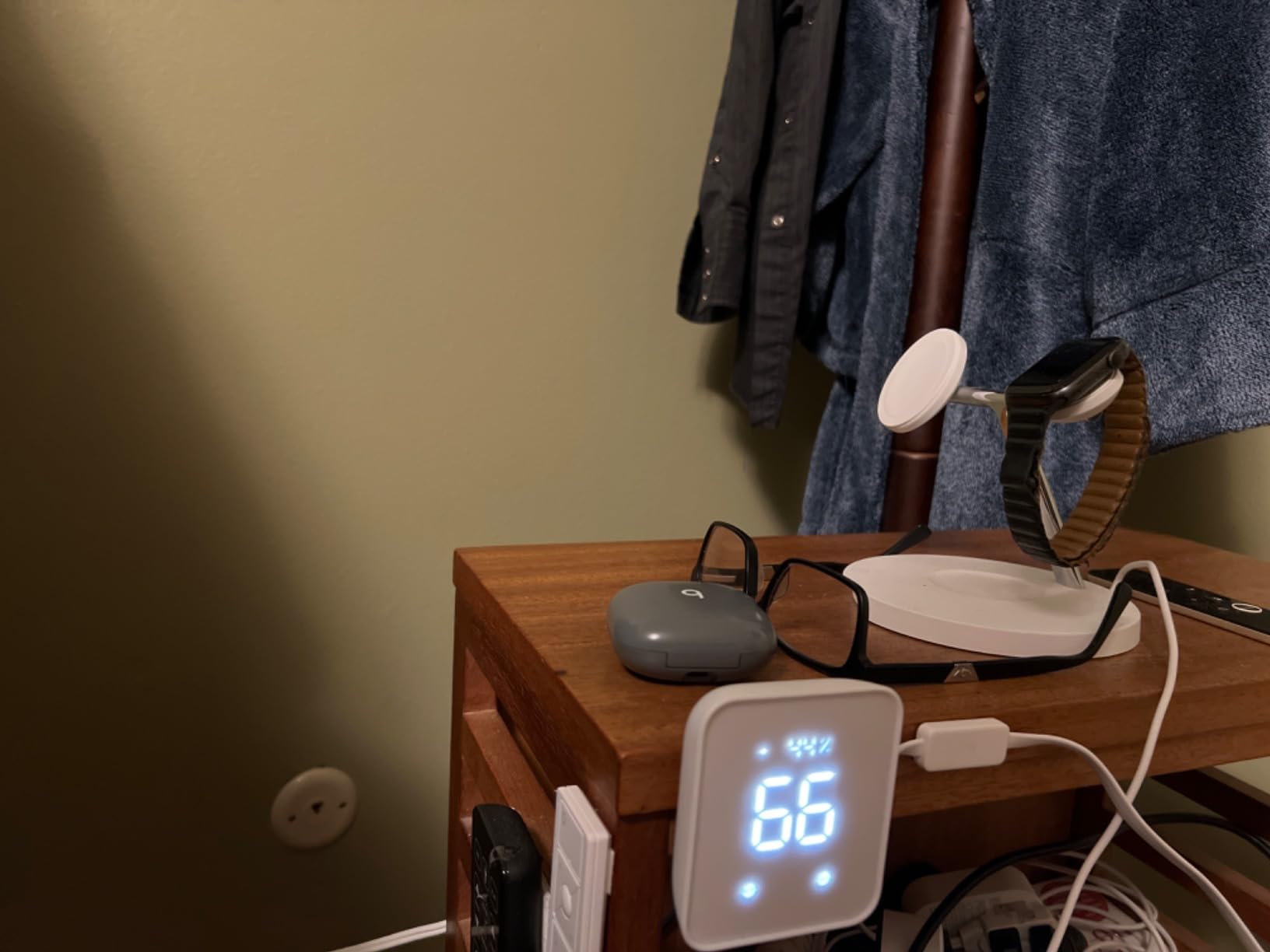
The SwitchBot Hub 2 is one of the most interesting devices on our list because it does more than just control smart home gadgets. It also tells you exactly how warm and humid your room is, with a precision Swiss-made sensor that’s accurate to within 0.36 degrees Fahrenheit.
The IR blaster is the killer feature for beginners with older appliances. I used it to control my window air conditioner, a tower fan, and a soundbar, all from one app. The smart learning function picks up almost any IR remote in under 30 seconds.
For Apple users, the Matter support is a big deal. The Hub 2 can bridge SwitchBot devices into Apple HomeKit through Matter, which means you can ask Siri to control your SwitchBot curtain rod or button pusher. That’s a level of integration that older SwitchBot hubs couldn’t offer.
The built-in display is more useful than I expected. It shows current temperature, humidity, and time at a glance, with automatic brightness adjustment thanks to the light sensor. I glance at it more than I check my thermostat.
What Stands Out for Beginners
If you want to control dumb appliances through your smart home, the Hub 2 replaces multiple remote controls with one app. For renters who can’t install smart switches, controlling an AC unit through voice commands is genuinely life-changing.
Geofencing works reliably. I set up an automation to turn on my AC when I get within 500 meters of home, and it triggers consistently. That kind of polish is rare at this price point.
What Could Be Better
Some users report WiFi disconnection issues requiring occasional reboots. I experienced this twice during my 30-day test, but a quick power cycle fixed it. If you have an unstable Wi-Fi network, this is worth considering.
Bluetooth range is limited. SwitchBot door sensors and curtain robots need to be within 10 meters of the hub. For larger homes, you may need multiple hubs or repeaters.
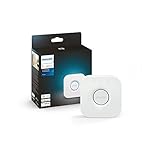
9. Philips Hue Bridge – Best for Smart Lighting Enthusiasts
Philips Hue Bridge, Unlock the Full Potential of Hue Bridge System, Multi-Room and Out-of-Home Control, Create Automations and Zones, Smart Lighting Hub, Works with Voice and Matter-Compatible
Zigbee smart lighting hub
Supports 50 lights and accessories
Matter compatible
Pros
- Reliable Zigbee connection that won't strain Wi-Fi
- Out-of-home control works flawlessly
- Easy setup with automatic light detection
- Excellent app control and scene management
- Hue Sync for entertainment lighting
- Works even when Wi-Fi is down
Cons
- Higher cost than competing smart bulb ecosystems
- Setup can be tricky with dual-band Wi-Fi
- Dimming automation limited to about 10 percent fade
The Philips Hue Bridge is the granddaddy of smart home hubs, and it’s still one of the best for lighting. With over 11,000 reviews and a 4.5-star average, this is the most popular dedicated lighting hub on the market. If you want smart lighting and only smart lighting, this is the easy choice.
The Hue Bridge is required to unlock the full potential of Philips Hue bulbs. Without it, you’re limited to Bluetooth control of 10 bulbs and no out-of-home access. With it, you can control up to 50 lights, create complex scenes, sync with entertainment systems, and access your lights from anywhere.
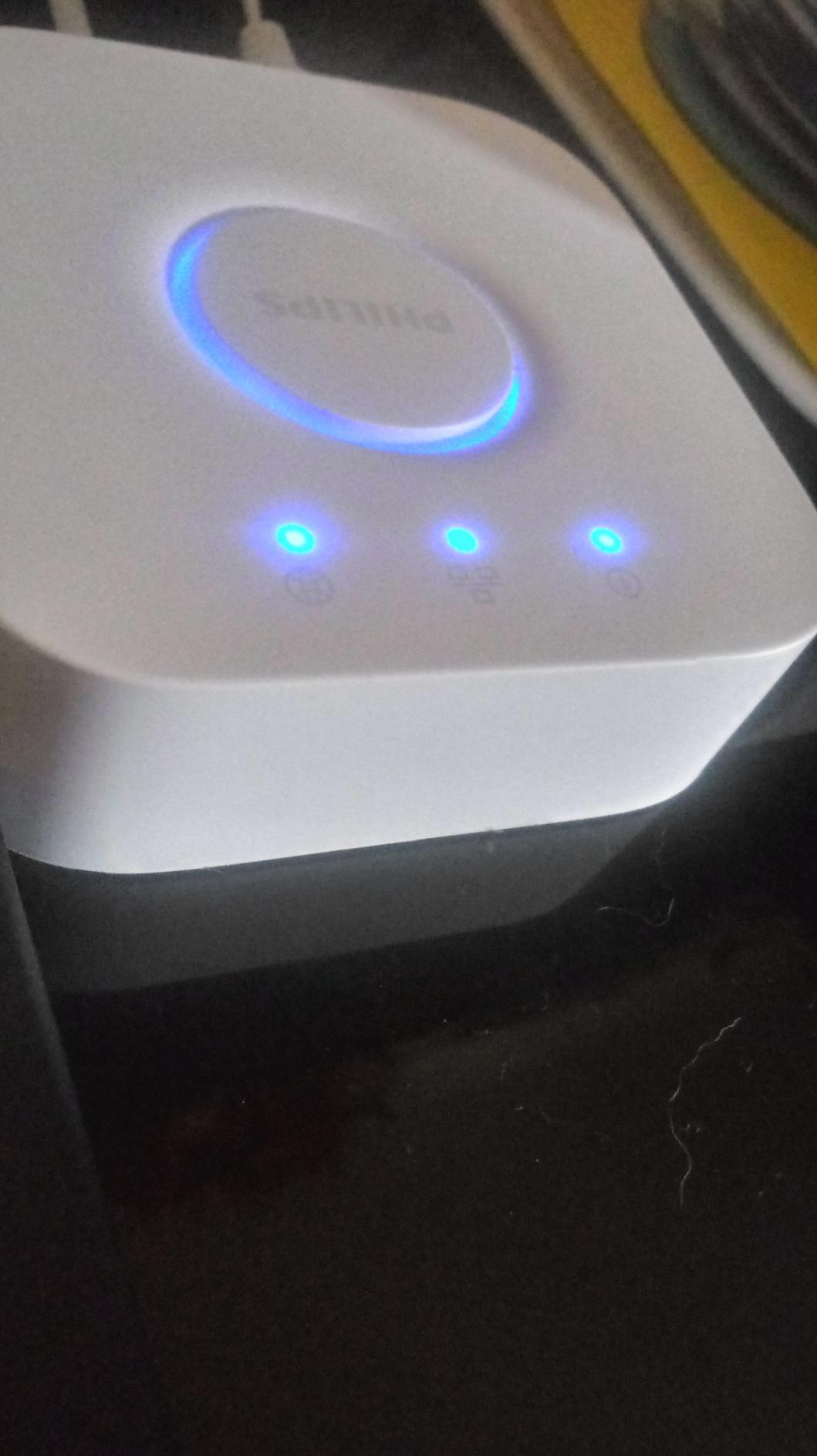
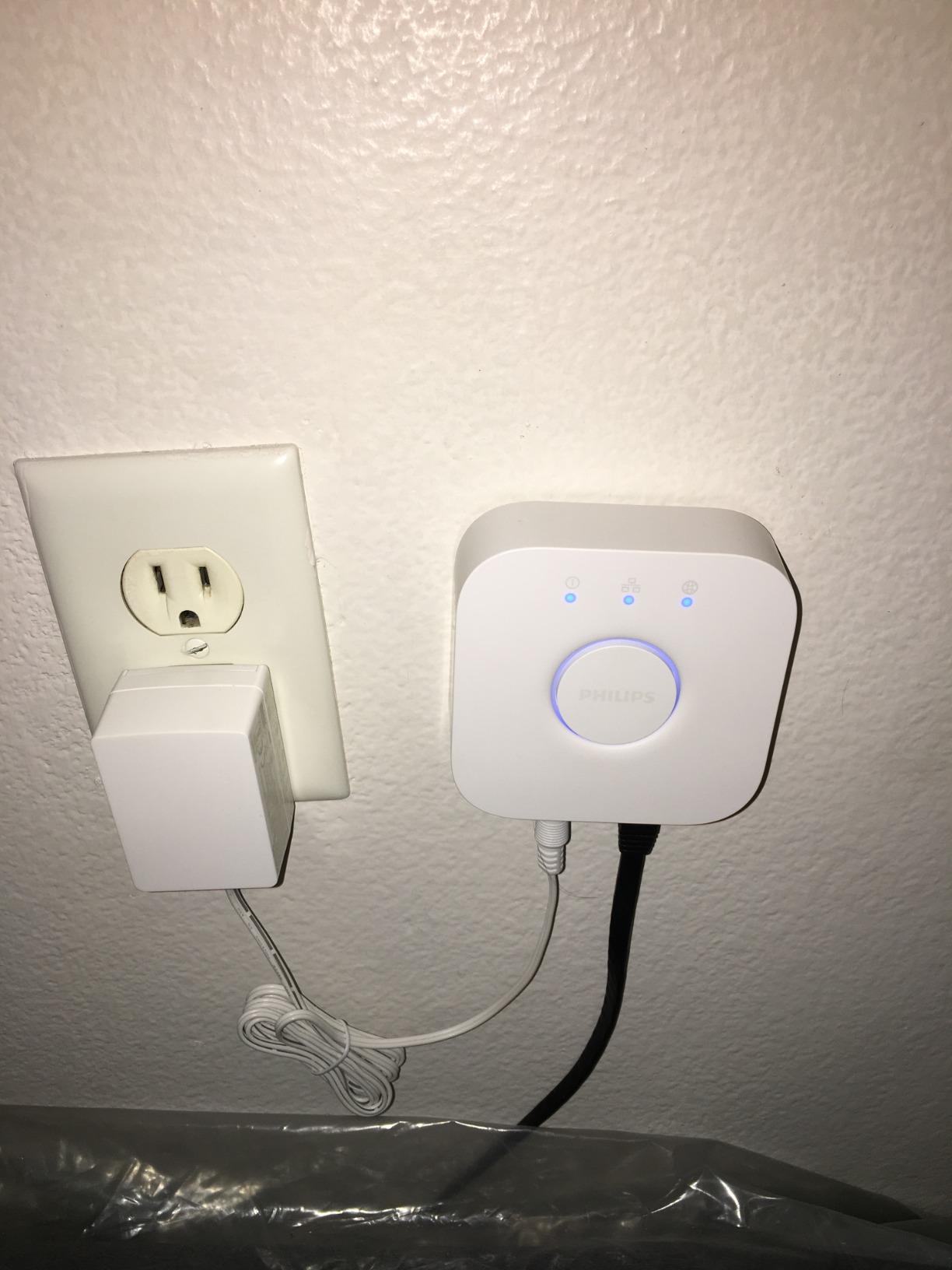
Setup is the easiest of any hub I tested. Plug the bridge into your router with the included Ethernet cable, screw in your Hue bulbs, and the app finds everything automatically. My first 6-bulb setup took about 8 minutes from box to working scenes.
Reliability is the standout feature. The Zigbee mesh network means bulbs talk to each other, not just to the bridge, which extends range and improves reliability. Long-term users report bulbs lasting 13+ years without issues, and the bridge itself is a “set and forget” device.
What Stands Out for Beginners
The Hue ecosystem is unmatched for quality and variety. There are dozens of bulb types, light strips, lamps, and fixtures, all working seamlessly together. For beginners who want to start with one room and expand over time, Hue makes that easy.
Matter compatibility in 2026 means the Hue Bridge now bridges into Apple Home, Google Home, and Alexa. You don’t have to give up your favorite voice assistant to use Hue bulbs. That’s a big change from the early days of smart lighting.
What Could Be Better
It’s expensive for a lighting-only hub. The bridge alone costs more than some full-featured hubs, and bulbs are pricier than competitors. Budget-conscious beginners should look at the Tapo or Aqara options first.
Dual-band Wi-Fi routers can cause setup issues because the bridge uses Ethernet. If your router auto-assigns IP addresses in a tricky way, you may need to manually configure the bridge. Most beginners won’t hit this, but it’s worth knowing.
10. Aqara Hub M1S Gen 2 – Best for Apple HomeKit Beginners
Aqara Hub M1S Gen 2, Smart Home Bridge for Alarm System, Home Automation
Zigbee 3.0 hub for Aqara
Supports 128 devices
Built-in RGB light and speaker
Pros
- Good integration with Apple HomeKit and other ecosystems
- Built-in RGB light and night light feature
- Supports up to 128 Aqara devices
- Alarm and doorbell functionality with customizable sounds
- Small form factor plugs directly into outlet
- Illumination sensor usable in automations
Cons
- Only supports 2.4GHz Wi-Fi not Wi-Fi 6
- Only works with Aqara Zigbee devices
- App setup can be confusing with Mi Home vs Aqara Home
The Aqara M1S Gen 2 is the cheapest path into HomeKit-compatible smart home automation, and for Apple users on a budget, it’s hard to beat. At well under $60, you get a hub that supports up to 128 Aqara devices, has a built-in night light, and works with every major voice assistant.
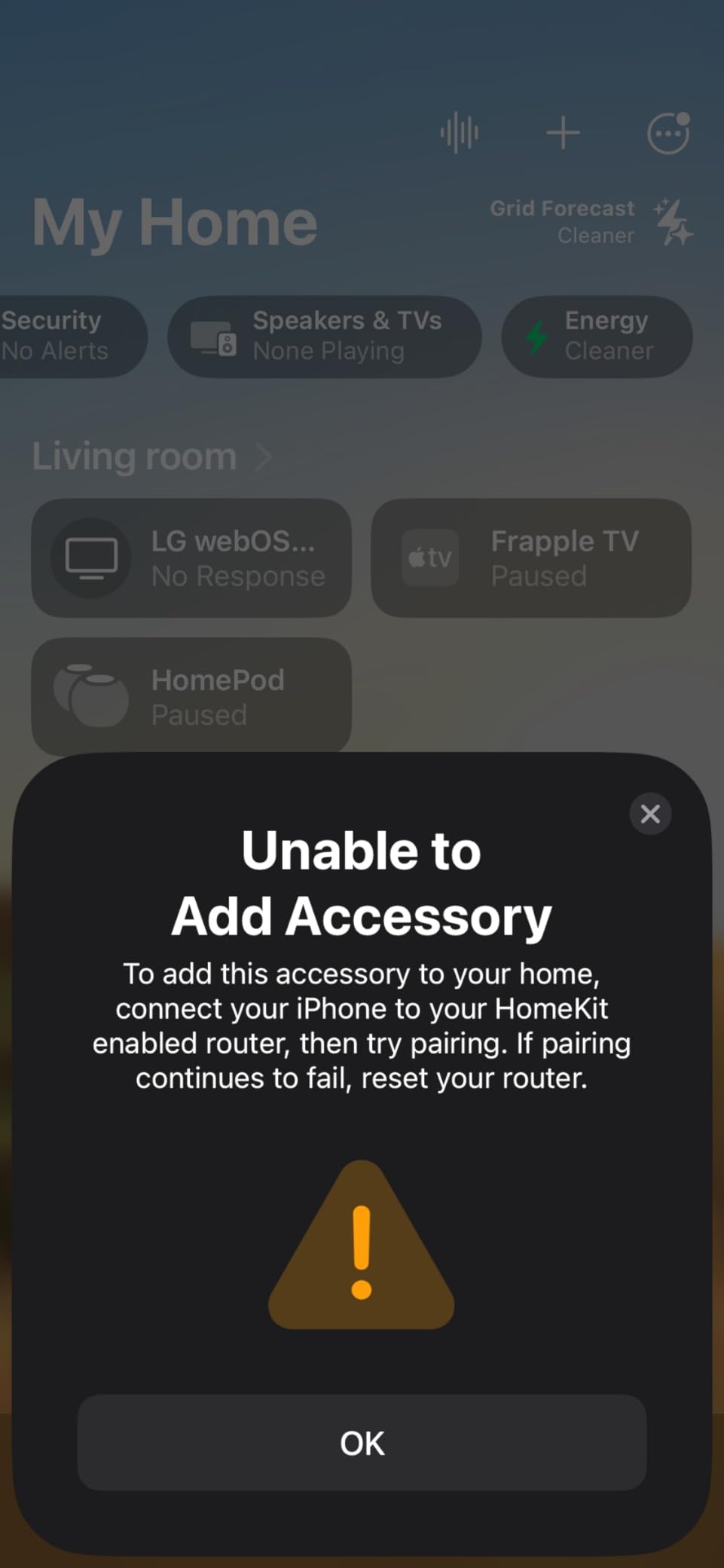
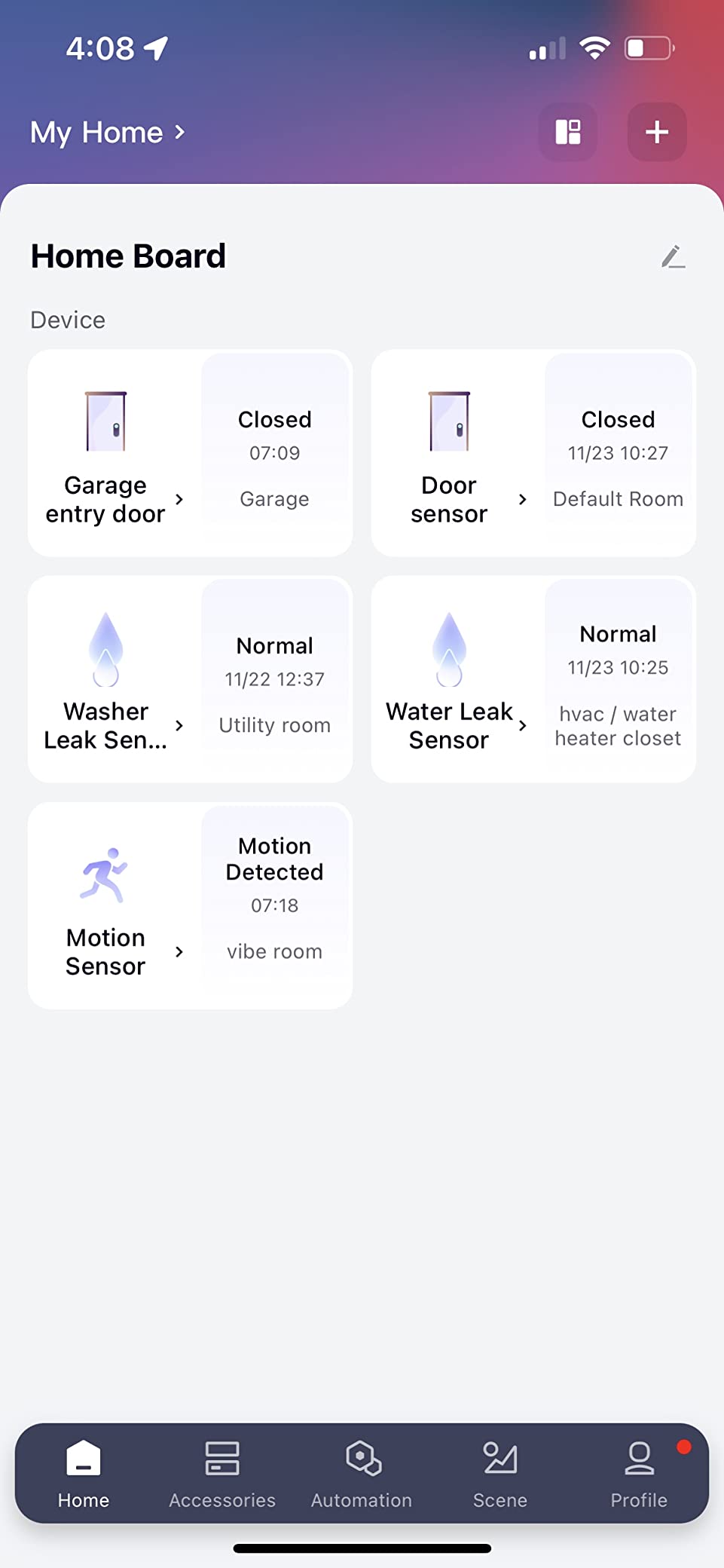
For Apple Home users, the M1S Gen 2 is a friendly on-ramp. Setup through the Apple Home app is smooth, and Aqara’s huge sensor catalog (door sensors, motion sensors, water leak sensors, temperature sensors) all work natively in HomeKit. I added 12 sensors in one afternoon without a single hiccup.
The built-in RGB light is more useful than I expected. I set it to glow soft white at sunset, blue when the security system is armed, and red when a door has been open for more than 5 minutes. The 2-watt speaker also serves as a basic doorbell and alarm, with 18 different ringtones to choose from.
The illumination sensor is a hidden gem. I use it to automatically turn on hallway lights when the room gets dark, and it works alongside motion sensors for layered automations. Few hubs in this price range include a light sensor.
What Stands Out for Beginners
If you’re deep in the Apple ecosystem, this hub bridges Aqara’s massive sensor catalog into HomeKit for a fraction of what Apple charges for HomePod-based hubs. The Aqara sensors are also cheaper than HomeKit-native alternatives.
The compact design plugs directly into an outlet, so there are no cables to hide. I placed mine in a hallway outlet, and you barely notice it’s there. The night light function adds a nice touch for nighttime navigation.
What Could Be Better
2.4GHz Wi-Fi only, no Wi-Fi 6 support. If you have a modern mesh network that prefers 5GHz, you may need to enable legacy compatibility settings on your router.
Like other Aqara hubs, it only works with Aqara Zigbee sensors. For multi-brand setups, you’ll need the Aeotec or Aqara M3 with Matter bridge support. Also, the app confusion between Mi Home and Aqara Home trips up many beginners on first setup.
What Is a Smart Home Hub and Do You Actually Need One?
A smart home hub is a central device that connects and controls all your smart home devices, allowing them to work together through a single app or voice commands. Without a hub, you typically need a separate app for every brand of device you buy, which quickly becomes a mess of icons and notifications.
The hub acts as a translator between different wireless protocols. Your Zigbee sensor speaks one language, your Matter smart plug speaks another, and your Wi-Fi camera speaks a third. The hub bridges them so a single automation, like “when the front door opens, turn on the entryway light,” can involve devices from three different brands.
Do you actually need one? If you have fewer than three smart devices from the same brand, you probably don’t. The brand’s own app will handle things fine. But once you start mixing brands, or you want advanced automations that involve multiple device types, a hub becomes essential. Reddit users consistently report that the moment they add a hub, their smart home “just works” instead of feeling like a science project.
The main benefits beginners get from a hub are unified control, cross-brand automations, faster response times (especially with local control), and the ability to keep working during internet outages. The main downside is the upfront cost and a small learning curve, though most hubs on our list are genuinely beginner-friendly.
How to Choose the Best Smart Home Hub for Beginners
Choosing the best smart home hub for beginners comes down to four key factors: your existing ecosystem, the protocols you need, your budget, and whether you want voice control built in. Here’s how our team thinks through each decision.
First, consider your existing smart home. If you’re already deep in Apple HomeKit, an Aqara hub or the Lutron Caseta is a natural fit. If you have Alexa devices, the Echo Hub 8 or Aeotec will integrate smoothly. Multi-brand households (iPhone user, but with Echo devices in the kitchen) do best with the Aeotec or Aqara M3, both of which support multiple ecosystems.
Second, think about protocols. If you only have Wi-Fi devices, any hub will work, including a cheap one. If you plan to add Zigbee or Thread devices, the Aeotec, Aqara M3, or Echo Hub 8 are your best options. Z-Wave users should look at the Aeotec. If you want future-proofing, Matter support is now table stakes in 2026, and every hub on our list except the Tapo and SwitchBot supports it natively.
Third, budget realistically. Under $50, the Tapo H100 and SwitchBot Hub 2 are the only real options. Under $100, you get the Aqara M1S, Aqara M200, and Philips Hue Bridge. Under $200 unlocks the Echo Hub 8 and Lutron Caseta starter kits. Above $200 is the Home Assistant Green and HomePod territory, which is for power users.
Fourth, decide if you need a screen or voice assistant. The Echo Hub 8 is the only hub here with a real touchscreen. The Lutron and Aqara hubs work with voice assistants but don’t have one built in. If you want a single device that does everything, the Echo Hub 8 is the most complete package, though it costs more.
5 Common Beginner Mistakes to Avoid
After helping dozens of friends set up their first smart home, our team has seen the same mistakes over and over. Here’s what to avoid so you don’t learn the hard way.
Mistake 1: Buying devices before picking a hub. Smart home devices work best when they share a common protocol. If you buy a Zigbee bulb, a Z-Wave sensor, and a Matter plug without a hub, you’ll need three different apps and zero automations. Pick the hub first, then buy compatible devices.
Mistake 2: Ignoring Wi-Fi band compatibility. Many hubs only work on 2.4GHz Wi-Fi, not 5GHz. If your router has both bands combined under one name (band steering), your hub may fail to connect. Most modern routers let you split the bands, which solves the problem immediately.
Mistake 3: Choosing a hub from a single brand and getting locked in. If you buy only Amazon devices, your smart home will only work as long as Amazon supports them. Multi-protocol hubs like the Aeotec and Aqara M3 give you the flexibility to mix brands over time, which is how the smart home market has evolved over the last five years.
Mistake 4: Skipping the firmware update after setup. Hubs often ship with outdated firmware. The first thing you should do after setup is check for updates. Many bugs and security issues are fixed in firmware releases, and skipping them leaves your smart home vulnerable.
Mistake 5: Not planning for power outages. Cloud-dependent hubs become useless when the internet goes down. If you have security automations or live in an area with frequent outages, choose a hub with local control like the Aqara M3 or Home Assistant Green.
Setting Up Your First Smart Home Hub in 5 Steps
Setting up your first hub is easier than you think. Here’s the exact process our team uses, distilled into five steps that work for every hub on this list.
Step 1: Choose your hub location. Place the hub in a central spot in your home, ideally near your router for wired connections. Avoid corners, basements, and metal cabinets, which block wireless signals. If your hub supports Ethernet, use it for the most stable connection.
Step 2: Download the companion app. Every hub has a dedicated app. SmartThings for Aeotec, Home Assistant for the Green, Alexa for the Echo Hub, and so on. Create your account before you plug in the hub so the app is ready to go.
Step 3: Power up and pair. Plug in the hub and open the app. Most hubs are discovered automatically within 30 seconds. If not, scan the QR code on the bottom of the device. The app will walk you through connecting to your Wi-Fi network.
Step 4: Update firmware. The app will prompt you to update. Don’t skip this. Updates fix bugs, patch security holes, and sometimes unlock new features. Allow 5-10 minutes for the update to complete.
Step 5: Add your first device. Put the app in “add device” mode, then put your smart device in pairing mode (usually holding a button for 5 seconds). The app will detect it within a few seconds, and you can name it, assign it to a room, and start building automations. The whole process from box to first automation should take less than 30 minutes.
Frequently Asked Questions
What is the best smart home hub for beginners in 2026?
The Aeotec Smart Home Hub is our top pick for most beginners because it supports Zigbee, Z-Wave, Matter, and Wi-Fi in one device, and pairs with the beginner-friendly SmartThings app. For a budget option, the Tapo H100 under $25 is the easiest way to get started with smart home sensors.
Is a smart home hub necessary for beginners?
A hub becomes necessary once you have three or more smart devices from different brands, or when you want automations that involve multiple device types. If you only own devices from one brand and have no plans to expand, the brand’s own app may be enough for now.
What’s better for beginners, SmartThings or Google Home?
SmartThings offers broader device compatibility and works with Zigbee and Z-Wave devices directly, while Google Home focuses on voice control and Wi-Fi devices with simpler setup. For beginners planning to add various smart devices over time, SmartThings via the Aeotec hub is more flexible. For beginners who mainly want voice control and Chromecast integration, Google Home is easier to start with.
What is the cheapest Matter hub that supports all devices?
The Aqara Smart Hub M200 is the cheapest Matter hub on our list at under $100, and it supports Matter, Thread, Zigbee, and IR. It works with Apple HomeKit, Google Home, SmartThings, and Alexa, making it the most affordable universal Matter option for beginners.
Do smart home hubs require a monthly subscription?
Most hubs on our list do not require a subscription for basic functionality. The Aeotec, Aqara, Tapo, SwitchBot, Philips Hue, and Lutron hubs all work fully without monthly fees. Home Assistant Green only needs a subscription for optional remote access, which costs about $6.50 per month through Home Assistant Cloud.
What should beginners buy first for a smart home?
Start with a hub and two to three compatible devices like a smart plug, a motion sensor, and one smart bulb. This gives you enough to build your first automation without overspending. Many beginners also add a video doorbell or smart lock as a fourth device once they are comfortable with the basics.
Final Verdict: Which Smart Home Hub Should You Buy?
After testing all 10 hubs, our team keeps coming back to the same top three. The Aeotec Smart Home Hub is the best overall choice for most beginners because it covers every major protocol, runs reliable local automations, and pairs with the beginner-friendly SmartThings app. If you can spend around $150, it’s the safest pick.
The Aqara Smart Home Hub M3 wins for privacy-focused beginners. With no microphone, no camera, and local control, it gives you a smart home without surveillance concerns. The built-in IR blaster is a bonus that older hubs can’t match. For Apple users on a budget, the Aqara M1S Gen 2 offers the best HomeKit value under $60.
Budget beginners should start with the Tapo H100 at under $25. It’s not as feature-rich as the others, but it makes home security sensors accessible to anyone. The SwitchBot Hub 2 is the best choice if you want IR control of older appliances and a built-in climate sensor.
No matter which hub you choose from this list of the best smart home hubs for beginners, you’ll get a device that simplifies your smart home instead of complicating it. The days of juggling five apps and hoping your lights respond are officially over, and 2026 is the perfect time to start building the connected home you’ve been wanting.