
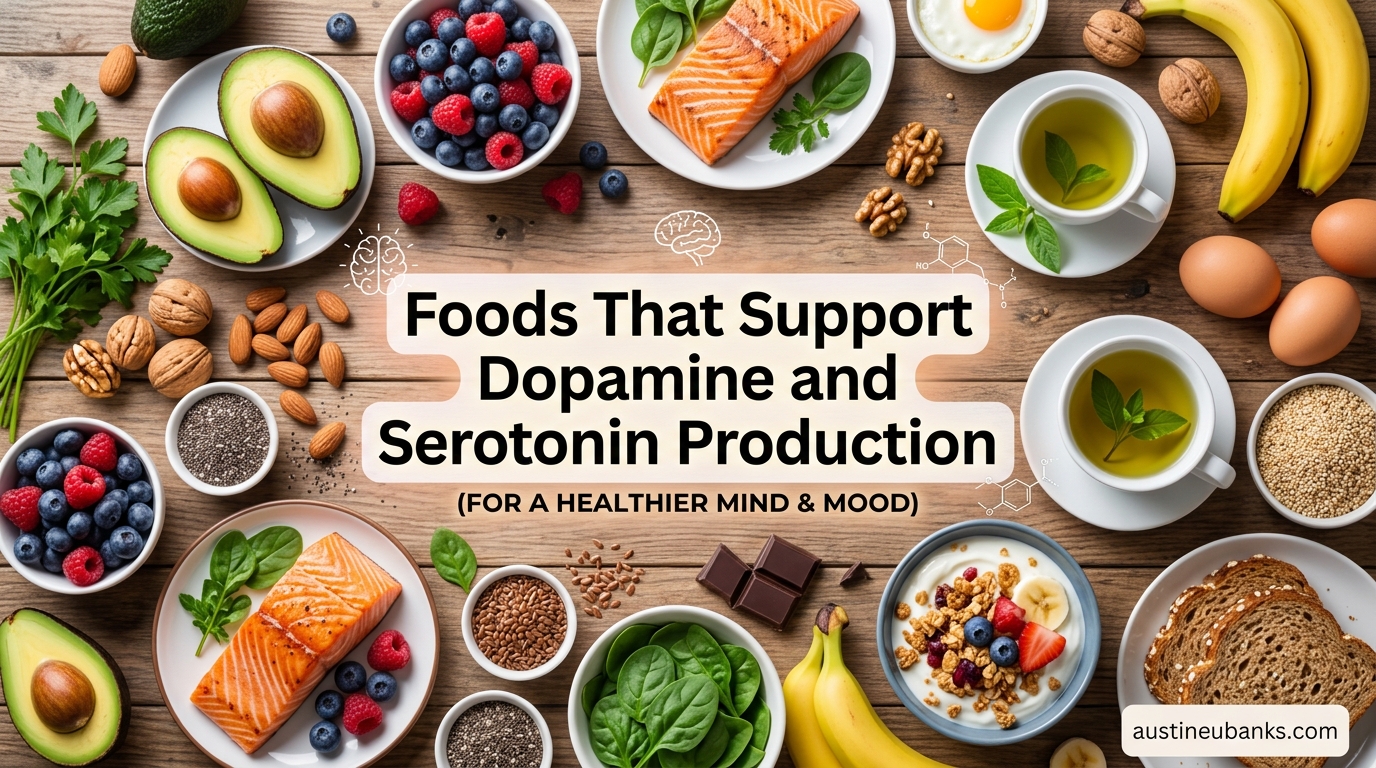
Have you ever noticed how a good meal can completely shift your mood? That is not just in your head. The connection between what you eat and how you feel is rooted in brain chemistry, and the science behind it is more direct than most people realize. Two key neurotransmitters, dopamine and serotonin, influence everything from your morning motivation to your ability to fall asleep at night. Understanding foods that support dopamine and serotonin production gives you a practical, everyday tool for better mental well-being.
Dopamine is the neurotransmitter behind motivation, focus, and the reward response. When your dopamine levels are healthy, you feel driven, mentally sharp, and satisfied by accomplishments. Low dopamine, on the other hand, is associated with lack of motivation, brain fog, and difficulty experiencing pleasure. Serotonin governs calm, happiness, emotional balance, and sleep quality. Interestingly, roughly 90 percent of your body’s serotonin is produced in your gut, not your brain, which makes the food-mood connection far more direct than most people realize.
In this guide, we break down exactly how food influences these two neurotransmitters. You will learn which specific foods act as building blocks for each one, how to combine them for maximum benefit, and which eating habits might be quietly working against you. We also cover plant-based alternatives for every category, because vegans and vegetarians often struggle to find adequate sources of the key amino acids involved. Whether you are looking for a natural mood boost or simply want to eat for better brain health, this article covers the full picture.
Our team has organized everything to be as practical as possible. You will find ranked food lists for both neurotransmitters, a quick-reference comparison, a sample daily meal plan, and clear answers to the most common questions about nutrition and brain chemistry. Let us start with how the whole system actually works.
Table of Contents
How Food Influences Neurotransmitter Production
Your brain does not produce serotonin and dopamine out of thin air. It needs specific raw materials, and those materials come directly from your diet. The process is surprisingly logical once you understand the basics of how it works.
Serotonin is synthesized from an essential amino acid called tryptophan. Your body cannot make tryptophan on its own, so it must come from protein-rich foods. Once tryptophan enters your brain, it gets converted through a two-step process into 5-HTP and then into serotonin. Dopamine follows a parallel path, but it starts with a different amino acid called tyrosine. Tyrosine converts into L-DOPA, which then becomes dopamine. Both of these amino acids are classified as essential or conditionally essential, meaning your dietary intake directly controls how much raw material your brain has to work with.
Here is where things get interesting, and where most popular nutrition advice oversimplifies the story. Both tryptophan and tyrosine compete with other large neutral amino acids to cross the blood-brain barrier. This barrier protects your brain from toxins but also regulates which nutrients get in. After a high-protein meal, all amino acids flood your bloodstream at once. The other amino acids can crowd out tryptophan at the transport site, actually reducing how much serotonin your brain can produce in the hours following that meal. This is why the strategy of combining protein with the right carbohydrates matters so much, a detail that many food-mood articles miss entirely.
When you eat complex carbohydrates, your body releases insulin. Insulin helps push most amino acids out of the bloodstream and into your muscle tissue, but tryptophan stays behind because it binds to a blood protein called albumin. With fewer competing amino acids circulating, tryptophan gets a clear path across the blood-brain barrier. This is the science behind why a bowl of oatmeal or whole-grain toast can support serotonin production more effectively than a chicken breast eaten alone.
The gut-brain axis adds another fascinating layer to this story. Your gut microbiome, the trillions of bacteria living in your digestive tract, produces neurotransmitters and communicates directly with your brain through the vagus nerve. A healthy gut, fed by fiber-rich and fermented foods, creates an environment where serotonin production can thrive. An unhealthy gut, damaged by poor diet, stress, or antibiotics, can impair neurotransmitter production no matter how much tryptophan you eat. This is why gut health and mental well-being are so deeply intertwined, and why fermented foods deserve more attention than they typically get in mood-nutrition guides.
Tryptophan-Rich Foods for Serotonin Production
If your goal is to support serotonin production, tryptophan-rich foods are your foundation. These foods provide the raw material your brain needs to manufacture serotonin. Here are the best sources, ranked by their tryptophan content, bioavailability, and overall nutritional value for brain health.
1. Eggs
Eggs are one of the most concentrated natural sources of tryptophan available. The protein in eggs is highly bioavailable, meaning your body absorbs and uses it efficiently. One large egg contains roughly 80 milligrams of tryptophan, and the yolk is also rich in choline and B vitamins that support overall brain function. Eggs also contain meaningful amounts of tyrosine, making them a dual-action food.
I personally eat two eggs almost every morning. Pairing them with a slice of whole-grain toast creates the protein-plus-carb combination that helps tryptophan reach the brain. Research published by the NIH supports this approach, showing that egg protein significantly increases plasma tryptophan levels in the hours after consumption. The choline in egg yolks also supports acetylcholine production, another neurotransmitter involved in memory and learning.
2. Cheese and Dairy Products
Cheese, milk, and yogurt are all excellent tryptophan sources. A single cup of milk provides about 100 milligrams of tryptophan, and hard cheeses like parmesan pack even more per ounce. Dairy also brings calcium and vitamin D, both of which play supporting roles in serotonin synthesis and overall neurotransmitter signaling.
Yogurt deserves special mention because it doubles as a probiotic food. The beneficial bacteria in fermented dairy support gut health, and since most of your serotonin is produced in the gut, this dual benefit is significant. Greek yogurt in particular offers a high protein-to-calorie ratio, making it one of the most efficient serotonin-supporting foods available.
3. Turkey and Poultry
Turkey is famous for its tryptophan content, though the post-Thanksgiving sleepiness myth has been somewhat overstated. The drowsiness after a big holiday meal has more to do with the overall volume of food and the carbohydrates than tryptophan alone. Still, turkey and chicken are top-tier sources. A 3-ounce serving of turkey contains roughly 250 to 300 milligrams of tryptophan, making it one of the densest protein sources for this amino acid.
Poultry also provides niacin and vitamin B6, both of which your brain uses as cofactors in the serotonin production pathway. Without adequate B6, the enzymatic conversion of tryptophan to serotonin slows down significantly.
4. Salmon and Fatty Fish
Salmon is a dual-action food for neurotransmitter support. It provides solid amounts of tryptophan while also delivering omega-3 fatty acids, which enhance serotonin receptor function at the cellular level. Sardines, mackerel, trout, and anchovies offer similar benefits at a lower cost.
The omega-3s in fatty fish, specifically EPA and DHA, have been shown in numerous studies to support mood regulation. One large review of clinical trials found that omega-3 supplementation had a significant positive effect on depressive symptoms. Eating fatty fish two to three times per week is the most natural way to get these fats, and it also delivers high-quality protein and vitamin D in the same serving.
5. Soy Products
Tofu, tempeh, edamame, and soy milk are outstanding plant-based tryptophan sources. For vegans and vegetarians who often struggle to get enough tryptophan from their diet, soy products are the answer. A cup of tofu contains roughly 400 milligrams of tryptophan, rivaling many animal-based sources and surpassing most other plant proteins.
Tempeh has the added benefit of being fermented, which means it supports gut health while delivering amino acids. This makes it one of the best all-around foods for serotonin support on a plant-based diet. Edamame makes a convenient snack, and soy milk can be used in smoothies or oatmeal to boost the tryptophan content of a meal.
6. Nuts and Seeds
Pumpkin seeds, sunflower seeds, almonds, walnuts, and peanuts all contain meaningful amounts of tryptophan. Pumpkin seeds are particularly notable, providing about 60 milligrams of tryptophan per ounce along with a generous dose of magnesium, which supports relaxation and serotonin receptor function. Walnuts add omega-3 fatty acids in the form of ALA.
A handful of nuts paired with a piece of fruit makes an easy afternoon snack that supports steady serotonin production throughout the day. Nut butters, especially almond and peanut butter, offer the same benefits in a spreadable form that pairs well with whole-grain crackers or apple slices.
7. Oats and Whole Grains
Oats contain moderate amounts of tryptophan, but their real value lies in their complex carbohydrates. As we discussed earlier, carbohydrates help tryptophan cross the blood-brain barrier by reducing competition from other amino acids. A bowl of oatmeal in the morning sets up your brain for serotonin production from the start of the day.
Brown rice, quinoa, barley, and whole-wheat products offer the same benefit. These complex carbs also provide steady energy without the blood sugar spikes that can disrupt mood and trigger anxiety. Quinoa is especially valuable because it is also a complete protein, meaning it contains all nine essential amino acids including tryptophan.
8. Pineapple
Pineapple is a lesser-known serotonin-supporting food. It contains bromelain, an enzyme that reduces inflammation, along with vitamin C and moderate tryptophan levels. In traditional medicine systems, pineapple has long been associated with digestive health, which ties back to the gut-serotonin connection we discussed earlier.
While pineapple alone will not dramatically boost serotonin, it makes a valuable addition to a serotonin-supporting diet, especially when paired with a protein source like Greek yogurt or cottage cheese.
Tyrosine-Rich Foods for Dopamine Production
Dopamine production depends on tyrosine, and the good news is that many high-protein foods contain both tryptophan and tyrosine. However, some foods are particularly rich in tyrosine and deserve their own focus. Here are the top sources for supporting dopamine synthesis, ranked by tyrosine density and overall brain-health value.
1. Lean Meats
Lean beef, chicken, and turkey are packed with tyrosine. A 4-ounce serving of beef contains roughly 1,000 milligrams of tyrosine, making it one of the most concentrated sources available. These meats also provide iron and B vitamins that support the enzymatic processes needed to convert tyrosine into dopamine. Iron is especially important here, because tyrosine hydroxylase, the enzyme that starts the dopamine synthesis chain, requires iron as a cofactor.
If you eat meat, including a lean protein source at breakfast is one of the most effective dietary strategies for dopamine support. Reddit users on r/Biohackers frequently discuss pairing a tyrosine-rich breakfast with morning sunlight exposure for maximum dopamine signaling. The combination of dietary tyrosine and natural light appears to have a synergistic effect on dopamine production and receptor sensitivity.
2. Eggs
Eggs appear on both lists because they are genuinely a dual-action food. They contain meaningful amounts of both tryptophan and tyrosine. The tyrosine in eggs supports dopamine production, while the choline supports acetylcholine production, another important neurotransmitter for focus and memory. This makes eggs one of the most nutritionally complete foods for overall brain health.
3. Dairy Products
Cheese, especially aged varieties like parmesan and romano, is extremely rich in tyrosine. In fact, aged cheeses contain naturally occurring tyramine, a compound derived from tyrosine that can stimulate dopamine release. Cottage cheese and Greek yogurt are also excellent sources, and they offer the added benefit of being easier to digest for people who are sensitive to aged cheeses.
For a quick dopamine-supporting snack, cottage cheese with a handful of almonds and some banana slices covers multiple bases at once: tyrosine from the cheese and nuts, B6 from the banana, and complex carbs if you add whole-grain crackers.
4. Legumes and Beans
For plant-based eaters, beans and lentils are among the best tyrosine sources available. Soybeans lead the pack, but lima beans, black beans, chickpeas, and lentils all provide substantial amounts. A cup of cooked lentils delivers roughly 700 milligrams of tyrosine along with fiber that supports gut health and blood sugar stability.
Chickpeas deserve a special mention because they are incredibly versatile. Hummus, roasted chickpeas, and chickpea curries all provide tyrosine in forms that pair well with complex carbohydrates like rice or whole-grain pita, creating the ideal meal structure for neurotransmitter support.
5. Almonds
Almonds provide tyrosine, magnesium, and vitamin E in a convenient package. A quarter cup of almonds contains about 300 milligrams of tyrosine. The magnesium content also matters because magnesium deficiency has been linked to reduced dopamine receptor sensitivity, meaning even if you produce enough dopamine, your brain may not respond to it as effectively without adequate magnesium.
6. Avocados
Avocados contribute tyrosine along with healthy monounsaturated fats that support overall brain health. They also contain folate and vitamin B6, both of which serve as cofactors in neurotransmitter synthesis pathways. The healthy fats in avocados also help your body absorb fat-soluble vitamins like vitamin D, which plays its own role in serotonin production.
7. Bananas
Bananas are often recommended for dopamine support, and the science backs it up. They contain moderate amounts of tyrosine, but their real benefit comes from their high vitamin B6 content. Vitamin B6 is a required cofactor for the enzyme that converts tyrosine into L-DOPA, the immediate precursor to dopamine. Without enough B6, dopamine synthesis slows down regardless of how much tyrosine you consume.
Bananas also provide resistant starch, especially when slightly green, which feeds beneficial gut bacteria and supports the gut-brain axis.
8. Dark Chocolate
Dark chocolate contains tyrosine and also stimulates dopamine release directly through its effect on the brain’s reward circuitry. The flavonoids in cocoa have been shown to increase cerebral blood flow and support cognitive function. Additionally, chocolate contains small amounts of phenylethylamine, a compound sometimes called the “love chemical” that promotes dopamine activity and feelings of excitement.
Choose dark chocolate with at least 70 percent cocoa content for maximum benefit. The higher the cocoa percentage, the more tyrosine and flavonoids you get per serving, and the less sugar you consume. A square or two of high-quality dark chocolate makes an excellent afternoon brain-boosting treat.
9. Coffee and Green Tea
Coffee is the world’s most popular dopamine-supporting beverage. Caffeine works by blocking adenosine receptors, which indirectly increases dopamine signaling and makes you feel more alert and motivated. Regular but moderate coffee consumption has been associated with higher dopamine receptor availability in brain imaging studies, though excessive intake can eventually lead to tolerance.
Green tea contains L-theanine, an amino acid that increases dopamine and GABA levels while promoting a calm, focused mental state. For people who find coffee too stimulating or anxiety-inducing, green tea offers a gentler, more sustained dopamine-supporting alternative. Matcha, which is made from whole tea leaves, provides an even higher concentration of L-theanine.
Foods That Support Both Dopamine and Serotonin
Some foods are uniquely valuable because they support both neurotransmitters simultaneously. These are the foods to prioritize if you want to simplify your approach to eating for brain health without juggling separate shopping lists for serotonin and dopamine.
Omega-3 Rich Foods
Fatty fish like salmon, mackerel, sardines, and trout are the best dietary sources of EPA and DHA, the two most beneficial forms of omega-3 fatty acids. These fats support both serotonin and dopamine by reducing neuroinflammation and improving neurotransmitter receptor function at the cellular level. One study found that omega-3 supplementation increased serotonin production and improved the brain’s ability to use available serotonin.
For plant-based omega-3 sources, flaxseeds, chia seeds, hemp seeds, and walnuts provide alpha-linolenic acid (ALA). Your body converts ALA into EPA and DHA, though the conversion rate is relatively low, typically under 5 percent. Algae-based supplements are an option if you want a direct plant-based source of DHA without relying on conversion.
Fermented Foods and the Gut-Brain Axis
Fermented foods are the missing piece in most neurotransmitter nutrition guides. Kimchi, sauerkraut, kefir, yogurt, miso, tempeh, and kombucha all introduce beneficial bacteria to your gut. Since the vast majority of your serotonin is produced in the digestive tract, gut health directly impacts serotonin production in a way that no supplement can replicate.
Research on the gut-brain axis has expanded dramatically in recent years. Studies show that specific probiotic strains can influence GABA, serotonin, and dopamine production. Multiple Reddit users report that adding fermented foods like kimchi and kefir to their daily routine improved both digestive symptoms and mood over a period of weeks. While anecdotal, these reports align with clinical research showing that gut microbiome composition correlates with mental health outcomes.
The mechanism goes beyond just serotonin. A healthy gut microbiome reduces systemic inflammation, which protects dopamine-producing neurons from damage. It also improves nutrient absorption, ensuring your brain gets the amino acids and vitamins it needs for neurotransmitter synthesis. If you are only going to add one new food category to your diet for mood support, fermented foods may offer the highest return on investment.
Eggs: The Ultimate Dual-Action Food
Eggs deserve a final mention here because they truly support both neurotransmitters in a single, affordable package. With tryptophan for serotonin, tyrosine for dopamine, choline for acetylcholine, and a full spectrum of B vitamins, eggs are arguably the single most neurotransmitter-supporting food you can eat. They are affordable, versatile, quick to prepare, and backed by decades of nutritional research.
Complex Carbohydrates and the Carb-Tryptophan Synergy
The relationship between carbohydrates and serotonin is one of the most misunderstood topics in nutrition. Many popular diets demonize carbs entirely, but when it comes to serotonin production, carbohydrates play an essential role that cannot be replaced by protein or fat alone.
As explained earlier, eating carbohydrates triggers insulin release. Insulin directs most amino acids into muscle tissue, but tryptophan stays in the bloodstream because it binds to albumin. With competing amino acids cleared from the blood, tryptophan crosses the blood-brain barrier more efficiently. This is why a carb-rich meal can boost serotonin production more than a protein-only meal, even though the protein meal contains more tryptophan overall.
The key is choosing the right carbohydrates. Complex carbs like oats, brown rice, quinoa, sweet potatoes, lentils, and whole-grain bread provide a slow, steady insulin response that supports sustained serotonin production. They also deliver fiber, B vitamins, and minerals that support overall brain health.
Simple carbs like candy, soda, and white flour cause rapid insulin spikes followed by crashes. While they temporarily increase tryptophan uptake, the resulting blood sugar crash can leave you feeling worse than before. Over time, repeated sugar spikes and crashes can destabilize mood and increase anxiety. Stick with complex carbohydrates paired with a moderate protein source for the best serotonin-supporting effect.
Vitamins and Minerals That Fuel Neurotransmitter Production
Amino acids get most of the attention in discussions about neurotransmitter nutrition, but the synthesis process requires several vitamins and minerals as cofactors. Without these micronutrients, your brain cannot efficiently convert tryptophan into serotonin or tyrosine into dopamine, no matter how much protein you eat.
B Vitamins
Vitamin B6 is required for the conversion of both tryptophan to serotonin and tyrosine to dopamine. A B6 deficiency directly impairs both neurotransmitter pathways. Folate (vitamin B9) supports serotonin synthesis and has been extensively studied for its role in mental health. Low folate levels are consistently associated with depressive symptoms, and folate supplementation is sometimes used as an adjunct treatment for depression. Vitamin B12 maintains the myelin sheath that protects neurons and supports overall neurotransmitter signaling throughout the nervous system.
Leafy greens like spinach, kale, collard greens, and Swiss chard are excellent folate sources. Fortified cereals, eggs, and nutritional yeast provide B12. Bananas, chickpeas, salmon, and poultry are rich in B6. Nutritional yeast is especially valuable for vegans, as it is one of the few reliable plant-based sources of B12.
Iron and Zinc
Iron is a cofactor for tyrosine hydroxylase, the rate-limiting enzyme in dopamine production. Without adequate iron, dopamine synthesis slows regardless of tyrosine intake. Iron deficiency is one of the most common nutritional deficiencies worldwide, and it frequently manifests as fatigue, low motivation, and difficulty concentrating, symptoms that overlap with low dopamine. Zinc supports both serotonin and dopamine receptor function and has been shown to have antidepressant-like effects in clinical studies.
Red meat, lentils, pumpkin seeds, and dark chocolate provide iron. Oysters, beef, pumpkin seeds, and cashews are top zinc sources. If you follow a plant-based diet, pairing iron-rich plant foods with vitamin C sources like bell peppers or citrus fruits significantly improves iron absorption.
Magnesium and Vitamin D
Magnesium supports serotonin receptor function and plays a role in over 300 enzymatic reactions, many related to brain health and stress regulation. Low magnesium levels are linked to anxiety, irritability, and depression. Vitamin D acts more like a hormone than a vitamin and is directly involved in serotonin synthesis. The enzyme that converts tryptophan to serotonin requires vitamin D, which helps explain why low vitamin D levels are consistently associated with seasonal affective disorder and depressive symptoms.
Dark leafy greens, nuts, seeds, and dark chocolate provide magnesium. Fatty fish, fortified dairy, and egg yolks provide vitamin D. Many people benefit from a vitamin D supplement, especially during winter months, if they live in northern latitudes, or if they spend most of their time indoors.
Foods to Moderate or Limit
Knowing what to avoid is just as important as knowing what to eat. Some foods and eating patterns can actively deplete neurotransmitters, blunt their effects, or damage the systems that produce them over time.
Highly Processed Foods
Ultra-processed foods are typically stripped of the amino acids, vitamins, and minerals your brain needs for neurotransmitter synthesis. They also contain artificial additives, preservatives, and unhealthy trans fats that promote systemic inflammation. Chronic inflammation has been linked to reduced neurotransmitter production and decreased receptor sensitivity. A diet high in ultra-processed foods essentially starves your brain of the building blocks it needs while simultaneously damaging the machinery that uses them.
Excess Sugar
High-sugar foods cause rapid dopamine spikes followed by sharp drops. Over time, chronic sugar consumption can lead to dopamine receptor downregulation, meaning you need more sugar to get the same reward response. This is the same mechanism underlying sugar cravings, emotional eating, and the cycle of reaching for sweets when stressed. Reddit users on r/loseit report that replacing high-sugar snacks with protein-rich alternatives helped reduce cravings and stabilize mood within a few weeks.
Alcohol
Alcohol initially increases dopamine and serotonin activity, which is why it feels pleasurable in the moment. However, chronic alcohol consumption depletes both neurotransmitters and damages the gut lining, impairing serotonin production at its primary source. It also disrupts sleep architecture, which further impairs neurotransmitter restoration. If you drink alcohol, moderation is important for protecting your brain chemistry over the long term.
Excessive Caffeine
While moderate coffee consumption supports dopamine signaling, too much caffeine can increase anxiety, disrupt sleep quality, and eventually lead to receptor tolerance. If you notice jitteriness, afternoon crashes, or sleep problems, consider reducing your intake or switching to green tea, which provides a gentler, more sustained dopamine effect thanks to L-theanine. Most research suggests that 3 to 4 cups of coffee per day is the upper limit for most adults before negative effects begin to appear.
Plant-Based and Vegan Sources: A Quick Reference
Many guides on neurotransmitter nutrition focus heavily on animal products, leaving plant-based eaters without clear guidance. Vegans and vegetarians can absolutely get enough tryptophan and tyrosine, but it requires intentional food choices. Here is a quick reference for the best plant-based sources of each.
Top plant-based tryptophan sources: tofu, tempeh, edamame, pumpkin seeds, sunflower seeds, oats, peanuts, spirulina, and quinoa. Pairing these with complex carbohydrates like brown rice or sweet potatoes optimizes tryptophan absorption.
Top plant-based tyrosine sources: soybeans, lima beans, lentils, chickpeas, almonds, avocados, bananas, sesame seeds, and dark chocolate. These foods provide the building blocks for dopamine without any animal products.
Plant-based omega-3 sources: flaxseeds, chia seeds, hemp seeds, walnuts, and algae-based supplements. While ALA from seeds converts to EPA and DHA at a low rate, regular consumption still supports brain health and neurotransmitter function.
The key for plant-based eaters is variety and combination. No single plant food is as concentrated as animal protein, so eating a diverse mix of legumes, nuts, seeds, and whole grains throughout the day ensures you get adequate amounts of both key amino acids.
Lifestyle Factors That Amplify Food’s Effects
Food is a powerful tool for neurotransmitter support, but it works best in combination with lifestyle habits that directly enhance dopamine and serotonin production. Think of these practices as amplifiers that make your dietary choices significantly more effective.
Exercise
Regular exercise increases dopamine receptor availability and boosts tryptophan levels in the brain. Both aerobic exercise and strength training have been shown to improve mood and cognitive function in clinical studies. You do not need to run marathons or lift heavy weights. Even a 20-minute brisk walk can increase serotonin and dopamine signaling, and the effects compound with consistency.
Sunlight Exposure
Sunlight stimulates serotonin production directly through the retina-brain pathway. This is why seasonal affective disorder is more common in winter months and in northern latitudes. Aim for 15 to 30 minutes of natural sunlight exposure daily, ideally in the morning when the circadian signaling is strongest. When natural sunlight is limited during winter, light therapy boxes that deliver 10,000 lux can provide similar serotonin-boosting benefits.
Sleep
Your brain restores and rebalances neurotransmitter levels during deep sleep. Chronic sleep deprivation reduces dopamine receptor sensitivity and disrupts the serotonin-to-melatonin conversion cycle that regulates your sleep-wake rhythm. Prioritize 7 to 9 hours of quality sleep per night. Eating tryptophan-rich foods at dinner can support better sleep by boosting evening serotonin production, which your brain later converts into melatonin, the hormone that signals your body to rest.
Stress Management
Chronic stress elevates cortisol, which over time can deplete both serotonin and dopamine and damage the receptors that respond to them. Practices like meditation, deep breathing exercises, yoga, and spending time in nature help regulate cortisol levels. When stress is managed effectively, your brain can produce and use neurotransmitters more efficiently, making every dietary choice more impactful.
Sample Daily Meal Plan for Neurotransmitter Support
Here is a practical meal plan that combines foods from both the serotonin and dopamine categories throughout the day. This plan is designed to be flexible. Swap in your preferred proteins, adjust portion sizes to fit your needs, and adapt the structure to your schedule.
Breakfast: Two eggs scrambled with spinach, served with a slice of whole-grain toast and a cup of green tea. The eggs provide tryptophan and tyrosine in one package. The toast provides complex carbs to help tryptophan reach the brain. Green tea adds L-theanine for calm, sustained focus without the jitteriness of coffee.
Lunch: Grilled salmon over quinoa with roasted sweet potatoes and a side of kimchi. Salmon provides omega-3s and tyrosine. Quinoa and sweet potatoes offer complex carbohydrates for tryptophan uptake. Kimchi supports gut health and the gut-based serotonin production system.
Afternoon Snack: A handful of almonds and pumpkin seeds with a banana. This combination provides tyrosine, magnesium, B6, and complex carbs to fight the afternoon slump while supporting both dopamine and serotonin production.
Dinner: Turkey and black bean chili with a side of brown rice and steamed broccoli. Turkey provides tryptophan, black beans provide tyrosine, brown rice supports tryptophan uptake through the carb mechanism, and broccoli contributes folate for neurotransmitter synthesis.
Evening Snack: A small bowl of oatmeal with walnuts and a square of dark chocolate. This combination supports evening serotonin production for better sleep while satisfying sweet cravings in a brain-healthy way. The walnuts add ALA omega-3s, and the dark chocolate provides flavonoids and a mild dopamine boost.
People on forums like r/Biohackers and r/Supplements consistently report that dietary changes take about 2 to 4 weeks before noticeable mood improvements become apparent. Be patient and consistent. Your brain needs time to adjust its neurotransmitter production and receptor sensitivity in response to new eating habits. The changes are real, but they are gradual.
FAQs
How can I raise my dopamine and serotonin levels naturally?
You can raise both neurotransmitters naturally by eating tryptophan-rich foods (eggs, salmon, turkey, soy) for serotonin and tyrosine-rich foods (lean meats, dairy, almonds, bananas) for dopamine. Pairing protein with complex carbohydrates improves tryptophan absorption. Regular exercise, daily sunlight exposure, adequate sleep, and fermented foods for gut health all amplify these effects.
Which food has the highest dopamine?
No food contains dopamine itself, because dopamine cannot cross the blood-brain barrier. Instead, foods high in the amino acid tyrosine provide the building blocks for dopamine production. The richest tyrosine sources include lean beef, chicken, aged cheeses like parmesan, soybeans, almonds, and eggs.
What boosts dopamine immediately?
Protein-rich foods containing tyrosine support dopamine production, but no food provides an instant dopamine spike. The closest options are coffee and green tea, which acutely increase dopamine signaling. Exercise, cold exposure, and accomplishing a small goal also trigger rapid dopamine release. For sustained support, eat tyrosine-rich meals consistently.
What is the best drink for dopamine?
Coffee is the most effective drink for supporting dopamine, because caffeine blocks adenosine receptors and indirectly increases dopamine signaling. Green tea is a strong alternative, providing L-theanine alongside caffeine for a calmer, more sustained dopamine effect. Both drinks also contain antioxidant compounds that protect dopamine-producing neurons.
How long does it take for food to affect serotonin and dopamine levels?
Most people notice mood improvements from dietary changes within 2 to 4 weeks of consistent eating. Your brain needs time to adjust neurotransmitter production and receptor sensitivity. Some effects, like the calming effect of a carb-rich meal on serotonin, can be noticed within hours, but lasting changes in baseline mood take weeks of consistent nutrition.
Can foods that support dopamine and serotonin production replace medication?
No. Food supports neurotransmitter production but is not a replacement for prescribed medication. Diet is a complementary strategy that can support overall mental health alongside professional treatment. If you are experiencing depression, anxiety, or other mental health conditions, consult a healthcare provider before making dietary changes or stopping any medication.
Conclusion
Understanding foods that support dopamine and serotonin production gives you a powerful, everyday tool for better mental well-being. By focusing on tryptophan-rich foods like eggs, salmon, and soy for serotonin, tyrosine-rich foods like lean meats, dairy, and almonds for dopamine, and omega-3-rich and fermented foods that support both, you can eat intentionally for brain health without overcomplicating your meals.
The most effective approach combines these foods with regular exercise, daily sunlight exposure, quality sleep, and consistent stress management. Start by making small, sustainable swaps in your daily meals, like adding eggs to breakfast or kimchi to lunch, and give your body 2 to 4 weeks to respond. The changes may be gradual, but they are real and they compound over time.
Disclaimer: This article is for informational purposes only and does not constitute medical advice. If you are experiencing symptoms of depression, anxiety, or any mental health condition, please consult a qualified healthcare professional before making significant dietary changes.