
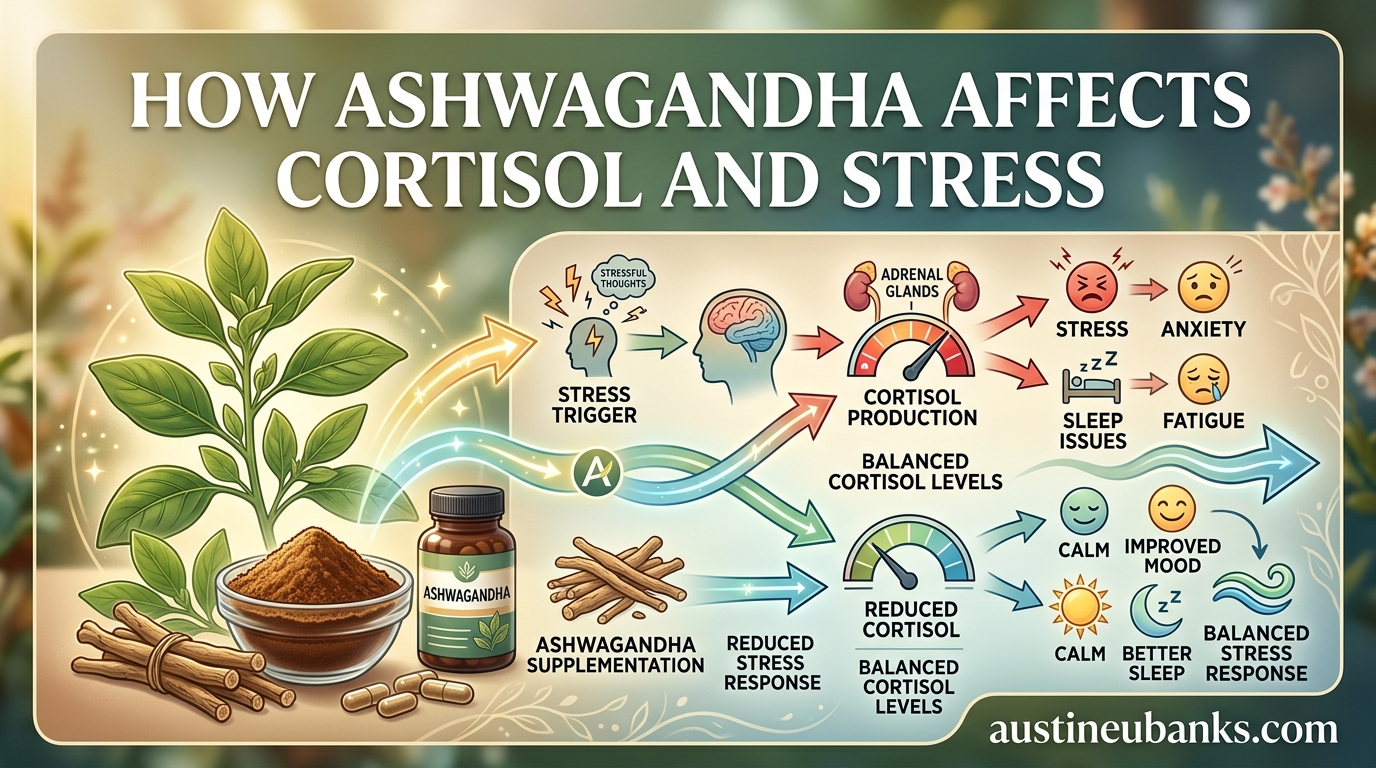
Stress has become a near-constant companion for millions of adults, and cortisol is the hormone at the center of it all. When chronically elevated, this stress hormone disrupts sleep, fuels anxiety, encourages belly fat storage, and wears down your immune system. Understanding how ashwagandha affects cortisol and the stress response can give you a science-backed tool for regaining control over your body’s stress circuitry.
Ashwagandha (Withania somnifera) is an adaptogenic herb used in Ayurvedic medicine for over 3,000 years. It belongs to a class of plants called adaptogens, which help the body resist and recover from physiological and psychological stress. Modern clinical research has zeroed in on one of its most compelling effects: the ability to lower cortisol levels by modulating the hypothalamic-pituitary-adrenal (HPA) axis.
Featured snippet answer: Ashwagandha reduces cortisol by modulating the HPA axis through its active compounds called withanolides. These steroidal lactones enhance GABAergic activity in the brain, dampen excessive stress signaling, and help regulate the release of cortisol from the adrenal glands. Multiple randomized controlled trials show that 300 to 600 mg of standardized ashwagandha root extract daily can reduce serum cortisol by 11 to 28 percent over four to eight weeks.
If you have been feeling wired at night, exhausted in the morning, or stuck in a cycle of stress-related weight gain, elevated cortisol may be the culprit. The good news is that ashwagandha is one of the most clinically studied adaptogens available, and the evidence for its cortisol-lowering effects is remarkably consistent across trials.
Table of Contents
Six Signs Your Cortisol Levels May Be Too High
Before diving into the science, it helps to know whether cortisol dysregulation is something you are actually dealing with. Here are six common signs that your stress response system is working overtime:
- Stubborn belly fat that does not respond to diet or exercise changes, since cortisol promotes abdominal fat storage
- Poor sleep characterized by trouble falling asleep, frequent waking between 2 and 4 a.m., or feeling unrefreshed in the morning
- Morning fatigue even after adequate sleep, suggesting a flattened or disrupted cortisol awakening response
- Brain fog and poor concentration that interfere with work or daily tasks
- Mood changes including irritability, anxiety, or feeling emotionally flat and burned out
- Cravings for sugar and salt, particularly in the afternoon and evening when cortisol naturally dips
If several of these sound familiar, your HPA axis may be stuck in overdrive. This is exactly where ashwagandha enters the picture. In this guide, we break down the biological mechanism, the clinical evidence, extract type differences, dosing strategies, and the practical protocol you need to use ashwagandha effectively for cortisol management.
The HPA Axis: Your Body’s Central Stress Response System
To understand how ashwagandha affects cortisol and the stress response, you first need to understand the system it acts on. The hypothalamic-pituitary-adrenal axis, or HPA axis, is the command center that governs your body’s reaction to stress. It is a three-part signaling cascade involving the hypothalamus, the pituitary gland, and the adrenal glands.
When your brain perceives a threat, whether physical or psychological, the hypothalamus releases corticotropin-releasing hormone (CRH). CRH travels to the pituitary gland, which responds by secreting adrenocorticotropic hormone (ACTH) into the bloodstream. ACTH then reaches the adrenal glands, which sit on top of your kidneys, and signals them to produce and release cortisol.
This is the cortisol cascade, and it is designed to be self-regulating. Once cortisol levels rise high enough, they send a feedback signal back to the hypothalamus and pituitary to stop producing CRH and ACTH. This negative feedback loop keeps cortisol within a healthy range under normal conditions.
The Cortisol Awakening Response (CAR)
Cortisol does not stay flat throughout the day. It follows a circadian rhythm, peaking about 30 to 45 minutes after waking in what researchers call the cortisol awakening response, or CAR. This morning surge is healthy and necessary. It helps you feel alert, mobilizes energy, and prepares your body for the day ahead.
After the morning peak, cortisol should gradually decline through the afternoon and reach its lowest point around midnight. This rhythm is what allows you to feel energized in the morning and sleepy at night. When the HPA axis becomes dysregulated by chronic stress, this rhythm flattens or shifts. Some people lose their morning cortisol spike and feel groggy all day. Others produce too much cortisol at night and lie awake with racing thoughts.
A 2019 randomized controlled trial found that ashwagandha specifically reduces morning cortisol and normalizes the cortisol awakening response in chronically stressed adults. This suggests the herb does not just suppress cortisol indiscriminately but instead helps restore a healthier daily rhythm.
When the HPA Axis Malfunctions
Chronic stress is the main reason the HPA axis goes off track. When stressors are constant, whether from work pressure, poor sleep, financial worries, or relationship conflicts, the feedback loop that shuts down cortisol production becomes less sensitive. The result is persistently elevated cortisol that damages nearly every system in your body.
Chronically high cortisol contributes to insulin resistance, immune suppression, muscle breakdown, bone density loss, and cognitive decline. It also directly promotes the storage of visceral fat around your midsection, which is why chronic stress is so strongly linked to metabolic syndrome and weight gain. This is the environment ashwagandha is designed to interrupt.
How Ashwagandha Modulates Cortisol: The Core Mechanism
The core mechanism by which ashwagandha affects cortisol involves five distinct but overlapping pathways. Each one targets a different part of the stress response, which is why the herb tends to produce broad improvements in stress resilience rather than a single isolated effect.
The Five Key Mechanisms
1. HPA axis downregulation. Withanolides, the active steroidal lactones in ashwagandha, reduce the hypersensitivity of the HPA axis to stress signals. This means the same stressor triggers a smaller cortisol response. The system does not shut down; it simply stops overreacting.
2. Enhanced GABAergic activity. Ashwagandha acts as an allosteric modulator of GABA receptors in the brain. GABA is the primary inhibitory neurotransmitter, meaning it calms neural activity. By enhancing GABA signaling, ashwagandha reduces the excitatory glutamate drive that triggers excessive CRH release from the hypothalamus.
3. Withanolide receptor binding. Specific withanolides, including withaferin A and withanolide D, bind to receptors involved in stress signaling pathways. This binding helps dampen the cellular response to stress hormones, effectively lowering the volume on the cortisol alarm system.
4. DHEA-S modulation. Ashwagandha does not just lower cortisol. It also helps restore balance to DHEA-S, the anti-stress hormone that cortisol normally opposes. Studies show that stressed adults taking ashwagandha experience reductions in both cortisol and DHEA-S, suggesting a moderating rather than a purely suppressive effect on adrenal output.
5. Antioxidant and anti-inflammatory action. Chronic cortisol elevation increases oxidative stress throughout the body. Withanolides have demonstrated significant antioxidant properties that protect adrenal tissue and brain structures from stress-induced damage, supporting long-term HPA axis health.
The Role of Withanolides
If there is one compound class you should remember, it is withanolides. These are the bioactive steroidal lactones responsible for most of ashwagandha’s stress-modulating effects. The concentration and profile of withanolides varies dramatically depending on which part of the plant is used, how it is extracted, and how it is standardized.
Root extracts tend to be higher in withanolide glycosides, which are associated with stress reduction and anxiety relief. Leaf extracts contain higher levels of withaferin A, which has more potent anti-inflammatory and potential anti-cancer properties but is less well studied for cortisol specifically. This is why most cortisol-focused clinical trials use standardized root extracts rather than whole-plant or leaf-dominant preparations.
Does Ashwagandha Spike Cortisol?
This is one of the most common questions people ask, and the short answer is no. Ashwagandha does not spike cortisol in healthy adults or in those with elevated stress levels. In fact, every major clinical trial has shown either a reduction in cortisol or no significant change, never an increase.
That said, a small number of individuals report feeling more anxious or jittery when they first start taking ashwagandha. This paradoxical reaction is usually related to individual sensitivity, too high a starting dose, or an interaction with other supplements or medications. It is not a cortisol spike in the conventional sense but rather a nervous system adjustment period that typically resolves within the first week.
What Clinical Research Actually Shows
The clinical evidence for ashwagandha’s cortisol-lowering effects is stronger than for almost any other adaptogen on the market. Multiple randomized controlled trials, meta-analyses, and systematic reviews have consistently demonstrated meaningful reductions in both serum and salivary cortisol following supplementation.
The Meta-Analysis Evidence
A meta-analysis published in 2024 analyzed nine randomized controlled trials involving 558 patients and found that ashwagandha supplementation significantly reduced stress, anxiety, and cortisol levels compared to placebo. The effect sizes were moderate to large, meaning the results were not just statistically significant but clinically meaningful.
Another systematic review published in the journal Nutrients examined the effects of Withania somnifera on cortisol levels in adults across multiple trial designs. The review concluded that supplementation for 30 to 112 days appears to have a consistent stress-reducing effect by lowering cortisol levels, with most studies reporting reductions in the 11 to 28 percent range.
Key Individual Trials With Specific Data
The 2012 Chandrasekhar study is one of the most frequently cited trials in this space. Researchers gave 64 chronically stressed adults either 300 mg of standardized ashwagandha root extract twice daily or a placebo for 60 days. The ashwagandha group showed a 27.9 percent reduction in serum cortisol compared to baseline, while the placebo group showed no significant change.
A 2019 study by Salve and colleagues used KSM-66 extract at 600 mg per day for eight weeks in subjects with self-reported chronic stress. The treatment group experienced a significant drop in morning cortisol and improvements in the Perceived Stress Scale score. Importantly, the researchers noted that the cortisol awakening response became more normalized, suggesting ashwagandha helps restore the natural daily rhythm rather than simply suppressing cortisol production.
A 2021 trial using Sensoril extract at 250 mg per day found similar cortisol reductions over 12 weeks, along with improvements in sleep quality and reductions in self-reported anxiety. This trial is notable because it used a lower dose and a different extract type, yet still produced clinically meaningful results.
Salivary vs Serum Cortisol Results
Researchers measure cortisol in two main ways: serum cortisol, which requires a blood draw, and salivary cortisol, which involves collecting a saliva sample. Salivary cortisol is often preferred in stress research because it reflects the free, biologically active form of the hormone and can be collected at multiple time points throughout the day.
Studies measuring salivary cortisol tend to show even more dramatic reductions than serum-based studies. This is likely because salivary cortisol captures the real-time stress response more accurately than a single blood draw. Several trials have reported 20 to 30 percent reductions in salivary cortisol after four to eight weeks of ashwagandha supplementation.
How Quickly Does Ashwagandha Lower Cortisol?
Based on the combined trial data, the consensus is that cortisol reductions become measurable within two to four weeks of consistent daily supplementation. Some individuals report subjective improvements in stress and sleep within the first week, but objective cortisol changes typically require at least 14 days of continuous use.
Maximum cortisol reduction is generally seen at the six to eight week mark. Most trials run for eight weeks, and the effects appear to plateau or stabilize after that point. This timeline is consistent with the mechanism of action, since withanolides need time to build up in the system and gradually resensitize the HPA axis feedback loop.
Comparing Ashwagandha Extract Types for Cortisol Reduction
Not all ashwagandha supplements are created equal. The extract type matters enormously for cortisol outcomes, and understanding the differences is one of the most practical things you can take away from this guide. Here is how the major patented extracts compare.
KSM-66
KSM-66 is the most clinically studied ashwagandha extract on the market. It is a full-spectrum root extract standardized to a minimum of 5 percent withanolides. The extraction process uses milk and alcohol-free methods, which preserves the full range of withanolide glycosides. KSM-66 has been used in the majority of cortisol-focused trials and tends to produce the most consistent results for stress and anxiety reduction.
The typical clinical dose is 300 to 600 mg per day. If you are choosing an extract specifically for cortisol management, KSM-66 is the safest bet because it has the most trial data behind it at cortisol-relevant doses.
Sensoril
Sensoril is a patented extract that uses both root and leaf material and is standardized to a higher withanolide percentage, typically around 10 percent. The inclusion of leaf material means Sensoril contains higher levels of withaferin A, which gives it more potent anti-inflammatory and potentially adaptogenic properties at lower doses.
The typical dose for Sensoril is 125 to 250 mg per day. Some users report that Sensoril produces a more pronounced calming effect compared to KSM-66, which may make it better suited for evening use or for individuals whose primary concern is anxiety and sleep rather than daytime stress resilience.
Shoden
Shoden is a newer patented extract standardized to a very high 35 percent withanolide content. It uses a proprietary bioavailability enhancement process designed to increase absorption. The clinical data on Shoden is still emerging, but early studies suggest it may produce cortisol reductions at lower absolute doses, typically 120 to 240 mg per day.
Because of its high potency, Shoden may be appropriate for individuals who have not responded well to standard KSM-66 doses. However, the higher withanolide concentration also means a potentially higher risk of side effects in sensitive individuals.
Prolanza
Prolanza is a less common but clinically backed extract standardized to 7 percent withanolides. It has been studied specifically in anxiety and stress contexts and shows a dose-dependent cortisol-lowering effect. Typical doses range from 225 to 450 mg per day. Prolanza is harder to find in retail supplements but is worth considering if you have access to it.
Root Extract vs Leaf Extract
The distinction between root and leaf matters because each contains a different profile of active compounds. Root extracts are richer in withanolide glycosides, which are the compounds most strongly associated with cortisol reduction and stress relief. Leaf extracts contain higher concentrations of withaferin A, which is more potent as an anti-inflammatory but less proven for cortisol specifically.
For cortisol management, root-only extracts or root-dominant blends are the better choice. Avoid supplements that do not disclose which part of the plant they use, as these may be standardized to total withanolides without specifying the glycoside profile.
Which Extract Is Best for Cortisol?
If you want the extract with the most cortisol-specific clinical evidence, choose KSM-66 at 300 to 600 mg per day. If you are more concerned with anxiety and sleep than daytime stress, Sensoril at 125 to 250 mg may be a better fit. If you have tried standard extracts without success, Shoden at 120 to 240 mg offers higher potency in a smaller dose.
Regardless of which extract you choose, look for third-party verification from organizations like ConsumerLab, USP, or NSF International. These independent testing programs confirm that the supplement contains what the label claims and is free from contaminants.
Key Benefits Beyond Cortisol Reduction
While cortisol reduction is the primary focus of this guide, ashwagandha produces a cascade of downstream benefits that stem from better stress hormone balance. Here are the most well-documented additional effects.
Anxiety Reduction and Generalized Anxiety Disorder
Multiple trials have shown that ashwagandha significantly reduces symptoms of anxiety, including in individuals diagnosed with generalized anxiety disorder. The World Federation of Societies of Biological Psychiatry (WFSBP) and the Canadian Network for Mood and Anxiety Treatments (CANMAT) have both issued provisional recommendations supporting ashwagandha root extract for anxiety management.
The anxiolytic effect is likely driven by the same GABAergic mechanism that lowers cortisol. By calming the nervous system, ashwagandha reduces both the physiological arousal and the psychological experience of anxiety. Most trials show meaningful anxiety reduction within four to six weeks of daily use.
Sleep Quality Improvement
Cortisol and sleep are tightly linked. When cortisol is elevated at night, it suppresses melatonin production and makes it difficult to fall asleep or stay asleep. By lowering evening cortisol, ashwagandha indirectly supports the natural sleep cycle.
Clinical trials using actigraphy, the wearable sleep tracking technology, have shown that ashwagandha supplementation improves sleep onset latency, total sleep time, and sleep efficiency. A 2020 trial found that 600 mg of ashwagandha extract per day for six weeks produced significant improvements in sleep quality scores compared to placebo.
Cortisol Belly and the Weight Connection
One of the most searched topics in this space is whether ashwagandha can reduce cortisol belly, the stubborn abdominal fat that accumulates in response to chronic stress. The biology behind cortisol belly is straightforward: cortisol promotes the storage of visceral fat, particularly around the organs in the abdominal cavity.
By lowering cortisol, ashwagandha removes one of the key hormonal drivers of belly fat storage. While no supplement alone will eliminate visceral fat without dietary and lifestyle changes, ashwagandha can create a more favorable hormonal environment for weight loss when combined with proper nutrition and exercise.
Some trials have also shown that ashwagandha may improve markers of metabolic health, including fasting blood sugar and lipid profiles, which are often disrupted by chronic cortisol elevation. The weight connection is real, but it requires patience and a holistic approach.
Athletic Recovery and Hormonal Support
Cortisol is catabolic, meaning it breaks down muscle tissue. Athletes and active individuals who train hard produce elevated cortisol as part of the recovery response. Ashwagandha has been shown to reduce exercise-induced cortisol and support faster recovery between training sessions.
In men, several trials have demonstrated that ashwagandha supplementation can increase testosterone levels and improve sperm quality in stressed or subfertile populations. These effects are likely related to the cortisol reduction, since elevated cortisol suppresses the hypothalamic-pituitary-gonadal axis that controls testosterone production.
Dosage and Timing for Cortisol Management
Getting the dose and timing right is critical for maximizing the cortisol-lowering benefits of ashwagandha. The clinical literature provides clear guidance on both.
Dose Ranges
The NIH Office of Dietary Supplements reports that clinical trials have used doses ranging from 240 to 1,250 mg of ashwagandha extract per day. For cortisol-specific outcomes, the sweet spot appears to be 300 to 600 mg of a standardized root extract daily. Doses below 240 mg per day have shown mixed results, while doses above 1,000 mg do not appear to produce proportionally greater cortisol reduction.
If you are using KSM-66, 300 mg taken twice daily (600 mg total) is the most clinically validated protocol. For Sensoril, 125 mg once or twice daily is sufficient due to the higher withanolide concentration. Always start at the lower end of the range for the first week to assess your individual tolerance.
When to Take Ashwagandha for Cortisol
Timing depends on your primary goal. If your main concern is high morning cortisol and a disrupted cortisol awakening response, taking ashwagandha in the evening can help blunt the next morning’s cortisol spike. Many users find that a single evening dose improves sleep quality and leads to a calmer, more natural morning cortisol rise.
If your stress is primarily daytime and work-related, splitting the dose between morning and evening may provide more consistent coverage. A morning dose can help buffer the cortisol response to daytime stressors, while an evening dose supports sleep and overnight recovery.
Avoid taking ashwagandha on an empty stomach if you experience nausea or digestive discomfort. Taking it with a small amount of food, particularly something containing healthy fats, can improve absorption and reduce gastrointestinal side effects.
How Long to Use Ashwagandha
The Cleveland Clinic and most clinical sources recommend using ashwagandha for three to six months at a time. Most trials run for eight weeks, and the safety data supports continuous use for up to three months without significant adverse effects. Beyond three months, the evidence is thinner and the risk of diminishing returns or tolerance increases.
Many practitioners recommend cycling ashwagandha rather than taking it indefinitely. A common protocol is eight to twelve weeks on followed by two to four weeks off. This cycling approach gives the HPA axis a chance to function on its own and may prevent the tolerance concerns that some long-term users report.
Cycling and Tolerance Considerations
While there is no formal clinical research on ashwagandha tolerance, anecdotal reports from supplement communities suggest that some individuals experience reduced effectiveness after three to six months of continuous use. This may reflect a natural adaptation of the HPA axis rather than a true pharmacological tolerance.
If you notice the stress-relieving effects wearing off after several months, taking a two to four week break and then resuming at the same or a slightly lower dose is a reasonable strategy. This is also a good time to reassess whether your underlying stressors have changed and whether other lifestyle interventions need adjustment.
Safety, Side Effects, and Who Should Avoid It
Ashwagandha is generally well tolerated in clinical trials, with adverse event rates similar to placebo in most studies. However, it is not without risks, and certain populations should avoid it entirely.
Common Side Effects
The most frequently reported side effects are mild and typically resolve within the first week of use. These include:
- Gastrointestinal upset, including nausea, diarrhea, or stomach cramps
- Drowsiness or daytime sleepiness, particularly at higher doses or when taken in the morning
- Headaches, usually mild and transient
- Dizziness, especially when standing up quickly
These effects are most common during the first three to five days and tend to diminish as the body adjusts. Starting with a lower dose and taking ashwagandha with food can minimize these issues.
Who Should Avoid Ashwagandha
Several groups should not take ashwagandha or should only use it under medical supervision:
Pregnant and breastfeeding women should avoid ashwagandha. The herb has traditionally been used as an abortifacient in Ayurvedic medicine, and animal studies suggest it may stimulate uterine contractions. There is no established safe dose during pregnancy.
People with autoimmune conditions such as rheumatoid arthritis, lupus, or multiple sclerosis should be cautious. Ashwagandha stimulates the immune system, which could theoretically worsen autoimmune symptoms. Some practitioners still recommend it, but only under close supervision.
Individuals with thyroid disorders need careful monitoring. Ashwagandha has been shown to increase thyroid hormone levels, which can be beneficial for people with hypothyroidism but dangerous for those with hyperthyroidism. If you take thyroid medication, consult your endocrinologist before using ashwagandha.
People with a history of liver disease should be aware that case reports have linked ashwagandha to rare instances of drug-induced liver injury. These cases are uncommon and typically resolve after discontinuation, but anyone with existing liver conditions should use ashwagandha only with medical supervision and regular liver enzyme monitoring.
Why Some People Feel Worse on Ashwagandha
One of the most frequently discussed topics in supplement forums is the paradoxical reaction where ashwagandha increases anxiety rather than reducing it. This happens in a minority of users and is likely related to several factors.
Some individuals may be particularly sensitive to the GABA-modulating effects and experience a paradoxical excitation rather than calming. Others may start at too high a dose, overwhelming their system before it can adapt. There is also evidence that people with already low cortisol levels, such as those in the later stages of burnout or adrenal insufficiency, may feel worse when cortisol is pushed even lower.
If you experience increased anxiety, emotional flatness, or jitteriness within the first week, try reducing your dose by half or switching to a different extract type. If symptoms persist after two weeks, ashwagandha may not be the right adaptogen for your particular stress profile.
Regulatory Status Worldwide
Ashwagandha is sold as a dietary supplement in the United States and most other countries. However, regulatory bodies in some nations have taken a more cautious stance. Denmark banned ashwagandha supplements in 2022 due to concerns about potential effects on thyroid and reproductive hormones. The French food safety authority ANSES has issued advisories recommending caution, particularly for pregnant women and individuals with thyroid conditions.
These regulatory actions do not necessarily mean ashwagandha is dangerous for most adults. They reflect a precautionary approach to herbs that affect the endocrine system. If you live in a country where ashwagandha is restricted, consult with a qualified healthcare provider about legal alternatives.
Ashwagandha Withdrawal and Cortisol Rebound
One topic that no major medical source addresses in depth is what happens when you stop taking ashwagandha. This is a significant gap because withdrawal and cortisol rebound are among the most discussed concerns in supplement communities.
What Happens When You Stop
There is no formal clinical research on ashwagandha withdrawal, but the anecdotal evidence is substantial. Some users report rebound anxiety, elevated stress sensitivity, and disrupted sleep for one to three weeks after discontinuing ashwagandha, particularly after long-term use of three months or more.
The mechanism behind this potential rebound is logical. If ashwagandha has been suppressing HPA axis activity for months, the feedback loop may have downregulated. When you remove the herb abruptly, the system may temporarily overshoot, producing higher cortisol than before supplementation. This is similar to the rebound effect seen with certain anti-anxiety medications, though generally milder.
Not everyone experiences withdrawal symptoms. Many users report no issues when stopping ashwagandha cold turkey. The variability likely depends on the duration of use, the dose, individual HPA axis sensitivity, and whether the person was supplementing to compensate for ongoing chronic stressors.
Tapering Guidance
If you have been taking ashwagandha for more than two to three months and want to stop, a gradual taper is the safest approach. Reduce your dose by 25 percent each week over four weeks. This gives your HPA axis time to gradually resume full function without a sudden gap in cortisol modulation.
During the tapering period, pay extra attention to sleep hygiene, stress management practices, and nutrition. This is also a good time to introduce non-supplement stress management tools like meditation, breathing exercises, or progressive muscle relaxation to fill the gap that ashwagandha leaves behind.
Ashwagandha vs Other Adaptogens for Cortisol
Ashwagandha is not the only adaptogen that affects cortisol. Understanding how it compares to other well-known stress-modulating herbs can help you choose the right one or combine them effectively.
Rhodiola Rosea
Rhodiola rosea is another heavily researched adaptogen, but it works differently from ashwagandha. While ashwagandha tends to calm and sedate, rhodiola is more stimulating and energizing. It is better suited for the fatigue and burnout phase of chronic stress, where the primary complaint is exhaustion rather than anxiety.
Rhodiola appears to work by modulating serotonin and dopamine rather than GABA, and its cortisol-lowering effects are less consistent than ashwagandha’s. Some practitioners recommend combining the two: rhodiola in the morning for energy and ashwagandha in the evening for calming and cortisol reduction.
Holy Basil (Tulsi)
Holy basil, also known as tulsi, is a gentler adaptogen with a long history of use in Ayurvedic medicine. It has demonstrated cortisol-lowering and anti-anxiety effects in preliminary studies, but the evidence is not as robust as the ashwagandha literature. Holy basil is often consumed as a tea and is a good option for people who want a milder, daily-use adaptogen without the potency of a standardized ashwagandha extract.
Reishi Mushroom
Reishi is a medicinal mushroom with adaptogenic and calming properties. It supports the HPA axis primarily through its triterpene compounds, which have been shown to reduce stress and improve sleep quality. Reishi is less directly studied for cortisol than ashwagandha, but it is a popular complementary adaptogen for stress and immune support.
For pure cortisol reduction, ashwagandha remains the most evidence-backed option. The other adaptogens can be valuable additions or alternatives depending on your specific stress profile and how your body responds.
A Practical Cortisol Management Protocol
Ashwagandha works best as part of a comprehensive cortisol management strategy rather than as a standalone solution. Here is a five-step protocol that combines supplementation with lifestyle interventions for maximum cortisol reduction.
The Five-Step Protocol
Step 1: Establish a consistent supplement routine. Take 300 to 600 mg of KSM-66 ashwagandha daily, split between morning and evening if daytime stress is your primary concern, or taken as a single evening dose if sleep and morning cortisol are the issue. Stay consistent for at least eight weeks.
Step 2: Optimize light exposure. Get 10 to 15 minutes of bright sunlight within 30 minutes of waking to support a healthy cortisol awakening response. In the evening, reduce blue light exposure from screens one to two hours before bed to allow natural melatonin production.
Step 3: Time your exercise strategically. Intense exercise raises cortisol acutely, which is fine in the morning or early afternoon but counterproductive in the evening. If stress and sleep are your concerns, finish vigorous workouts at least four hours before bedtime.
Step 4: Eat cortisol-friendly foods. Foods rich in omega-3 fatty acids, magnesium, and antioxidants support healthy cortisol metabolism. Dark chocolate, fatty fish, pumpkin seeds, leafy greens, and berries are all good choices. Avoid heavy sugar and refined carbohydrate intake, which spike insulin and disrupt the cortisol rhythm.
Step 5: Build a wind-down routine. Spend the last 30 to 60 minutes before bed on non-stimulating activities. Breathing exercises, gentle stretching, reading, or a warm bath can all help signal to your HPA axis that it is time to wind down. Combine this with your evening ashwagandha dose for a synergistic cortisol-lowering effect.
Foods That Lower Cortisol at Night
If you want to support your ashwagandha protocol with nutrition, these seven foods have evidence supporting cortisol reduction:
- Dark chocolate (70 percent cocoa or higher) contains flavonoids that have been shown to reduce cortisol
- Fatty fish like salmon and sardines provide omega-3s that lower inflammation and support HPA axis balance
- Pumpkin seeds are rich in magnesium, a mineral critical for stress hormone regulation
- Green tea contains L-theanine, an amino acid that promotes relaxation without sedation
- Bananas provide potassium and vitamin B6, both of which support nervous system calm
- Oats contain complex carbohydrates that support serotonin production and stabilize blood sugar overnight
- Chamomile tea is a gentle, caffeine-free evening beverage that has demonstrated mild cortisol-lowering effects
FAQs
Does ashwagandha spike cortisol?
No, ashwagandha does not spike cortisol. Every major clinical trial has shown that ashwagandha either reduces cortisol levels or produces no significant change, never an increase. Some individuals may experience mild jitteriness in the first few days of use, but this is typically a nervous system adjustment rather than a cortisol spike. If you feel more anxious when starting ashwagandha, try lowering your dose or switching extract types.
How quickly does ashwagandha lower cortisol?
Most clinical trials show measurable cortisol reductions within two to four weeks of consistent daily supplementation. Subjective improvements in stress and sleep may appear within the first week, but objective cortisol changes typically require at least 14 days. Maximum cortisol reduction is generally seen at the six to eight week mark, with effects stabilizing after that point.
How do I know if my cortisol levels are high?
Common signs of elevated cortisol include stubborn belly fat, poor sleep (especially waking between 2 and 4 a.m.), morning fatigue, brain fog, irritability, and intense sugar or salt cravings in the afternoon. The only way to confirm high cortisol is through testing. Salivary cortisol tests collected at multiple times throughout the day are the most practical option and can be ordered through your healthcare provider.
What foods lower cortisol levels at night?
Foods that support cortisol reduction in the evening include dark chocolate (70 percent cocoa or higher), fatty fish rich in omega-3s, magnesium-rich pumpkin seeds, green tea with L-theanine, bananas, oats, and chamomile tea. These foods provide compounds that calm the nervous system, reduce inflammation, and support the natural decline of cortisol before sleep.
Can ashwagandha cause your cortisol to drop too low?
In a small number of users, particularly those who already have low cortisol from advanced burnout or adrenal insufficiency, ashwagandha may push cortisol levels too low. Symptoms include emotional flatness, loss of motivation, fatigue, and a wired-but-tired sensation. If you experience these effects, reduce your dose or stop supplementation and consult a healthcare provider.
Is it safe to take ashwagandha every day for cortisol management?
Yes, daily use is safe for most adults for periods of three to six months. Clinical trials have used daily supplementation for eight weeks or more without significant adverse effects. For long-term use beyond three months, consider cycling with breaks of two to four weeks every eight to twelve weeks to prevent tolerance and give your HPA axis a chance to function independently.
What happens to cortisol when you stop taking ashwagandha?
Some users report a temporary rebound effect with elevated anxiety and stress sensitivity for one to three weeks after stopping, particularly after long-term use. This likely reflects the HPA axis readjusting to functioning without the modulating effect of ashwagandha. Tapering your dose gradually over two to four weeks, rather than stopping abruptly, can minimize this rebound effect.
Does ashwagandha work better for men or women for cortisol?
Research does not show a significant sex difference in ashwagandha’s cortisol-lowering effects. Both men and women experience similar cortisol reductions in clinical trials. However, individual responses vary widely regardless of sex, and factors like baseline cortisol level, stress type, and extract sensitivity matter more than gender. Pregnant and breastfeeding women should avoid ashwagandha entirely.
Conclusion: Making Sense of Ashwagandha and Your Stress Response
Understanding how ashwagandha affects cortisol and the stress response comes down to a few key takeaways. Ashwagandha works by modulating the HPA axis through its withanolide compounds, enhancing GABAergic activity, and gradually restoring a healthier cortisol rhythm. Clinical research consistently shows 11 to 28 percent cortisol reductions with 300 to 600 mg of standardized root extract daily, with effects building over four to eight weeks.
If you decide to try ashwagandha for cortisol management, start with KSM-66 at a moderate dose, give it at least four weeks to take effect, and plan to cycle off after three months to maintain effectiveness. Pair it with solid sleep hygiene, strategic light exposure, and cortisol-friendly nutrition for the best results. And if you have a thyroid condition, are pregnant, or have a history of liver issues, talk to your doctor before starting. Your stress response system is complex, and the right approach is always the one tailored to your individual biology.