
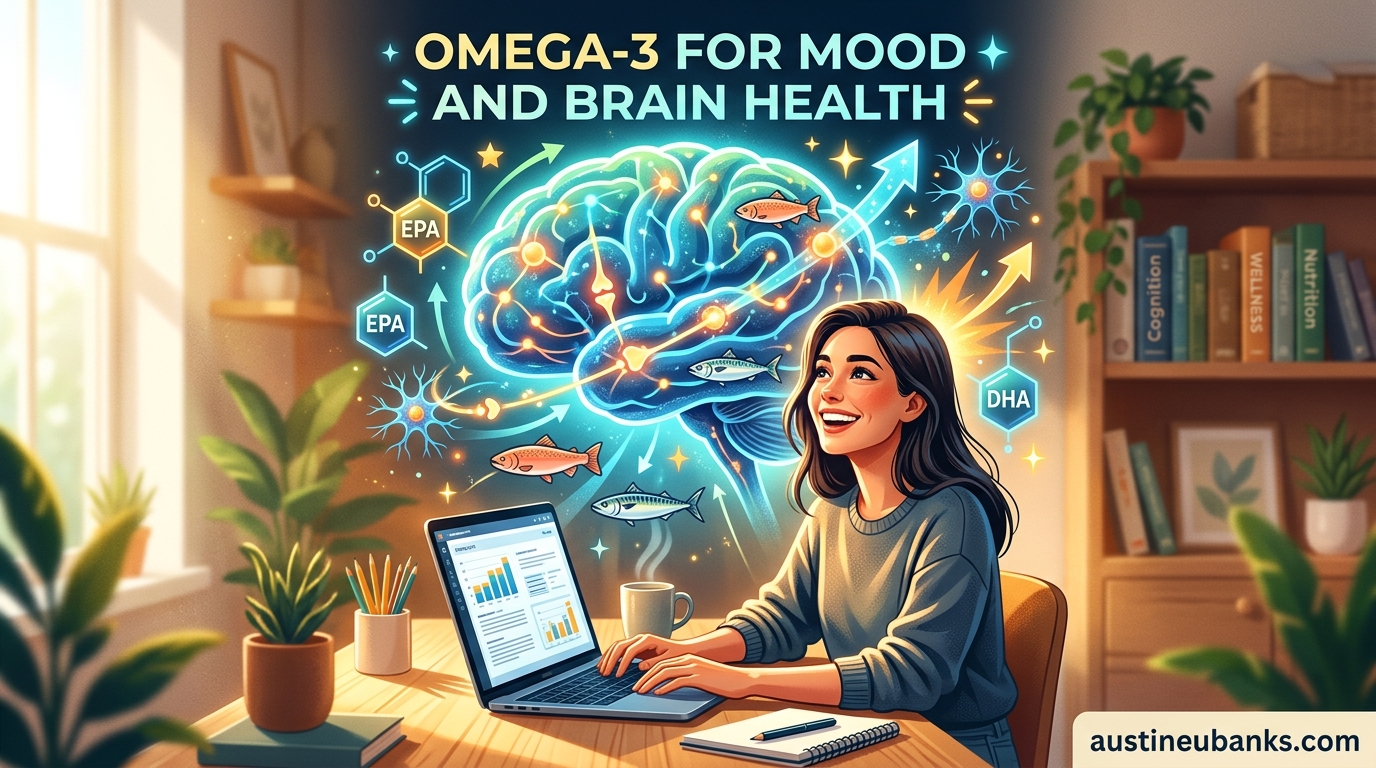
Your brain is roughly 60 percent fat, and omega-3 fatty acids make up about 20 percent of that fat. That single statistic explains why understanding how omega-3 fatty acids support mood and brain health matters for anyone who thinks, feels, or remembers anything. These essential fats quite literally form the structural foundation of every brain cell you have.
When omega-3 levels drop, the consequences show up in how we feel and think. Research links low omega-3 status to higher rates of depression, anxiety, cognitive decline, and even Alzheimer’s disease. When levels rise through diet or supplementation, many people report measurable improvements in mood stability, mental clarity, and emotional resilience.
In this guide, we break down the science without the hype. You will learn exactly what EPA, DHA, and ALA do in your brain, what clinical trials actually found for depression and anxiety, how long it takes to notice a difference, and which foods deliver the most omega-3s per serving. We also address the content gaps other articles skip: the omega-6 imbalance problem, what happens when healthy people take omega-3s, and a practical meal plan you can start this week.
Table of Contents
What Are Omega-3 Fatty Acids?
Omega-3 fatty acids are a family of essential polyunsaturated fats that your body cannot make on its own. You have to get them from food or supplements. The word “essential” here is not marketing language. It means your cells literally need these fats to function, and without dietary intake, your health suffers.
Three types of omega-3s matter for human health, and each plays a different role:
EPA (eicosapentaenoic acid): Found primarily in fatty fish and marine algae. EPA is the omega-3 most strongly linked to mood regulation and reducing inflammation. Most clinical research on depression focuses on EPA-rich supplementation.
DHA (docosahexaenoic acid): Also found in fatty fish and algae. DHA is the most abundant omega-3 in your brain, making up about 97 percent of all omega-3 fats in brain tissue. It is the structural omega-3, essential for building cell membranes, supporting visual function, and maintaining cognitive performance.
ALA (alpha-linolenic acid): Found in plant sources like flaxseed, chia seeds, and walnuts. ALA is technically an omega-3, but your body must convert it into EPA and DHA to use it for brain function. That conversion is remarkably inefficient: less than 5 percent of ALA becomes EPA, and less than 0.5 percent becomes DHA. This is why plant-based omega-3 sources alone may not deliver enough active brain-supporting compounds.
For mood and brain health specifically, EPA and DHA are the forms that matter. ALA serves as a precursor, but the conversion bottleneck means someone eating flaxseed every day might still fall short of the EPA and DHA their brain needs.
How Omega-3 Fatty Acids Support Mood and Brain Health: The Science
The question of how omega-3 fatty acids support mood and brain health comes down to five distinct mechanisms, each backed by decades of laboratory and clinical research.
1. Building and maintaining brain cell membranes. DHA embeds directly into the lipid bilayer of neurons, making cell membranes more fluid and flexible. This fluidity matters because neurotransmitters and signaling molecules need to move across membranes efficiently. When membranes become rigid from a lack of omega-3s, neural communication slows down.
2. Modulating neurotransmitters. Omega-3s influence how serotonin and dopamine function in the brain. Research shows that adequate DHA levels increase serotonin receptor sensitivity, meaning your brain uses available serotonin more effectively. EPA appears to support dopamine signaling, which affects motivation and reward processing.
3. Reducing neuroinflammation. Chronic inflammation in the brain is now recognized as a driving factor in depression, anxiety, and cognitive decline. EPA is converted into anti-inflammatory compounds called resolvins and protectins that actively dial down neuroinflammation. This is one reason EPA-rich omega-3 supplements show the strongest results in mood disorder trials.
4. Promoting neuroplasticity. Omega-3s stimulate the production of brain-derived neurotrophic factor (BDNF), a protein that acts like fertilizer for your brain. BDNF supports the growth of new neurons, the formation of new synaptic connections, and the survival of existing brain cells. Higher BDNF levels correlate with better learning, memory, and emotional resilience.
5. Improving cerebral blood flow. Studies using brain imaging show that individuals with higher omega-3 levels have better blood flow to regions of the brain involved in cognition and emotional regulation. Better blood flow means more oxygen and nutrients reaching the neurons that need them.
Together, these mechanisms explain why omega-3 deficiency shows up as mood problems and brain fog. The fats are not optional accessories in your brain. They are working components that your neurons rely on every second of every day.
The Omega-6 to Omega-3 Ratio: Why It Matters for Mood
Here is something most omega-3 articles skip entirely. The problem is not just that we eat too few omega-3s. It is that we eat far too many omega-6 fatty acids, and the two compete for the same enzymes in your body.
Omega-6 fatty acids are not inherently bad. Your body needs them. The issue is the ratio. Historically, humans consumed omega-6 and omega-3 fats in roughly a 1:1 ratio. Today, the typical Western diet delivers a ratio somewhere between 15:1 and 20:1 in favor of omega-6.
Why does this matter for your brain? When omega-6 dominates, your body produces more pro-inflammatory compounds called eicosanoids. These inflammatory signaling molecules are derived from omega-6 fats. When omega-3s are present in adequate amounts, they produce anti-inflammatory resolvins that counterbalance the effect.
The result of a 15:1 ratio is a low-grade inflammatory state that researchers believe contributes to depression, anxiety, and cognitive issues. The solution is not complicated. You can shift the balance by reducing processed seed oils (soybean, corn, sunflower, safflower) while increasing omega-3 intake from fish or high-quality supplements.
Some researchers point to Japan as a case study. The Japanese diet naturally maintains a healthier omega-6 to omega-3 ratio, and Japan reports significantly lower rates of depression compared to Western countries with heavily processed food cultures. While diet is just one factor, the correlation is worth noting.
Omega-3s and Mood: Depression and Anxiety Evidence
The connection between omega-3 fatty acids and mood disorders is one of the most studied areas in nutritional psychiatry. The evidence is strong enough to take seriously but nuanced enough to understand fully.
Depression: Multiple meta-analyses have examined omega-3 supplementation for depression. A landmark meta-analysis published in the Journal of Clinical Psychiatry reviewed 13 clinical trials and found that omega-3 supplementation significantly reduced depressive symptoms compared to placebo. The effect was strongest when supplements contained at least 60 percent EPA and when the daily dose exceeded 1 gram of EPA.
Importantly, omega-3s show benefit both as a standalone treatment for mild depression and as an add-on to antidepressant medications. Several studies found that people who did not respond to SSRIs alone improved when omega-3 was added to their regimen. This is consistent with what users report in online forums: many describe omega-3s as a meaningful complement to their existing treatment rather than a replacement.
Anxiety: The anxiety evidence is growing but slightly behind the depression research. A meta-analysis of 19 clinical trials found that omega-3 supplementation reduced anxiety symptoms compared to placebo. Doses of 2 grams or more of EPA per day showed the most consistent results. The anti-inflammatory mechanism appears particularly relevant for anxiety, as neuroinflammation is implicated in chronic stress and worry.
Other mood conditions: Research has explored omega-3s for bipolar disorder, postpartum depression, seasonal affective disorder, and ADHD. Results are mixed but generally positive, especially for the depressive phases of bipolar disorder and for reducing ADHD symptoms in children. Harvard researchers have noted caution with bipolar disorder, as some case reports suggest high doses might trigger manic episodes in susceptible individuals.
One important note: omega-3s are not a replacement for professional mental health treatment. The research supports them as a complementary tool, not a standalone cure. If you are dealing with moderate or severe depression, omega-3s may help, but they work best alongside therapy and, when needed, medication.
EPA vs DHA: Which Is More Important for Brain Health?
This is one of the most searched questions about omega-3s, and the answer depends on what you are trying to achieve. EPA and DHA serve different but complementary roles in your brain.
EPA is the mood omega-3. If your primary goal is emotional regulation, reducing depression or anxiety symptoms, or lowering inflammation, EPA is the form that carries the most evidence. Most successful clinical trials for mood disorders used supplements with an EPA to DHA ratio of at least 60:40, and some used pure EPA.
DHA is the structural omega-3. If your focus is on cognitive performance, memory, brain development in children, or protecting against age-related cognitive decline, DHA takes the lead. DHA makes up the vast majority of omega-3 in brain tissue and is essential for maintaining neuronal structure.
The practical takeaway: you need both. But if you had to choose based on your primary concern, mood support leans toward EPA-dominant formulas, while cognitive support and brain aging lean toward higher DHA content. For general use, a supplement or dietary pattern that delivers both in roughly equal amounts covers all bases.
Omega-3s and Cognitive Function: Memory, Focus, and Brain Aging
Beyond mood, omega-3 fatty acids play a significant role in cognitive performance across the lifespan. The research here spans from prenatal brain development to preventing dementia in older adults.
Memory and learning: Studies show that higher omega-3 intake correlates with better performance on memory and cognitive function tests. DHA, in particular, supports the hippocampus, the brain region central to learning and memory formation. People with higher blood levels of DHA tend to process information faster and show better working memory.
Brain aging and Alzheimer’s disease: This is where the research gets both promising and sobering. Observational studies consistently show that people who eat more fatty fish have lower rates of cognitive decline and Alzheimer’s disease. The famous Framingham Heart Study found that individuals with the highest DHA levels had a 47 percent lower risk of developing dementia.
However, clinical trials of omega-3 supplementation in people who already have Alzheimer’s have shown disappointing results. Once significant cognitive decline has set in, omega-3 supplementation alone does not appear to reverse it. The protective effect seems strongest when omega-3s are consumed consistently over years or decades before cognitive problems begin.
The honest truth about healthy brains: If you are already healthy, eat a decent diet, and have no mood or cognitive concerns, omega-3 supplementation is unlikely to produce a noticeable cognitive boost. Research on healthy adults shows that omega-3s maintain brain health but do not enhance it beyond baseline. Think of omega-3s as necessary maintenance for your brain, not a performance-enhancing drug.
How Long Does It Take for Omega-3s to Affect Mood?
This is one of the most common questions people ask, and it is one that most articles fail to answer directly. Based on clinical trial data and user reports, here is a realistic timeline.
Weeks 1 to 2: Some users report subtle changes in mood stability within the first two weeks. These are likely due to early anti-inflammatory effects rather than structural changes in the brain. Users in online communities sometimes describe feeling “slightly more even” or noticing less reactivity to minor stressors.
Weeks 3 to 6: Blood levels of EPA and DHA begin to rise measurably. Clinical trials that measured blood omega-3 levels found significant increases within 3 to 4 weeks of consistent supplementation. This is also the window where anti-inflammatory effects become more pronounced.
Weeks 8 to 12: Most clinical trials showing mood improvement ran for 8 to 12 weeks. This is the realistic timeframe for noticing meaningful changes in depressive or anxiety symptoms. If you have been taking omega-3s consistently for 12 weeks and notice no difference in mood, the dosage, the EPA to DHA ratio, or your baseline omega-3 status may need adjustment.
Months 3 to 6: Structural changes in brain cell membranes take longer. DHA incorporation into neuronal membranes is a gradual process. People who maintain adequate omega-3 intake for six months or more show the most robust changes in brain imaging studies, including improved blood flow and altered membrane composition.
The key word is consistency. Taking omega-3s sporadically will not move the needle. Your brain needs a steady supply to incorporate these fats into its architecture.
How Much Omega-3 Do You Need?
Omega-3 dosage recommendations vary depending on who you ask and what outcome you are targeting. Here is what the evidence supports.
General health maintenance: Major health organizations recommend 250 to 500 mg of combined EPA and DHA per day for healthy adults. This is the baseline level associated with reduced risk of chronic disease and adequate brain function. You can achieve this by eating two servings of fatty fish per week.
For mood support: Clinical trials that showed mood benefits typically used 1,000 to 2,000 mg of combined EPA and DHA per day, with at least 60 percent coming from EPA. For anxiety specifically, some studies used 2,000 mg or more of EPA alone.
Official RDA: The general recommended daily intake for ALA (the plant-based omega-3) is 1.6 grams per day for men and 1.1 grams per day for women. However, remember the conversion problem: 1.6 grams of ALA converts to only a tiny fraction of that in EPA and DHA.
Upper limits: The FDA considers up to 3,000 mg of combined EPA and DHA per day as generally safe. The European Food Safety Authority is more generous, setting the safe upper limit at 5,000 mg per day. Going above 3,000 mg daily without medical supervision is not recommended, particularly due to potential blood-thinning effects.
The Omega-3 Index: This is a blood test that measures the percentage of EPA and DHA in your red blood cell membranes. A score of 8 percent or above is associated with the lowest risk for cardiovascular and neurological issues. Most Americans score between 4 and 5 percent, well below the optimal range. Testing your Omega-3 Index is the most reliable way to know whether your intake is adequate.
Best Food Sources of Omega-3s
Food is the best delivery system for omega-3s because whole fish provides protein, vitamin D, selenium, and other nutrients that work alongside EPA and DHA. Here is how common sources stack up per 3-ounce serving.
Fatty fish (EPA and DHA per 3 oz serving):
- Mackerel: approximately 1,100 mg EPA and DHA combined
- Salmon (wild): approximately 1,500 to 2,000 mg
- Sardines (canned): approximately 1,200 to 1,500 mg
- Anchovies: approximately 1,200 mg
- Herring: approximately 1,300 mg
- Trout: approximately 800 to 1,000 mg
- Tuna (albacore): approximately 800 to 900 mg
Two servings of any of these fish per week will get most people into the adequate range for general brain health. Wild-caught fish typically contains more omega-3s than farmed fish, though farmed salmon is still a strong source.
Plant-based ALA sources:
- Flaxseed (1 tbsp ground): approximately 2,300 mg ALA
- Chia seeds (1 oz): approximately 5,000 mg ALA
- Walnuts (1 oz): approximately 2,500 mg ALA
- Hemp seeds (1 oz): approximately 1,000 mg ALA
These are excellent foods, but remember the conversion bottleneck. A tablespoon of flaxseed delivers 2,300 mg of ALA, which may convert to only about 100 mg of EPA and almost no DHA. Vegetarians and vegans should seriously consider an algae-based DHA and EPA supplement to ensure adequate brain-supporting omega-3 intake.
A Practical Omega-3 Meal Plan for Brain Health
No competitor article provides a meal plan, so here is a simple weekly framework for incorporating omega-3s into your diet. This plan delivers roughly 3,000 to 4,000 mg of combined EPA and DHA per week from whole foods alone.
Monday: Lunch includes a canned salmon salad (about 1,500 mg EPA and DHA). Toss with olive oil, lemon, and greens. Dinner is plant-based with a flaxseed sprinkle on oatmeal or yogurt for ALA.
Tuesday: Snack on a handful of walnuts (ALA) with an apple. Dinner features a regular meal, no targeted omega-3 needed since Monday covered the baseline.
Wednesday: Dinner is baked mackerel or sardines on toast (1,200 to 1,500 mg). Add a side of roasted vegetables drizzled with olive oil.
Thursday: Add chia seeds to a morning smoothie (ALA). Lunch can be any standard meal.
Friday: Dinner is grilled trout or salmon (1,000 to 2,000 mg). This brings your weekly total to roughly 3,700 to 5,000 mg of EPA and DHA from food alone.
Weekend: Maintain with plant-based ALA sources. Hemp seeds on salads, walnuts in baking, or a flaxseed-based smoothie. If you eat out, choose a restaurant that serves fatty fish.
This plan gives you two to three solid servings of fatty fish per week plus daily plant-based ALA. If you cannot eat fish, replace the fish meals with algae-based EPA and DHA supplements (about 500 to 1,000 mg per day) and load up on the plant sources for their other nutritional benefits.
Should You Take a Supplement?
If you eat fatty fish at least twice a week, you likely do not need a supplement. If you do not, a supplement is one of the most cost-effective investments you can make in your brain health.
Fish oil: The most common and well-researched form. Look for products that specify the actual EPA and DHA content per serving, not just the total fish oil weight. A 1,000 mg fish oil capsule might contain only 300 mg of actual EPA and DHA. Always read the supplement facts panel.
Krill oil: Derived from tiny crustaceans, krill oil delivers omega-3s in phospholipid form, which may improve absorption. The research on krill oil having superior bioavailability is promising but not yet definitive. Krill oil also contains astaxanthin, an antioxidant.
Algae oil: The only direct plant-based source of EPA and DHA. Since fish get their omega-3s from algae in the first place, algae oil cuts out the middleman. This is the recommended choice for vegetarians, vegans, and anyone concerned about fish sustainability or heavy metal contamination. Quality algae oil supplements deliver comparable amounts of DHA to fish oil.
What to look for: Choose supplements that have been third-party tested for purity (look for IFOS, NSF, or USP certifications). Check that the product is free of heavy metals and PCBs. Store omega-3 supplements in a cool, dark place or the refrigerator to prevent oxidation. If your capsules smell strongly rancid, throw them away. Oxidized omega-3s may do more harm than good.
Common Myths About Omega-3s and Brain Health
Myth 1: “Fish oil makes you smarter.” No evidence supports omega-3 supplementation boosting cognitive performance in healthy, well-nourished adults. Omega-3s maintain brain health and prevent decline, but they do not act as cognitive enhancers. If your brain already has adequate omega-3 levels, adding more will not produce a measurable IQ boost.
Myth 2: “Plant-based omega-3 is just as good as fish-based.” This is partially true but misleading. Flaxseed and chia are excellent sources of ALA, and ALA has its own health benefits. But for brain-specific effects, your body needs EPA and DHA. The conversion rate from ALA to these active forms is so low that relying on plant sources alone often leaves the brain undernourished. Algae oil solves this for plant-based eaters.
Myth 3: “More is always better.” Doses above 3,000 mg per day can thin the blood and increase bleeding risk, especially if you take anticoagulant medications. Very high doses have not shown proportionally greater benefits in clinical trials and may cause gastrointestinal side effects. The sweet spot for mood support appears to be 1,000 to 2,000 mg of combined EPA and DHA daily.
Myth 4: “If you feel fine, you don’t need omega-3s.” The protective effects of omega-3s build over years and decades. By the time you notice cognitive decline or mood problems, prevention is much harder than maintenance. Adequate omega-3 intake is about long-term brain resilience, not just fixing problems you can already feel.
Myth 5: “All omega-3 supplements are the same.” Quality varies dramatically between brands. Oxidation, heavy metal contamination, inaccurate EPA and DHA labeling, and poor absorption are all real issues. Third-party testing and reputable brands matter enormously.
Safety and Side Effects
Omega-3 supplementation is safe for the vast majority of people, but there are important caveats to understand.
Common side effects: The most frequently reported issues are gastrointestinal. Fishy aftertaste, fish burps, mild nausea, loose stools, and bloating affect some users, especially at higher doses. Taking supplements with meals and choosing enteric-coated capsules or emulsified liquid forms can reduce these effects significantly.
Blood thinning: Omega-3s have a mild blood-thinning effect. This is generally beneficial for cardiovascular health but becomes a concern if you take anticoagulant medications like warfarin, or if you have a bleeding disorder. Consult your doctor before taking high-dose omega-3s if you are on blood thinners or have upcoming surgery.
Medication interactions: Beyond blood thinners, omega-3s may interact with blood pressure medications (potentially enhancing their effect) and certain weight loss drugs that reduce fat absorption. If you take prescription medications, a quick conversation with your pharmacist or doctor is worth the effort.
Pregnancy and breastfeeding: Omega-3s are important during pregnancy, particularly DHA for fetal brain and eye development. However, pregnant women should choose low-mercury fish sources or purified supplements. The FDA recommends that pregnant women eat 8 to 12 ounces of low-mercury fish per week and avoid high-mercury fish like swordfish and king mackerel.
Quality and contamination: Fish can accumulate mercury, PCBs, and other contaminants. Reputable supplement manufacturers purify their products through molecular distillation. This is another reason to choose third-party tested products from established brands.
FAQs
What are omega-3 fatty acids?
Omega-3 fatty acids are essential polyunsaturated fats that your body cannot produce on its own. The three main types are EPA and DHA (found in fatty fish and algae) and ALA (found in plant sources like flaxseed and walnuts). EPA and DHA are the forms most important for brain health and mood regulation.
How do omega-3 fatty acids affect mood?
Omega-3s affect mood by reducing neuroinflammation, modulating serotonin and dopamine signaling, and maintaining brain cell membrane fluidity. Clinical studies show that EPA-rich omega-3 supplementation can reduce symptoms of depression and anxiety, particularly at doses of 1,000 to 2,000 mg per day.
How do omega-3s work in the brain?
Omega-3s work in the brain by embedding into neuronal cell membranes to maintain fluidity, supporting neurotransmitter communication, producing anti-inflammatory resolvins, stimulating BDNF for neuroplasticity, and improving cerebral blood flow. DHA makes up about 97 percent of omega-3 fats in brain tissue.
Does omega-3 help with anxiety and depression?
Yes, research supports omega-3 supplementation for both anxiety and depression. Multiple meta-analyses show significant symptom reduction, with EPA-dominant formulas at doses above 1 gram per day showing the strongest effects. Omega-3s work best as a complement to therapy and medication, not as a replacement.
DHA or EPA for brain health?
Both are important but serve different roles. EPA is more effective for mood support and reducing inflammation, while DHA is more important for cognitive function, memory, and maintaining brain structure. For general brain health, a supplement providing both in roughly equal amounts is ideal. For mood-specific goals, look for at least 60 percent EPA.
How much omega-3 should I take for brain health?
For general brain health, 250 to 500 mg of combined EPA and DHA per day is sufficient. For mood support, studies typically use 1,000 to 2,000 mg per day with at least 60 percent EPA. The FDA considers up to 3,000 mg per day safe. Always check the actual EPA and DHA content on the label, not just total fish oil weight.
What are the side effects of omega-3?
Common side effects include fishy aftertaste, fish burps, mild nausea, and loose stools. More seriously, omega-3s have a mild blood-thinning effect that can interact with anticoagulant medications. Taking supplements with food and choosing enteric-coated or purified forms can minimize digestive side effects.
Can omega-3 improve memory and cognitive function?
Higher omega-3 intake is associated with better memory and slower cognitive decline. However, omega-3s do not boost cognitive performance in already healthy adults. The strongest evidence shows protective effects against age-related decline when consumed consistently over years. Once significant cognitive decline has occurred, supplementation alone does not reverse it.
What foods are highest in omega-3 fatty acids?
The best sources of EPA and DHA are fatty fish: salmon (1,500 to 2,000 mg per 3 oz), mackerel (1,100 mg), sardines (1,200 to 1,500 mg), herring (1,300 mg), and anchovies (1,200 mg). The best plant-based ALA sources are chia seeds (5,000 mg per oz), flaxseed (2,300 mg per tbsp), and walnuts (2,500 mg per oz).
Do omega-3 supplements really work for mood?
Clinical evidence supports omega-3 supplementation for mood, but results are not universal. Meta-analyses show statistically significant reductions in depressive symptoms, particularly with EPA-dominant formulas at 1,000 mg or more per day. Individual responses vary. Some people notice meaningful improvements in 8 to 12 weeks, while others see no change. Omega-3s work best as part of a comprehensive mental health approach.
Conclusion
Understanding how omega-3 fatty acids support mood and brain health comes down to a simple truth: your brain is built from the fats you eat. EPA reduces inflammation and regulates mood. DHA maintains the structure that lets your neurons communicate. Both are essential, both must come from your diet, and most people are not getting enough.
The evidence is clear that omega-3s matter most for people dealing with depression, anxiety, or cognitive concerns. If you eat fatty fish twice a week, you are likely covered. If you do not, a quality supplement is one of the simplest, most studied, and most affordable interventions you can make for your mental wellbeing. Start with food, supplement when needed, be consistent for at least 12 weeks, and talk to your doctor about your individual situation.