
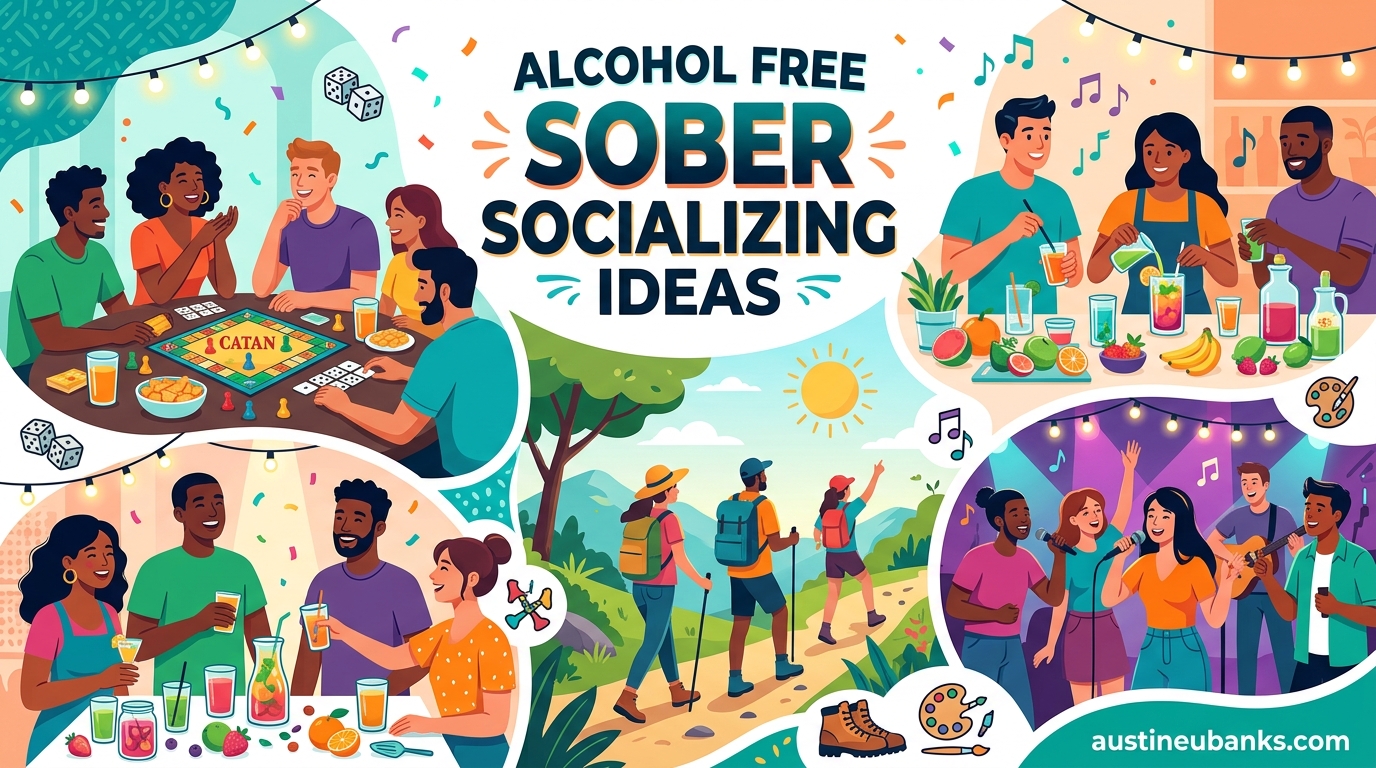
Fun alcohol-free activities include board game nights, hiking, cooking classes, art workshops, trivia competitions, volunteer projects, mocktail-making parties, and outdoor adventures like kayaking or geocaching. These sober activities help you build genuine connections, stay present in conversations, and wake up refreshed, whether you are sober-curious, in recovery, or simply taking a break from drinking.
If you have ever felt like every social plan revolves around a bar or a drink, you are not alone. A growing sober-curious movement is reshaping how people think about connection, fun, and socializing. According to Gallup polling data, drinking rates in the United States have hit their lowest point in decades, with younger generations leading the charge toward mindful drinking and alcohol-free lifestyles.
But figuring out what to do instead of drinking can feel overwhelming. Maybe you are trying Dry January and struggling to fill your Friday nights. Maybe you are in recovery and working to rebuild a social life that does not center on alcohol. Or maybe you simply want to wake up tomorrow without a hangover and still have incredible memories with friends.
I have spent the last several years exploring what sober socializing really looks like in practice, not just in theory. What I have found is that alcohol-free activities are not a lesser version of fun. They are often a deeper, more memorable version. The conversations are better. The connections feel real. And the next morning, you actually remember everything.
In this guide, I will walk you through over 40 ideas for fun alcohol-free activities and sober socializing, organized by category so you can find exactly what fits your mood, your group size, and your budget. I will also share practical tips for navigating social situations without alcohol, hosting parties people genuinely love, and finding sober communities near you.
Table of Contents
Why Choose Alcohol-Free Activities? The Benefits
Choosing alcohol-free activities is not about deprivation. It is about discovering that fun without a drink can actually be more fulfilling, more memorable, and more energizing than the alternative.
Better Mental Clarity and Presence
When you socialize without alcohol, you stay sharp. You catch the subtle jokes. You remember the stories people share. You notice when someone needs support. Mental clarity is one of the most immediate benefits people report when they shift to alcohol-free socializing, and it transforms the quality of every interaction.
I remember the first dinner party I hosted completely alcohol-free. I was nervous it would feel flat. Instead, I remember every conversation in vivid detail, the way a friend opened up about a career change, the moment we all laughed so hard at a story that tears rolled down our faces. Those memories stuck because I was fully present for them.
Deeper, More Authentic Connections
Alcohol is often called a social lubricant, but it can also create an illusion of connection. Sober conversations tend to go deeper because both people are fully present and genuinely engaged. Many people in the sober-curious community describe being surprised by how much more real their friendships feel without the filter of alcohol.
When you remove alcohol, you also remove the mask it provides. You show up as yourself, and the people around you do the same. The connections that form in that space tend to last longer and carry more weight than friendships built over late-night drinks.
Significant Financial Savings
The financial impact adds up fast. A typical night out at a bar can easily cost $50 to $100 per person when you factor in drinks, tips, and rideshare. Over a month, that could be $200 to $400 or more. Alcohol-free activities like hiking, game nights, or community events often cost a fraction of that, and many are completely free.
Think about what you could do with that extra money. A weekend trip. A class you have been wanting to take. A hobby you have been curious about. The financial savings alone are enough reason for many people to make the shift.
Physical and Mental Health Improvements
Better sleep, improved mood, clearer skin, more energy, and steady weight management are just a few of the physical benefits of reducing or eliminating alcohol. Research from the National Institute on Alcohol Abuse and Alcoholism links even moderate drinking to disrupted sleep patterns, increased anxiety, and long-term health risks.
Your liver recovers. Your skin looks brighter. Your anxiety often decreases. Many people report that within just two to four weeks of stopping alcohol, they notice dramatic improvements in how they feel physically and emotionally.
No Hangovers, No Regrets
This one speaks for itself. Waking up on a Saturday morning feeling clear, energized, and proud of how you spent the previous night changes your entire weekend. Instead of losing half your Saturday to recovery, you are ready to go hiking, meet friends for brunch, or tackle a personal project.
The absence of regret is powerful, too. No worrying about what you said or did. No cringing at text messages. No replaying conversations in your head. You wake up with nothing but good memories and a full day ahead of you.
Fun Alcohol-Free Activities for Social Gatherings
Some of the best fun alcohol-free activities happen when you get a group of friends together and give them something to focus on. The right activity creates natural conversation, shared laughter, and zero pressure to drink.
1. Host a board game night. Pull out classics like Catan, Ticket to Ride, Codenames, or Cards Against Humanity. Board games give everyone something to do with their hands, spark natural conversation, and keep energy levels high. I have found that strategy games work especially well because they keep everyone deeply engaged for hours. Ask each friend to bring their favorite game, set out some snacks, and let the competitive spirit do the rest.
2. Organize a trivia night. Either host one at home with DIY questions or hit up a local bar or restaurant that runs trivia events. Many trivia nights are free to join and draw a lively crowd. You can split into teams, create a fun prize, and enjoy the competitive energy without touching a drop of alcohol. If you host at home, let each friend write a round of questions on a topic they know well.
3. Plan an escape room challenge. Escape rooms are one of those activities that demand total focus and teamwork, which makes them perfect for sober socializing. Gather four to eight friends, pick a theme that excites everyone, and spend an hour solving puzzles together. The shared adrenaline rush creates instant bonding, and you will be talking about how you almost escaped for weeks afterward.
4. Throw a themed dinner party. Pick a cuisine, a decade, or a movie as your theme and have everyone bring a dish. A Mexican fiesta, a 1980s throwback night, or a Great British Bake Off-inspired dessert competition all work beautifully. Themed parties give people a reason to get creative and provide instant conversation starters. The theme takes the pressure off small talk because everyone already has something to discuss.
5. Arrange a potluck with a twist. Instead of a standard potluck, add a challenge element. Everyone has to cook something they have never made before, or every dish has to feature a specific ingredient. The cooking process becomes part of the fun, and tasting everyone’s creations is the highlight. Award prizes for most creative, best presentation, and best overall.
6. Have a karaoke night. Rent a private karaoke room, find a local karaoke bar, or set up a karaoke app on your TV at home. Karaoke is one of those activities that gets more fun the more you let go, and it requires zero alcohol to enjoy. Some of the best karaoke nights I have experienced were completely sober. Private rooms are great because there is zero judgment, just you and your closest friends belting out your favorite songs.
7. Go to a comedy show. Live comedy is electric. Check your local comedy clubs for upcoming shows, or look for open mic nights that are often free or very affordable. Sharing a genuine belly laugh with friends is one of the most bonding sober experiences you can have. Many cities also have improv theaters that offer interactive shows where the audience shapes the performance.
8. Attend live music or concerts. Local venues, outdoor summer concert series, and small club shows all offer incredible music without the bar being the main attraction. Discover a new band together, dance if you feel like it, and enjoy the energy of a live performance. Many cities host free concerts in parks during warmer months.
9. Try bowling or mini golf. These classic activities are having a renaissance as people rediscover simple, engaging fun. Modern bowling alleys often feature comfortable lounges, great food, and a lively atmosphere. Mini golf courses range from nostalgic roadside attractions to elaborate indoor courses with full bars that serve craft mocktails alongside their beer selection.
10. Go to a movie theater with a twist. Try an independent cinema showing, a film festival, or a special screening event like a sing-along movie or a classic film rerelease. Many theaters now offer premium experiences with comfortable reclining seats and full food menus. Pair it with a coffee or dessert afterward to talk about the film.
Outdoor Adventures for Sober Fun
Nature is one of the best settings for fun alcohol-free activities. Being outdoors naturally boosts your mood, and the physical engagement keeps your mind occupied in the best way.
11. Go group hiking or nature walking. Find a local trail, invite a few friends, and spend a few hours exploring. Hiking naturally encourages meaningful conversation because you are moving side by side rather than sitting face to face. Pack snacks, bring water, and turn it into a half-day adventure. The combination of fresh air, physical movement, and natural beauty is hard to beat.
12. Try geocaching. Geocaching is a real-world treasure hunt using your phone’s GPS. You search for hidden containers called geocaches that other players have stashed in parks, urban areas, and along trails. It is free, endlessly varied, and surprisingly addictive. My group once spent an entire Saturday finding 12 caches across the city, and it felt like our own private adventure movie.
13. Rent kayaks or paddleboards. Most lakes and coastal areas have rental shops where you can grab a kayak, canoe, or stand-up paddleboard for a few hours. Being on the water is meditative and fun, and it is a great group activity if you rent several boats. The physical effort keeps you focused, and the scenery is a constant source of wonder.
14. Join a bike ride or cycling group. Many cities have casual social bike rides that welcome all levels. These are often free, community-driven events where you ride together to a destination like a park, a food truck, or a scenic overlook. Social cycling groups have become a staple of sober socializing in cities like Austin, Portland, and Louisville, and they are one of the easiest ways to meet people while doing something active.
15. Go rock climbing. Indoor climbing gyms are popping up everywhere, and they are incredibly social spaces. Bouldering in particular encourages teamwork because you are constantly working through problems together and cheering each other on. Most gyms offer day passes and beginner classes. It is also a full-body workout that builds strength and confidence.
16. Play pickleball or other racquet sports. Pickleball has exploded in popularity, and for good reason. It is easy to learn, works for all ages, and is naturally social since you play in doubles. Many communities have free or low-cost courts, and some areas have dedicated pickleball social groups that meet weekly. Tennis and badminton offer similar benefits if pickleball is not your thing.
17. Plan a camping trip. Whether it is a weekend at a national park or a backyard campout with friends, camping removes you from the drinking environment entirely. Build a fire, cook over it, tell stories, stargaze, and wake up to fresh air. Camping creates some of the most memorable alcohol-free experiences possible because it forces you to slow down and connect with your surroundings.
18. Visit farmers markets. Farmers markets are a low-key, enjoyable way to spend a Saturday morning. Sample local honey, browse fresh produce, listen to street musicians, and grab breakfast from a food vendor. It is relaxed, budget-friendly, and a great way to connect with your local community. Make it a weekly ritual with a friend.
19. Go stargazing. Find a spot away from city lights, bring blankets and hot drinks, and spend an evening watching the sky. Download a star map app to identify constellations and planets. Stargazing is peaceful, free, and gives you hours of uninterrupted conversation time in a beautiful setting.
20. Try archery or ax throwing. Both activities have seen a surge in social venues that cater to groups. They are satisfying, skill-based, and give you something to focus on completely. Ax throwing lounges often have a party atmosphere with music and food, making them a great group activity.
Creative Pursuits to Try Alcohol-Free
Creative activities keep your hands busy and your mind engaged, which makes them perfect for sober socializing. When you are focused on making something, there is no room for boredom or the urge to drink.
21. Take an art or pottery class. Paint-and-sip studios have started offering alcohol-free versions of their events, and many ceramic studios offer group wheel-throwing classes. You walk away with something you made, and the process of creating is genuinely therapeutic. There is something deeply satisfying about getting your hands in clay and shaping something from nothing.
22. Join or start a book club. Book clubs combine reading, discussion, and social time in a structured way that takes the pressure off small talk. Pick books that spark real conversation, rotate hosts, and serve great snacks. Library book clubs are often free and already established. The beauty of a book club is that it gives you a built-in topic and a reason to meet regularly.
23. Try a cooking or baking class. Sign up for a group cooking class focused on a specific cuisine, technique, or skill. Sur La Table, local community centers, and independent chefs all offer hands-on classes. Learning to make pasta from scratch or mastering French pastry is incredibly satisfying, and you get to eat your work afterward.
24. Attend a DIY craft workshop. From candle making to jewelry design to punch-needle rug hooking, craft workshops are everywhere. Check local makerspaces, community education programs, and craft stores for options near you. The focused, hands-on nature of crafting naturally reduces social anxiety because you always have something to look at and do.
25. Go on photography walks. Grab your phone or a camera, pick a neighborhood or park, and spend a few hours capturing what you see. Photography walks can be solo or with friends, and they change how you notice the world around you. Challenge each other to find specific colors, textures, or architectural details.
26. Join a creative writing group. Whether you write fiction, poetry, or personal essays, a writing group gives you accountability and community. Many libraries and independent bookstores host free writing groups where you can share work and get feedback. The vulnerability of sharing your writing creates fast, deep connections.
27. Learn scrapbooking or memory journaling. Scrapbooking has evolved far beyond glued photos on paper. Modern memory keeping includes digital design, mixed media, and creative journaling. Gather friends for a scrapbooking afternoon where everyone brings photos and supplies to share.
Fitness and Wellness Activities
Fitness-based socializing is one of the fastest-growing categories of sober activities. You get the endorphin rush, the community feel, and the health benefits all at once.
28. Join a group yoga or pilates class. Yoga studios often have a strong community feel, and many offer social events, workshops, and retreats. The shared experience of moving and breathing together creates a unique bond. Look for studios that offer community classes at reduced rates. Pilates and barre classes offer similar community vibes with a focus on strength and flexibility.
29. Find a running club or walking group. Running clubs have become major social hubs in cities across the country. Groups like November Project, local running store clubs, and Meetup-based groups welcome all levels and often grab coffee or brunch afterward. Walking clubs offer the same community at a gentler pace. The social run is becoming the new happy hour in many cities.
30. Experience a sound bath. Sound baths are group meditation sessions where a facilitator plays singing bowls, gongs, and other instruments. They are deeply relaxing, increasingly popular, and require no experience whatsoever. Many yoga studios and wellness centers offer them regularly. A group sound bath followed by tea and conversation is a perfect sober social evening.
31. Join a meditation gathering. Group meditation sits provide community and accountability for your practice. Many meditation centers offer free or donation-based group sits, and some include time for discussion afterward. The shared silence creates a unique closeness that is hard to describe until you experience it.
32. Take a dance fitness class. Zumba, hip-hop dance, ballroom dancing, and line dancing classes are energetic, social, and a fantastic workout. Dance studios often host social dance nights where you can practice what you learned in class. Dancing sober is liberating once you realize that the joy of moving to music has nothing to do with alcohol.
33. Try a martial arts or self-defense class. Martial arts studios foster strong community bonds because training requires trust and mutual support. Try Brazilian jiu-jitsu, kickboxing, or a weekend self-defense workshop. The confidence you build carries over into every other area of your social life.
34. Join a recreational sports league. Softball, soccer, volleyball, kickball, and dodgeball leagues are available in most cities through organizations like ZogSports and local parks departments. These leagues are designed for fun first, competition second, and they are one of the most reliable ways to make friends as an adult without alcohol.
Food and Drink Experiences Without Alcohol
Food-centered activities are natural alcohol-free fun. You still get the pleasure of gathering around something delicious, just without the booze.
35. Host a mocktail-making party. Set up a DIY mocktail bar with fresh juices, herbs, flavored syrups, sparkling water, and garnishes. Let everyone create their own signature drink. The presentation and creativity make it feel special, and guests love naming their concoctions. Having a beautiful, complex drink in hand goes a long way toward making everyone feel included.
36. Do a non-alcoholic beer and wine tasting. The non-alcoholic beverage market has exploded in 2026, with craft NA beers, zero-proof spirits, and alcohol-free wines that actually taste good. Buy a selection, pour them into proper glassware, and do a structured tasting with friends. Rate each one on aroma, flavor, and overall impression, just like a real wine tasting.
37. Go coffee shop hopping. Create a route through three or four local coffee shops, sampling a different drink at each one. Specialty coffee culture has made this genuinely exciting, with pour-overs, nitro cold brew, and elaborate latte art to enjoy. Many independent coffee shops also serve excellent pastries and light bites.
38. Explore food truck festivals. Food truck festivals combine variety, outdoor energy, and community. Grab a few friends, share dishes from different trucks, and enjoy the atmosphere. Many cities host weekly food truck events during warmer months, and they tend to be family-friendly and alcohol-optional.
39. Host a friendly cooking competition. Channel your inner Chopped or Great British Bake Off and challenge friends to a cooking competition. Pick a secret ingredient, set a time limit, and have everyone vote on the winner. It is chaotic, hilarious, and delicious. The shared experience of cooking and tasting together creates instant connection.
40. Go on an ice cream or dessert crawl. Pick three or four local ice cream shops, bakeries, or dessert spots and walk between them, sampling something at each stop. It is a sweet, lighthearted activity that works for any group size. End at a park or outdoor seating area where everyone can compare favorites.
41. Visit a specialty food store and cook together. Go to an international market, a cheese shop, or a specialty grocer, pick out interesting ingredients together, then head home and cook a meal as a group. The shopping is part of the adventure, and the collaborative cooking is where the real bonding happens.
Solo Alcohol-Free Activities for When You Need Me-Time
Not every alcohol-free activity needs to be social. Some of the most rewarding sober moments happen when you are alone, rediscovering what you genuinely enjoy doing.
42. Visit museums and galleries. Spend an afternoon wandering through an art museum, history museum, or local gallery. Many museums have free admission days or pay-what-you-wish hours. Solo museum visits are immersive and deeply satisfying when you can move at your own pace and spend as long as you want with each piece.
43. Go thrift and vintage shopping. Thrifting is treasure hunting for adults. Browse thrift stores, antique shops, and flea markets for unique finds. It is budget-friendly, endlessly interesting, and a great way to spend a free afternoon. You never know what you will discover, and the thrill of a great find is genuinely exciting.
44. Start journaling or creating a vision board. Journaling helps process emotions and track personal growth, which is especially valuable during a sobriety journey. Vision boarding gives you a creative outlet for setting intentions and dreaming about what is next. Set up a cozy corner, put on a playlist, and let your mind wander.
45. Learn a new instrument. Pick up a ukulele, a keyboard, or a guitar and start learning through YouTube tutorials or an app. Music is one of those hobbies that fills time beautifully and gives you a sense of progress and accomplishment. Even 20 minutes a day can lead to real improvement over a few months.
46. Tackle a home improvement project. Paint a room, build a bookshelf, start a small garden, or reorganize a space. Home projects give you tangible results and a genuine sense of pride that no night at a bar can match. The satisfaction of stepping back and seeing what you created with your own hands is deeply rewarding.
47. Explore a new neighborhood. Pick an area of your city you have never really spent time in and go exploring. Walk the streets, visit local shops, grab lunch somewhere new, and experience your own city like a tourist. This works especially well on a Sunday afternoon when the pace is slower.
48. Take yourself on a solo date. Go to a restaurant you have been wanting to try, sit at the bar with a mocktail and a good book, and enjoy your own company. Solo dates build self-confidence and teach you that you do not need anyone else to have a great time. It is one of the most empowering sober activities you can practice.
Seasonal Sober Activity Guide
One of the things no competitor covers is how alcohol-free activities change with the seasons. Here is a breakdown to keep your sober social calendar fresh all year round.
Summer Sober Activities
Summer is prime time for outdoor sober fun. Think outdoor movie nights in the park, beach or lake days with friends, rooftop yoga at sunset, outdoor concerts and festivals, berry picking at local farms, and evening bike rides when the sun stays out late. Summer also brings food festivals, street fairs, and farmers markets in full swing. The long days and warm evenings make almost any outdoor activity feel celebratory.
Plan a picnic in a scenic park with friends. Each person brings a different component, from sandwiches to salads to desserts. Bring a frisbee, a deck of cards, or a portable speaker. Summer picnics are simple, affordable, and genuinely joyful.
Fall Sober Activities
Fall offers cozy, nostalgic activities that pair perfectly with alcohol-free socializing. Apple picking, corn mazes, pumpkin carving parties, harvest festivals, and hiking to see fall foliage are all classics. Host a chili cook-off, plan a bonfire night with s’mores, or visit a local cider mill for fresh apple cider.
Fall is also the perfect time for cozy indoor gatherings. Host a soup swap where everyone brings a batch of homemade soup to share and trade. Have a horror movie marathon in October. Organize a Friendsgiving potluck that focuses entirely on food and gratitude rather than drinks.
Winter Sober Activities
Winter is when many people struggle most with sobriety because the cold drives everyone indoors and holiday parties center on alcohol. Counter that with ice skating with friends, holiday market visits, cozy indoor game marathons, movie nights with hot chocolate bars, and volunteer projects for those in need.
Winter is also perfect for learning new skills through workshops and classes. Take an indoor tennis lesson, join an indoor rock climbing gym, or sign up for a pottery course. The key is filling your calendar with things you look forward to so the winter months do not feel empty.
Host a cookie decorating party with royal icing, sprinkles, and stencils. Set up a fondue night with cheese fondue for dinner and chocolate fondue for dessert. These tactile, food-focused activities naturally fill the space that drinks usually occupy.
Spring Sober Activities
Spring brings renewal and energy. Take advantage of flower festivals, outdoor dining patios opening up, spring hiking as trails thaw, community garden volunteer days, and outdoor art fairs. Spring cleaning swaps with friends, where everyone brings items to trade, can be a fun social event.
Start a community garden plot with friends. Growing your own food is rewarding, meditative, and gives you a reason to spend time outdoors together regularly. Spring is also ideal for outdoor photography as everything is in bloom.
How to Navigate Social Situations Without Alcohol
This is the section I wish someone had written for me when I first started exploring sober socializing. The activities themselves are not usually the hard part. The hard part is navigating the social dynamics around not drinking.
Handling FOMO (Fear of Missing Out)
FOMO is real, especially in the early stages of reducing or quitting alcohol. You see friends posting stories from the bar and wonder if you are missing the fun. Here is what helps: remind yourself that FOMO is temporary, but waking up clear-headed is permanent.
Over time, I found that the FOMO faded and was replaced by JOMO, the joy of missing out on hangovers, awkward moments, and regrettable texts. The key is to fill your time with activities you genuinely enjoy so you are not sitting at home wondering what you are missing.
Scripts for Responding to Questions About Not Drinking
People will ask why you are not drinking. Having a go-to response prevents awkwardness. Here are some that work well:
“I am taking a break from drinking right now.” Simple, clear, and hard to argue with.
“I am driving tonight.” A universally accepted reason that ends the conversation immediately.
“I have an early morning tomorrow.” Practical and relatable.
“I am trying this whole sober-curious thing. Have you heard of it?” Turns it into a conversation rather than a confrontation.
“I just feel better when I do not drink.” Honest and hard to challenge.
The key is to keep your tone light and confident. People usually mirror your energy. If you treat it as no big deal, they will too. Most people are too focused on themselves to spend more than a few seconds thinking about what is in your glass.
How to Suggest Alcohol-Free Alternatives
When friends suggest meeting at a bar, do not just say no. Offer an alternative. Try something like: “Instead of the bar, want to check out that new ramen place?” or “I know a great board game cafe we could try.”
Most friends care more about spending time with you than about where you do it. The more you suggest fun alternatives, the more your social circle adapts. You might be surprised by how many friends are secretly relieved to have a non-bar option.
Transitioning Drinking Friendships to Sober Activities
This is one of the hardest parts of the sober journey, and almost no competitor talks about it. Some friendships may shift or fade when you stop drinking, and that is okay. Focus on the friends who are willing to try new activities with you.
Introduce changes gradually rather than all at once. Invite them to a hike, a trivia night, or a cooking class. Over time, you build a new normal together. The friends who matter will adapt, and you may find that your sober activities attract new friends who share your values.
It is also okay to outgrow friendships that only existed within the context of drinking. Many people find that sobriety clarifies which friendships are real and which were just drinking buddies.
What to Hold in Your Hand at Parties
This sounds trivial, but forum research shows it is a genuine concern. Many people feel awkward at parties without a drink in their hand. The solution is to always have something to hold.
A mocktail in a proper glass, sparkling water with lime, kombucha, or a craft NA beer all work perfectly. The visual of holding a drink reduces questions and gives your hands something to do. If you are hosting, make sure to have attractive NA options available so nobody feels like an afterthought.
Enjoying Specific Events Sober
Weddings: Focus on the dance floor, the food, and the genuine joy of celebrating someone you care about. Weddings are actually fantastic sober because you remember every moment and can fully appreciate the love in the room.
Work happy hours: Order a soda water with lime, engage in one or two real conversations, and leave when you have had enough. No one tracks how many drinks you have. You can also suggest coffee meetings or lunch outings as alternatives to happy hours.
Vacations: Plan activity-rich trips where drinking is not the focus. National parks, adventure travel, wellness retreats, and culinary tours all offer incredible sober experiences. The more structured your days are, the less room there is for drinking to fill the gaps.
Holiday parties: Bring a signature mocktail to share. Volunteering to help the host keeps your hands busy and gives you a natural role at the party. Focus on connecting with one or two people rather than working the room.
How to Host an Alcohol-Free Party People Actually Love
Hosting your own alcohol-free gathering gives you complete control over the environment and sets the tone for your social circle. Here is how to make it memorable for all the right reasons.
Set the right vibe. Good lighting, a great playlist, comfortable seating, and interactive elements make all the difference. People remember atmosphere more than they remember what was in their cup. String lights, candles, and a curated music playlist transform any space into a welcoming environment.
Curate a great NA drink menu. Go beyond soda water. Set up a mocktail station with real ingredients. Stock craft NA beers, alcohol-free wine, and interesting sodas. The more special your drink options feel, the less anyone thinks about what is missing. Give your mocktails fun names and serve them in proper glassware with garnishes.
Plan an activity. A party with a purpose is always better. Trivia, a murder mystery game, a cooking challenge, or a DIY craft station give people something to do and talk about. Activities naturally fill silences and keep energy high. Even a simple icebreaker game at the start can set a fun, connected tone.
Set the tone in invitations. Be upfront that it is an alcohol-free gathering. Frame it positively: “Alcohol-free dinner party with amazing food and mocktails.” The right people will be excited, and you avoid surprises. You might be surprised how many friends respond with enthusiasm.
Keep food front and center. Great food is the soul of any good party. Serve dishes that require engagement, like a build-your-own taco bar, a pizza station, or a fondue setup. Interactive food experiences keep people moving, talking, and enjoying themselves.
How to Find Local Sober Communities and Events
Building a network of sober friends makes the entire journey easier and more fun. Here is how to find your people.
Sober social apps. Apps like Sober Grid connect you with other people living alcohol-free. Meetup.com has sober activity groups in most major cities, from hiking clubs to board game nights to meditation circles. Search for keywords like “sober,” “alcohol-free,” or “mindful living” to find groups near you.
Local sober bars and venues. The alcohol-free bar movement is growing rapidly. Cities like New York, Los Angeles, Portland, and Austin now have dedicated alcohol-free bars and bottle shops. Search for “alcohol-free bar near me” or “zero-proof bar” to find options in your area. These venues host events, tastings, and social nights specifically for the sober community.
Community organizations. Check your local community center, library, and parks department for classes, workshops, and events. These are naturally alcohol-free environments and great places to meet people who share your interests. Libraries often host book clubs, writing groups, and lecture series that are free and welcoming.
Online communities. Reddit communities like r/SoberCurious offer support, ideas, and real stories from people navigating the same journey. Facebook groups, Discord servers, and Instagram accounts dedicated to sober living are also rich sources of connection and inspiration. Virtual sober events, from online game nights to meditation sessions, make community accessible from anywhere.
Volunteer groups. Volunteering is one of the most rewarding sober activities and a fantastic way to meet community-minded people. Food banks, animal shelters, community gardens, and environmental cleanup groups all welcome new volunteers. Regular volunteer commitments create built-in social time with people who share your values.
Recovery support groups. If you are in recovery, organizations like Alcoholics Anonymous, SMART Recovery, and Refuge Recovery offer both in-person and online meetings. These groups provide structure, accountability, and a ready-made community of people who understand exactly what you are going through.
Sober music festivals and events. A growing number of music festivals, retreats, and conferences are specifically designed as alcohol-free events. From Dry Fest to conscious music gatherings, these events let you experience the energy of a festival without the drinking culture that usually accompanies it.
Budget-Friendly vs Premium Sober Activities
One of the great things about alcohol-free activities is that they work at any budget. Here is a quick comparison to help you plan.
Free activities: Hiking, geocaching, stargazing, visiting parks, attending free community events, joining library book clubs, volunteering, and walking with friends. These cost nothing and offer some of the richest social experiences available.
Low-cost activities: Board game nights (if you already own games), potlucks, coffee shop outings, farmers market visits, movie nights at home, and thrift shopping. These typically cost under $20 per person and deliver hours of entertainment.
Mid-range activities: Escape rooms, rock climbing gym day passes, yoga class drop-ins, bowling, mini golf, comedy club tickets, and art workshop fees. These usually range from $15 to $50 per person and offer structured, engaging experiences.
Premium activities: Multi-day camping trips, cooking class packages, wellness retreats, concert tickets, and sober festival admission. These can run $100 or more but create once-in-a-lifetime memories and deep social bonds.
The beauty is that you can mix and match across budget levels. A free Saturday hike followed by a low-cost coffee outing is just as fulfilling as a premium experience.
Workplace and Professional Sober Socializing
Navigating professional social situations without alcohol is a challenge that almost no competitor addresses. Yet it is one of the most common concerns people raise in forums and support groups.
Rethink networking. Instead of happy hours, suggest coffee meetings, lunch outings, or walking meetings. Most professionals appreciate alternatives to bar-based networking, and daytime meetings tend to be more productive anyway.
Plan team events that do not revolve around drinking. If you are in a position to influence team social activities, suggest escape rooms, volunteer days, cooking classes, or sporting events. These activities build camaraderie more effectively than another round of drinks at the office party.
Have a strategy for work events. Arrive with a plan. Hold a non-alcoholic drink from the start, engage in meaningful conversations with two or three people, and leave when you have accomplished your social goals. Nobody tracks what is in your glass.
Be the person who suggests alternatives. You might be surprised how many coworkers are also looking for non-drinking social options. By suggesting coffee, lunch, or activity-based gatherings, you create space for others who feel the same way.
Frequently Asked Questions
How to have fun socializing without alcohol?
To have fun socializing without alcohol, focus on activities that naturally create engagement: game nights, cooking classes, hiking, trivia, escape rooms, and creative workshops. The key is choosing activities where the focus is on the experience itself, not on drinking. Having a good non-alcoholic drink in hand also helps you feel comfortable in social settings.
What can sober people do for fun?
Sober people can enjoy a wide range of activities for fun, including board game nights, outdoor adventures like hiking and kayaking, fitness classes, art workshops, book clubs, comedy shows, live music, volunteer projects, cooking competitions, and travel. Fun alcohol-free activities are limited only by your creativity and willingness to try new things.
What are social things to do without alcohol?
Social activities without alcohol include hosting themed dinner parties, organizing trivia or game nights, going to comedy shows and concerts, taking group cooking or art classes, joining running or cycling clubs, attending escape rooms, going bowling, visiting museums together, and planning outdoor adventures like camping or kayaking trips.
What is the 2 2 2 rule for alcohol?
The 2 2 2 rule for alcohol is a guideline sometimes referenced in recovery communities. It suggests waiting 2 minutes before giving in to a craving, calling 2 people in your support network, and engaging in 2 alternative activities. The goal is to create a structured delay and redirection strategy that helps you ride out cravings without drinking.
How do I deal with FOMO when not drinking?
To deal with FOMO when not drinking, remind yourself of the benefits you are gaining: mental clarity, better health, no hangovers, and genuine memories. Focus on building new traditions and activities that you look forward to. Over time, most people find that FOMO fades as they discover how much richer sober experiences can be.
How do I make friends as an adult if I don’t drink?
To make friends as an adult without drinking, join activity-based groups like running clubs, book clubs, volunteer organizations, or fitness classes. Attend community events, workshops, and Meetup groups focused on shared interests. Look for local sober social groups and alcohol-free venues. The key is putting yourself in environments where connections form naturally around shared activities.
What are good non-alcoholic drinks for parties?
Good non-alcoholic drinks for parties include craft mocktails made with fresh juices and herbs, non-alcoholic beer and wine, kombucha, flavored sparkling water with garnishes, specialty sodas, and zero-proof spirits mixed into cocktails. Serving them in proper glassware with garnishes makes them feel special and celebratory.
How do I host an alcohol-free party?
To host an alcohol-free party, set a positive tone in the invitation, curate an interesting non-alcoholic drink menu with mocktails and NA options, plan engaging activities like games or cooking challenges, create great atmosphere with music and lighting, and keep guests’ hands busy with interactive elements. Focus on creating an experience people will remember.
Wrapping Up: Your Sober Social Life Starts Here
Finding ideas for fun alcohol-free activities and sober socializing is not about replacing drinking with a lesser version of fun. It is about discovering activities that are genuinely more engaging, more memorable, and more meaningful. From board game nights and hiking adventures to mocktail parties and community volunteering, the options are nearly endless.
The transition takes time. You will have moments of FOMO, awkward conversations, and nights that feel different. But on the other side of those moments is a social life built on real connection, authentic experiences, and mornings you actually enjoy.
Start with one or two activities from this list, invite a friend, and see where it takes you. Your sober social life is waiting, and it is better than you might expect.