
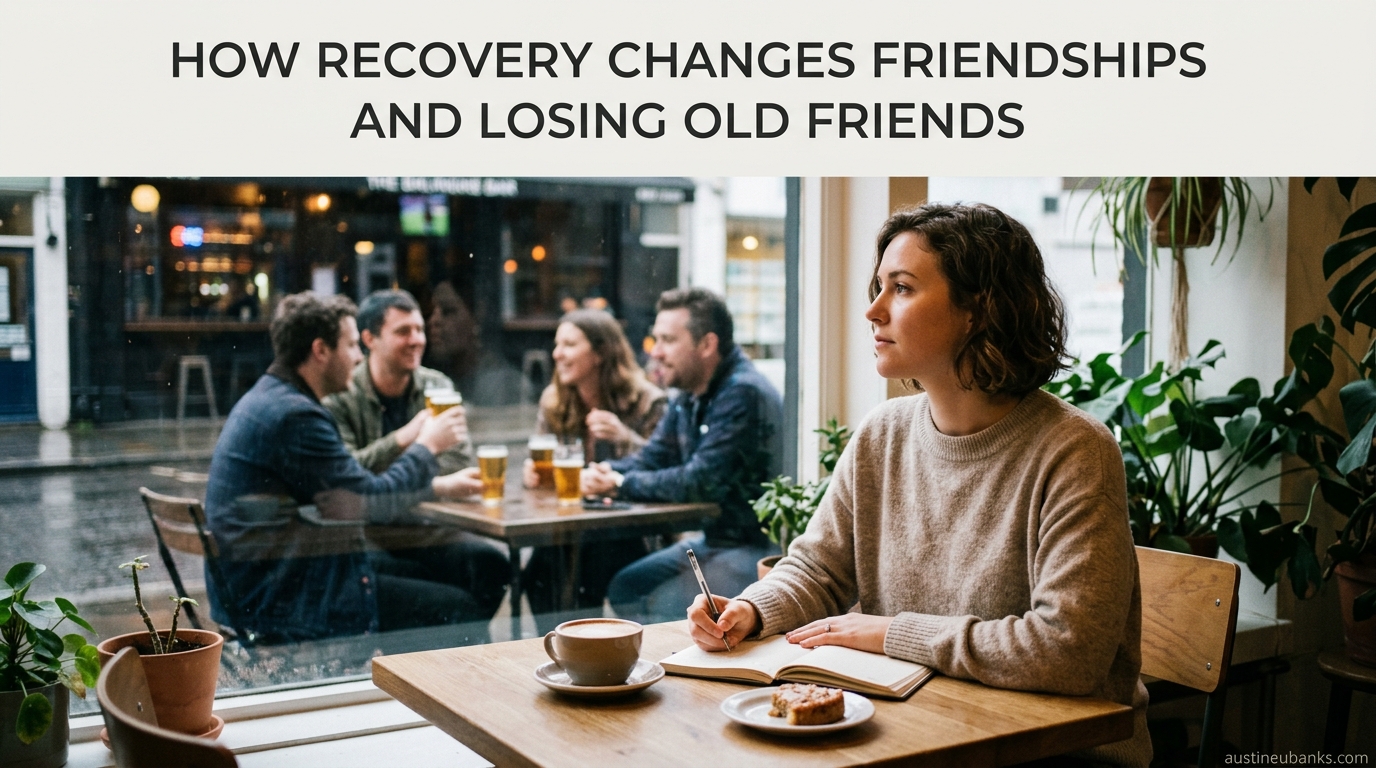
Getting sober changes everything. Your routines shift, your priorities realign, and your relationship with yourself starts to heal. But one of the hardest parts of recovery that nobody warns you about is how recovery changes friendships in ways you never expected.
If you have recently gotten sober or started a recovery journey, you may have noticed your social circle shrinking. Friends you thought would be around forever suddenly feel like strangers. The people you used to drink or use with no longer fit into your life, and the loneliness can feel overwhelming.
You are not doing anything wrong. Losing friends in recovery is one of the most common experiences people face, and it is not a sign of failure. It is a sign of growth.
In this guide, we will walk through exactly why friendships shift during recovery, how to grieve the ones you lose, and practical steps for building a healthier social life that actually supports your sobriety. You will also find answers to common questions like what the 11 6 3 rule of friendship means and how long it takes to grieve a lost friendship.
Table of Contents
Why Recovery Changes Friendships
Understanding how recovery changes friendships starts with recognizing that recovery is not just about stopping a behavior. It is a complete identity shift. When you stop using substances, the foundation of many of your relationships shifts right along with you.
Many friendships built during active addiction are rooted in shared substance use. You met at bars, you bonded over partying, and your social schedule revolved around drinking or using. When you remove the substance, the common ground disappears. Without that shared activity, you may realize there was never much else holding the friendship together.
Your values also change in recovery. You start prioritizing honesty, emotional health, and personal growth. If your friends are still in the lifestyle you left behind, your values are now in direct conflict. This is not about judgment. It is about compatibility.
Recovery also demands emotional honesty. In active addiction, many people use substances to mask emotions, avoid difficult conversations, and keep relationships surface-level. Sobriety strips away those barriers. You start showing up as your real self, and not every friendship can handle that level of authenticity.
Many people in recovery describe feeling like they are speaking a different language than their old friends. The things that used to matter to you, like where the party is this weekend, no longer resonate. You care about therapy appointments, support group meetings, and self-care routines instead. That gap widens over time.
It is also worth noting that some friends may feel threatened by your recovery. Your decision to get sober holds up a mirror to their own relationship with substances. Some people react to that reflection with defensiveness or distance rather than support.
Types of Friendships Affected in Recovery
Not all friendships change the same way. Understanding the categories can help you process what is happening and make clearer decisions about which relationships to invest in.
Drinking Buddies and Using Friends
These are the friendships most likely to fall away. They were built almost entirely on shared substance use, and without that activity, there is little connection left. You might try to hang out sober and realize the conversation feels forced or empty.
Surface-Level Party Friends
These friends were fun to be around when everyone was drinking or using, but you never really knew each other deeply. In recovery, you start craving meaningful connection. Surface-level friendships built on nightlife and partying simply do not satisfy that need anymore.
Enabling and Toxic Connections
Some friendships actively undermine your recovery. These are people who pressure you to drink, minimize your sobriety, or make you feel guilty for changing. They might say things like “one drink will not hurt” or “you are no fun anymore.” These connections are not just changing. They are dangerous to your recovery.
Real Friends Who Stick Around
Not every friendship disappears. Some friends will surprise you. These are the people who genuinely care about you as a person, not just as a drinking buddy. They will ask how they can support your recovery, respect your boundaries, and show up for you in ways you never expected. Hold on tight to these people.
Signs You Have Outgrown a Friendship in Recovery
Sometimes it is hard to tell whether a friendship is ending because of recovery or because of natural growing apart. Here are some clear signs that you have outgrown a friendship and it may be time to let go.
1. You feel drained or anxious after spending time with them. Healthy friendships should energize you, not leave you feeling emotionally depleted or triggered.
2. They do not respect your sobriety. If someone continues to offer you drinks, downplays your recovery, or makes jokes at your expense, they are not respecting your boundaries.
3. You have nothing to talk about anymore. If every conversation feels forced and you cannot find common ground outside of old habits, the friendship may have run its course.
4. They pressure you to return to old behaviors. Anyone who actively encourages you to break your sobriety is not a friend. They are a liability.
5. You feel like you have to hide your recovery around them. If you cannot be honest about your journey, the friendship is not built on authenticity.
6. They make you feel guilty for growing. Real friends celebrate your progress. Toxic friends resent it because it highlights their own stagnation.
7. Your gut tells you something is wrong. Trust your intuition. If you consistently feel uneasy about a friendship, there is usually a reason.
The Grieving Process for Lost Friendships
Losing friends in recovery is a genuine loss, and it deserves to be treated like one. Many people describe the grief of losing friendships as harder than quitting the substance itself. That is because friendships are tied to memories, identity, and a sense of belonging.
The grieving process for friendships follows many of the same stages as grieving any other loss. You may experience denial, insisting the friendship is not really over. You may feel anger at the friend, at yourself, or at recovery in general. Bargaining might look like trying to hang out with old friends one more time to see if things can go back to normal.
Depression is a common stage, especially in early recovery when loneliness hits hardest. You might feel like you will never make new friends or that something is wrong with you. This stage is painfully normal, and it does pass.
Acceptance comes when you recognize that losing these friendships, as painful as it is, was necessary for your growth. You start to see that the friendships served a purpose during a specific time in your life, and that chapter has closed.
Give yourself permission to grieve without a timeline. Some friendships take weeks to process. Others, especially decades-long connections, may take months or even longer. There is no rush and no right way to feel.
A common question people ask is how long it takes to grieve a friendship. The honest answer is that it varies widely from person to person. Some people process friendship grief in a few weeks. For others, especially those losing deep or long-term friendships, the grieving process can take several months to a year. What matters is that you allow yourself to feel it rather than suppressing the emotions.
How to Cope with Losing Friends in Recovery
Coping with friendship loss in recovery requires intentional effort. Here are practical strategies that have helped countless people navigate this difficult transition.
1. Acknowledge the loss without minimizing it. Do not tell yourself it is just a friendship. These connections mattered to you, and the pain is real. Validating your grief is the first step toward healing.
2. Lean into your support system. Whether that is a 12-step group, a therapist, a sponsor, or an online recovery community, talk about what you are going through. You are not the first person to lose friends in recovery, and others can offer guidance and understanding.
3. Fill the time you used to spend with old friends. Loneliness thrives in empty schedules. Build new routines that include recovery meetings, exercise, hobbies, or volunteer work. Structure is one of your best tools in early recovery.
4. Practice self-compassion. It is easy to beat yourself up for losing friends or for the role addiction played in those relationships. But shame will not help you heal. Treat yourself with the same kindness you would offer a friend going through this.
5. Journal about the friendships you lost. Writing can help you process complicated emotions. Try writing a goodbye letter to a friend you lost, even if you never send it. This exercise can bring surprising closure.
6. Focus on quality over quantity. You do not need a massive social circle in recovery. Two or three genuine friends who support your sobriety are worth more than twenty people who drag you down.
Setting Boundaries with Friends Who Don’t Support Your Recovery
Not every friendship needs to end immediately. Some can be saved with clear boundaries. But setting boundaries is a skill, and it takes practice.
Start by getting clear on what you need. Do you need friends to not drink around you? Do you need them to stop making jokes about your sobriety? Do you need them to respect your recovery meetings and not interrupt that time? Write down your non-negotiables before you have the conversation.
When you communicate your boundaries, be direct but kind. You do not need to explain or justify your recovery to anyone. A simple statement like “I am not drinking anymore and I need my friends to support that” is enough. How they respond will tell you everything you need to know about the friendship.
Some friends will respect your boundaries and adjust. These are the people worth keeping in your life. Others will dismiss your needs, make you feel dramatic, or flat-out ignore what you asked for. That response is your answer. If someone cannot respect your recovery, they cannot be in your life.
Walking away from a friendship is never easy, but sometimes it is the only way to protect your sobriety. Your recovery has to come first. Without it, you do not have anything else to offer anyone.
Building New, Healthy Friendships in Recovery
One of the most hopeful parts of navigating friendship changes in recovery is discovering that new connections are possible. They look different from your old friendships, and that is a good thing.
1. Start with recovery communities. Support groups like AA, NA, or SMART Recovery are natural places to meet people who understand exactly what you are going through. These connections often become some of the deepest friendships you will ever have.
2. Pursue interests that have nothing to do with recovery. Take a class, join a hiking group, volunteer at an animal shelter, or find a local book club. Shared interests build friendships that are not centered on substances or recovery.
3. Be patient with the process. Making friends as an adult is hard enough. Making friends in early recovery while you are still figuring out who you are can feel impossible. Give it time. Authentic connections take months to build, not days.
4. Look for sober social events. Many cities now have sober bars, alcohol-free events, and recovery-friendly social groups. These spaces are designed specifically for people who want connection without substances.
5. Practice vulnerability. New friendships require honesty. Share your real self, interests, and struggles with people you feel safe around. Vulnerability is what turns an acquaintance into a true friend.
Remember that your social circle in recovery will likely look very different from your social circle during addiction. It will be smaller, but it will be deeper. That is the trade-off, and most people in long-term recovery would tell you it is worth it.
FAQs
What is the 11 6 3 rule of friendship?
The 11 6 3 rule of friendship is a framework suggesting that people can maintain approximately 11 close friendships, about 6 meaningful connections, and around 3 deeply intimate friendships at any given time. In recovery, this rule is relevant because as you lose old friendships, you naturally create space for new, healthier connections that fit within these emotional limits. It reminds you that you do not need dozens of friends to feel fulfilled.
How do you cope with losing friends?
Coping with losing friends starts with acknowledging the grief. Allow yourself to feel the sadness, anger, and loneliness without judgment. Lean on your support system, whether that is a therapist, recovery group, or trusted family member. Fill your schedule with meaningful activities to combat loneliness. Journal about your emotions to process them. And focus on building new connections with people who align with your current values and lifestyle.
What is the 7 friend rule?
The 7 friend rule is a social concept suggesting that people generally maintain about seven close friendships at any point in life. These are the people you would call in a crisis, confide in about personal matters, and consistently stay in touch with. During recovery, your seven close friends may shift dramatically as old connections fade and new ones form. This rule highlights that friendship quality matters far more than quantity.
How long does it take to grieve a friendship?
There is no set timeline for grieving a friendship. For casual friendships, the grieving process may take a few weeks. For deep or long-term friendships, it can take several months to a year. Factors that affect the timeline include how long the friendship lasted, how it ended, and whether you have a strong support system. The key is to allow yourself to feel the emotions rather than suppressing them, and to seek professional help if the grief becomes overwhelming.
Is it normal to lose friends during recovery?
Yes, losing friends during recovery is completely normal and extremely common. Most people in recovery report significant changes in their social circle, especially in the first 6 to 12 months. Friendships built around substance use often fall away, and that is a natural part of the process. It does not mean you are doing recovery wrong. It means you are outgrowing the relationships that no longer serve your growth.
Why do friendships change after rehab?
Friendships change after rehab because your values, priorities, and lifestyle shift dramatically. Friendships that were built on shared substance use lose their foundation. Your communication style becomes more honest and direct. You may also set boundaries that old friends are unwilling or unable to respect. Additionally, the time you spend in treatment and recovery activities naturally creates distance from people who are not part of that world.
Conclusion
Understanding how recovery changes friendships is one of the most important parts of the healing journey. The loss is real, the grief is valid, and the loneliness in early recovery can feel unbearable at times. But you are not alone in this experience.
Every person who has walked the path of recovery has faced some version of friendship loss. The people you lost were part of a chapter that has closed, and that closure, however painful, is making room for something better. Friendships built on honesty, shared values, and mutual respect are waiting for you on the other side.
Remember that losing friends in recovery is not a punishment. It is proof that you are growing. You are becoming someone new, and that new person deserves relationships that match who you are becoming, not who you used to be.
Be patient with yourself. Give yourself permission to grieve. Set boundaries that protect your sobriety without apology. And trust that the right people will find their way into your life as you continue showing up authentically.
Your recovery is worth more than any friendship that could not survive it. Keep going. The best connections of your life are still ahead of you.