
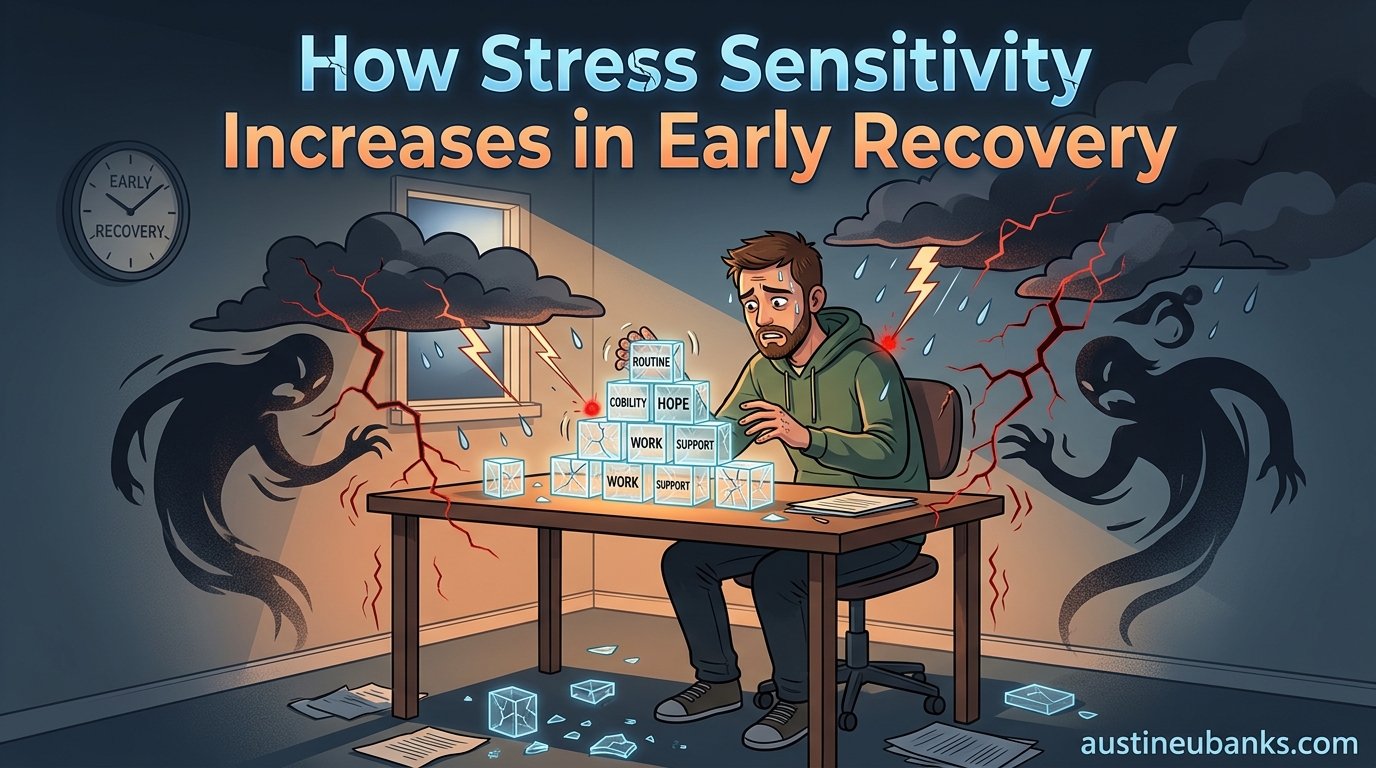
If you are in early recovery and feel like every minor inconvenience triggers a meltdown, you are not broken. Stress sensitivity increases in early recovery because addiction rewires the brain’s stress response system, and when substances are removed, that system becomes hypersensitive before it gradually heals. The brain has learned to depend on substances for stress relief, and without them, everyday pressures feel amplified and overwhelming.
This heightened reactivity is one of the most common and least understood challenges in early sobriety. People describe feeling like a different person, snapping at loved ones over small things, and wondering if the intensity will ever fade. The good news is that it does. Research and recovery communities consistently confirm that stress sensitivity decreases over time when you give your nervous system the right tools to recalibrate.
In this guide, we break down exactly how stress sensitivity increases in early recovery and how to lower it using evidence-based strategies. You will learn the neuroscience behind why your stress response is heightened, what Post-Acute Withdrawal Syndrome has to do with it, a realistic timeline for improvement, and specific techniques you can start using today to calm your nervous system and protect your recovery.
Table of Contents
Why Stress Sensitivity Increases in Early Recovery: The Neuroscience
Stress sensitivity in early recovery is not a character flaw or a sign of weakness. It is a measurable neurological phenomenon rooted in how addiction changes the brain. Understanding the science helps remove shame and gives you a roadmap for healing.
When someone uses substances over time, the brain adapts by altering its stress response circuitry. The National Institutes of Health has published extensive research showing that chronic substance use fundamentally reshapes how the brain processes stress, emotion, and reward. Once the substances stop, the brain enters a period of recalibration where stress responses run hotter than normal.
This process involves three interconnected systems: the HPA axis, the amygdala, and the brain’s reward pathways. Each plays a specific role in why stress feels unmanageable during the first weeks and months of recovery.
The HPA Axis and Cortisol Dysregulation
The HPA axis (hypothalamic-pituitary-adrenal axis) is your body’s central stress response system. When you encounter a stressor, the hypothalamus signals the pituitary gland, which tells the adrenal glands to release cortisol, the body’s primary stress hormone. In a healthy system, cortisol rises in response to a threat and then returns to baseline once the danger passes.
Chronic substance use dysregulates this system. The brain learns to rely on substances to manage cortisol levels, essentially outsourcing stress regulation to drugs or alcohol. When you remove those substances, the HPA axis does not immediately remember how to function on its own. Cortisol levels spike more easily, stay elevated longer, and take more time to return to baseline.
This means a stressful email from your boss triggers the same cortisol surge that a genuine physical threat would produce. Your body is responding with survival-level intensity to everyday situations. Research published by the National Library of Medicine confirms that cortisol dysregulation can persist for weeks to months after the last use, depending on the substance, duration of use, and individual factors.
Over time, the HPA axis does recalibrate. But during early recovery, you are operating with a stress response system that is effectively running without its usual shock absorbers.
Amygdala Hyper-Reactivity
The amygdala is the brain’s threat detection center. It acts like an alarm system, scanning your environment for danger and triggering emotional responses. In addiction, the amygdala becomes sensitized to stress and substance-related cues, creating a state of hyper-vigilance.
During early recovery, this hyper-reactive amygdala does not distinguish between genuine threats and minor frustrations. A traffic jam, a critical comment from a coworker, or a change in plans can all trigger the same alarm response. This is why people in early sobriety often describe feeling like everything is a trigger.
The prefrontal cortex, which normally acts as a brake on the amygdala by providing rational perspective, is also weakened by substance use. This means you have an overactive alarm system and a diminished ability to calm it down. The combination produces the emotional volatility, irritability, and anxiety that are hallmarks of early recovery stress sensitivity.
Neuroimaging studies have shown that amygdala reactivity begins to normalize over the first 6 to 12 months of abstinence. Mindfulness practices, therapy, and consistent sobriety all contribute to this recalibration by strengthening the prefrontal cortex’s ability to regulate emotional responses.
Neuroadaptation and the Brain’s Reward System
Neuroadaptation refers to the brain’s ability to restructure itself in response to repeated experiences. In addiction, the brain’s reward system undergoes significant neuroadaptation, learning to associate substances with relief, pleasure, and stress reduction. Dopamine and serotonin pathways become dependent on the substance to function normally.
When substances are removed, dopamine and serotonin levels drop well below baseline. This creates a condition called anhedonia, where previously enjoyable activities feel flat or meaningless. The brain literally has fewer reward chemicals available, making everyday life feel grey and stressful.
This neurotransmitter imbalance contributes directly to stress sensitivity. Without adequate dopamine and serotonin, the brain struggles to regulate mood, motivation, and emotional stability. Stress feels more intense because the chemical resources needed to cope with it are depleted.
The brain’s reward system typically begins to recover within the first few weeks of abstinence, but full restoration of dopamine and serotonin function can take 12 to 18 months. This is why stress sensitivity is not a short-term problem. It requires patience, consistent self-care, and an understanding that the brain is actively rebuilding itself.
Post-Acute Withdrawal Syndrome (PAWS) and Stress Sensitivity
Post-Acute Withdrawal Syndrome, or PAWS, is a set of persistent withdrawal symptoms that continue after the initial acute detox period. PAWS is one of the most significant yet under-discussed factors in why stress sensitivity increases in early recovery and why it can last far longer than people expect.
While acute withdrawal (the physical symptoms of detox) typically resolves within one to two weeks, PAWS can last for months. Symptoms include mood swings, anxiety, irritability, sleep disturbances, cognitive difficulties, and most notably, heightened stress sensitivity. These symptoms come and go in waves rather than following a linear improvement curve.
PAWS occurs because the brain’s neurochemistry is still stabilizing. The HPA axis, amygdala, and reward system are all in flux, creating a moving target for stress regulation. One week you might feel relatively stable. The next, minor stressors feel completely unmanageable. This unpredictability is one of the most frustrating aspects of PAWS.
Understanding PAWS is important for two reasons. First, it normalizes the experience of continued stress sensitivity long after detox. You are not failing at recovery just because stress still feels intense at month three or month six. Second, it underscores the importance of building coping strategies early, before a PAWS wave hits, so you have tools ready when stress surges.
PAWS symptoms generally decrease in frequency and intensity over the first year of recovery. Some people experience lingering effects for up to 18 to 24 months, particularly with certain substances like alcohol, opioids, and benzodiazepines. The key is recognizing PAWS as a temporary condition, not a permanent state.
How Long Does Stress Sensitivity Last? A Recovery Timeline
One of the most common questions in recovery communities is how long the heightened stress sensitivity will last. The answer depends on multiple factors, including the substance used, duration of use, individual neurochemistry, age, and overall health. However, research and recovery experiences point to a general timeline.
First 1 to 30 days: Stress sensitivity is at its peak. The brain is in acute withdrawal, cortisol levels are erratic, and the amygdala is highly reactive. Everyday situations can feel overwhelming. This period requires the most external support and the most forgiving expectations.
Months 1 to 3: Acute physical withdrawal symptoms have passed, but PAWS begins. Stress sensitivity remains high but may show brief windows of normalcy. Mood swings are common. This is when many people in recovery describe feeling irritable, anxious, and emotionally raw.
Months 3 to 6: The brain’s neurochemistry begins to stabilize. Dopamine and serotonin levels start recovering. Stress sensitivity begins to decrease noticeably, though waves of heightened reactivity still occur. Sleep often improves during this period, which itself reduces stress sensitivity.
Months 6 to 12: Significant improvement in stress tolerance is typical. The prefrontal cortex strengthens its ability to regulate the amygdala. PAWS episodes become less frequent and less intense. Most people report feeling more like themselves during this phase.
Months 12 to 18 and beyond: For most people, stress sensitivity approaches or reaches pre-addiction levels. The HPA axis has largely recalibrated, and the brain’s reward system has substantially recovered. Ongoing stress management practices continue to build resilience.
It is worth noting that these timeframes are averages, not guarantees. Some people experience faster recovery, while others take longer. The brain’s plasticity means that recovery is always possible, and consistent healthy habits accelerate the process.
How to Lower Stress Sensitivity in Early Recovery: Evidence-Based Techniques
Learning how to lower stress sensitivity in early recovery requires a combination of immediate tools for acute stress spikes and long-term practices that retrain the nervous system. The strategies below are backed by clinical research and consistently recommended by recovery professionals and people with lived experience.
The goal is not to eliminate stress entirely. That is impossible. The goal is to reduce the intensity of your stress response and shorten the time it takes to return to calm. Think of it as lowering the volume on your nervous system’s alarm.
Grounding Techniques for Immediate Stress Relief
Grounding techniques work by pulling your attention out of the stress response and into the present moment. They engage your senses to interrupt the cycle of amygdala-driven reactivity and give your prefrontal cortex time to come back online.
The 5-4-3-2-1 Sensory Method: When stress spikes, name five things you can see, four things you can touch, three things you can hear, two things you can smell, and one thing you can taste. This exercise forces your brain to process sensory information instead of spiraling into stress. It takes about 60 seconds and works because the brain cannot simultaneously process detailed sensory input and maintain a full-blown stress response.
Box Breathing: Inhale for four counts, hold for four counts, exhale for four counts, and hold for four counts. Repeat this cycle four to eight times. Box breathing activates the parasympathetic nervous system, which is responsible for rest and recovery. Navy SEALs use this technique to manage stress in high-pressure situations, and it is equally effective for managing an anxiety spike in early sobriety.
Progressive Muscle Relaxation: Starting at your toes and working up to your face, deliberately tense each muscle group for five seconds, then release. This technique reduces the physical tension that accompanies stress and helps you become aware of where your body holds stress. It is particularly helpful before sleep when stress interferes with rest.
Exercise and Physical Activity
Exercise is the single most consistently recommended stress management tool in recovery communities and clinical settings alike. Physical activity directly counteracts the neurological mechanisms driving stress sensitivity.
When you exercise, your body releases endorphins, which are natural mood elevators and pain relievers. Exercise also reduces cortisol levels over time, helping the HPA axis recalibrate. Regular physical activity boosts serotonin and dopamine production, which helps address the neurotransmitter imbalance that makes early recovery so emotionally difficult.
You do not need to become a marathon runner to benefit. Research shows that 30 minutes of moderate exercise, five days per week, produces significant reductions in stress sensitivity. Walking, swimming, cycling, yoga, and weightlifting are all effective. One Reddit user in r/stopdrinking described how squats, bench presses, rows, and deadlifts burned off nervous energy and became a cornerstone of their early sobriety.
The key is consistency over intensity. A daily 20-minute walk is more beneficial for stress regulation than an exhausting two-hour workout once a week. Start where you are and build gradually.
Mindfulness and Meditation
Mindfulness meditation retrains the brain to observe stress without being consumed by it. Rather than reacting automatically to stressors, mindfulness creates a small gap between stimulus and response. In that gap, you have a choice about how to react.
Research has shown that regular meditation practice physically changes the brain. It increases gray matter density in the prefrontal cortex (improving emotional regulation) and decreases gray matter in the amygdala (reducing reactivity). These are exactly the brain regions involved in stress sensitivity, making meditation one of the most targeted interventions available.
If traditional meditation feels difficult in early recovery, start small. Two minutes of focused breathing is enough to begin. Body scan meditation, where you mentally scan your body from head to toe noticing sensations without judgment, is particularly accessible for beginners. Guided meditations through apps or YouTube can provide structure when your mind feels chaotic.
Many people in early recovery find meditation challenging because sitting still amplifies anxiety. If that happens, try walking meditation or mindful movement instead. The goal is awareness, not stillness.
The HALT Framework: Catch Stress Before It Spirals
HALT stands for Hungry, Angry, Lonely, Tired. These four states are the most common physical and emotional triggers for stress spirals and cravings in early recovery. The framework is simple: when stress feels unmanageable, check whether you are experiencing one of these four conditions.
Hunger causes blood sugar crashes that mimic anxiety symptoms and amplify cortisol release. Eating regular, protein-rich meals keeps blood sugar stable and reduces stress sensitivity. Anger, when unexpressed or unprocessed, builds internal pressure that erupts as disproportionate reactions to minor stressors. Physical activity, journaling, or talking with a sponsor can help process anger constructively.
Loneliness activates the brain’s threat response because humans are social creatures wired for connection. Isolation increases cortisol and decreases serotonin. Reaching out to one person per day, even through a text or a meeting, counters this effect. Tiredness impairs prefrontal cortex function, which is already weakened in early recovery, making emotional regulation nearly impossible without adequate sleep.
The HALT framework works because it redirects attention from the overwhelming feeling of stress to a specific, addressable need. When you can identify whether you are hungry, angry, lonely, or tired, you can take a concrete action that directly reduces stress sensitivity.
Sleep Optimization for Nervous System Recovery
Sleep is when the brain repairs itself, processes emotions, and resets stress hormones. In early recovery, sleep disruption is one of the most common and most destabilizing challenges. Poor sleep directly increases cortisol levels, weakens prefrontal cortex function, and amplifies amygdala reactivity.
Recovery-specific sleep issues include difficulty falling asleep (the brain is no longer being sedated by substances), frequent waking, vivid dreams or nightmares, and poor sleep quality. These issues typically improve over the first one to three months but can persist longer for some people.
To optimize sleep, establish a consistent sleep schedule where you go to bed and wake up at the same time every day, even on weekends. This helps reset your circadian rhythm. Create a wind-down routine that signals to your brain that it is time to rest. Avoid screens for at least one hour before bed, as blue light suppresses melatonin production.
Caffeine and nicotine are both stimulants that worsen sleep quality. Limit caffeine to the morning hours and avoid nicotine entirely if possible. If sleep problems persist beyond the first month, consider talking to a healthcare provider. There are non-habit-forming options that can help bridge the gap while your brain recalibrates.
Nutrition and Blood Sugar Stability
What you eat directly affects your stress response. Blood sugar crashes trigger cortisol release, which amplifies stress sensitivity. A diet high in processed foods and refined sugars creates a roller coaster of energy spikes and crashes that makes emotional regulation much harder.
Focusing on whole foods stabilizes blood sugar and supports neurotransmitter production. Protein-rich foods provide amino acids needed for dopamine and serotonin synthesis. Complex carbohydrates provide steady energy. Healthy fats, particularly omega-3 fatty acids found in fish, walnuts, and flaxseed, reduce inflammation and support brain health.
Specific foods that support stress reduction include leafy greens (magnesium, which calms the nervous system), berries (antioxidants that reduce cortisol damage), dark chocolate (magnesium and mood-boosting compounds), and foods rich in B vitamins (which support neurotransmitter production).
Hydration matters too. Even mild dehydration increases cortisol levels and impairs cognitive function. Aim for at least eight glasses of water per day, more if you are physically active.
Peer Support and Community Connection
Social isolation is one of the most dangerous factors in early recovery. The brain is wired for connection, and loneliness activates threat responses that increase stress hormones. Peer support is not just about accountability. It is about activating the neural pathways associated with safety and belonging.
Twelve-step meetings, SMART Recovery, Refuge Recovery, or any structured peer support group provides regular connection with people who understand recovery-specific stressors. The value of hearing someone with years of sobriety say that what you are feeling is normal cannot be overstated. Recovery communities consistently report that time is the most trusted remedy, and hearing “it does get easier” from someone who has been there is profoundly reassuring.
You do not need to share deeply at every meeting. Simply being present and listening reduces isolation. If in-person meetings are not available, online meetings through platforms like InTheRooms or Zoom-based groups are effective alternatives.
Beyond formal meetings, maintaining connections with supportive friends and family members creates a safety net. The key is having at least one person you can call when stress spikes. Connection is medicine for the stressed nervous system.
Journaling and Cognitive Restructuring
Journaling externalizes the internal chaos of early recovery stress. When stress feels overwhelming, it is often because multiple worries are swirling together in your mind, each amplifying the others. Writing them down separates them into individual, manageable pieces.
Two approaches are particularly effective. Trigger tracking involves noting what happened, how you felt, what thought accompanied the feeling, and how you responded. Over time, patterns emerge that reveal your specific stress triggers and help you prepare for them in advance.
Gratitude journaling shifts the brain’s attention from threats to positives, which counteracts the negativity bias that is amplified in early recovery. Writing three specific things you are grateful for each day, even on hard days, gradually retrains the brain to notice positive experiences alongside stressful ones.
Cognitive restructuring, a technique from Cognitive Behavioral Therapy (CBT), involves identifying catastrophic thoughts and examining the evidence for and against them. For example, if you think “I cannot handle this stress and I am going to relapse,” you write that thought down, then list evidence against it (you have handled stress before, you have tools, you have support). This process engages the prefrontal cortex and calms the amygdala.
Matching Techniques to Your Stress Level
Not all stress episodes require the same response. Matching your technique to your stress level makes your toolkit more effective and prevents the frustration of using the wrong tool at the wrong time.
Mild stress (slight tension, minor irritability): This is everyday stress that everyone experiences. A brief walk, a few deep breaths, or a quick journaling session is usually sufficient. Do not overcomplicate mild stress. Acknowledge it, use a simple tool, and move on.
Moderate stress (persistent anxiety, difficulty concentrating): Moderate stress calls for a more intentional response. Try 10 minutes of mindfulness meditation, the 5-4-3-2-1 grounding method, or a moderate exercise session. Check HALT. Eat something nutritious, drink water, or reach out to someone in your support network.
High stress (overwhelming urge to use, emotional flooding): High stress requires immediate intervention. Use box breathing to calm your nervous system. Call your sponsor, a supportive friend, or a recovery hotline. Remove yourself from the triggering environment if possible. Do not try to think your way through high stress. Let your body and your support network carry some of the load.
Severe stress (panic attacks, thoughts of relapse, feeling out of control): Severe stress is a medical situation. Seek professional help immediately. Call a crisis line, go to an emergency room, or contact your treatment provider. There is no shame in needing acute support. This is exactly what crisis resources exist for.
Warning Signs: When Self-Help Is Not Enough
Self-help strategies are powerful, but they have limits. Knowing when stress sensitivity has crossed the line from a normal part of recovery into something requiring professional intervention can save your life and your sobriety.
One critical factor is co-occurring disorders. Research indicates that approximately 60% of people with substance use disorders also have a co-occurring mental health condition such as anxiety, depression, PTSD, or bipolar disorder. If you had a mental health condition before addiction, recovery can unmask it as the substances that were self-medicating it are removed. This is called dual diagnosis, and it requires specialized treatment that addresses both conditions simultaneously.
Signs that self-help may not be enough include persistent insomnia lasting more than a few weeks, panic attacks that interfere with daily functioning, suicidal thoughts, inability to maintain basic self-care (eating, bathing, attending to responsibilities), severe mood swings that frighten you or others, and finding that previously effective coping strategies no longer work.
Stress that does not improve over time despite consistent effort is also a red flag. While stress sensitivity is expected in early recovery, it should show gradual improvement over weeks and months. If your stress is staying at the same intensity or worsening, a professional evaluation can identify whether something else is going on.
Professional help options include individual therapy (particularly CBT and EMDR for trauma processing), intensive outpatient programs, medication-assisted treatment for stress-related symptoms, and psychiatric evaluation for co-occurring conditions. Seeking professional help is not a failure of recovery. It is an act of recovery.
Frequently Asked Questions
How do you deal with stress in early recovery?
The most effective strategies for dealing with stress in early recovery include: (1) grounding techniques like the 5-4-3-2-1 sensory method or box breathing for immediate relief, (2) regular physical exercise to reduce cortisol and boost endorphins, (3) mindfulness and meditation to retrain the stress response, (4) maintaining a structured daily routine, and (5) connecting with peer support groups who understand recovery-specific stressors. The key is building these habits before stress spikes so they become automatic responses.
What are the 3 C’s of stress?
The 3 C’s of stress refer to: Control (focus on what you can change rather than what you cannot), Commit (commit to healthy coping strategies and stick with them consistently), and Connect (maintain supportive relationships and reach out when stress levels rise). These principles help people in recovery recognize what they can influence, stay dedicated to their stress management plan, and lean on their support network during difficult moments.
What are the 7 R’s of recovery?
The 7 R’s of recovery commonly include: (1) Recognize the problem, (2) Remove triggers and enablers, (3) Repair damaged relationships, (4) Rebuild self-esteem, (5) Replace old habits with healthy ones, (6) Reinforce new behaviors through consistent practice, and (7) Remain connected to support. These principles provide a comprehensive framework for navigating early recovery and building a sustainable sober life.
How do you cope with early sobriety?
Coping with early sobriety requires a multi-pronged approach: prioritize self-care through regular exercise, adequate sleep, and proper nutrition; build a support network through meetings or recovery groups; practice stress management techniques like deep breathing and mindfulness before crises hit; set realistic goals and healthy boundaries; and seek professional help when stress becomes overwhelming. The key is establishing these habits proactively so they become automatic responses during high-stress moments.
Conclusion
Understanding how stress sensitivity increases in early recovery and how to lower it transforms one of recovery’s biggest challenges into a manageable part of the healing process. The heightened stress you feel is real, neurological, and temporary. Your brain is actively rewiring itself, and every healthy coping choice you make accelerates that rewiring.
Start with one technique from this guide. Practice it daily for two weeks. Then add another. Recovery is not about doing everything perfectly. It is about building, one day at a time, a nervous system that can handle life without substances. The tools are here. The timeline is on your side. And the community is ready when you need it.