
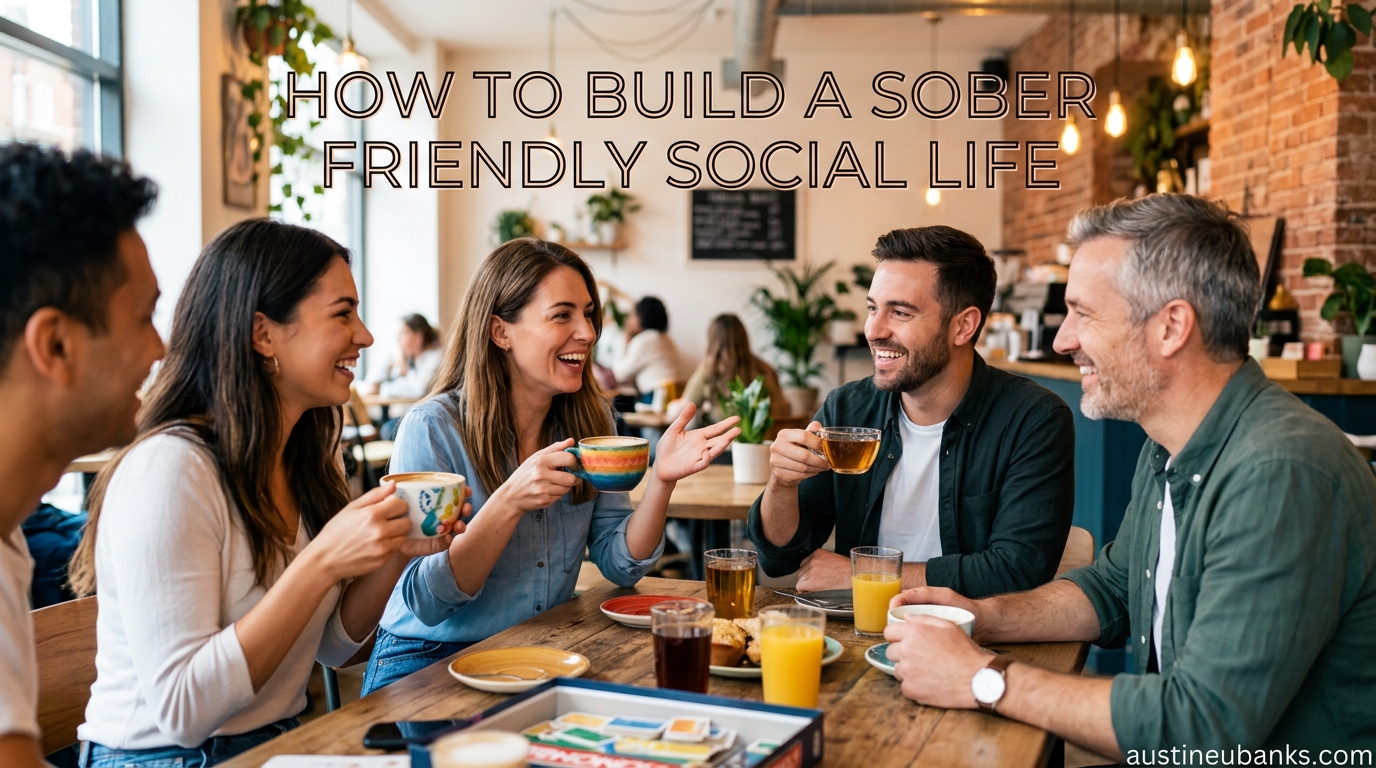
If you have ever sat at a party with a glass of sparkling water wondering whether sobriety cost you your social life, you are not alone. Thousands of people search for how to build a sober-friendly social life every month, and the struggle is real. Whether you are in recovery, trying Dry January, or simply choosing to drink less, the social landscape shifts dramatically when alcohol is no longer your default.
I remember the first few weeks after I stopped drinking. My phone went quiet. The group chats I used to be part of suddenly felt distant. The invites slowed down because, as I discovered, most of my social connections revolved around happy hours and weekend bar crawls. Sound familiar?
Here is the truth that nobody tells you: building a social life without alcohol is not about losing something. It is about rebuilding something better, more authentic, and more aligned with who you actually are. The process takes time, patience, and a willingness to step outside your comfort zone. But the payoff is deeper friendships, clearer memories, and a social calendar that does not come with a hangover.
In this guide, we will walk through everything you need to know about how to build a sober-friendly social life. We cover practical strategies, scripted responses for awkward questions, sober activities ranked by social intensity, workplace tips, dating advice, and real experiences from people who have been exactly where you are right now.
Table of Contents
What Is a Sober-Friendly Social Life?
A sober-friendly social life means building relationships and participating in activities that do not center around alcohol. It involves choosing venues, events, and friendships that either support your decision not to drink or naturally exist outside drinking culture entirely.
This concept applies to a wide range of people. You might be someone in recovery from alcohol use disorder working hard to rebuild your social circle. You might be a casual drinker who realized that alcohol was quietly running your weekends. You could be sober curious, testing the waters of an alcohol-free lifestyle to see how it feels. Or perhaps you stopped drinking for health reasons, athletic goals, or mental clarity.
The common thread is this: you want meaningful social connection without needing a drink to feel comfortable. A sober social life does not mean locking yourself at home or avoiding all situations where alcohol is present. It means being intentional about who you spend time with, what you do together, and how you show up as yourself.
There is a meaningful difference between being “sober curious” and being in recovery, though both can benefit from the same strategies. Sober curious is exploratory, a temporary or open-ended choice to see what life looks like without alcohol. Recovery involves a deeper, long-term commitment to abstinence, often with professional support and a recovery community. Both paths deserve respect, and both require deliberate social rebuilding.
Overcoming the Fear of Socializing Without Alcohol
The biggest hurdle to building a sober-friendly social life is not logistics. It is fear. Specifically, the fear that you will not know how to act, what to say, or how to relax without a drink in your hand.
This fear is incredibly common. On Reddit’s r/stopdrinking community, user after user describes the same experience: walking into a social event sober for the first time and feeling like everyone is staring at them. One user, a 22-year-old man, posted that going out sober felt “just not fun” as an introvert because alcohol had been his primary social lubricant for years.
Here is what helps: understanding that social anxiety without alcohol is a phase, not a permanent state. Your brain has built an association between drinking and socializing over years or decades. Breaking that association takes repetition and exposure. The discomfort you feel at your first sober party will not be the same discomfort you feel at your tenth.
Multiple Reddit users who have been sober for years confirm this pattern. The early days are the hardest. Socializing feels awkward, forced, and sometimes boring. But with practice, something shifts. Conversations become more genuine. You remember what people tell you. You start noticing who you actually connect with versus who was just a drinking buddy.
The key is gradual exposure. You do not need to jump straight into a crowded bar on a Friday night. Start with low-pressure situations and build up. Each successful sober social experience rewires your brain a little more, proving that you can connect with people without a drink.
How to Build a Sober-Friendly Social Life: Step by Step
Building a sober social life works best when you approach it systematically. Here is a step-by-step framework based on strategies that real people have used successfully.
Step 1: Start Small and Low-Stakes
Your first sober social outings should be low-pressure. Think coffee with one close friend, a walk in the park with a family member, or a quick lunch with a coworker. The goal is not to replicate your old social life immediately. It is to prove to yourself that socializing without alcohol is possible.
One strategy from Alcohol Change UK that resonates with many people is the gradual exposure method. Start with activities where alcohol is naturally less prevalent, like morning brunch or a weekend hike. Then slowly work your way toward more challenging environments, like dinners and parties, as your confidence grows.
Step 2: Redefine Your Social Circle
When you stop drinking, you will likely discover that some friendships were built entirely on shared drinking habits. This is one of the most painful realizations of early sobriety, and Reddit users describe it frequently. Friendships that felt deep and important suddenly reveal themselves as shallow bar relationships.
This does not mean these people are bad or that those connections meant nothing. It means your social life is restructuring. Give yourself permission to grieve those friendships without forcing them to continue in a context that no longer fits.
Focus instead on the friendships that survive the transition. These are the people who still want to grab coffee, go for a hike, or have a meaningful conversation without alcohol involved. These are your real friends, and they form the foundation of your sober social life.
Step 3: Always Have an Exit Strategy
One of the most practical tips from people who have successfully built sober social lives is to always have an exit plan. Before you attend any social event, decide exactly when you will leave and how you will get home. Having this plan reduces anxiety and gives you a sense of control.
Drive yourself when possible so you are not dependent on someone else’s timeline. Set a time limit, like “I will stay for two hours.” If the event starts feeling like a trigger or you simply feel uncomfortable, you have a pre-planned, guilt-free way to leave.
This is not about avoidance. It is about protecting your early sobriety and building confidence gradually. Over time, you will find that you need exit strategies less and less as sober socializing becomes your normal.
Step 4: Be Honest About Not Drinking
One of the biggest mistakes people make in early sobriety is inventing excuses for not drinking. The “I am on antibiotics” line, the “I have an early morning tomorrow” excuse, the fake drink order that is really just soda water with lime. These work occasionally, but they create anxiety and require maintenance.
Honesty is almost always the better strategy. You do not need to share your life story or explain your reasons in depth. A simple “I am not drinking tonight” or “I am taking a break from alcohol” is sufficient for most people. Most of the time, nobody presses further.
Reddit users consistently report that being honest about not drinking gets easier and more natural over time. The first few times feel nerve-wracking. After that, it becomes as routine as ordering your usual.
Step 5: Expand Your Social Comfort Zone Gradually
Once you have built confidence with small, low-stakes socializing, start expanding. Try a group dinner, attend a community event, or go to a party where you know a few people. Each step slightly outside your comfort zone builds resilience and proves that you can handle it.
The goal is not to force yourself into uncomfortable situations repeatedly. It is to stretch your social muscles so that the definition of “comfortable” keeps growing. After a few months of gradual expansion, you will likely find yourself socializing in ways you never thought possible without alcohol.
Sober-Friendly Activities and Venues
One of the most common questions people ask when building a sober-friendly social life is simple: what do I actually do? If bars and clubs are off the table, what replaces them?
The answer is more than you might think. Here are sober social activities organized by social intensity so you can match them to your comfort level.
Low Social Intensity (Great for Introverts and Early Sobriety)
These activities work well if you feel anxious about sober socializing or prefer smaller, quieter interactions.
- Coffee shop meetups: Meet a friend at a local cafe. The environment is calm, public, and naturally alcohol-free. Cost is minimal.
- Book clubs: Join or start a book club. Discussion provides built-in structure so there is no awkward small talk. Libraries and bookstores often host these for free.
- Museum and gallery visits: Meet a friend at a museum or art gallery. Walking and looking at exhibits creates natural conversation flow without pressure.
- Nature walks and hiking: Outdoor activities combine exercise, fresh air, and conversation. Trails are free and inherently alcohol-free spaces.
- Library events: Many libraries host free community events, author talks, film screenings, and discussion groups.
Medium Social Intensity (Good for Building Confidence)
Once you feel ready for more interaction, these activities offer group dynamics without heavy drinking culture.
- Fitness classes: Yoga, pilates, spin, or martial arts classes build community naturally. People bond over shared physical challenges.
- Rock climbing: Indoor climbing gyms have strong community cultures. Bouldering especially encourages natural conversation between climbers.
- Volunteering: Animal shelters, food banks, community gardens, and mentoring programs connect you with values-driven people.
- Cooking classes: Learn a new skill while socializing. Many culinary schools and community centers offer affordable group classes.
- Board game nights: Board game cafes and hobby shops host regular game nights. Games provide structure and instant social connection.
- Sports leagues: Join a recreational sports league like softball, volleyball, or kickball. Team camaraderie builds naturally.
High Social Intensity (For When You Feel Ready)
These activities involve larger groups or more lively environments. They are great once your sober confidence is established.
- Dance workshops: Salsa, swing, or contemporary dance classes are energetic and social without revolving around alcohol.
- Live music venues: Many smaller venues, outdoor concerts, and acoustic sets focus on the music rather than drinking.
- Comedy shows: Stand-up comedy clubs provide shared laughter and a built-in conversation starter.
- Escape rooms: Group puzzle-solving creates instant bonding and teamwork.
- Sober meetups and events: Many cities now have dedicated sober social groups that host parties, outings, and gatherings specifically alcohol-free.
The cost of most of these activities ranges from free (hiking, library events, volunteering) to moderate (fitness classes, cooking workshops, escape rooms). Compare this to a typical night at a bar, and the financial savings add up quickly while the social connections often prove deeper.
How to Handle Questions About Not Drinking
“Why aren’t you drinking?” This single question causes more anxiety for people building a sober social life than almost anything else. The good news is that having a prepared response makes it easy to handle.
Here are scripted responses you can adapt to your comfort level and the situation.
Casual and Light
These work well for acquaintances, coworkers, or casual social settings where you want to keep things breezy.
- “I am taking a break from alcohol right now and honestly feeling great.”
- “Just not feeling it tonight. This sparkling water is hitting the spot.”
- “I have got an early morning tomorrow, so I am keeping it clear tonight.”
- “I am trying something new. Turns out I do not miss it as much as I thought.”
Direct and Honest
Use these when you want to be straightforward, especially with closer friends or people who might press for details.
- “I stopped drinking a while back and it is one of the best decisions I have made.”
- “Alcohol was not serving me well, so I decided to step away from it.”
- “I am focusing on my health right now and alcohol does not fit into that.”
- “I do not drink anymore. Happy to talk about it if you are curious, but no pressure.”
Humor-Based Deflections
Sometimes humor is the easiest way to move past the question without making it awkward.
- “I used up my lifetime supply already.”
- “I am on a strictly mocktail diet these days.”
- “My sparkling water habit is getting out of control, honestly.”
- “I am allergic. Every time I drink it, I break out in bad decisions.”
The key insight from people who have navigated this extensively: most people do not actually care whether you are drinking. They ask out of politeness, habit, or mild curiosity. A brief, confident response is almost always enough to move the conversation forward.
If someone does press or gets pushy, remember that their reaction is about them, not you. People who question your choice not to drink are often reflecting on their own relationship with alcohol. You are not obligated to justify your personal decisions.
Setting Boundaries With Friends Who Still Drink
Not every friendship can survive the transition to sobriety, and that is okay. Setting boundaries does not mean being judgmental or preachy about other people’s drinking. It means protecting your own wellbeing while maintaining relationships that matter.
Start by being clear about what you need. If you are comfortable being around alcohol but just not drinking yourself, let your friends know that. Something as simple as “I am not drinking anymore, but I am still up for hanging out” sets expectations without making it a big deal.
If certain environments are triggers for you, be honest about that too. “I am avoiding bars for now, but I would love to grab dinner or coffee instead” gives friends an alternative without shutting them out.
Some friends will be supportive immediately. They will adjust their plans, suggest alcohol-free activities, and never make you feel weird about your choice. These are the people to invest your social energy in.
Other friends may push back. They might tease you, pressure you to “just have one,” or seem uncomfortable with your sobriety. This reaction often stems from their own insecurities about drinking. As hard as it is, try not to take it personally.
Then there are friends who simply fade away. As many Reddit users have discovered, when alcohol was the only thing holding a friendship together, the friendship dissolves once the drinking stops. This is painful but clarifying. The relationships that remain are the ones worth maintaining.
Setting a boundary might look like leaving a party early when people start getting drunk. It might mean declining invitations to events centered entirely around heavy drinking. It could mean having a direct conversation with a close friend about how their comments about your sobriety make you feel.
The goal is not to control what other people do. It is to protect your peace and surround yourself with people who respect your choices.
Navigating Workplace Social Events Sober
Workplace social events are a unique challenge because they combine professional relationships with social expectations. Happy hours, office parties, team dinners, and conference networking events often revolve around alcohol, creating pressure that feels different from social settings with friends.
The most effective strategy for workplace events is to attend selectively and with a plan. You do not need to go to every happy hour. Choose the events that matter most for relationship-building and skip the ones that are purely drinking-focused.
When you do attend, arrive early and leave early. The first hour of a work happy hour is usually the most social and the least intoxicated. By the time people start getting loose, you can make a graceful exit with a work-appropriate excuse.
Always have a non-alcoholic drink in your hand. A soda with lime, a sparkling water, or a mocktail looks like a drink and prevents people from offering you one. Nobody at a work event is monitoring the contents of your glass that closely.
For office parties and celebrations, suggest alcohol-free alternatives proactively. If you are involved in planning, recommend activities that are not centered on drinking. Escape rooms, team volunteer days, cooking classes, and outdoor activities all build team camaraderie without alcohol as the focal point.
Networking events deserve special mention. The traditional model of professional networking over drinks is deeply ingrained, but it is not the only option. Coffee meetings, breakfast networking groups, and professional associations often host alcohol-free events. Seek these out as alternatives to the standard evening mixer.
If a coworker or manager directly asks why you are not drinking at a work event, keep it professional and brief. “I am not drinking tonight” is usually sufficient. You can add “health reasons” or “personal preference” if they press. Remember that your drinking choices are personal and you are not required to elaborate in a professional setting.
Finding Sober Friends and Communities
Building a sober-friendly social life eventually requires finding people who share or respect your choice not to drink. Here is where to look.
In-Person Communities
Meetup.com is one of the best tools for finding sober social groups. Search for terms like “sober,” “alcohol-free,” “clean and sober,” or “mindful drinking” in your area. Many cities now have dedicated sober social clubs that organize hikes, dinners, game nights, and outings.
Recovery communities offer structured social connection if you are in recovery. AA, SMART Recovery, Refuge Recovery, and similar programs provide regular meetings where you can build relationships with people who understand your journey. These communities often host sober events, dances, and social gatherings outside of regular meetings.
Fitness communities are another excellent option. Running clubs, cycling groups, CrossFit boxes, yoga studios, and climbing gyms tend to attract health-conscious people who are either sober or at least respectful of sober choices. The shared physical activity provides instant common ground.
Volunteer organizations connect you with people who share your values. Habitat for Humanity, animal rescue groups, food banks, and environmental organizations all rely on volunteers who often become close friends.
Online Communities and Apps
The internet has made finding sober friends easier than ever. Reddit’s r/stopdrinking has over 500,000 members and is one of the most supportive communities online. People share daily check-ins, advice, and encouragement. The r/Sober and r/sobercurious subreddits are also active and welcoming.
Sober Grid is a social networking app specifically designed for people in recovery. It works like a social media platform where you can connect with sober people nearby, find a sober buddy, and access support whenever you need it.
Facebook Groups are another option. Search for “sober” plus your city name, or look for groups related to your specific situation. Many of these groups organize regular in-person meetups, turning online connections into real friendships.
Tempest is a digital recovery program that includes community features, and Club Soda focuses on mindful drinking with a strong community component. Both offer online events, workshops, and forums for connecting with like-minded people.
The key with online communities is to be an active participant rather than a passive observer. Comment on posts, share your experiences, and attend virtual or in-person events. The connections you make will surprise you.
Hosting Sober Gatherings That Do Not Feel Dry
One of the most empowering things you can do when building a sober social life is to become the host. When you control the environment, you eliminate the anxiety of navigating someone else’s drinking-centric event.
Hosting also solves the problem of what to do socially. Instead of waiting for invitations that fit your sober lifestyle, you create them. Here are some ideas for gatherings that are genuinely fun without alcohol.
Mocktail and Tasting Nights
Set up a mocktail bar with sparkling water, fresh juices, herbs, garnishes, and interesting glassware. Let guests create their own alcohol-free cocktails. The creativity and novelty make it memorable, and nobody feels like they are missing out when their drink looks and tastes special.
You can also host non-alcoholic tasting events. Try craft soda tastings, kombucha flights, or specialty tea and coffee pairings. These provide the same sense of discovery and conversation that wine tastings offer, without the alcohol.
Game Nights and Tournaments
Board game nights, trivia competitions, and card tournaments create instant engagement. Games give people something to focus on, eliminating the awkward pauses that alcohol usually fills. Provide snacks, comfortable seating, and a mix of games for different group sizes.
Video game tournaments work well too, especially if you have a console with multiplayer games. Even people who do not consider themselves gamers tend to enjoy casual gaming in a social setting.
Activity-Based Gatherings
Instead of the standard dinner party, try activity-based hosting. Cooking nights where everyone contributes to a meal, craft nights where you make something together, or outdoor gatherings centered around a bonfire, stargazing, or a group hike.
These gatherings work because the activity is the point, not the drinking. People bond over shared experiences and accomplishments rather than over a bar tab.
Setting the Right Vibe
The atmosphere matters more than you might think. Good lighting (warm, not harsh), comfortable seating, background music at a volume that allows conversation, and plenty of non-alcoholic drink options all contribute to a gathering that feels warm and inviting.
Do not announce it as a “sober event” unless you specifically want to frame it that way. Just host a great gathering. If alcohol is not the focus, most guests will not even notice its absence.
Dating Without Alcohol
Dating without alcohol is one of the most under-addressed topics in sober socializing, yet it is a major pain point for many people. The conventional first date, drinks at a bar, is so ingrained that imagining an alternative feels difficult.
But sober dating is not just possible. Many people find it leads to better connections and healthier relationships. When you date sober, you get to know the real person in front of you, not the alcohol-enhanced version. Your judgment is clearer, your boundaries are stronger, and your conversations are more honest.
For first dates, suggest activities instead of drinks. Coffee shops, ice cream parlors, bookstores, farmers markets, museums, parks, and miniature golf are all excellent sober date ideas. Activity-based dates reduce pressure because you have something to do together, which naturally fills conversational gaps.
When it comes to disclosing your sobriety, timing matters. You do not need to mention it in your dating profile unless you want to. On a first date, a simple “I do not drink” when the topic comes up is sufficient. How your date responds to that information tells you a lot about compatibility.
If you are using dating apps, consider filtering for people who mention interests that align with a sober lifestyle. Hiking, fitness, cooking, reading, and volunteering are all signals that someone might be open to alcohol-free dating. Some apps now even have filters for drinking habits.
For people in recovery, the common advice is to wait until you feel stable in your sobriety before dating. Early recovery is a vulnerable time, and adding the emotional complexity of dating can be overwhelming. There is no rush. Focus on building your sober foundation first.
Dealing With FOMO and Social Media
FOMO, or the fear of missing out, hits hard in early sobriety. You scroll through Instagram and see your old friends toasting at a rooftop bar. You watch Snapchat stories of the party you declined. The algorithm seems determined to show you exactly what you are “missing.”
Here is the reframe that helps: what you are seeing on social media is a curated highlight reel, not reality. Nobody posts the blurry conversations, the arguments, the hangover the next morning, or the regret. They post the clinking glasses and the group smiles because that is what looks good.
Consider taking a social media break during your first few weeks or months of building a sober social life. If that feels too extreme, mute or unfollow accounts and people that trigger FOMO. Your mental health is worth more than staying updated on someone’s night out.
Over time, many people in recovery discover something unexpected: JOMO, or the joy of missing out. This is the quiet satisfaction of waking up on a Saturday morning with a clear head, remembering everything from the night before, and having the energy to actually enjoy your weekend. Once you experience JOMO, FOMO loses its grip.
Benefits of a Sober Social Life
The benefits of building a sober-friendly social life extend far beyond simply avoiding hangovers. People who have successfully made this transition consistently report improvements across multiple areas of life.
Deeper connections: Without alcohol blunting your awareness and memory, conversations become more meaningful. You remember what people tell you. You notice subtle emotional cues. Friendships built on authentic connection are fundamentally different from drinking acquaintances.
Better mental health: Alcohol is a depressant that worsens anxiety, especially the day after drinking. Removing it from your social life often leads to mood stabilization, reduced anxiety, and improved emotional resilience. Many people find that social anxiety they attributed to their personality was actually alcohol-induced.
Financial savings: The cost of drinks, taxis, late-night food, and recovery purchases adds up fast. People who stop drinking routinely report saving hundreds of dollars per month. That money can fund the activities, hobbies, and experiences that form the foundation of your new social life.
Improved sleep and energy: Even a few drinks disrupt sleep quality. Without alcohol, your sleep deepens, your energy increases, and your weekends become available for actual living rather than recovery.
Authentic identity: Perhaps the most significant benefit is discovering who you are without alcohol. Your real sense of humor, your genuine interests, your natural social style. Building a sober social life is ultimately about becoming the most honest version of yourself in relationship with others.
Frequently Asked Questions About Building a Sober-Friendly Social Life
How do you maintain a social life when you don’t drink?
Start by choosing activities that do not revolve around alcohol, such as coffee meetups, fitness classes, hiking, book clubs, or volunteering. Be honest with friends about your choice, suggest alcohol-free alternatives when making plans, and gradually build new connections through sober-friendly communities and shared-interest groups.
Is it possible to have a social life without alcohol?
Absolutely. Many people build rich, fulfilling social lives without alcohol by focusing on shared activities, authentic connections, and alcohol-free venues. The transition takes time and effort, especially in the early stages, but most people report deeper friendships and more meaningful social experiences once they adjust.
What can I do instead of drinking socially?
Try coffee shop meetups, hiking, rock climbing, fitness classes, board game nights, museum visits, cooking classes, volunteering, book clubs, or sports leagues. Host mocktail nights, game tournaments, or activity-based gatherings at your home. The options are nearly endless once you look beyond bar culture.
How do I tell my friends I don’t drink anymore?
Keep it simple and direct. A statement like “I have decided to stop drinking” or “I am taking a break from alcohol” is sufficient for most situations. You do not owe anyone a detailed explanation. True friends will respect your choice, and those who push back often reflect their own relationship with alcohol.
What are fun sober activities for adults?
Fun sober activities include outdoor adventures like hiking and kayaking, creative pursuits like pottery or painting classes, social activities like escape rooms and trivia nights, fitness activities like group classes and recreational sports, and community engagement like volunteering and attending local events.
How do I handle going to bars sober?
Go with a plan. Arrive early when the atmosphere is calmer, always have a non-alcoholic drink in hand, know your exit strategy, and focus on conversation rather than the drinking culture around you. If bars feel like a trigger in early sobriety, it is completely okay to avoid them until you feel more confident.
Is life better without alcohol socially?
For most people who push through the initial adjustment period, yes. Benefits include deeper conversations, better memory of social events, no hangovers, financial savings, improved mental health, and more authentic friendships. The early phase can feel lonely, but it gets significantly easier and more rewarding over time.
How do I make new friends in sobriety?
Join sober social groups on Meetup, attend recovery community events if applicable, participate in fitness classes or sports leagues, volunteer regularly, take group classes, and engage in online communities like Reddit’s r/stopdrinking or sober networking apps like Sober Grid. Consistency and active participation are key.
Does sober socializing get easier over time?
Yes, significantly. The first few months are typically the hardest as you adjust to socializing without alcohol as a crutch. With repeated exposure, your confidence grows, new social patterns form, and sober socializing becomes natural. Most people report that within six months to a year, it feels completely normal.
Conclusion
Learning how to build a sober-friendly social life is a journey, not a switch you flip overnight. It requires patience with yourself, willingness to feel uncomfortable, and the courage to show up authentically in social situations without a drink as a buffer.
Start where you are. Pick one small action from this guide, whether that is texting a friend for coffee, looking up a local Meetup group, or practicing your response to “Why aren’t you drinking?” Every step forward, no matter how small, builds momentum.
The early days are the hardest. Your social calendar might look sparse at first. Old friends might drift away. The discomfort of sober socializing might feel overwhelming. But on the other side of that discomfort is something genuinely worth having: a social life built on real connection, shared interests, and authentic relationships that do not depend on a substance to survive.
You are not boring for choosing not to drink. You are not broken for needing to rebuild your social life. You are doing something brave, and the community of people who have walked this path before you is larger and more welcoming than you might imagine. Take it one day, one event, and one connection at a time.
Note: This article is for informational purposes only and is not a substitute for professional medical or mental health advice. If you are struggling with alcohol dependence, please consult a healthcare provider or contact a support helpline in your area.